In complex electrical environments, the quality of power being supplied to sensitive equipment is crucial for maintaining operational efficiency and preventing system damage. One of the most significant factors affecting power quality is harmonics. Unwanted frequencies can distort the primary power waveform, leading to energy inefficiencies, increased equipment wear and even catastrophic system failures. Harmonics analysis is therefore essential to ensure smooth, safe, and efficient operations.
In this blog, we’ll explore
- What Are Harmonics in Electrical Power Systems?
- Brief History and Evolution of Harmonic Analysis
- What Are Harmonics in Electrical Power Systems?
- Causes of Harmonics in Power Systems
- Types of Harmonics in Power Systems
- Effects of Harmonics in Power Systems
- Why Is Harmonics Analysis Important?
- How Vitrek Power Analyzers Transform Harmonics Analysis

Brief History and Evolution of Harmonic Analysis
Harmonics have existed since the advent of alternating current, but their impact became significant with the introduction of non-linear electronic loads in the late 20th century. As power electronics grew, so did issues with waveform distortion. In response, standards like IEEE 519 and IEC 61000 were established to define acceptable harmonic limits. Today, modern power analyzers make it possible to monitor, log, and mitigate harmonics in real time.
What Are Harmonics in Electrical Power Systems?
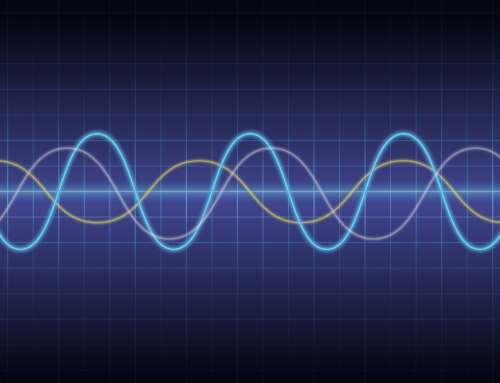
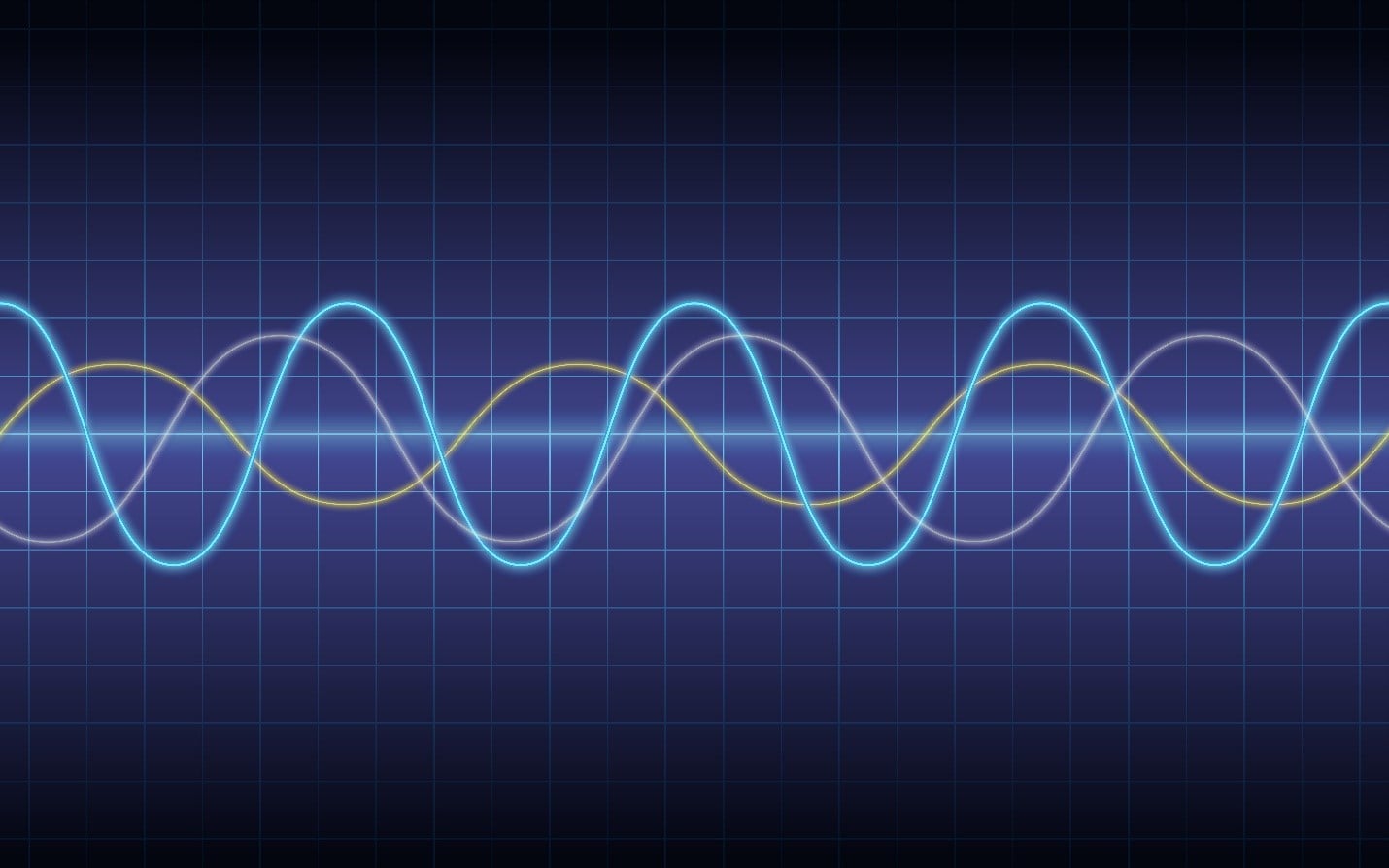
Harmonics are voltage or current waveforms with frequencies that are integer multiples of the fundamental frequency (e.g., 50 Hz or 60 Hz). For example, in a 50 Hz system, the second harmonic is 100 Hz, third is 150 Hz, and so on.
These waveforms are superimposed on the fundamental signal, causing distortion that can interfere with equipment operation and energy delivery.
Causes of Harmonics in Power Systems
Harmonics are primarily caused by non-linear loads, which draw current in abrupt pulses rather than smooth sine waves. These types of equipment introduce distortions into the power supply. Common sources include:
- Variable Frequency Drives (VFDs)
- Switch-Mode Power Supplies (SMPS)
- LED lighting systems
- Computer systems and servers
- UPS and inverter-based systems
The proliferation of such devices in both industrial and commercial environments makes harmonic generation a growing concern.
Types of Harmonics in Power Systems
Harmonics in power systems can be classified based on their frequency and symmetry:
- Positive Sequence Harmonics: Rotate in the same direction as the fundamental frequency. Typically odd-numbered (3rd, 5th, 7th…).
- Negative Sequence Harmonics: Rotate in the opposite direction and can cause mechanical stress in motors.
- Zero Sequence Harmonics: These harmonics (such as 3rd, 9th, etc.) can add up in the neutral conductor, causing neutral overheating in 3-phase systems.
Understanding the type of harmonics present helps in selecting the right mitigation strategy and improving overall system stability.
Effects of Harmonics in Power Systems
Unchecked harmonics can have far-reaching implications. Key effects of harmonics include:
- Equipment Overheating: Harmonics increase I²R losses in conductors and transformers, raising operating temperatures.
- Reduced Equipment Lifespan: Motors, transformers, and capacitors may suffer premature aging.
- Voltage Distortion: Leads to erratic behavior in control systems and sensitive devices.
- False Tripping of Protective Devices: Harmonics may interfere with relays and circuit breakers.
- Higher Energy Costs: Losses from harmonic distortion reduce overall energy efficiency.
- EMI (Electromagnetic Interference): Affects nearby electronics, sensors, and communication systems.
Why Is Harmonics Analysis Important?
Harmonics analysis is essential , particularly in environments that rely on sensitive equipment, power-sensitive devices, and energy efficiency. Here’s why:
- Preventing Equipment Damage: In devices like transformers, motors, and capacitors, the presence of harmonics can lead to excessive heating, damaging the equipment and shortening its lifespan. Power analyzers can identify harmonic levels and provide valuable insights into preventing such damage.
- Ensuring Power Quality: Poor power quality due to harmonics can lead to issues like voltage distortion, causing equipment malfunction or failure. This is particularly critical in industrial settings where processes depend on high-quality power supplies.
- Improving Energy Efficiency: Harmonics can lead to power losses in systems, as energy is not being efficiently transmitted. By identifying and mitigating harmonics, businesses can improve overall system efficiency and reduce wasted energy.
- Compliance with Standards: Regulatory standards such as EN61000-3-2 and EN61000-3-12 define limits for harmonic emissions in electrical systems. Power analyzers help ensure that your systems comply with these standards, avoiding potential fines and system shutdowns due to non-compliance.
- Minimizing Electromagnetic Interference (EMI): High harmonic levels also lead to electromagnetic interference (EMI), which can disrupt the operation of nearby sensitive equipment. Identifying harmonic distortion allows for the implementation of mitigation strategies, such as the use of filters or reactive power compensation.
How Vitrek Power Analyzers Transform Harmonics Analysis
1. Analyze Harmonics Up to 590 kHz
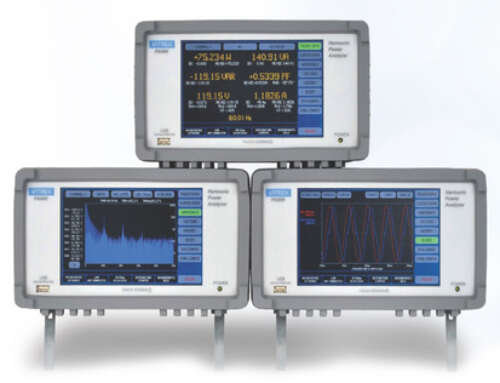
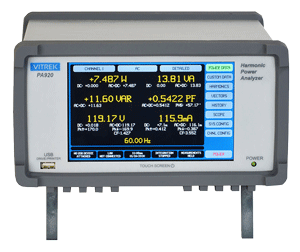
The Vitrek PA920 delivers ultra-high accuracy (0.024%) and measures harmonics up to 590 kHz. This is ideal for high-frequency environments like inverters and EVs.
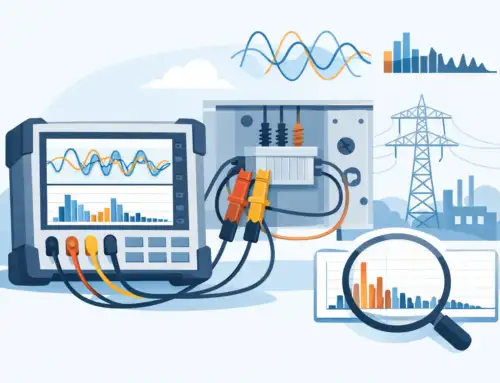
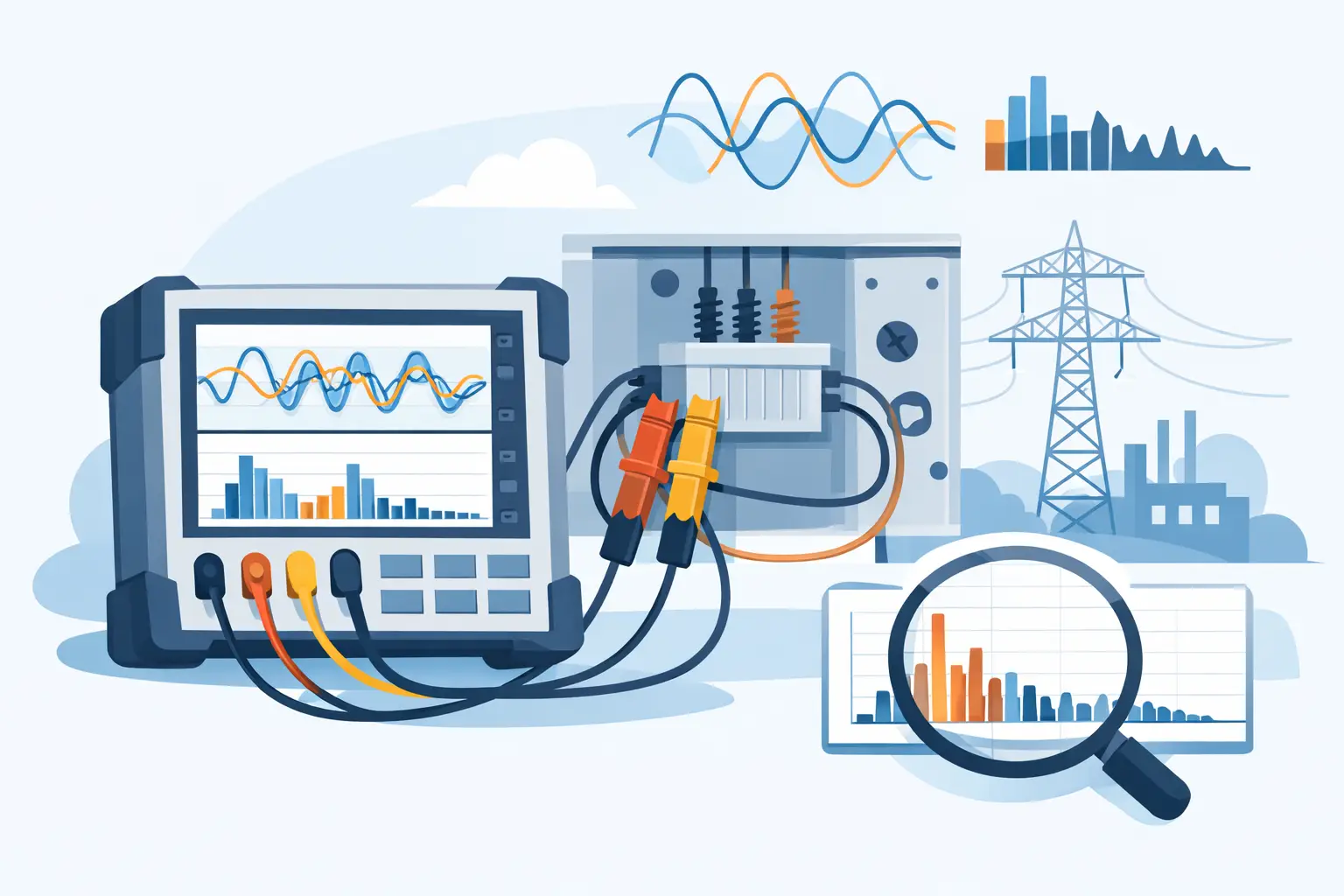
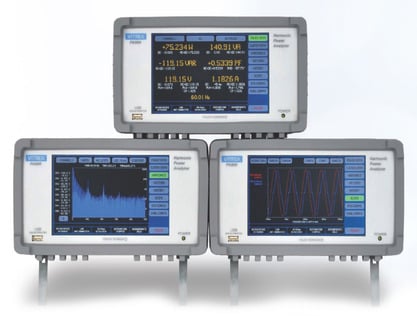
2. Real-Time Visualization with Bar Charts & Vectors
Use the Harmonics Screen to view amplitude and phase data for up to 500 harmonic orders. Chart types include:
- Linear
- Logarithmic
- Relative amplitude

3. Multi-Channel Harmonic Monitoring
All models support Virtual Power Analyzers (VPAs), allowing simultaneous multi-phase monitoring critical for solar plants, motor drives, and 3Ⅰ/4Ⅰ systems.
4. Built-in Compliance Testing
Quickly assess compliance with:
- EN61000-3-2/-12
- EN50564
- EN60034-2-1
- RTCA DO-160
Results are displayed onscreen without PC software, making site validation efficient and audit-ready.

5. Advanced Spectrum Analysis
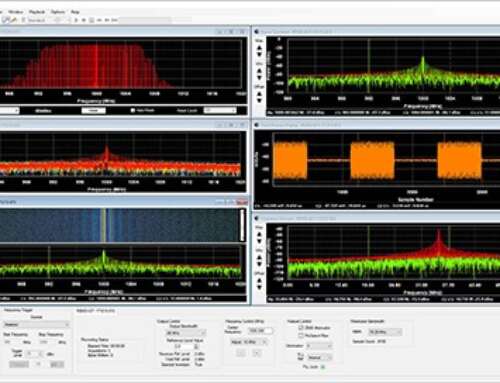
The Spectrum Screen in PA910/920 and XT2640 identifies harmonic sources across the full frequency domain and pinpoint problematic frequencies with precision.
6. Long-Term Data Logging
Use the History Screen to record harmonic trends up to 397 days. Store data via USB for post-analysis, preventive maintenance, and audit documentation.

Mitigating Harmonics: Practical Solutions
Once harmonics have been identified and measured, the next step is to mitigate their effects. Vitrek power analyzers enable you to measure, verify, and validate each mitigation step.
Here are some common approaches:
- Harmonic Filters: These devices reduce harmonic distortion by blocking specific harmonic frequencies. Power analyzers can identify which harmonics need to be filtered and where to place the filters for maximum efficiency.
- Phase Balancing: Power analyzers can detect imbalanced loads in multi-phase systems. By balancing the load across the phases, you can reduce the creation of harmonics and improve system performance.
- Power Factor Correction: Poor power factor often accompanies high harmonic distortion. Power analyzers measure the power factor in real-time and help you make adjustments (such as installing power factor correction capacitors) to reduce the harmonic load.
- Upgrading Non-Linear Loads: Sometimes the best way to deal with harmonics is to replace or upgrade equipment. Non-linear loads such as VFDs and switch-mode power supplies can be replaced with models that produce less harmonic distortion.
The Importance of Harmonics Analysis for Electrical Power Systems
Harmonics analysis is critical for ensuring that electrical systems operate efficiently, safely, and in compliance with international standards. Vitrek Power analyzers provide the tools needed to detect and analyze harmonic distortion in real-time, ensuring your systems stay optimized and compliant.
By identifying harmonic distortion early, taking corrective actions, and implementing mitigation strategies, businesses can avoid costly equipment damage, improve energy efficiency, and maintain a high level of power quality throughout their systems. Whether you’re managing a small facility or a large industrial complex, harmonics analysis is an essential part of power quality management and with the right analyzer, it’s easier than ever to stay ahead of potential problems.