

Choosing a High Speed Data Acquisition System
Learn how to choose a high speed data acquisition system for precision testing, signal fidelity, throughput, timing, and compliant results.
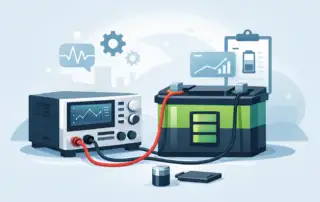
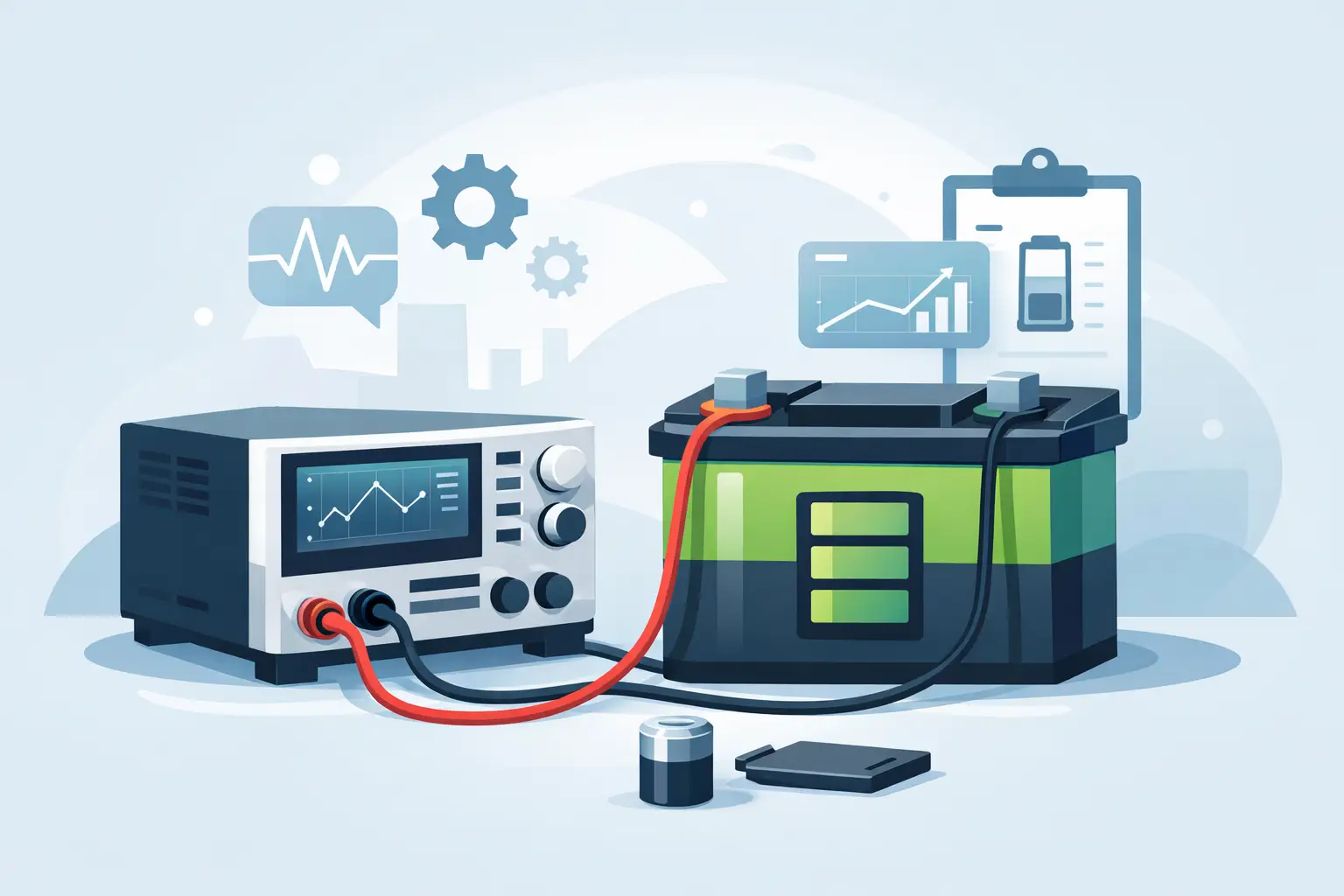
Choosing a DC Electronic Load for Battery Testing
Learn how to choose a dc electronic load for battery testing based on current range, modes, transient response, accuracy, safety, and data quality.

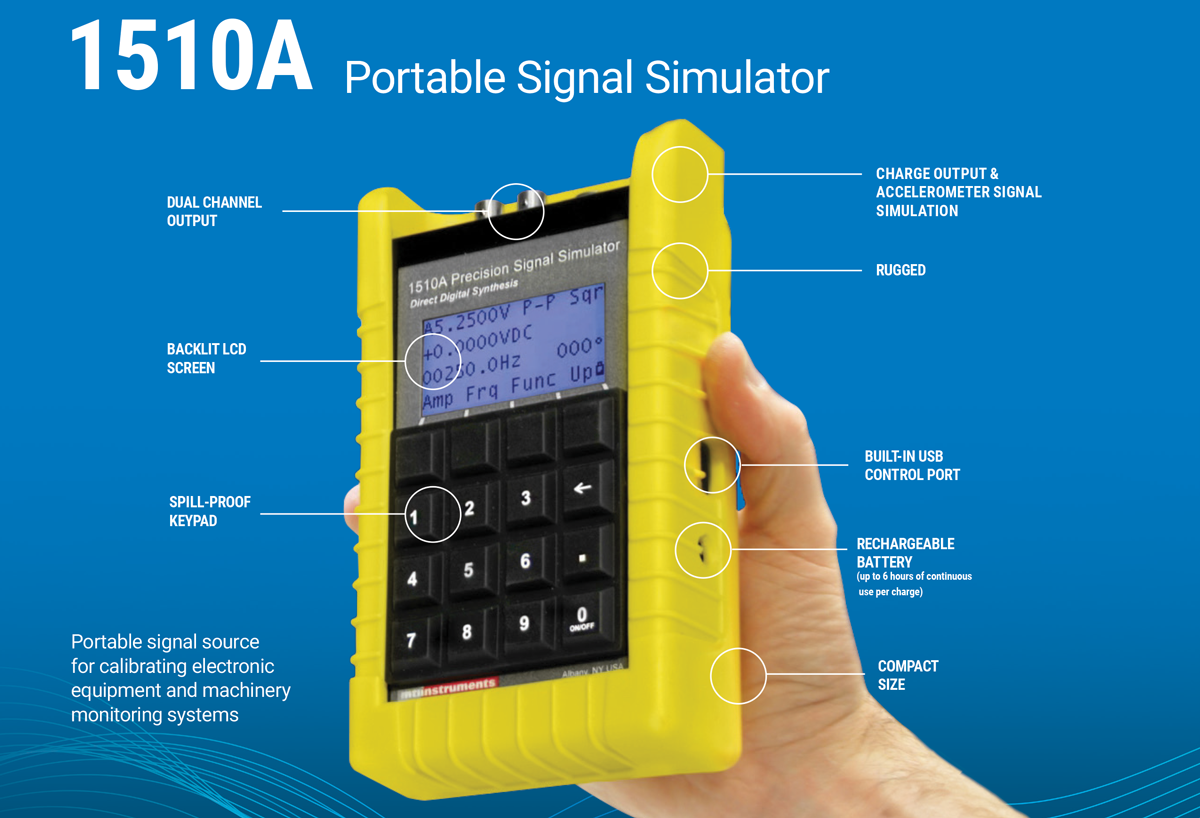
Why Battery-Powered Signal Generators Are Essential for Field Calibration?
Field calibration has always presented challenges, especially when dealing with AC-powered equipment. Ground loops caused by AC-powered bench supplies can introduce 60 Hz interference, compromising the accuracy of even the most advanced systems. In fact, something as invisible as a ground loop can cause a $50,000 turbine sensor system to fail calibration, leading to costly delays and unnecessary downtime. This issue becomes even more complicated when you're working in remote environments like aircraft hangars, offshore platforms, and power substations, where access to clean, stable power can be limited. AC-powered equipment not only introduces ground loop noise but also creates [...]
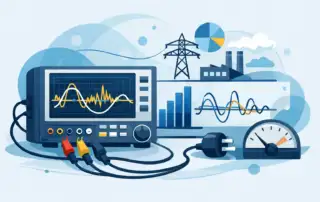
Harmonic Measurement Power Analyzer Basics
Learn how a harmonic measurement power analyzer improves power quality testing, compliance checks, and high-accuracy electrical validation.

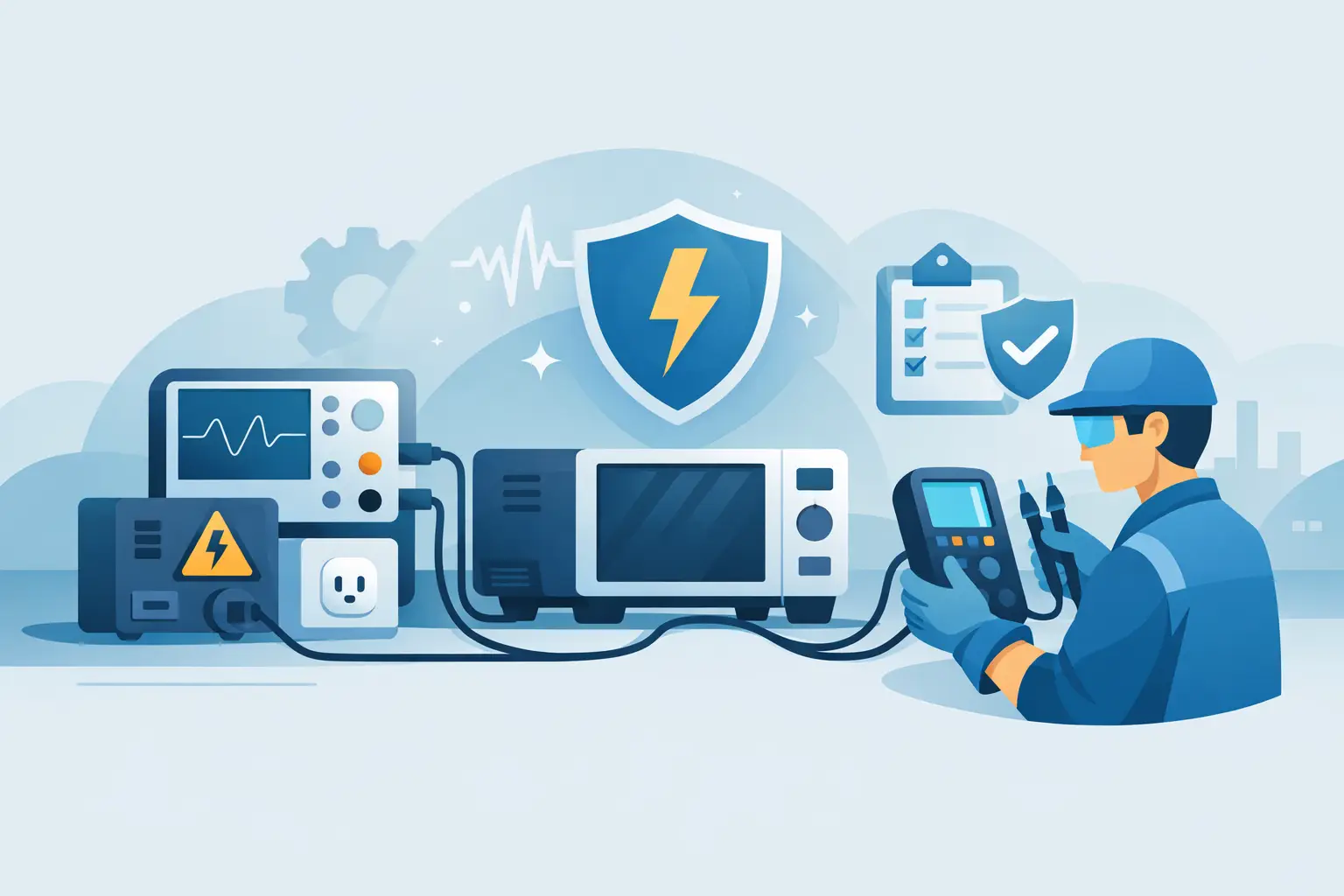
Electrical Safety Testing Standards Explained
Electrical safety testing standards define how products are verified for shock, insulation, and leakage risk across regulated test environments.
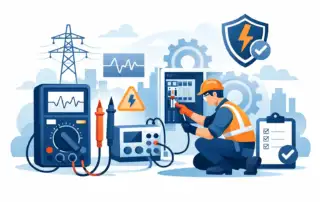
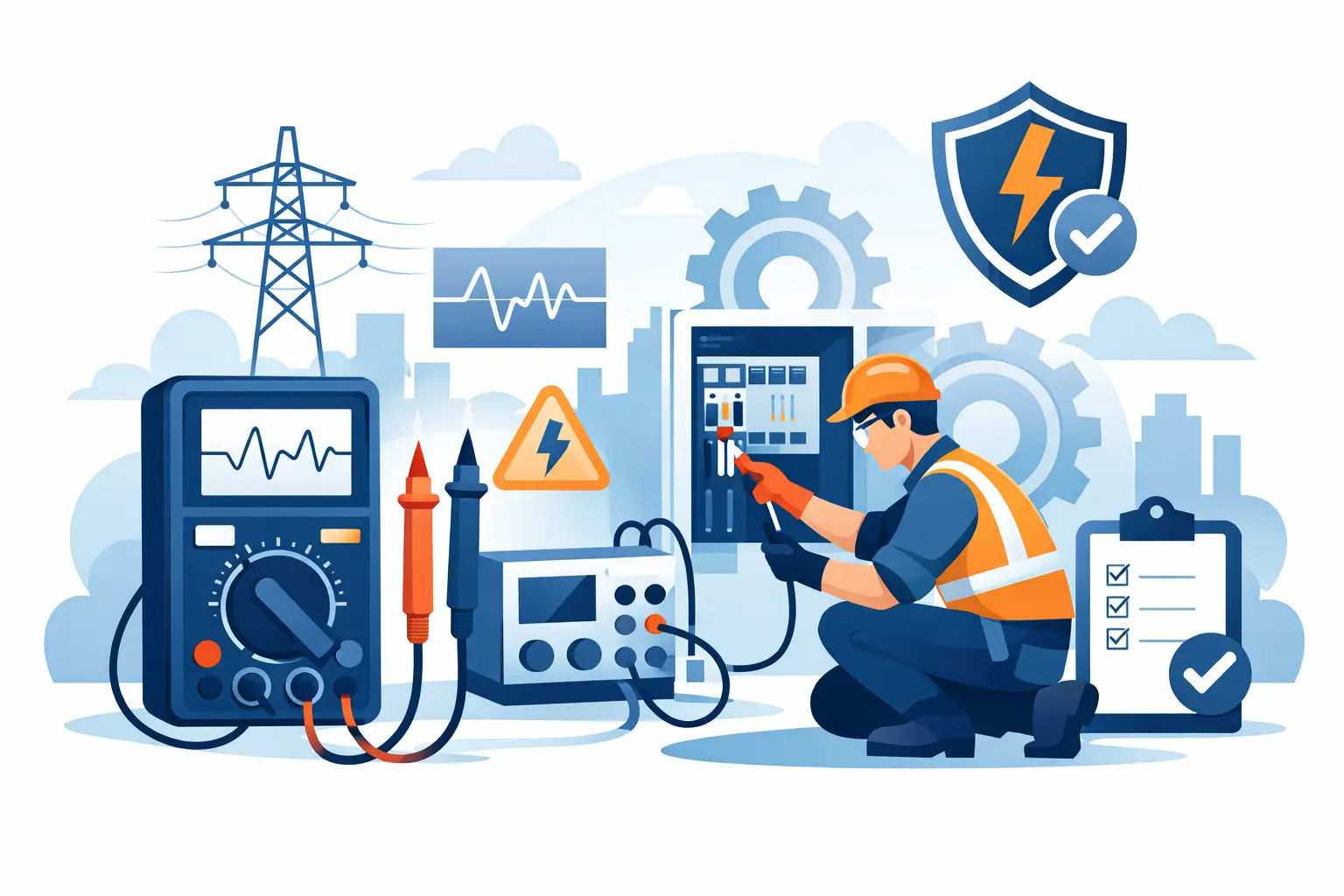
What Is Electrical Safety Compliance Testing?
Learn what electrical safety compliance testing is, which tests it includes, and how it supports product approval, quality control, and risk reduction.

Precision Power Analyzer for Inverter Testing
Learn how a precision power analyzer for inverter testing improves efficiency, harmonics, and compliance measurements in EV, motor drive, and R&D labs.
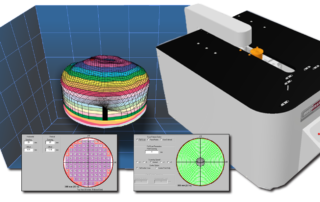
ADE/KLA Ultra Gage 9500 Replacement Guide: Issues and Opportunities For Companies Considering the Proforma 300iSA as a 9500 Replacement
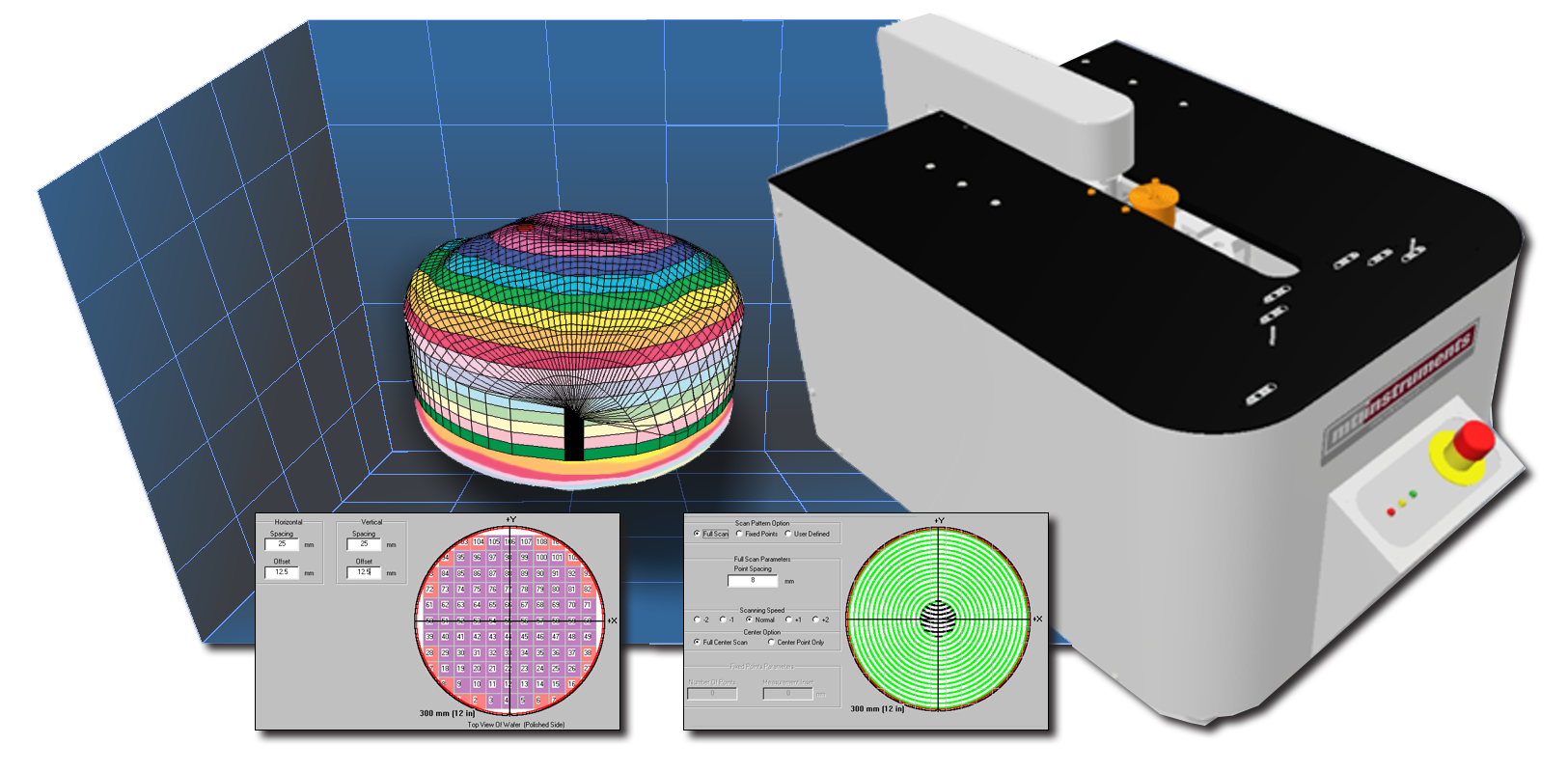
Technical Review: This guide is based on verified specifications from semiconductor equipment manufacturers, industry standards organizations (ASTM/SEMI), and equipment documentation. All technical claims are referenced to authoritative sources. If you're seeking information regarding the ADE UltraGage 9500, KLA UltraGage 9500, or KLA Tencor 9500, you've likely discovered that this wafer metrology system is no longer in production. As support continues to decline, semi facilities operating these systems face a critical challenge: determining the most suitable replacement solution. The MTI Instruments Proforma 300iSA represents a direct and modern alternative, offering not only a comparable replacement but also substantial improvements over [...]

The Role of Test Signal Generators in Equipment Calibration and Verification
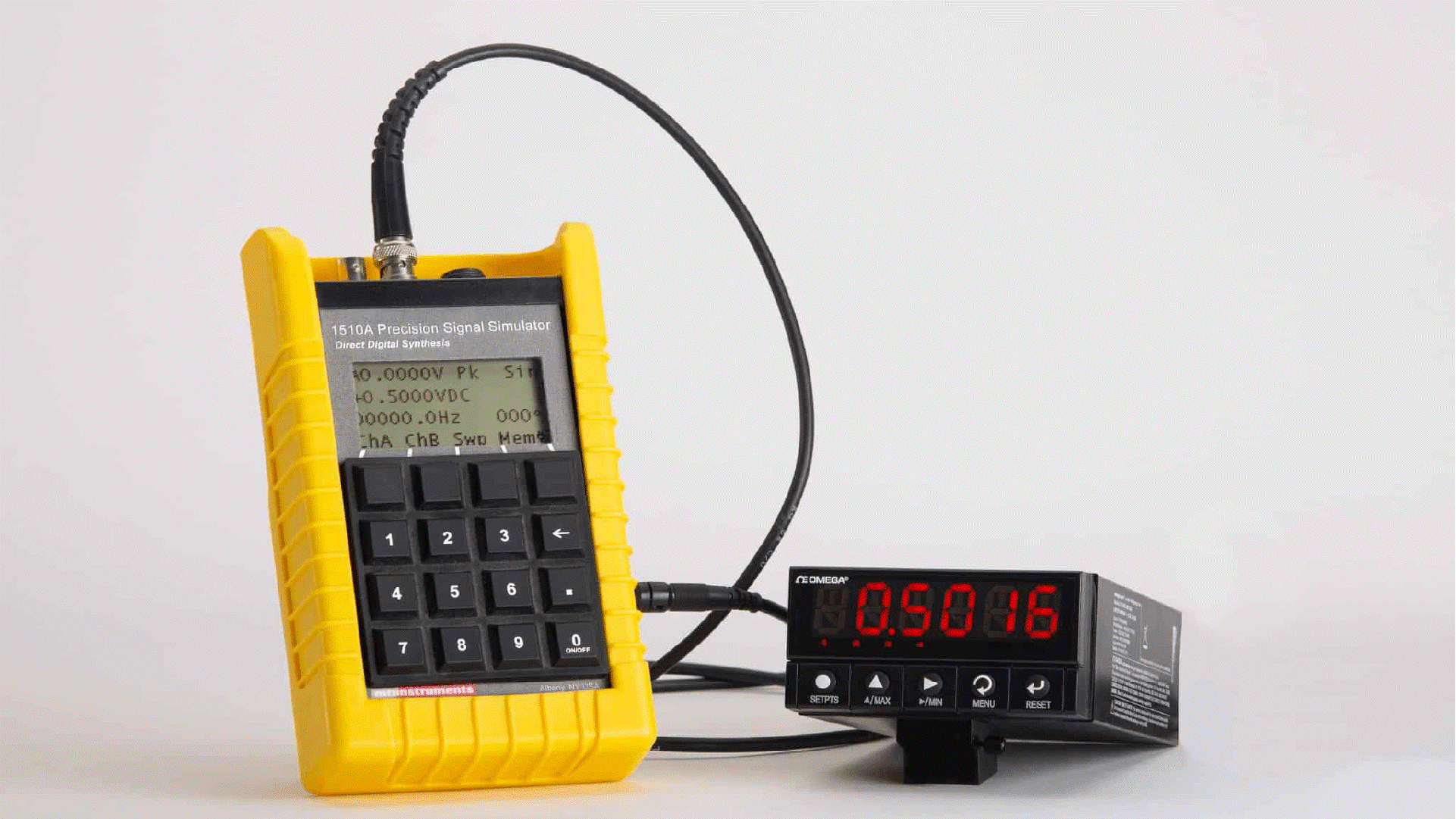
A miscalibrated measurement system can cause failed quality checks and significant downtime. Even the best electrical testers, sensors and analyzers are only as accurate as their calibration source. Despite this, many engineers overlook the signal generator in their calibration chain, and calibration without the right reference signal can lead to inaccurate readings, missed measurements, and costly errors no matter how precise the test equipment is. The challenge is distinguishing between stable, traceable test signal generators and generic function generators that lack the functionality for rigorous field calibration work. This guide explains how to select, implement, and verify signal generators [...]




Piezoelectric Signal Conditioning with MTI Charge Amplifiers: From Portable 55CA/41CA to Rack-Mount CA1800 Solutions
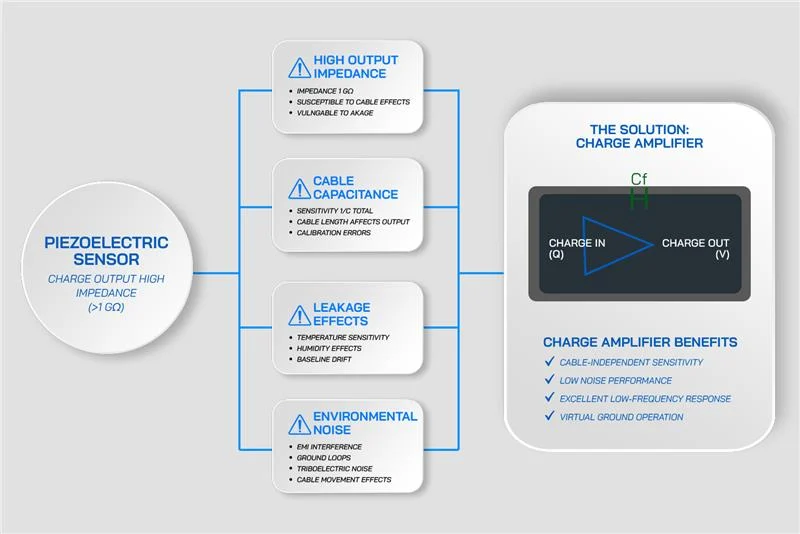
Piezoelectric sensors deliver critical data for turbine balancing, structural health monitoring, and vibration analysis, only when paired with proper signal conditioning. Extracting clean, phase-accurate signals in environments with electromagnetic interference, temperature shifts, and cable effects remains a persistent challenge. Signal conditioning bridges the gap between the sensor and the measurement system. MTI Instruments offers a comprehensive portfolio of charge amplifiers designed to address the challenges of piezoelectric signal conditioning challenges across diverse applications. From the portable 55CA and 41CA units engineered for field turbine balancing to the multi-channel CA1800 rack-mount system for laboratory testing, MTI's line-up provides scalable solutions for [...]