
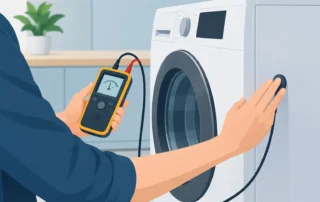
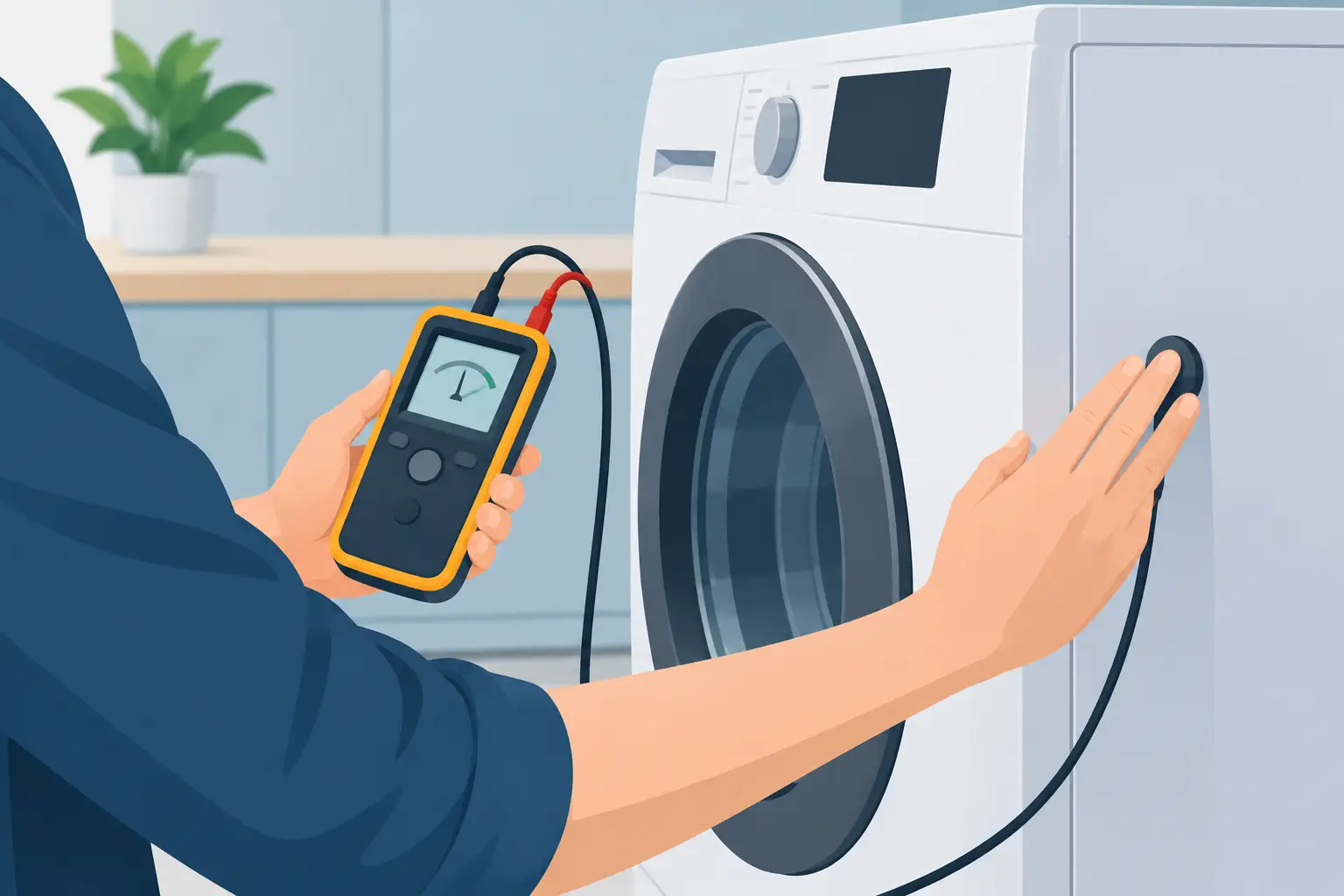
How to Test Appliance Touch Current Reliably
Learn how to test appliance touch current using the right network, operating conditions, and records for repeatable, standards-aligned test decisions.

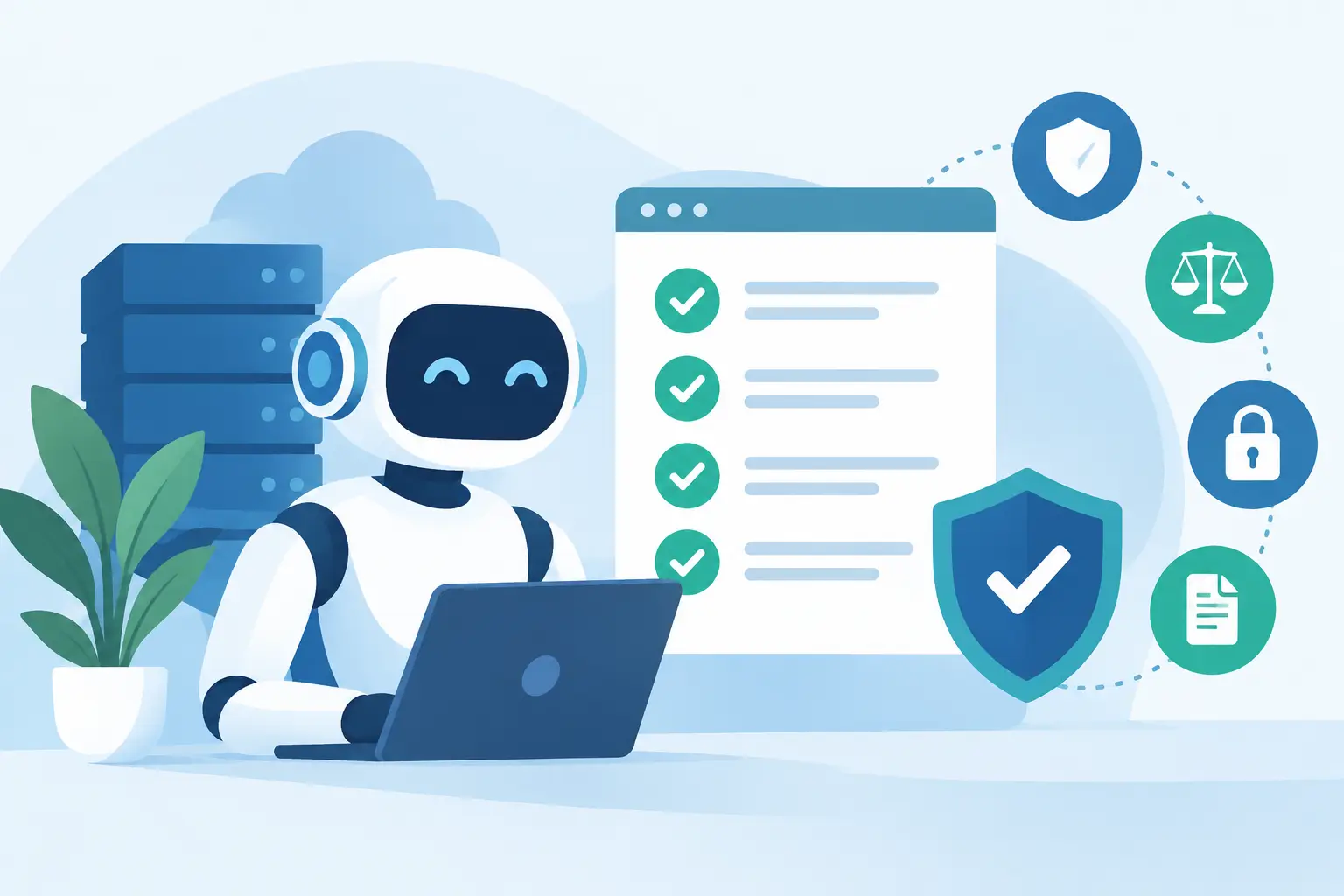
The Future of Automated Compliance Testing
The future of automated compliance testing depends on traceable data, controlled test methods, and instruments engineered for repeatable decisions daily.
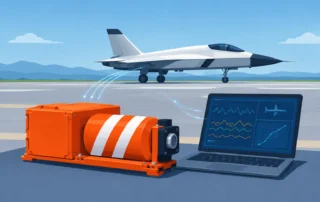
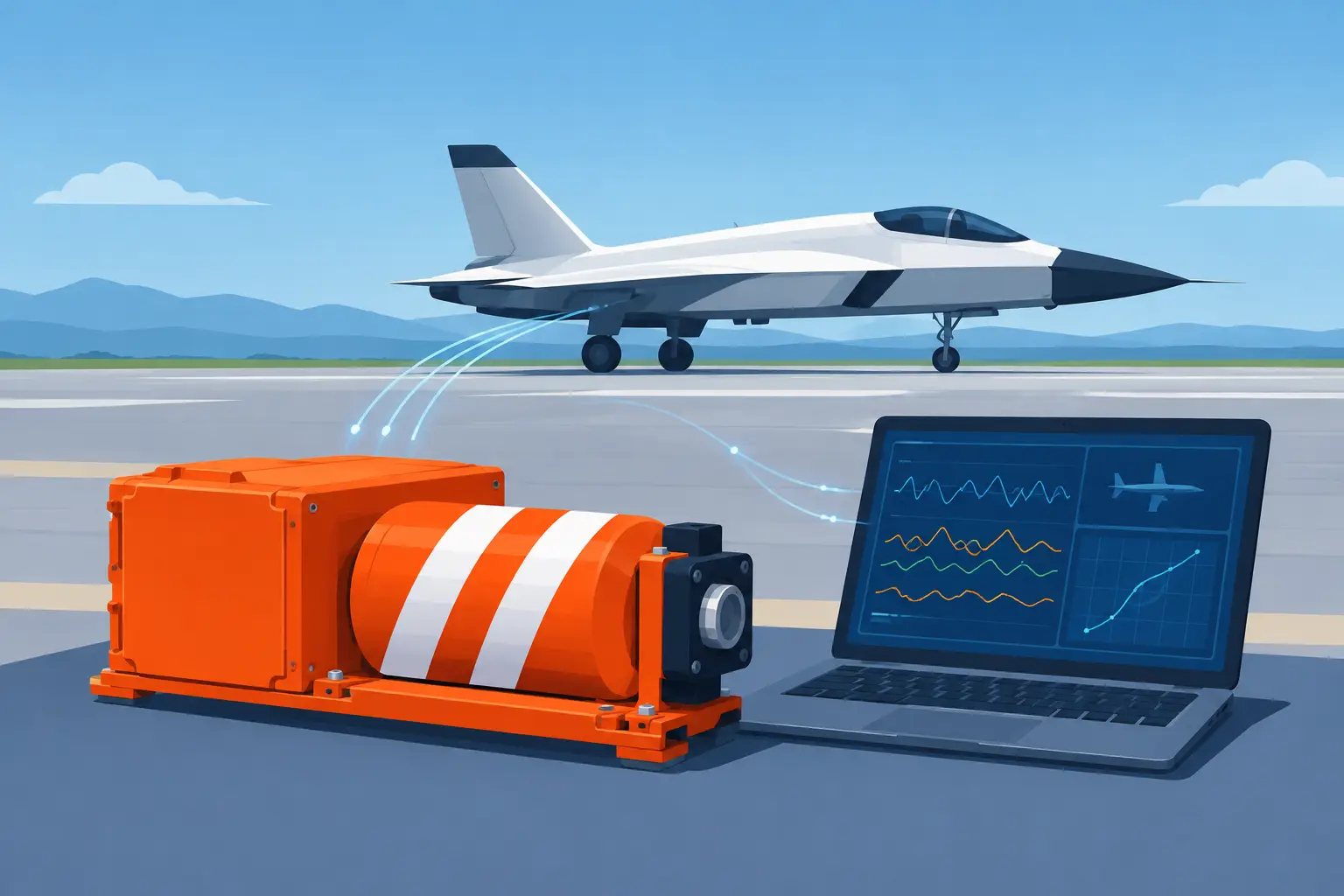
How Aerospace Data Recorders Support Flight Test
Aerospace data recorders preserve high-speed, time-aligned test signals for flight, ground, and propulsion programs while supporting defensible analysis.
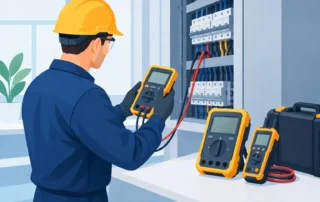
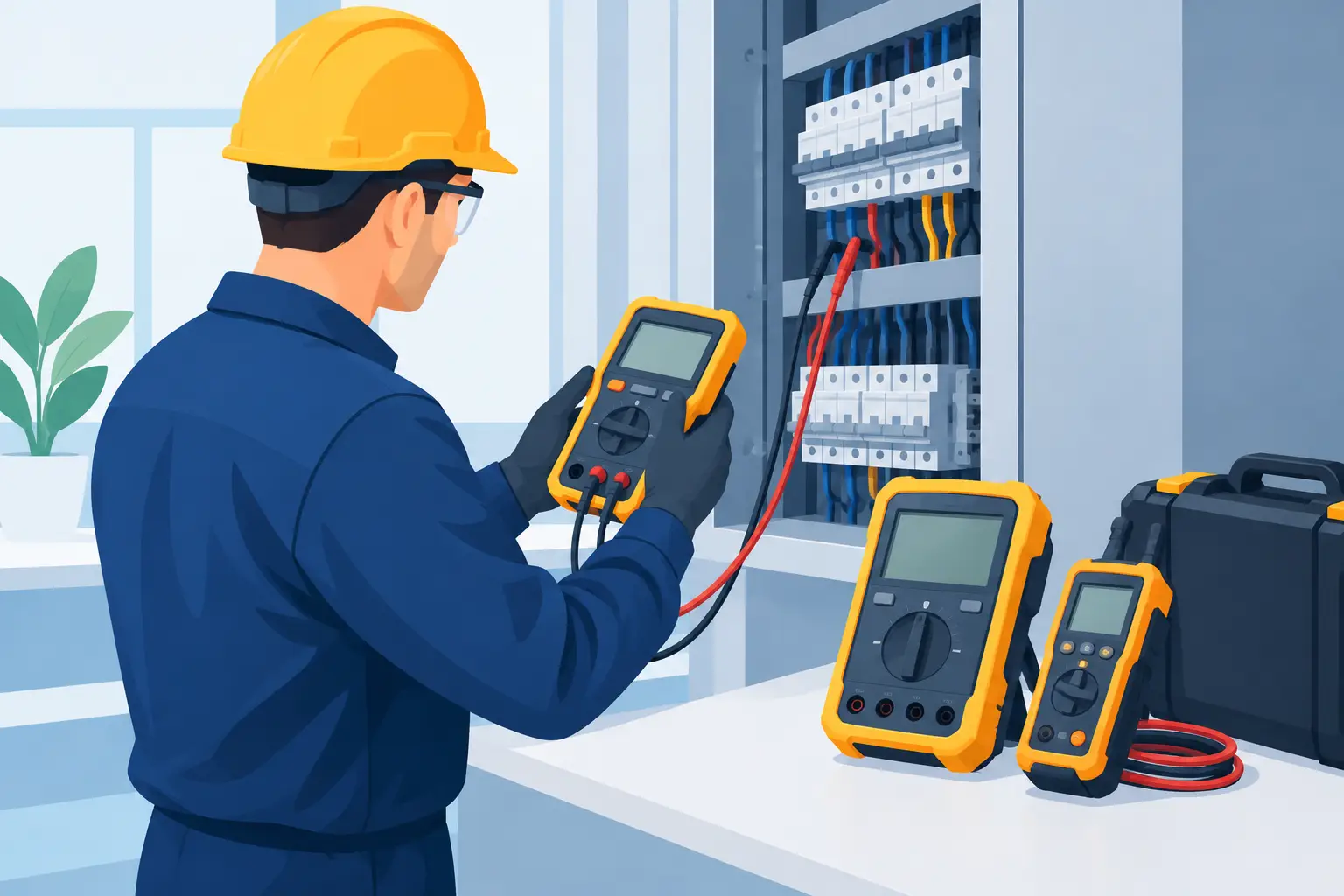
Best Insulation Testers for Maintenance Teams
Compare the best insulation testers for maintenance by voltage range, safety category, logging, and test workflow for dependable equipment decisions today.
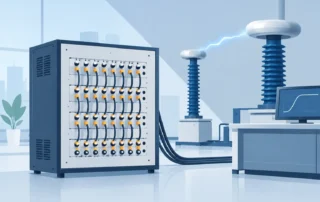
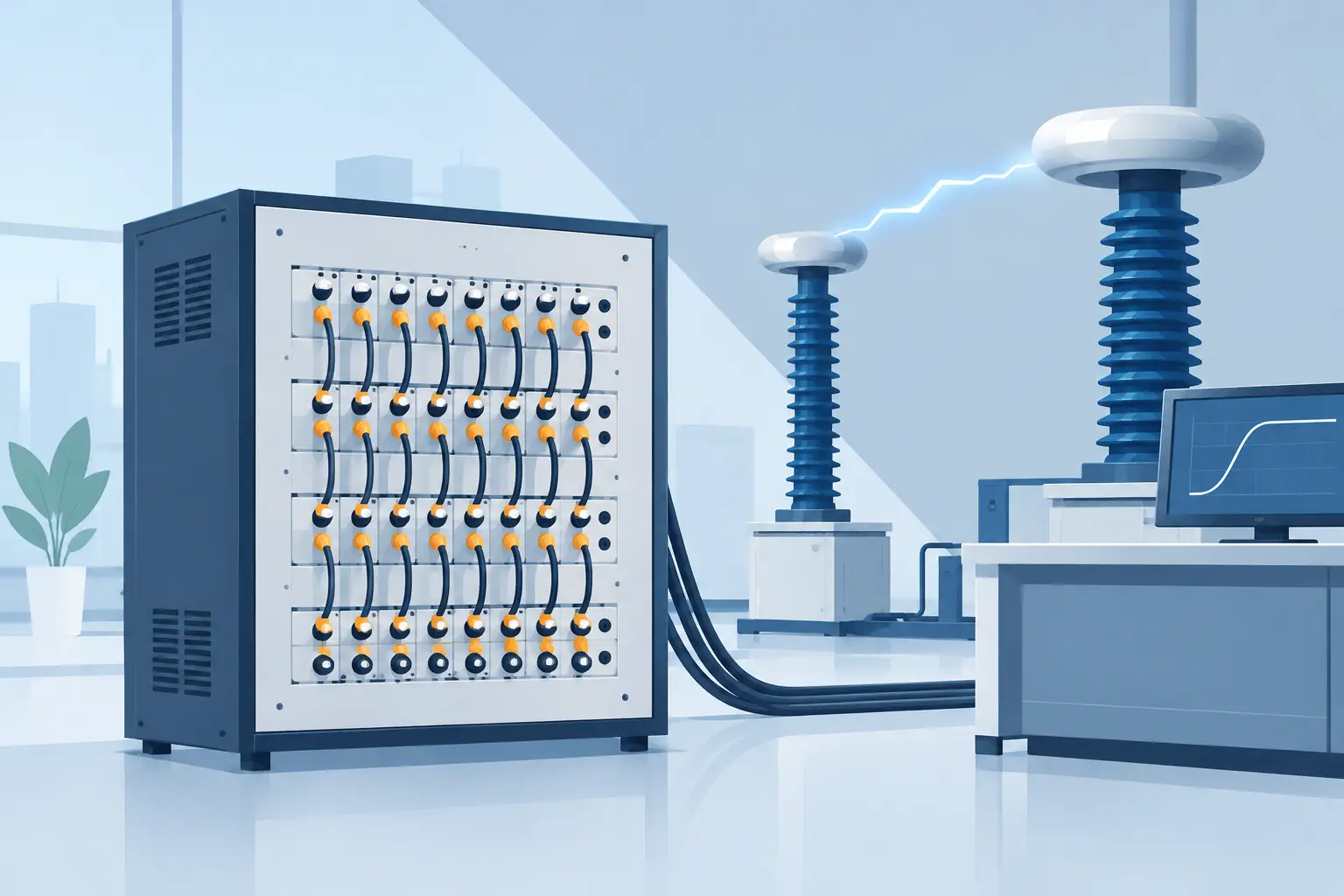
Switching Matrices for High-Voltage Test Systems
Switching matrices route measurement and test signals with controlled isolation, helping engineers improve throughput, safety, and traceable results daily.

Turbine Blade Vibration Causes and Measurement
Turbine blade vibration can signal resonance, damage, or imbalance. Learn how precise displacement measurements support reliable diagnostics and validation work.
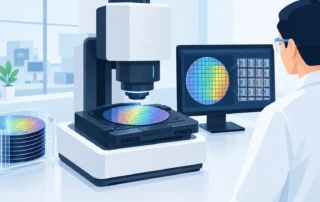
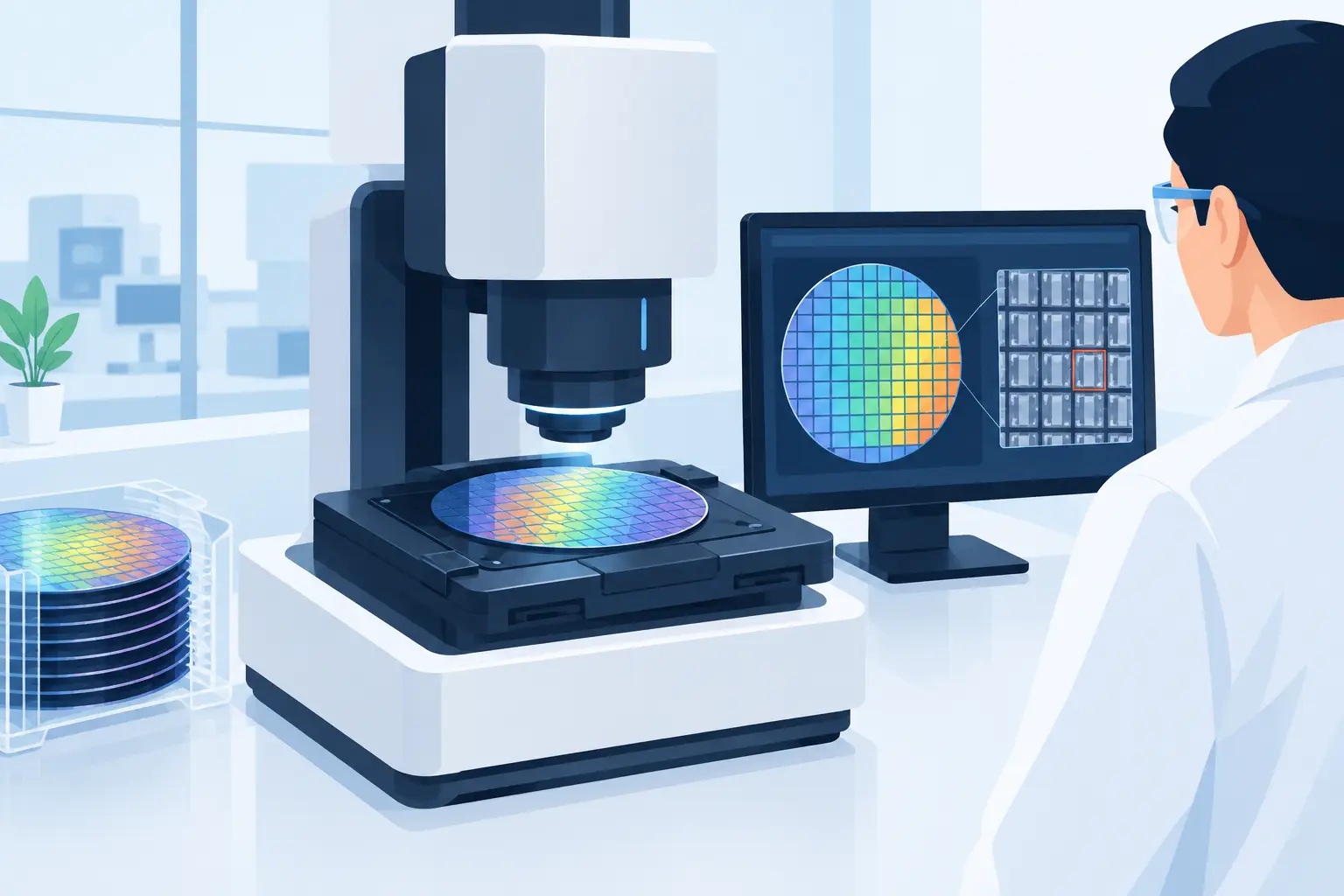
How to Select the Best Wafer Inspection Tools
Selecting the best wafer inspection tools requires matching sensitivity, throughput, wafer type, and data integration to each process control decision.
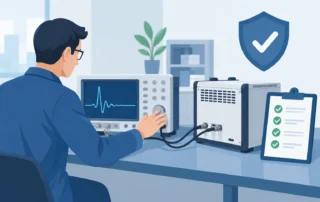
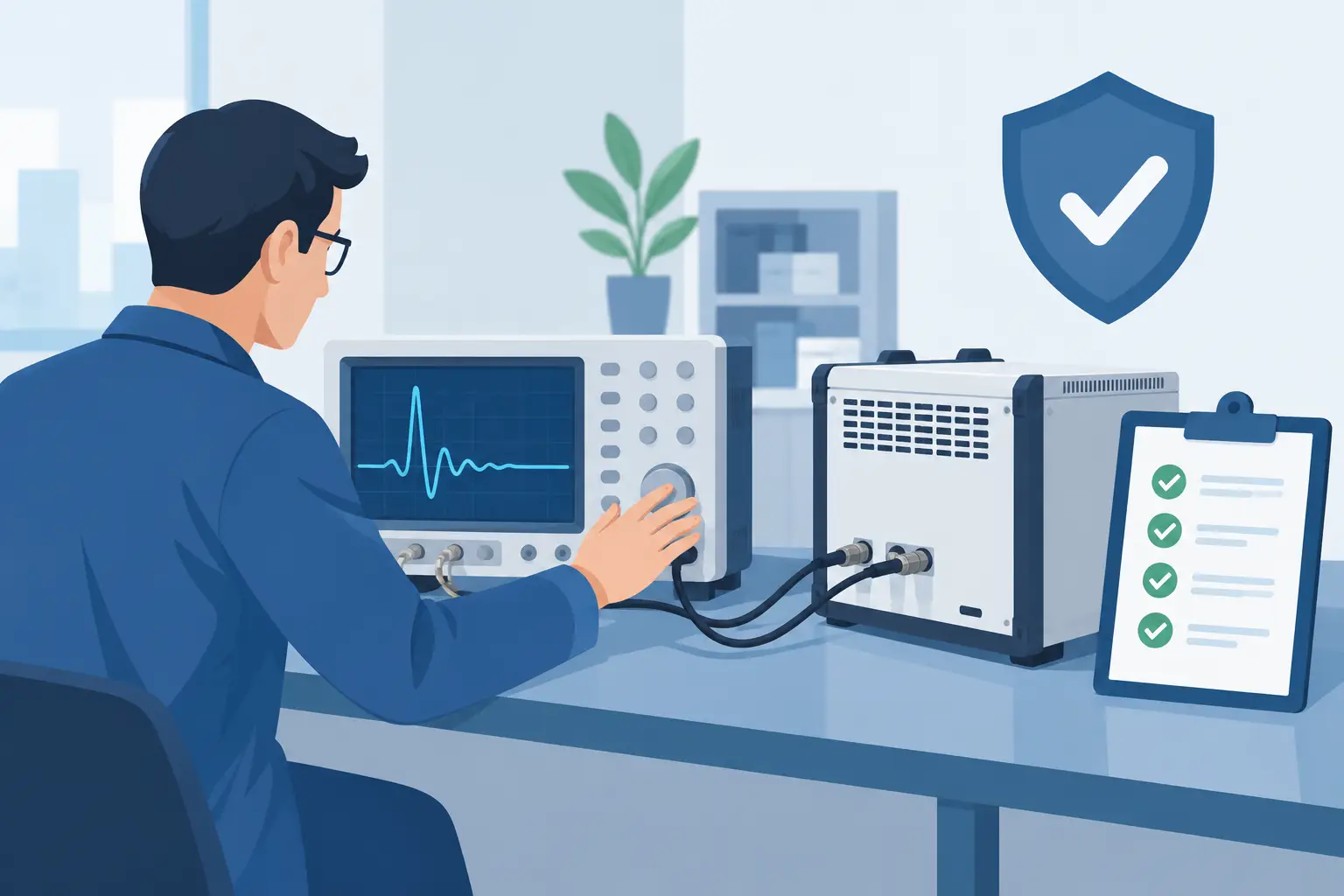
How to Validate Surge Testing Equipment Properly
Learn how to validate surge testing equipment with traceable measurements, waveform checks, safety controls, and documented performance verification data.
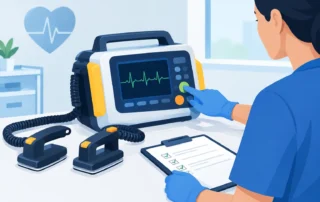
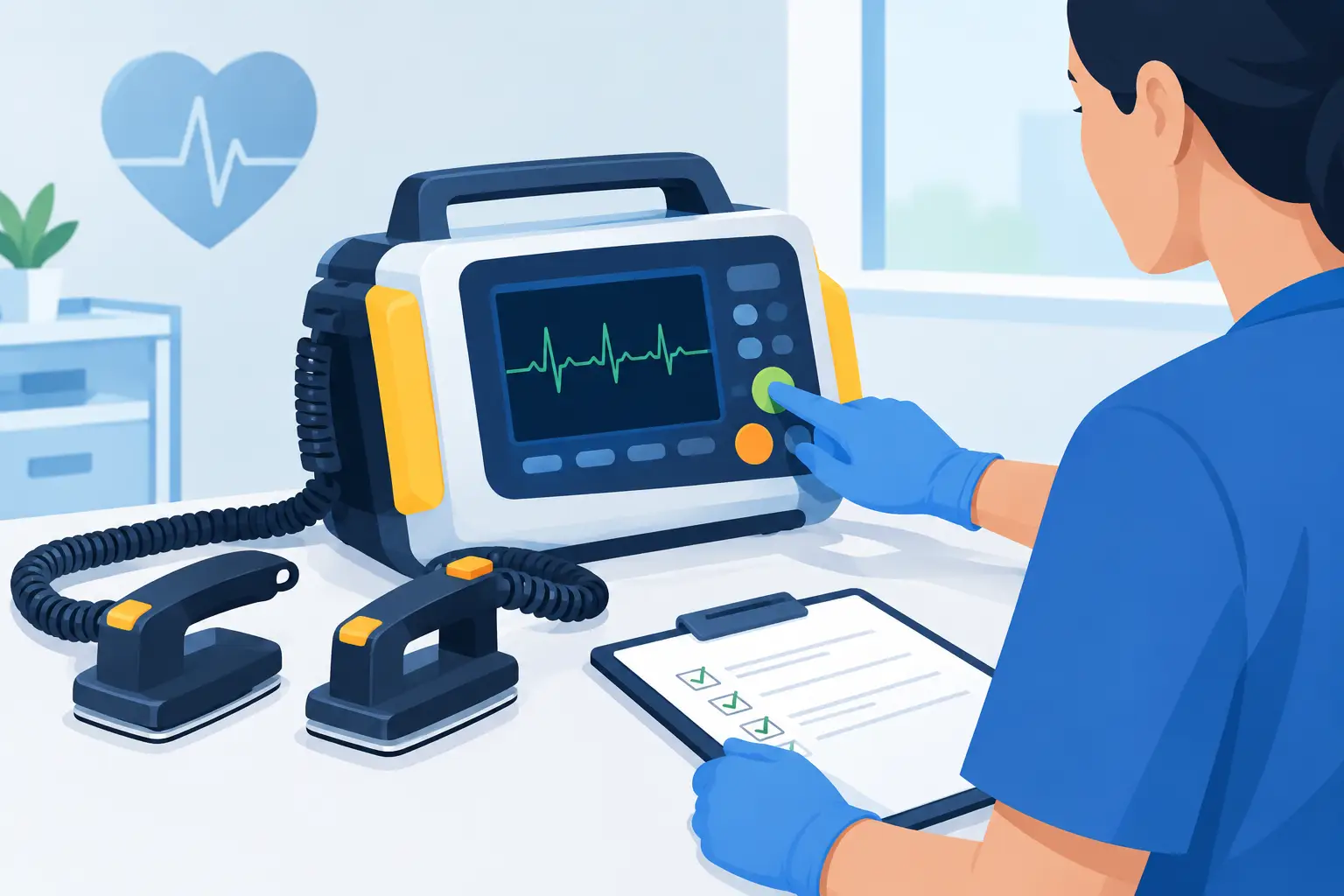
Medical Defibrillator Safety Test Requirements
Plan a medical defibrillator safety test with leakage, dielectric strength, energy delivery, waveform, records, and controlled high-voltage handling.
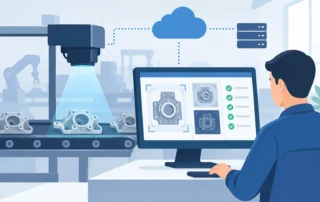

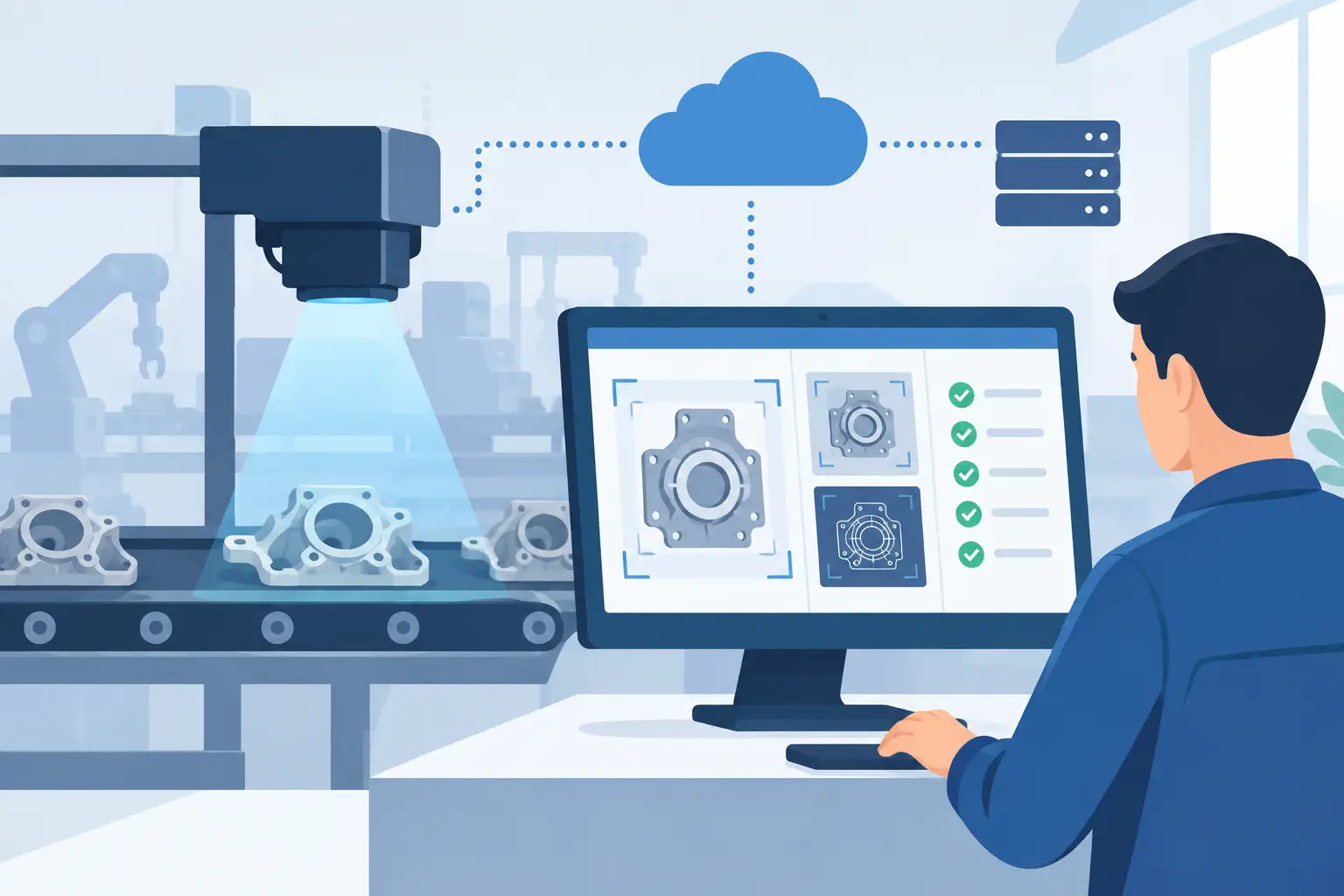
Industrial Digitizer Software for Reliable Capture
Industrial digitizer software turns fast waveforms into traceable test data, helping engineers configure acquisition, analyze events, and verify results.