

Difference Between Power Logger and Power Analyzer: Understanding the Key Differences for Accurate Electrical Measurements
When choosing the right tool for electrical measurement, it's essential to understand the distinction between a power logger and a power analyzer. While both devices are used to monitor electrical systems, their capabilities, applications, and depth of analysis vary significantly. Understanding these differences helps ensure you select the correct instrument, whether for basic energy monitoring or advanced diagnostics and compliance testing. What is a Power Logger? A power logger is a compact instrument designed for long-term monitoring of energy consumption. It typically records basic electrical parameters such as voltage, current, and power over extended periods, helping identify usage [...]
How Vibration Signal Generators Support Predictive Maintenance and Testing
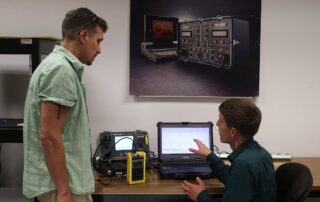
Predictive maintenance is transforming how organizations approach machinery care. Moving from reactive repairs to condition-based monitoring, predictive maintenance relies on real-time data to predict equipment failures before they occur. One of the most valuable methods in predictive maintenance is vibration analysis, which detects early signs of faults like imbalance, misalignment, or bearing wear. However, how can engineers be sure that the monitoring system responsible for capturing and processing vibration data works correctly before real-world faults are detected? That’s where vibration signal generators come into play. These devices simulate the output from vibration sensors (like accelerometers), allowing engineers to [...]
Accelerometer Calibration: Best Practices for Field and Lab Accuracy
Accelerometers play a crucial role in measuring vibration for aircraft engines, industrial machinery, and structural health monitoring. But like any precision instrument, their readings can drift over time, affecting data accuracy. That’s where accelerometer calibration becomes essential. Whether you're verifying sensors in a lab or testing data acquisition systems in the field, following a structured calibration approach ensures your vibration measurements remain accurate, traceable, and compliant with industry standards. What Is Accelerometer Calibration? Accelerometer calibration is the process of comparing the sensor’s output against a known reference standard to determine if it’s producing accurate results. If there’s a deviation, [...]


Accelerometer Signal Simulators vs. Calibrators: What to Use and When
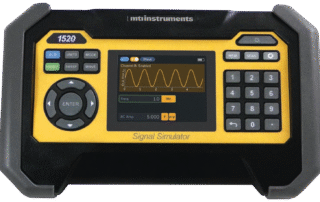
In high-reliability industries like aerospace, defense, and industrial diagnostics, precise vibration measurements are essential. But verifying and maintaining that accuracy depends on using the right tool and that’s where accelerometer calibrators and simulators come into play. While they’re often mentioned together, calibrators and simulators serve different purposes. Misunderstanding the distinction can lead to incorrect testing methods, wasted time, or even compromised data quality. This blog will help you understand the difference between accelerometer simulators and calibrators, compare key specifications, and identify the best use case for each. Calibrator vs. Simulator: Understanding the Tools Let’s start with a quick [...]
 Press Release: Vitrek Adds New 16-Bit Resolution, 4 Channel A/D Card To GaGe Product Line Gallery
Press Release: Vitrek Adds New 16-Bit Resolution, 4 Channel A/D Card To GaGe Product Line
Brand-GaGe, Electrical Safety Testing Blog, New & Press Releases, News-GaGe, News-Product Updates, Press Releases-Vitrek

Press Release: Vitrek Adds New 16-Bit Resolution, 4 Channel A/D Card To GaGe Product Line
Vitrek, LLC Expands Industry-Leading MTI PBS line to include the PBS eXpress™, a Portable Engine Balancing System for Business and Regional Jets Lightweight, portable system utilizes proven PBS technology for fast, highly accurate rebalancing of small-frame turbofan and turboprop engines
 Press Release: Vitrek, LLC Expands Industry-Leading MTI PBS line to include the PBS eXpress™, a Portable Engine Balancing System for Business and Regional Jets Gallery
Press Release: Vitrek, LLC Expands Industry-Leading MTI PBS line to include the PBS eXpress™, a Portable Engine Balancing System for Business and Regional Jets
Industry-Aerospace, Industry-Government/Military, MTI Blog, New & Press Releases, News-All Brands, News-MTI-PBS, Press Releases-Vitrek, Uncategorized

Press Release: Vitrek, LLC Expands Industry-Leading MTI PBS line to include the PBS eXpress™, a Portable Engine Balancing System for Business and Regional Jets
Vitrek, LLC Expands Industry-Leading MTI PBS line to include the PBS eXpress™, a Portable Engine Balancing System for Business and Regional Jets Lightweight, portable system utilizes proven PBS technology for fast, highly accurate rebalancing of small-frame turbofan and turboprop engines
 Check out the New MTI PBS Express Video for Small Frame Engine Vibration & Balancing Analysis! Gallery
Check out the New MTI PBS Express Video for Small Frame Engine Vibration & Balancing Analysis!
Brand-MTI, Industry-Aerospace, Industry-Government/Military, Industry: Transportation, Knowledge Center-MTI, MTI Blog, News-Industry, News-MTI-PBS, Vidoes-MTI-PBS

High-Speed Digitizer Advantages
High-Speed Digitizer Advantages GaGe is a worldwide industry leader in high speed data acquisition solutions featuring a portfolio of the highest performance digitizers, PC oscilloscope and spectrum analayzer software, powerful SDKs for custom application development, and turnkey integrated PC-based measurement systems. Some of the primary advantages of selecting GaGe digitizers for your application include: Digitizer Effective Number of Bits (ENOB) Performance GaGe high-performance digitizers are renowned for sustaining the maximum effective number of bits (ENOB) over a wide signal frequency range with quality signal conditioning and signal fidelity features. Most engineers and scientists focus on sample rate and [...]
Unlock RF Spectrum Secrets with the GaGe CSE1622 Digitizer
Summary: High-speed spectrum sensing is essential in many radar applications and can be achieved by modern digitizers paired with radios. The GaGe CSE1622, a gallium-germanium 16-bit, 200-MS/s PCIe digitizer, is utilized for this purpose. It rapidly captures 40-MHz-wide snapshots of the spectrum, which are filtered and down-converted by the SI-8614 Nanoceptor receiver. The data is then processed using LabVIEW virtual instruments (VIs), optimized for near-continuous capture rates and efficient real-time monitoring. For optimal performance, a LabVIEW producer-consumer loop is employed. The producer loop quickly queues data captured from the digitizer; however, the consumer loop processes it slower using [...]
Precision Methane Isotope Analysis with Gage Digitizer Technology
Summary: Methane measurements have reached new levels of precision with the development of a spectrometer capable of decoding the intricacies of infrared light. At the heart of this advancement is a GaGe digitizer, a critical component enabling rapid switching between two specific wavelengths. This innovative approach effectively reduces noise interference stemming from temperature and frequency fluctuations, a common challenge in such measurements. Researchers have achieved remarkable accuracy in determining methane isotope ratios by harnessing the power of optically switched dual-wavelength cavity ring-down spectroscopy (OSDW-CRDS). This breakthrough opens doors to a deeper understanding of methane's role in climate change, [...]