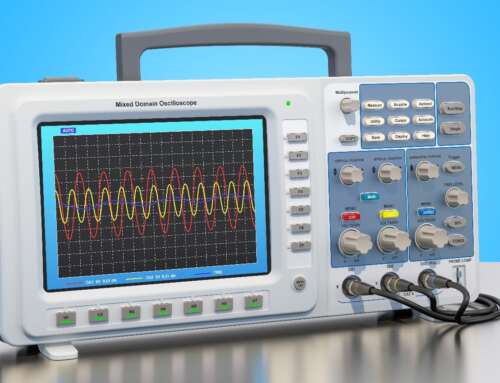
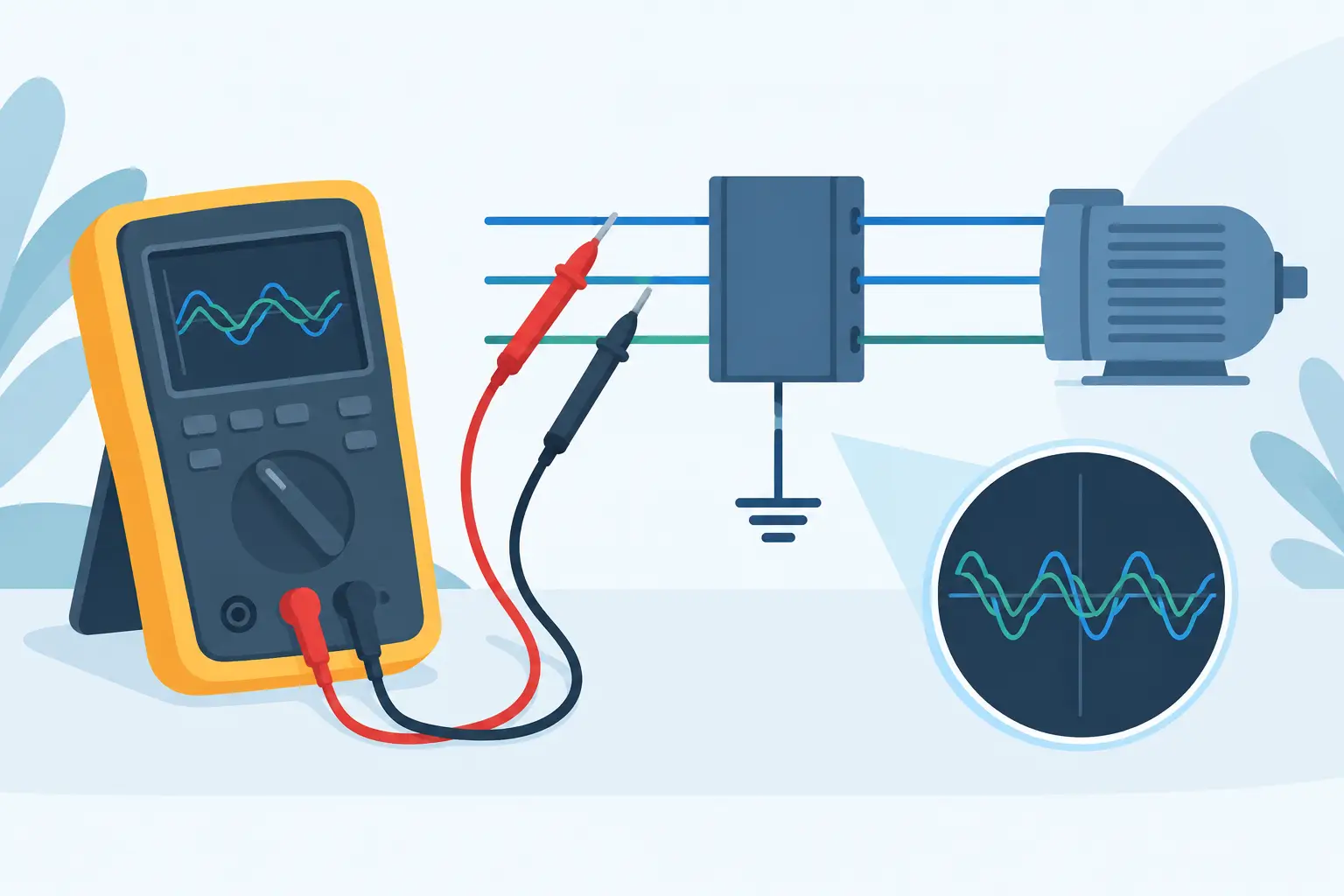
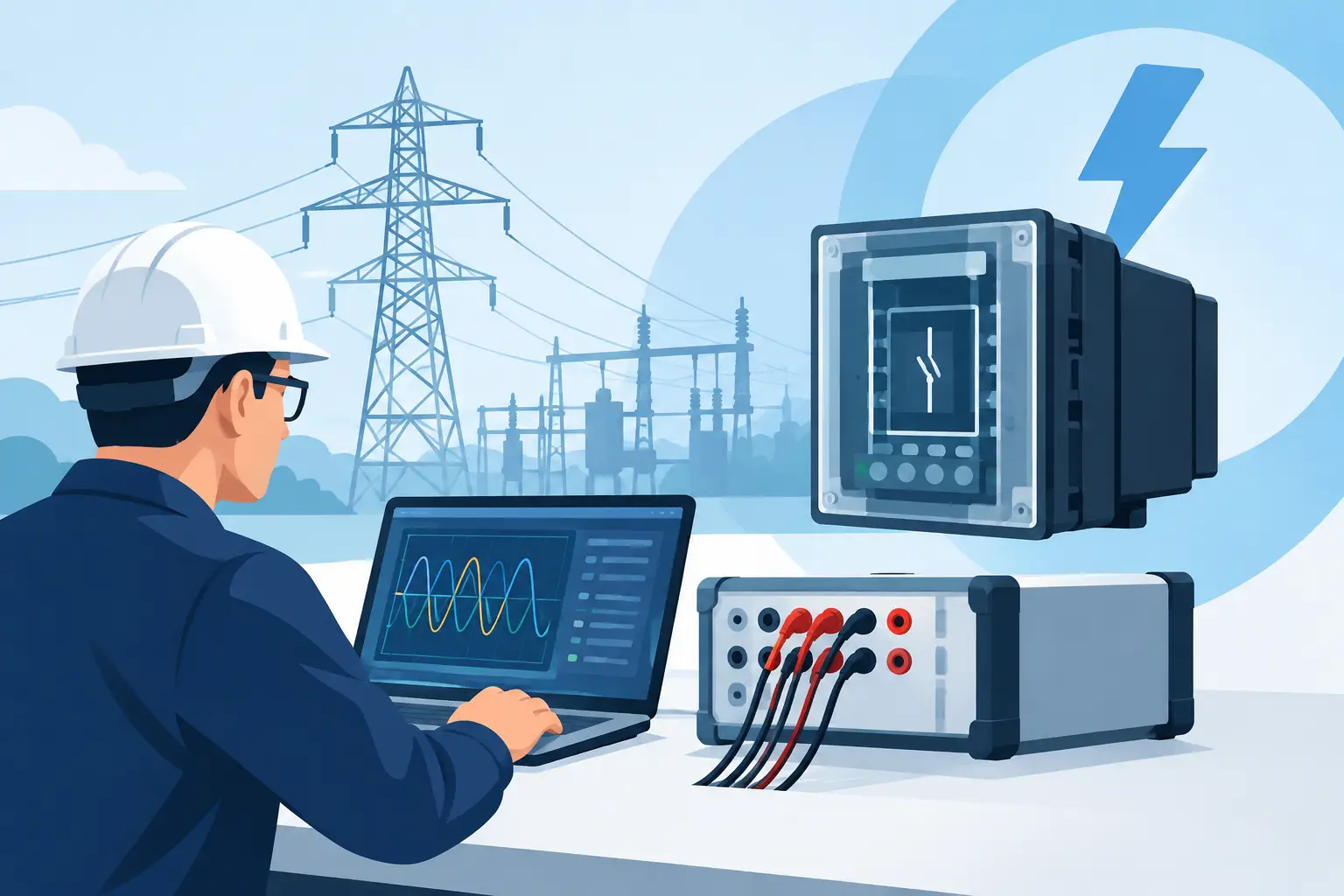
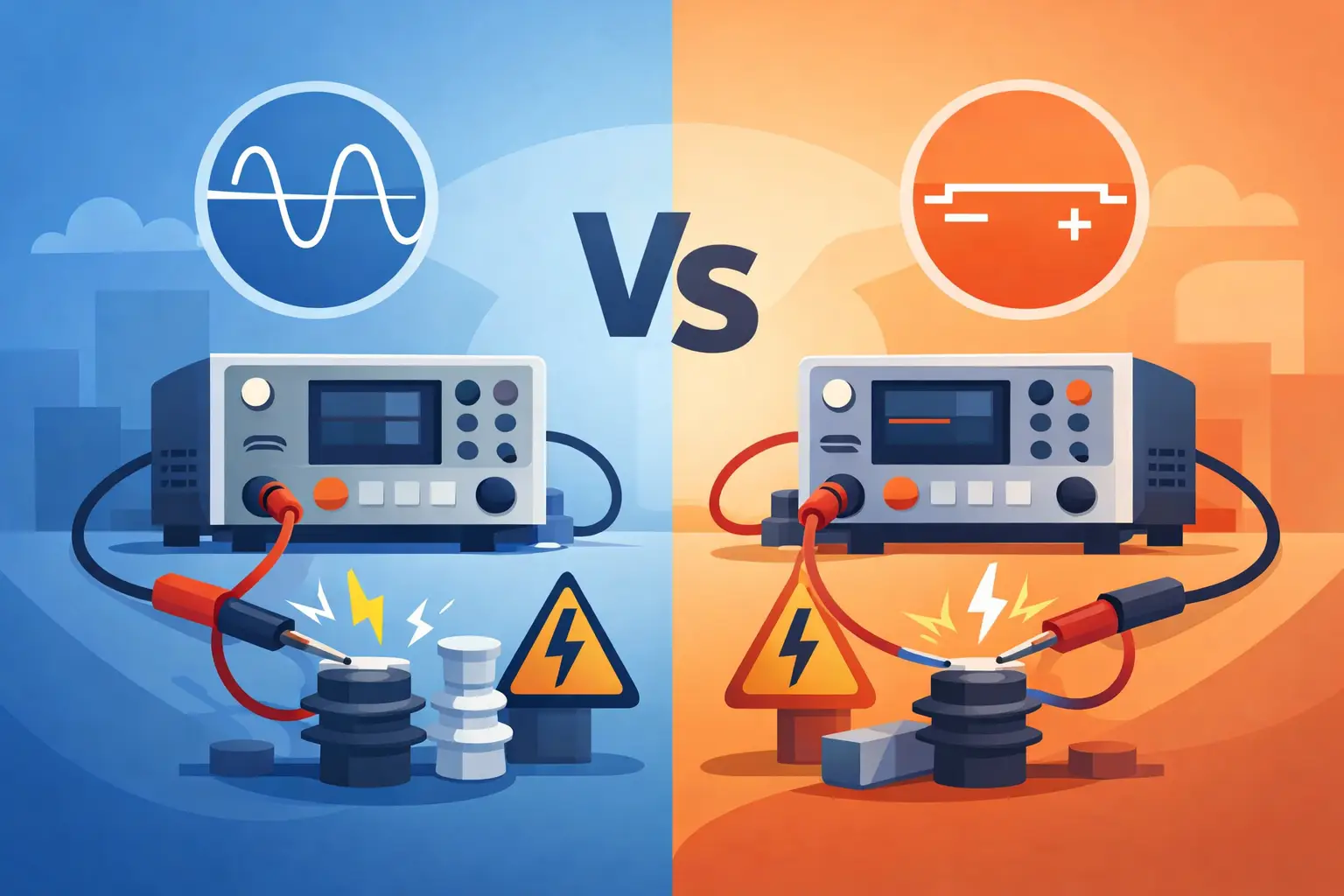
Inrush current is one of the most critical challenges encountered when powering on electrical equipment such as motors, transformers, or power supplies. These sudden surges can lead to significant damage, including blown fuses, tripped breakers, or overheating if not properly managed. Traditional tools like clamp meters or RMS-only analyzers are often insufficient for capturing these brief but intense surges. To mitigate the risks associated with inrush current and ensure the long-term reliability of equipment, accurate inrush current measurement is essential.
Understanding how to measure inrush current is crucial for electrical engineers and system integrators tasked with safeguarding operational efficiency. This post explains what is inrush current, why measuring inrush current accurately matters, and how to perform precise inrush current testing with Vitrek power analyzers.

What Is Inrush Current and Why Does It Matter?
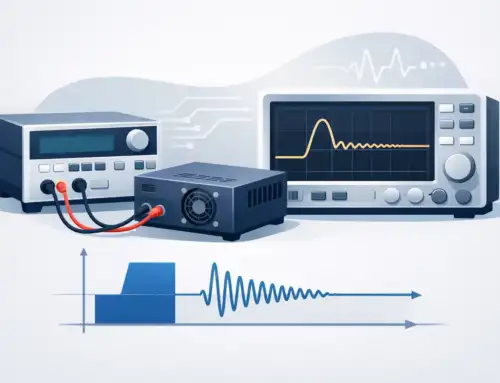
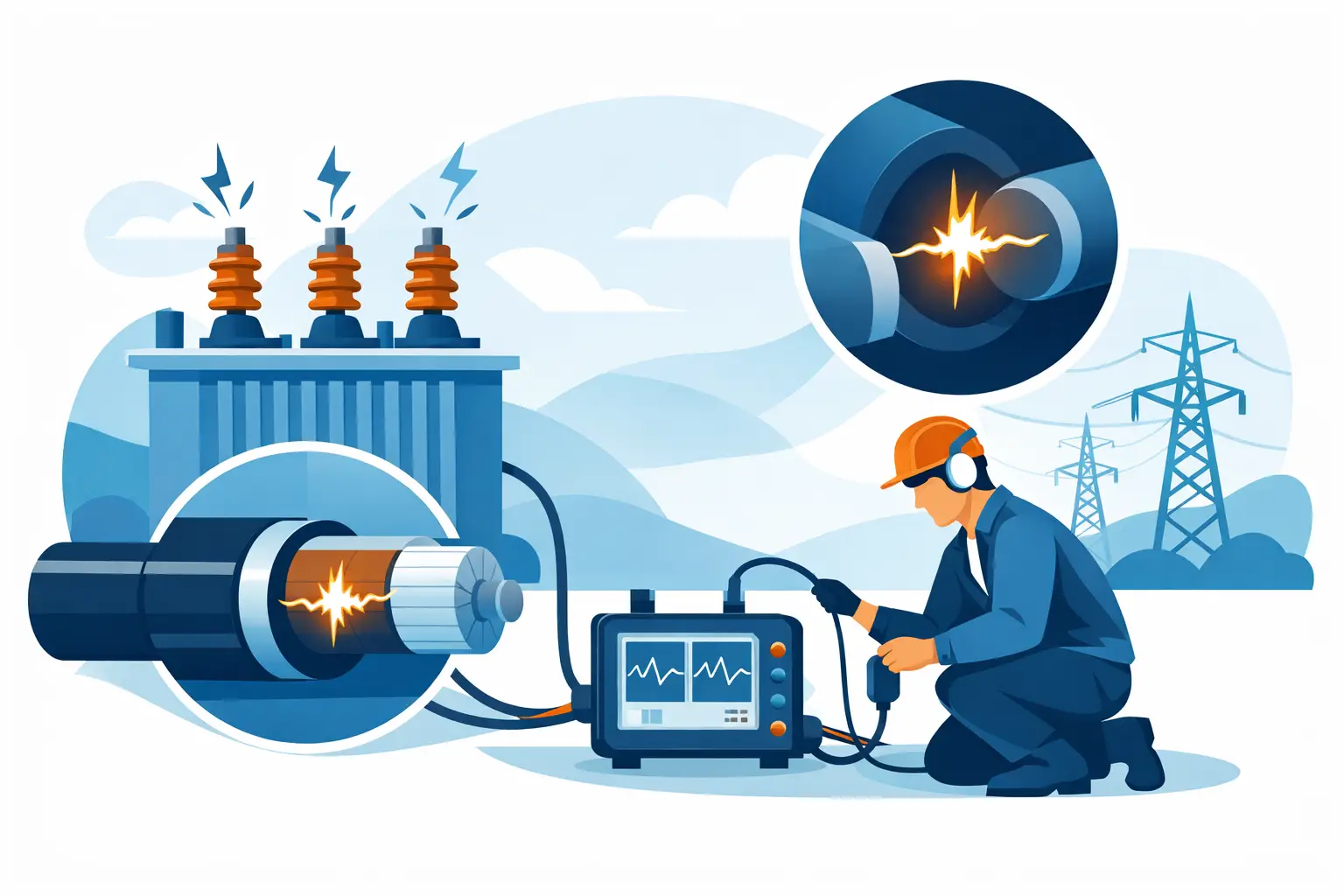
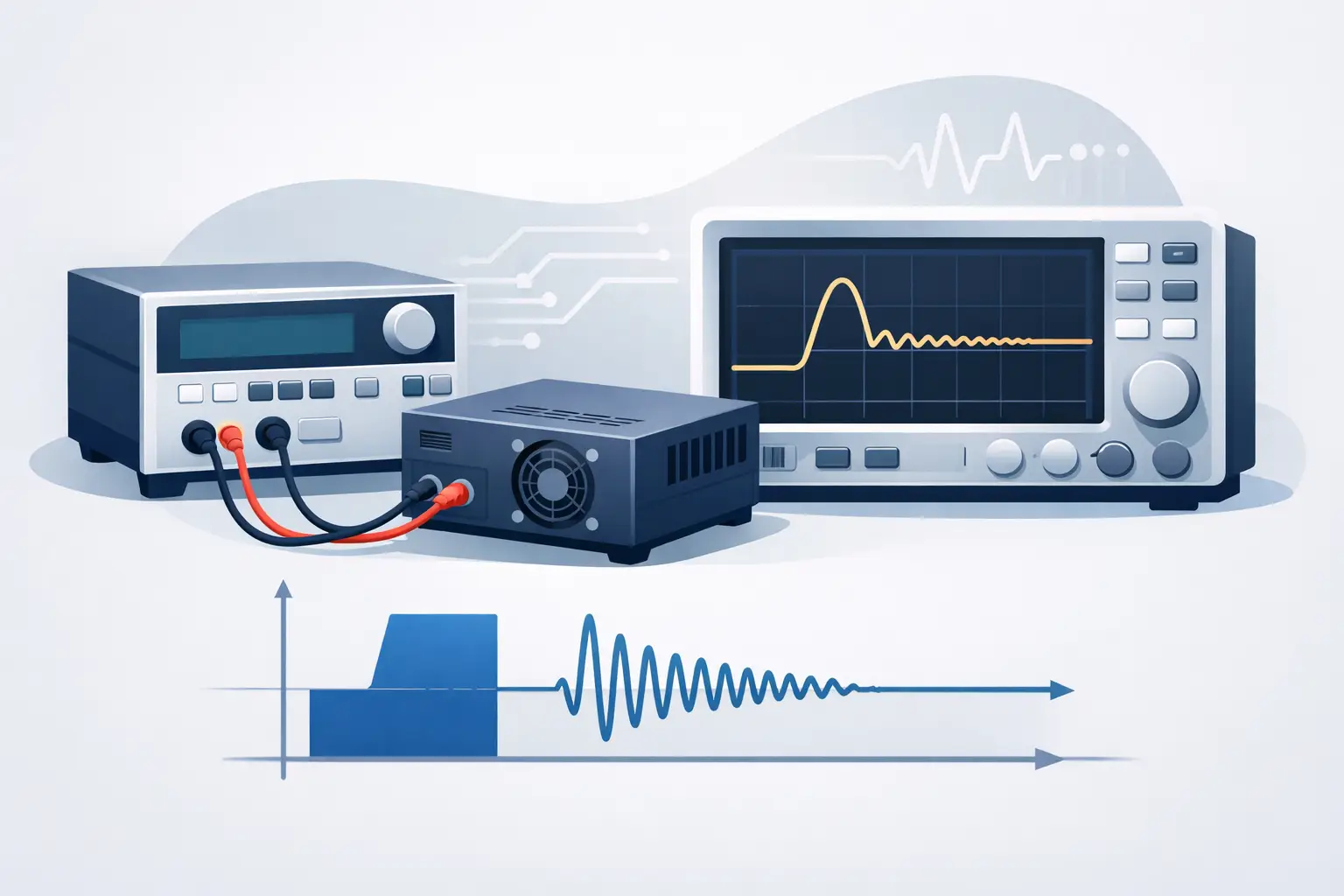
Inrush current refers to the initial surge of current that occurs when electrical equipment such as motors, transformers, or power supplies is first energized. This transient current spike, which often lasts only a few milliseconds, can be five to ten times higher than the steady-state operating current.
Uncontrolled inrush current can lead to blown fuses, tripped breakers, voltage dips, or overheating, impacting both system reliability and component lifespan. Therefore, accurate inrush current measurement is critical for engineers, designers, and maintenance teams to ensure safety, compliance, and optimal system performance.
Why Is Inrush Current Measurement Important?
Accurate inrush current measurement serves several critical purposes:
- Equipment Protection: Properly measuring inrush current helps ensure that protective devices like circuit breakers and fuses are correctly sized to handle startup surges without nuisance tripping
- System Reliability: Regular inrush current testing identifies potential issues before they cause costly downtime or equipment failure
- Design Validation: Engineers need precise inrush current data to validate power supply designs and motor starting circuits
- Compliance: Many safety standards require documentation of inrush current characteristics during equipment certification
- Predictive Maintenance: Tracking changes in inrush current over time can reveal deteriorating components before they fail
For motor evaluation inrush current analysis is particularly important, as motor starting currents can stress both the motor windings and the power distribution system.
Challenges in Measuring Inrush Current Accurately Using Standard Equipment
Below are some of the key challenges when measuring inrush current:
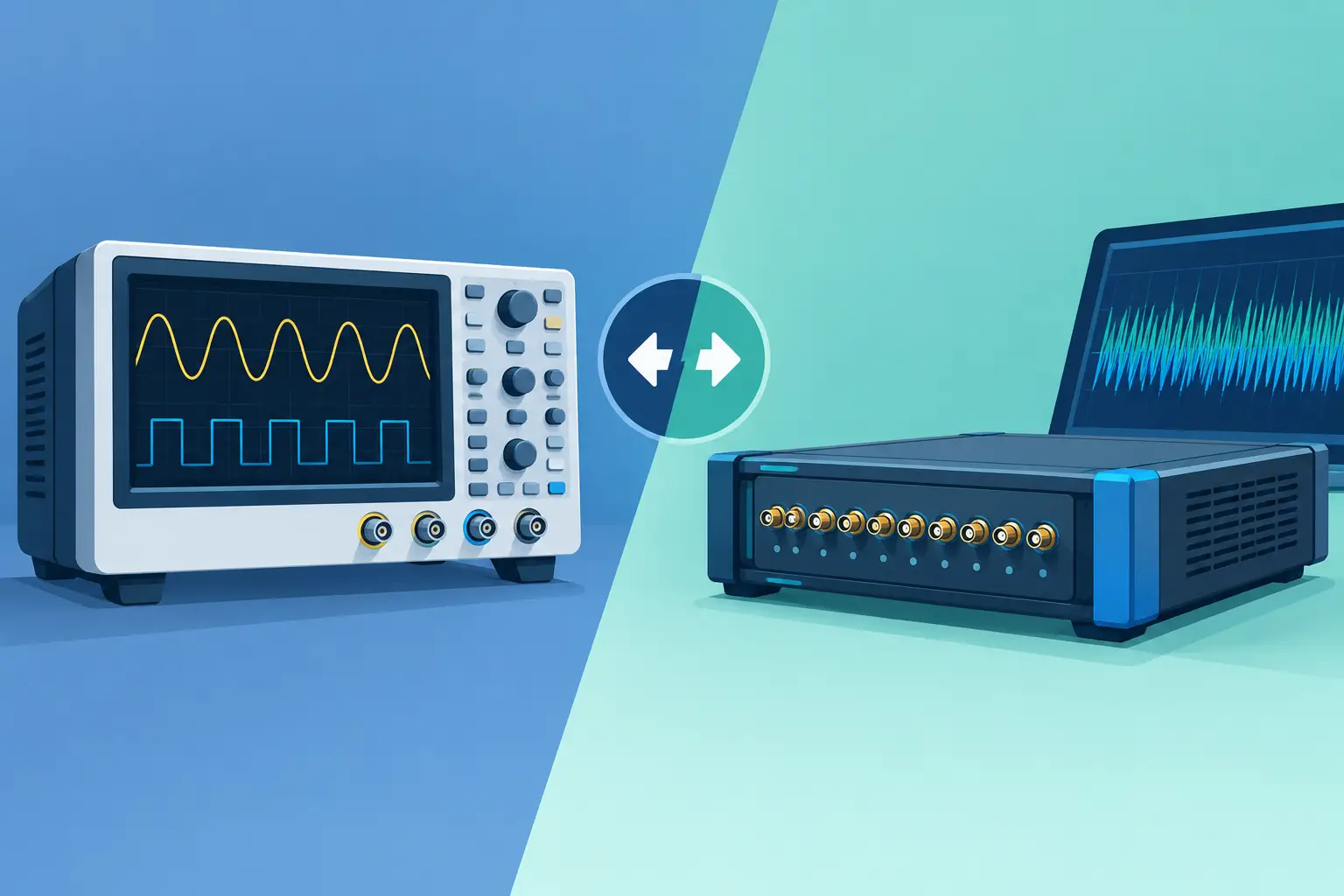
- Short duration of Inrush Current: Inrush currents last for a few milliseconds, and many standard measurement tools like clamp meters or RMS-only analyzers may not have the necessary bandwidth or sampling rate to accurately capture the surge. This can lead to underreporting or missing the spike entirely, leading to inaccurate data and potential equipment damage.
- High Amplitude and Peak Sensitivity: The high initial surge in current can be many times higher than the normal operating current, sometimes reaching 5 to 10 times its steady-state value. Many standard devices are designed to measure steady-state currents and are ineffective for accurately capturing the peak values during the inrush. This can result in inaccurate assessments, leaving critical system faults undetected.
- Impact of Transient Nature: Inrush currents are highly transient, with the peak current occurring within the first few milliseconds of power-on. Standard tools may not be able to trigger and capture such a transient event in real-time, and miss the peak. This can lead to an inaccurate understanding of the equipment’s behavior during startup.
- Lack of Harmonic Analysis: Inrush currents may introduce harmonics or distortion to the AC waveform due to non-linear characteristics of equipment such as transformers or motors. Many basic measuring tools cannot analyze or quantify these harmonics effectively. Without this, you cannot identify issues related to the distortion of the power waveform, leading to ineffective protection and maintenance.
- Limited Data Capture and Storage: Standard tools have limited data logging capabilities or memory needed to capture fast and transient currents. If the measurement device cannot capture or store data at a high enough resolution, it fails to record the full event. This leads to incomplete data, missing critical information that could help in diagnosing issues or ensuring that protection systems like fuses or circuit breakers are correctly sized.
Why Use a Power Analyzer Like Vitrek PA9xx for for Inrush Current Measurement?
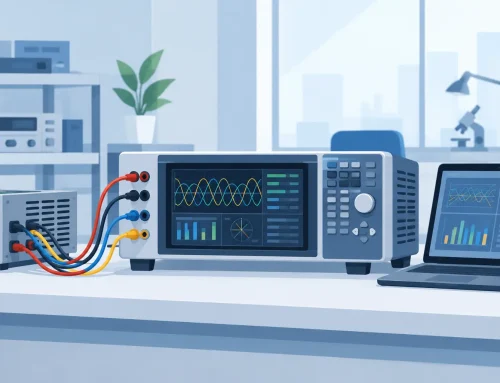
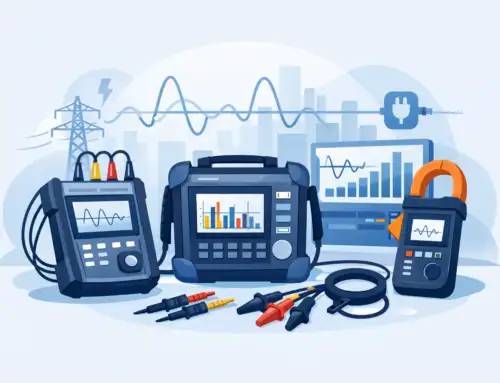
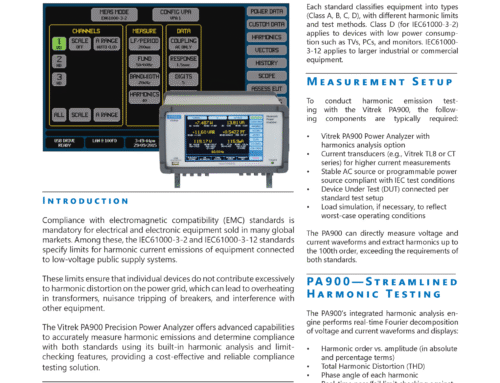
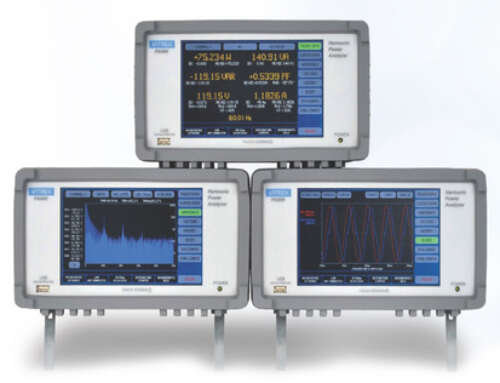
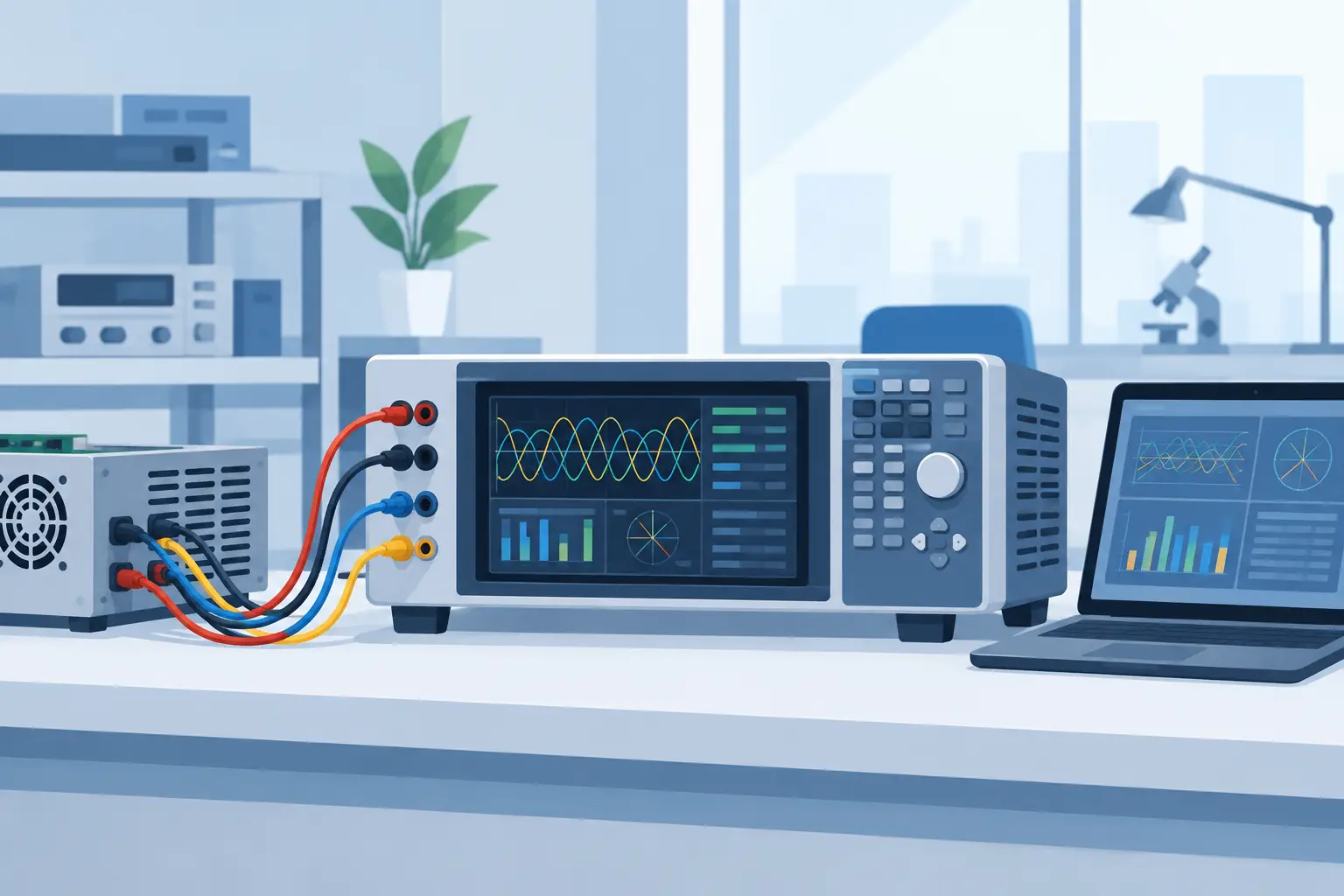
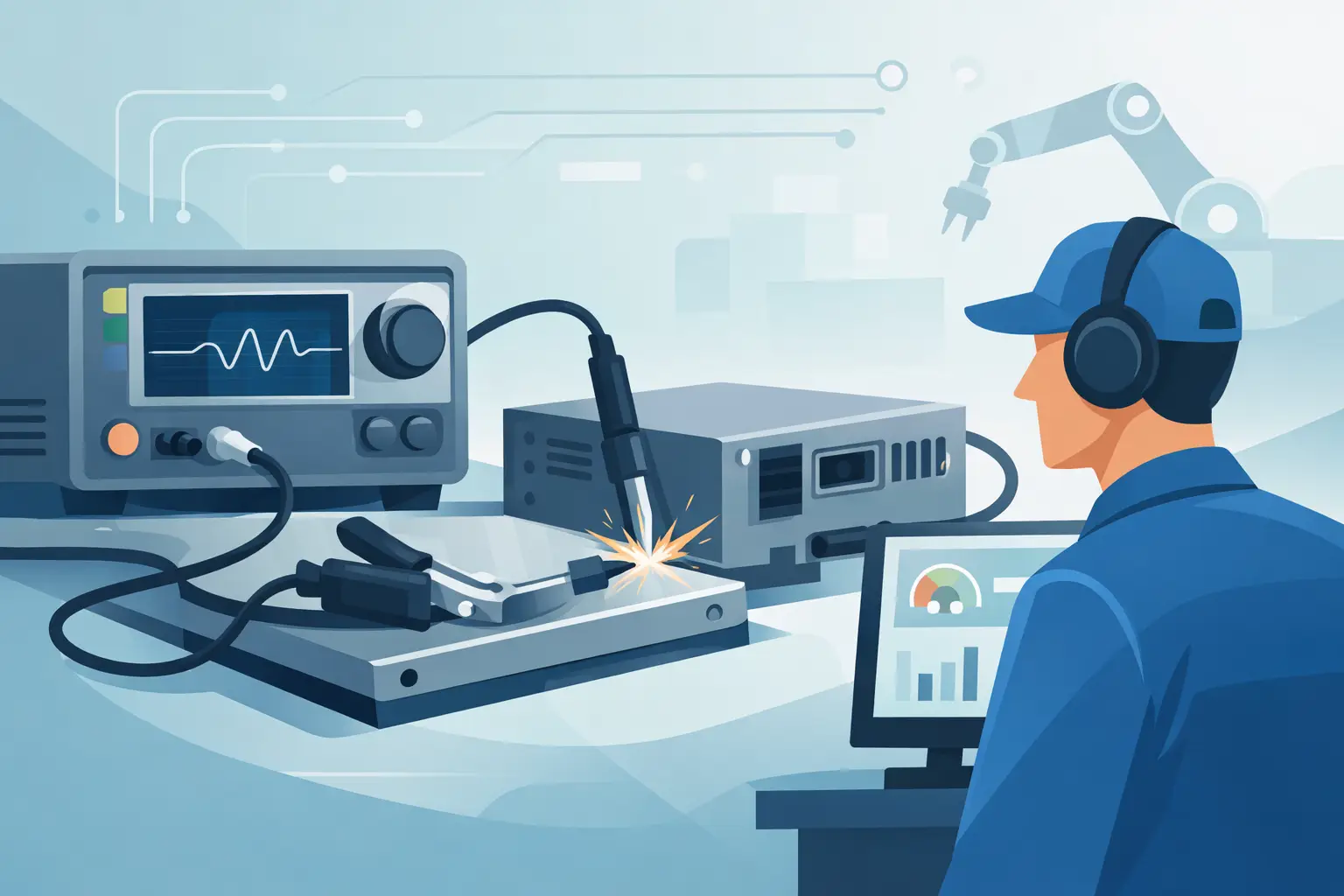
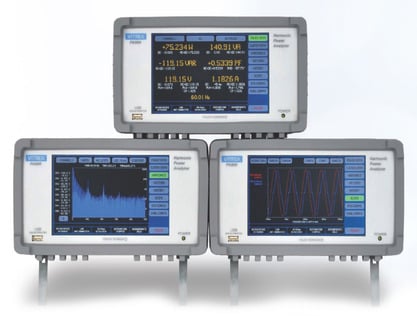
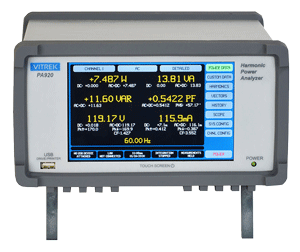
Accurately measuring inrush AC current requires a comprehensive approach that captures transient behavior, waveform integrity, and precise numerical analysis. As discussed before, traditional tools often struggle to capture the transient, high-amplitude, and harmonic nature of inrush currents and this is where advanced power analyzers like the Vitrek PA9xx series can make a difference. The Vitrek PA9xx series, comprising the PA900, PA910, and PA920 models, provides the precision and speed needed to ensure accurate measurement and equipment protection.

Model Overview
- PA900 Precision Multi-Channel Harmonic Power Analyzer: This power analyzer offers 0.03% accuracy with 384 MSPS effective sampling rate, supporting up to the 500th harmonic analysis at 400 Hz. Its modular design allows for scalable multi-channel configurations,making it ideal for comprehensive inrush current testing.
- PA910 High Accuracy (0.045%) Precision Multi-Channel Harmonic Power Analyzer: This multi-channel harmonic power analyzer offers 0.045% accuracy and handles waveforms up to 5 MHz. It supports harmonic analysis up to the 500th harmonic, making it suitable for complex power measurements including detailed inrush current analysis.
- PA920 Ultra High Accuracy Multi-Channel Harmonic Power Analyzer: This multi-channel harmonic power analyzer provides 0.024% accuracy with a bandwidth extending to 5 MHz. Designed for high-precision applications, it offers comprehensive harmonic analysis capabilities for the most demanding inrush current test requirements.
Advantages Offered by Vitrek PA9xx Series Over Handheld Instruments
- High-Speed Sampling Rate: Vitrek PA9xx series power analyzers have an effective sampling rate of 384 mega samples per second (MSPS). This ensures that even the briefest inrush events are captured with clarity, providing accurate waveform representation for precise inrush current measurement.
- Higher Accuracy and Precision: The PA900 offers 0.03% accuracy, PA910 provides 0.045% accuracy, and the PA920 offers 0.024% accuracy, ensuring highly precise measurement of inrush current, harmonic distortion, and peak values. Handheld meters typically offer lower accuracy (often around 1% or higher), which may result in unreliable data for critical applications.
- Comprehensive Harmonic Analysis: The Vitrek power analyzers support harmonic analysis up to the 500th harmonic and can analyze waveforms up to 5 MHz, providing a detailed understanding of power quality and waveform distortion during inrush events.
- Modular and Scalable Design: These power analyzers feature a modular design, allowing for multi-channel configurations to measure and analyze multiple parameters simultaneously, which is essential for complex systems.
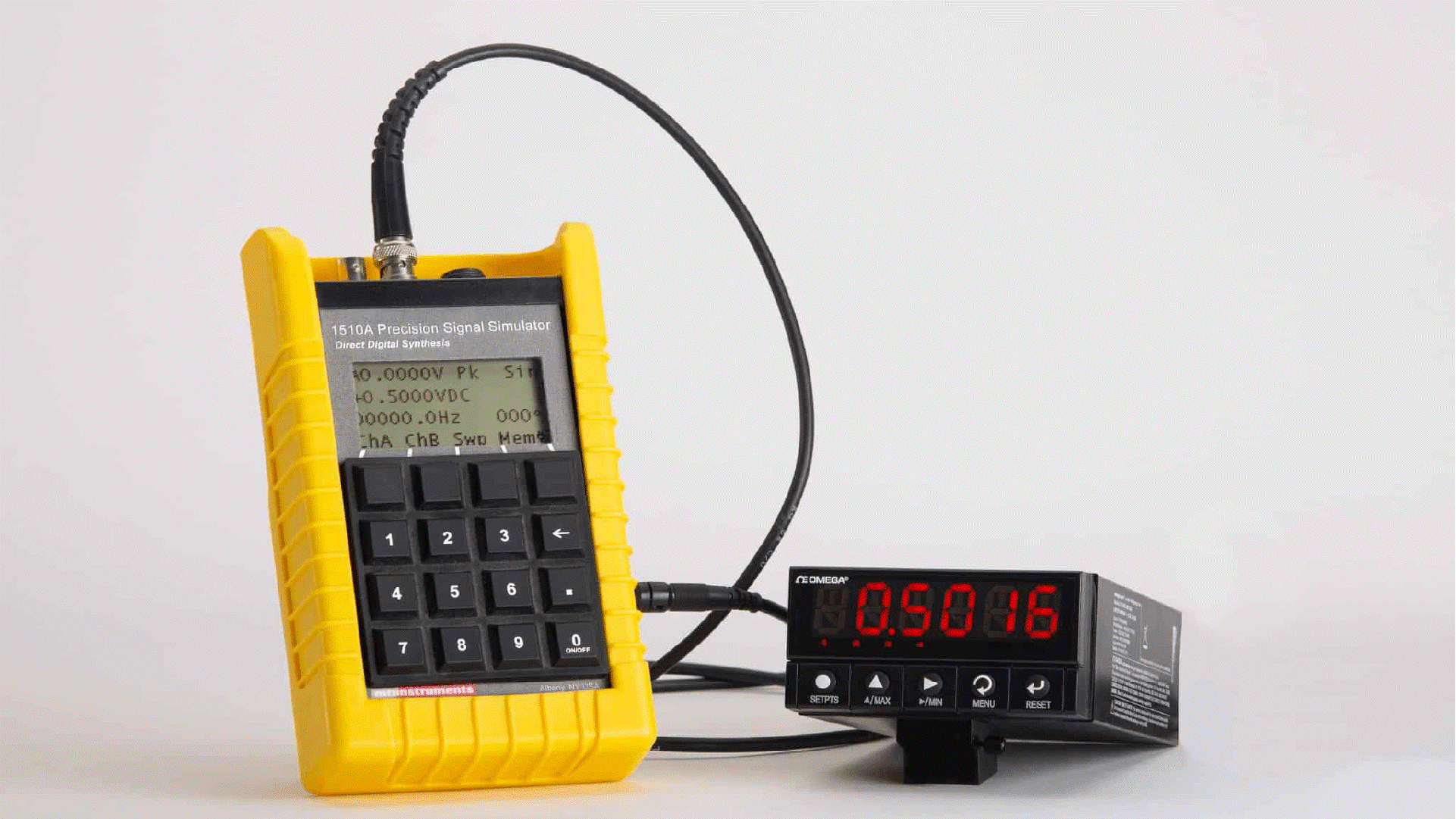
- Extended Bandwidth for High-Frequency Measurements: Handheld devices often have limited bandwidth (typically up to 20 kHz or 50 kHz), which is insufficient for accurately capturing high-frequency transients such as inrush currents. The PA910 and PA920 models can measure frequencies up to 5 MHz, providing the bandwidth necessary for accurate measurement of high-frequency inrush events and transient phenomena.
- Real-Time Data Logging and Storage: The Vitrek analyzers offer advanced data logging capabilities with high-resolution memory storage, allowing users to record and analyze inrush events over time.
- Advanced Measurement and Reporting Features: These analyzers come equipped with advanced features such as real-time waveform display, over-voltage protection, and automatic peak hold functions to ensure accurate measurements and comprehensive analysis.
- Enhanced User Interface and Software Integration: The Vitrek power analyzers offer a user-friendly interface and integration with PC software for detailed analysis and reporting. This makes it easier for engineers to visualize, analyze, and store data for future reference.
How to Measure Inrush Current with Vitrek PA900
Here’s the step-by-step guide to measure inrush current with Vitrek PA900:
- Connect DUT (Device Under Test) Securely to the Analyzer: Connect the Device Under Test (DUT) to the PA900 using the appropriate channel card. Ensure that the connections are secure and the analyzer is properly configured to handle the expected voltage and current levels.Proper connection is critical for accurate inrush current measurement.
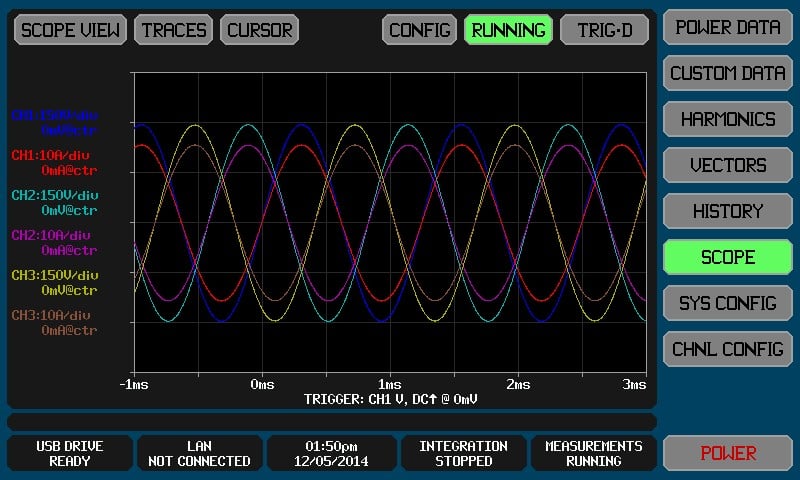
2.Navigate to SCOPE VIEW or INRUSH SCREEN: Access the SCOPE VIEW or INRUSH SCREEN on the PA900 to prepare for capturing transient events. These screens provide real-time waveform visualization, allowing you to monitor the DUT’s behavior during startup and capture the complete inrush current profile.
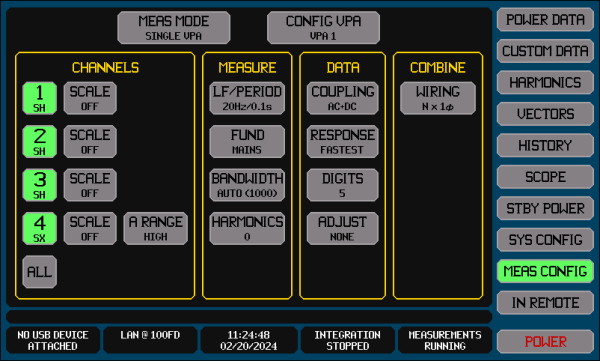
3.Configure Measurement Settings:
-
- Set the trigger level to a voltage or current threshold that corresponds to the expected inrush event. This ensures that the analyzer captures the surge accurately.
- Set the capture mode before and after the trigger point.
- Adjust the time base and resolution to optimize the display of the transient event. A faster time base and higher resolution are typically required to accurately capture short-duration inrush currents.
- Power On the DUT to Capture Inrush Event: With the analyzer configured, power on the DUT. The PA900 will automatically detect the inrush event based on the set trigger level and capture the waveform for analysis.
- View Results: After capturing the inrush event, analyze the results:
- Determine the maximum inrush current for assessing the impact on the system.
- Measure the time span of the inrush current to understand its temporal characteristics.
- For documentation and further analysis, export the captured waveform or a screenshot to a USB drive. This feature facilitates record-keeping and sharing of measurement data.
Elevate Your Inrush Current Analysis with Vitrek’s Advanced Power Solutions
Accurate inrush current measurement is vital for equipment protection, system reliability, and compliance with safety standards. The Vitrek PA9xx series ensures precise inrush current capture, harmonic analysis, and real-time data logging, surpassing the capabilities of standard handheld tools and conventional inrush current testing equipment.
Whether you need to measure inrush current for motor evaluation, transformer testing, or power supply validation, the Vitrek PA900 series provides the accuracy, speed, and comprehensive analysis capabilities required for professional-grade testing.
Optimize Your Inrush Current Measurements Today! Explore the full range of Vitrek PA900 series power analyzers to find the ideal solution for your needs. Contact us now for more information or request a demo to see how Vitrek can improve the reliability and performance of your electrical systems.