
Electrical Safety Testing in Automotive Manufacturing: A Complete Guide for Engineers
A wiring defect that escapes detection during production can become a costly problem once a vehicle enters service. Whether the issue originates in a wire harness, connector, inverter, battery pack, or charging system, the consequences can include warranty claims, production rework, safety concerns, and damage to brand reputation. Automotive electrical testing helps manufacturers identify these issues. It is the systematic application of electrical safety and verification tests to vehicle components, assemblies, and systems before they are installed in a vehicle or released to customers. The objective is to confirm that electrical circuits perform as intended, insulation systems remain intact, [...]
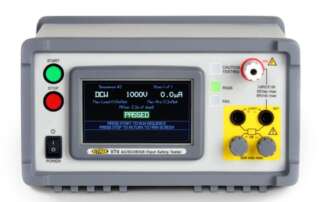
Wire Harness Testing Methods: Continuity, Hipot, and Insulation Resistance Explained
A single wiring defect in a cable harness can cause anything from an intermittent fault to overheating, system failure, or fire. Visual inspection alone cannot detect damaged insulation, voltage-dependent shorts, or insulation resistance that has degraded below an acceptable threshold. Therefore, electrical testing of wire harnesses is critical across a wide range of applications. This applies to automotive body harnesses, aerospace interconnects, multi-conductor medical cables, EV high-voltage systems, industrial power distribution assemblies, and other cable assemblies used in reliability-critical environments. Each conductor must be verified for correct connectivity, insulation integrity under voltage stress, and compliance with insulation resistance requirements [...]

Analog to Digital Converter vs. High Speed Digitizer: What’s the Difference and Why It Matters?
Modern electronic systems face critical challenges in capturing and processing analog signals with precision and speed required for advanced applications across aerospace, medical devices, RF communications, and scientific research. Converting analog signals to digital format requires specialized components that can handle signal integrity degradation, timing synchronization issues, and data acquisition bottlenecks that compromise measurement accuracy and system performance. Analog signal to digital converter solutions range from basic ADCs to sophisticated high-speed digitizers that provide complete signal acquisition systems. Understanding how to convert analog signal to digital effectively depends on your specific application requirements and performance needs. This post explores [...]
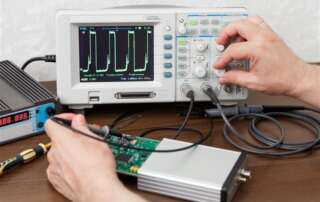
Dielectric Withstand Test: A Complete Guide to Insulation Safety and Compliance
With electrical devices, safety is non-negotiable. Any failure in insulation can lead to dangerous consequences like shocks, fires, or even complete product breakdowns. That's why the dielectric withstand test, also known as the Hipot Test, is essential for electrical safety testing. This comprehensive dielectric testing procedure applies high voltage to a device to verify that its insulation can withstand extreme electrical stress without failing, ensuring both consumer safety and product reliability. Here's an overview on how this crucial dielectric strength test works, why it's necessary for product safety, how to conduct dielectric withstand testing to meet regulatory standards, and [...]
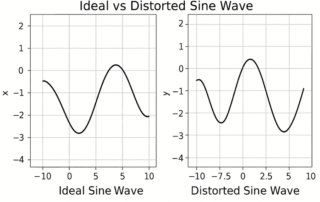
What Is Power Quality and Why It Matters in Modern Electronics
Understanding Power Quality: Definition and Meaning Power quality refers to how well the electrical power delivered by the grid or any power source matches the ideal standard of electricity. In simple terms, the power quality definition encompasses the characteristics of electric power that enable electrical equipment to function properly without being damaged or experiencing performance degradation. Ideal electrical power quality should consist of a perfectly smooth sinusoidal AC voltage at a constant frequency (50 Hz in Europe, 60 Hz in the USA) and at the correct voltage level.When engineers ask what is power quality in electrical engineering, they are [...]
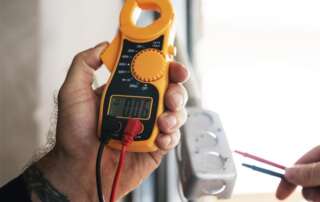
Megohmmeter vs. Hipot Tester: Understanding the Difference in Insulation
Electrical insulation is the first line of defense against shock hazards and equipment failure time. Two of the most widely used tools for evaluating insulation performance are the megohmmeter (also known as an insulation resistance tester) and the hipot tester (high potential tester). While both are used for insulation testing, they serve different purposes, operate in different ways, and are used at different stages of the product or equipment lifecycle. In this blog, we’ll explore the difference between a megohmmeter and a hipot tester, where each is used, and how to choose the right tool for your specific application. [...]

Hipot Test Leakage Current Limits: What’s Acceptable and How to Measure It Accurately
In high-voltage electrical environments, even microscopic current flows through insulation can lead to equipment damage, catastrophic failures, and life-threatening safety hazards. High potential (Hipot) testing offers defense against these risks. During testing electrical devices are subjected to controlled high-voltage stress to verify insulation integrity. However, determining what is acceptable leakage current is not easy due to multiple factors, including dielectric properties, test duration, capacitance characteristics, and regulatory requirements. Understanding the acceptable leakage current and measuring is essential for operational reliability and regulatory compliance. Standard practice calls for the use of precsion electrical safety testers to identify potential insulation failures. [...]

IEC 60950 Hipot Testing: Requirements, Test Setup, and Compliance Guidelines
Important Standard Update: IEC 60950-1 was officially withdrawn in December 2020 and replaced by IEC 62368-1 (Audio/video, information and communication technology equipment – Safety requirements). Products certified under IEC 60950-1 remain valid through their lifecycle, but new designs should target IEC 62368-1. This guide covers IEC 60950-1 for legacy compliance, transition planning, and ongoing product maintenance. Electrical safety failures in IT and telecommunications equipment can trigger data center outages and life-threatening incidents involving field technicians. IEC 60950, the international safety standard for IT and telecom equipment, mandates dielectric withstand testing commonly called hipot testing (high potential testing) or hi-pot [...]
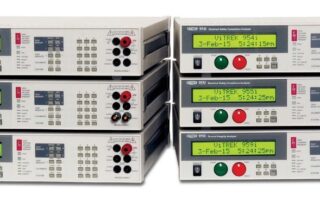
Hipot Tester Price: What to Expect and How to Choose the Right Model
Investing in a hipot tester is an essential step for manufacturers and test engineers who prioritize electrical safety, regulatory compliance, and product reliability. But one of the most common questions we hear is: "How much should a hipot tester cost?" The answer depends on multiple factors- including voltage range, test functions, automation features, and safety standards, In this post, we break down the key cost considerations, typical price ranges for Vitrek hipot testers, and provide expert tips to help you choose the right model for your application and budget. What Affects the Price of a Hipot Tester? Pricing varies [...]
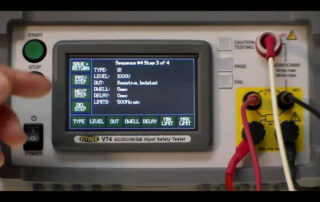

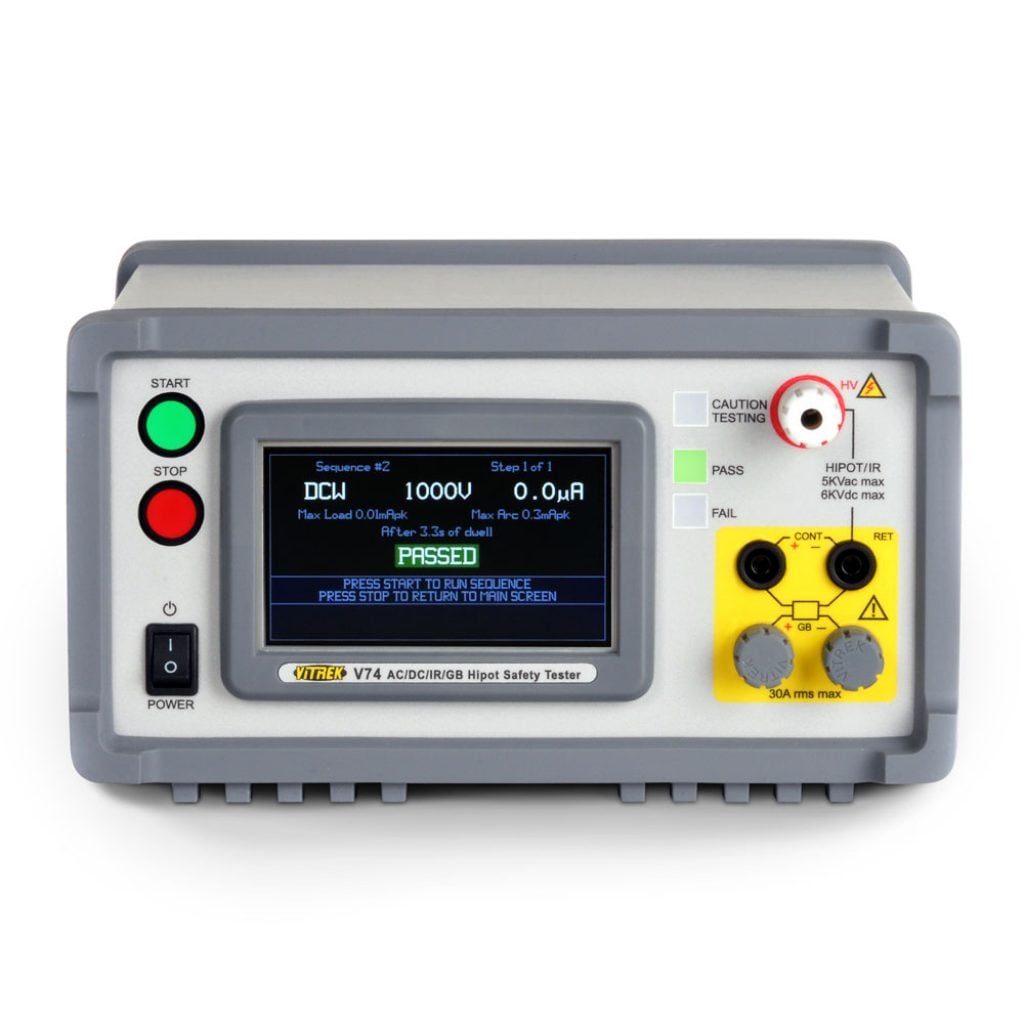



AC vs. DC Hipot Testing: Key Differences, Applications, and How to Choose
When it comes to validating insulation integrity of a wire or an enclosure, hipot testing is critical for ensuring electrical safety, no matter whether you're testing consumer appliances, industrial control systems, or high-voltage power equipment. Choosing between AC and DC hipot testing is a key decision in the process. Both assess dielectric withstand capability, but each has specific strengths and applications. In this guide, we'll break down the core differences, use cases, and how to select the right test for your application. What Is Hipot Testing? Hipot (short for high potential) testing verifies the integrity of insulation by applying [...]