
GRINDING PROCESS
A cylindrical grinding process finishes most wheel spindle surfaces. It is essential that this grinding process leave a surface finish that is smooth and free of defects with minimal runout. No grinder produces a perfect surface. Grinder wheel runout, improperly dressed wheels and fixture vibrations can cause chatter on the spindle surface finish. Chatter is a series of microscopic, repetitive imperfections, or waves, in the surface of the material being machined. The required production environment sensor must have small spatial resolution, high frequency response and large standoff distance for easy loading and unloading of parts. Additionally, the measurement accuracy had to be [...]

How to Measure Inrush AC Current Accurately with a Vitrek Power Analyzer
Inrush current is one of the most critical challenges encountered when powering on electrical equipment such as motors, transformers, or power supplies. These sudden surges can lead to significant damage, including blown fuses, tripped breakers, or overheating if not properly managed. Traditional tools like clamp meters or RMS-only analyzers are often insufficient for capturing these brief but intense surges. To mitigate the risks associated with inrush current and ensure the long-term reliability of equipment, accurate inrush current measurement is essential. Understanding how to measure inrush current is crucial for electrical engineers and system integrators tasked with safeguarding operational efficiency. [...]
What Is Power Quality and Why It Matters in Modern Electronics
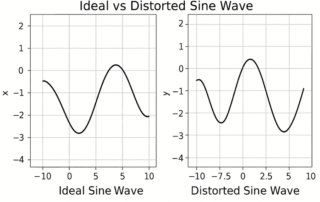
Understanding Power Quality: Definition and Meaning Power quality refers to how well the electrical power delivered by the grid or any power source matches the ideal standard of electricity. In simple terms, the power quality definition encompasses the characteristics of electric power that enable electrical equipment to function properly without being damaged or experiencing performance degradation. Ideal electrical power quality should consist of a perfectly smooth sinusoidal AC voltage at a constant frequency (50 Hz in Europe, 60 Hz in the USA) and at the correct voltage level.When engineers ask what is power quality in electrical engineering, they are [...]
How Data Acquisition Software Transforms Raw Waveforms into Precision Analysis?
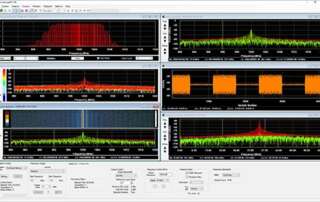
In high-speed test and measurement environments, a typical data acquisition (DAQ) workflow involves key stages, including signal capturing, digital format conversion, analysis, and deriving insights leading to better decision-making. There is a common misconception that the accuracy and performance of these systems is solely determined by the hardware. However, in reality, the software takes the raw data and turns it into high-precision analysis. This post explains how the data acquisition (DAQ) software works, especially Vitrek’s GaGe suite, which transforms raw waveforms into actionable data with precision. What Is Data Acquisition Software? DAQ software helps control the hardware, processes [...]
Understanding Total Harmonic Distortion (THD) and Its Impact on Power Quality
Modern facilities are increasingly challenged by distorted electrical signals that can undermine equipment performance and energy efficiency. Total Harmonic Distortion (THD) quantifies the deviation from ideal waveforms, measuring how much unwanted harmonic content is compromising your electrical supply. As a critical metric in power quality assessment, THD directly impacts equipment lifespan, energy costs, and regulatory compliance. By monitoring THD engineers can proactively protect their systems from premature failures, excessive heating, and costly downtime. This post offers an overview of THD, its causes, effects, and solutions, with a focus on how Vitrek’s tools help tackle harmonic challenges effectively. What [...]
Leakage Current Testing Explained: What It Is and How to Perform It
Electrical insulation failure can lead to catastrophic equipment damage, personal injury, and regulatory non-compliance. One critical aspect of ensuring safety is leakage current testing, which helps identify potential hazards from unintended electrical current flowing through insulation. Engineers and safety professionals use Hipot testers to perform accurate leakage measurements. Vitrek provides Hipot testers that can detect anomalies down to picoamp levels, ensuring comprehensive safety validation across diverse applications. This post explains the basics of leakage current testing, how it's performed, and how Vitrek’s Hipot testers support precision and safety across industries. What Is Leakage Current Testing? Leakage current testing [...]
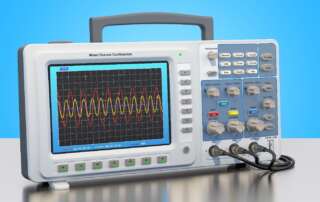
Oscilloscopes vs Digitizers: Understanding Wideband Signal Acquisition Tools
The growing need for high-speed, high-resolution signal acquisition has driven the demand for advanced testing equipment that allows engineers to capture and analyze complex signals with precision. Oscilloscopes and digitizers are two critical instruments used in signal acquisition, but they differ significantly in their design, functionality, and use cases. Understanding these differences is crucial for choosing the right tool for your specific needs, whether you are testing high-frequency signals, debugging circuits, or conducting long-duration signal capture. In this post, we will explore the differences between oscilloscopes and digitizers, their applications, and how to choose the right tool for your [...]
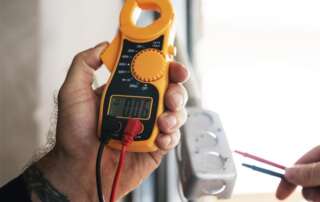
Megohmmeter vs. Hipot Tester: Understanding the Difference in Insulation
Electrical insulation is the first line of defense against shock hazards and equipment failure time. Two of the most widely used tools for evaluating insulation performance are the megohmmeter (also known as an insulation resistance tester) and the hipot tester (high potential tester). While both are used for insulation testing, they serve different purposes, operate in different ways, and are used at different stages of the product or equipment lifecycle. In this blog, we’ll explore the difference between a megohmmeter and a hipot tester, where each is used, and how to choose the right tool for your specific application. [...]

Hipot Test Leakage Current Limits: What’s Acceptable and How to Measure It Accurately
In high-voltage electrical environments, even microscopic current flows through insulation can lead to equipment damage, catastrophic failures, and life-threatening safety hazards. High potential (Hipot) testing offers defense against these risks. During testing electrical devices are subjected to controlled high-voltage stress to verify insulation integrity. However, determining what is acceptable leakage current is not easy due to multiple factors, including dielectric properties, test duration, capacitance characteristics, and regulatory requirements. Understanding the acceptable leakage current and measuring is essential for operational reliability and regulatory compliance. Standard practice calls for the use of precsion electrical safety testers to identify potential insulation failures. [...]





IEC 60950 Hipot Testing: Requirements, Test Setup, and Compliance Guidelines
Important Standard Update: IEC 60950-1 was officially withdrawn in December 2020 and replaced by IEC 62368-1 (Audio/video, information and communication technology equipment – Safety requirements). Products certified under IEC 60950-1 remain valid through their lifecycle, but new designs should target IEC 62368-1. This guide covers IEC 60950-1 for legacy compliance, transition planning, and ongoing product maintenance. Electrical safety failures in IT and telecommunications equipment can trigger data center outages and life-threatening incidents involving field technicians. IEC 60950, the international safety standard for IT and telecom equipment, mandates dielectric withstand testing commonly called hipot testing (high potential testing) or hi-pot [...]