
 Application Note: Replace Three Legacy Systems with One: Modernizing Aerospace/Defense Test Cells with PBS eXpress Gallery
Application Note: Replace Three Legacy Systems with One: Modernizing Aerospace/Defense Test Cells with PBS eXpress
Application Notes-MTI, Brand-MTI, Industry-Aerospace, New & Press Releases, News-Industry, News-MTI, Whitepapers-MTI
Application Note: Replace Three Legacy Systems with One: Modernizing Aerospace/Defense Test Cells with PBS eXpress
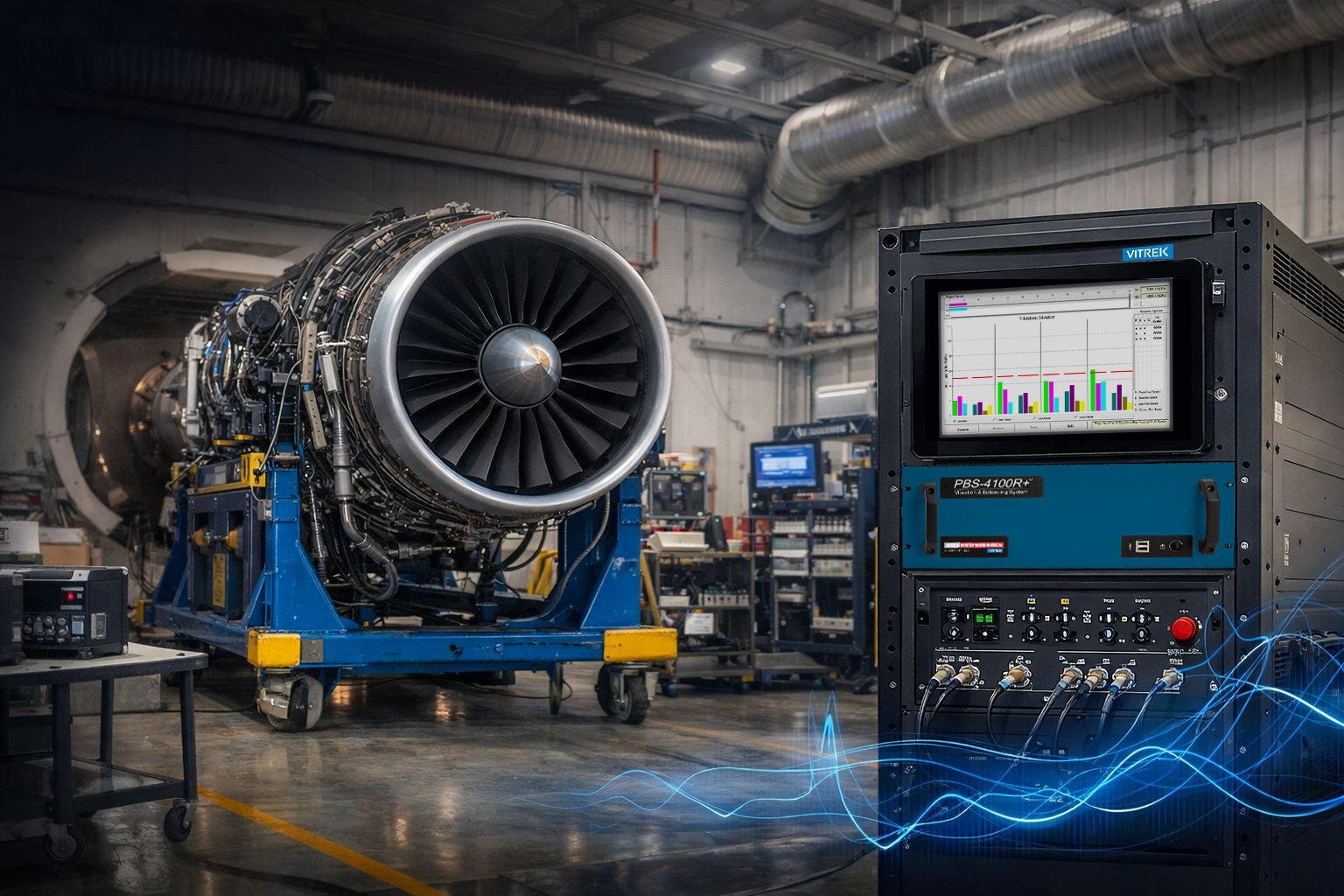
Introduction Many military/defense and commercial aerospace test cells still rely on aging analog instruments that, while functional, introduces risk through calibration challenges, legacy components, and lack of digital data access. As testing demands evolve, the industry is moving toward compact, digital platforms that simplify workflows and improve data usability. A Vitrek customer faced this challenge across multiple engine test cells. Their solution: replace two legacy systems with a single PBS eXpress R+, enabling faster setup, digital data acquisition, and automated reporting. The Challenge The customer’s test cells were built around a mix of aging instrumentation, including TrigTek tracking filters, [...]
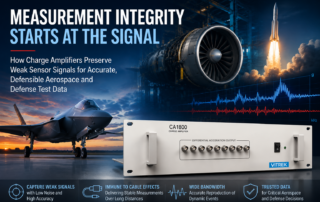
Application Note: Why Charge Amplifiers Remain Essential in Aerospace Test Systems
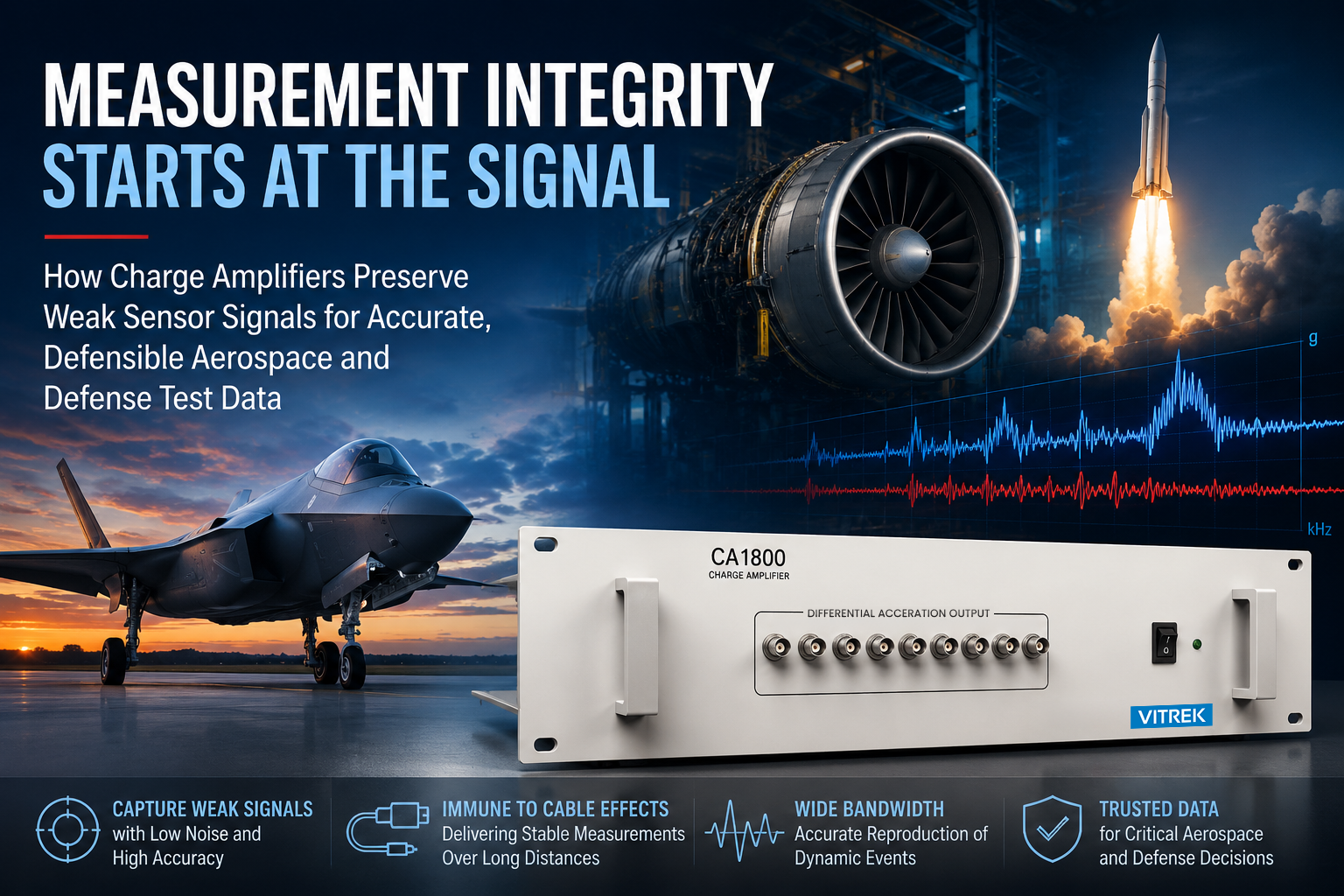
Introduction Many aerospace test programs rely on charge-output piezoelectric accelerometers, force sensors, and dynamic pressure transducers because of their wide frequency response, rugged construction, and ability to capture rapidly changing events. These sensors generate extremely small electrical charge signals—often measured in picocoulombs (pC)—that are susceptible to cable capacitance effects, electrical noise, leakage currents, and environmental influences that can compromise measurement accuracy. Charge amplifiers address these challenges by converting the sensor’s high-impedance charge output into a stable, low impedance voltage signal suitable for transmission, recording, and analysis. By making measurements largely independent of cable capacitance while maintaining low noise, stable [...]
 Application Note: Accessing Digital Engine Data for Multi-Platform Aircraft Balancing with MTI PBS Systems Gallery
Application Note: Accessing Digital Engine Data for Multi-Platform Aircraft Balancing with MTI PBS Systems
Application Notes-MTI, Brand-MTI, Industry-Aerospace, New & Press Releases, News-Industry, News-MTI, Whitepapers-MTI
Application Note: Accessing Digital Engine Data for Multi-Platform Aircraft Balancing with MTI PBS Systems
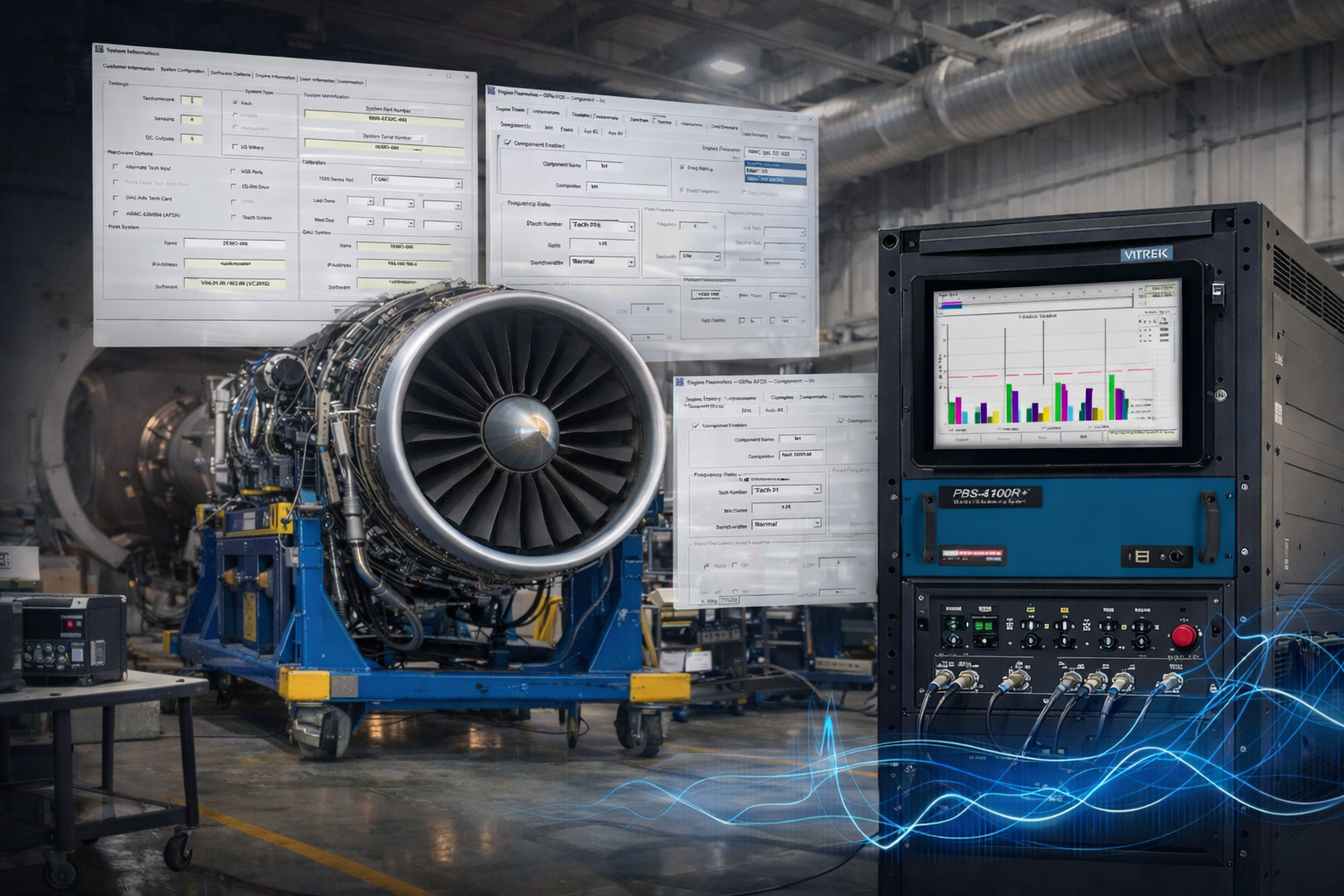
Introduction Modern aircraft engines are no longer dependent solely on discrete analog sensors for critical performance data. Increasingly, vibration amplitudes, phase information, and engine speed are transmitted digitally through aircraft data buses such as ARINC 429 and ARINC 664 Part 7 (AFDX). Yet in many MRO environments, balancing systems continue to rely on accelerometers and tachometer pickups—introducing additional setup time, cabling complexity, and potential variability in measurements. This disconnect between available digital data and traditional measurement approaches creates inefficiencies, particularly for facilities servicing multiple aircraft platforms. For organizations supporting a diverse fleet, the opportunity is clear: leverage the aircraft’s [...]
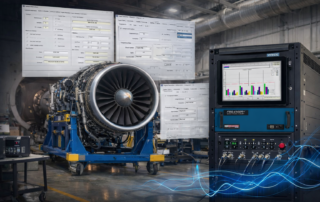
Press Release: MTI Instruments Highlights MRO Benefits of ARINC 429 and AFDX Integration in PBS-4100 Engine Balancing Systems
MTI Instruments Highlights MRO Benefits of ARINC 429 and AFDX Integration in PBS-4100 Engine Balancing Systems Lockport, IL —May 20, 2025— MTI Instruments, a Vitrek brand and provider of precision measurement and aviation maintenance technologies, is highlighting the growing role of digital aircraft data integration in modern maintenance operations following the introduction of ARINC 429 and ARINC 664 (AFDX) support in its PBS-4100 and PBS-4100R engine vibration balancing systems. As commercial aircraft increasingly rely on digital avionics networks for engine monitoring and diagnostics, maintenance teams must be able to access these same data streams during vibration analysis [...]
 Press Release: Vitrek Highlights Growing Importance of Wafer Stress Characterization for Advanced Semiconductor Manufacturing Gallery
Press Release: Vitrek Highlights Growing Importance of Wafer Stress Characterization for Advanced Semiconductor Manufacturing
Brand-MTI, Industry-Semiconductor, Industry-Semiconductor-GaGe, Industry-Semiconductor-MTI, Industry-Semiconductor-Vitrek, New & Press Releases, News-MTI, Press Releases-MTI
Press Release: Vitrek Highlights Growing Importance of Wafer Stress Characterization for Advanced Semiconductor Manufacturing
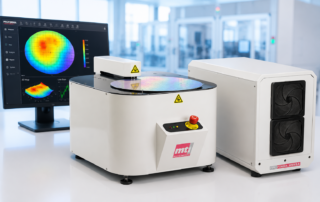
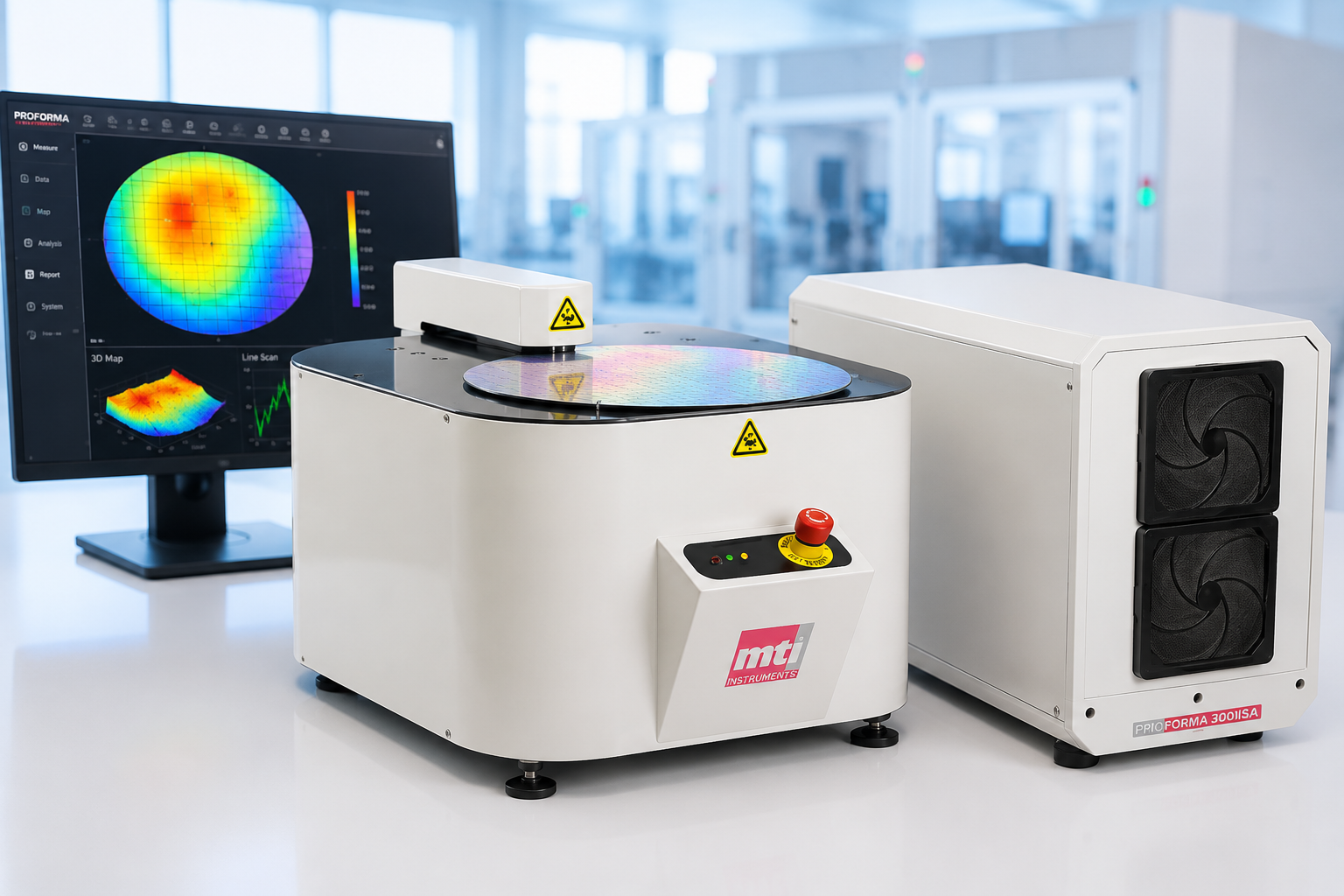
Vitrek Highlights Growing Importance of Wafer Stress Characterization for Advanced Semiconductor Manufacturing MTI Instruments Proforma™ non-contact wafer metrology systems help manufacturers optimize thin-film processes, improve process control, and increase production yield. Lockport, IL — July 28, 2026— Vitrek, a leading manufacturer of precision test and measurement equipment, highlighted the growing importance of wafer stress measurement in semiconductor manufacturing as advanced packaging, heterogeneous integration, silicon carbide (SiC), gallium nitride (GaN), MEMS, and photonics applications continue to drive demand for tighter process control, improved manufacturing consistency, and higher device reliability. As semiconductor manufacturing processes become increasingly complex, engineers are [...]
 News Release: Vitrek Highlights Critical Role of Wafer Thickness Metrology in AI and Advanced Packaging Manufacturing Gallery
News Release: Vitrek Highlights Critical Role of Wafer Thickness Metrology in AI and Advanced Packaging Manufacturing
Brand-MTI, Industry-Semiconductor, Industry-Semiconductor-GaGe, Industry-Semiconductor-MTI, Industry-Semiconductor-Vitrek, New & Press Releases, News-MTI, Press Releases-MTI
News Release: Vitrek Highlights Critical Role of Wafer Thickness Metrology in AI and Advanced Packaging Manufacturing
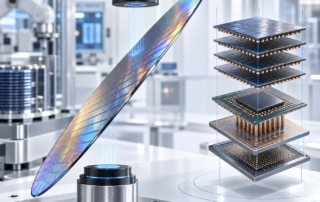
Vitrek Highlights Growing Importance of Wafer Stress Characterization for Advanced Semiconductor Manufacturing MTI Instruments Proforma systems help semiconductor manufacturers monitor backside processing for HBM, chiplets and next-generation computing devices LOCKPORT, Il — September 23, 2026 — Vitrek is highlighting the growing importance of precision wafer-thickness measurement as semiconductor manufacturers expand production of GPU/AI Engines, high-bandwidth memory, Traditional CPUs, Programmable logic, and Power Semiconductors. Advanced packaging technologies combine logic, memory, interposers and specialized dies within tightly controlled structures. To meet package-height and integration requirements, wafers often undergo backside grinding, polishing and other thinning operations. As wafers become thinner, [...]
Press Release: Vitrek Expands MTI PBS Engine Balancing Systems for Both On-Wing and Test Cell Applications with ARINC Data Integration
Vitrek Expands MTI PBS Engine Balancing Systems for Both On-Wing and Test Cell Applications with ARINC Data Integration Lockport, IL — April 15, 2026 —Vitrek is enabling MRO providers to access and utilize aircraft-generated digital engine data across both on-wing and test cell balancing applications through its MTI Instruments PBS eXpress platform. By interfacing directly with ARINC 429 and AFDX data buses, both the PBS eXpress (portable/on-wing) and the PBS eXpress R+ (test cell/rack configuration) allow technicians to acquire vibration, phase, and speed data from the aircraft itself—reducing reliance on external sensors and simplifying setup. The PBS [...]



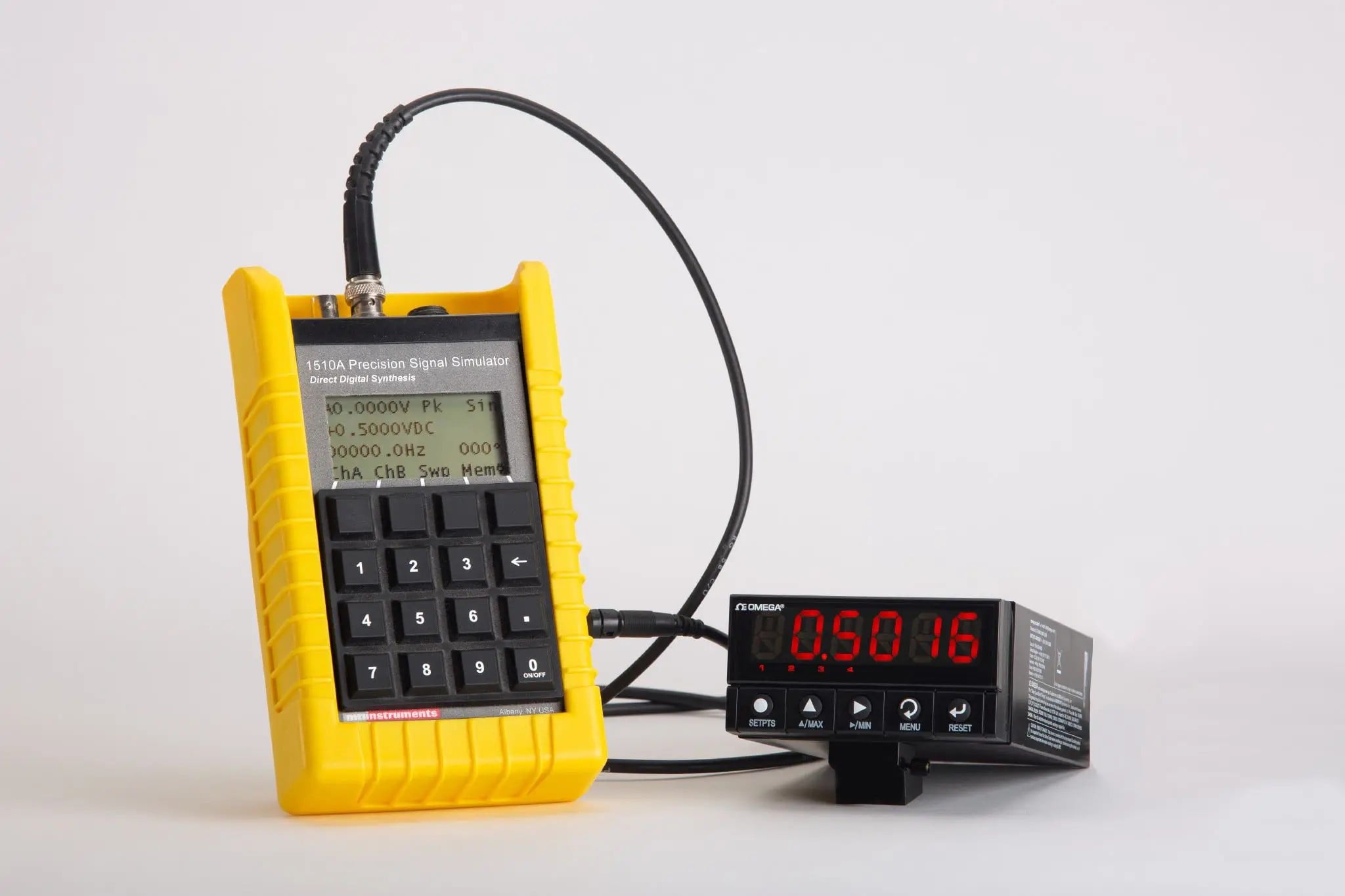
Press Release: Vitrek Demonstrates MTI Vibration Signal Generator for Validating Predictive Maintenance Systems at MRO America
Vitrek Demonstrates MTI Vibration Signal Generator for Validating Predictive Maintenance Systems at MRO America Lockport, IL — April 5, 2025 — As predictive maintenance transforms industrial operations, engineers face a critical challenge: verifying that vibration monitoring systems detect faults accurately before real failures occur. At MRO America Booth 3456, MTI Instruments, a Vitrek company, will demonstrate how its 1510A Vibration Signal Generator enables safe, controlled validation of monitoring and protection systems. Predictive maintenance depends on vibration analysis to identify issues such as imbalance, misalignment, and bearing wear. However, confirming system accuracy without inducing real faults or risking equipment [...]
 Choosing the Right Hipot Platform for Modern Manufacturing Electrical Safety Testing Gallery
Choosing the Right Hipot Platform for Modern Manufacturing Electrical Safety Testing
Articles-Vitrek, Industry-Automotive, Industry-Battery, Industry-Cable Test, Industry-Compliance Testing, Industry-Consumer Products, Industry-Electronics, Industry-Government/Military, Industry-Lighting, Industry-Manufacturing, Industry-Medical, Industry-R&D, Knowledge Center-Vitrek, New & Press Releases, Whitepapers-Vitrek
Choosing the Right Hipot Platform for Modern Manufacturing Electrical Safety Testing
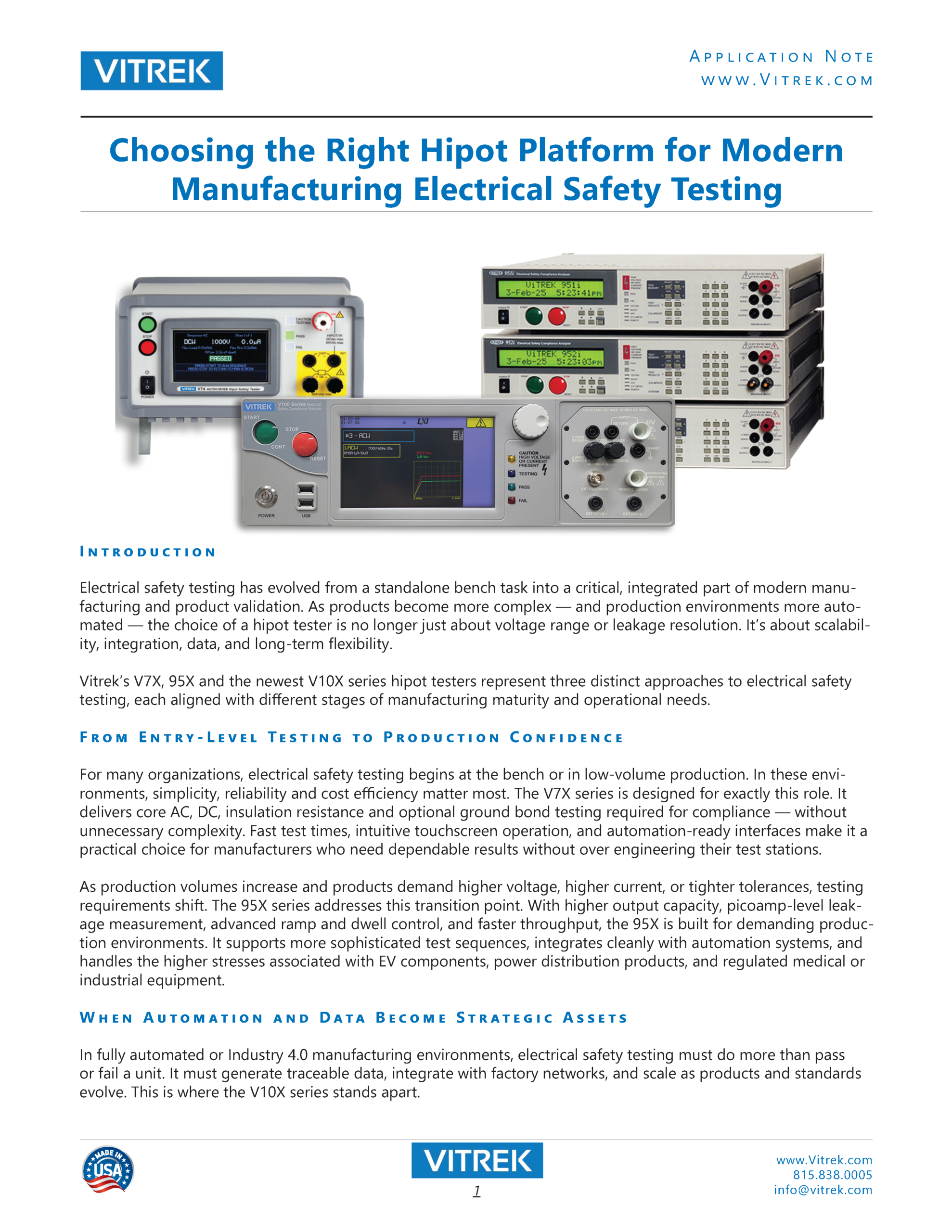
Introduction Electrical safety testing has evolved from a standalone bench task into a critical, integrated part of modern manufacturing and product validation. As products become more complex — and production environments more automated — the choice of a hipot tester is no longer just about voltage range or leakage resolution. It’s about scalability, integration, data, and long-term flexibility. Vitrek’s V7X, 95X and the newest V10X series hipot testers represent three distinct approaches to electrical safety testing, each aligned with different stages of manufacturing maturity and operational needs. From Entry-Level Testing to Production Confidence For many organizations, electrical safety testing [...]
Precision Test & Measurement Solutions for Aerospace and Defense
Precision Test & Measurement Solutions for Aerospace and Defense Today's aerospace programs demand more than individual test instruments—they require integrated measurement solutions capable of supporting increasingly complex systems throughout their entire lifecycle. From research and development through qualification, production, maintenance, and modernization, engineers depend on accurate, repeatable data to ensure safety, performance, and mission readiness. Vitrek brings together industry-leading technologies in electrical safety testing, engine balancing, dynamic measurement, precision sensing, semiconductor metrology, and high-speed data acquisition under one unified portfolio. Whether validating aircraft electrical systems, balancing turbine engines, capturing high-speed signals, monitoring structural vibration, or [...]