

Whitepaper: Thickness Metrology for AI Accelerators, HBM and Chiplet-Based Advanced Packaging
Introduction Artificial intelligence and high-performance computing are reshaping semiconductor design and manufacturing. Instead of relying exclusively on increasingly large monolithic devices, manufacturers are integrating logic, memory and specialized functions through chiplets, 2.5D packaging, 3D stacking and high-bandwidth memory. These architectures improve computing density, bandwidth and energy efficiency, but they also place greater demands on wafer thinning and backside processing. Individual wafers and dies may need to be made significantly thinner before stacking, bonding or package assembly. As thickness decreases, however, wafers become more susceptible to breakage, warpage, handling damage and non-uniform material removal. Thickness metrology therefore becomes more than [...]
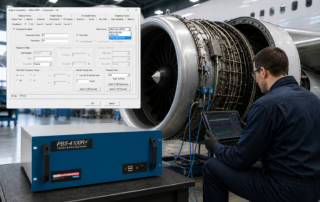
Engine Balancing in the Digital Age: Unlocking Faster, Smarter MRO with Integrated Aircraft Data
Introduction Modern aircraft engines generate vast amounts of operational data, yet much of this information has historically remained under utilized during maintenance procedures like vibration balancing. As fleets transition to digitally connected avionics architectures, MRO teams are rethinking how they access and apply engine data to improve efficiency and accuracy. By leveraging direct integration with onboard data networks, today’s vibration balancing systems can streamline setup, reduce dependency on external instrumentation, and deliver faster, more reliable results—ultimately helping operators minimize downtime and maintain peak engine performance. The Role of Engine Vibration Balancing MRO Jet engines operate under extreme mechanical stress, [...]

Understanding Semiconductor Wafer Stress: A Practical Guide to Thin-Film Stress, Wafer Curvature Measurement & Process Control
Introduction Every semiconductor device begins with a nearly perfect wafer. Yet throughout fabrication, that wafer is repeatedly transformed by dozens of manufacturing processes including thin-film deposition, oxidation, implantation, annealing, polishing, and packaging. While each process is designed to modify the electrical properties of the device, it also alters something far less visible—its mechanical condition. The addition of every thin film introduces internal mechanical forces that can subtly change the shape of the wafer. These changes, often measured in only a few micrometers across a 200 mm or 300 mm substrate, may appear insignificant. However, as semiconductor devices continue to [...]
 Application Note: Replace Three Legacy Systems with One: Modernizing Aerospace/Defense Test Cells with PBS eXpress Gallery
Application Note: Replace Three Legacy Systems with One: Modernizing Aerospace/Defense Test Cells with PBS eXpress
Application Notes-MTI, Brand-MTI, Industry-Aerospace, New & Press Releases, News-Industry, News-MTI, Whitepapers-MTI
Application Note: Replace Three Legacy Systems with One: Modernizing Aerospace/Defense Test Cells with PBS eXpress
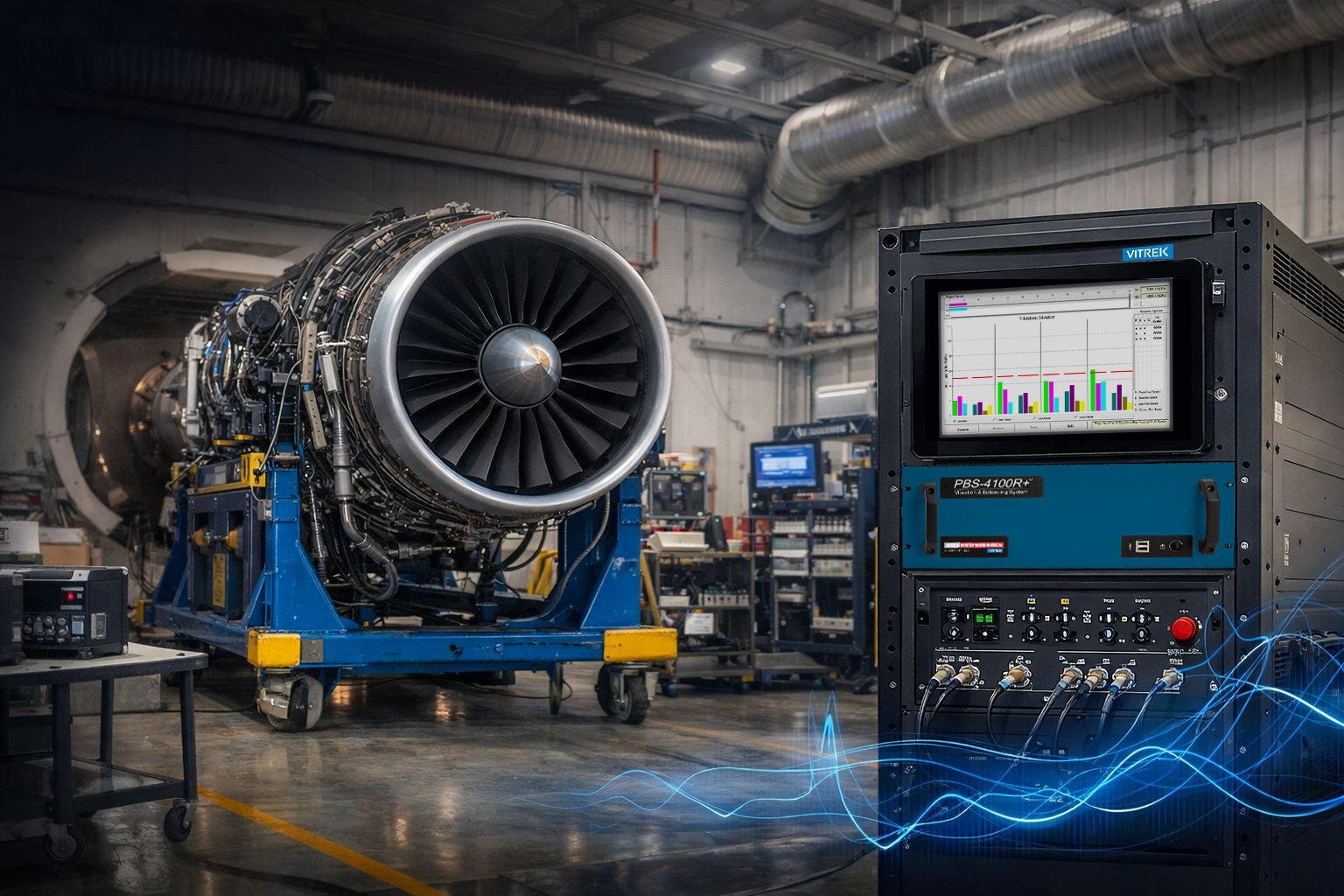
Introduction Many military/defense and commercial aerospace test cells still rely on aging analog instruments that, while functional, introduces risk through calibration challenges, legacy components, and lack of digital data access. As testing demands evolve, the industry is moving toward compact, digital platforms that simplify workflows and improve data usability. A Vitrek customer faced this challenge across multiple engine test cells. Their solution: replace two legacy systems with a single PBS eXpress R+, enabling faster setup, digital data acquisition, and automated reporting. The Challenge The customer’s test cells were built around a mix of aging instrumentation, including TrigTek tracking filters, [...]

Application Note: Why Charge Amplifiers Remain Essential in Aerospace Test Systems
Introduction Many aerospace test programs rely on charge-output piezoelectric accelerometers, force sensors, and dynamic pressure transducers because of their wide frequency response, rugged construction, and ability to capture rapidly changing events. These sensors generate extremely small electrical charge signals—often measured in picocoulombs (pC)—that are susceptible to cable capacitance effects, electrical noise, leakage currents, and environmental influences that can compromise measurement accuracy. Charge amplifiers address these challenges by converting the sensor’s high-impedance charge output into a stable, low impedance voltage signal suitable for transmission, recording, and analysis. By making measurements largely independent of cable capacitance while maintaining low noise, stable [...]
 Application Note: Accessing Digital Engine Data for Multi-Platform Aircraft Balancing with MTI PBS Systems Gallery
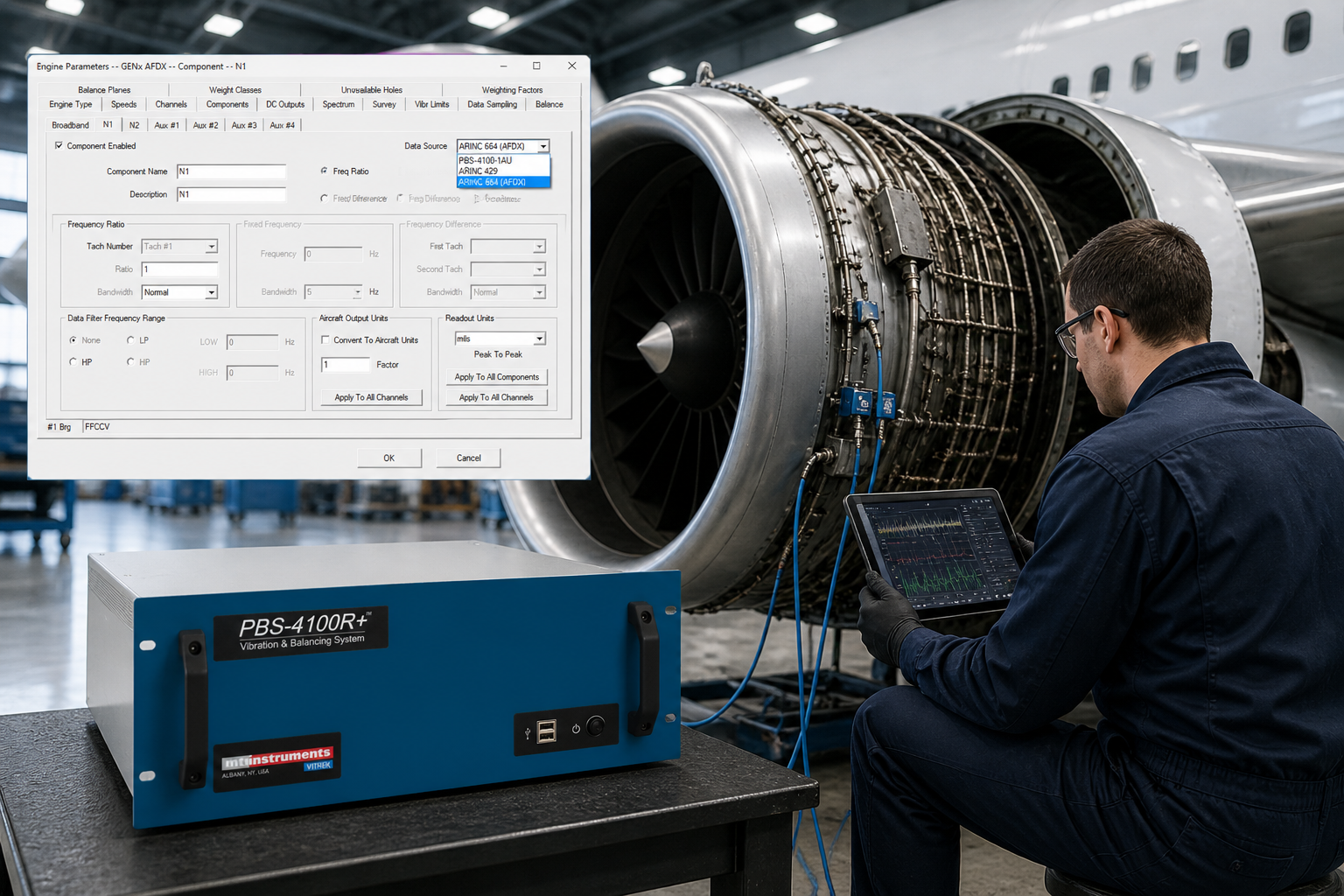
Application Note: Accessing Digital Engine Data for Multi-Platform Aircraft Balancing with MTI PBS Systems
Application Notes-MTI, Brand-MTI, Industry-Aerospace, New & Press Releases, News-Industry, News-MTI, Whitepapers-MTI
Application Note: Accessing Digital Engine Data for Multi-Platform Aircraft Balancing with MTI PBS Systems
Introduction Modern aircraft engines are no longer dependent solely on discrete analog sensors for critical performance data. Increasingly, vibration amplitudes, phase information, and engine speed are transmitted digitally through aircraft data buses such as ARINC 429 and ARINC 664 Part 7 (AFDX). Yet in many MRO environments, balancing systems continue to rely on accelerometers and tachometer pickups—introducing additional setup time, cabling complexity, and potential variability in measurements. This disconnect between available digital data and traditional measurement approaches creates inefficiencies, particularly for facilities servicing multiple aircraft platforms. For organizations supporting a diverse fleet, the opportunity is clear: leverage the aircraft’s [...]

Portable Engine Balancing: Solving the Small Jet MRO Capacity Crunch
Introduction As the business and regional aviation sector continues its rapid growth, maintenance, repair, and overhaul (MRO) providers are struggling to keep up with demand. Portable engine-balancing technology allows maintenance teams—even less experienced staff—to perform precise vibration assessment and rapid, oneshot balancing onsite. Business Jet Fleet Growth Outpaces MRO Infrastructure The business aviation market has experienced unprecedented growth in recent years, with an increasing number of companies and private owners investing in small business jets for both personal and corporate travel. Increases in fractional ownership models and charter services are also helping drive growth. According to recent industry reports, [...]

High Precision Portable Signal Generators and Calibrators: Everything You Need to Know
High precision portable signal generators are portable electronic devices that generate highly precise signals for testing, system calibration, sensor simulation, troubleshooting, and monitoring. Unlike the benchtop signal generators that are used in laboratories, these hand-held portable devices are designed to be used in the field. The best high precision portable signal generators are also rugged and NIST traceable, meaning that their manufacturer calibrates them to standards from the National Institute of Standards and Technology (NIST). In terms of cost, high precision portable signal generators are more expensive than less precise, lower-end devices that can be held in the hand; [...]


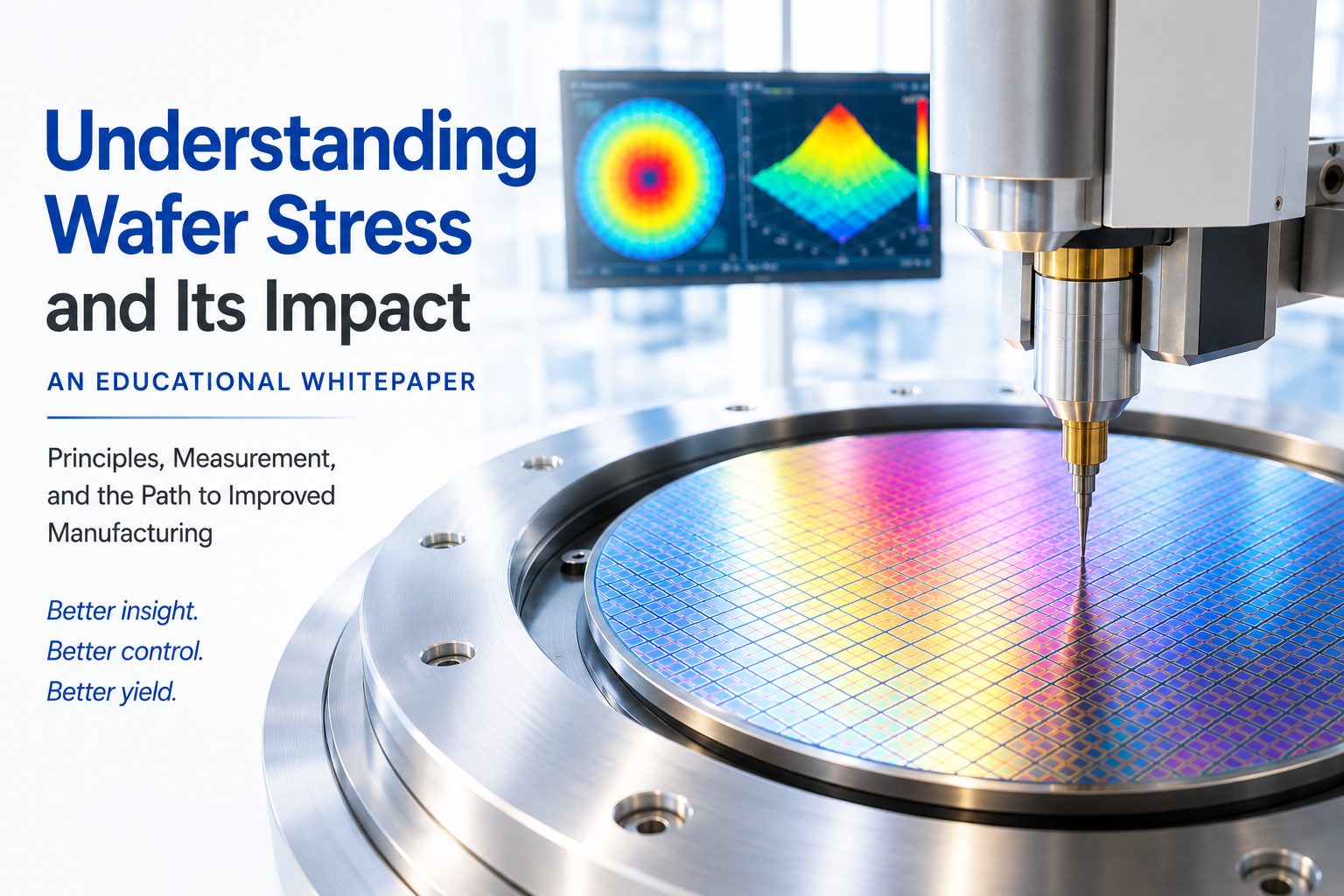





Precision Control in Semiconductor Wafer Lapping
Application Overview Wafer lapping is a critical semiconductor thinning process that demands tight control to avoid over-removal of material, which can lead to costly yield loss. This application note details how MTI Instruments’ Accumeasure™ capacitive sensing technology enabled precise, real-time displacement and thickness measurement during lapping operations, ensuring consistent wafer quality. Challenge During lapping, wafers are thinned from the backside using a rotating abrasive surface. As the process proceeds, precise feedback is essential to monitor how much material is removed and to determine the wafer's final thickness. Traditional mechanical methods or visual inspections are not sensitive or fast enough [...]
 Case-In-Point: MTI Turbine Vibration Analyzer/Balancing System Technology Principles Gallery
Case-In-Point: MTI Turbine Vibration Analyzer/Balancing System Technology Principles
Application Notes-MTI, Articles-MTI, Industry-Aerospace, Industry-Compliance Testing, Industry-Government/Military, Industry: Transportation, Knowledge Center-MTI, News-Industry, News-MTI-PBS, Whitepapers-MTI

Case-In-Point: MTI Turbine Vibration Analyzer/Balancing System Technology Principles
What do you think when you’re flying home, cruising at 30,000 feet and the drinks have just been served? Our engineers think about the ripple in the glass. That ripple signals vibration and is an indication that the engine may be in need of a balance.