
Intra-Vascular Ultrasound
Intra-Vascular Ultrasound Customer Case The customer does intra-vascular diagnostic ultrasound. In this novel technique, an ultrasonic catheter is guided through a patient's blood vessel. Throughout its helical or corkscrew-like path, the ultrasonic transducer-tipped catheter emits bursts of ultrasonic energy. Reflections from the vessel wall return into the transducer and can be used to characterize such features as plaque deposits. The customer wishes to resolve features as small as 3 mm. The amount of time, D t, required for ultrasound to reflect off an interface that is a distance x away and return to the transducer is: D t = [...]

Non-Contact Displacement Sensors for Detection and Measurement
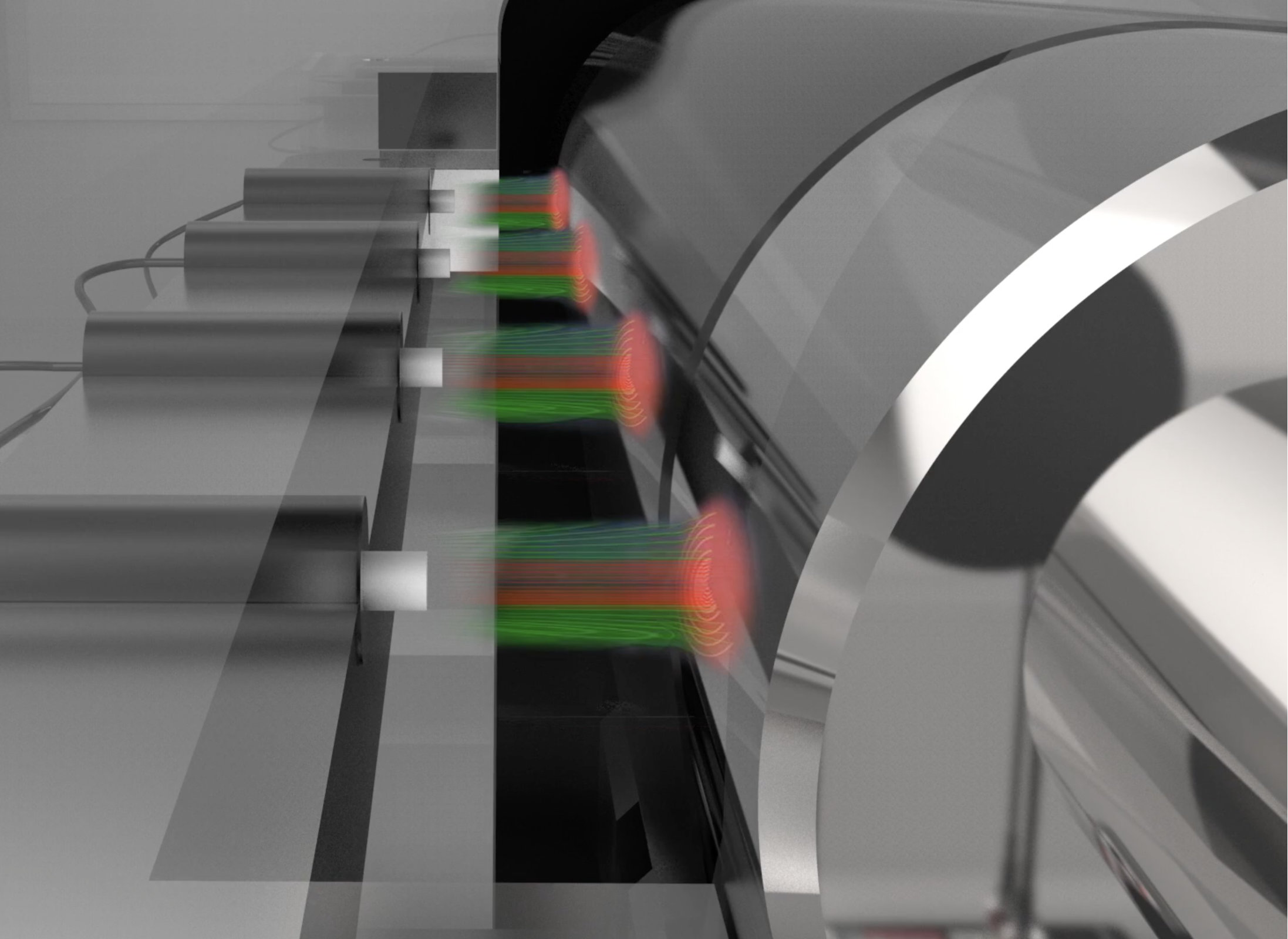
Non-contact displacement sensors are designed to detect or measure physical properties such as linear displacement, thickness, proximity, and distance without physically touching the target. By emitting various forms of energy, such as capacitance, fiber optic, or laser triangulation, these sensors capture highly accurate readings without physically touching the object. This contrasts with traditional contact sensors, which rely on direct mechanical contact to gauge displacement or other physical properties. Benefits of Non-Contact vs. Contact Displacement Sensors Compared to contact sensors, non-contact displacement sensors offer faster response times, higher sampling rates, and minimal interference with the object being measured. They are [...]
 Advantages of Measuring Semiconductor Thin Film Thickness with Capacitance Gallery
Advantages of Measuring Semiconductor Thin Film Thickness with Capacitance
Application Notes-MTI, Brand-MTI, Industry-Compliance Testing, Industry-Electronics, Industry-Manufacturing, Industry-R&D, Industry-Semiconductor, Industry-Semiconductor-MTI, Industry-Sensors, Products-MTI-Capacitance, Products-MTI-Laser/Fiber Optic, Products-MTI-Semiconductor/Metrology, Z-REPUB, z1
Advantages of Measuring Semiconductor Thin Film Thickness with Capacitance
Thin Film Thickness Measurement Using Capacitance in the Semiconductor Industry In the semiconductor industry, the precise measurement of thin film thickness is crucial for ensuring the quality and functionality of wafer coatings. Thin films are deposited onto silicon and other wafer materials one atomic layer at a time, and the thickness of these coatings significantly impacts the wafer’s electrical, optical, and mechanical properties. Thin film thickness measurement is particularly important for semiconductor wafers, which may have either conductive metallic films or non-conductive metal oxide films deposited onto them. Common deposition methods include chemical vapor deposition (CVD) and physical vapor [...]
How Often Should Vibration Analysis Be Performed?
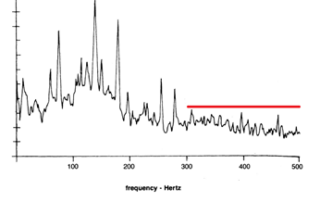
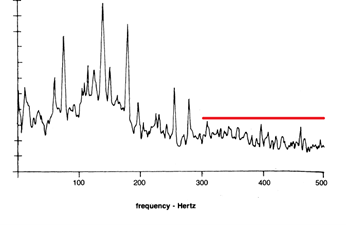
How Often Should Vibration Analysis Be Performed? Once a customer takes delivery of a PBS system and learns how to use it, the next logical question is: “How often should we use it?” At a minimum, your approved maintenance program (whether it’s a program developed by your operation, or the maintenance procedures outlined by the engine/airframe manufacturer) will tell you about the intervals at which to perform a vibration analysis. Usually, there is a procedure to specify how an engine vibration analysis and balance need be only completed when squawked by a pilot or after the completion of maintenance [...]
 Contact vs. Non-Contact Measurement and Linear Displacement Sensors Gallery
Contact vs. Non-Contact Measurement and Linear Displacement Sensors
Application Notes-MTI, Brand-MTI, Industry-Compliance Testing, Industry-Consumer Products, Industry-Electronics, Industry-Manufacturing, Industry-Semiconductor, Industry-Semiconductor-MTI, Industry-Sensors, Products-MTI-Capacitance, Z-REPUB, z1, ZOK
Contact vs. Non-Contact Measurement and Linear Displacement Sensors
Contact vs. Non-Contact Measurements Choosing between a contact measurement system and a non-contact measurement system requires careful evaluation of your application’s performance needs, material properties, environmental conditions, and measurement goals. Each system type offers unique advantages- and understanding these distinctions can help you make a more informed decision. Let's explores how contact and non-contact measurement techniques work, their strengths and limitations, and where they’re best applied. What Are Contact Measurement Systems? Contact measurement systems involve tools and sensors that physically touch the object to determine various physical characteristics. These systems are widely used in dimensional metrology, offering high precision, [...]
Foam Density Measurement: Capacitance Sensors vs. Nuclear Gauges
This application note from MTI Instruments compares two technologies for measuring foam density: capacitance sensors and nuclear gauges. It examines the basic operating principles of each technology and explains why capacitance measurement is recommended for in-line measurement during foam manufacturing. Capacitance Sensors Capacitive probes are non-contact devices that use electric fields to measure foam density. In combination with a thickness value, a density measurement may be calculated. These probes consist of a capacitance sensor inside of a protective housing and are part of a larger measurement system that includes amplifiers, cables, and software. With parallel plate capacitance, the capacitance probe [...]
Get More Out Of Your Military & Aerospace Applications
When testing the electrical systems for your military and aerospace applications, you need to ensure they are ready for the job and meet all the necessary standards. These specialized systems work to keep the highly sophisticated and advanced technology housed in these applications running at full strength, which requires the right amount of power to do their jobs effectively. Having the right electrical safety and performance testing equipment on hand can help determine the overall effectiveness of your applications. […]
Applications by Industry
Vitrek is a world leader in providing safety and electrical test equipment, solar & metrology systems, vibration/engine balancing systems, high-speed data acquisition and real-time signal recording solutions to a range of industries including electronic, appliance and automotive manufacturers, calibration & test labs, R & D departments, medical, aerospace, military and lighting. Offering both the best equipment and top-notch support, choose Vitrek for your next test, measurement and high-speed data acquisition equipment needs. Choose from industries below to see how Vitrek products can help improve quality and efficiency in your business. [...]


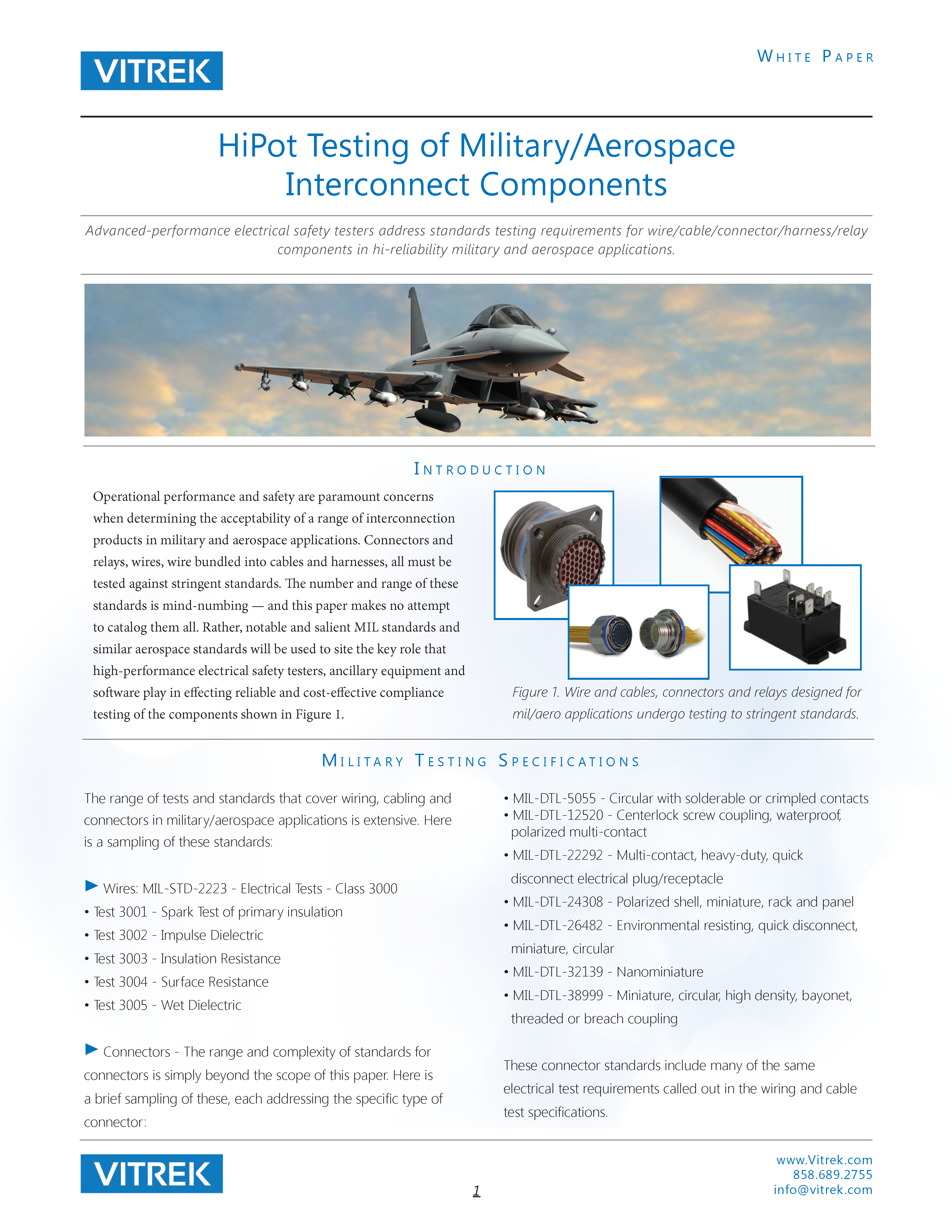
White Paper: Hipot Testing of Military/Aerospace Interconnect Components
Introduction Operational performance and safety are paramount concerns when determining the acceptability of a range of interconnection products in military and aerospace applications. Connectors and relays, wires, wire bundled into cables and harnesses, all must be tested against stringent standards. The number and range of these standards is mind-numbing — and this paper makes no attempt to catalog them all. Rather, notable and salient MIL standards and similar aerospace standards will be used to site the key role that high-performance electrical safety testers, ancillary equipment and software play in effecting reliable and cost-effective compliance testing of components as [...]
Webinar Recap: Vitrek Products for Metrology and Calibration Labs
Metrology requires equipment capable of precise measurements and accurate readings. Taking the time to ensure that the instruments you use remain properly calibrated requires the right tools and training to ensure that they are in good working order. In our webinar: Vitrek Products for Metrology and Calibration Labs, we cover why you need the right calibration tools and why Vitrek offers the best high voltage tester options on the market in the form of our 4700 High Voltage Meter, PA920 Power Analyzer, and 2000MN Calibrator. […]