Contact vs. Non-Contact Measurements
Choosing between a contact measurement system and a non-contact measurement system requires careful evaluation of your application’s performance needs, material properties, environmental conditions, and measurement goals. Each system type offers unique advantages- and understanding these distinctions can help you make a more informed decision. Let’s explores how contact and non-contact measurement techniques work, their strengths and limitations, and where they’re best applied.
What Are Contact Measurement Systems?
Contact measurement systems involve tools and sensors that physically touch the object to determine various physical characteristics. These systems are widely used in dimensional metrology, offering high precision, especially in applications requiring tight tolerances and high accuracy.
Common Contact Measuring Instruments:
- Coordinate Measuring Machines (CMMs): Highly accurate, computer-controlled devices capable of measuring in 3D with tolerances as tight as 0.3 µm.
- Hard Probe Articulating Arms: Portable and flexible, used in inspection and reverse engineering.
- Calipers and Micrometers: Manual tools suitable for 1D measurement.
- Height Gauges and Surface Plates: Essential for dimensional control.
- LVDTs (Linear Variable Differential Transformers): Ideal for continuous displacement measurement in automation and quality control.
These systems are ideal when the highest accuracy is required—such as in aerospace, automotive, and mold inspection. They’re less affected by external factors like dust, light, or electromagnetic interference.
However, contact measurement systems may not be suitable for soft, delicate, or moving materials, and they are typically slower due to the mechanical interaction between sensor and object.
What Are Non-Contact Measurement Systems?
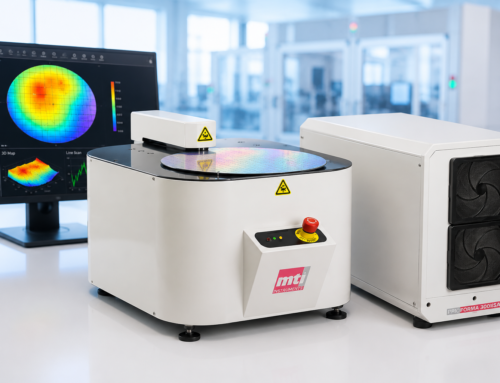
Non-contact measurement systems also known as non-tactile measurement systems measure physical parameters without physically touching the object. These systems use advanced sensors that convert distance, motion, or material properties into electrical signals for data processing.
They are ideal for inspecting:
- Fragile or deformable materials
- High-speed moving parts
- High-temperature components
- Complex geometries
Common Non-Contact Measurement Technologies:
-
- Laser Triangulation Sensors: Ideal for non-contact distance measurement and surface profiling. Fast, accurate, and suitable for dynamic targets.
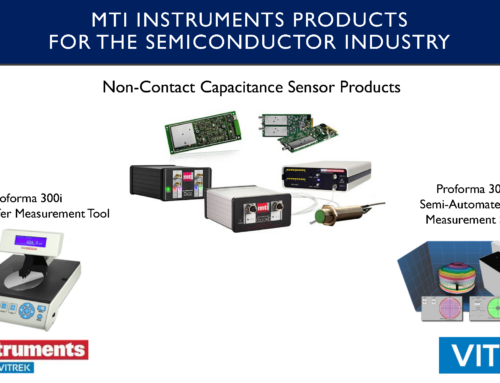
- Capacitance Sensors: Provide nanometer-level precision , especially useful for flatness, thickness, and vibration measurement in clean environments.
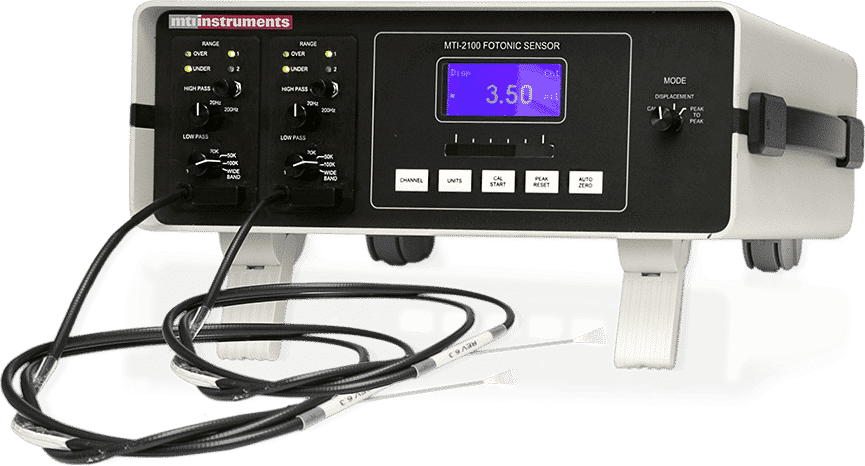
- Fiber Optic Displacement Sensors: Immune to EMI, ideal for non-contact vibration analysis and reflective targets.
Comparing Contact and Non-Contact Measurement Techniques
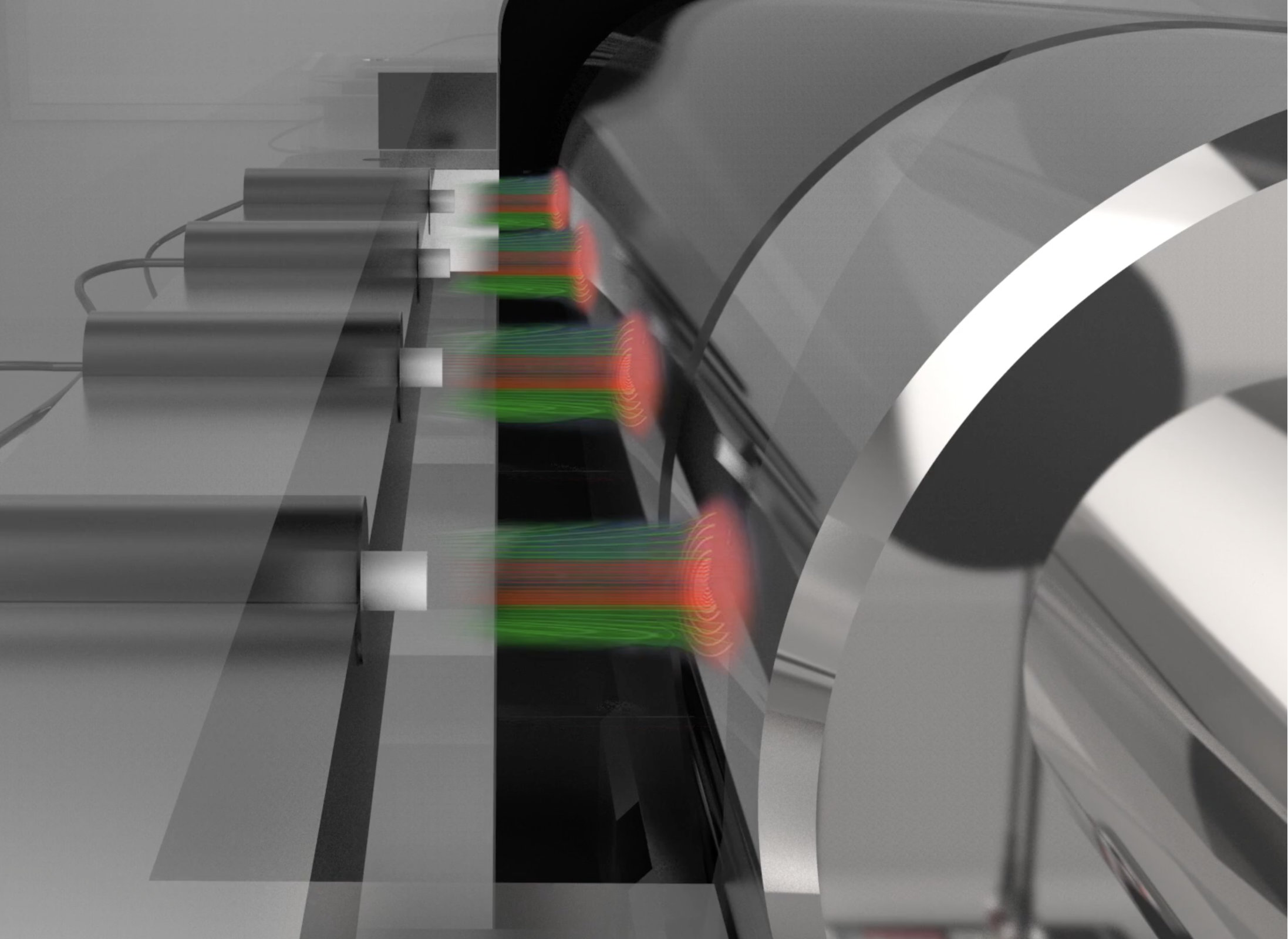
Non-contact measurement techniques are especially well-suited for high-speed and dynamic environments where rapid, real-time data acquisition is essential. Unlike contact sensors, which rely on mechanical contact and may introduce friction or delay, non-contact measurement methods allow for faster sampling without affecting the object being measured. This enables non-contact distance measurement across multiple points simultaneously, often with greater precision and without mechanical wear.
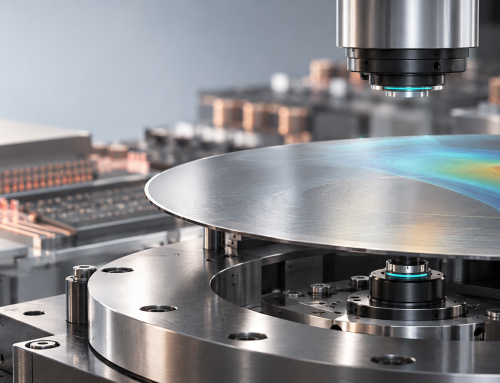
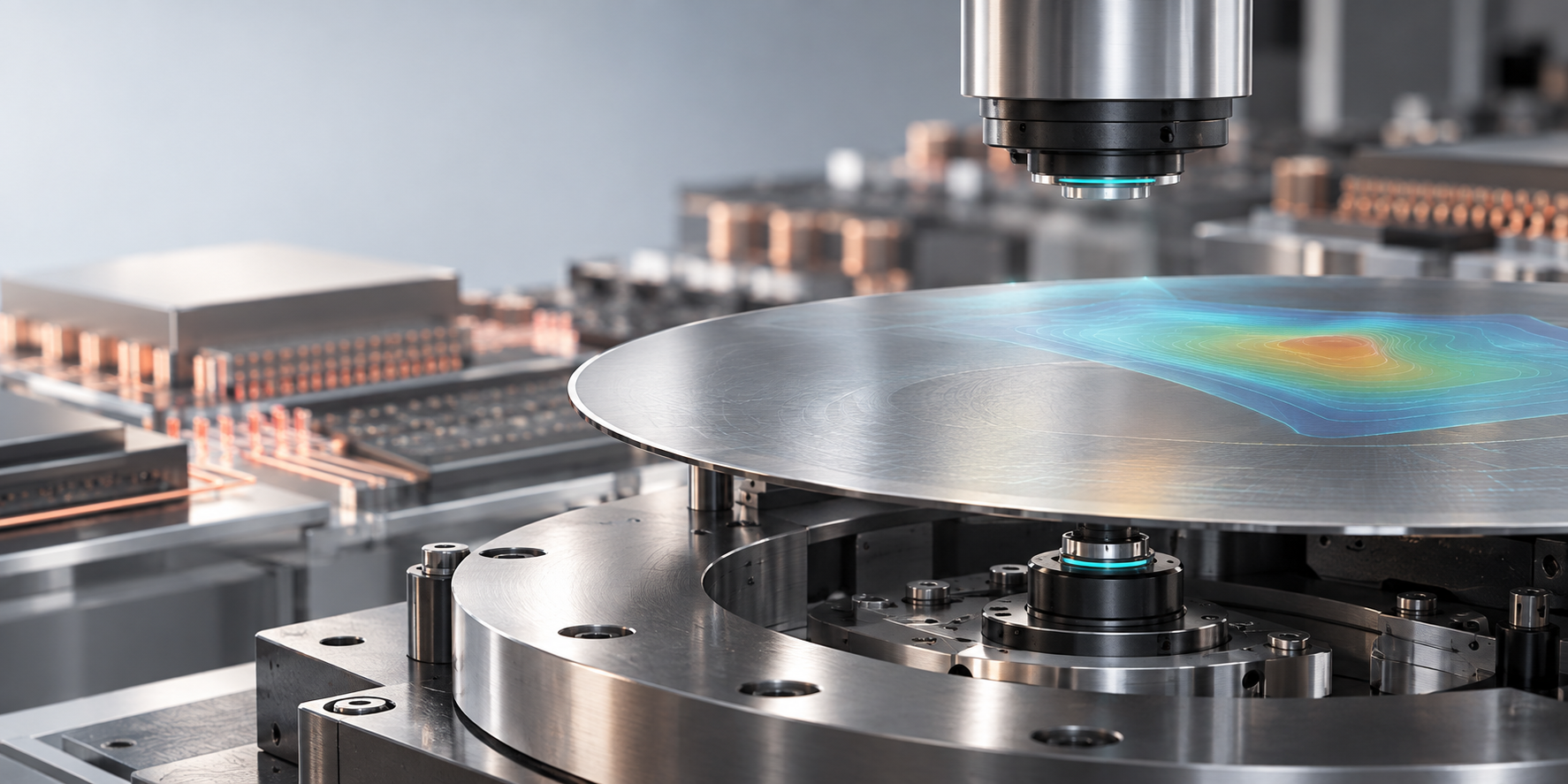
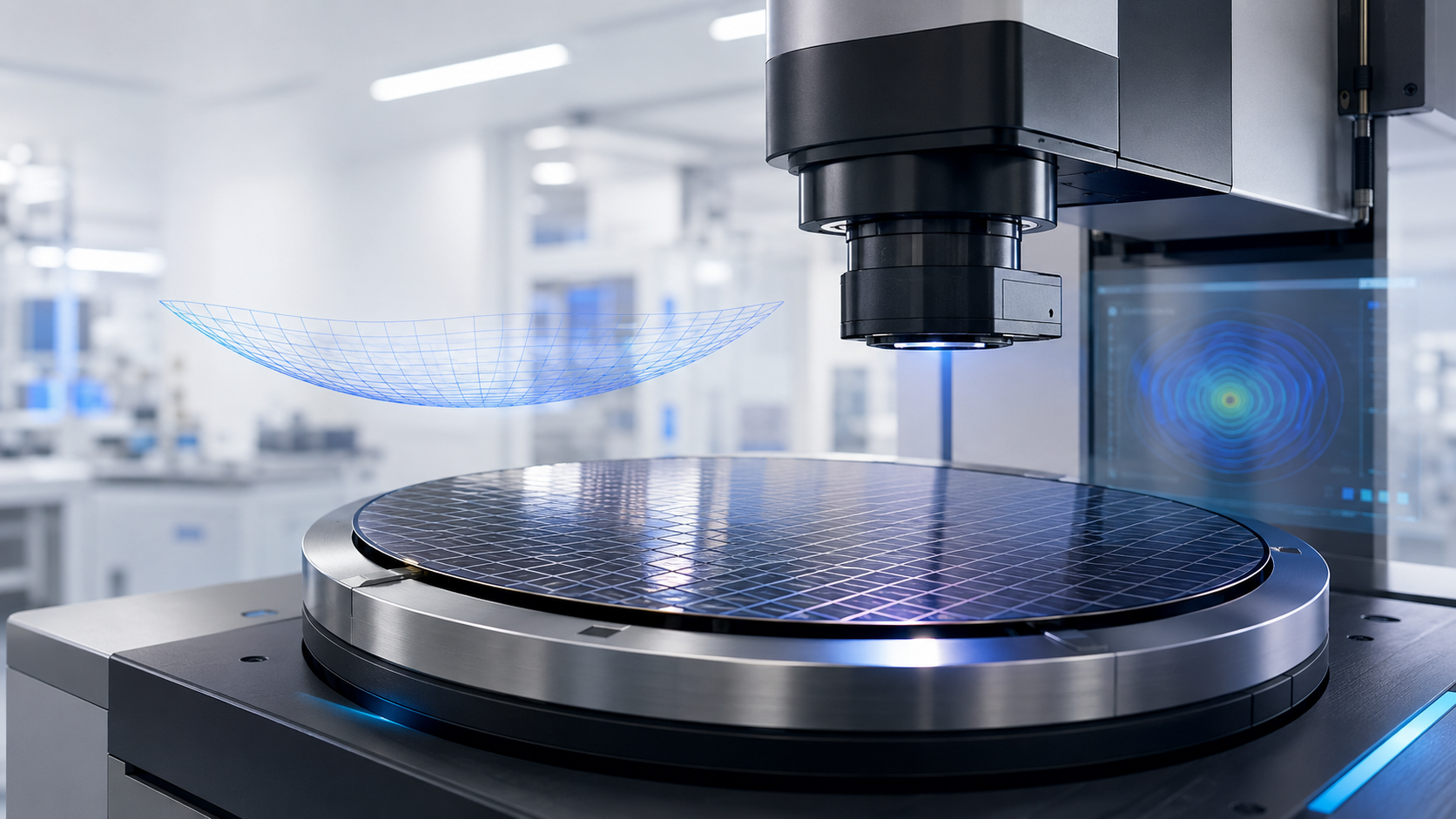
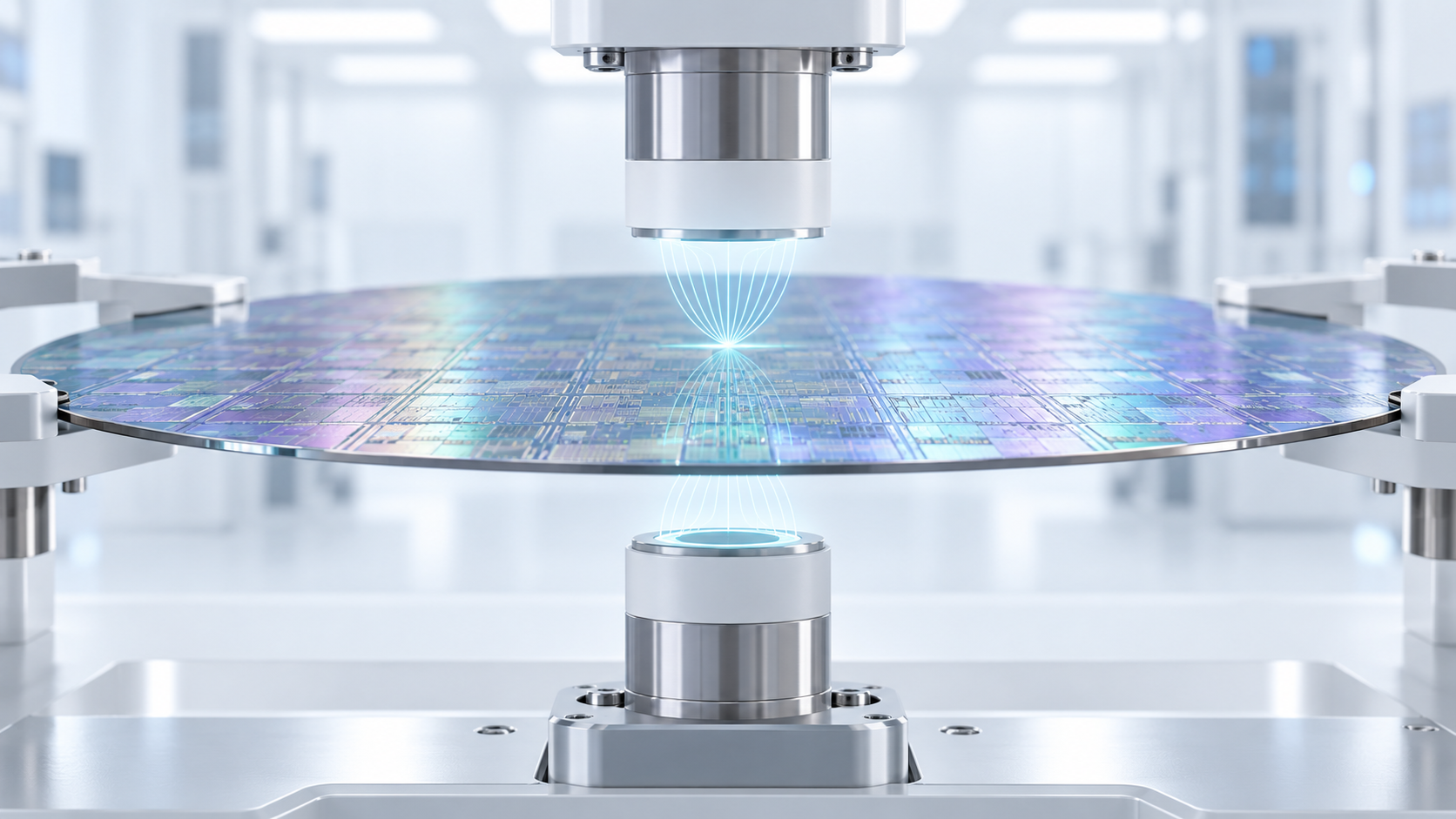
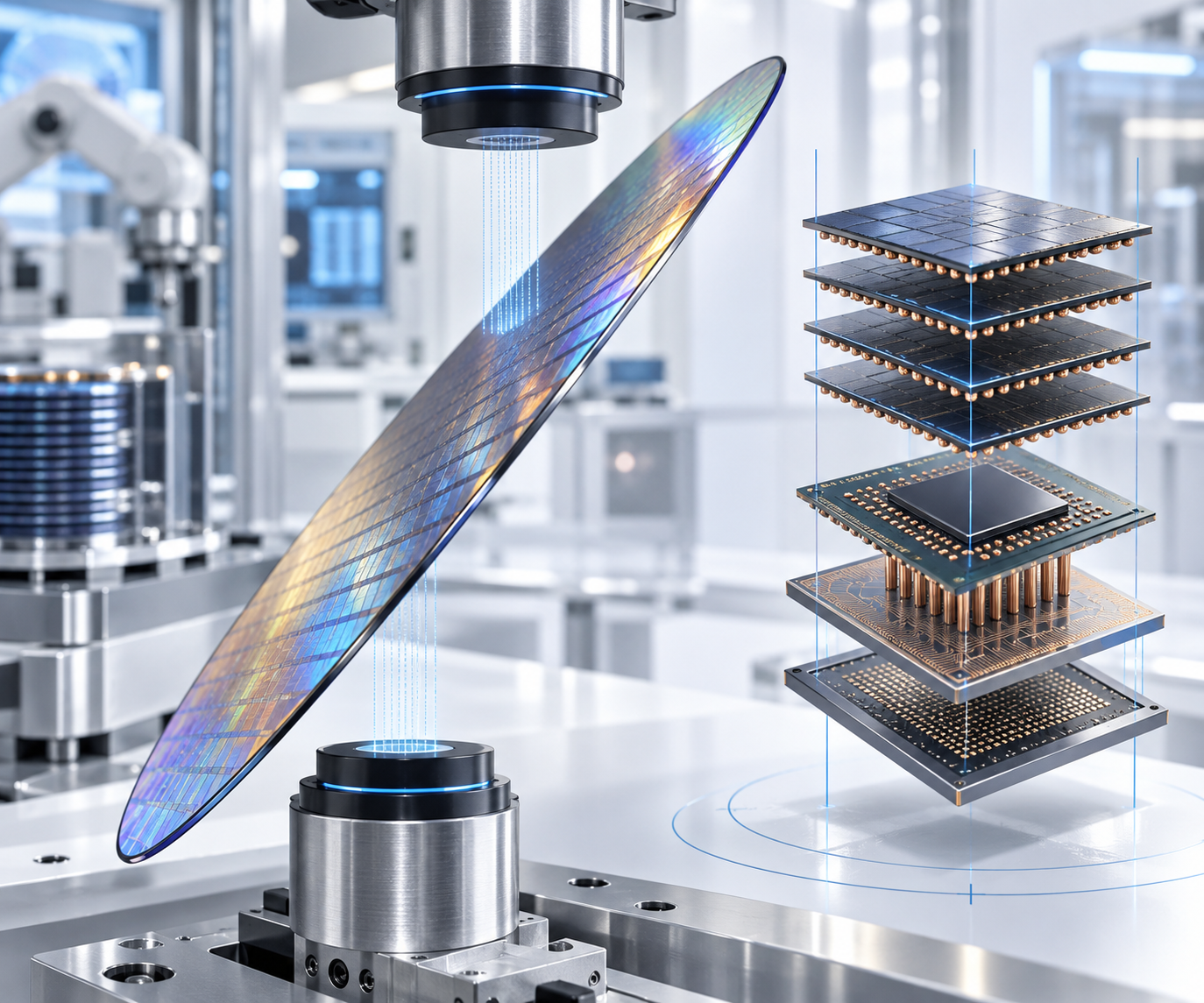
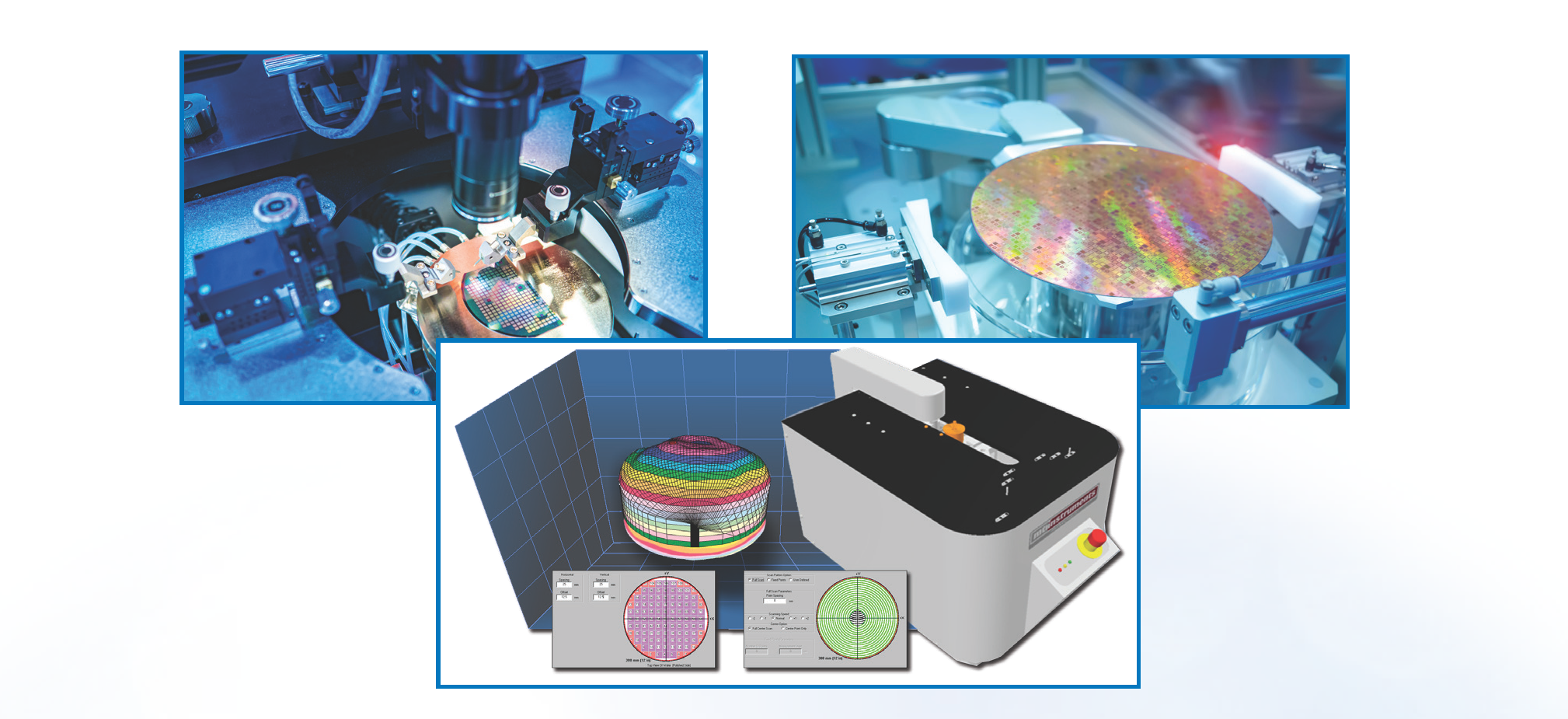
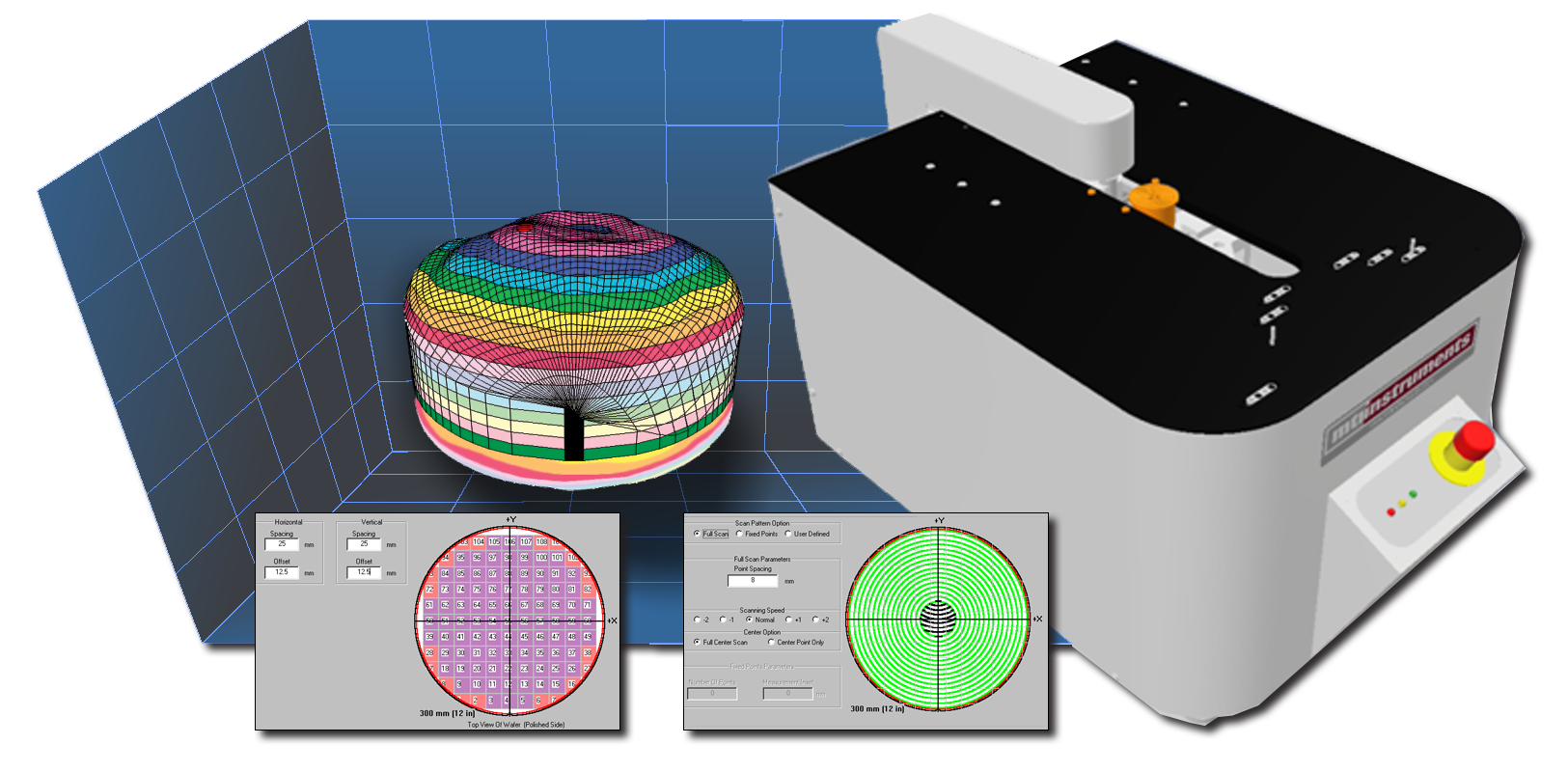
Common in non-contact inspection and automated quality control applications, these systems excel at preserving the integrity of sensitive materials. From semiconductor wafers to moving industrial parts, non-contact measurement systems enable consistent and repeatable data collection-even on complex or delicate surfaces.
Still, contact sensors are preferred in environments with contaminants such as oil, dust, or debris, where optical or capacitive sensors may falter. Moreover, for detailed profiling of grooves or surface irregularities that may be hard to detect optically, contact-based measurement often proves more effective.
Applications of Contact Measurement Systems
Contact-based sensors are ideal for:
- High-precision parts inspection
- Internal feature measurement (e.g., bore diameters)
- Tool calibration and verification
- Rough environments where optical sensors might fail
Common use cases include:
- Dimensional checks in metalworking
- Surface flatness testing with gauge blocks
- Internal groove or slot inspection using tactile probes
Contact systems also tend to be more cost-effective for basic, single-dimensional tasks where ultra-fast sampling is not required.
Applications of Non-Contact Measurement Systems
Non-contact measurement devices excel in:
- Profiling complex geometries
- Measuring soft or hot materials that could be damaged by touch
- Monitoring dynamic systems in real time
- Performing high-speed, high-volume non-contact inspections
Use cases include:
- Real-time defect detection in production lines
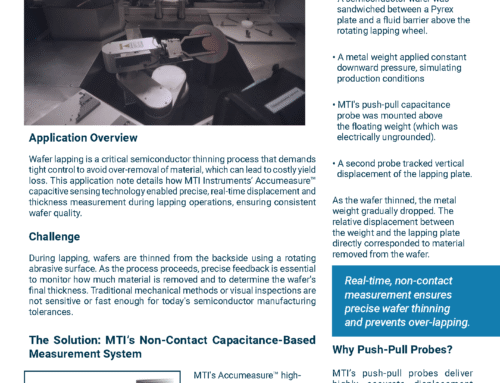
- Non-contact metrology in semiconductor and electronics manufacturing
- Thickness and vibration monitoring in aerospace or turbine blades
- Inline measurements of parts on conveyor belts or robotic arms
Contact Displacement Sensors
Contact displacement sensors are reliable tools for accurately measuring linear displacement in applications where physical contact is acceptable or beneficial. There are several types of contact displacement sensors, each with its own unique capabilities and applications. Some of the most commonly used types include Linear Variable Differential Transformers (LVDT), string pot gauges, glass scale gauges, and sliding scale devices. These sensors are designed to provide continuous output, such as a voltage proportional to the measured distance or a digital reading in engineering units like inches or meters.
1.Linear Variable Differential Transformer (LVDT)
LVDTs are widely used for precise measurement of linear displacement. They offer high accuracy and provide a continuous analog output. These sensors are ideal for applications requiring high precision, such as in aerospace, automotive, and industrial machinery.
2.String Pot Gauge
A string pot gauge is a type of cable-actuated position sensor that uses a spring-loaded spool to detect and measure linear position. It provides accurate measurements over a wide range of motion and is commonly used in both industrial and laboratory settings.
 Figure 1: String Pot Linear Distance Sensor
3.Glass Scale Gauge
Glass scale gauges are used for precise linear measurement in a wide variety of applications. These sensors use a glass scale with embedded markings, which a reading head scans to determine the linear position. Glass scale gauges are known for their high resolution and accuracy, making them ideal for high-precision applications.
4.Sliding Scale
A sliding scale device is another type of contact sensor that is often used in manual measurement systems. These sensors are designed to give continuous measurements, typically providing an analog output that corresponds to the displacement.
5.Proximity Switches
While typically used for basic proximity detection, proximity switches can also serve as linear displacement sensors in some applications. These sensors use a push rod or actuator to indicate when an object reaches a fixed distance. Although proximity sensors are not as precise as other contact sensors, they are valuable in applications where a simple “go/no-go” output is sufficient.

Figure 2: Simple Proximity Switches
Non-Contact Displacement Sensors
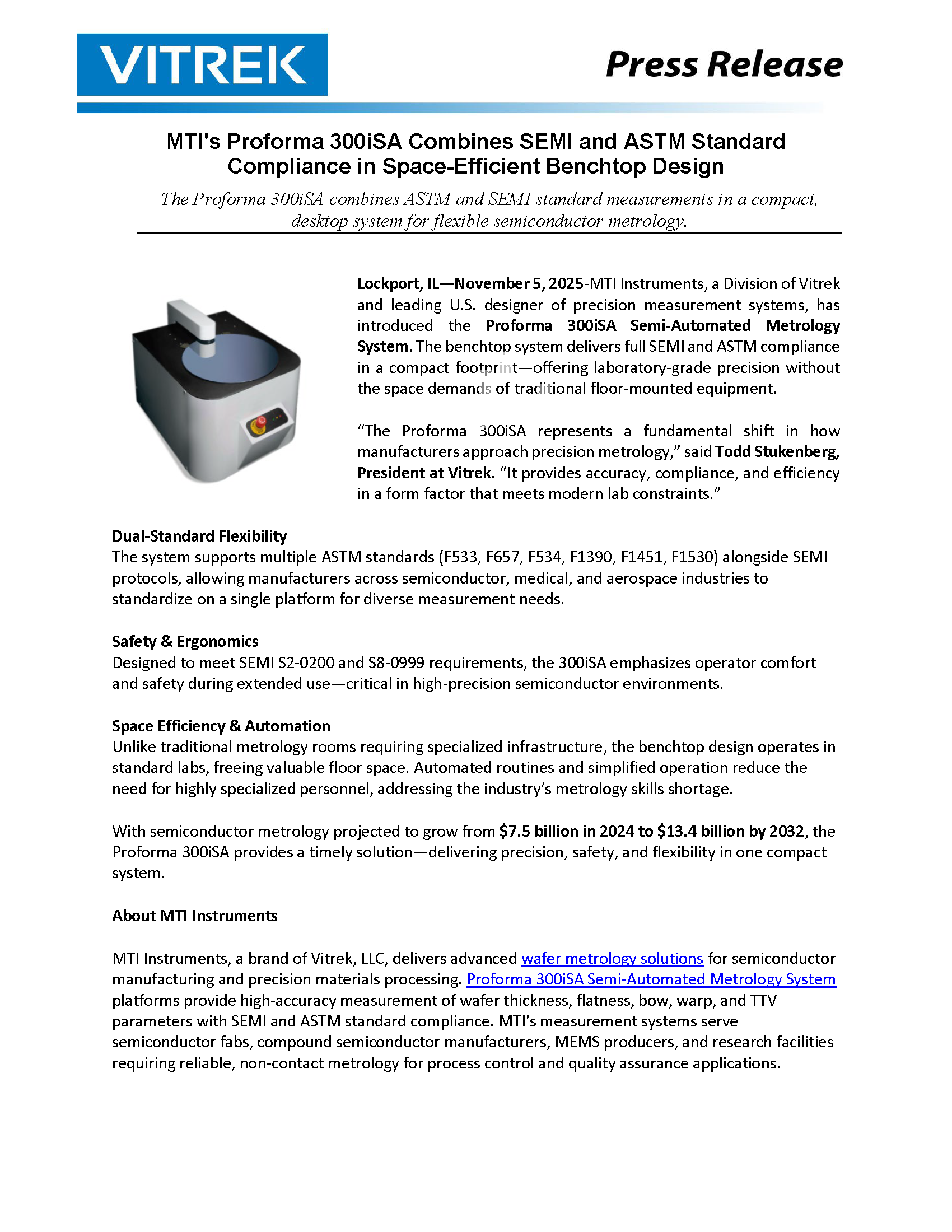
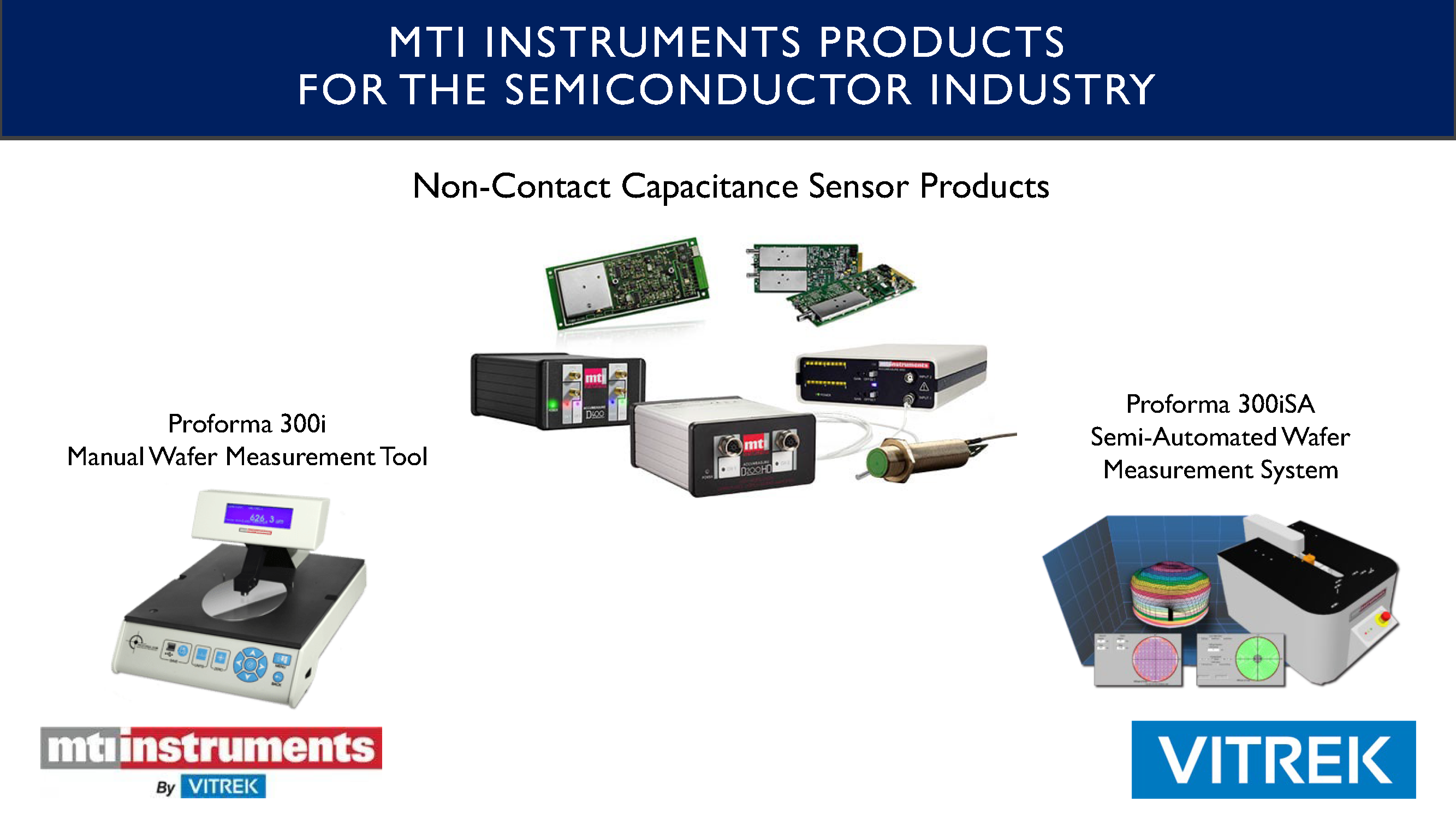
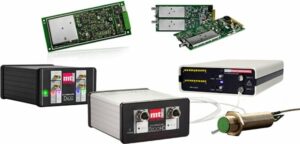
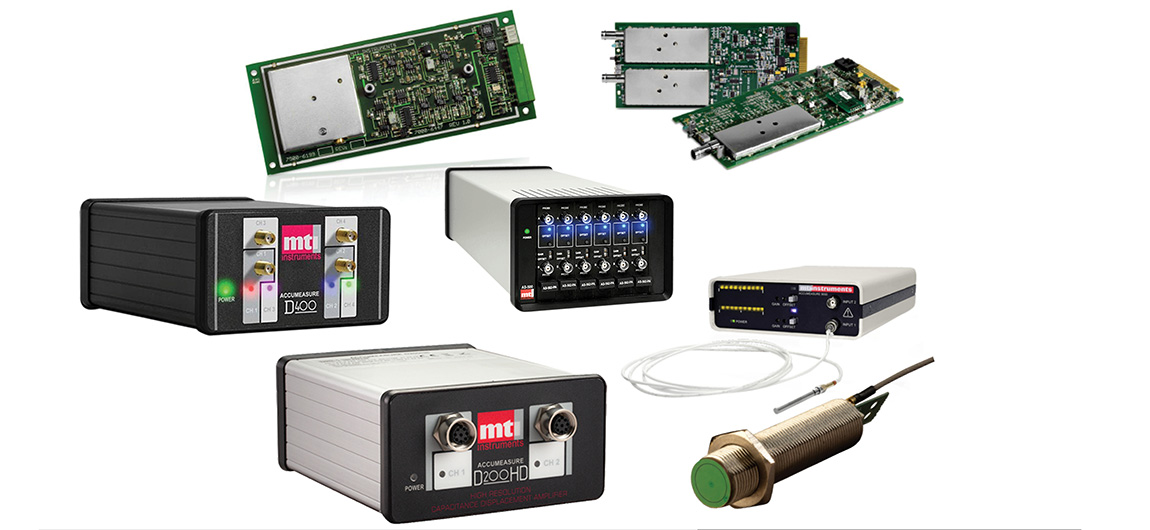
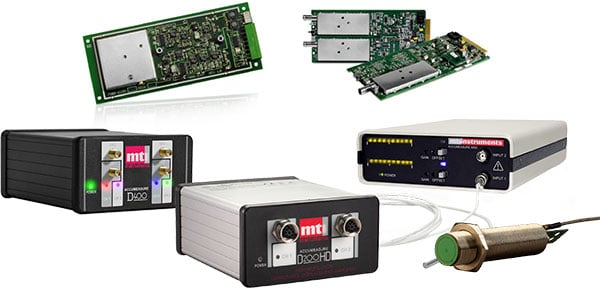
Non-contact displacement sensors use advanced technologies such as eddy current, capacitance, laser triangulation, confocal chromatic, and fiber optic to measure variables like position, thickness, and distance with high precision. These sensors are ideal for applications where contact measurement is not feasible or desirable. MTI Instruments, a leader in precision non contact measurement solutions, offers highly accurate capacitance sensors, fiber optic sensors, and laser systems capable of measuring with micrometer-level resolution.
The following sections provide a detailed overview of each technology, along with images of MTI products and links for further information.
Non-Contact Measurement Technologies:
1. Capacitance Sensors
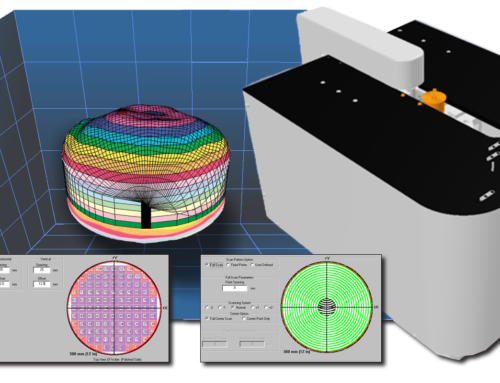
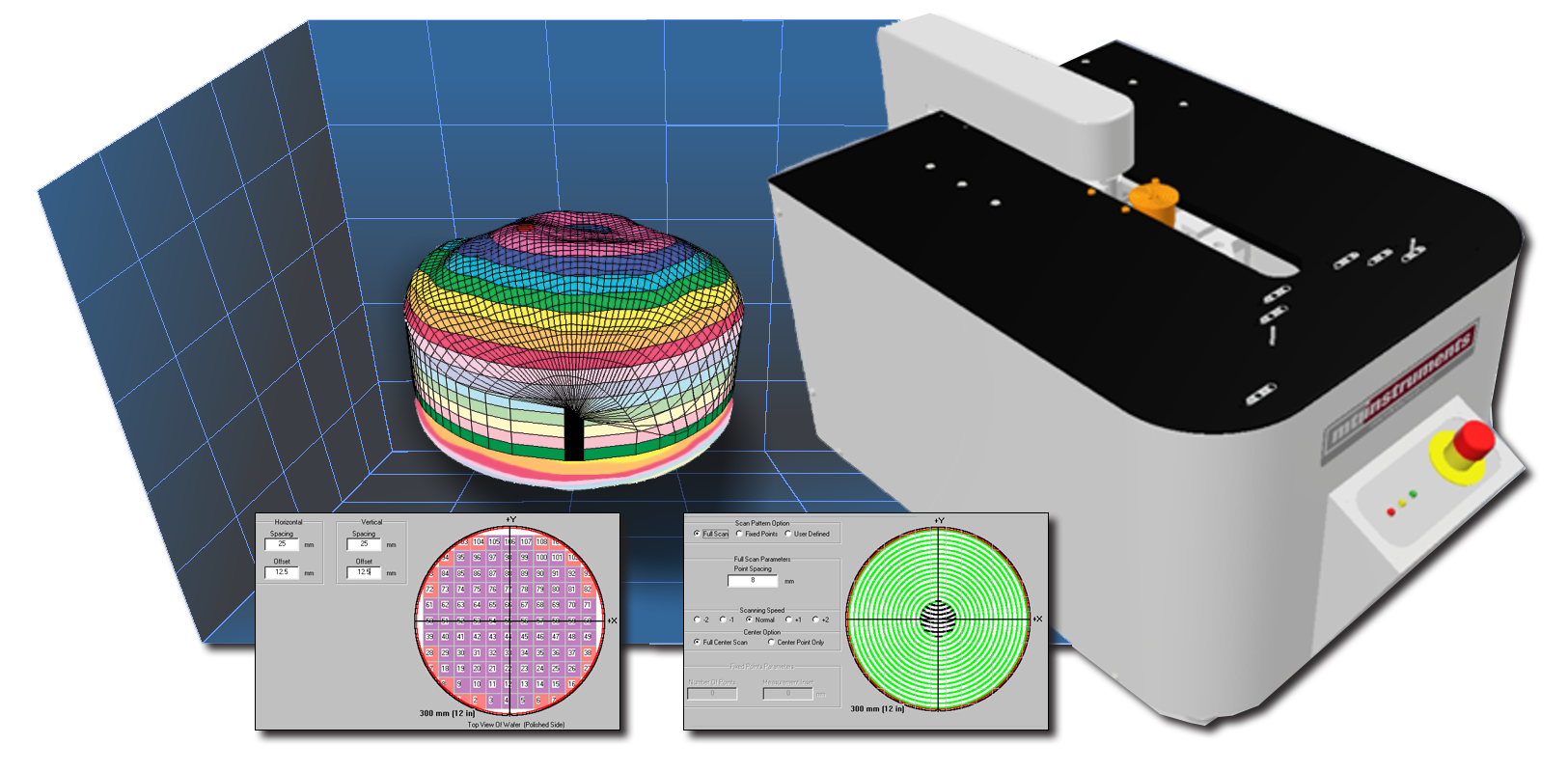
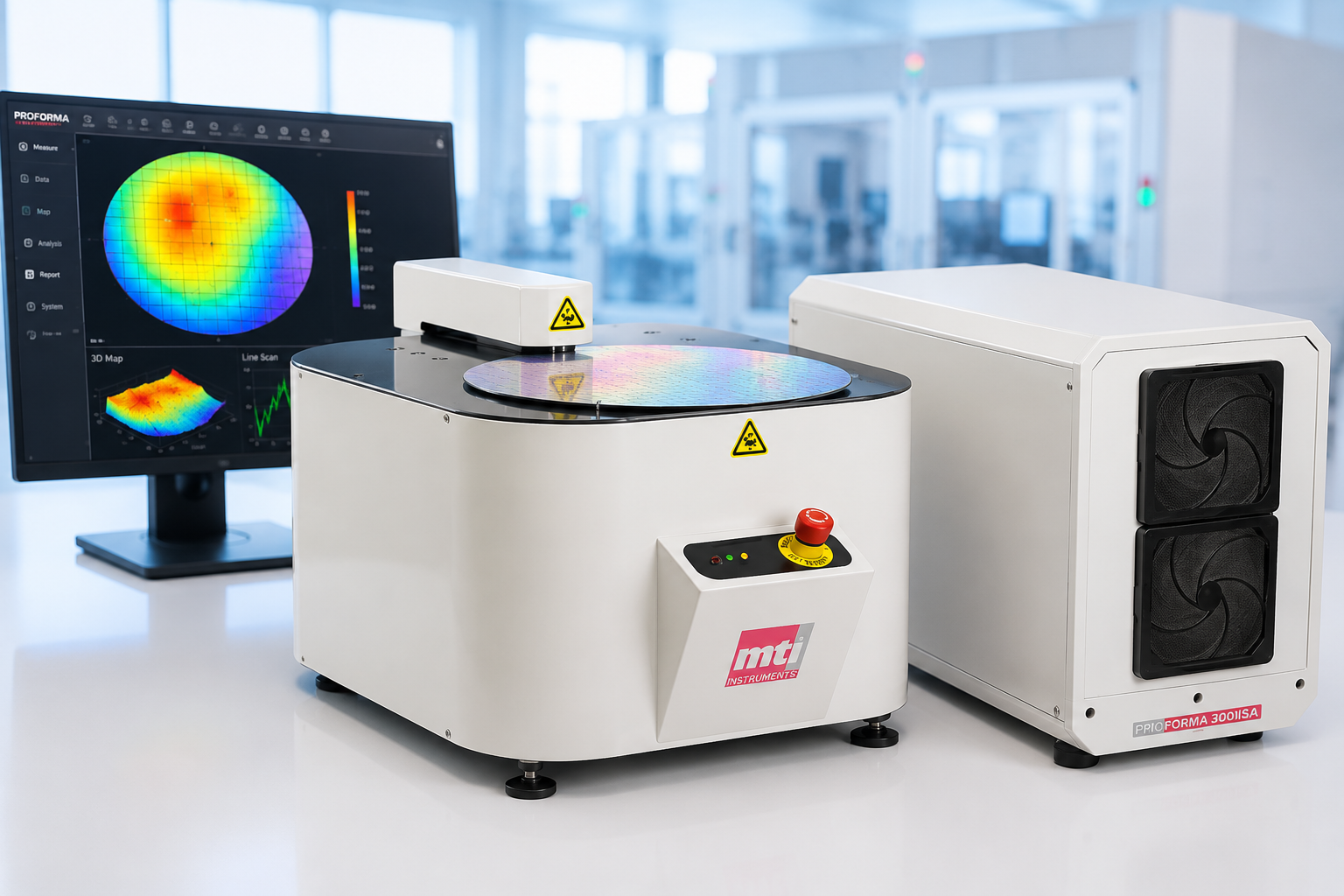
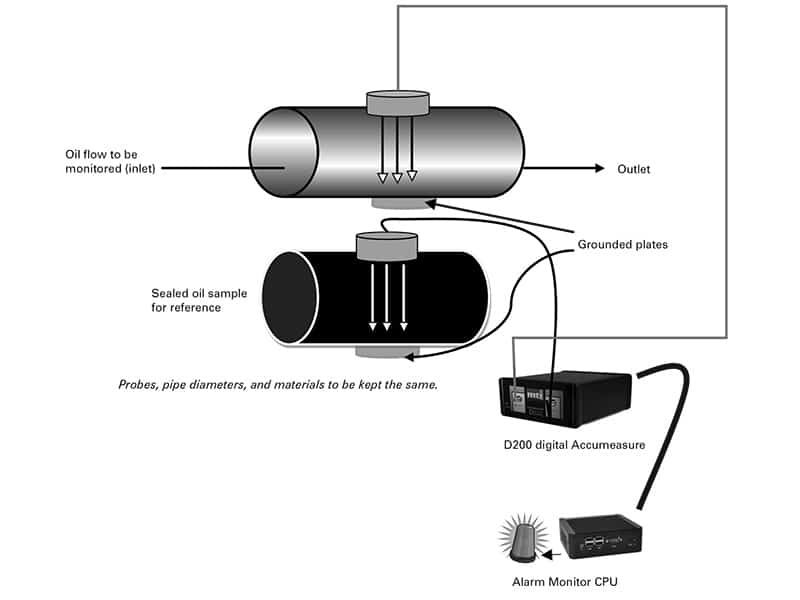
Capacitance sensors are used for high-resolution measurements that require a high level of accuracy. They are not recommended for use in dirty environments, and are not affected by magnetic fields, temperature, humidity, nuclear radiation, or pressure. For thickness measurements that require nanometer accuracy, capacitance sensors provide excellent linearity. They are the best choice for semiconductor wafers.

Figure 3: Digital Accumeasure
2.Fiber Optic Sensors
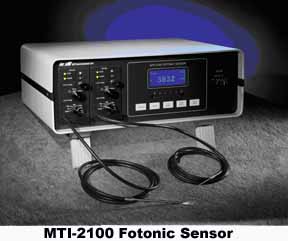
Fiber optic sensors can accommodate a wide range of targets and shapes. The probes are immune to electromagnetic interference (EMI) and are suitable for surfaces made of metallic, composite, plastic, glass, or ceramic materials. Fiber optic sensors provide a sensitive, linear output with a large measurement range and standoff distance. They are the best choice for measuring high-frequency vibrations.

Figure 4: Fiber Optic MTI 2100 Fotonic Sensor
3.Laser Triangulation Sensors
Laser triangulation sensors are ideal for measuring moving targets in high-speed applications because they have a high frequency response. With their visible laser positioning, they also support ease of positioning and alignment. In addition laser sensors have larger standoffs than fiber optic or capacitive sensors meaning the sensor can be located further away from the target. Both 1D laser systems and 2D-3D laser systems are available.

Figure 5: MicroTrak3: 1D Laser Displacement Sensor

Figure 6: ProTrak G: 2D/3D Laser
Understanding Linear Displacement Measurement
Linear displacement sensors are available in both contact and non-contact variants. Within each category, a variety of technologies are used to provide continuous measurement over a range of distances. Unlike proximity sensors, which only indicate when a particular distance has been reached, linear displacement sensors output continuous data, either in analog or digital form, proportional to the displacement or distance.
By choosing the appropriate non-contact measurement system, such as laser triangulation, fiber optic, or capacitance sensors, businesses can improve the precision and efficiency of their measurement processes.
Selecting the Right Non-Contact Sensor Technology
If you’re seeking an accurate, non-contact measurement solution, MTI Instruments offers a wide range of non-contact displacement sensors. Their expertise can help you choose the best technology tailored to your specific application, whether you are working with complex surfaces or need high-frequency responses for dynamic measurement.
To learn more about non-contact measuring systems and discover which sensor technology is right for you, contact us today.