Introduction
As signal environments become faster, more complex, and more data-intensive, engineers need acquisition tools that match the demands of modern testing. Whether validating next-generation communications systems, capturing radar pulses, analyzing ultrasound returns, or troubleshooting electronics, the quality of captured data directly impacts design confidence and test accuracy.
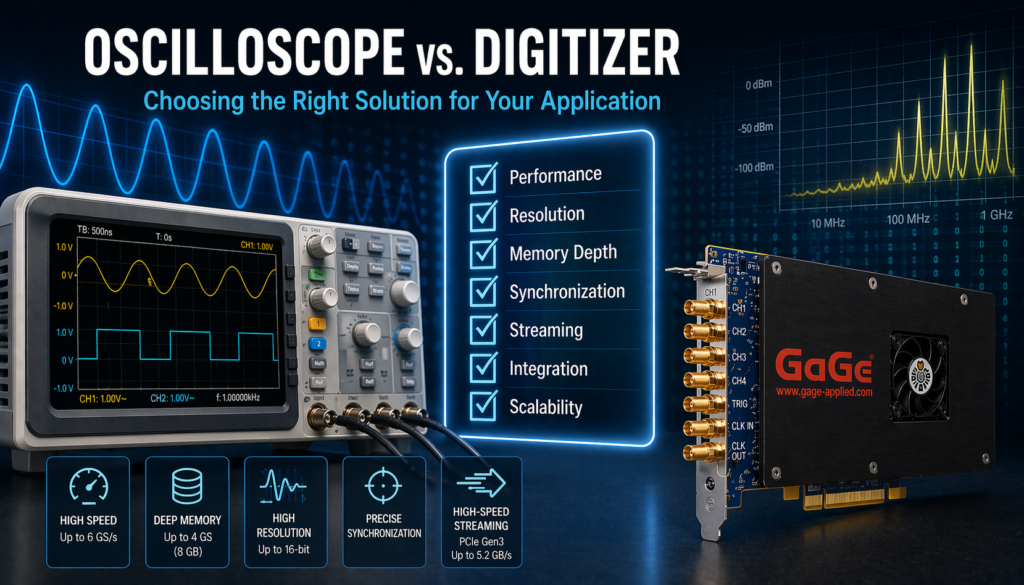
Two of the most common signal acquisition platforms are oscilloscopes and digitizers. While both sample electrical signals and convert them into digital data, they are designed for different workflows. Oscilloscopes excel in interactive debugging and real-time waveform visualization. Digitizers are optimized for sustained acquisition, deep memory capture, system integration, and high-performance analysis.
For organizations working in aerospace, defense, RF, scientific research, industrial automation, and embedded test, understanding the distinction is essential. This whitepaper explains the differences, outlines application fit, and highlights why GaGe high-speed digitizers are purpose-built for demanding wideband acquisition environments.
The Growing Demands of Signal Acquisition
Modern electronic systems generate more data than ever before. Engineers are no longer dealing only with low frequency control signals or short-duration events. Today’s applications often require:
- Wideband signal capture
- Multi-channel synchronization
- Long-duration recording
- Higher resolution measurements
- Automated testing
- Embedded processing
- Real-time streaming to host systems
- Integration into custom platforms
As these requirements grow, selecting the right acquisition hardware becomes a strategic decision rather than a simple bench-top purchase.
Understanding Oscilloscopes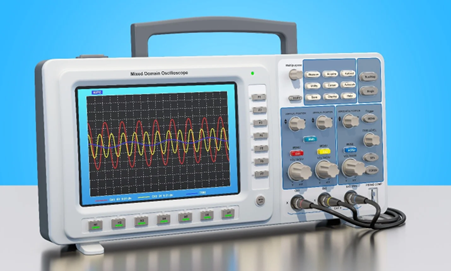
An oscilloscope is typically a standalone instrument designed to display waveforms in real time. It allows users to quickly connect probes, observe signal behavior, trigger on events, and perform immediate diagnostics.
Oscilloscopes remain indispensable in labs, design benches, service centers, and troubleshooting environments because they provide immediate visual insight into circuit behavior.
Common Oscilloscope Types:
Analog Oscilloscopes
Traditional continuous waveform instruments used in earlier generations of electronics testing.
Digital Oscilloscopes
Modern instruments that sample, store, and display waveforms with advanced measurement features.
Mixed-Signal Oscilloscopes (MSOs)
Combine analog and digital channels for simultaneous measurement of buses, clocks, and analog signals.
Key Oscilloscope Strengths
Oscilloscopes are favored for hands-on engineering work because they provide instant waveform visualization, fast troubleshooting capability, trigger-based transient capture, easy front-panel controls, built-in measurement tools, and highly interactive debugging workflows. These strengths make them especially valuable for typical applications such as general electronics diagnostics, power supply transient analysis, circuit debugging, educational labs, design verification, and manual probing of signals.
Where Oscilloscopes Reach Their Limits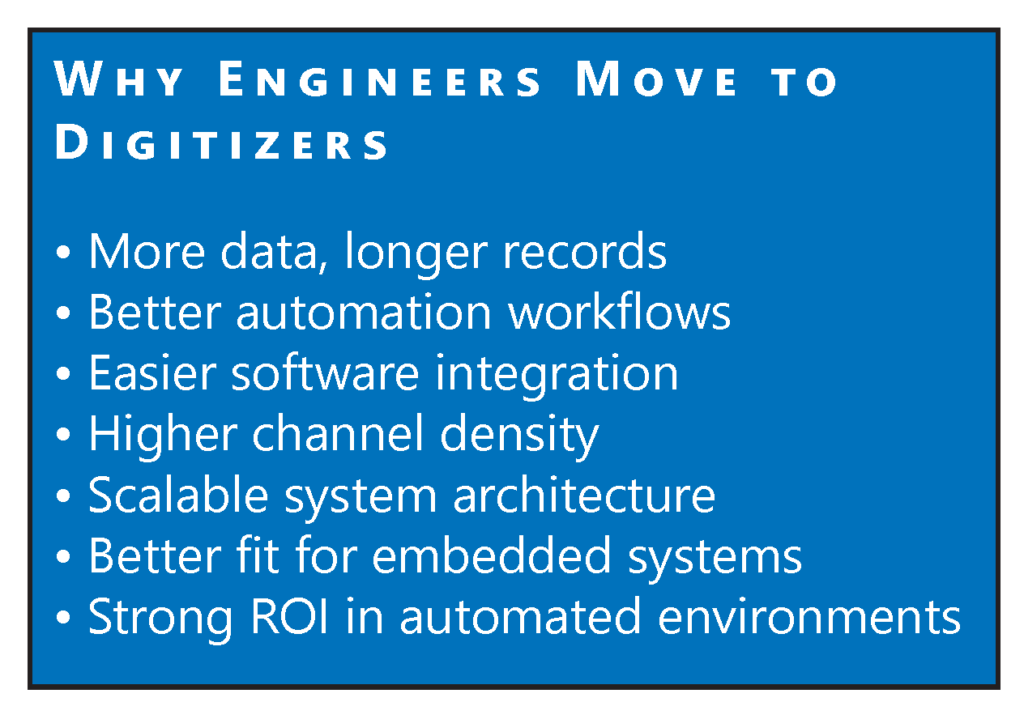
While oscilloscopes are powerful tools, they are not always ideal for high-data-volume or embedded acquisition tasks. Potential oscilloscope limitations may include:
- Finite memory depth
- Limited sustained streaming performance
- Lower channel density in some models
- Less flexibility for custom automation
- Standalone form factor not ideal for embedded systems
- Higher cost when scaling multi-channel systems
For many advanced acquisition applications, a digitizer may be the more effective platform.
Understanding Digitizers
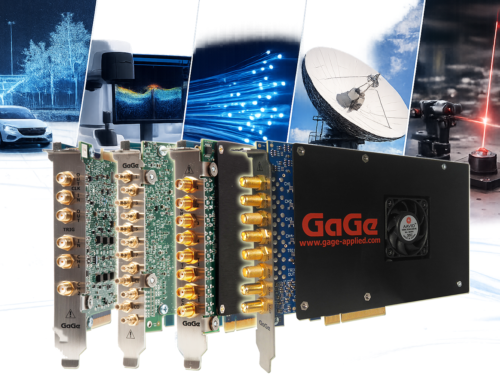
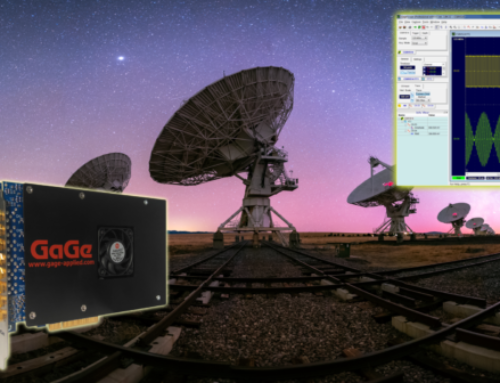
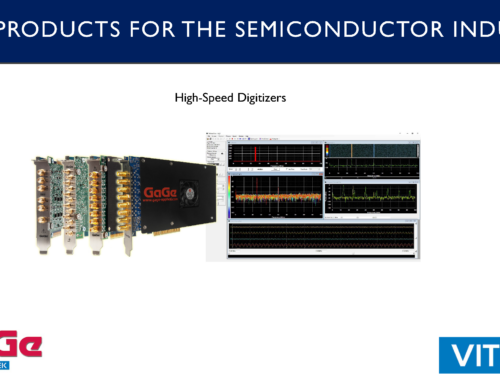
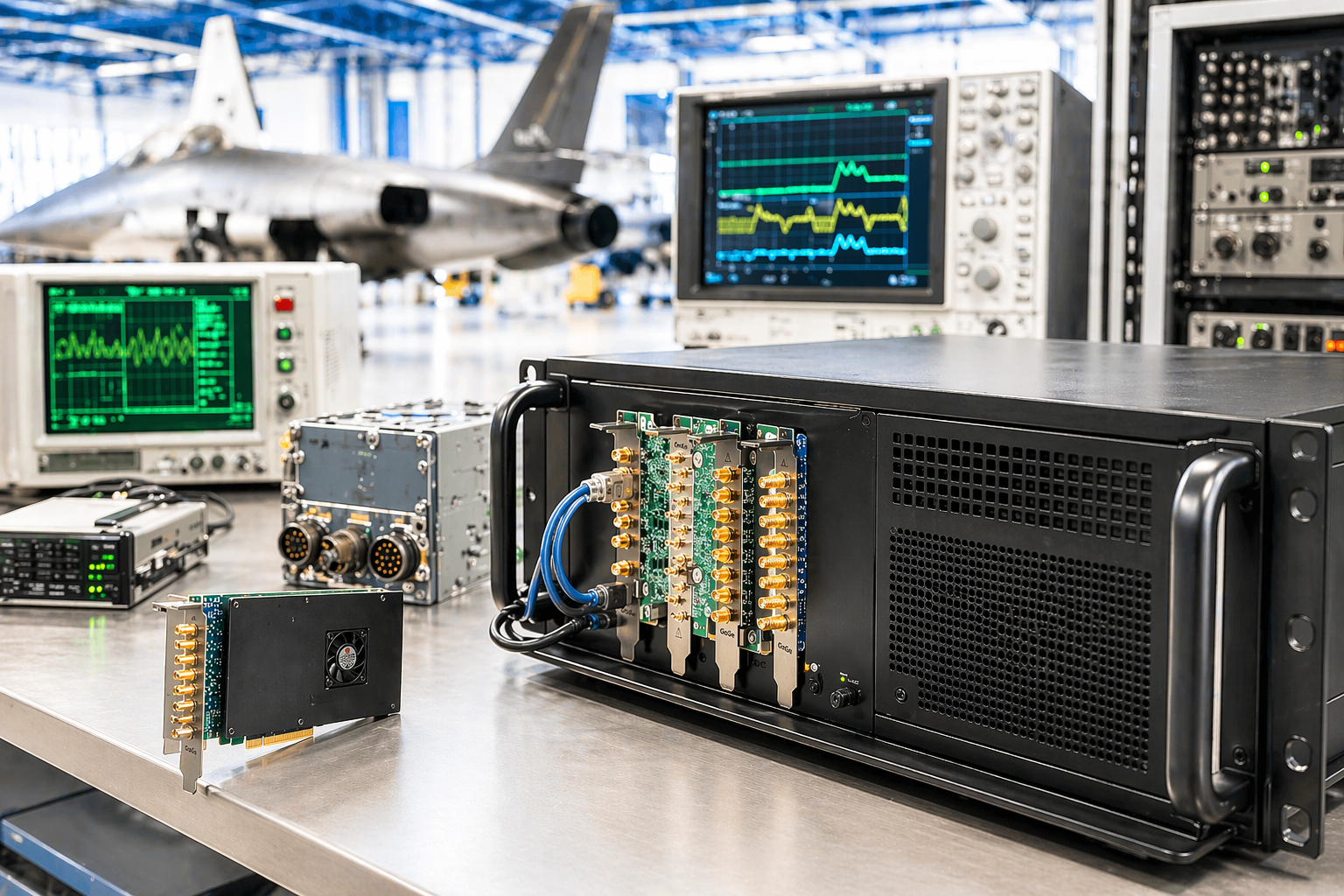
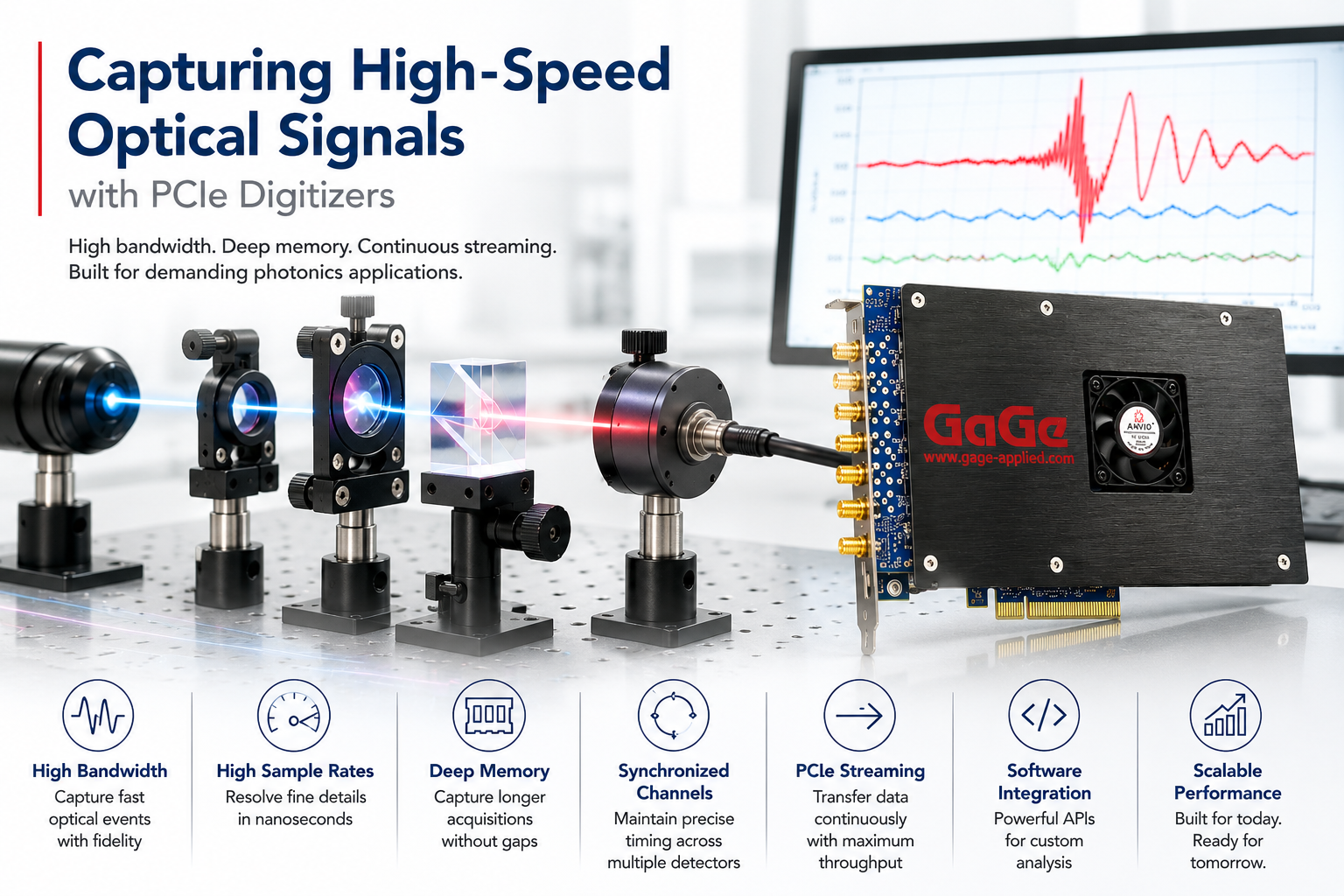
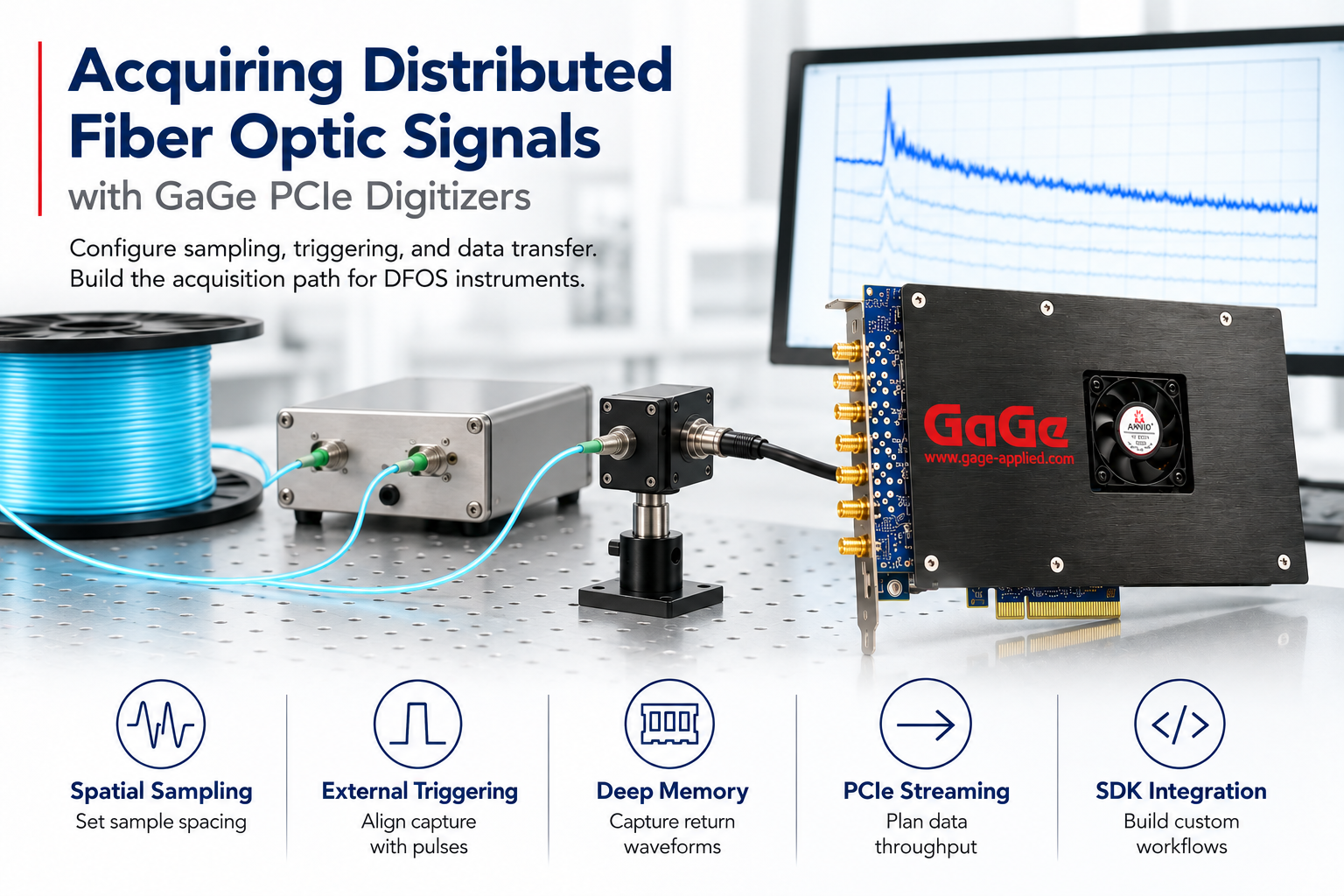
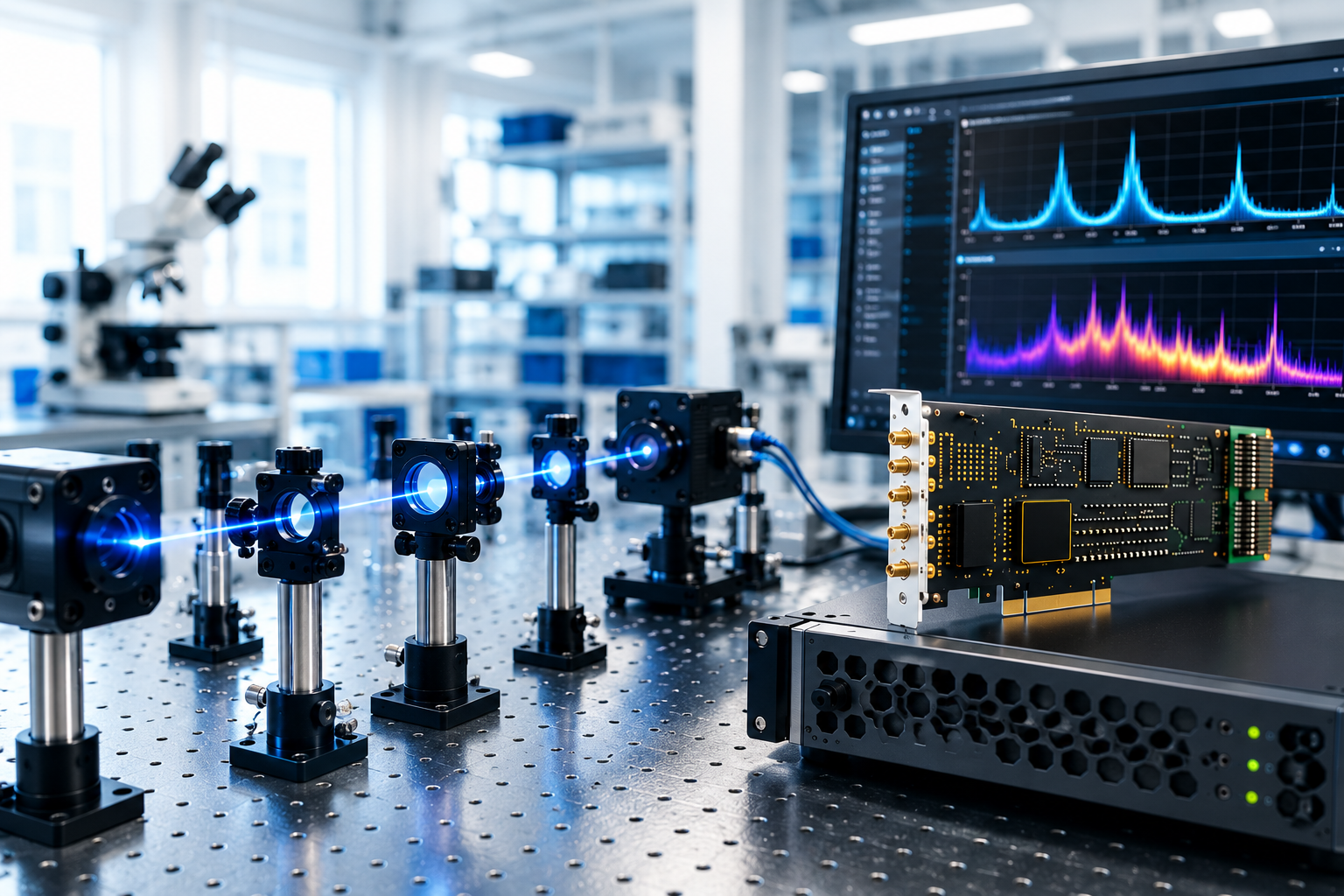
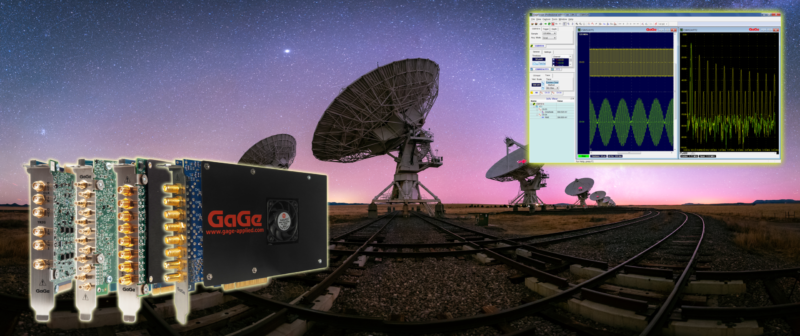
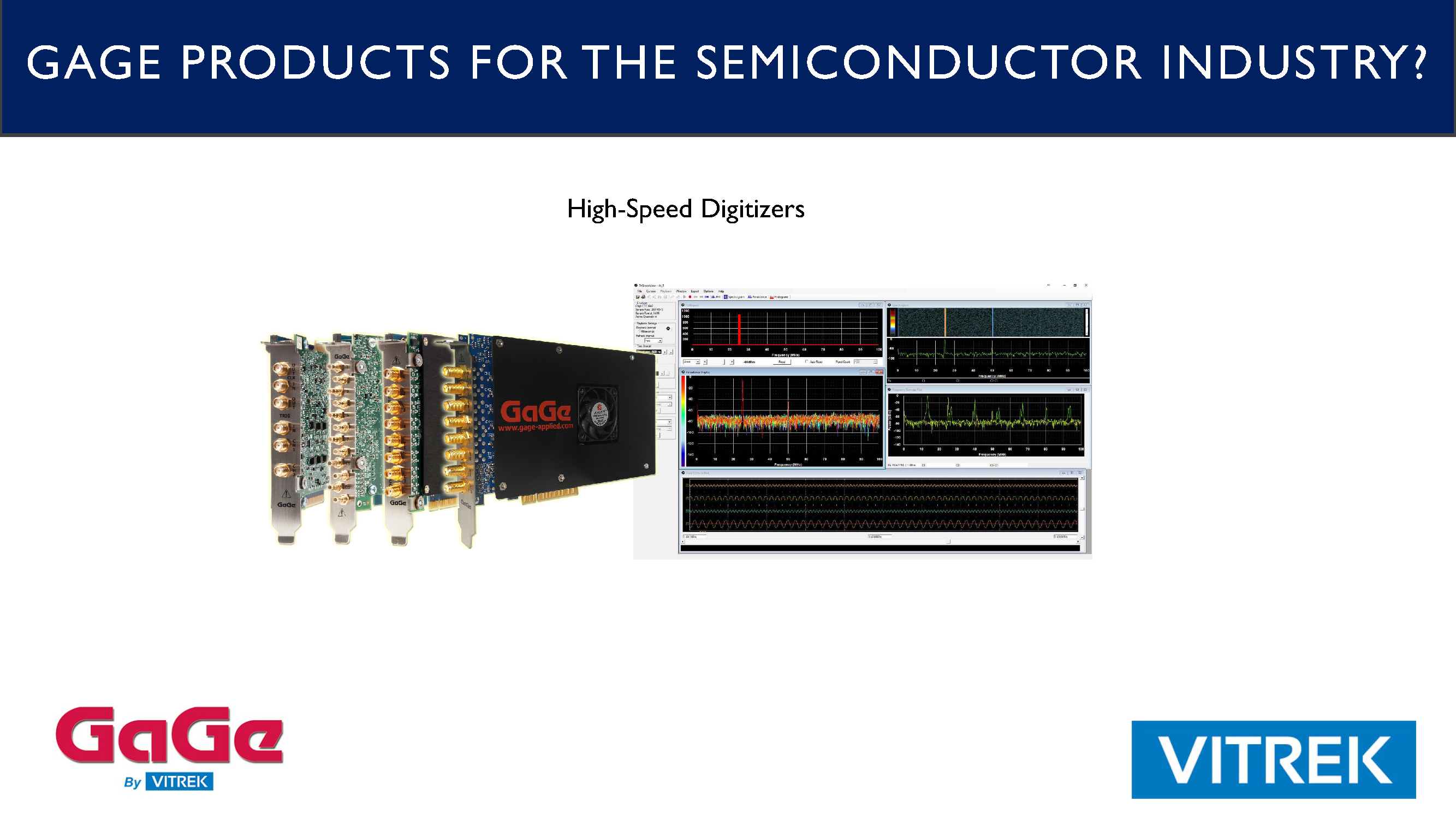
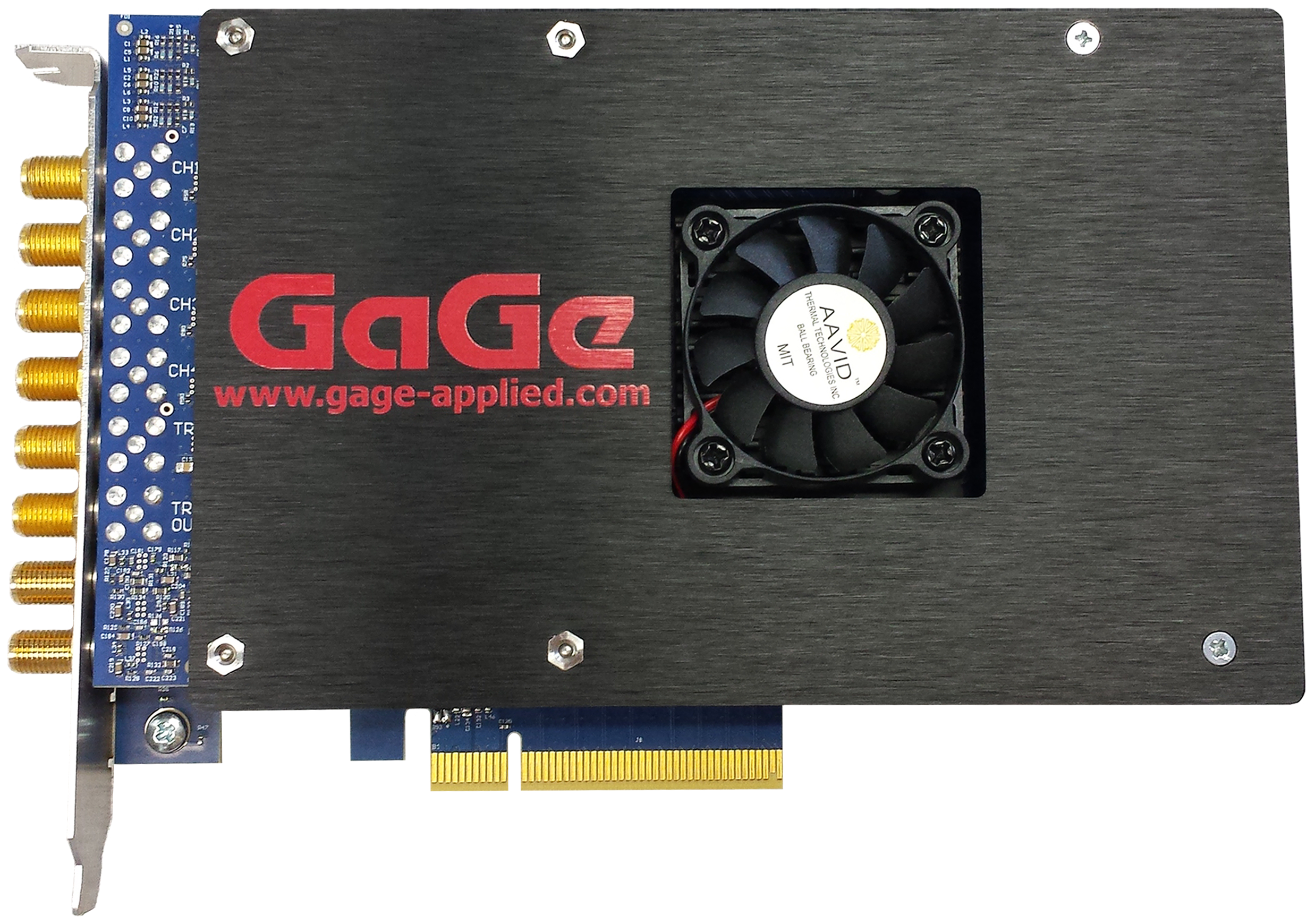
A digitizer is a high-speed data acquisition device designed to capture analog signals and convert them into digital data for storage, analysis, and processing. Unlike standalone oscilloscopes, digitizers are commonly implemented as PCIe or PXIe cards installed in a host PC or modular chassis.
This architecture allows the digitizer to leverage the computing power, storage capacity, and software environment of the host system.
Rather than focusing primarily on front-panel interaction, digitizers are built for performance, integration, and scalability.
Why GaGe Digitizers Excel in Wideband Acquisition
Deep Memory for Long Captures
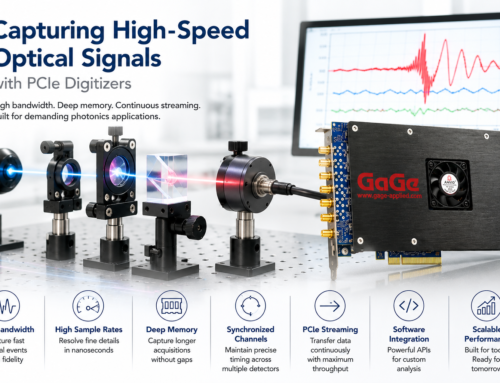
Many applications require recording signals over long time windows without data loss. Digitizers often provide significantly deeper onboard memory than oscilloscopes, allowing capture of rare events, bursts, and extended acquisitions.
Sustained High-Speed Streaming
Digitizers can stream data directly to host memory or storage, enabling continuous acquisition for analysis, logging, or machine learning workflows.
Higher Effective Resolution
A high Effective Number of Bits (ENOB) improves measurement fidelity, especially for low-amplitude signals or applications requiring precise amplitude discrimination.
Multi-Channel Scalability
PCIe architecture allow synchronized multi-channel expansion for larger systems.
Software-Defined Flexibility
Digitizers integrate easily with LabVIEW, C/C++, Python, MATLAB, and custom software environments.
Embedded Processing Options
Modern digitizers may leverage FPGA or GPU resources for real-time FFTs, averaging, filtering, triggering, or postprocessing.
When to Choose a Digitizer
Use a GaGe digitizer when your application depends on data throughput, long captures, integration, or advanced analysis. Best for:
- Automated test systems
- Long-duration acquisition
- Multi-channel synchronized capture
- Wideband RF measurements
- Radar pulse analysis
- Ultrasound imaging
- Scientific experiments
- Signal intelligence (SIGINT)
- OEM embedded systems
- High-speed data logging
GaGe Digitizers: Purpose-Built for Performance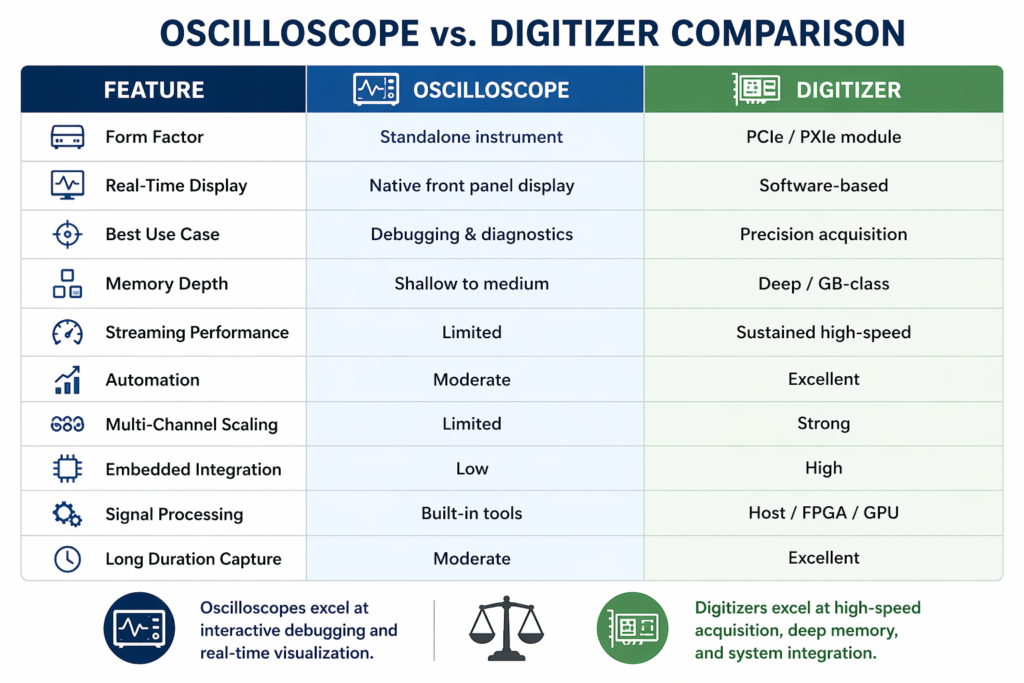
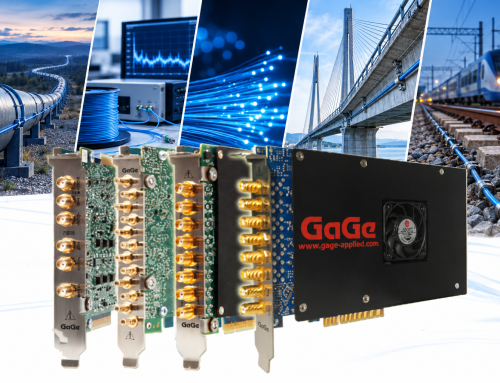
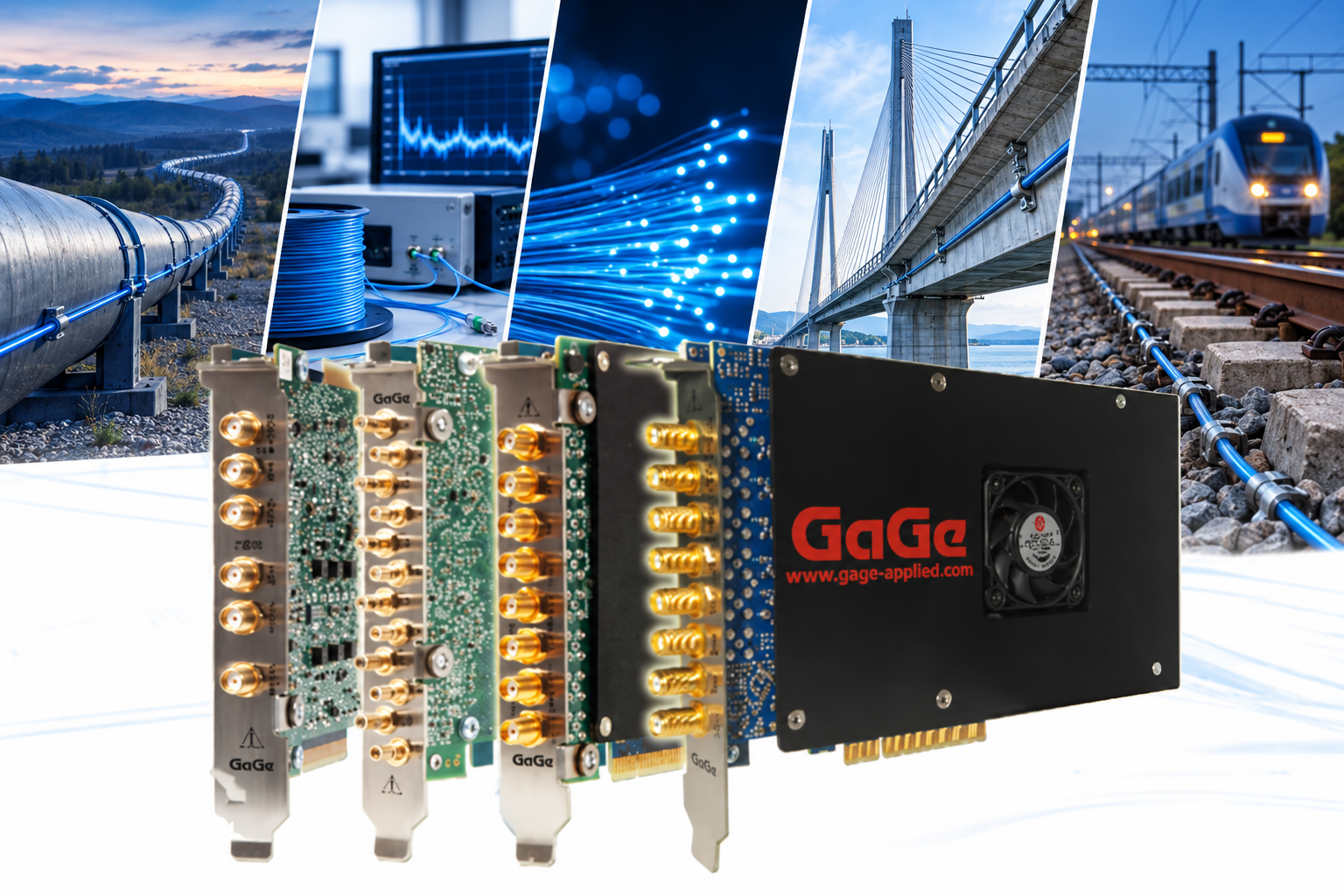
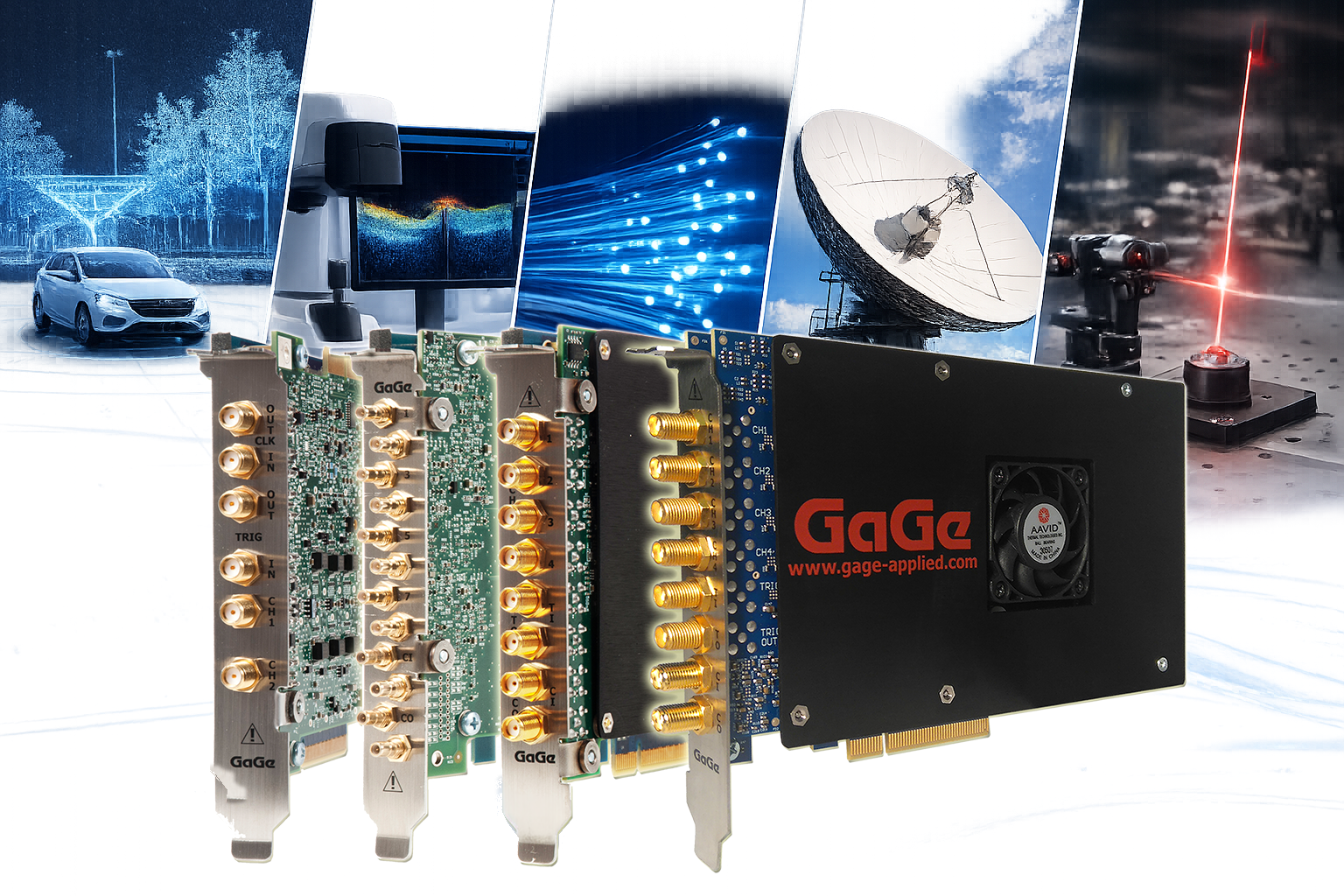
GaGe digitizers from Vitrek are engineered for demanding acquisition environments where traditional scopes may fall short. Their platforms combine high speed, precision, deep memory, and host-system flexibility.
Featured Platforms
EON Express PCIe 12-bit Digitizer — The EON Express PCIe 12-bit Digitizer is designed for very high-speed applications that demand fast sampling and wide analog bandwidth. Delivering sampling rates up to 6 GS/s, 12-bit resolution, and bandwidth up to 1.75 GHz, it is well suited for capturing fast transient events, RF signals, and high-speed pulse measurements where both speed and signal fidelity are critical.
RazorMax Express PCIe 16-bit Digitizer — The RazorMax Express 16 combines high resolution, high speed, and deep onboard memory for demanding acquisition applications. Available in two- or four-channel configurations, it delivers 16-bit resolution, sampling rates up to 1 GS/s, and 600 MHz bandwidth, while supporting PCIe Gen3 streaming speeds up to 5.2 GB/s. With 4 GS (8 GB) of onboard sample memory, it is ideally suited for radar, scientific data capture, synchronized multi-channel systems, and continuous high-throughput acquisition.
RazorPlus Express PCIe 16-bit Digitizer — The RazorPlus Express PCIe 16-bit Digitizer is built for applications where higher resolution signal capture and amplitude fidelity are essential. Featuring two channels, 16-bit resolution, sampling rates up to 500 MS/s, selectable 50Ω and 1MΩ input options, and bandwidth up to 250 MHz, it is an excellent choice for precision waveform analysis, low-level signal measurement, and mixed-signal environments where accuracy matters.
Industry Application for GaGe Digitizers
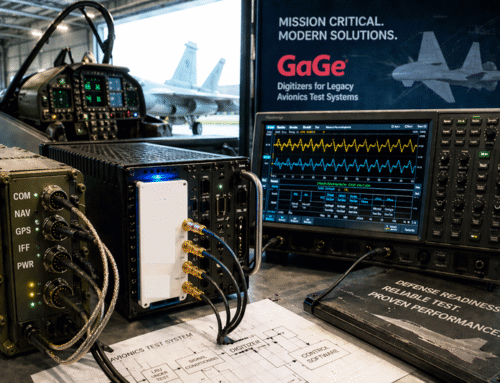
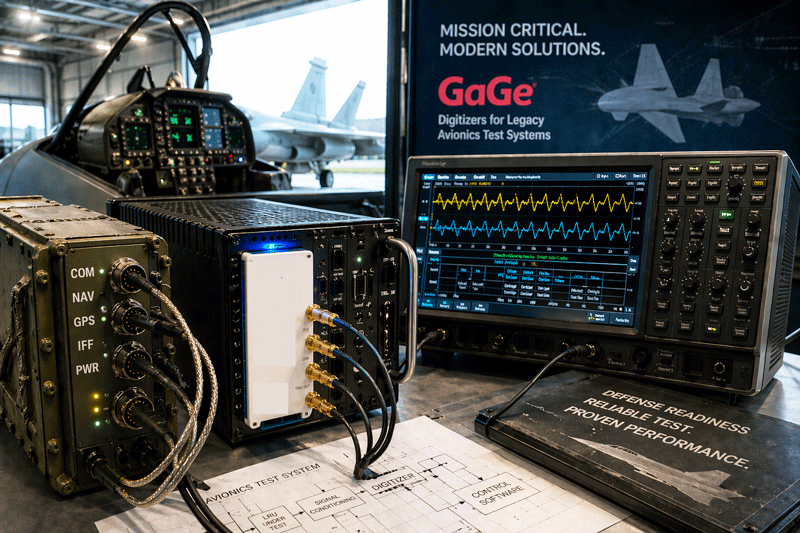
Aerospace & Defense — Used for radar development, EW/SIGINT systems, avionics testing, and pulse analysis where high-speed capture and precise timing are critical.
Medical & Imaging — Used in ultrasound systems, detector acquisition, and biomedical instrumentation requiring accurate, low-noise signal capture.
Communications — Used for RF waveform capture, modulation analysis, and spectrum research involving complex high-frequency signals.
Industrial & OEM — Used in embedded test systems, production validation platforms, and advanced sensor acquisition applications.
Scientific Research — Used in physics experiments, time-correlated measurements, and high-speed laboratory automation requiring deep memory and precise synchronization.
Conclusion
Oscilloscopes and digitizers both play essential roles in modern engineering—but they solve different problems. Oscilloscopes remain unmatched for fast, interactive debugging and real-time waveform visualization. Digitizers excel when performance, memory depth, automation, scalability, and wideband data capture are the priority.
For engineers building advanced test systems or capturing complex signals at scale, GaGe high-speed digitizers provide a powerful alternative to traditional scopes—delivering the speed, precision, and flexibility required for today’s most demanding applications.
When the challenge moves beyond seeing the waveform to owning the data, the right answer is often a digitizer.