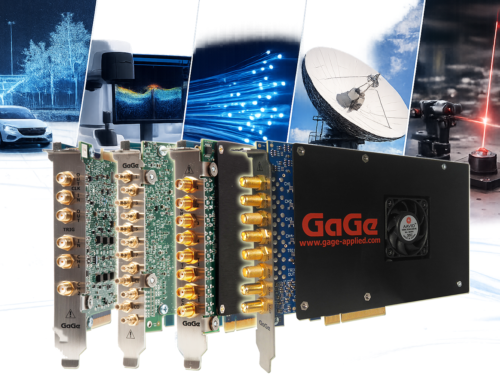
Vitrek Highlights GaGe Digitizers for Distributed Fiber Optic Sensing Applications
High-speed acquisition, flexible triggering, and PC-based integration support developers of temperature, strain, and vibration sensing instrument.
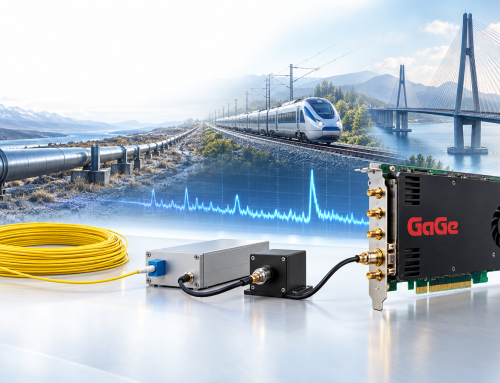
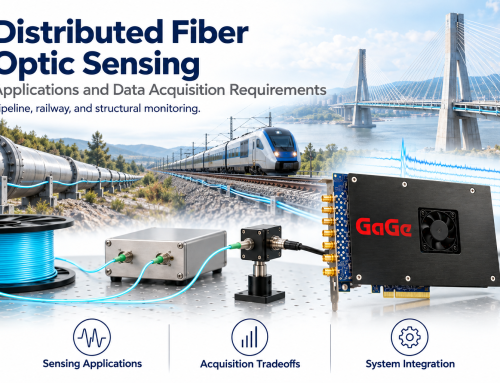
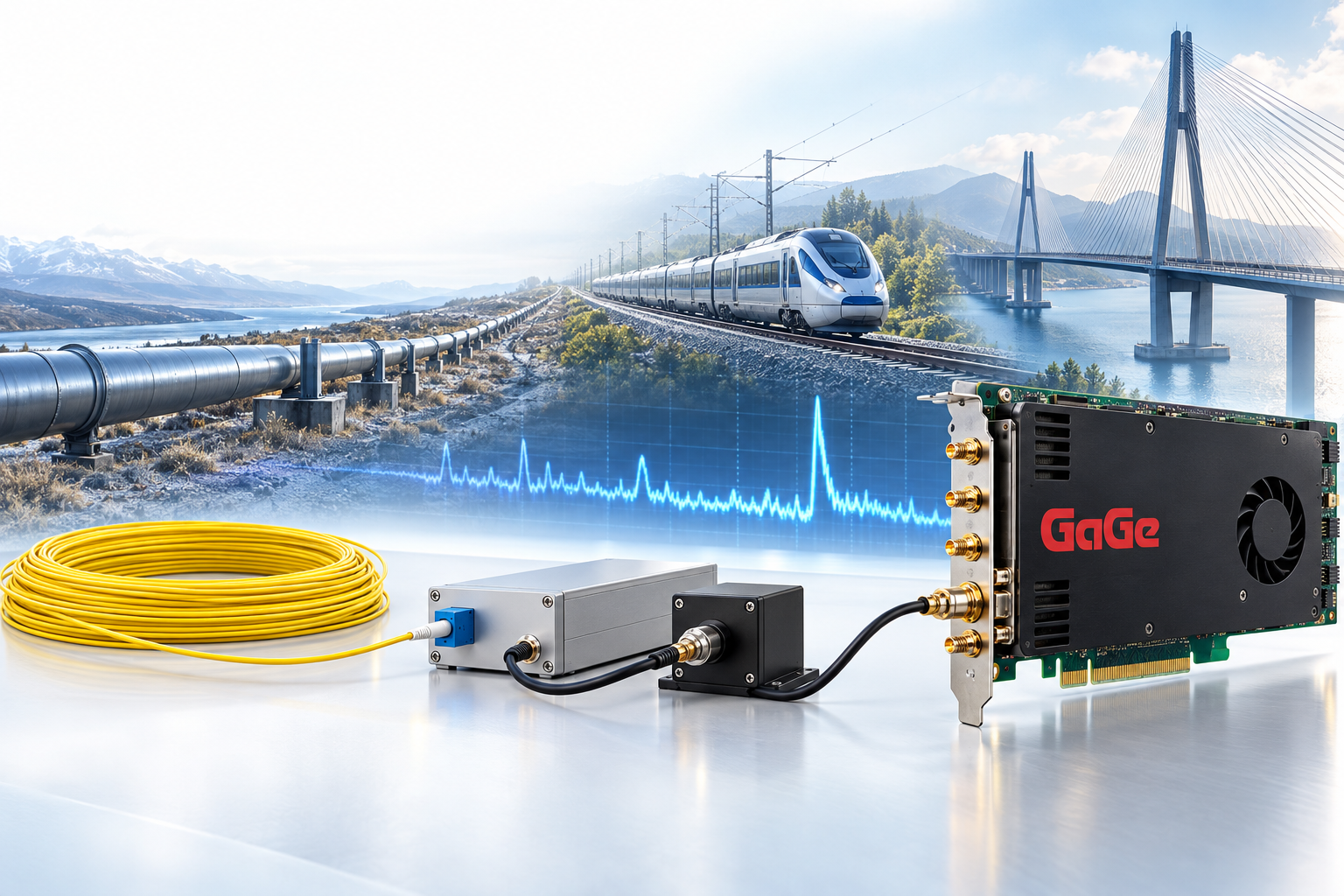
 Lockport, IL—October 21, 2026—Vitrek is highlighting the role of its GaGe high-speed digitizers in distributed fiber optic sensing (DFOS), where accurate acquisition of optical backscatter signals helps instrument developers measure temperature, strain, and vibration along optical fiber.
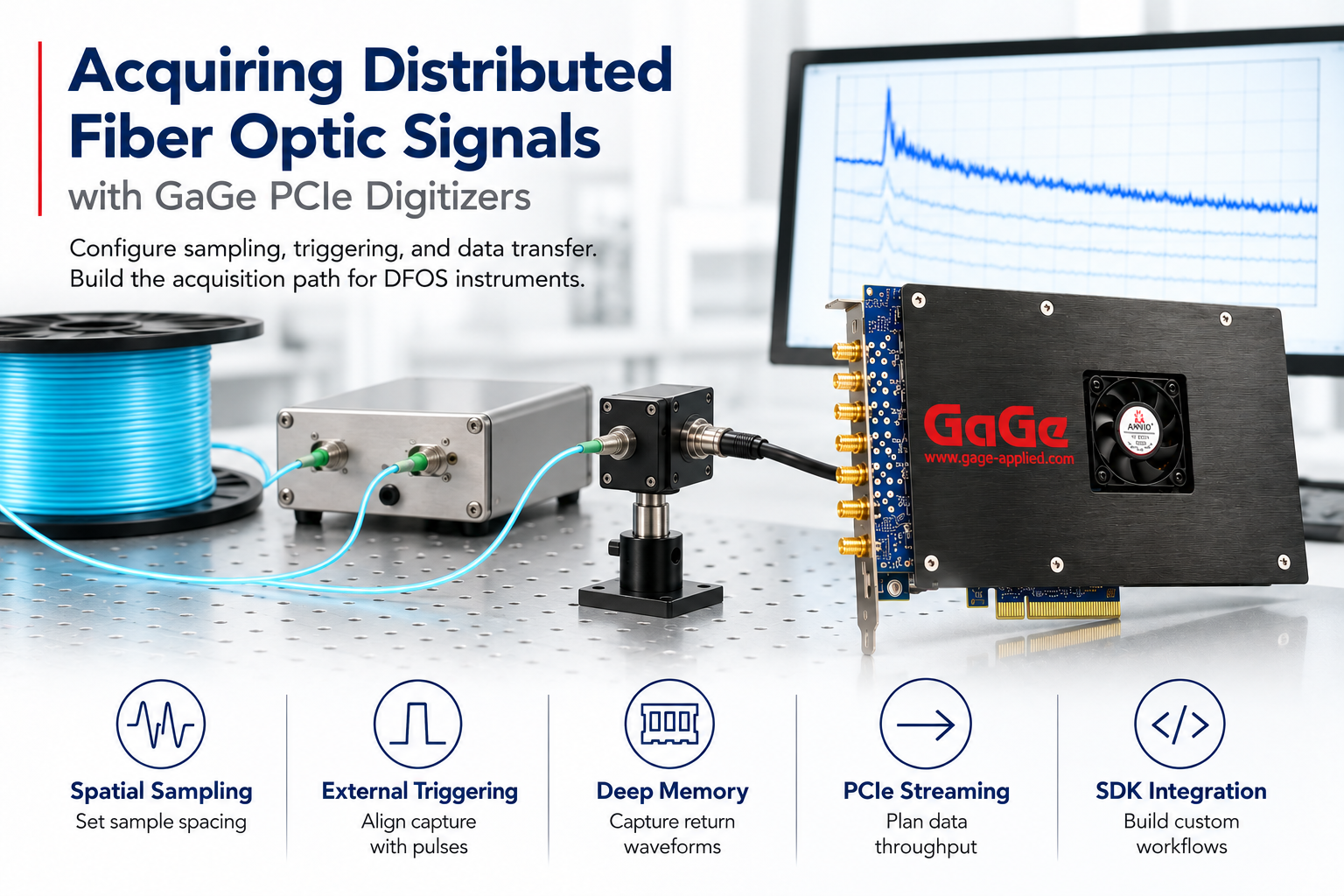
DFOS uses optical fiber as a distributed sensing medium extending over kilometers. An interrogator launches light into the fiber and analyzes the returning backscatter to determine conditions along its length. In pulse-based systems, the return time identifies the position associated with a signal, while changes in the backscatter provide information about the measured conditions.
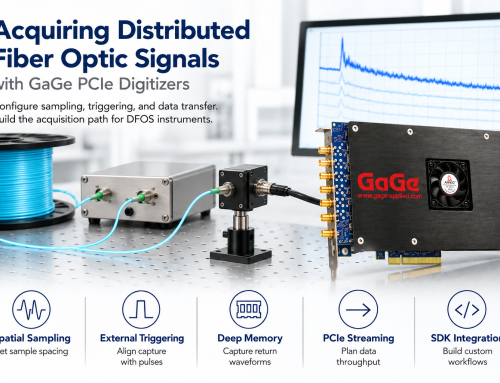
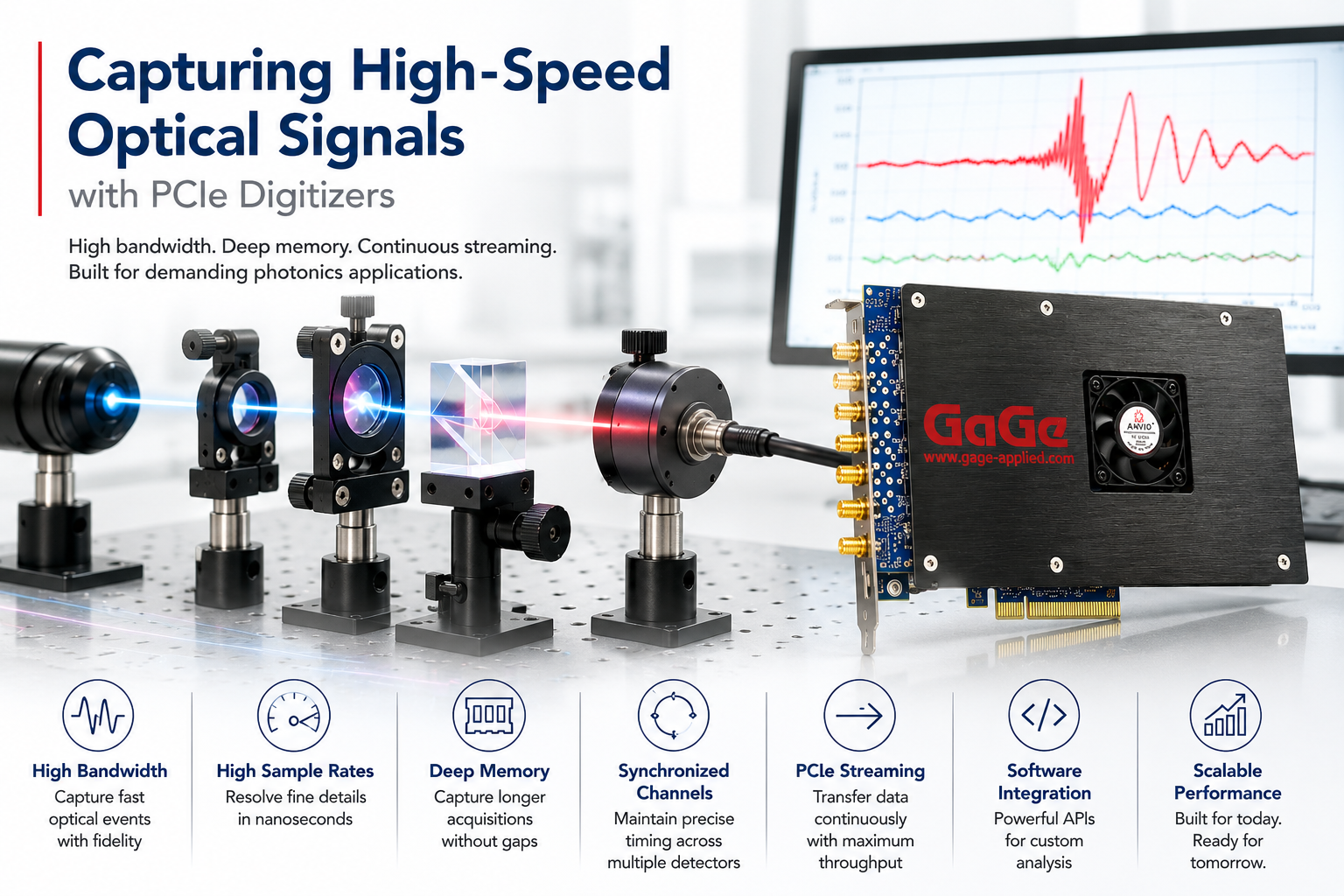
A photo detector converts the returned light into an electrical waveform. The digitizer captures that waveform for processing, making acquisition performance an important consideration in the design of a DFOS instrument.
“Capturing the backscatter waveform is a critical step in turning optical fiber into a distributed measurement system,” said Andrew Dawson, PhD, GaGe Senior Application Specialist. “Developers need to consider sampling rate, signal fidelity, acquisition timing, and data throughput together. GaGe provides acquisition options that help engineers address those requirements and integrate waveform capture into their own sensing instruments.”
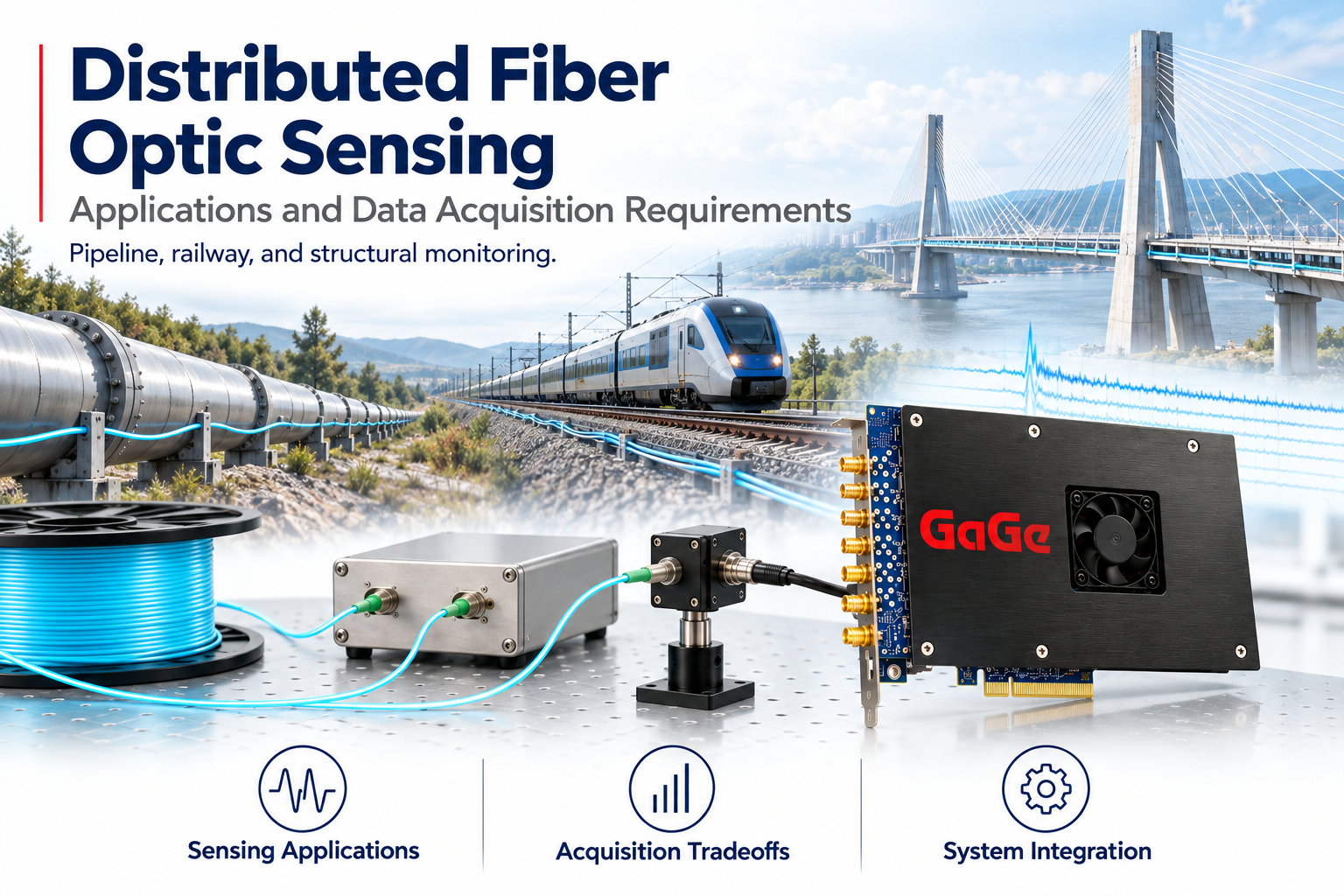
Distributed sensing encompasses several optical approaches. Distributed acoustic sensing commonly uses Rayleigh backscatter to detect dynamic strain associated with vibration and acoustic events. Distributed temperature sensing uses Raman backscatter, while Brillouin-based methods can measure distributed strain and temperature.
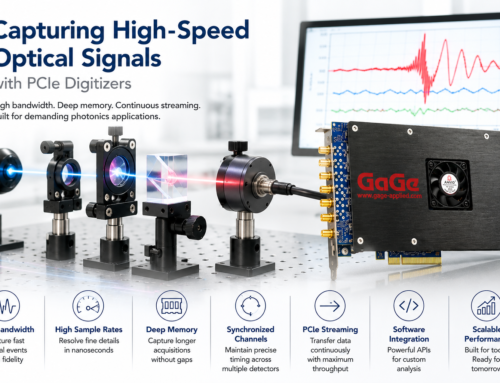
These approaches place different demands on acquisition hardware. Sampling rate determines the spacing between recorded spatial samples in pulse-based systems, while input bandwidth and signal fidelity affect the electrical waveform captured from the detector. Triggering coordinates acquisition with pulse emission, and memory capacity and data-transfer performance help support repeated measurements.
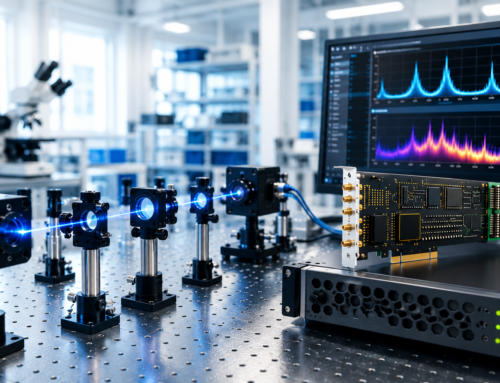
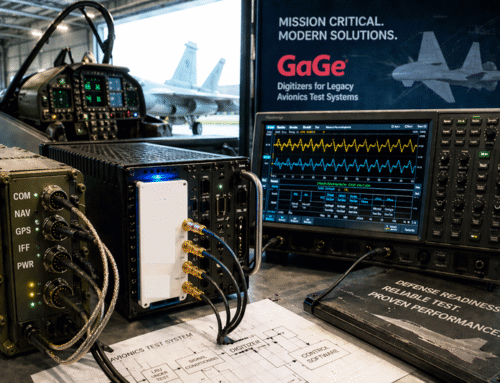
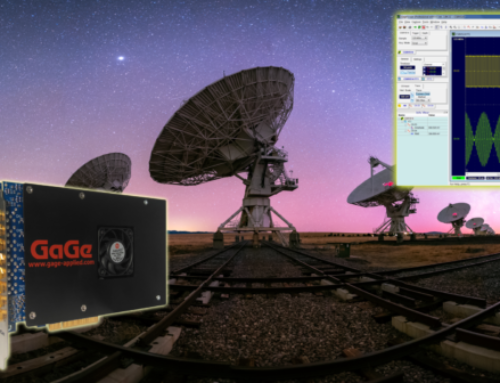
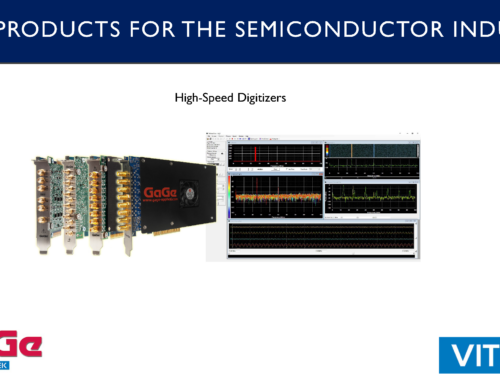
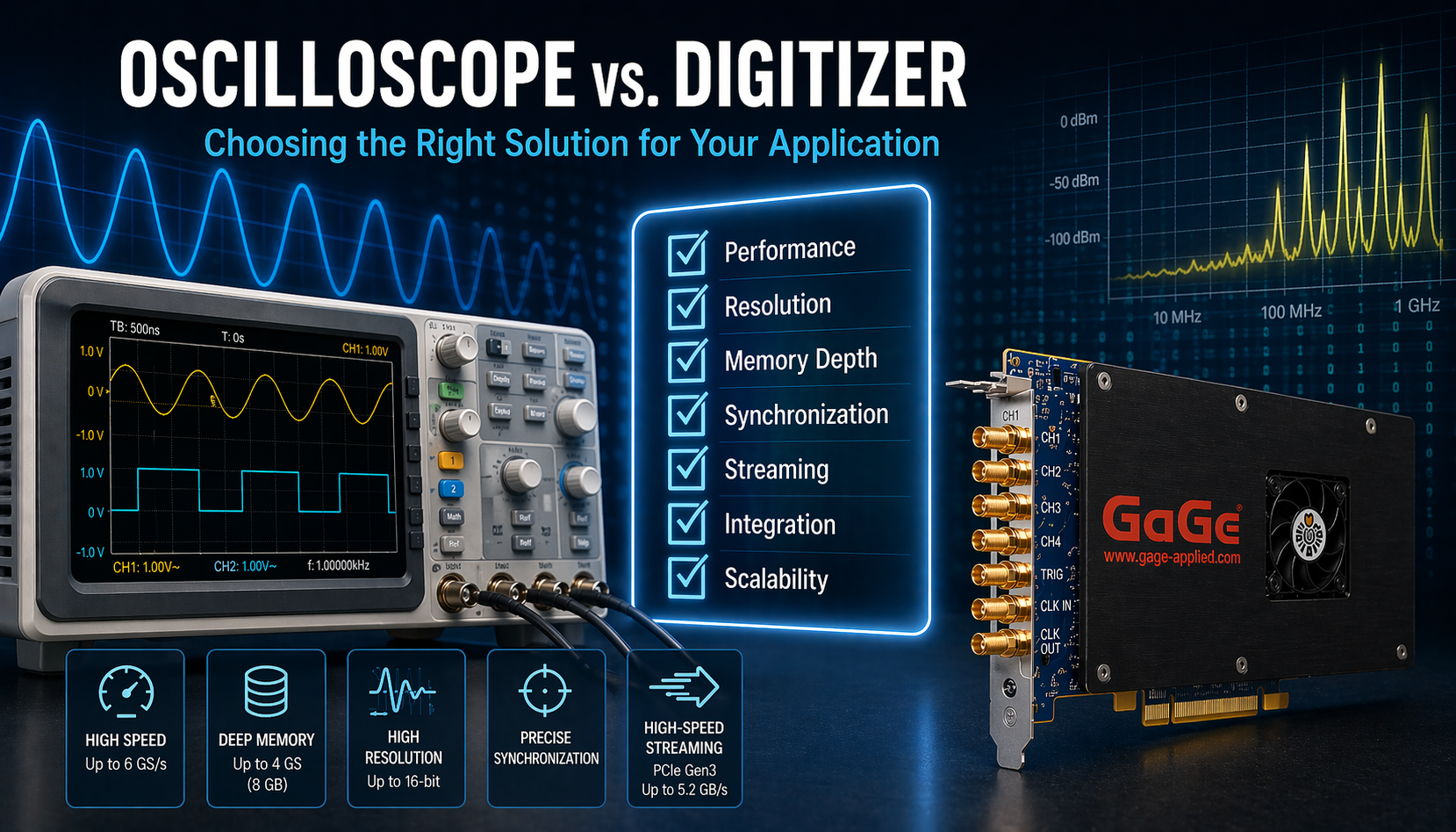
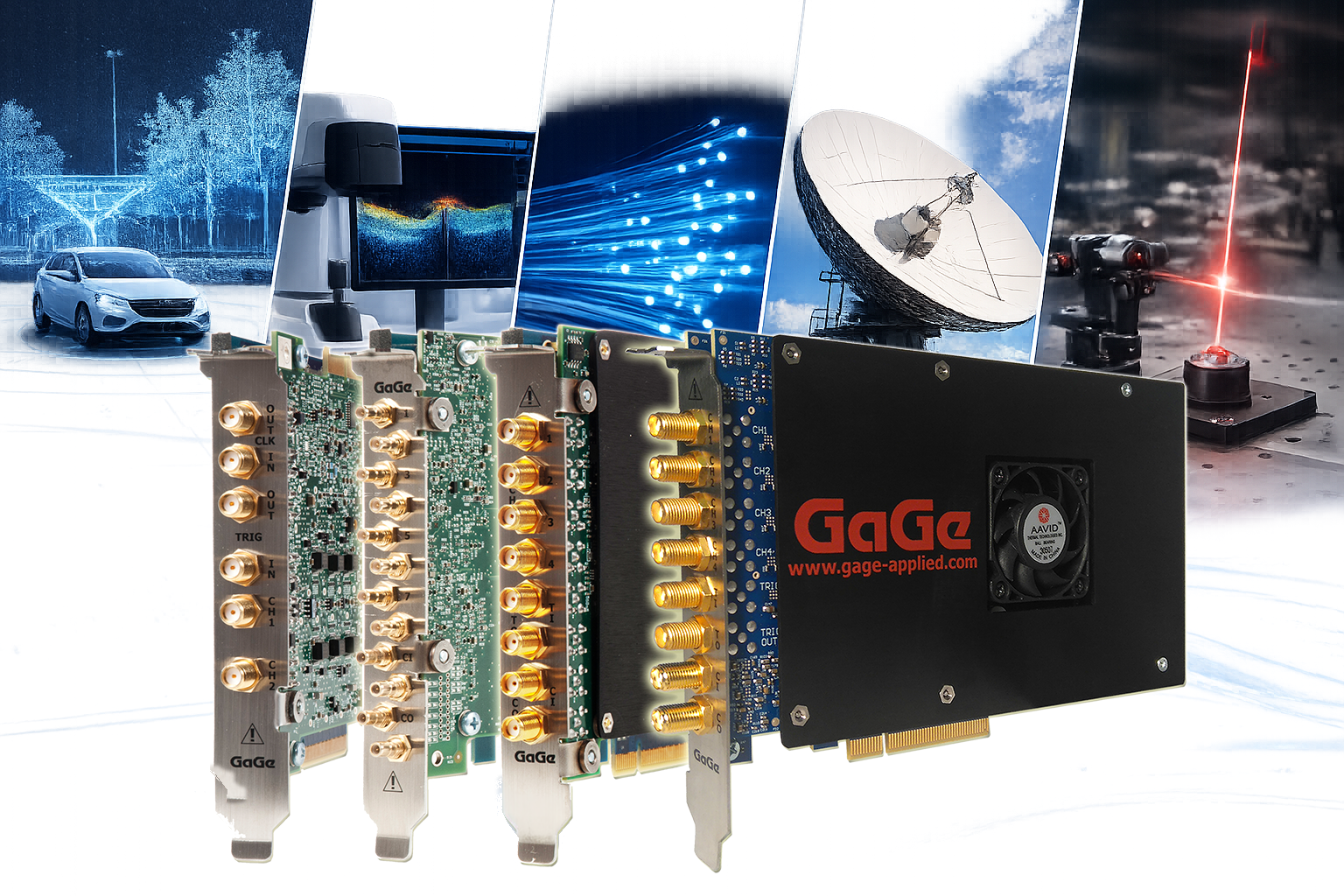
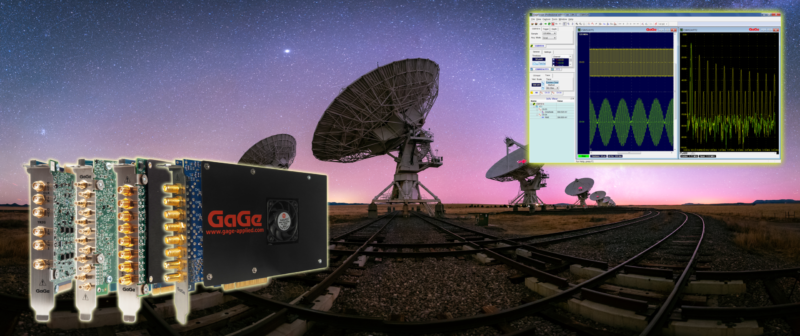
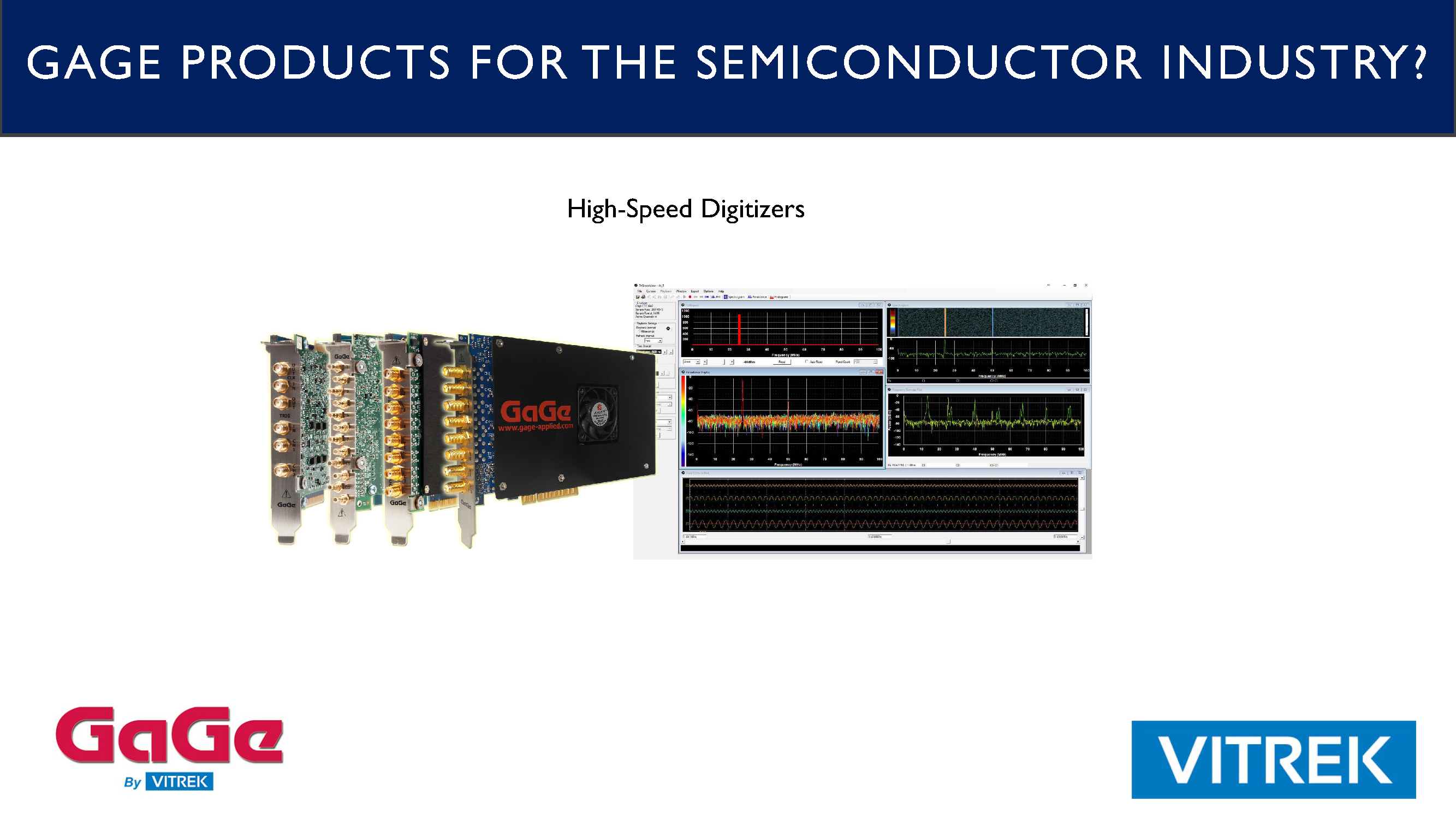
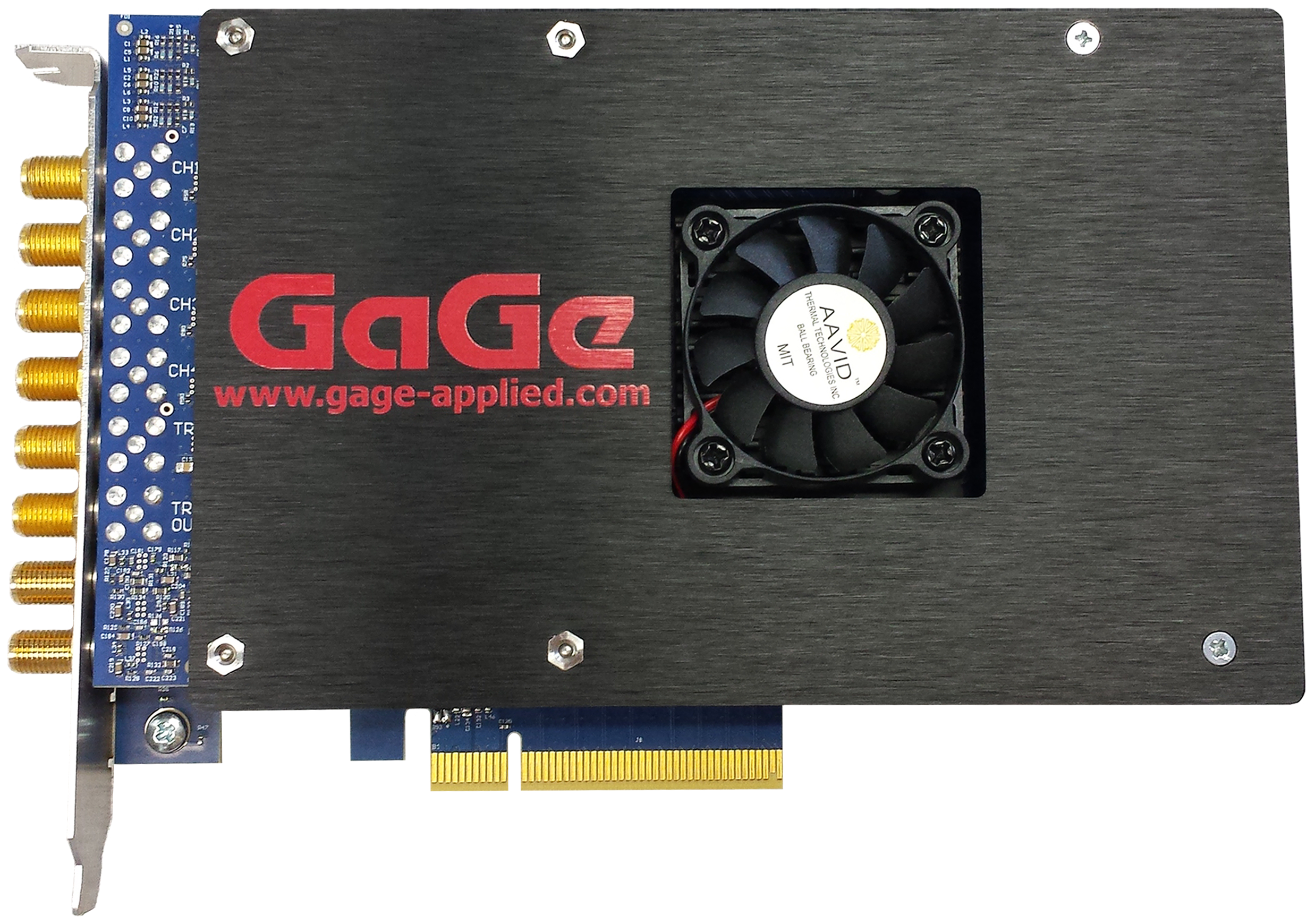
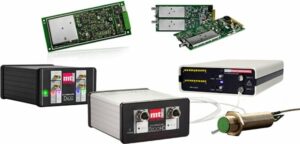
GaGe’s digitizer portfolio offers a range of sampling rates, ADC resolutions, channel counts, and onboard memory configurations. Developers can select hardware suited to their detector signals and acquisition requirements, with streaming options available for supported configurations.
GaGe software development kits also enable engineers to incorporate digitizer control and waveform acquisition into custom instrument software. This PC-based approach supports development workflows in which acquisition, processing, and measurement presentation are tailored to the sensing application.
Selecting a DFOS acquisition platform requires attention to the complete system. Denser spatial sampling does not, by itself, establish finer optical spatial resolution, and nominal ADC bit depth does not determine usable system dynamic range. Optical pulse characteristics, detector performance, input noise, and signal processing all contribute to the final measurement.
Learn more about Vitrek’s GaGe Digitizersfor DFOS applications at https://vitrek.com/dfos-applications/
About Vitrek

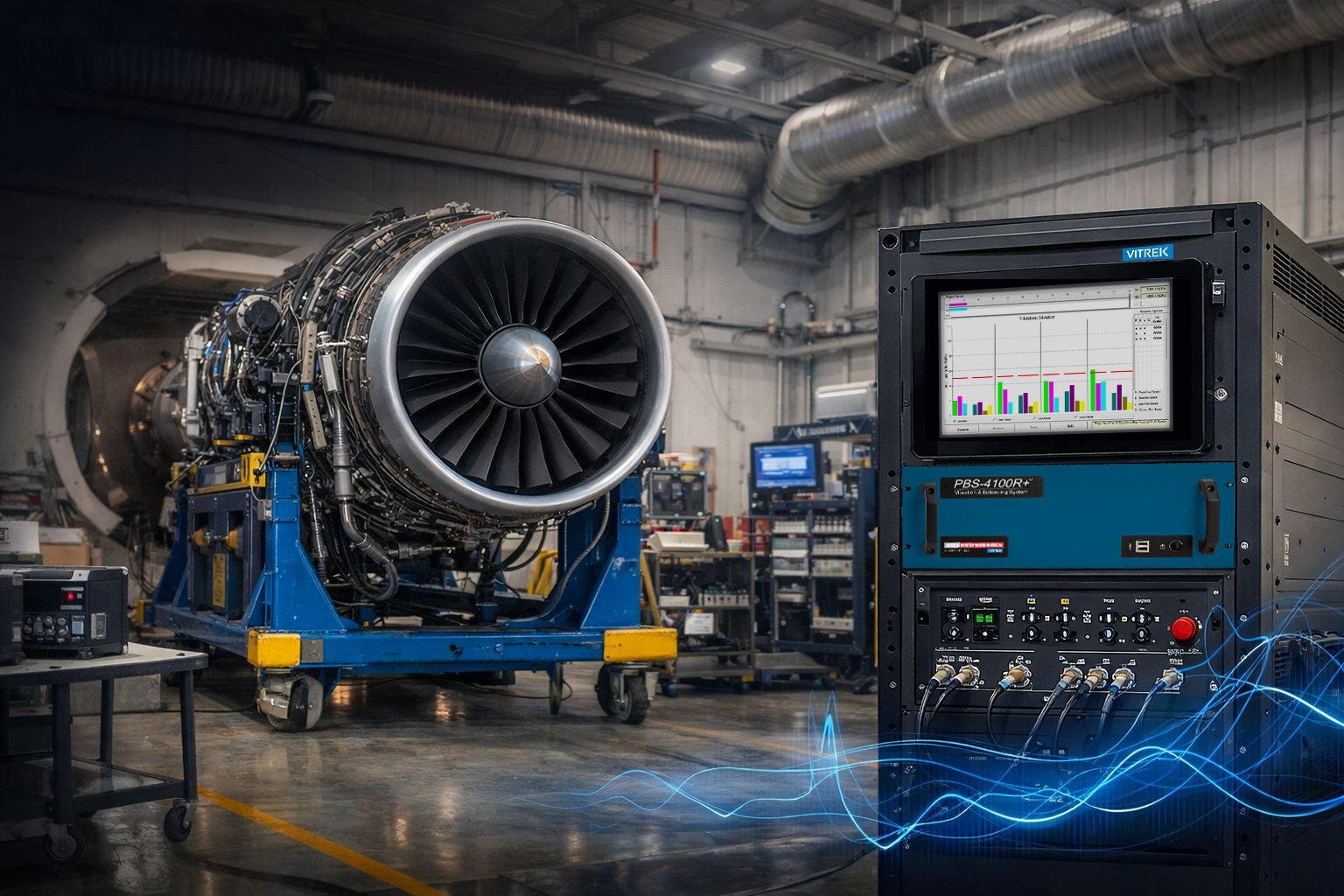
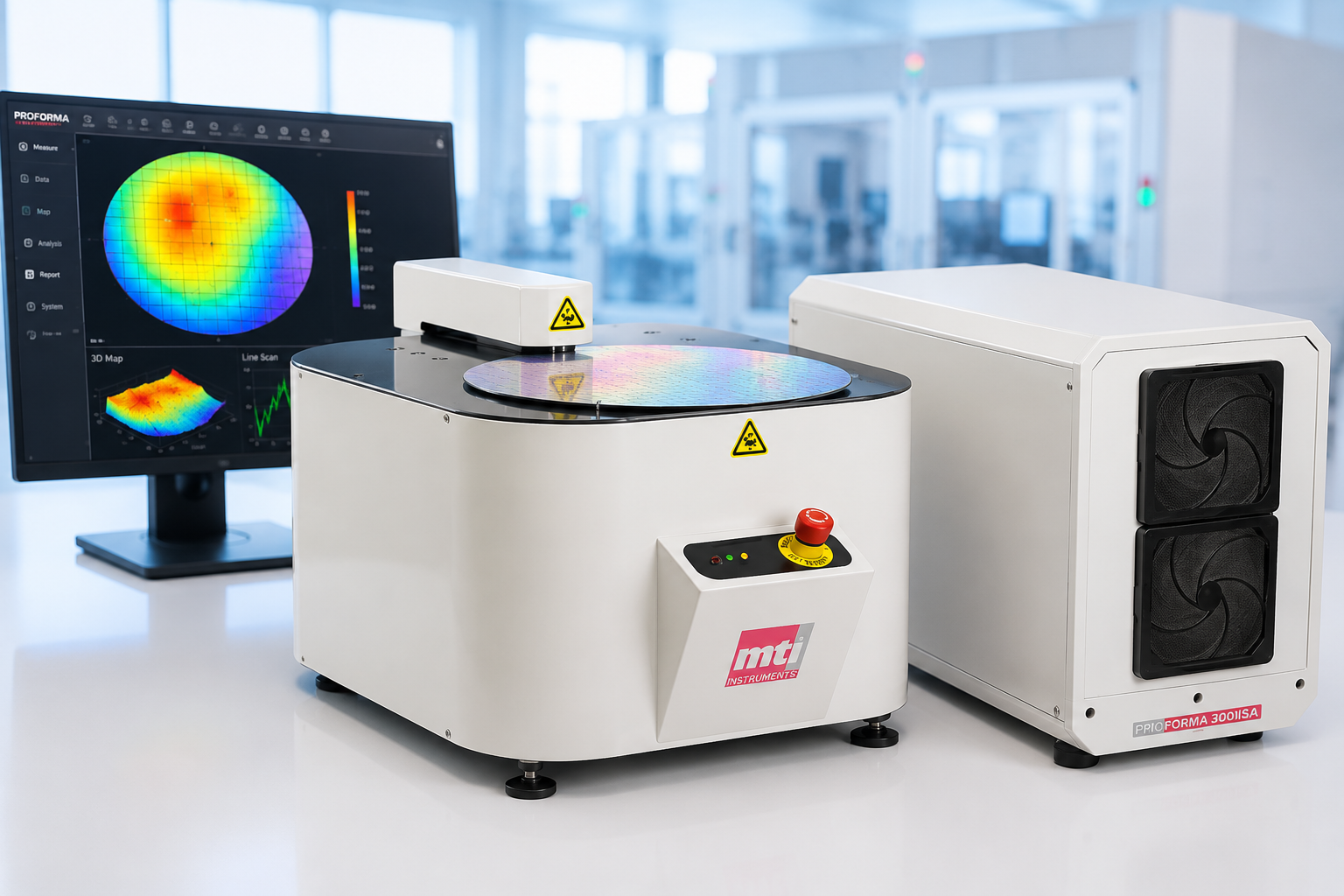
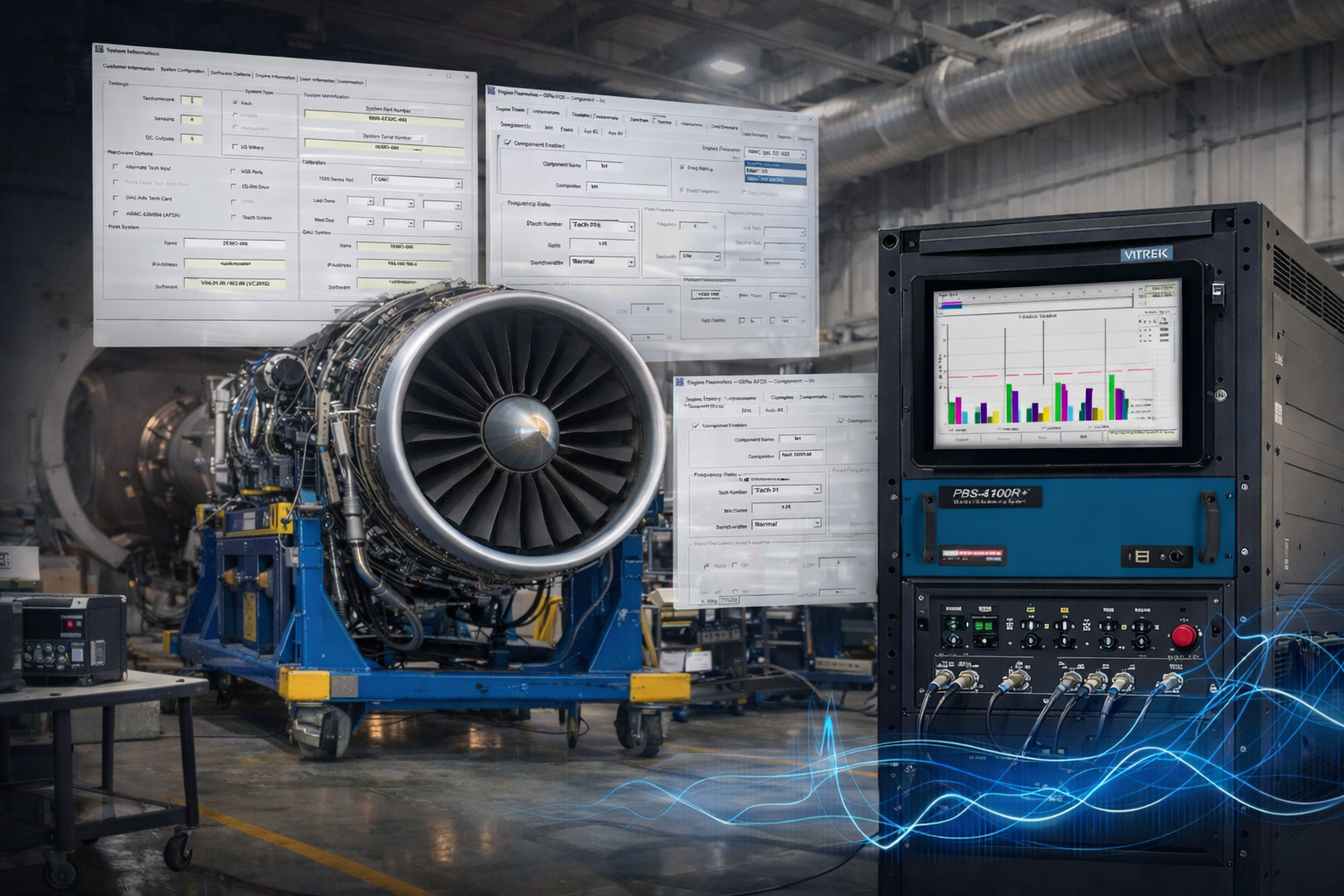
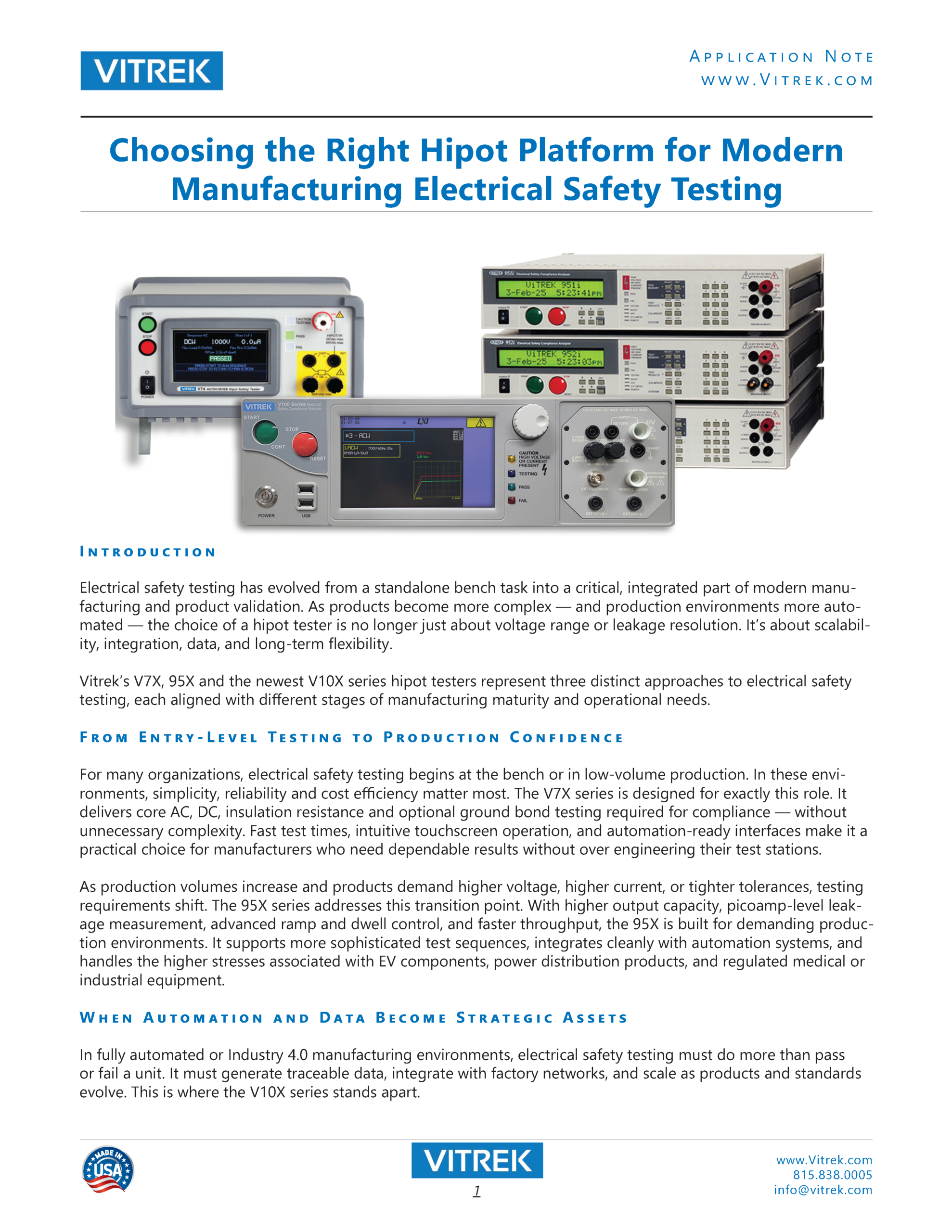
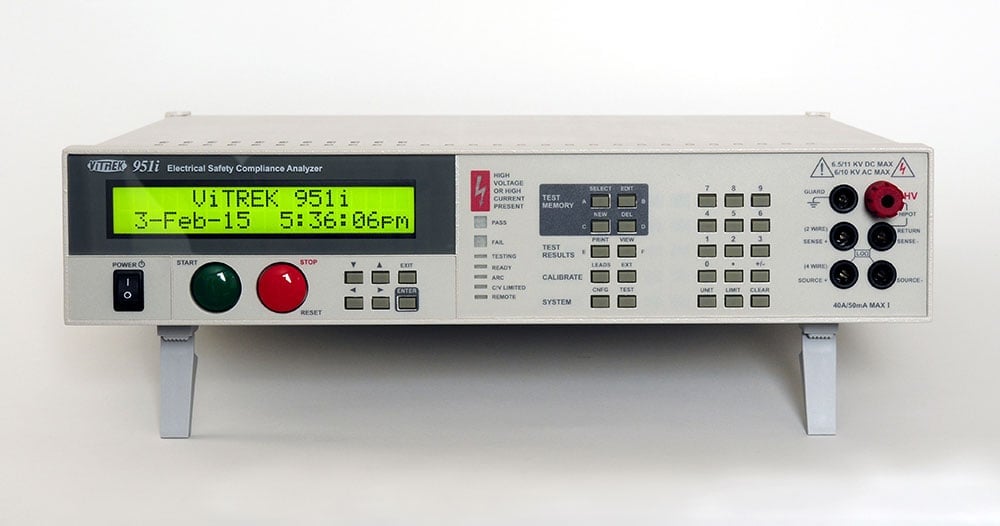
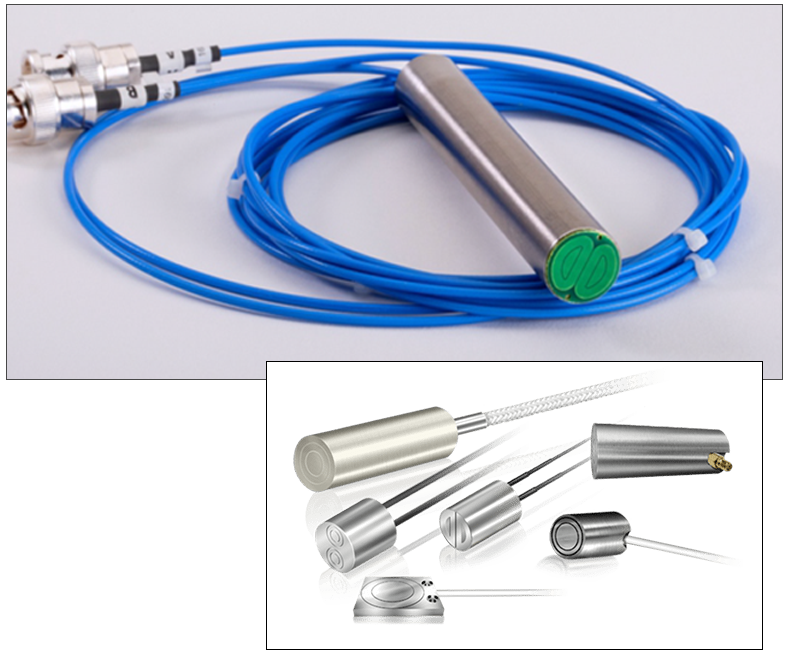
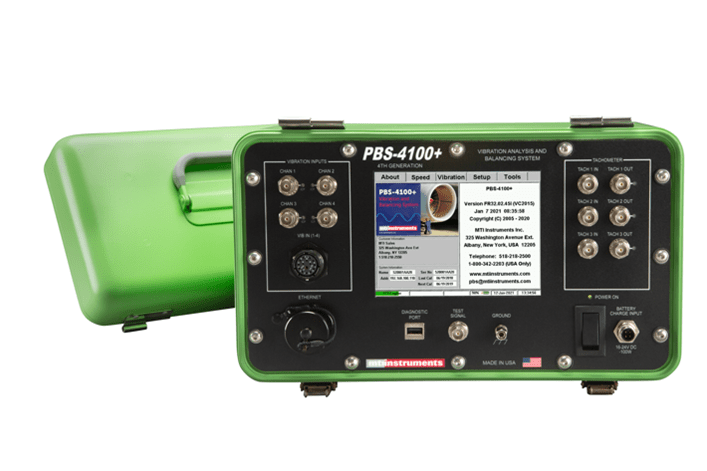
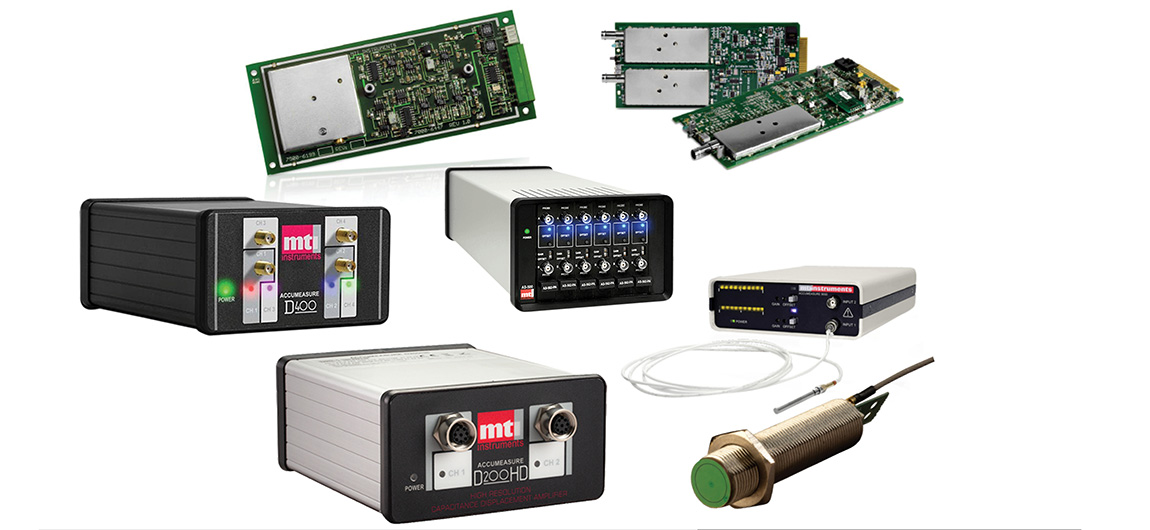
Vitrek products are widely used in the aerospace industries, electric vehicles, medical, research and development markets, as well as by a wide variety of manufacturing industries. Vitrek product lines include a broad line of precision voltage generators and analyzers as well as hipot testers and switches. The Vitrek family of brands also includes: the MTI lines of capacitive measurement solutions for semiconductor wafer and precision film testing as well as jet engine balancing products; the GaGe digitizer cards which are recognized worldwide for combining high speeds with high-resolution and application flexibility.