Power quality analysis is essential for ensuring the optimal performance of electrical systems. It plays a pivotal role in managing energy consumption, safeguarding the equipment longevity and maintaining compliance with regulatory standards. Engineers rely on power quality analysis to assess the integrity of power systems, preventing issues that could lead to system failures, energy inefficiencies, and even damage to sensitive equipment.
As electrical systems become increasingly complex and critical in various industries, power quality has become a cornerstone of effective system management. This blog explores the significance of power quality analysis, how it helps improve system performance, and why power analyzers are indispensable tools in the process.

The Importance of Power Quality Analysis in Modern Electrical Systems
Power quality refers to the stability and consistency of key electrical parameters- voltage, current, and frequency supplied to equipment. These parameters must meet specific standards to ensure the reliable operation of electrical devices. When power quality deteriorates, systems can experience malfunctions, energy inefficiencies, and even downtime, all of which can have costly consequences for businesses.
Common power quality issues include:
- Voltage Sags and Surges: Sudden drops or spikes in voltage that can harm equipment.
- Harmonic Distortion: Distortion of the electrical waveform caused by non-linear loads.
- Frequency Fluctuations: Variations in the frequency of the power supply, affecting sensitive devices.
These problems can compromise both the efficiency and reliability of electrical systems, impacting everything from industrial machinery to sensitive digital equipment.
Key Benefits of Power Quality Analysis
Power quality analysis provides a comprehensive view of how electricity is delivered to your systems, highlighting inefficiencies, risks, and compliance issues. Here’s a deeper look at the key benefits:
1. Identification and Management of Harmonics
Harmonics are unwanted frequencies that disrupt the normal waveform of the electrical supply, leading to inefficiencies and potential damage. Devices like LED lights, solar inverters, and electric motors are particularly prone to issues caused by harmonics. Power analyzers excel at detecting these harmonic distortions and measuring their impact on the system.
- Why Harmonics Matter: Excessive harmonics can result in overheating, interference, and increased energy consumption, leading to premature failure of equipment.
- Real-World Application: Power analyzers help identify the source of harmonic distortion, enabling engineers to implement strategies like harmonic filters or power factor correction to mitigate the effects.
2. Optimizing Energy Usage and Reducing Wasted Power
Inefficiencies in power delivery not only lead to higher operational costs but also waste valuable energy. Power quality analysis allows businesses to optimize energy use by identifying inefficiencies, such as poor power factor or mismatched load conditions.
- Power Factor: The power factor indicates how effectively power is being utilized. A low power factor suggests wasted energy, which increases utility costs.
- Identifying Inefficiencies: Through power quality analysis, systems with low efficiency can be identified. For example, in systems using VFDs or motors, analyzing power factor and efficiency parameters helps pinpoint energy waste, enabling businesses to take corrective actions and reduce operational costs.
3. Ensuring Compliance with Regulatory Standards
Many industries must comply with national and international standards regarding power quality. Standards such as EN61000-3-2 and EN61000-3-12 set limits on the level of harmonic emissions in electrical systems to protect both equipment and the environment.
- Automatic Compliance Testing: Power analyzers are equipped to perform automated compliance testing, assessing whether your electrical system meets regulatory requirements without the need for a computer.
- Benefits of Compliance: Adhering to these standards ensures smooth operation and avoids penalties associated with non-compliance. The analyzers provide a convenient way to audit and verify system performance against established guidelines.
4. Early Detection and Prevention of System Failures
Voltage spikes, surges, and other power quality issues can cause significant damage to electrical systems and sensitive equipment if not addressed promptly. Real-time power quality analysis enables engineers to monitor these parameters continuously, helping to detect potential problems before they escalate.
- Proactive Monitoring: By catching issues like voltage instability or frequency fluctuations early on, businesses can take immediate preventive action, reducing the risk of system downtime or costly repairs.
- Protecting Equipment: Regular monitoring ensures that sensitive equipment, such as computers, servers, and medical devices, operates within safe power conditions, avoiding damage or malfunction caused by poor power quality.
5. Measuring Power Supply Efficiency for Optimization
A critical component of power quality analysis is measuring the efficiency of power supplies. Systems like solar inverters, UPS systems, and industrial motors require efficient energy conversion to minimize losses and ensure reliable operation. Power analyzers play a key role in assessing input and output power, providing insights into energy efficiency.
- Efficiency Testing: Power analyzers help calculate how much energy is being lost during conversion and distribution. By measuring both input and output power, businesses can identify areas for improvement and optimize energy use to reduce waste.
- Example: In systems with inverters or motor drives, ensuring maximum efficiency is crucial for energy cost savings and maintaining system reliability.
How Vitrek Power Analyzers Help in Power Quality Analysis

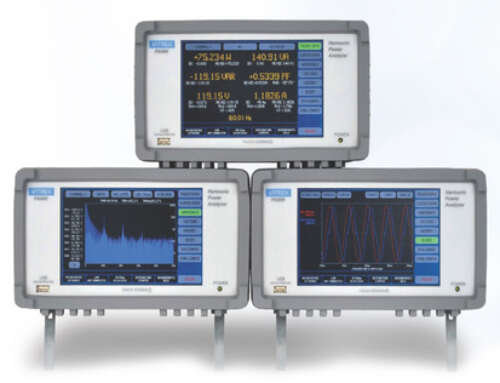
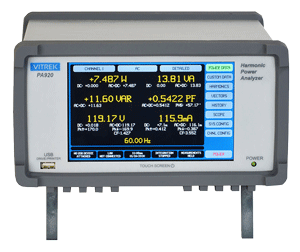
Vitrek power analyzers meet the most demanding power quality challenges with advanced features and exceptional accuracy. Here’s how:
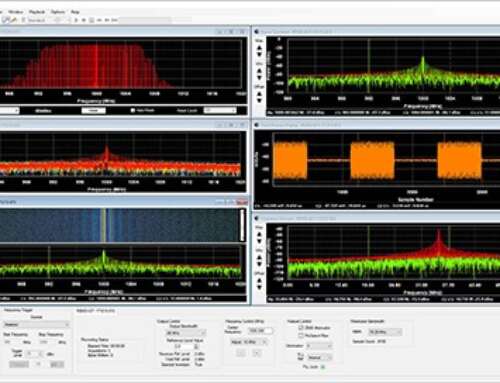
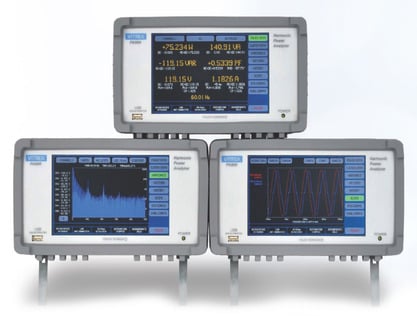
- Real-Time Harmonics Analysis: Vitrek analyzers provide detailed harmonic data up to the 500th order, helping engineers isolate the sources of waveform distortion.
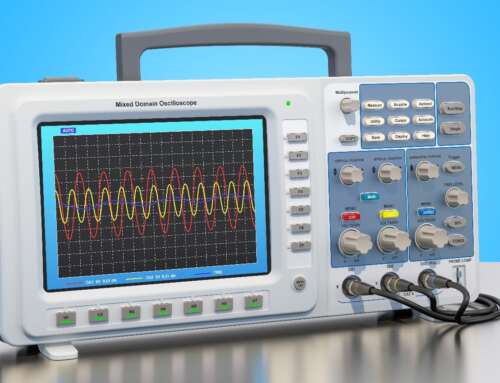
- Comprehensive Waveform Monitoring: The integrated oscilloscope view allows users to visualize sags, swells, and transients, ensuring real-time insight into power disturbances.
- Built-In Compliance Testing: With pre-loaded test routines for EN61000, RTCA DO-160, and other standards, Vitrek analyzers simplify certification and validation processes.
- Flexible Channel Configuration: Using Virtual Power Analyzers (VPAs), engineers can analyze multiple phases or devices concurrently, making it ideal for complex systems.
- Long-Term Logging and Trend Analysis: Historical data logging up to 397 days enables preventive diagnostics and post-event analysis.
- Efficiency and Power Factor Measurement: Real-time analysis of power input/output supports energy audits and optimization projects.
These capabilities make Vitrek analyzers ideal for engineers focused on improving power quality across a range of applications from manufacturing and R&D labs to energy utilities and renewable systems.
Power Quality Analysis: The Foundation of Reliable and Efficient Electrical Systems
In today’s high-tech world, power quality is paramount. Power quality analysis is not just about ensuring compliance; it’s about optimizing system performance, preventing costly failures, and making informed decisions about energy use. Whether you’re managing industrial operations, data centers, or residential energy systems, Vitrek power analyzers deliver the precise insight needed to keep your electrical infrastructure operating at peak performance.
By identifying and addressing issues such as harmonics, energy inefficiencies, and voltage instability, businesses can significantly reduce downtime, lower energy costs, and enhance overall operational efficiency. Power quality analysis has become essential to the long-term sustainability of modern electrical systems driving both economic value and environmental responsibility.