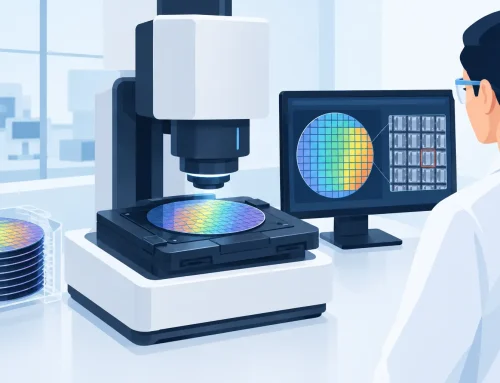
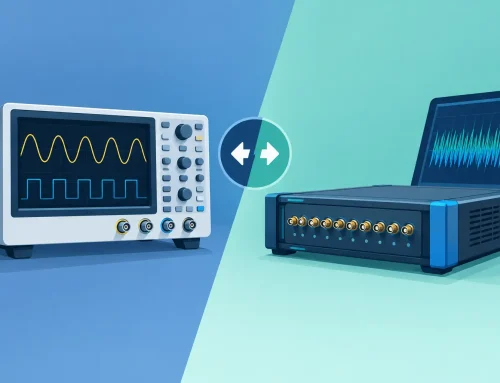
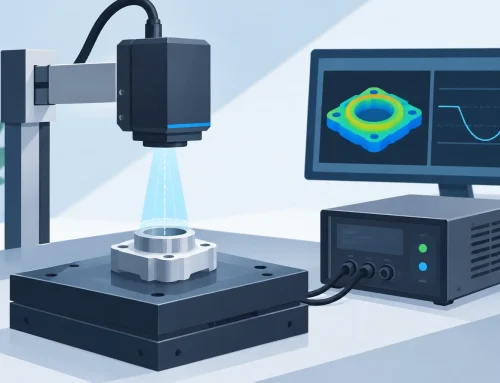
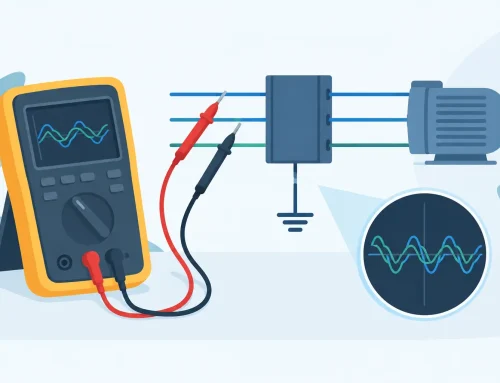
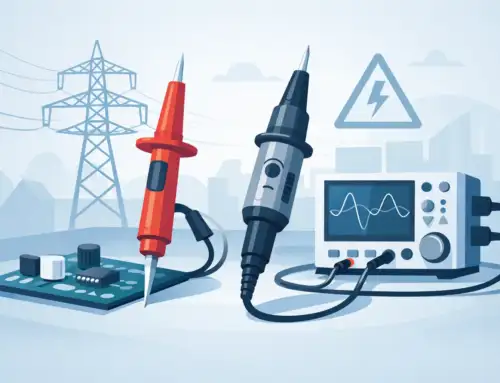
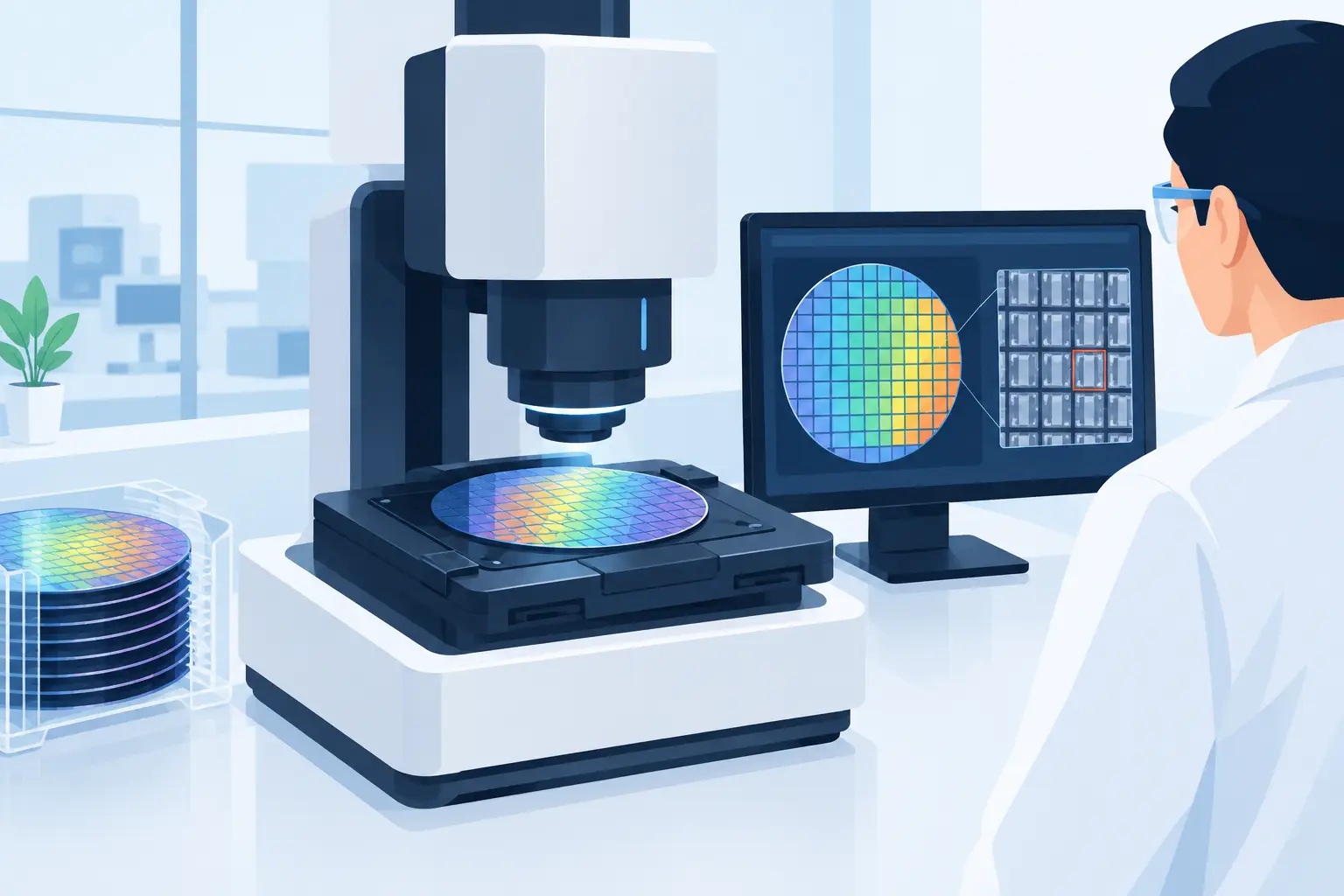
Do you know how engineers spot defects that are far too small for the human eye, movements 80,000 times thinner than a sheet of paper? Detecting changes at this scale is only possible with nanometer displacement measurement, a technique that makes ultra-precise industrial monitoring both practical and reliable. It allows manufacturers to track these almost invisible shifts, such as detecting the tiniest vibration in a jet engine turbine blade before it affects performance or measuring the microscopic runout on a brake rotor to ensure smooth operation and safety. Even the thickness of a semiconductor wafer or a thin-film layer can be monitored with nanometer precision, ensuring that devices meet strict performance and reliability standards.
Nanometer displacement measurement refers to detecting position changes down to billionths of a meter. While picometer sensors exist, nanometer resolution hits the sweet spot for most industrial applications. It provides the accuracy manufacturers need without the complexity and cost that comes with even finer measurements.
Would you like to see how this level of precision is achieved, the features that make it possible, and the industries that rely on it? In this post, we’ll explore the technology behind nanometer displacement sensors, highlight the capabilities of Nanometer displacement sensor systems like MTI Instruments Accumeasure D Series, and showcase real-world applications in aerospace, automotive, and semiconductor testing.
What is Nanometer Displacement Measurement?
Nanometer displacement measurement detects position changes down to billionths of a meter (10⁻⁹ m). While picometer-level sensors exist, nanometer resolution strikes the right balance for most industrial applications, providing the necessary accuracy without the cost and complexity of more extreme systems.

Technology Overview: How Nanometer Displacement Measurement Works
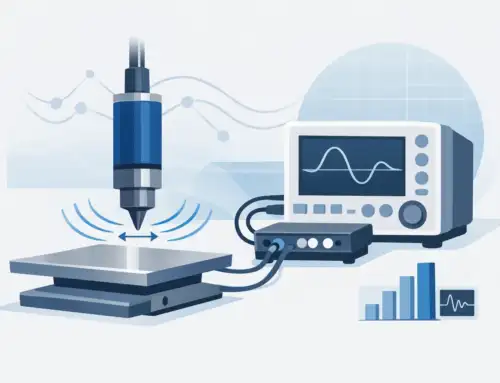
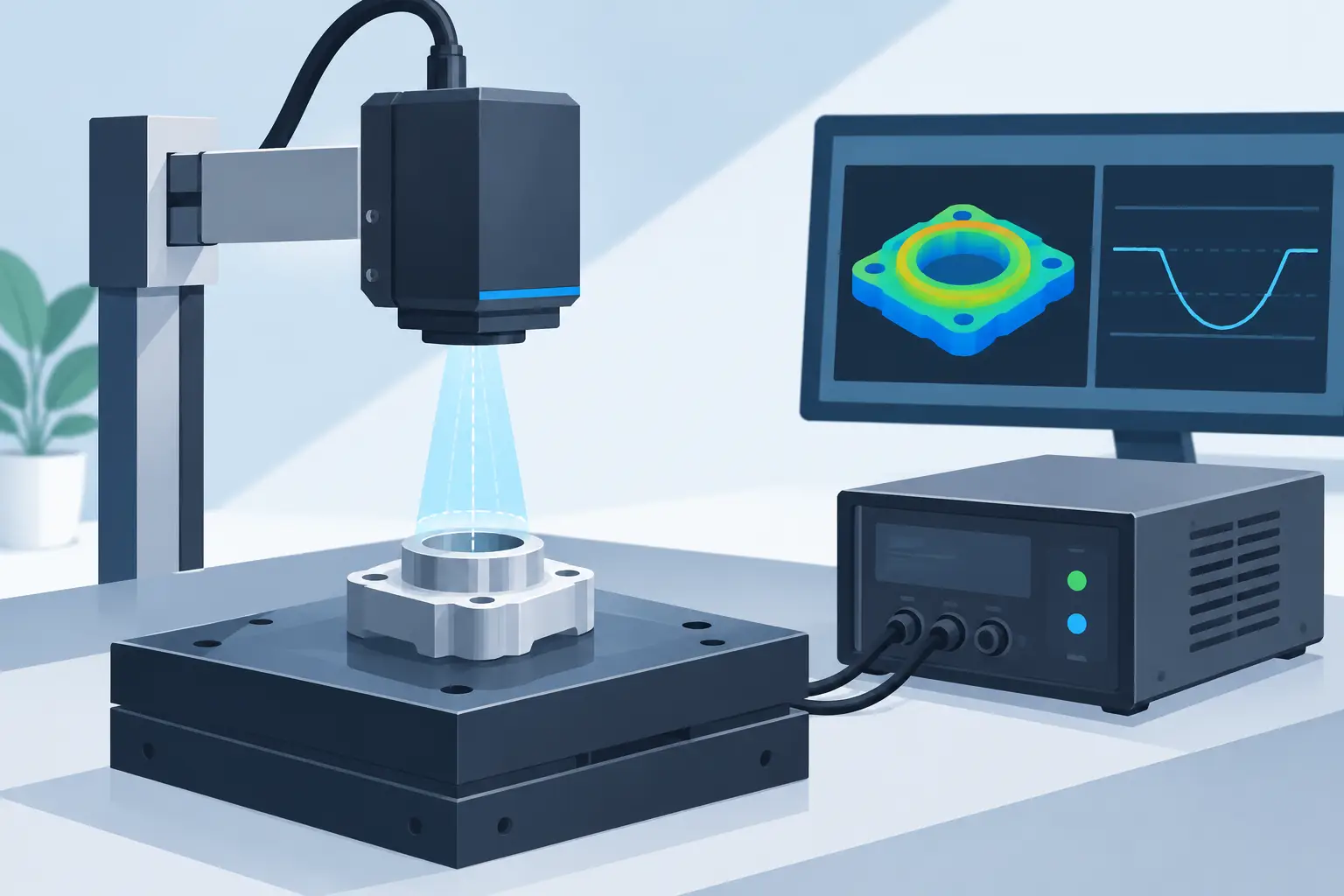
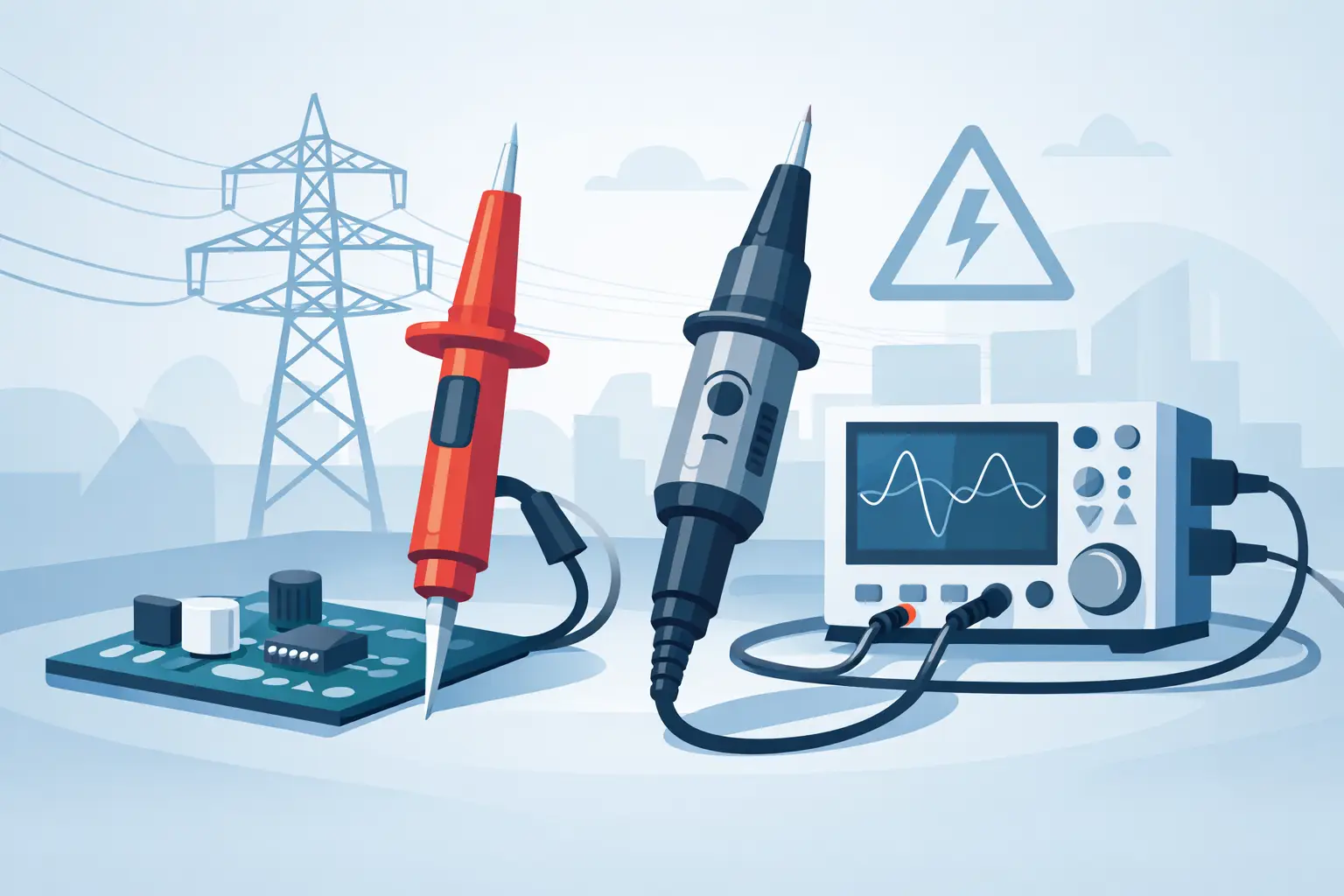
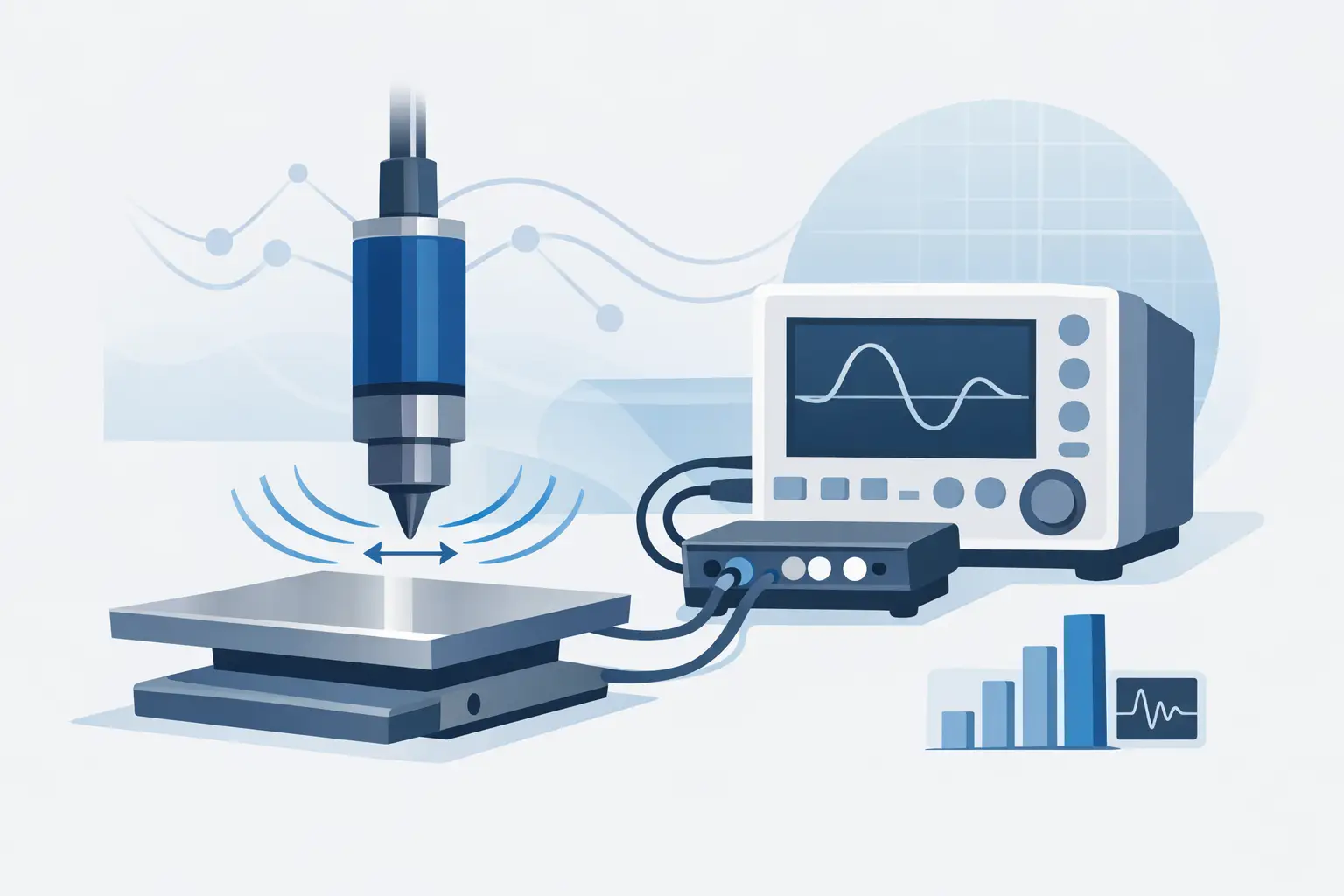
At the heart of nanometer displacement measurement lies a simple yet highly effective principle: capacitive sensing. Capacitive sensors detect tiny changes in distance by measuring variations in electrical capacitance between the sensor and a target surface. Essentially, the sensor and the target form a miniature capacitor. As the target moves, even by a few nanometers, the capacitance changes. The sensor translates this change into an electrical signal, which can then be used to determine the exact displacement with extreme precision.
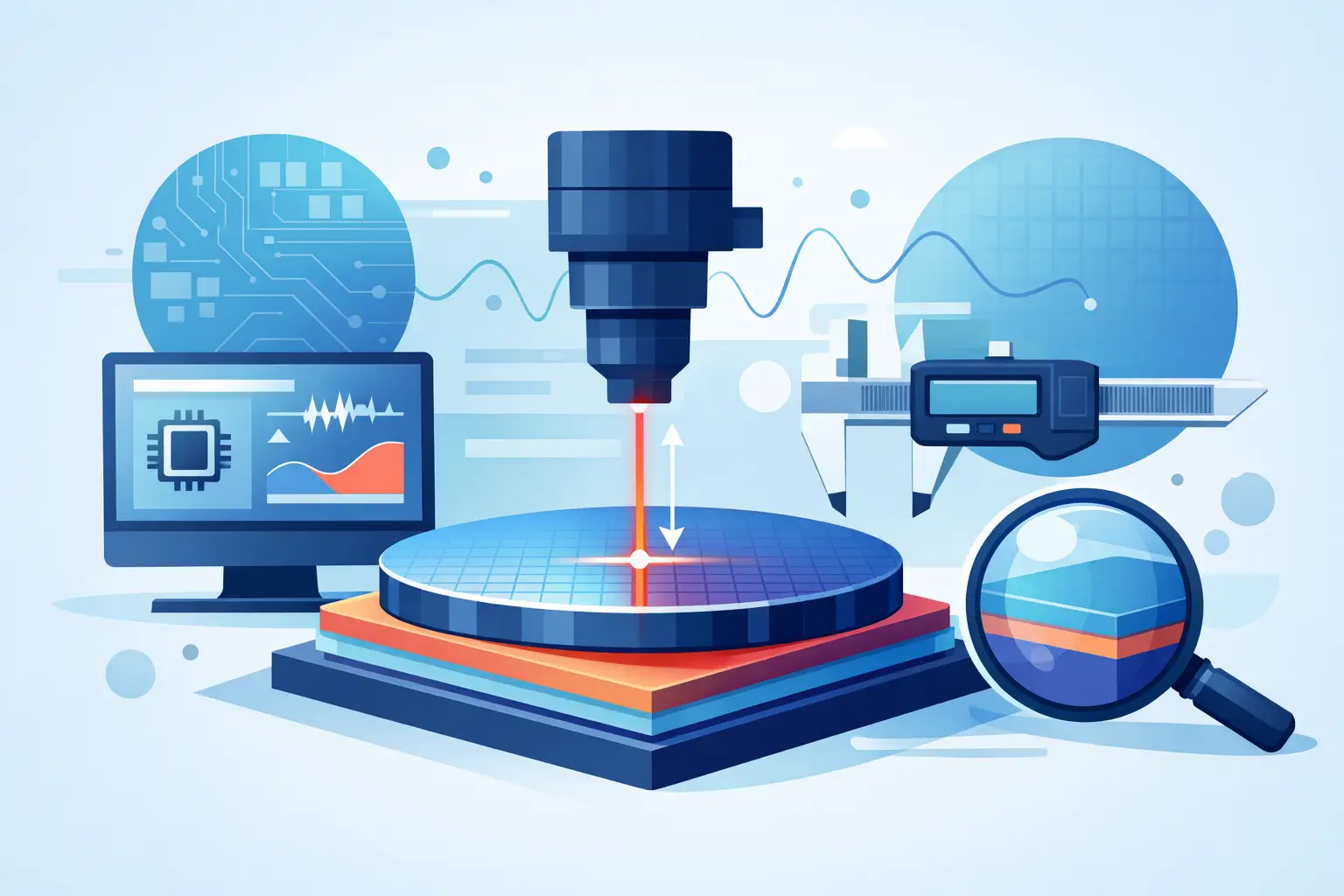
What makes capacitive sensors particularly well-suited for industrial applications is their contactless operation. They can measure the tiniest movements or thickness variations without physically touching the part, which reduces wear, avoids mechanical interference, and allows measurement of delicate components such as turbine blades or semiconductor wafers.
This principle also enables exceptionally high resolution and speed. Capacitive sensors respond almost instantly to changes in position, making them ideal for dynamic measurements where components are moving or vibrating. By converting these subtle capacitance shifts into digital or analog signals, engineers can continuously monitor equipment performance or material properties at the nanometer scale, catching deviations before they become problems.
Introducing the Accumeasure D Series: Precision Made Practical
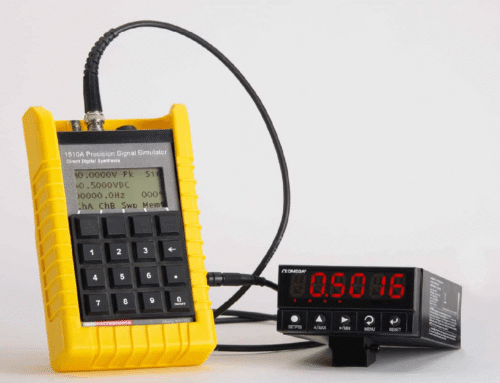
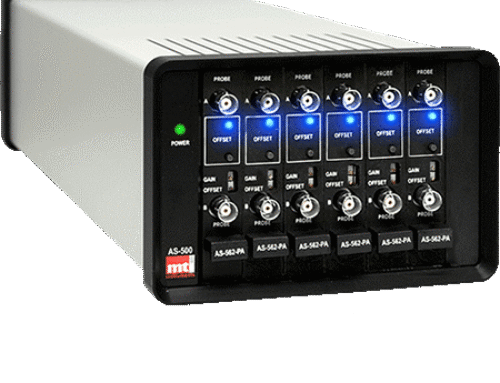
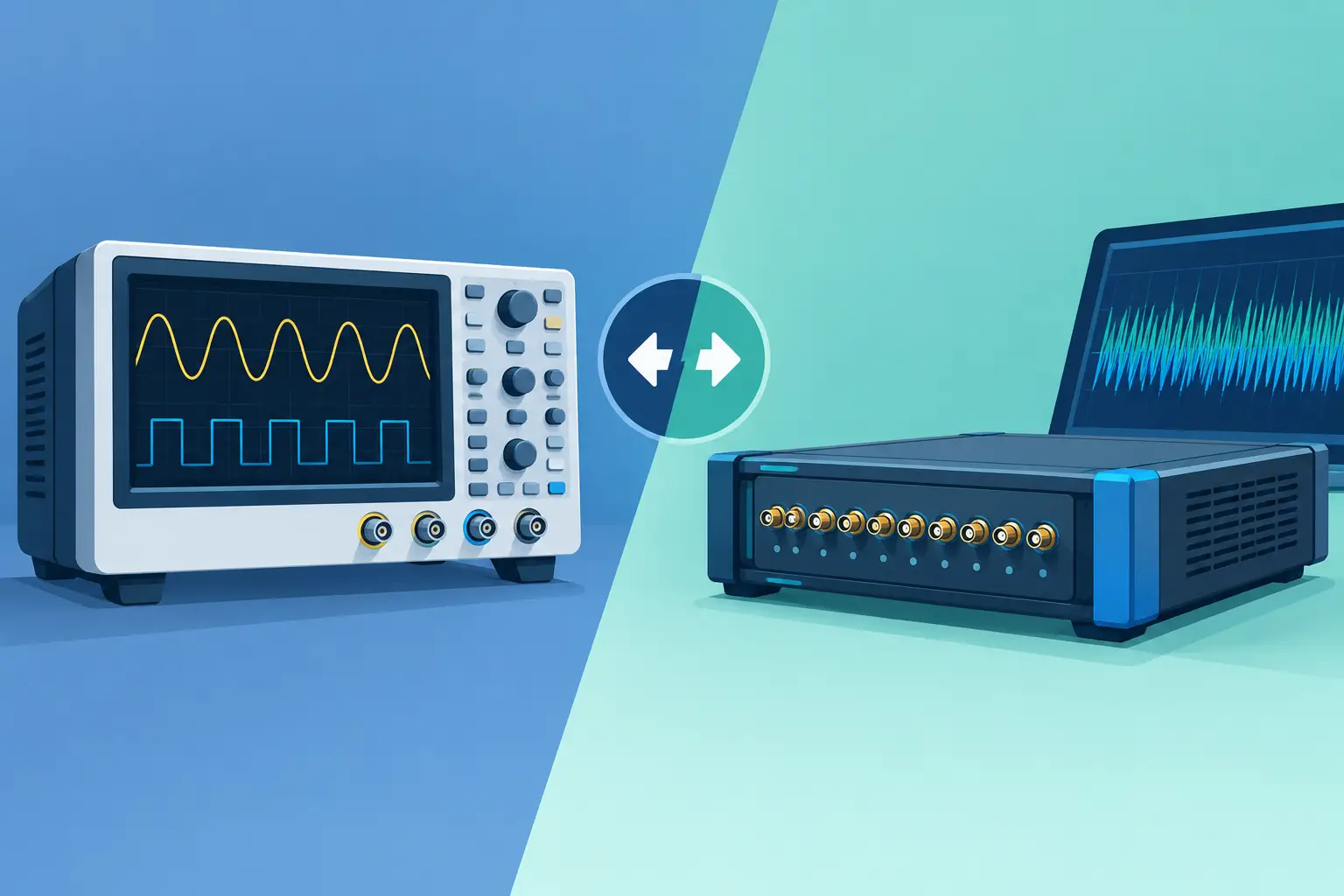
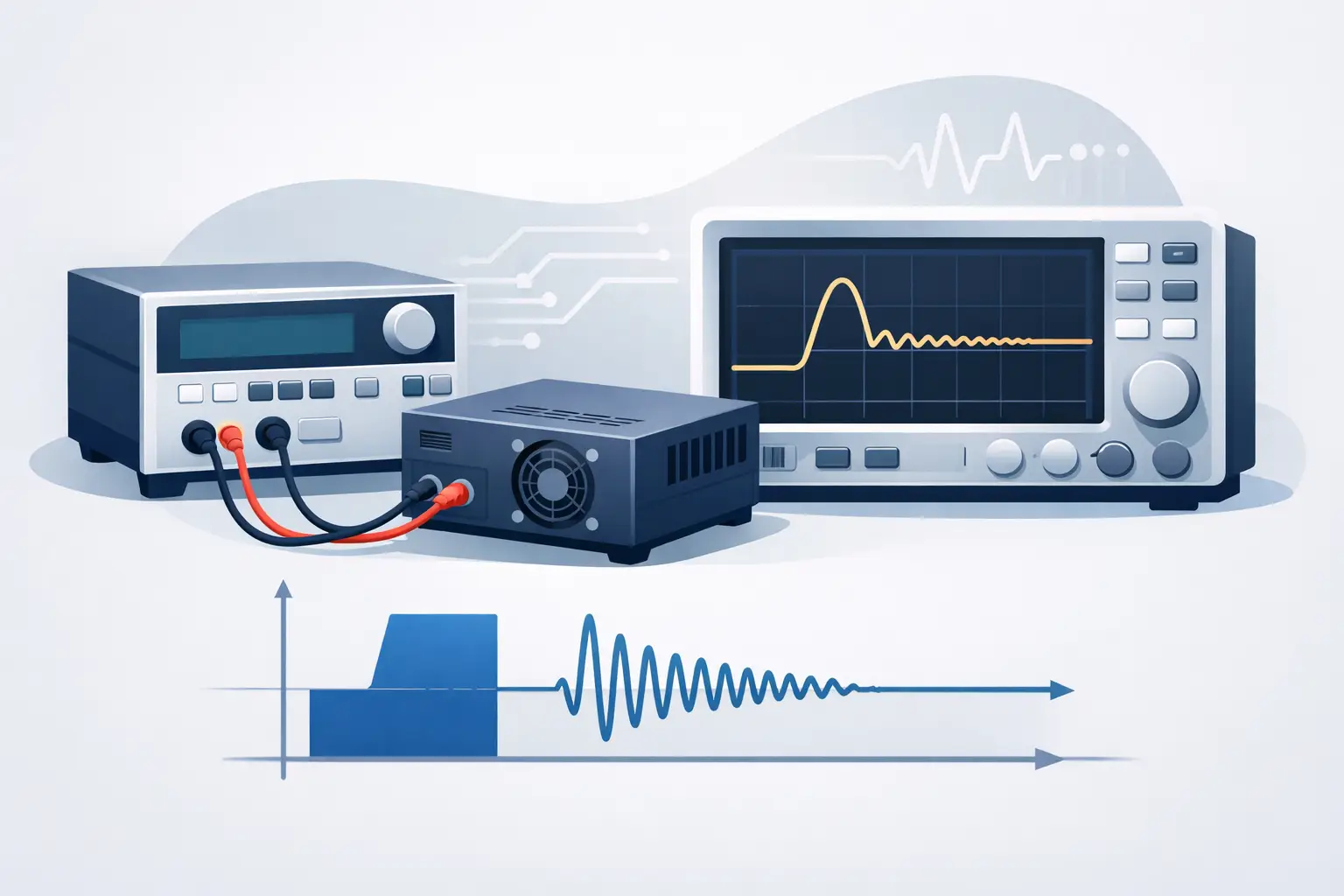
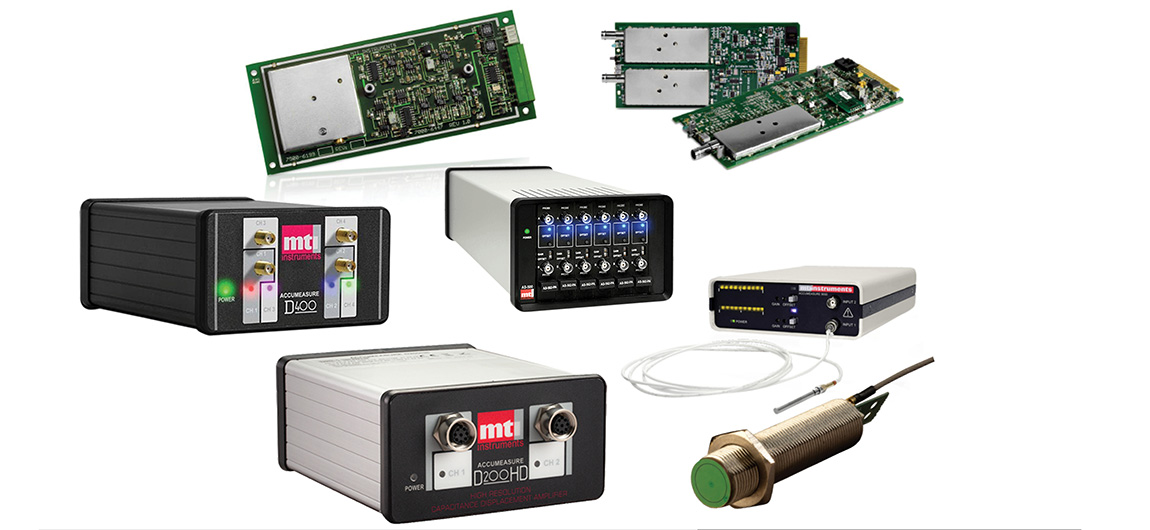
Building on the principles of capacitive sensing, the Accumeasure D Series from MTI Instruments takes nanometer displacement measurement to the next level. This digital capacitance system converts the probe’s capacitive electric field readings directly into a highly precise 24-bit digital measurement, capturing position, thickness, motion, and vibration with unparalleled accuracy. Unlike traditional analog systems, the Accumeasure D Series employs a direct digital conversion approach. By converting probe capacitance straight to target gap (distance), it eliminates errors that often arise from analog filtering, range extension, linearization, or channel summing.

Designed for real-world industrial environments, the Accumeasure D Series offers the following features:
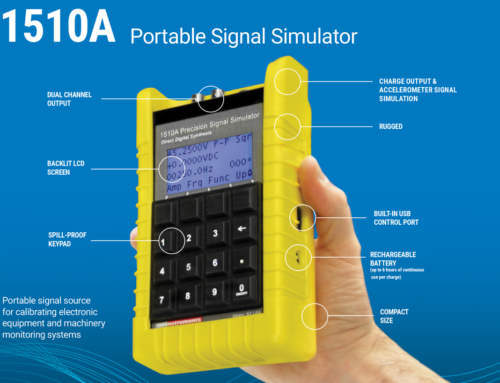
- It is a true direct digital capacitive displacement sensor, delivering sub-nanometer resolution and up to 0.01% FSR linearity.
- It includes a built-in quadrature input and can sample all channels at 20kS/sec, making it ideal for dynamic measurements.
- The system uses 100% digital linearization of the gap response and lossless 24-bit processing, eliminating the need for an analog-to-digital converter or additional acquisition hardware.
- Engineers can adjust the output data rate and utilizes digital phasing of probes to measure floating targets accurately.
- Range extension, filtering, and signal averaging are all digitally controlled for consistent and precise measurements.
- The sensor offers USB, Ethernet, and analog outputs, ensuring ease of integration into automated systems.
Typical Application Areas of Accumeasure D Series
The Accumeasure D Series is designed for a wide range of industrial and research applications where precision and reliability are critical. These nanometer displacement sensor types enable engineers to measure ultra-small displacements, thickness variations, and surface profiles with confidence. Key applications are depicted in the below table:
| Industry | Measurement Types | Applications |
|---|---|---|
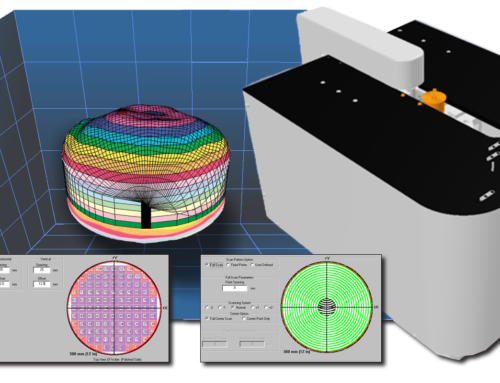
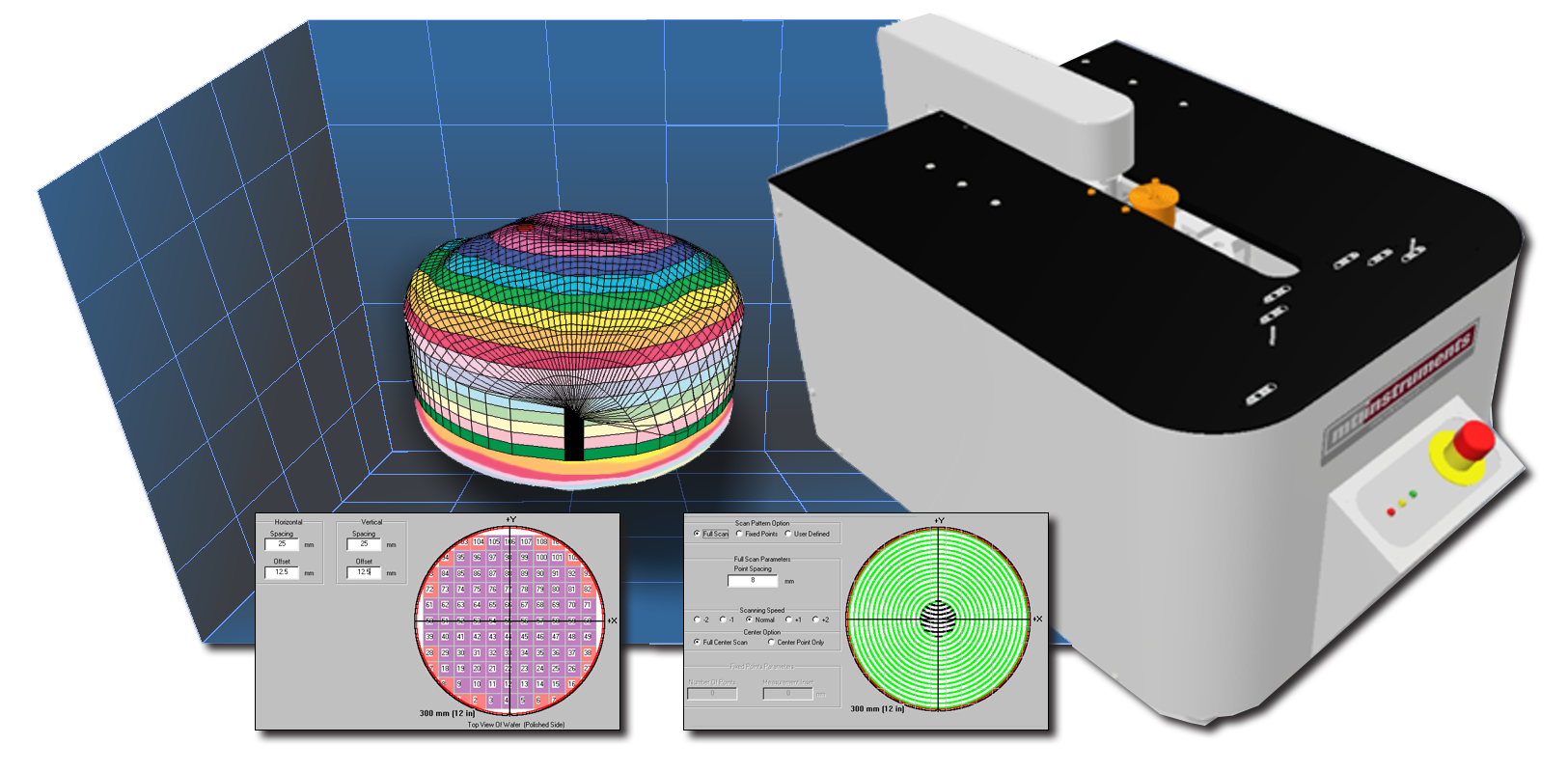
| Semiconductor | Positioning, Thickness, Metrology | Lithography optics position focus, LED substrate thickness, GaAs substrate thickness measurement, Thickness and TTV of semiconducting wafers, Wafer measurement – ungrounded |
| Solar | Metrology | Wafer bow and warp |
| Consumer Electronics | Thickness, Positioning | Glass thickness, Piezo stage |
| Automotive | Distance, Level, Surface, Tolerances | Spindle runout, Oil film measurement, Brake rotor thickness variation, Brake rotors, Windshield manufacturing |
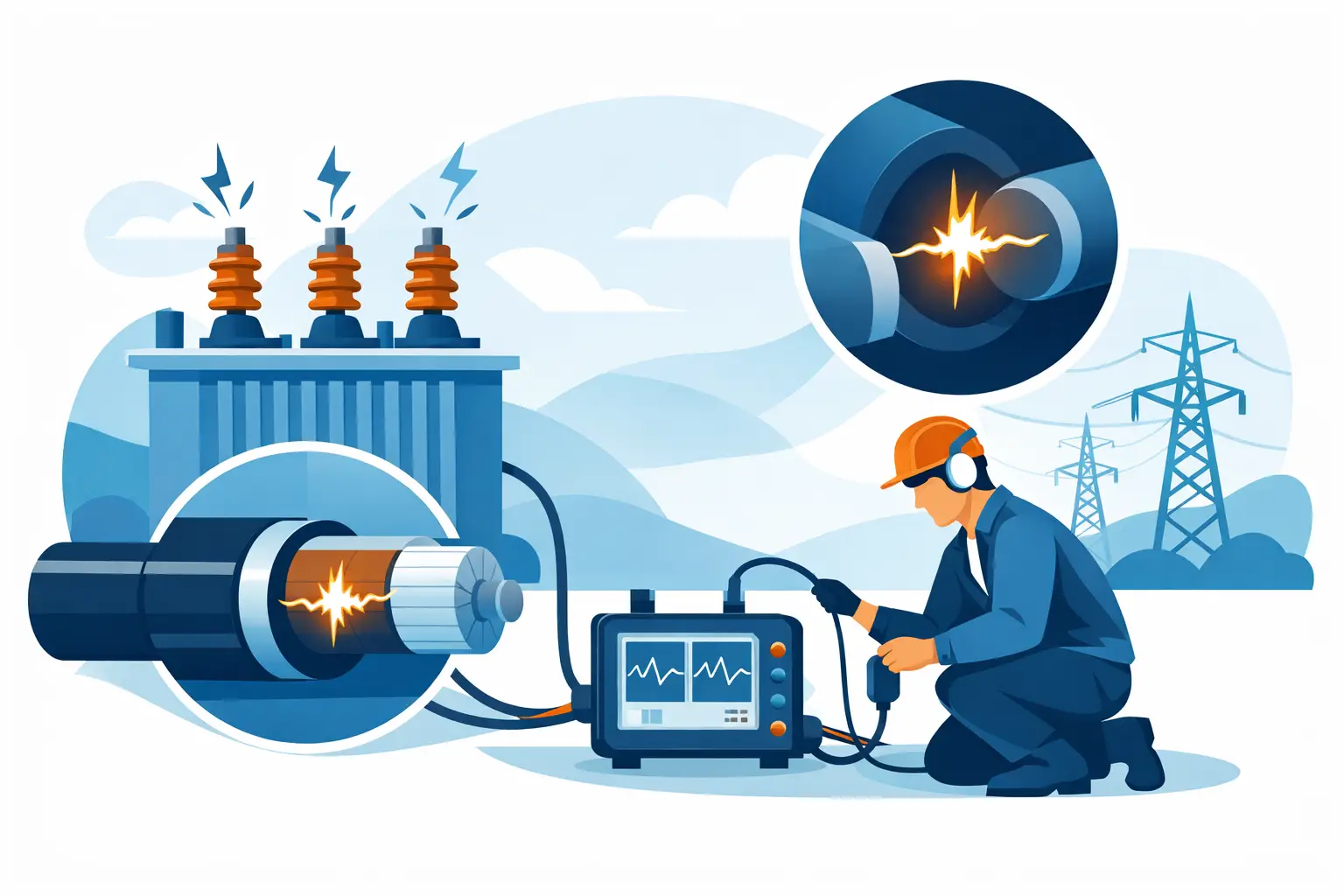
| Power Generation | Tolerances | Armature gap measurement |
| Research & Development | Presence/Absence | In-situ particle detection |
Why Nanometer Precision is “Right Sized”
Nanometer-scale accuracy strikes the perfect balance between precision, cost, and practicality. While picometer-level sensors exist, they are rarely necessary outside of specialized labs. For industrial metrology, nanometer resolution is the “right-sized” solution.
When choosing a measurement technology, manufacturers must weigh more than accuracy alone. Nanometer displacement sensors, such as the Accumeasure D Series, deliver practical benefits that make them ideal for industrial use:
- High Precision without Overengineering: Accumeasure D Series ensures accuracy that meets industry requirements.
- Cost-effective: They help avoid the prohibitive expenses of picometer systems.
- Easy Integration: It works for standard industrial setups, without requiring extreme isolation or complex calibration.
- Robust and Reliable: It helps maintain performance in real-world factory environments.
Experience Nanometer-Level Accuracy Today
From turbine blades and brake rotors to semiconductor wafers and glass panels, the demand for ultra-precise measurement is greater than ever. What once seemed invisible can now be monitored in real-time, ensuring quality, safety, and performance across industries. Nanometer displacement sensors make this possible; delivering the accuracy that matters, in a form that manufacturers can actually use.
Accumeasure D from MTI Instruments brings this nanometer-level precision to real-world industrial metrology. It combines the sensitivity of capacitive sensing with the strength of digital processing, resulting in a system that is accurate, robust, and ready for the factory floor. In doing so, it makes advanced metrology not just a laboratory achievement, but a practical tool for everyday engineering challenges. Contact MTI Instruments today to discover how the Accumeasure D Series can enhance your measurement capabilities and deliver nanometer precision to your applications.