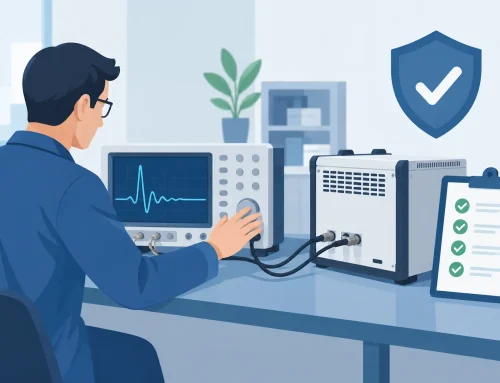
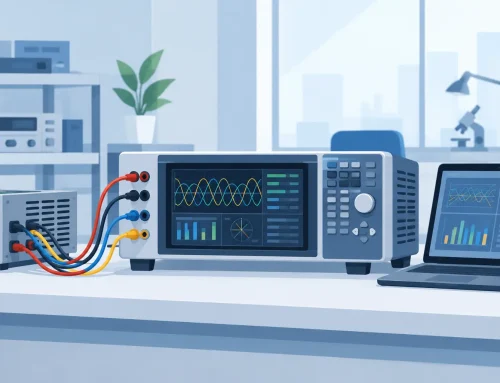
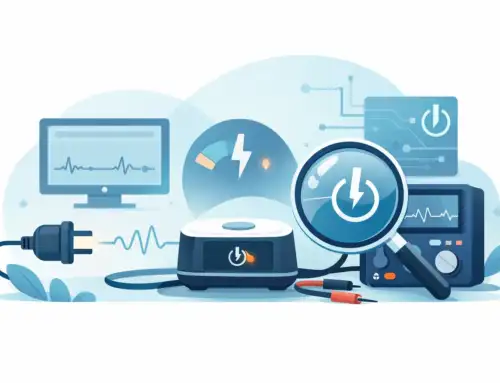
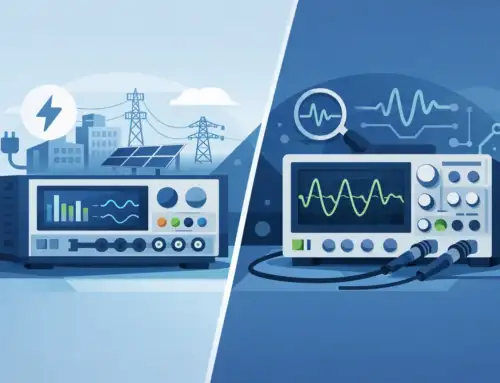
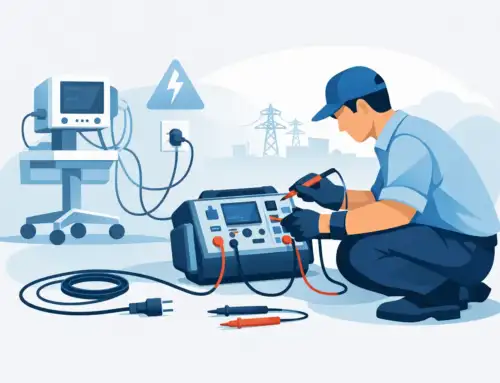
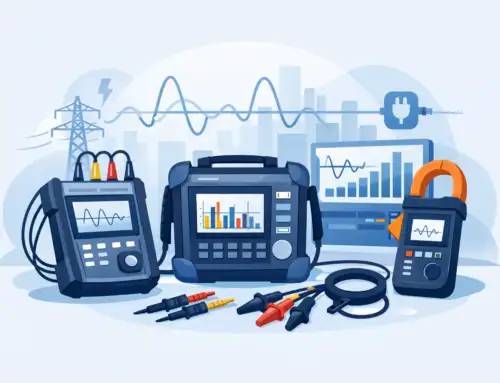
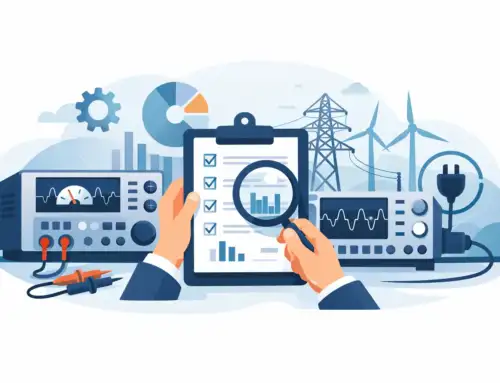
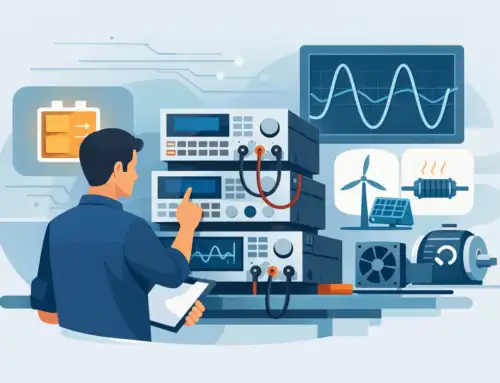
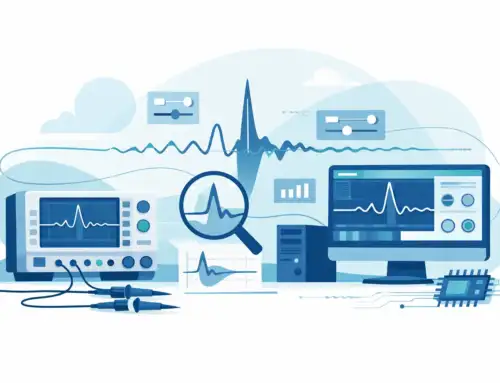
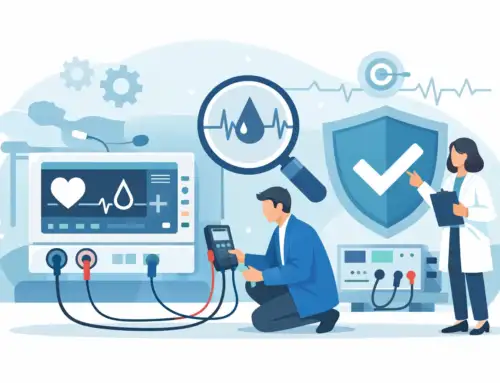
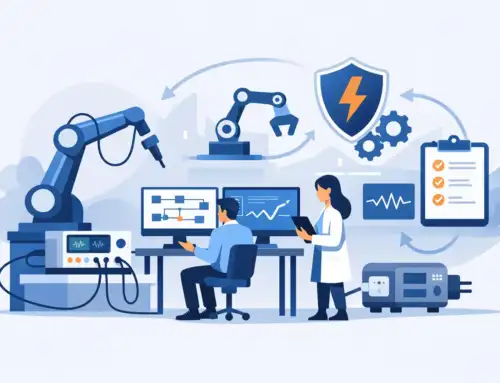
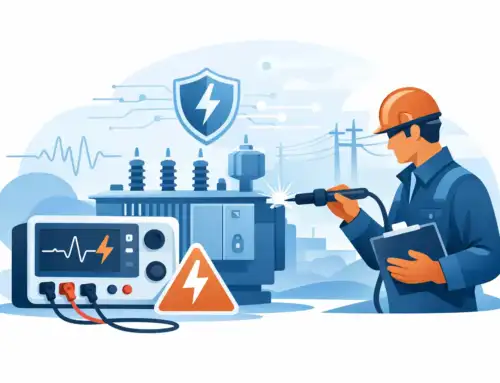
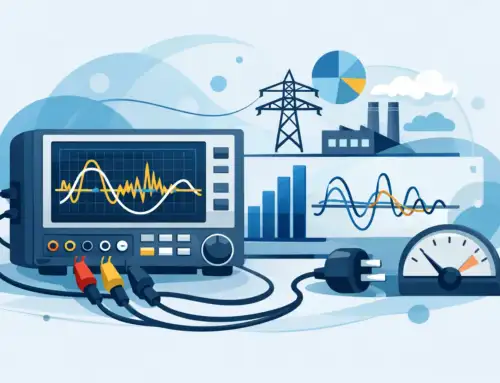
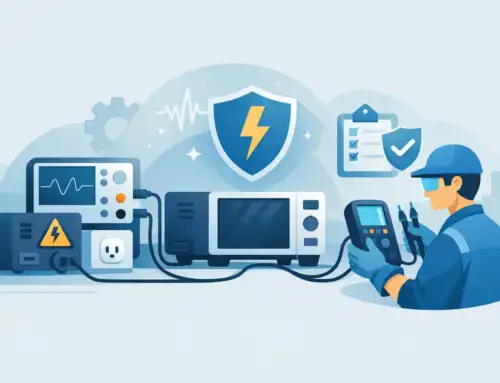
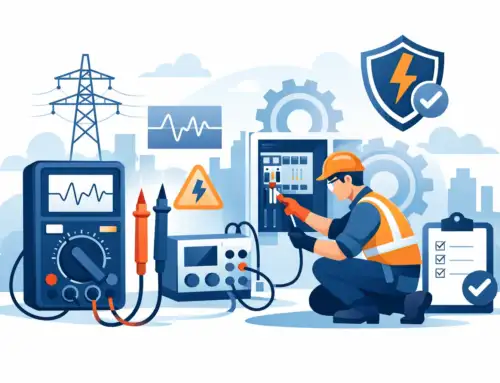
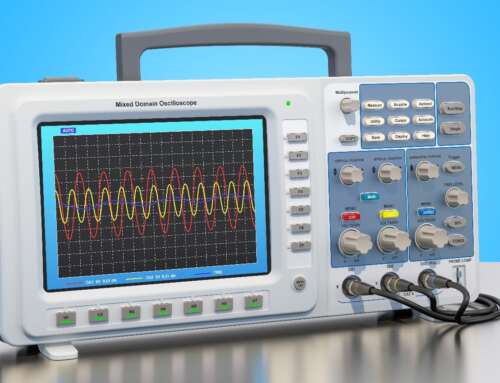
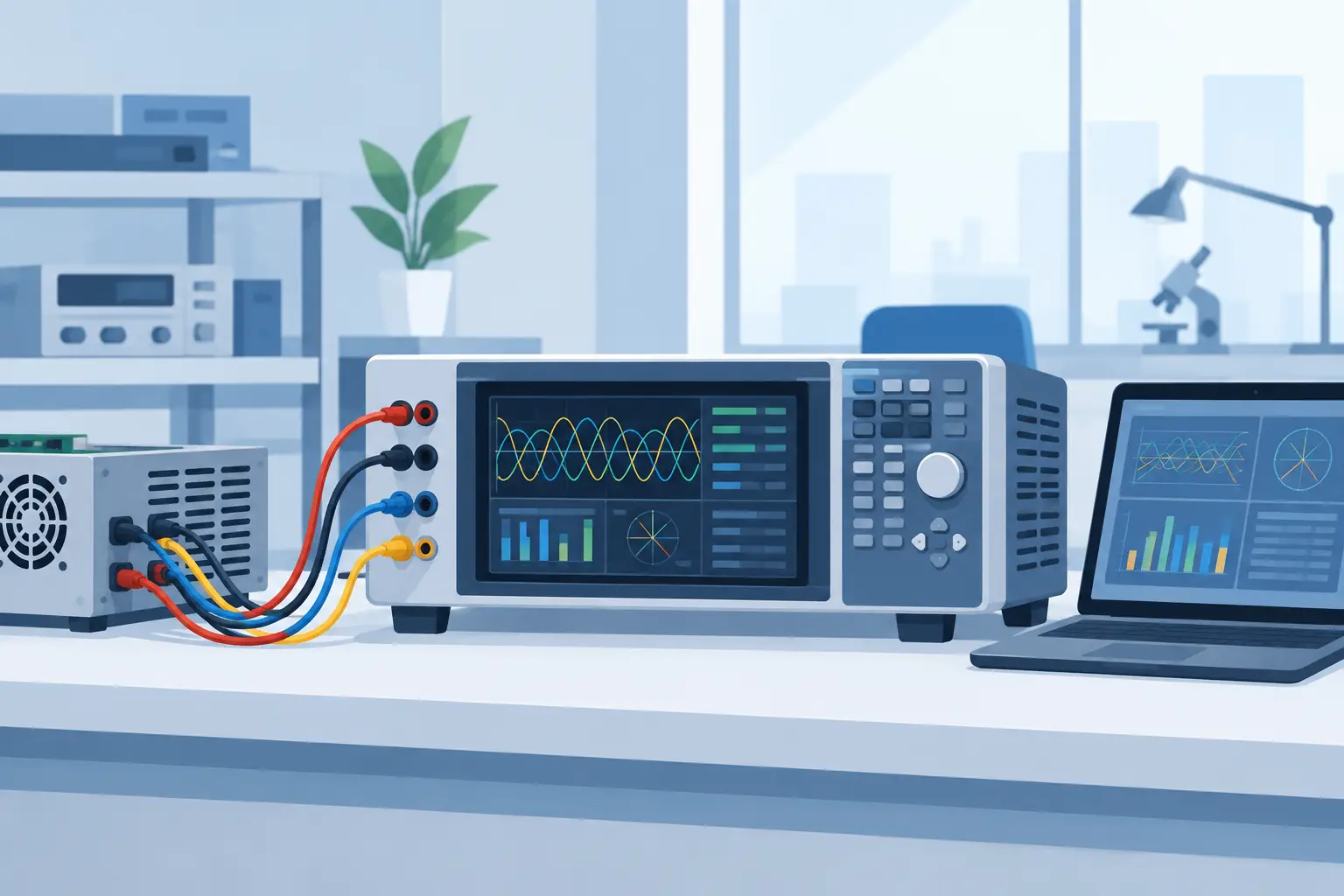
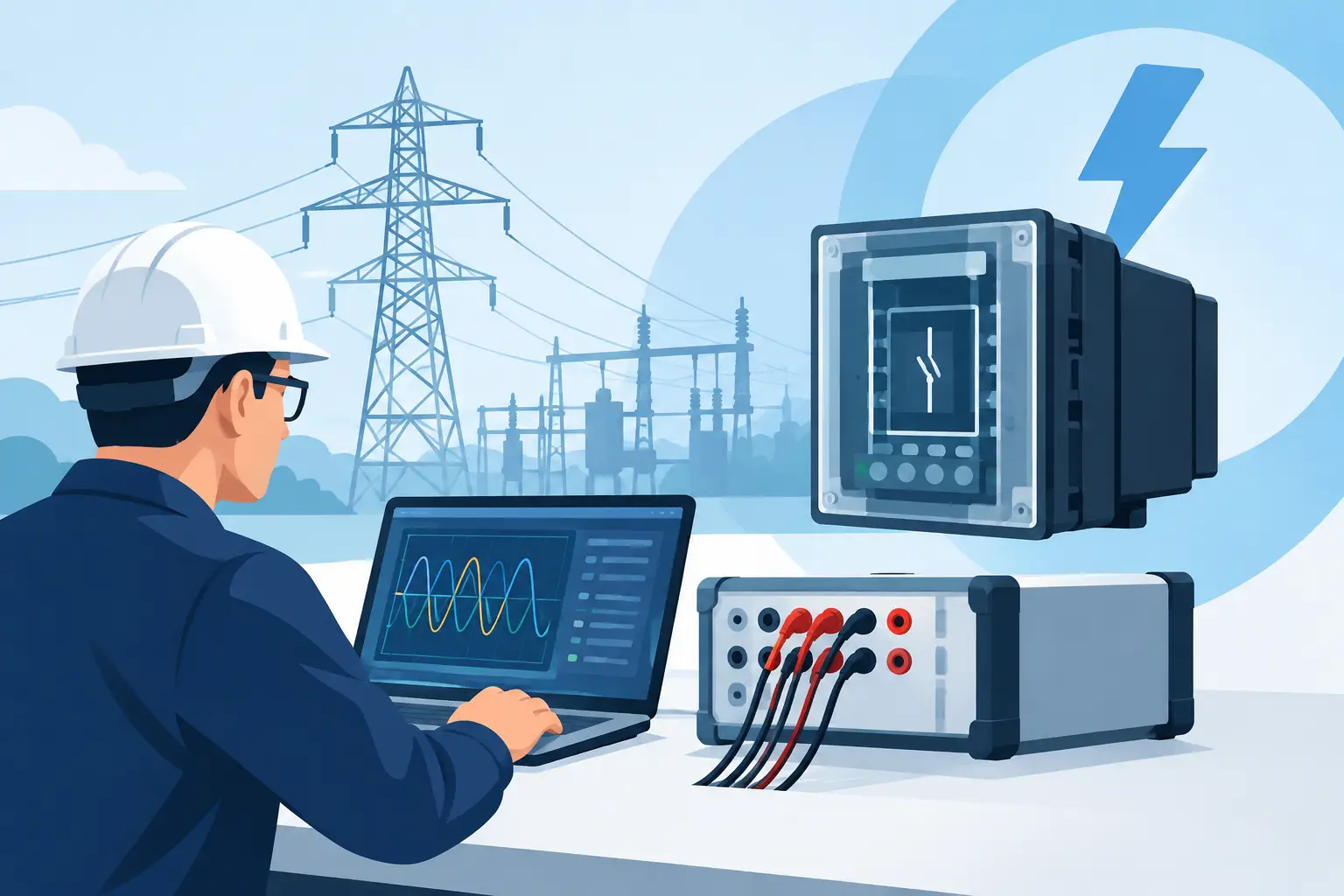
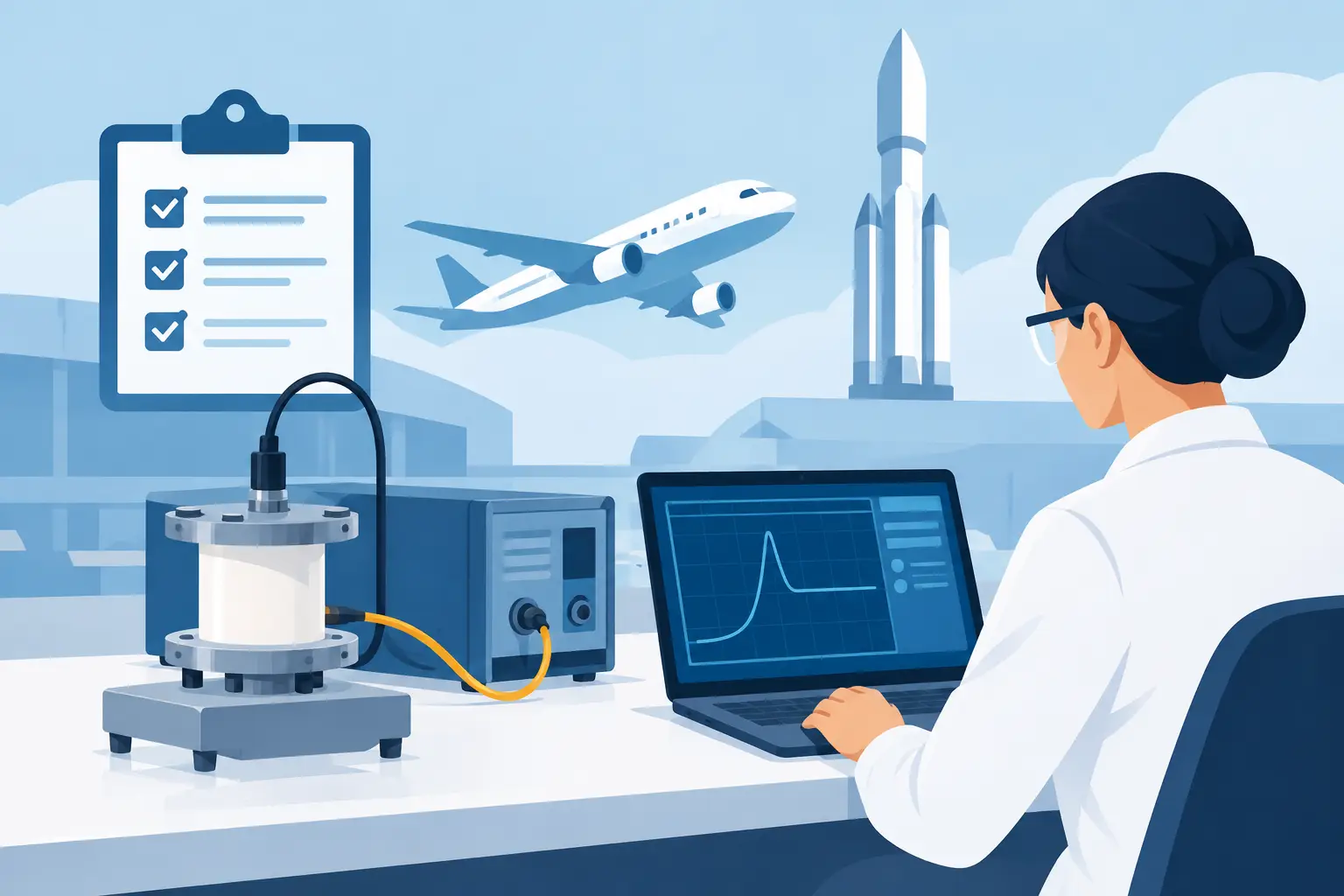
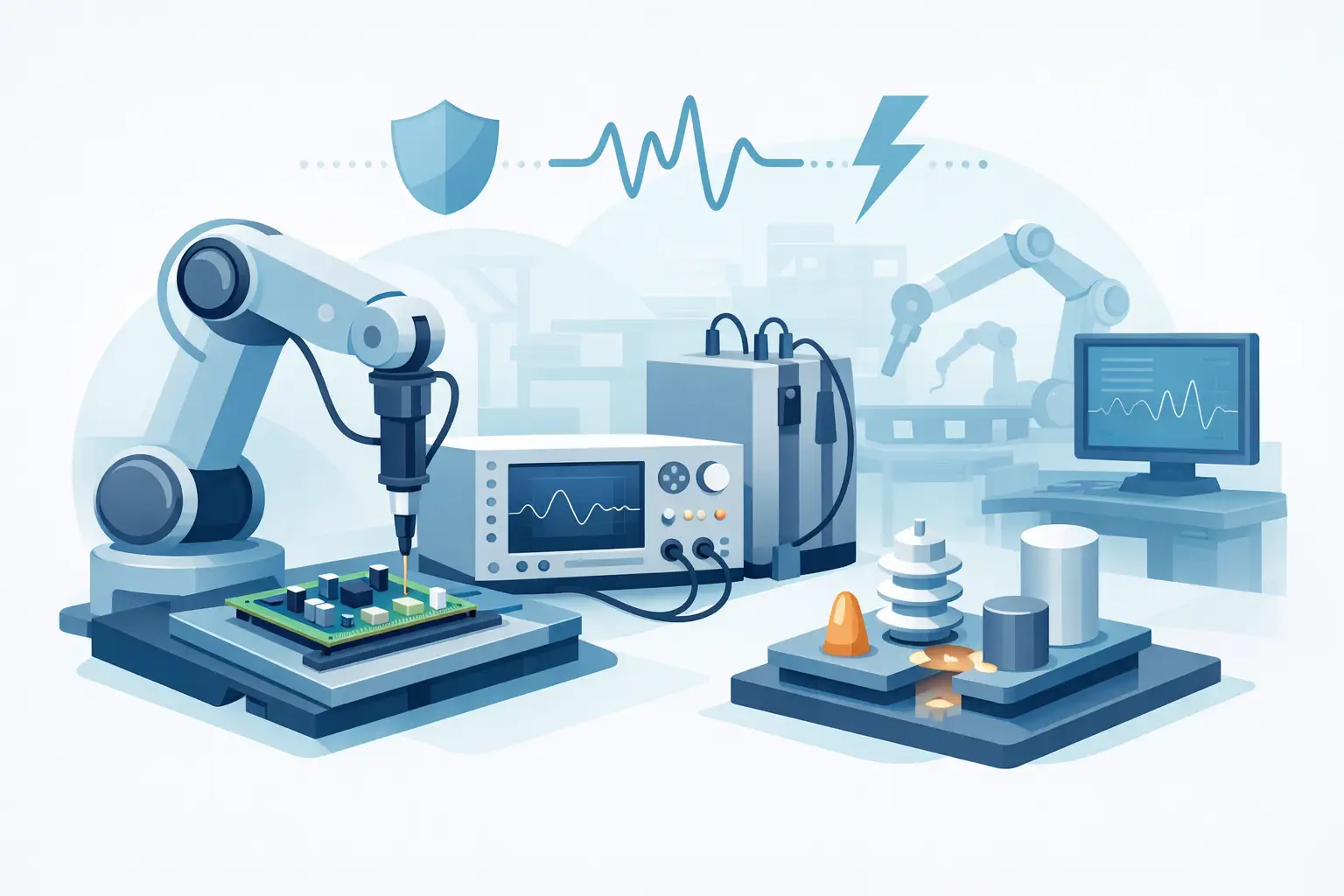
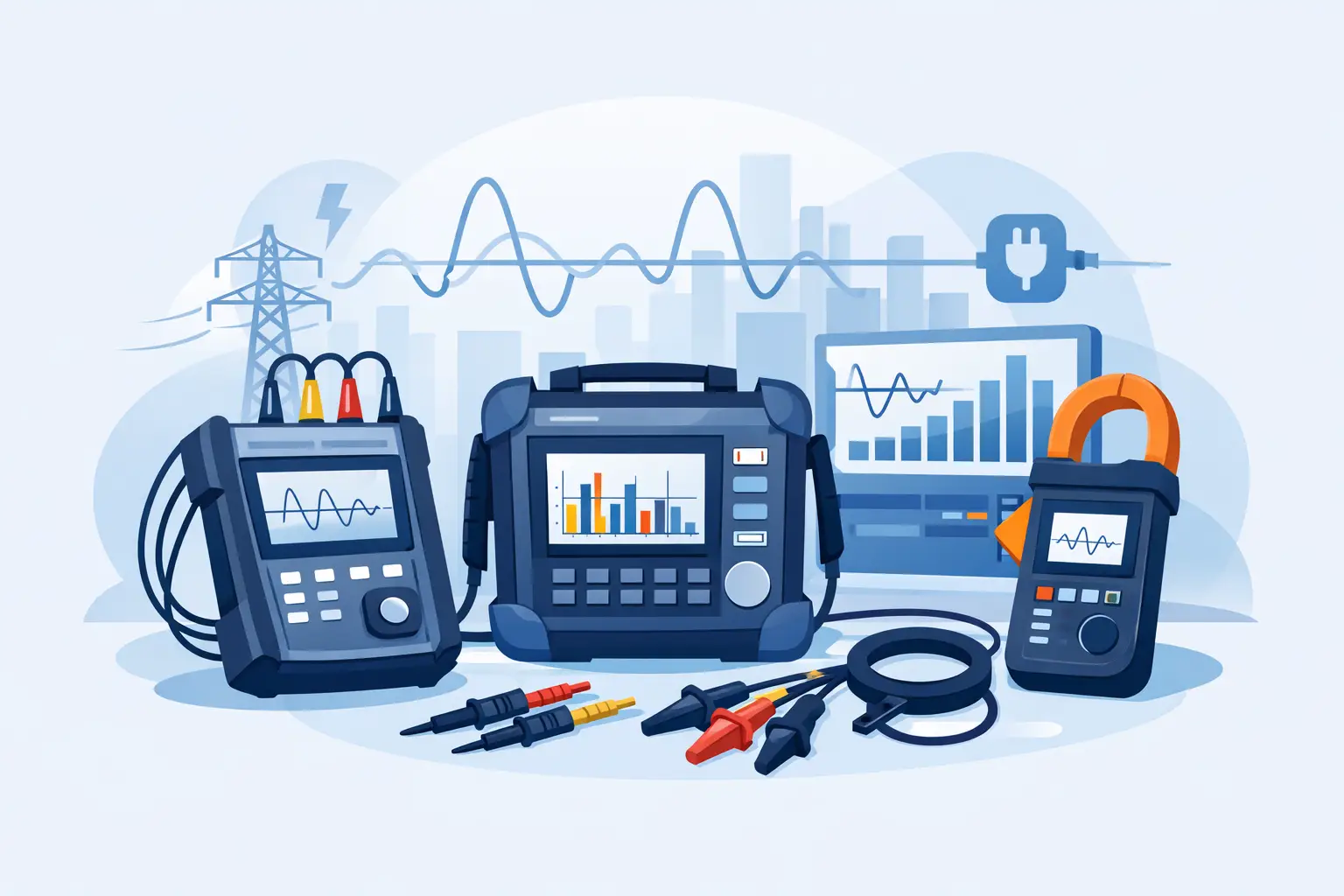
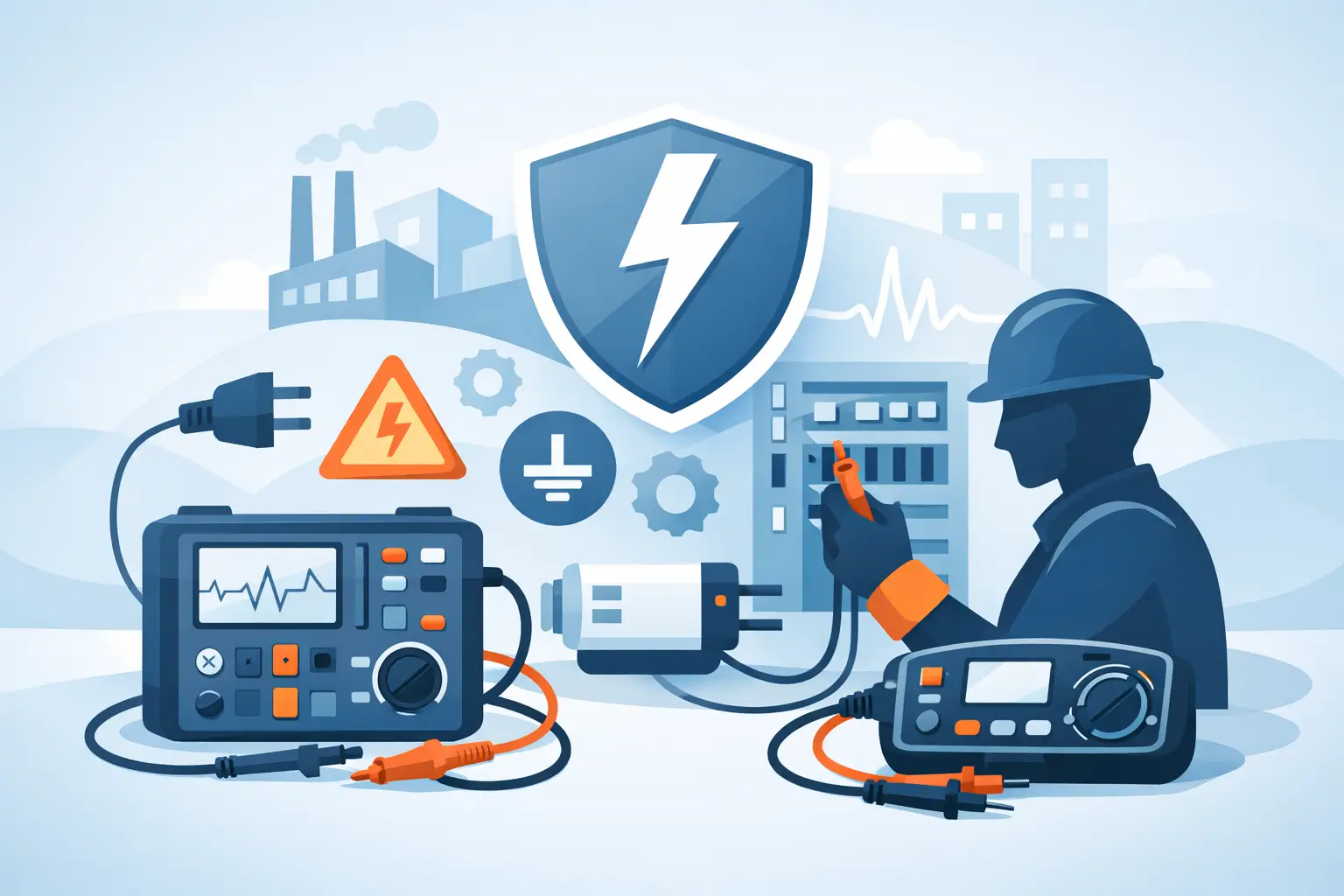
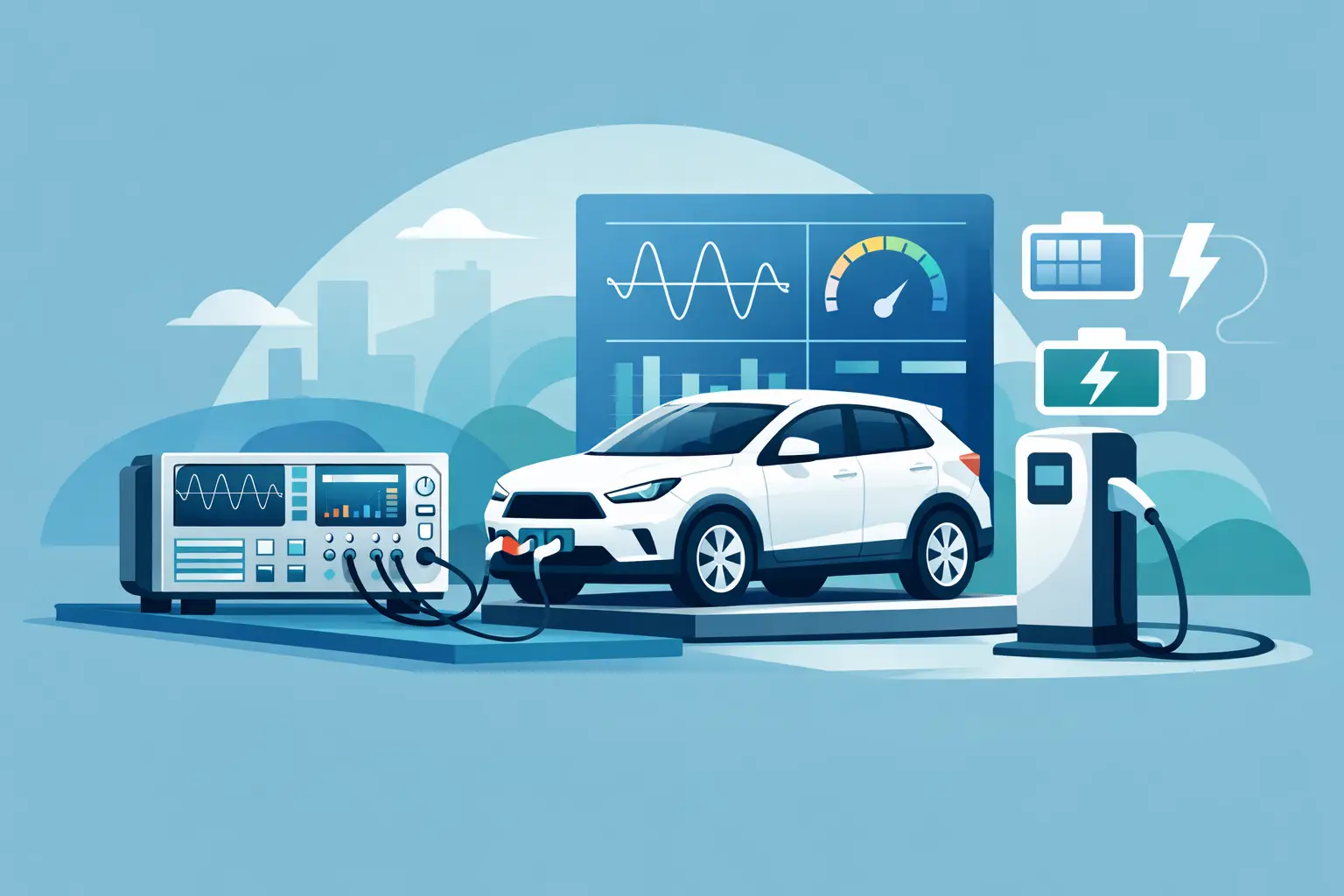
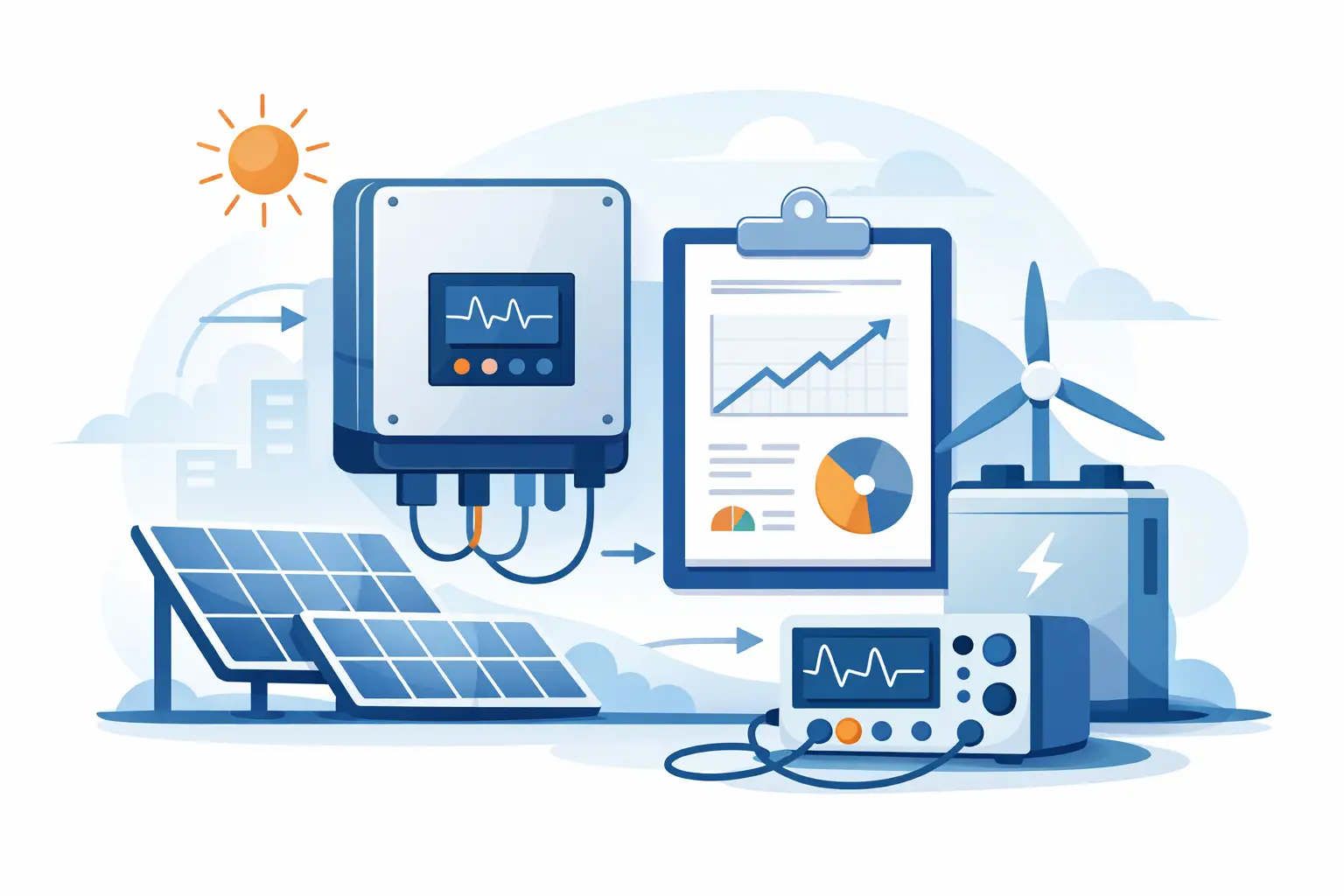
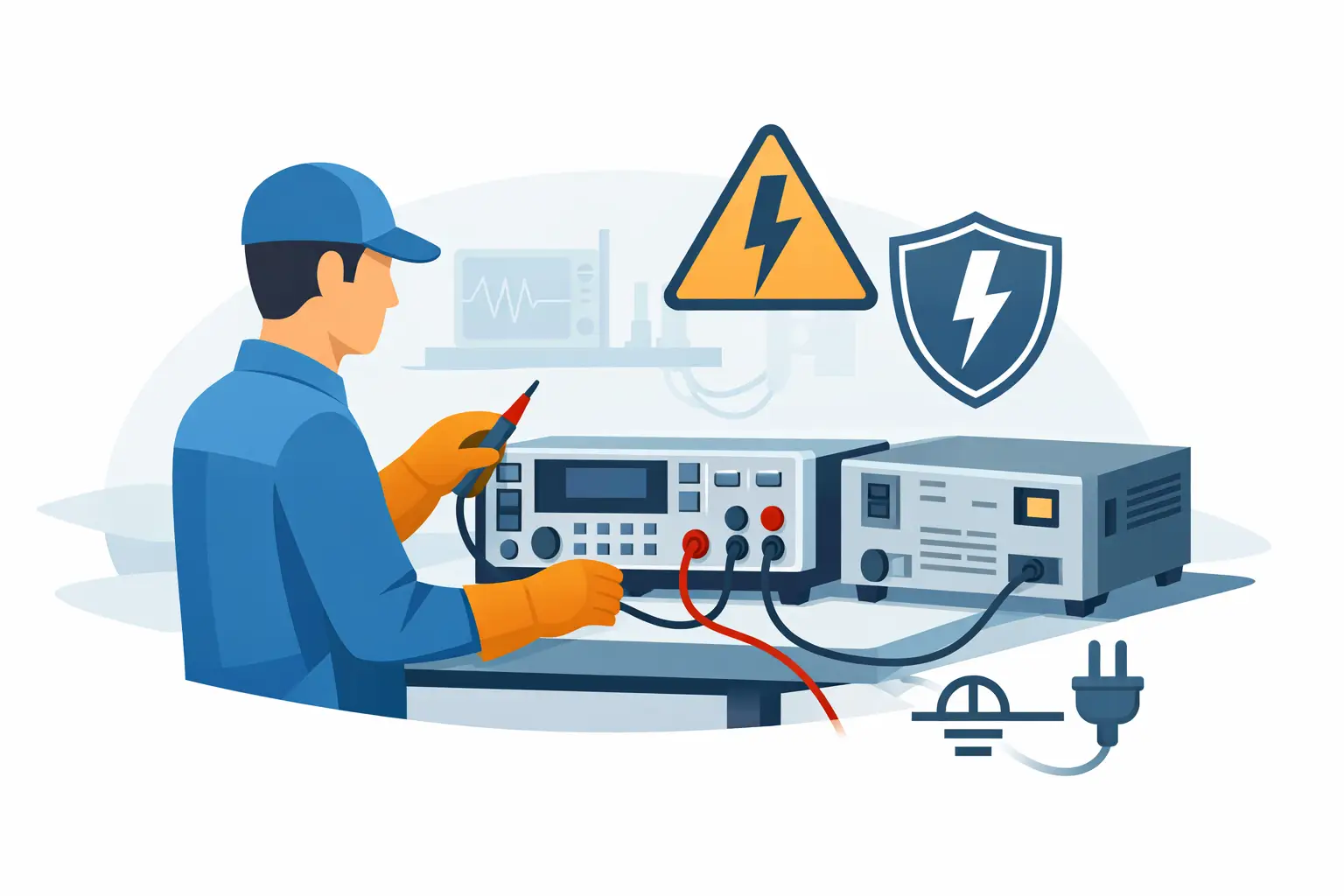
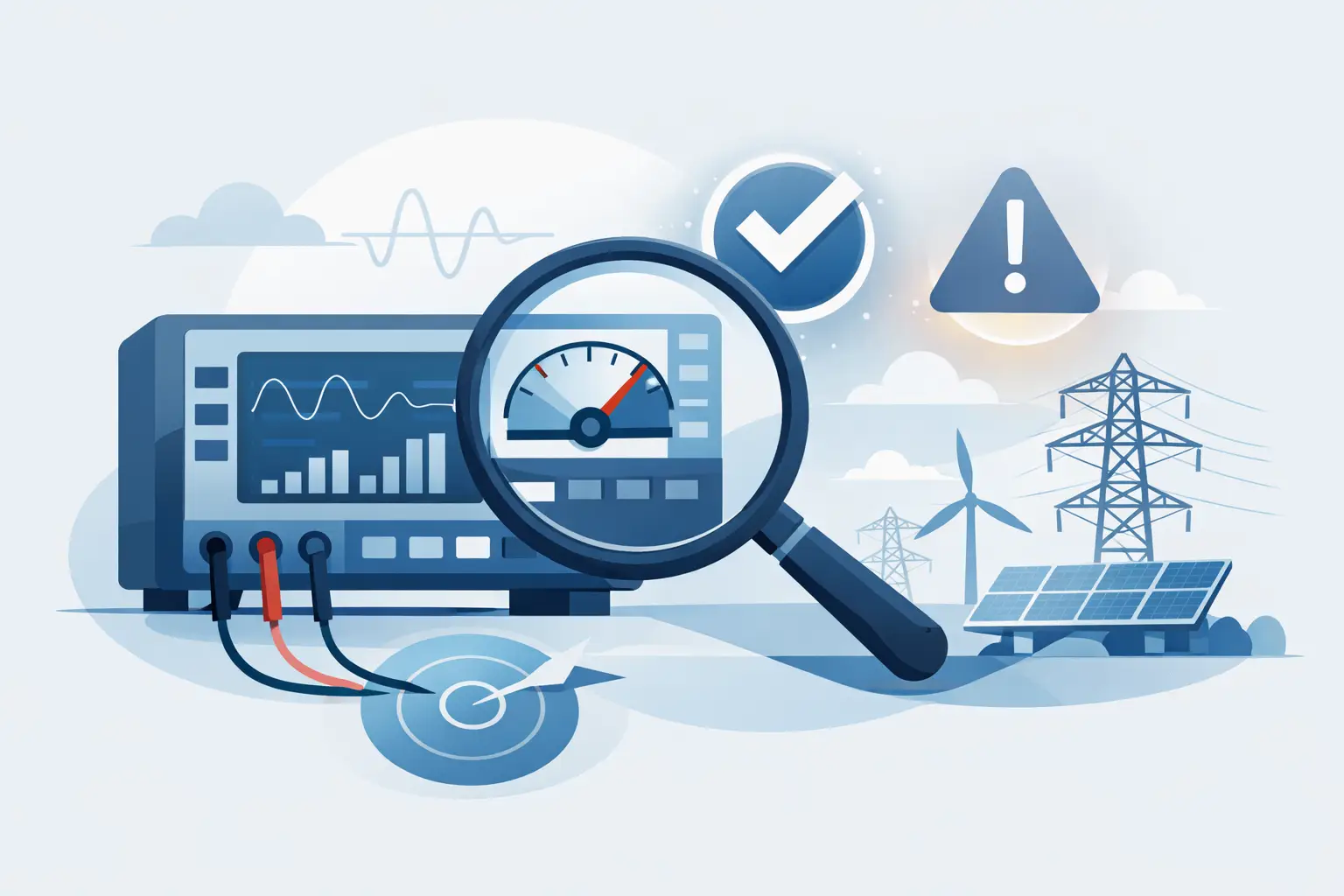
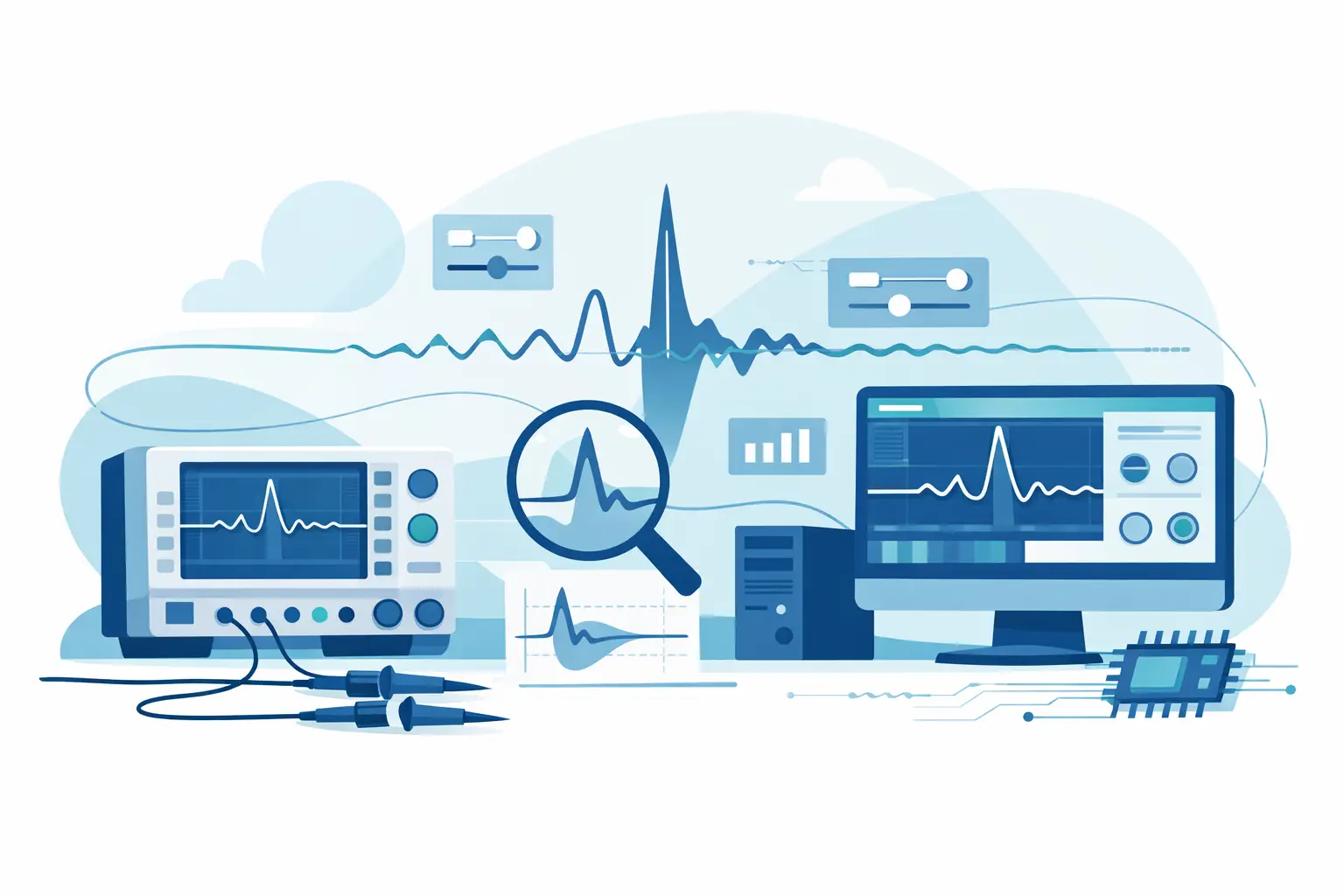
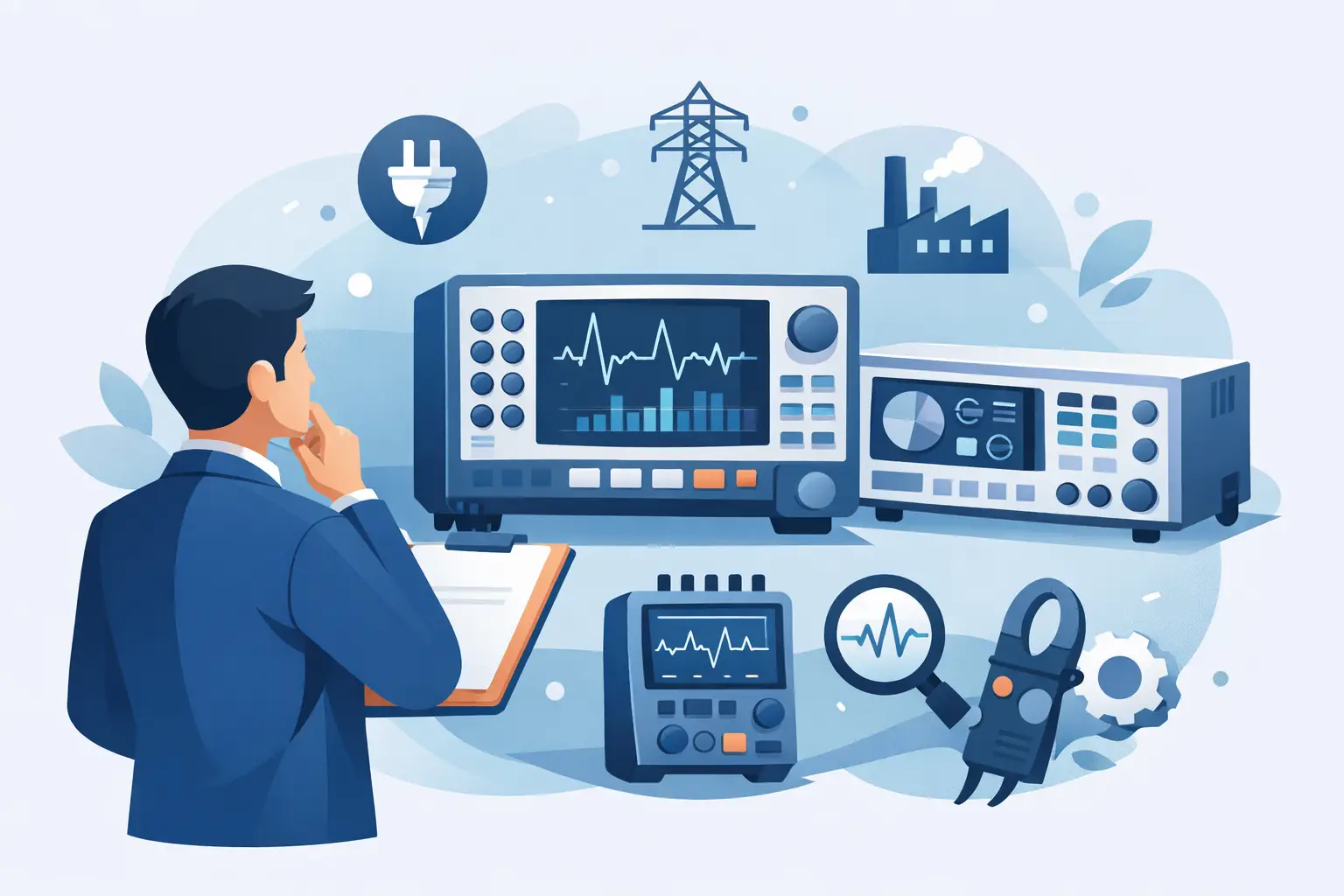
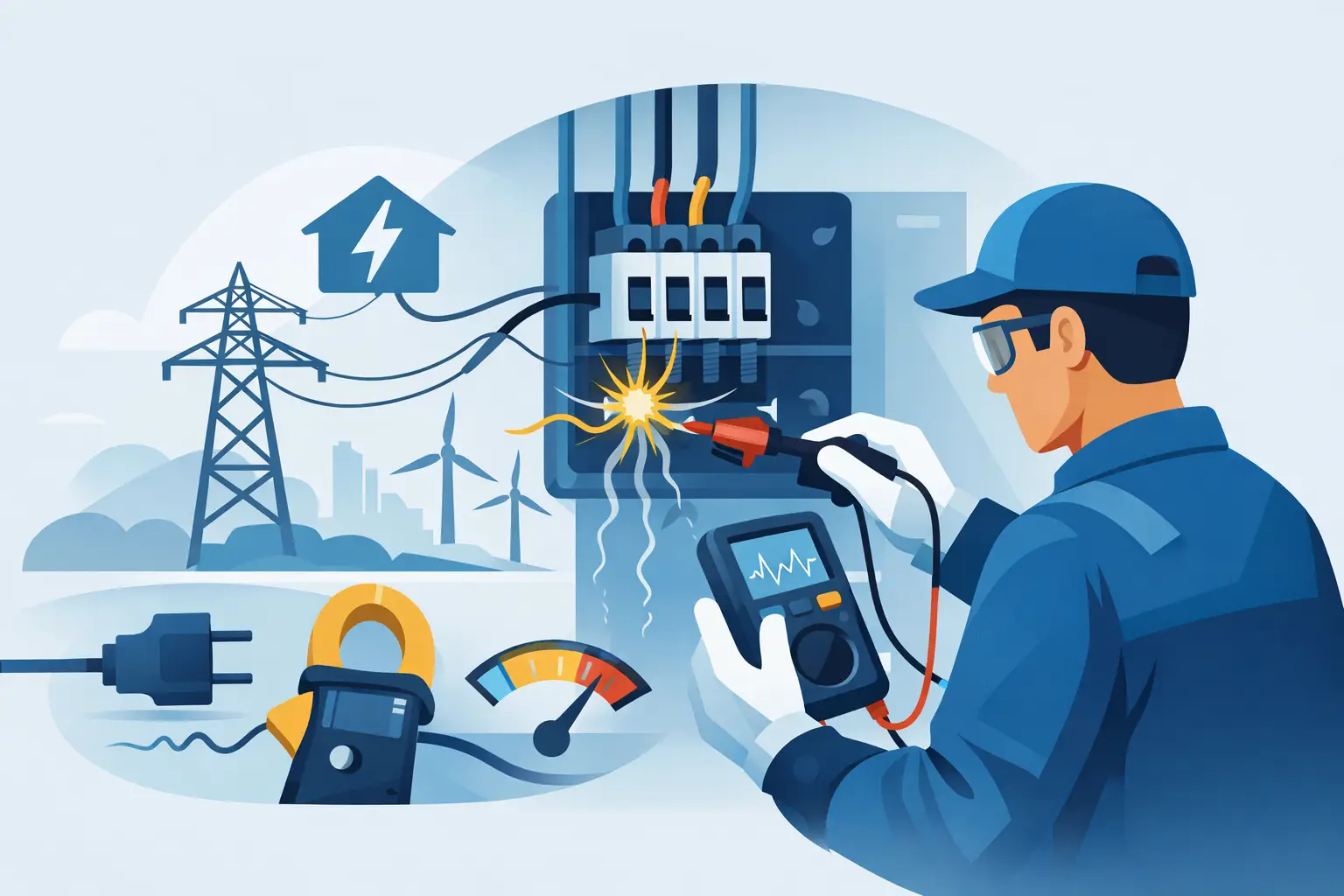
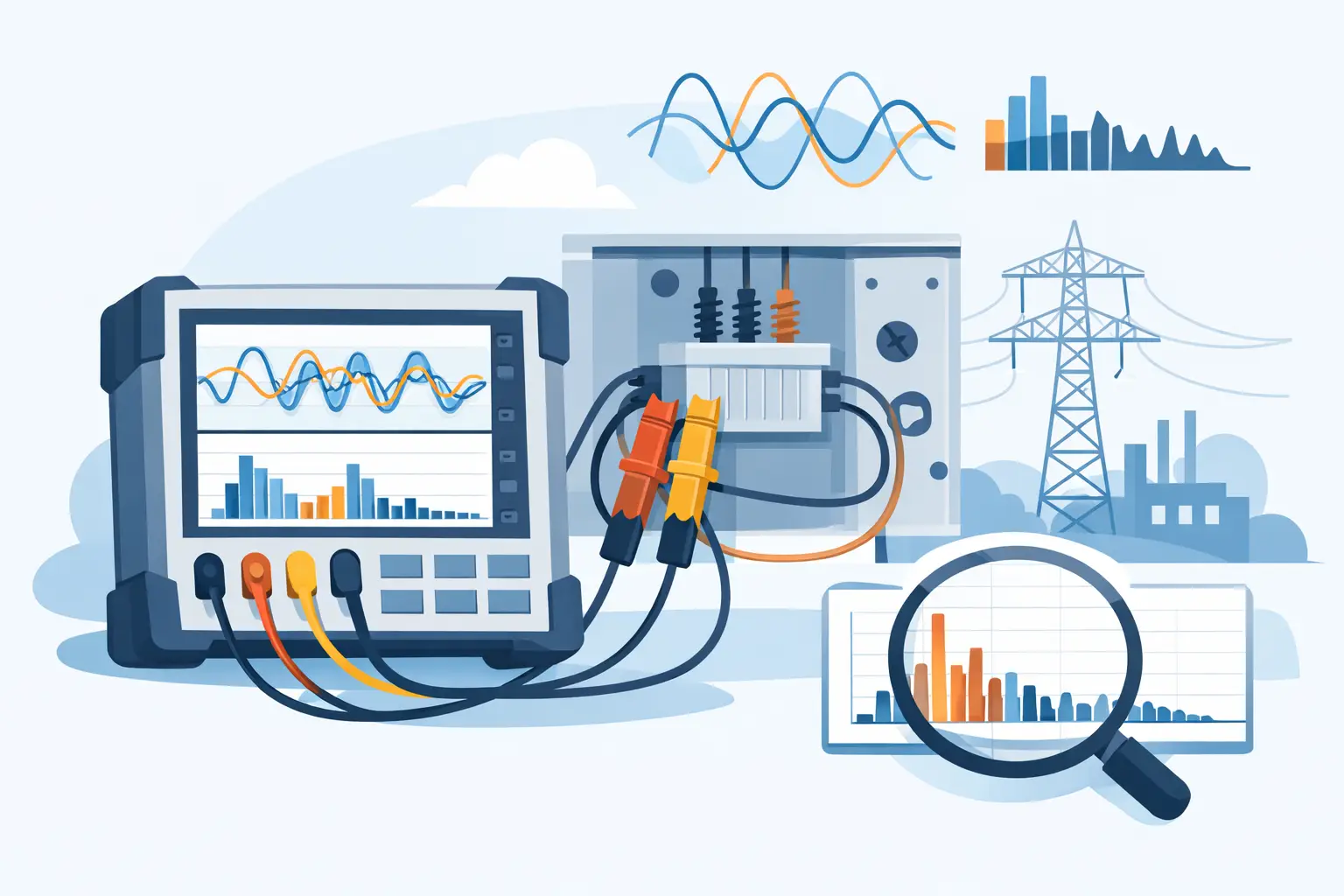
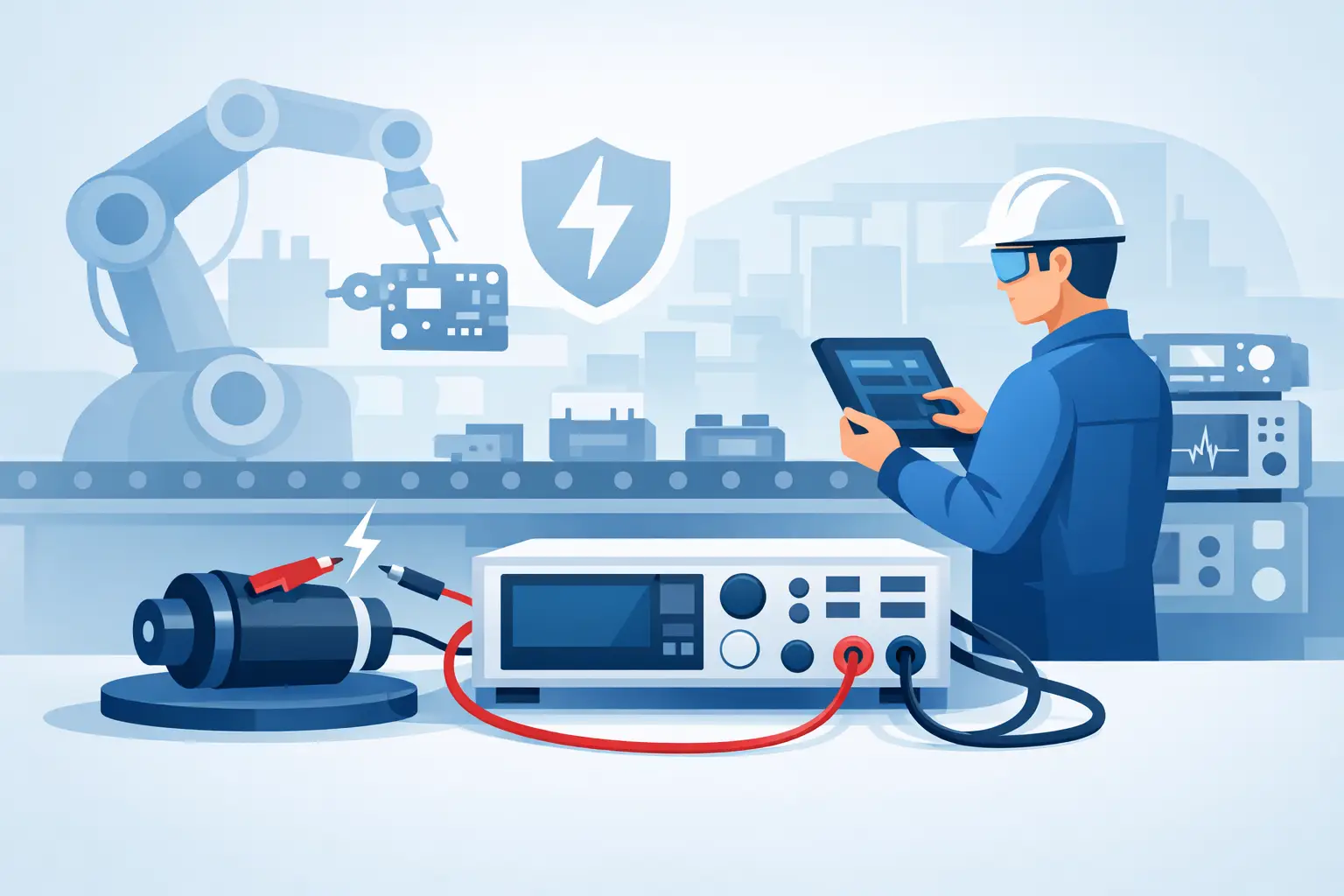
In the ever-evolving world of electrical engineering, power analyzers are indispensable tools that play a critical role in ensuring system performance, efficiency, and compliance. Whether you’re working in industrial settings, R&D labs, or power utilities, a power analyzer provides a comprehensive and real-time view of your electrical systems. These advanced instruments measure essential electrical parameters such as voltage, current, power, harmonics, and efficiency, offering deep insights into the performance and health of your systems.
Power analyzers enable engineers to monitor, analyze, and optimize electrical systems for a wide range of applications, ensuring operational efficiency, minimizing risks, and improving overall system reliability.

Main Applications of Power Analyzers
Power analyzers are versatile instruments used across various industries for different applications. Here’s a detailed breakdown of the primary uses of these essential tools:
1. Energy Efficiency Testing: Optimizing System Performance and Reducing Costs
One of the most important uses of a power analyzer is to evaluate how efficiently energy is being consumed. By measuring input and output power in devices like motors, power supplies, and lighting systems, engineers can identify inefficiencies and energy losses.
- How It Helps: Power analyzers highlight areas of waste, allowing organizations to adjust settings, upgrade equipment, or revise processes to improve overall efficiency.
- Example: In motor-driven systems, ensuring optimal efficiency helps reduce electricity consumption, lower operational costs, and cut carbon emissions.
2. Harmonics Analysis: Detecting and Mitigating Distortion
Harmonic distortion, caused by non-linear loads such as VFDs, LED drivers, and switching power supplies, can lead to equipment overheating and premature failure.
- How Power Analyzers Help: They provide real-time data on harmonic content, helping engineers assess whether the system complies with power quality standards.
- Real-World Application: Harmonics analysis is critical for maintaining the integrity of systems like industrial motors, solar inverters, and data center infrastructure.
3. Compliance Testing: Meeting Industry Standards
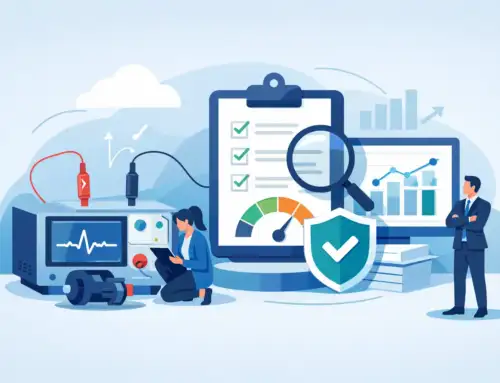
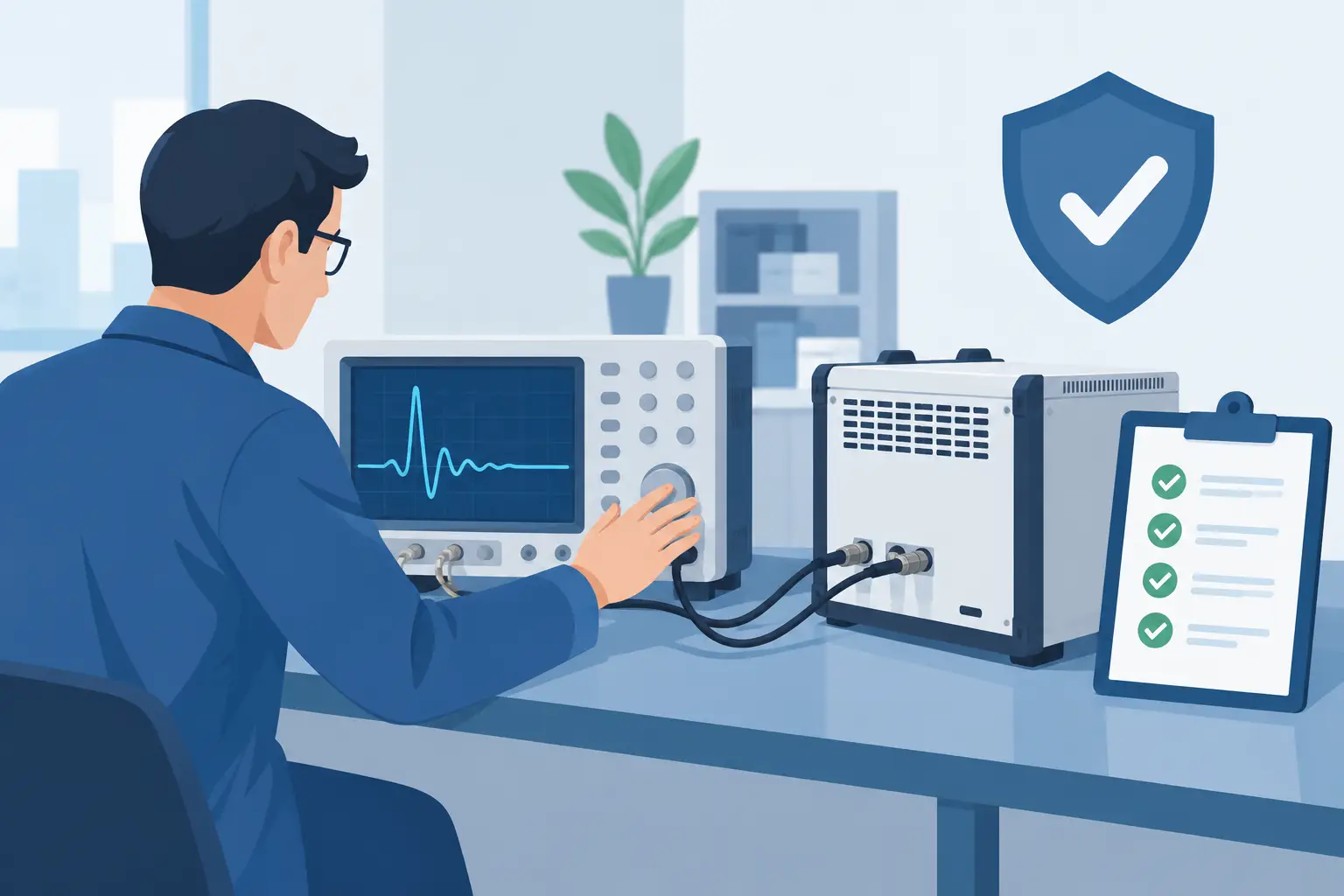
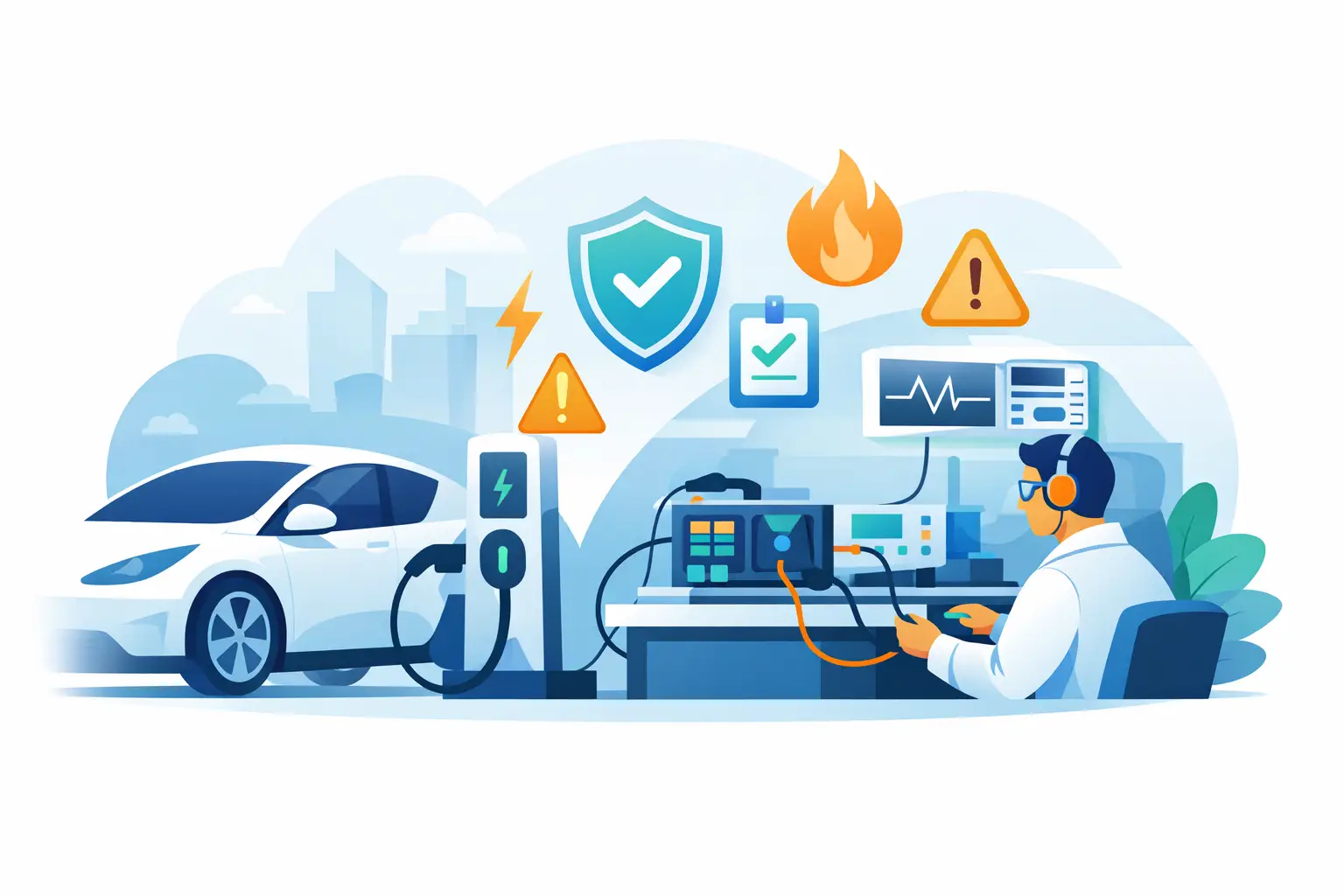
Power analyzers are essential tools for validating systems against international power quality standards and certifications.
- How It Helps: Many analyzers offer automated compliance testing features, streamlining certification processes for standards like EN61000-3-2, EN50564, and IEEE 519.
- Example: Engineers can verify harmonic emission limits in real time, reducing risk of non-compliance, fines, or equipment shutdowns.
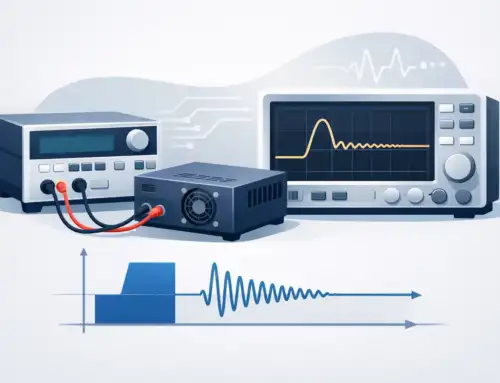
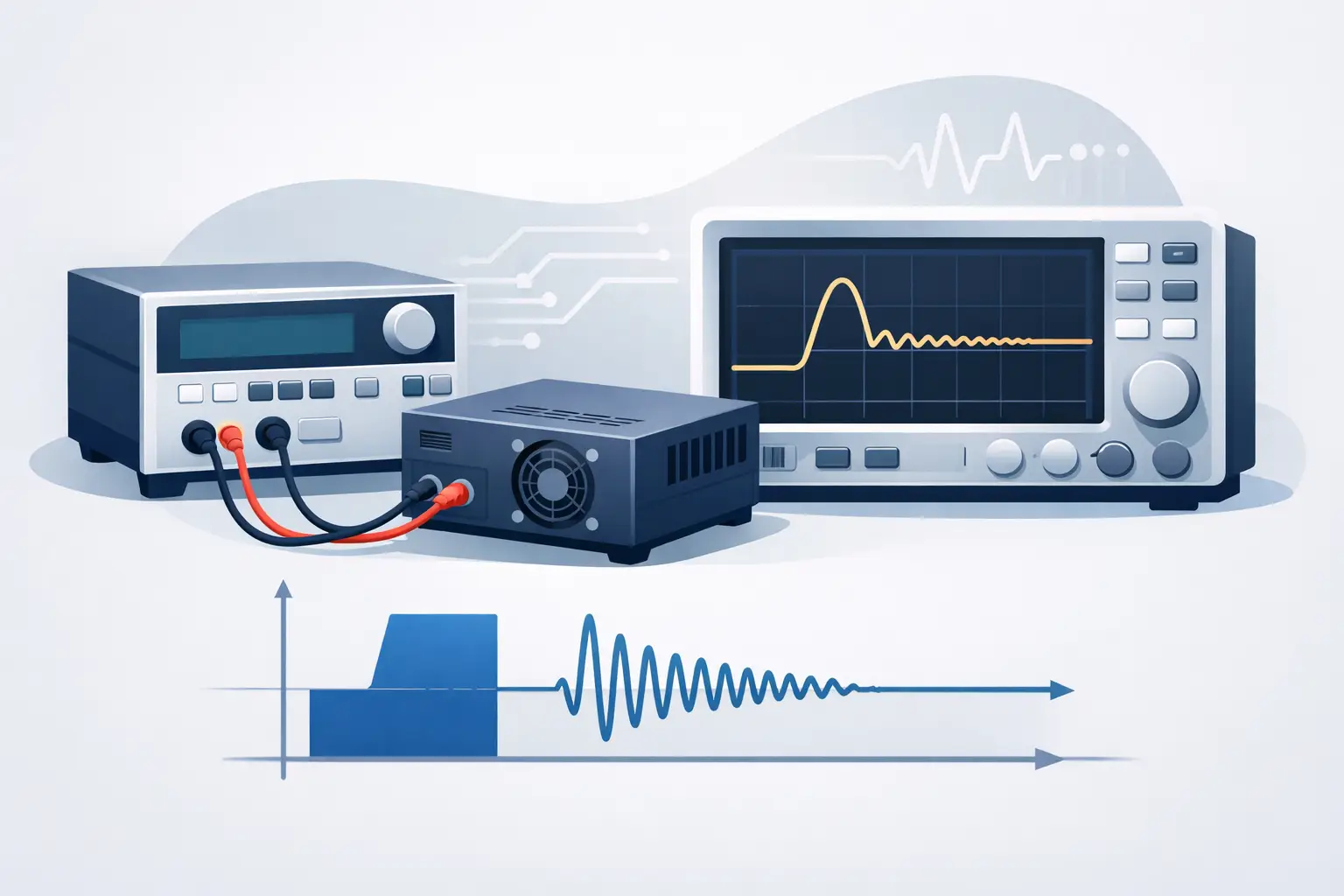
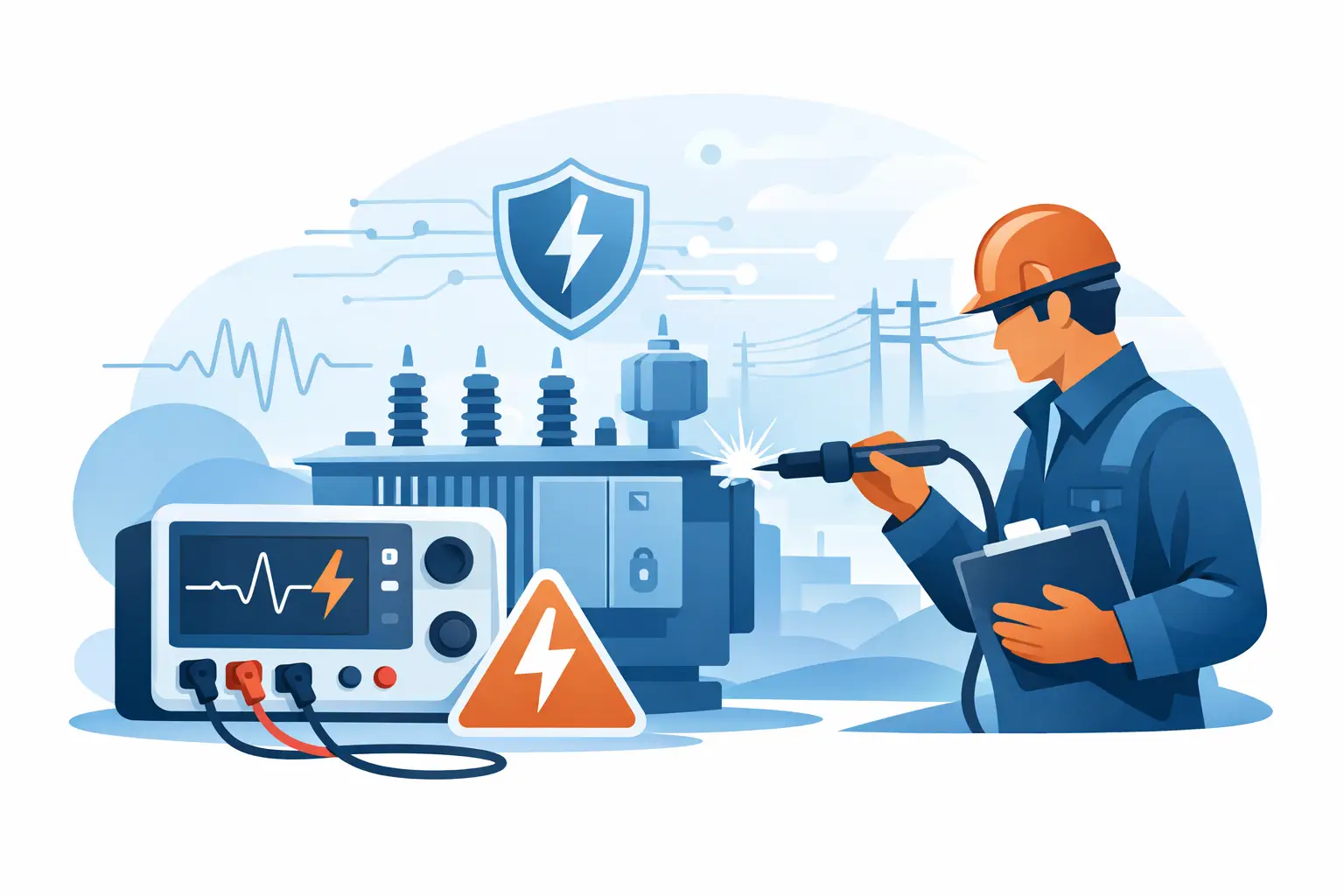
4. Transient and Inrush Current Measurements: Preventing Damage
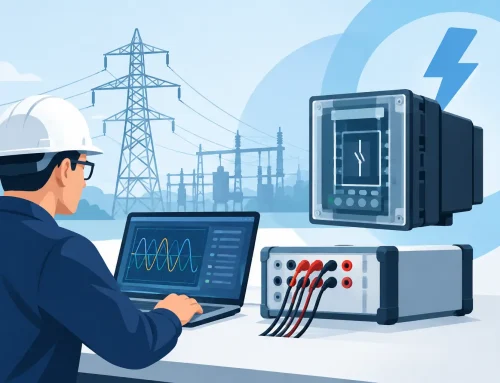
Startup inrush currents and voltage transients can damage sensitive components or trip protection devices.
- Why It Matters: Power analyzers capture and characterize these high-speed events, enabling preventive maintenance and protective system tuning.
- Real-World Application: In facilities with large industrial loads or critical IT equipment, managing these events extends equipment life and boosts reliability.
5. Monitoring Power Factor: Improving Energy Utilization
The power factor reflects how efficiently electrical power is being used. A low power factor results in higher utility charges and wasted capacity.
- How Power Analyzers Help: They provide real-time insight into power factor trends, allowing teams to implement correction methods like capacitor banks.
- Example: In commercial buildings and manufacturing plants, optimizing the power factor can lead to significant energy savings and reduced demand charges.

Benefits of Using a Power Analyzer
Power analyzers are essential for engineers looking to optimize electrical systems. Here are the key benefits that make them indispensable tools:
1. Accurate Real-Time Measurements
Power analyzers deliver precise measurements across a broad range of electrical parameters, empowering engineers to make informed decisions quickly.
- Benefit: Enhanced accuracy improves troubleshooting, supports efficient design, and enables cost-saving optimizations.
2. User-Friendly Interfaces
Modern analyzers feature intuitive displays and configurable interfaces, simplifying navigation and analysis without requiring specialized training.
- Benefit: A streamlined user experience reduces training time, improves response times, and boosts overall productivity.
3. Comprehensive Data Logging and Reporting
Advanced analyzers allow engineers to record and export data for long-term analysis and reporting.
- Benefit: Historical data supports trend analysis, system benchmarking, and preventive maintenance planning.
Vitrek Power Analyzers: Precision Tools for Advanced Electrical Measurement
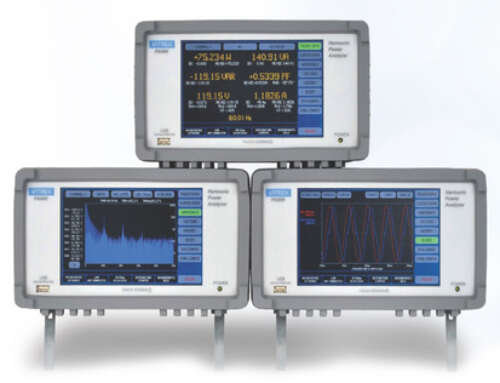
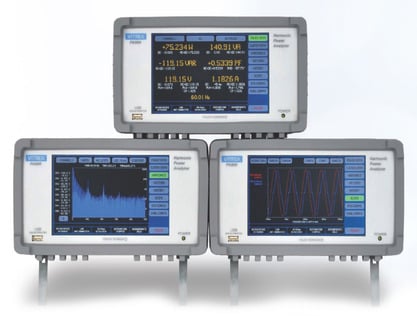
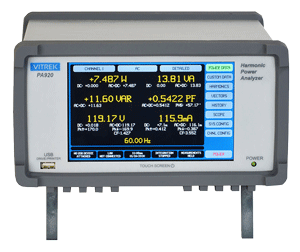
For those seeking unparalleled accuracy, advanced diagnostics, and user-friendly operation, Vitrek’s line of power analyzers including the PA900, PA910, PA920, and XT2640 provide a powerful solution. Trusted across industries, Vitrek analyzers deliver:
- Ultra-high accuracy (up to 0.024%)
- Harmonics measurement up to the 500th order
- Real-time waveform and transient capture
- Automated compliance testing (EN61000, DO-160, etc.)
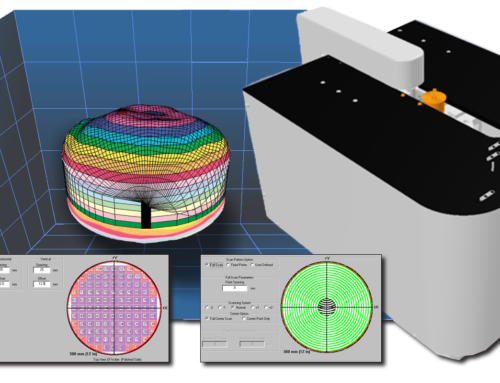
- Virtual Power Analyzer (VPA) configuration for multi-channel systems
- Long-term data logging and spectrum analysis
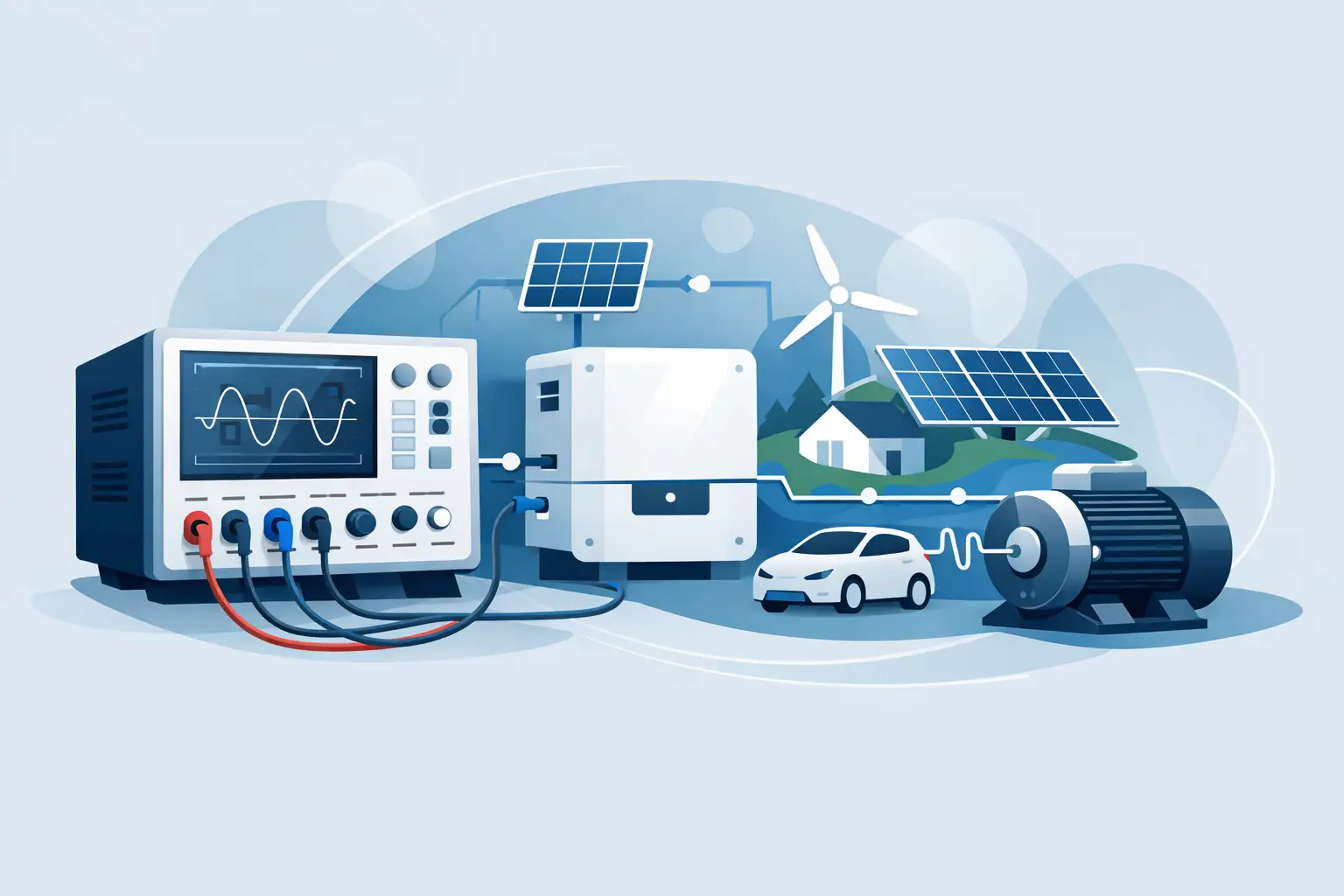
Whether used in R&D labs, renewable energy systems, or production lines, Vitrek power analyzers empower engineers to monitor, test, and optimize electrical systems with confidence and clarity.