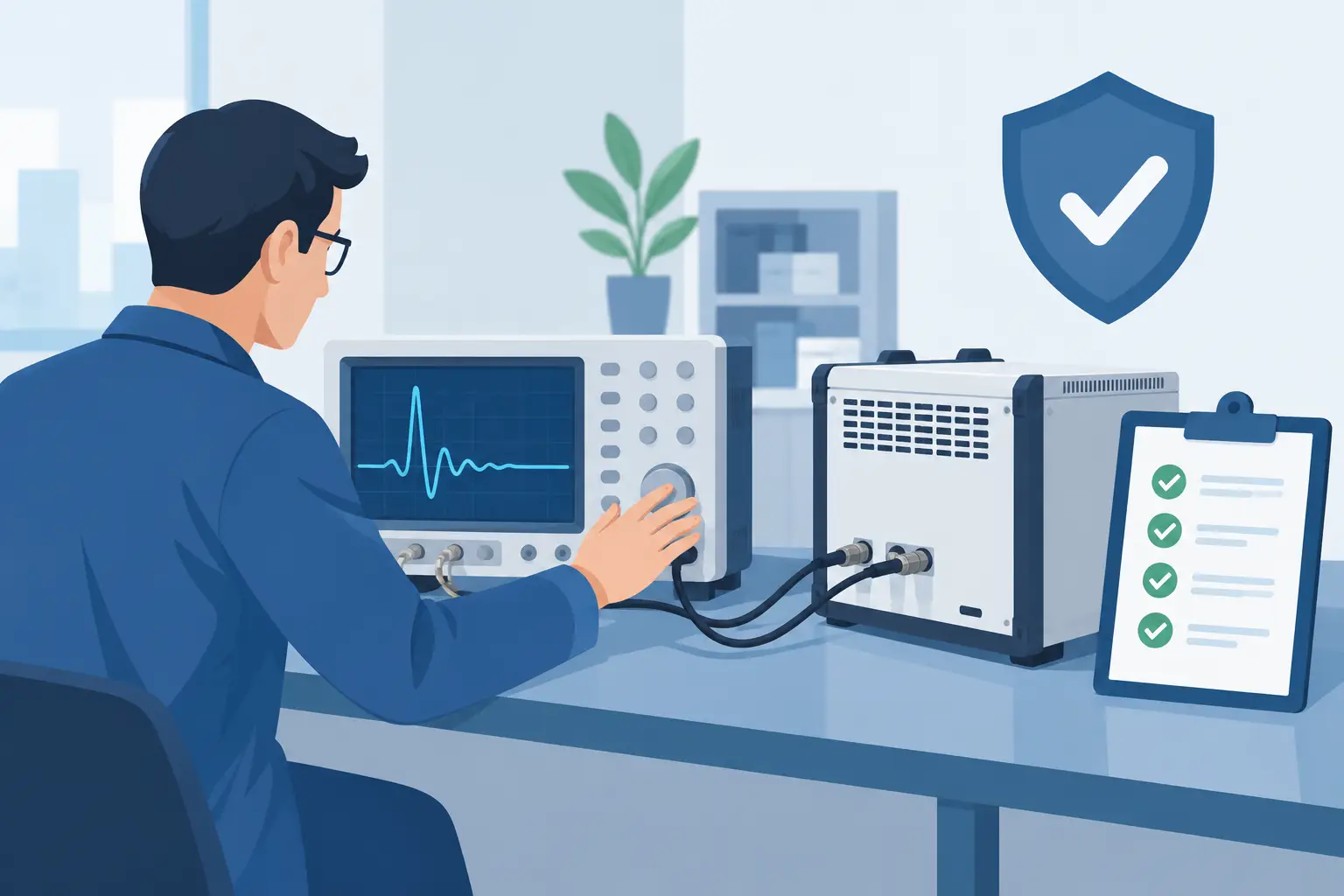
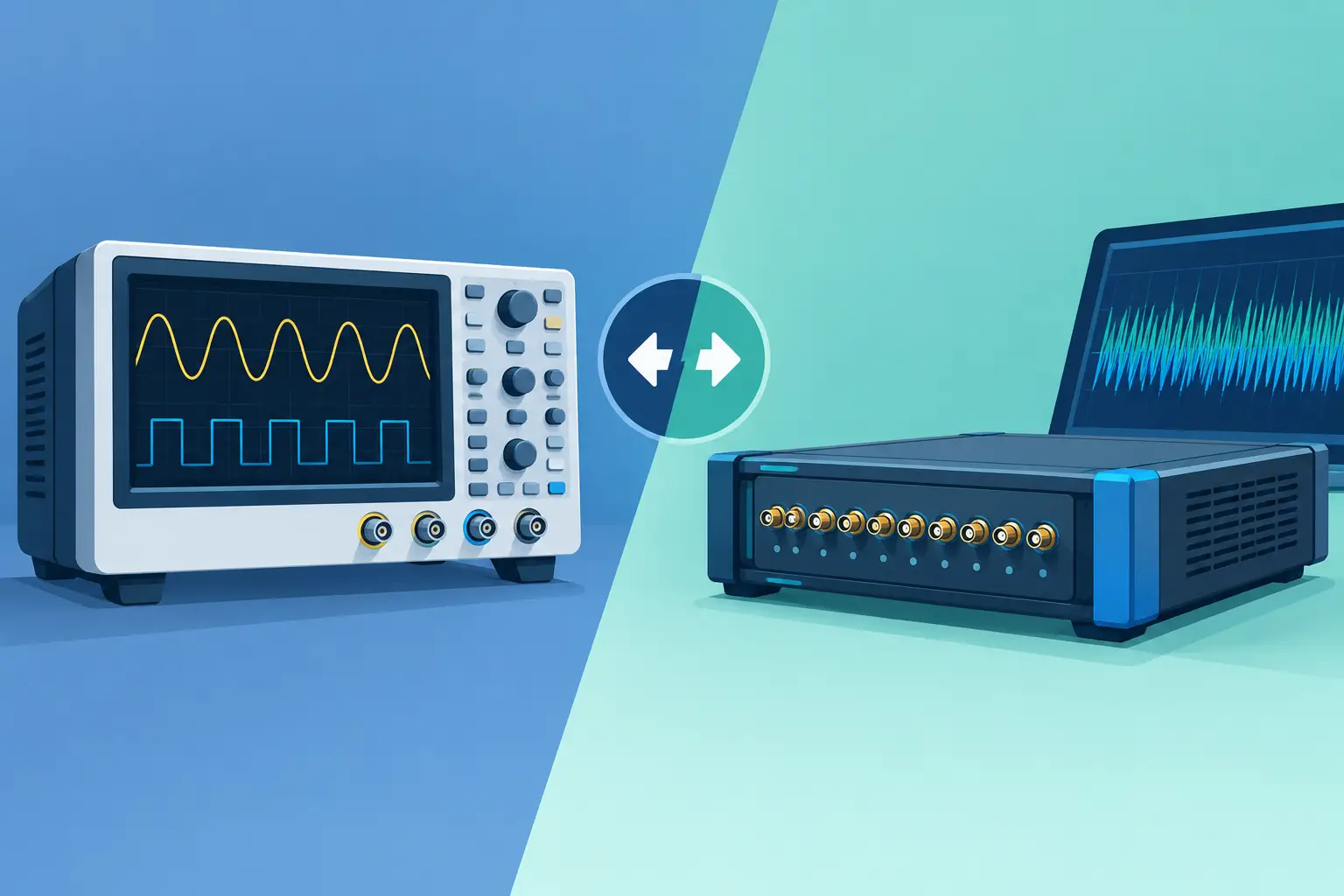
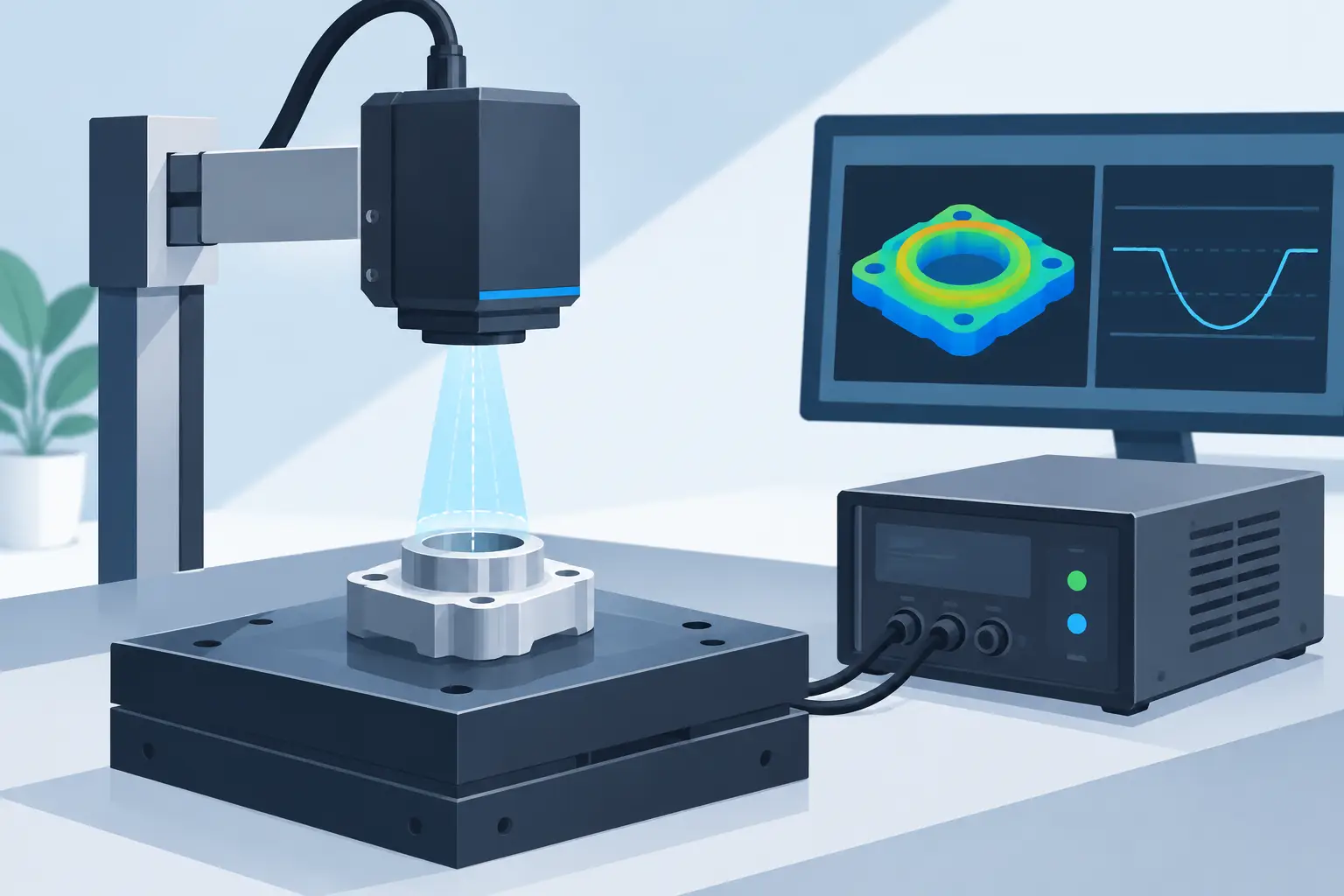
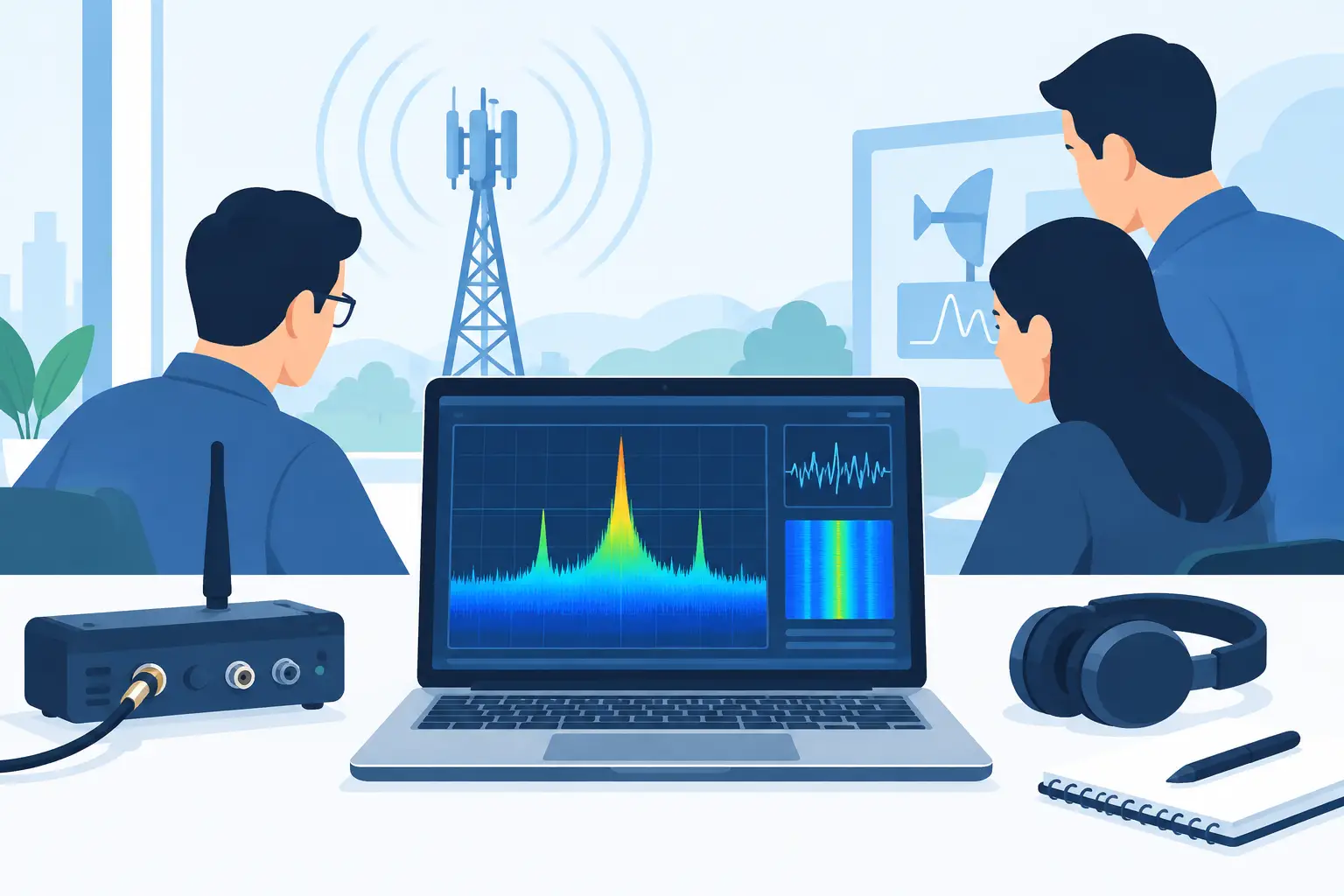
A miscalibrated measurement system can cause failed quality checks and significant downtime. Even the best electrical testers, sensors and analyzers are only as accurate as their calibration source. Despite this, many engineers overlook the signal generator in their calibration chain, and calibration without the right reference signal can lead to inaccurate readings, missed measurements, and costly errors no matter how precise the test equipment is.
The challenge is distinguishing between stable, traceable test signal generators and generic function generators that lack the functionality for rigorous field calibration work. This guide explains how to select, implement, and verify signal generators for calibration workflows that meet industry standards.
What Is a Test Signal Generator, and Why Does it Matter?
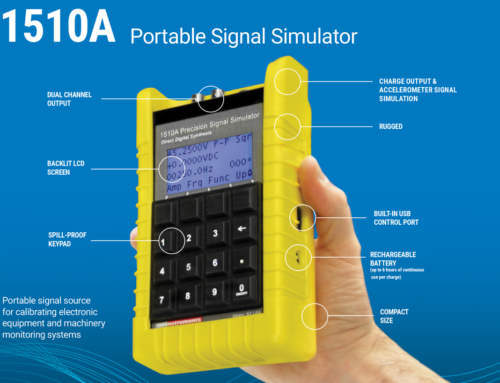
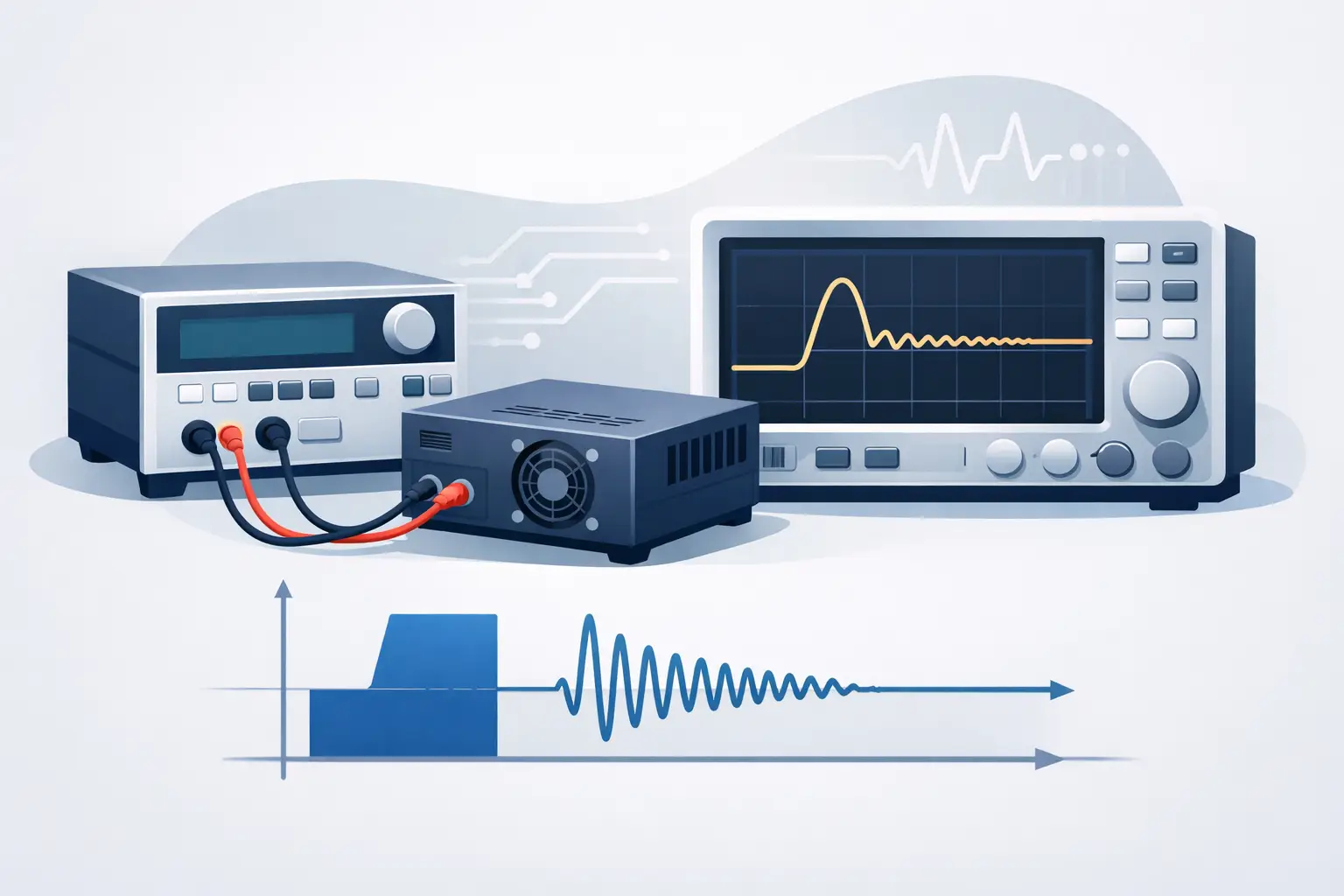
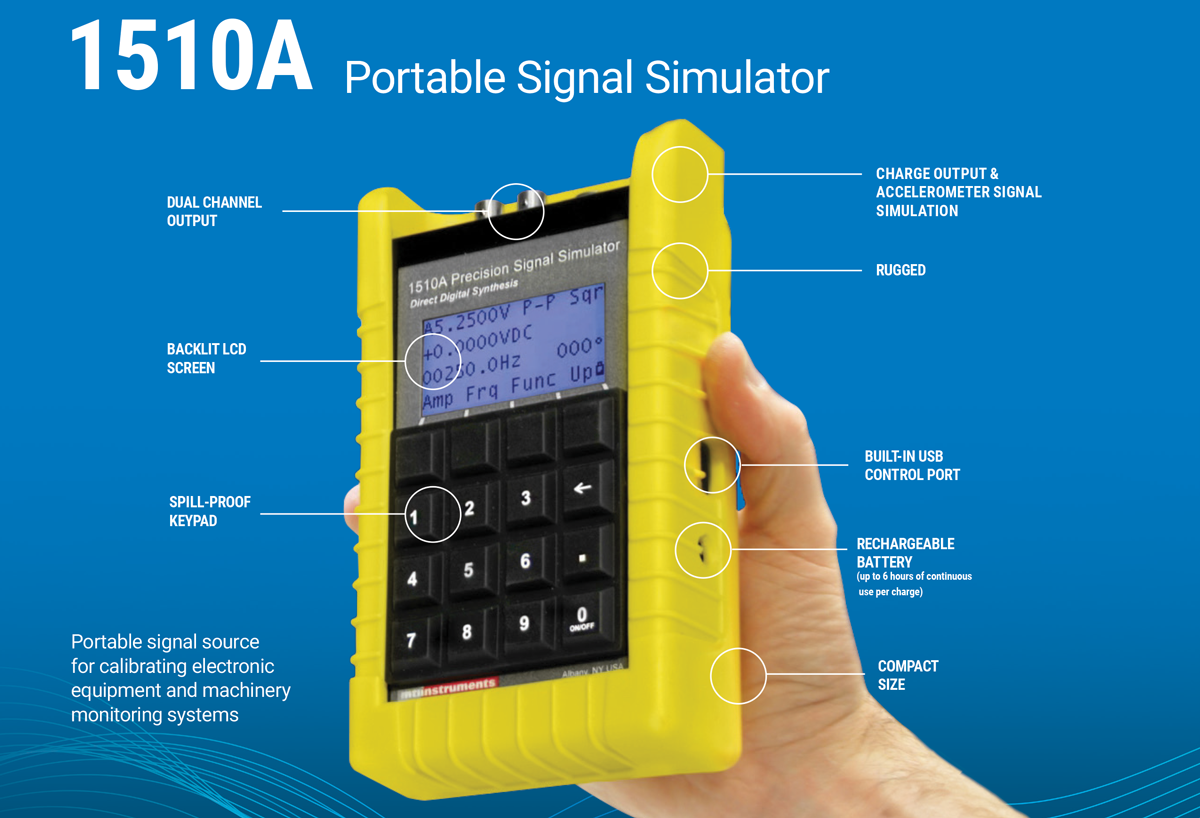
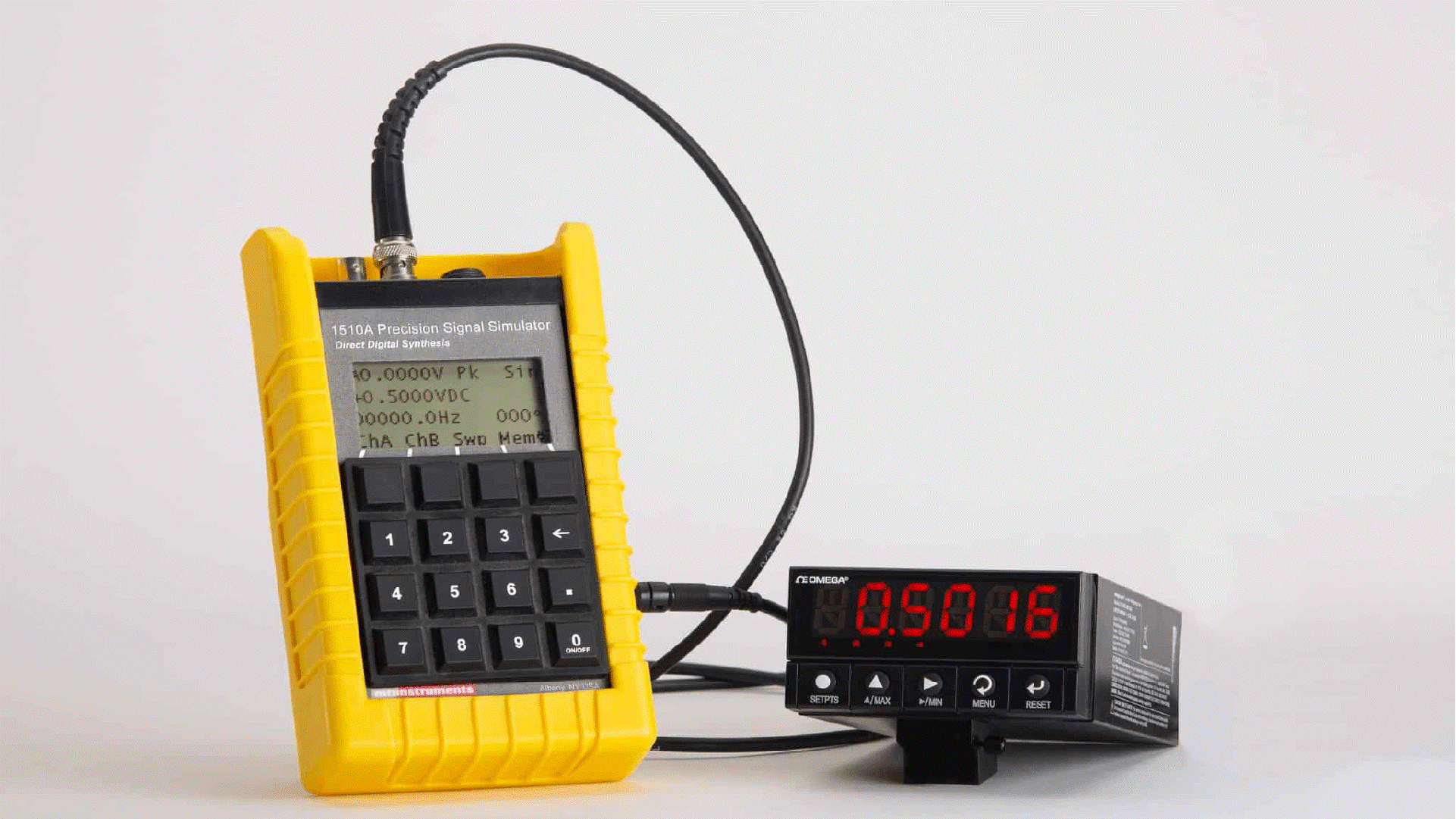
Measurement system performance begins with a traceable reference signal. The accuracy of that test signal generator directly determines the overall measurement uncertainty. A test signal generator produces known electrical signals, such as voltage, frequency, and amplitude, to activate the measurement systems used for calibration, verification, or diagnostic purposes. Unlike general-purpose function generators, the 1510a can generate charge mode signals, unique tachometer speed signals and also temperature correct for certain milli-volt power signals representing strain guages. These factors are key differentiators when performing many calibration tasks that require confidence in the reference signals being used.
Test signal generator are critical for:
- Simulating sensor outputs: to create signals to simulate accelerometers, velocity transducers, and displacement probes.
- Providing reference signals: to supply reference signals for verifying the gain and frequency response of measurement systems.
- Generating test patterns: To produce test signals for dynamic range and linearity testing.
- Enabling closed-loop calibration: to facilitate closed-loop calibration of signal conditioning chains, ensuring system-wide accuracy.
Ultimately, the accuracy of any calibrated measurement system can only be as good as the reference signal used to calibrate it.
Signal Stability and Its Impact on Measurement Confidence
A stable test signal generator delivers the consistent outputs essential for accurate calibration and verification. Key factors in signal stability include:
- Amplitude stability: The absence of drift in amplitude over time and temperature changes.
- Frequency accuracy: Including the consistency of the frequency output and absence of jitter in the signal.
- Signal purity: The level of harmonic content and noise present in the signal. Stable impedance levels are necessary to avoid errors in signal measurement.
Instability in the signal generator can lead to measurement distortions such as:
- Apparent sensor drift, which is calibration error.
- False vibration signatures during spectral analysis.
- Inconsistent calibration results and the possibility of failed quality checks or system tolerance management problems.
- Challenges in passing audits and meeting compliance standards, such as ISO/IEC 17025:2017, ISO 20816.
Potential root causes: Many signal generators are vulnerable to temperature-induced drift, which becomes more pronounced as the temperature fluctuates. On the other hand, precision signal generators like the rugged MTI 1510A are designed to maintain accuracy, even under the varying field conditionsi. This consistency ensures that measurement uncertainty is minimized, which is essential for compliance with industry standards like ISO/IEC Guide 98-3:2008 (GUM).
Calibration vs. Verification: Understanding the Distinction
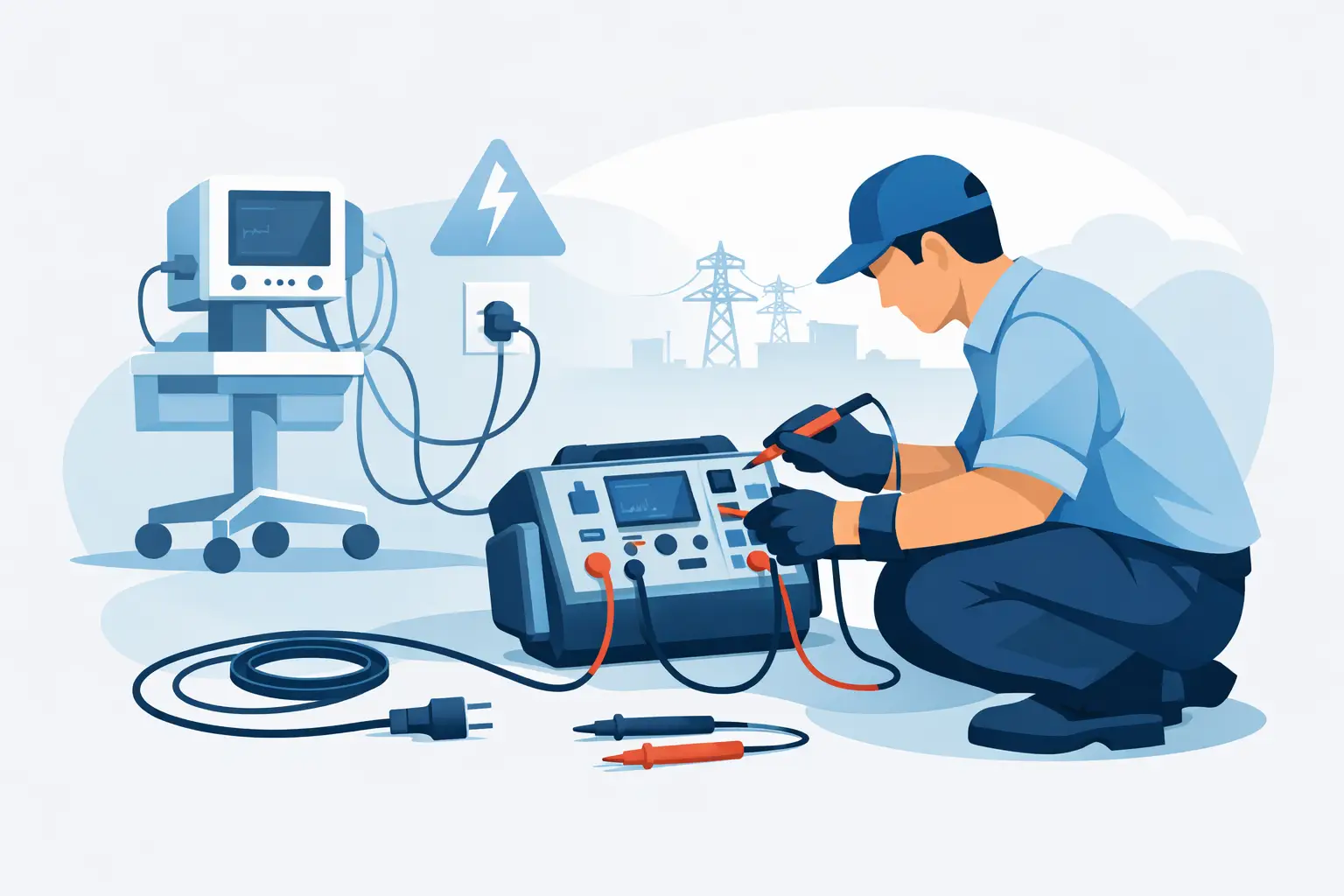
Calibration and verification are often used interchangeably, but they serve different purposes.
- Calibration establishes the relationship between the instrument reading and a known standard. This process usually involves adjusting the instrument to bring its reading in line with the standard. Calibration is typically performed at defined intervals, such as annually or semi-annually depending on the equipment spec, and requires a traceable reference standard.
- Verification confirms that an instrument is operating within its specified limits without adjustments. These are pre-test and post-test confidence checks. Verification happens more frequently than formal calibration. Users can perform verification in-house, whereas formal lab-certified calibration requires external services.
Many industry standards include defined calibration requirements.
- ISO/IEC 17025:2017 governs testing and calibration laboratories.
- ISO 20816 standards cover mechanical vibration measurement and evaluation.
- ISO 13373 standards address condition monitoring and diagnostics for vibration systems. All of these standards specify when you need NIST-traceable calibration, documentation requirements, and traceability chain maintenance.
The decision between calibration and verification depends on application criticality, regulatory requirements, and time since last calibration. Critical systems need formal calibration. Routine performance optimizations can use verification procedures.
Key Specifications for Test Signal Generators
When selecting a test signal generator, several parameters must be considered to ensure accurate calibration and verification:
- Amplitude accuracy: A precision signal generator should have amplitude accuracy typically within ±0.05% or ±0.1 mV.
- Frequency accuracy: High-precision signal generators, like the MTI 1510A, offer frequency accuracy within a few Hertz or even parts per million (ppm).
- Signal purity: The signal generator should produce minimal harmonic content and a low noise floor, ensuring clean signals for vibration analysis.
- Output level range and resolution: The generator must cover the necessary output range for your sensors and provide fine control over signal levels.
- Temperature coefficient: A low temperature coefficient ensures that the signal remains stable across varying environmental conditions.
- Long-term stability: A good signal generator should provide consistent performance over time.
These specifications are critical for ensuring accurate vibration severity measurements, frequency analysis, and spectral purity, especially for advanced applications like order analysis or tachometer validation.
MTI 1510A Signal Generators in Calibration Workflows
MTI’s 1510A Signal Generator provides the precision and traceability required for rigorous calibration workflows. It’s range of features make it the preferred choice for high-accuracy measurement systems:
- Precision voltage output: The MTI 1510A offers 0.05% ±0.1 mV accuracy for charge amplifier gain verification.
- Wide frequency range: It spans from 0.1 Hz to 100 kHz, covering a wide range of applications, from vibration to ultrasonic testing.
- Dual-channel capability: The MTI 1510A provides two synchronized or independent outputs, allowing multi-channel system testing.
- Closed-loop control: Its 24-bit digital synthesis ensures accuracy under varying load conditions.
- Twin mode outputs: It generates both charge signals (pC) for accelerometer simulation and voltage signals for velocity transducers.
- Traceability and documentation: The MTI 1510A comes with a NIST-traceable calibration certificate and supports ISO/IEC 17025:2017 compliance.
- Field capabilities: Its battery-powered operation and rugged design make it ideal for both lab and field use, with 40 memory locations for repeatable test setups.

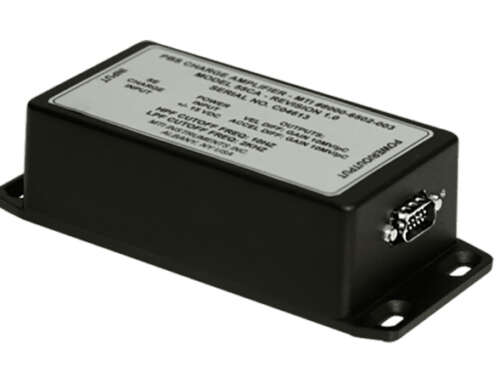
The MTI 1510A can be seamlessly integrated into calibration workflows for MTI charge amplifiers such as the 55CA, 41CA, and CA1800, making it easy to verify charge-to-voltage conversion accuracy and validate multi-channel systems.
Practical Applications Across Industries
MTI’s 1510A Signal Generators serve to ensure the accuracy of measurement systems across industries. Here’s how the MTI 1510A can be applied in sensor calibration, system validation, and troubleshooting workflows.
- Data Acquisition System Validation: MTI 1510A validates that all system channels perform as expected and provide accurate measurement data.
- Input channel gain verification: It ensures each DAQ channel amplifies signals correctly, preventing gain errors that could distort data across the measurement chain.
- Anti-aliasing filter frequency response: The MTI 1510A tests filter settings, ensuring proper configurations to prevent aliasing, which can distort spectral analysis and reduce data accuracy.
- Dynamic range and linearity testing: It verifies ADC performance, ensuring the system performs correctly from minimum to maximum input levels, identifying potential bit errors or non-linearities.
- Multi-channel phase matching: The MTI 1510A ensures synchronized channels maintain proper phase relationships, preventing errors in critical analyses such as bearing testing and modal analysis.
- Instrument Benchmarking and Troubleshooting: The MTI 1510A helps benchmark instrument performance and troubleshoot measurement systems, enabling engineers to detect issues and track performance over time.
- Baseline performance documentation: It establishes reference measurements immediately after calibration, creating a benchmark for comparison and enabling drift detection over time.
- Drift detection over time: By periodically testing with the MTI 1510A, engineers can identify performance degradation and recalibrate before failures occur.
- System versus sensor issue isolation: The MTI 1510A isolates issues by bypassing sensors and testing downstream components, helping engineers quickly identify whether problems are sensor-related or caused by the conditioning electronics.
- Pre-repair and post-repair verification: It verifies system performance before and after repairs, ensuring repairs address the issue and without introducing new problems.
Industry-Specific Field Applications
The MTI 1510A Signal Generator is used in many industries to ensure the calibration, validation, and verification of critical systems, requiring high performance and reliability.
- Gas turbine maintenance: The MTI 1510A generates speed signals and verifies vibration analysis systems, ensuring accurate data collection, early fault detection and prevention of unnecessary shutdowns.
- Power plant monitoring: It validates balancing and condition monitoring systems, ensuring reliable vibration measurements and preventing improper calibration that could lead to equipment damage.
- Aerospace testing: The MTI 1510A calibrates sensors for aerospace testing, ensuring that measurement uncertainty stays within tight bounds, which is crucial for safety-critical applications.
- Manufacturing QA: The MTI 1510A integrates into production line calibration stations to verify test equipment, maintaining consistent quality control without impacting production throughput.
Best Practices for Signal Generator Use
To ensure the accuracy and reliability of a signal generator, it’s essential to follow best practices for verification, traceability, environmental controls, and documentation. Proper attention to the following areas ensures consistent performance and reliable measurements.
- Regular verification of the signal generator’s output: This crucial to protect against drift and maintain accurate results. This process involves using secondary standards, such as precision multimeters, to verify the generator’s accuracy.
- Managing calibration certificates: Proper storage and tracking of calibration intervals ensures traceability. Additionally, chain of custody documentation for all calibration standards must be kept. Using software tools integrated with CMMS systems helps automate the tracking process.
- Controlling Environmental Factors: To maintain precision, you need to ensure: temperature stabilization of ±2°C, control humidity to prevent leakage currents, isolate vibration for sensitive measurements and perform proper shielding and grounding to minimize external interference and maintain precision.
- Common Pitfalls to Avoid: Avoid using uncalibrated sources for critical measurements and ignoring cable and connector effects on signal quality. Ensure proper warm-up time (15-30 minutes) and verify battery charge levels in portable units to prevent signal instability.
- Documentation Requirements: Record all calibration and verification activities, including key parameters and results. Create uncertainty budgets following ISO/IEC Guide 98-3:2008 (GUM) and maintain audit-ready calibration logs and certificates, including as-found and as-left data for transparency.
Signal Generator Selection Criteria
Choosing the right test signal generator is critical for achieving accurate measurements and compliance with standards. Key criteria include accuracy, frequency range, ease-of-use, adaptability to needed test environments, ruggedness, and compliance with standards, when making a selection.
- Match Generator Specifications to Application Needs: The signal generator should meet the specific accuracy and frequency range requirements of your sensors. The generator should support necessary output modes, such as charge for accelerometers and voltage for velocity transducers to ensure compatibility with your testing setup.
- Consider the Total Cost of Ownership: Consider both the initial cost and the long-term maintenance costs. This includes calibration intervals, repair services, and the availability of upgrades. Understanding these factors ensures reliable performance without hidden operating costs
- Consider Documentation and Compliance Requirements: A good signal generator should come with traceability documentation (e.g., NIST certificates) and support for compliance with standards like ISO/IEC 17025:2017. You should be able to maintain audit-ready calibration logs and uncertainty budgets for full traceability.
- Ensure Long-term Reliability: Long-term reliability is crucial for signal generators used in rigorous environments. Choose a generator known for stable performance over time, with regular verification and environmental control options to maintain accuracy throughout its lifecycle.
Test signal generators are the foundation of any reliable measurement system. Precision specifications (0.05% accuracy), wide frequency range (0.1 Hz to 100 kHz), and traceability distinguish professional signal simulators like the MTI 1510A from generic function generators. Proper calibration and verification workflows, supported by test signal generators, ensure measurements remain traceable and accurate, protecting against costly errors in vibration analysis and measurement systems.
Achieve Measurement Confidence with Precision Signal Generation
Ensure your vibration measurement system delivers traceable, reliable data. Explore MTI’s 1510A Signal Generator with 0.05% accuracy and 0.1 Hz to 100 kHz frequency range, built for both lab precision and field durability. Download the technical datasheet or request calibration certificate documentation to see how precision signal generation integrates with our complete charge amplifier lineup.