Predictive maintenance is transforming how organizations approach machinery care. Moving from reactive repairs to condition-based monitoring, predictive maintenance relies on real-time data to predict equipment failures before they occur. One of the most valuable methods in predictive maintenance is vibration analysis, which detects early signs of faults like imbalance, misalignment, or bearing wear.
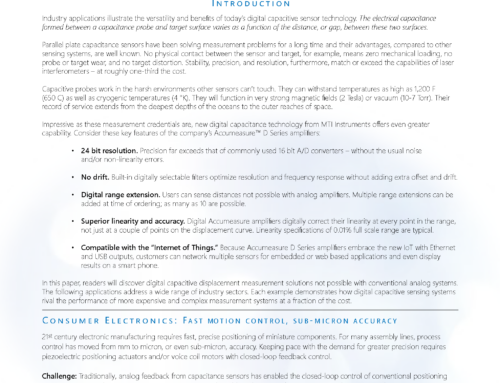
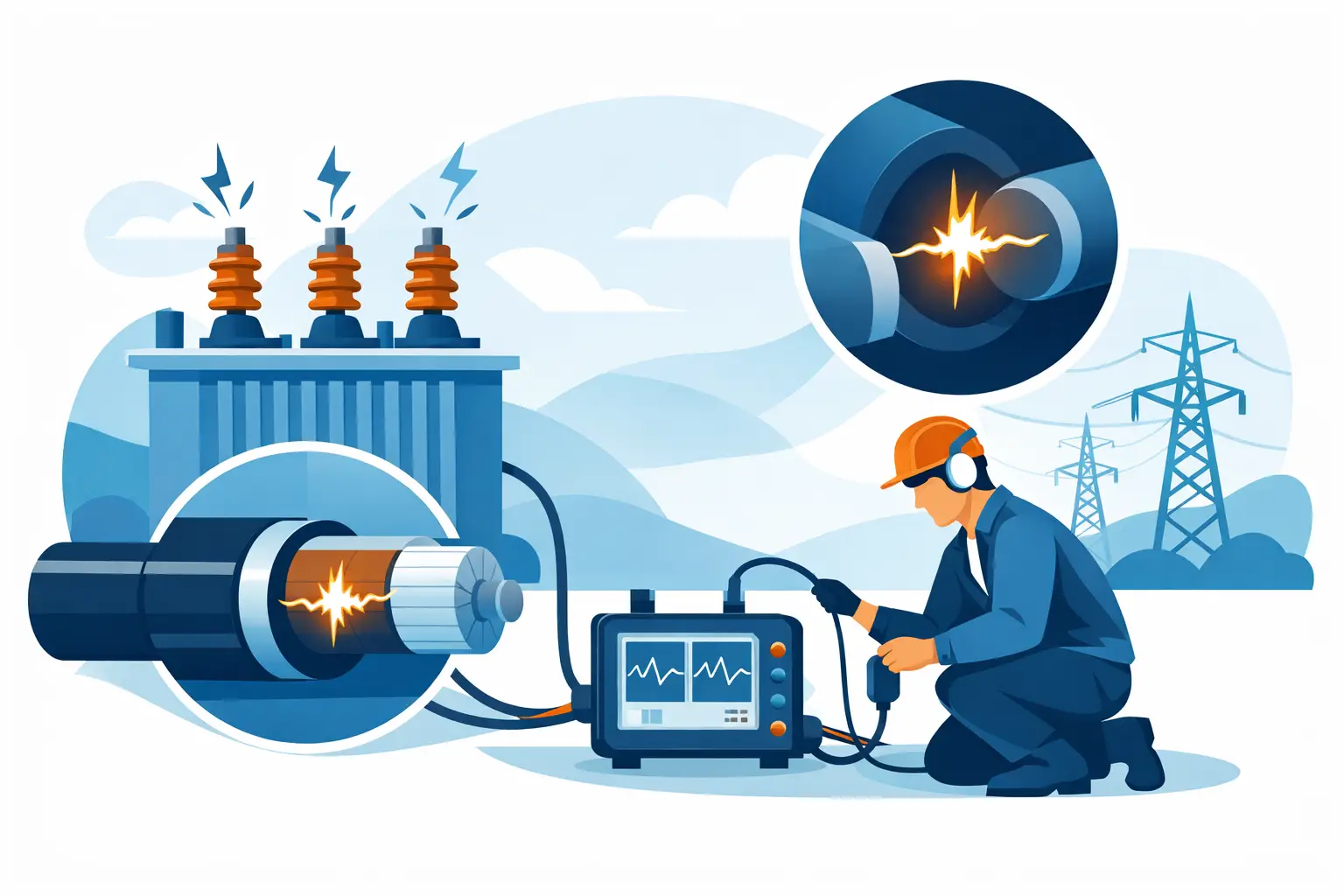
However, how can engineers be sure that the monitoring system responsible for capturing and processing vibration data works correctly before real-world faults are detected? That’s where vibration signal generators come into play. These devices simulate the output from vibration sensors (like accelerometers), allowing engineers to test entire diagnostic systems in a controlled environment without having to run machinery or introduce actual faults.
What Is a Vibration Signal Generator?
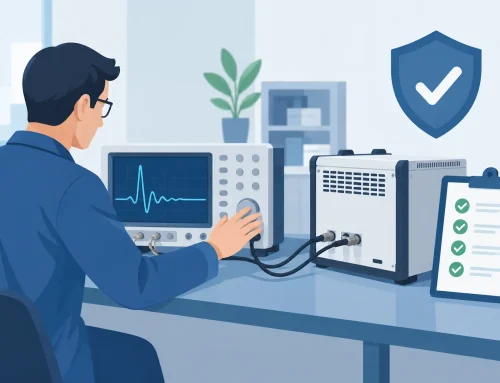
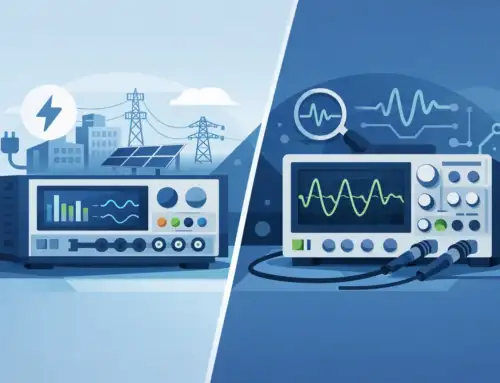
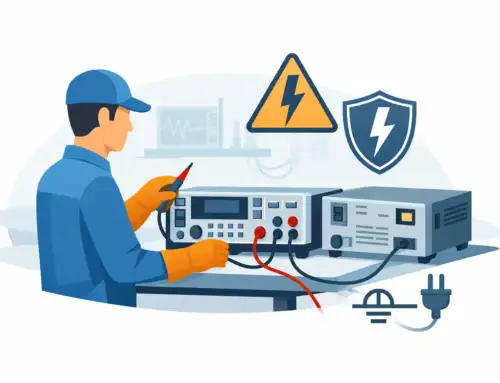
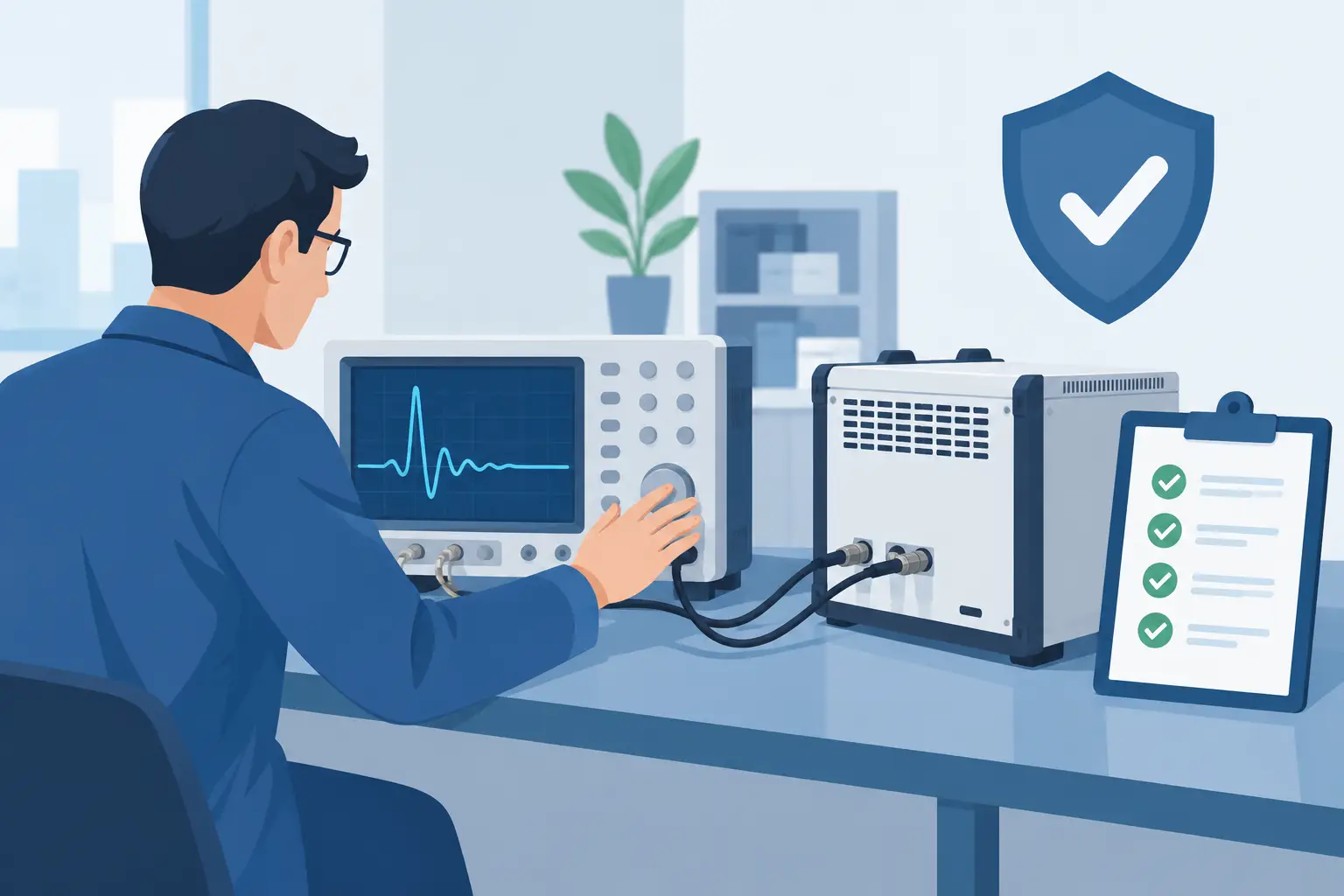
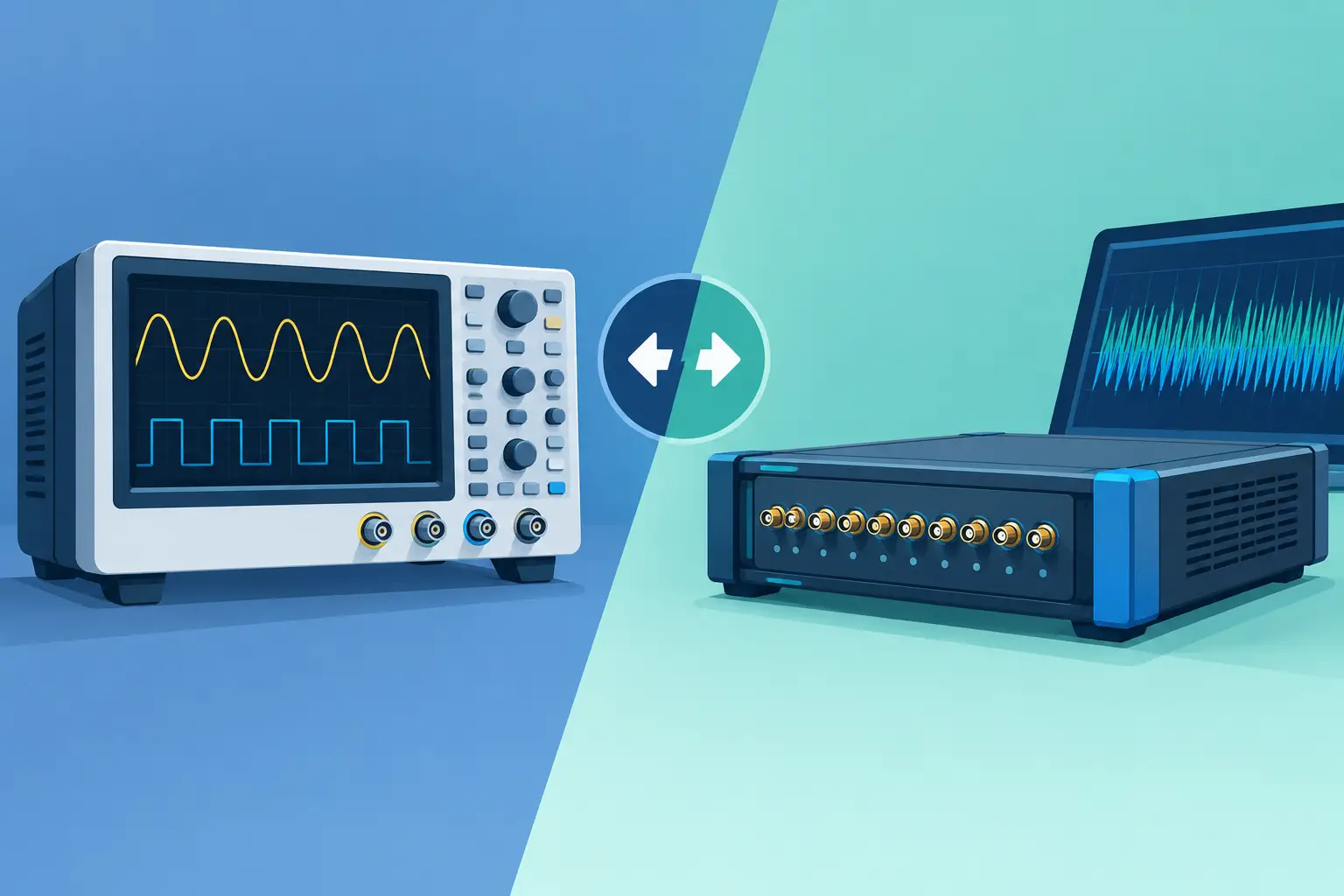
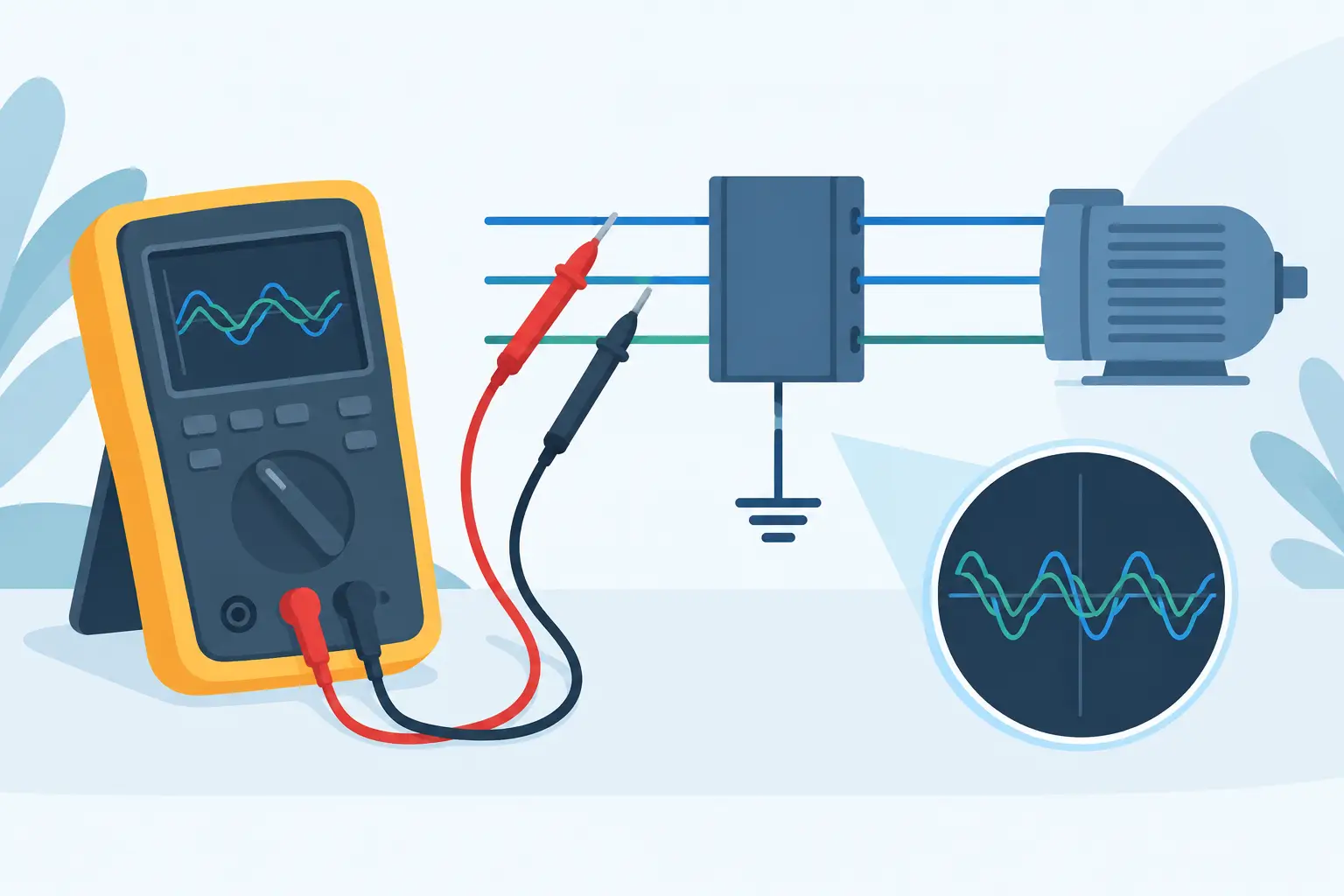
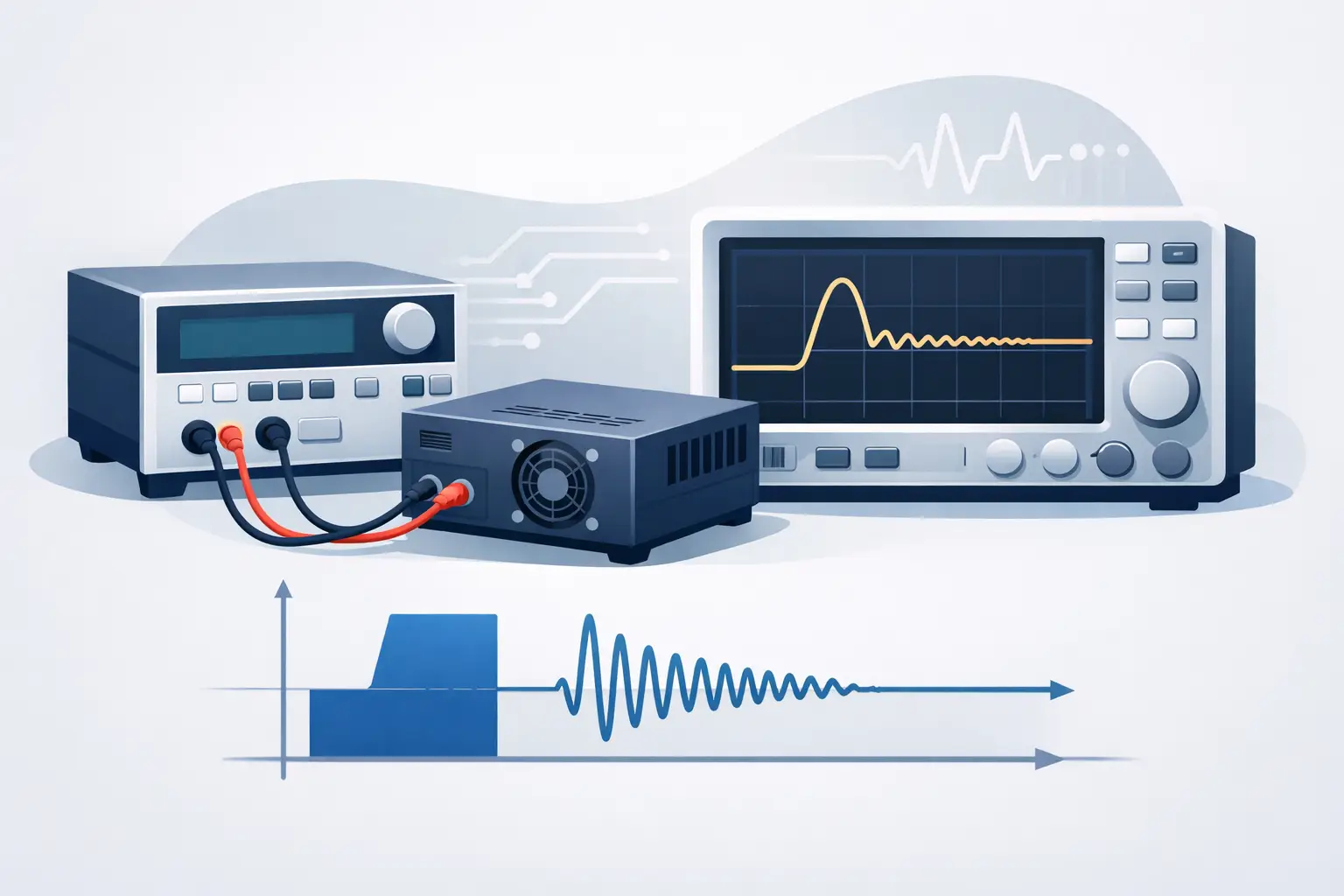
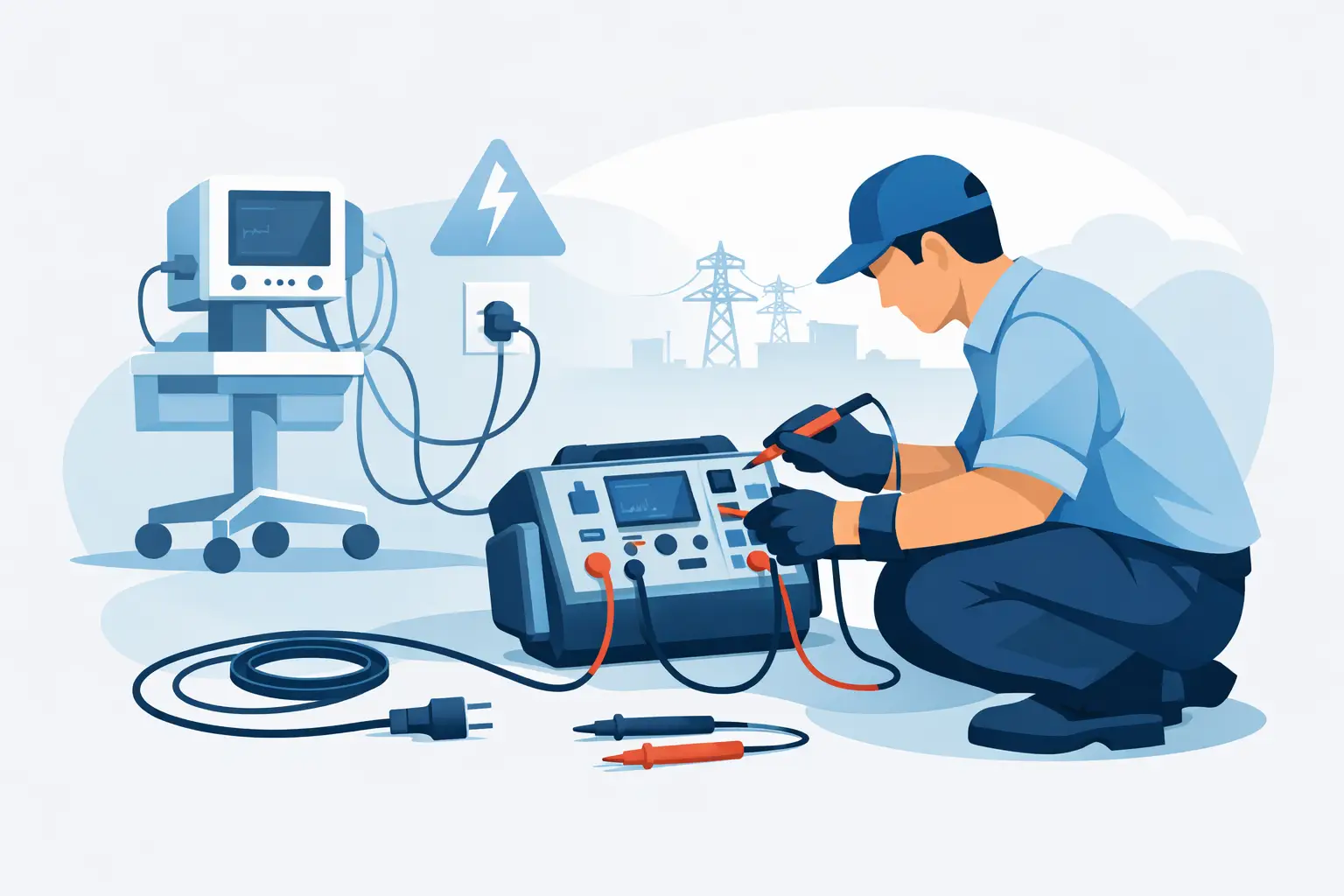
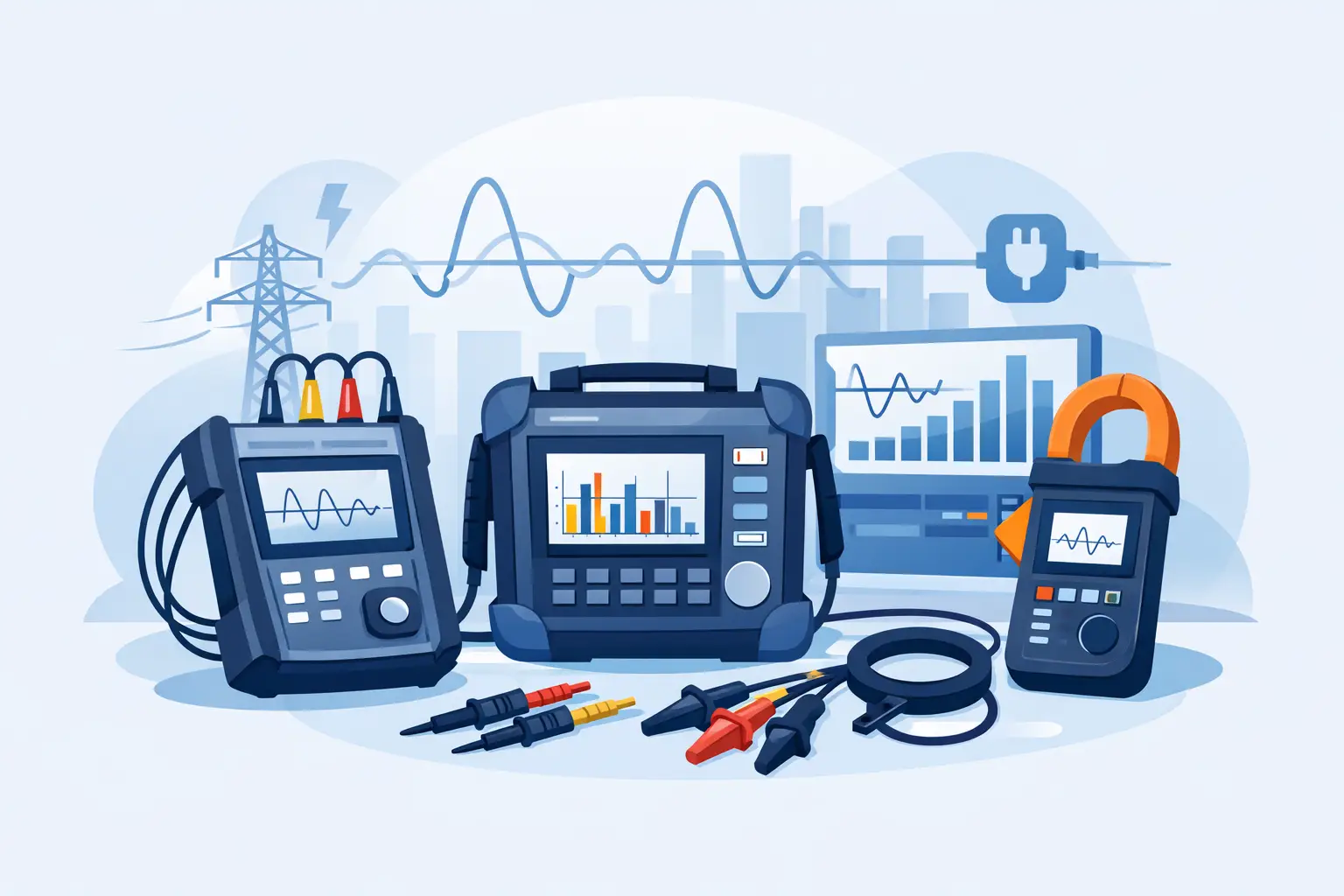
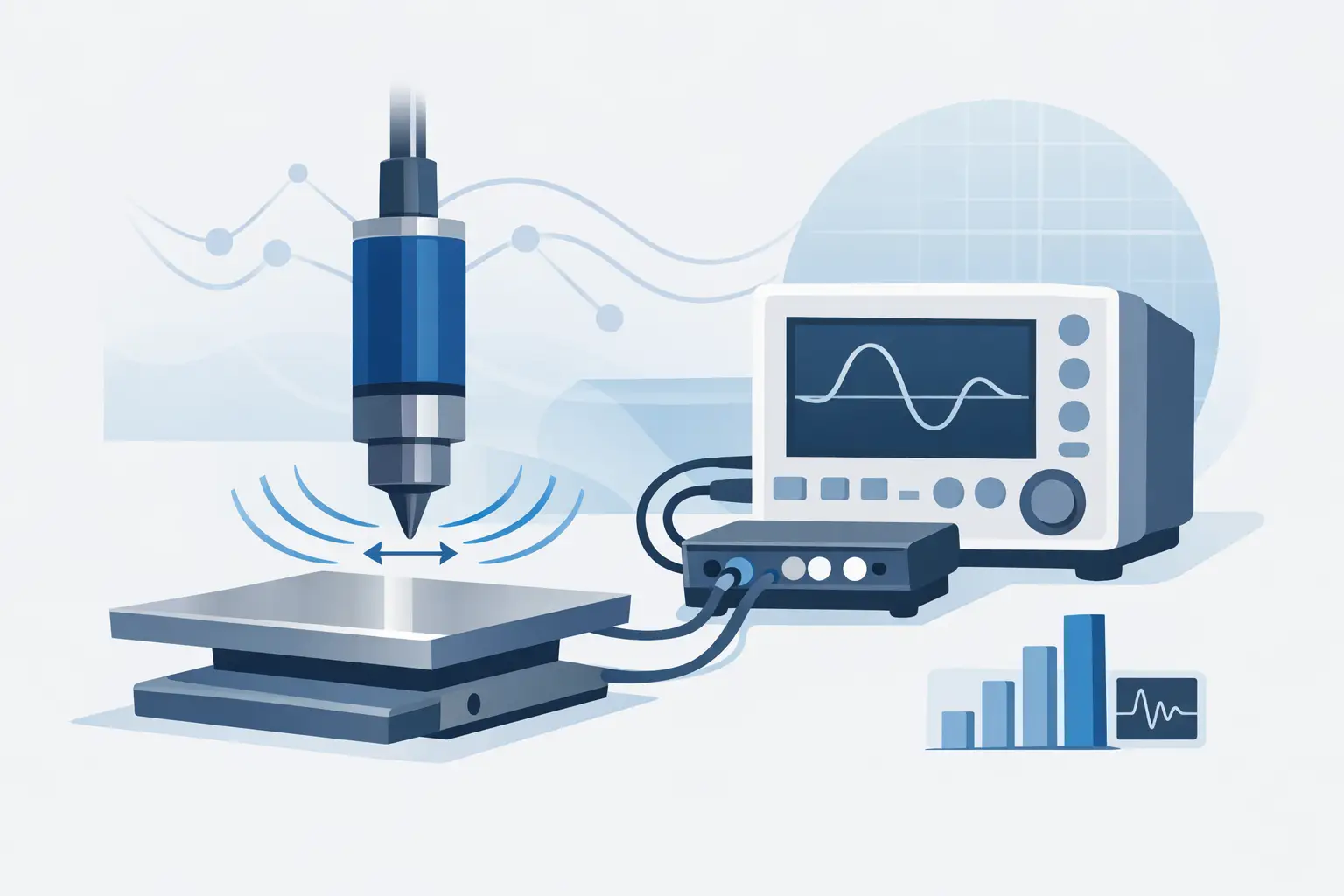
A vibration signal generator is an advanced electronic device that mimics the electrical signals generated by vibration sensors. Unlike mechanical shakers, which physically create vibrations, signal generators replicate the output signals produced by sensors when exposed to mechanical motion. These systems allow for thorough testing of sensor-driven diagnostic equipment without requiring actual mechanical motion or the introduction of real faults.
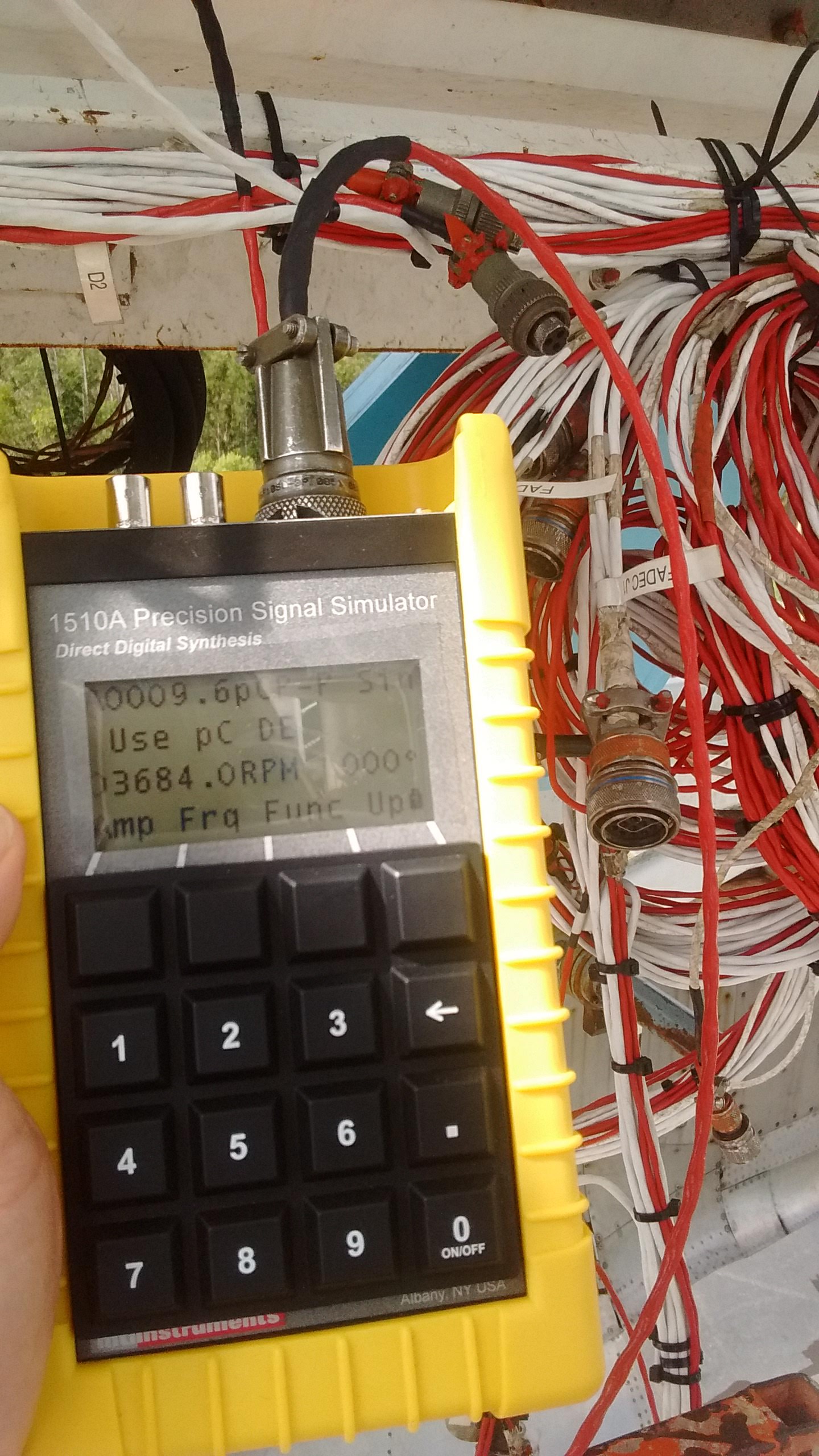
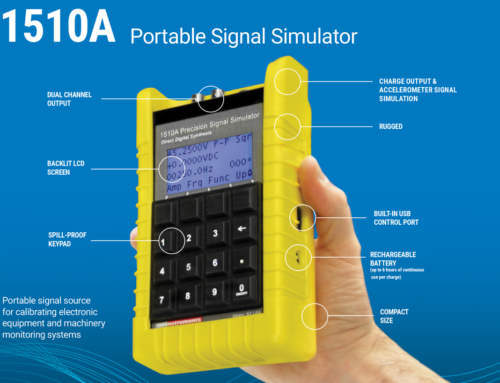
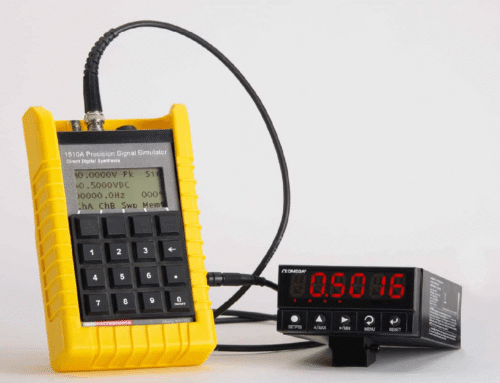
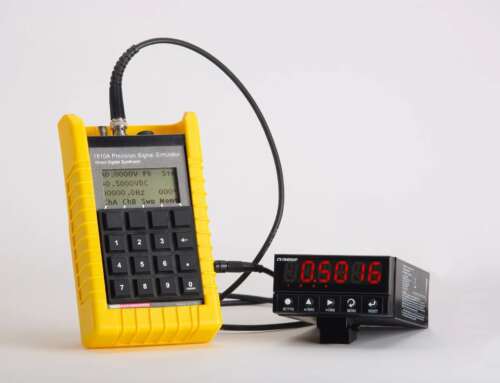
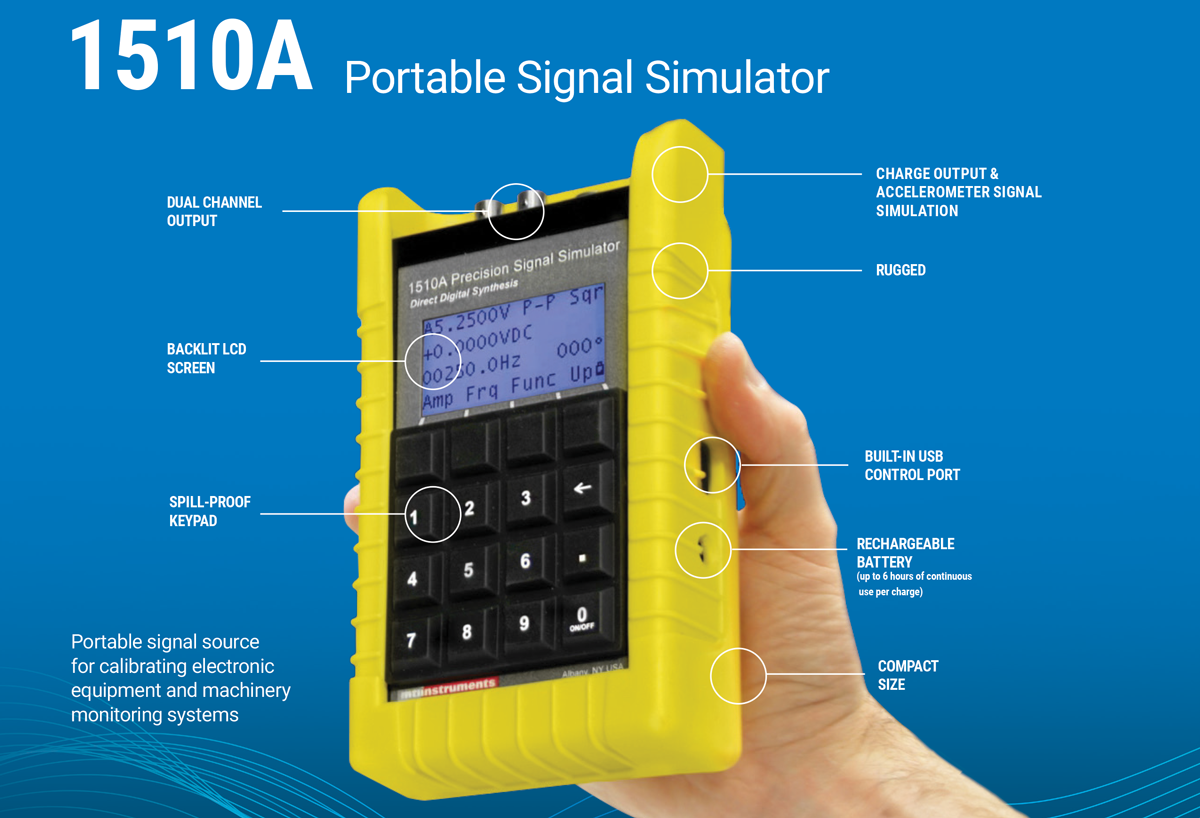
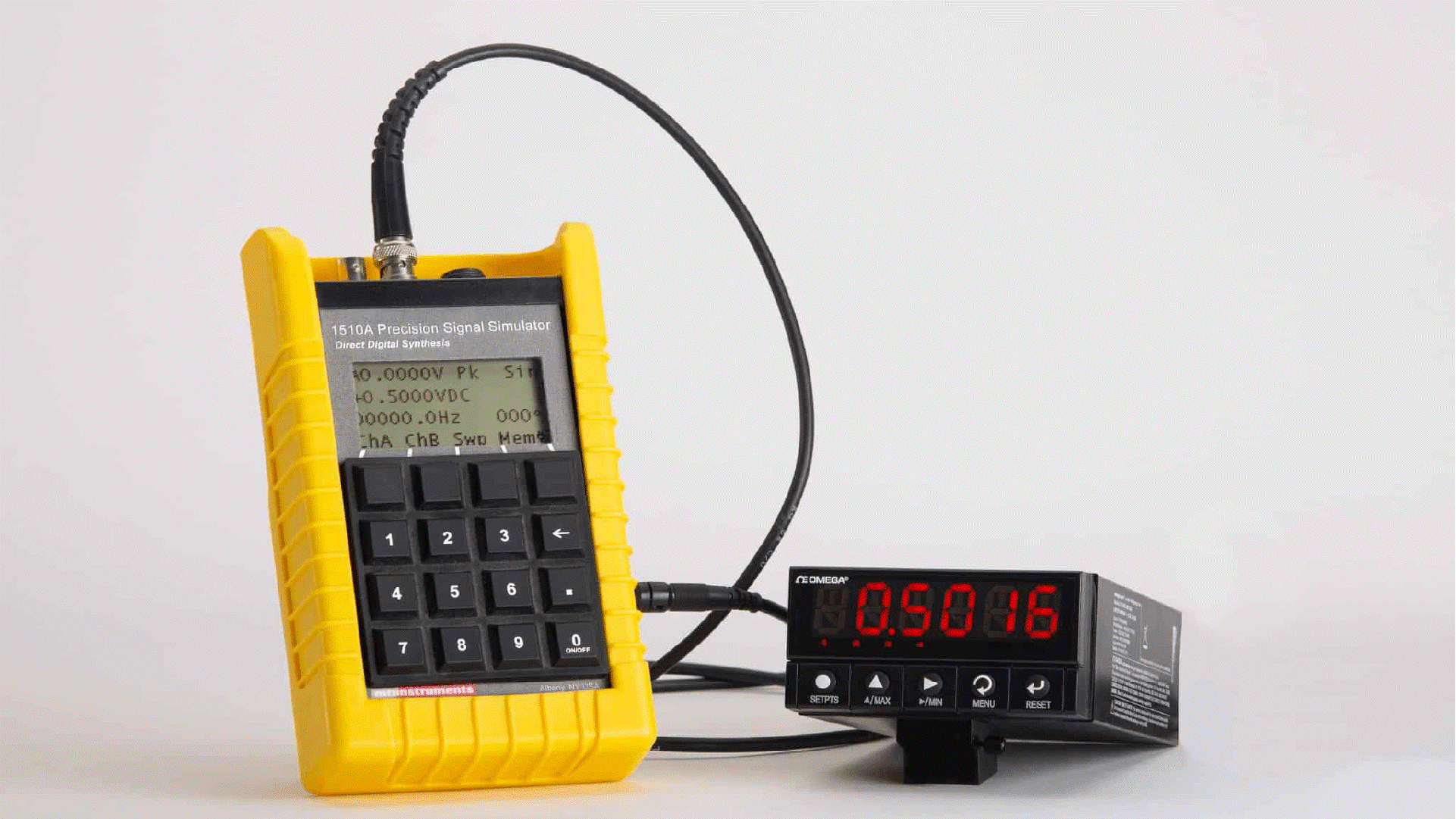
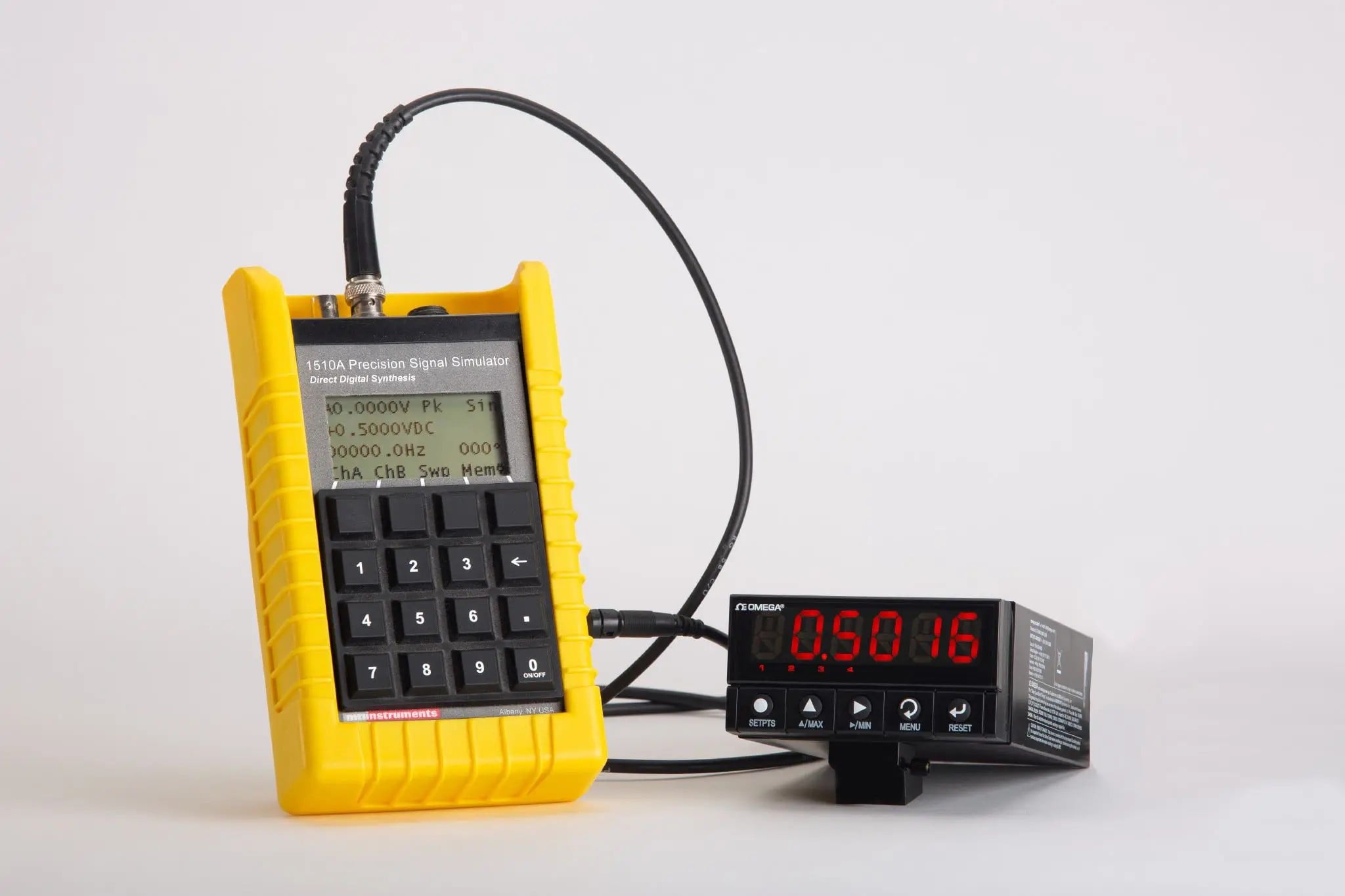
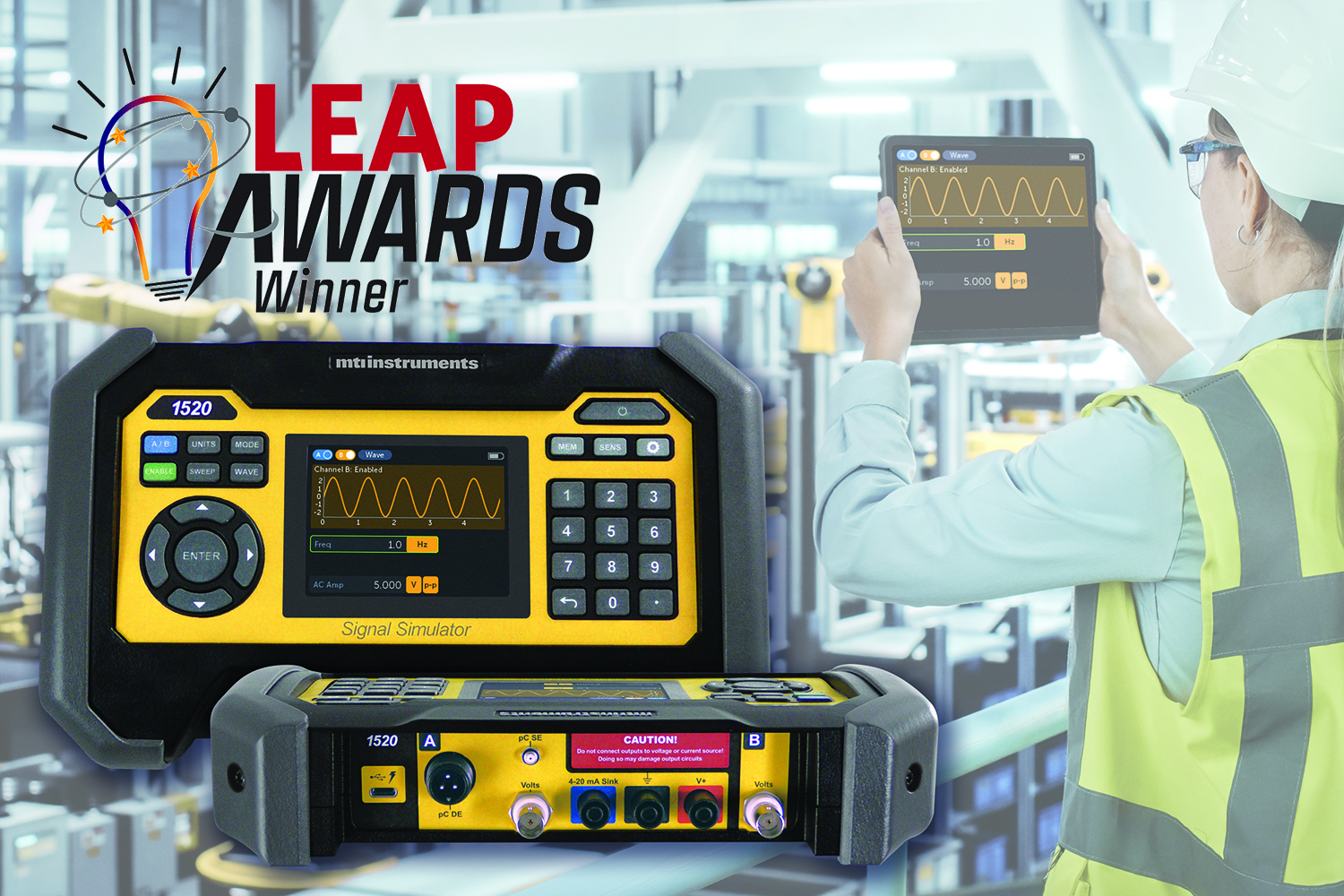
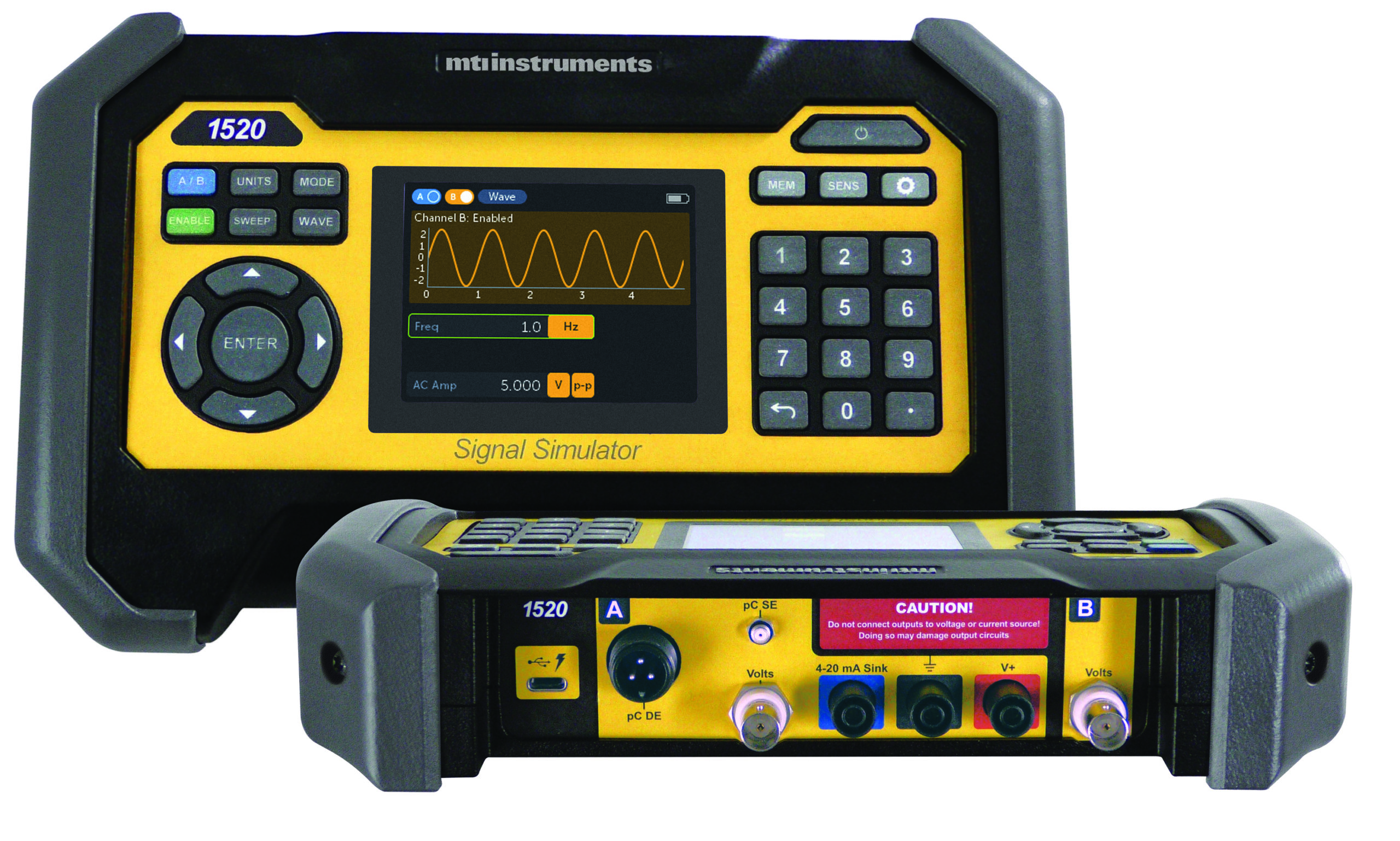
1510A Portable Signal Generator
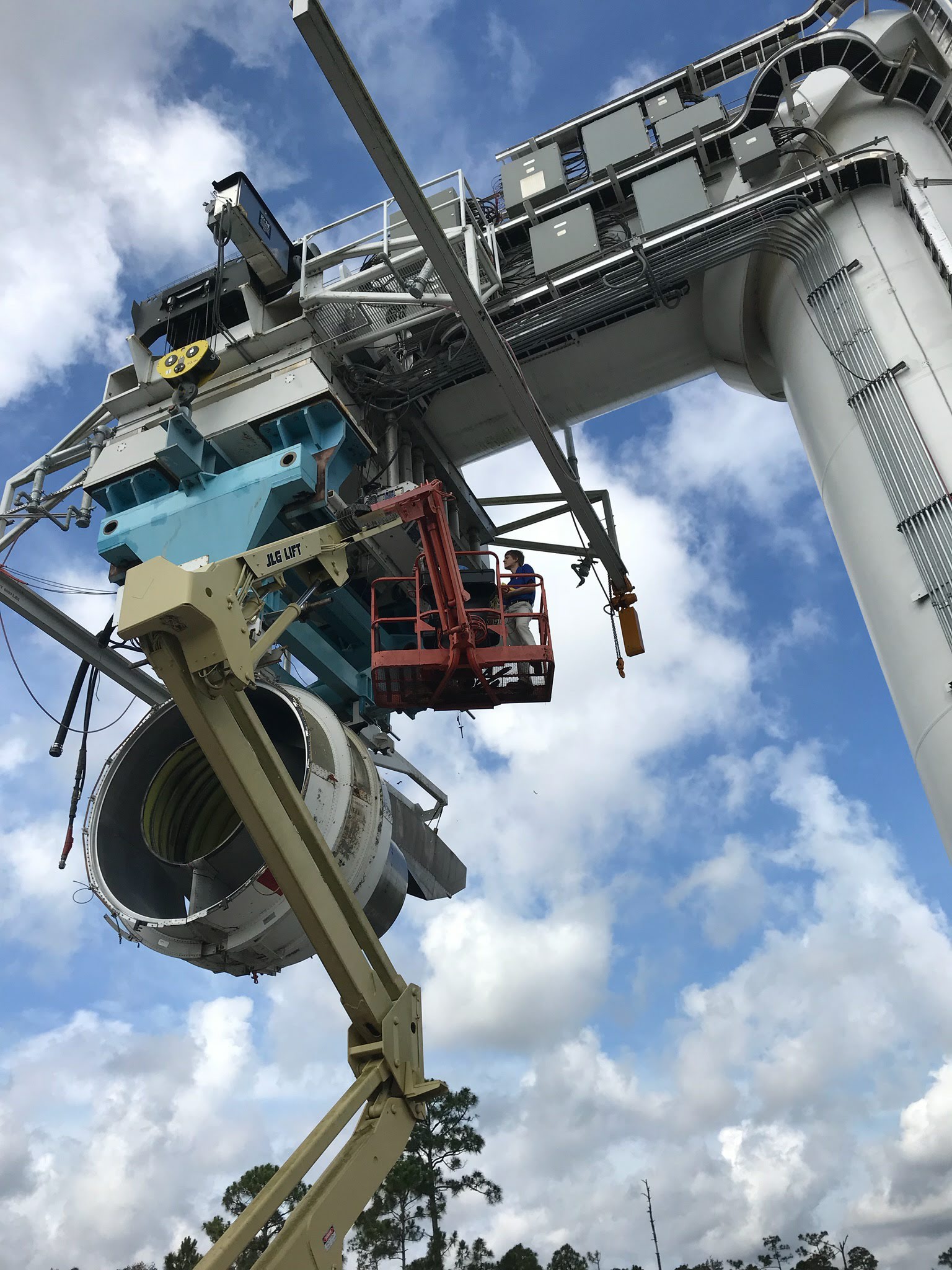
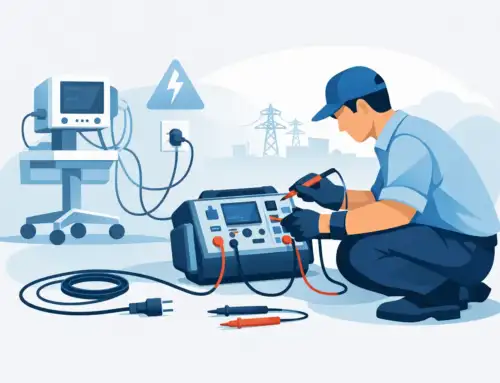
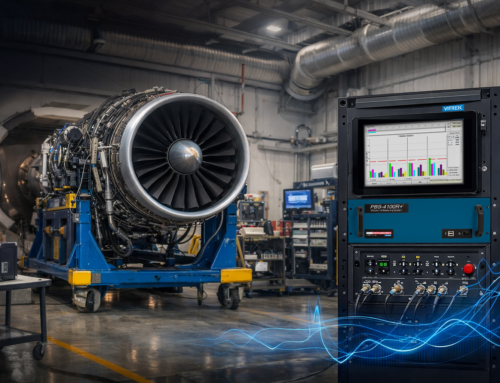
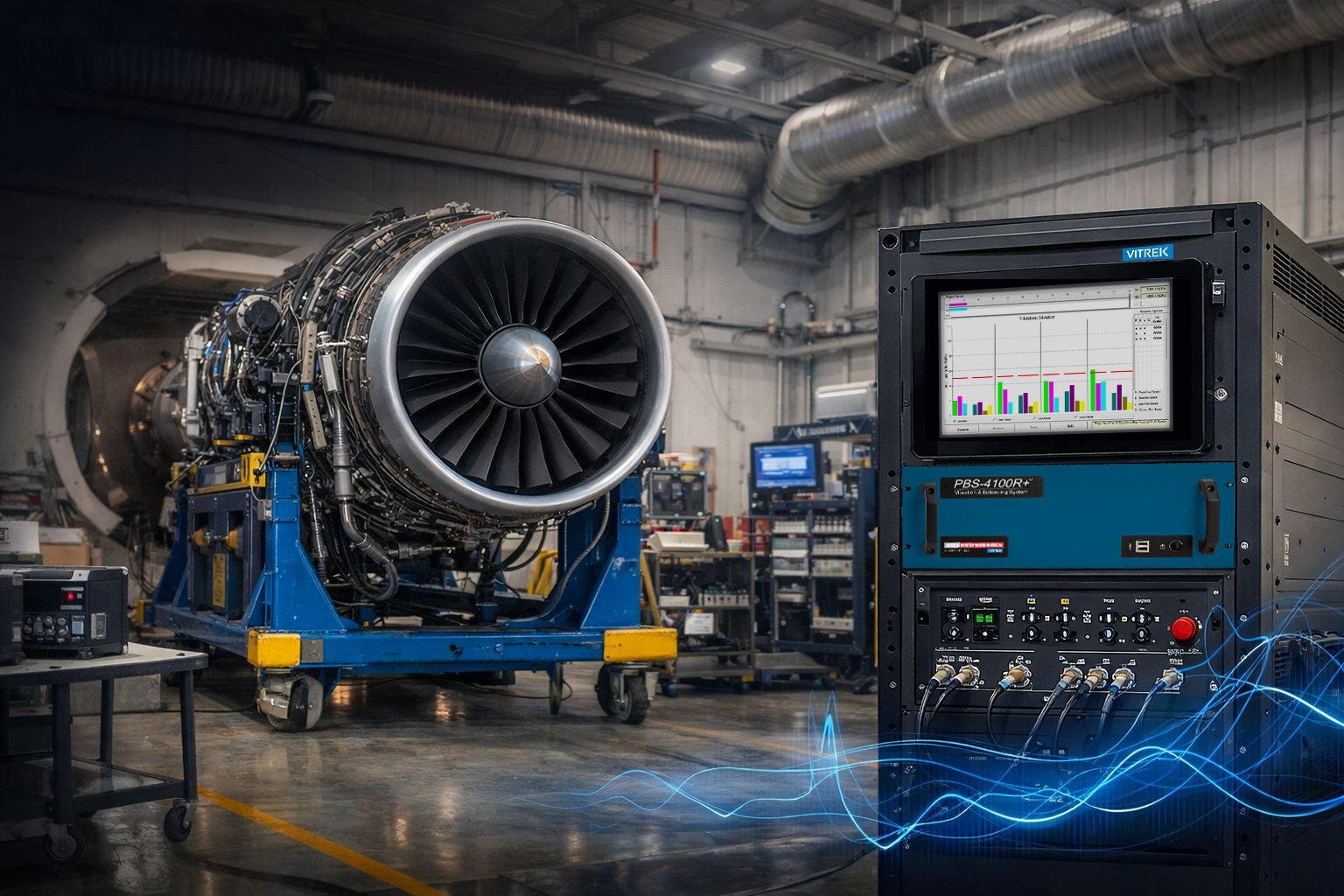
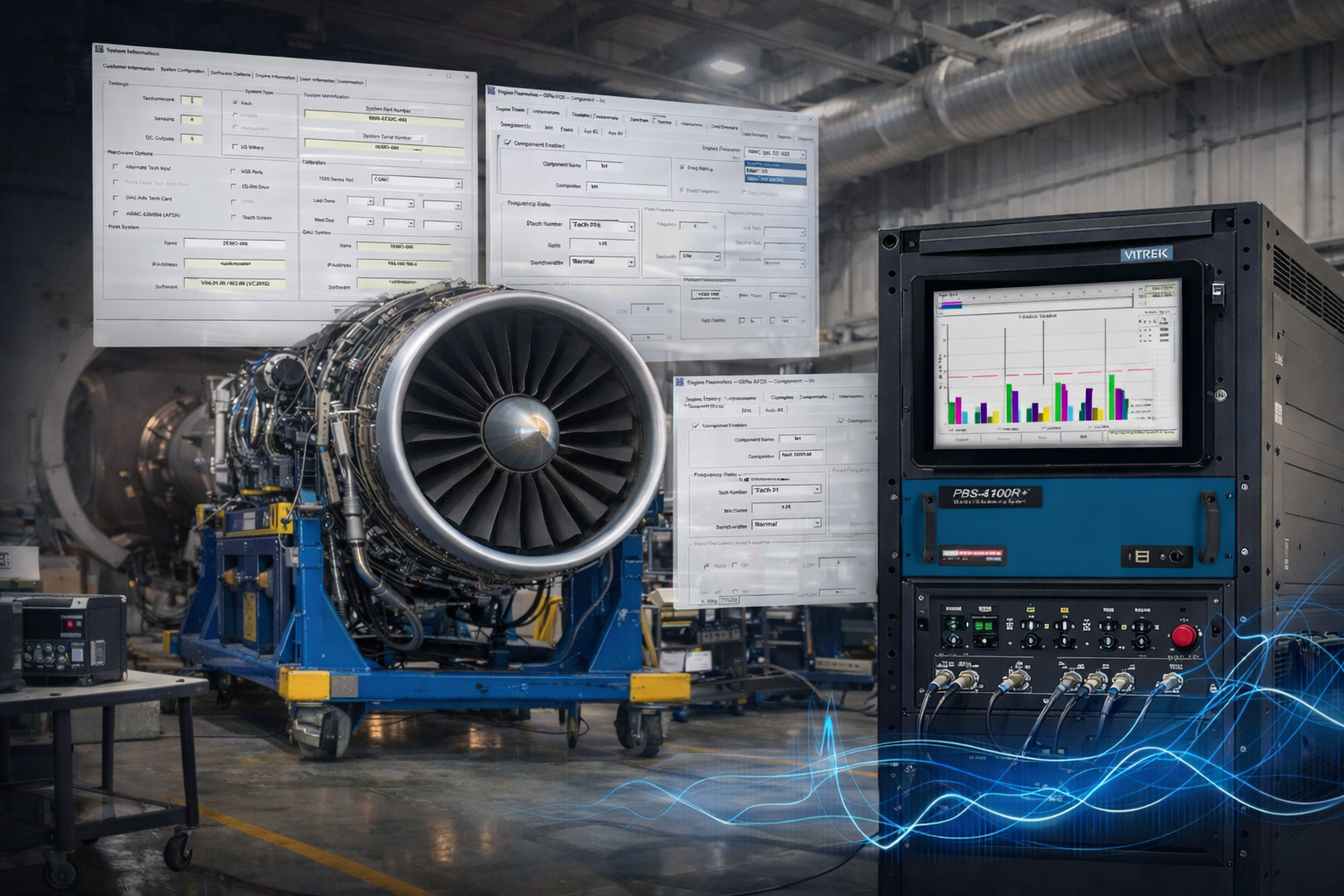
A technician using the 1510A to inject simulated vibration signals at a jet engine thrust frame to verify the facility wiring and DAQ configuration.
How Vibration Signal Generators Benefit Predictive Maintenance
- System Validation without Downtime: One of the primary challenges in predictive maintenance is minimizing system downtime. Vibration signal generators provide an efficient solution by simulating vibration signals for testing systems without requiring machinery to be in operation. This capability is crucial during commissioning, repairs, or upgrades when machines may be offline. By feeding test signals into data acquisition systems (DAQs), engineers can ensure that sensors, data collectors, and analysis software are all functioning optimally.
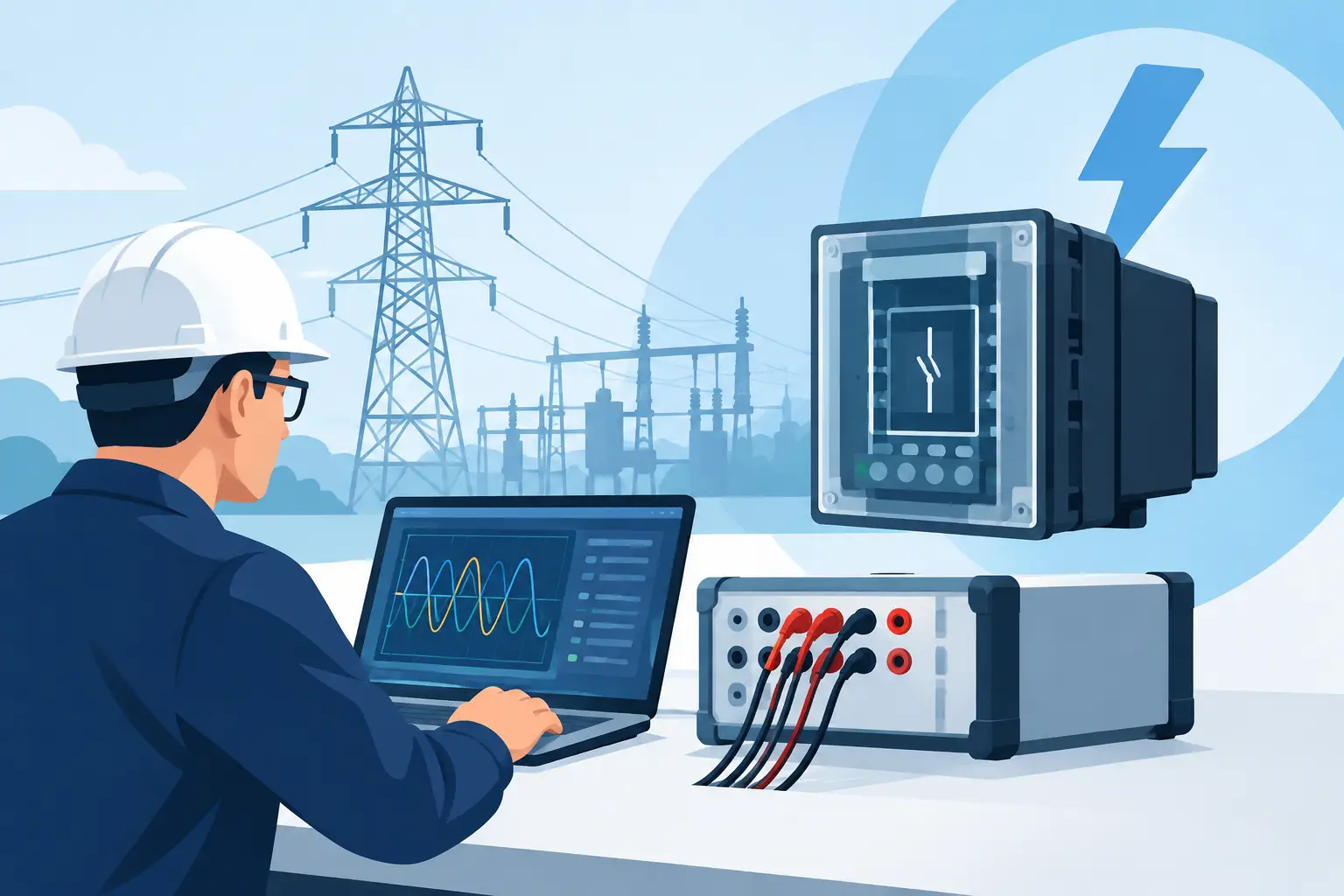
- Verifying Fault Detection and Response: Modern machine protection systems are designed to detect and respond to faults like imbalance, misalignment, or bearing degradation. Signal generators help validate these systems by simulating these specific fault conditions. Engineers can inject fault patterns—such as varying amplitudes or frequency shifts—into the system to verify that it triggers alarms, adjusts parameters, or initiates shutdowns as needed. This preemptive testing is critical in industries where machinery failure could result in costly downtime or safety incidents.
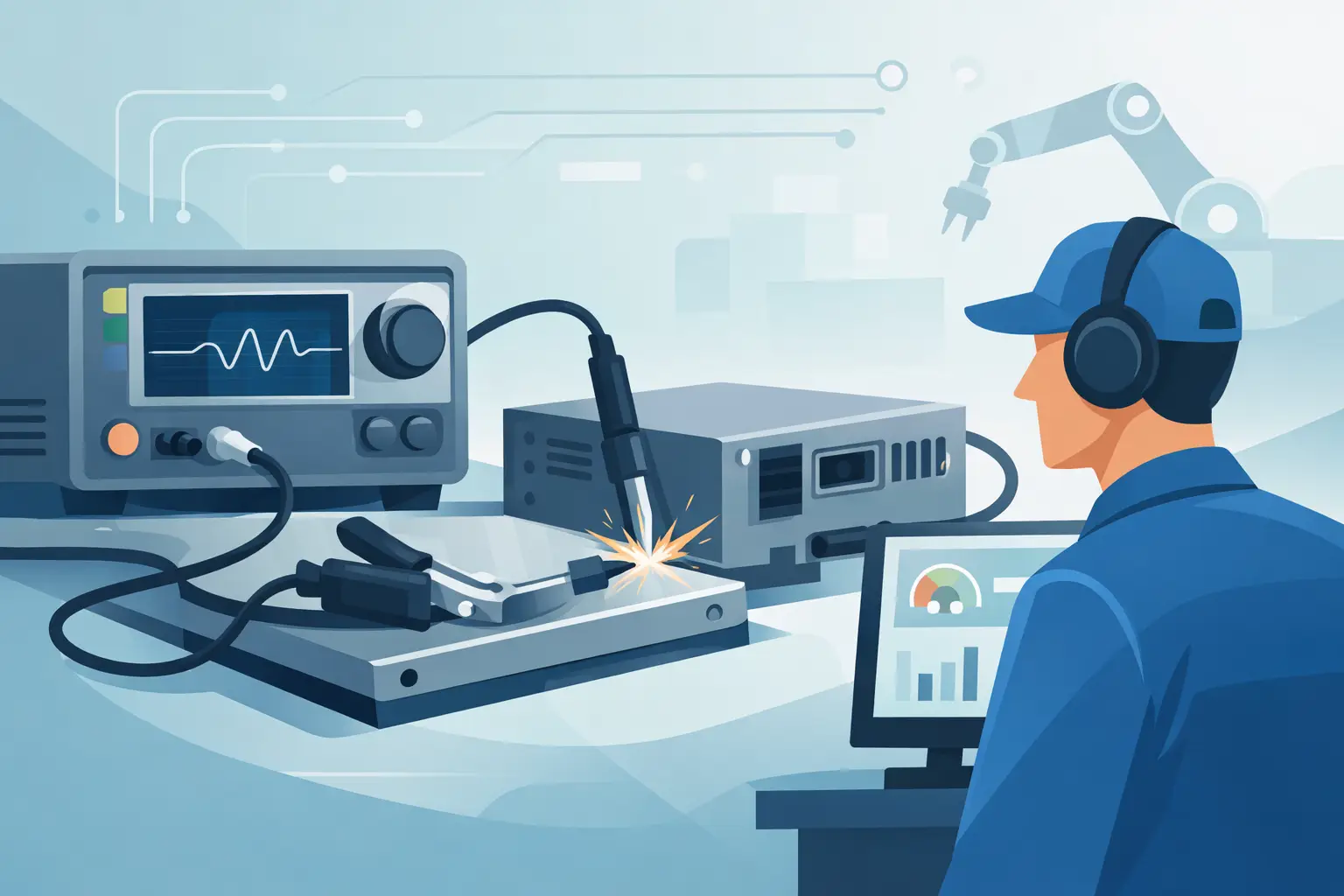
- Streamlining Factory Acceptance Testing (FAT): Factory acceptance testing is crucial for ensuring that newly installed systems and equipment perform to specification. By integrating vibration signal generators during FAT, engineers can quickly validate the functionality of sensors, calibrate DAQ systems, and test software configurations. This allows for rapid confirmation that the system performs as expected, reducing delays and ensuring smoother commissioning.
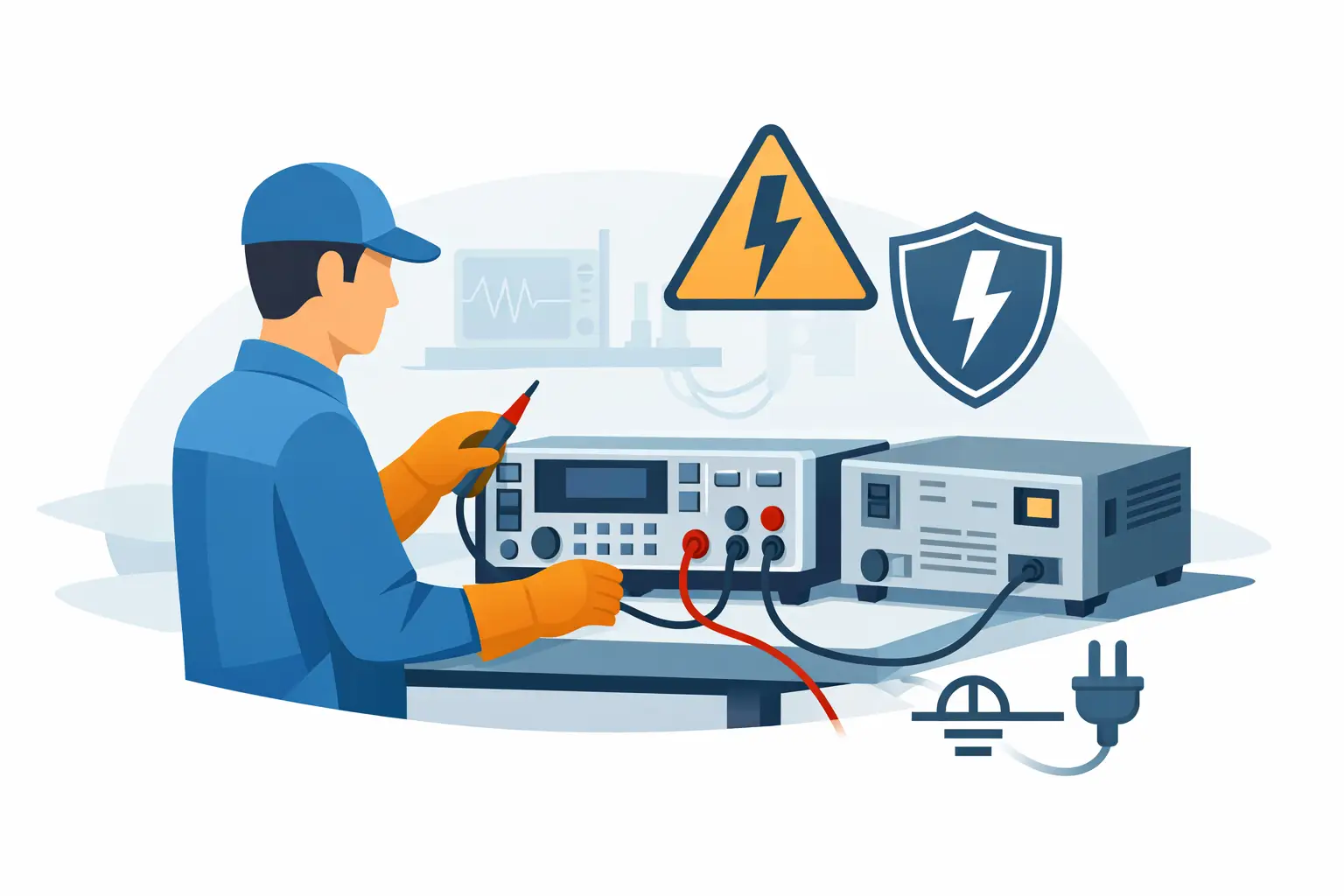
- Training and Troubleshooting in Diagnostic Labs: Vibration signal generators are valuable tools in training and troubleshooting environments. By simulating a range of fault conditions, training sessions can mimic everything from minor imbalances to severe misalignments. This hands-on training enables engineers to sharpen their analytical skills, helping them recognize fault patterns and interpret data without needing actual mechanical failures to occur.
Practical Applications of Vibration Signal Generators
- Machine Protection System Testing: Machine protection systems rely on accurate data to shut down machinery before damage occurs. Vibration signal generators simulate real-world vibration signals to test whether these systems can detect faults such as imbalance, bearing wear, or misalignment.
- Simulating Sensor Failures and Alarm Conditions: Sensor failures are inevitable, and the system’s ability to detect them is essential. By simulating sensor faults such as signal dropouts or erroneous readings, engineers can assess how the monitoring system behaves and ensure it reacts appropriately to real sensor malfunctions.
- Redundant Path Validation: In critical systems, redundancy is key. Signal generators can simulate both primary and backup DAQs to verify that redundant paths work as intended in case of failure. This testing ensures that no signal is lost during data acquisition, maintaining system integrity during critical operations.
- Low-Level Bridge Circuit Testing : Many industrial sensors (such as strain gauges) operate with very low-level electrical signals. Vibration signal generators with 24-bit closed-loop control, , simulate microvolt-level signals to test the accuracy and functionality of these sensitive sensors, offering exceptional precision without needing real-world mechanical motion.

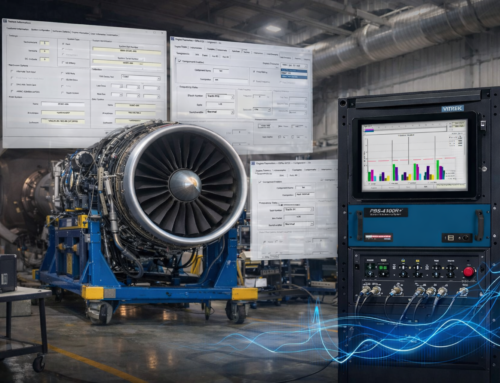
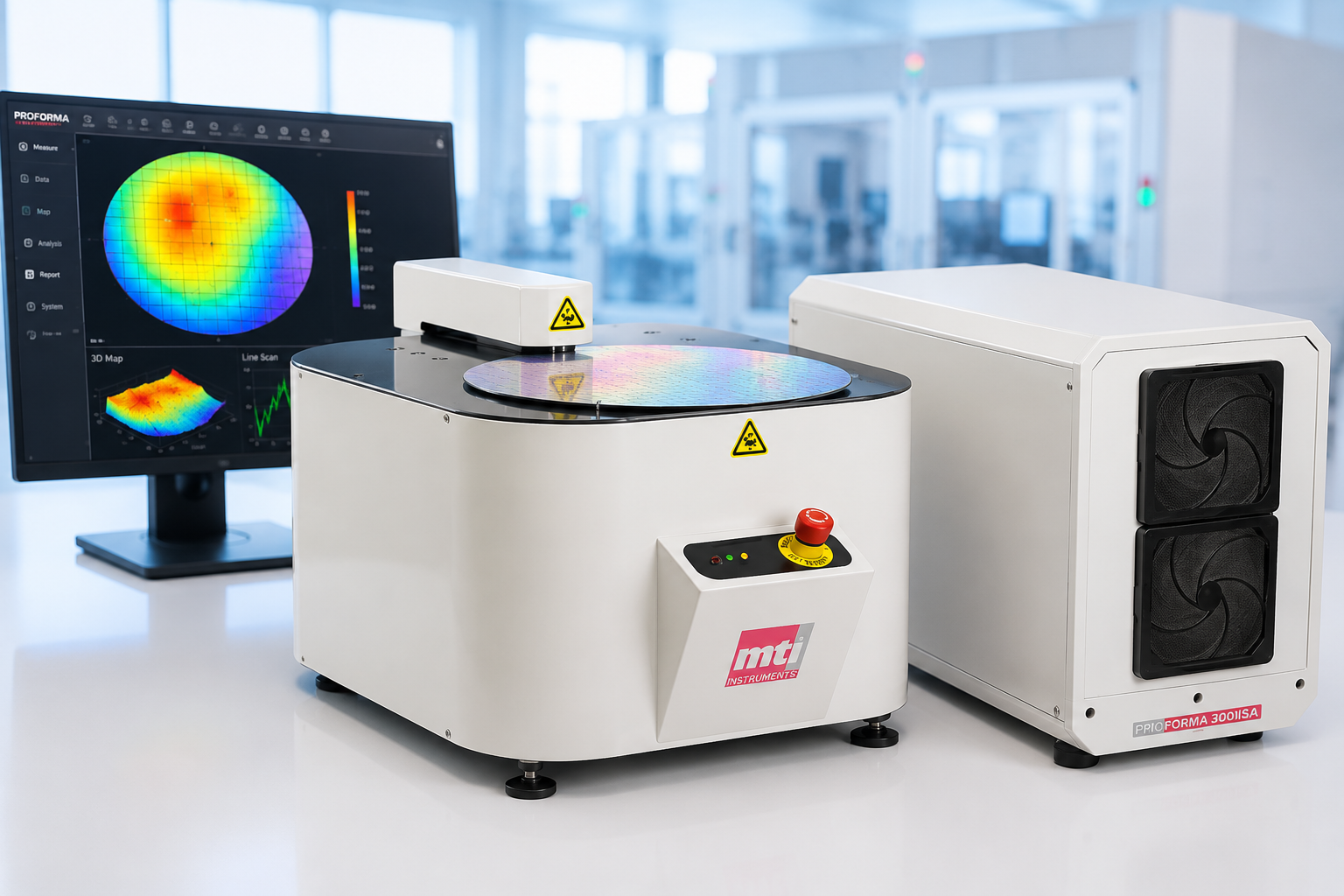
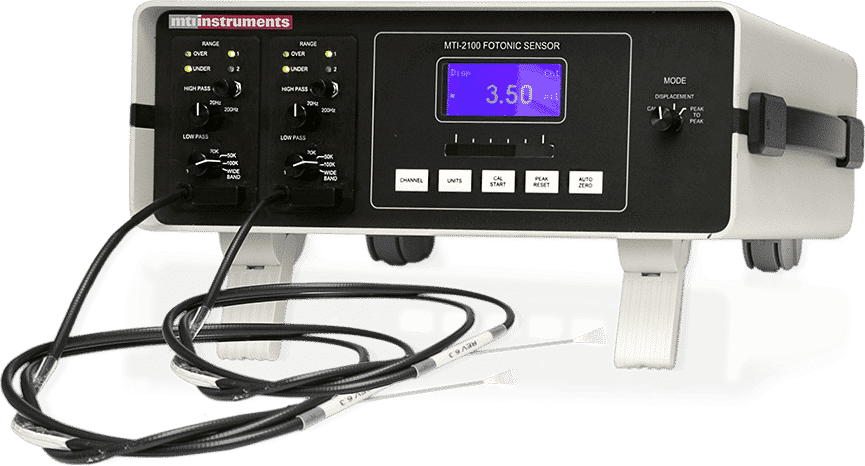
MTI Signal Generator for Training/Demonstration of Vibration Monitoring Equipment
Real-World Example: Testing a Turbine Protection System
Imagine an engineer tasked with commissioning a turbine protection system for a critical piece of machinery. Rather than waiting for faults such as imbalance or misalignment to occur during normal operations, the engineer can proactively use a vibration signal generator to simulate these conditions.
By generating specific fault signals such as vibration patterns indicative of imbalance, misalignment, or bearing degradation, the engineer can inject these signals directly into the turbine’s monitoring system. This allows for a thorough evaluation of how well the system detects faults and triggers necessary responses.
For example, simulating an imbalance in the rotor can be done by generating a sinusoidal waveform at the appropriate frequency and amplitude, mimicking the real-world vibrations caused by rotor imbalance. The engineer can then verify whether the monitoring system correctly triggers alarms, adjusts parameters, or initiates emergency shutdowns.
By using a vibration signal generator, the engineer can validate system functionality before actual vibration events occur, speeding up the commissioning process and ensuring that the protection system operates optimally in the field.
Why Vibration Signal Generators Are Essential for Predictive Maintenance
Vibration signal generators are not a replacement for real sensors, they are complementary tools that ensure monitoring systems are working correctly before real-world faults occur. For predictive maintenance, these devices offer significant advantages:
- Speed: Quickly simulate a wide range of fault conditions without needing to wait for actual failures.
- Safety: Test systems in a controlled environment, reducing the risk of failure during operation.
- Reliability: Ensure that sensor-driven systems perform correctly and reliably in the field, reducing the likelihood of false alarms or missed faults.
A Practical Tool: The MTI 1510A Signal Generator
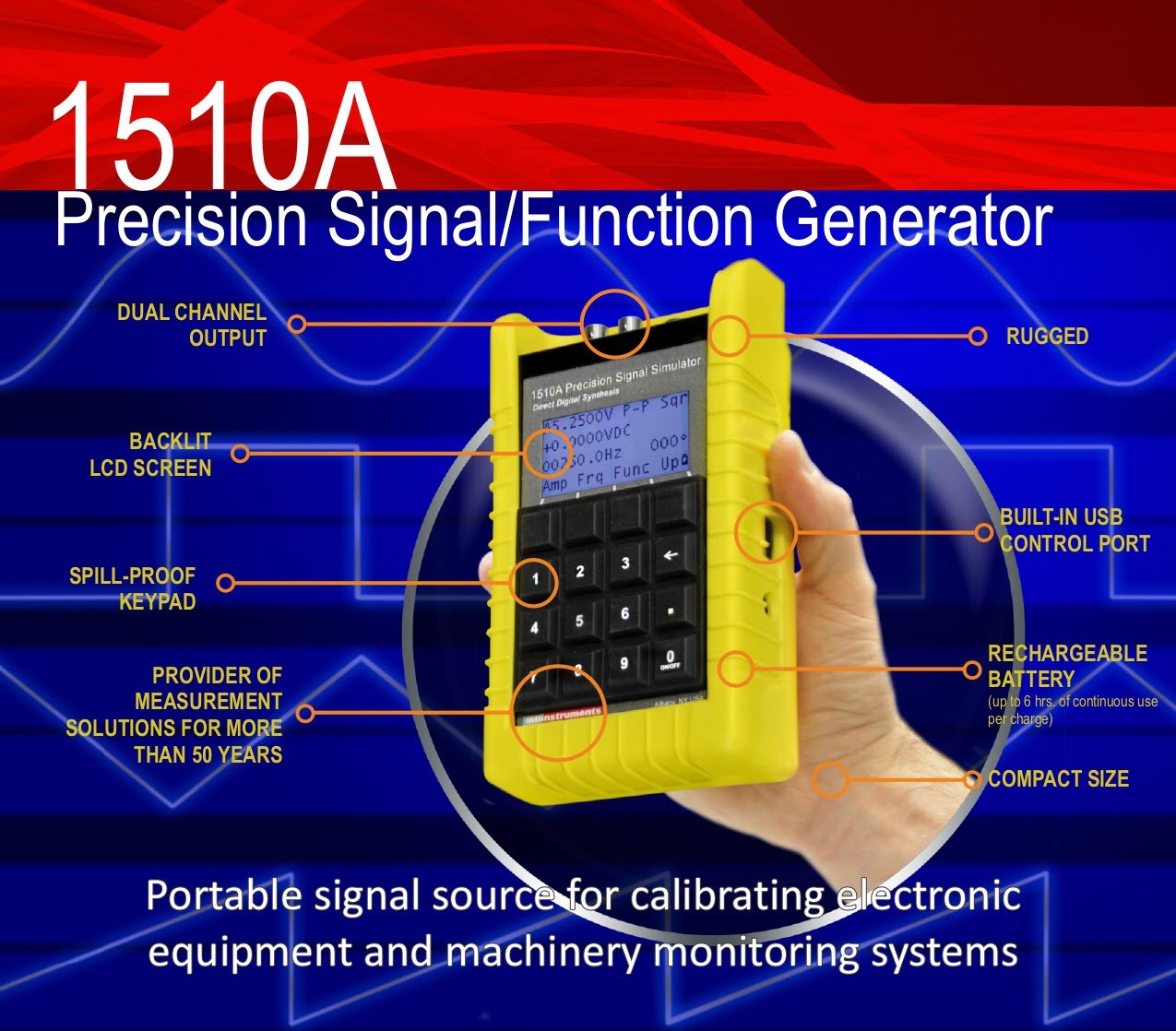
The MTI 1510A is a rugged, portable vibration signal generator purpose-built for field and industrial use. It’s designed to help engineers and technicians simulate real-world vibration signals with precision and reliability. Key features include:
- Wide Frequency Range: From 0.1 Hz to 100 kHz, allowing simulation of both low- and high-speed machinery signals.
- Dual-Channel Output: Phase-synchronized channels enable simulation of real-world sensor scenarios, including redundant or multi-axis setups.
- Precision and Accuracy: High accuracy (±0.05%) ensures realistic fault signal simulation, essential for validating protection systems.
- Versatile Signal Types: Supports sine, square, triangle, pulse, sawtooth, and tachometer waveforms covering a broad range of vibration and fault patterns.
- Portable and Rugged: Designed for field use with a compact form factor, spill-proof keypad, and rechargeable battery (up to 6 hours of operation).
- Straightforward Interface: Easy-to-use keypad and monochrome LCD allow quick setup and adjustments, even in demanding environments.
Enhancing Predictive Maintenance with MTI Signal Generators
Vibration signal generators offer unmatched value in predictive maintenance by enabling proactive system testing, safe fault simulation, and comprehensive diagnostics. The MTI 1510A stands out as a reliable, precise tool for engineers and technicians looking to improve equipment reliability, reduce downtime, and streamline commissioning.