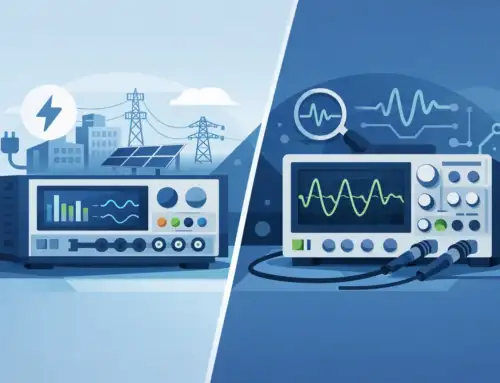
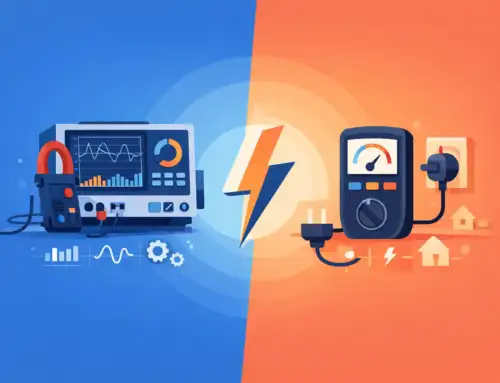
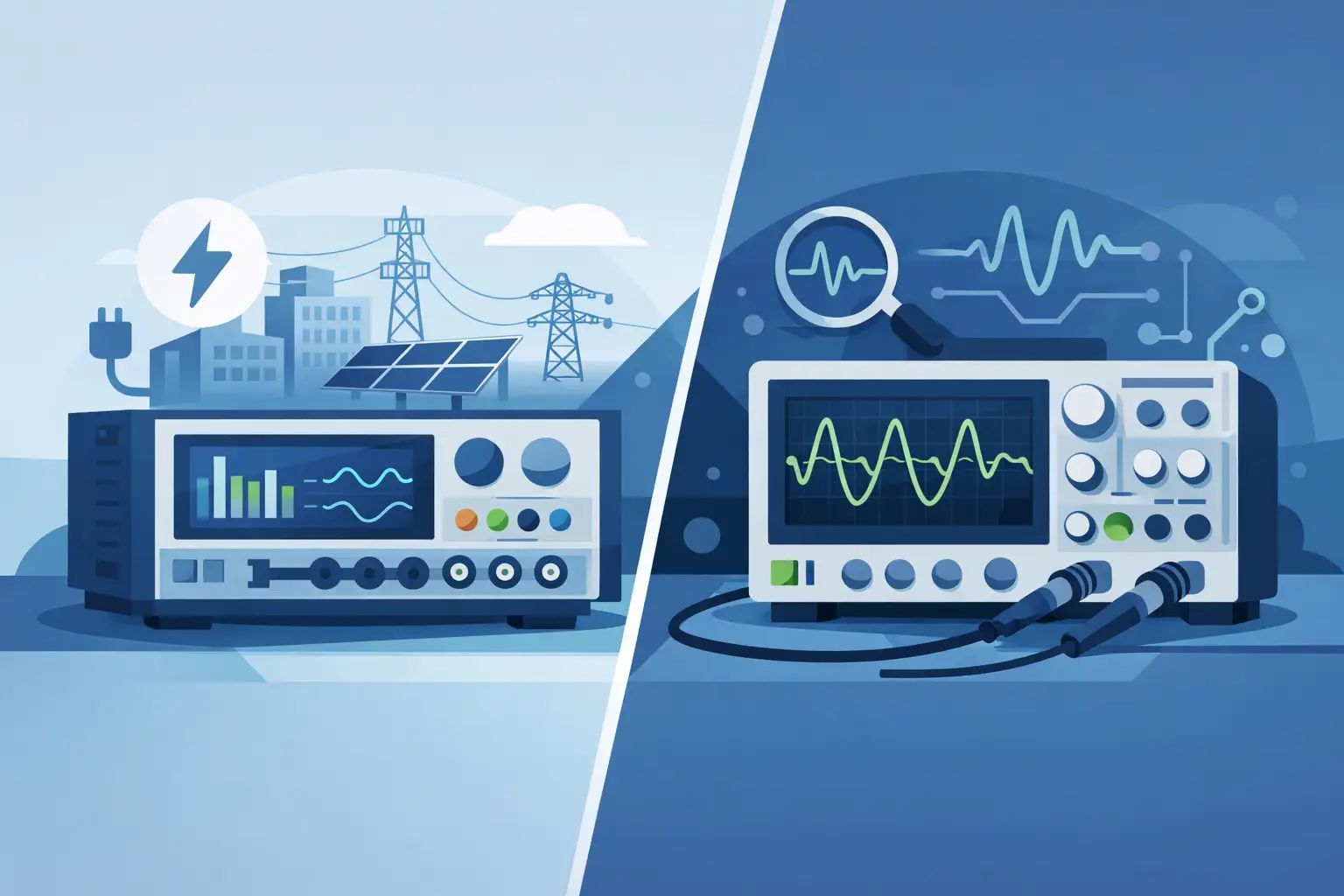
The growing need for high-speed, high-resolution signal acquisition has driven the demand for advanced testing equipment that allows engineers to capture and analyze complex signals with precision. Oscilloscopes and digitizers are two critical instruments used in signal acquisition, but they differ significantly in their design, functionality, and use cases. Understanding these differences is crucial for choosing the right tool for your specific needs, whether you are testing high-frequency signals, debugging circuits, or conducting long-duration signal capture.
In this post, we will explore the differences between oscilloscopes and digitizers, their applications, and how to choose the right tool for your signal acquisition needs.
What Are Oscilloscopes?
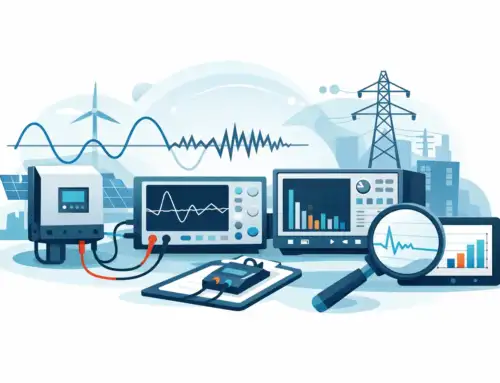
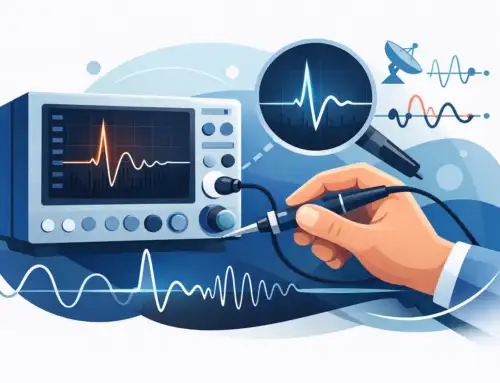
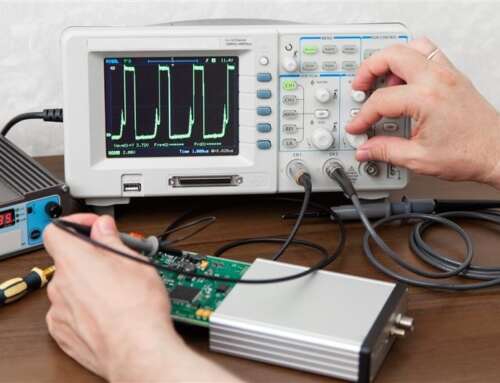
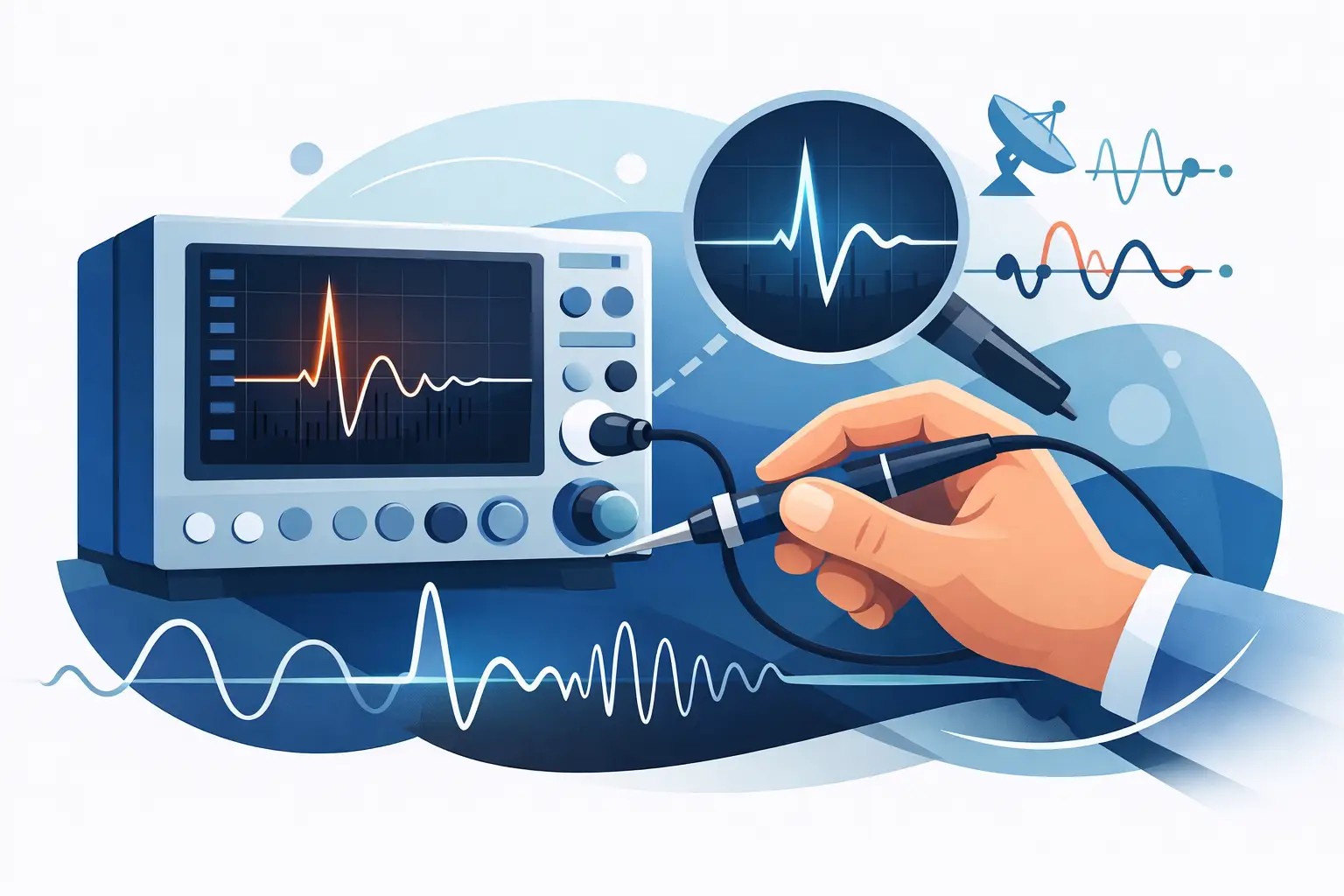
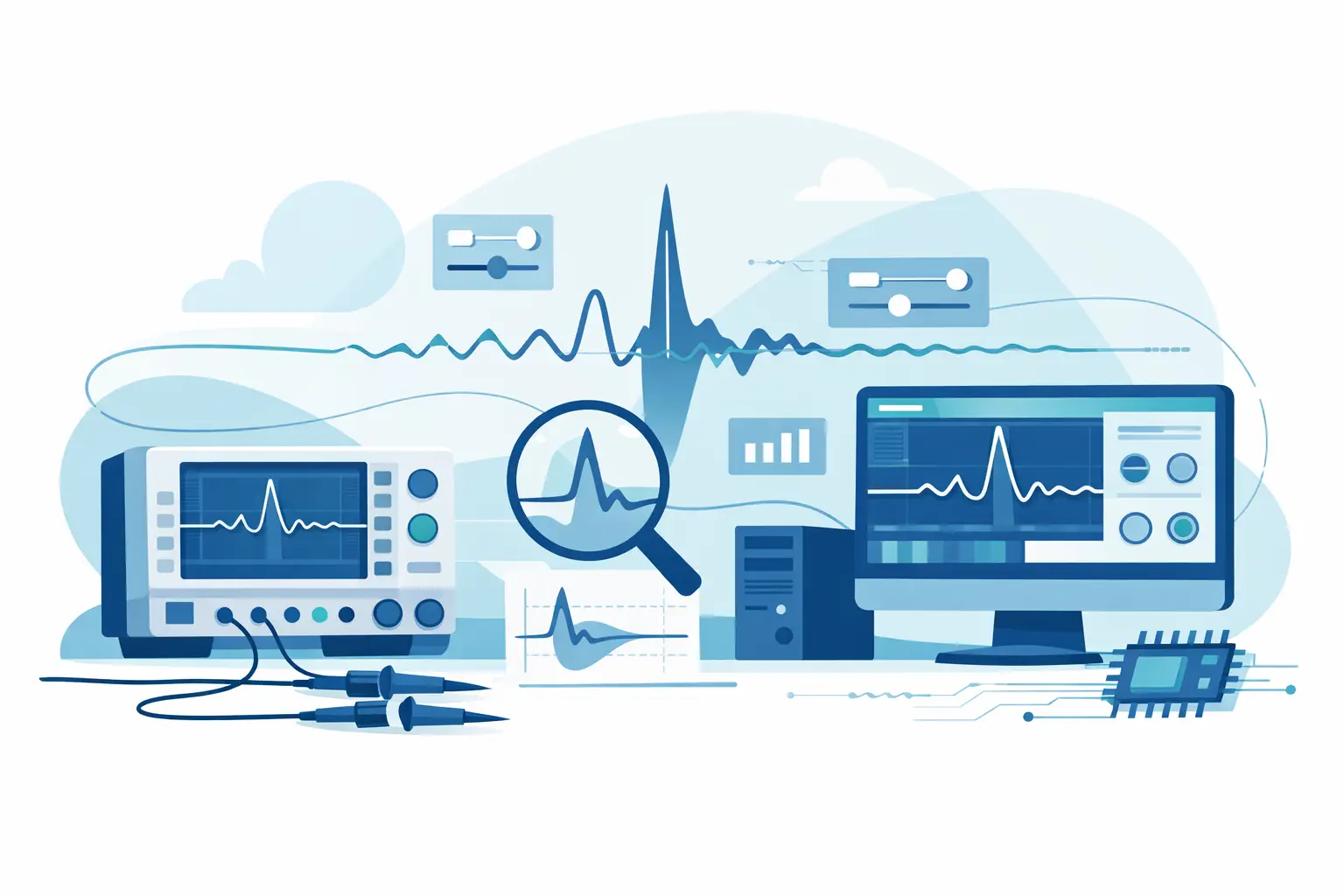
An oscilloscope displays the waveform of a signal in real-time, making it a valuable tool for testing, diagnosing, and analyzing various electronic systems.

Types of Oscilloscopes
The following are the popular types of oscilloscopes.
- Analog Oscilloscopes: The traditional, real-time signal analyzers that produce continuous waveforms.
- Digital Oscilloscopes: These use digital technology to sample and store data. They offer versatility and advanced features, such as signal processing and data storage.
- Mixed-Signal Oscilloscopes (MSOs): These combine analog and digital channels, allowing for the analysis of both analog and digital signals simultaneously.
Key Features
Oscilloscopes are equipped with several key features that define their performance and usability. Understanding these features, as listed below, will help you choose the right oscilloscope for your specific needs.
- Bandwidth: This defines the range of frequencies it can measure. The wider the bandwidth, the more accurate the oscilloscope will be in capturing high-frequency signals.
- Sample Rate: The sample rate indicates the number of times per second an oscilloscope captures data points from the signal. A higher sample rate means more data is collected, providing better resolution and clarity of the waveform.
- Memory Depth: . Oscilloscopes with deeper memory can capture longer waveform sequences without dropping data. This is essential for analyzing complex, long-duration signals.
- Visualization Tools: Visualization tools help users interpret signals more easily. This allows the users to gain more insights from the data by providing clearer representations of the signal’s behavior, helping with tasks such as troubleshooting and analysis.
The other distinguishing features that vary from one model to the next include:
- Triggering Capabilities
- Waveform Capture Rate
- Rise Time
- Accuracy
- Connectivity
- Record Length
- Compatible Probes
- Expandability
- Input Range
- Channel Density
- Synchronization
Applications of Oscilloscopes
Here are some of the key areas where oscilloscopes are frequently utilized:
- General Lab Diagnostics: Oscilloscopes are commonly used to measure and troubleshoot signals in circuits and systems..
- Debugging: They are essential for pinpointing problems in electrical circuits or verifying signal integrity.
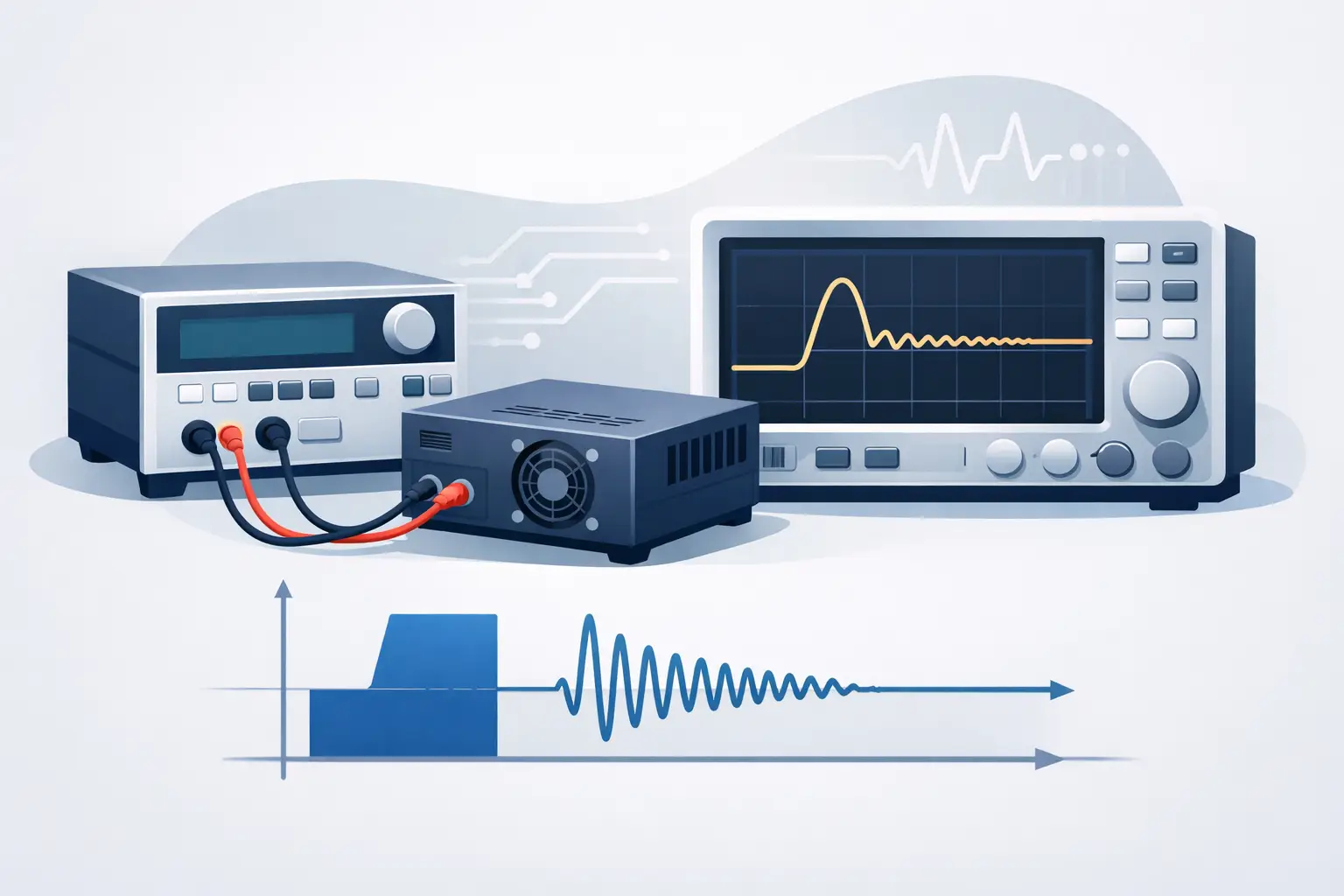
- Transient Analysis: Oscilloscopes can measure short-duration events, such as voltage spikes or transients, which can be critical in evaluating the performance of power supplies and other sensitive devices.
What Are Digitizers?
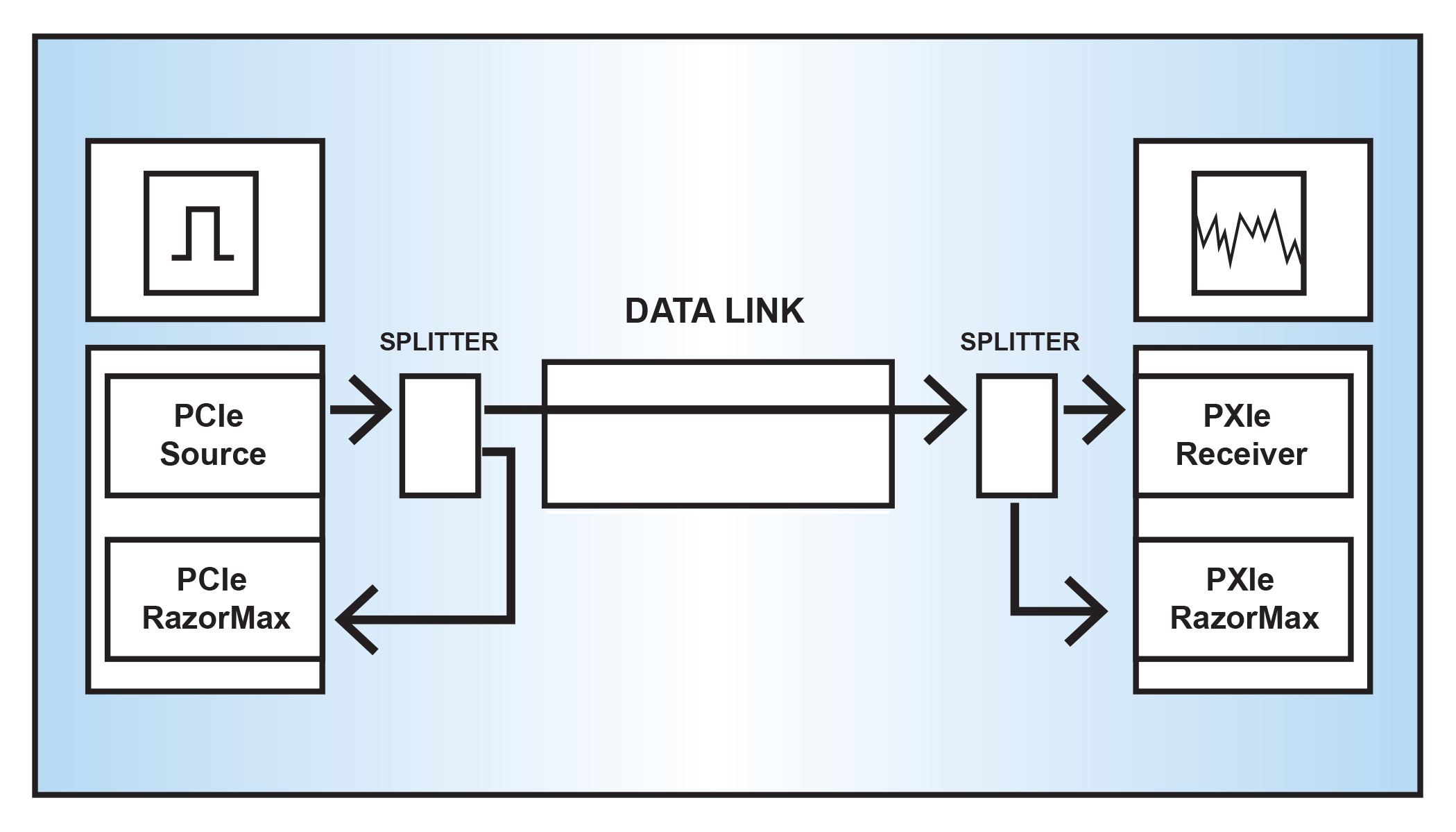
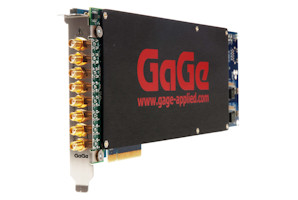
Digitizers are high-speed data acquisition tools designed for capturing and storing large amounts of signal data over a wide bandwidth. Unlike oscilloscopes, digitizers are modular instruments that are typically used in data systems with standard PC or PXIe configurations for continuous data acquisition.
Core Specifications
Below are core specifications that define the performance and capabilities of digitizers:
- Higher ENOB (Effective Number of Bits): This feature ensures high precision in capturing signals, especially those with small amplitude variations.
- Streaming to Host Memory: Digitizers are capable of transferring data directly to a computer’s memory, allowing for real-time analysis and processing.
- Deep Memory Buffers: Unlike oscilloscopes, digitizers offer deeper memory, allowing for the storage of more data during acquisition, which is vital for long-duration measurements.
- Modular Form Factors: Digitizers are available in form factors such as PCIe or PXIe, making them ideal for integration into custom systems.
Key Applications
Digitizers are integral to a wide range of advanced applications that demand high-speed, high-precision data acquisition. Some of the key use cases include:
- Radar and Ultrasonic Applications: In systems where precise, high-speed data acquisition over wide bandwidths is required, such as radar and ultrasound imaging.
- RF Communications: In radio frequency (RF) communication systems, digitizers provide the necessary precision for capturing complex signals.
- Signal Intelligence (SIGINT): The device is used in military and communications to capture and analyze high-frequency signals.
Key Differences: Oscilloscopes vs Digitizers
Below is a comparison table to highlight the major differences between oscilloscopes and digitizers:
| Feature | Oscilloscope | Digitizer |
|---|---|---|
| Form Factor | Standalone instrument | Card/module (requires host PC) |
| Sampling Rate | High | Often higher |
| Bandwidth | Limited by model | Often broader |
| Memory Depth | Shallow to medium | Deep (up to GBs) |
| Real-Time Display | Yes (waveform view) | Not native (requires software) |
| Signal Processing | Built-in tools | Offloaded to FPGA/GPU |
| Data Streaming | Limited | Sustained high-speed (GB/s) |
| Applications | Debugging, general testing | Precision acquisition, embedded systems |
Application Scenarios
Here are some practical scenarios to help you decide which tool to choose:
When to Use an Oscilloscope:
- Quick Diagnostics: Oscilloscopes are ideal for troubleshooting and identifying issues in circuits and systems.
- Interactive Waveform Viewing: If you need to visualize signals in real-time and analyze transient events, an oscilloscope is your go-to tool.
- Manual Probing: Oscilloscopes are perfect for quick hands-on tests, where you need to connect probes to inspect signals manually.
When to Use a Digitizer:
- Automated or Long-Duration Acquisition: Digitizers are the right choice when you need continuous or long-term signal acquisition.
- Wideband, Multi-Channel Signal Capture: The tool is highly preferred when you need to capture and analyze multiple signals across broad frequencies.
- Real-Time Data Streaming & Processing: If your application requires streaming large volumes of data for immediate analysis or post-processing.
- Integration into Custom Test Systems: Digitizers are opted when you demand a signal acquisition tool that can be integrated into larger automated systems for specialized testing or high-throughput environments.
Digitizers are also used in wideband acquisition due to the following factors:
- Higher ENOB (Effective Number of Bits): This results in superior precision when capturing small amplitude signals across wide bandwidths.
- Real-Time FPGA Processing: With advanced FPGA processing, digitizers can perform real-time operations such as FFT (Fast Fourier Transform) and averaging, improving accuracy.
- GPU Acceleration for Post-Processing: Many digitizers leverage GPU acceleration (e.g., CUDA) for enhanced post-capture signal analysis, making them ideal for complex data processing tasks.
GaGe Digitizers: Purpose-Built for Wideband Performance
If you are looking for high-performance digitizers for demanding applications, GaGe digitizers from Vitrek offer outstanding specifications that set them apart from traditional oscilloscopes.
Following are the key models available:
- EON Express PCIe 12-bit Digitizer: With a sampling rate of 6 GS/s and a bandwidth of 1.75 GHz, the PCIe EON Express 12-bit Digitizer is perfect for applications requiring high-speed sampling and precise signal capture.
- RazorPlus Express PCIe 16-bit Digitizer: This digitizer is designed for high-speed, high-precision data acquisition and is well-suited for capturing and analyzing wideband signals. It offers 2 channels with 16-bit resolution and a sampling rate of 500 MS/s. It also features both 50Ω and 1MΩ input impedance options, with bandwidths up to 250 MHz and 150 MHz, respectively.
- RazorMax Express 16 16-Bit, 1 GS/s, PCIe Gen3 Digitizer: This digitizer features two or four 16-bit channels at 1 GS/s and 600 MHz bandwidth, with PCI streaming rates of 5.2 GB/s. The models of this digitizer feature 4 GS (8GB) of onboard digitizer sample memory.
Oscilloscopes and digitizers serve unique purposes in signal acquisition, and understanding their differences is key to selecting the right tool for your needs. Whether you’re looking for quick diagnostics or high-performance, wideband signal capture, both tools have their place in modern engineering applications. Vitrek offers a comprehensive range of oscilloscopes and digitizers designed to meet the high-speed, high-resolution requirements of signal acquisition. Explore the range of solutions at Vitrek, and get expert guidance on choosing the ideal equipment for your work.