Modern electronic systems face critical challenges in capturing and processing analog signals with precision and speed required for advanced applications across aerospace, medical devices, RF communications, and scientific research. Converting analog signals to digital format requires specialized components that can handle signal integrity degradation, timing synchronization issues, and data acquisition bottlenecks that compromise measurement accuracy and system performance.
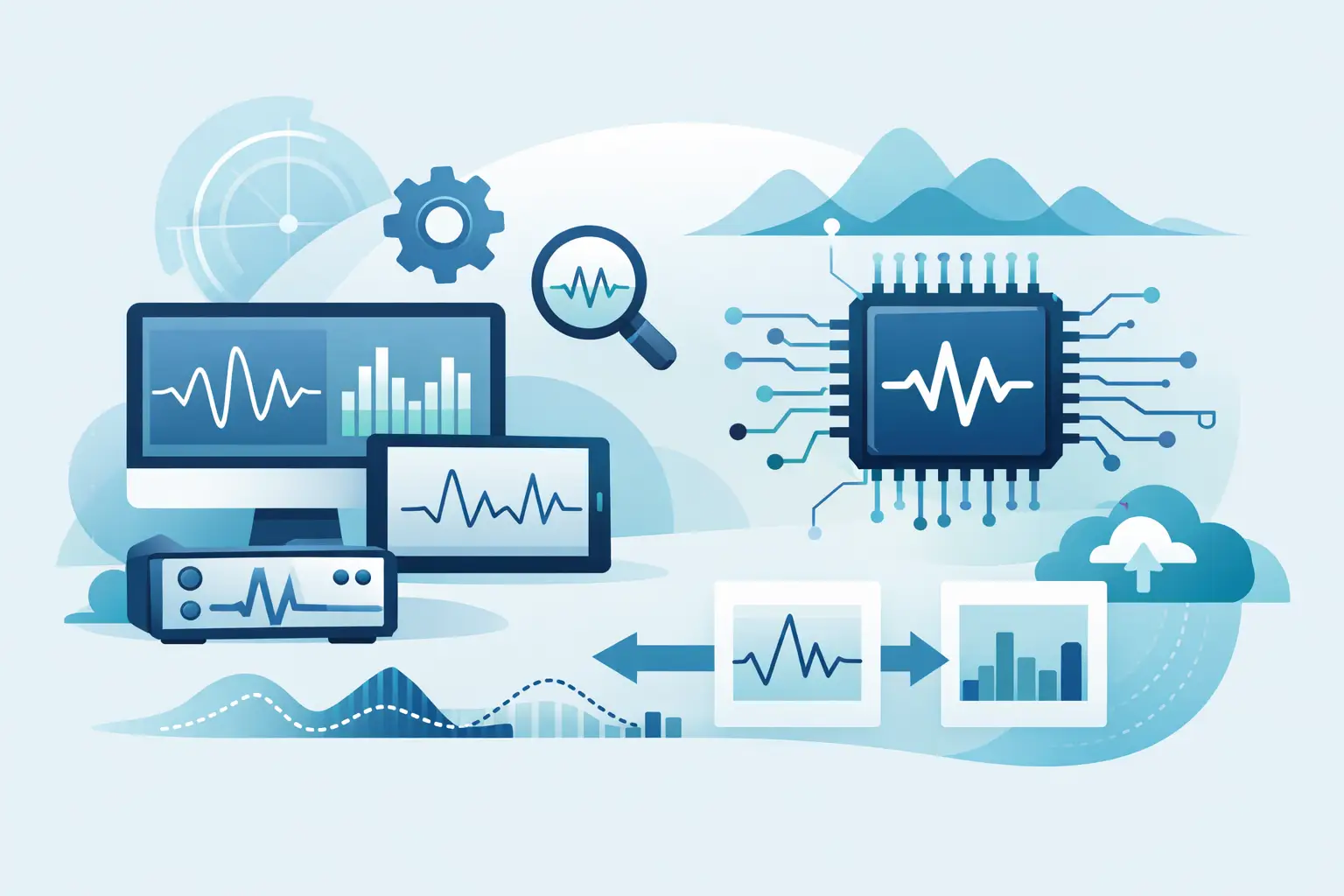
Analog signal to digital converter solutions range from basic ADCs to sophisticated high-speed digitizers that provide complete signal acquisition systems. Understanding how to convert analog signal to digital effectively depends on your specific application requirements and performance needs. This post explores analog-to-digital converters and high-speed digitizers, highlighting their differences and examining their significance across applications.
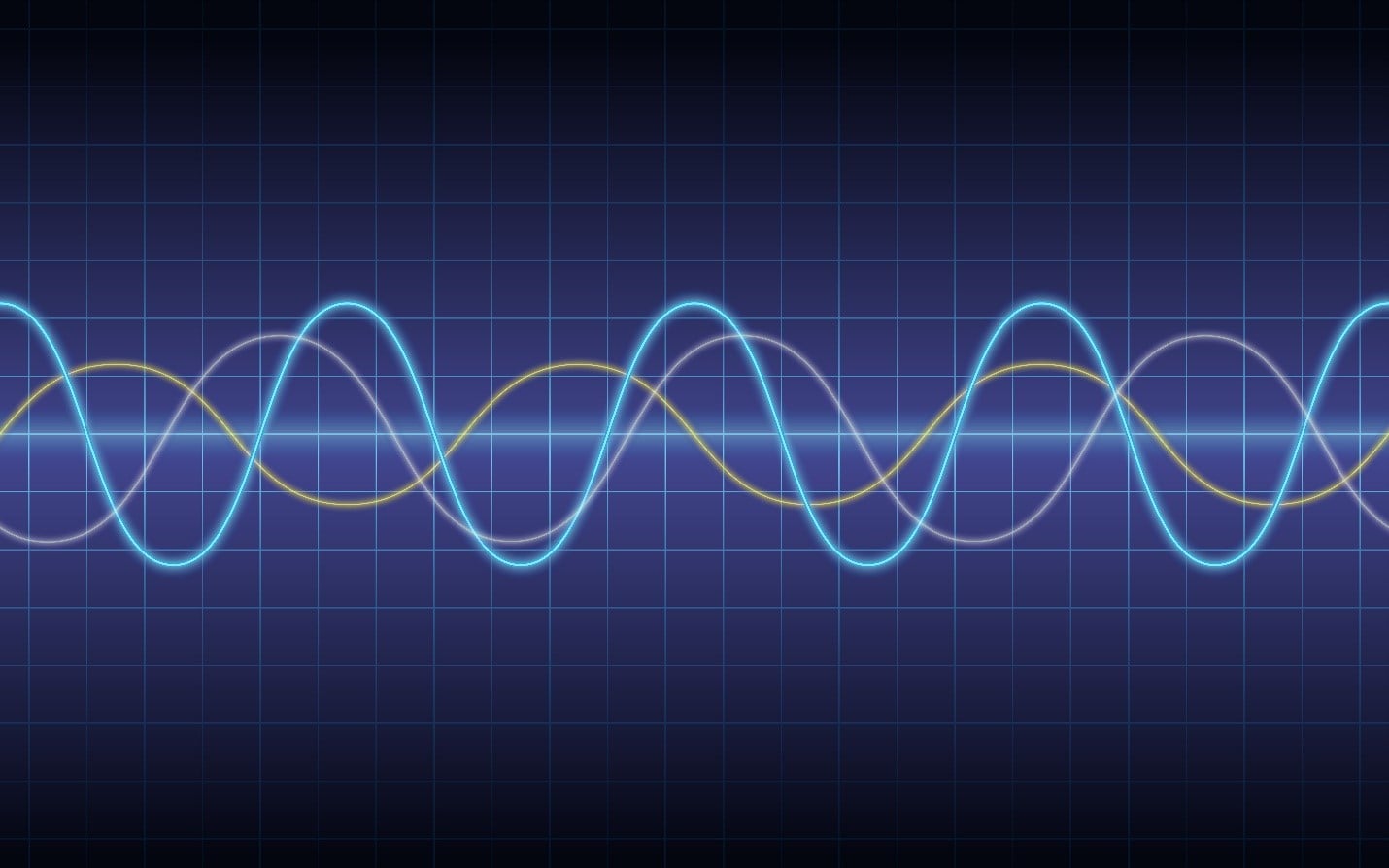
Overview of Analog to Digital Converter (ADC) and High-Speed Digitizer.
Analog to Digital Converter (ADC)
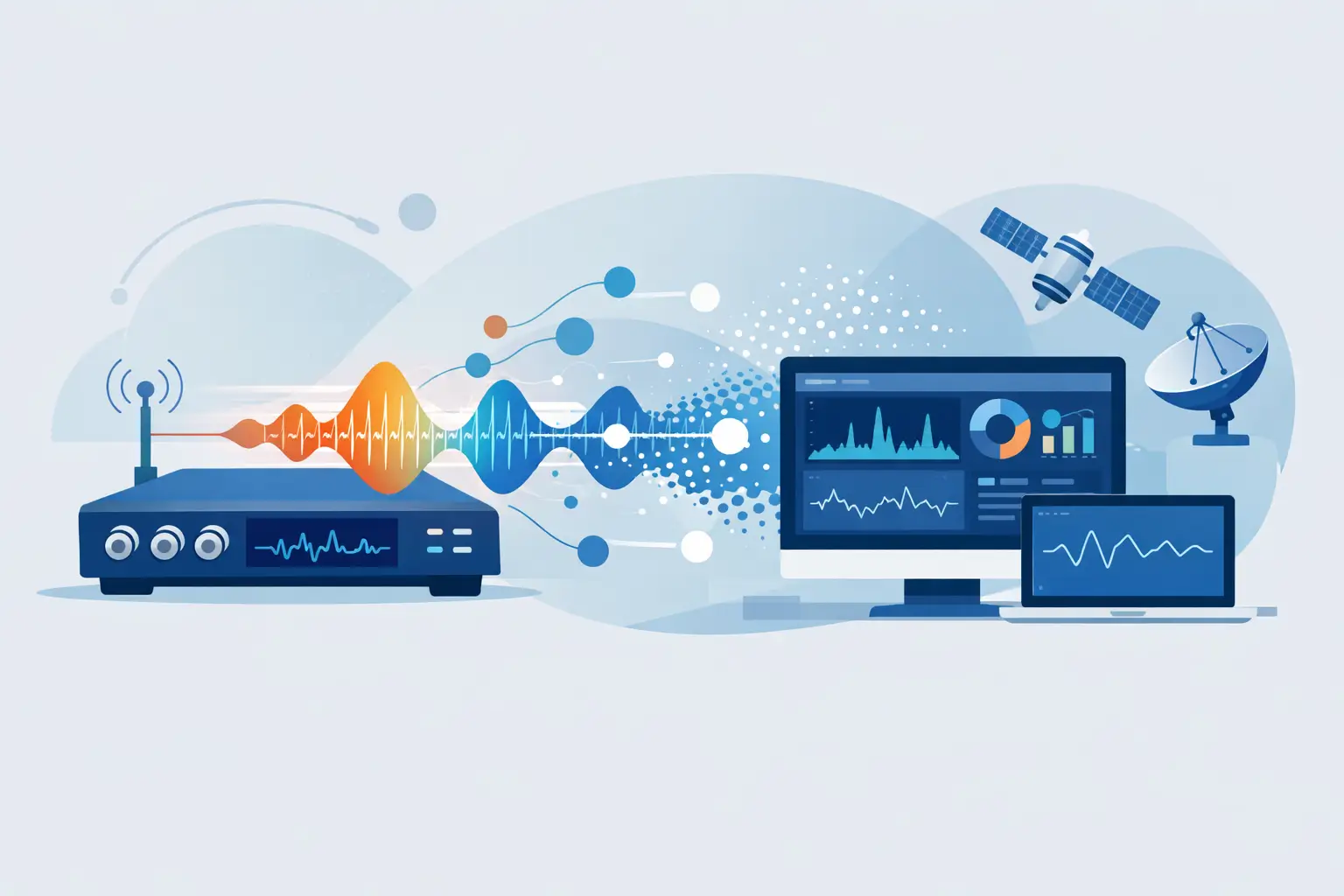
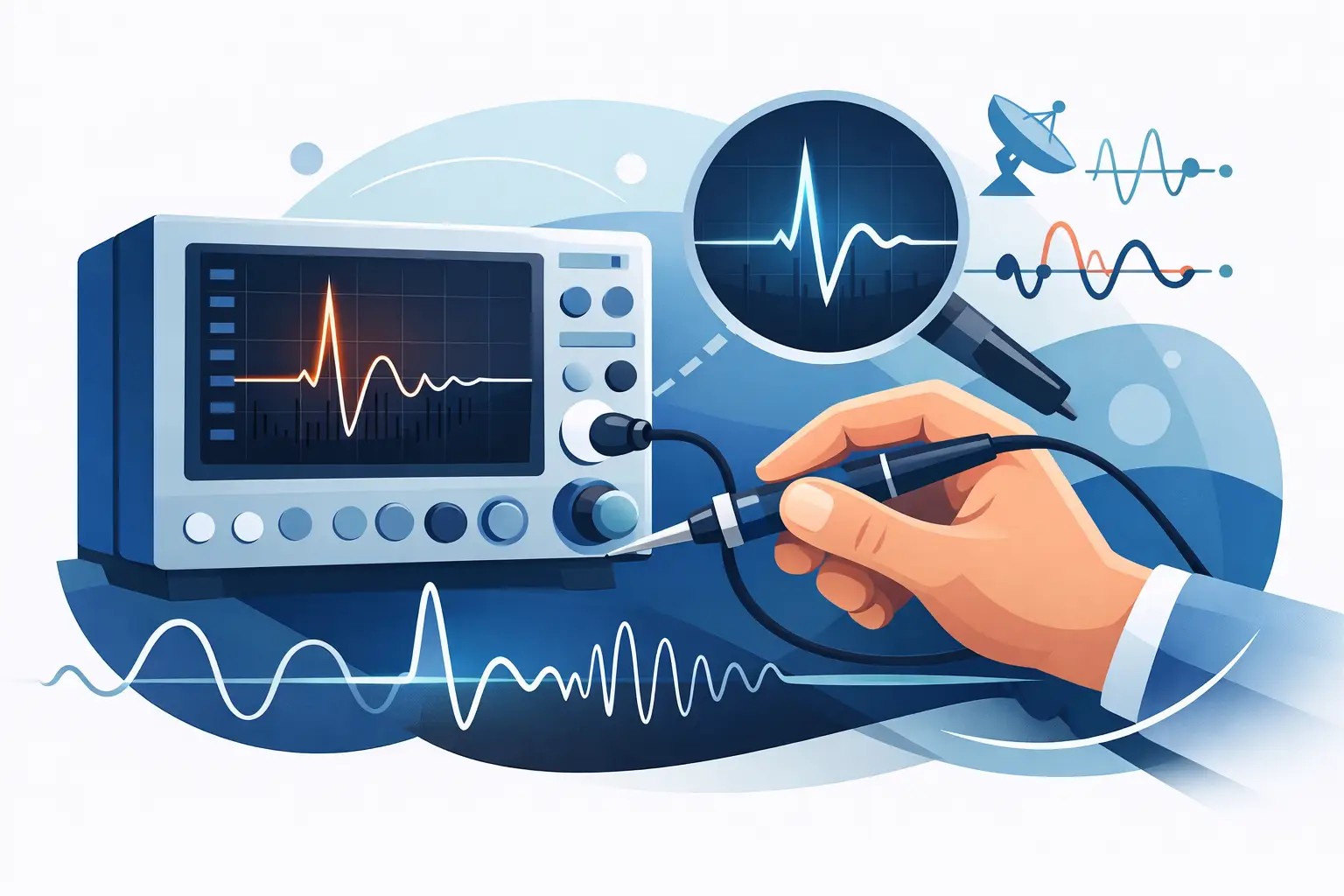
An analog-to-digital converter (ADC) is a fundamental electronic component that converts analog signals to digital representations through sampling and quantization processes. The ADC captures instantaneous voltage values at specific time intervals and converts them into binary code based on predetermined resolution levels.
Analog signal to digital converter technology has evolved significantly, with modern ADCs offering enhanced performance for various applications. Key specifications that define ADC performance include:
- Resolution (measured in bits)
- Sampling rate (expressed in samples per second – S/s)
- Input voltage range
- Signal-to-noise ratio (SNR) for measurement accuracy
These parameters directly impact the ADC’s ability to reproduce analog signal characteristics in digital format for further processing and analysis.
High-Speed Digitizer
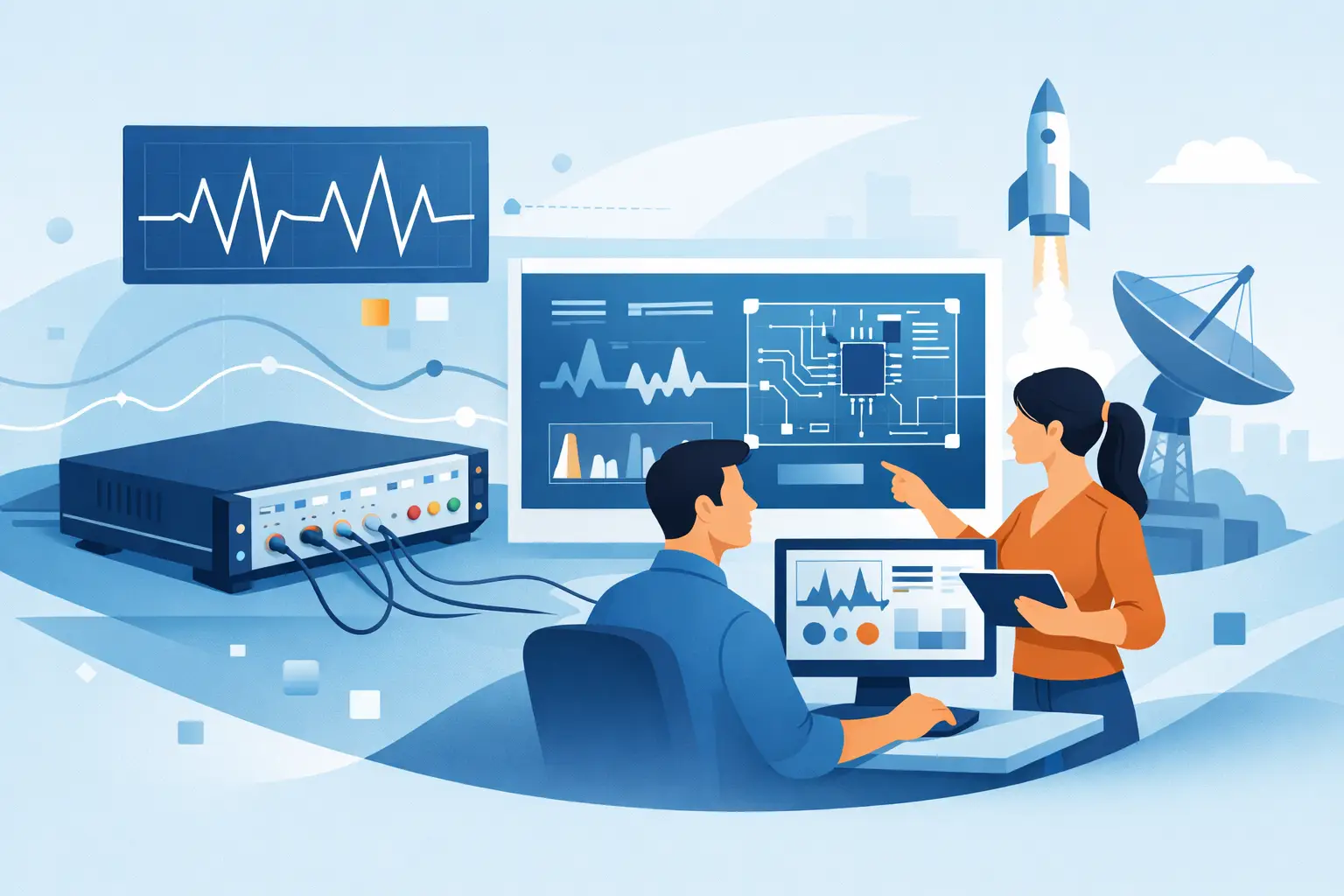
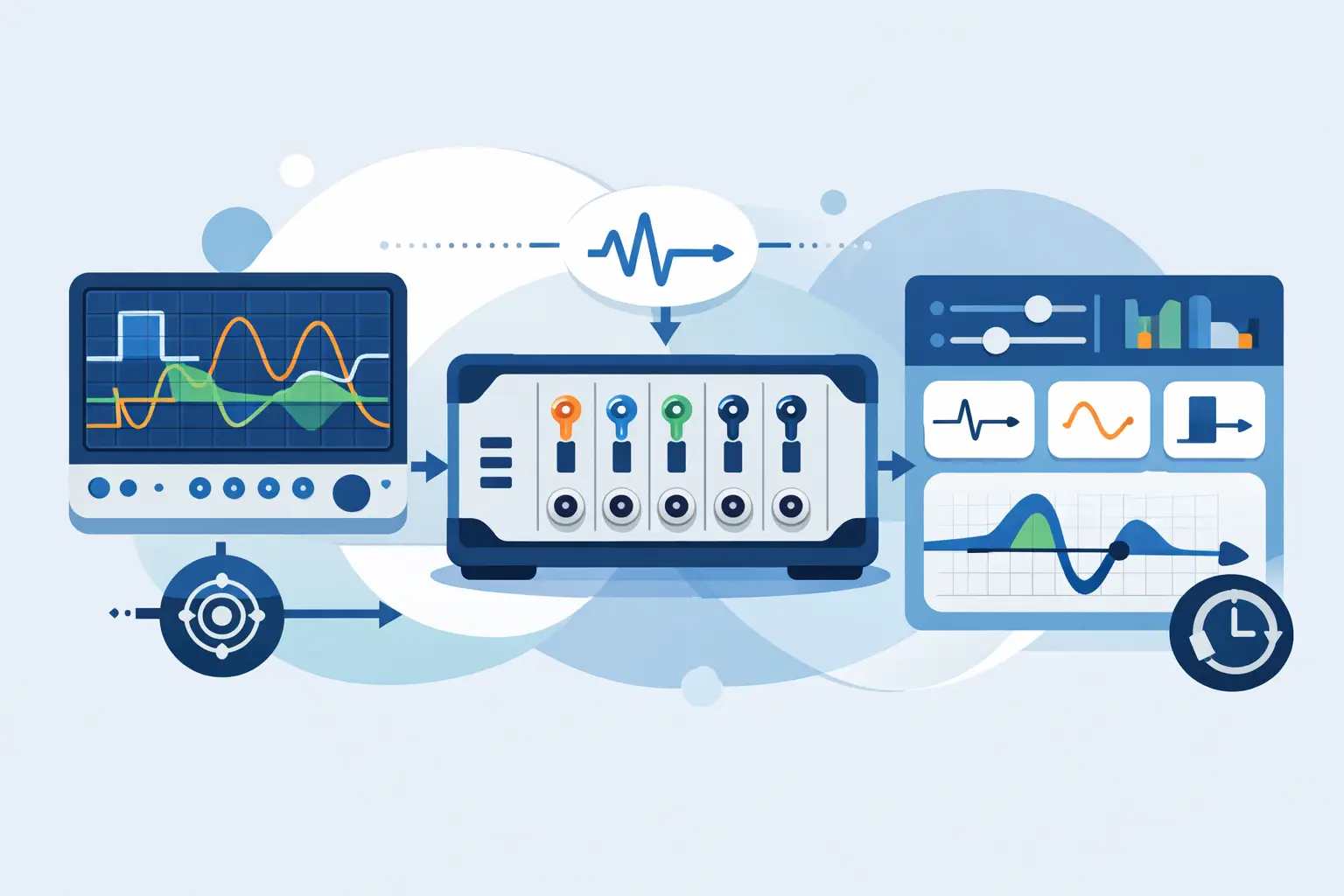
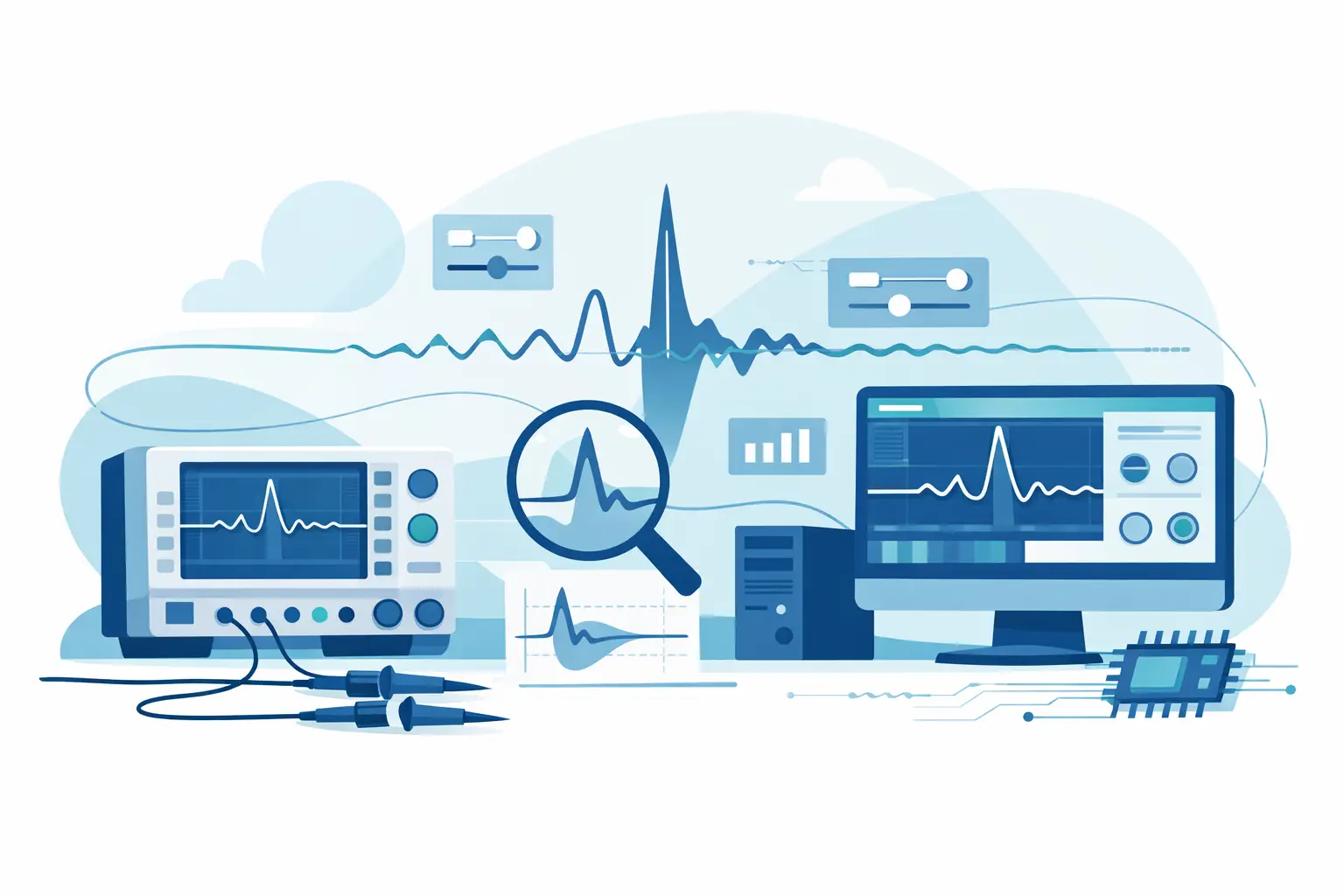
A high-speed digitizer represents a complete data acquisition system that integrates an analog to digital converter with sophisticated front-end signal conditioning circuits, precision clocking mechanisms, advanced triggering capabilities, and high-speed data interfaces.
Unlike standalone ADCs, digitizers function as comprehensive measurement instruments similar to digital recording systems, providing buffered data output with timing information and synchronization signals. Data acquisition system a/d converter integration in digitizers offers:
- Advanced signal conditioning
- Precision timing and synchronization
- Sophisticated triggering capabilities
- High-speed data interfaces (PCIe, USB, Ethernet)
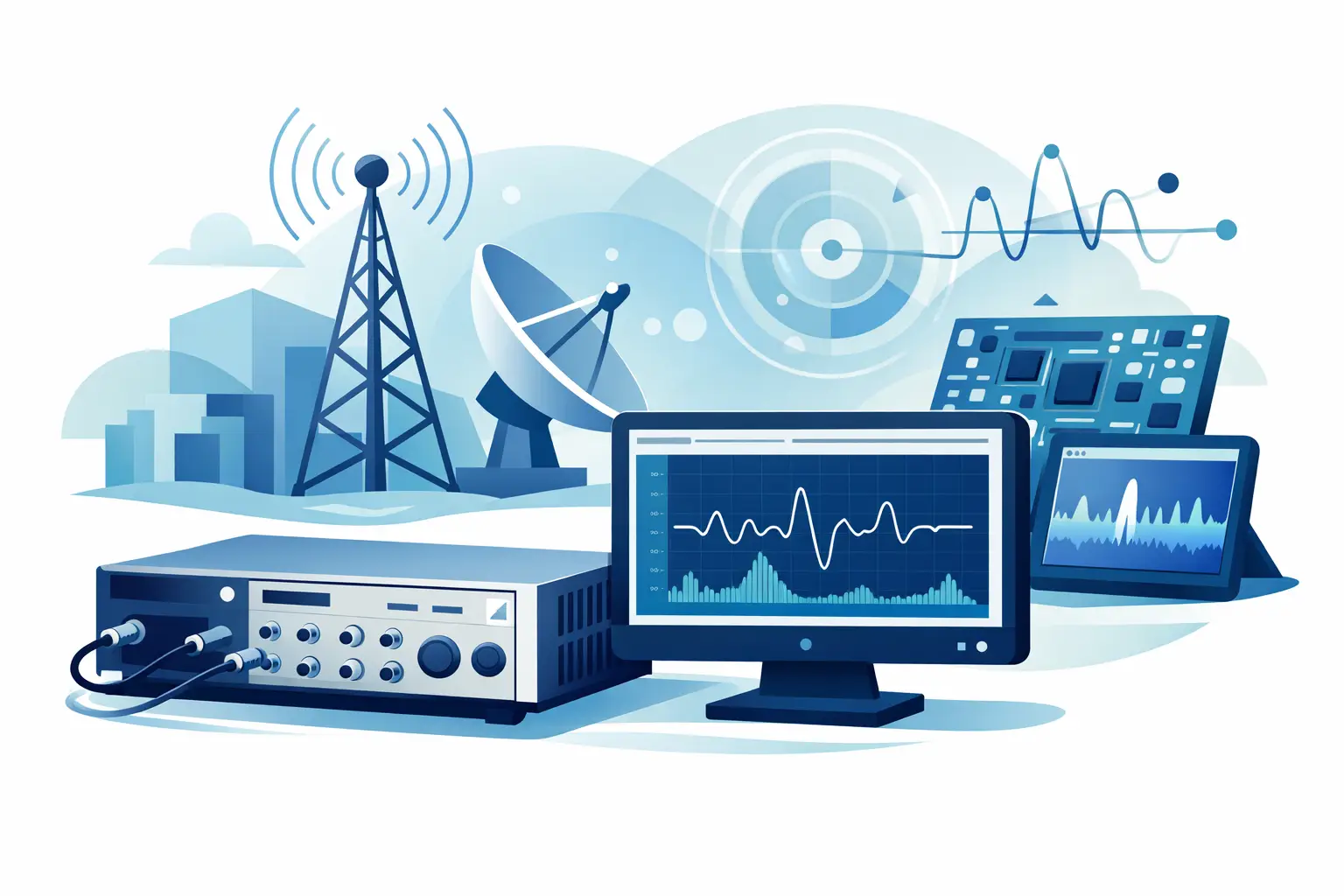
High-speed digitizers find extensive applications in test systems, radar signal processing, scientific measurement equipment, ultrasonic testing, and RF signal analysis where complete signal acquisition solutions are essential for accurate measurements.
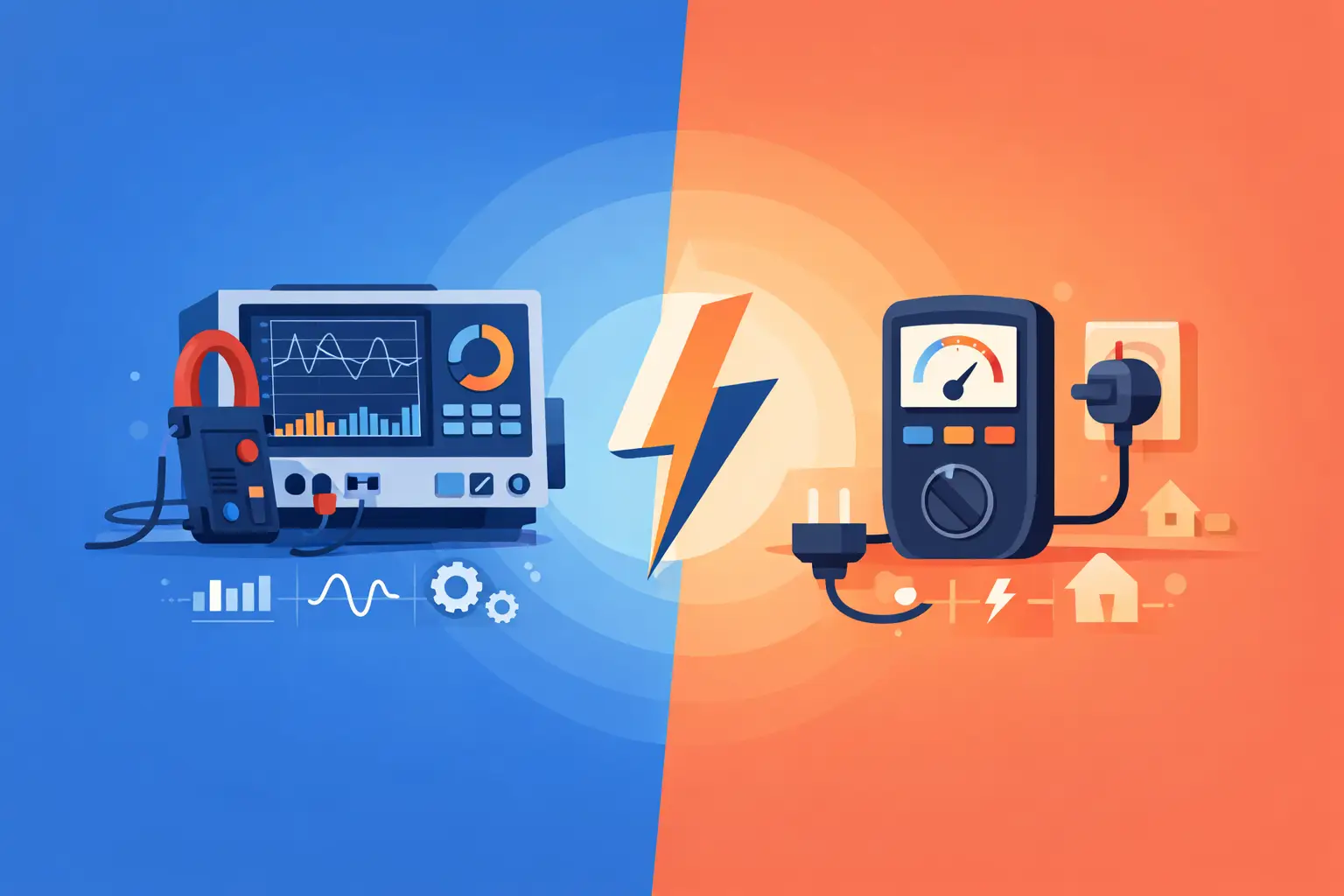
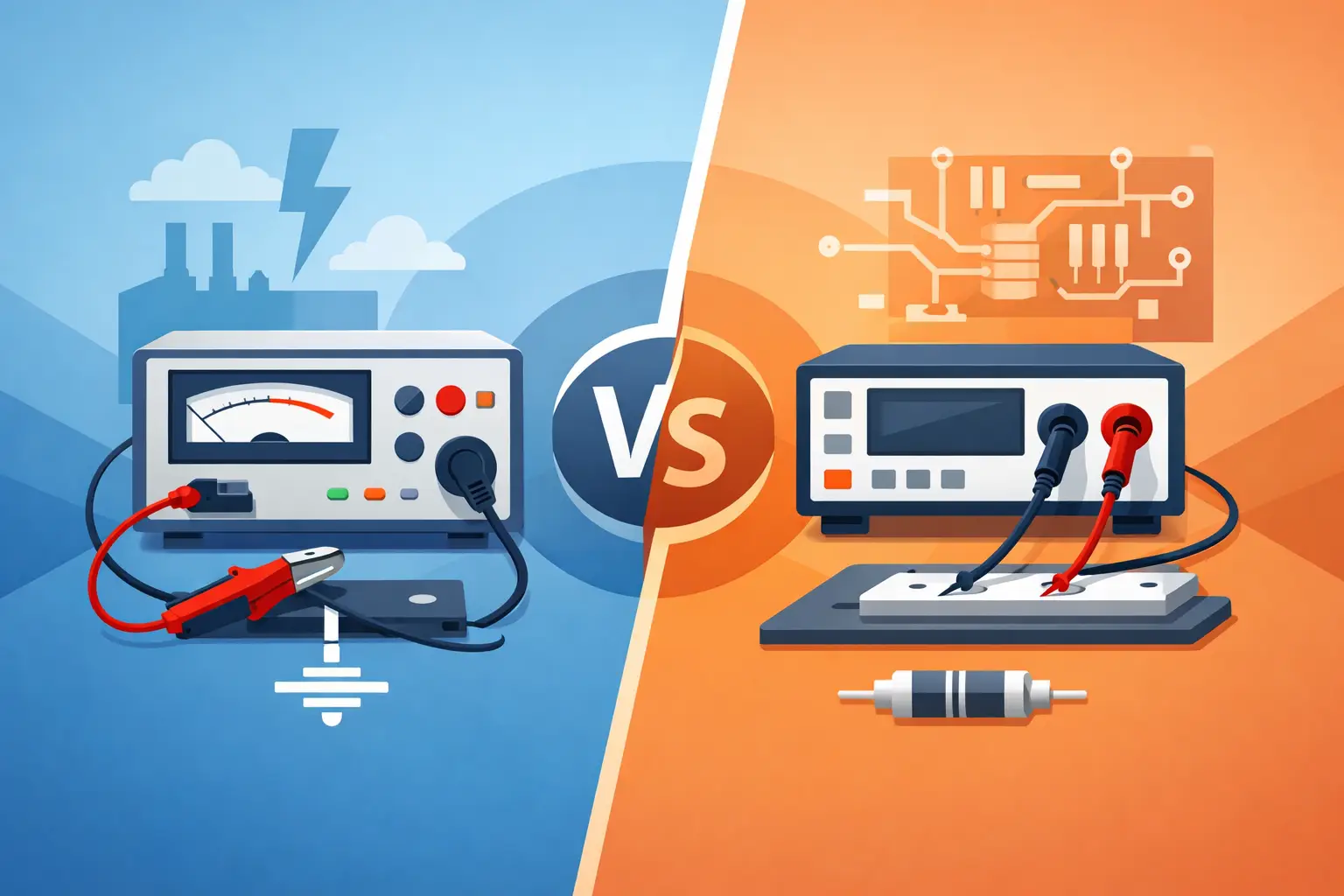
ADC vs. Digitizer: Key Differences
Understanding the fundamental distinctions between ADCs and high-speed digitizers helps engineers select the appropriate solution for specific measurement requirements. Each approach offers unique advantages depending on integration complexity, performance requirements, and application constraints.
| Feature | ADC | Digitizer |
|---|---|---|
| Function | Performs signal conversion only, transforming analog inputs to digital codes. | Provides complete signal acquisition with conversion, conditioning, and interface capabilities. |
| Form Factor | Available as integrated circuit chips or discrete components. | Implemented as complete modules, instruments, or card-based systems. |
| Integration Level | Requires external components for complete signal processing chains. | Offers high integration with built-in amplifiers, filters, and control systems. |
| Use Case | Embedded directly into custom circuit designs and applications. | Functions as standalone instruments or integrated into larger measurement systems. |
| Output | Generates raw digital signals requiring additional processing and formatting. | Provides buffered data streams with timing information and trigger synchronization. |
| Application | Component-level integration for specific circuit requirements. | System-level solutions for comprehensive measurement and analysis applications. |
How ADCs Function in High-Speed Digitizers
High-speed digitizers utilize advanced ADCs as core conversion elements within sophisticated signal processing architectures. The complete signal chain integration ensures optimal performance for demanding measurement applications.
- Multi-stage Signal Processing: High-speed digitizers integrate advanced ADCs into sophisticated signal processing architectures, ensuring optimal performance for demanding applications. The complete signal chain includes input amplifiers, anti-aliasing filters, sample-and-hold circuits, and digital signal processors to preserve signal integrity and provide gain control and bandwidth limiting.
- Precision Timing and Synchronization: Advanced clocking systems in digitizers ensure ADCs operate with precise timing references, enabling coherent sampling across multiple channels and maintaining phase relationships critical for applications like RF signal analysis and vibration measurement.
- Triggering and Data Management: Digitizers provide sophisticated triggering capabilities that control ADC operation based on signal conditions, external events, or time references, while managing converted data through high-speed memory systems and interface controllers.
- System Integration and Control: Complete digitizer systems integrate ADCs with user interfaces, software drivers, and application programming interfaces (APIs) that simplify system integration and enable automated measurement procedures for complex test environments.
Types of ADC Architectures
Different ADC architectures offer specific advantages for various digitizer applications, with selection depending on speed, resolution, and power requirements. Understanding these architectures helps optimize digitizer performance for specific measurement needs.
- Successive Approximation Register (SAR): SAR ADCs balance sample rate, resolution, and cost while providing good resolution and moderately high sampling rates with significantly lower power consumption and smaller form factors. These ADCs are ideal for portable digitizers and multi-channel systems where power efficiency is critical.
- Delta-Sigma: These ADCs excel in high resolution applications, prioritizing resolution over conversion speed. These ADCs are suitable for precision measurement digitizers used in scientific instrumentation and audio analysis where measurement accuracy is paramount over high-speed sampling.
- Flash ADC: Flash ADCs provide the fastest architecture but generally offer low to medium resolution. This makes them suitable for applications needing lower resolution requirements, making them essential for high-speed digitizers used in radar systems and real-time signal processing applications.
- Pipeline ADC: Pipeline ADCs offer high resolution with high-speed conversions, typically ranging from 2-3 MS/s to 100 MS/s with resolutions up to 16-bits at lower sample rates, making them popular choices for GaGe digitizers that require balanced performance in applications like digital oscilloscopes and software-defined radio systems.
Industry-Wise Applications of Digitizers
Analog-to-Digital Converters (ADCs) and high-speed digitizers are critical components in various industries, converting analog signals into digital data for processing. Their applications span multiple sectors, each leveraging their unique capabilities to meet specific technical demands.
ADC Applications
- Embedded Systems: ADCs are integral in embedded systems, enabling microcontrollers to process analog inputs from sensors for applications like IoT devices and automotive electronics.
- Audio Interfaces: ADCs convert analog audio signals into digital formats, ensuring high-fidelity sound in recording equipment, microphones, and consumer audio devices.
- Sensor Signal Conversion: ADCs transform analog sensor outputs, such as temperature or pressure, into digital data for accurate monitoring in medical and environmental systems.
- Industrial Control Systems: ADCs enable precise control in automation by digitizing analog signals from sensors, ensuring accurate feedback for machinery and process control.
High-Speed Digitizer Applications
- Scientific Research: High-speed digitizers capture fast-changing signals in particle physics experiments, enabling precise data analysis in research facilities like CERN.
- RF Signal Acquisition: Digitizers sample high-frequency RF signals in communication systems, supporting accurate signal analysis in wireless networks and radar.
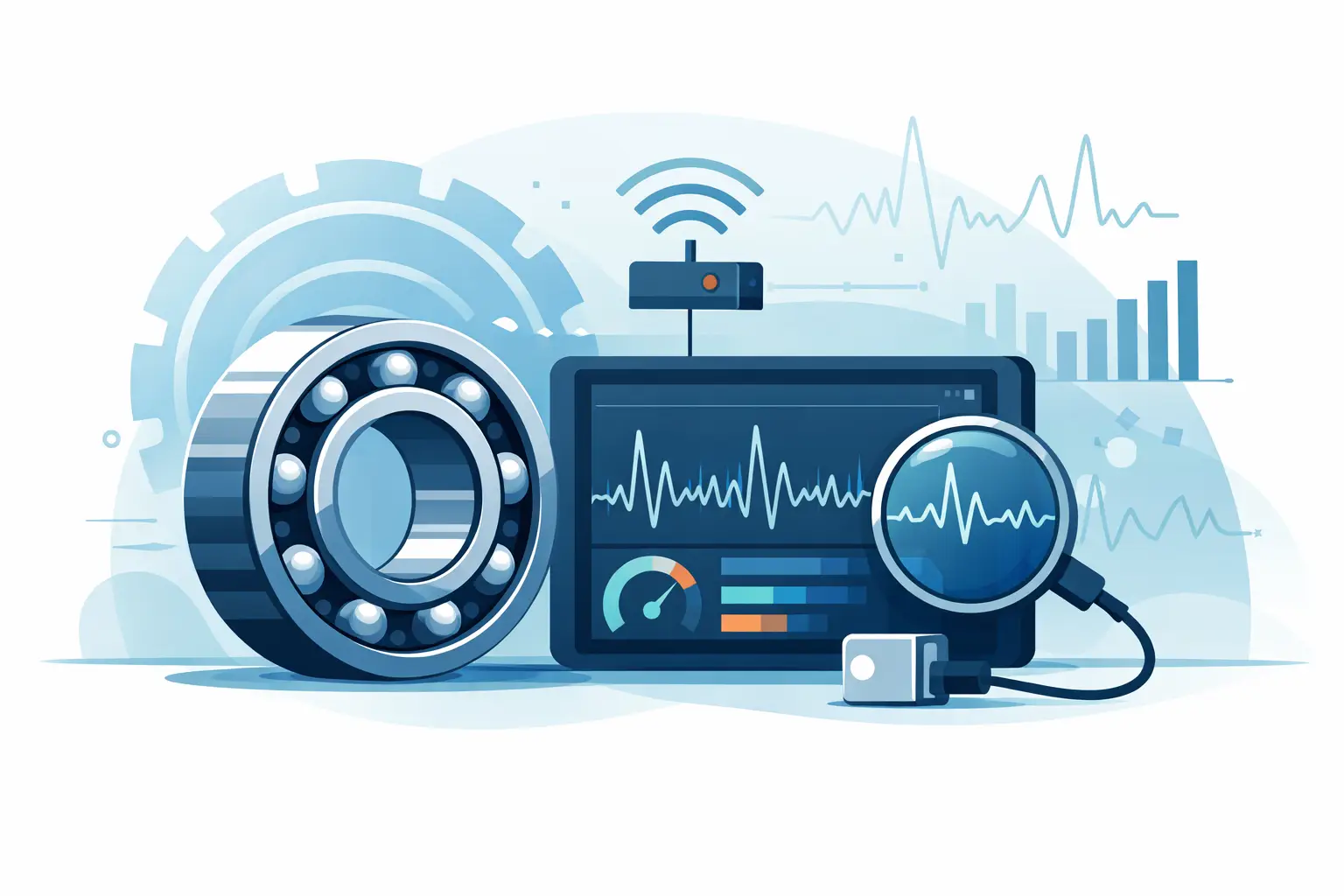
- Vibration Analysis: High-speed digitizers measure vibrational data in real-time, critical for predictive maintenance in industrial machinery and structural monitoring.
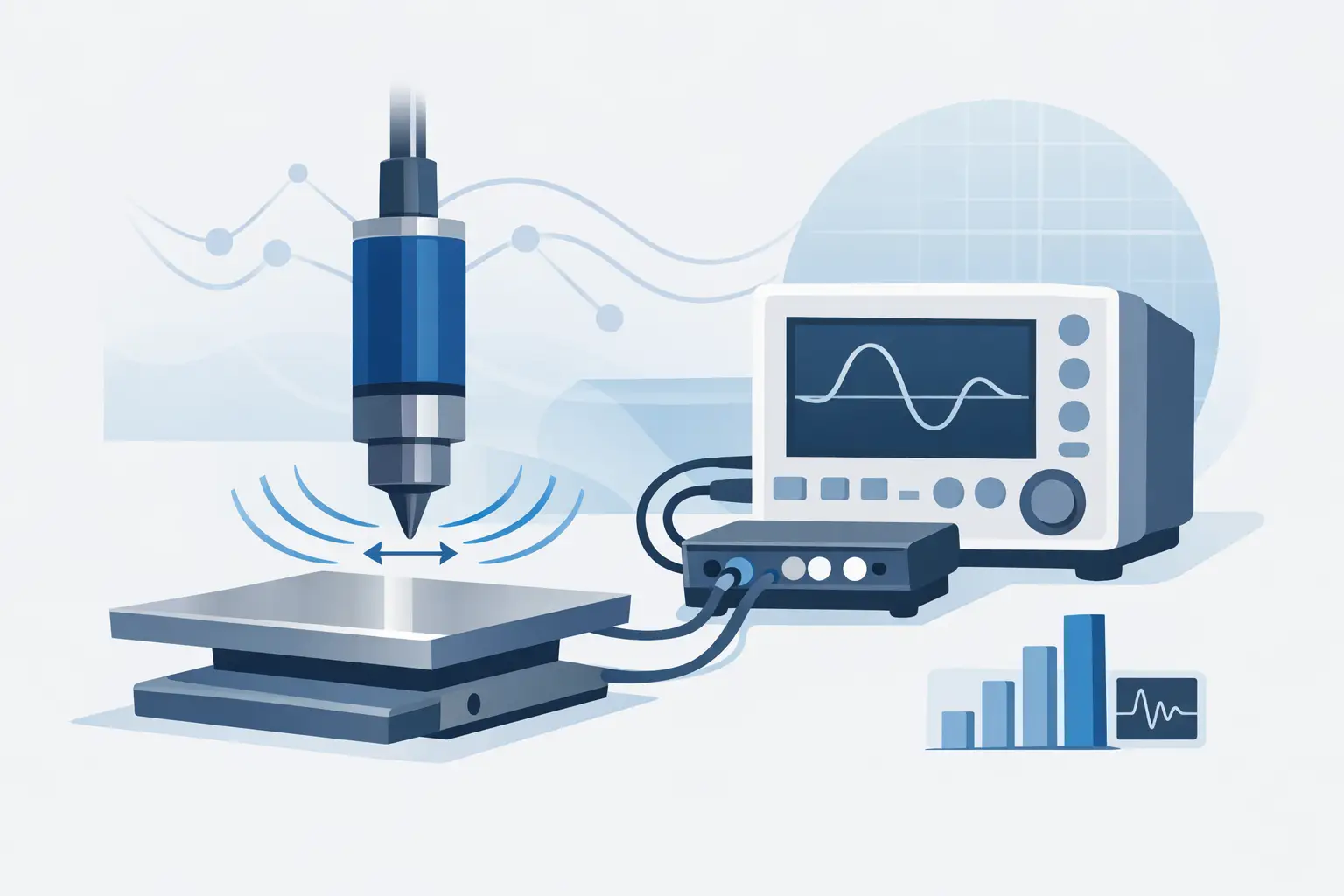
- Ultrasonic and NDT Systems: Digitizers process high-frequency ultrasonic signals for non-destructive testing, ensuring material integrity in manufacturing and construction.
Choosing the Right Solution: Key Factors
Selecting between an analog to digital converter and a high-speed digitizer depends on application-specific demands, ensuring performance aligns with system goals for effective analog signal to digital conversion.
Bandwidth Requirements: Bandwidth determines the frequency range an analog signal to digital converter can accurately capture. High-speed digitizers with 1 GHz bandwidth handle wideband signals in radar systems. Insufficient bandwidth distorts high-frequency components, compromising data integrity.
Sample Rate Specifications: Sample rate indicates how often the device captures analog signal snapshots, crucial for fast-changing signals in data acquisition systems. High sample rates (10 GS/s) enable precise reconstruction of transient events in scientific experiments.
Resolution Precision: Resolution defines the precision of converting analog signal to digital output, critical for sensor applications needing fine detail. A 16-bit analog to digital converter resolves small voltage changes in temperature sensors, enhancing measurement accuracy.
Integration and Automation Needs: Analog to digital converters are ideal for compact, embedded designs requiring straightforward integration, such as in IoT devices. High-speed digitizers, with advanced software support, excel in complex data acquisition system applications needing automation and large-scale measurement capabilities.
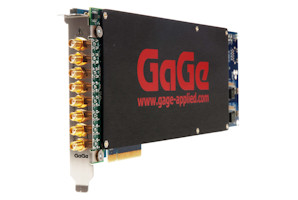
Explore Gage High-Speed Digitizers: Expert Signal Acquisition Solutions
Gage high-speed digitizers deliver advanced, reliable solutions for precise signal acquisition across diverse industries. Engineered for high-performance measurements, these digitizers feature advanced analog-to-digital conversion, superior signal conditioning, and precise synchronization capabilities.
Our data acquisition system a/d converter solutions provide outstanding performance and reliability for demanding applications. Whether you need basic analog signal to digital converter components or complete high-speed digitizer systems, our expert team can help you select the optimal solution for your specific requirements.