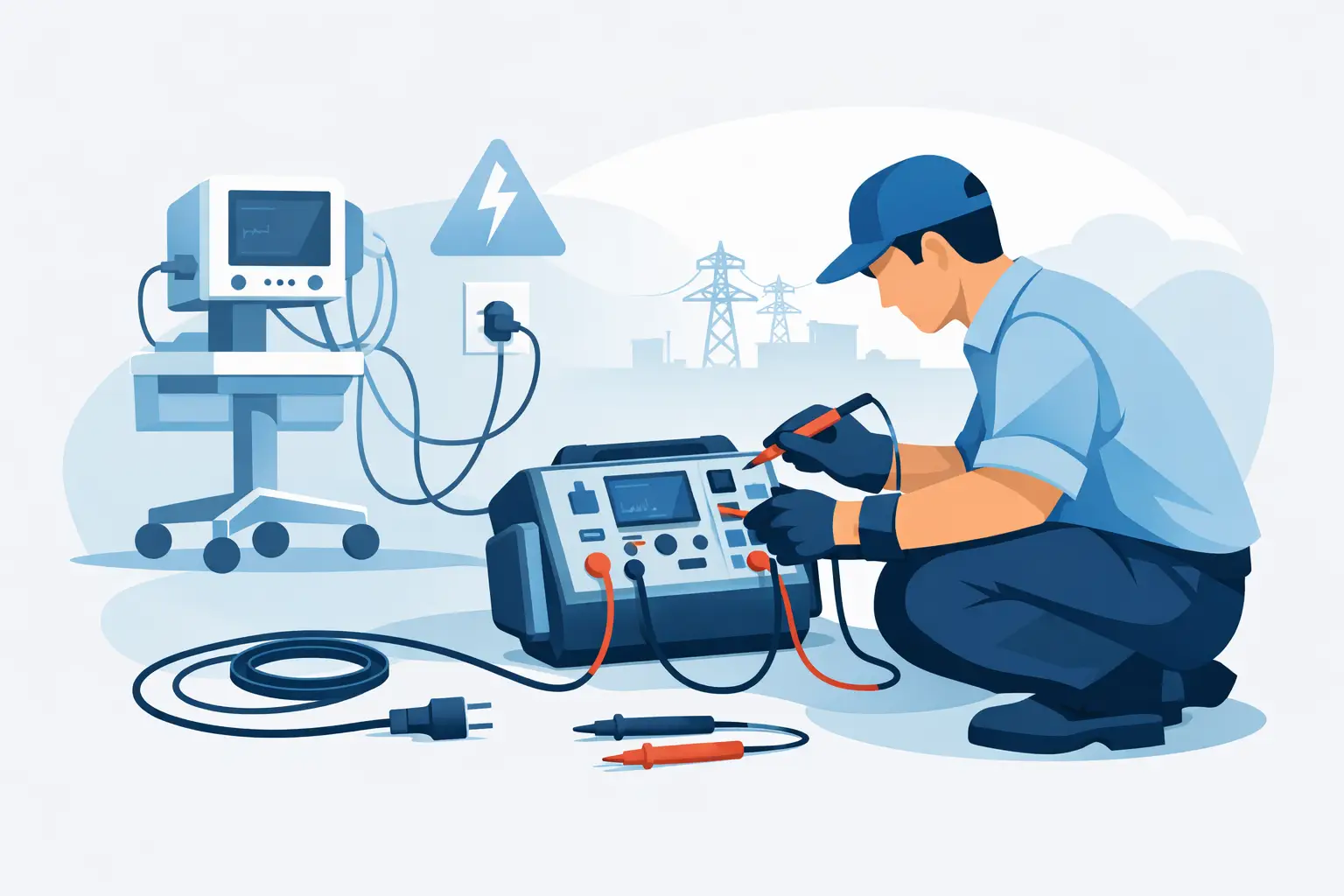
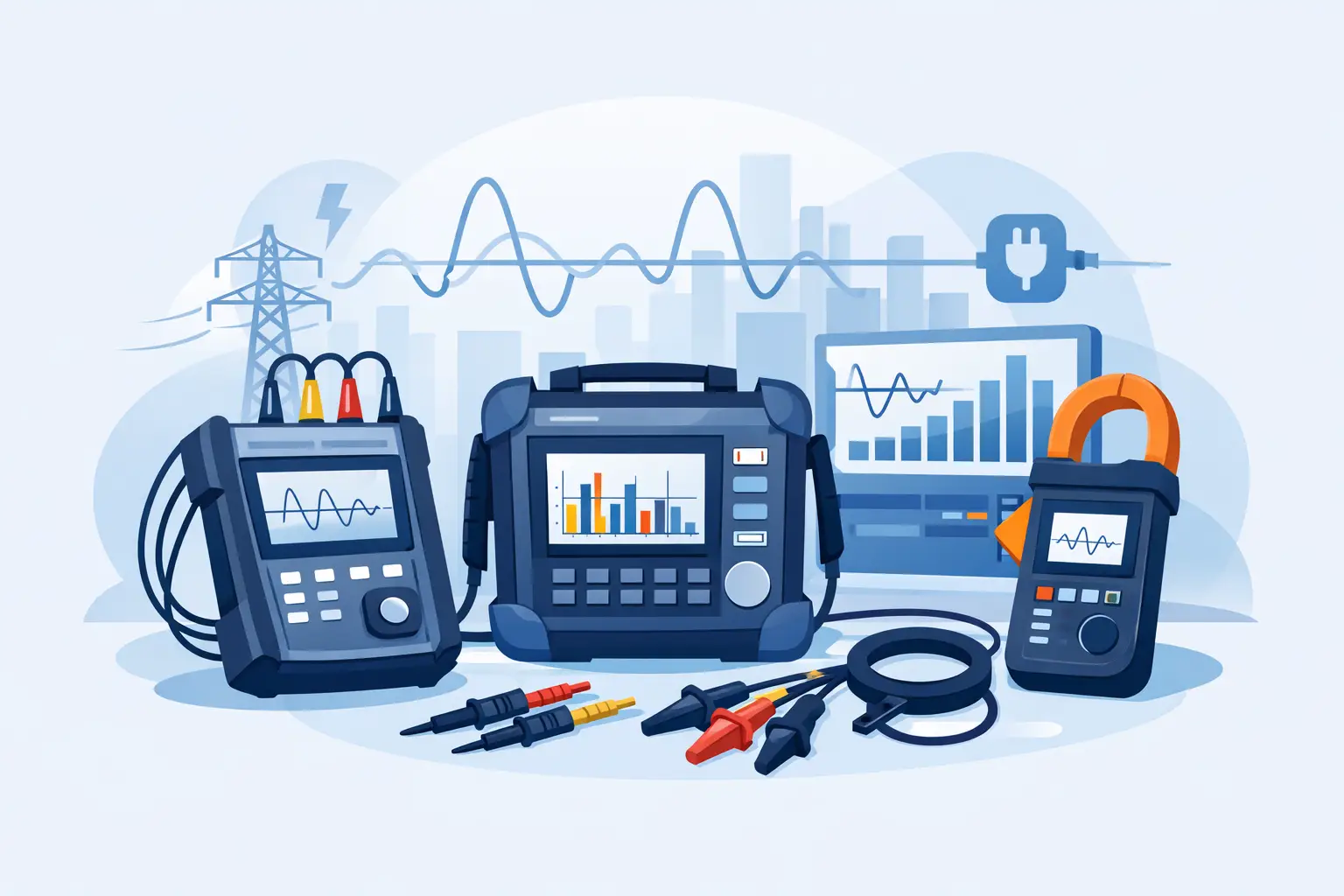
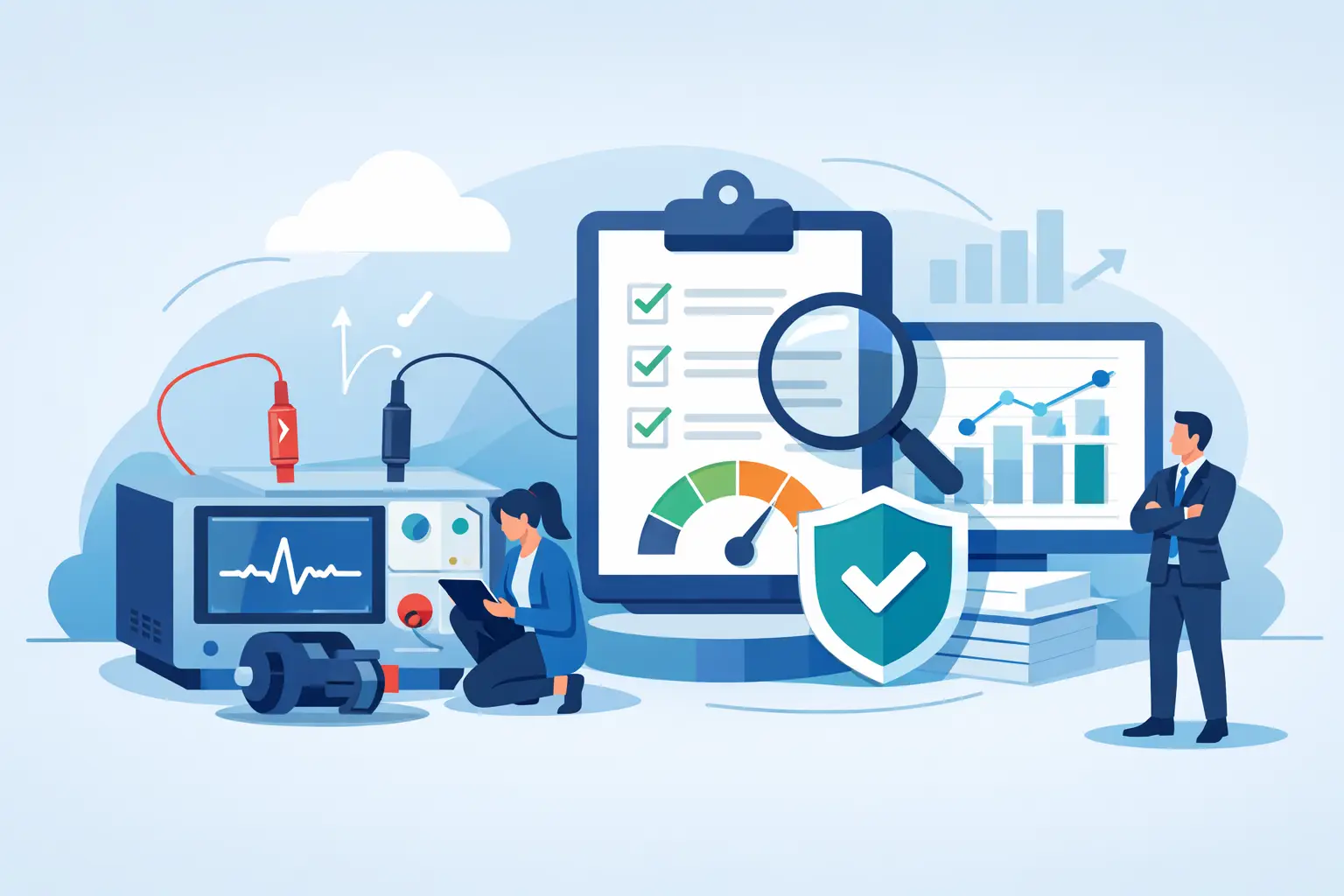
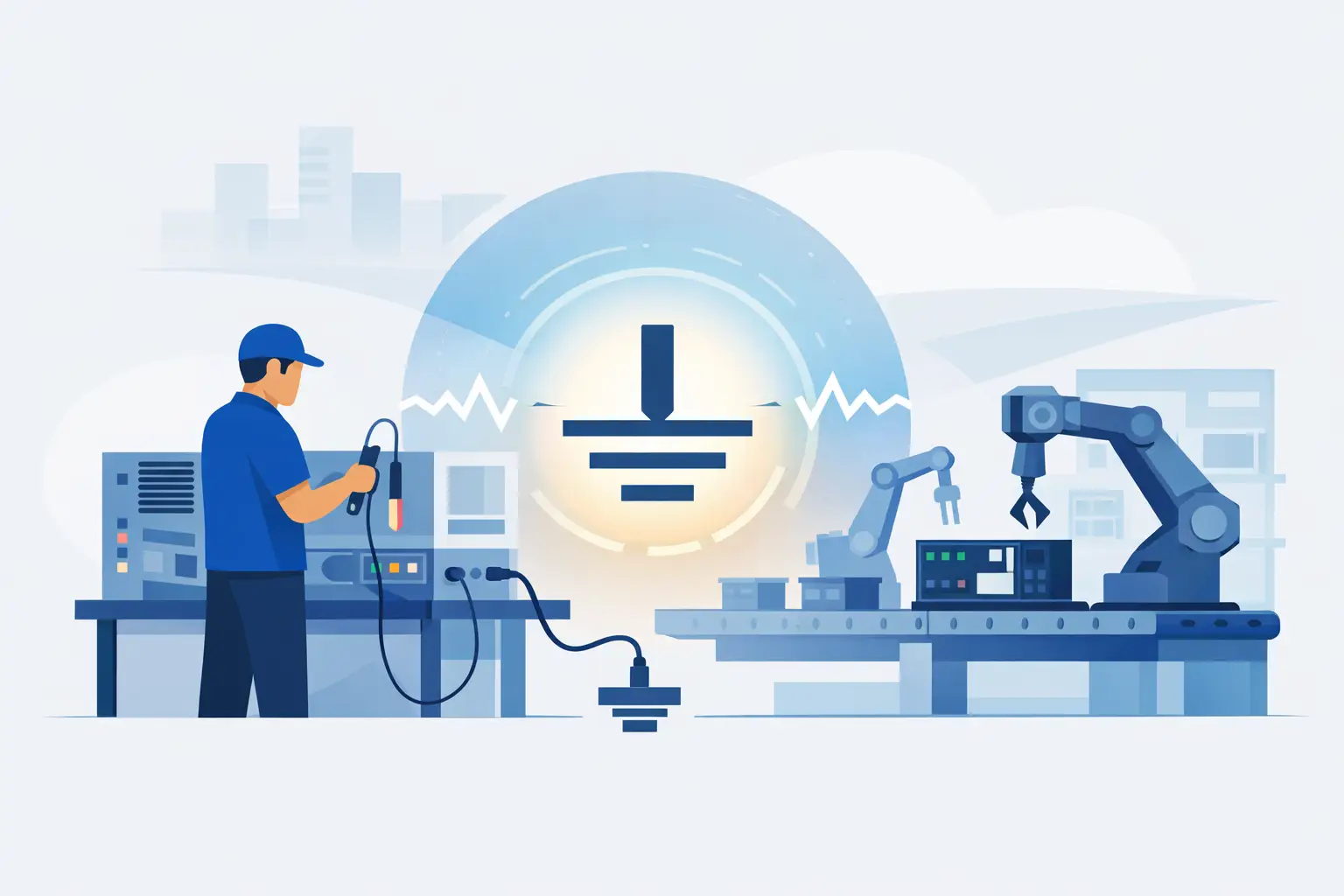
A product can pass functional test and still fail where it matters most – operator safety, patient protection, or field reliability. That is why electrical safety testing standards sit at the center of product validation for power supplies, medical devices, appliances, EV subsystems, industrial equipment, and other energized systems. They define not just whether a unit works, but whether it can be used, serviced, and certified without creating unacceptable electrical risk.
For engineering and compliance teams, the challenge is rarely a lack of standards. It is determining which standard applies, what tests are actually required, and how to build a repeatable process that produces defensible data. The difference matters. A bench setup that is adequate for design screening may be inadequate for production release or third-party certification.
What electrical safety testing standards actually govern
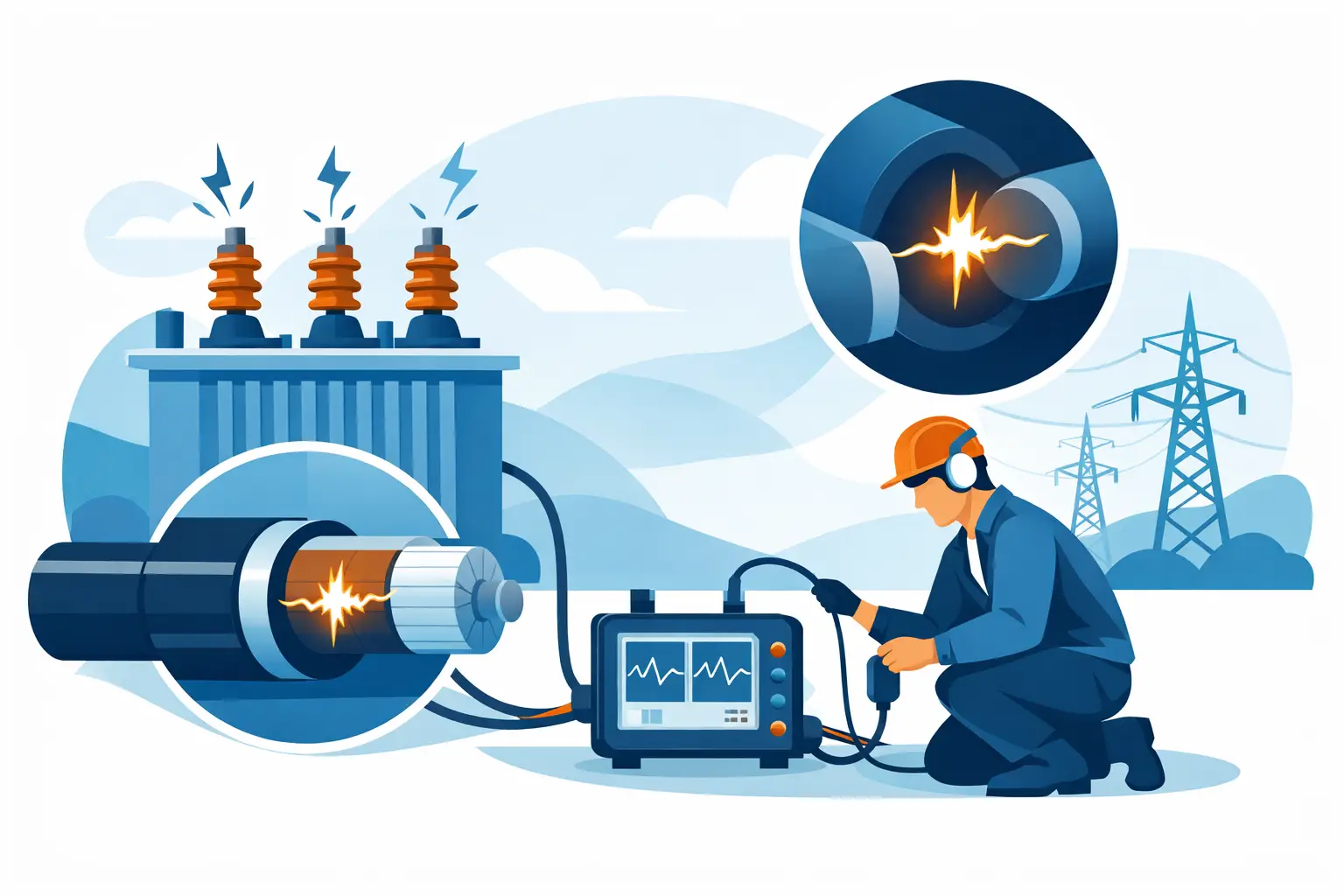
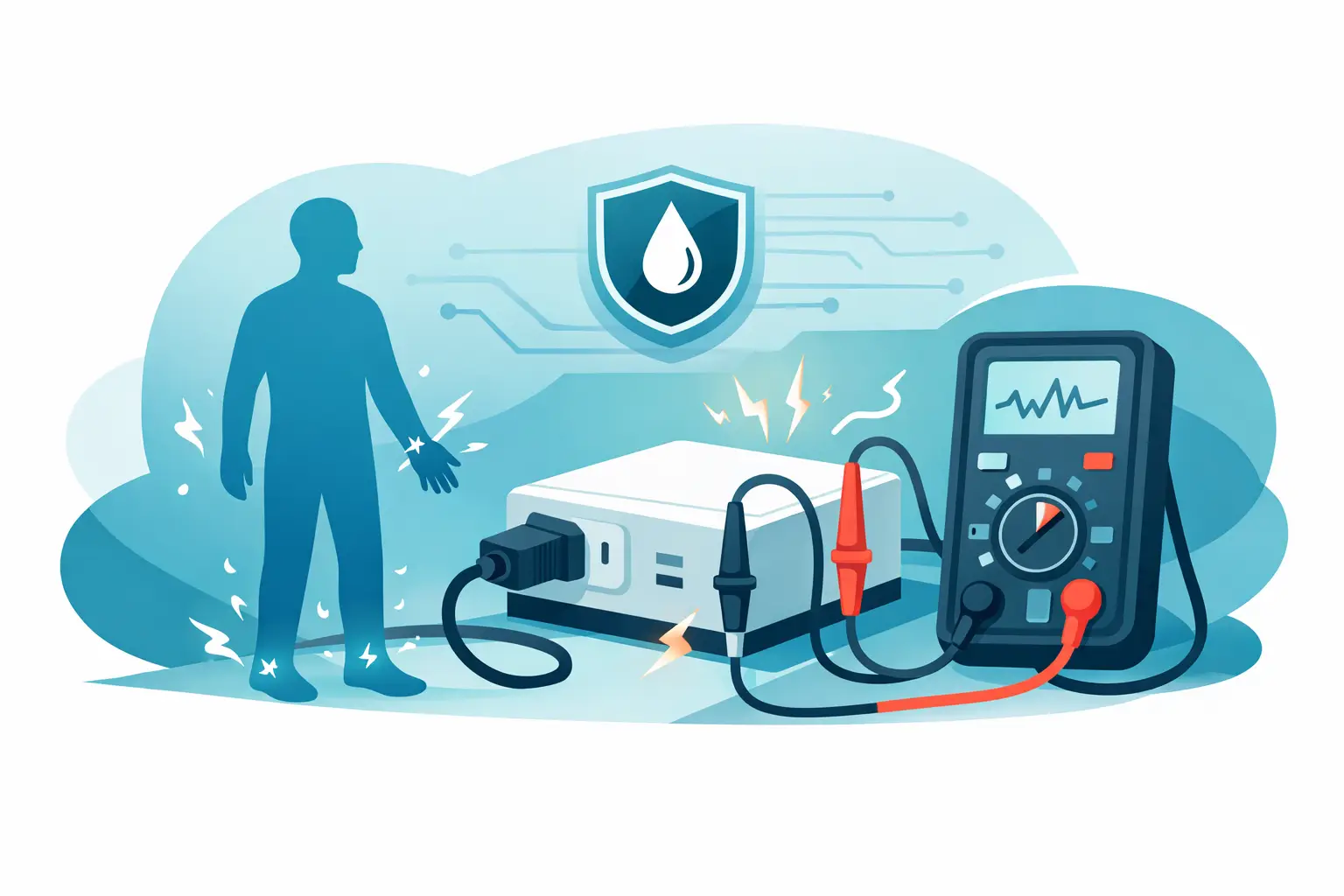
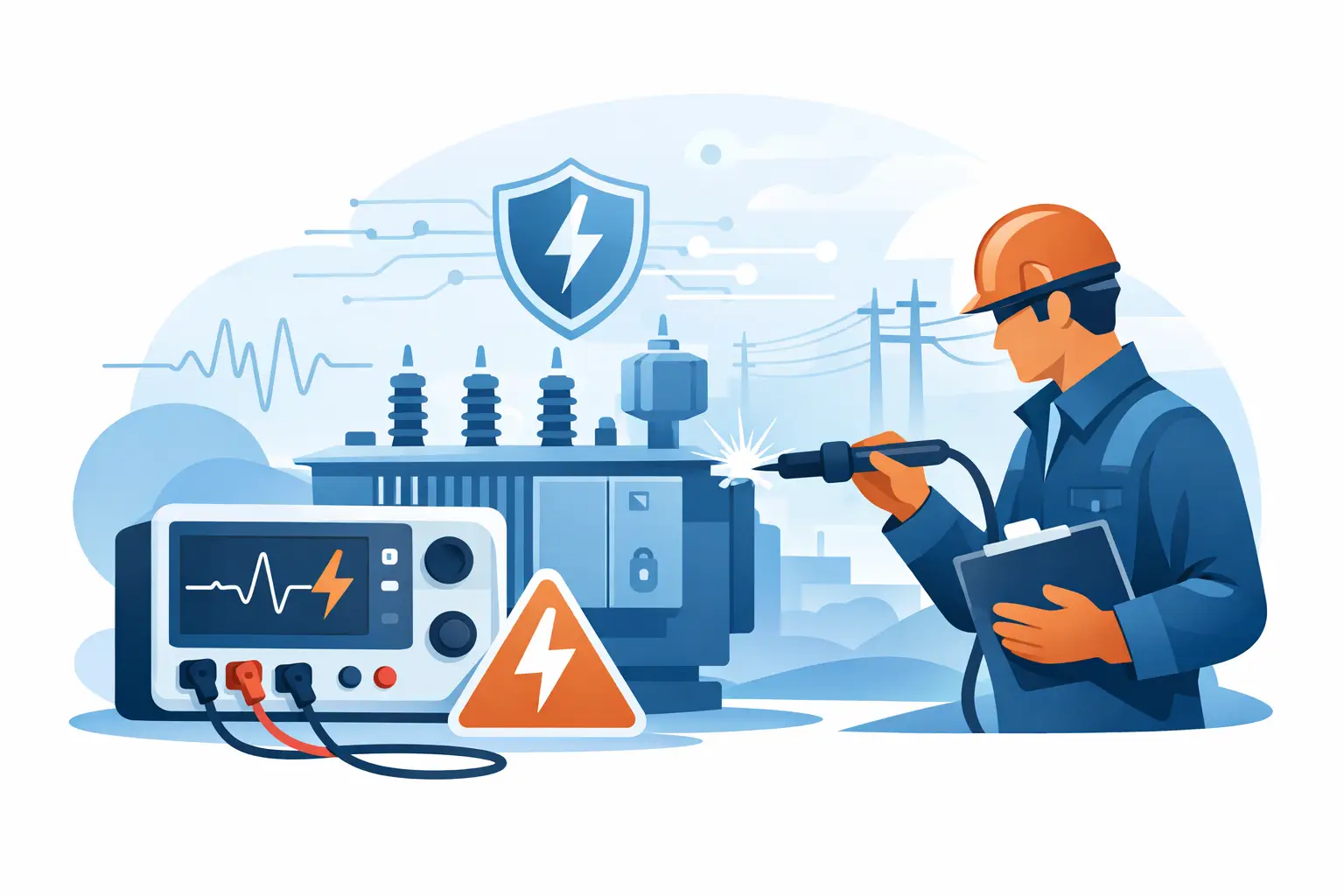
At a practical level, electrical safety testing standards establish the methods, limits, and conditions used to verify protection against shock, fire, insulation breakdown, and excessive leakage current. They are the basis for common tests such as dielectric withstand, insulation resistance, ground bond, and leakage current measurement.
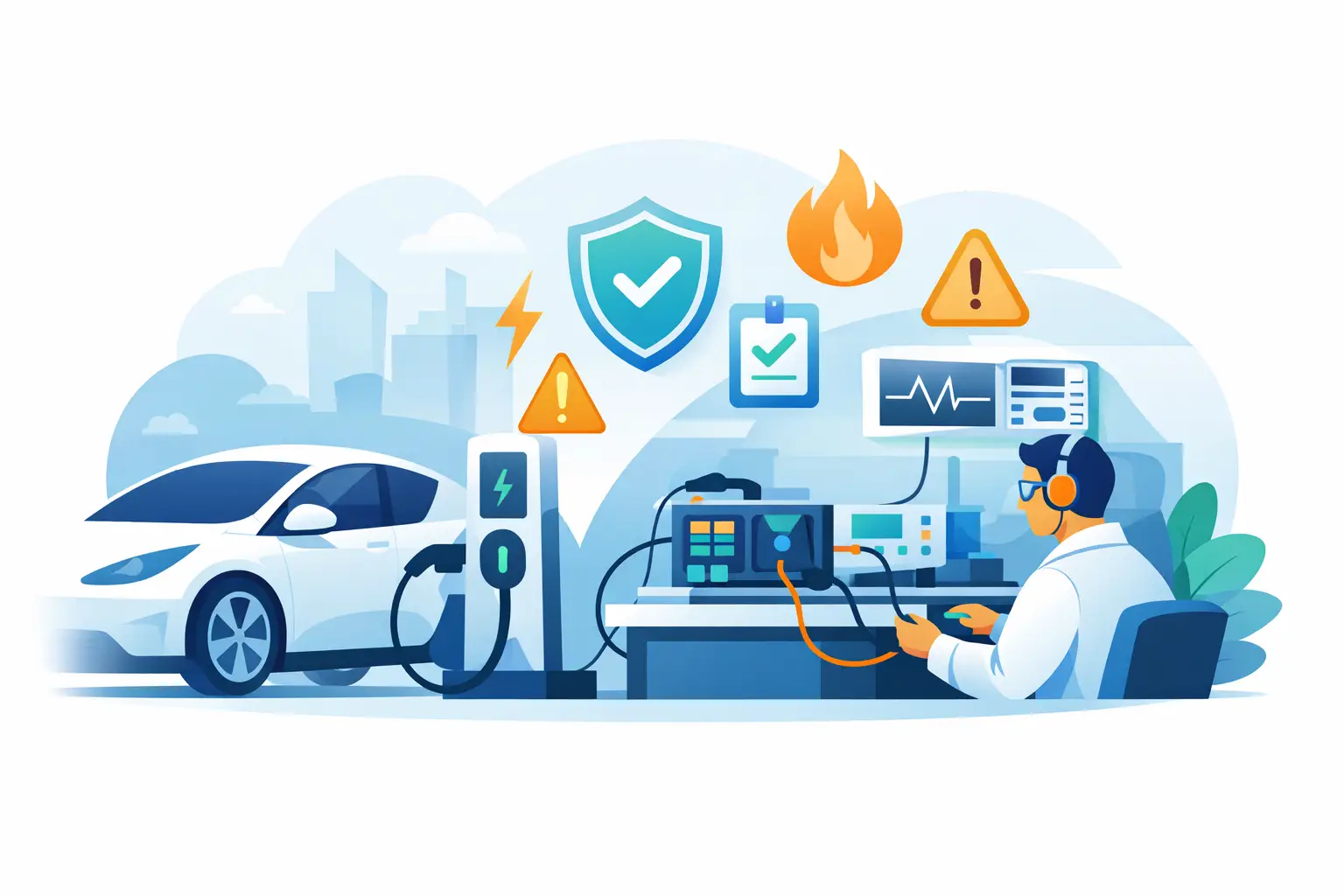
These standards are not interchangeable. A hipot test requirement in one product category may differ materially from another in voltage level, dwell time, pass criteria, measurement method, or fault condition. Medical equipment, for example, often requires a deeper treatment of patient leakage and applied parts than general industrial equipment. Consumer products may emphasize accessible parts and abnormal operation scenarios. EV and battery-related systems often add high-voltage isolation considerations that are not handled the same way in low-voltage product families.
The key point is simple: the test name may be familiar, but the governing standard determines how that test must be executed.
The main families of electrical safety testing standards
Most teams encounter standards in layers. One layer defines broad safety principles. Another applies to a product category. A third may come from a regional certification body, customer specification, or internal quality protocol.
Product safety standards
These are the standards most engineers think of first because they are tied directly to product certification and market access. Depending on the application, teams may work with IEC, UL, ANSI, or harmonized regional standards that define requirements for IT equipment, laboratory instruments, household appliances, medical electrical equipment, industrial machinery, or EV-related systems.
This is where many mistakes begin. Teams sometimes select a familiar legacy standard because it matches a previous generation product. But standards evolve, and product classifications shift. A design that once fit under one framework may now be evaluated under a different standard family with different leakage limits, insulation coordination rules, or test sequences.
Test and measurement standards
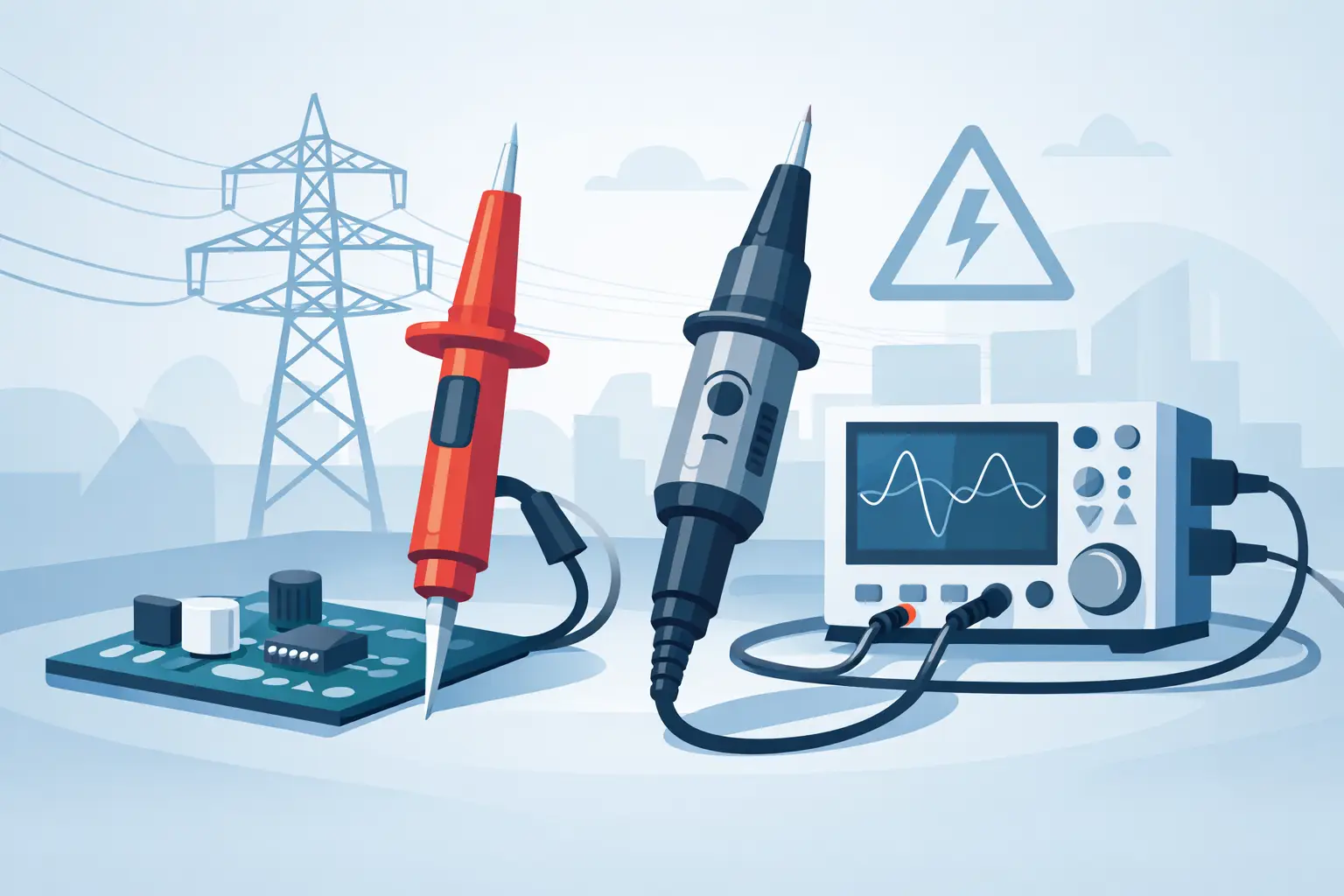
A second layer governs how instrumentation performs and how measurements are verified. This includes calibration traceability, measurement uncertainty, and system verification. For regulated industries, it is not enough to say a unit passed hipot at a stated voltage. The test system itself must be capable of producing that voltage accurately, measuring current correctly, and documenting results in a way that can withstand audit or certification review.
Internal and customer-driven specifications
Many manufacturers also maintain internal acceptance criteria that are stricter than the minimum standard. Aerospace, defense, and medical programs often do this to manage mission risk, field failures, or contract obligations. These internal limits can be useful, but they should never be confused with the external standard itself. When they are blended carelessly, test reports become harder to interpret and cross-site consistency suffers.
Why interpretation is often harder than the test itself
The difficult part of compliance is usually not pressing the start button. It is translating standard language into a valid test method. Terms such as means of protection, working voltage, creepage, clearance, applied part classification, and protective earth continuity carry specific technical meaning. If those definitions are handled loosely, the resulting test program may look complete while missing a critical requirement.
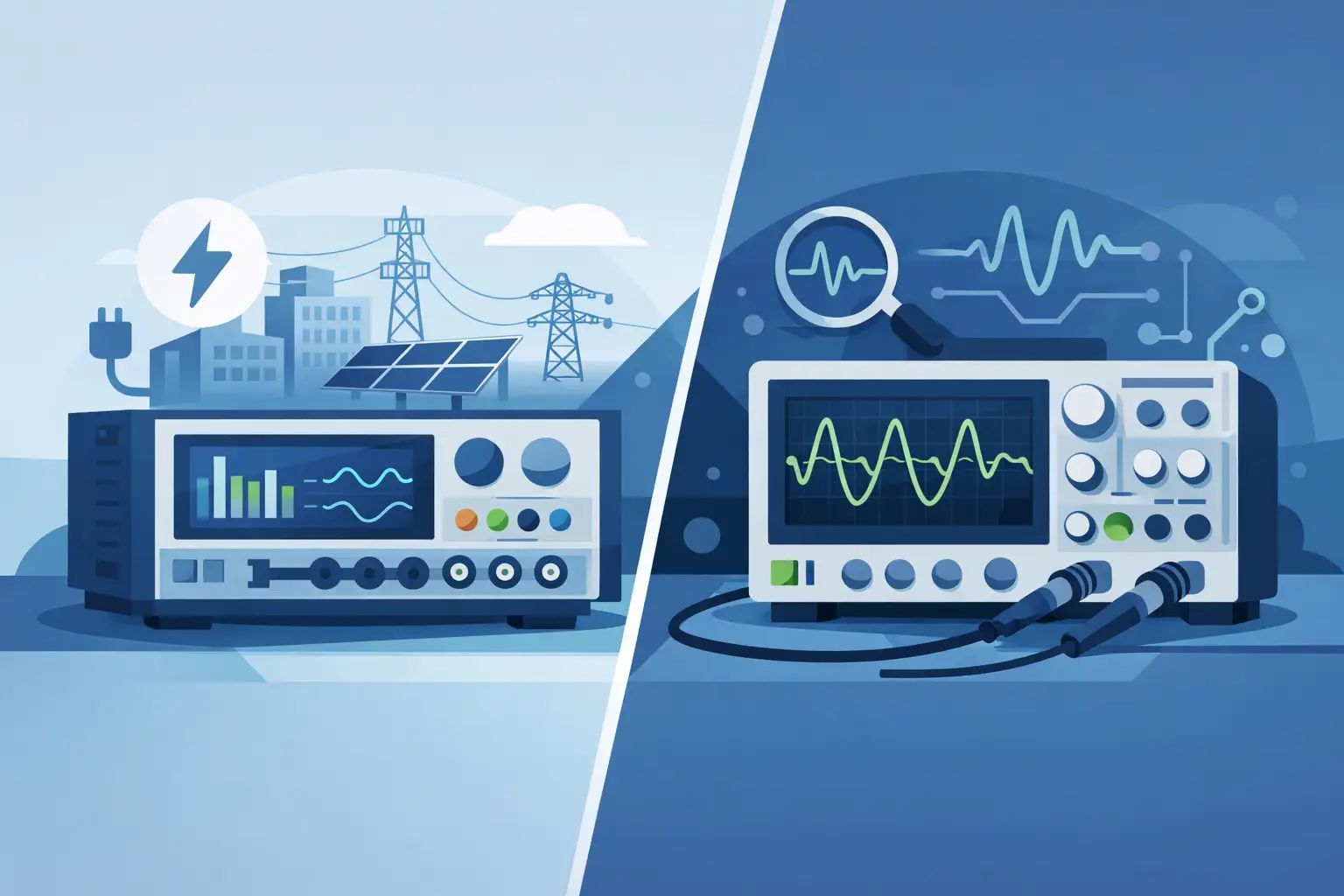
This is particularly common in new product categories. Consider a design that combines mains power, battery operation, embedded communications, and user-accessible metal surfaces. One standard may drive insulation requirements, another may affect EMC and system configuration, and customer documentation may add a production-screening requirement beyond the type test. The equipment under test may also behave differently in design verification than on a high-throughput line. That changes fixture design, test time, and data handling.
There is also a trade-off between conservative testing and appropriate testing. Running higher voltages or longer dwell times than required can appear safer on paper, but overtesting can damage marginally compliant products, reduce throughput, and mask whether the process actually aligns with the governing standard.
Core tests covered by electrical safety testing standards
Dielectric withstand testing
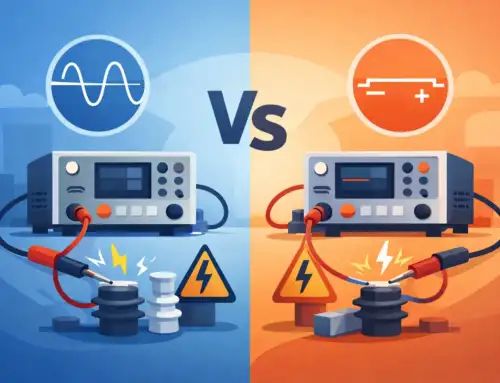
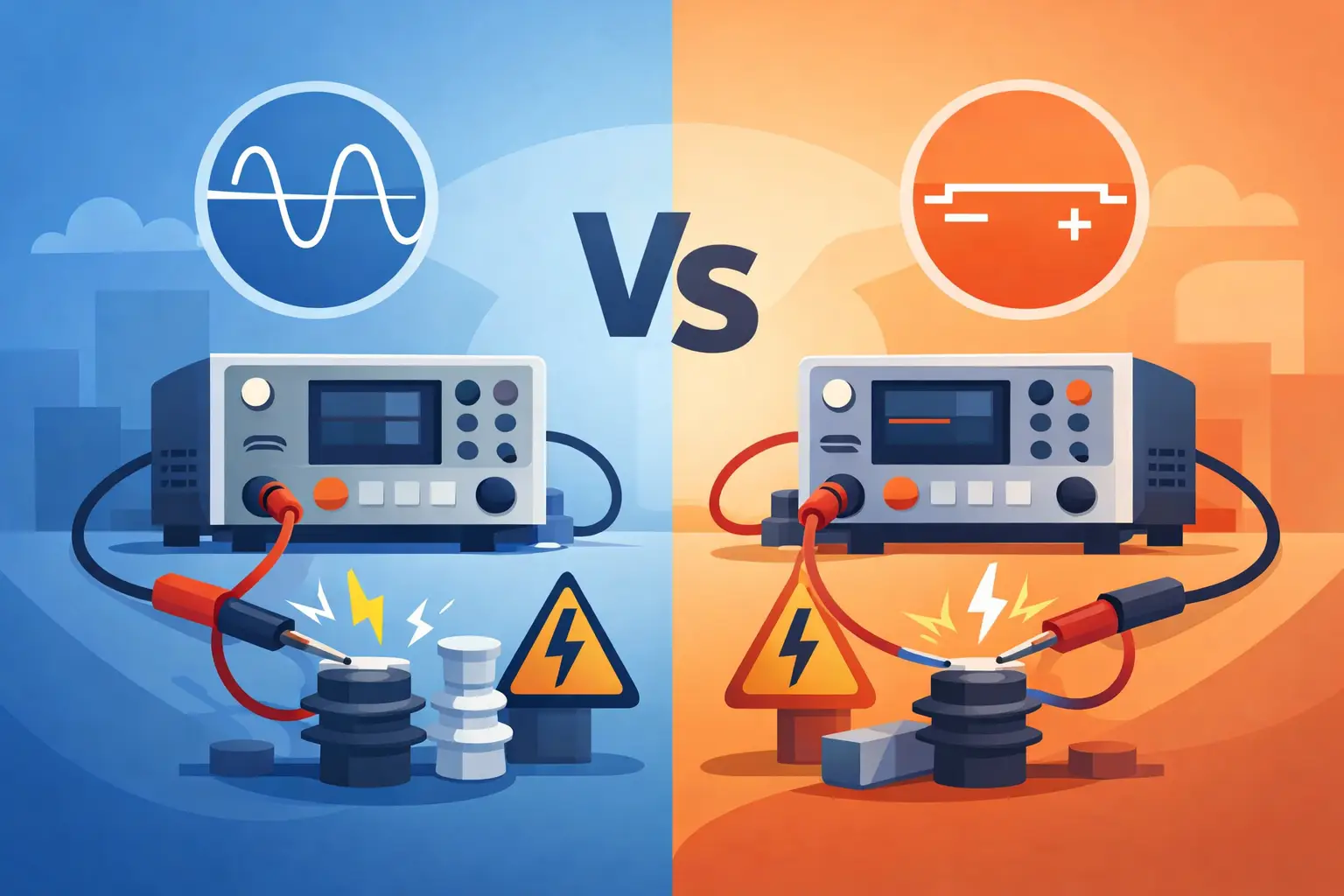
Hipot testing verifies that insulation can tolerate a specified overvoltage without breakdown. The exact voltage, ramp profile, dwell time, and leakage threshold depend on the applicable standard and the insulation model of the product. AC and DC methods are not automatically equivalent, and substitution rules depend on the standard.
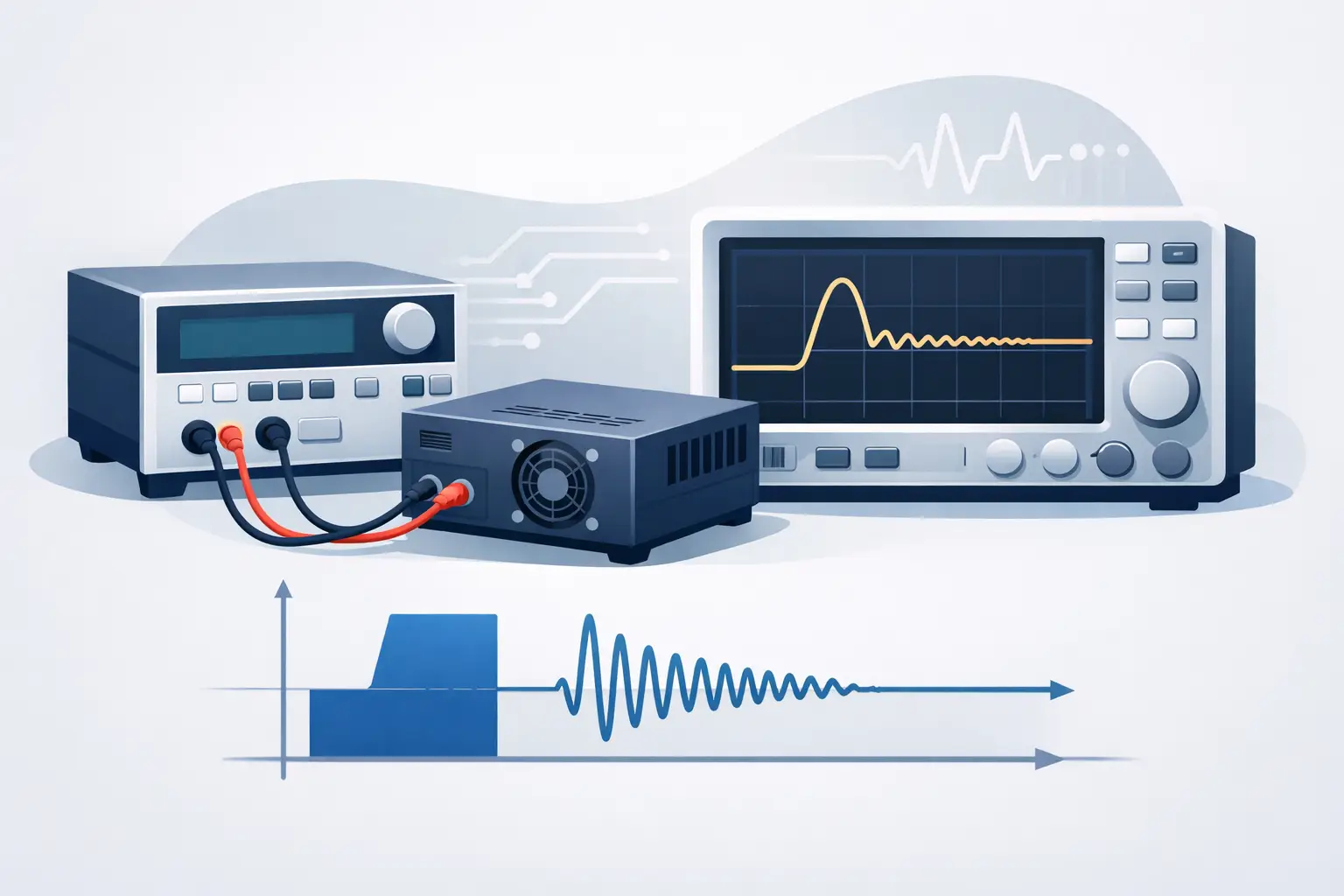
For production environments, repeatability matters as much as peak voltage. Poor fixturing, capacitive charging effects, and inconsistent discharge control can all create false failures or operator risk.
Insulation resistance
Insulation resistance testing evaluates the resistance of insulating barriers under DC voltage. It is often used as a supplementary measure rather than a full replacement for dielectric withstand. In some applications it is valuable for trending material condition or process variation. In others, it has limited standalone value if leakage behavior under operating or fault conditions is the real concern.
Ground bond or protective earth continuity
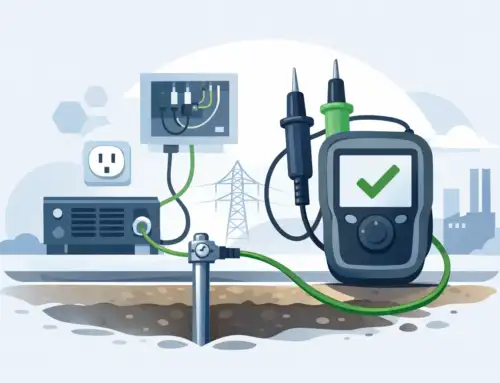
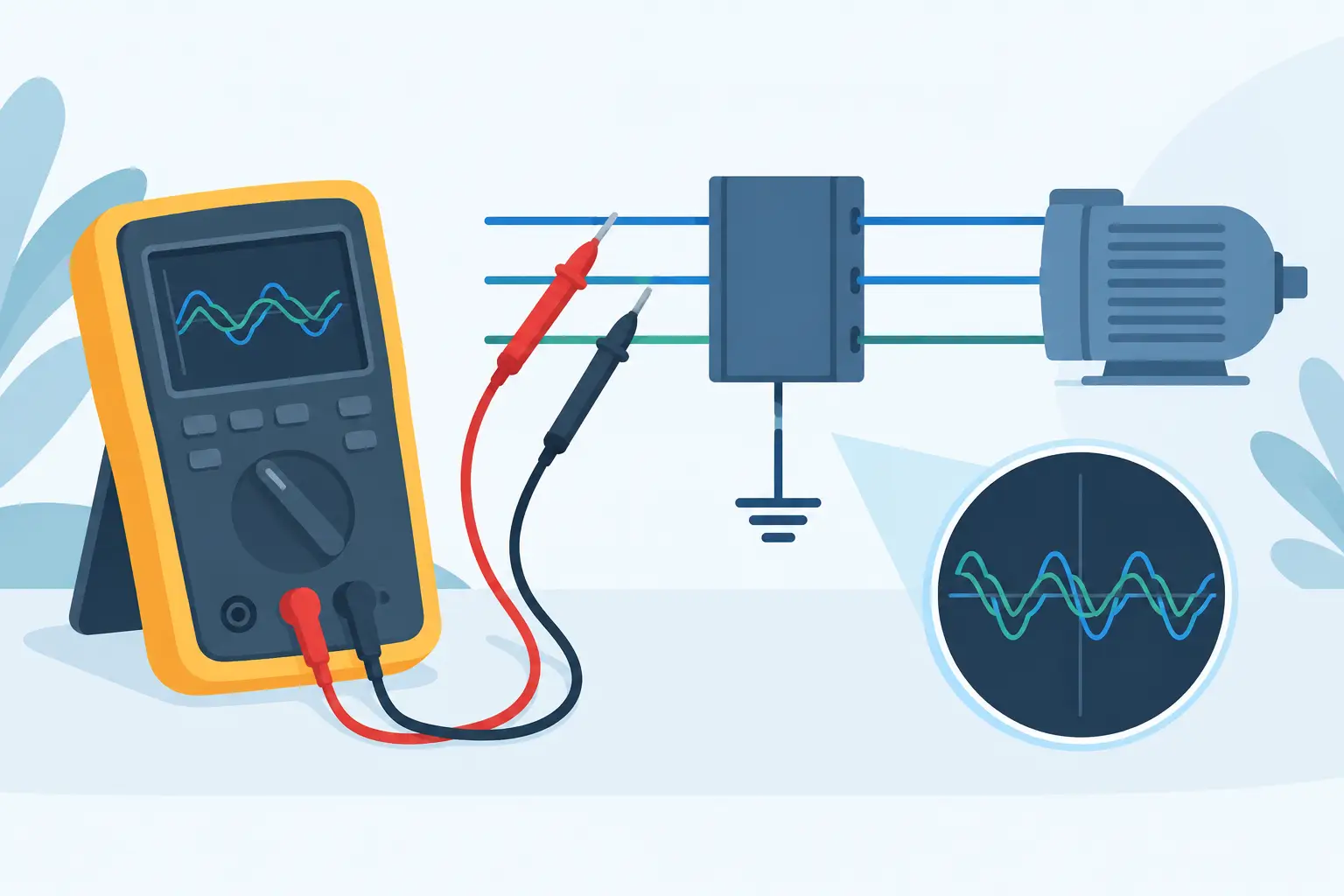
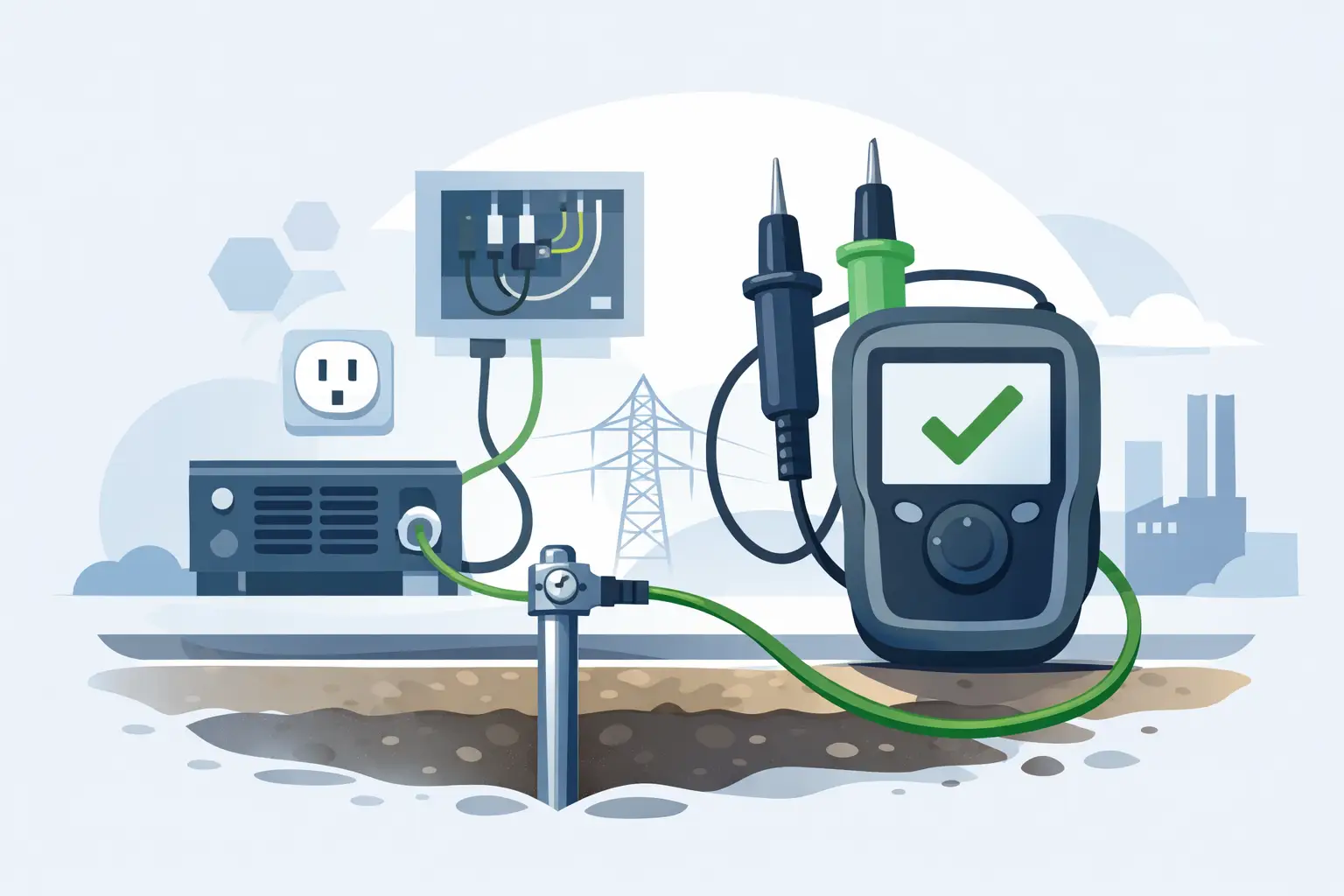
This test verifies that exposed conductive parts intended to be earth bonded have a low-impedance path back to protective earth. The challenge is not just sourcing enough current. It is ensuring repeatable contact resistance, proper connection points, and a limit that reflects the standard and product geometry.
Leakage current measurement
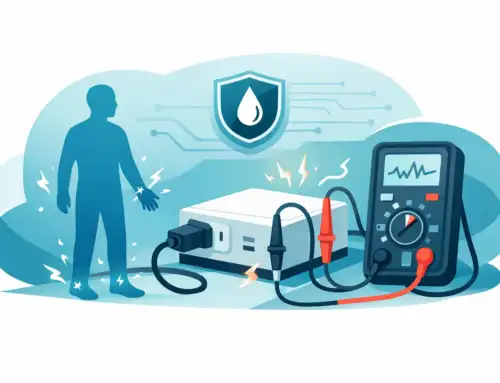
Leakage current testing is often where safety programs become more complex. Measurement networks, supply configurations, polarity conditions, normal and single-fault scenarios, and patient or touch current distinctions all matter. Medical and high-sensitivity applications demand particular care because the measurement method itself is defined by the standard.
Building a standards-aligned test process
A sound process starts before instrumentation is selected. The first step is identifying the exact edition and jurisdictional path for the product. That should be followed by a test matrix that ties each requirement to a method, limit, fixture, and record format.
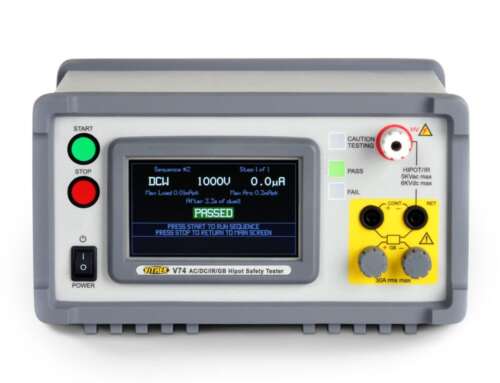
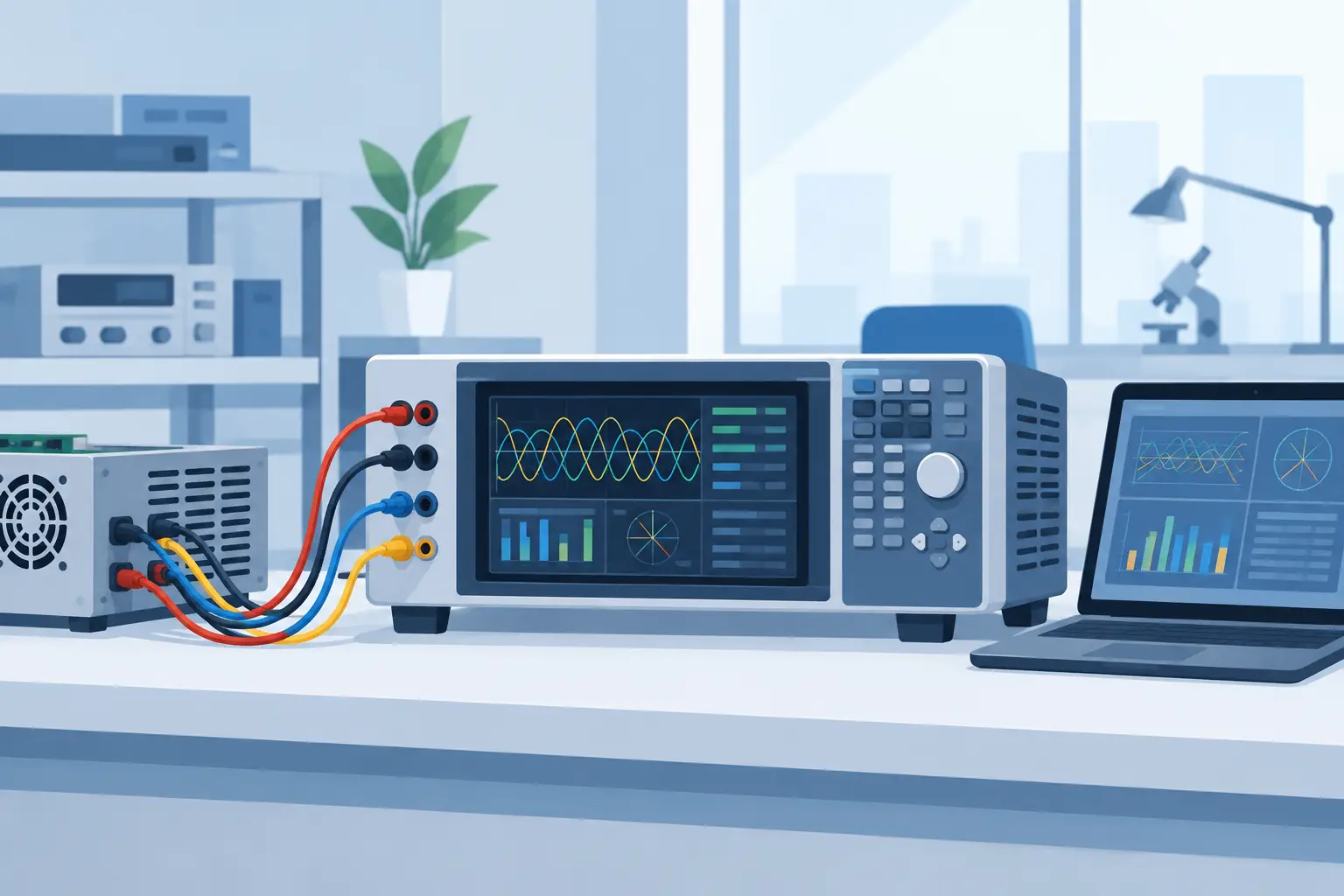
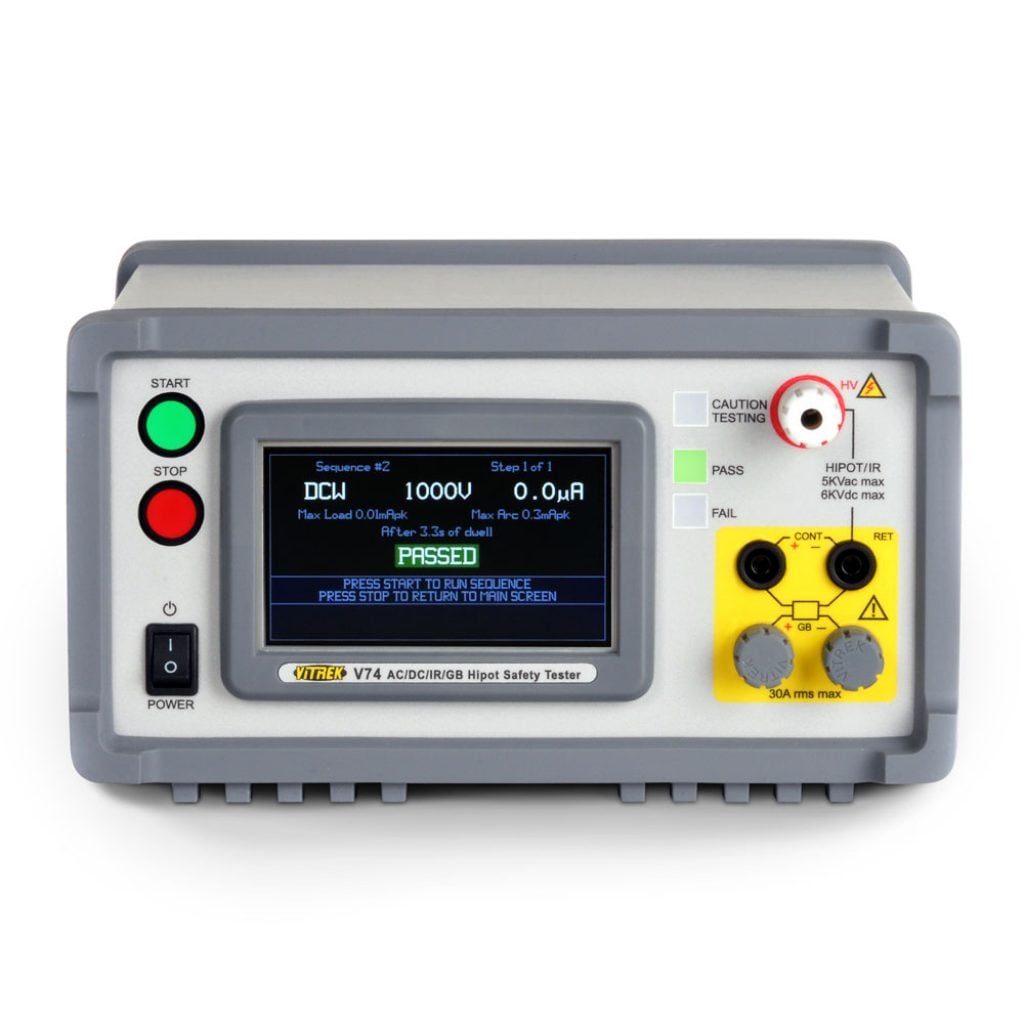
Next comes equipment selection. The right tester is not simply the one with the highest voltage or fastest cycle time. It must support the required test modes, measurement ranges, accuracy, interlocks, data capture, and integration strategy. For multi-step safety sequences, system architecture matters. A fragmented setup can increase operator handling, slow throughput, and create more opportunities for setup error.
Calibration and verification are equally important. A compliant safety process depends on traceable performance of the instruments and disciplined confirmation that limits, ramps, and measurement paths remain within specification over time. This is one reason many industrial teams prefer vendors with strong application support and standards familiarity, not just hardware availability. Companies such as Vitrek are often evaluated on that basis in regulated test environments.
Common failure points in implementation
The most frequent issues are procedural rather than theoretical. Teams use outdated standard editions, mix engineering-screen limits with compliance limits, or apply a single test recipe across product variants that have different insulation architectures. Another common problem is underestimating operator safety around high-voltage test stations. Interlocks, discharge routines, fixture design, and training are not administrative details. They are part of the control system.
Data integrity can also become a weak point. If results are logged inconsistently across shifts or sites, trend analysis and audit readiness deteriorate quickly. In high-volume manufacturing, small ambiguities in pass-fail logic can produce large downstream costs through retest, scrap, or escaped defects.
Where standards are heading
Electrical safety testing standards continue to move toward greater harmonization, clearer risk-based language, and stronger alignment with modern product architectures. That is useful, but it does not necessarily make implementation easier. Connected products, higher energy storage, mixed-voltage systems, and compact insulation designs all increase the need for precise interpretation and capable instrumentation.
For engineering teams, the practical objective is not to memorize every clause. It is to build a test environment where standards can be translated into repeatable action – accurately, safely, and with enough measurement confidence to support certification, production, and long-term quality control.
The best safety test programs are rarely the most complicated. They are the ones where the standard, the product design, and the test system all agree with each other before the first production unit reaches the bench.