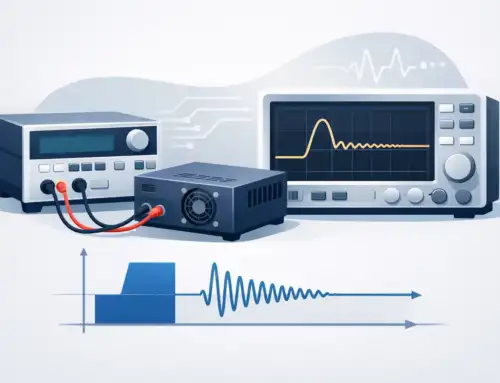
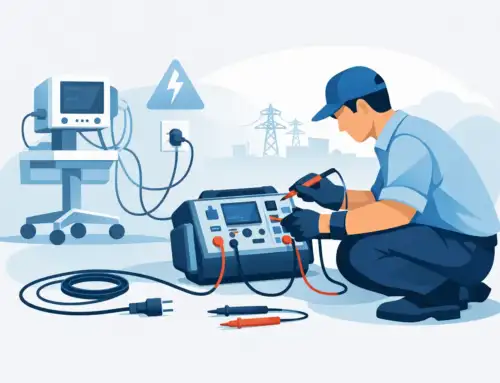
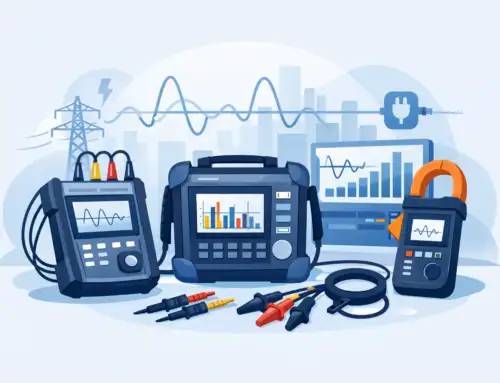
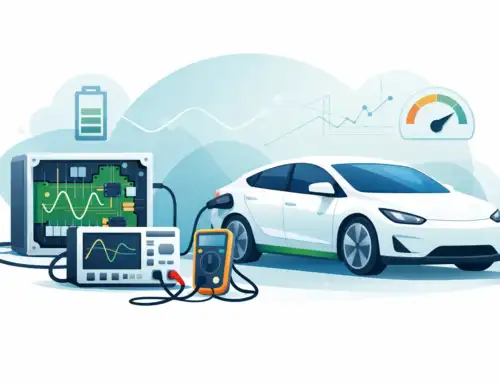
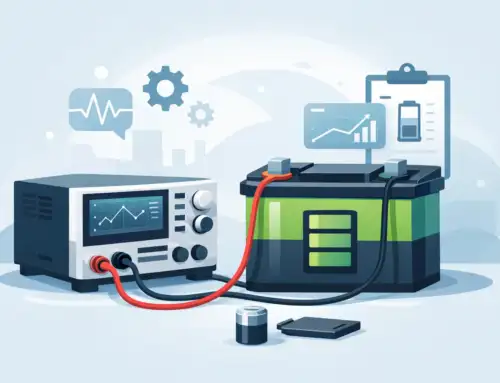
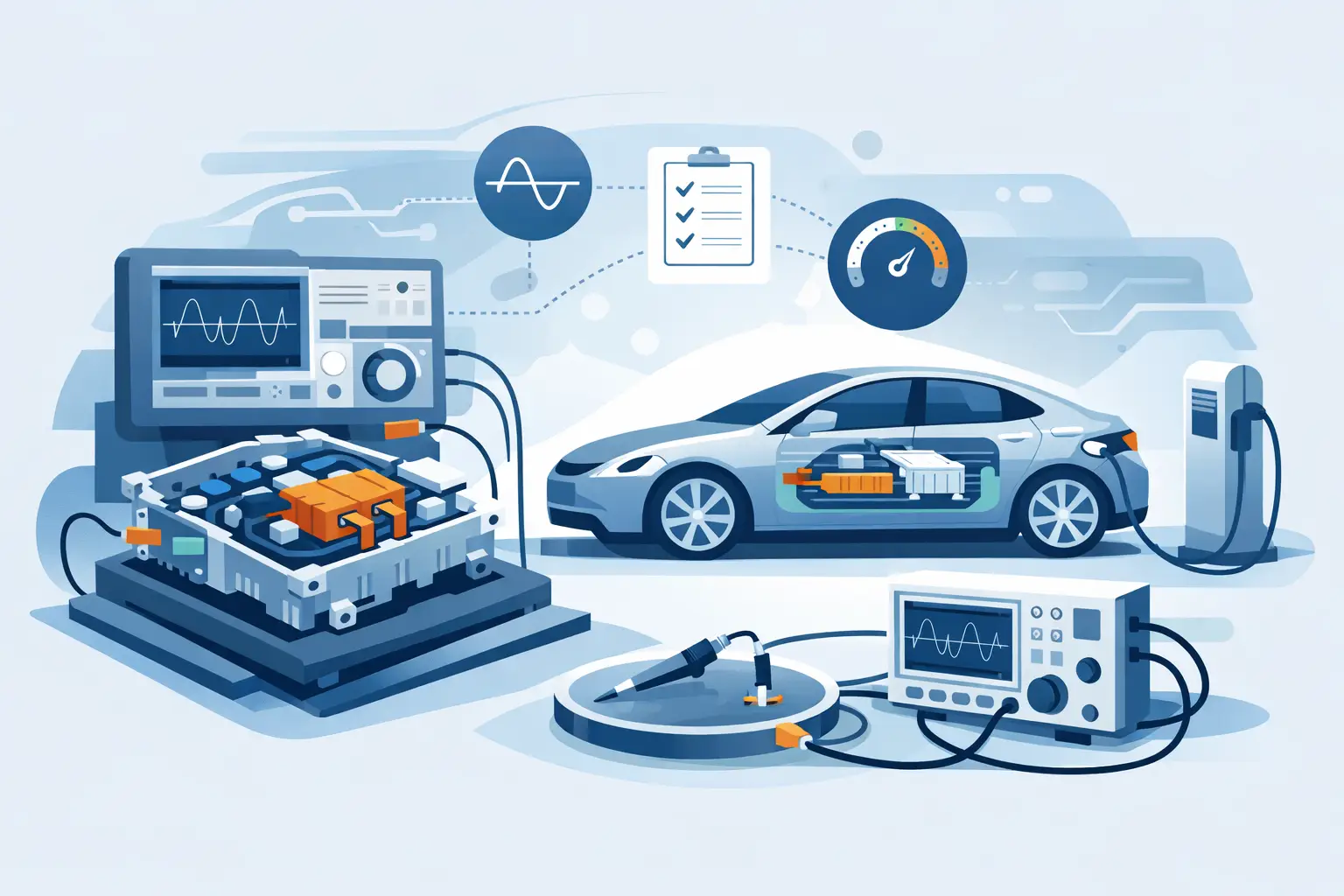
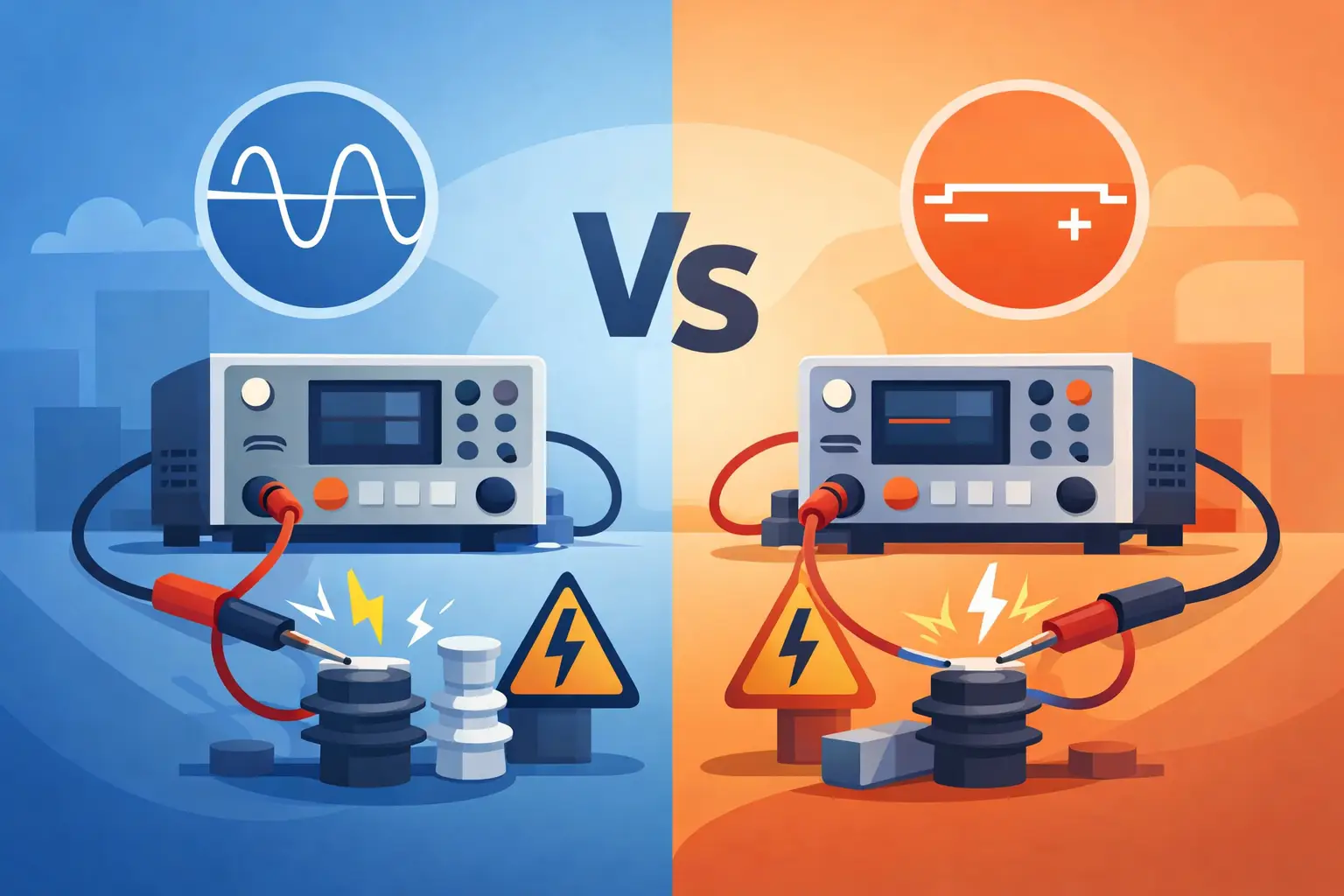
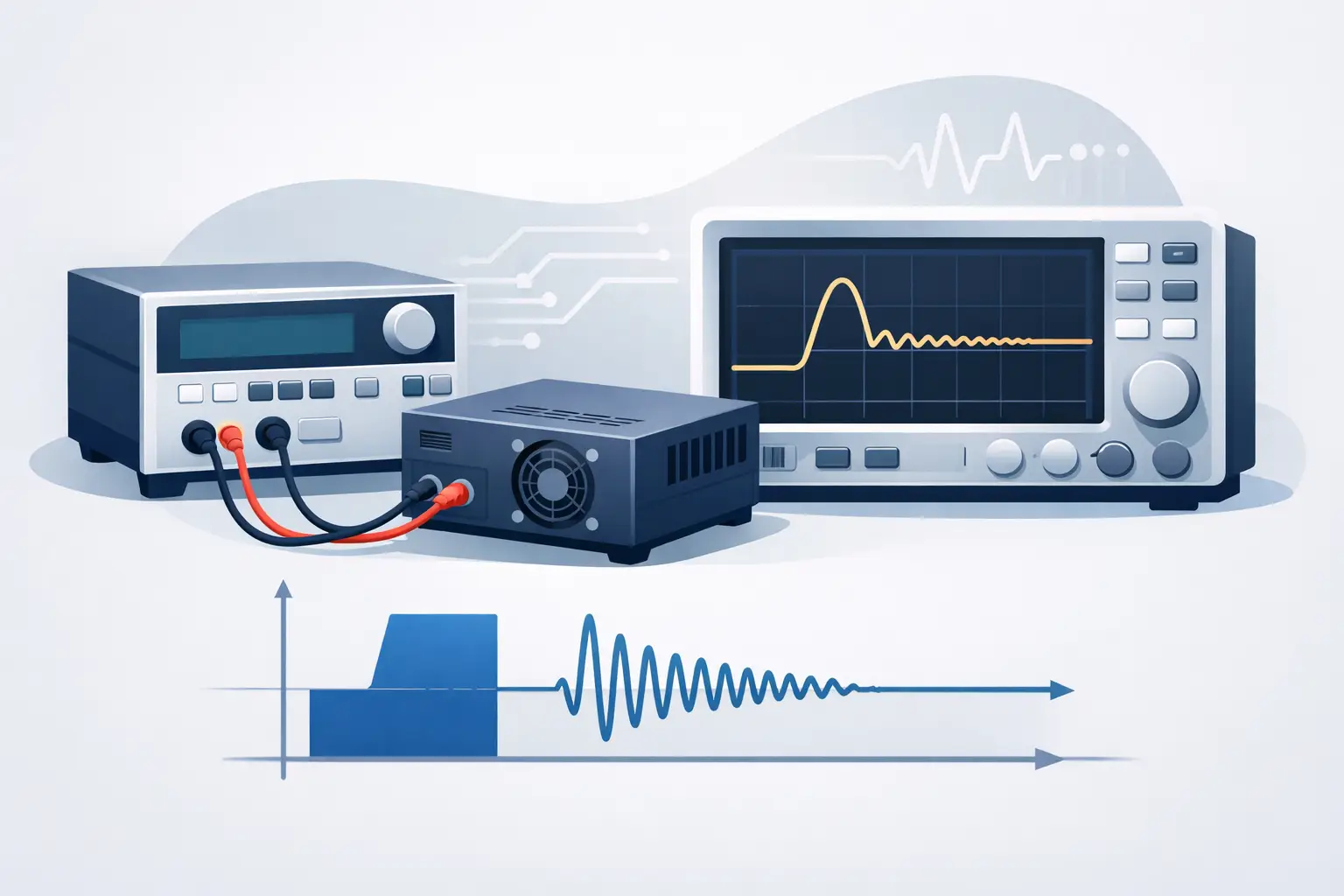
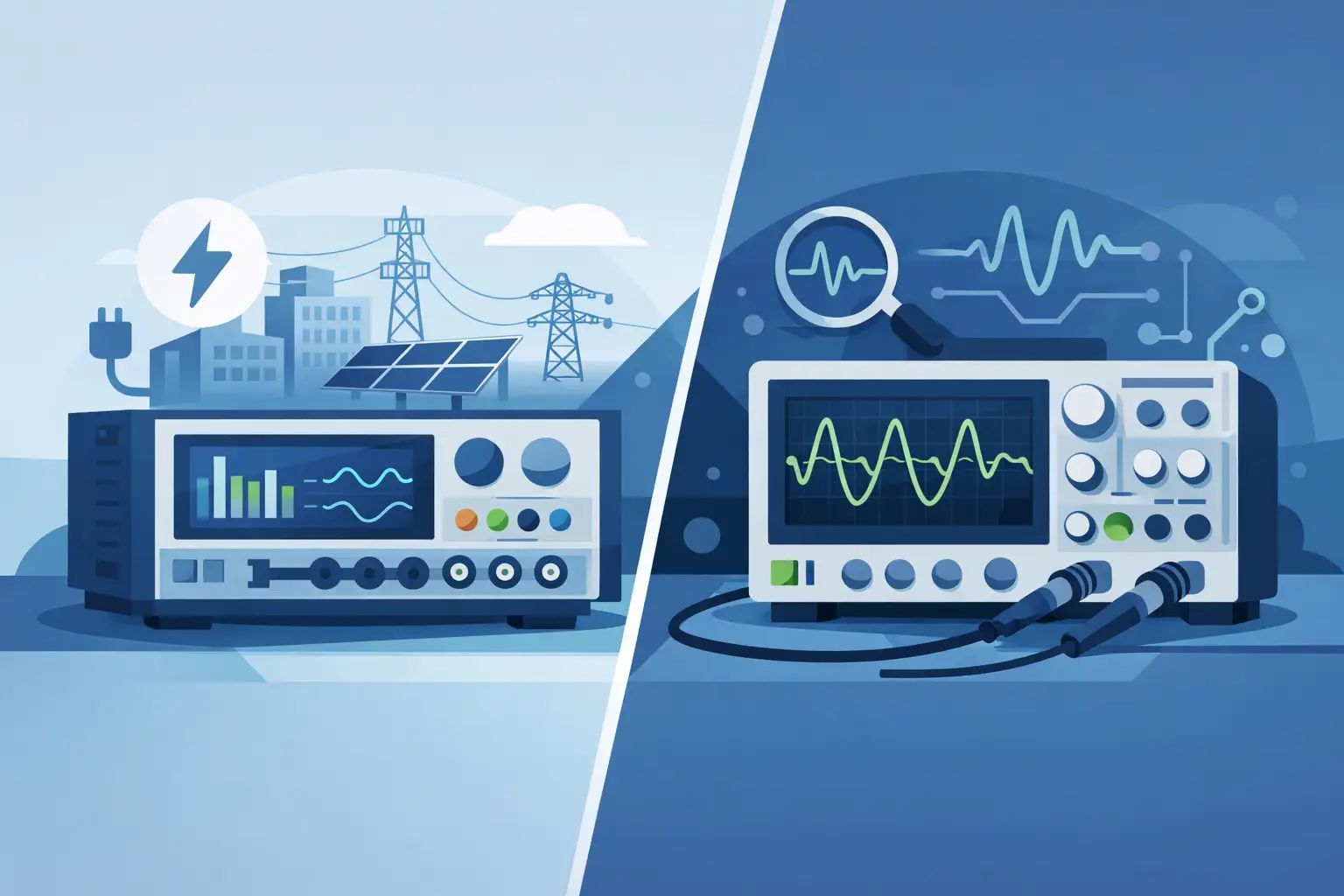
Many types of modern equipment, from electric vehicles to smartphones, are powered by batteries, making their performance critical for device reliability and user satisfaction. Without proper battery testing, manufacturers face unexpected failures, costly recalls, and sometimes legal damages. This is where DC electronic loads can make a difference. Testing provides the precision and control needed to evaluate batteries under realistic conditions. This comprehensive guide explores how DC electronic loads transform battery testing from guesswork into exact science. Here you will learn practical testing methods, safety protocols, and selection criteria that ensure reliable results.
What is a DC Electronic Load Tester?
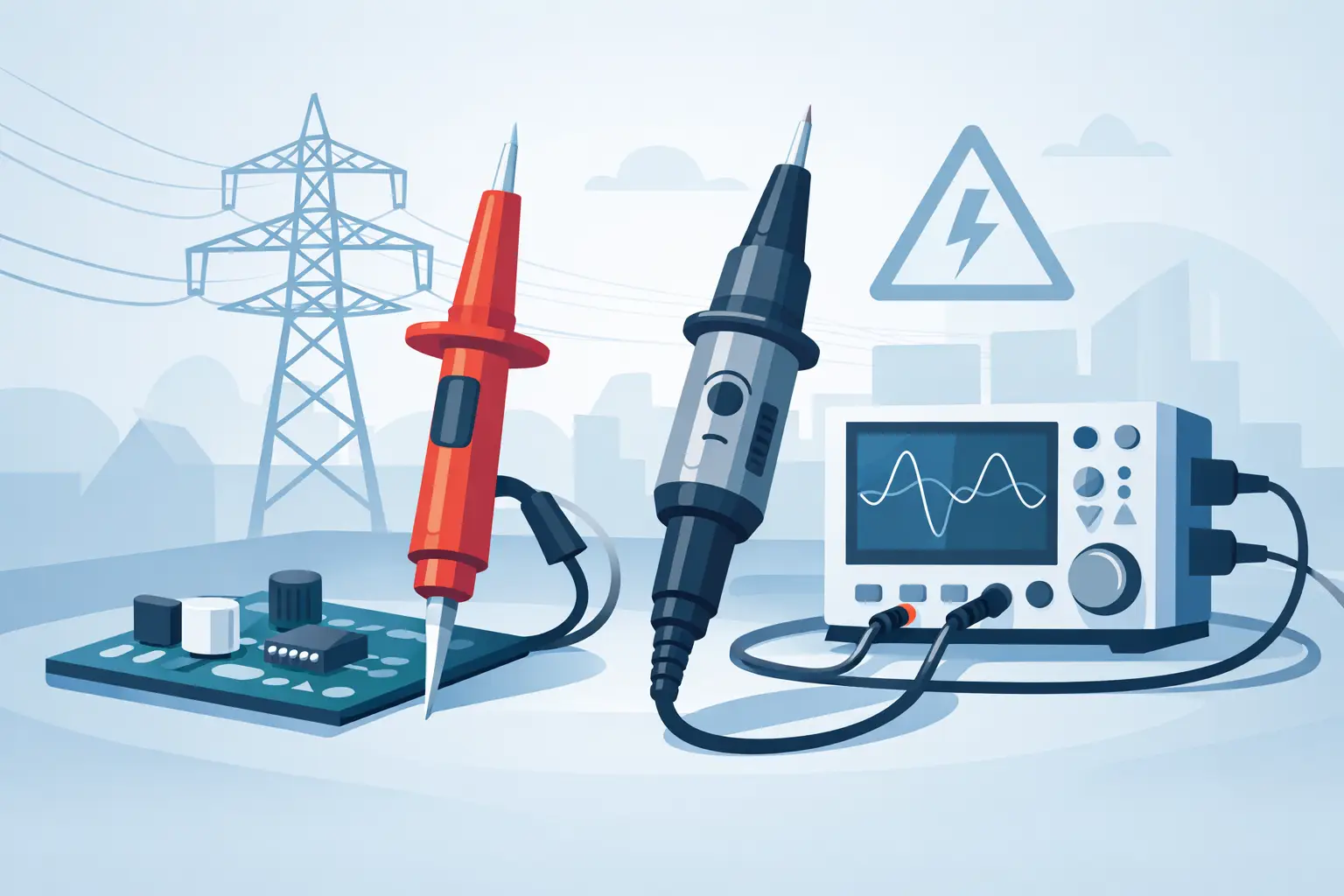
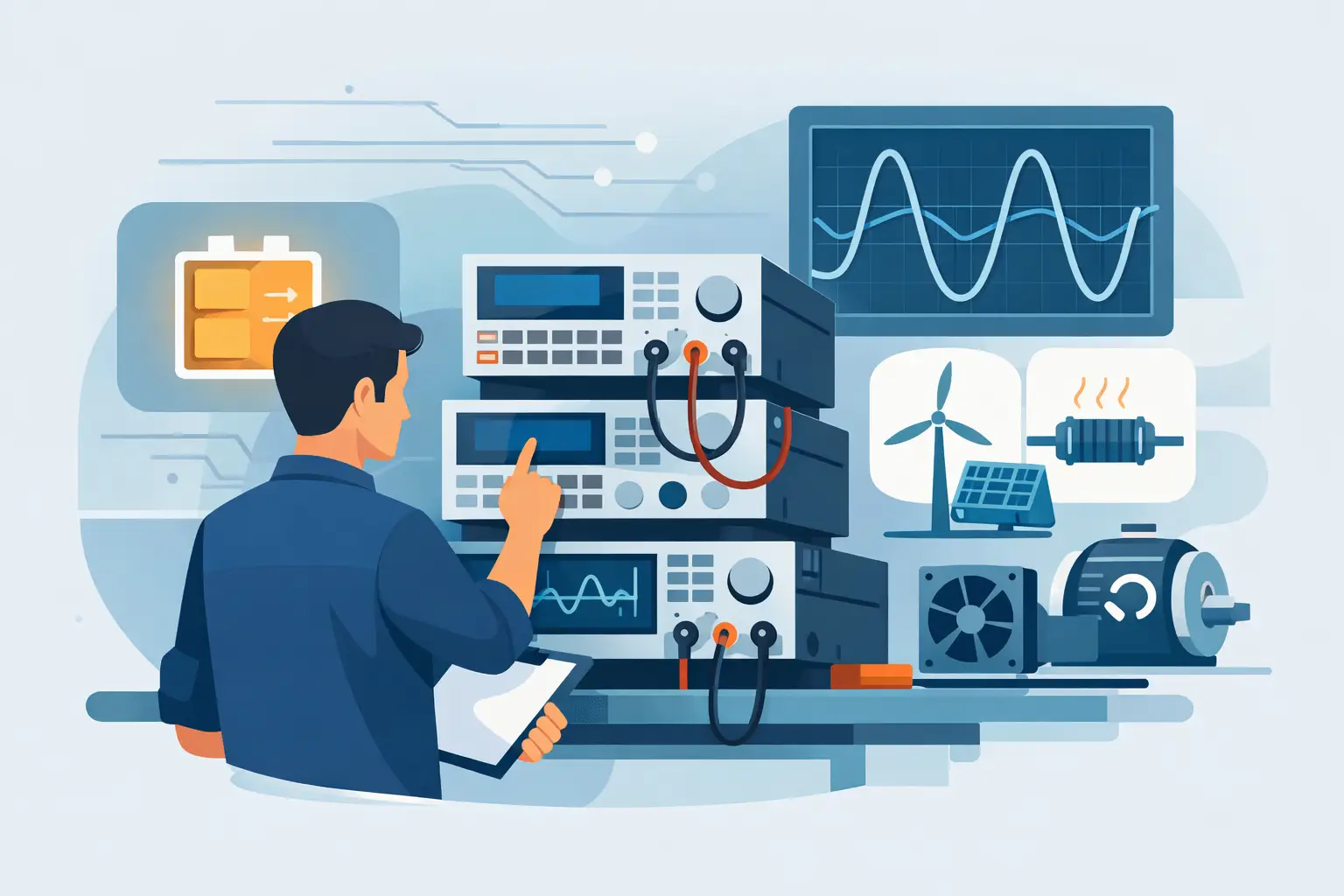
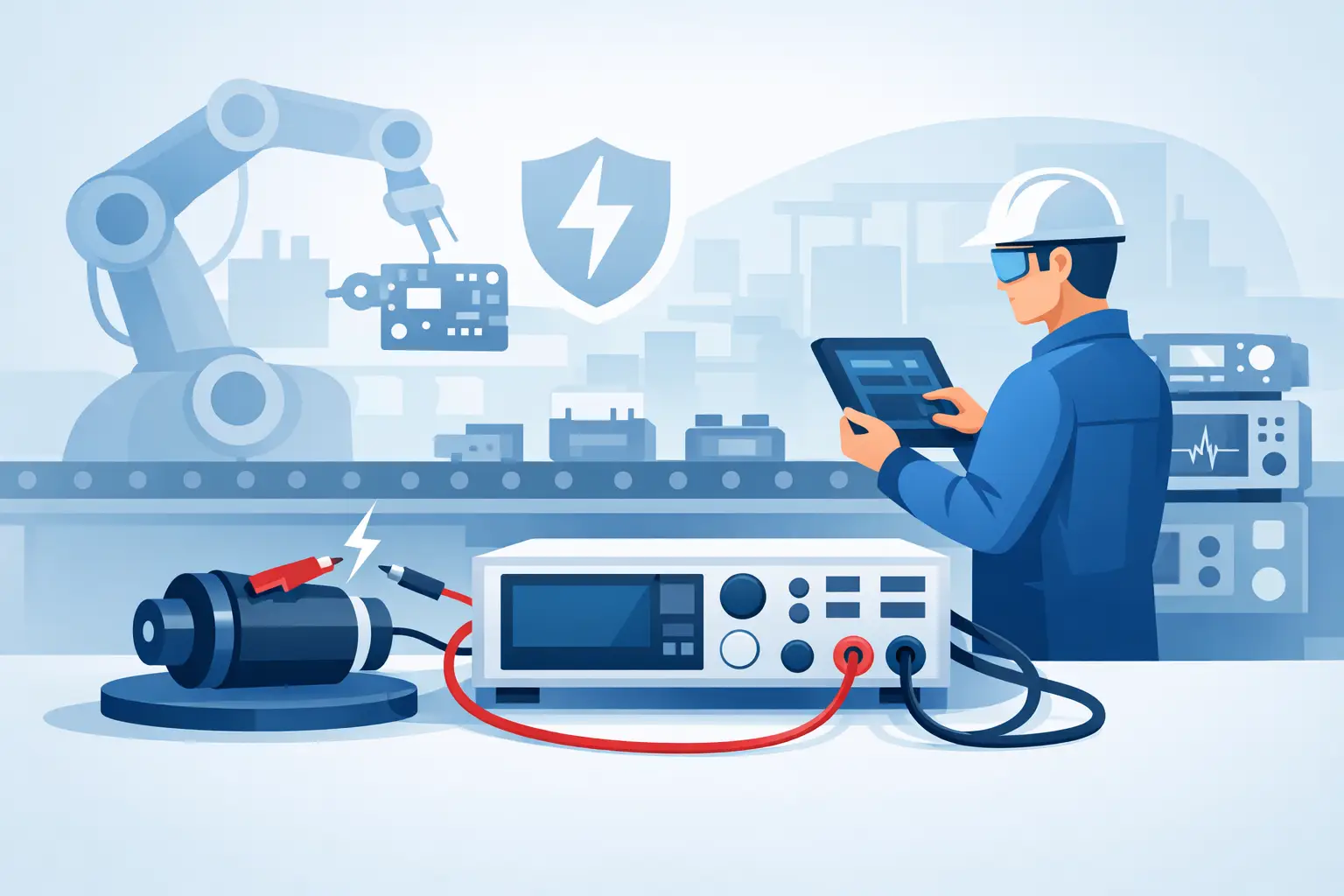
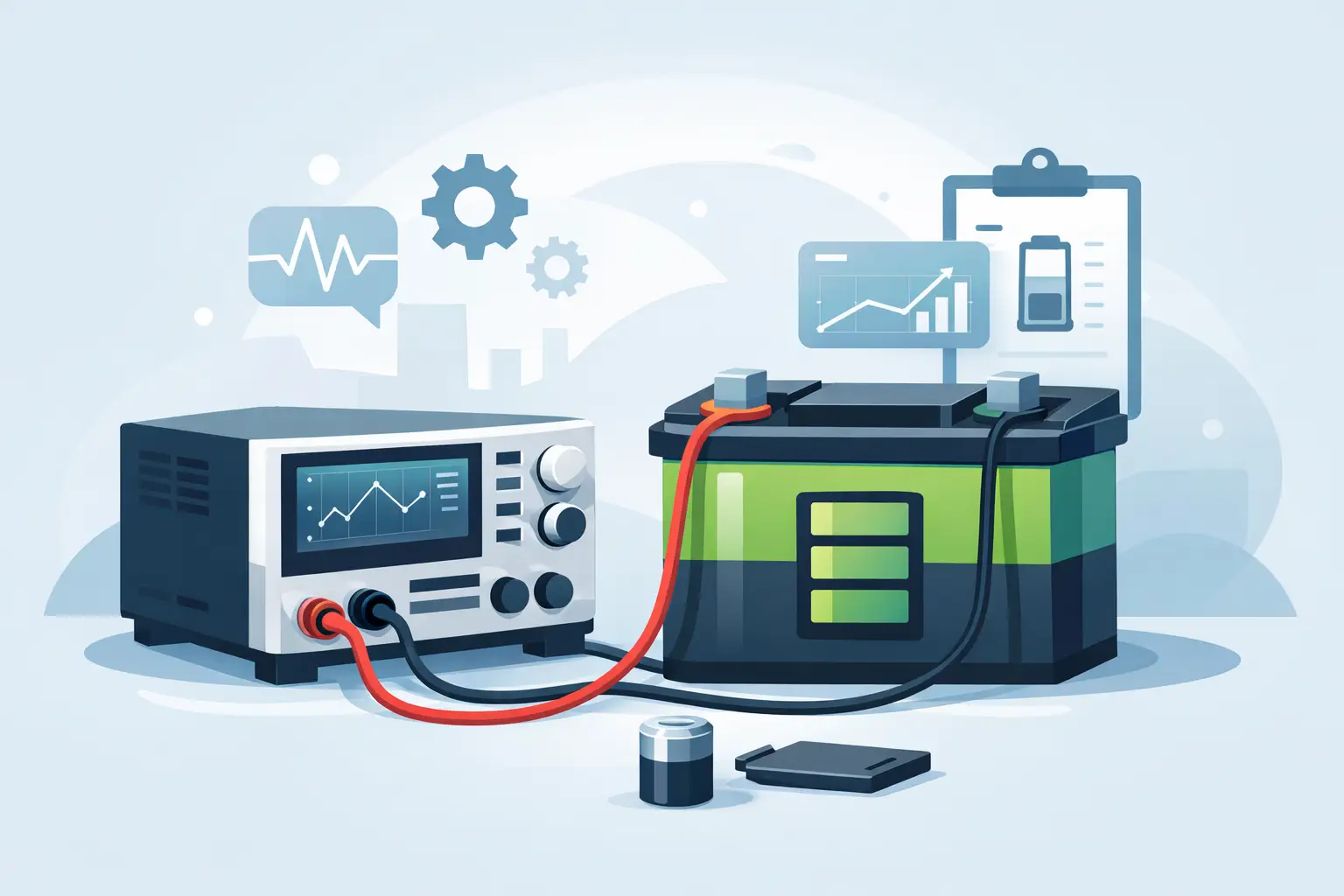
A DC electronic load is a programmable test instrument used to simulate electrical loads and evaluate the performance of DC load power sources, including batteries, power supplies, and solar panels. Unlike resistors, DC electronic loads offer precise control over voltage, current, and power, enabling accurate battery testing in real-world scenarios.
Electronic DC loads can operate in multiple modes, including:
- Constant Current (CC): In this mode, the equivalent DC resistance of the unit is adjusted to ensure constant current is received, irrespective of voltage output at the device under test (DUT). This mode is applied for testing battery discharge currents.
- Constant Voltage (CV): In this mode, the unit sets the maximum input voltage limit for the DUT, while adjusting the current as needed. This mode is applied for testing power supplies or voltage regulators needed to maintain a specific output voltage under varying load conditions.
- Constant Resistance (CR): In this mode, the fixed resistance value is set for the DC load, whereas the input voltage and current may vary. This mode is applied for simulating real-world resistive loads like bulbs and heaters.
- Constant Power (CP): The electronic DC load maintains a constant power draw in this mode while adjusting current and voltage dynamically. This mode is applied while testing devices like solar panels.
Traditional resistive loads change their current draw as battery voltage drops, however, DC electronic loads compensate automatically, providing consistent test conditions that mirror real-world applications.
Why Use a DC Electronic Load for Battery Testing?
DC electronic loads help evaluate the performance of a battery under different load scenarios. This method is preferred over manual methods due to the following reasons:
- Simulates Accurate Load Conditions: DC loads can replicate the varying loads and battery experiences in real applications, such as during fast charging or when powering devices with fluctuating energy needs. These loads can be programmed to mimic the different load profiles, including constant voltage, constant current, constant resistance, and constant power.
- Enables Automation and Data Logging: Test engineers can automate testing with easy data logging, while conducting long-term tests with minimal oversight.
- Enables Battery Characterization: You can determine a battery’s efficiency, capacity, and lifespan by applying various loads. You can closely observe how these parameters change with different temperatures and discharge rates.
- Early Detection of Problems: Load testing helps identify weak or failing batteries before they cause unexpected failures, allowing test engineers to take preventive measures.
- Better Repeatability: Automated testing with a DC load ensures the same conditions are applied consistently, which is crucial for repeatable and reliable results.
Key Battery Parameters Measured with DC Loads
DC electronic loads can help measure the following:
- Capacity (mAh/Ah): How much energy a battery can store and supply under specific conditions.
- Discharge Curve Profiling: How voltage decreases over time during discharge, which can indicate a battery’s health and aging.
- Internal Resistance (ESR): Measuring the battery’s internal resistance helps identify potential issues such as degradation or short circuits.
- Voltage under Load: How a battery’s voltage behaves under actual operational conditions.
- State of Charge (SOC): The amount of charge remaining in the battery. SOC is often expressed as a percentage.
- Cycle Life Testing: By simulating repeated charge and discharge cycles, a DC load can help assess how many charging and discharge cycles a battery can undergo before its performance degrades.
- State of Health (SOH): This reflects the overall health of the battery, including its capacity, self-discharging rate, and internal resistance.
Common Battery Testing Methods Using DC Loads
Various testing methods are employed to assess battery performance, and DC electronic loads can be set to test different characteristics.
1.Constant Current Discharge Test
Procedure: Battery is discharged at a constant current rate, typically until the voltage reaches a cutoff point.
Purpose: Evaluate the battery’s overall capacity and performance.
Example Application: DC electronic loads are employed to check the functioning of EV battery packs to ensure their performance over time.
2.Constant Power Discharge Test
Procedure: Battery is discharged at a constant power level, adjusting current and voltage as needed.
Purpose: Evaluate the battery’s overall capacity, which is the amount of energy it can deliver before the voltage drops to a specified level.
Example Applications: The test is performed on high-drain applications like power tools or devices that draw fluctuating power.
3.Pulse Load Testing
Procedure: To simulate real-life variable loads, where short and high-current pulses are applied to the battery.
Purpose: Evaluate the response of a battery to intermittent high-current pulses.
Example Applications: This test is performed for wearables, IoT devices, and power tools.
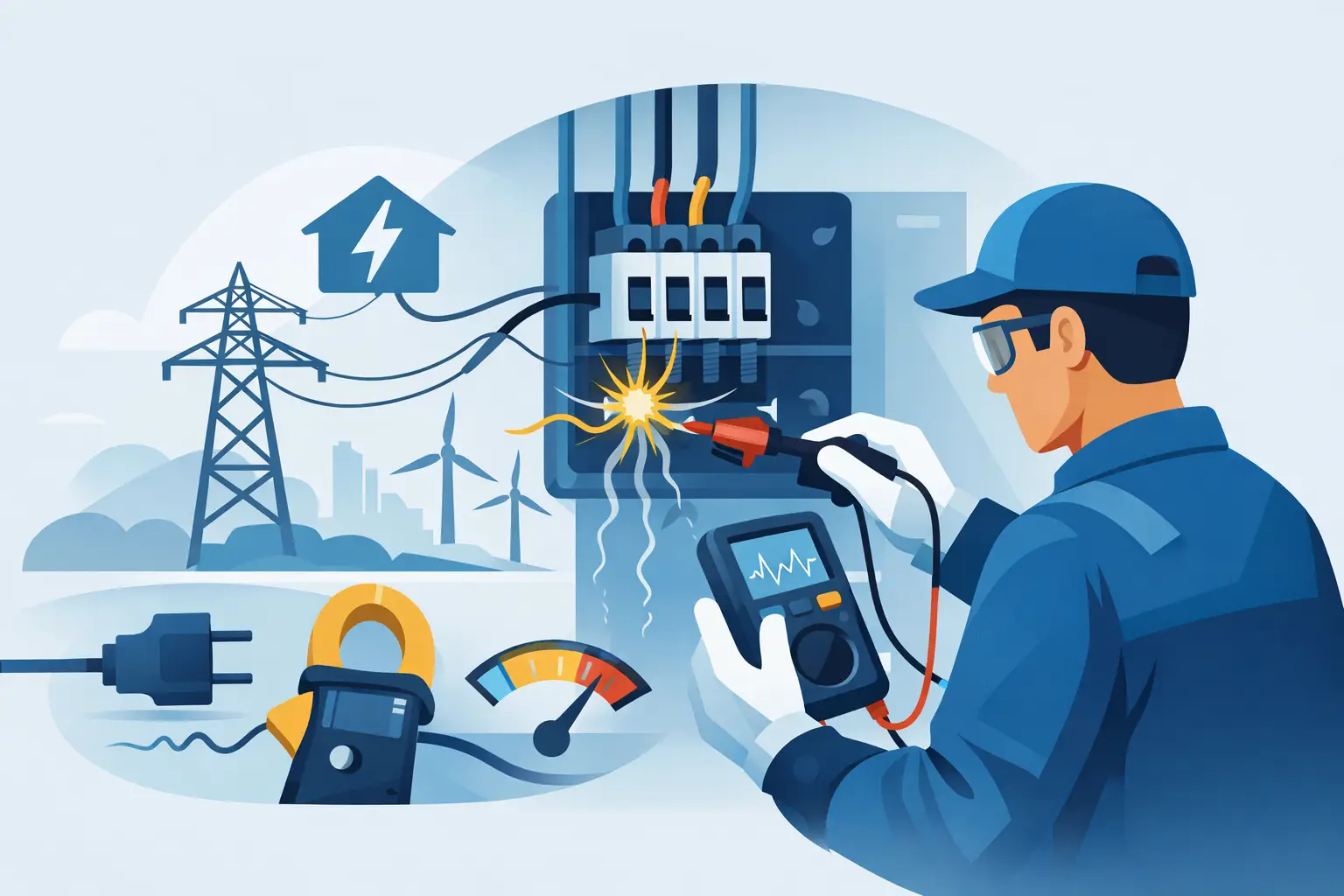
4.Short-Circuit Protection & Safety Testing
Procedure: Help simulate a direct connection between the battery’s positive and negative terminals to evaluate the battery’s safety mechanisms and response to fault conditions.
Purpose: Assess the battery’s safety and stability under a short circuit, simulating a worst-case scenario.
Example Applications: Ensure batteries have proper protection against potential faults that could lead to overheating or safety hazards in applications such as consumer electronics and electric vehicles.
Programming and Automation
Modern DC electronic loads have programmable features to simplify battery testing. Setting up test profiles, such as discharge rates, voltage limits, and testing duration, can be easily done using software or control interfaces.
- Remote Control: Many devices support SCPI, USB, or LAN connectivity, enabling remote control and monitoring.
- Real-Time Data Logging: The features help capture and monitor test data in real time to identify trends and anomalies during testing.
- Automation: Once programmed, DC loads can run automated tests, reduce manual oversight and allow engineers to focus on analysis.
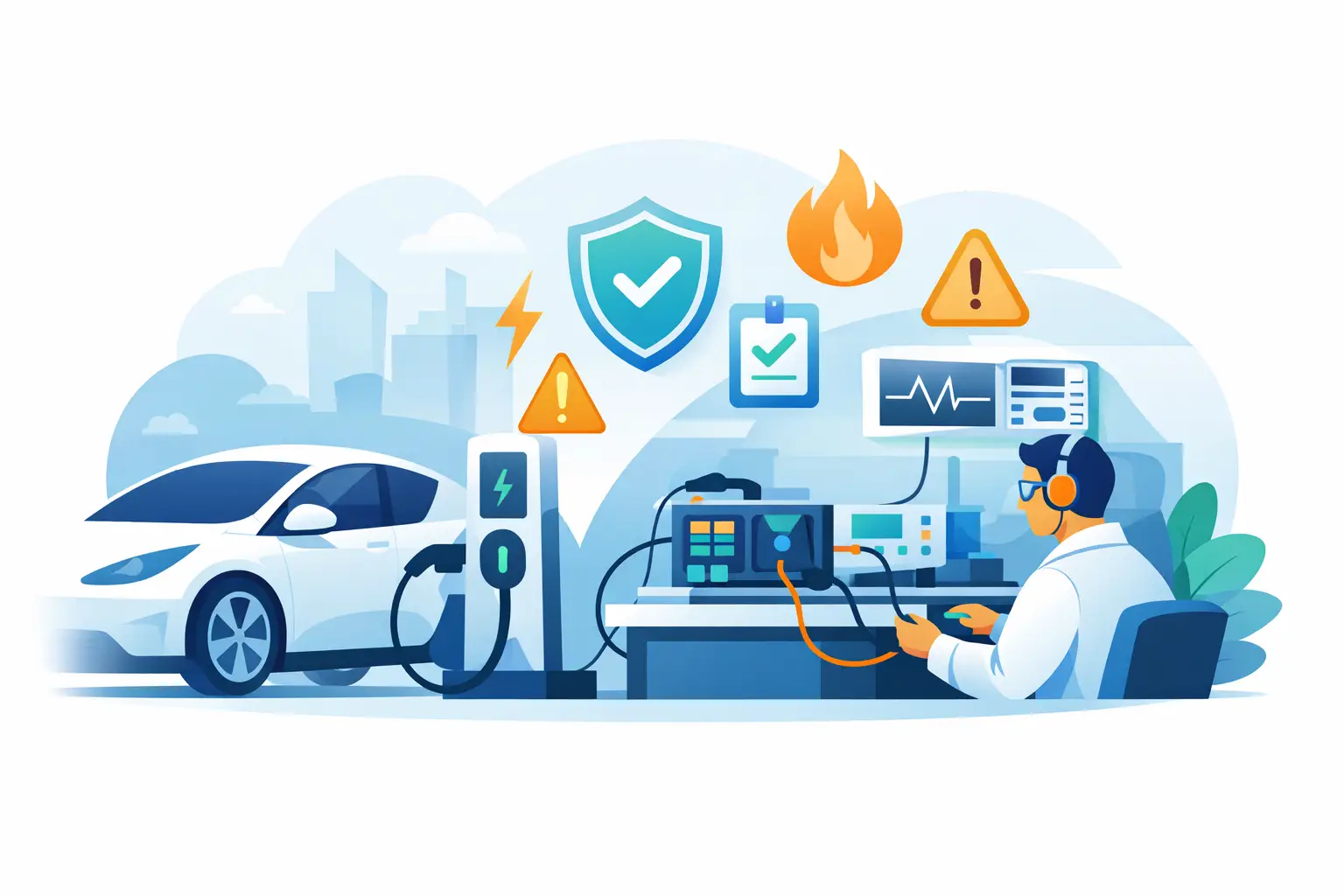
Safety Considerations
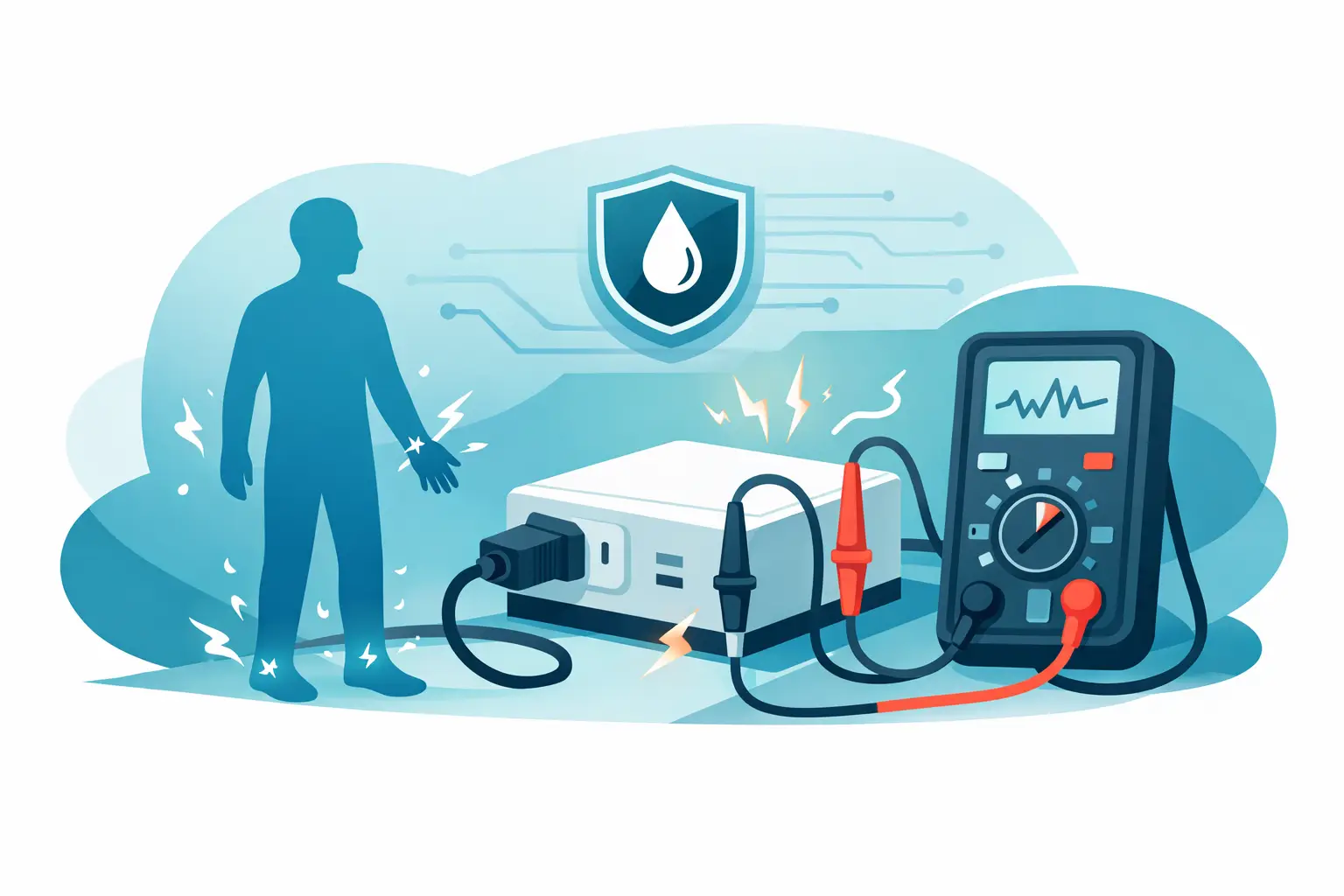
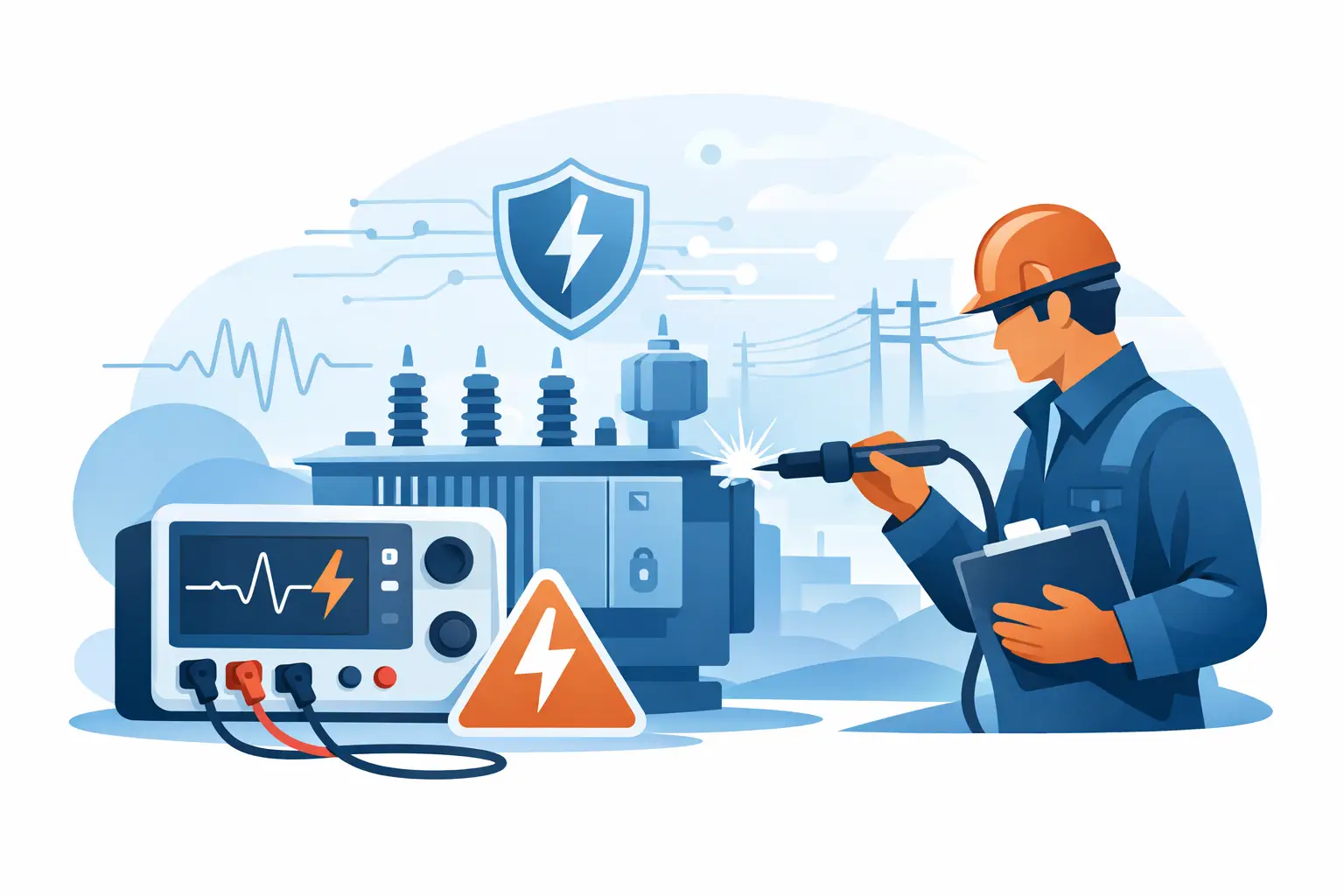
Battery testing, especially with DC electronic loads, requires careful attention to safety protocols:
- Overcurrent Protection: Ensure the test setup includes overcurrent protection to prevent excessive current that could damage the battery or cause dangerous conditions.
- Fire Prevention: Use fire-resistant containers or enclosures when testing batteries, especially during high-drain or short-circuit tests, to minimize fire hazards.
- Ventilation: Proper ventilation should be in place to dissipate gases released during high-stress testing, particularly when working with lithium-ion batteries.
- Battery Monitoring Systems: Incorporate monitoring systems to track temperature, voltage, and current during testing, ensuring any anomalies are detected early.
- Test Environment: Conduct tests in a controlled environment, free from extreme temperatures or humidity, which could affect battery performance and safety.
Applications by Industry
The flexibility of DC electronic loads makes them invaluable across various industries:
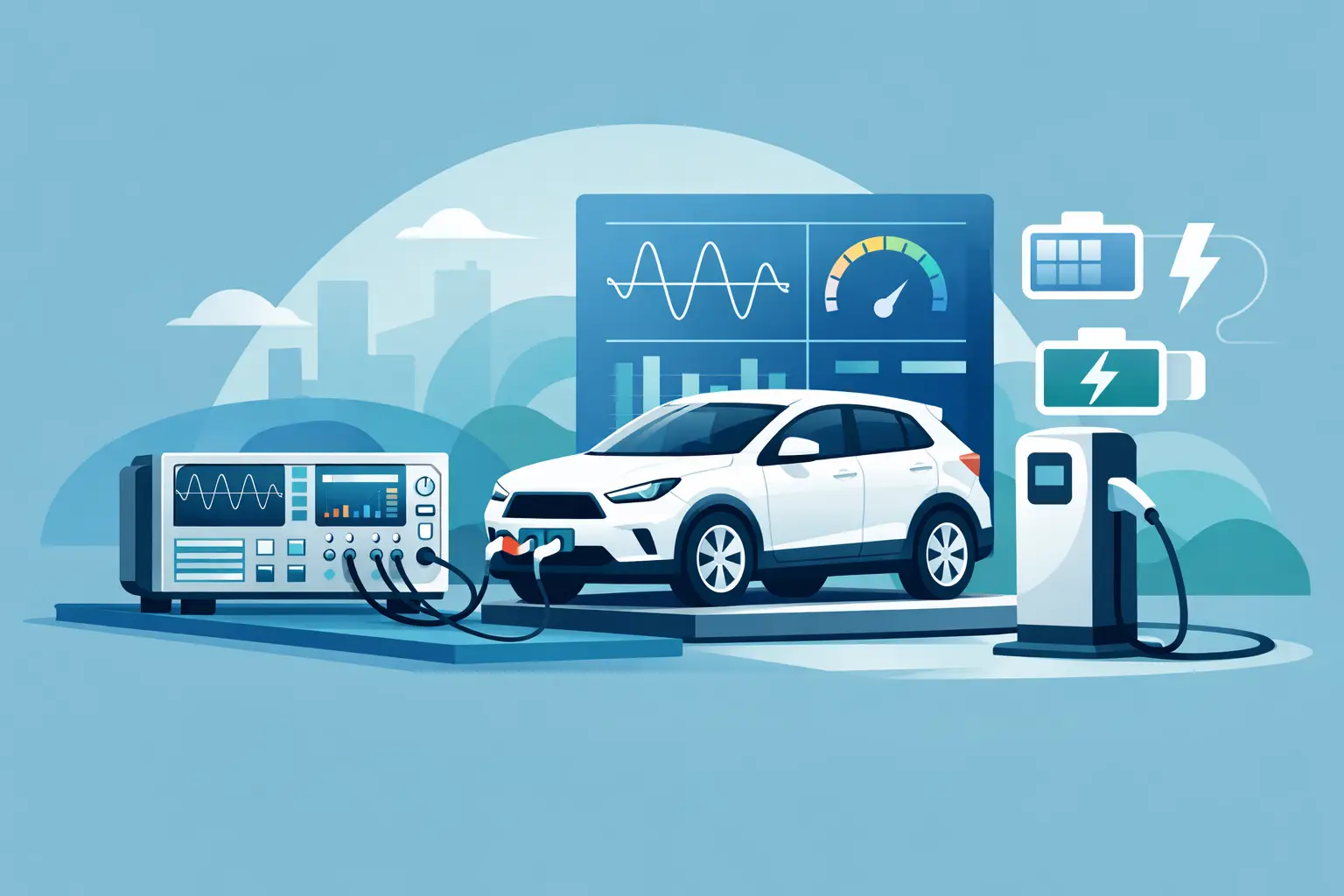
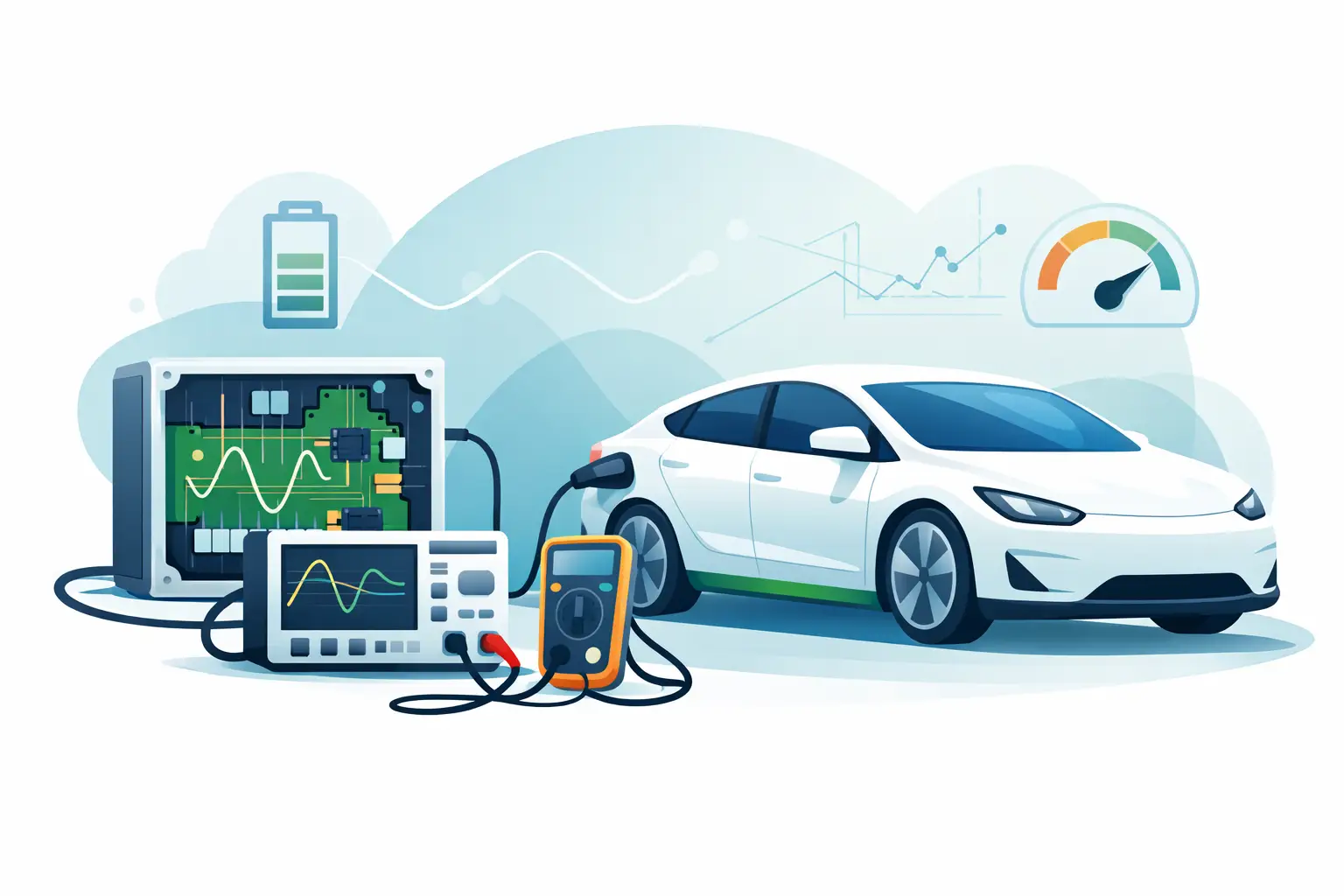
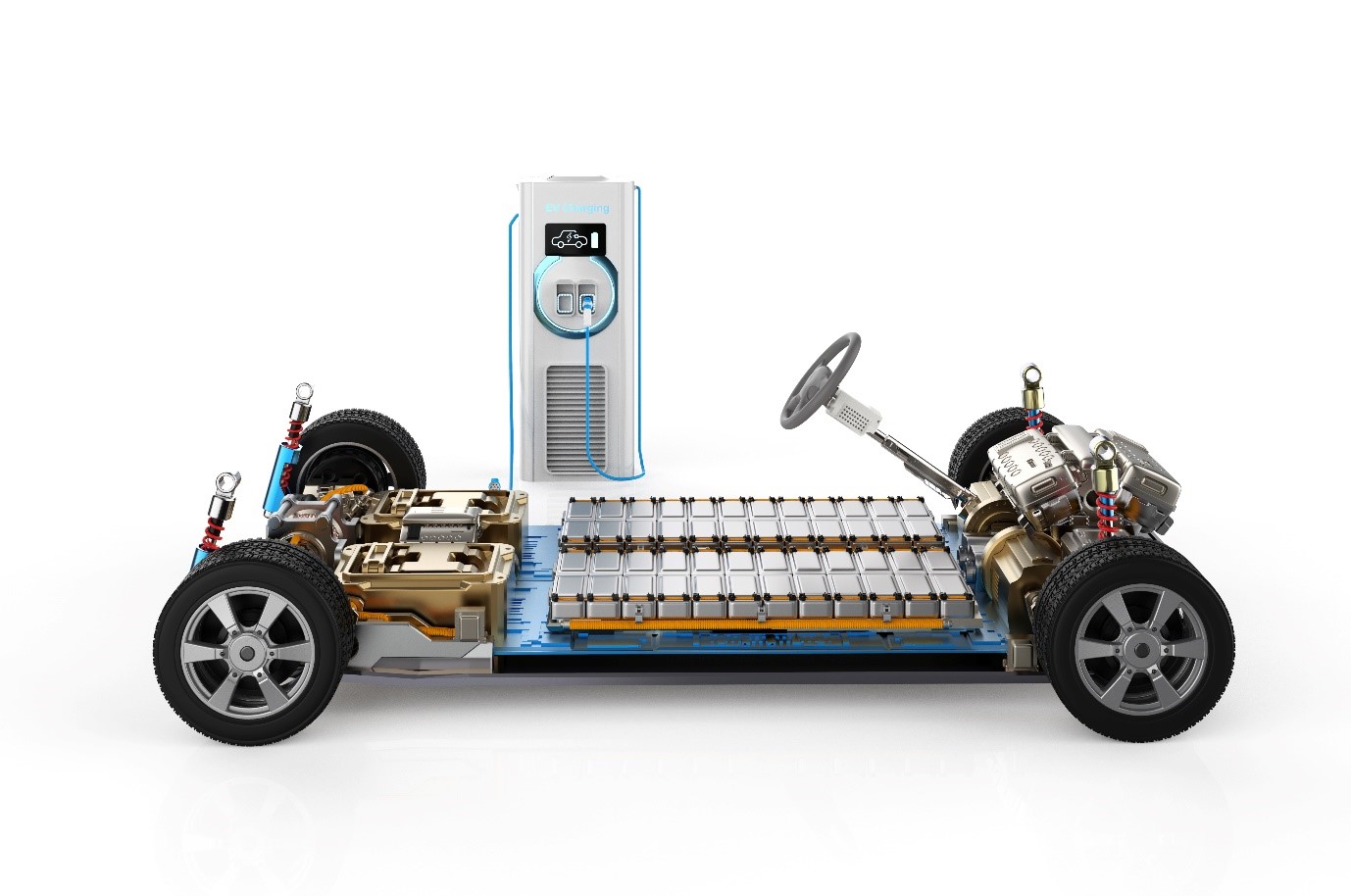
- EV Battery Packs: Simulate real-world driving conditions to assess the performance of EV battery packs.
- Consumer Electronics: Test smartphones, laptops, and other portable devices for battery efficiency.
- Medical Devices: Ensure batteries in life-critical equipment remain reliable under constant use.
- Power Tools: Assess battery capacity and performance under high-drain usage.
- Aerospace and Defense: Test batteries in harsh conditions, including extreme temperatures and long discharge times.
Choosing the Right DC Electronic Load: Key Factors:
- Voltage & Current Range: Ensure the load can handle the voltage and current specifications of the battery under test.
- Accuracy and Resolution: Precision is crucial for measuring small voltage drops and currents.
- Built-In Battery Test Modes: Choose a load with specific battery testing features for convenience.
- Parallel Operation: For testing large battery packs, consider models that support parallel testing.
- Compliance with Industry Standards: Ensure the DC electronic load meets relevant industry certifications and safety standards like UL, CE for reliable and compliant battery testing, especially in regulated environments like medical devices or aerospace.
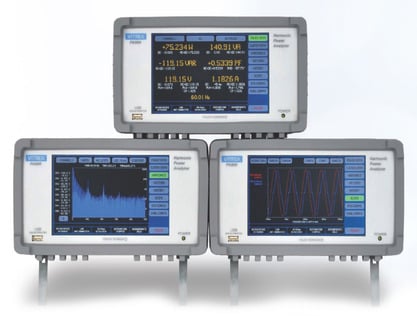
Vitrek’s range of high-performance DC electronic loads can meet the stringent needs of modern battery testing.
DL Series DC Electronic Load: Built for Performance and Precision
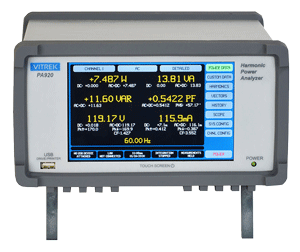
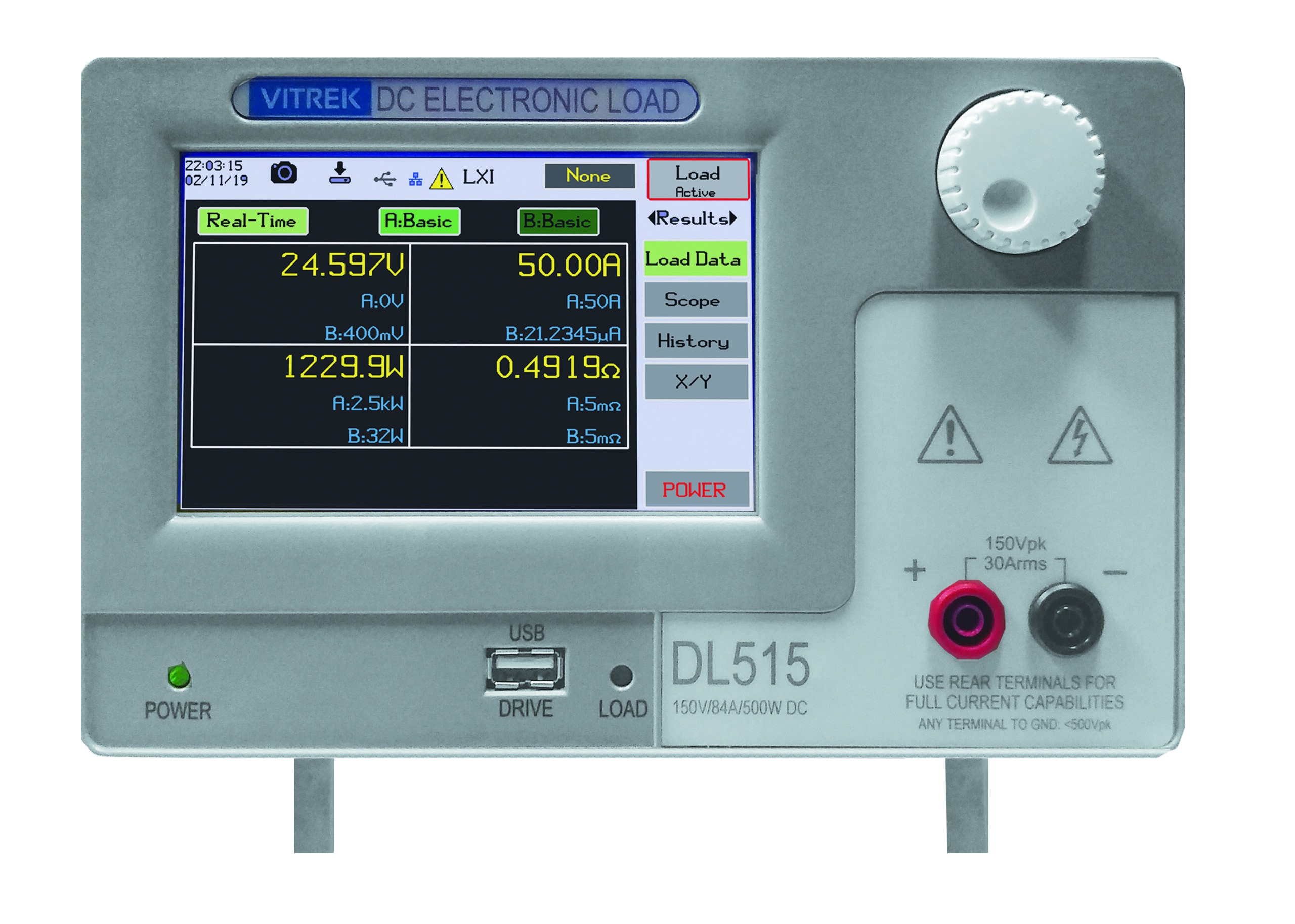
Vitrek’s high-performance DL Series DC electronic loads offer advanced features for precise battery testing and real-world load simulation. With capabilities like high-speed pulse loading (up to 100 kHz), real-time waveform viewing, and robust data logging, these loads provide reliable, accurate testing across diverse applications. The intuitive touchscreen interface, compact design, and multiple connectivity options streamline setup and testing. With built-in short circuit protection, high-precision measurements, and wide loading ranges, Vitrek’s DC electronic loads ensure safety and performance. Explore our solutions today and contact us for a demo or consultation to optimize your testing processes.