Modern facilities are increasingly challenged by distorted electrical signals that can undermine equipment performance and energy efficiency. Total Harmonic Distortion (THD) quantifies the deviation from ideal waveforms, measuring how much unwanted harmonic content is compromising your electrical supply. As a critical metric in power quality assessment, THD directly impacts equipment lifespan, energy costs, and regulatory compliance. By monitoring THD engineers can proactively protect their systems from premature failures, excessive heating, and costly downtime. This post offers an overview of THD, its causes, effects, and solutions, with a focus on how Vitrek’s tools help tackle harmonic challenges effectively.

What Is Total Harmonic Distortion (THD)?
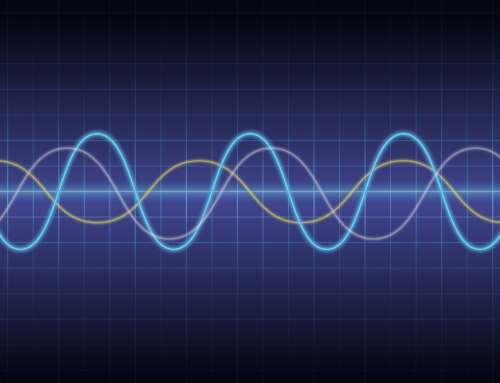
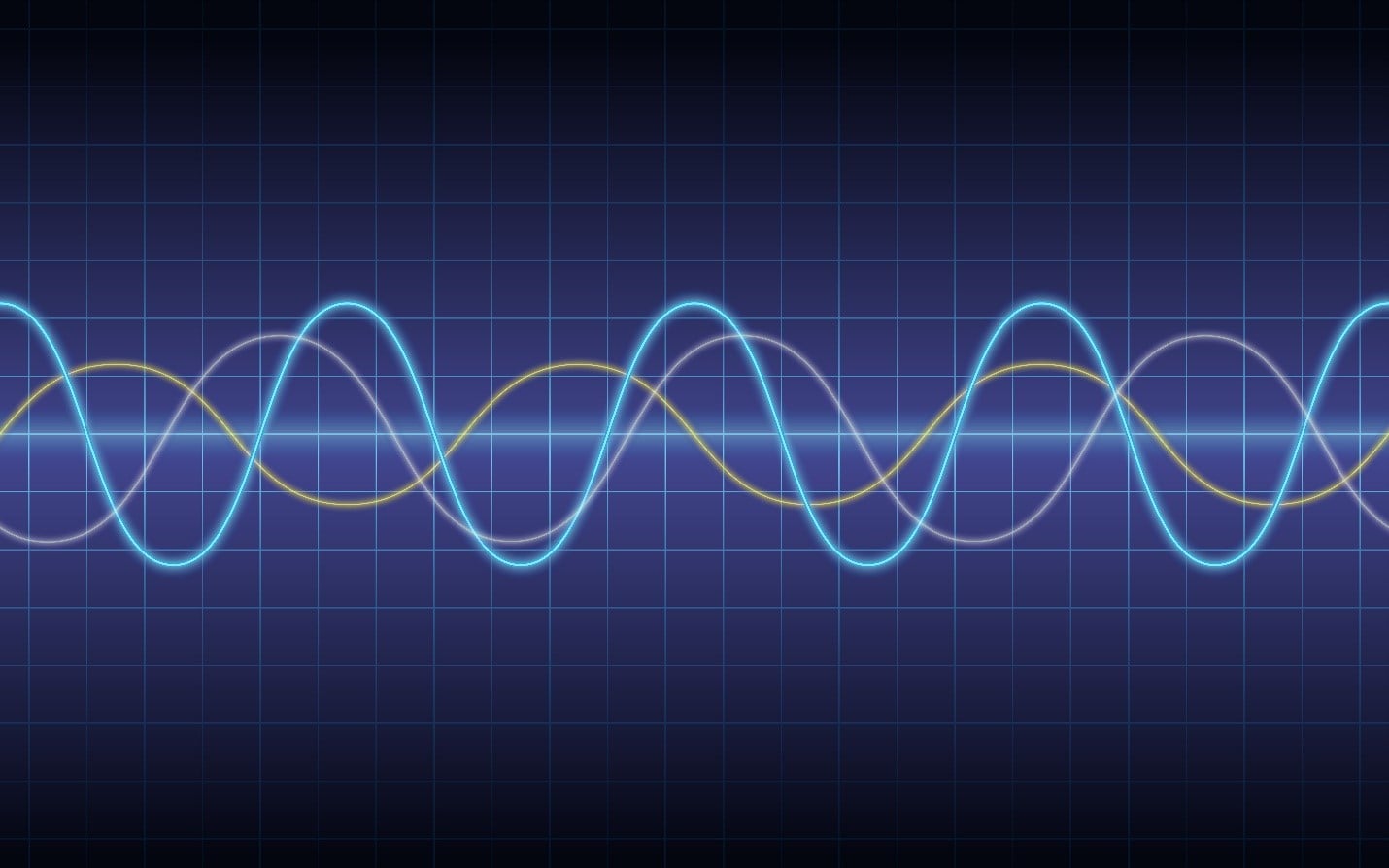
Harmonics are frequency components that occur at integer multiples of the fundamental power frequency typically 50 Hz or 60 Hz depending on your location. When combined with the fundamental frequency, these unwanted frequencies create a distorted waveform that deviates from the ideal sine wave.
THD quantifies this distortion mathematically as the ratio of the sum of all harmonic components to the fundamental frequency: THD = √ (V₂² + V₃² + ⋯ + Vₙ²) / V₁.
This formula applies to both voltage and current THD measurements, though each provides different insights into system behavior. Voltage THD indicates how much the supply voltage deviates from a pure sine wave, while current THD reveals the harmonic content drawn by loads. A perfect sine wave would have zero THD, but real-world systems typically exhibit some level of distortion. The key lies in keeping THD within acceptable limits to maintain system efficiency and equipment longevity.
What Causes THD in Power Systems?
Electrical systems face increasing THD challenges due to the following reasons:
- Non-linear loads: Switch-mode power supplies, variable frequency drives, LED drivers, and EV chargers draw current in pulses rather than smooth sine waves, creating harmonic distortion.
- Transformer saturation: Magnetic cores in transformers and inductors can saturate under certain conditions, enabling harmonic content to propagates throughout the electrical system.
- Industrial equipment: Arc furnaces, UPS systems, and rectifiers introduce significant harmonic distortion due to their switching operations and non-linear characteristics in power conversion.
- System design issues: Poor power system design, overloaded grids, and inadequate harmonic mitigation strategies compound THD problems across electrical infrastructure networks.
Why THD Matters: Real-World Consequences?
High THD disrupts power systems, affecting performance and longevity. Here’s why it’s a critical concern:
- Efficiency losses: Harmonics increase losses in motors, transformers, and cables. Extra currents generate heat, reducing efficiency. This hikes energy costs and wears equipment faster.
- Overheating risks: Harmonic currents cause excessive heat in components. Transformers and motors overheat, risking premature failure. This leads to costly repairs or replacements.
- Voltage distortion issues: Distorted voltages affect sensitive control systems and sensors. Inaccurate readings can disrupt automated processes. This is especially problematic in precision industries like aerospace.
- Compliance challenges: High THD violates standards like EN61000-3-2/3-12 for electronics, IEEE 519 for utilities, or DO-160 for aerospace. Non-compliance can halt operations. Fines or redesigns may follow.
- Power factor problems: Harmonics degrade power factor, reducing system efficiency. This increases utility costs. Correcting it requires expensive mitigation equipment.
Why Accurate Measurement of THD is Important?
Precise THD measurement forms the foundation for power quality management and equipment protection.
- High-resolution instrumentation: Sophisticated tools precisely capture high-frequency harmonic content , detecting distortions that extend outside of the fundamental frequency. Advanced analyzers identify complex harmonic interactions that basic meters miss completely.
- Comprehensive data analysis: To identify problematic frequencies, engineers require both percentage THD values and individual harmonic amplitudes. Detailed harmonic order analysis goes beyond generic filtering approaches to enables targeted mitigation strategies
- Real-time monitoring: Advanced power analyzers correlate THD events with actual operations and so enable effective troubleshooting and mitigation strategies for complex power quality issues.
Vitrek’s Advanced THD Analysis Capabilities
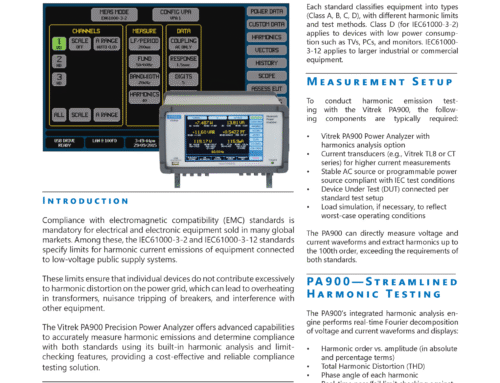
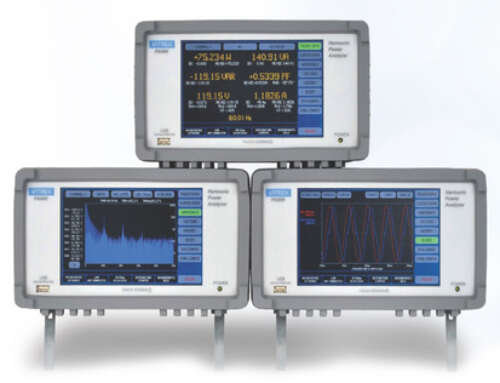
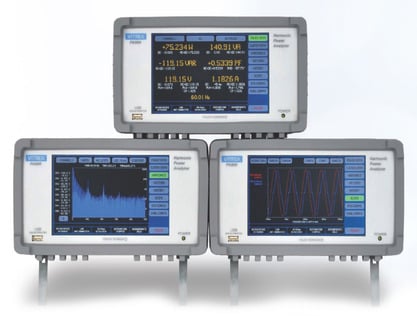
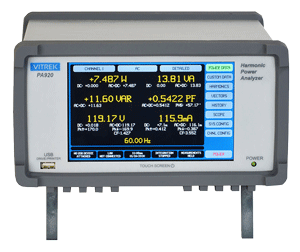
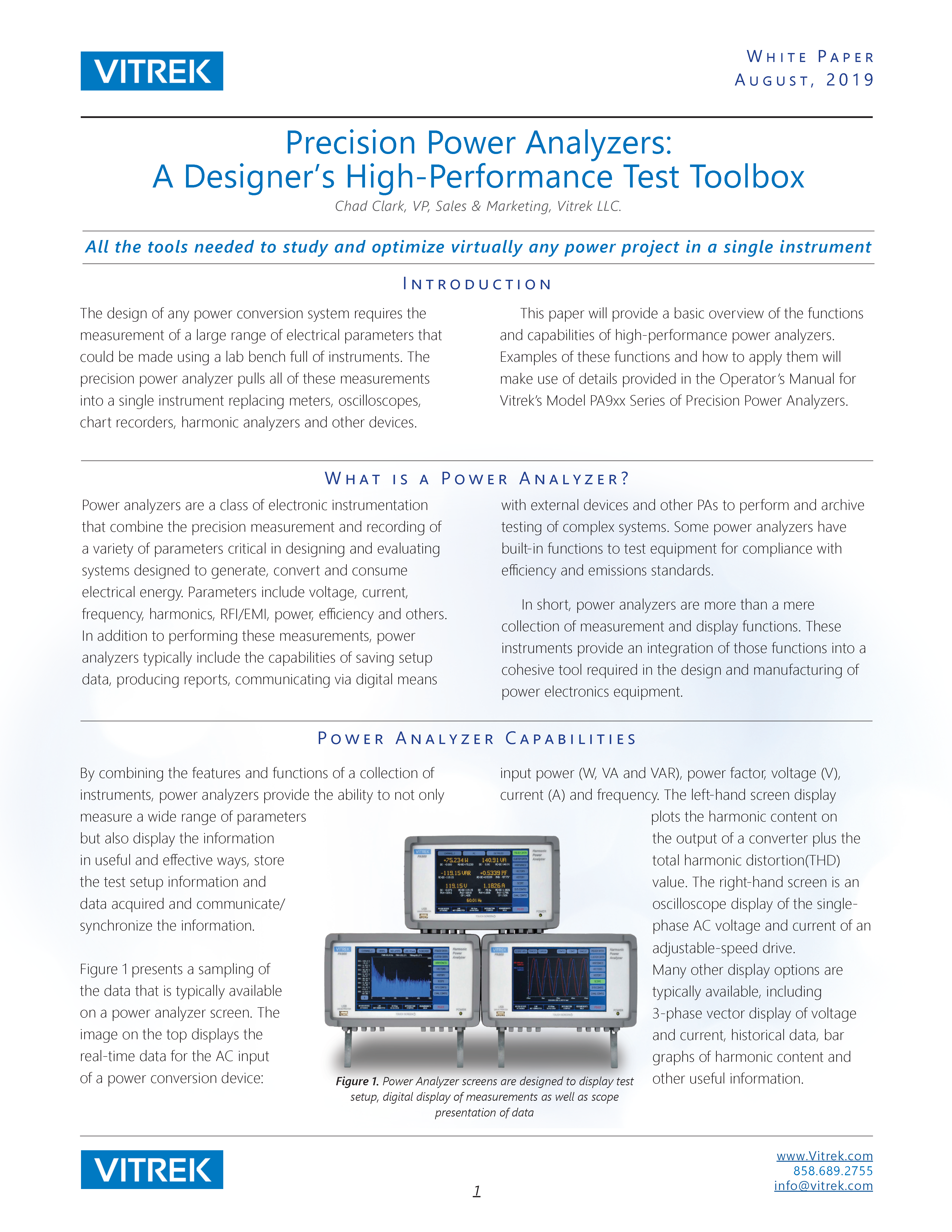
Vitrek PA9xx series power analyzers deliver unmatched THD measurement capabilities for demanding applications.
- Comprehensive harmonic capture: Up to 500 harmonic orders can be captured simultaneously, providing visibility into system harmonic content across the entire frequency spectrum.
- Real-time visualization: Bar graphs and numeric THD values display distortion levels instantaneously, enabling immediate identification of problematic conditions and trends.
- Simultaneous measurements: Voltage and current THD is captured concurrently across multiple channels, allowing correlation to be made between different system parameters and load conditions.
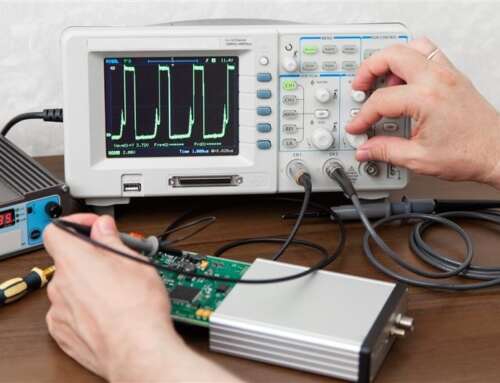
- Event correlation: Oscilloscope and history view features correlate THD spikes to specific events, facilitating root cause analysis and system optimization.

Common Total Harmonic Distortion Problems
THD challenges differ by industry and require specialized monitoring approaches.
- LED Lighting systems: High THD affects power factor and electromagnetic compatibility, leading to compliance issues and compromised system efficiency in commercial installations.
- EV Charging infrastructure: Electric vehicle chargers can inject significant current harmonics into the grid. Careful monitoring is required to prevent utility interconnection problems.
- Aerospace power systems: Aircraft electrical systems are extremely sensitive to voltage distortion. THD monitoring is critical for flight safety and equipment reliability.
- Industrial motor drives: Variable frequency drives generate significant harmonics that can interfere with other equipment on the same electrical network and require mitigation strategies.
- Power supplies and converters: Switch-mode power supplies must maintain low THD to meet grid compliance requirements and ensure compatibility with other equipment.
Effective THD Reduction Strategies
Several proven techniques can significantly reduce THD in electrical systems.
- Harmonic filtering: Passive filters using inductors and capacitors, or active filters with power electronics, can eliminate specific harmonic frequencies effectively.
- Proper installation practices: Correct grounding techniques and cable shielding reduce harmonic propagation and minimize interference between different system components and loads.
- Isolation equipment: Transformers and line reactors provide electrical isolation and impedance that helps reduce harmonic transmission between different parts of the system.
- Equipment sizing: Properly sizing of electrical equipment for harmonic tolerance ensures components can handle distorted waveforms without overheating or performance degradation.
- Regular monitoring: Periodic THD audits using professional power analyzers help identify emerging problems before they cause equipment damage or compliance issues.
Boost System Reliability by Measuring THD Accurately
Total Harmonic Distortion threatens power systems with inefficiency, overheating, and non-compliance. With Vitrek’s PA9xx analyzers, engineers can measure and mitigate harmonics confidently, ensuring reliable, compliant systems.
Ready to tackle hidden harmonics? Schedule a live demo of Vitrek’s high-performance power analyzers today at our website and see how precise THD measurement protects your equipment and boosts efficiency.