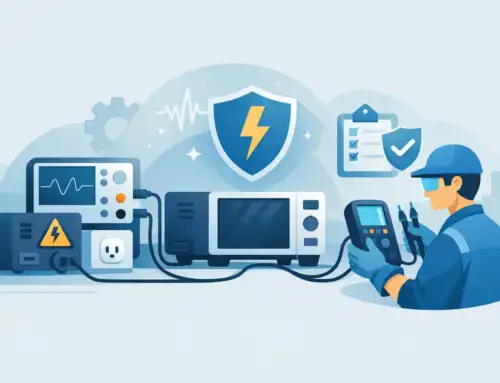
With electrical devices, safety is non-negotiable. Any failure in insulation can lead to dangerous consequences like shocks, fires, or even complete product breakdowns. That’s why the dielectric withstand test, also known as the Hipot Test, is essential for electrical safety testing. This comprehensive dielectric testing procedure applies high voltage to a device to verify that its insulation can withstand extreme electrical stress without failing, ensuring both consumer safety and product reliability. Here’s an overview on how this crucial dielectric strength test works, why it’s necessary for product safety, how to conduct dielectric withstand testing to meet regulatory standards, and more.

What is the Dielectric Withstand Test?
The dielectric withstand test is a high-voltage electrical safety test that applies stress to a product’s insulation. The goal is to verify that the insulation can withstand extreme voltages without breaking down or allowing dangerous current leakage.
In practice, the test involves applying either AC or DC voltage between the live conductors and the grounded parts of a device. By measuring the resulting leakage current, engineers confirm whether the product passes or fails.
Why Dielectric Withstand Testing Is Important
Dielectric withstand testing plays multiple pivotal roles in product design, certification, and quality assurance.
- Prevents Electric Shock, Arc Faults, and Product Failures: By applying high-voltage stress to the insulation, the dielectric withstand test ensures a device can safely handle electrical conditions it will face in real-world use. This prevents dangerous scenarios such as electric shocks, arc faults, and other product failures that pose significant safety risks.
- Builds Consumer and Manufacturer Confidence: Successfully passing dielectric strength testing assures both consumers and manufacturers that the product has been rigorously tested for insulation strength. This in stills confidence that the device will withstand the stresses of high-voltage environments and function safely and reliably over its lifetime.
- Detects Insulation Defects: The dielectric strength test identifies weak points in the insulation that might not be immediately apparent during regular operation and helps prevent potential safety hazards from developing into catastrophic failures.
- Required for Regulatory Certifications: Electrical products must comply with global dielectric testing standards such as UL, IEC, CE, and ISO 17025, which often mandate dielectric withstand testing to ensure products meet established safety standards needed to be legally sold and used in various markets.
How the Dielectric Withstand Test Works
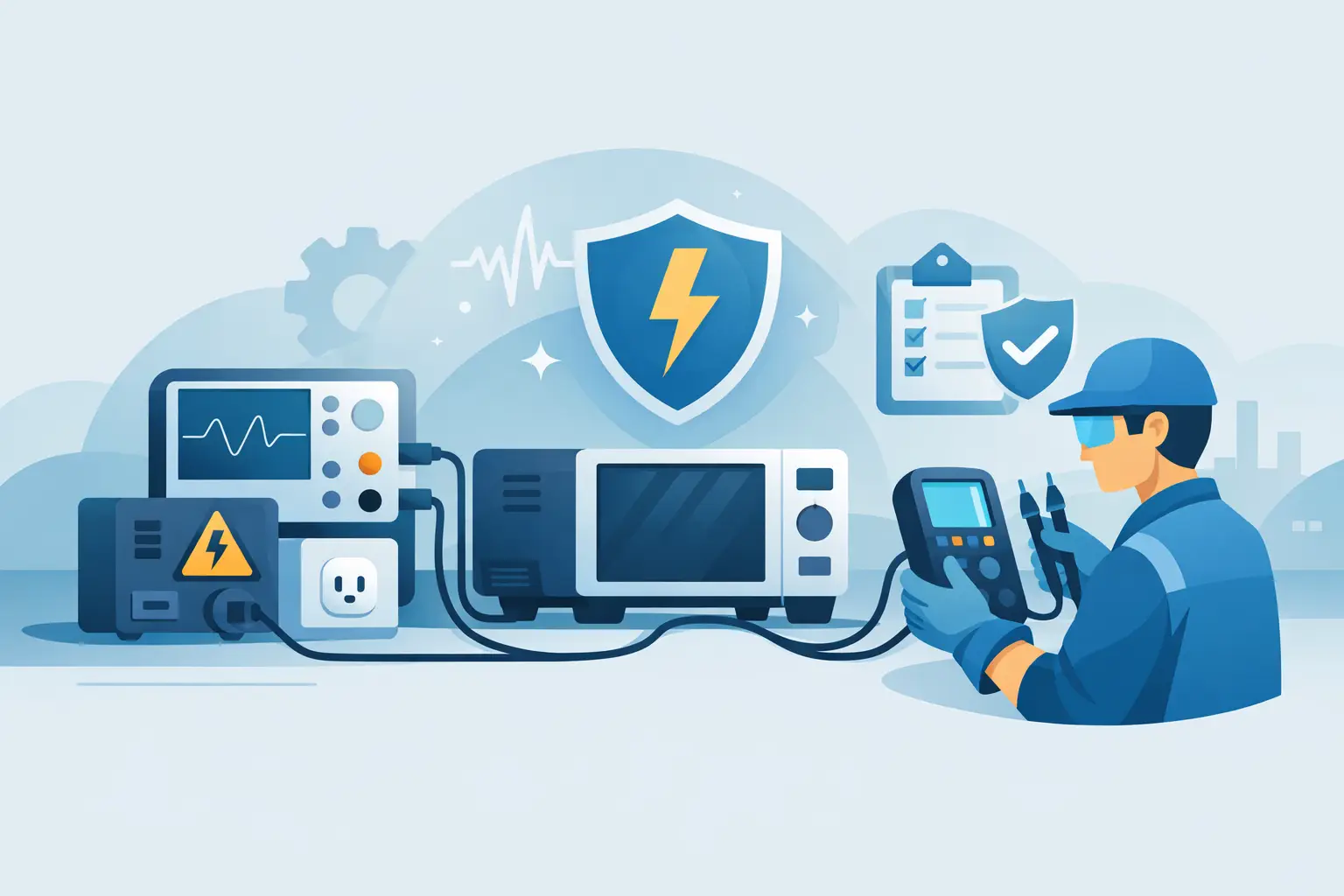
A dielectric voltage withstand test applies high voltage to specific parts of the device to assess the strength of its insulation. Here are the key dielectric test procedure steps:
- Voltage Application: The high voltage is applied between the live conductors, such as the line and neutral and the grounded parts of the device, which could include the enclosure, chassis, or other metal parts that are meant to be grounded for safety.
- Measuring Leakage Current: As the high voltage is applied during the dielectric withstanding voltage test, the device’s insulation is tested to determine its ability to withstand the stress. The test measures the dielectric strength test leakage current, the small amount of current that may escape through the insulation. This is an indication of the insulation’s integrity.
- Pass/Fail Determination: The measured leakage current is compared against a pre-set allowable threshold. If the leakage current remains below this threshold or if no arc (electric discharge) is detected, the insulation passes the dielectric withstand test. However, if the leakage current exceeds the threshold or an arc is detected, it indicates that the insulation is inadequate, and the device fails the test.
Key Test Parameters Explained
Understanding the dielectric strength test procedure parameters is essential for accurately interpreting the test results.
- Test Voltage: The high voltage applied during the dielectric withstanding voltage test is typically in the range of 500 V to 30 kV, depending on the device under test. The dielectric withstanding voltage calculation depends on the device’s rated voltage and safety requirements.
- Leakage Current: This is the amount of current that leaks through the insulation during dielectric strength testing. Industry standards define the acceptable limit that defines pass or failure.
- Ramp Time: This is the time it takes for the voltage to increase to the test value. This ensures that the device experiences a controlled increase in voltage during the dielectric test procedure.
- Dwell Time: This is the length of time the test voltage is held at its peak during the dielectric withstand testing process.
- Shutdown/Trip: The condition that triggers failure detection – if the leakage current exceeds the threshold or an arc is detected, the test will shut down the power and declare failure.
AC vs DC Dielectric Testing: Understanding the Differences
The behavior of AC vs DC dielectric testing differs significantly, as each presents unique challenges and characteristics in terms of electrical insulation performance.
AC Dielectric Withstand Test
In AC dielectric withstand test procedures, the behavior of the insulation is affected by its capacitive properties. Since AC voltage alternates between positive and negative cycles, the insulation may allow a small amount of current to flow due to its capacitance. This is called capacitive leakage. While some leakage is normal in AC dielectric testing, excessive capacitive leakage can indicate that the insulation will not properly prevent current from passing through during alternating cycles, which could lead to potential hazards.
DC Dielectric Testing
DC dielectric testing focuses on the insulation’s ability to resist the flow of direct current. In this test, the insulation is assessed for its resistance to the current that flows in one direction. The presence of any resistive leakage, current that flows through the insulation despite its intended function, is closely monitored. If the leakage current exceeds the allowable threshold, it indicates that the insulation is inadequate, and the device may fail the test. DC testing is, therefore, more direct in evaluating how well the insulation can prevent current flow under steady-state conditions.
Global Dielectric Testing Standards
Various international dielectric testing standards require dielectric withstand testing for different applications. These dielectric withstand test IEC standard and other regulations include:
- UL 60950: This standard focuses on the safety of information technology equipment and includes specific dielectric test procedure requirements.
- IEC 60601: This standard applies to medical electrical equipment and mandates comprehensive dielectric strength testing.
- IEC 61010: This standard ensures the safety of electrical equipment used for measurement, control, and laboratory use, requiring thorough dielectric withstand testing.
- ISO 6469: This standard applies to electrical safety for electric vehicles and includes dielectric voltage withstand test specifications.
These dielectric testing standards specify the test voltage, duration, and other test parameters to ensure that the device performs safely under real-world conditions. The dielectric withstand test IEC standard provides detailed guidelines for proper testing procedures.
Common Equipment Used to Conduct Dielectric Withstand Tests
To conduct dielectric withstand testing, certain equipment is necessary for proper dielectric strength test procedure:
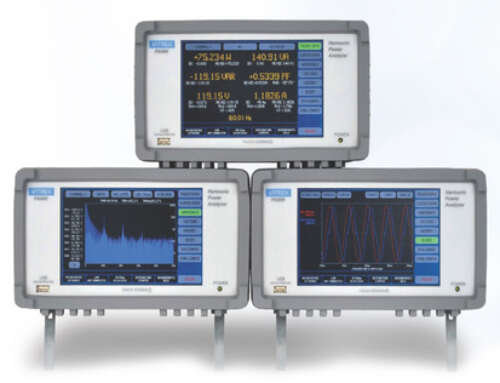
- Hipot Testers: Instruments like the Vitrek V7X and 95X Series are commonly used to apply high-voltage tests and measure leakage current during dielectric withstand testing.
- Test Leads and Probes: These are used to connect the Device Under Test (DUT) to the tester and ensure proper electrical contact during dielectric testing.
- Ground Bond Accessories: These accessories ensure the DUT is properly grounded during dielectric strength testing to prevent hazardous electrical conditions.
- Safety Features: Modern testers include important safety features like interlocks, auto-discharge, and warning indicators to ensure safe operation during dielectric withstand testing.
- Optional Equipment: Some advanced testers offer HV switch matrices and automation software (e.g., QT Insite) to integrate dielectric testing into automated production lines for increased efficiency and ease of use.
Common Mistakes and Best Practices in Dielectric Strength Test Procedure
When performing dielectric withstand tests, it is essential to avoid several common mistakes to ensure both the accuracy and safety of the dielectric test procedure:
- Forgetting Post-Test Discharge: After performing a DC dielectric strength test, properly discharge the tester. Failing to do so can leave dangerous residual voltage, which may pose a risk of electrical shock or equipment damage.
- Incorrect Test Voltage or Dwell Time: These errors during dielectric withstanding voltage testing could leave insulation weaknesses undetected and compromise safety.
- Improper Test Setup: Ensuring that all test leads and connections are securely attached is essential for accurate dielectric withstand testing. Additionally, the Device Under Test (DUT) must be properly grounded to avoid faulty results or damage to the equipment.
- Not Calibrating Regularly: Dielectric testers should be calibrated regularly to ensure that they are providing accurate measurements during dielectric strength testing. Failure to calibrate equipment can lead to misleading results and inaccurate assessments of insulation performance.
- Skipping Arc Detection: Arc detection is a critical part of dielectric testing. Failing to include arc detection or misinterpreting an arc failure can lead to overlooked insulation issues, potentially resulting in unsafe products reaching the market.
How Vitrek Simplifies Dielectric Withstand Testing
Vitrek’s hipot testers are designed with features that simplify the dielectric withstand testing process while enhancing safety and compliance with dielectric testing standards:
- Wide Voltage Range: Vitrek testers support high-voltage testing from low to high levels, making them versatile for different types of dielectric withstand test applications.
- Arc Detection: Advanced arc detection features automatically identify insulation breakdown during dielectric strength testing, ensuring that no critical failures go unnoticed.
- Fast Ramp and Dwell: Vitrek testers allow for fast ramp-up times and adjustable dwell periods, improving dielectric test procedure speed and efficiency.
- Precise Leakage Measurement: With leakage resolution down to picoamps, Vitrek testers provide highly accurate measurements of dielectric strength test leakage current, ensuring reliable test results.

Vitrek’s range of AC, DC, and combined AC/DC Hipot testers ensures you have the right tools for compliance and safety testing. Designed for accuracy and performance, our equipment meets the rigorous demands of modern electrical safety standards. Contact us today to discover the perfect Hipot testing solution for your needs and experience world-class support.