Understanding Power Quality: Definition and Meaning
Power quality refers to how well the electrical power delivered by the grid or any power source matches the ideal standard of electricity. In simple terms, the power quality definition encompasses the characteristics of electric power that enable electrical equipment to function properly without being damaged or experiencing performance degradation.
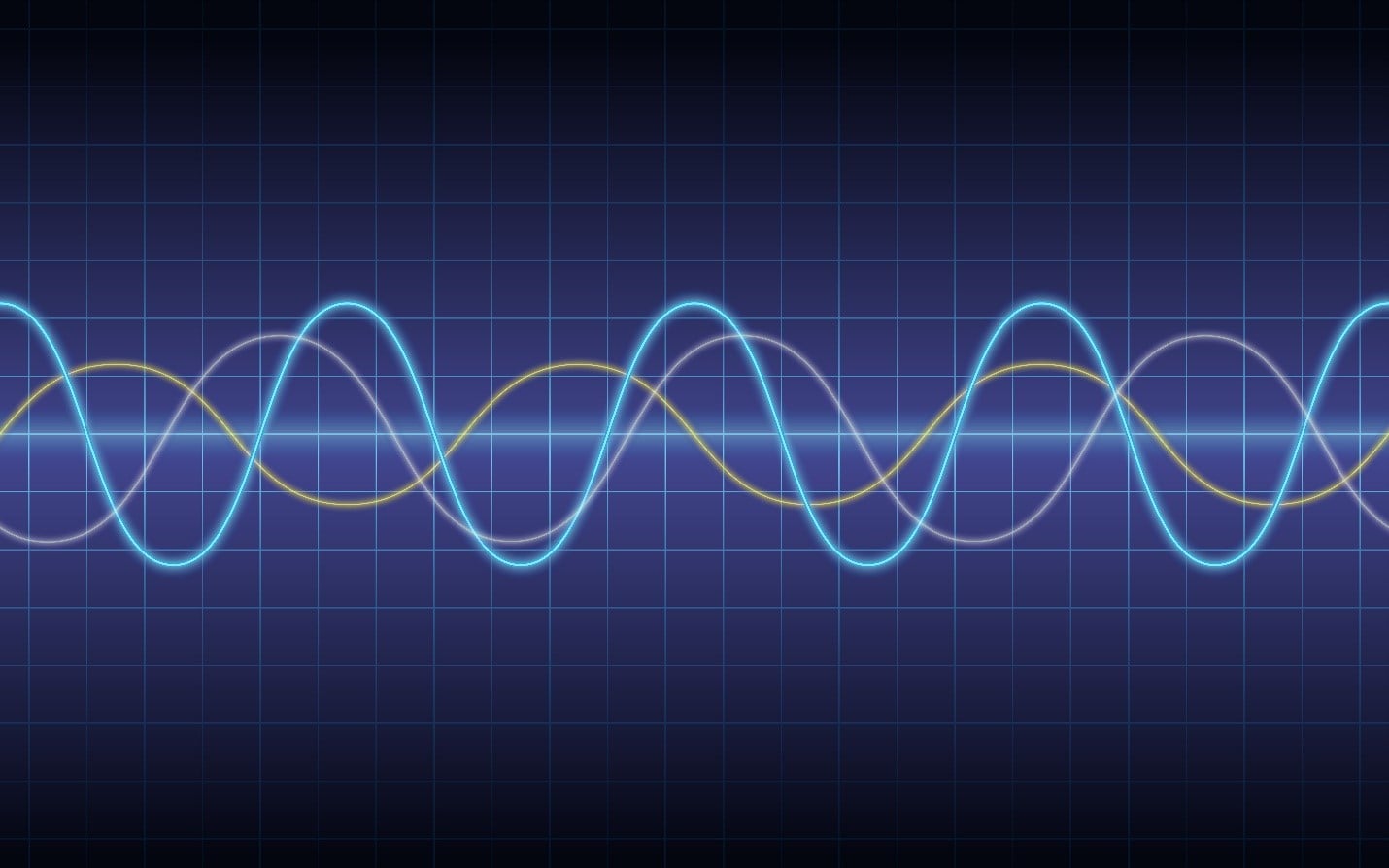
Ideal electrical power quality should consist of a perfectly smooth sinusoidal AC voltage at a constant frequency (50 Hz in Europe, 60 Hz in the USA) and at the correct voltage level.When engineers ask what is power quality in electrical engineering, they are asking how closely real-world supply conditions match that ideal.
Poor power quality means the voltage or current deviates from that ideal shape, frequency, or level. Understanding power quality is critical because even small deviations carry significant consequences for sensitive electronics, industrial machinery, and compliance-bound systems.
Why Power Quality Matters in Modern Electrical Systems
In today’s environment of complex electronics, renewable energy integration, variable frequency drives, and tightly regulated manufacturing, maintaining high electric power quality is more important than ever. Power quality issues in power systems – including harmonic distortion, voltage sags, frequency deviations, and transients lead to:
- Equipment malfunction and unplanned production downtime
- Reduced efficiency in motors, transformers, and drives
- Failure to meet compliance standards (IEC 61000, IEEE 519, RTCA DO-160)
- Safety hazards, component overheating, and shortened equipment lifespan
When systems malfunction, the root cause is often not the equipment itself – it’s the quality of power feeding it. This is why power quality management has become a core discipline in electrical engineering, facility operations, and product development alike.
Key Power Quality Components and Parameters
Understanding the components and parameters of power quality helps engineers detect and correct issues before they impact performance.
| Parameter | Definition | Impact on System |
|---|---|---|
| Voltage Sag (Dip) | Momentary voltage reduction below nominal level | Causes resets, dimming, motor stalling |
| Voltage Swell (Overvoltage) | Temporary voltage increase | Leads to overheating, component stress |
| Transients/Surges | Sudden spikes in voltage or current | Damages semiconductors and power supplies |
| Harmonic Distortion (THD) | Deviation from the fundamental sine wave | Causes overheating, inefficiency |
| Frequency Deviation | Change in system frequency from nominal (50/60 Hz) | Affects timing, motor speed, and stability |
| Voltage Unbalance | Unequal voltage across phases in three-phase systems | Leads to vibration and excessive current in motors |
| Power Factor (PF) | Ratio of real power to apparent power | Indicates efficiency of power usage |
| Crest Factor (CF) | Ratio of peak to RMS voltage | Identifies waveform distortion risks |
These power quality parameters provide the foundation for understanding electrical power quality performance and diagnosing issues effectively.
Causes of Poor Power Quality
Poor electrical power quality can originate from several sources:
- Non-Linear Loads: Devices such as VFDs, EV chargers, SMPS units, and LED drivers generate harmonic distortion.
- Aging Infrastructure: Outdated cables, grounding faults, or loose connections increase power fluctuations.
- Load Switching and Startup: Large equipment cycling on or off can cause voltage sags or swells.
- Poor Phase Balancing: Uneven loads across phases cause current imbalance and reduced efficiency.
- Inadequate Filtering: Lack of harmonic filters allows unwanted frequencies to distort the waveform.
Understanding these causes of poor power quality allows engineers to implement targeted solutions before system failure occurs.
Types of Power Quality Problems and Solutions
Understanding the different types of power quality issues is the first step in addressing them. Below are the most common power quality problems categorized by their effects, causes, and solutions:
| Power Quality Issue | Effects | Causes | Solutions |
|---|---|---|---|
| Overvoltage or Swell | Equipment resets, malfunction, data errors or memory loss, shrinking display screens | Short circuits, undersized electrical circuits, major equipment startup or shutdown | Install voltage regulators, surge protection devices, and properly size electrical circuits |
| Undervoltage or Sag | Equipment malfunction, system resets, reduced performance | Overloaded circuits, faulty transformers, sudden load changes, or poor power distribution | Implement voltage stabilizers, uninterruptible power supplies (UPS), or upgrade power infrastructure |
| Transients and Surges | Component stress, premature failure, burned circuit boards, data loss, processing errors | Static discharges, utility switching operations, power grid faults, starting and stopping of machines, lightning | Install transient voltage surge suppressors (TVSS), proper grounding systems, and isolation transformers |
| Harmonic Distortion | Overheating of transformers and motors, reduced efficiency, interference with sensitive equipment | Non-linear loads such as variable frequency drives (VFDs), switching power supplies (SMPS), electric vehicle (EV) chargers, and fluorescent lighting | Deploy harmonic filters, active power conditioners, or passive filters designed for specific harmonic frequencies |
| Frequency Deviations | Loss of synchronization, motor speed issues, timing errors in electronic systems | Generator/load mismatches, sudden load changes, equipment malfunction, or incorrect power system synchronization | Implement proper load balancing, frequency converters, or upgrade power generation capacity |
| Temporary Interruption and Long-Term Outages | Complete system shutdown, data loss, production stoppage | Weather events, human errors, equipment failure, animals contacting power lines | Deploy UPS systems, backup generators, redundant power supplies |
| Voltage Notching | Burned circuit boards, data loss, processing errors in sensitive electronics | Static discharges, starting and stopping of equipment or machinery, lightning strikes | Install proper filtering, isolation transformers, and surge protection |
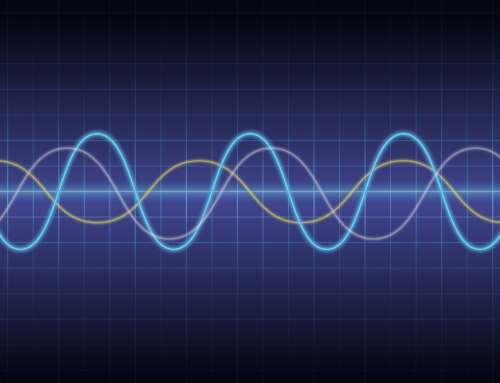
One visual way to grasp these power quality issues is by comparing ideal and distorted sine waves. A perfect sine wave represents high quality power, while a distorted sine wave illustrates poor power quality.

How Power Quality Affects Modern Electronics
Modern electronics rely on precise power to function efficiently and accurately. Here’s how power quality problems impact equipment and operations:
- Device Malfunction: Power quality issues like voltage variations, harmonic currents, and transients cause sensors, controllers, and CPUs to behave erratically or fail completely. This is one of the primary reasons why maintaining electronics product quality requires excellent power quality.
- Shortened Equipment Lifespan: Power quality issues wear out components faster, especially power supplies, LEDs, and motor drives. Devices like transformers and motors can overheat due to irregular voltage or current, shortening their lifespan. Frequent malfunctions and premature failures necessitate frequent repairs and replacements, thereby increasing operational costs.
- Data Corruption and Loss: Power outages and fluctuations can lead to data loss in systems that rely on continuous power, affecting operations and potentially causing significant financial losses.
- Regulatory Compliance Failures: Non-compliance with power quality requirements under standards like EN61000-3-2 or RTCA DO-160 can result in failed inspections or certification delays, preventing product launches or facility operations.
- Safety Hazards: Excessive heat produced by poor quality power can pose a fire hazard. In extreme cases, poor power quality can lead to ignition of cables and components, creating dangerous situations.
- Unexpected Downtime: A voltage sag or transient can bring production lines to a halt, causing significant delays and costs. This is particularly problematic in industrial power quality scenarios where continuous operation is critical.
Real-World Impact: A mere 100ms, 10% voltage sag can cause a full production line to reset, resulting in several hours of rework and downtime, demonstrating why power quality matters so critically.
How to Measure Power Quality: Key Parameters and Interpretation
Measuring power quality is critical for identifying and solving power quality issues. Understanding power quality measurements involves tracking several key parameters and interpreting results against established standards.
- THD (Total Harmonic Distortion): This parameter measures the distortion in voltage and current waveforms caused by harmonics, which can affect the efficiency and operation of equipment. THD is one of the most important electrical power quality measurements.
- Power Factor (PF): Power factor indicates the efficiency of power usage within a system. A low power factor suggests that energy is being wasted, reducing overall system efficiency and requiring power quality correction.
- Crest Factor (CF): The crest factor identifies waveform distortion by comparing the peak voltage to the average voltage, helping to assess the potential for stress on equipment.
- Transients & Inrush: These measurements capture sudden voltage spikes or current surges, which can cause significant damage to sensitive equipment if not properly managed.
- Flicker Index: The flicker index measures rapid voltage fluctuations that can lead to visible light flicker or instability in display systems, affecting performance.
- Voltage Unbalance: Voltage unbalance monitors three-phase equipment to ensure the voltage is evenly distributed across all phases, preventing issues such as overheating or vibration.
Interpretation of Power Quality Measurements
- Voltage Anomalies: Voltage anomalies, such as sags (dips), swells (surges), interruptions, and flicker (rapid voltage fluctuations), should be identified to assess their impact on equipment performance and reliability. These are fundamental aspects of voltage quality assessment.
- Harmonic Distortion Analysis: The level of Total Harmonic Distortion (THD) and individual harmonic amplitudes should be determined and compared to established standards to ensure that harmonic content does not negatively affect the system.
- Transient Events: Transient events should be analyzed for their magnitude, duration, and frequency to assess the potential for damage to sensitive equipment and to develop appropriate power quality solutions.
- Frequency Deviations: Ensure that the frequency remains within the acceptable range specified for the power system, as deviations can lead to synchronization issues and equipment malfunction.
- Power Factor Evaluation: Evaluating the power factor is essential to determine whether reactive power compensation or power quality and power factor correction is required, ensuring efficient power usage and reducing energy waste.
- Waveform Distortion: Identifying waveform distortions, such as notches, spikes, or noise, can indicate issues with the power supply or connected equipment that may need power quality troubleshooting to avoid operational disruptions.
Power Quality Testing Tools and Equipment
Selecting the right power quality testing equipment depends on the scope of the assessment – from quick diagnostics to long-term monitoring and compliance verification.
- Power Analyzers: The most comprehensive tools for power quality testing. They measure and analyze voltage, current, harmonics, power factor, and waveform characteristics across all phases simultaneously.
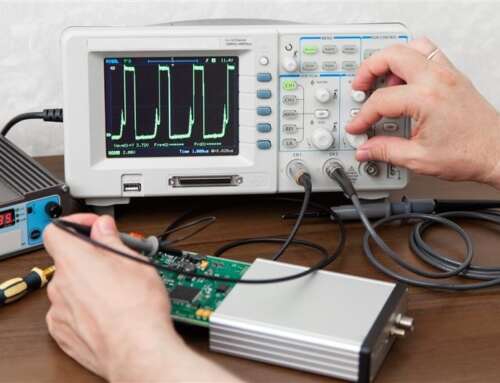
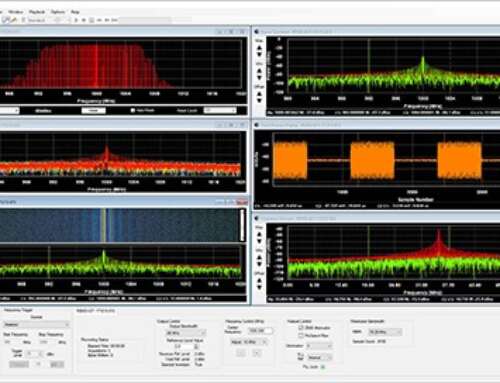
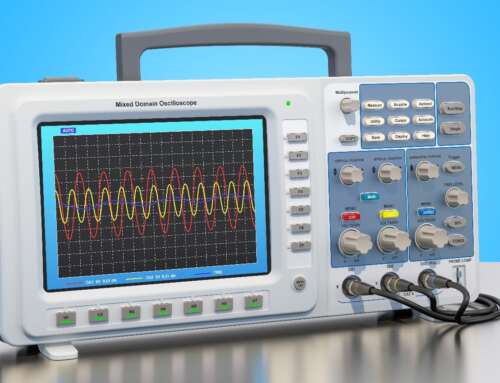
- Oscilloscopes: Capture transient events, waveform distortions, and sags in real time — valuable for rapid power quality troubleshooting.
- Harmonic Analyzers: Dedicated instruments for measuring THD and individual harmonic content, particularly useful in facilities with high non-linear load density.
- Multimeters: Basic measurement tools for voltage, current, resistance, frequency, and power factor screening.
- Clamp Meters: Allow current measurement and detection of imbalances or frequency deviations without breaking the circuit.
- Voltage Data Loggers: Continuously record voltage over extended periods to identify recurring sags, surges, and interruptions — essential for power quality studies that span days or weeks.
- Power Meters: Measure real, reactive, and apparent power alongside power factor, providing essential data for energy and power quality management.
For comprehensive power quality testing and long-term power quality monitoring, power analyzers remain the instrument of choice across industrial, manufacturing, and product compliance applications.
Power Quality Measurement with Vitrek’s PA9xx Series
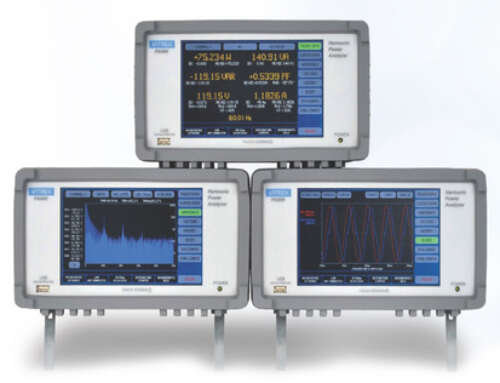
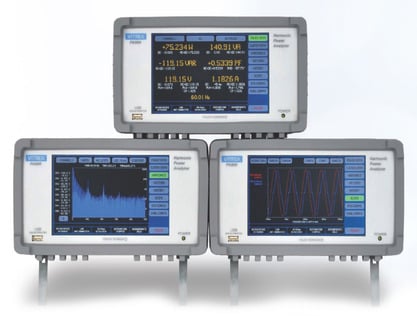
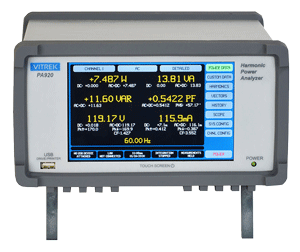
Vitrek’s power analyzers, such as the PA900, PA910, and PA920, are designed to give engineers unmatched insight into power quality issues and provide solutions for power quality and availability for sensitive equipment:
- Comprehensive Harmonics Analysis: Vitrek’s PA900, PA910, and PA920 series deliver detailed harmonic analysis up to the 500th order, enabling users to both visualize and quantify distortion levels and evaluate their impact on system performance. This capability is essential for identifying and resolving power quality problems.
- Advanced Transient and Inrush Capture: These analyzers can capture and display transient events and inrush currents, allowing engineers to identify short-duration voltage spikes or current surges that could damage sensitive equipment. This feature is critical for comprehensive power quality troubleshooting.
- Real-Time Power Factor Visualization: The PA9xx series provides real-time monitoring and visualization of power factor and phase relationships using a vector screen, helping operators ensure optimal power usage and minimize energy waste through effective power quality correction.
- Long-Term Monitoring with History Screen: With trend logging capabilities for up to 397 days, the PA9xx series allows users to track power quality parameters over extended periods, helping identify recurring issues or subtle power quality changes that might otherwise go unnoticed.
- Built-In Compliance Screens: These analyzers come equipped with built-in screens that help ensure compliance with global power quality requirements such as EN61000-3-2/12, EN50564, and RTCA DO-160, making them ideal for industries with strict regulatory requirements.
- Convenient Data Export Options: Vitrek’s PA9xx series enables easy data export via USB or Ethernet in CSV or screenshot formats, facilitating detailed analysis and report generation for power quality and measurements documentation.

How to Improve Power Quality: Conducting a Power Quality Audit
Conducting a power quality audit involves systematically identifying and addressing potential power quality issues in an electrical system. Here’s how to conduct an effective audit:
- Identify Sensitive Equipment and Critical Loads: Start by identifying the equipment and systems most sensitive to power quality issues, such as motors, PLCs, variable frequency drives (VFDs), and sensitive electronics. These components are more susceptible to disruptions like voltage sags, harmonics, or transients.
- Select the Right Power Analyzer: Choose a power analyzer, like the Vitrek PA9xx series, that can measure key parameters such as voltage sags, harmonics, power factor, frequency deviations, and transients. Ensure the analyzer has the necessary features for long-term monitoring and real-time data capture.
- Monitor Power Quality Parameters Over Time: Use the analyzer to monitor critical parameters, such as:
- Voltage levels: Measure sags, surges, and interruptions.
- Harmonics: Evaluate total harmonic distortion (THD) and individual harmonic content.
- Power Factor: Assess if reactive power compensation is needed.
- Transients and Inrush: Record voltage spikes or current surges that could damage equipment.
- Frequency Deviations: Ensure the system’s frequency stays within the acceptable range.
- Analyze Results and Identify Issues: Review the collected data to identify any deviations or anomalies that could affect system performance. For instance, excessive harmonic distortion may indicate the need for harmonic filters, while frequent voltage sags could point to a power supply issue or improper grounding.
- Compare Results to Standards: Compare the measured results to industry standards (e.g., IEEE, IEC, EN standards) to determine if the system meets required power quality levels. If the parameters exceed the allowable limits, corrective measures should be planned.
- Implement Corrective Actions: Based on the findings, take corrective actions such as:
- Installing harmonic filters or active conditioners to reduce distortion.
- Adding capacitors for power factor correction.
- Improving grounding and shielding to reduce noise and DC offset.
- Implementing surge protection or voltage stabilizers to address sags and surges.
- Conduct Follow-Up Audits:After implementing corrective measures, schedule follow-up audits to ensure that the changes have successfully improved power quality and that the system remains compliant with industry standards.
Power Quality Management: From Measurement to Continuous Control
Effective power quality management extends beyond one-time audits. In industrial and commercial facilities, power quality systems require ongoing monitoring, documented assessment cycles, and clear response protocols for power quality events. This is particularly true for:
- Industrial power quality: Manufacturing environments with VFDs, high-cycle machinery, and precision process control demand consistent power quality monitoring to prevent costly downtime.
- Product compliance testing: Electronics manufacturers must verify their products meet power quality requirements under standards like EN 61000-3-2, IEC 61000-4, and RTCA DO-160 before market release.
- Energy management: Poor power factor and harmonic distortion translate directly into energy waste and utility penalties — power quality management and energy management are increasingly treated as a single discipline.
Regular power quality testing, supported by capable instrumentation and clear reporting workflows, is the foundation of sustainable power quality improvement.
Power Quality as a Critical Performance Parameter
Vitrek’s advanced power analyzers give you the tools to take control of your power integrity, offering clear, actionable insights to help you address power quality challenges with confidence. Whether you’re dealing with industrial power quality issues or need solutions for power quality and availability for sensitive equipment, proper measurement and analysis are essential first steps.
By maintaining good electric power quality through regular monitoring, proper equipment selection, and implementation of appropriate power quality solutions, you can significantly improve power quality in electrical systems and protect your investment in critical equipment.
Get in Touch with Us
Have questions or need assistance with power quality solutions? Contact us today to learn how Vitrek’s advanced analyzers can help optimize your system’s performance and reliability. We’re here to provide expert guidance and support for all your power quality and measurements needs!