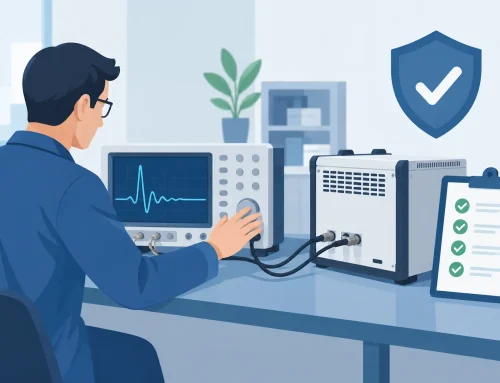
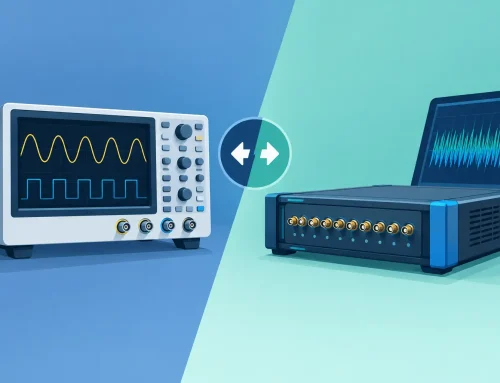
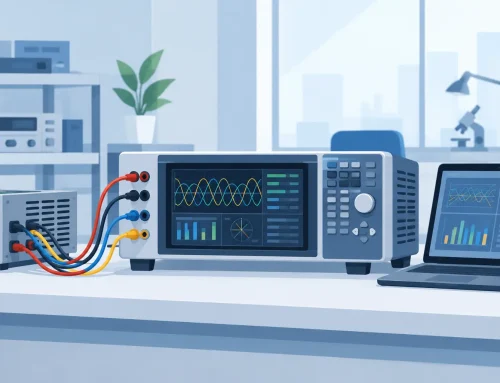
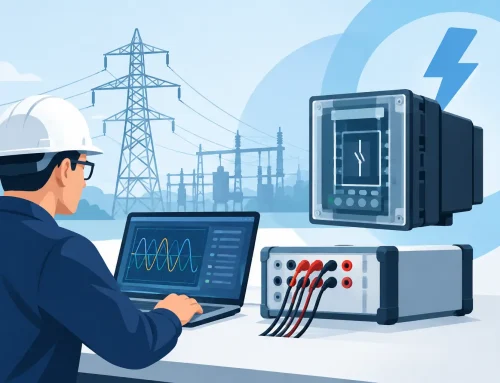
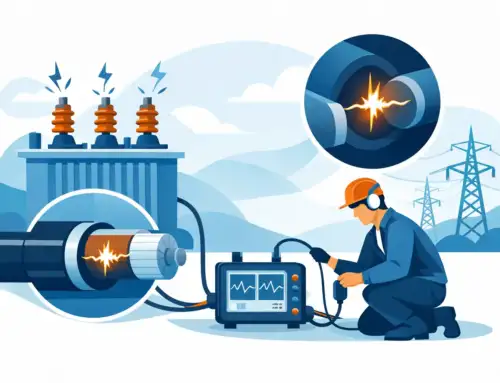
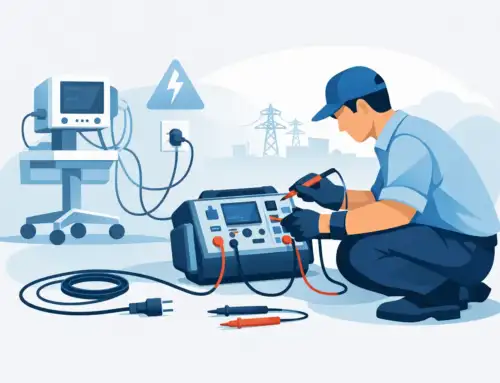
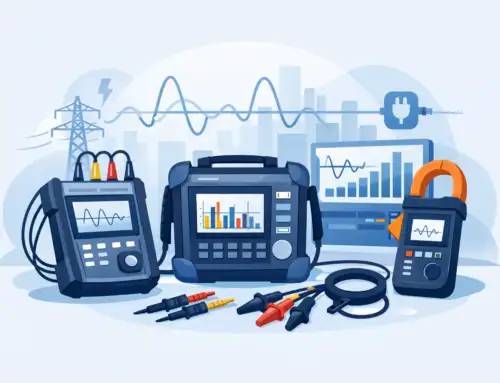
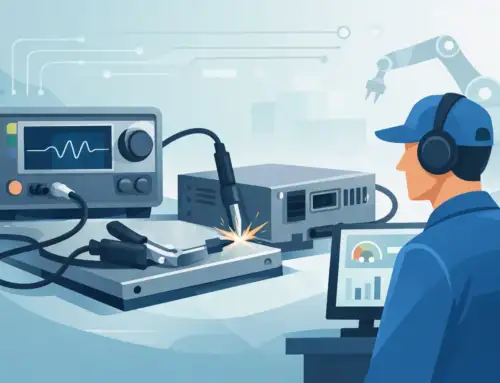
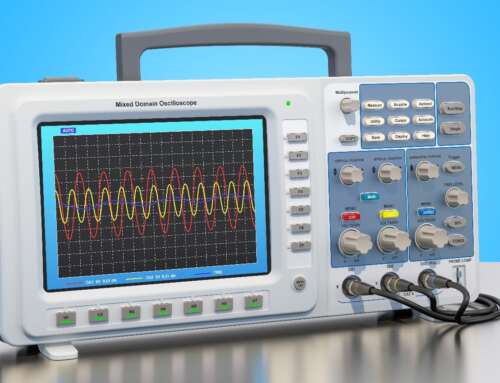
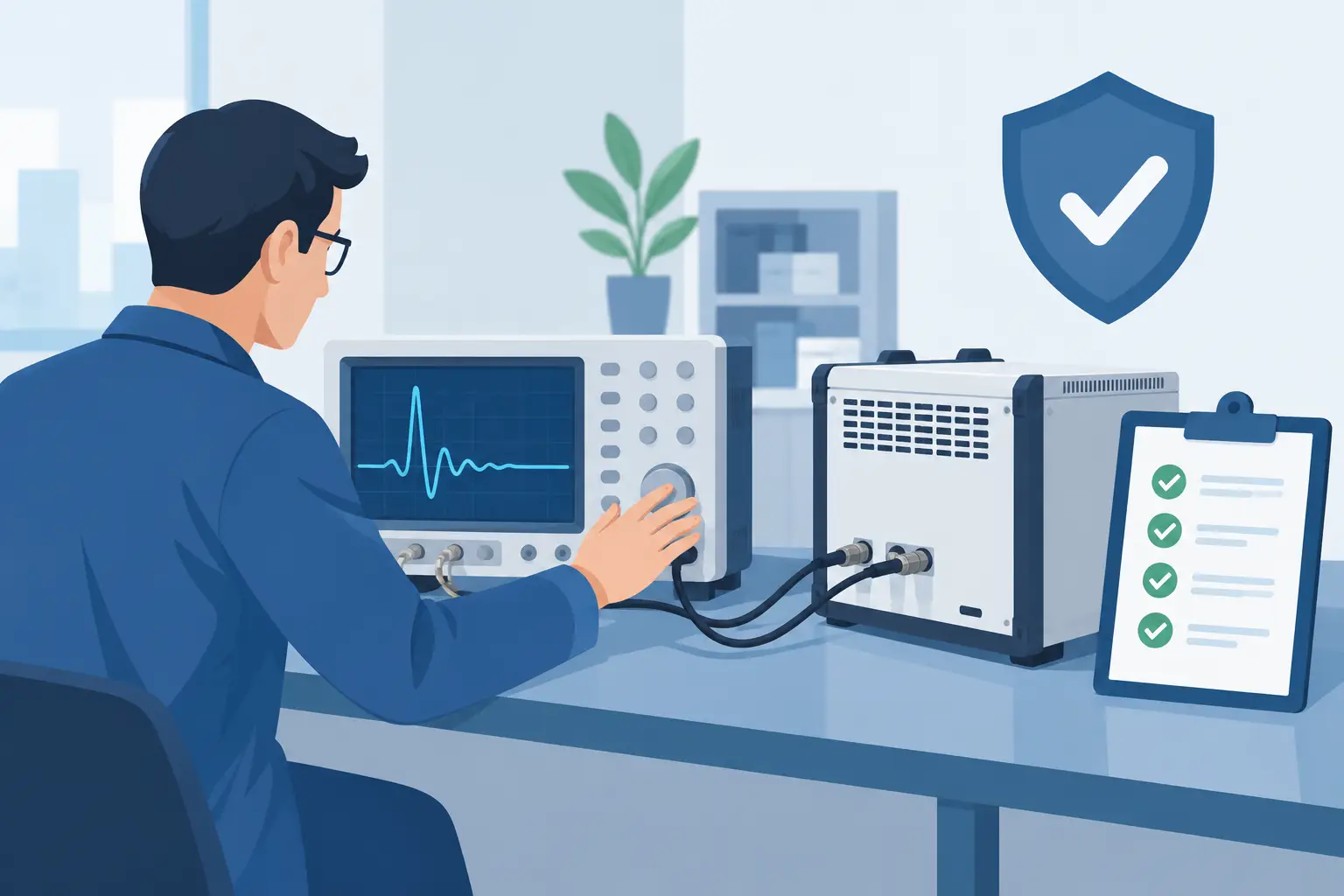
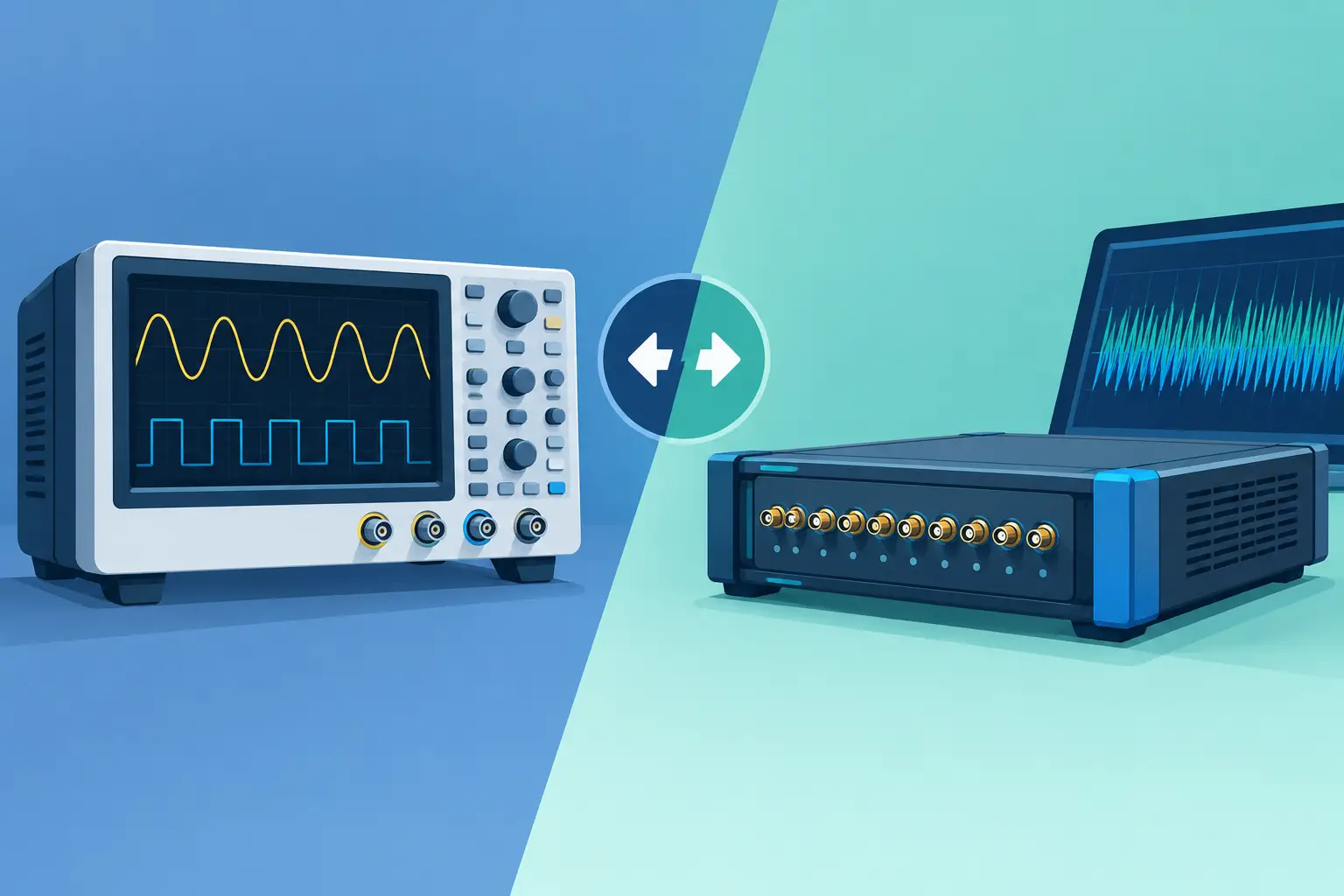
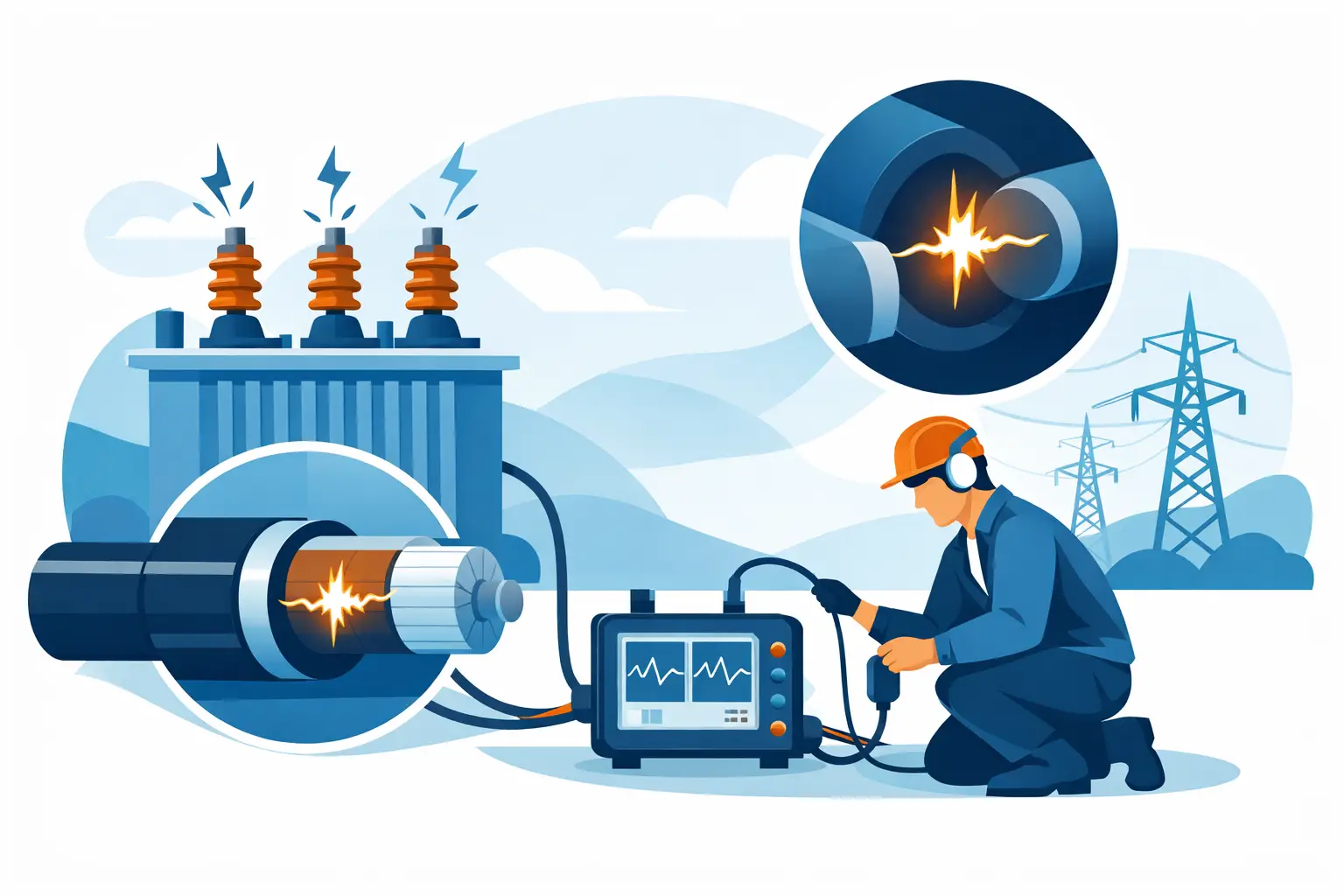
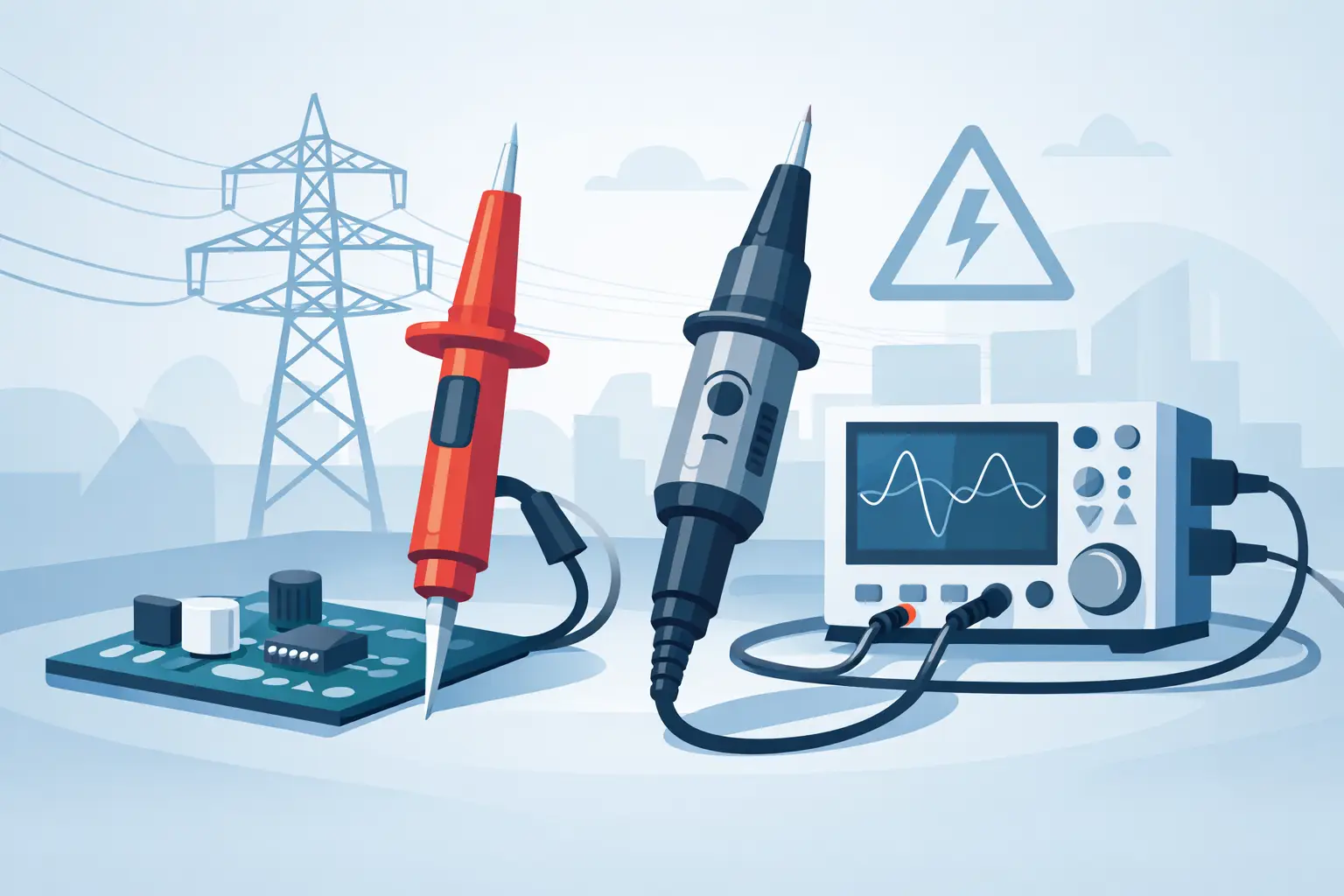
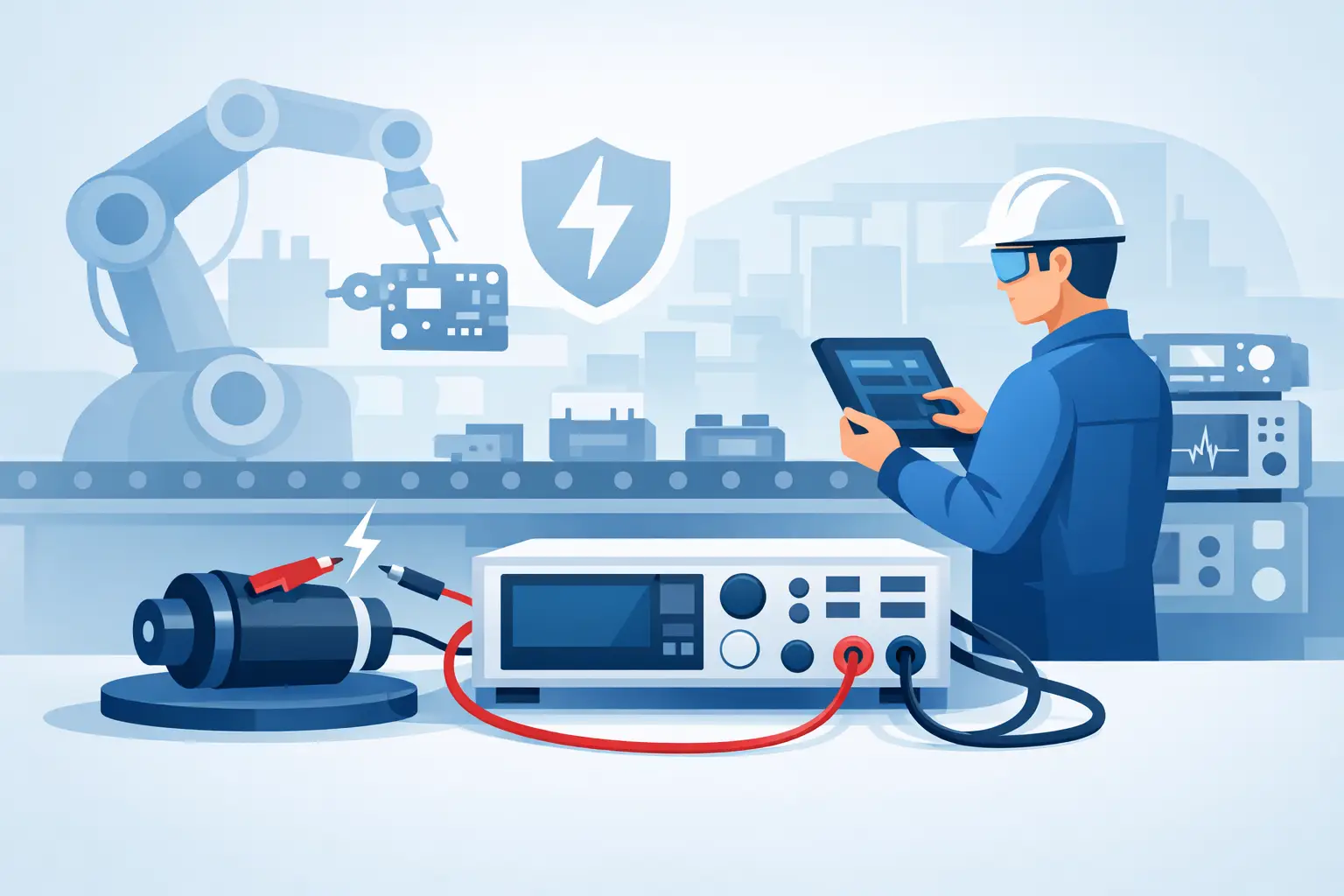
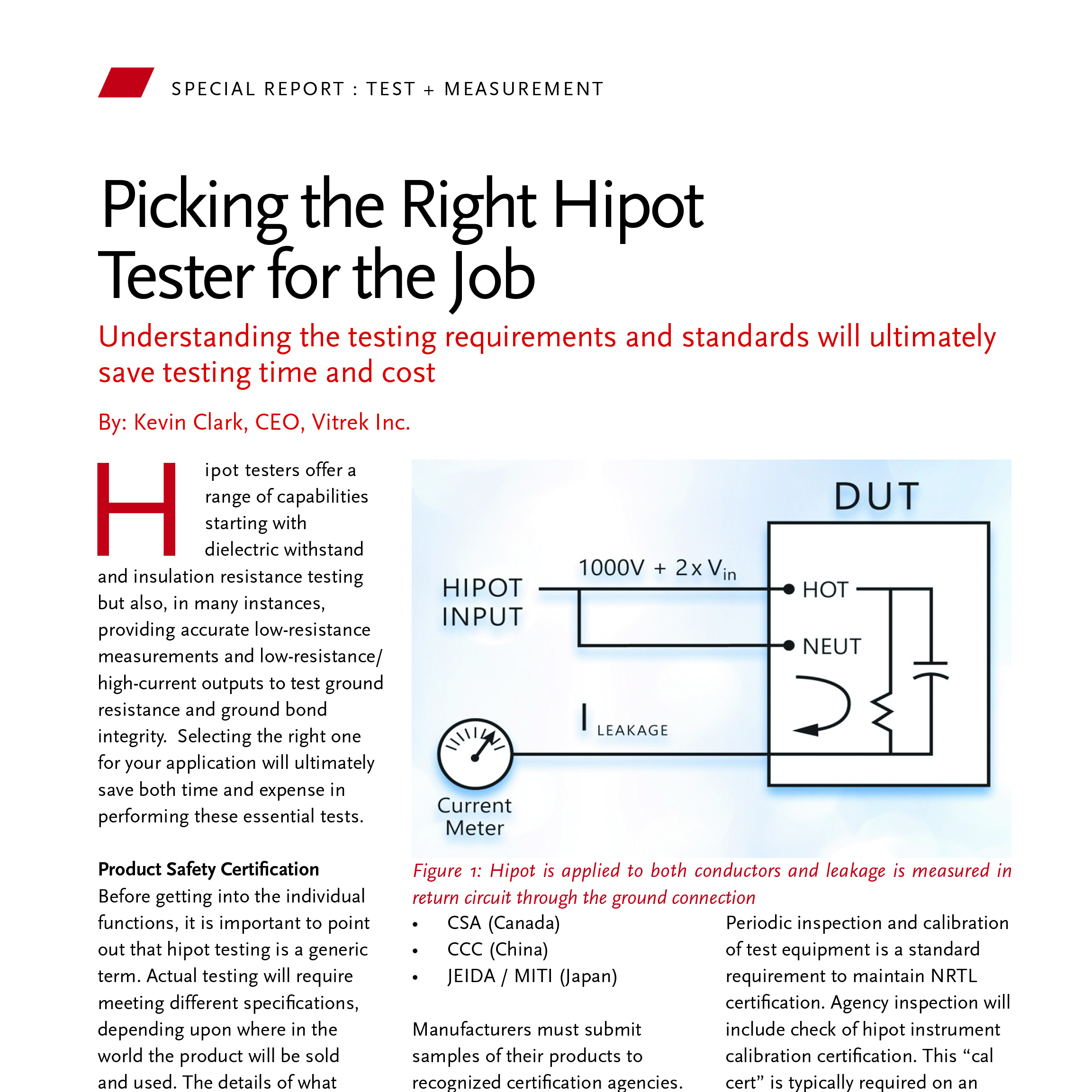
Electrical insulation failure can lead to catastrophic equipment damage, personal injury, and regulatory non-compliance. One critical aspect of ensuring safety is leakage current testing, which helps identify potential hazards from unintended electrical current flowing through insulation. Engineers and safety professionals use Hipot testers to perform accurate leakage measurements. Vitrek provides Hipot testers that can detect anomalies down to picoamp levels, ensuring comprehensive safety validation across diverse applications. This post explains the basics of leakage current testing, how it’s performed, and how Vitrek’s Hipot testers support precision and safety across industries.
What Is Leakage Current Testing?
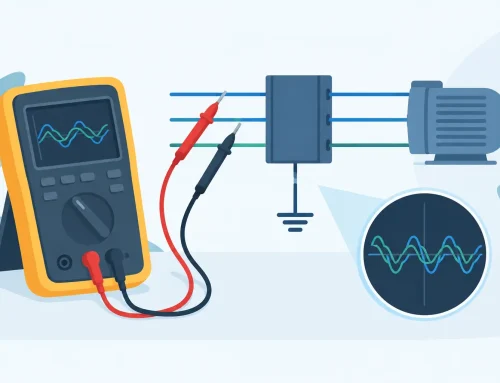
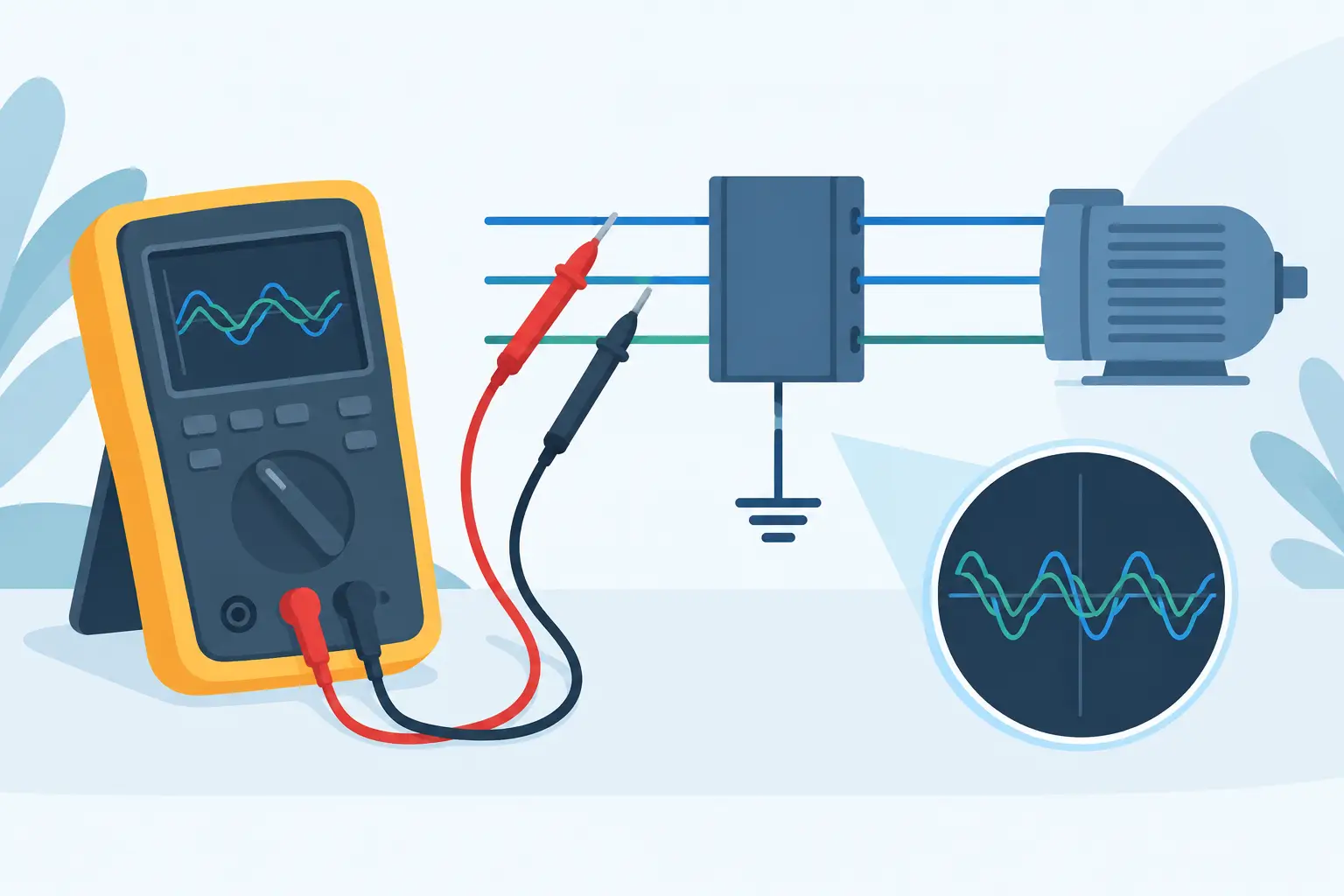
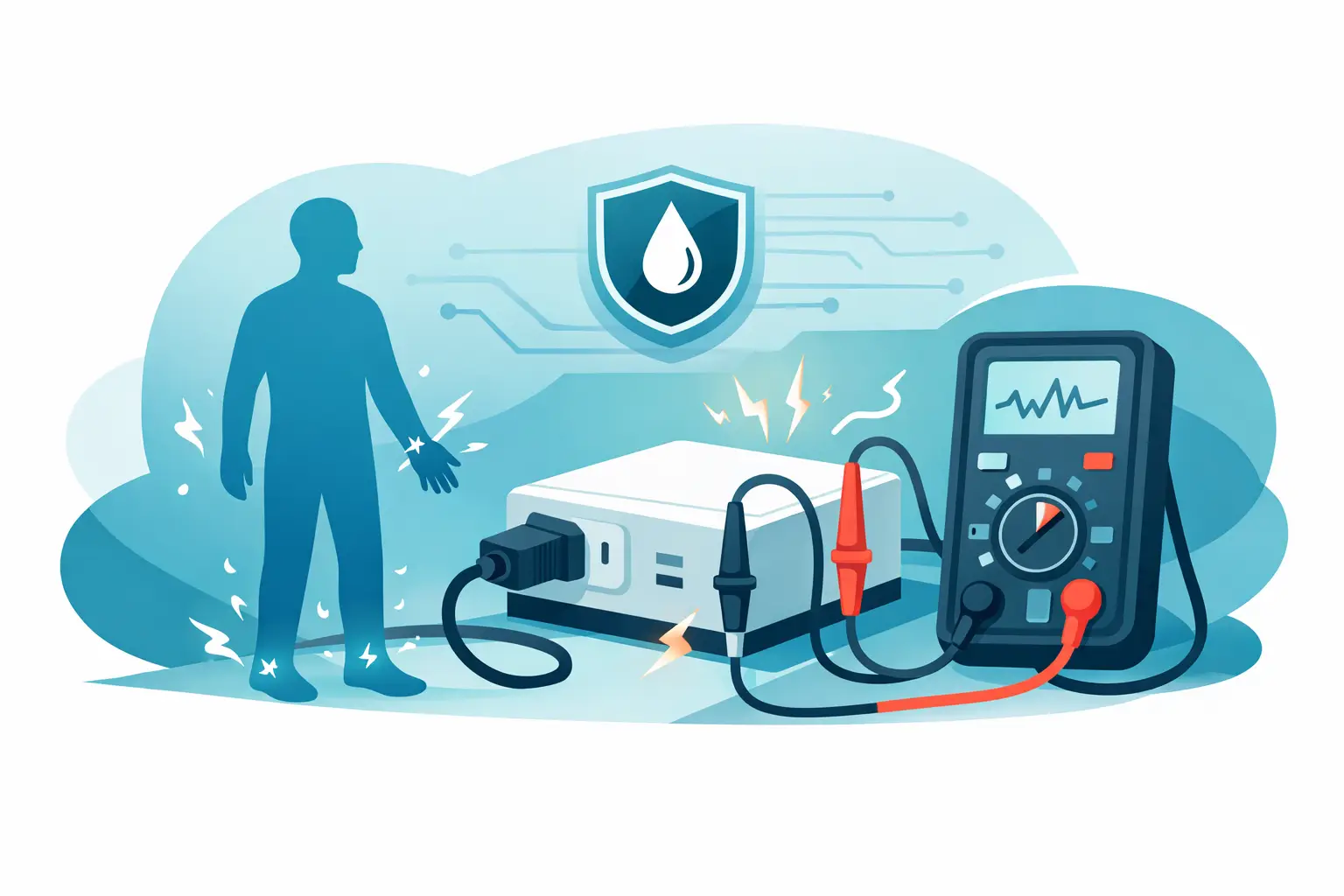
Leakage current testing measures the unintended flow of electrical current through insulation or grounding paths under normal operating conditions. This current represents a deviation from perfect insulation, where theoretically zero current should pass between conductors and ground or between isolated circuits.
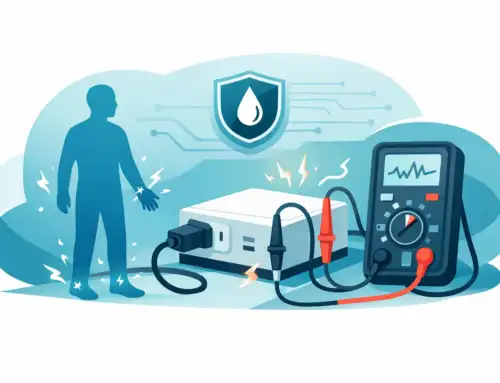
Small amounts of leakage current are normal in most electrical systems. However, leakage becomes hazardous when it exceeds safety thresholds established by industry standards and can cause equipment malfunction, shock hazards, or trigger protective devices unnecessarily.
Leakage current is often mistaken for fault current. Distinguishing between the two is crucial for proper testing interpretation. Leakage current flows continuously through insulation at relatively low levels, while fault current occurs during actual insulation breakdown events. Leakage current testing identifies potential problems before they escalate to fault conditions.
Types of Leakage Current
Understanding the source of leakage current helps with troubleshooting and measurement:
- Resistive Leakage Current: This is often caused by deteriorated insulation or contamination of the insulating material. As insulation wears down, it offers less resistance to current flow, allowing more leakage to occur.
- Capacitive Leakage Current: More common in devices with large surface areas or high capacitance, such as cables, motors, and transformers, this leakage current is due to the capacitive coupling between different electrical conductors and the surrounding environment. Excessive capacitive leakage may indicate component aging or design issues.
Capacitive leakage poses less immediate danger but can mask resistive leakage problems if not characterized during testing.
How To Perform Leakage Current Testing
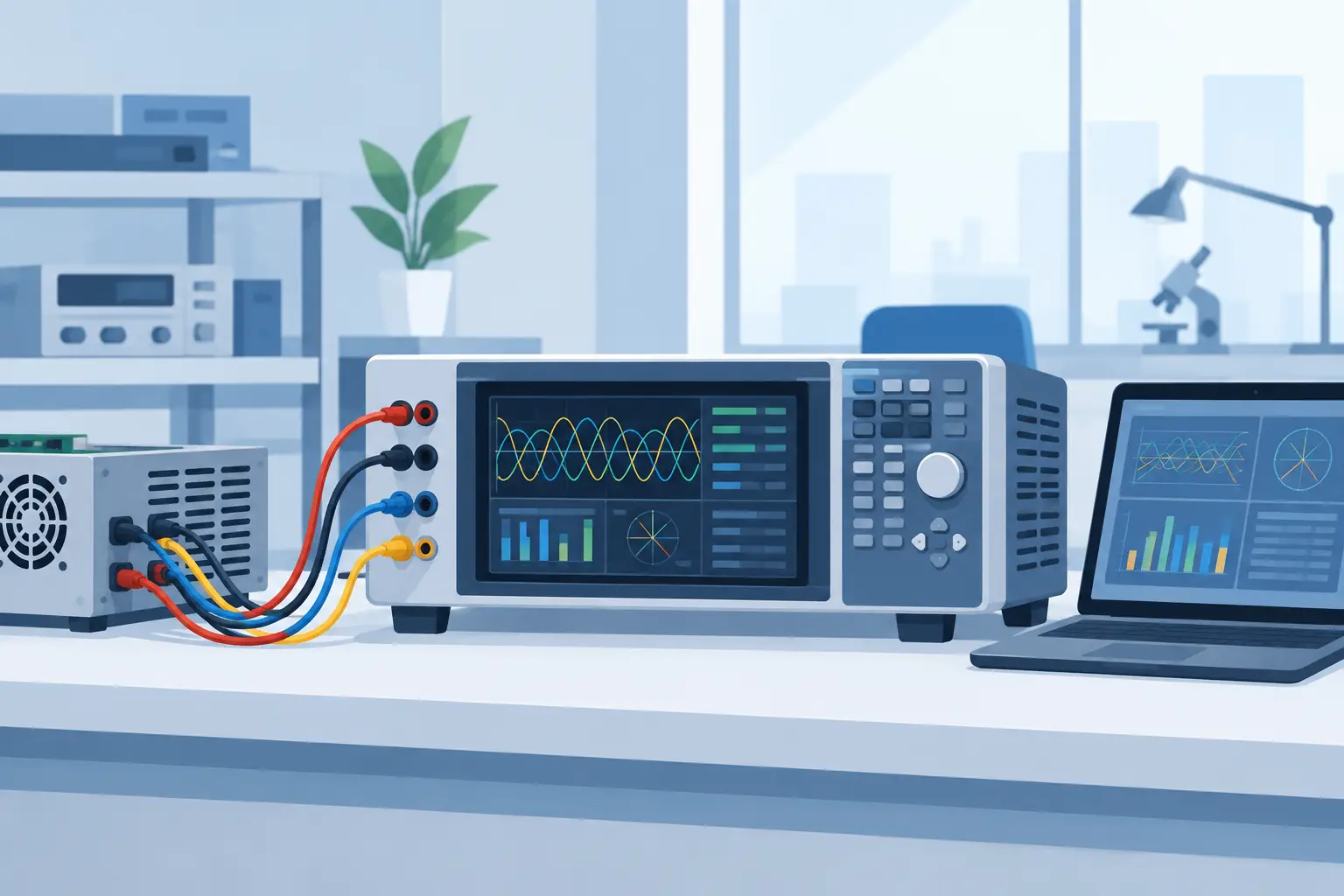
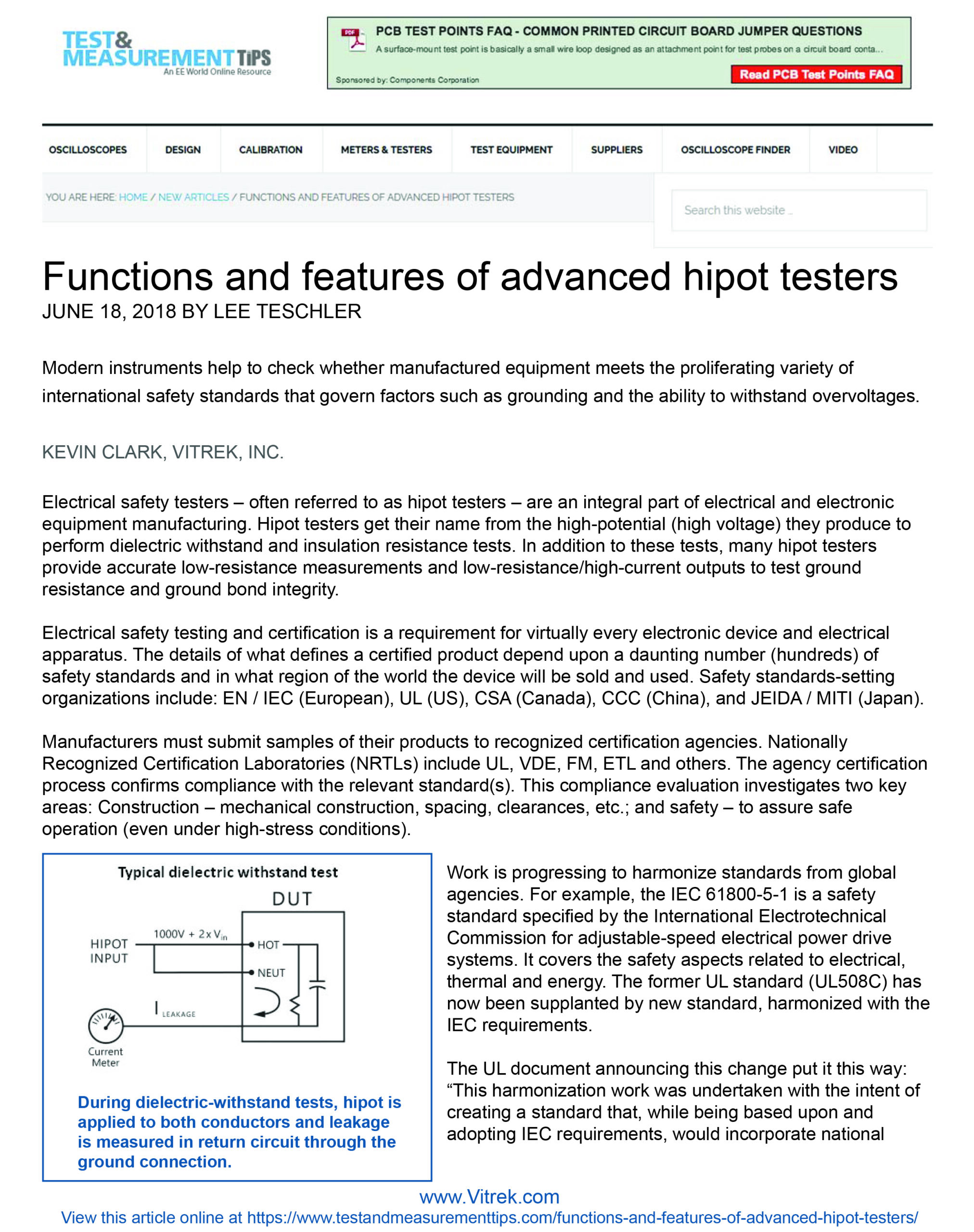
- Test Setup: A high-voltage source, typically from the Hipot tester, is applied to the device under test (DUT). The current is then monitored as it leaks through the insulation, with a return path completing the circuit.
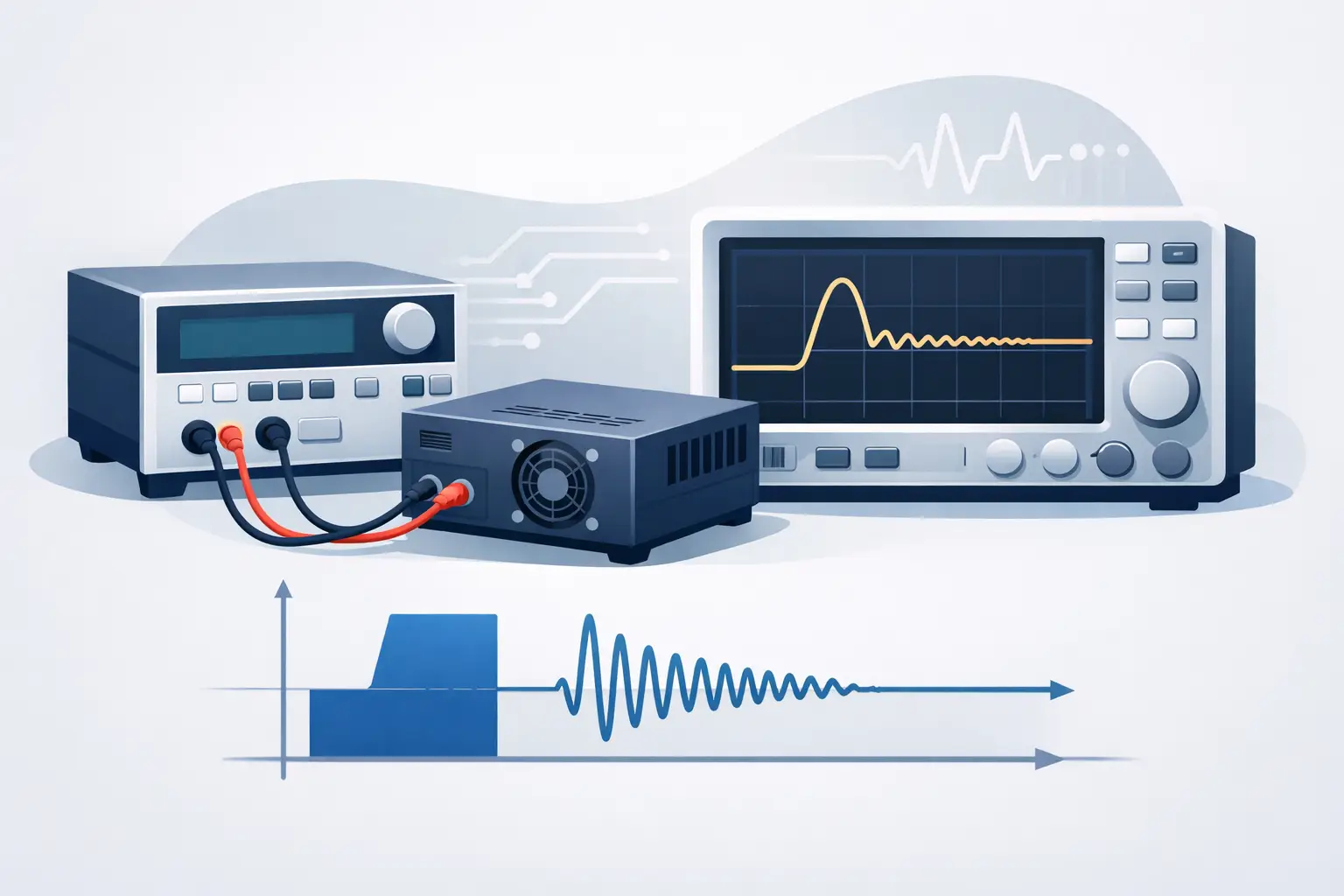
- Test Procedure: The voltage is usually ramped up slowly to the desired test level, and the tester records the current that leaks through. A dwell time at the maximum test voltage may be applied to assess stability. Throughout the test, the current is monitored for any irregularities.
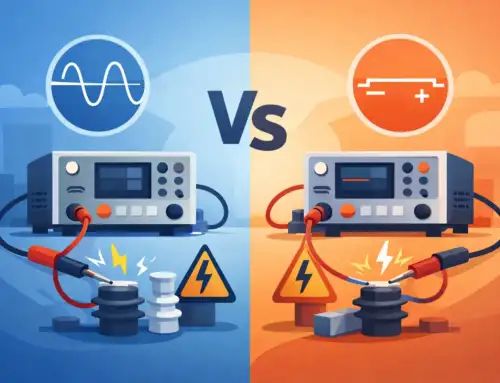
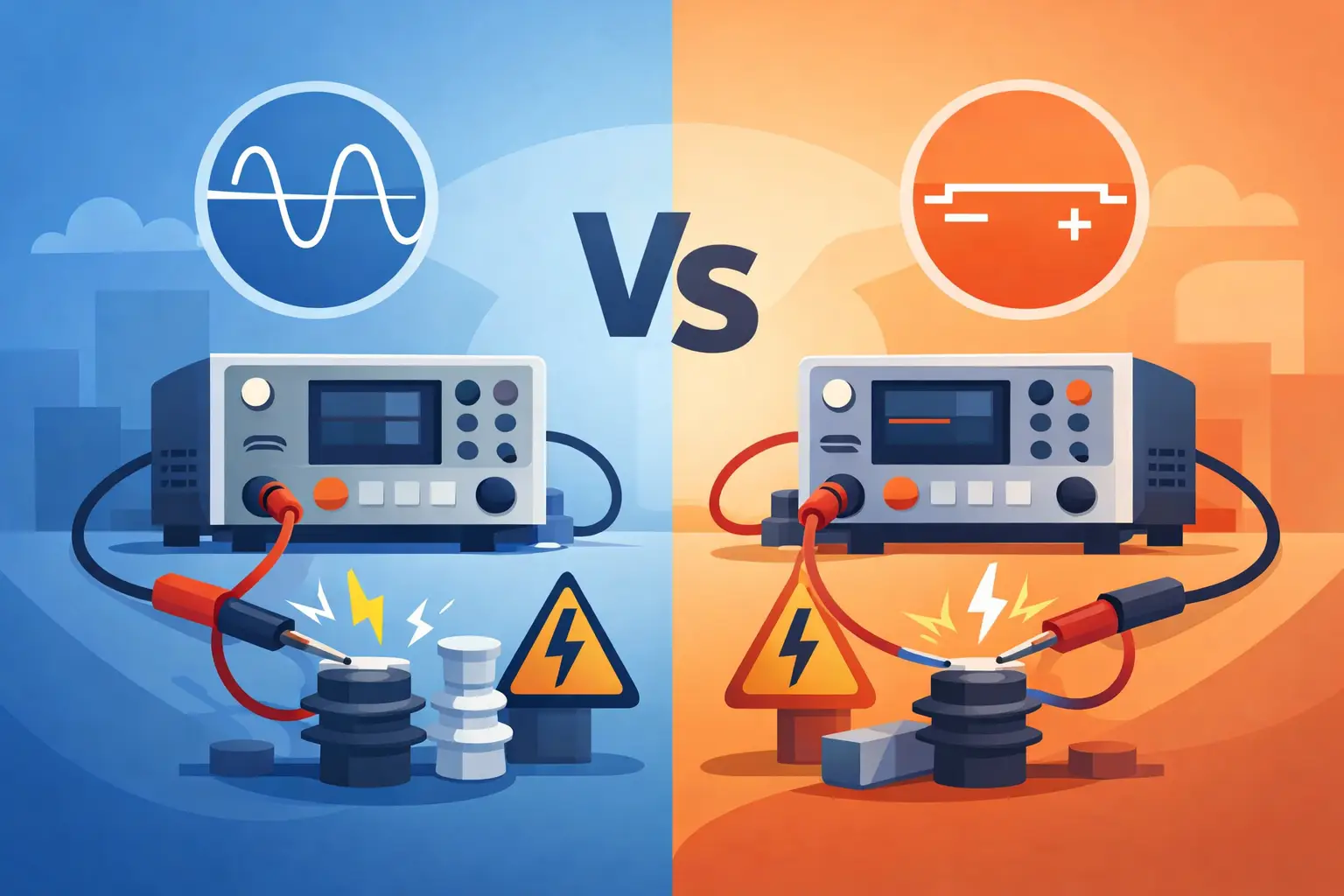
- AC vs. DC Testing: Depending on the application, leakage current tests can be done with alternating current (AC) or direct current (DC). AC is commonly used for standard electronics, while DC testing may be more suitable for devices like power supplies or medical equipment.
Industry Standards and Acceptable Leakage Current Limits
Various safety regulations define acceptable leakage current levels based on the equipment type and usage. Some key standards include:
- IEC 61010: For electrical equipment used in laboratories and industrial settings.
- IEC 60601: For medical electrical equipment.
- UL 60950: For IT equipment.
Each standard outlines specific limits on leakage current, depending on the device’s function and environment.
| Application | Typical Limit |
|---|---|
| Consumer Electronics | < 0.5 mA |
| Medical Devices (Type B) | < 100 µA |
| Industrial Equipment | < 3.5 mA |
| High Voltage Systems | Custom limits based on use case |
Challenges in Measuring Leakage Current
- Capacitive Effects: Capacitive leakage is harder to measure, especially in high-voltage devices. Special precautions, such as using the correct test frequency or applying voltage in a specific manner, are required.
- Environmental Factors: Temperature and humidity can impact leakage current measurement, as they influence the dielectric properties of insulating materials.
- Interference and Noise: Harmonic currents, functional grounding currents, and currents from other equipment can interfere with the measurement of leakage current.
- Equipment Limitations: Insulation testers and clamp meters can detect leakage, but they have limitations. For instance, clamp meters cannot detect leakages for low-frequency measurements. Insulation testers can identify faulty insulation, but not the source of leakage.
- Tester Resolution: Accurate leakage current measurement demands highly sensitive equipment. Without high-resolution testers, small leaks can go undetected, leading to safety risks.
Best Practices for Meaningful and Safe Leakage Current Testing
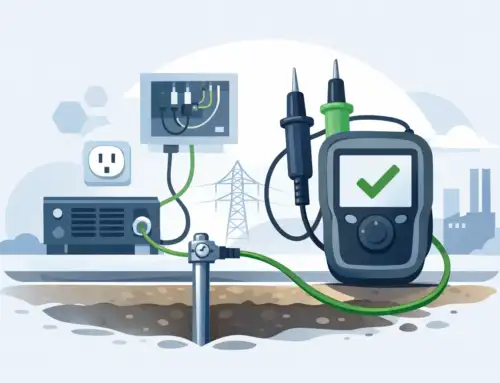
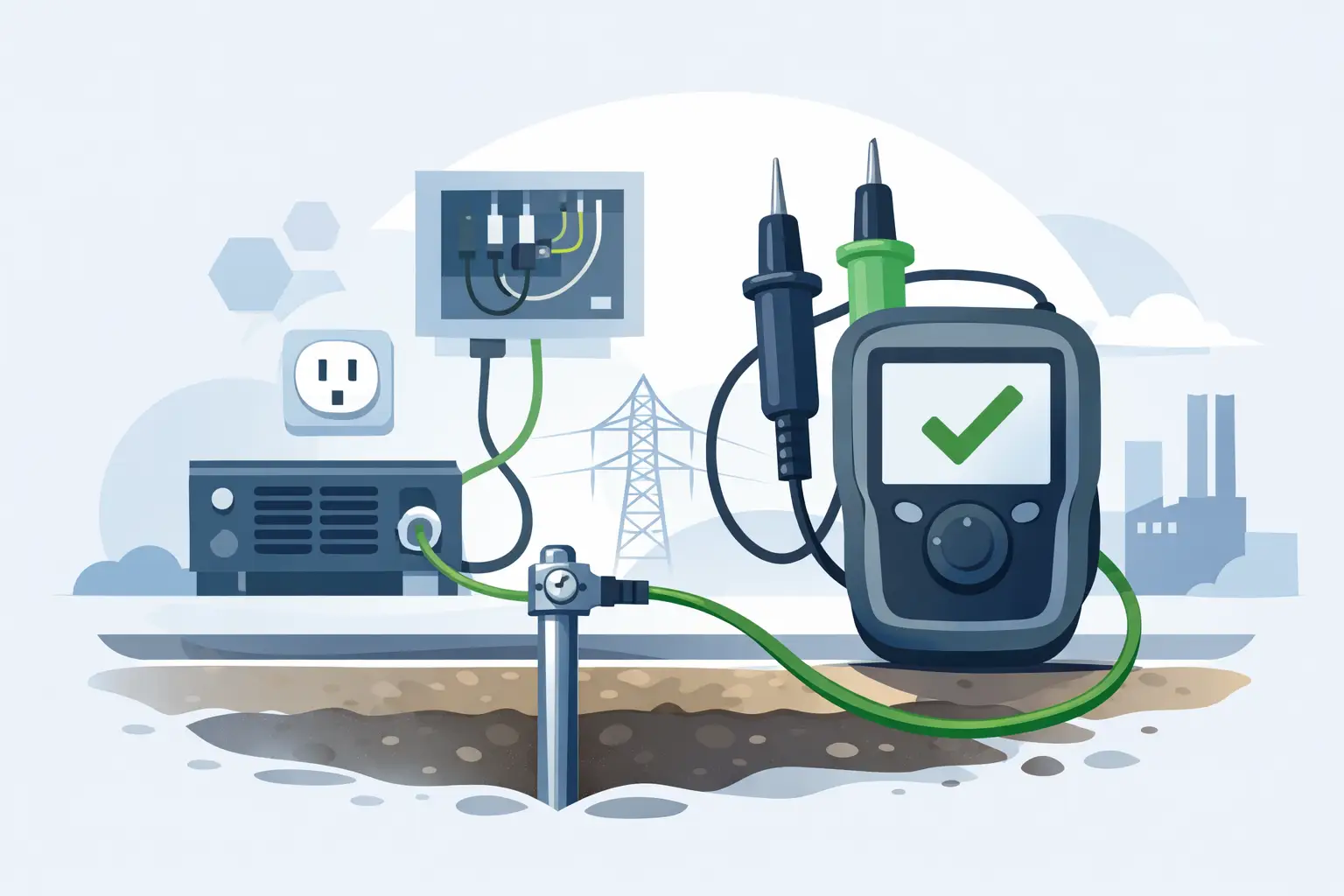
- Always ground your DUT properly and verify test connections.
- Allow for capacitive discharge time, especially during AC tests.
- Use testers with built-in filtering and averaging to reduce noise.
- Regularly calibrate and validate your equipment to maintain measurement integrity.
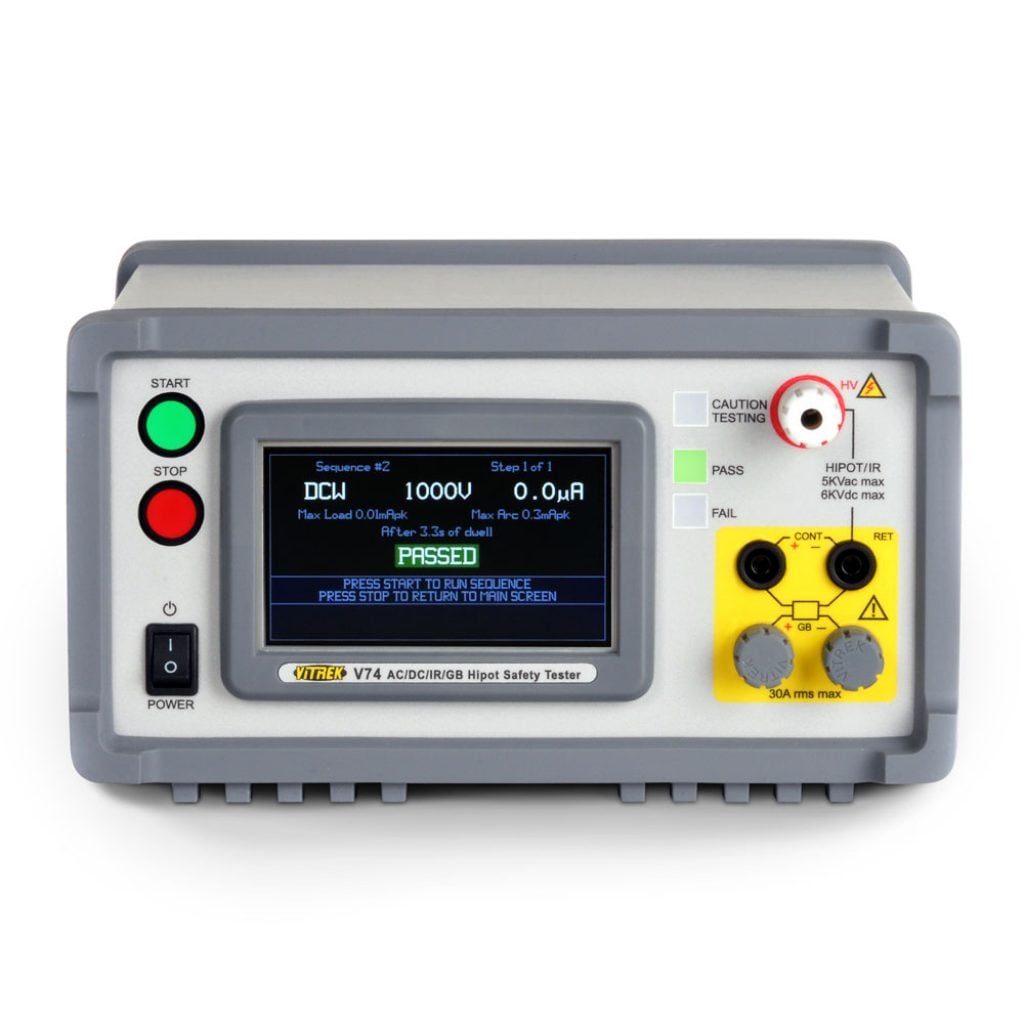
How Vitrek’s Hipot Testers Enhance Leakage Current Testing
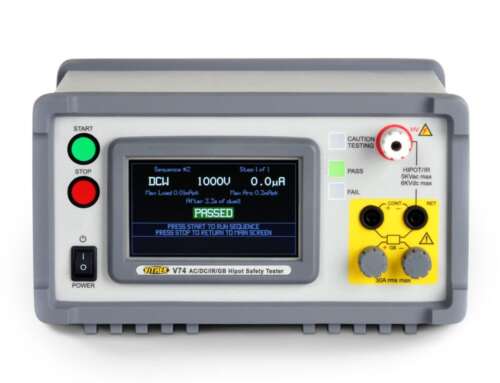
Vitrek precision Hipot testers ensure accurate leakage current testing and even in challenging conditions. Here’s how:
- High Resolution: These Hipot testers can measure leakage current down to picoamp levels, essential for medical and aerospace applications.
- Advanced Safety Functions: They possess built-in arc detection and perform insulation resistance checks that help verify the integrity of the DUT.
- Flexible Test Modes: These testers support both AC and DC testing with programmable ramp rates and dwell times.
- Automated Sequences: They help reduce operator error and increase throughput.
Key models include:
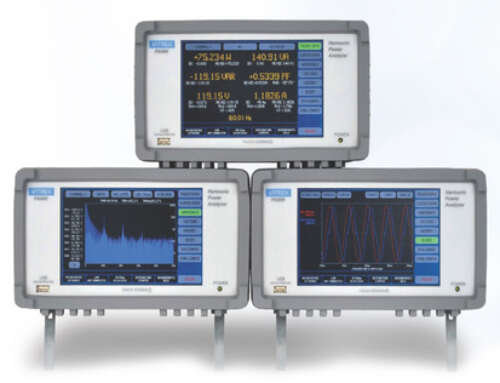
- Vitrek V7X Series: Ideal for production environments, these models are compact, fast, and compatible with automated test systems.

- Vitrek 95X Series: Well suited for lab and R&D settings, these models offer high-voltage capability up to 15 kV. .

Optional accessories like the QT Insite software allow real-time data monitoring, and multiplexing switching systems like the 964i that support multi-point testing.
Ensure Electrical Safety with Vitrek’s Precision Hipot Testers
Are you ready to enhance the reliability and safety of your electrical systems? If so, contact us today to explore Vitrek’s range of Hipot testers. Better protect your equipment and personnel, and ensure compliance with industry regulations, let our expert team can provide information and a personalized consultation.