When choosing the right tool for electrical measurement, it’s essential to understand the distinction between a power logger and a power analyzer. While both devices are used to monitor electrical systems, their capabilities, applications, and depth of analysis vary significantly. Understanding these differences helps ensure you select the correct instrument, whether for basic energy monitoring or advanced diagnostics and compliance testing.
What is a Power Logger?
A power logger is a compact instrument designed for long-term monitoring of energy consumption. It typically records basic electrical parameters such as voltage, current, and power over extended periods, helping identify usage patterns and energy-saving opportunities.

Power loggers are commonly used in:
- Energy audits to track load behavior and usage trends
- Facility management for identifying peak demand periods
- Commercial and industrial buildings for monitoring efficiency over time
While useful for long-duration logging, power loggers do not offer real-time diagnostics or insight into power quality issues such as harmonic distortion or transients.Their focus is on consumption, not performance.
What is a Power Analyzer?
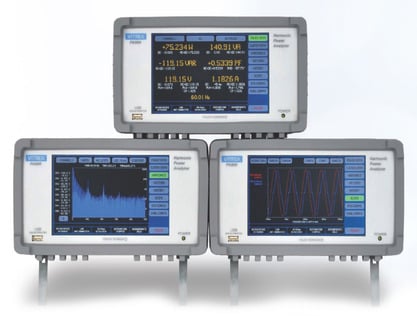
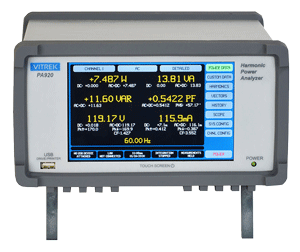
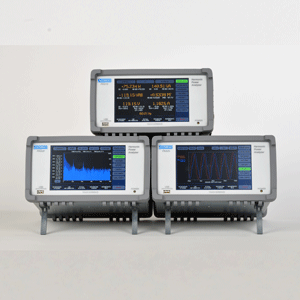
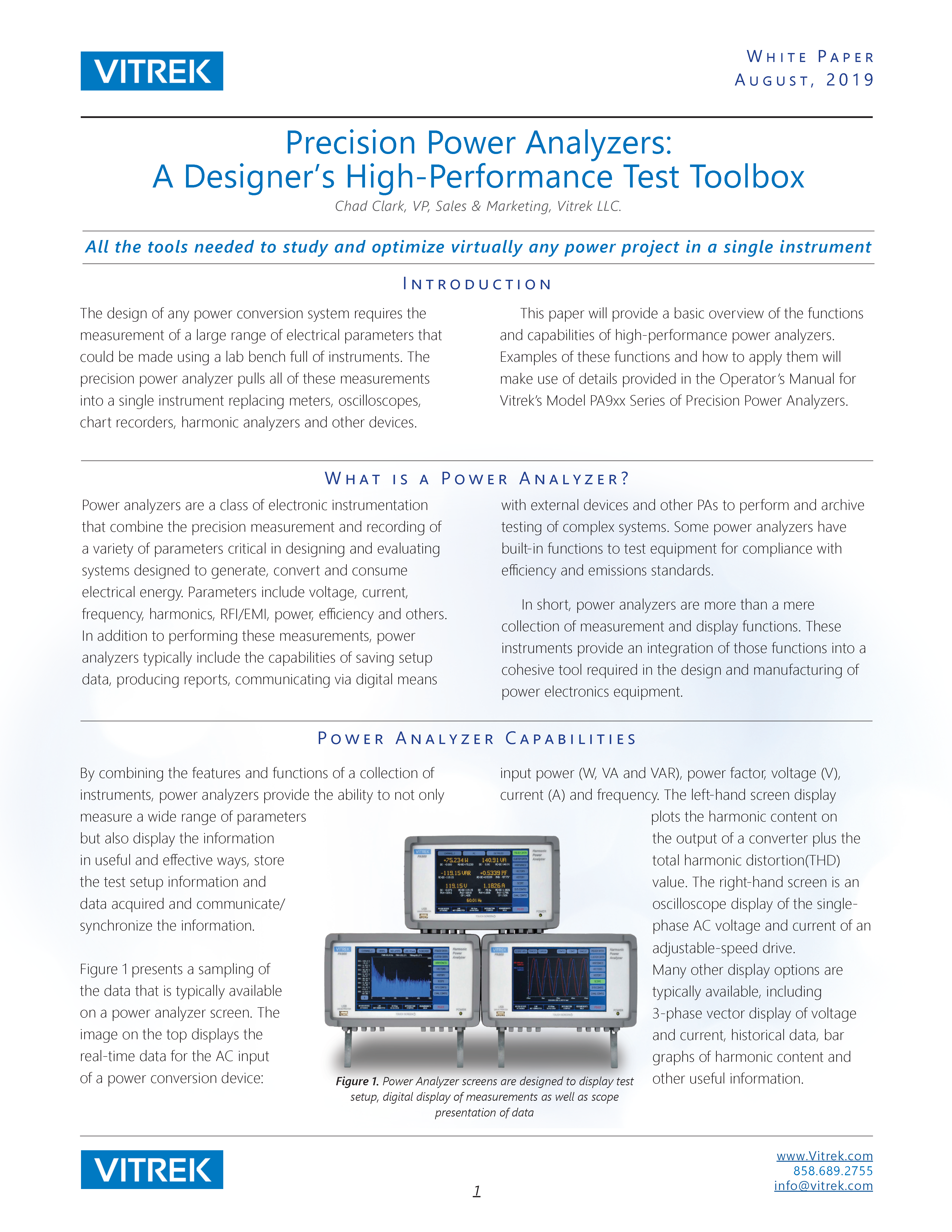
A power analyzer is a high-precision diagnostic tool that delivers detailed, real-time analysis of an electrical system’s performance. It measures not only voltage,
current, and power but also:
- Power factor
- Harmonics and total harmonic distortion (THD)
- Frequency fluctuations and waveform anomalies
- Efficiency (input vs. output)

These tools are essential in engineering, compliance, and quality assurance roles across industries such as automotive, aerospace, electronics, and energy.
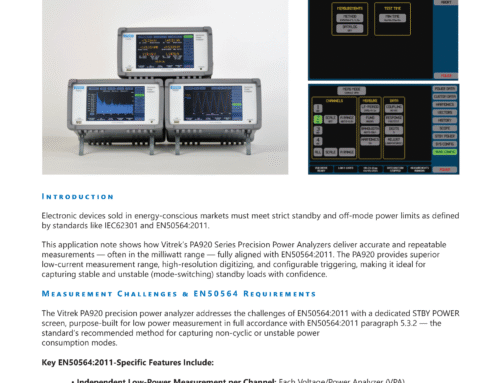
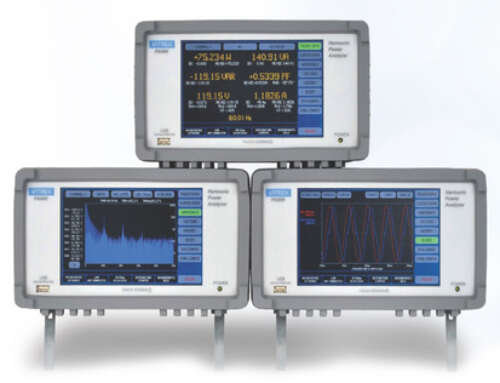
For example, the Vitrek PA920 provides:
- Accuracy up to 0.03%
- Harmonic analysis up to the 500th order
- Measurement bandwidth up to 5 MHz
Such capabilities make power analyzers ideal for evaluating motors, inverters, VFDs, power supplies, and three-phase systems.
Key Differences Between Power Loggers and Power Analyzers
Understanding these distinctions is vital for choosing the right instrument. Here are the main differences between power loggers and power analyzers:
| Feature | Power Logger | Power Analyzer |
|---|---|---|
| Purpose | Energy usage tracking | Real-time diagnostics and performance evaluation |
| Parameters Measured | Voltage, current, power | Voltage, current, power, harmonics, Power Factor, efficiency |
| Accuracy | Basic | High-precision (e.g., ±0.03%) |
| Harmonic Analysis | Not supported | Supported up to high harmonic orders |
| Use Case | Long-term energy monitoring | Troubleshooting, R&D, compliance, optimization |
| Data View | Logged over time | Live + logged with graphical waveform views |
| Cost | More affordable | Higher due to advanced capabilities |
Which One Do You Need?
Both power loggers and power analyzers serve their respective purposes, but choosing the right tool depends on the level of detail and precision required for your application.
- Power Loggers are best suited for simple monitoring and are ideal for businesses or facilities looking to track overall power usage and identify trends over time. They are relatively cost-effective and easy to use for long-term data collection.
- Power Analyzers, on the other hand, are essential when detailed diagnostic testing is necessary. Whether it’s for regulatory compliance, power quality testing, or system performance optimization, a power analyzer is crucial for professionals who require a deep dive into the health of their electrical systems.
Selecting the Right Electrical Measurement Tool
While power loggers offer a convenient solution for monitoring long-term energy consumption trends, power analyzers are essential for applications that demand precise, real-time insight into electrical performance. If you’re managing complex infrastructure or require advanced diagnostics, using a Vitrek power analyzer is key to maintaining optimal efficiency.