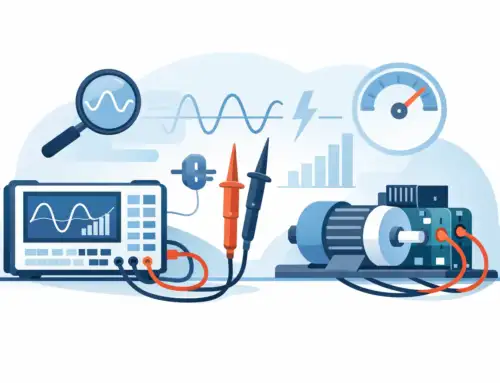
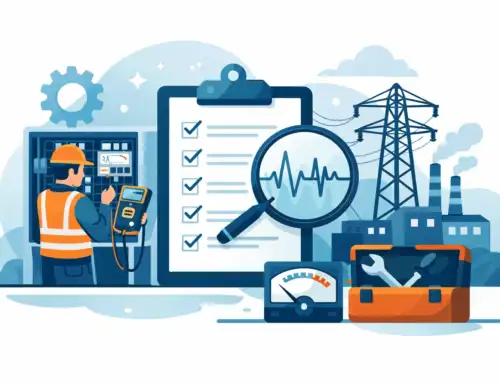
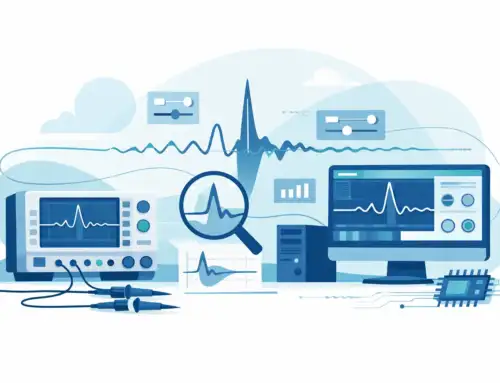
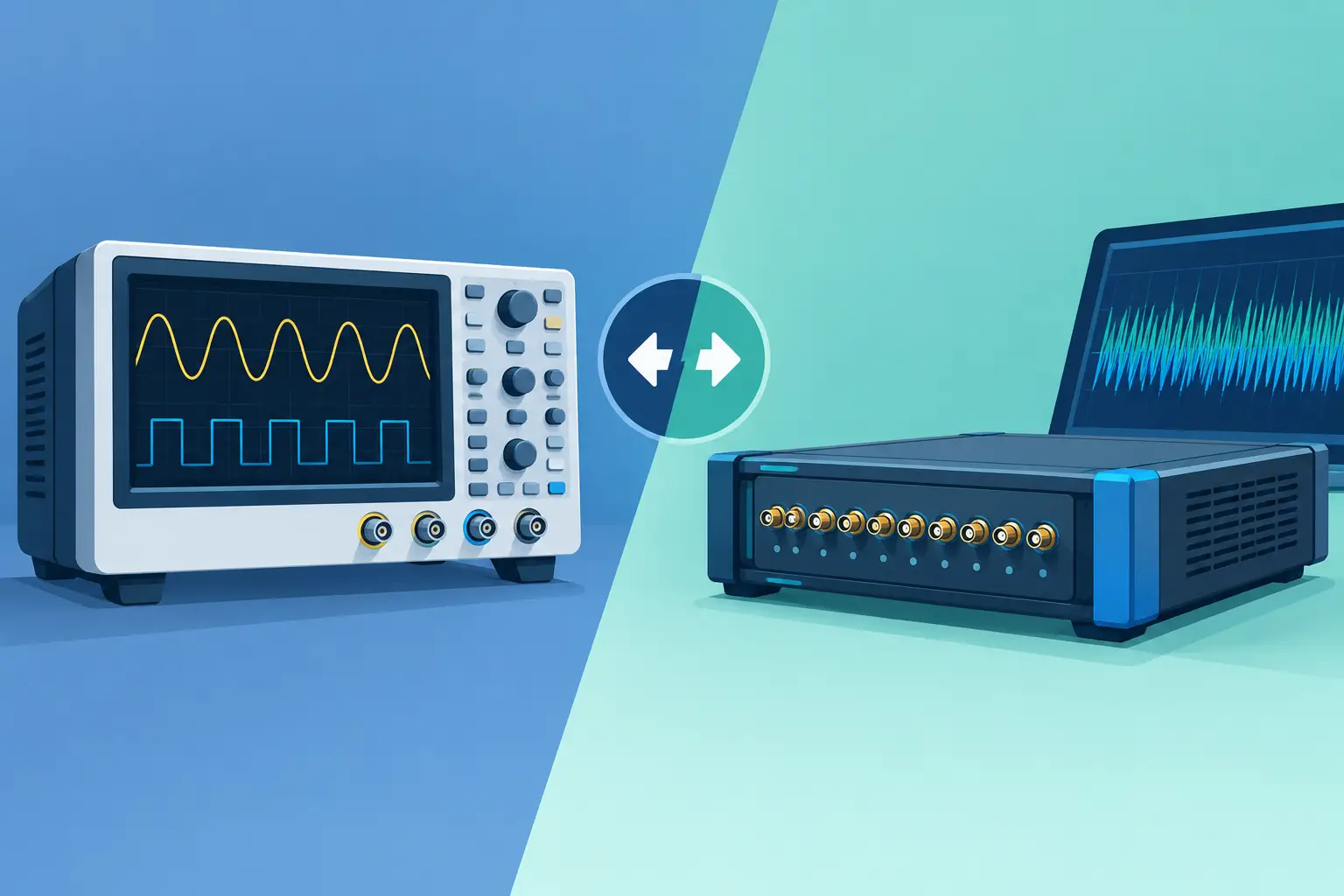
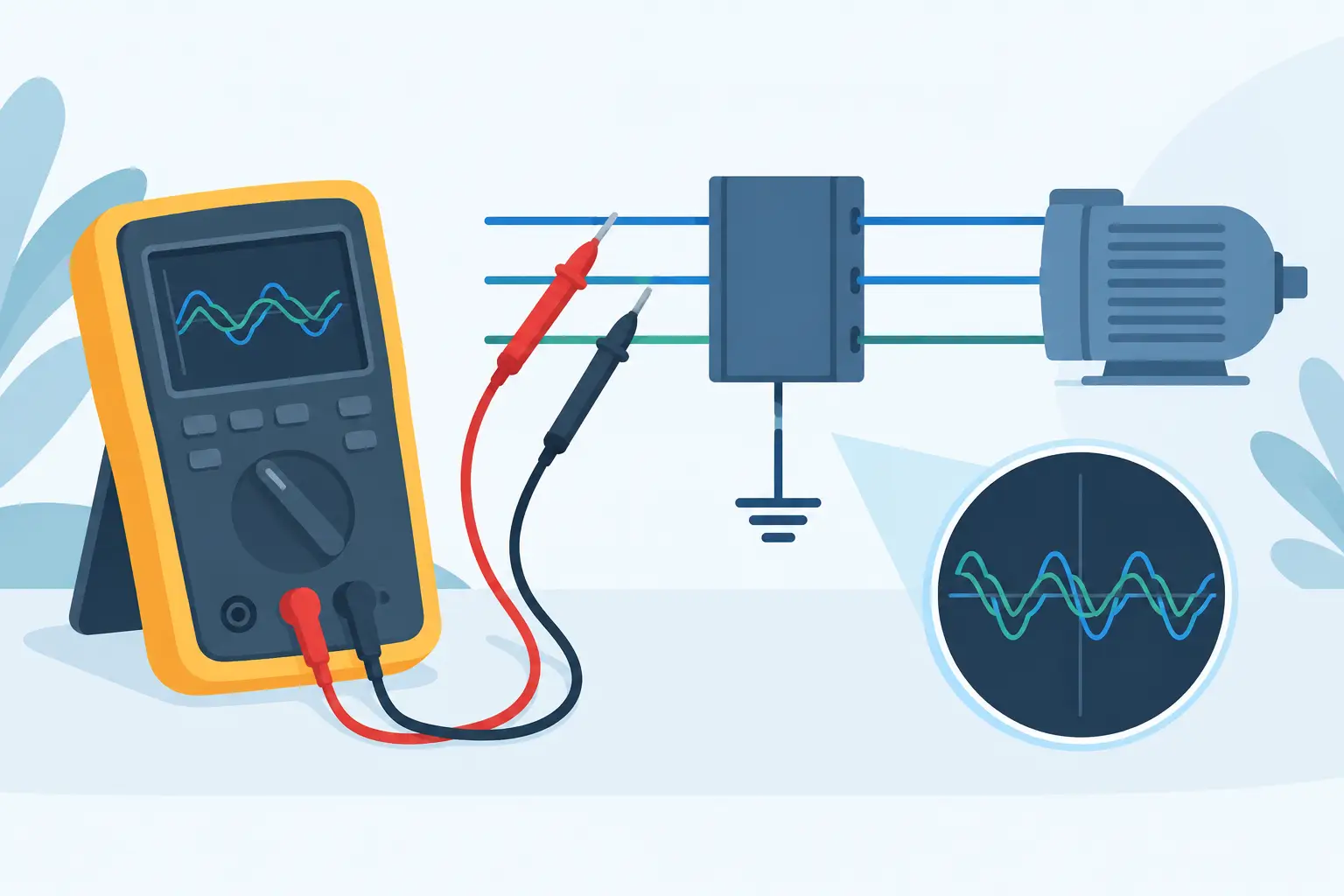
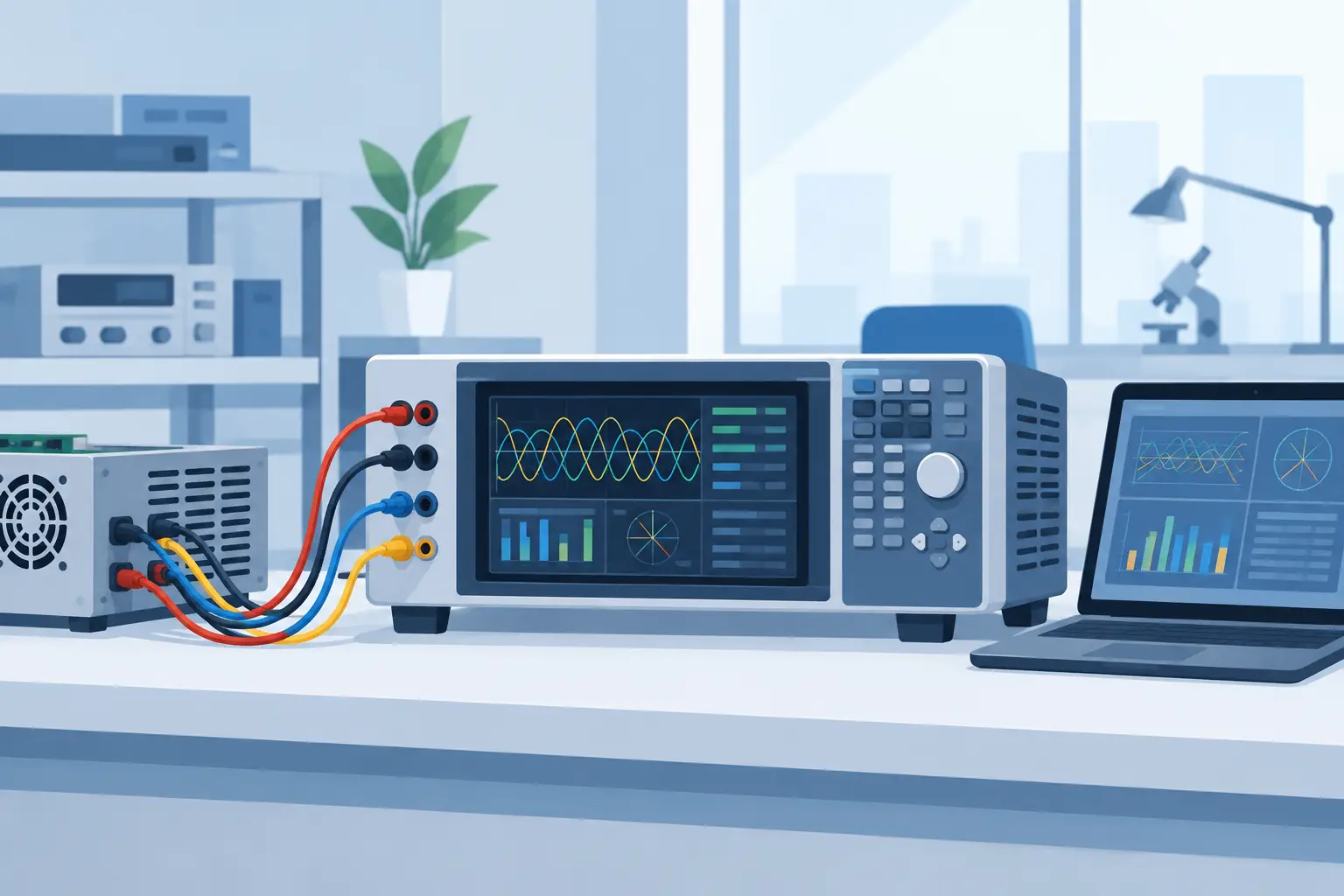
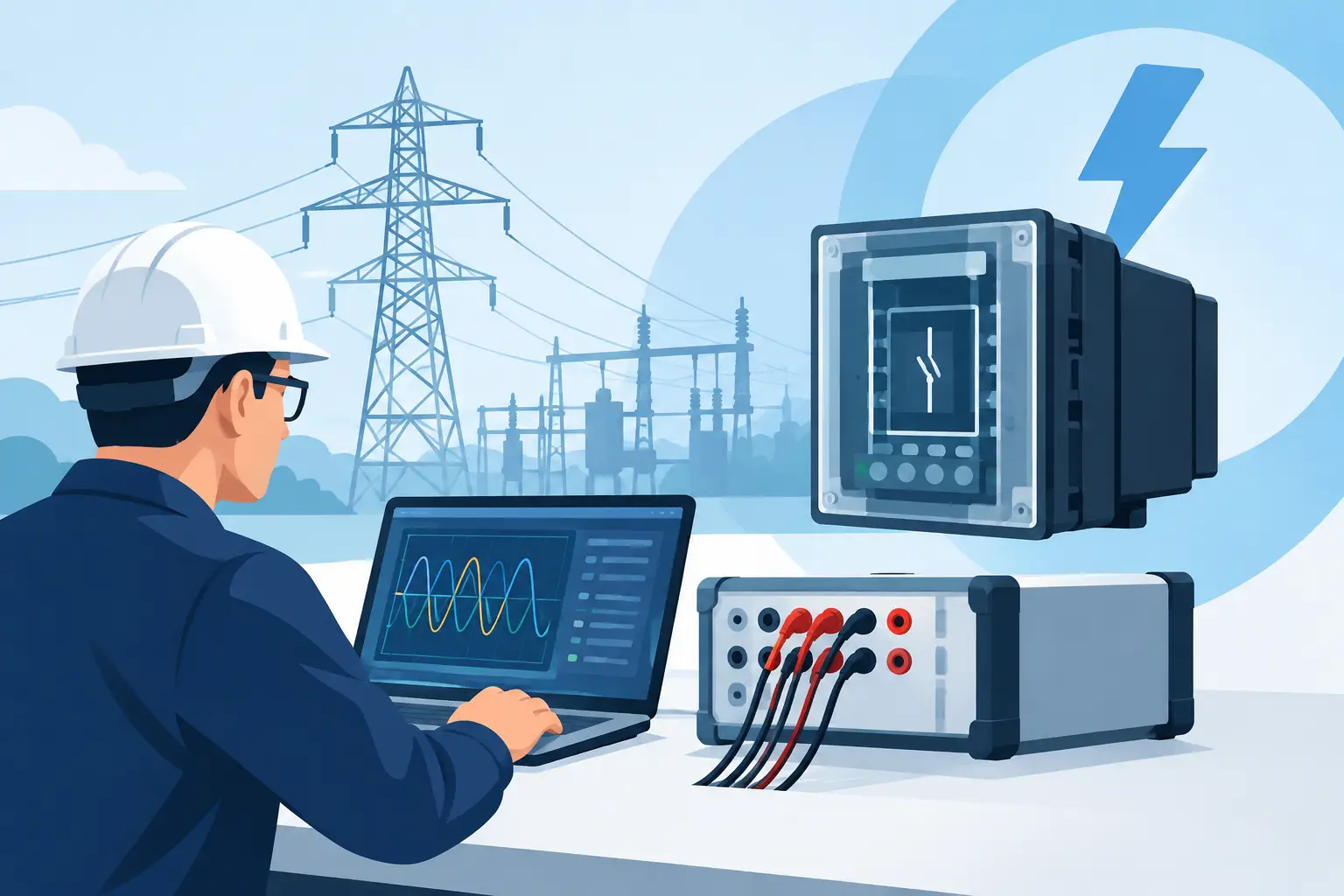
When a high-speed digitizer meets a weak software layer, the hardware rarely gets a fair test. Engineers see dropped samples, timing uncertainty, slow integration, and analysis bottlenecks that have little to do with analog performance. That is why the digitizer sdk for signal processing deserves the same scrutiny as sampling rate, resolution, front-end bandwidth, and channel count.
In practice, the SDK determines how quickly captured data moves into your application, how reliably triggers and timestamps are handled, and how much effort your team spends building around missing features. For R&D groups, validation labs, and production test teams, that software layer can affect throughput, repeatability, and the long-term cost of ownership as much as the instrument itself.
What a digitizer SDK for signal processing actually needs to do
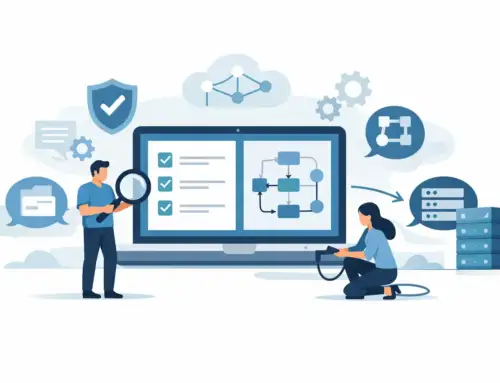
A digitizer SDK is not just a collection of drivers. In a serious measurement environment, it is the interface between the acquisition hardware and the analysis, automation, and control framework that your team already uses. If that interface is shallow, every project becomes custom plumbing.
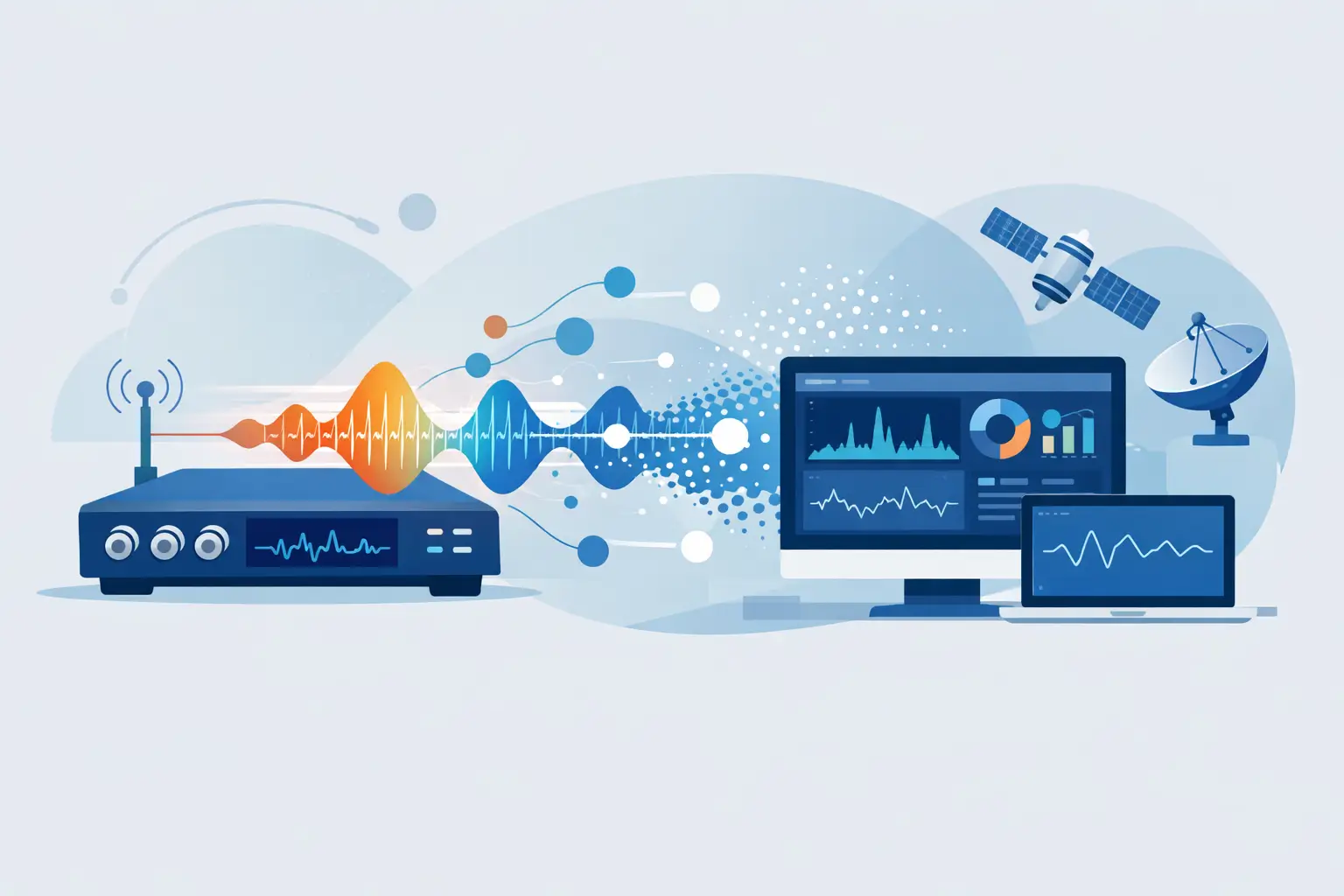
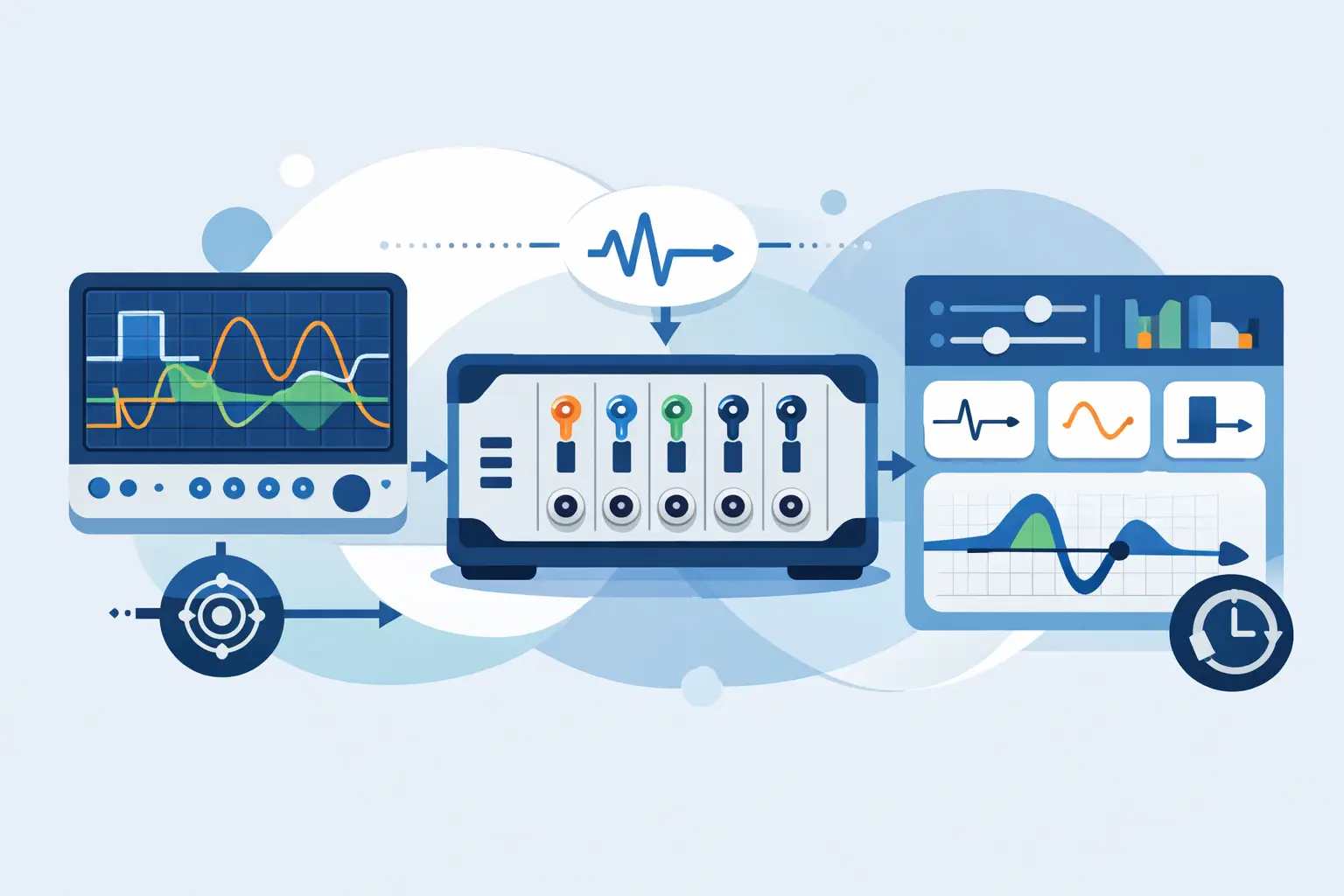
A useful SDK should expose configuration control for sample rates, input ranges, coupling, triggering, onboard memory management, channel setup, and clocking. It should also provide a clear path for moving acquired records into host memory with minimal latency and predictable behavior under sustained load. For signal processing work, that last point matters more than many teams expect.
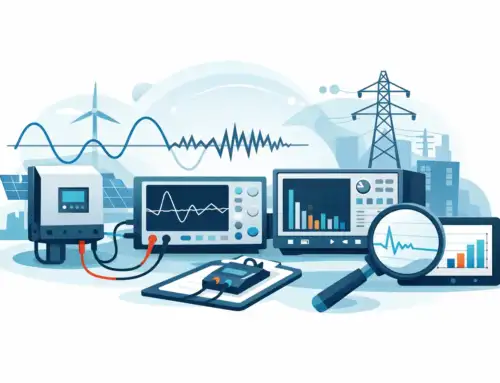
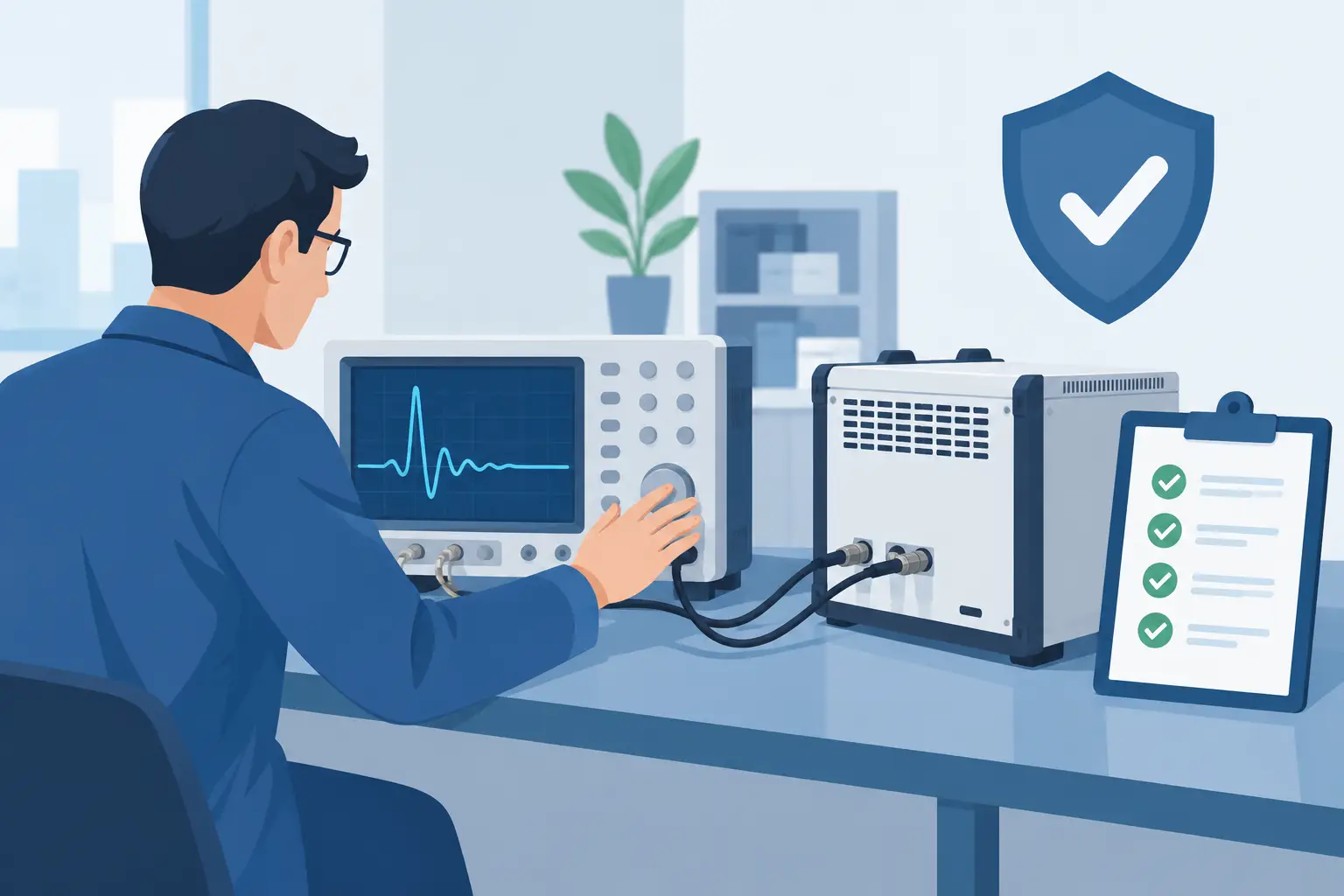
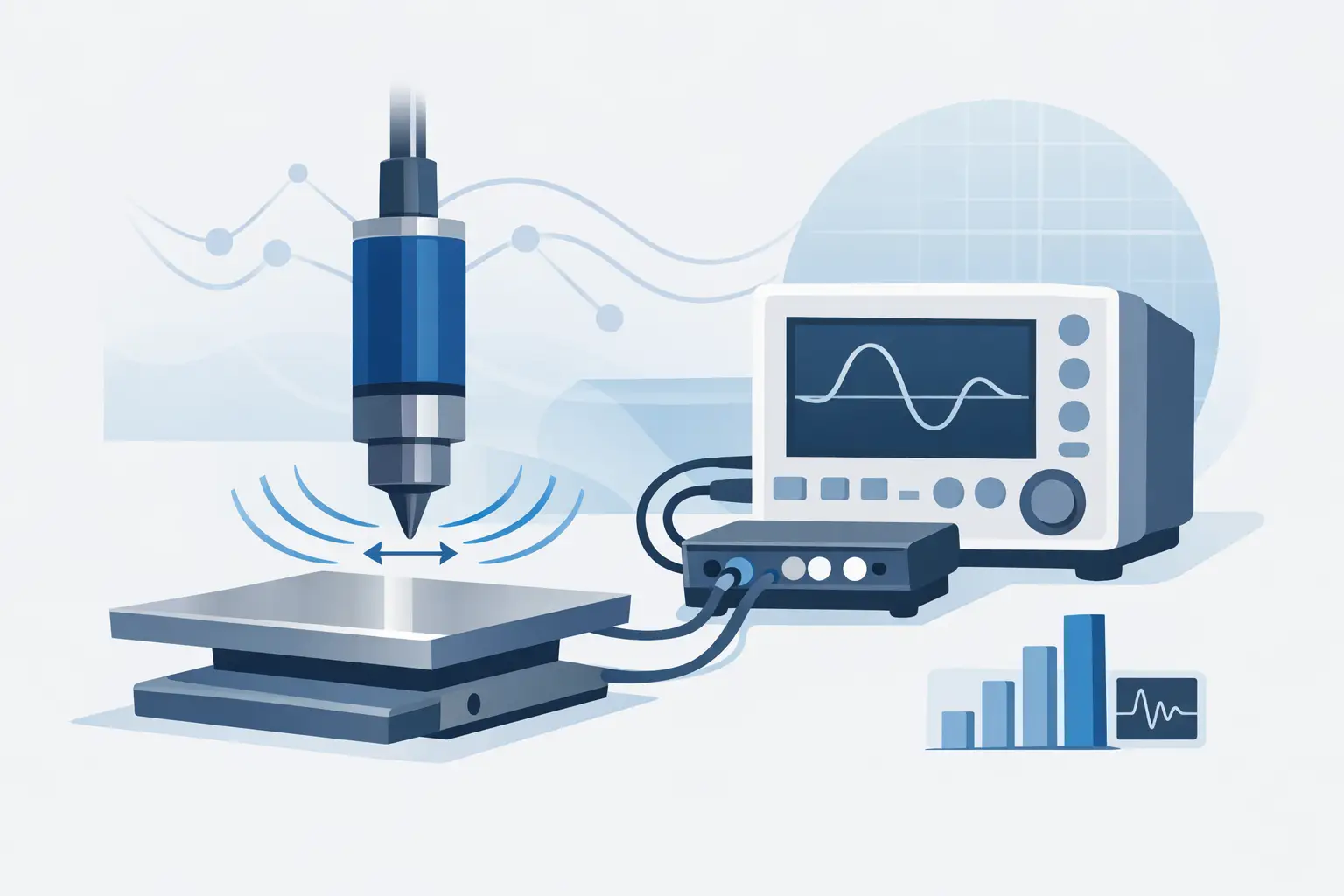
If your application involves IF capture, radar pulses, ultrasonic measurements, vibration analysis, partial discharge, power electronics switching, or transient fault capture, the software layer has to preserve timing integrity while keeping up with data volume. It is not enough to acquire data eventually. You need to acquire it deterministically enough that the downstream processing remains valid.
Why the SDK often decides system performance
On paper, many digitizers look similar. The differences start to widen when you ask how the instrument behaves inside a real application. Does the SDK support continuous streaming at the rates your workload demands, or only short burst captures? Can it use DMA efficiently? Does it support circular buffers, segmented memory, multi-record acquisition, and asynchronous transfer models? Those are not secondary details. They shape whether your system can keep pace with the test objective.
There is also the issue of CPU overhead. Some SDKs require excessive copying, polling, or wrapper code that consumes host resources better spent on FFTs, demodulation, filtering, classification, or feature extraction. Others provide efficient calls and examples that reduce software overhead and let the host process data while acquisition continues in parallel.
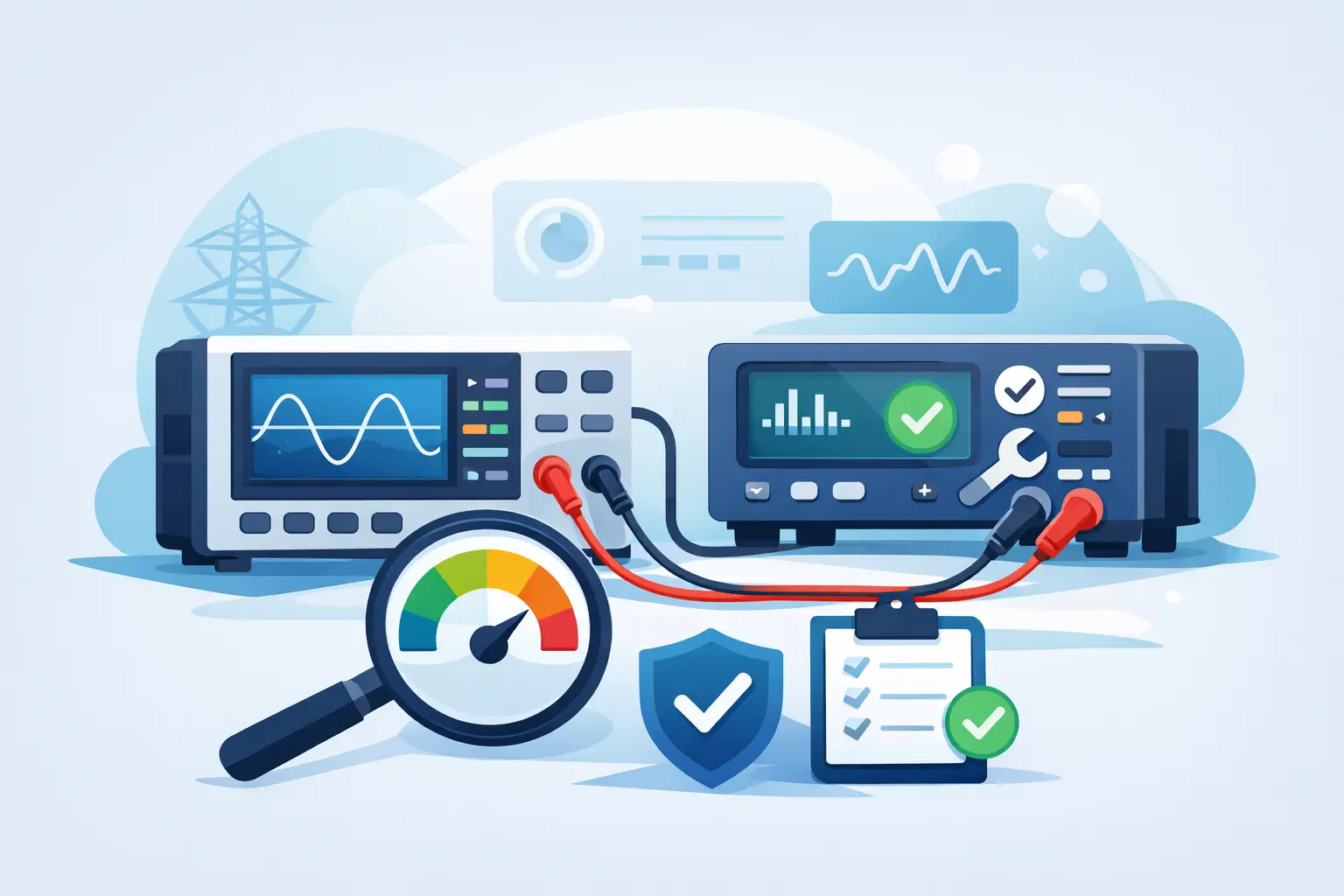
In regulated or performance-critical environments, determinism matters alongside speed. A fast but inconsistent transfer path can create test escapes, ambiguous failures, or repeatability problems that are difficult to diagnose. Engineers typically blame cabling, clocks, or firmware first. Sometimes the root cause is simply an SDK architecture that was not designed for production-grade acquisition.
Key evaluation points for a digitizer SDK for signal processing
The first question is language and platform support. Many teams still build around C and C++ for performance and hardware control, but Python is increasingly used for algorithm development, test orchestration, and lab automation. .NET support can matter in production software environments. Operating system compatibility also matters more than it seems, especially for organizations standardizing on specific Windows builds or mixed lab environments.
The next issue is data movement. Ask how the SDK handles large sustained transfers, whether it supports direct memory access efficiently, and whether examples are provided for streaming and multi-threaded acquisition. If your use case includes long record capture or high pulse repetition rates, streaming behavior should be validated early rather than assumed.
Timing and synchronization should be examined just as closely. An SDK should give clear control over external clocks, reference clocks, trigger routing, timestamping, and multi-board synchronization when applicable. In multi-channel systems or distributed test setups, undocumented timing behavior becomes a significant risk.
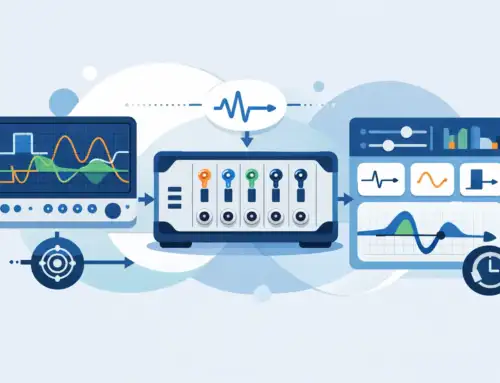
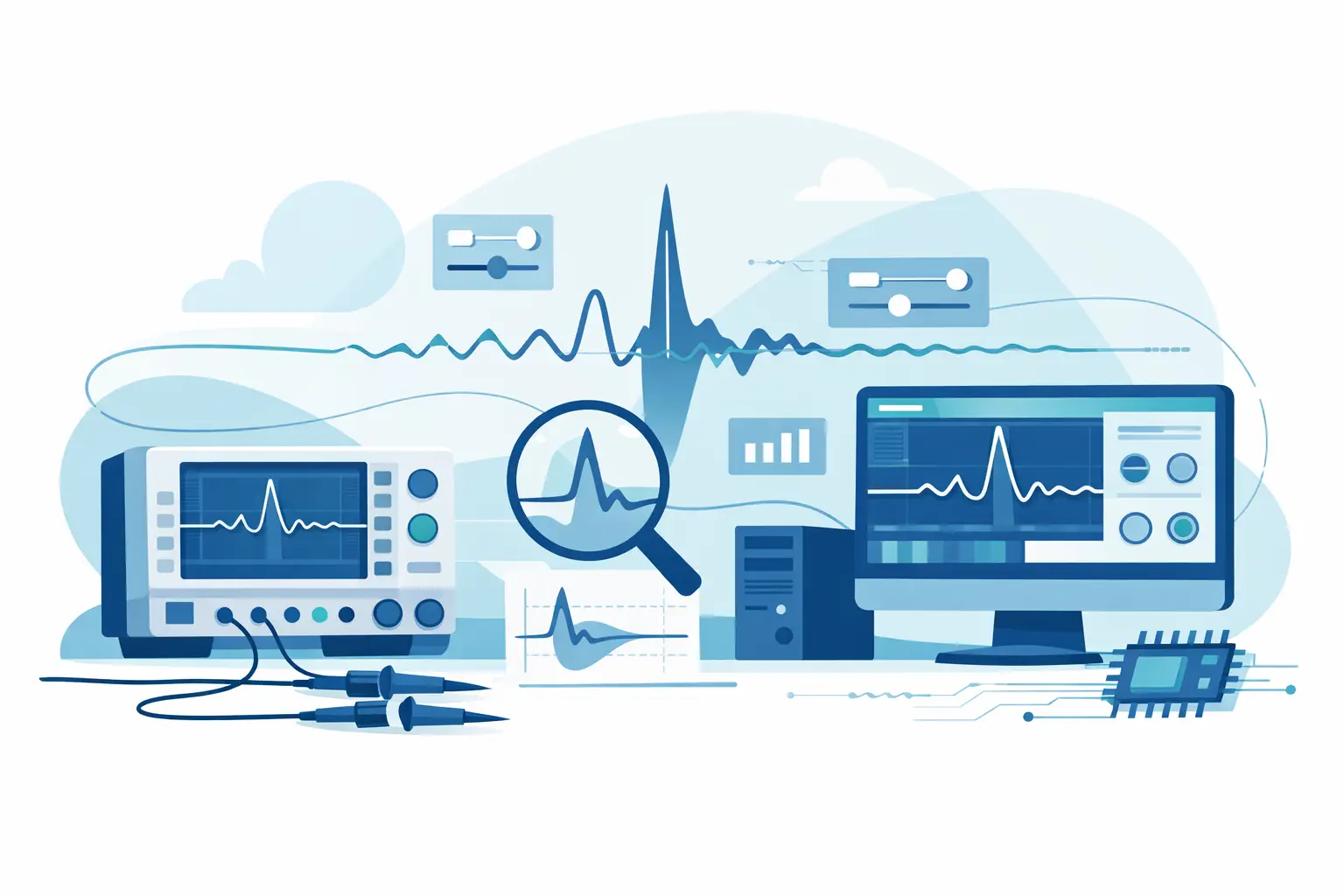
You should also inspect the signal processing handoff. Some teams want raw waveform access only, while others need easy integration with MATLAB-style workflows, custom DSP libraries, GPU acceleration, or real-time classification pipelines. The right SDK does not need to include every analysis function internally, but it should make it straightforward to move data into your preferred environment without unnecessary conversions or bottlenecks.
Documentation quality is another practical differentiator. Sparse reference manuals create delays that are hard to quantify during procurement but obvious once integration starts. Good documentation includes command behavior, data structures, acquisition flow examples, error handling, and known constraints. Example projects should cover more than a simple single-shot capture.
Trade-offs between convenience and control
Some SDKs are designed to get a basic application running quickly. Others favor low-level control for specialized use cases. Neither approach is universally better.
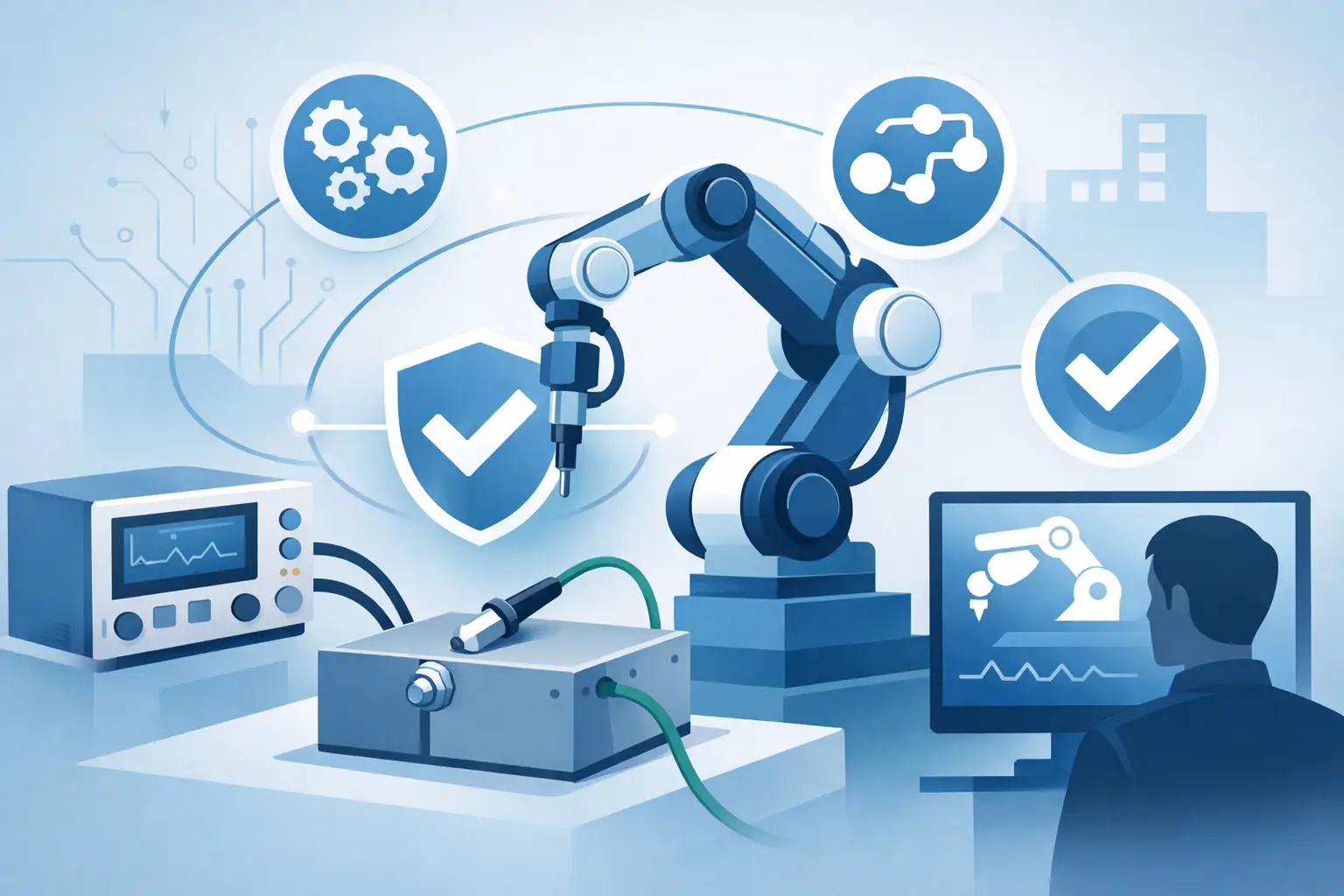
For a research lab evaluating a new sensing method, high-level wrappers and clear examples may be the right priority because they shorten development time. For an OEM building a dedicated test station, low-level access may matter more because it allows tighter control over memory, timing, and thread behavior.
There is often a trade-off between abstraction and predictability. A very simplified API can help onboarding, but it may hide behaviors that matter under high load. A more explicit SDK may require stronger software expertise, yet produce better results in production systems. The right choice depends on whether your main constraint is engineering time, runtime determinism, or long-term maintainability.
Common failure points during integration
The most common mistake is treating the SDK as an afterthought after hardware selection. Teams verify analog specifications, order the instrument, and only then discover that their acquisition model does not align with the available API. This is especially common when moving from bench use to embedded or automated test deployment.
Another issue is underestimating throughput at the system level. The digitizer may support the headline sample rate, and the host PC may appear adequate, but the full stack can still fail if the SDK is not optimized for sustained transfer and concurrent processing. PCIe bandwidth, storage write speed, memory allocation strategy, and operating system behavior all interact with the software layer.
Version stability is another concern. In long-life industrial and defense programs, software environments are not rebuilt every quarter. An SDK should support predictable deployment, version control, and backward compatibility expectations. If every driver update forces application rework, the hidden lifecycle cost becomes significant.
Where SDK quality matters most by application
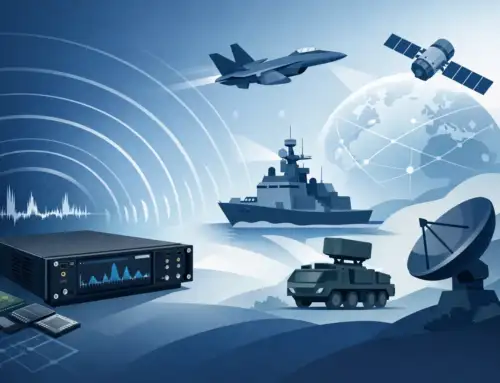
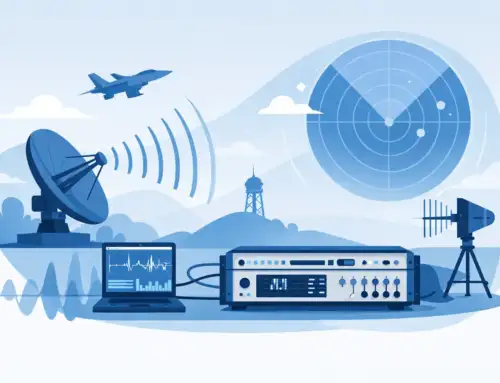
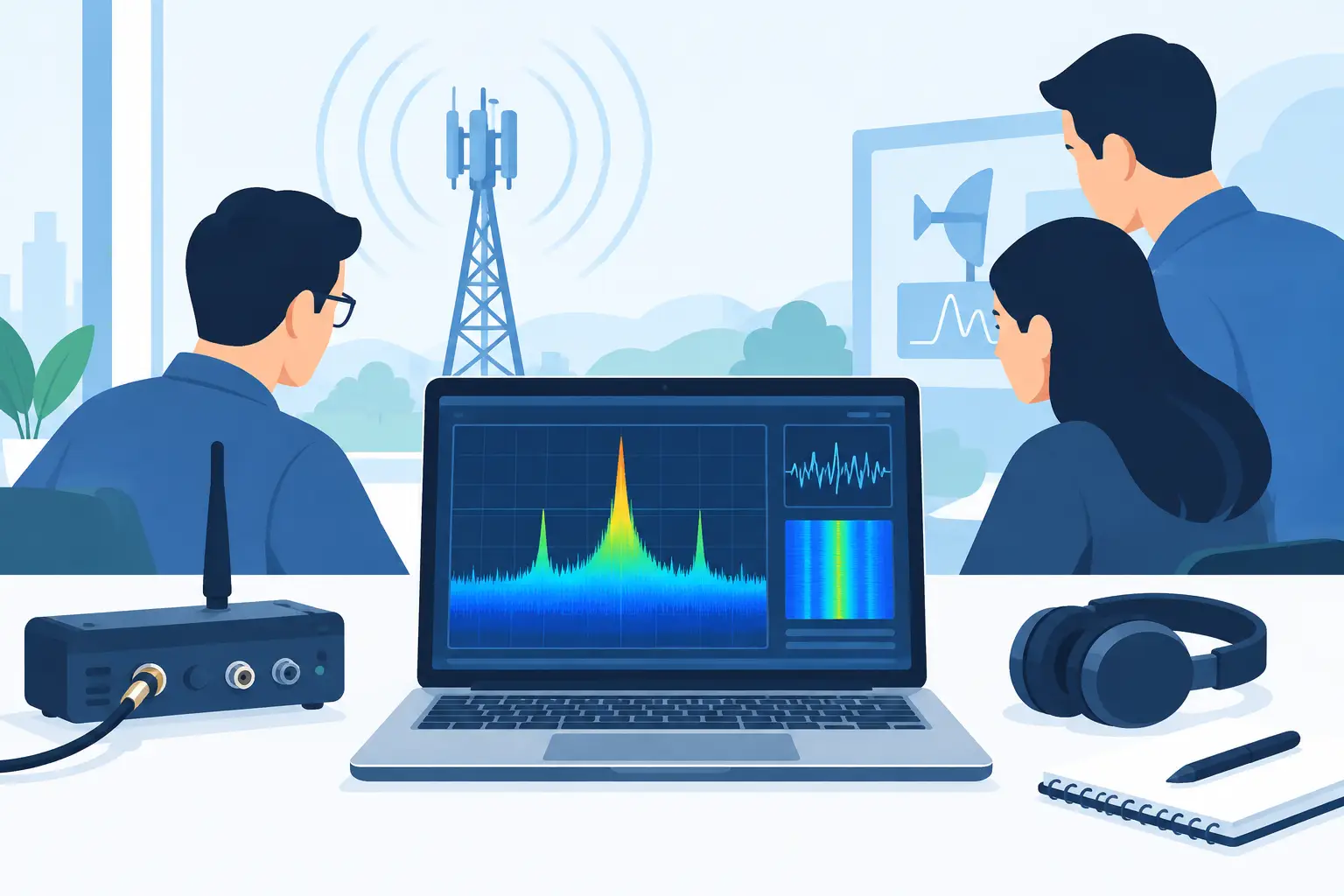
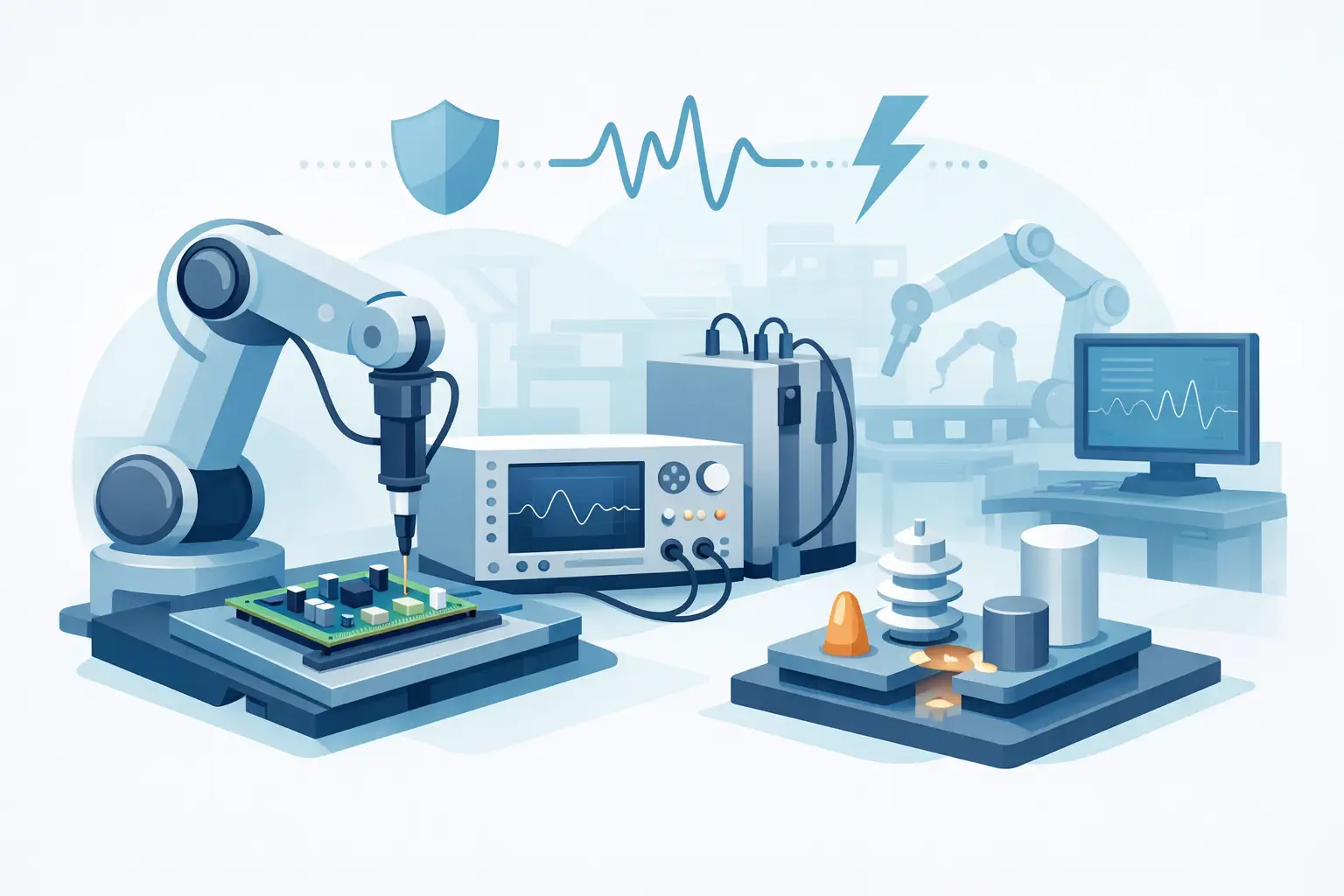
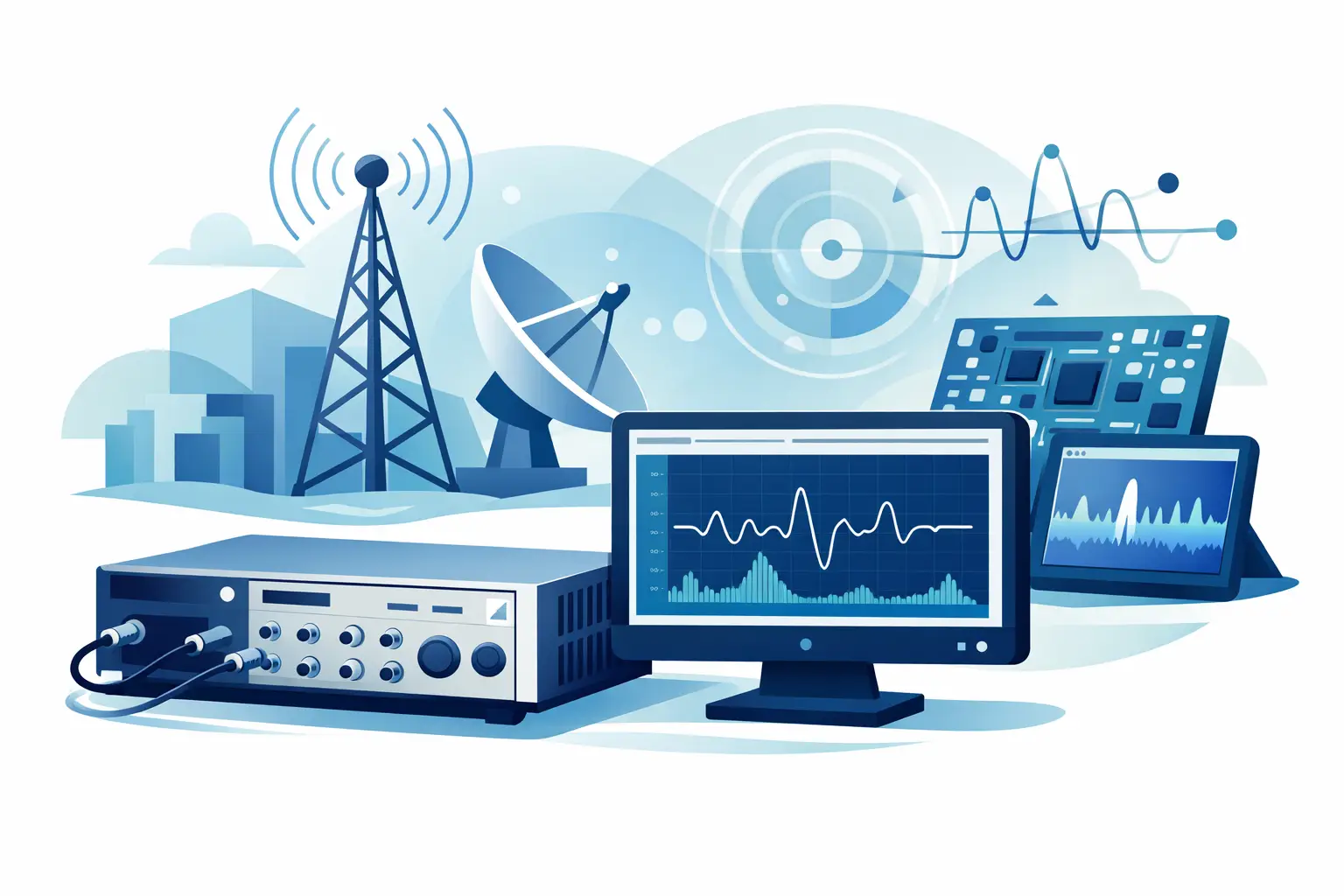
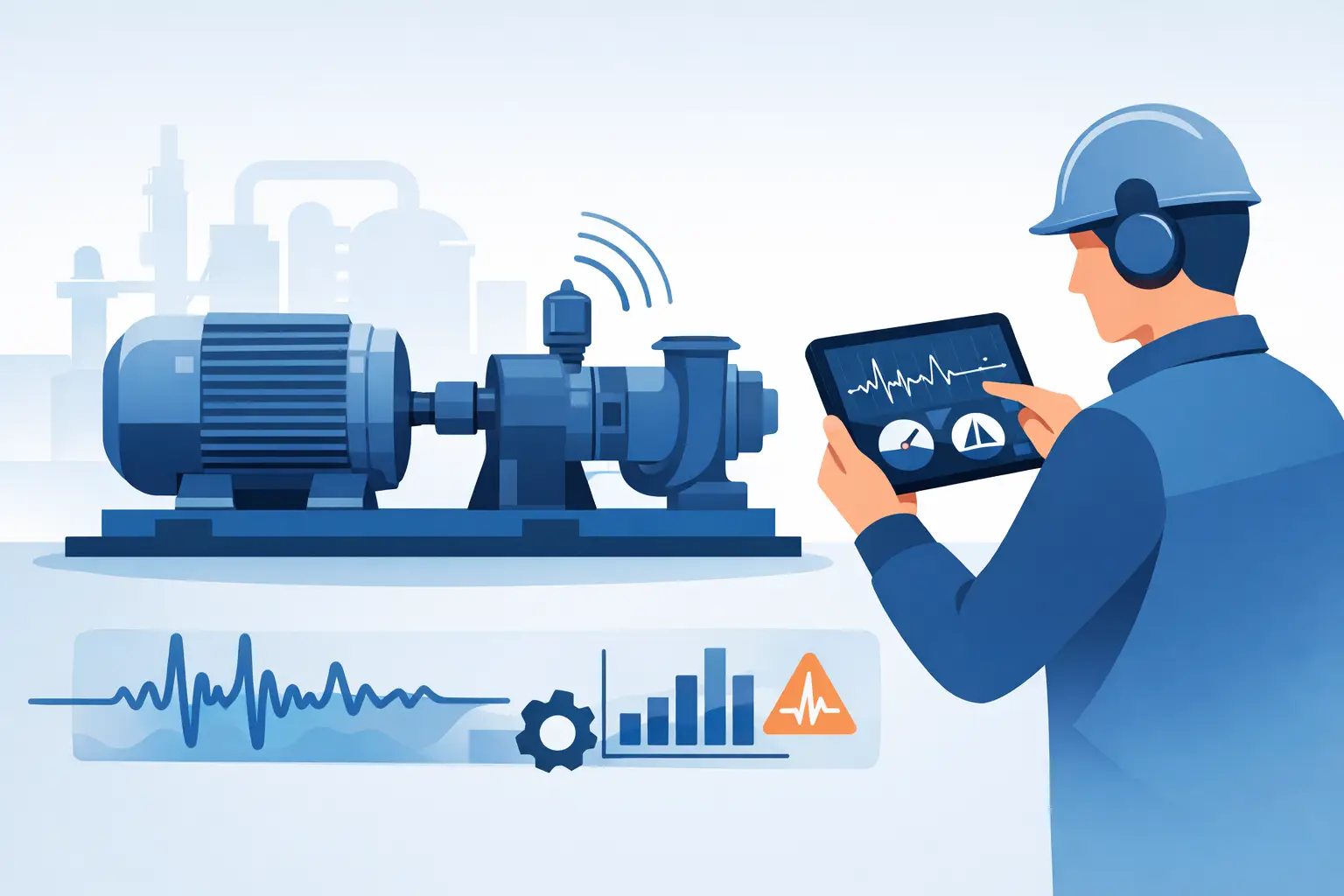
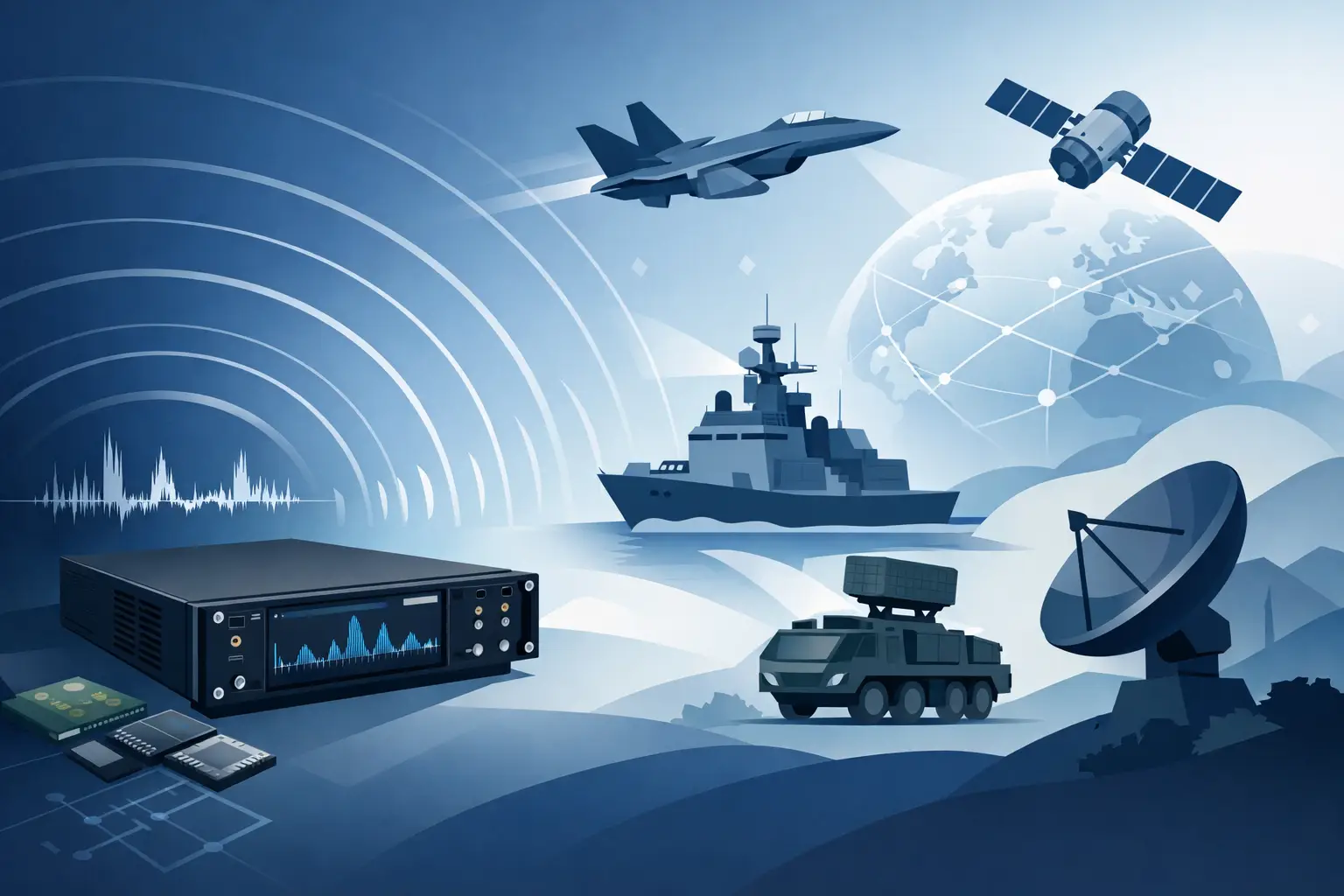
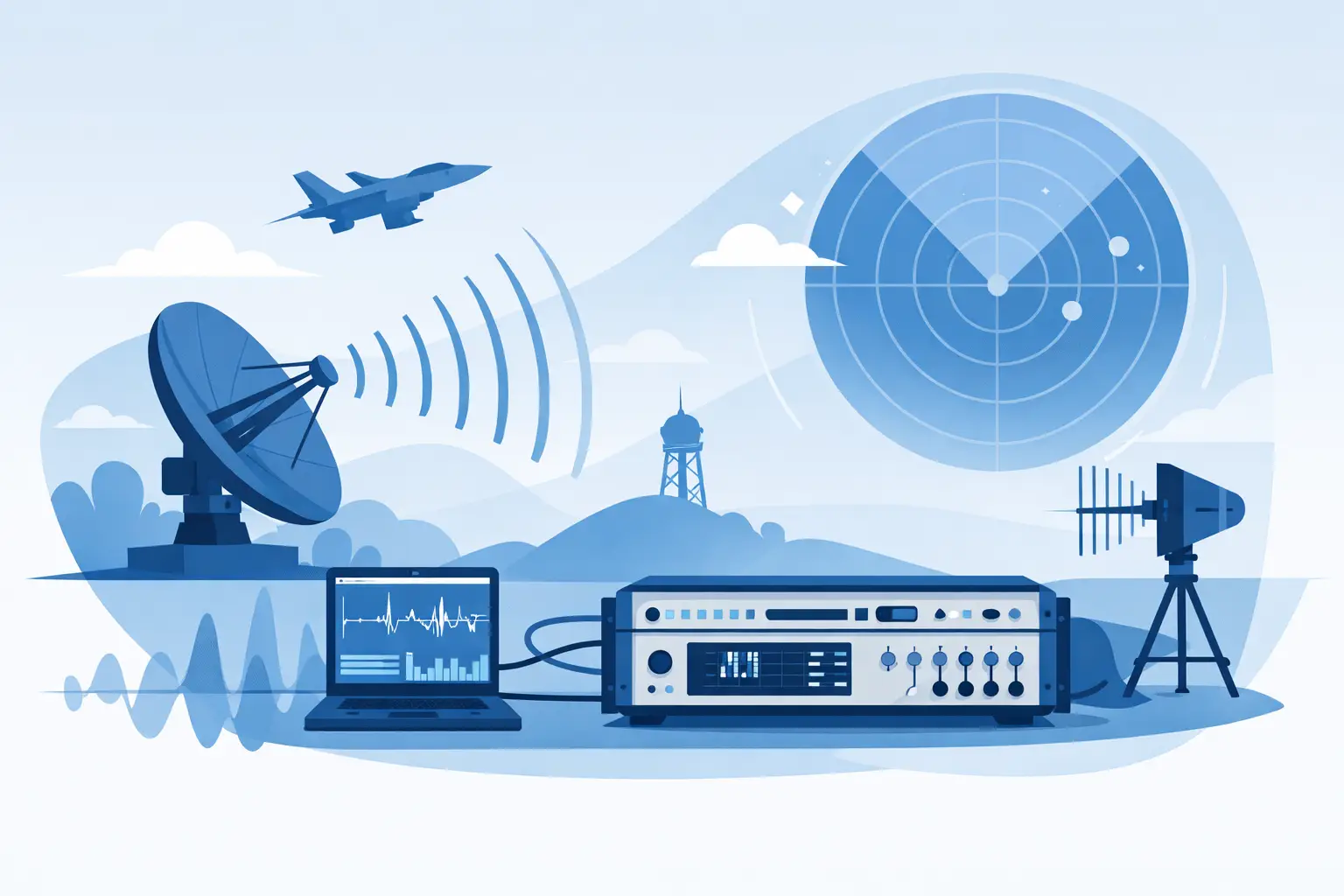
In radar, EW, and IF recording workflows, the software path must preserve precise trigger alignment and support high-volume capture without introducing acquisition gaps. In vibration and rotating machinery analysis, long captures and reliable streaming are often more important than one-time peak performance. In power electronics and transient testing, fast event capture and segmented acquisition can improve visibility into rare faults without overwhelming storage.
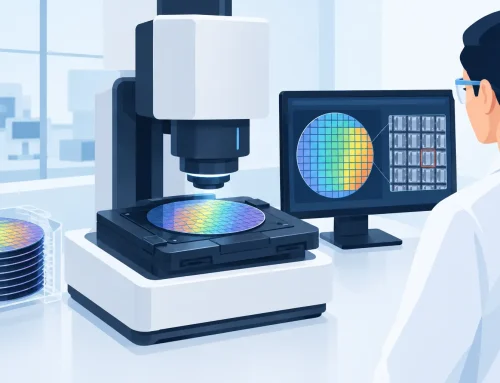
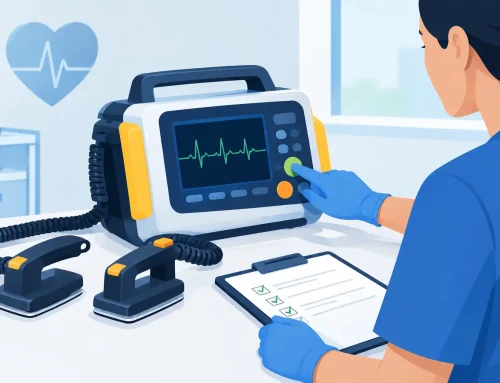
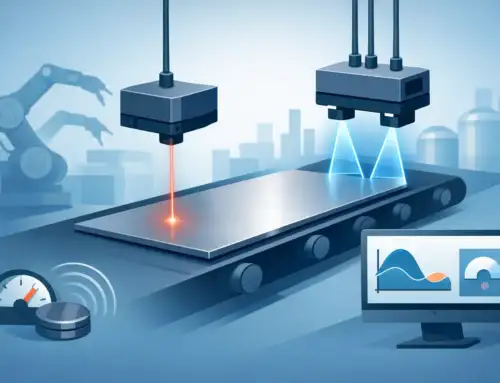
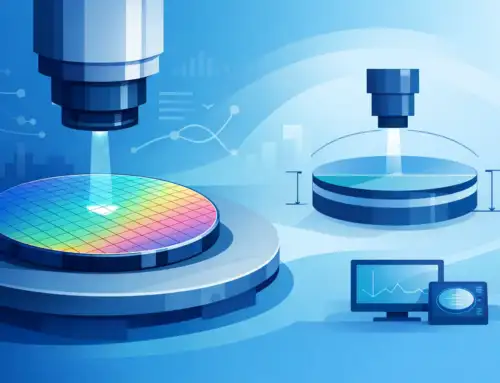
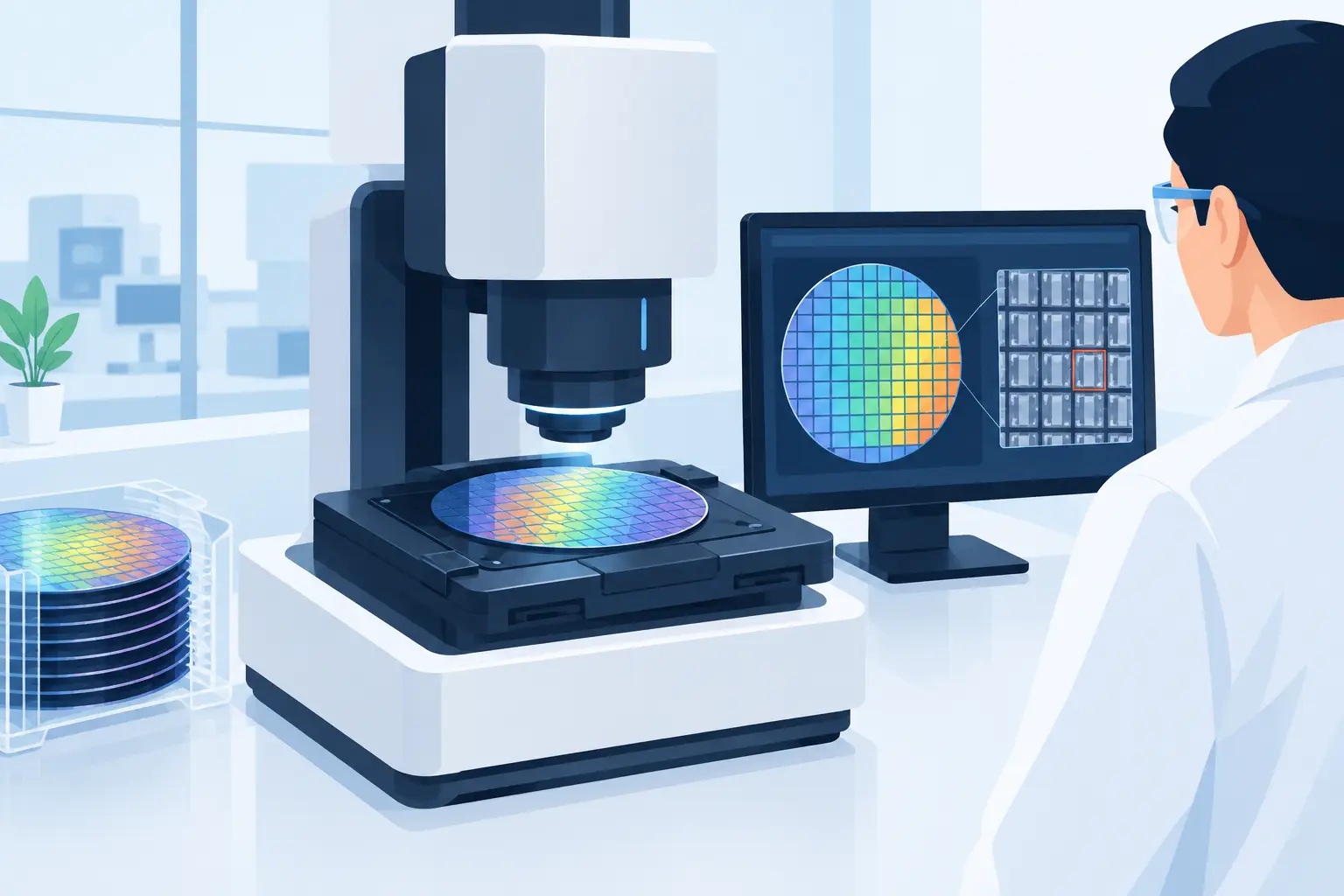
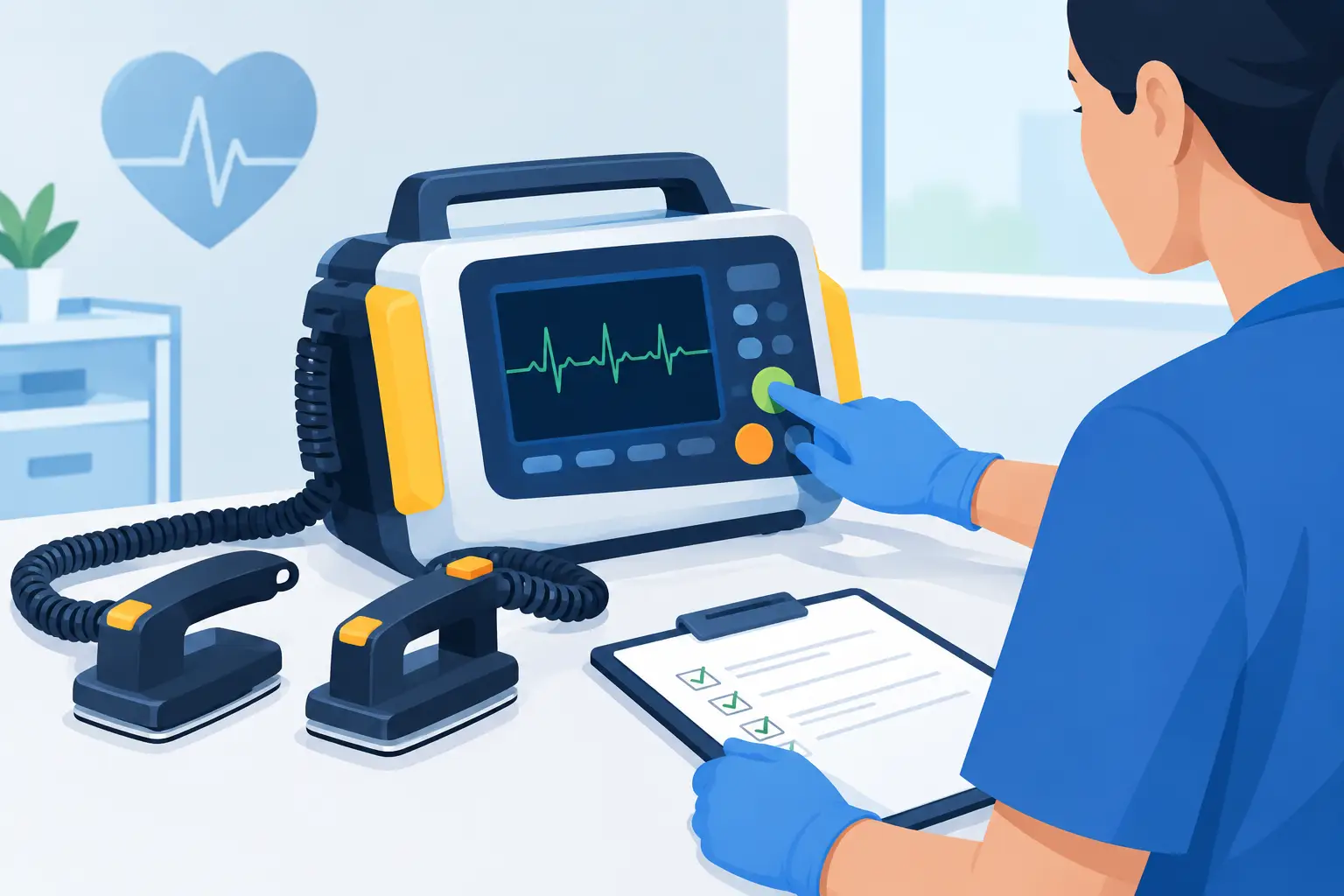
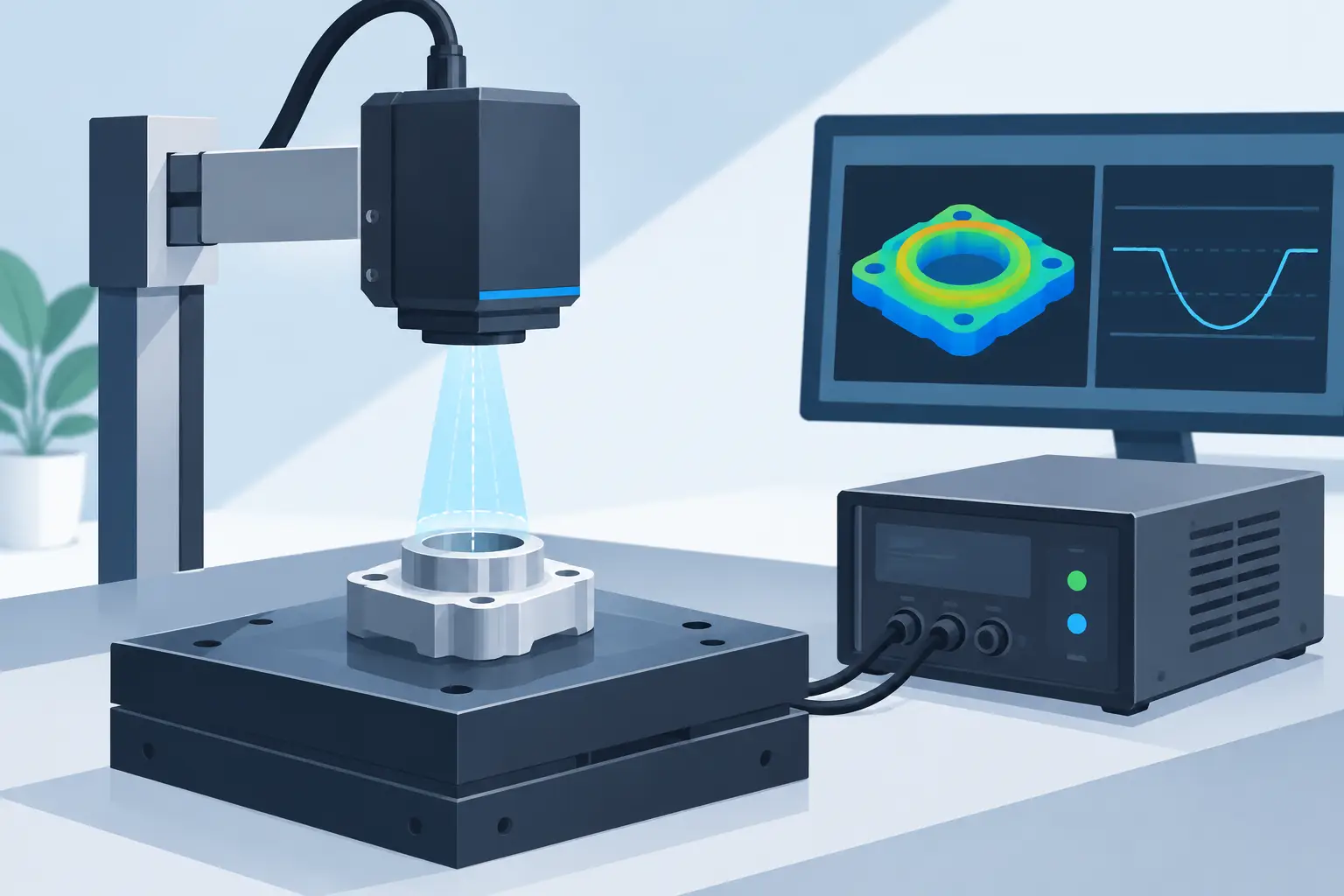
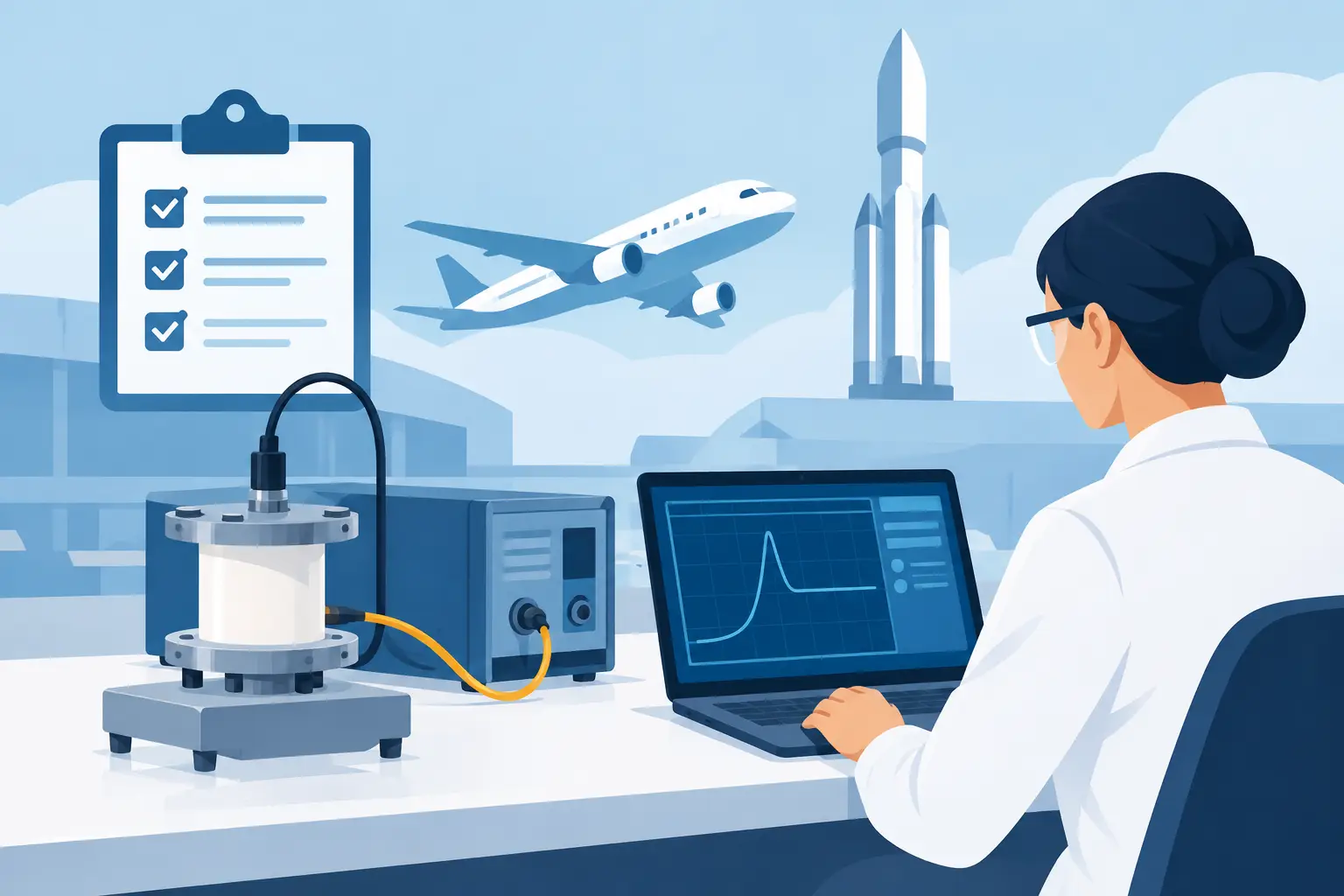
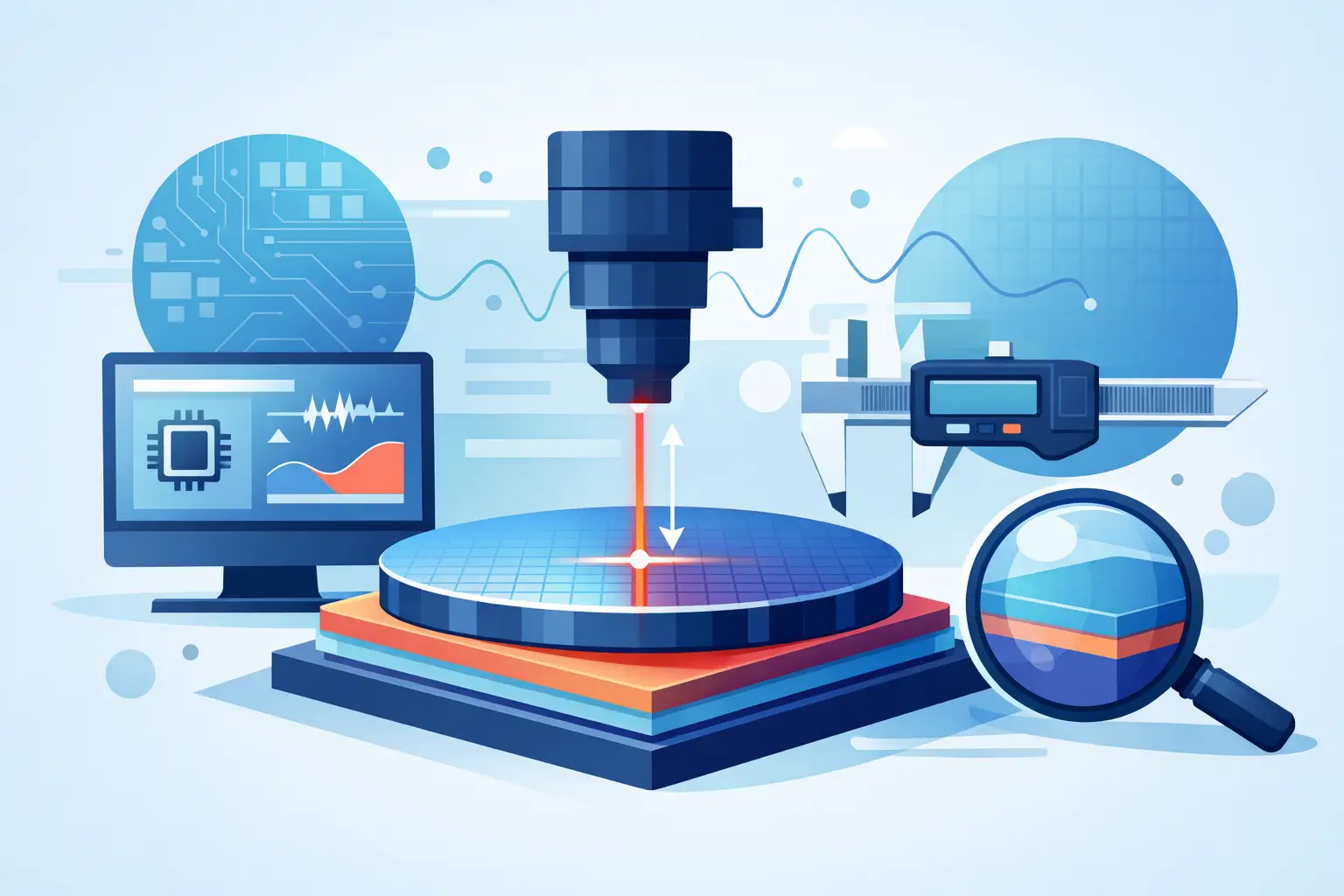
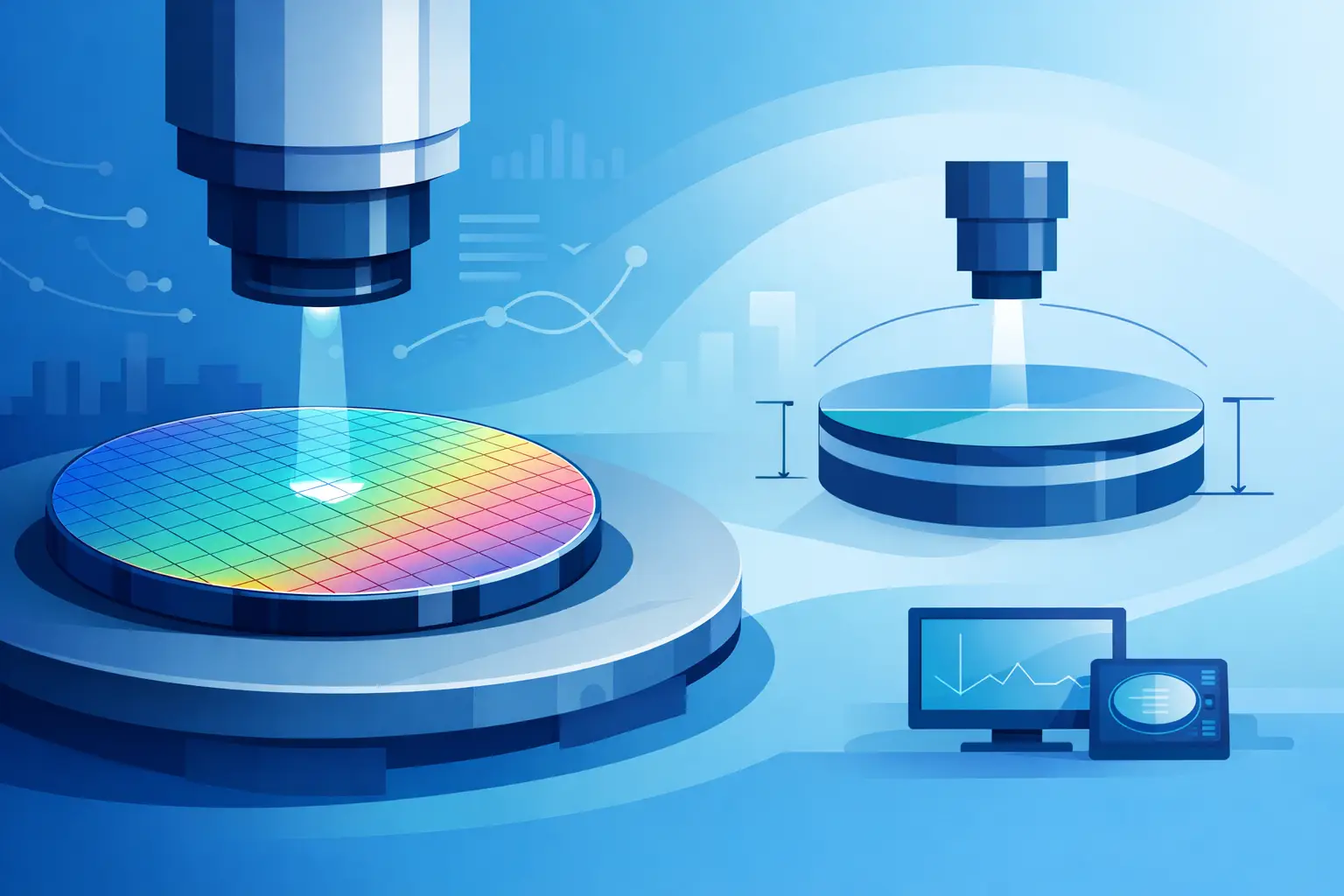
For semiconductor and metrology environments, repeatability and traceability often matter as much as raw speed. The SDK has to behave consistently from run to run, support automation frameworks, and integrate into a broader measurement architecture. In medical and aerospace validation, documentation and support quality are often part of the purchasing decision because the test system itself may be reviewed, audited, or replicated across sites.
This is where an engineering-focused supplier tends to stand apart. A company such as Vitrek, operating across advanced instrumentation and data acquisition, is typically evaluated not only on hardware performance but on whether the software environment supports real deployment conditions rather than demo conditions.
How to evaluate before you commit
A practical evaluation starts with your actual workload, not a generic benchmark. Define record length, channel count, trigger mode, capture duration, and post-processing requirements. Then test the SDK against that profile. If your application depends on streaming and concurrent analysis, validate both at the same time.
Ask for example code that resembles your use case. Review how errors are handled, how buffers are managed, and how synchronization is configured. Measure setup time for a new engineer. If a capable developer still struggles to reach stable acquisition, that is useful information.
It also helps to ask support-oriented questions early. How often is the SDK maintained? Are there migration notes between versions? Is technical support able to discuss application architecture, not just installation steps? For many industrial users, support depth becomes critical once the system moves from prototype to production.
The right SDK reduces test risk, not just coding effort
A digitizer SDK for signal processing should be judged as part of the measurement chain, not as an accessory to the instrument. It affects timing fidelity, throughput, automation, maintainability, and confidence in the result. The more demanding the application, the less room there is for a thin software layer.
If your team is selecting a digitizer for a high-consequence environment, the best question is not whether the SDK exists. It is whether the SDK helps your signal processing workflow stay accurate, repeatable, and supportable over the life of the system. That is usually where good acquisition platforms prove their value.