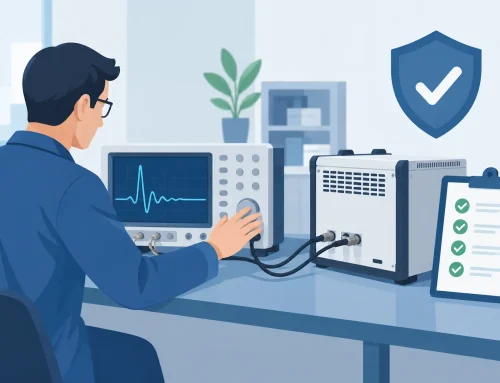
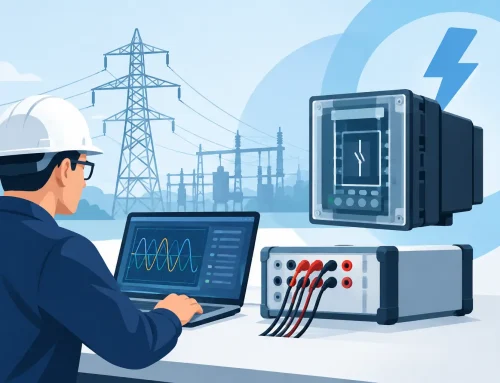
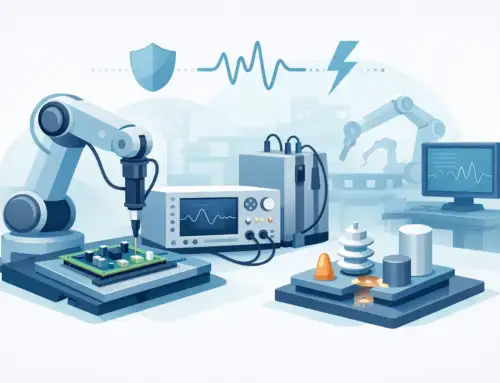
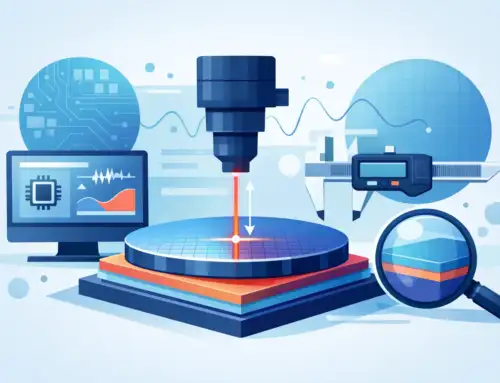
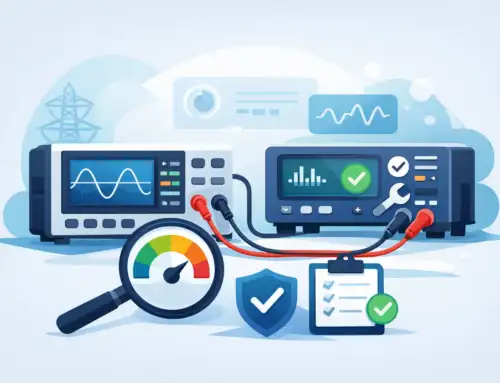
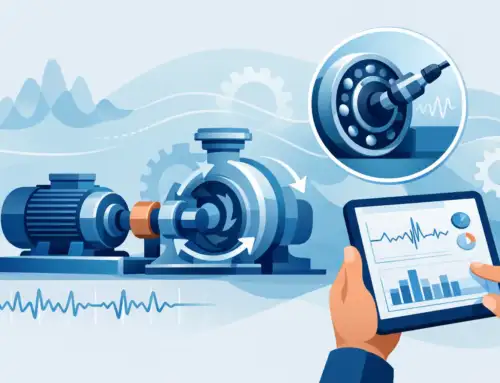
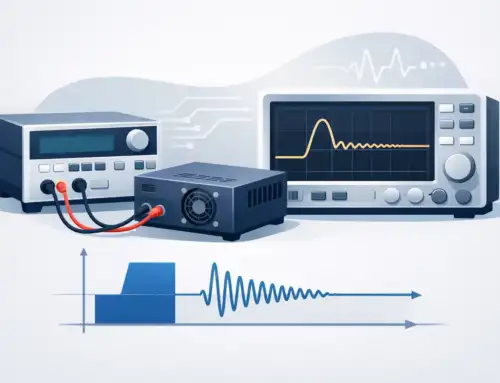
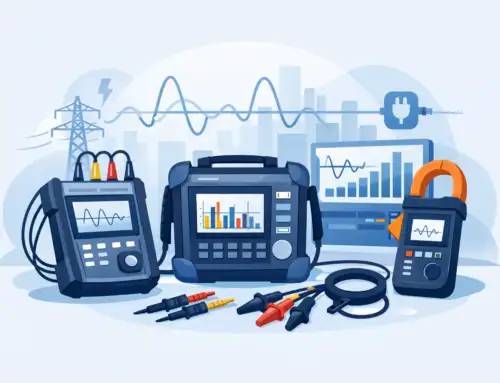
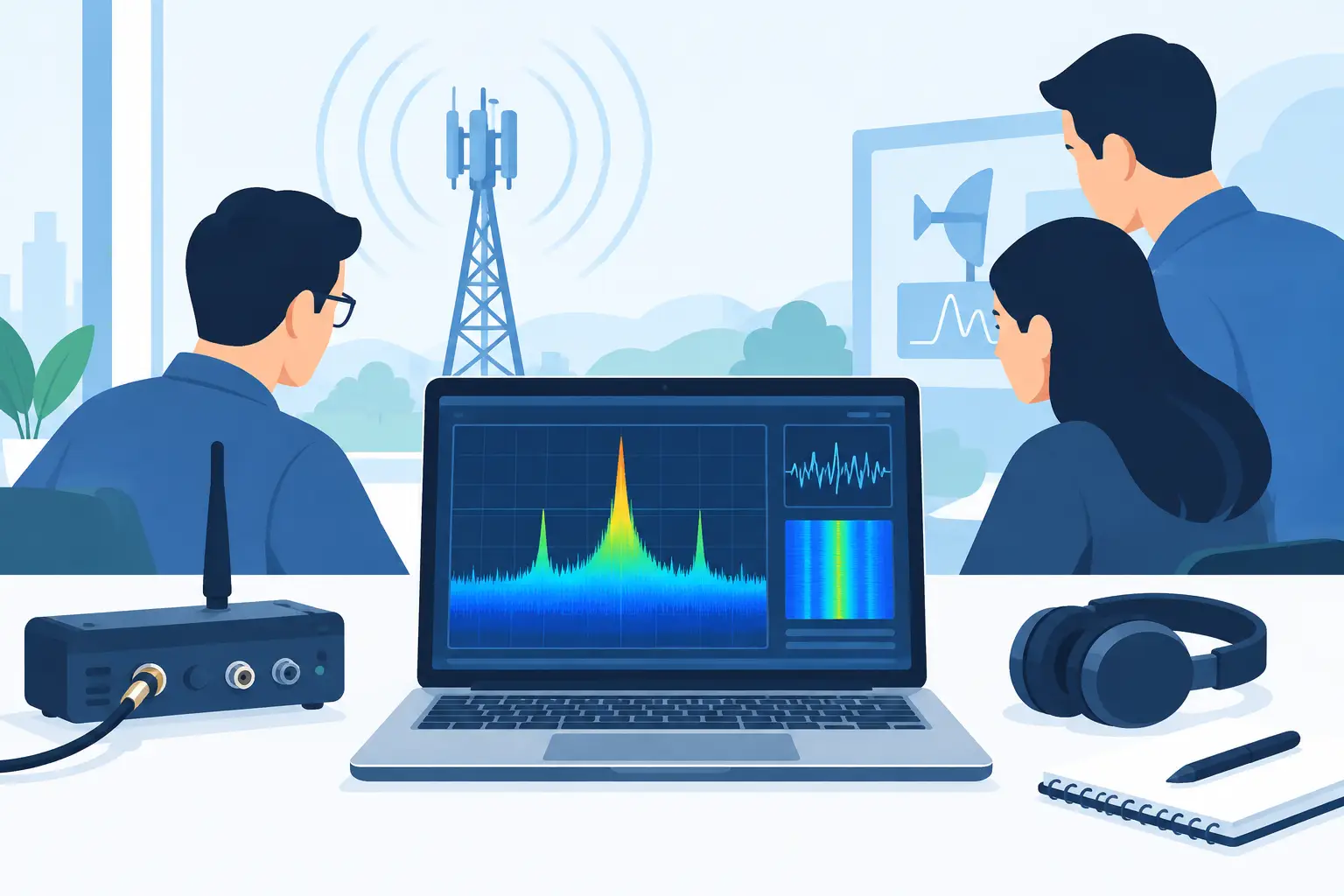
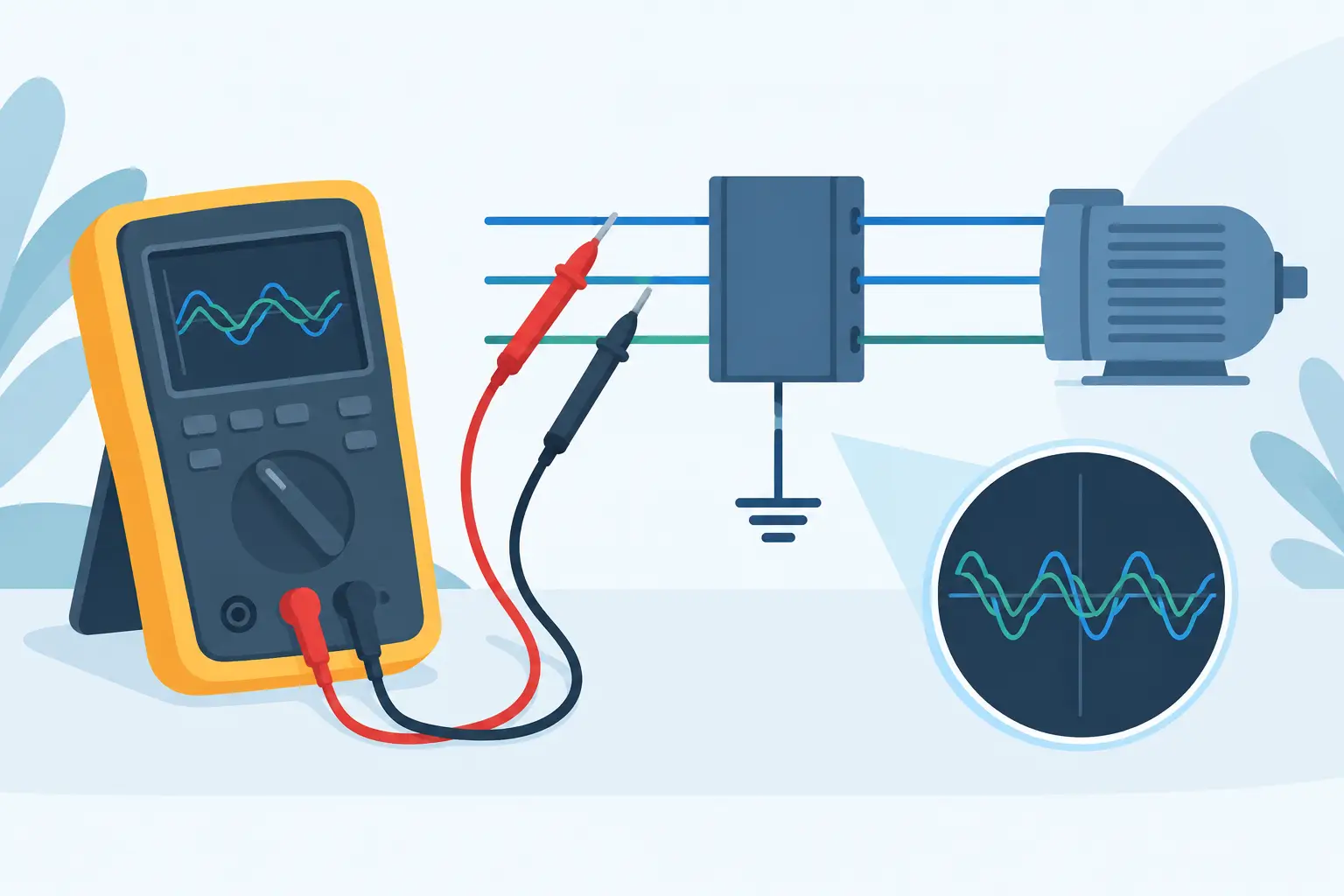
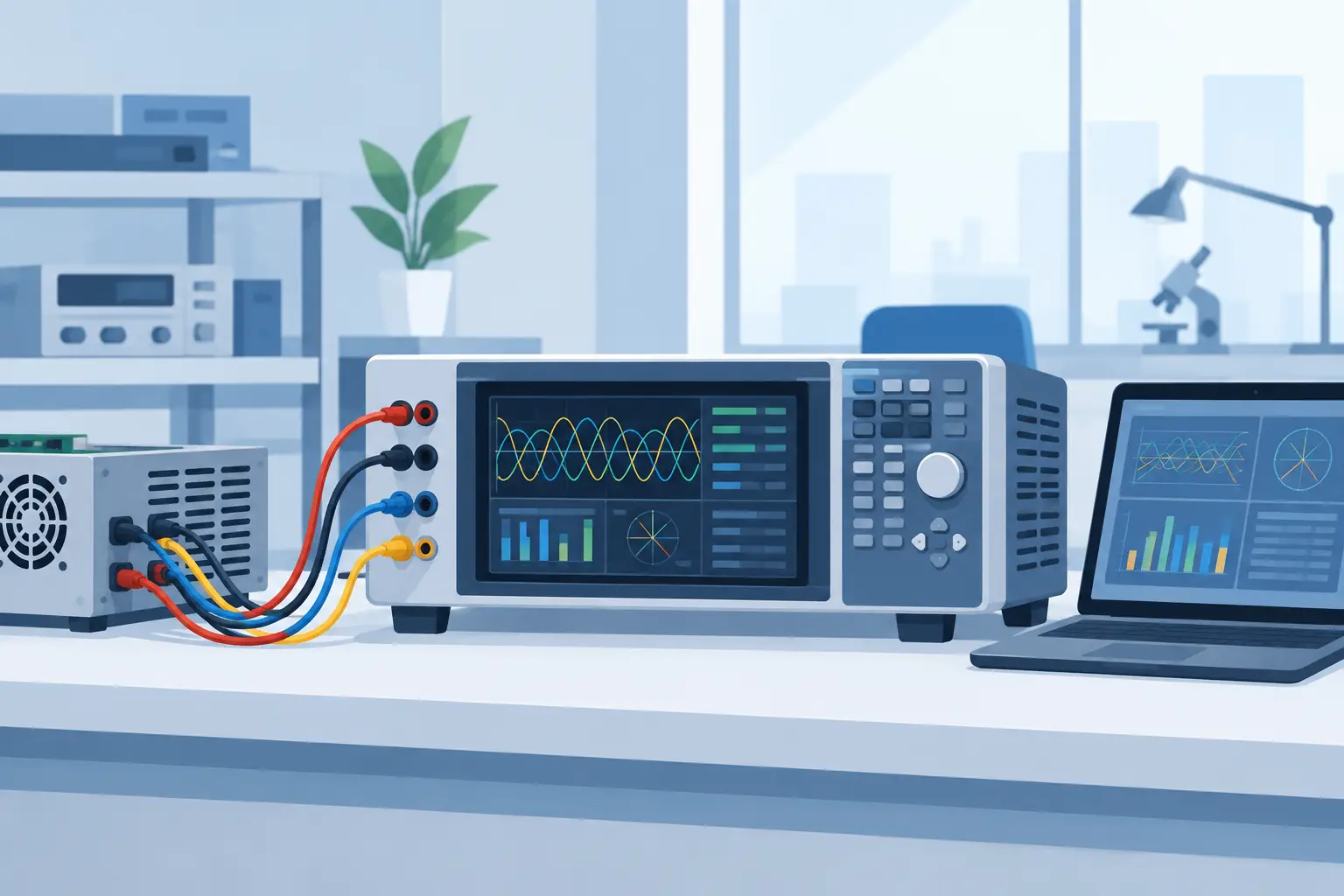
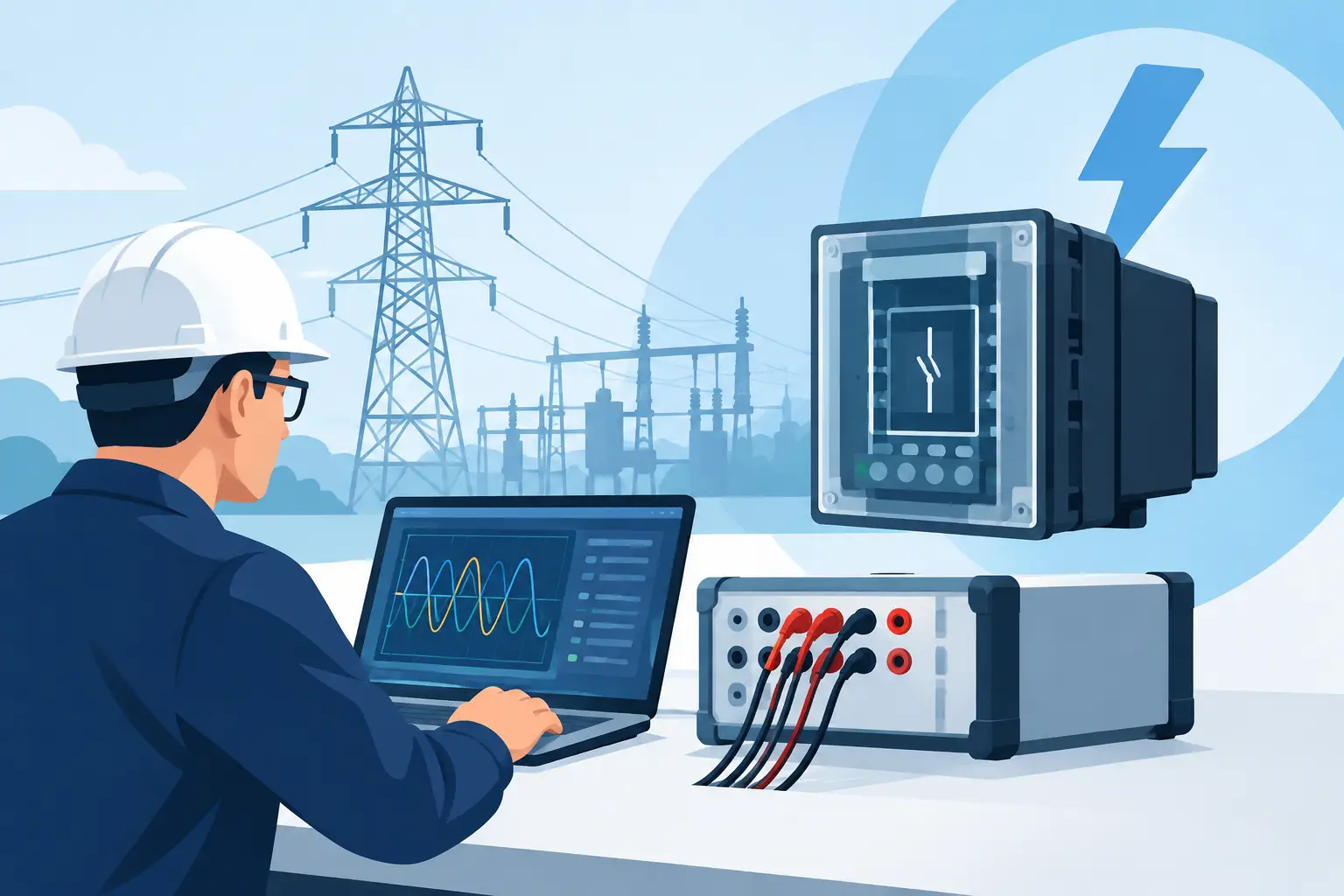
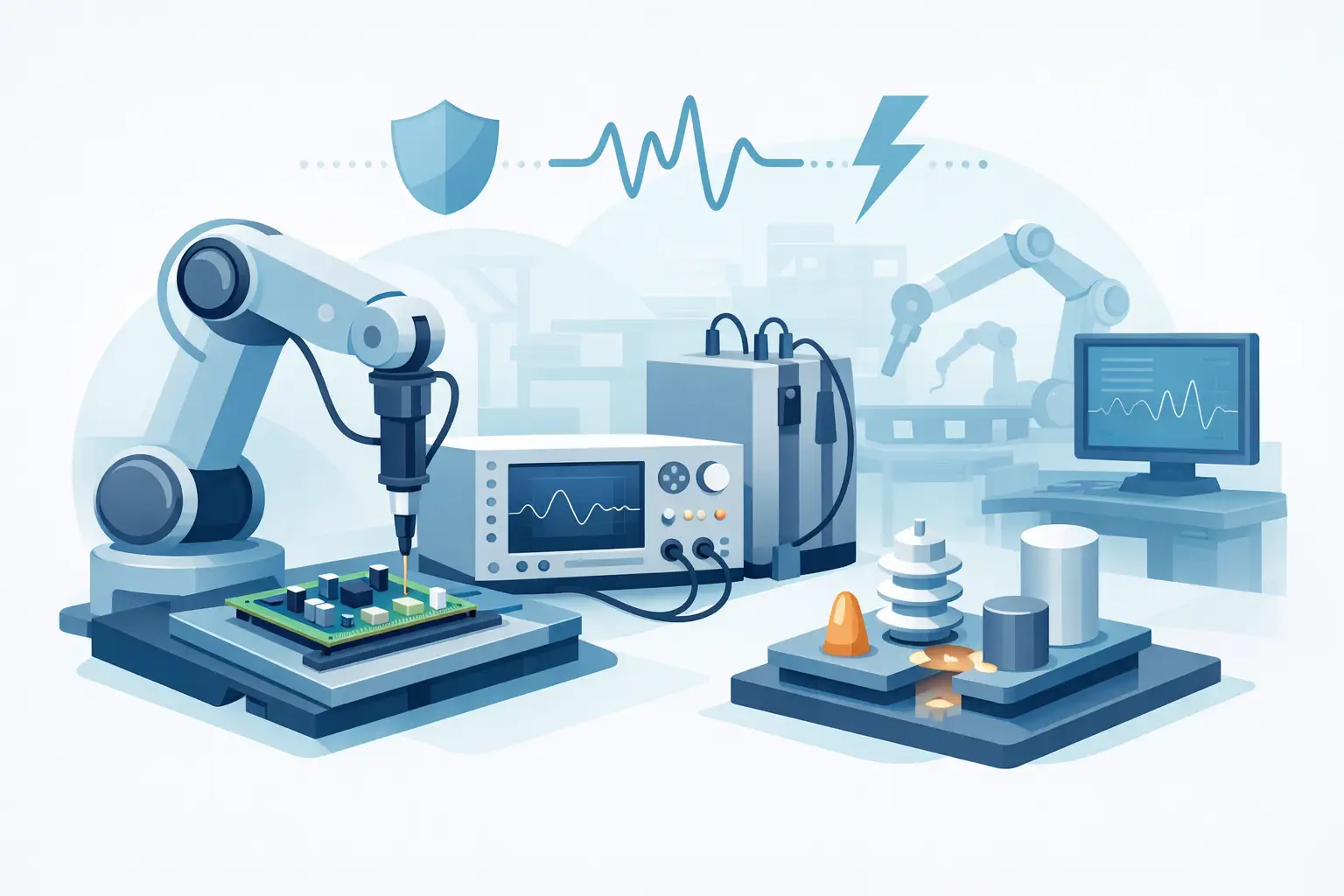
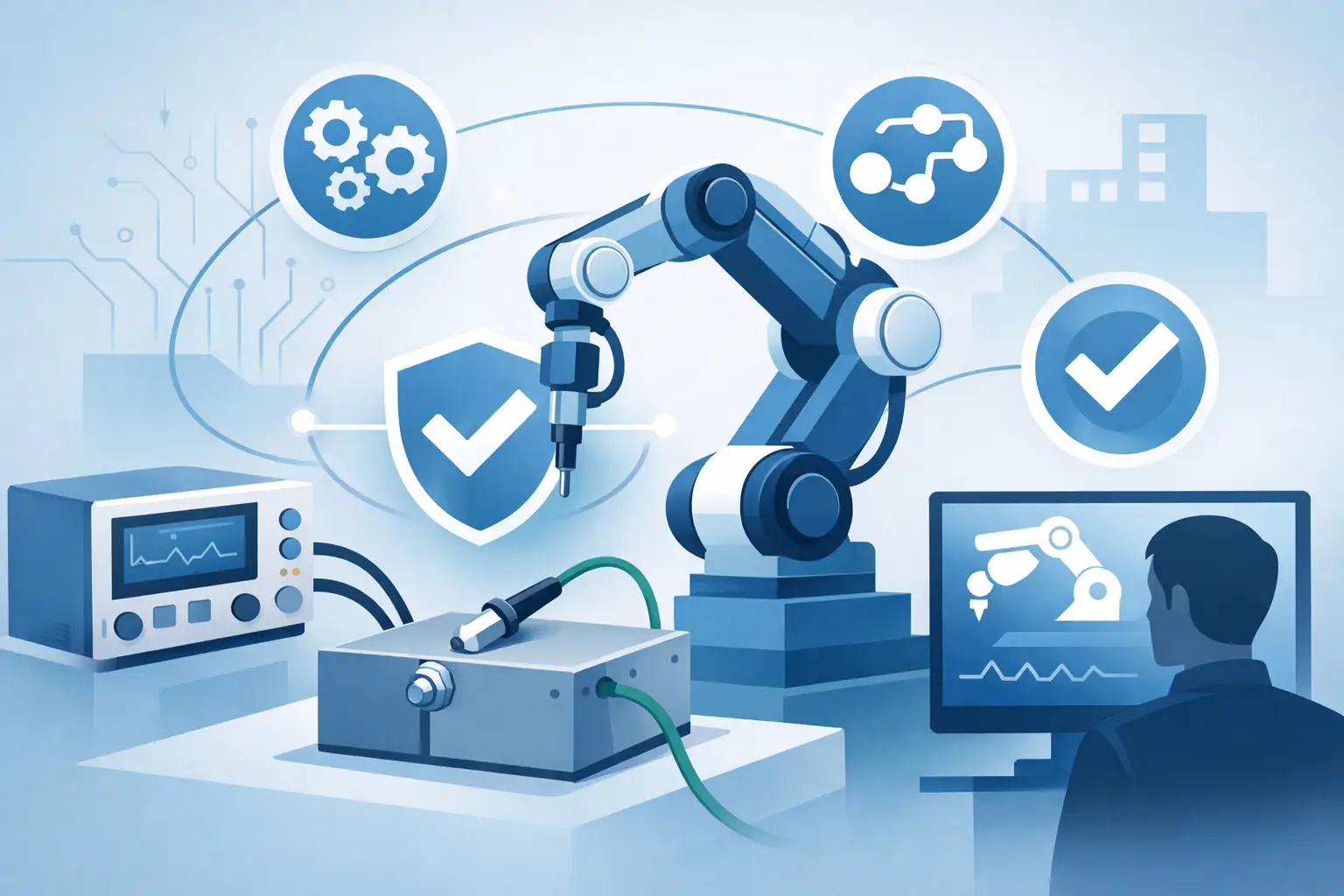
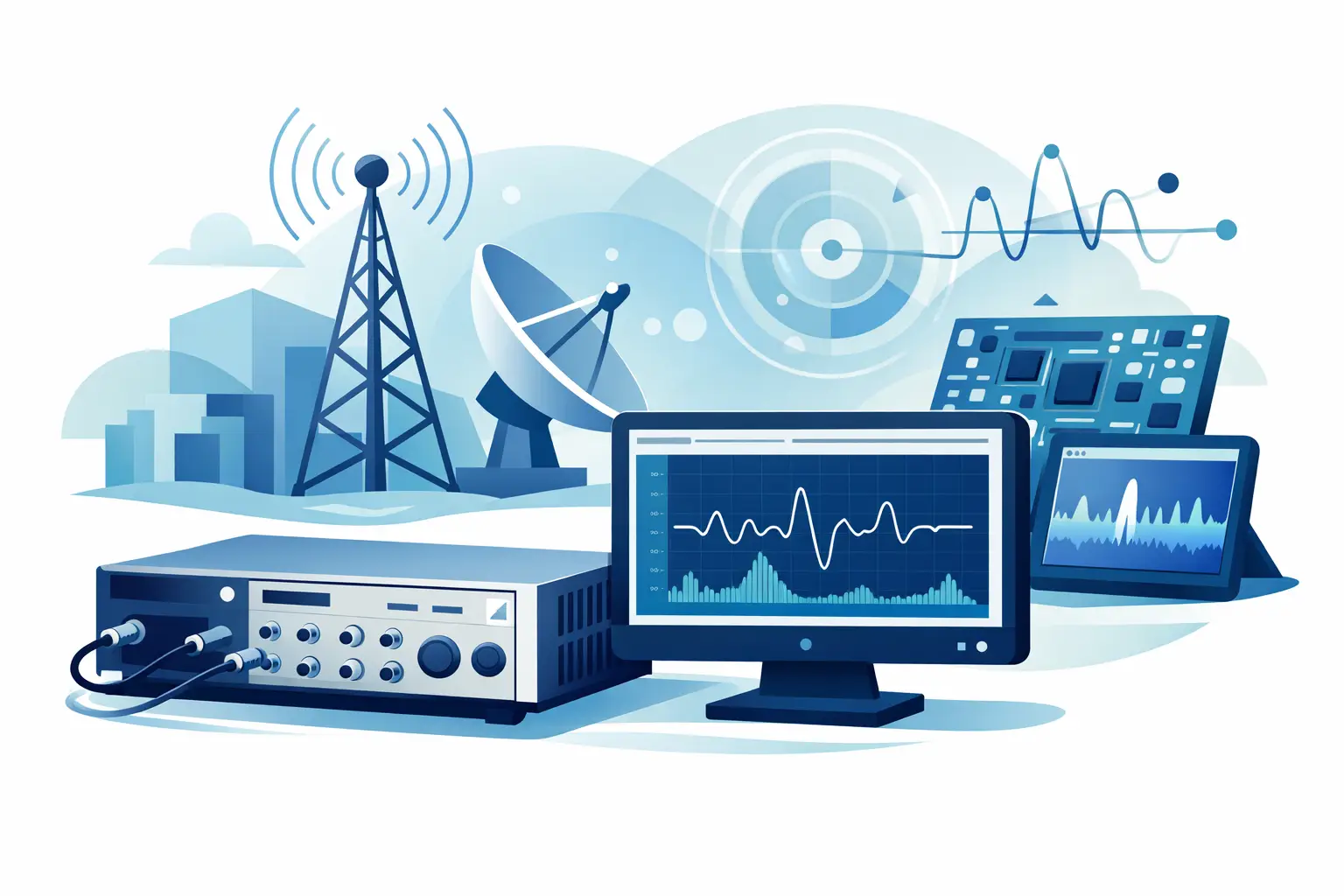
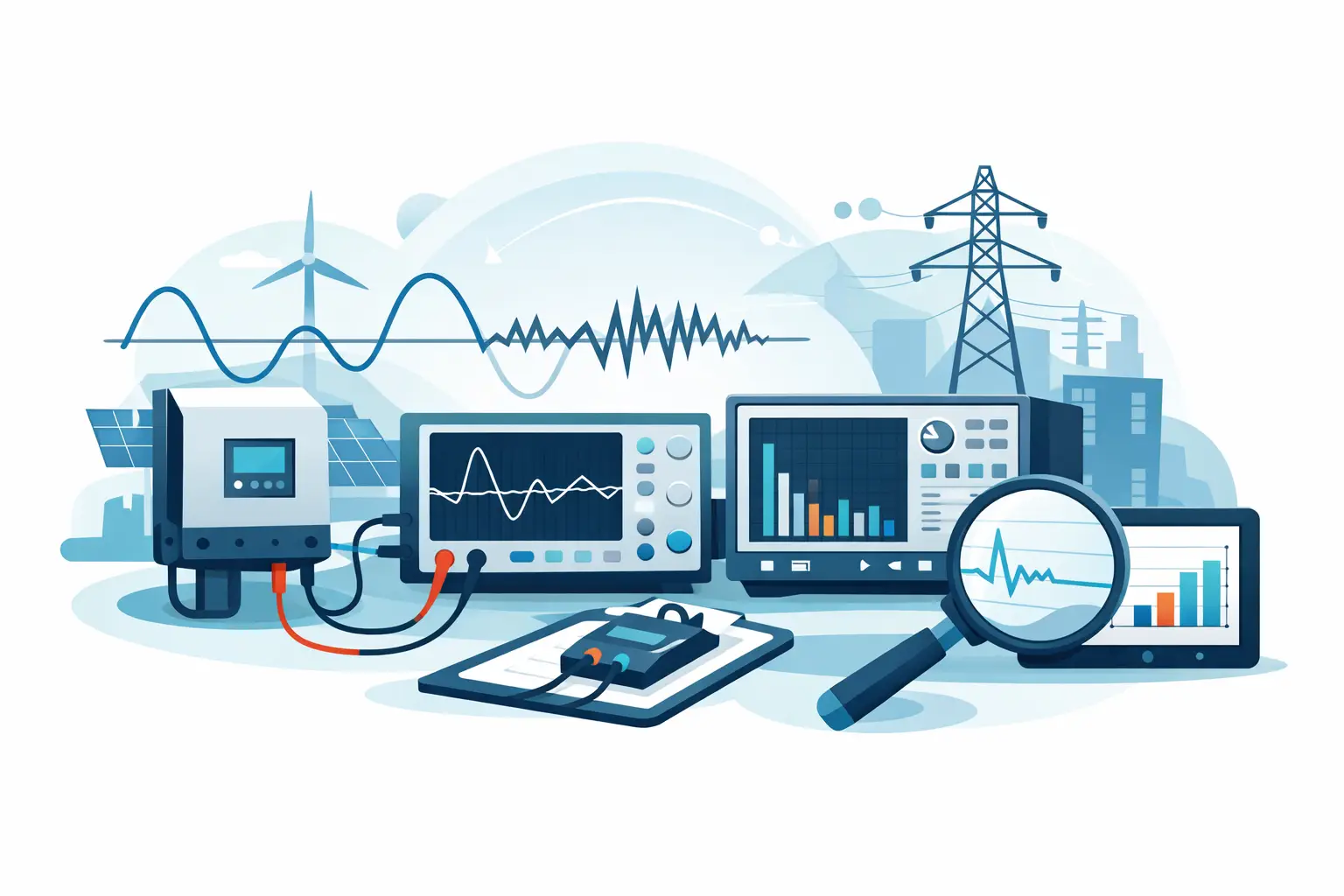
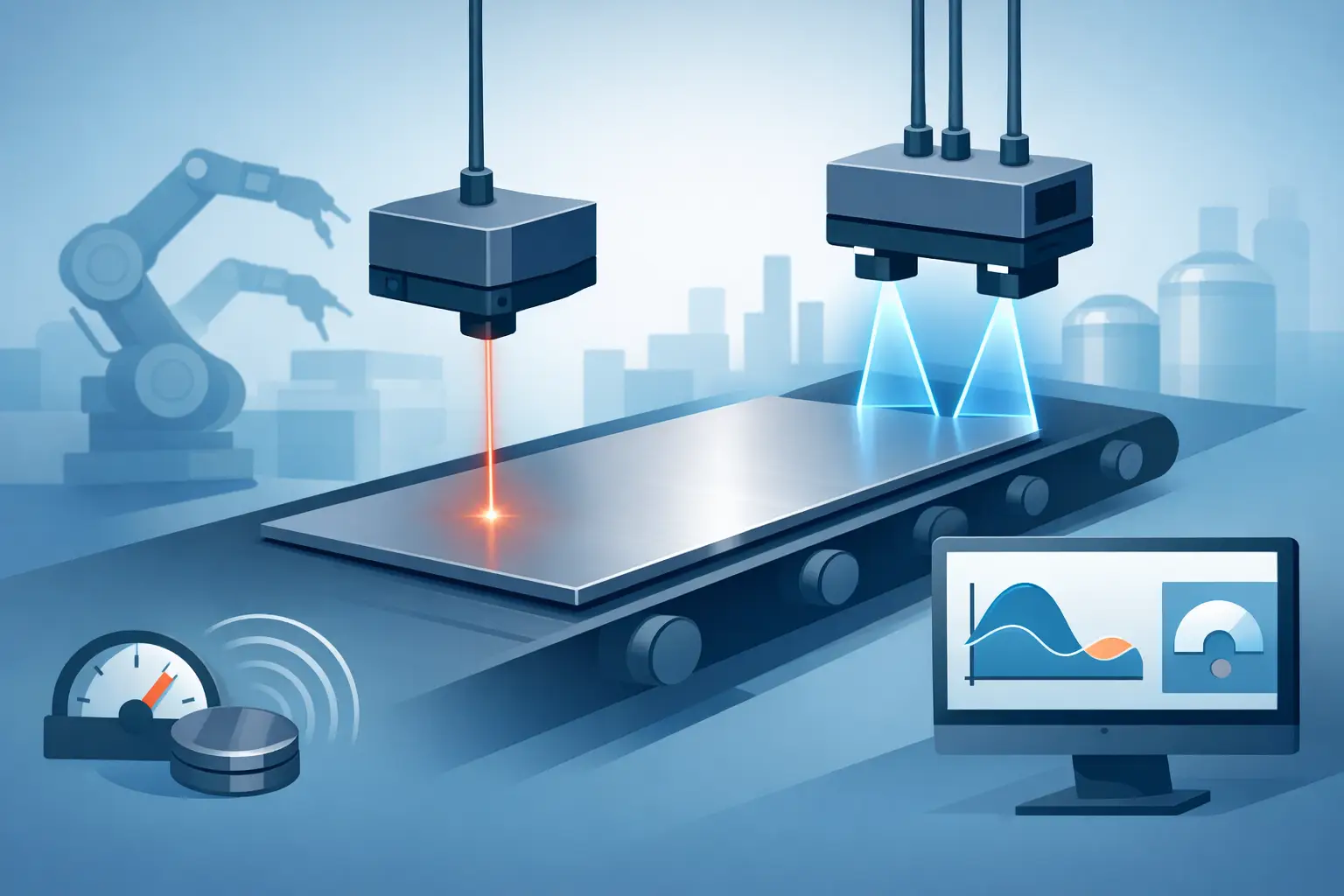
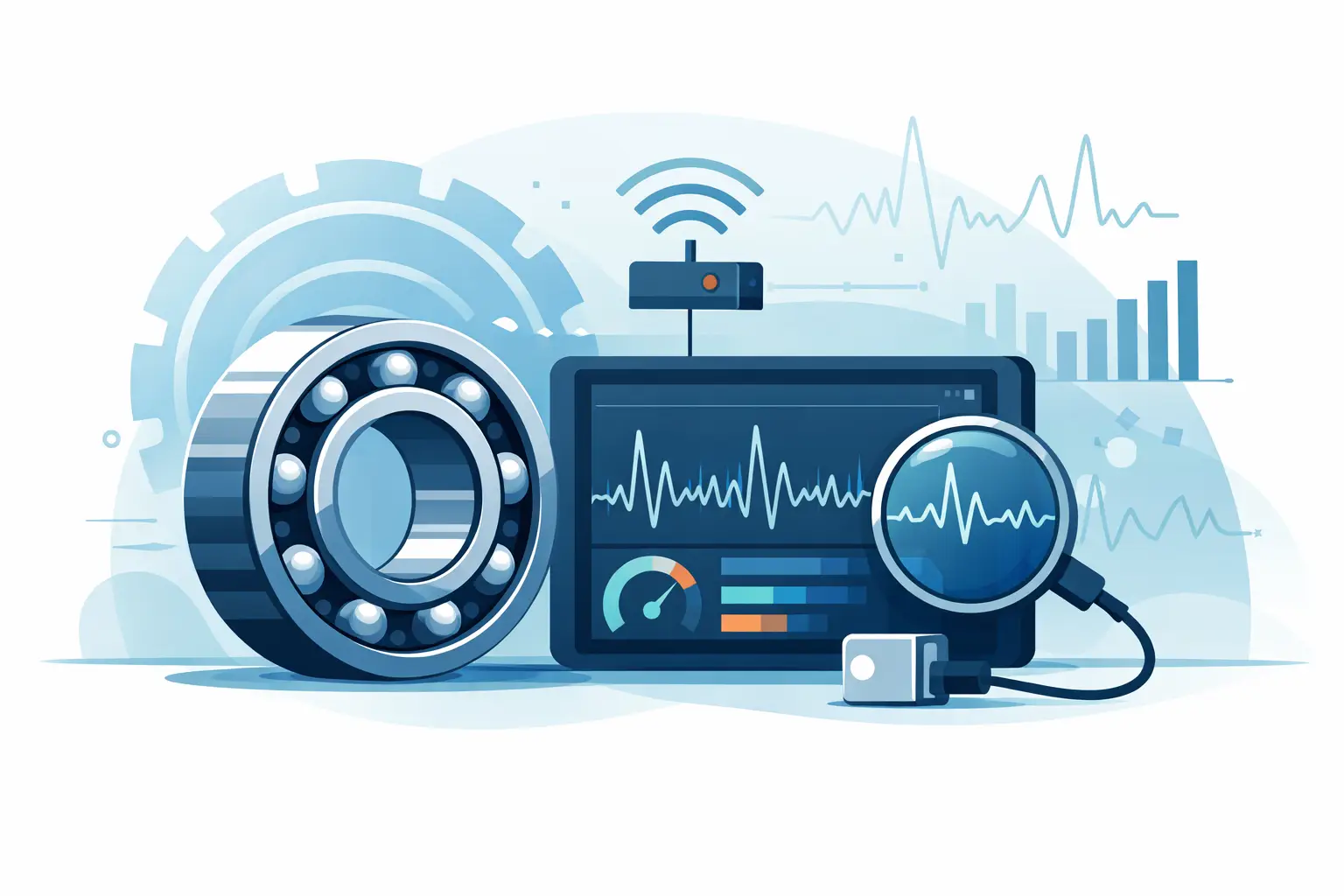
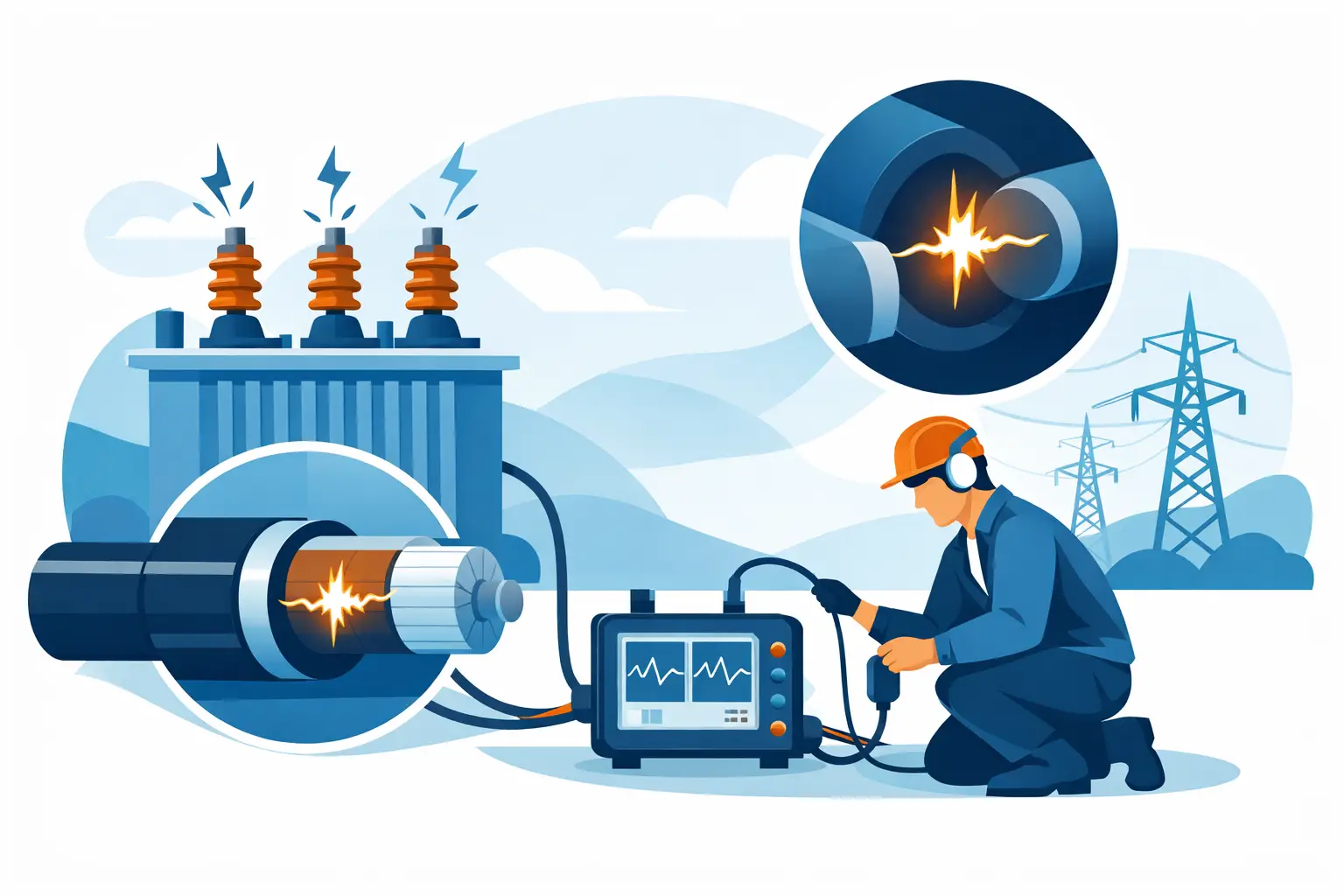
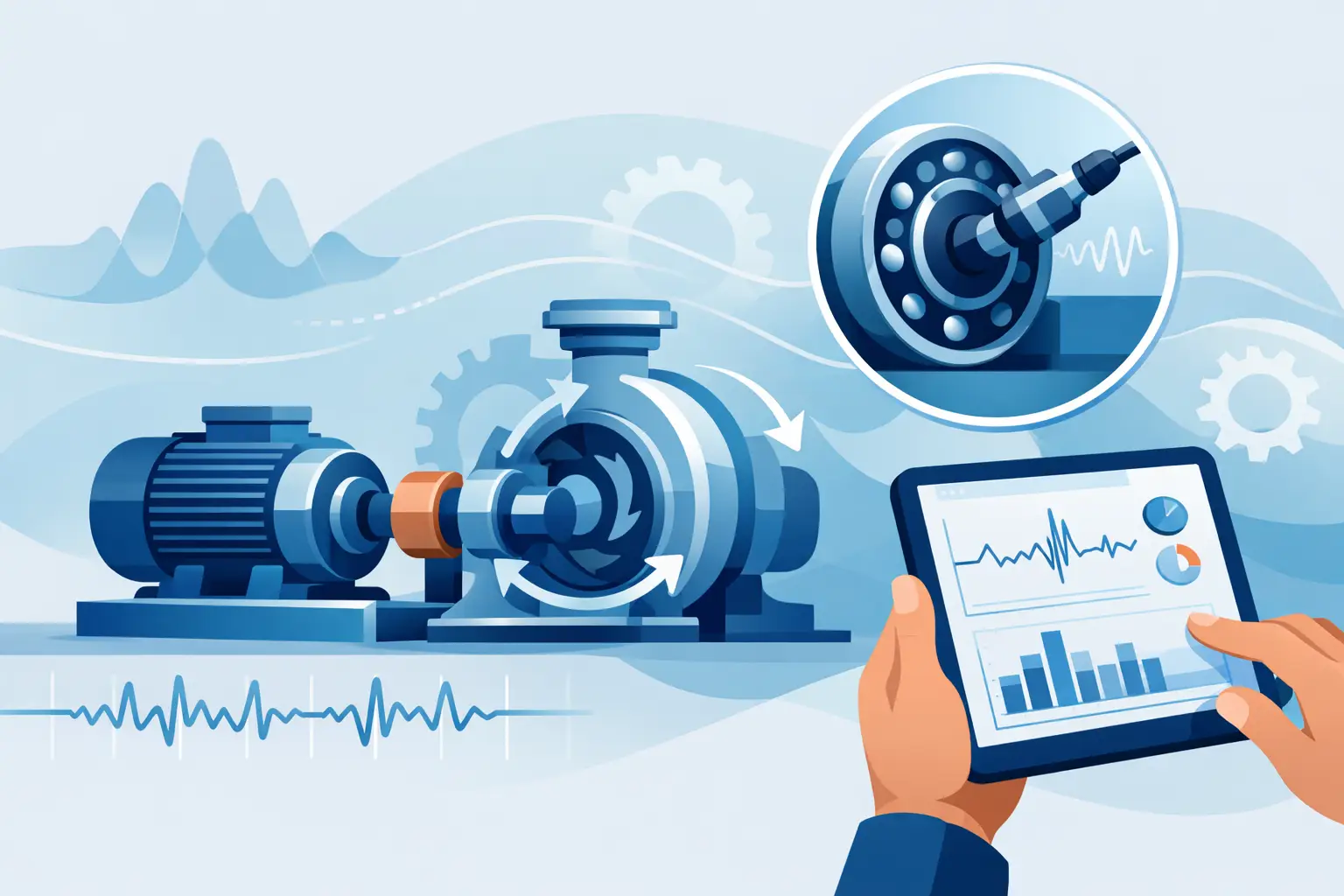
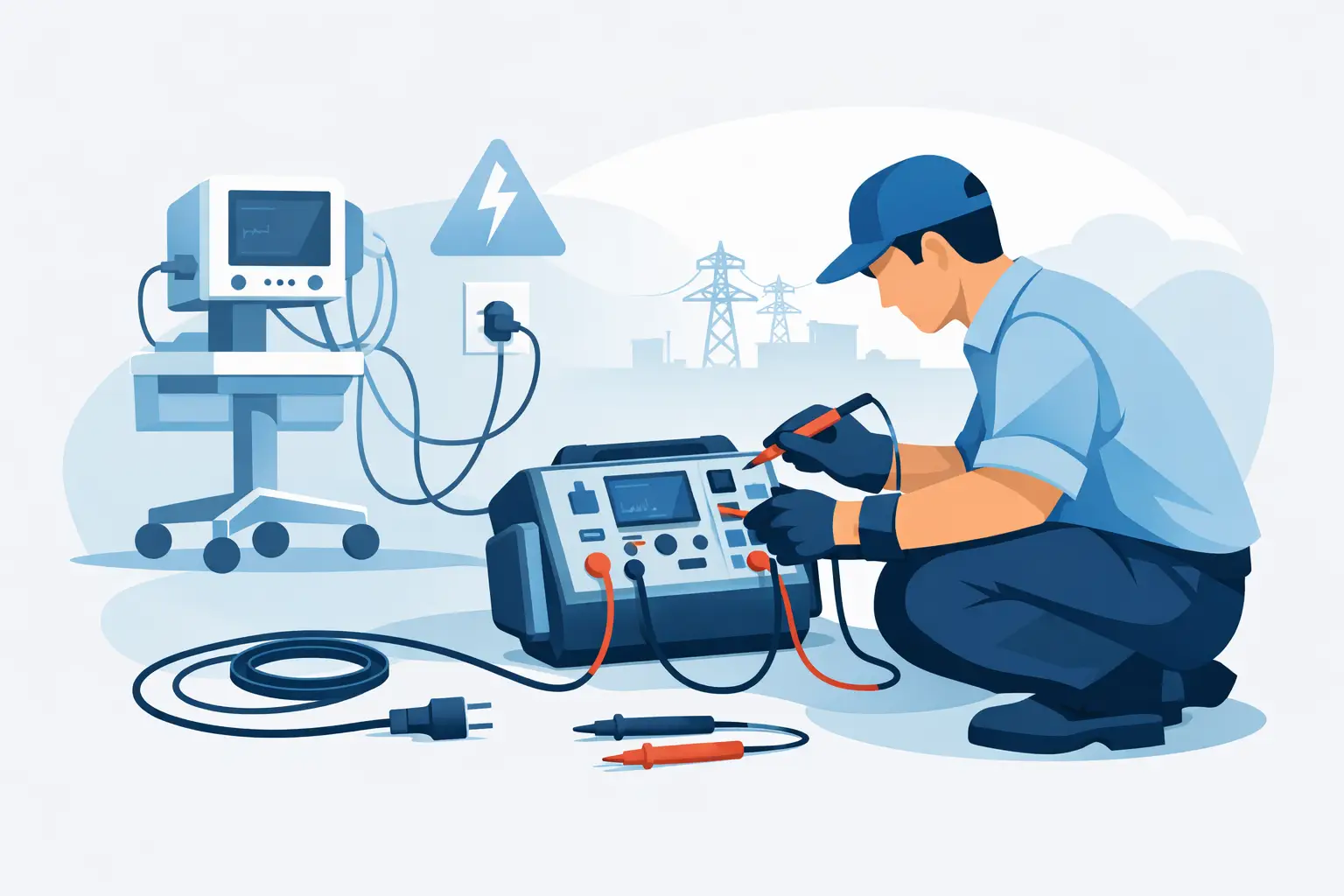
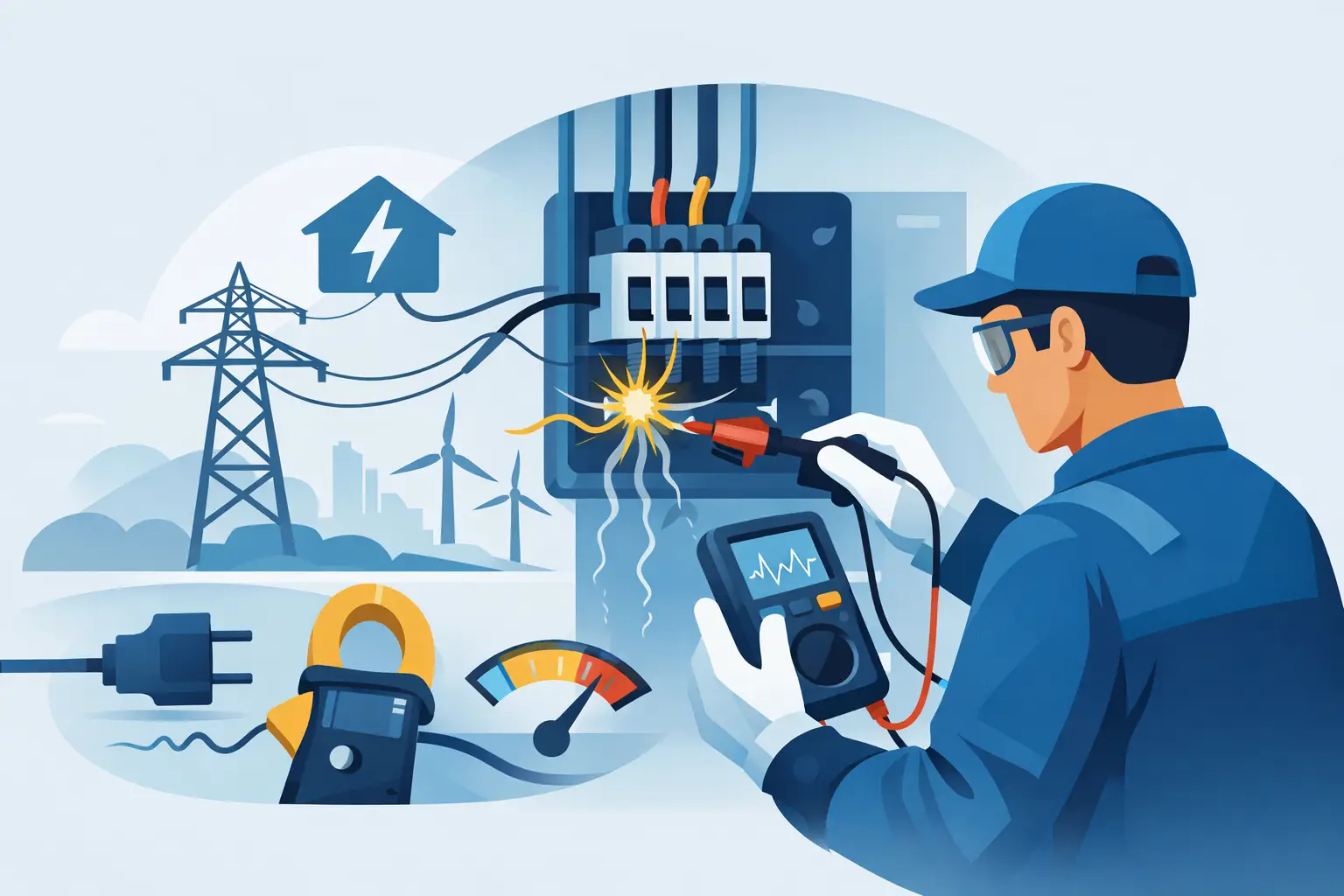
A bearing does not usually fail all at once. More often, the machine tells you first – through rising amplitude, shifting frequency content, or a phase change that looks minor until production goes down. That is why a machine vibration monitoring system matters in serious industrial environments. It turns mechanical behavior into measurable data early enough to support diagnosis, maintenance planning, and risk reduction.
For engineers and test managers, the question is rarely whether vibration should be measured. The real question is what level of monitoring is justified for the asset, the process, and the consequences of failure. A packaging line motor, a turbine auxiliary pump, and a high-speed spindle do not need the same architecture, sensor strategy, or data resolution. Good system design starts there.
What a machine vibration monitoring system actually does
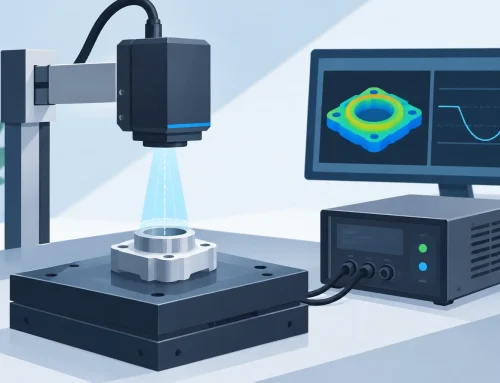
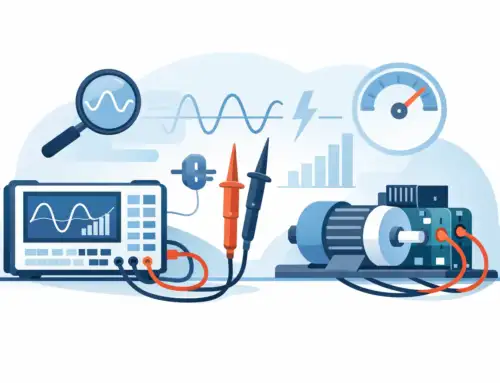
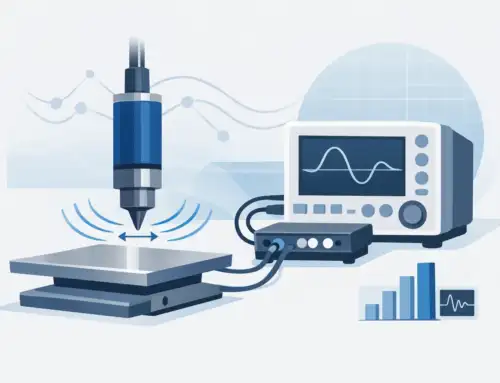
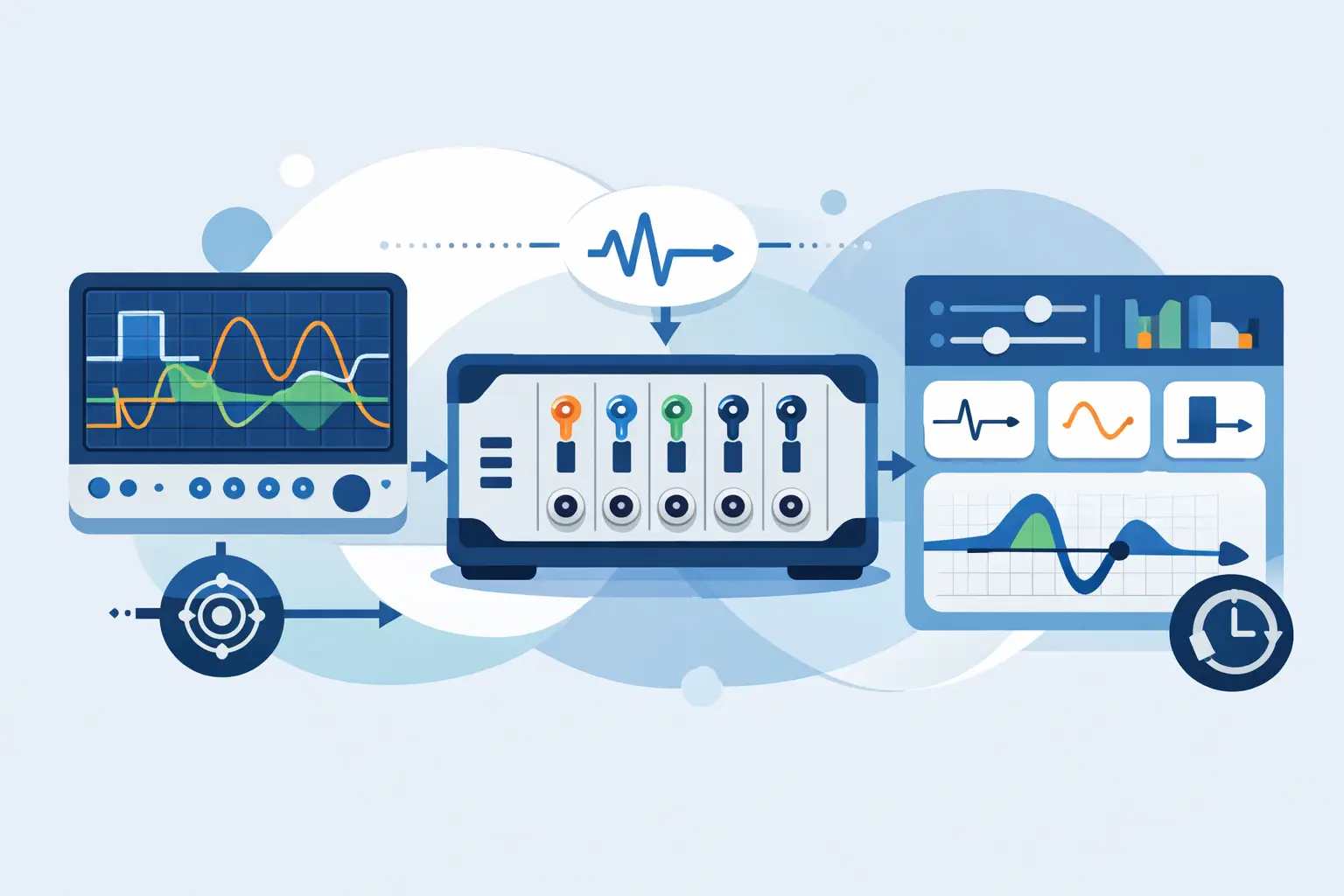
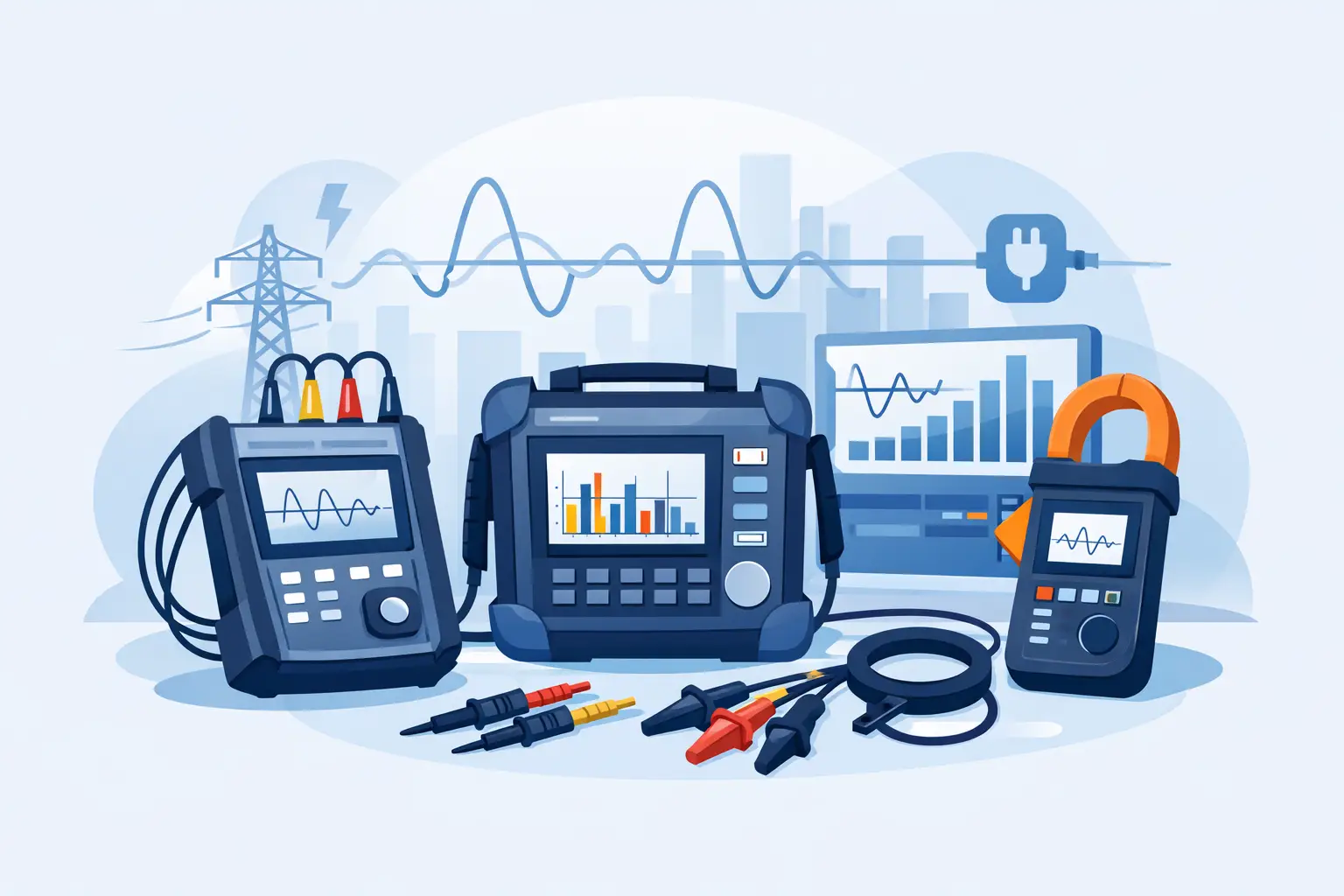
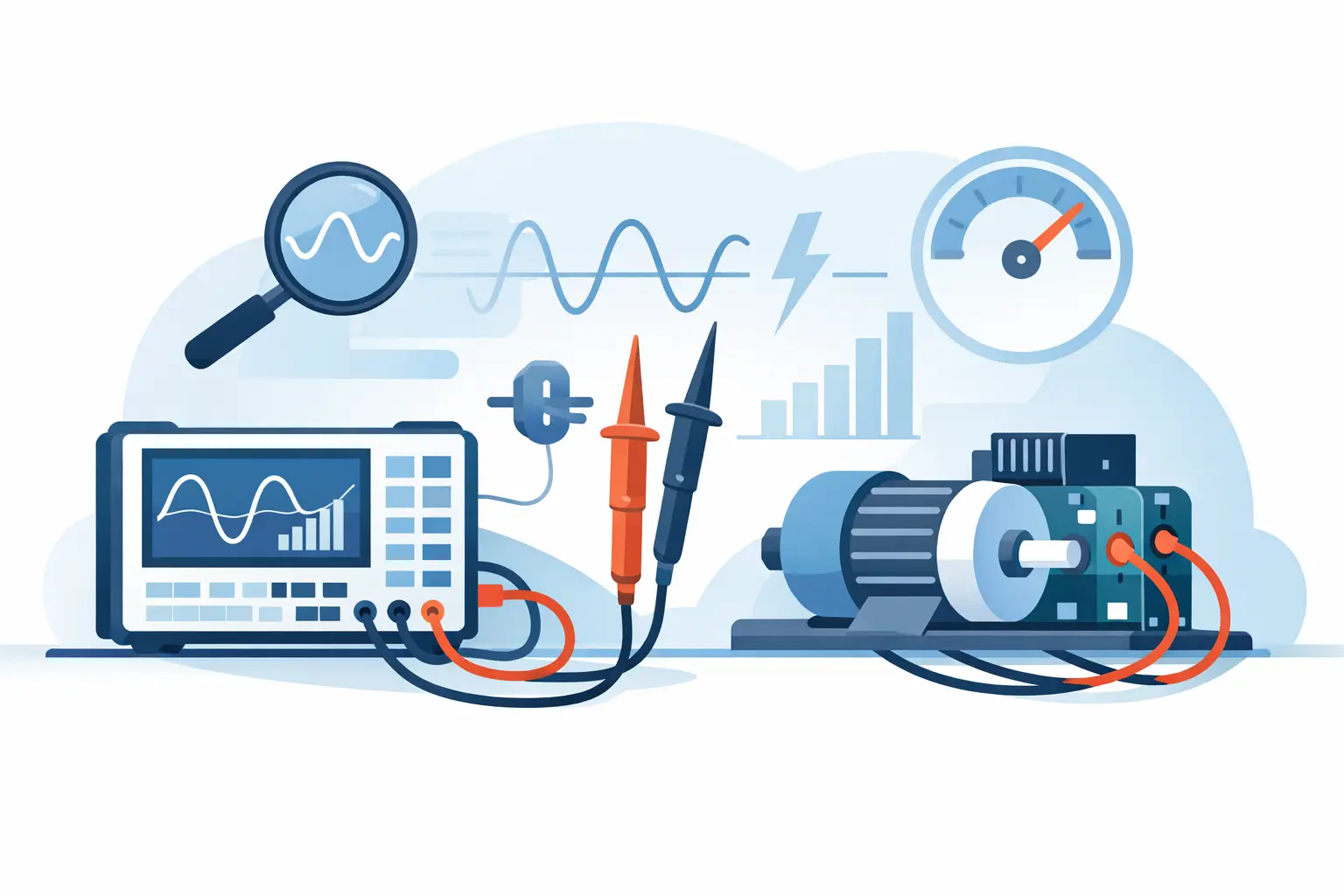
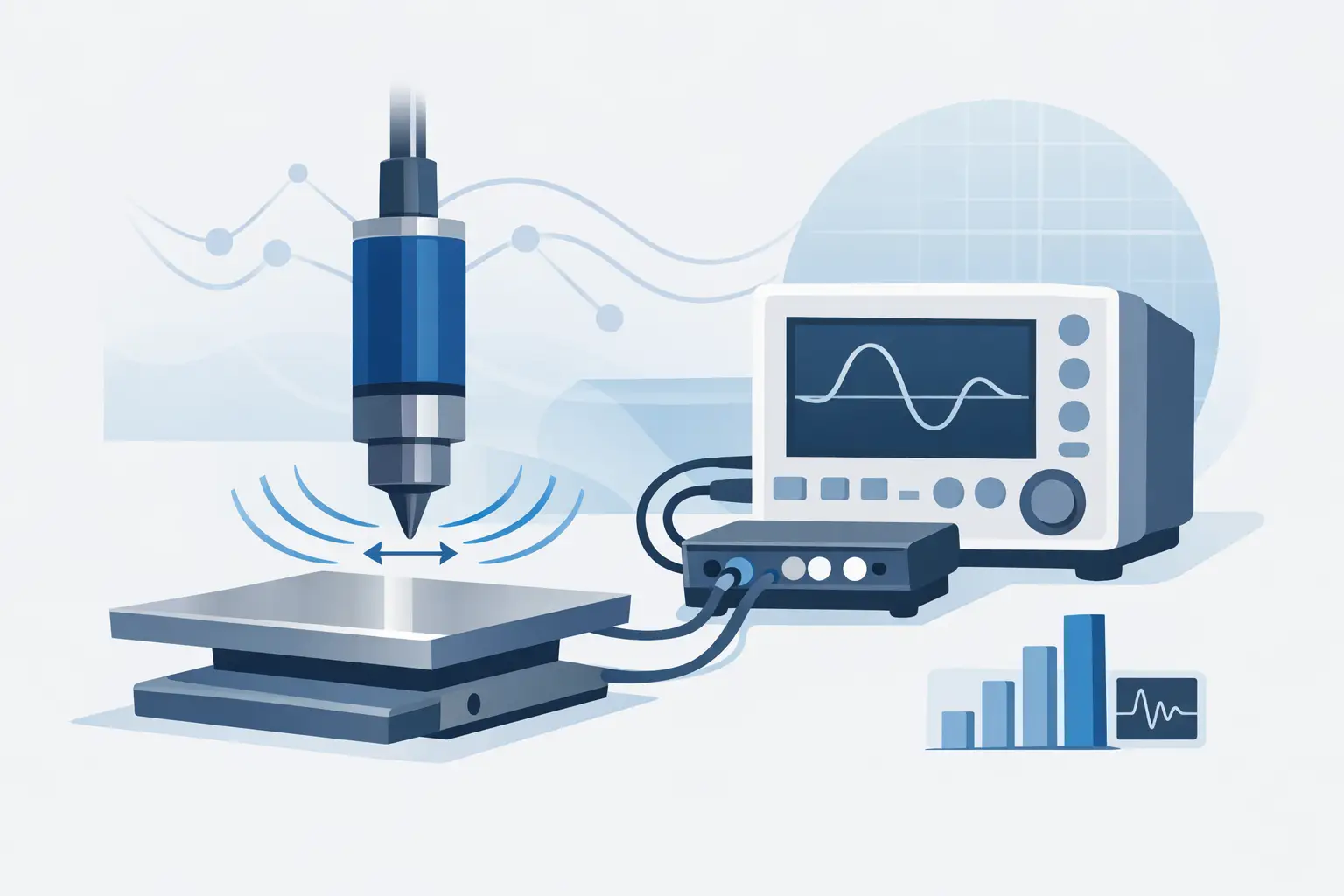
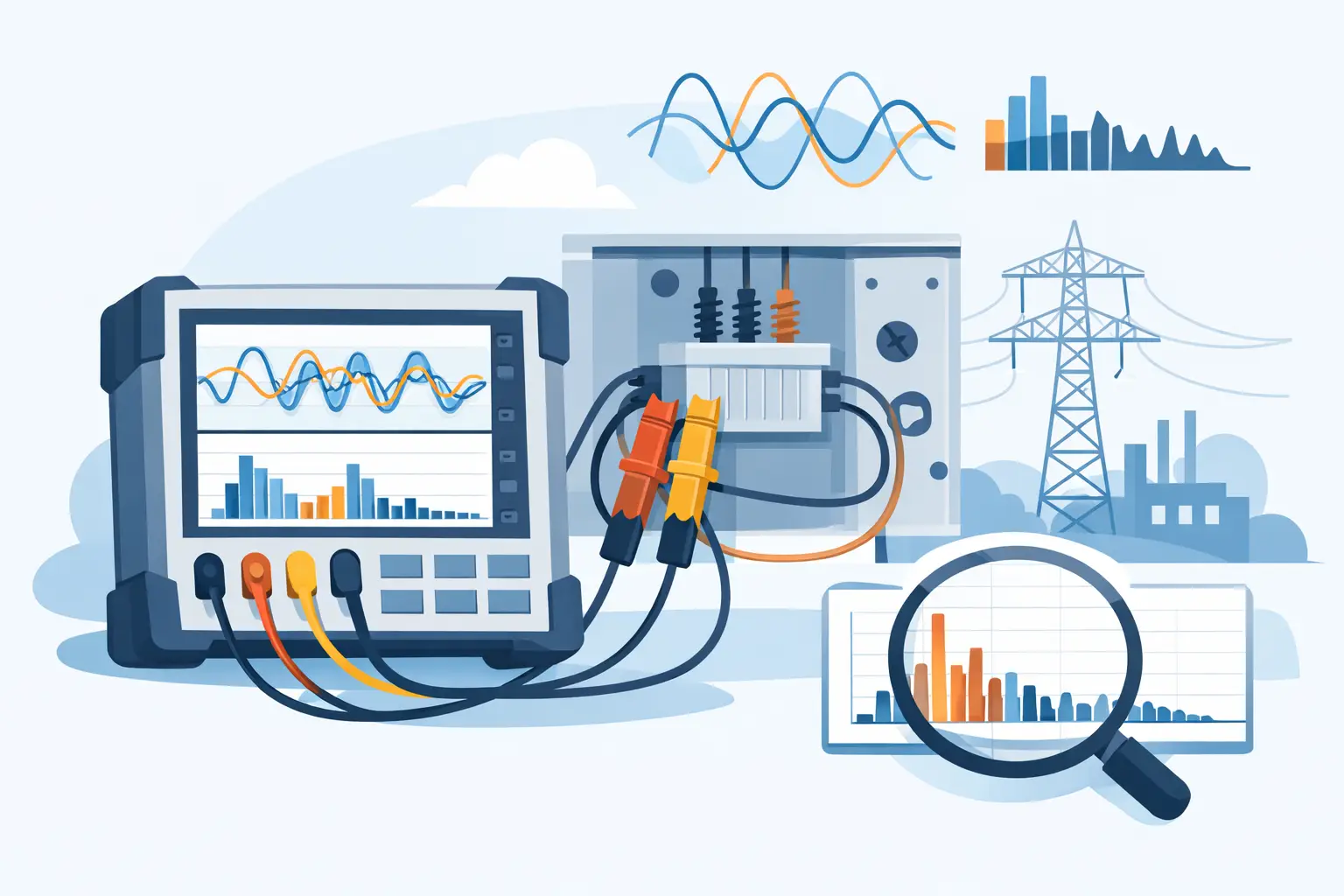
At its core, a machine vibration monitoring system acquires motion-related signals from a machine, conditions those signals, converts them into useful parameters, and presents the results in a form that operators, reliability teams, or automated controls can act on. The system may track overall vibration levels, displacement, velocity, acceleration, frequency spectra, phase, orbit, and transient events, depending on the machine type and monitoring objective.
That sounds straightforward, but measurement quality depends on details. Sensor placement, mounting stiffness, channel synchronization, sampling rate, analog front-end performance, and environmental noise all affect whether the data supports a credible diagnosis or just generates alarms without context. In regulated or performance-critical settings, poor data quality is not a nuisance. It can lead to missed faults, unnecessary maintenance, and avoidable downtime.
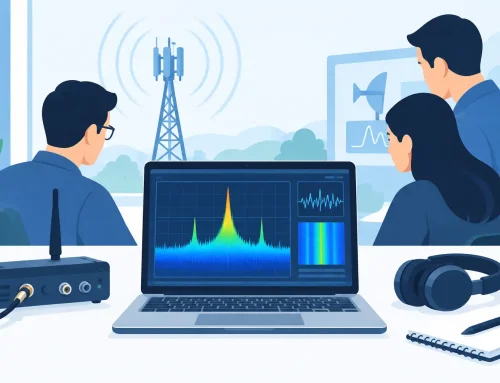
A well-designed system also bridges the gap between raw signal capture and engineering decisions. It should help teams distinguish imbalance from misalignment, looseness from resonance, and normal operating variation from a developing fault. That requires more than a dashboard. It requires instrumentation that preserves signal integrity and software that presents trends and events in a technically meaningful way.
Choosing the right monitoring architecture
The most common mistake in vibration monitoring is overgeneralization. Not every asset needs permanent online monitoring, and not every route-based program is sufficient. The right architecture depends on machine criticality, speed range, access constraints, failure modes, and how quickly a defect can progress.
For lower-criticality assets, periodic data collection may be enough. A technician gathers readings at defined intervals and compares trends over time. This approach is cost-effective, but it can miss fast-developing problems and usually offers less operating context. If a machine runs under variable load, starts and stops frequently, or experiences intermittent events, periodic checks may leave important gaps.
For critical rotating equipment, continuous monitoring is often justified. Online systems provide uninterrupted visibility, immediate alarm capability, and better correlation to process conditions. They are especially valuable where failures affect safety, compliance, product quality, or high-value production throughput. In these cases, the cost of instrumentation is usually small compared with the cost of unplanned shutdowns or secondary damage.
Hybrid approaches are common as well. A facility may deploy permanent systems on a small number of critical assets and use portable or semi-permanent instruments elsewhere. That balance often makes sense, particularly when capital budgets must be aligned with risk.
Sensors define the measurement quality
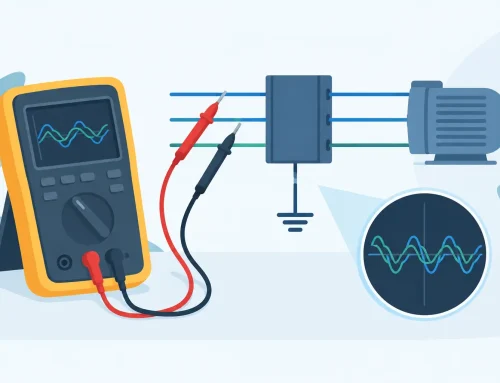
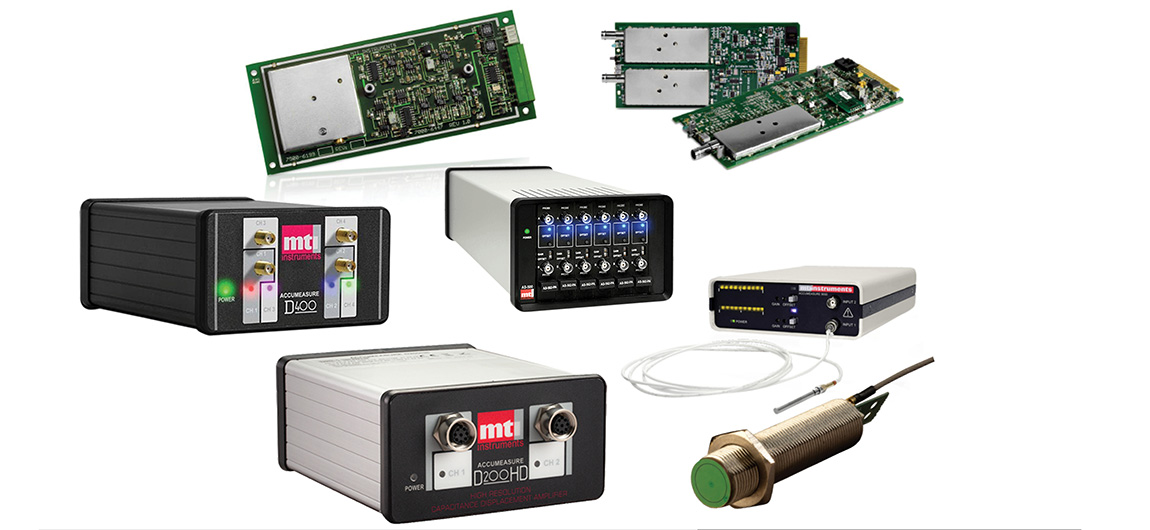
A machine vibration monitoring system is only as good as the sensor chain in front of it. Accelerometers are widely used because they are versatile, compact, and effective for many bearing and structural vibration applications. Velocity sensors remain useful where standards, machine classes, or legacy maintenance practices rely on velocity-based severity criteria. Proximity probes are essential when shaft-relative motion must be measured directly, especially on fluid-film bearing machines.
The correct sensor depends on what you need to observe. If the objective is rolling-element bearing fault detection, high-frequency response matters. If the objective is shaft motion in a turbomachine, non-contact displacement measurement may be required. If the machine operates in high-temperature or electrically noisy environments, sensor survivability and shielding become more important than convenience.
Mounting method also affects usable bandwidth and repeatability. A stud-mounted accelerometer generally provides better high-frequency performance than a magnetic mount. Adhesive mounting may be acceptable in some cases, but it introduces its own trade-offs in stiffness, serviceability, and long-term stability. These are not minor installation details. They directly influence whether the measured signal reflects the machine or the mounting arrangement.
Data acquisition matters more than many teams expect
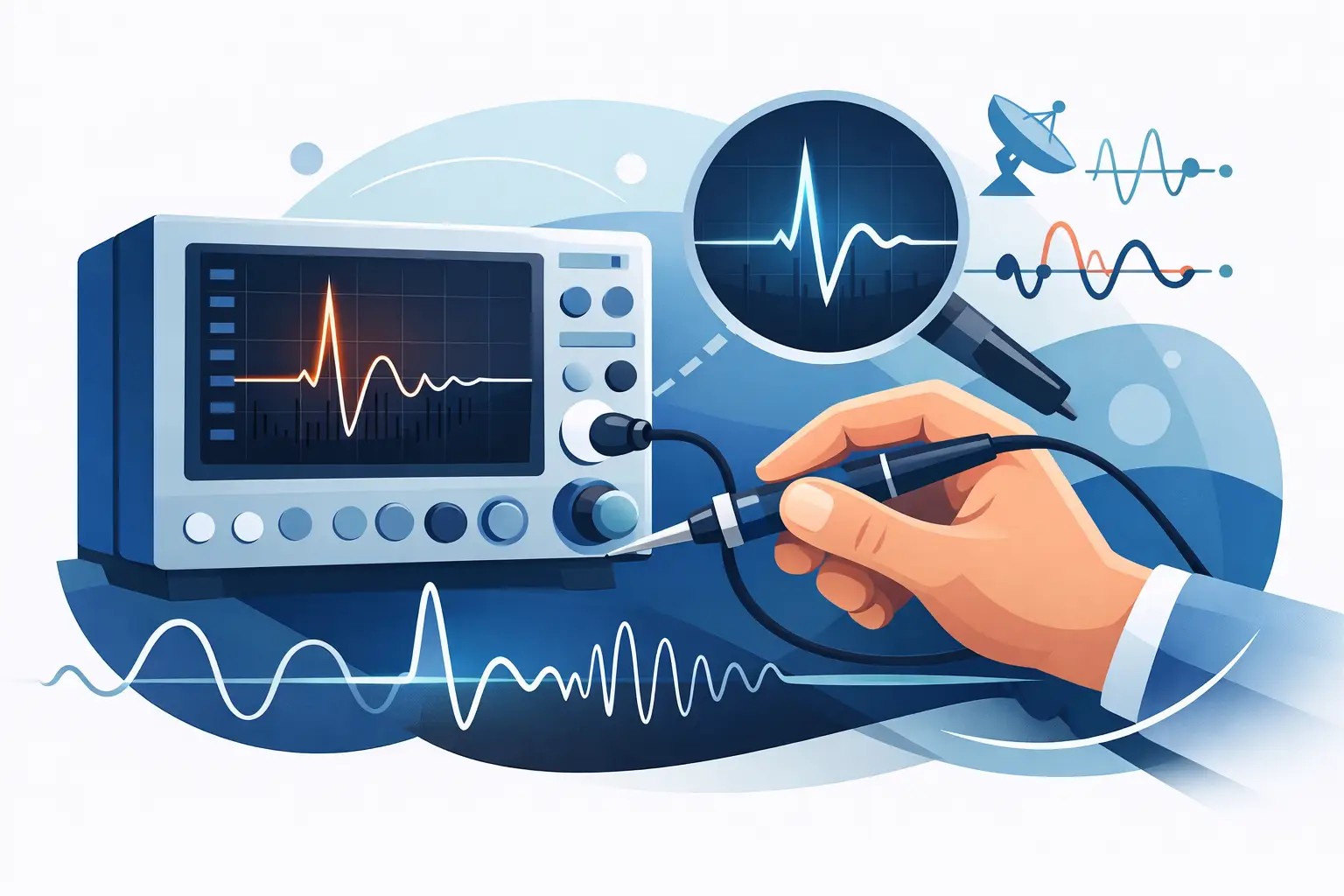
In practice, the difference between actionable vibration data and misleading data often comes down to acquisition performance. If sampling is too slow, important fault content can be lost. If channels are not synchronized, phase relationships and multi-channel analysis can become unreliable. If dynamic range is limited, low-level features may disappear beneath stronger components.
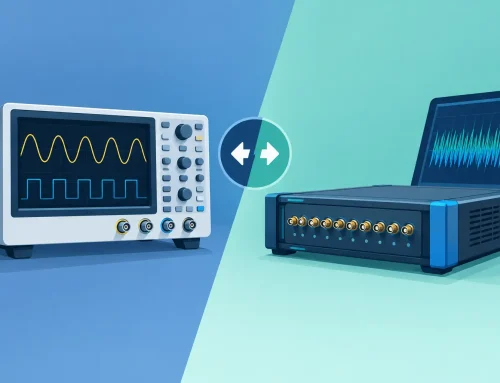
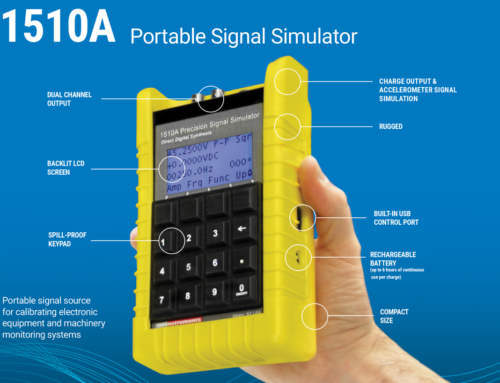
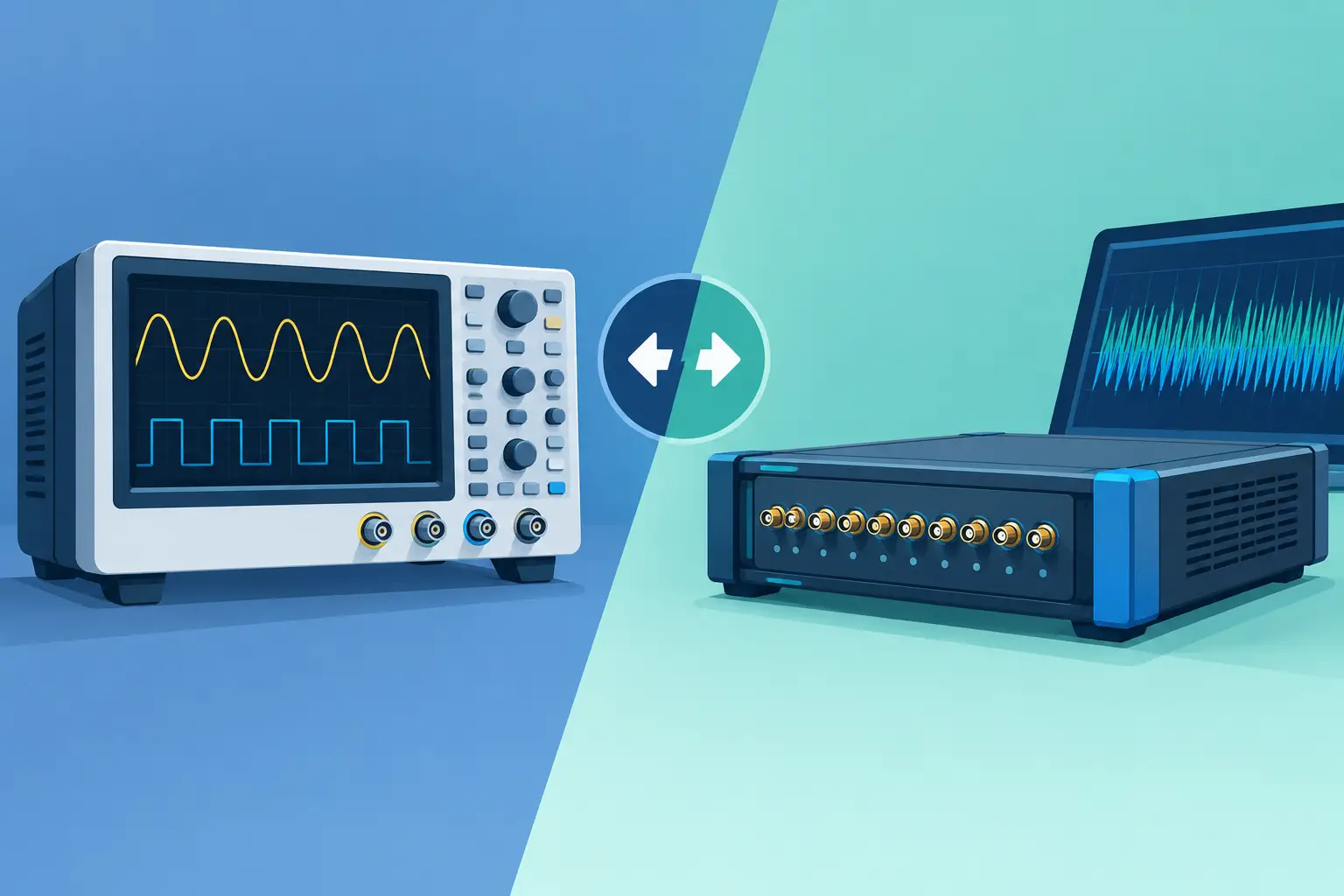
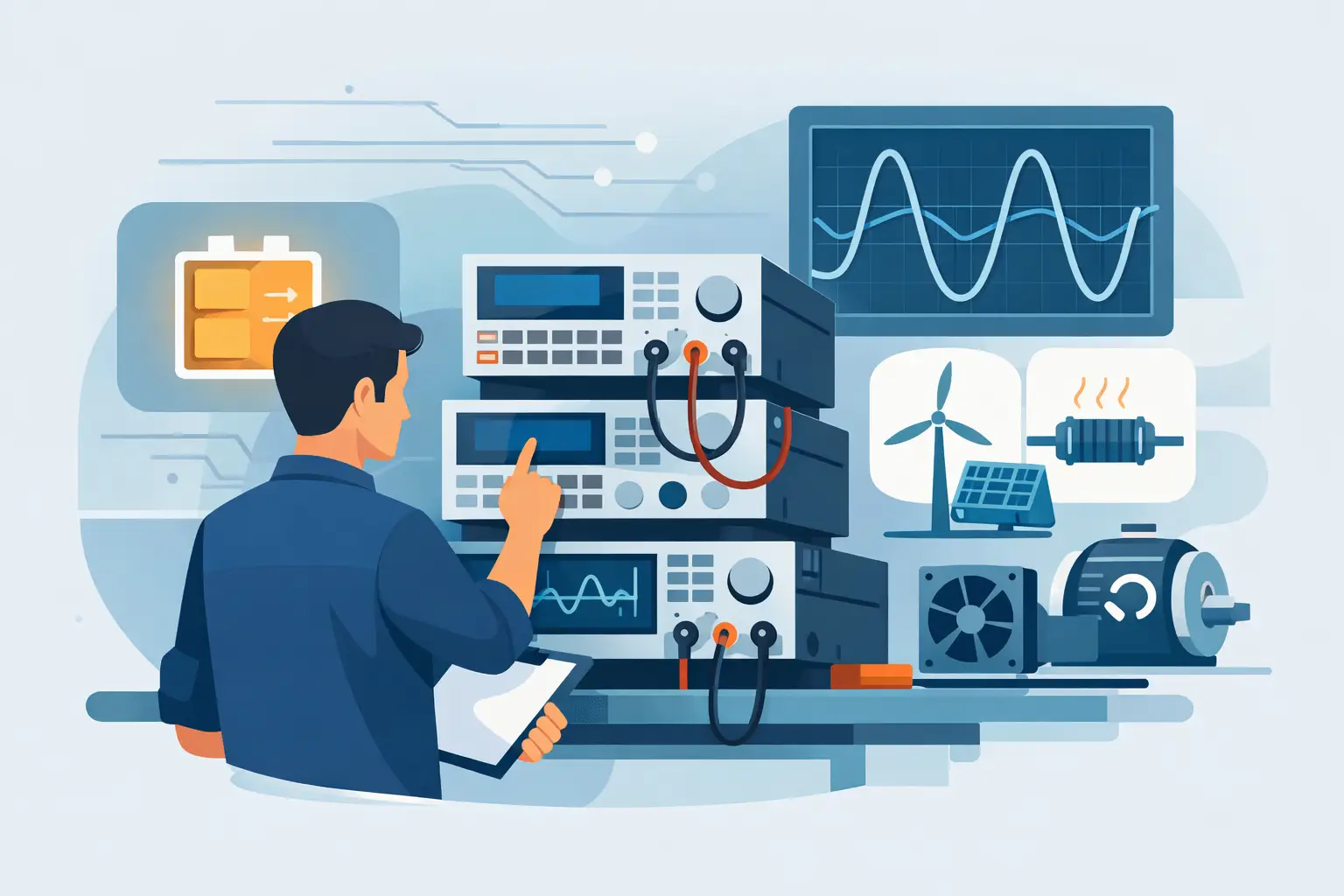
This is especially relevant in development labs, balancing applications, high-speed rotating equipment, and diagnostic investigations where transient behavior or subtle changes carry the most value. High-speed digitizers and precision signal acquisition hardware allow engineers to capture the actual event rather than a filtered approximation of it. That becomes important when diagnosing resonance crossings, startup coast-down behavior, or interactions between mechanical and electrical sources of excitation.
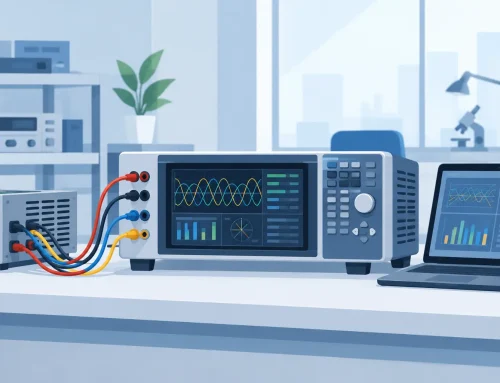
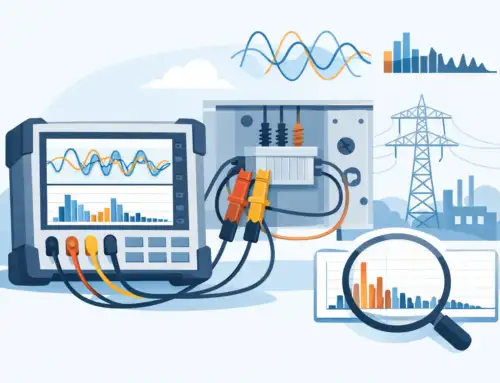
There is also a practical distinction between trending and diagnosis. A simple system that reports overall RMS values can support basic condition tracking. A diagnostic-grade platform should also preserve waveform data, support spectral analysis, enable synchronous measurements, and allow deeper review after an alarm or test event. If the team may need to explain why vibration changed, not just that it changed, the acquisition layer must support that level of analysis.
Alarm logic should reflect machine reality
Alarm thresholds are useful, but fixed limits alone rarely tell the full story. Machines operate across different speeds, loads, temperatures, and process conditions. A level that is acceptable at one operating point may be unacceptable at another. Effective monitoring uses alarms in a way that reflects this reality.
In some applications, overall level alarms are appropriate and easy to manage. In others, band alarms, speed-dependent limits, or rule-based event detection produce fewer false positives and better sensitivity to real faults. A high-speed spindle, for example, may require thresholds that account for operating range and resonance behavior. A balance-of-plant motor may be adequately protected by simpler rules.
False alarms carry a cost. They waste maintenance time and erode trust in the system. Missed alarms are worse. The objective is not maximum sensitivity at any cost. It is dependable detection with enough context to support a defensible maintenance decision.
Where vibration monitoring delivers the most value
The strongest return usually appears where vibration is tied to asset criticality and measurable business impact. Fans, pumps, compressors, turbines, gearboxes, motors, spindles, and test stands are common examples. In these assets, vibration data can reveal imbalance, misalignment, bearing wear, looseness, structural resonance, gear defects, and process-induced instability before failure becomes obvious through heat, noise, or shutdown.
In manufacturing and validation environments, vibration monitoring also supports product quality and test repeatability. A machine that drifts mechanically can produce inconsistent results long before it fails outright. For R&D teams, vibration data can identify design weaknesses, verify balancing improvements, and document performance under changing operating conditions. For quality and compliance professionals, traceable measurements and consistent test methods matter because decisions may affect certification, warranty exposure, or safety documentation.
This is where instrumentation-grade systems separate themselves from general-purpose monitoring tools. If the data will be used to justify maintenance, validate a design, or support formal test records, accuracy, calibration discipline, and repeatability are not optional.
Implementation is usually won or lost during setup
Many monitoring projects underperform because the hardware is installed before the measurement plan is fully defined. Teams should first identify which failure modes matter, what variables need to be captured, and how the data will be reviewed. Only then should they lock in sensor type, channel count, bandwidth, mounting points, and alarm strategy.
It is also worth deciding early who will use the system. Operators need clear status and alarms. Reliability engineers need trends and diagnostic depth. Test engineers may require raw waveforms, synchronized channels, and exportable data. One platform can serve all three groups, but only if those needs are considered upfront.
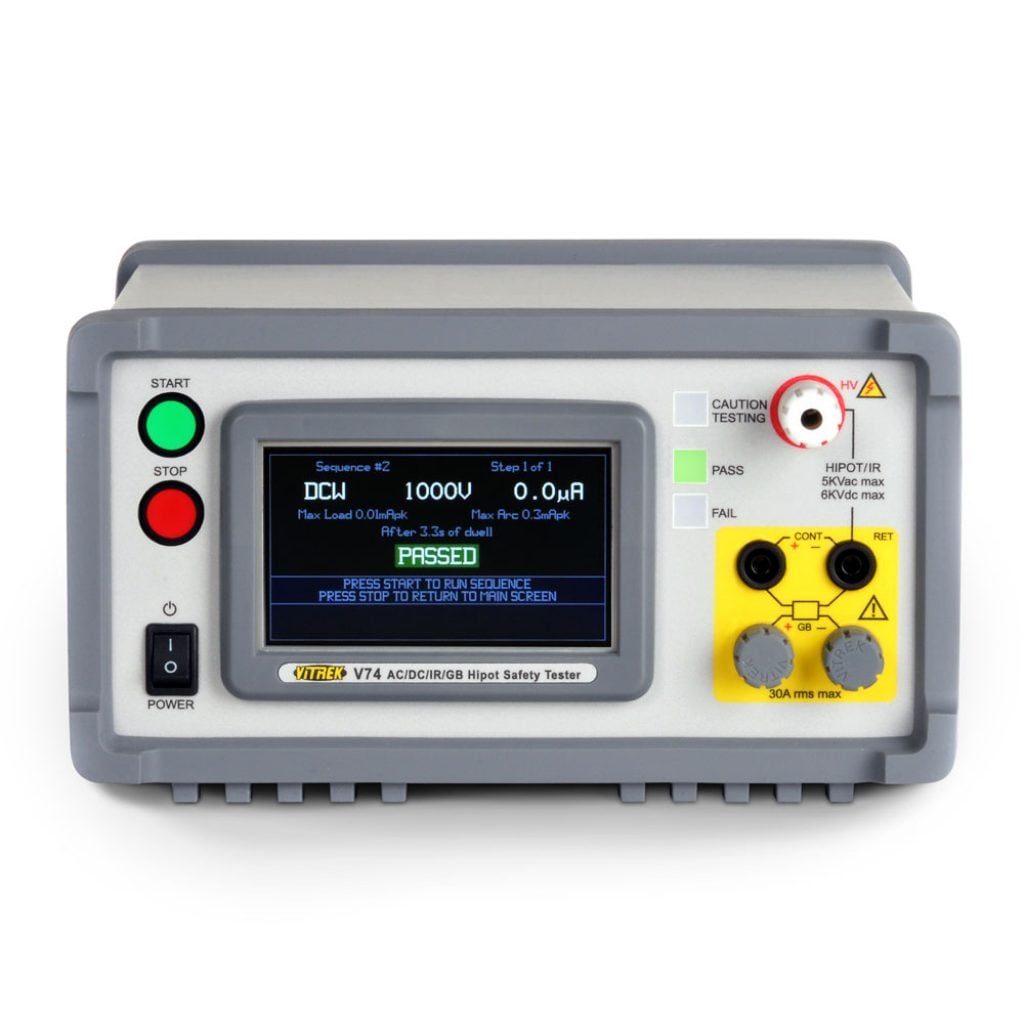
Support and calibration should not be an afterthought either. Industrial users benefit from suppliers that understand application context, provide technical support beyond basic installation, and maintain traceable measurement performance over time. For organizations working in aerospace, defense, EV, medical, and other high-consequence sectors, that support model is often part of the buying decision. Vitrek operates in exactly that kind of instrumentation environment, where measurement integrity has to stand up in real use, not just on a spec sheet.
A machine vibration monitoring system is not just another maintenance accessory. It is a measurement platform that helps you see mechanical risk before it becomes operational loss. When the system is matched to the machine, the failure modes, and the decisions your team actually has to make, vibration data becomes far more than an alarm. It becomes evidence you can trust.