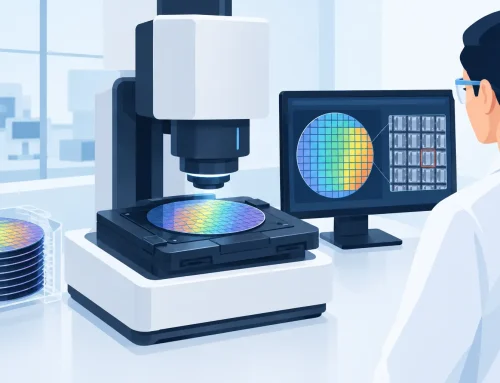
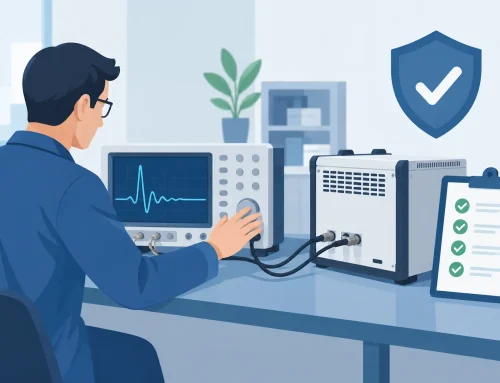
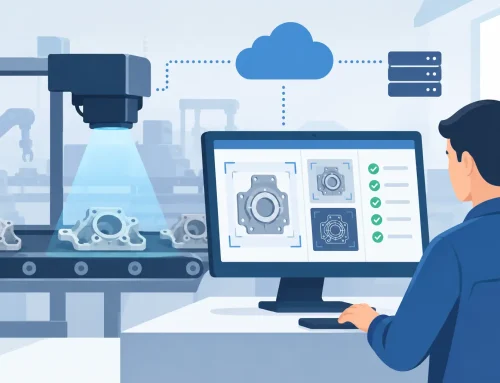
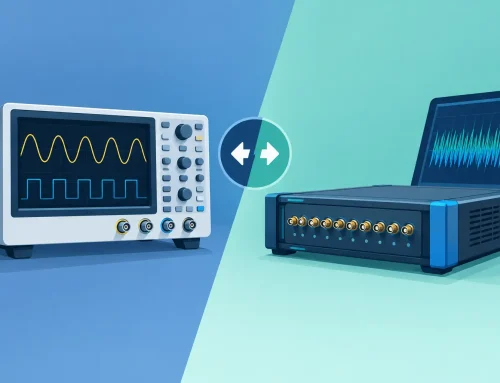
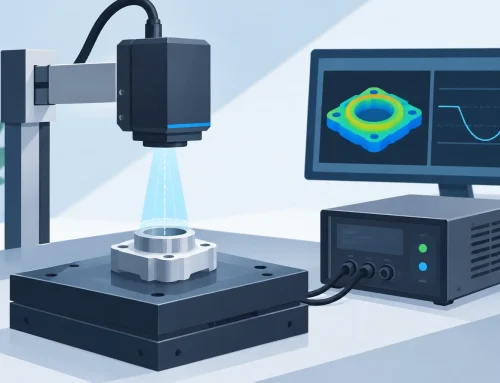
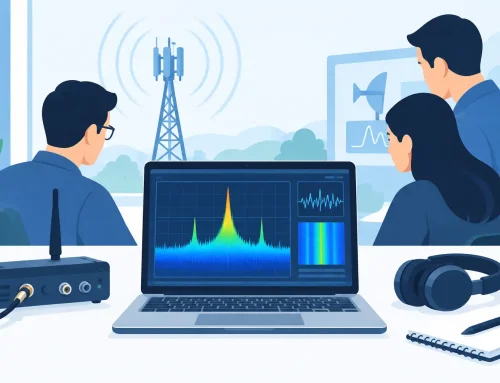
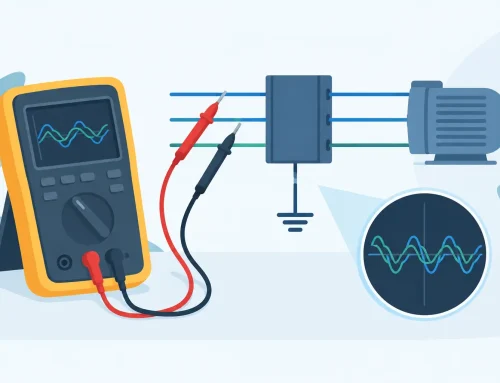
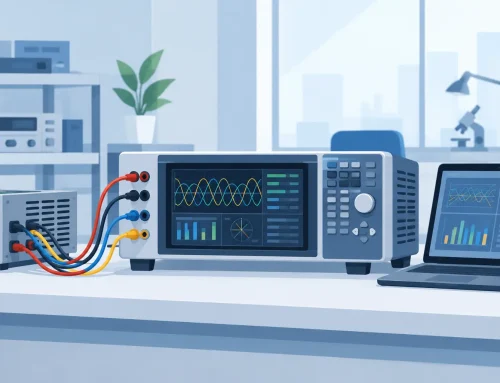
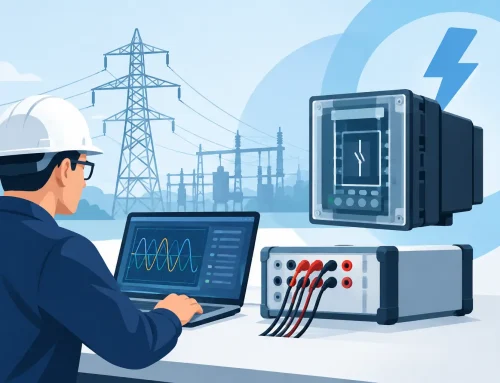
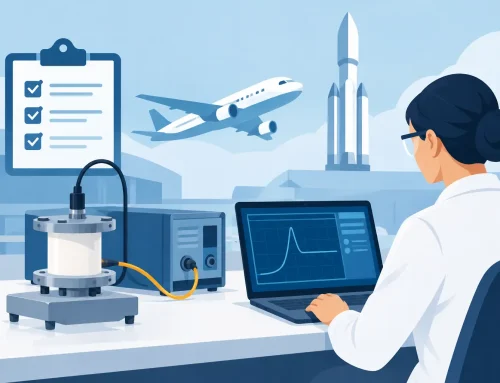
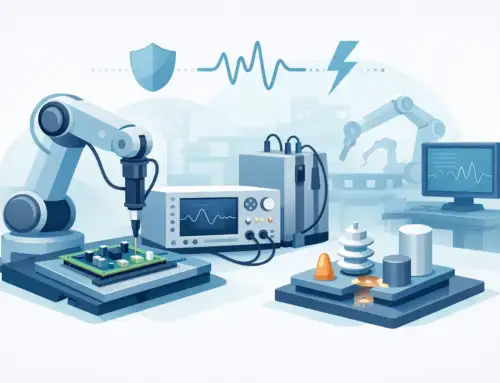
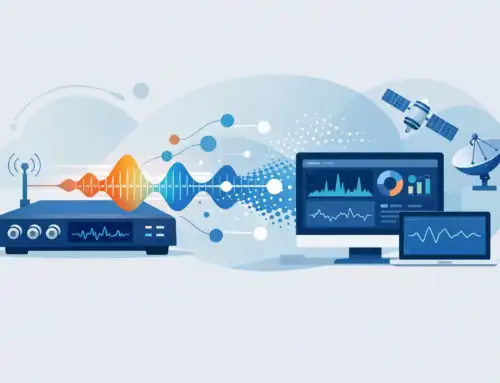
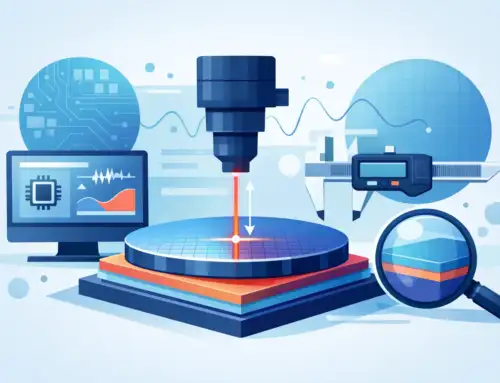
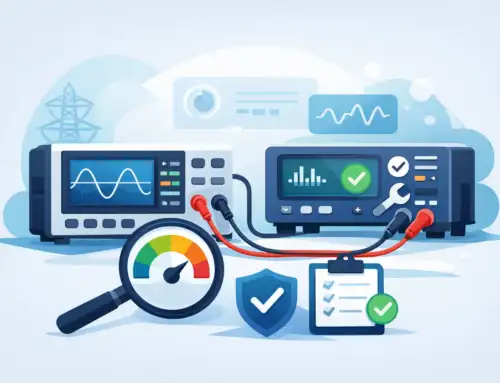
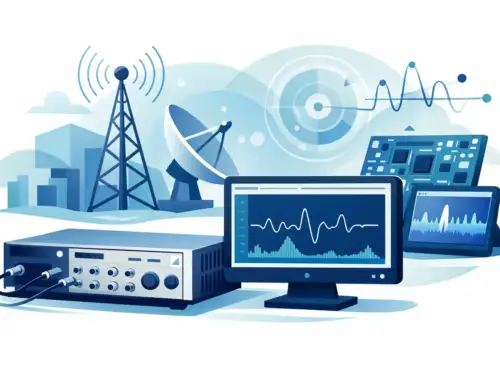
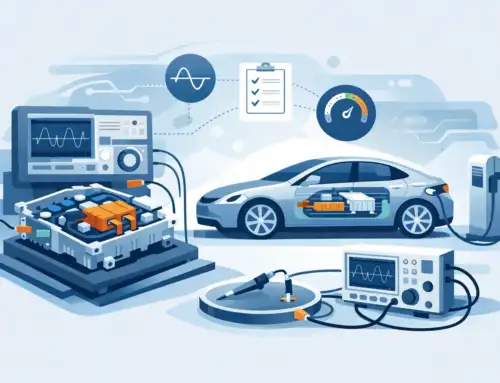
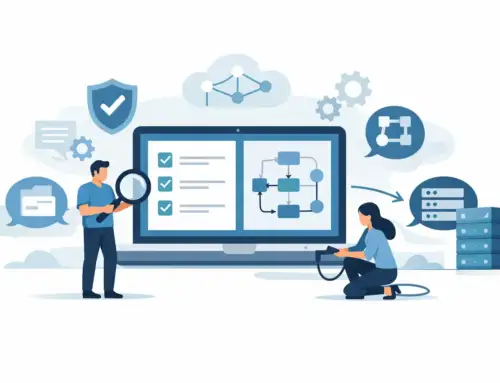
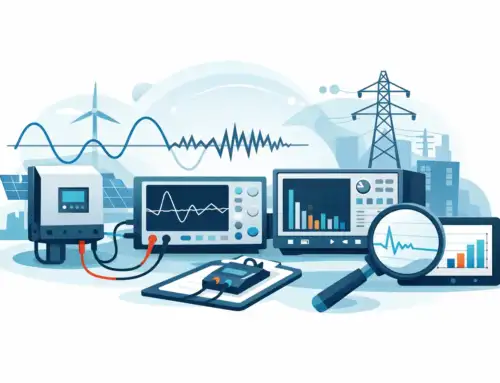
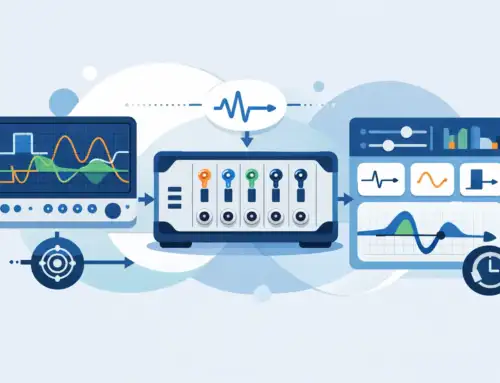
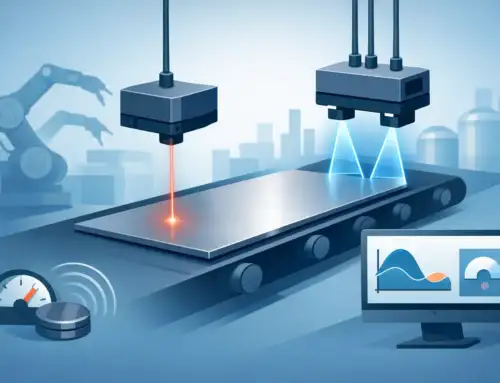
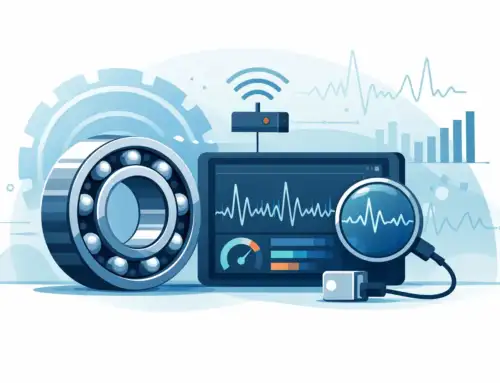
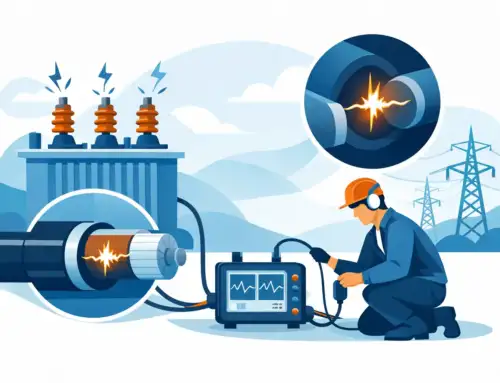
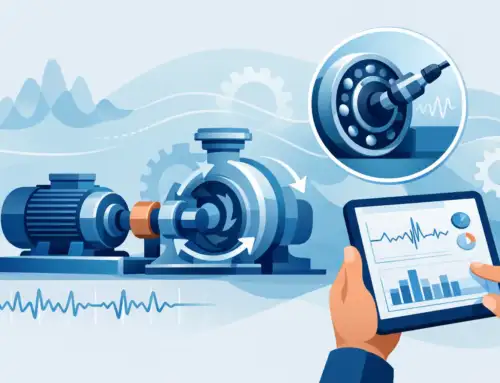
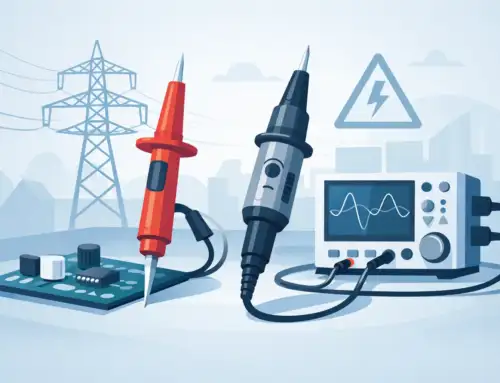
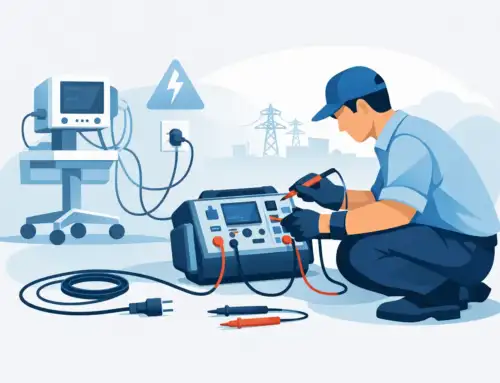
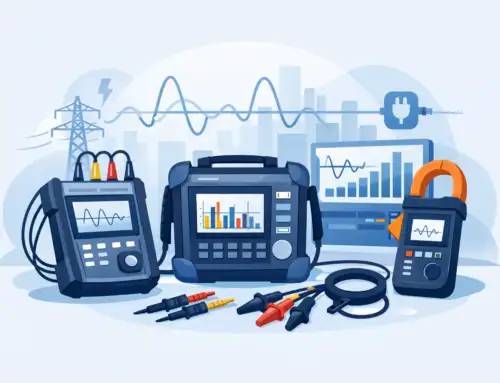
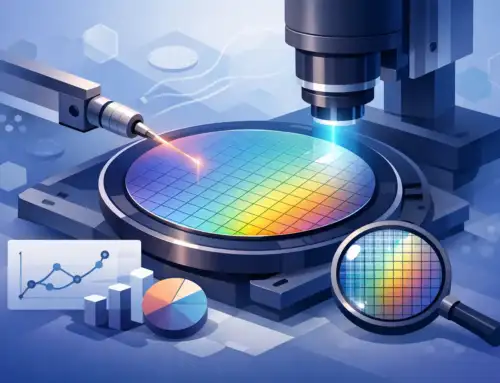
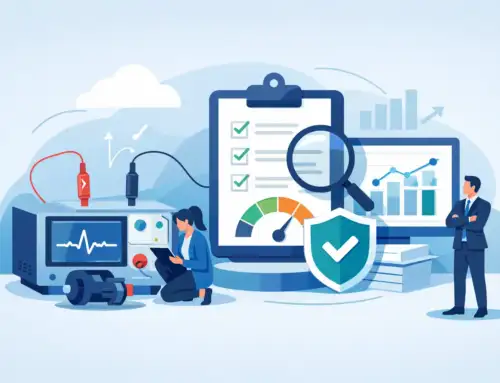
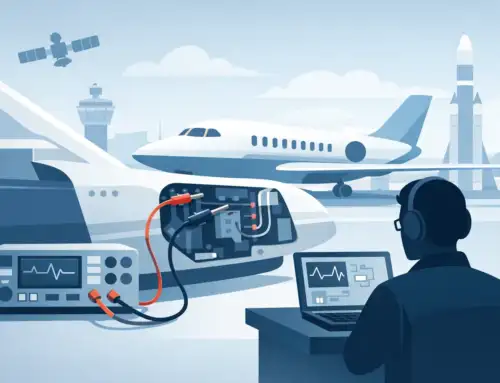
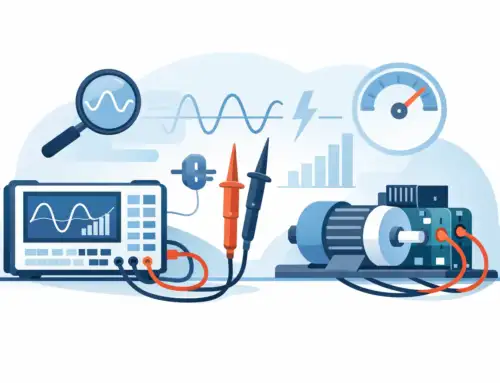
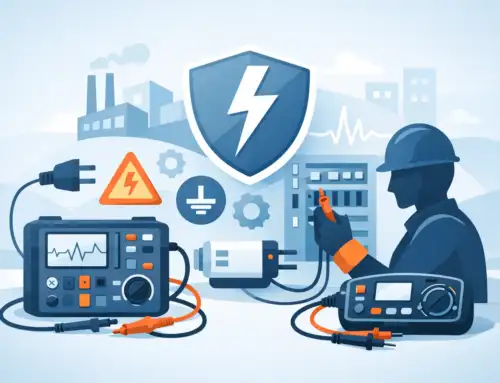
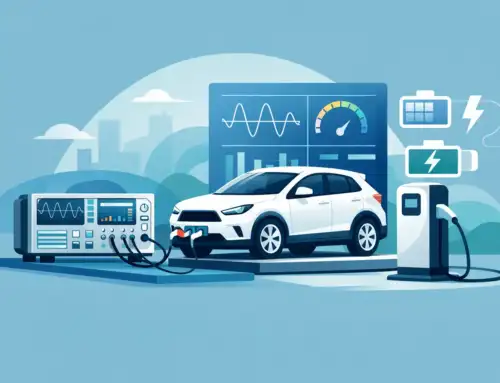
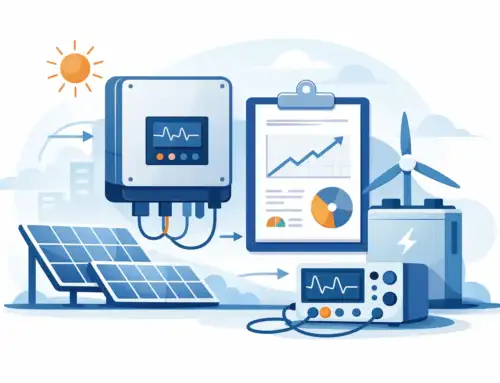
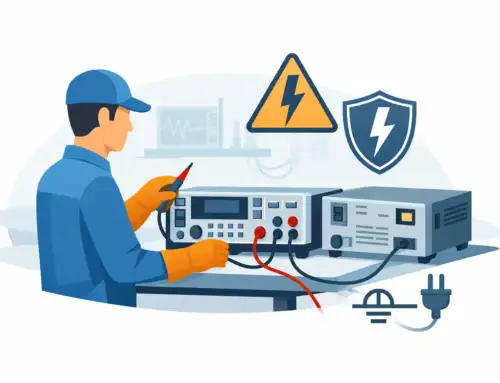
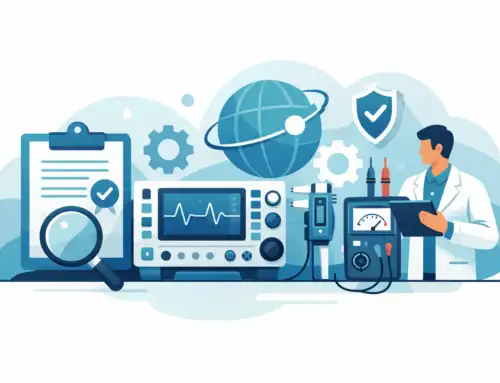
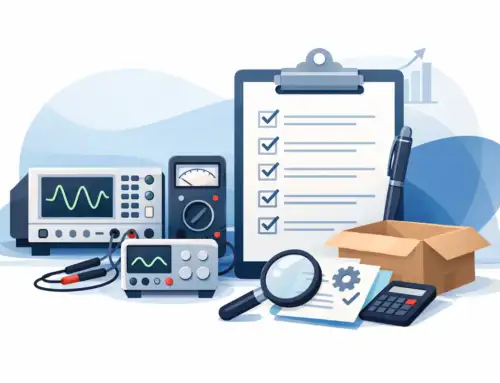
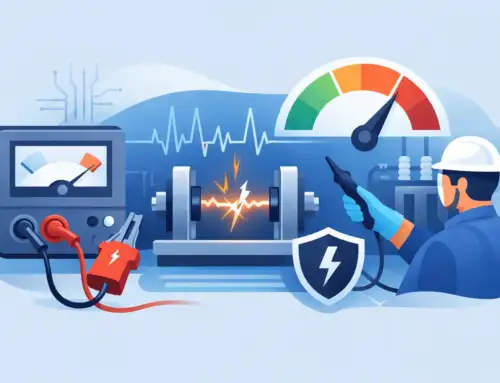
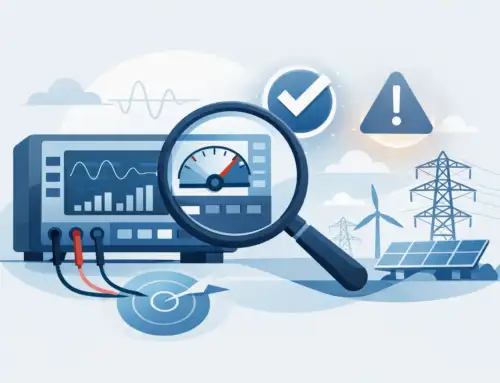
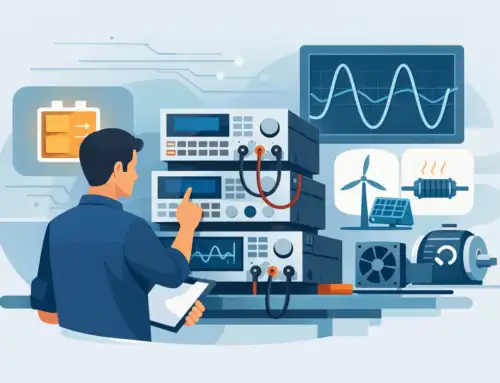
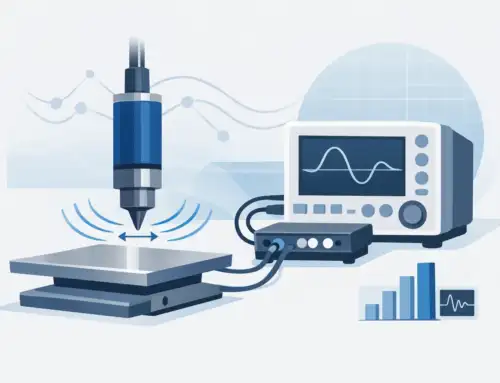
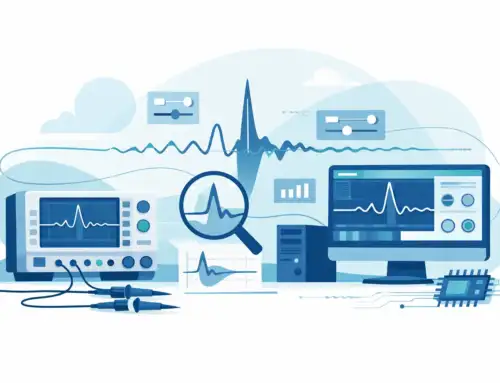
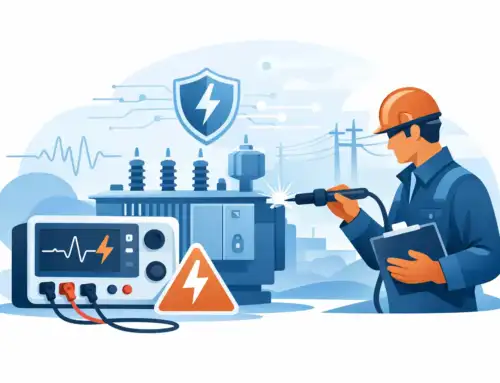
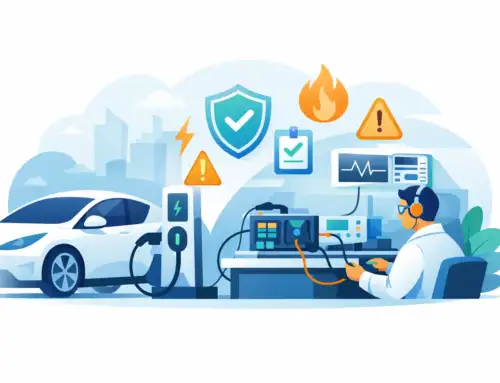
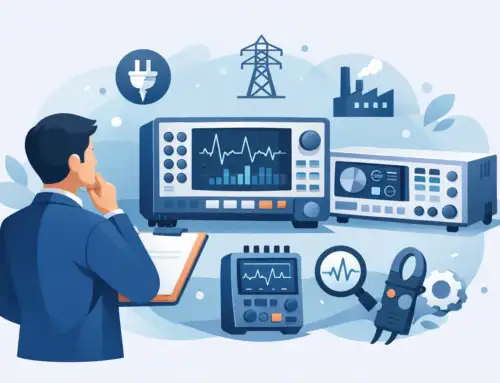
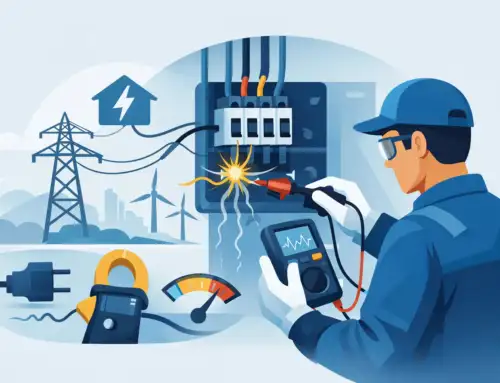
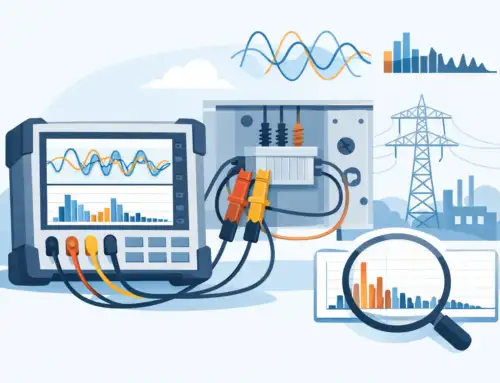
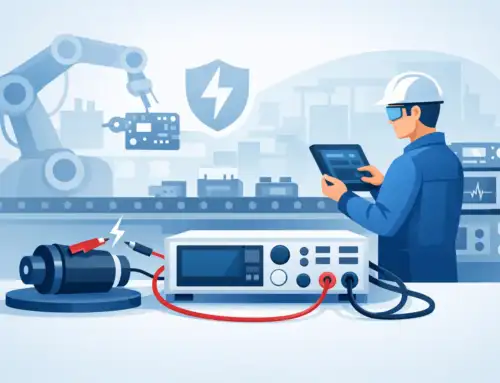
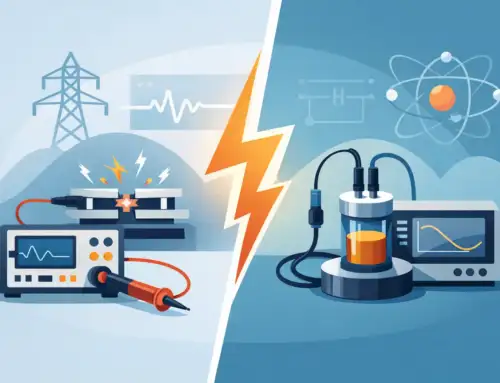
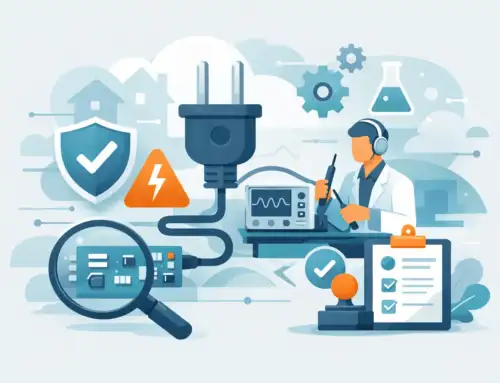
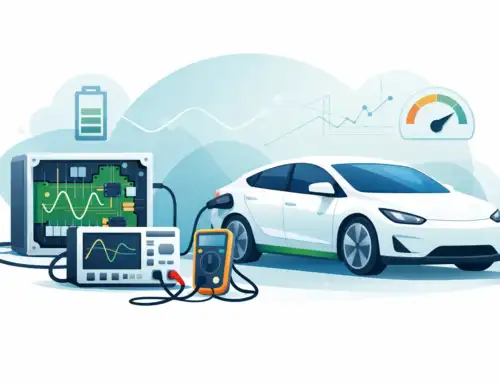
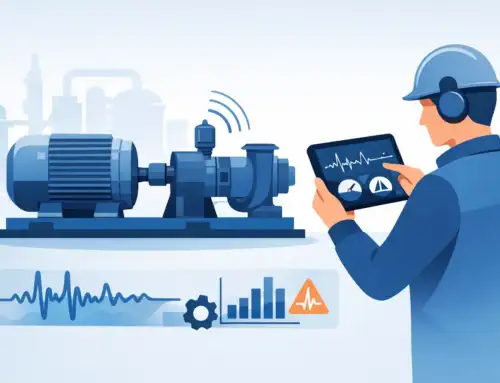
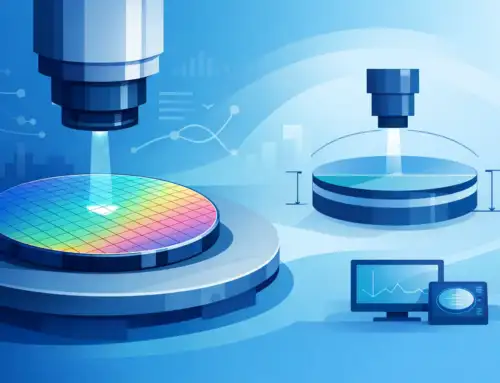
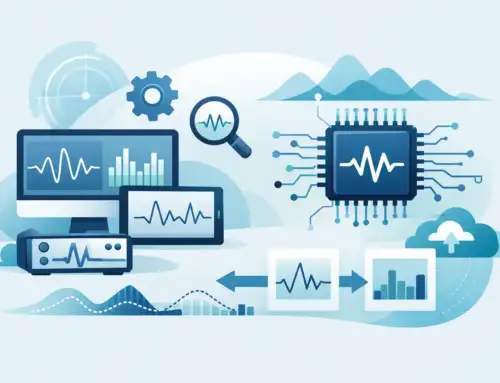
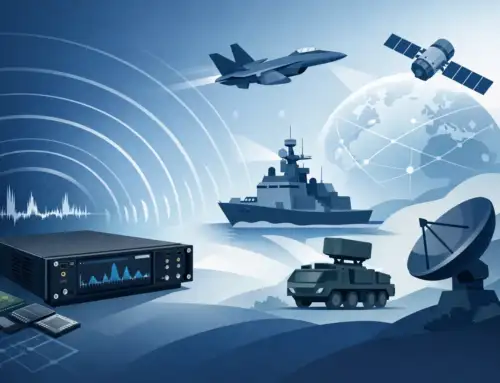
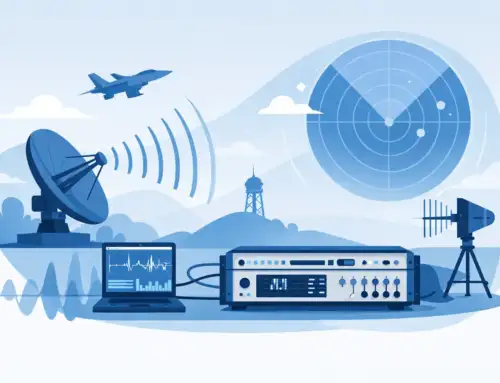
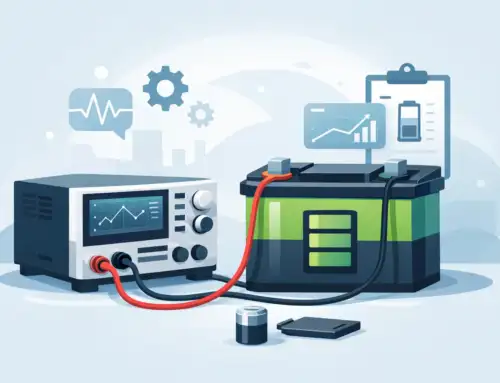
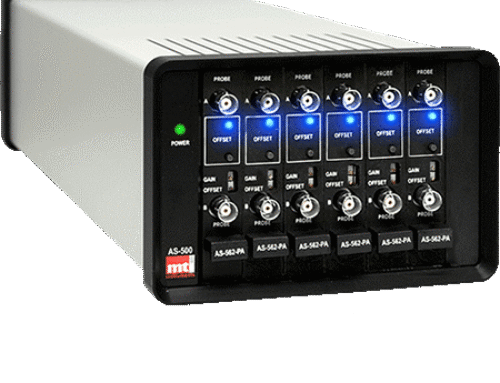
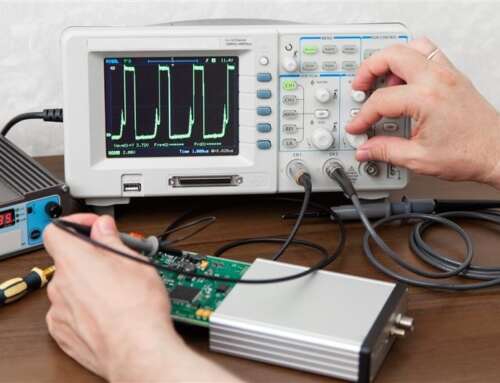
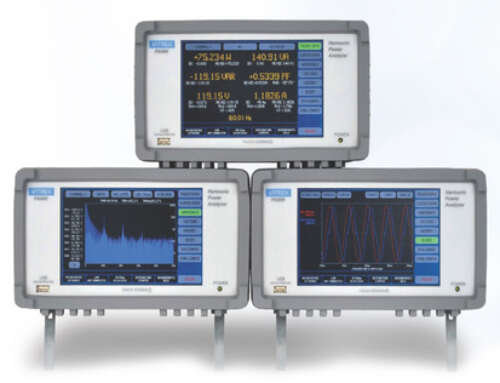
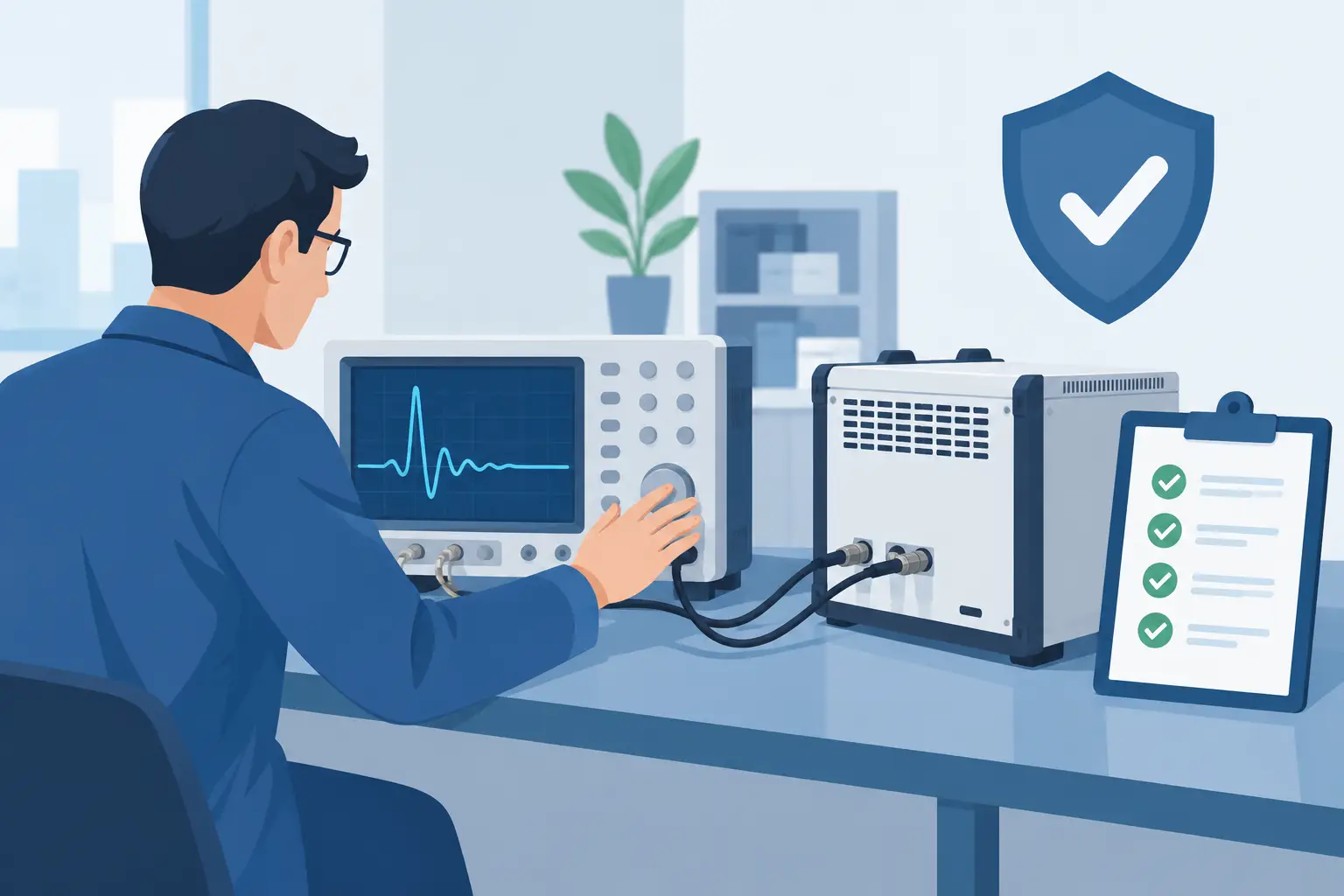
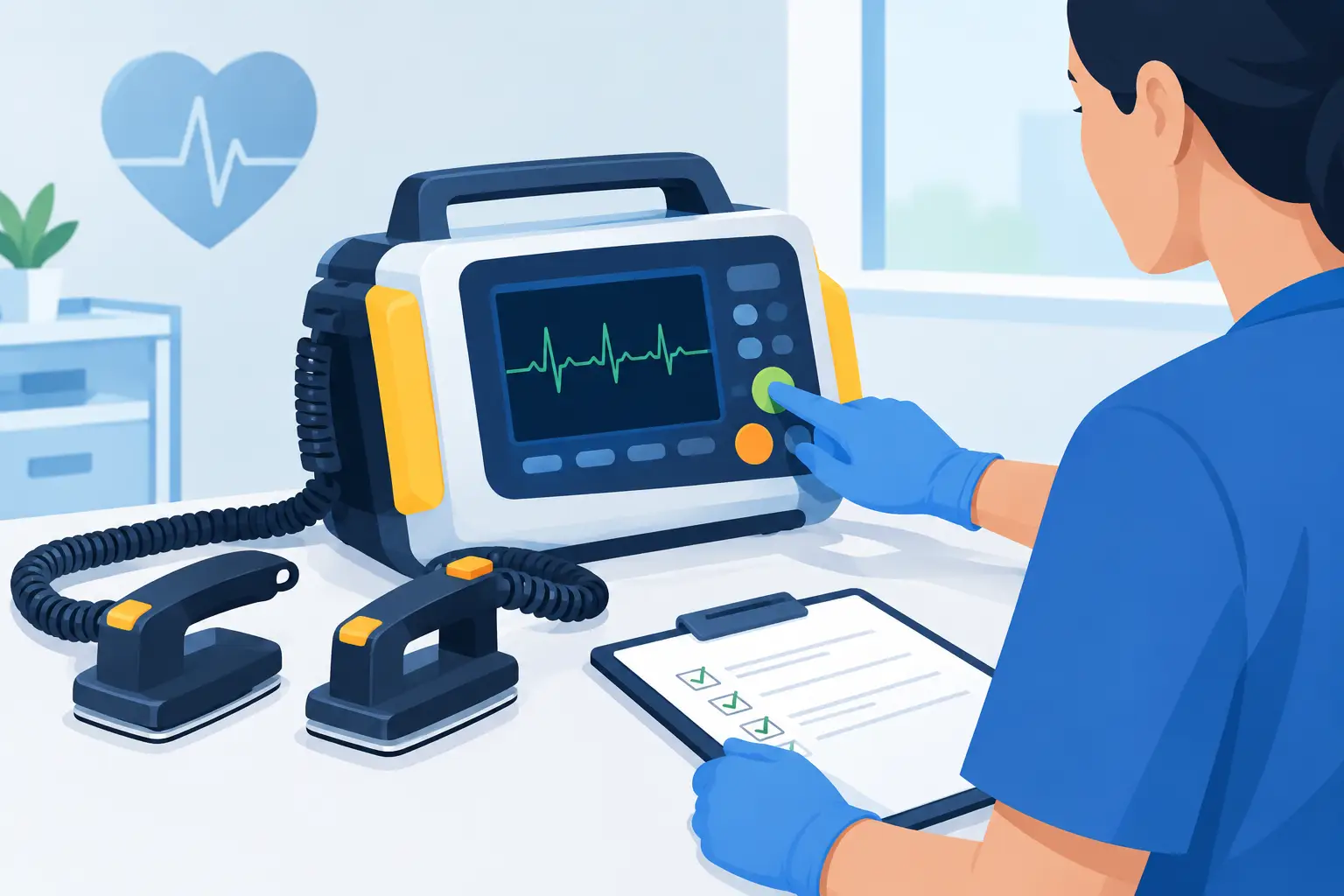
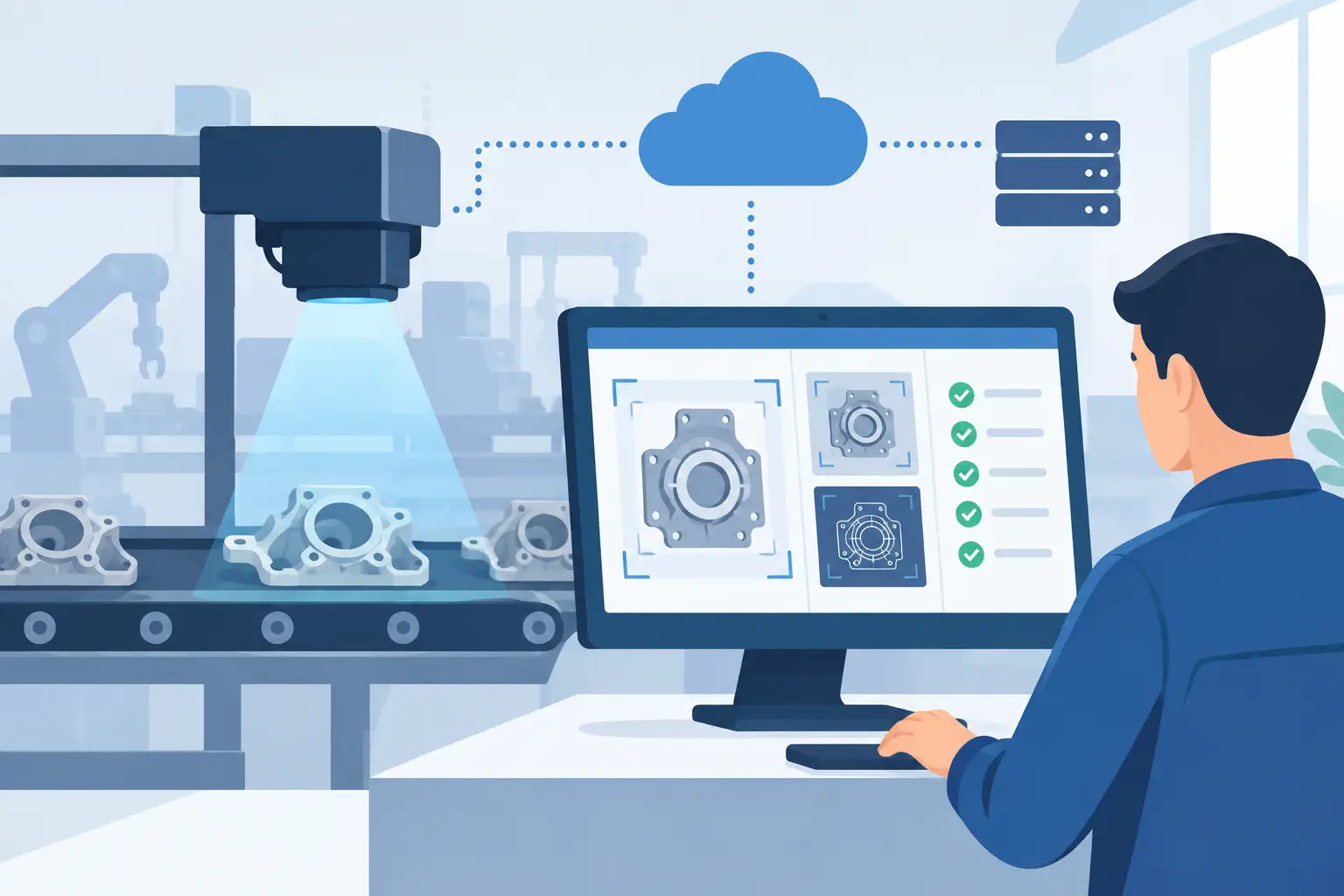
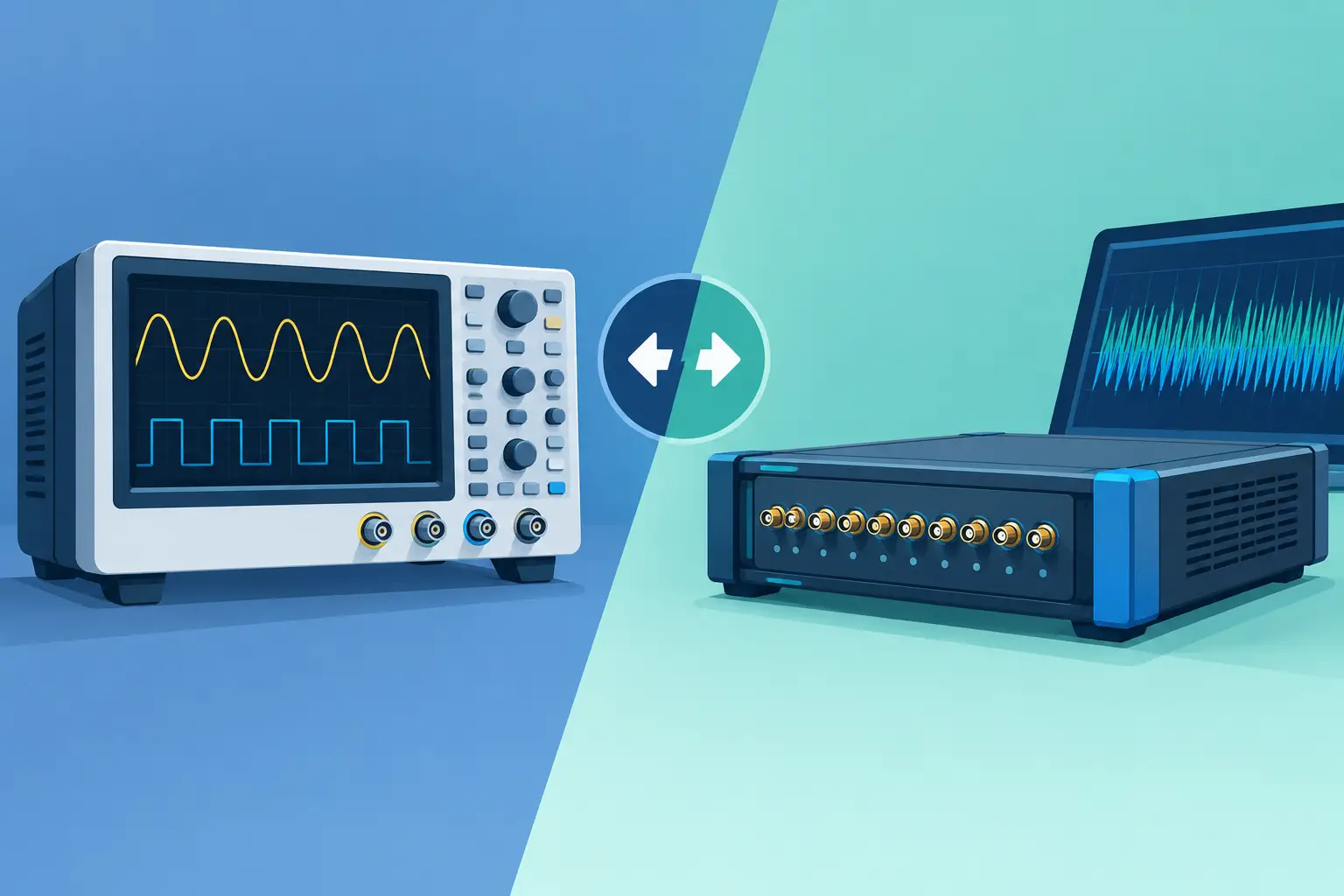
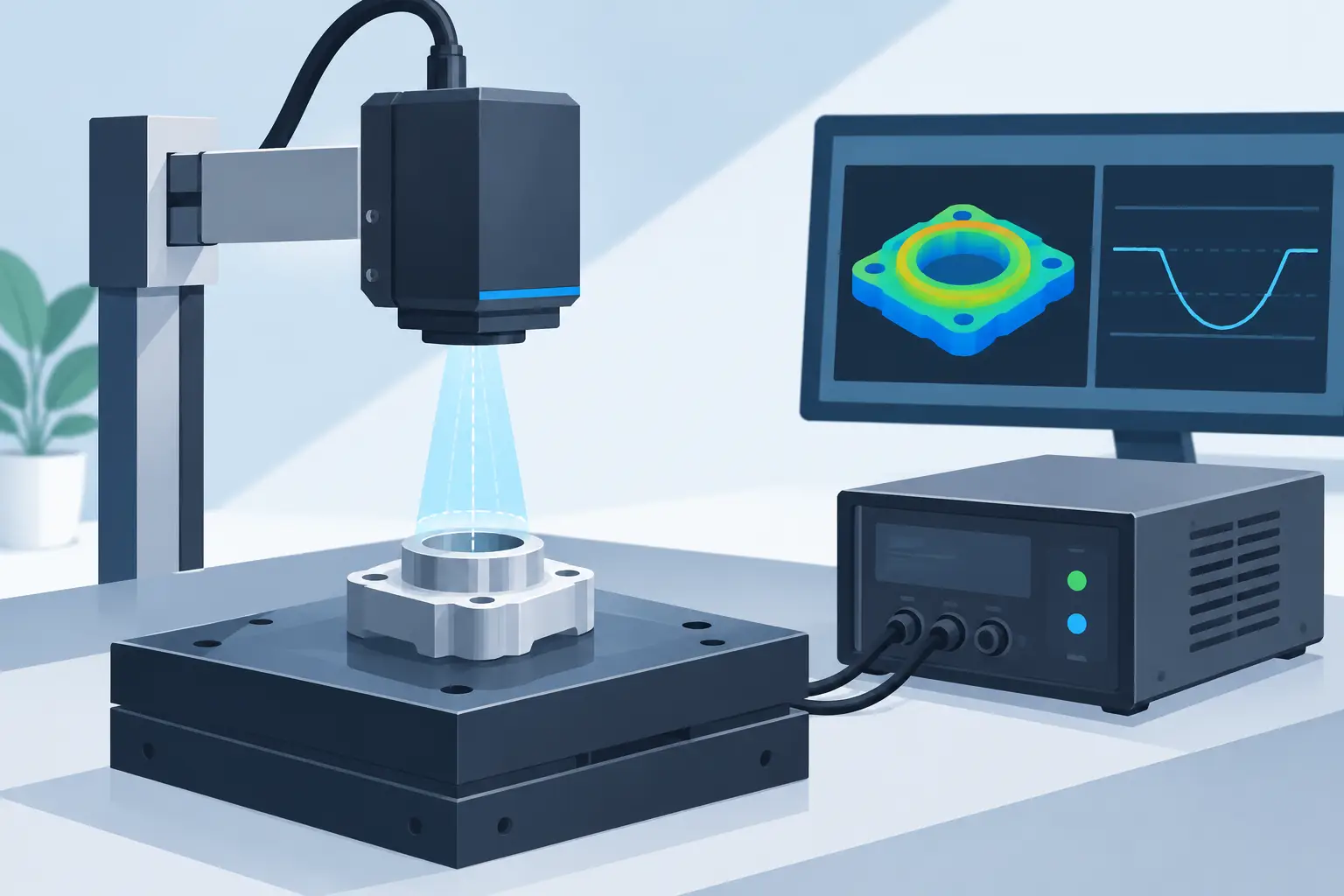
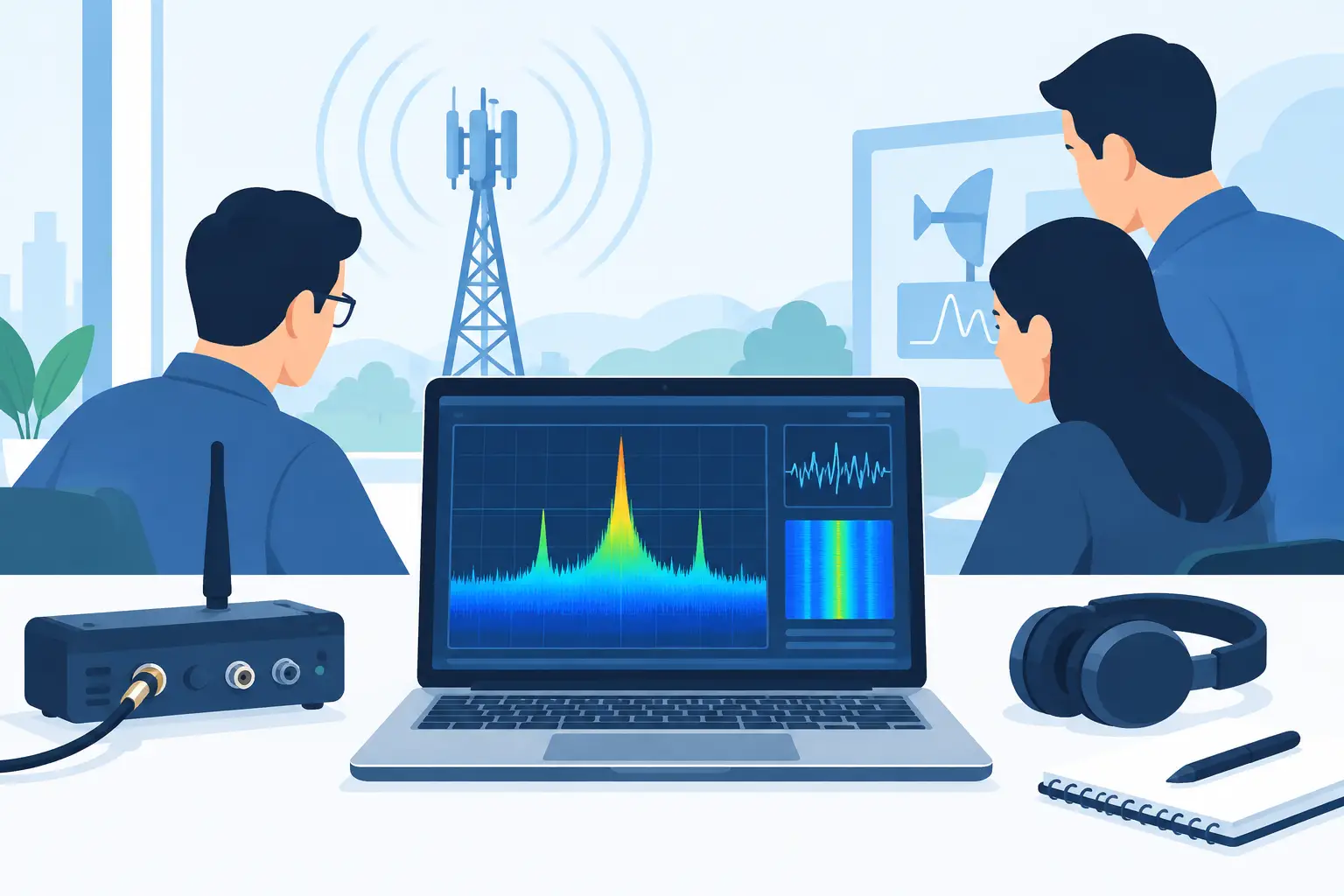
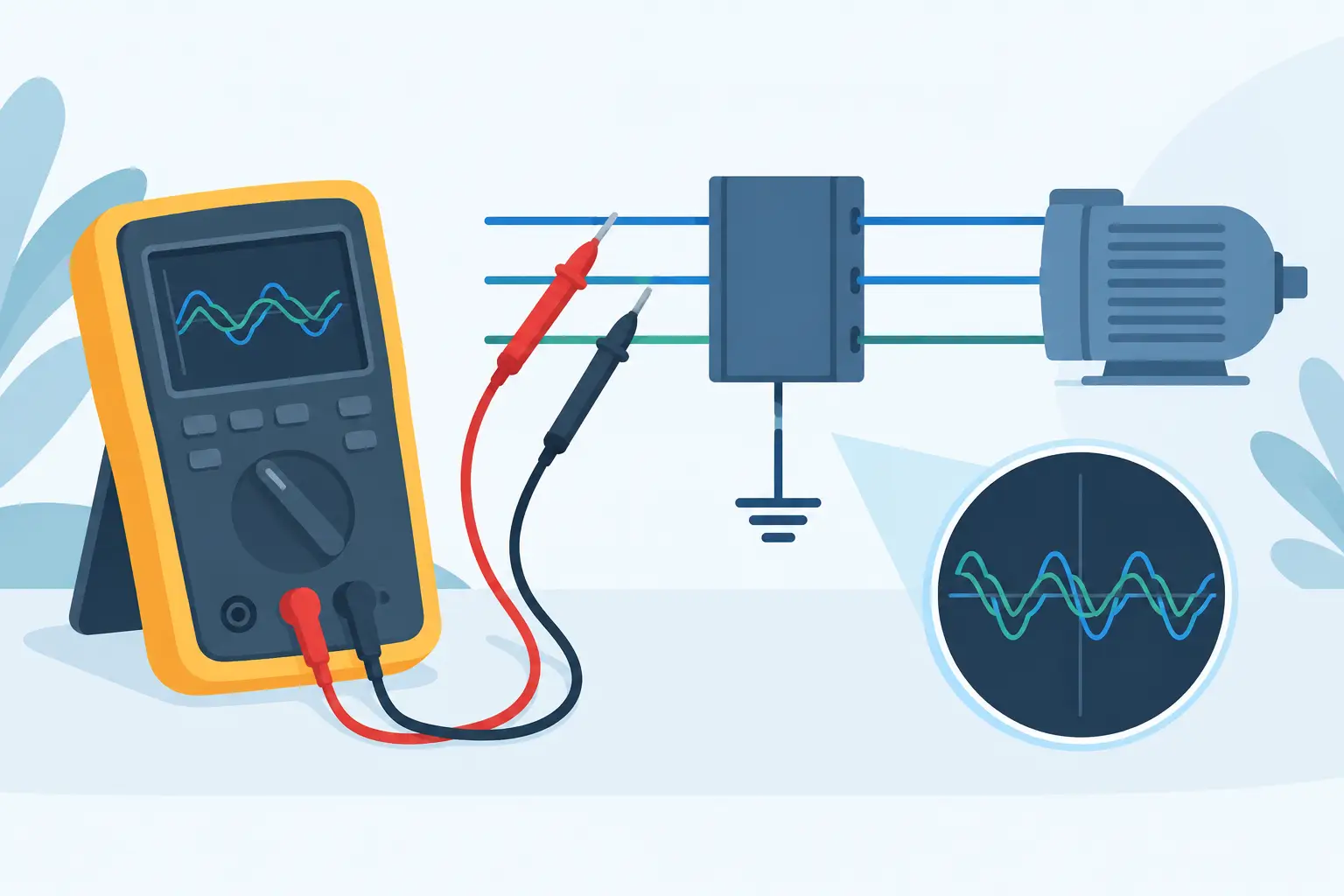
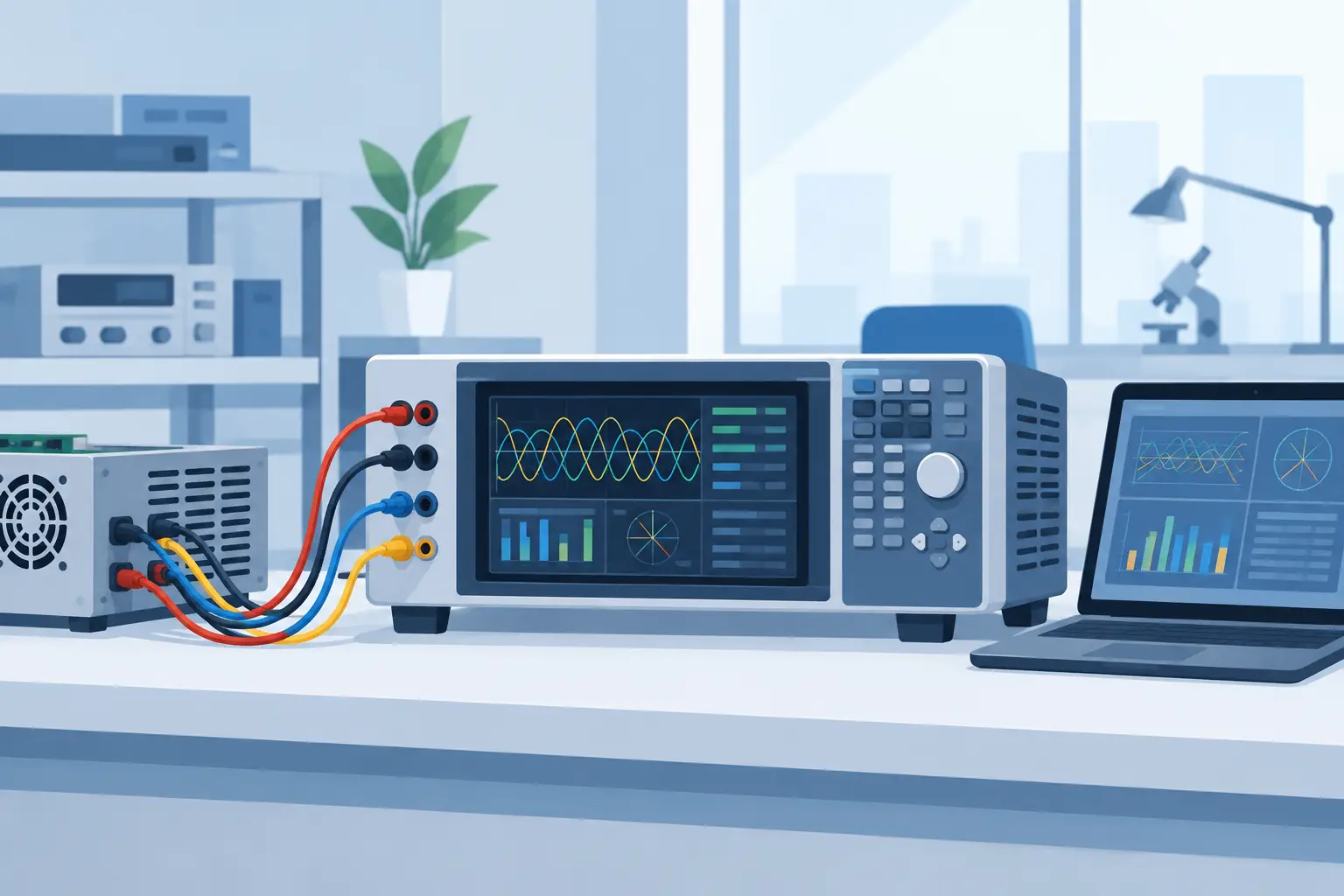
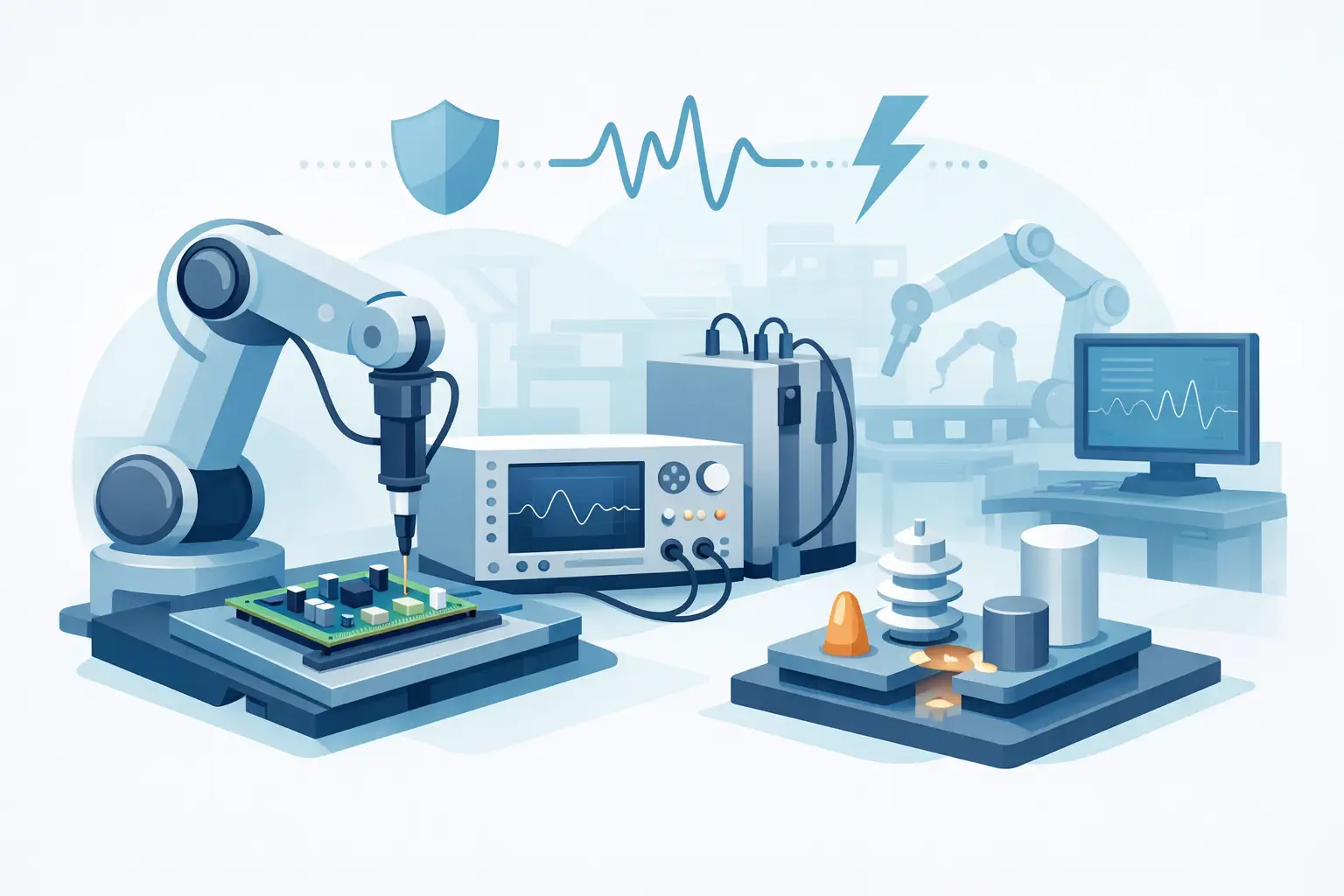
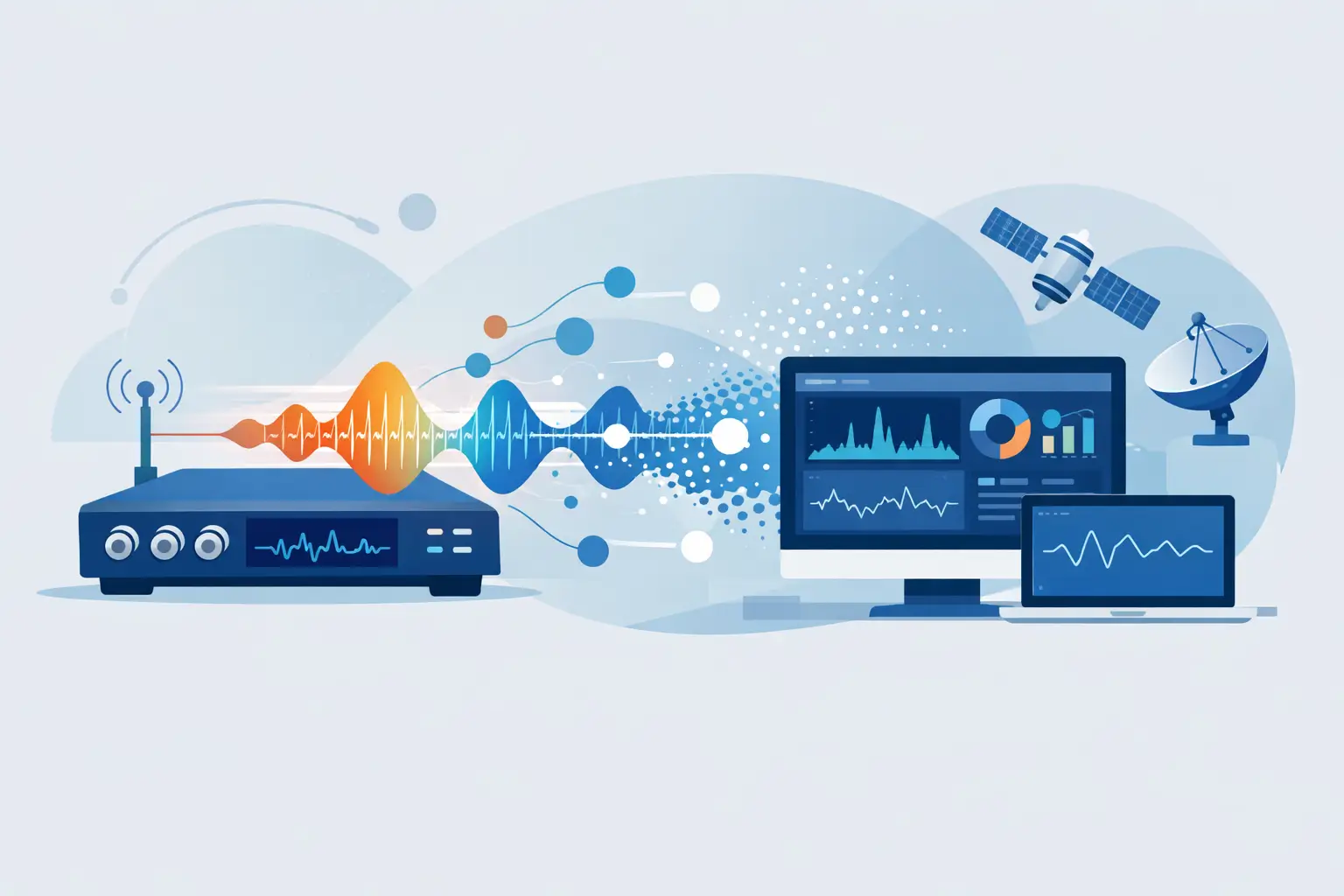
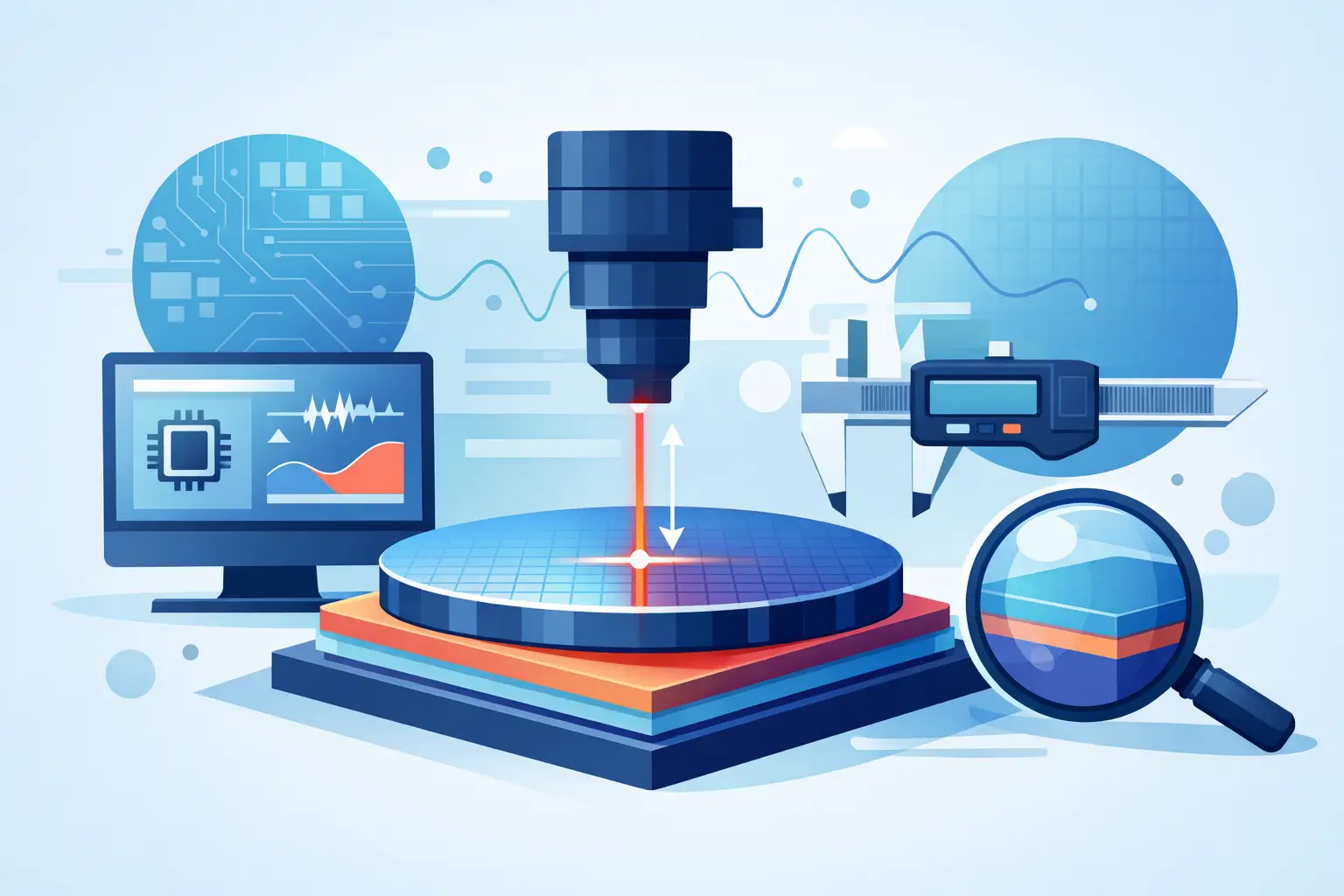
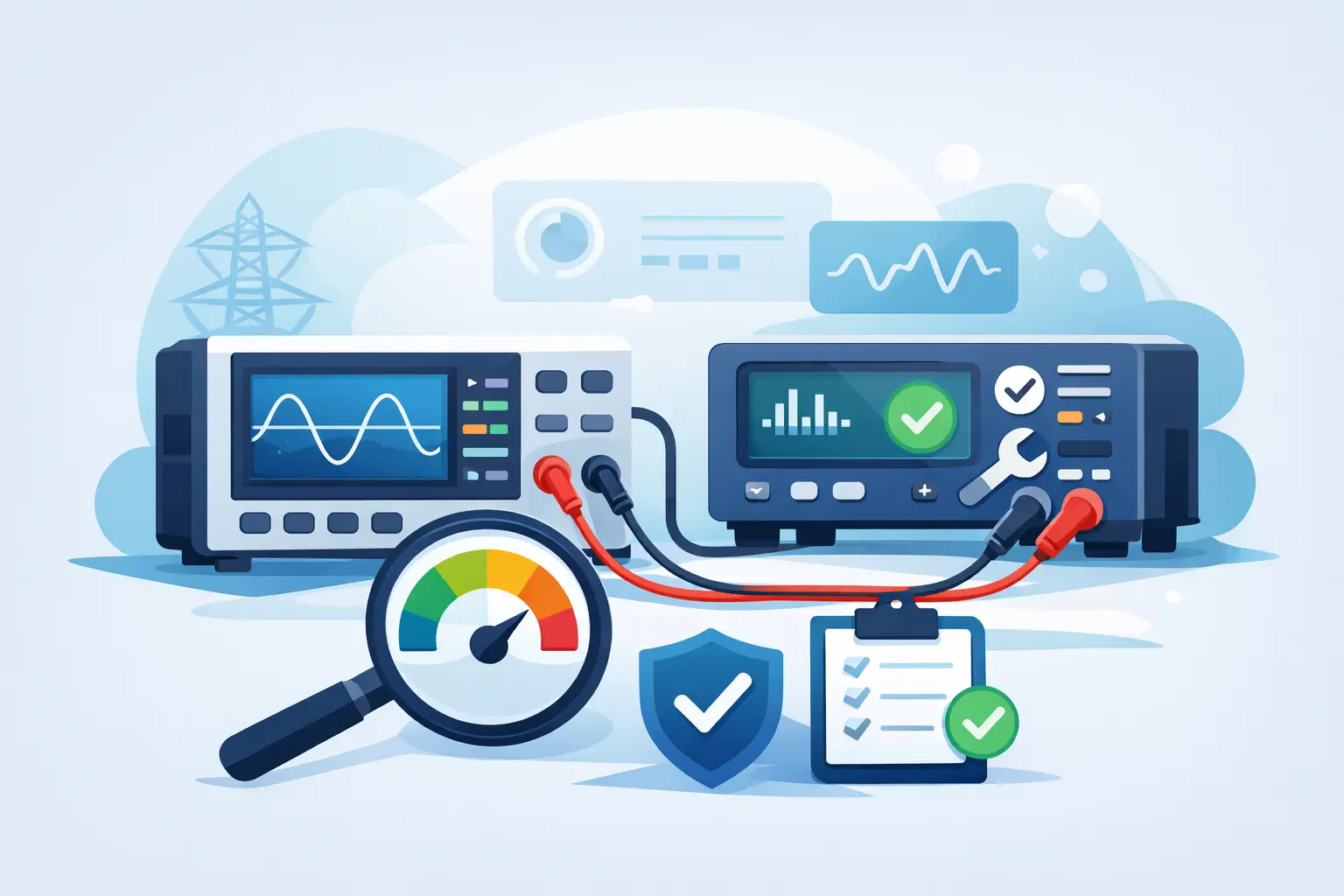
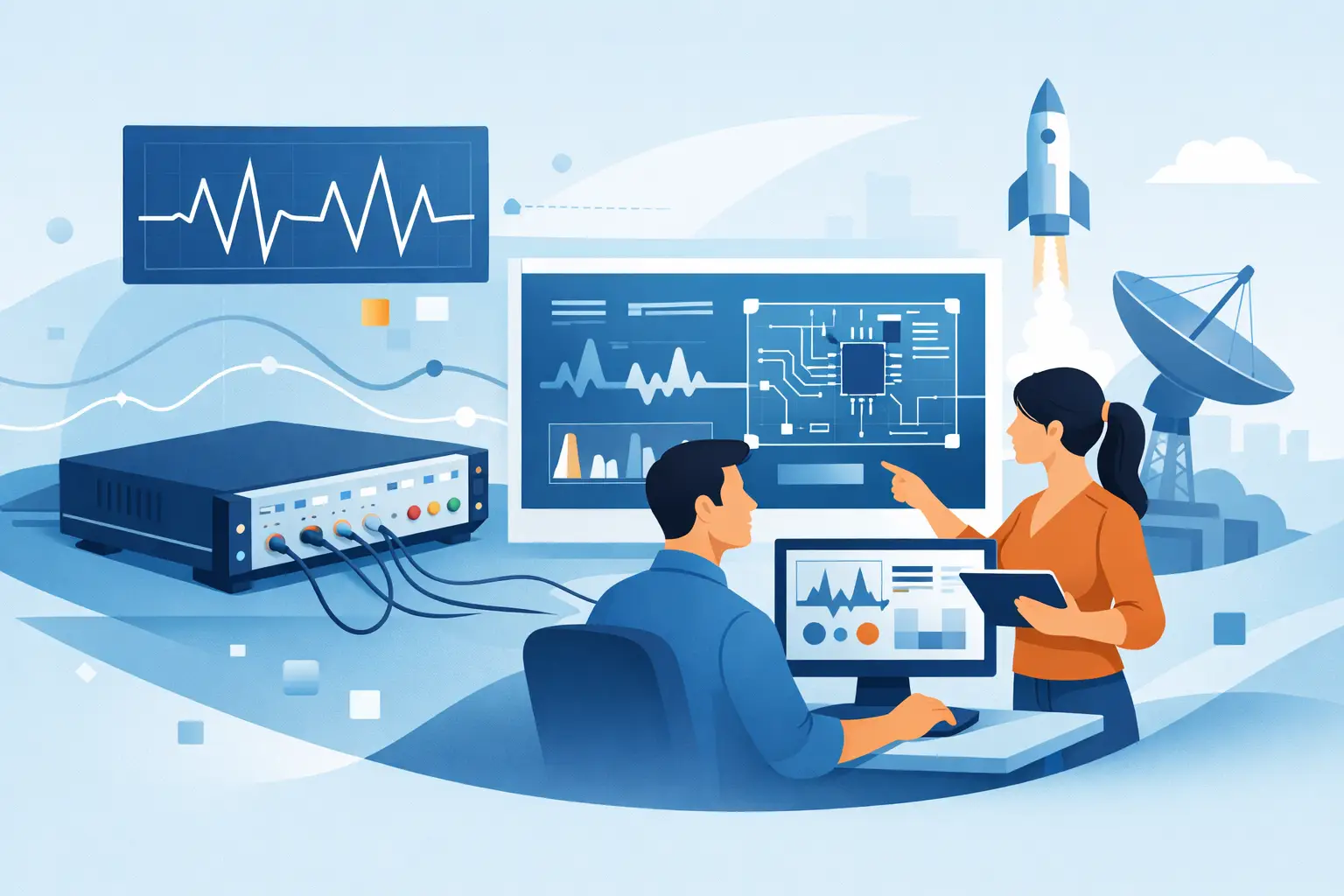
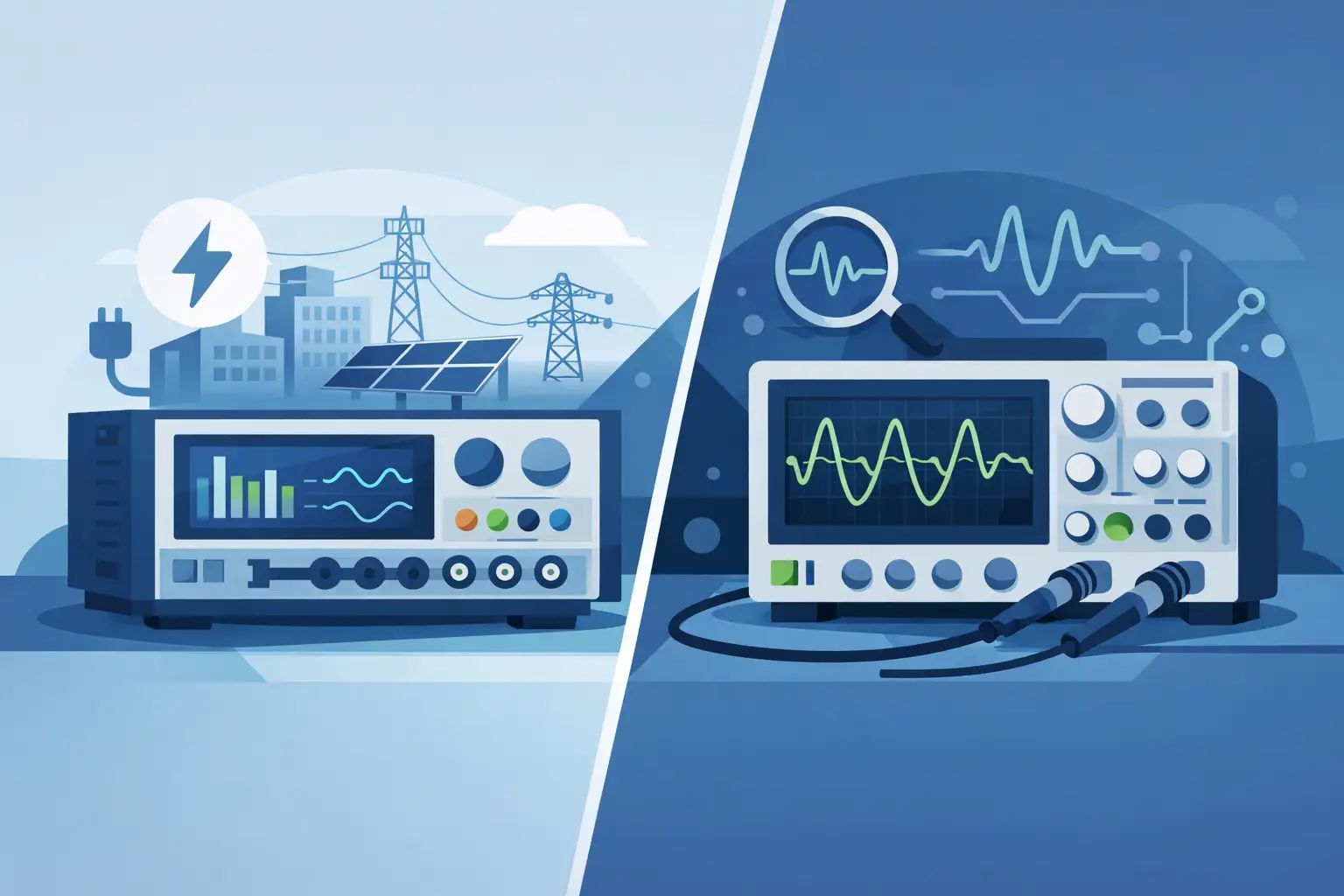
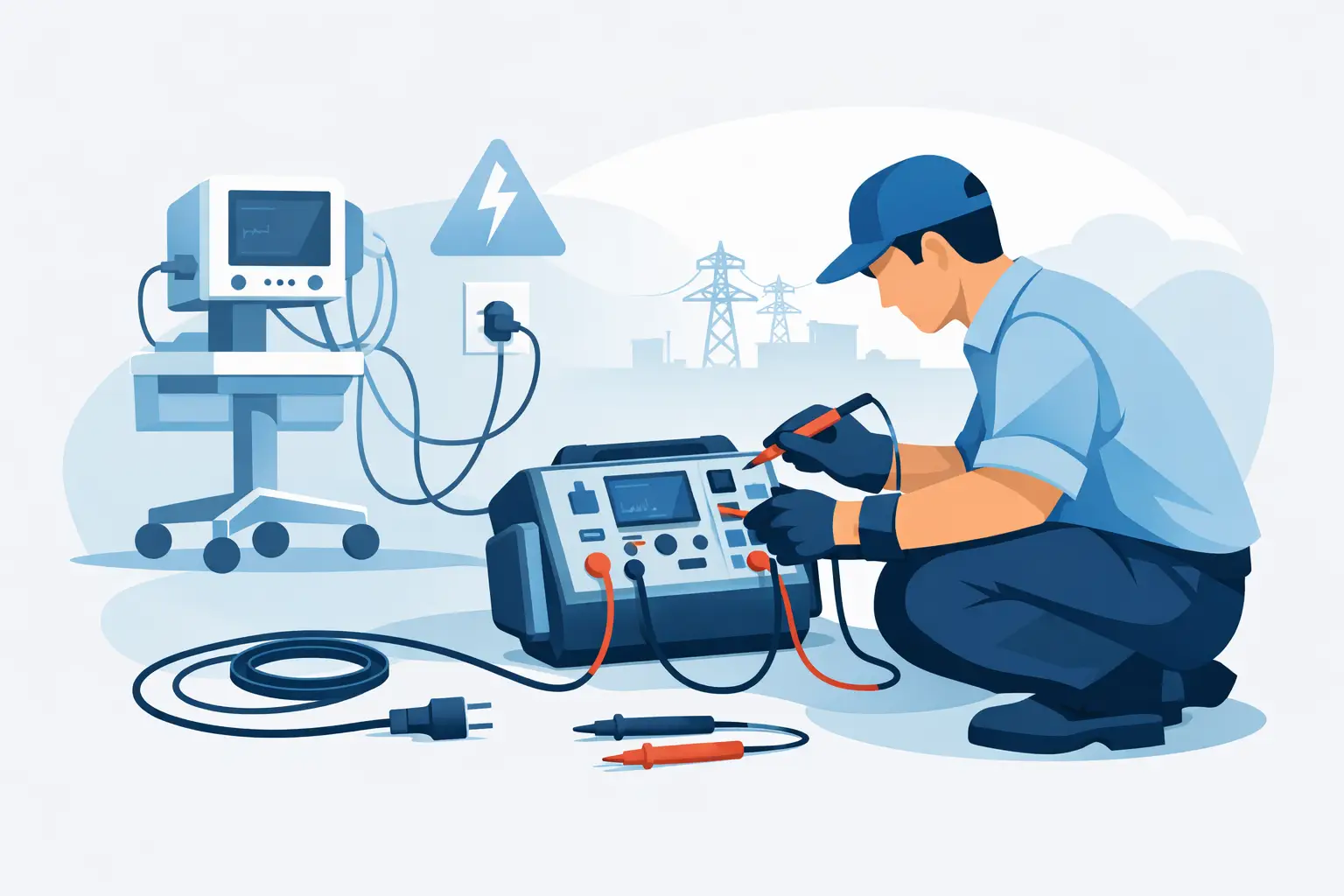
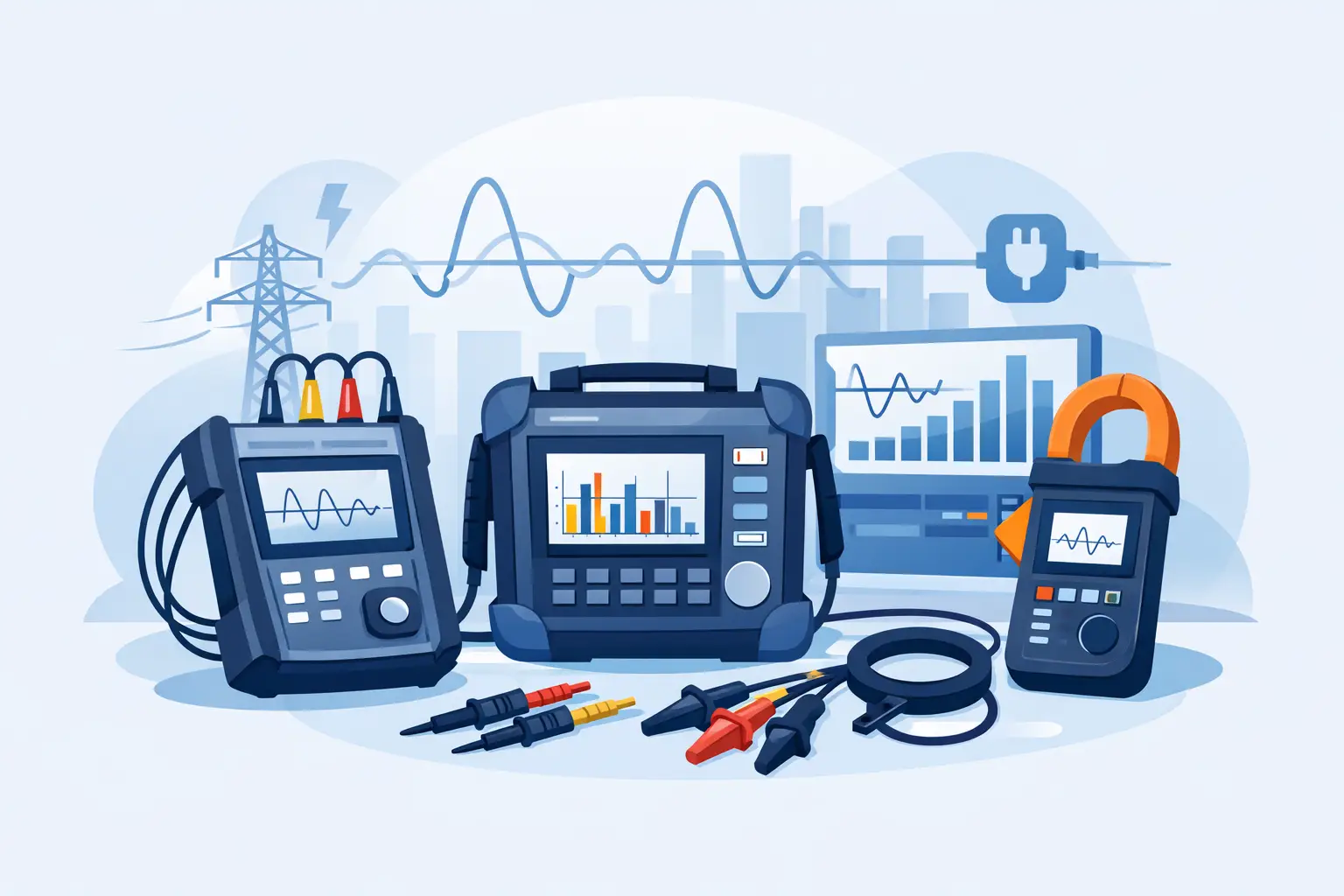
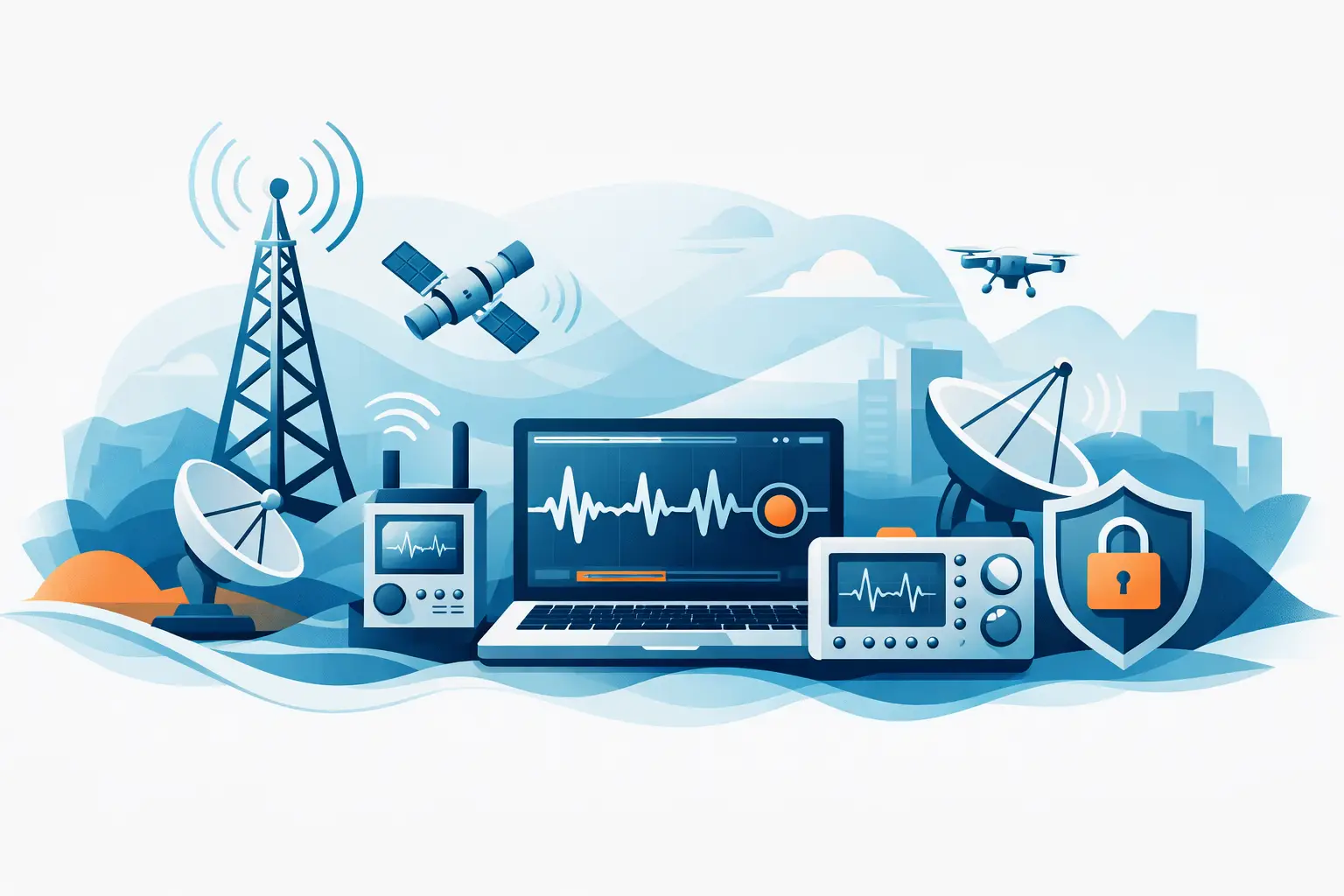
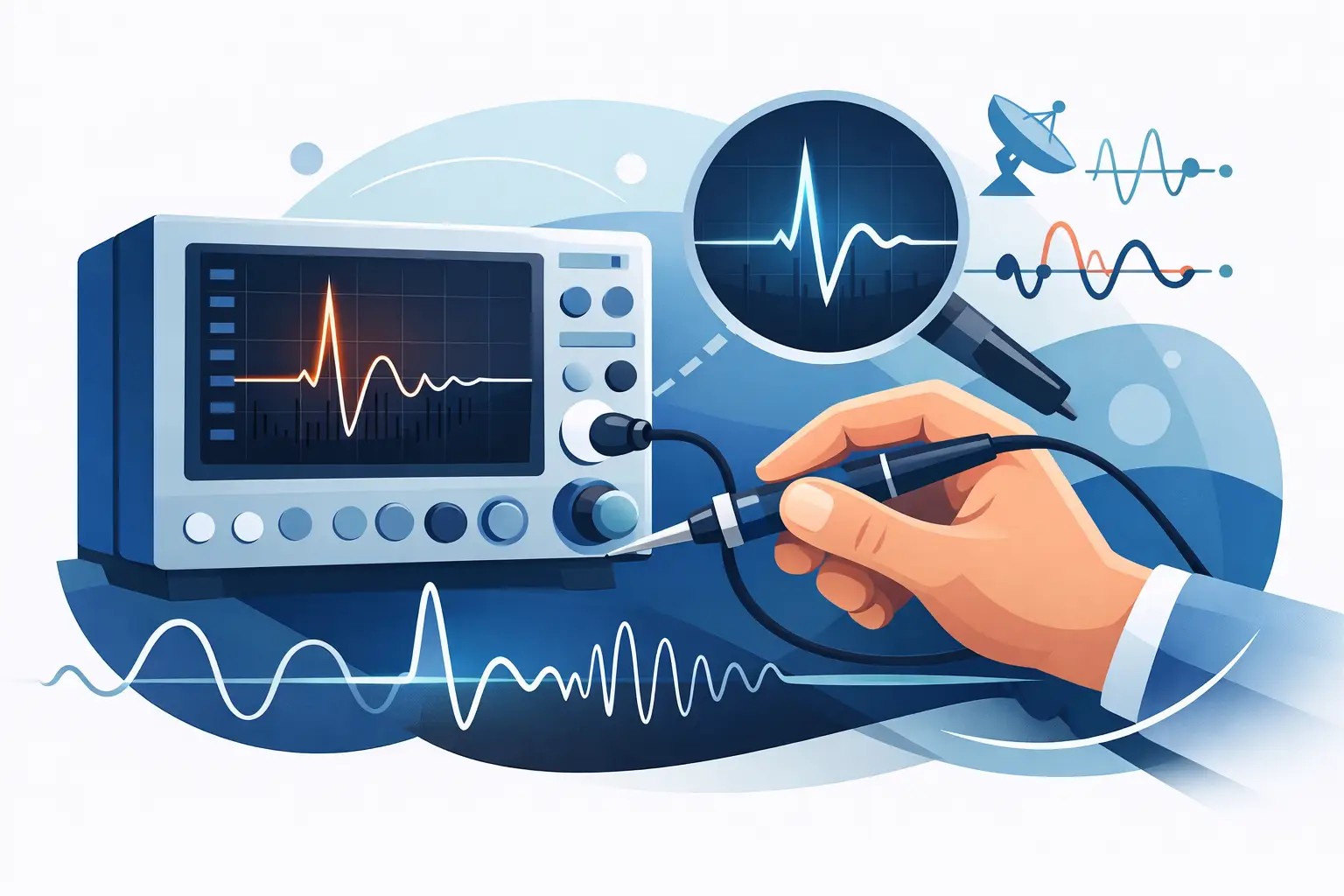
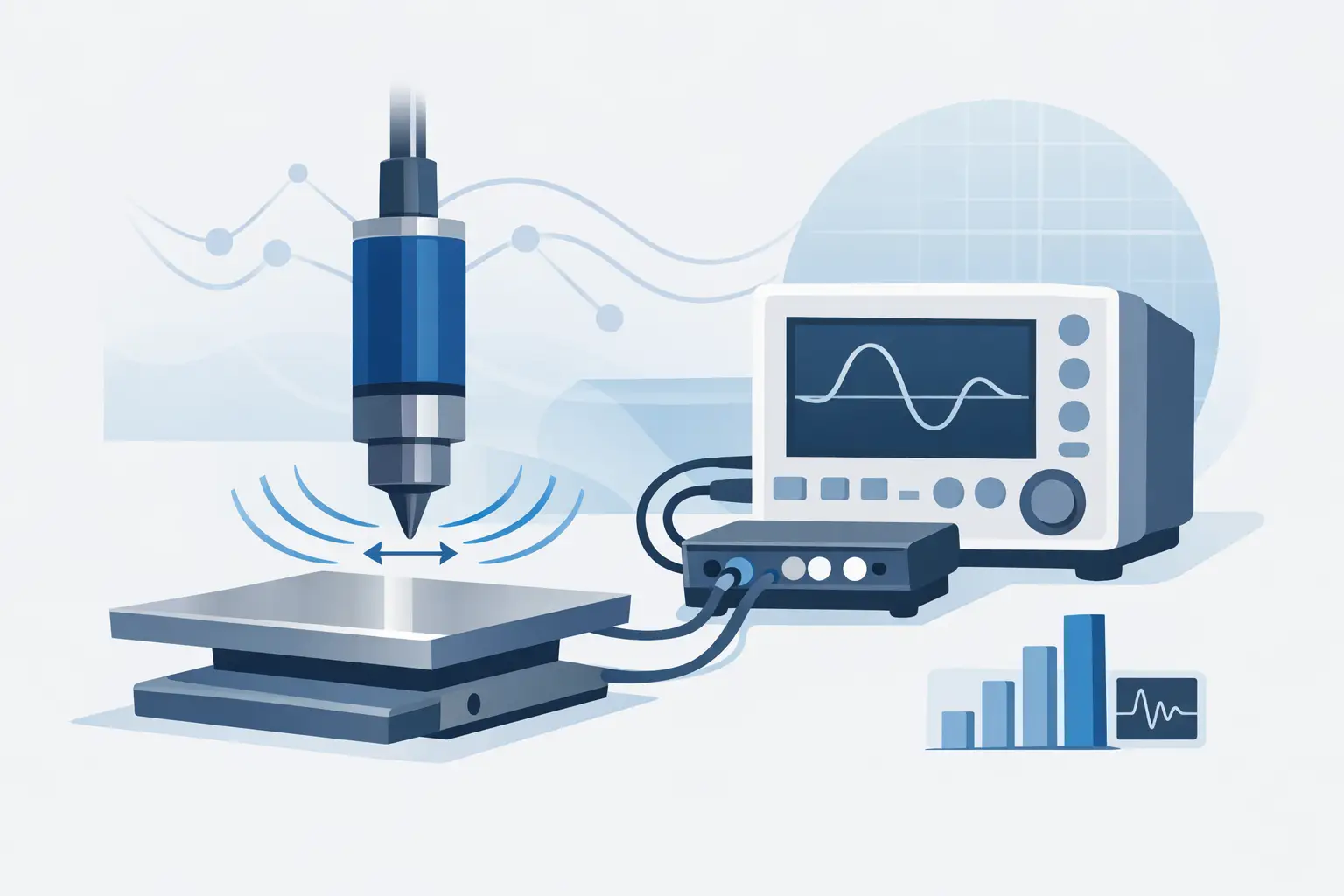
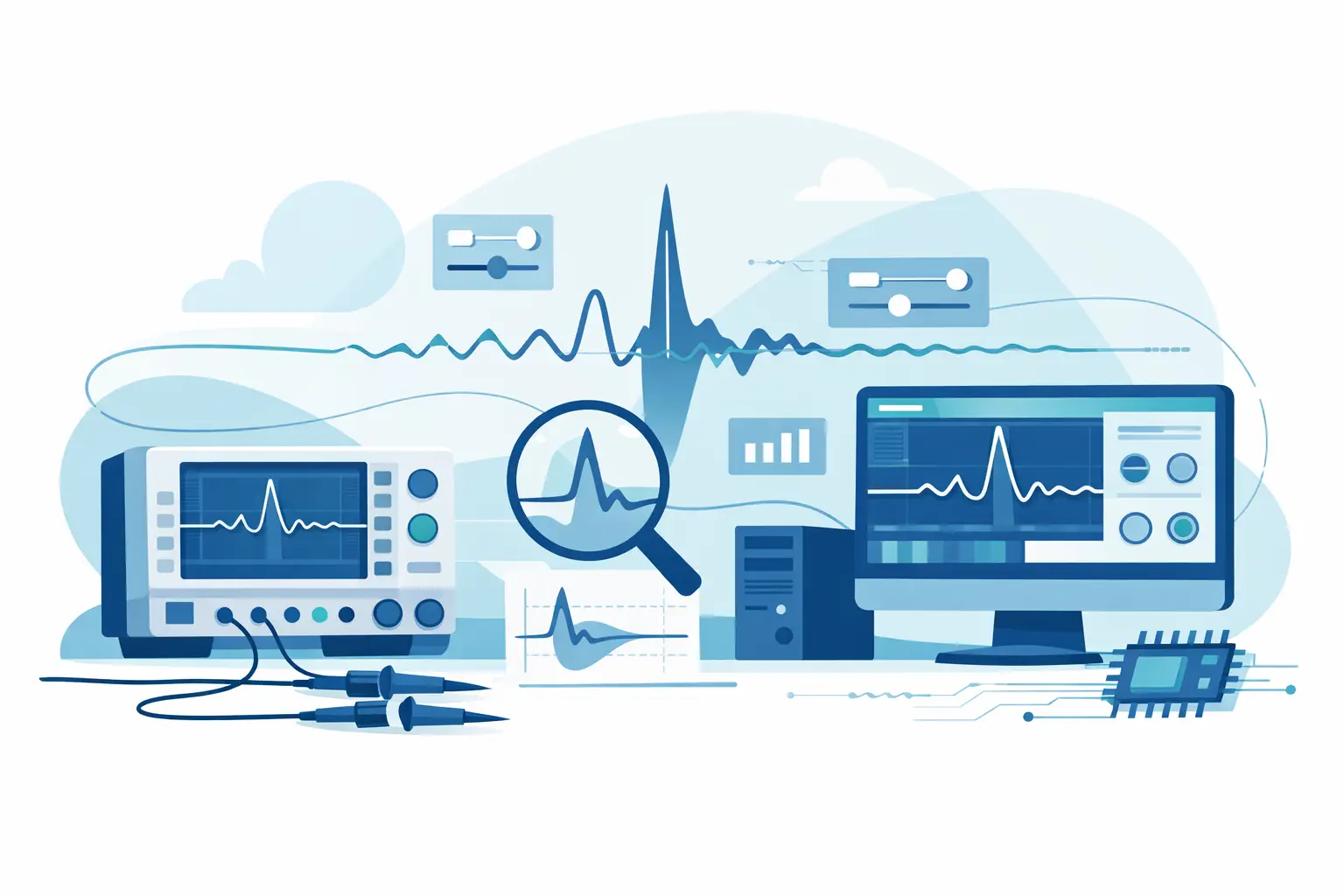
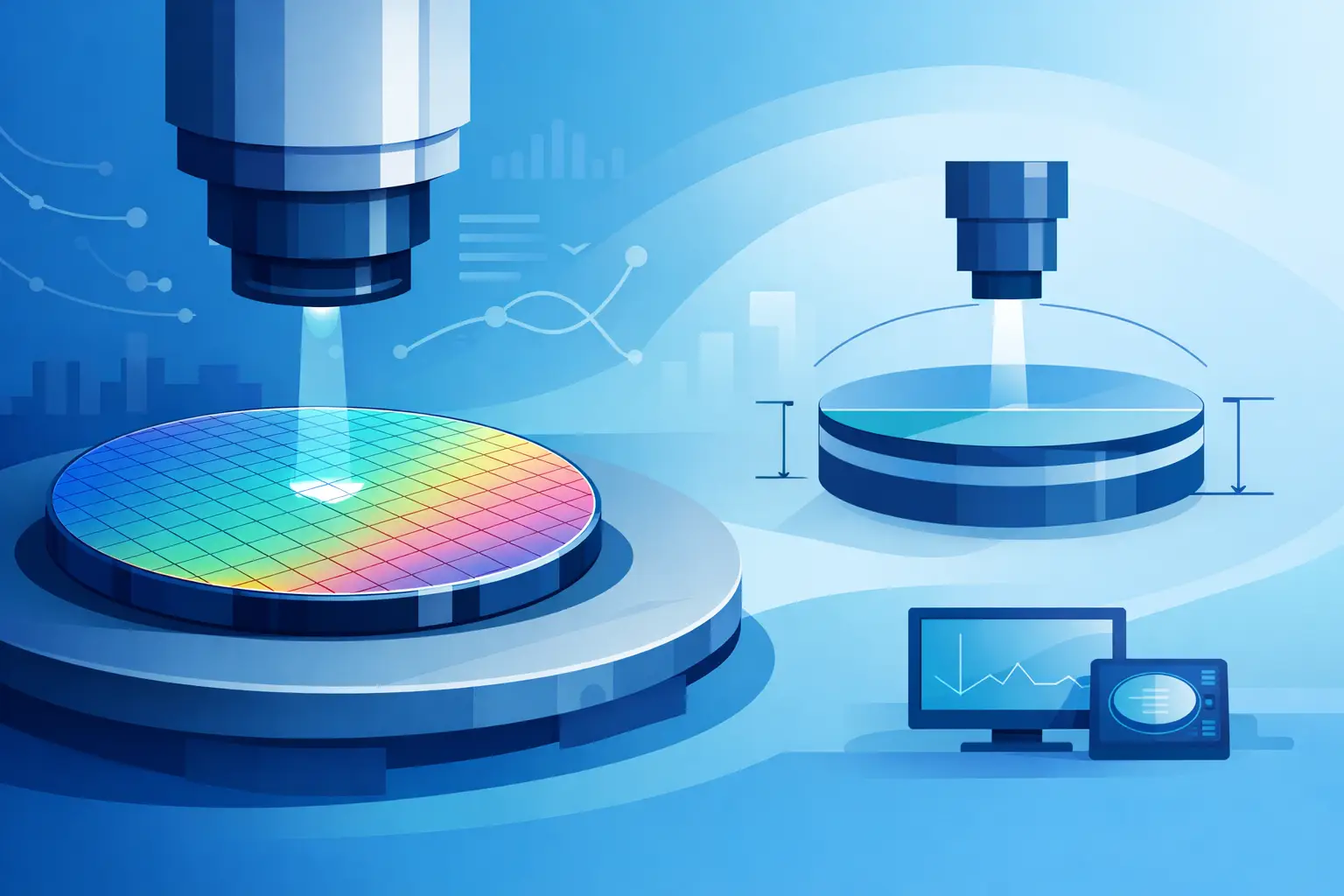
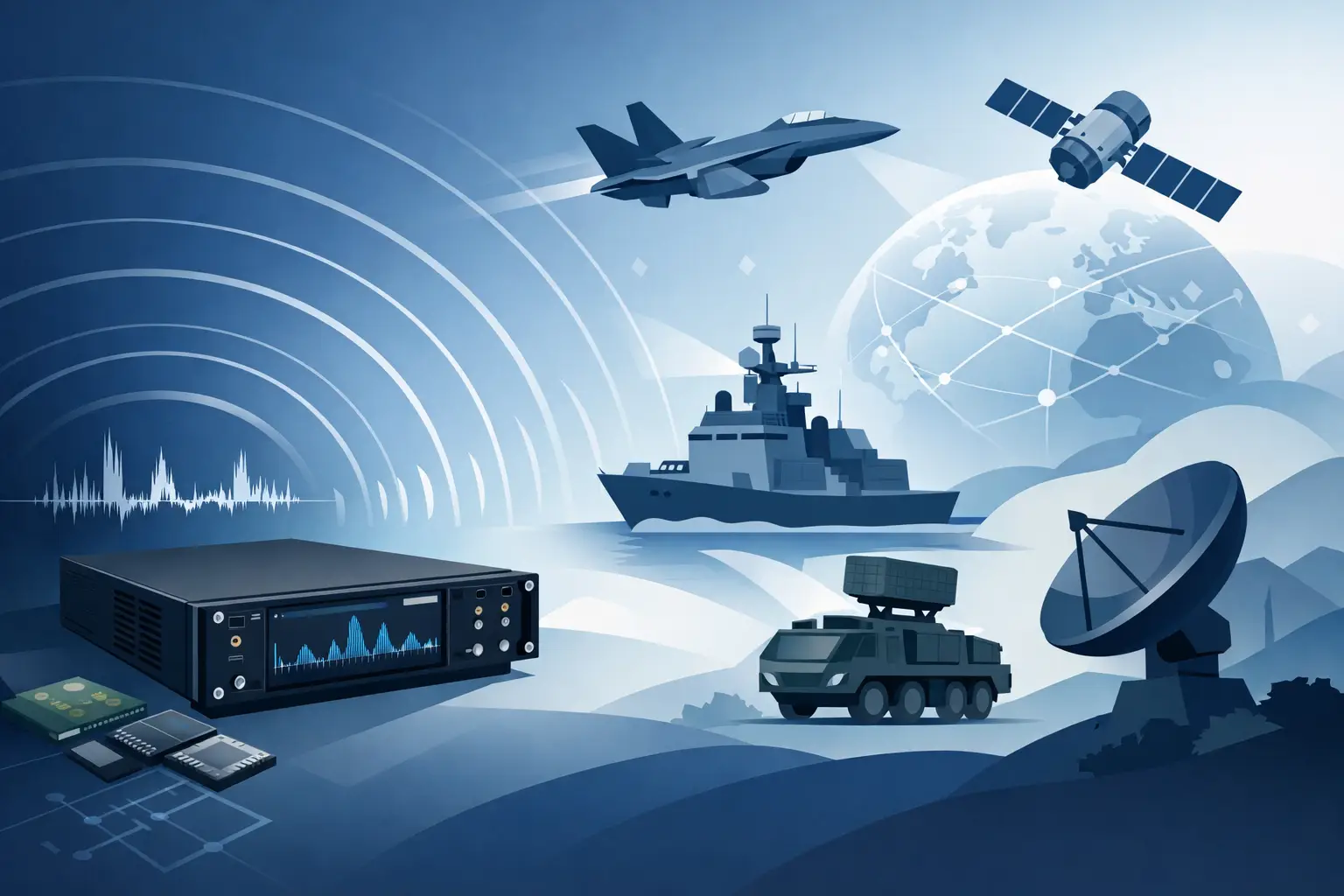
A missed transient can invalidate an otherwise well-designed test. In aerospace qualification, EV inverter analysis, semiconductor inspection, or power electronics R&D, the signal of interest often appears for microseconds or less. That is where a high speed data acquisition system stops being a convenience and becomes core test infrastructure.
The term gets used broadly, which can create expensive confusion. Some teams define high speed by sample rate alone. Others mean streaming bandwidth, trigger responsiveness, channel density, or the ability to capture long records without dropping data. In practice, all of those factors matter, and the right balance depends on the physics of the signal, the test objective, and the downstream analysis workflow.
What a high speed data acquisition system must do
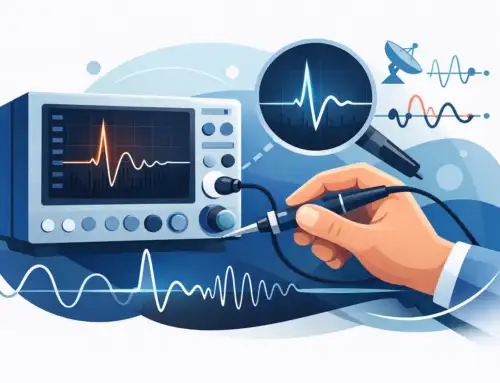
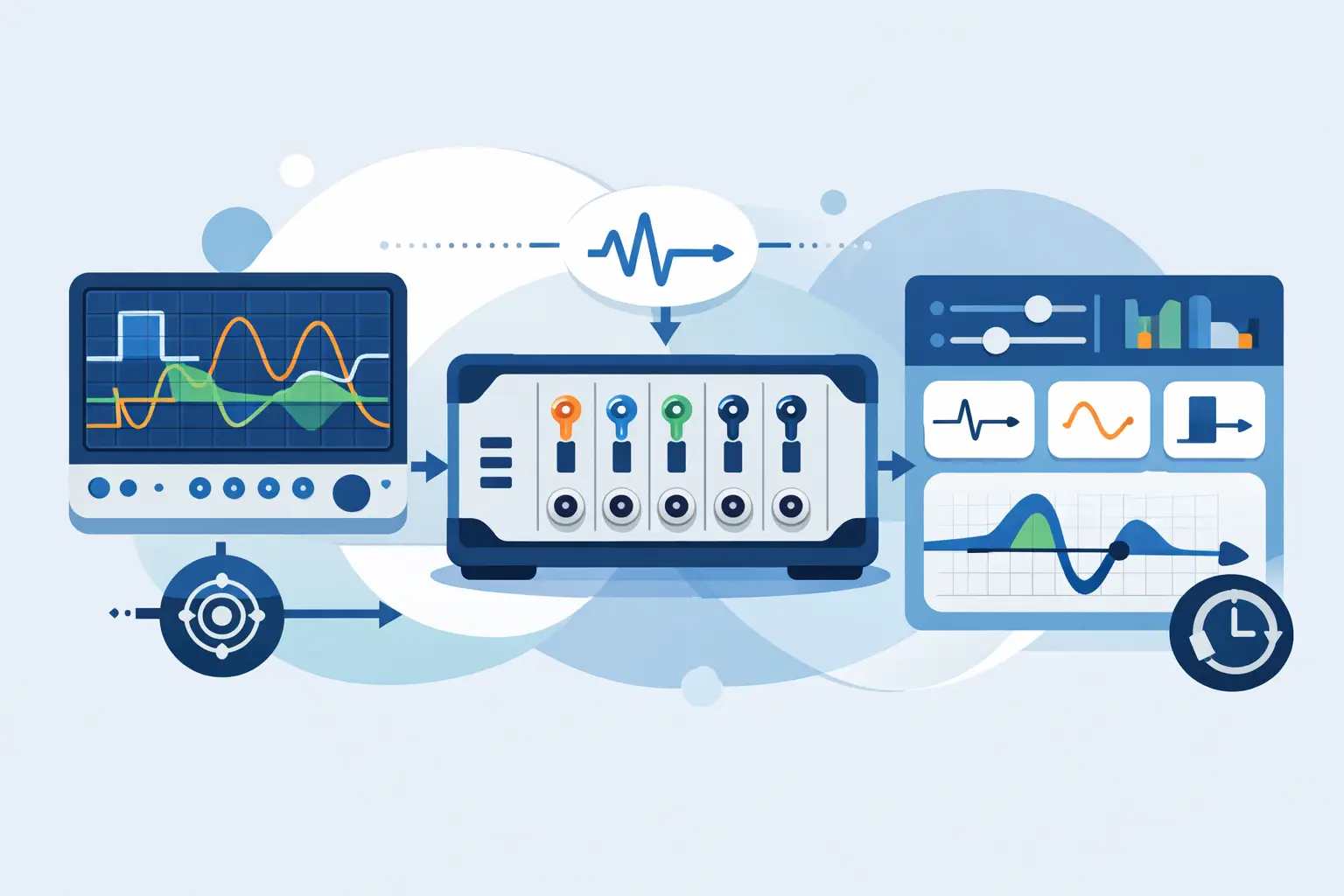
At a minimum, a high speed data acquisition system converts fast analog events into digital records with enough fidelity to support a valid engineering decision. That sounds straightforward, but fidelity is shaped by more than the headline samples per second figure.
Sampling rate determines how often the signal is measured, but analog bandwidth determines whether the front end can even pass the signal content you care about. Resolution affects whether small features remain visible in the presence of large signals. Memory depth determines how long the system can capture at a given rate before data must be processed, reduced, or streamed. Timing architecture decides whether multiple channels can be correlated with confidence.
For regulated and performance-critical environments, repeatability matters just as much as raw speed. A fast system that drifts, saturates unexpectedly, or produces inconsistent timing under different operating conditions can create more uncertainty than value. Engineers are not buying speed for its own sake. They are buying confidence in what the captured waveform actually means.
Why sample rate alone is not enough
A common procurement mistake is to compare systems by top sample rate and stop there. That approach overlooks the way real measurements fail.
If the analog front end lacks sufficient bandwidth, high-frequency content is attenuated before conversion. If the anti-aliasing strategy is weak or misapplied, false components appear in the data. If the effective number of bits drops sharply at higher frequencies, the system may technically sample fast enough while still masking low-level events. If data transfer to host storage cannot keep pace, the instrument may force shorter captures or dead time between acquisitions.
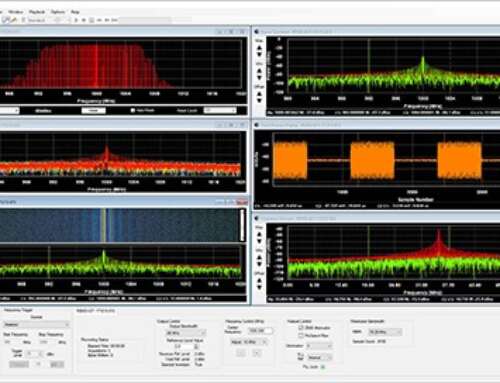
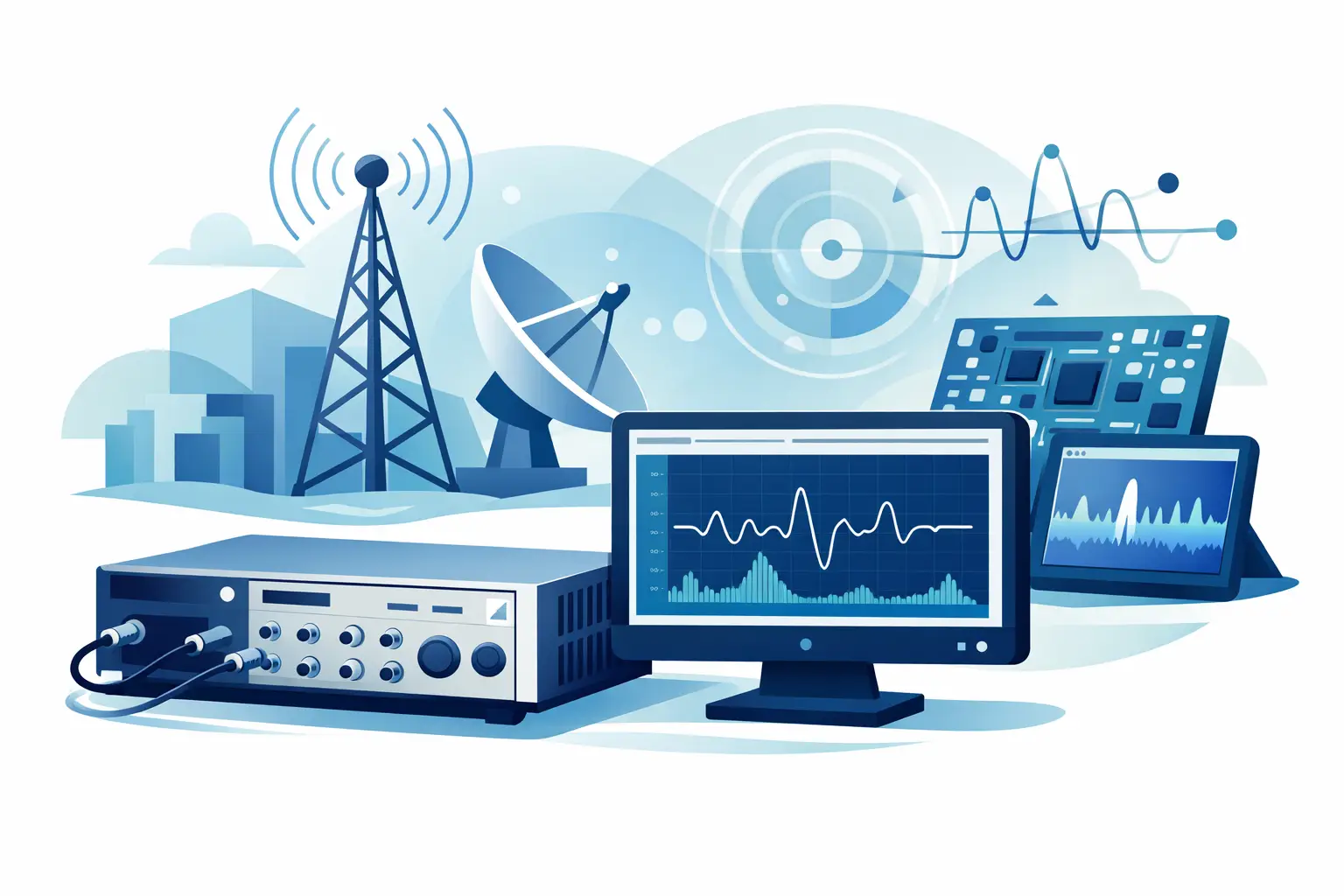
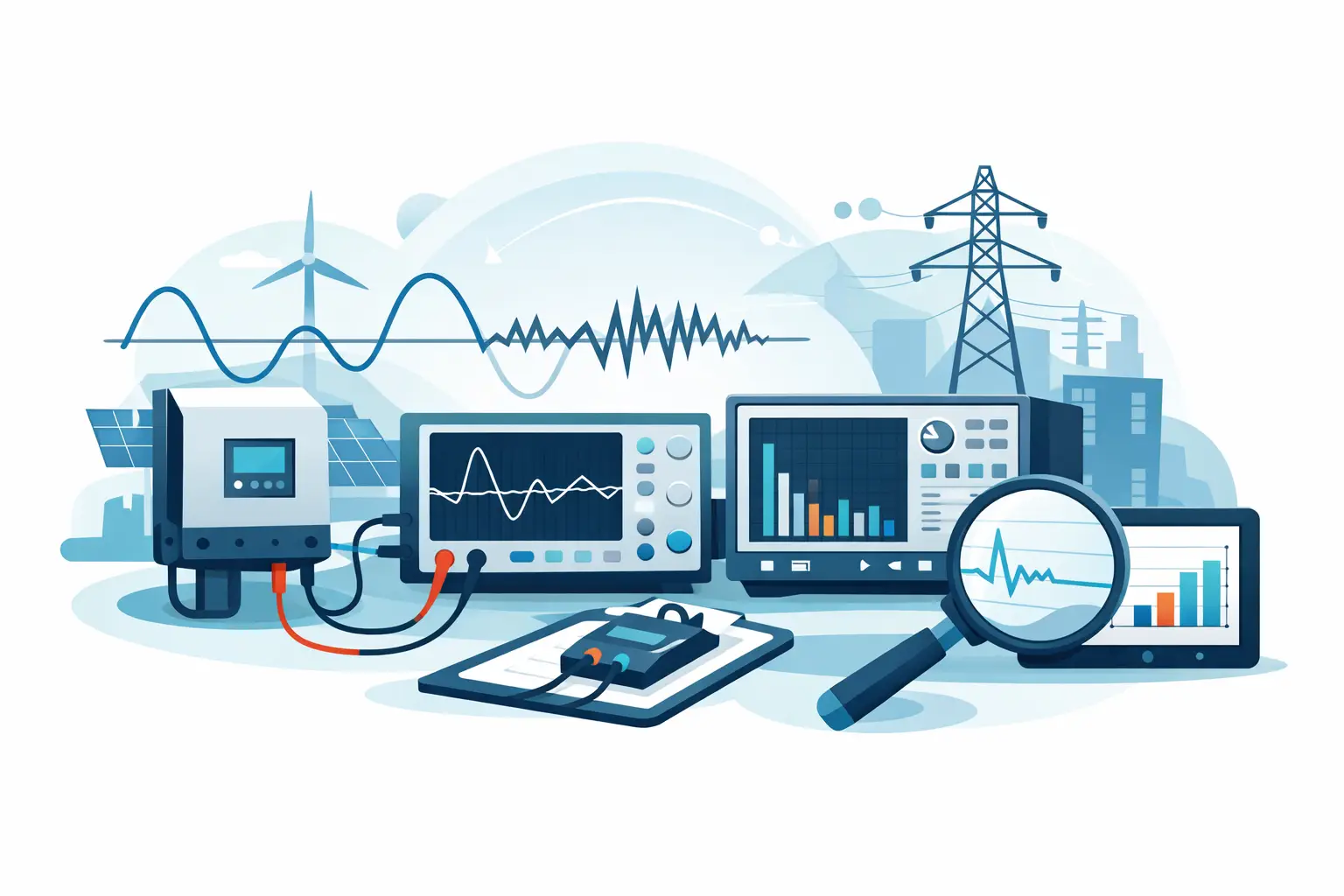
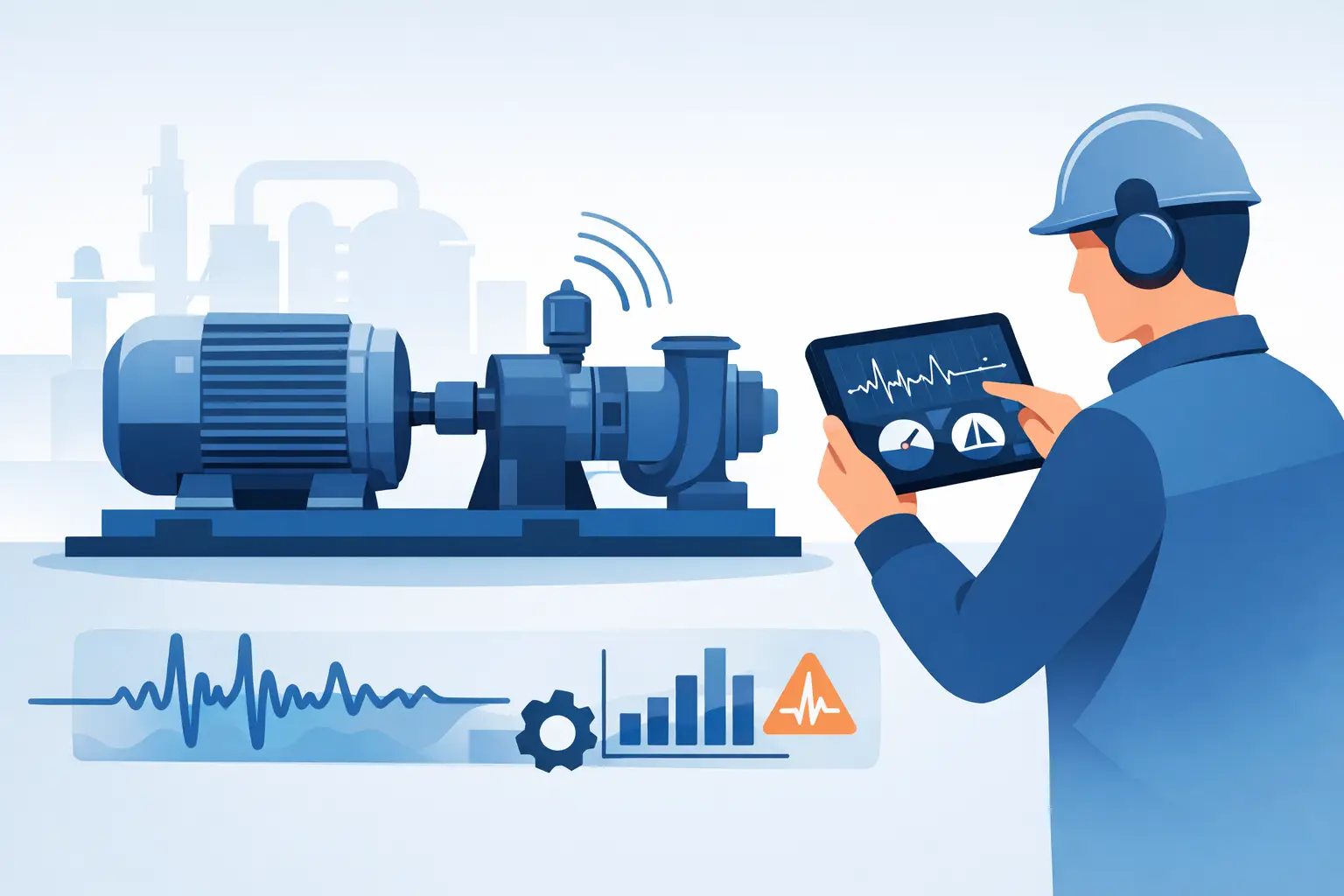
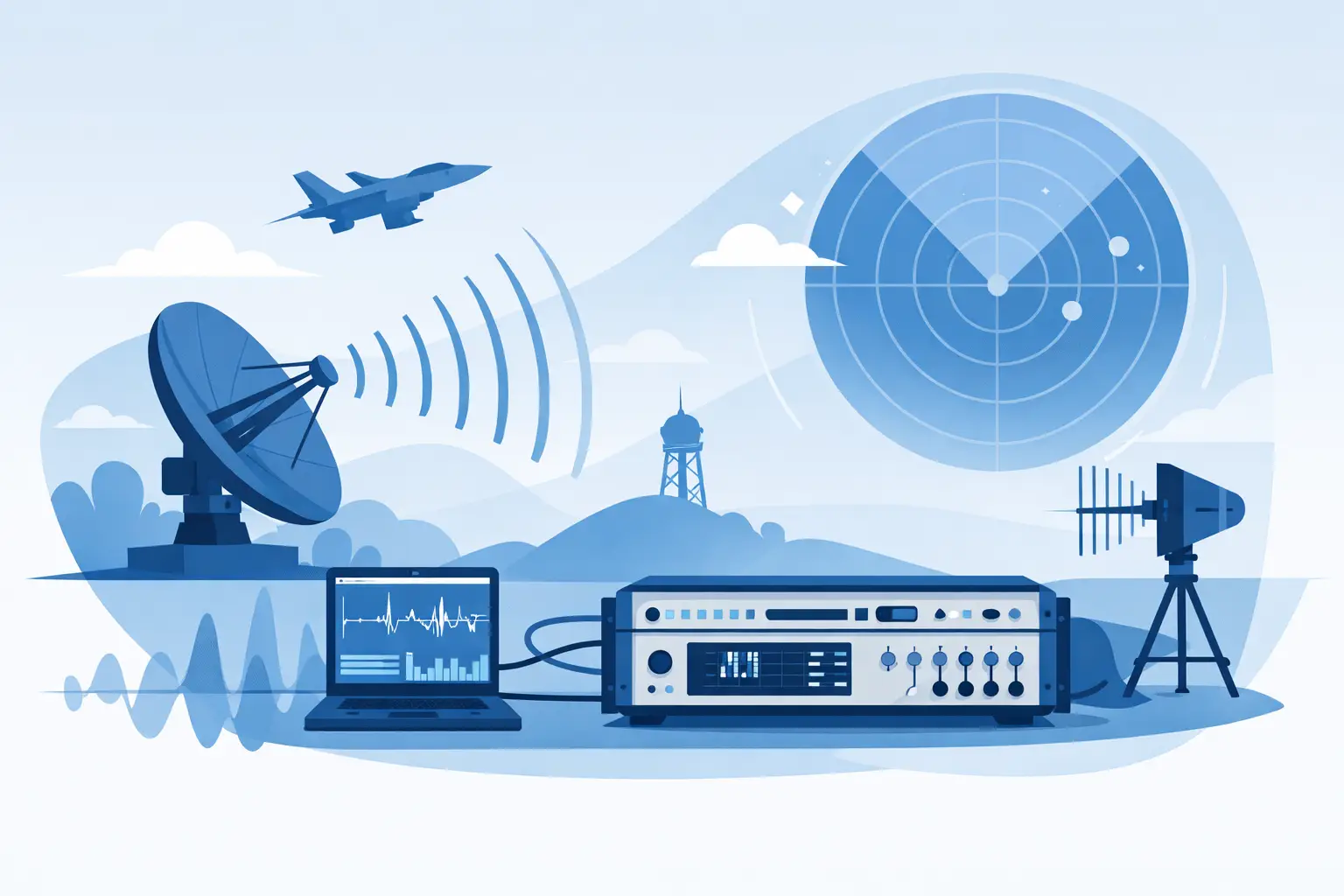
This is especially relevant in applications such as partial discharge monitoring, high-speed switching analysis, RF and IF recording, vibration diagnostics, and ballistic or impact testing. In each case, the event structure can be brief, dense, and highly sensitive to timing error. The acquisition chain must preserve the event, not just detect that something happened.
Key specifications that deserve scrutiny
Analog bandwidth and front-end integrity
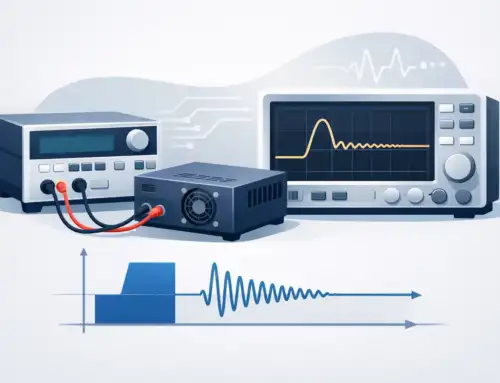
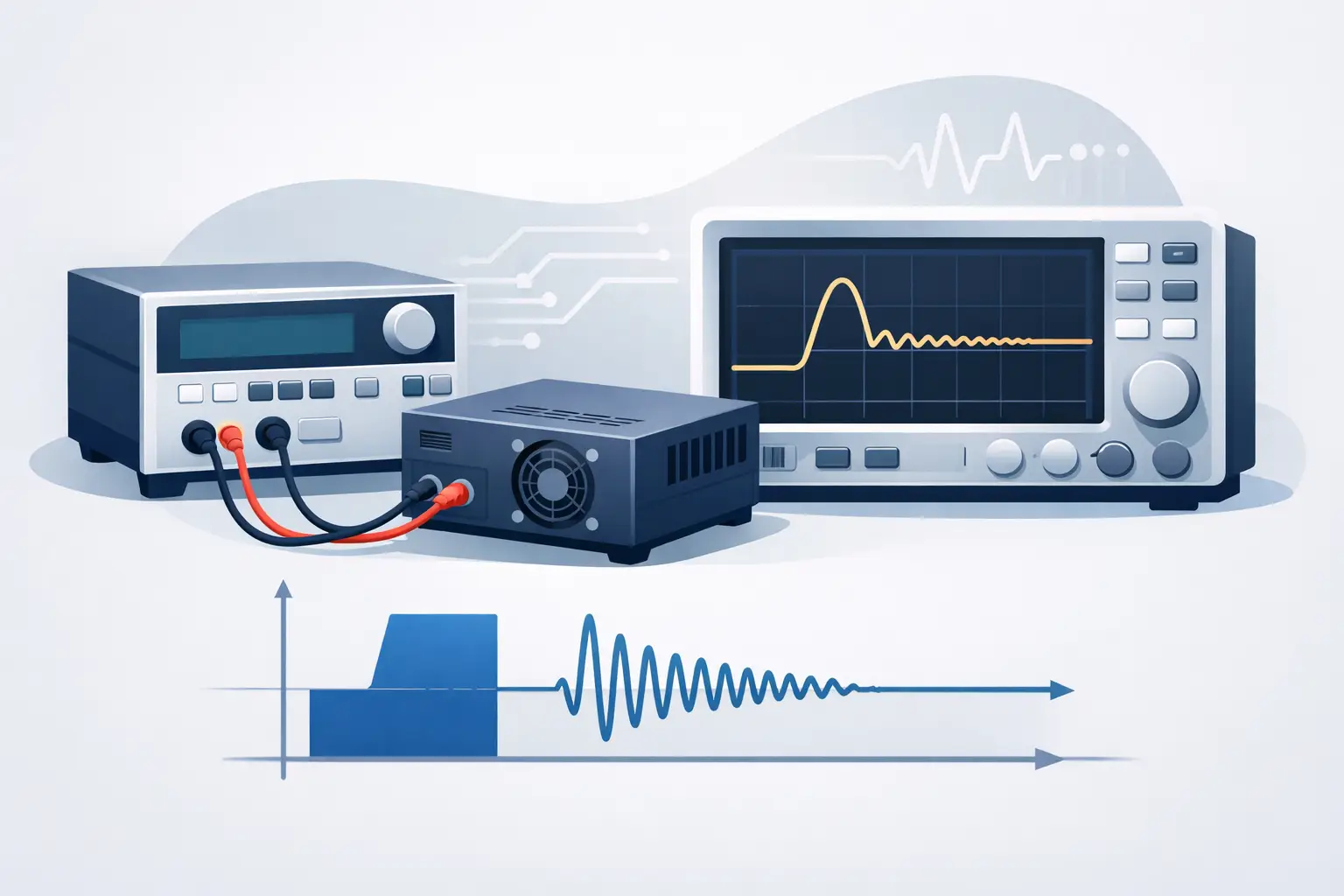
Bandwidth should be matched to the highest meaningful frequency content in the signal, not just the nominal fundamental. Fast edges contain harmonics far above the visible pulse repetition rate. In switching systems, gate transitions, ringing, overshoot, and parasitics often carry the diagnostic value.
Input range, impedance, coupling options, and overvoltage tolerance also matter. A system intended for clean low-level sensor signals may be poorly suited for high-energy environments without proper conditioning. The more demanding the test bench, the more important the front-end design becomes.
Resolution, noise, and dynamic range
Higher resolution is useful only if noise performance supports it. A 16-bit converter with a noisy front end may provide less practical value than a cleaner 14-bit implementation in some use cases. Engineers should look at dynamic range, spurious performance, noise floor, and effective resolution under actual operating bandwidth, not just idealized converter specifications.
This trade-off is application dependent. Shock and vibration testing may prioritize wide bandwidth and timing over extremely fine amplitude resolution. Precision sensor characterization may demand both speed and low noise. There is no universal best point.
Memory depth and sustained throughput
Capturing a short event at high speed is one problem. Capturing long records or repeated bursts without interruption is another. Deep on-board memory helps when the event must be preserved locally before transfer. High sustained throughput matters when tests generate large volumes of data over extended periods.
That distinction becomes critical in failure analysis and long-duration monitoring. If the trigger event is unpredictable, the system needs enough memory to retain useful pre-trigger and post-trigger history. If the test produces continuous high-rate streams, storage architecture and software handling become as important as the digitizer itself.
Timing, synchronization, and trigger architecture
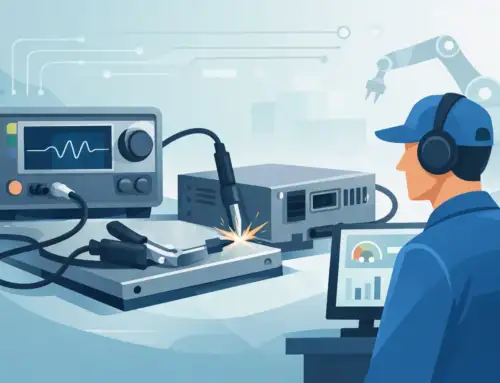
Multi-channel tests live or die on timing coherence. Power electronics, structural dynamics, radar, motor control, and mixed-domain validation often require channel-to-channel alignment that remains stable across temperature, duration, and repeated runs.
Trigger architecture deserves similar attention. Flexible edge, window, pulse width, and external trigger options can reduce false captures and improve workflow efficiency. In sophisticated labs, synchronization with other instruments and control systems is often mandatory rather than optional.
Matching the system to the application
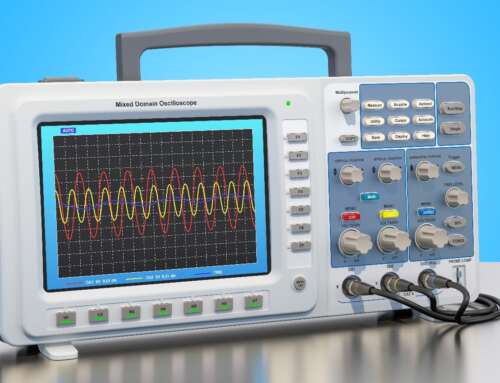
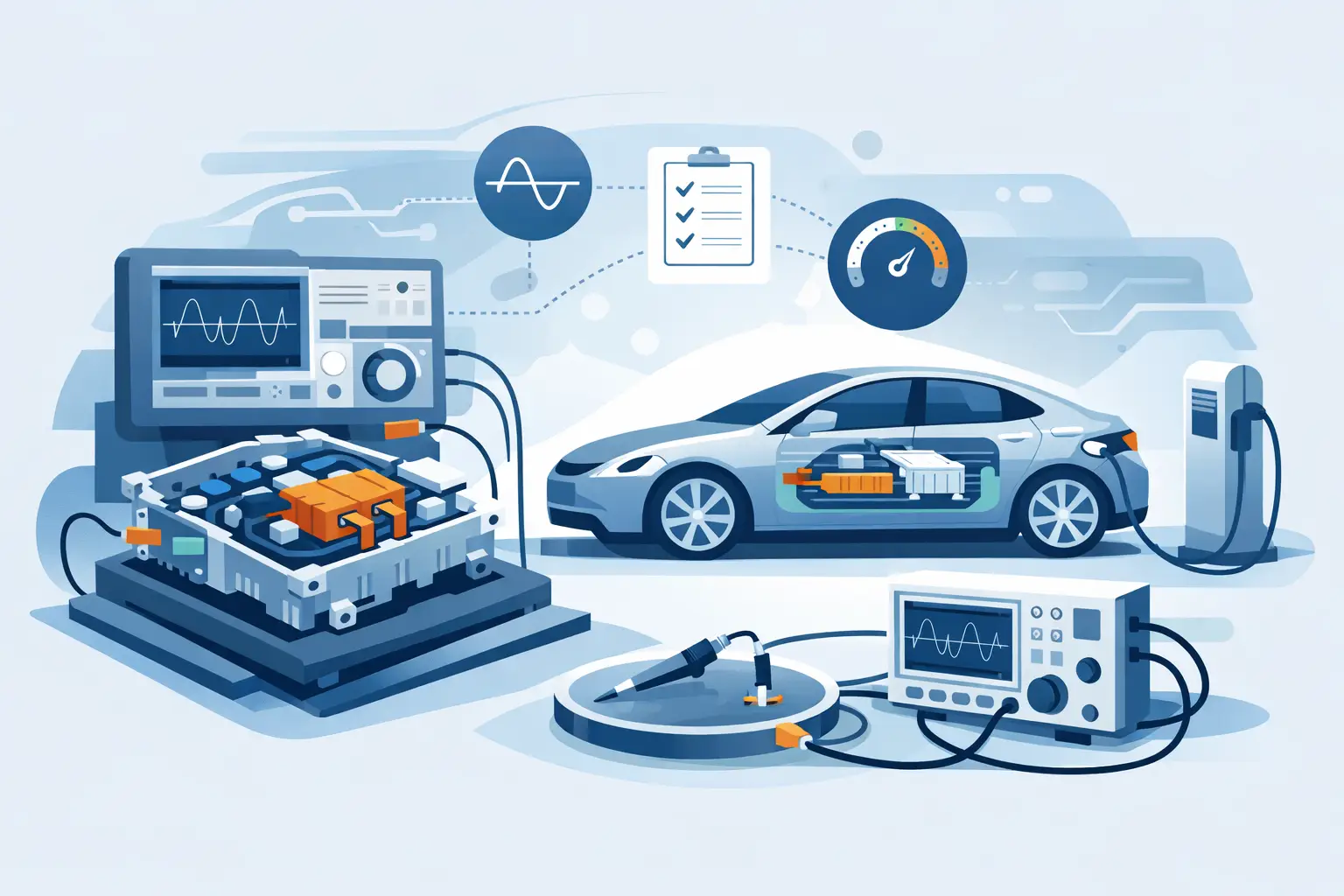
The right specification set depends on what is being measured and why. For transient capture in power electronics, fast sample rates, strong front-end protection, and reliable trigger response are often central. For RF and IF recording, bandwidth, streaming throughput, and storage performance may dominate. For vibration and rotating machinery analysis, simultaneous sampling across channels and deterministic timing can outweigh extreme single-channel speed.
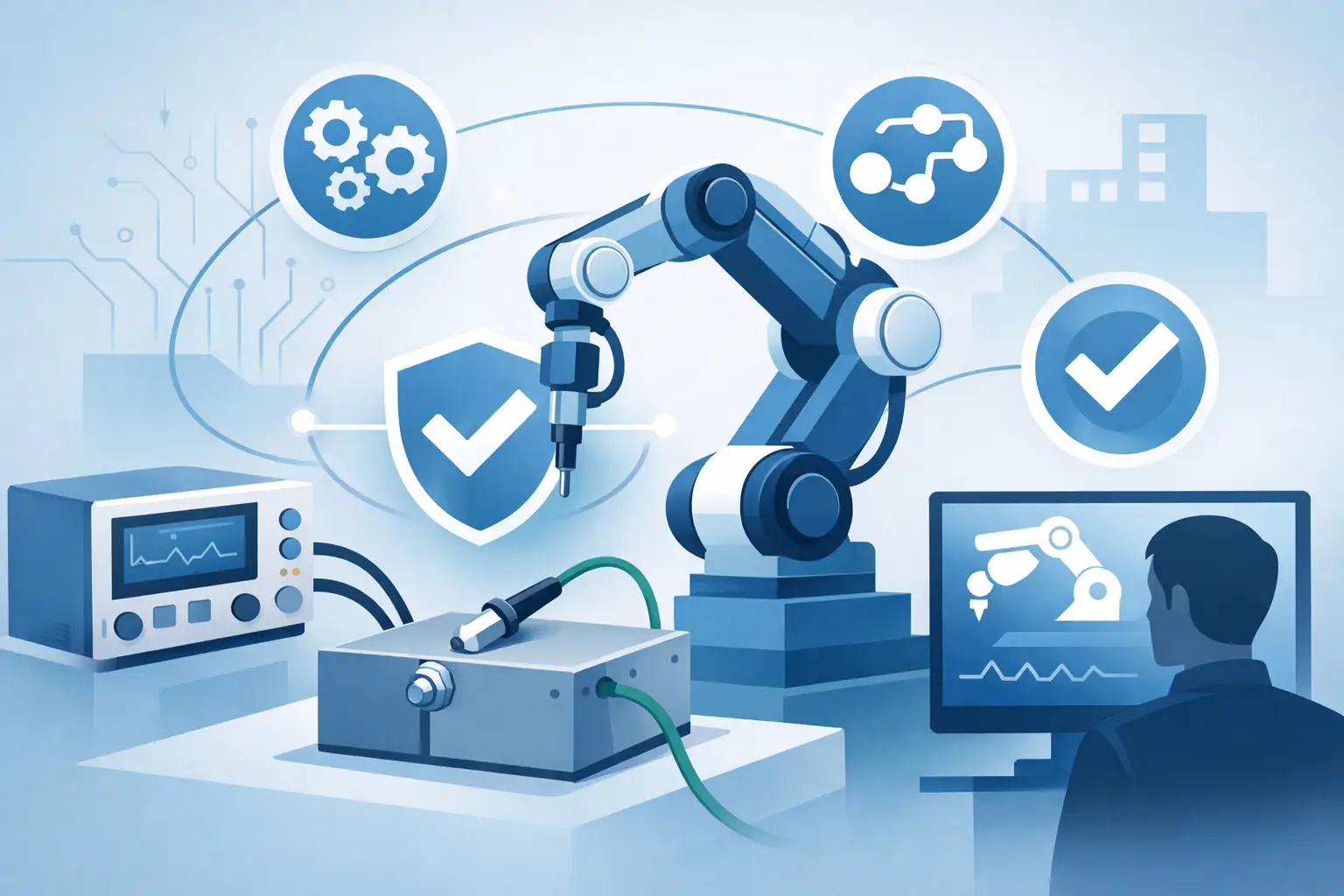
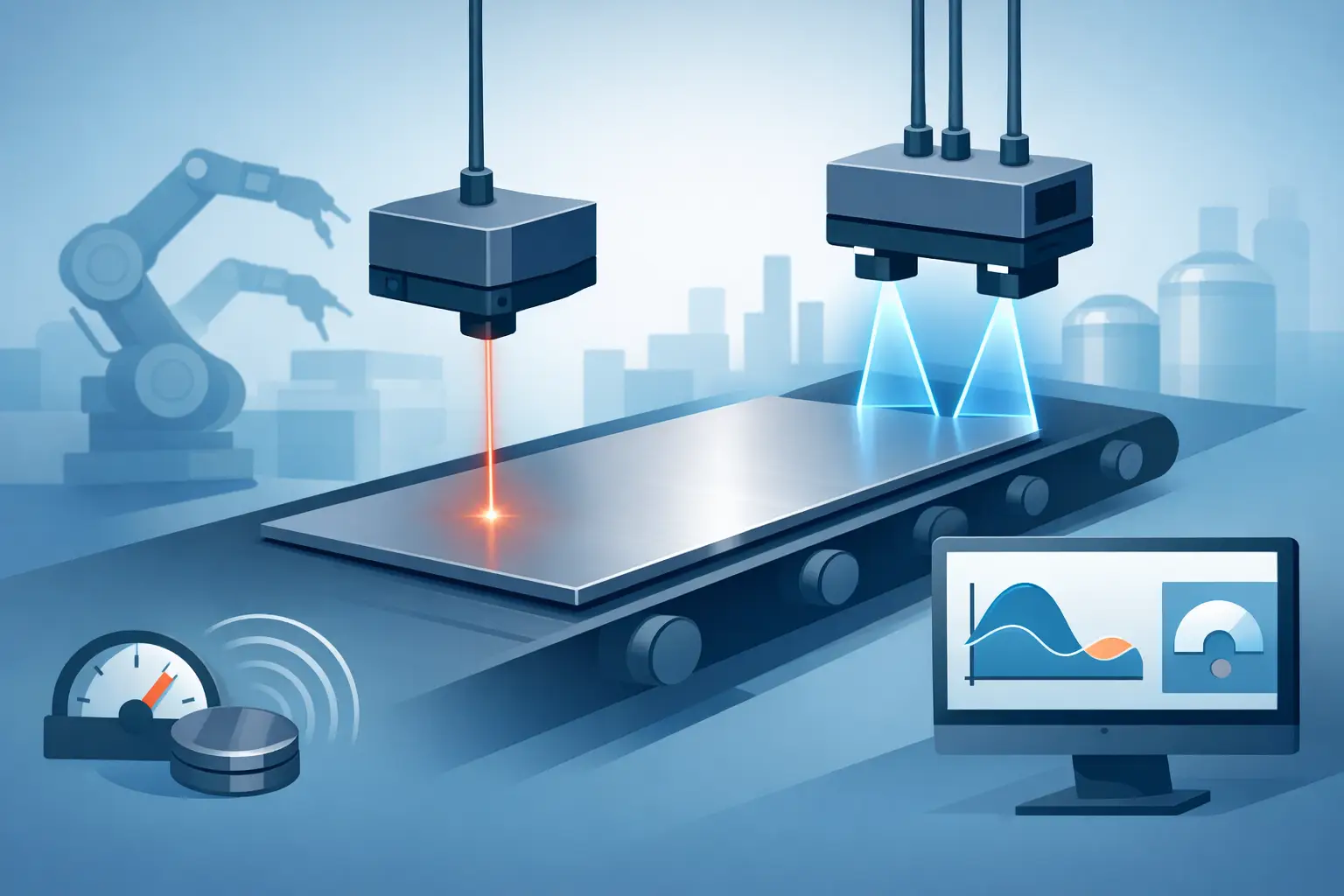
In manufacturing and validation environments, software integration also shapes system value. Engineers may need SDK access, automated test control, custom analysis, or direct integration with existing platforms. A capable instrument that cannot fit the workflow often becomes underused. This is one reason many technical teams prefer suppliers with both hardware depth and application support, particularly when the measurement task spans acquisition, synchronization, and post-processing.
The cost of under-specifying and over-specifying
Under-specifying is the obvious risk. The system misses events, introduces uncertainty, or forces engineers to redesign the test method around equipment limitations. That cost appears later as debug delays, repeated qualification cycles, or unresolved field failures.
Over-specifying has its own penalty. Excess bandwidth can raise noise. Excess channel count can increase complexity and budget without improving results. Excess data rate can create storage and analysis burdens that slow the team more than the test itself. Good system selection is not about buying the largest numbers available. It is about aligning the instrument with the signal environment and decision threshold.
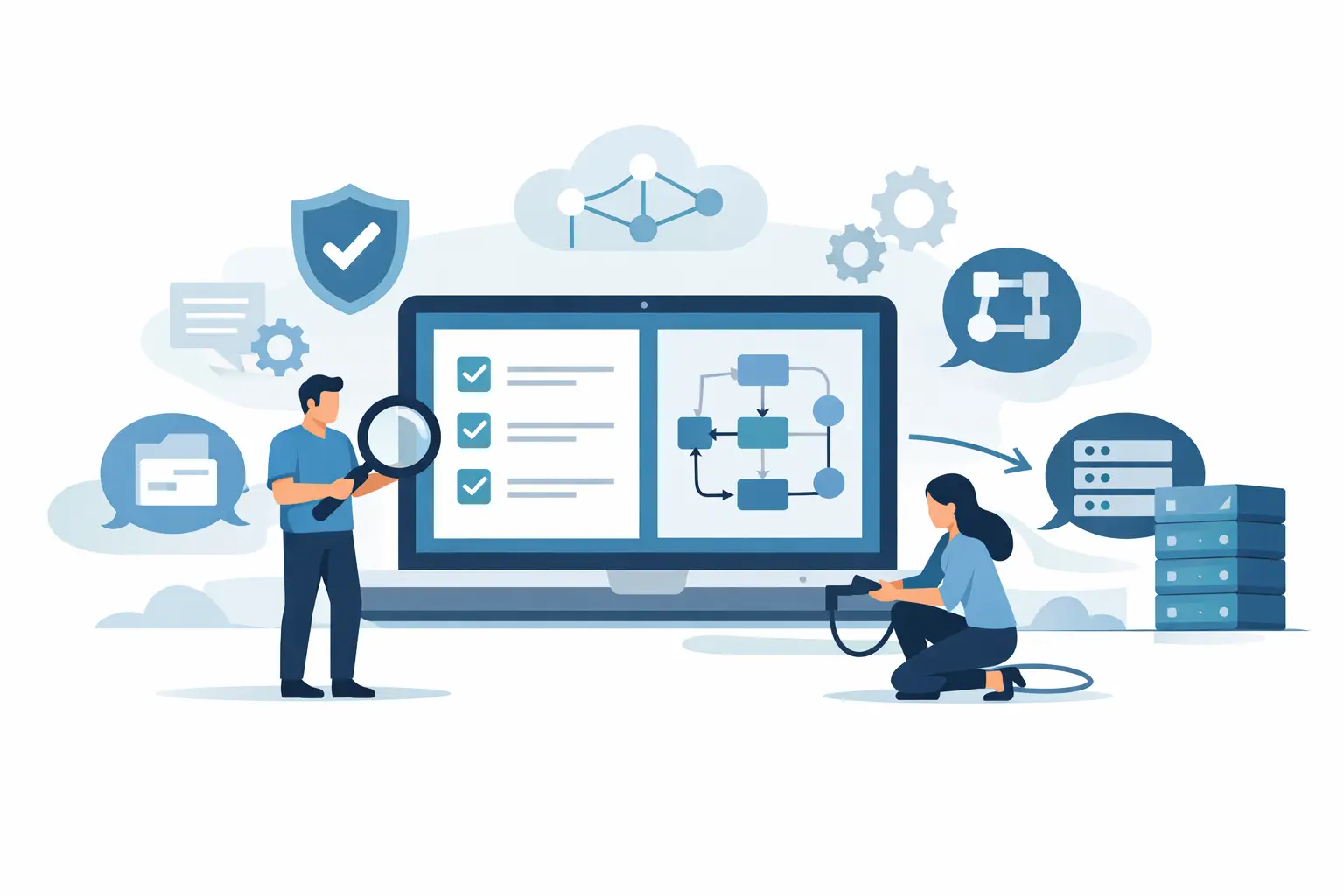
That is why application review matters. Before selecting a platform, teams should define the signal characteristics, expected event duration, required timing accuracy, acceptable uncertainty, trigger conditions, and data retention needs. If those inputs are vague, the resulting instrument choice usually is too.
Practical questions to ask before purchase
A technical buyer should press beyond the datasheet headline. Ask how bandwidth is specified and under what conditions. Ask whether all channels operate at full performance simultaneously. Ask what sustained streaming rates are realistic with the intended host system. Ask how calibration, traceability, and support are handled over the instrument lifecycle.
It is also worth asking how the system behaves outside ideal lab conditions. Does timing remain stable in production or field environments? Is the software mature enough for automated regression testing? Are drivers, APIs, and documentation suited for in-house development? For organizations in regulated sectors, serviceability and documented performance can be just as important as initial capability.
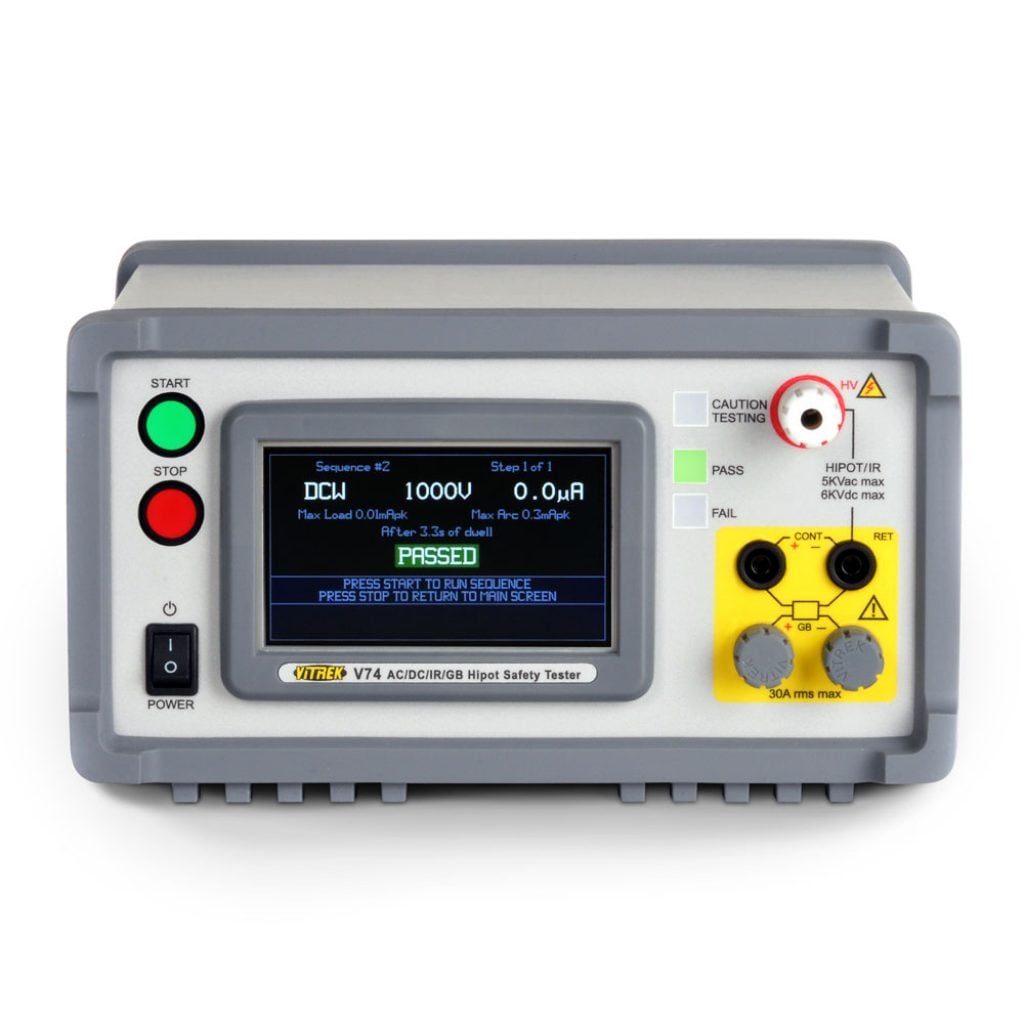
This is where an experienced instrumentation partner adds value. A manufacturer such as Vitrek, with capabilities spanning high-speed digitizers, precision measurement, and application-specific test environments, can often help teams avoid the common mismatch between a generic acquisition device and a mission-critical measurement task.
Building for measurement integrity, not just speed
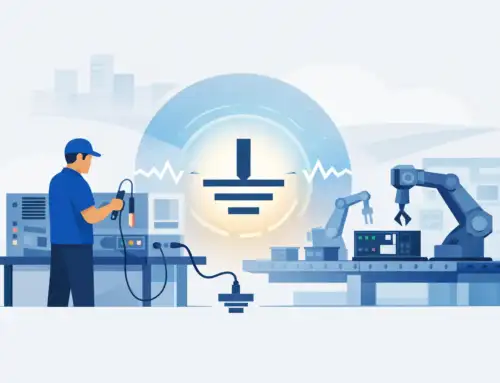
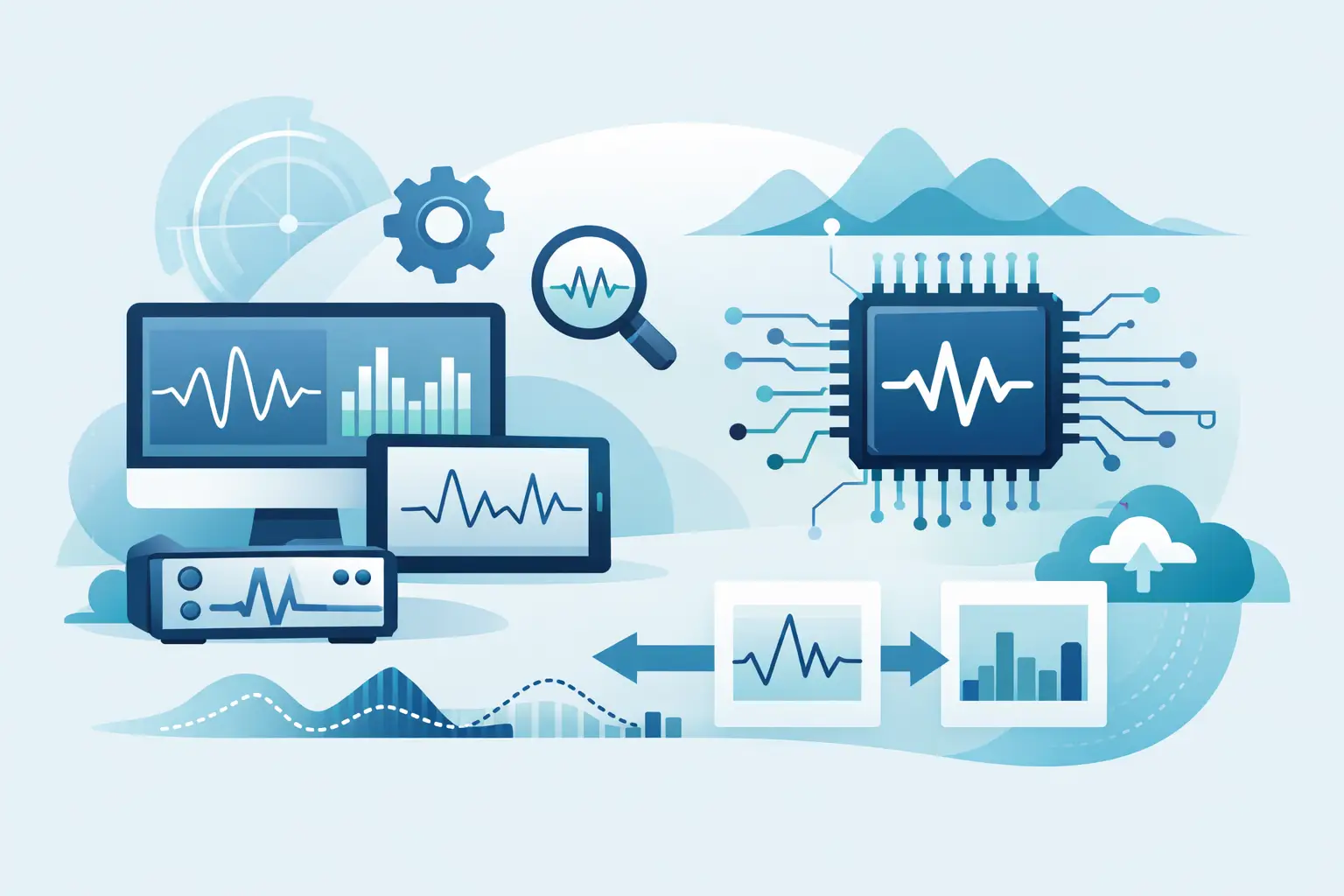
A high speed data acquisition system should be treated as part of the measurement chain, not as an isolated box. Sensors, probes, cabling, grounding, shielding, trigger routing, host interface, and analysis software all influence final data quality. The faster the event, the less forgiving the chain becomes.
Engineers who get the best results usually start with the test objective, then work backward through signal content, uncertainty limits, and operational constraints. That approach tends to produce systems that are faster where needed, precise where required, and practical to operate over time.
If the acquisition platform is chosen well, it does more than capture data. It reduces ambiguity at the exact moment a design, process, or compliance decision depends on getting the waveform right.