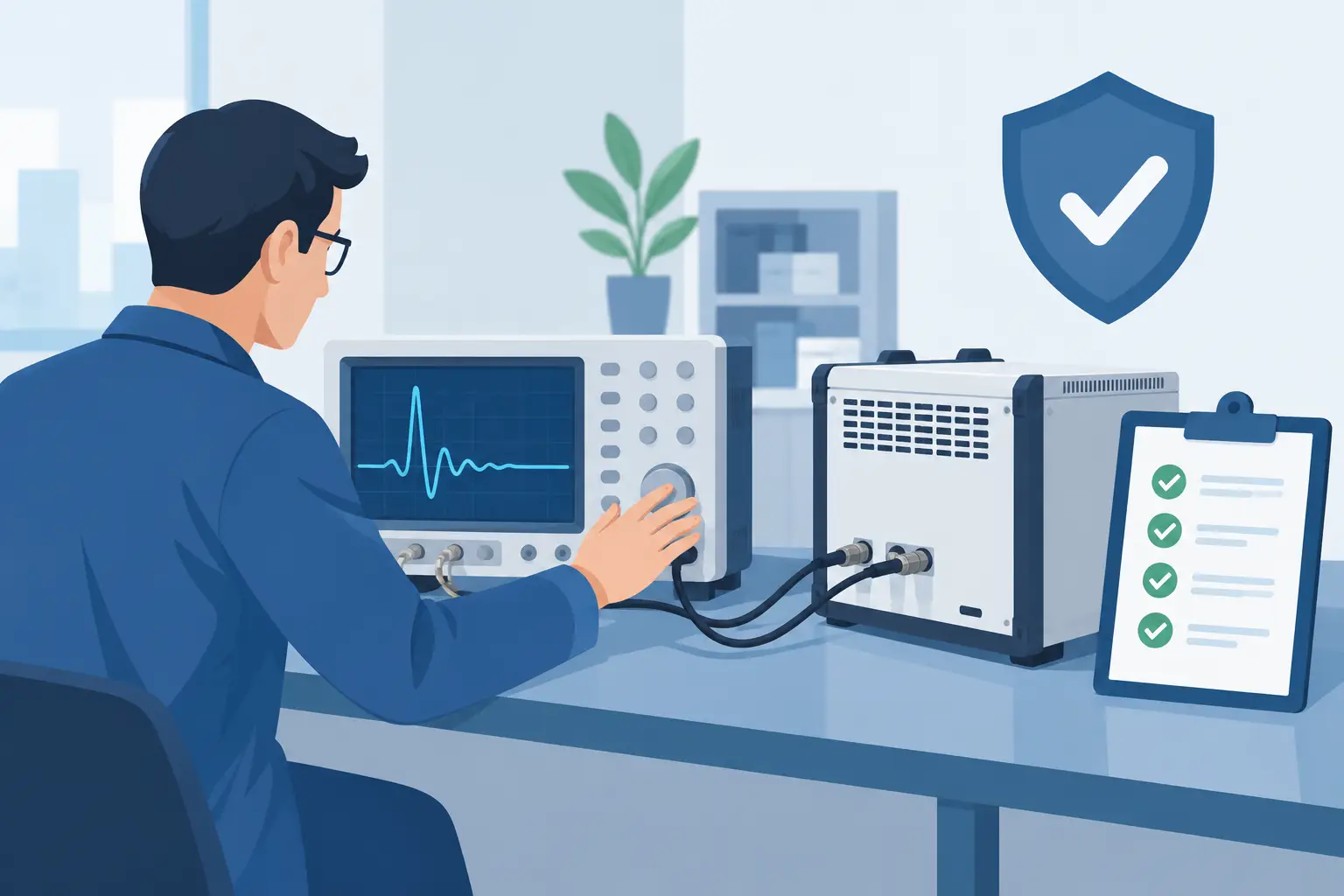
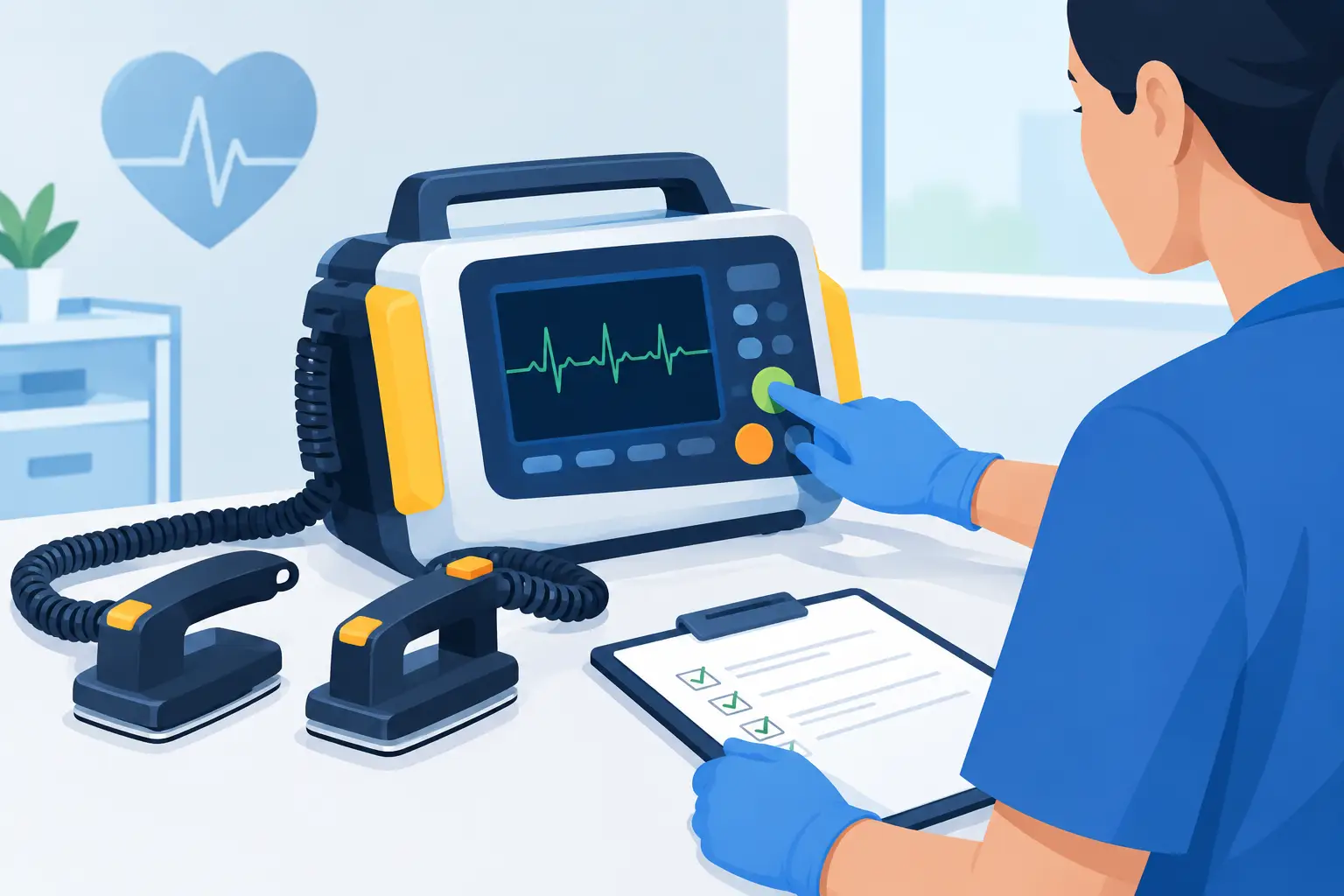
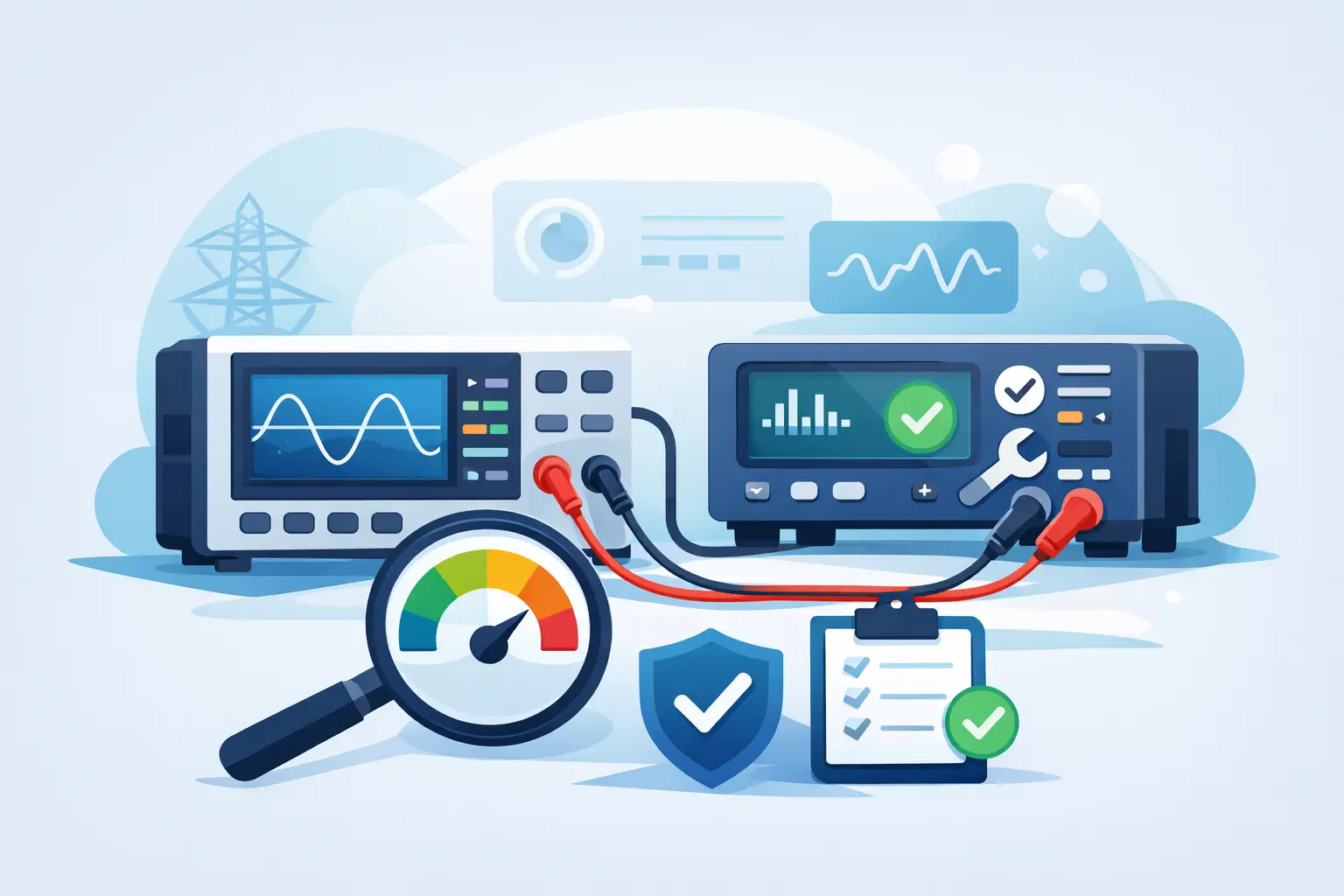
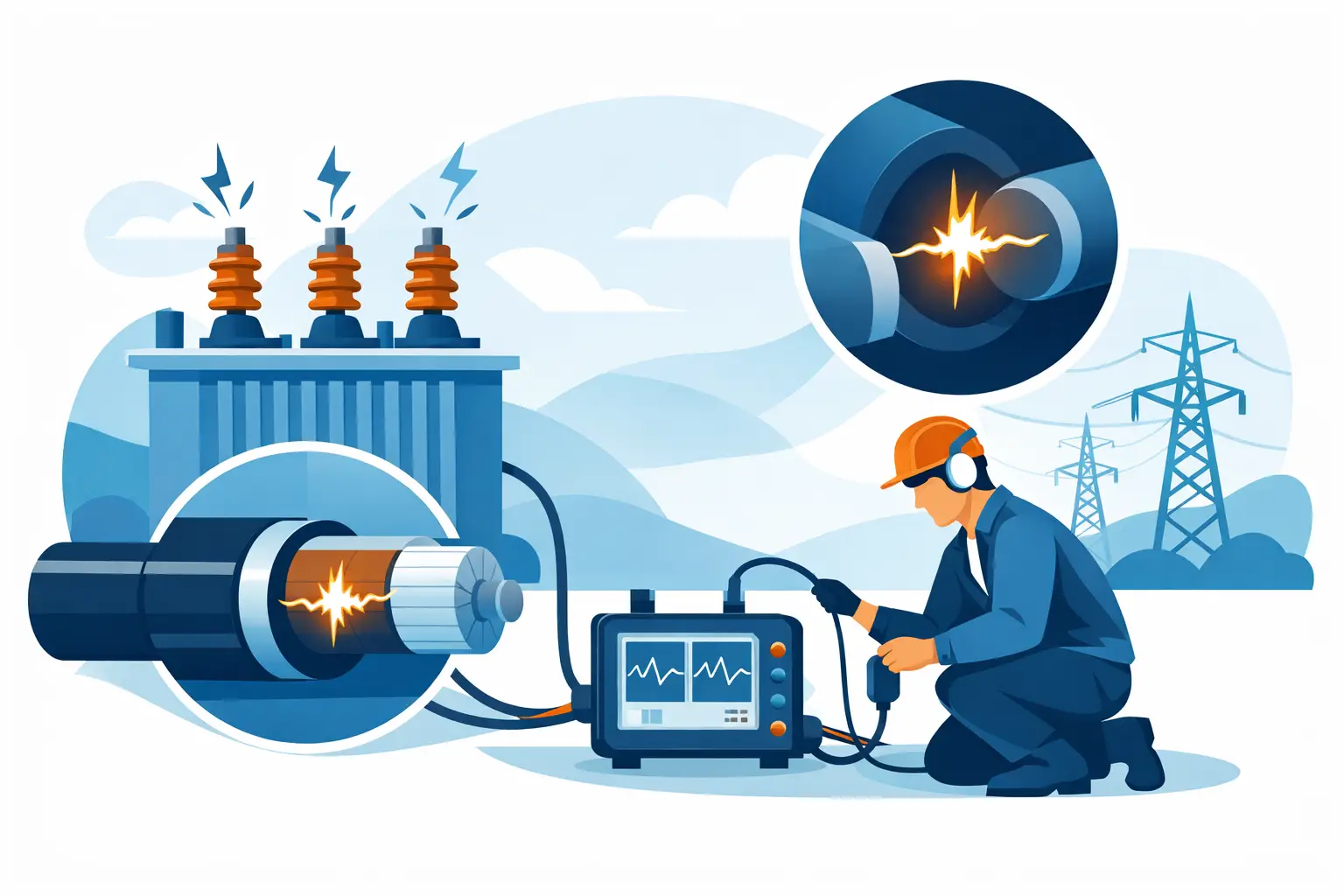
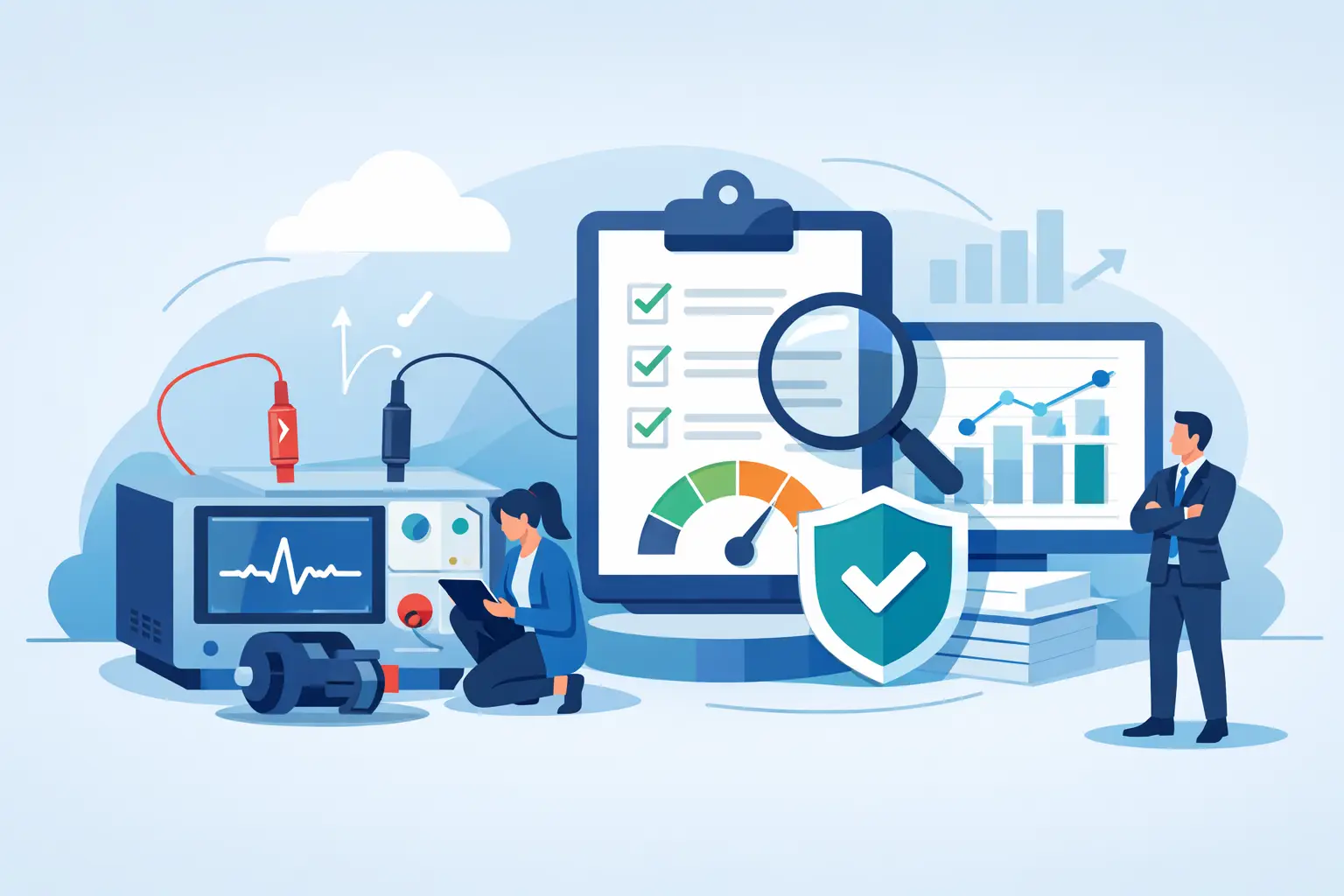
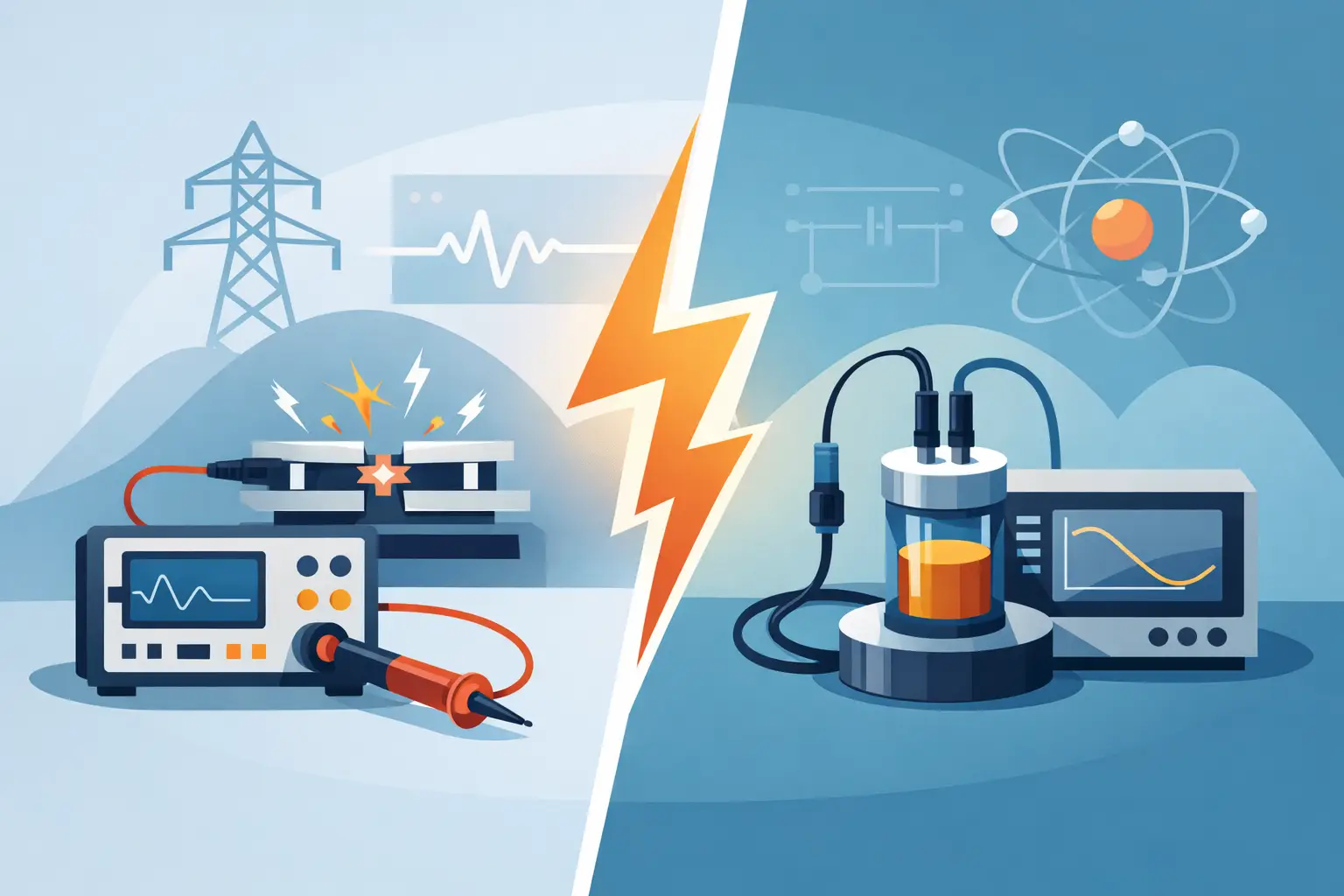
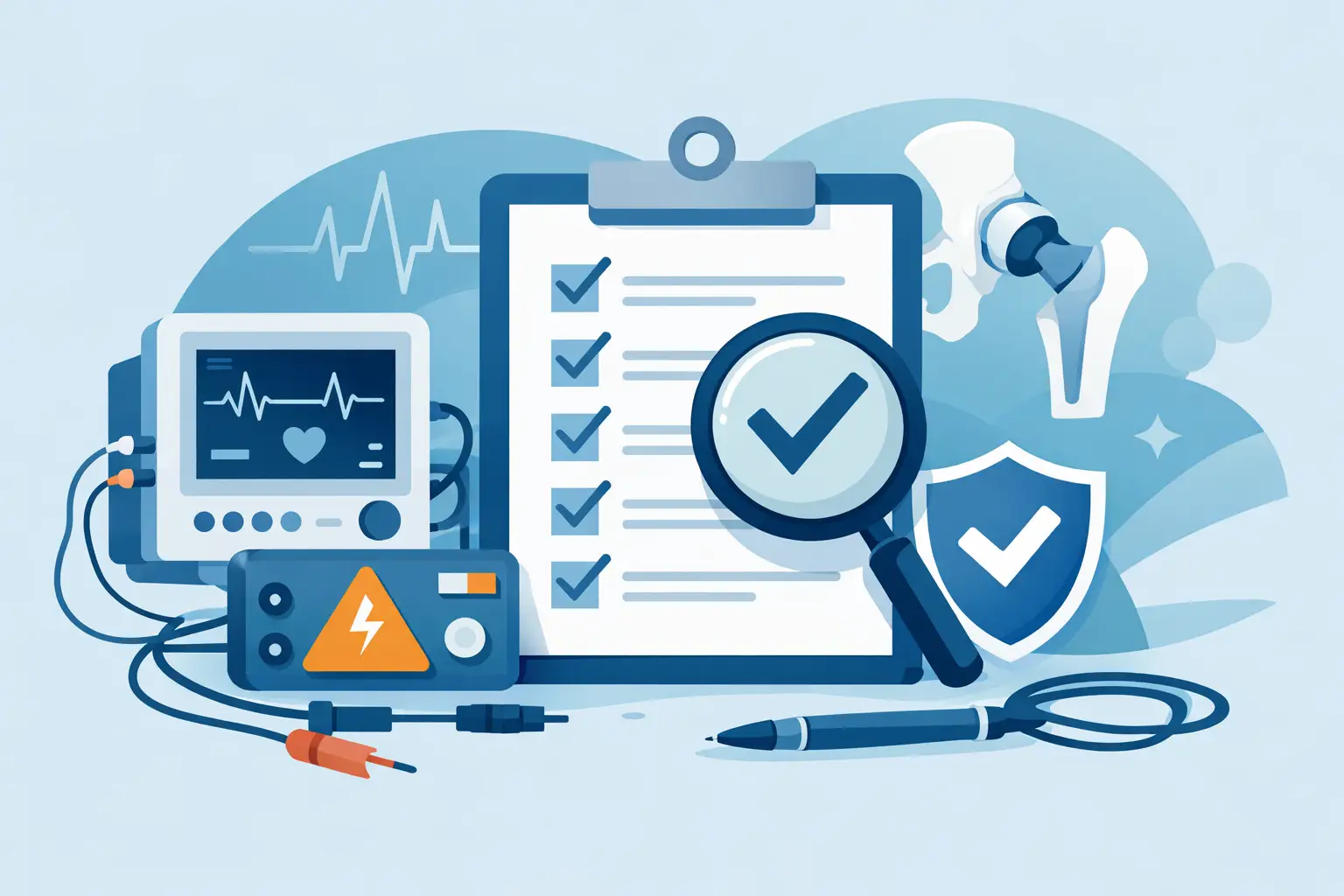
A product can meet its functional spec, pass performance validation, and still fail when it reaches electrical safety review. That is usually where teams realize a basic point with serious implications: what is electrical safety compliance testing, really, and what does it require beyond a simple pass or fail check?
Electrical safety compliance testing is the process of verifying that an electrical or electronic product meets the safety requirements defined by applicable standards, regulations, and certification frameworks. In practice, that means using controlled test methods to confirm that a device limits shock, fire, insulation, leakage current, dielectric breakdown, and grounding risks under expected operating conditions and, in some cases, fault conditions. For engineering and quality teams, it is not just a paperwork exercise. It is a measurement discipline tied directly to product release, market access, production yield, and liability exposure.
What electrical safety compliance testing actually covers
The phrase sounds broad because it is broad. Electrical safety compliance testing is not one test and not one global rulebook. The exact test plan depends on the product category, intended use environment, rated voltage, insulation design, applied parts, and the standard being used for evaluation.
For most manufacturers, the work centers on proving that hazardous voltages are isolated from the user, accessible conductive parts remain safe, and insulation systems hold up under both normal use and predictable stress. A benchtop appliance, EV subsystem, medical device, industrial controller, and laboratory instrument may all require electrical safety testing, but they will not necessarily require the same sequence, limits, or acceptance criteria.
That distinction matters. Compliance is standard-specific. A product is not simply “safe” in the abstract. It is evaluated against defined requirements from standards bodies and certification schemes that describe the tests, conditions, and limits that apply.
Why compliance testing is different from general electrical testing
Many engineering teams already run design verification, functional checks, burn-in, and environmental tests. Those activities are valuable, but they do not replace compliance testing.
Functional testing confirms the product works. Compliance testing confirms it remains electrically safe while working, during foreseeable misuse, or after defined stress. A power supply can regulate perfectly and still fail dielectric strength. A device can communicate correctly and still exceed leakage current limits. A chassis can appear mechanically sound and still have an inadequate protective earth path.
That is why electrical safety compliance testing sits at the intersection of design engineering, certification, manufacturing, and quality assurance. It is less about whether the product turns on and more about whether it can be operated, serviced, and certified without exposing users or facilities to unacceptable risk.
Common tests included in electrical safety compliance testing
When engineers ask what is electrical safety compliance testing, they are often really asking which tests are typically involved. The answer depends on the applicable standard, but several test categories appear frequently.
Dielectric withstand testing
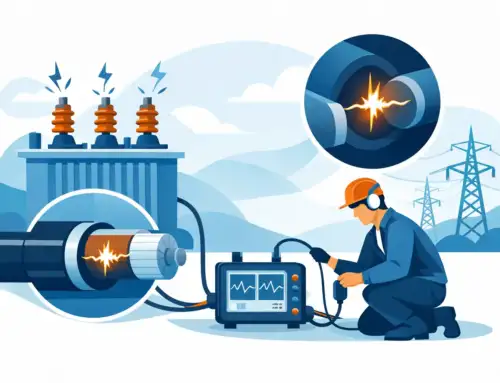
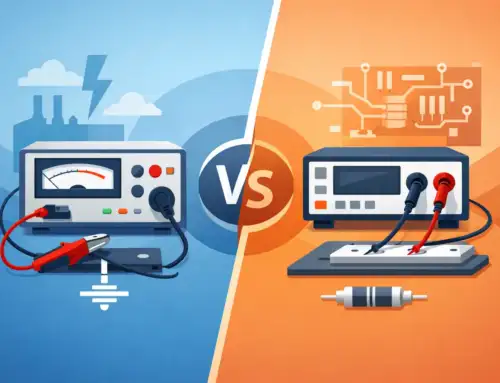
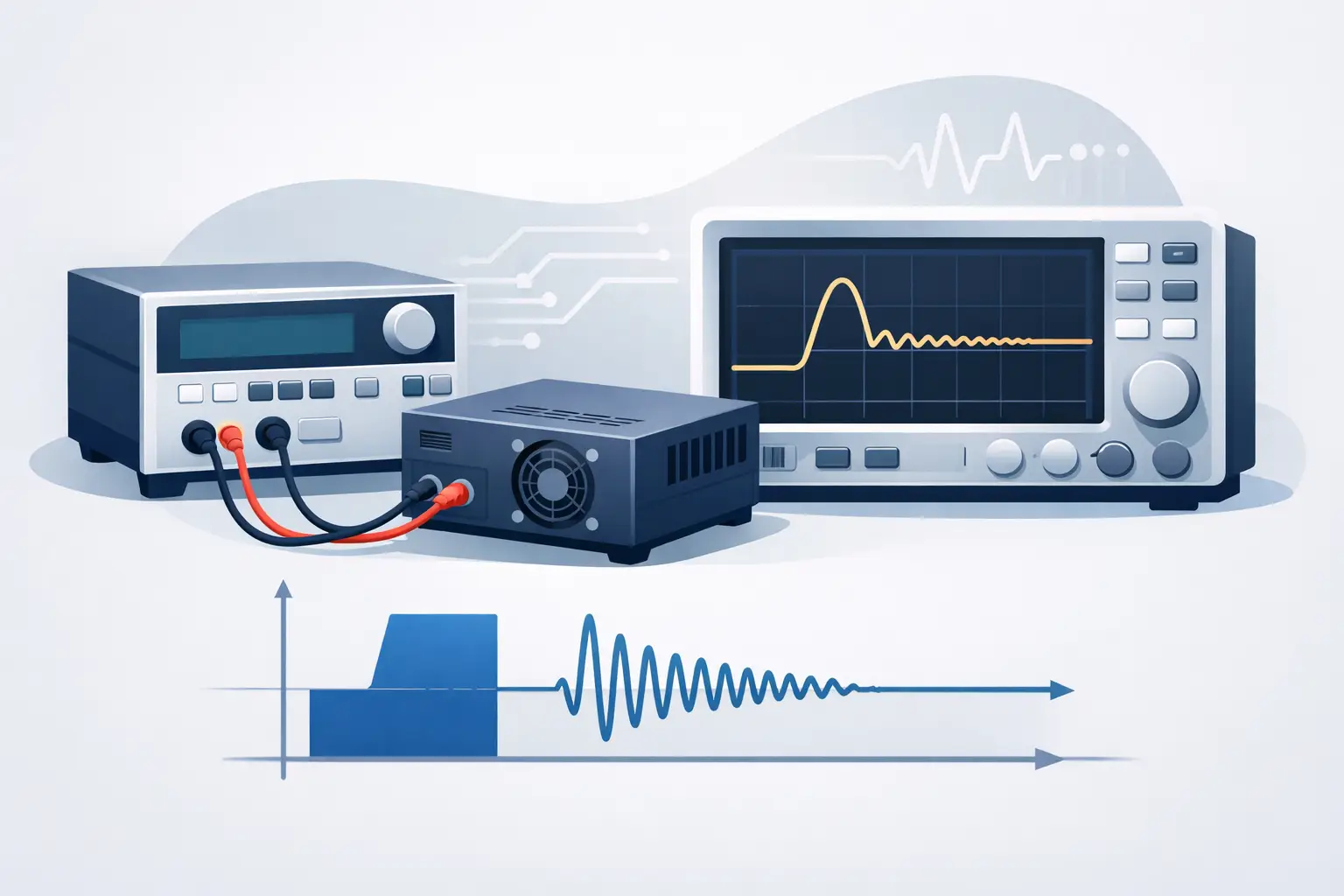
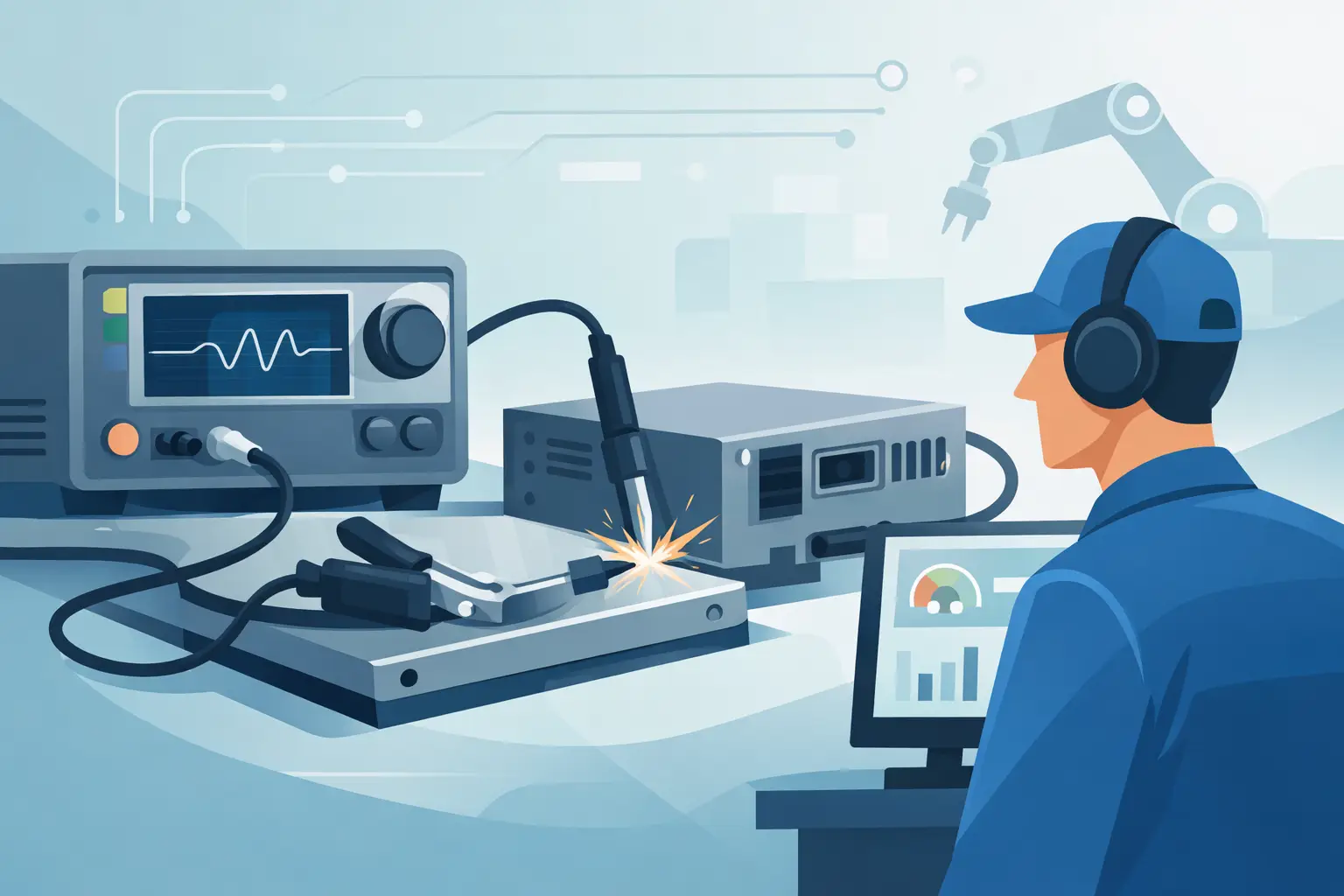
Often called hipot testing, dielectric withstand testing applies a high voltage between isolated conductive elements to confirm that insulation can withstand stress without breakdown. The goal is not to simulate normal operation exactly. It is to verify insulation integrity with a defined margin.
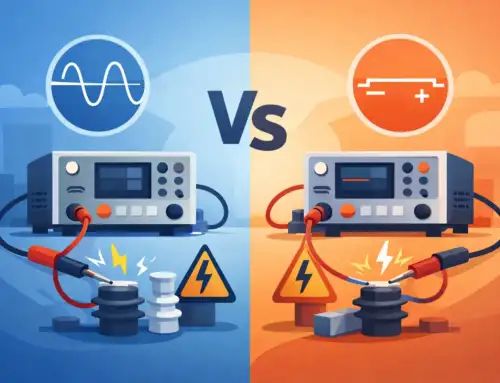
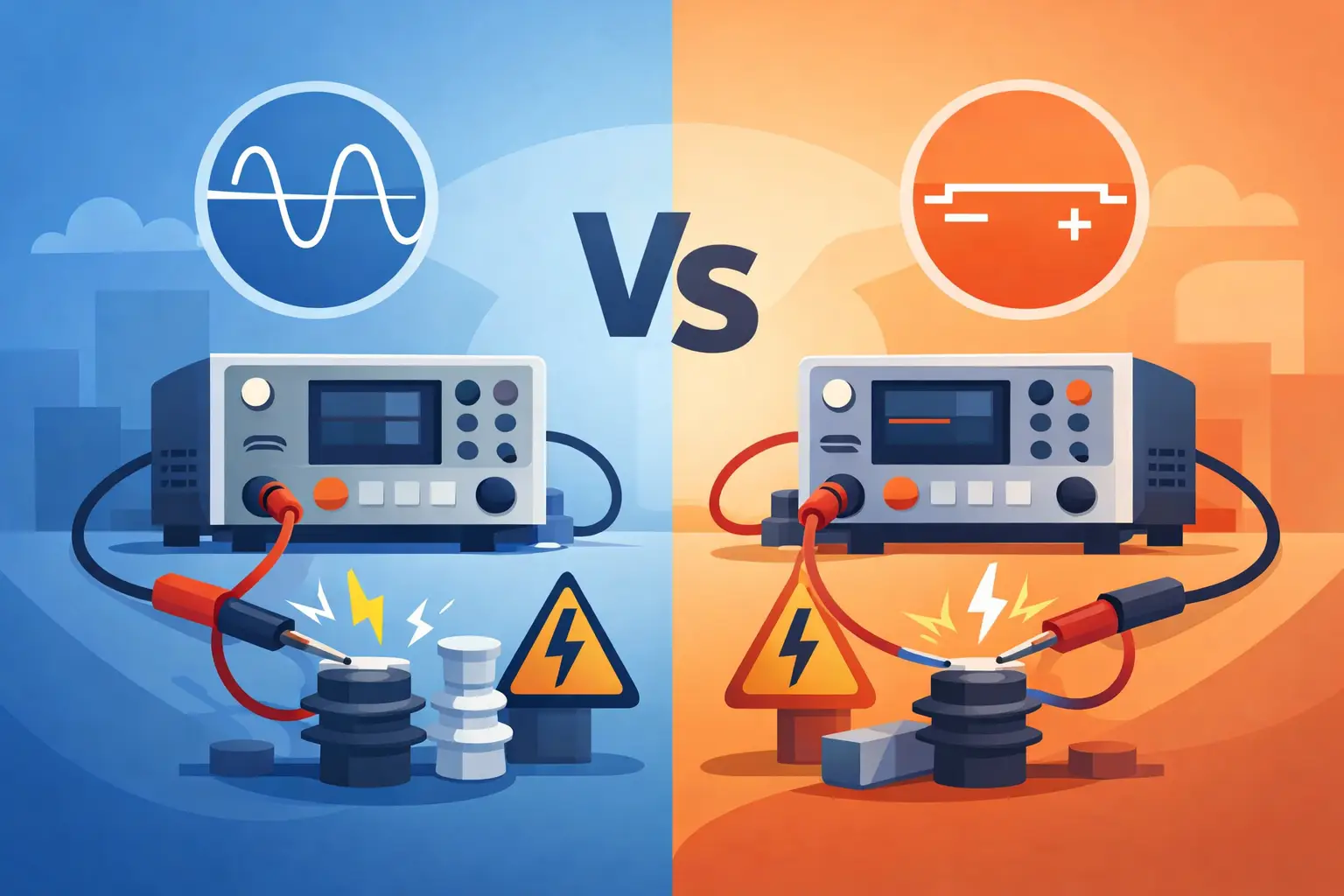
The details matter here. AC and DC hipot methods can produce different results, and the right choice depends on the product design, standard requirements, and production strategy. Test voltage, ramp profile, dwell time, and current trip limits all affect both sensitivity and false failure rates.
Insulation resistance testing
Insulation resistance testing measures the resistance of insulating materials or barriers between conductive parts. It is commonly used to assess leakage paths and insulation condition, especially where contamination, moisture, or material degradation may be concerns.
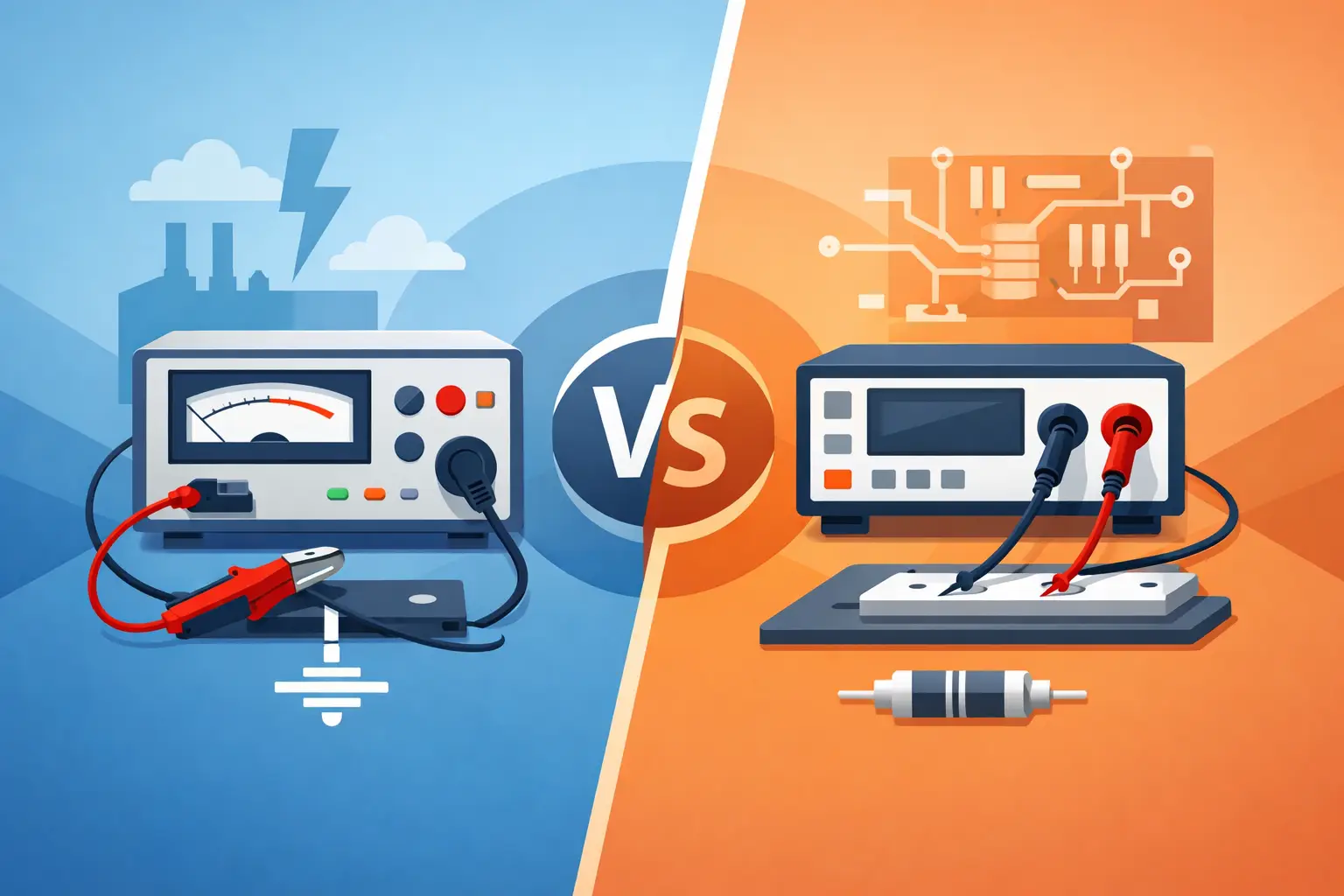
It is useful, but it is not interchangeable with hipot. Insulation resistance gives a resistance value under a specified voltage. Hipot challenges insulation at a much higher stress level. In many programs, both have a role.
Ground bond or protective earth continuity testing
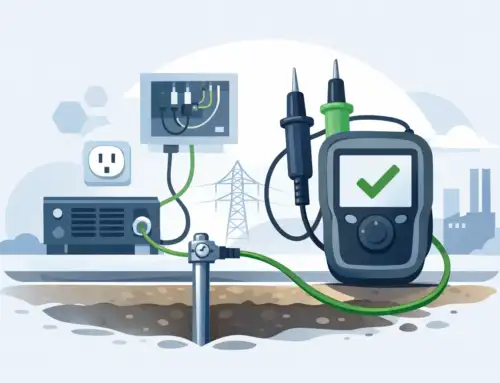
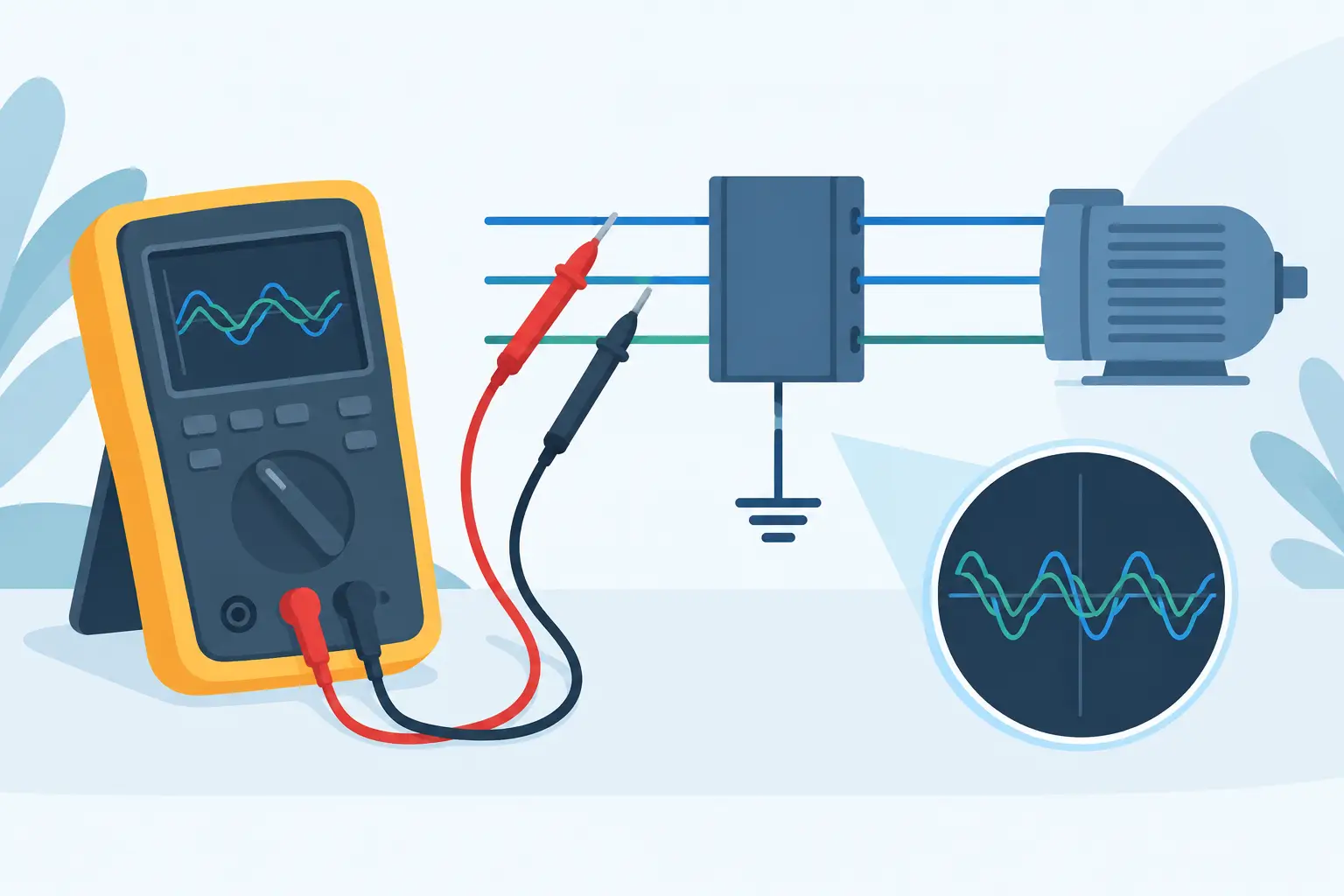
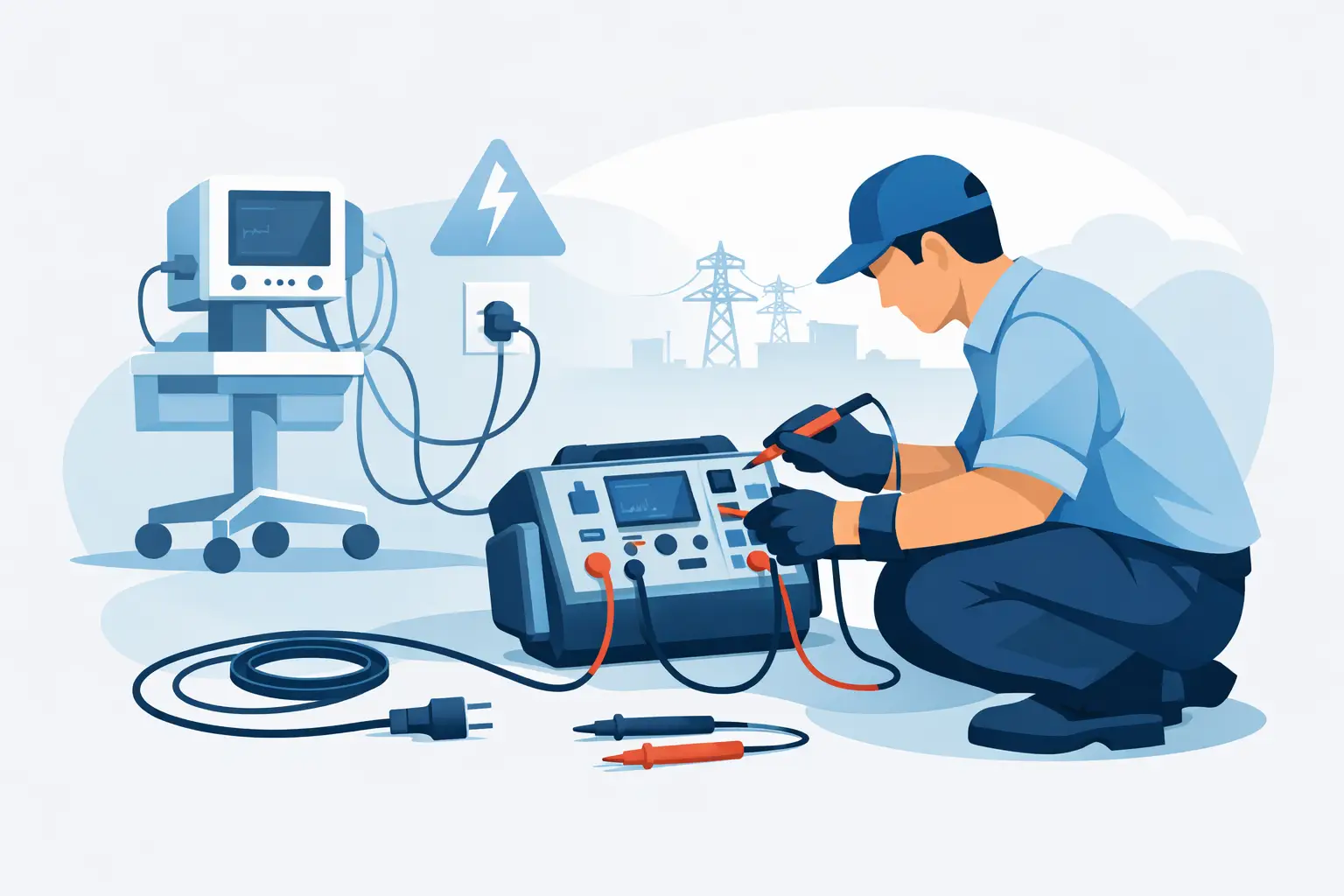
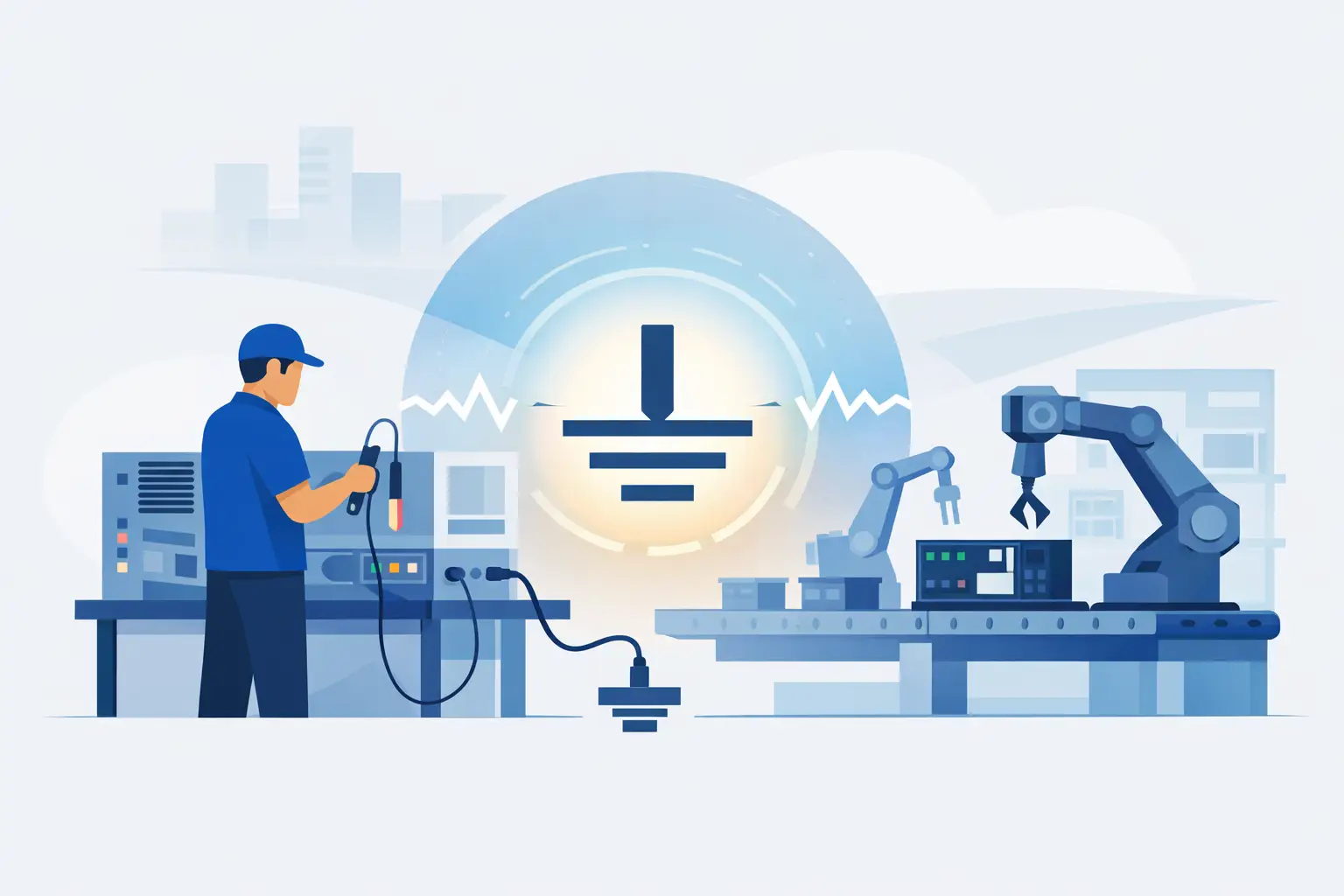
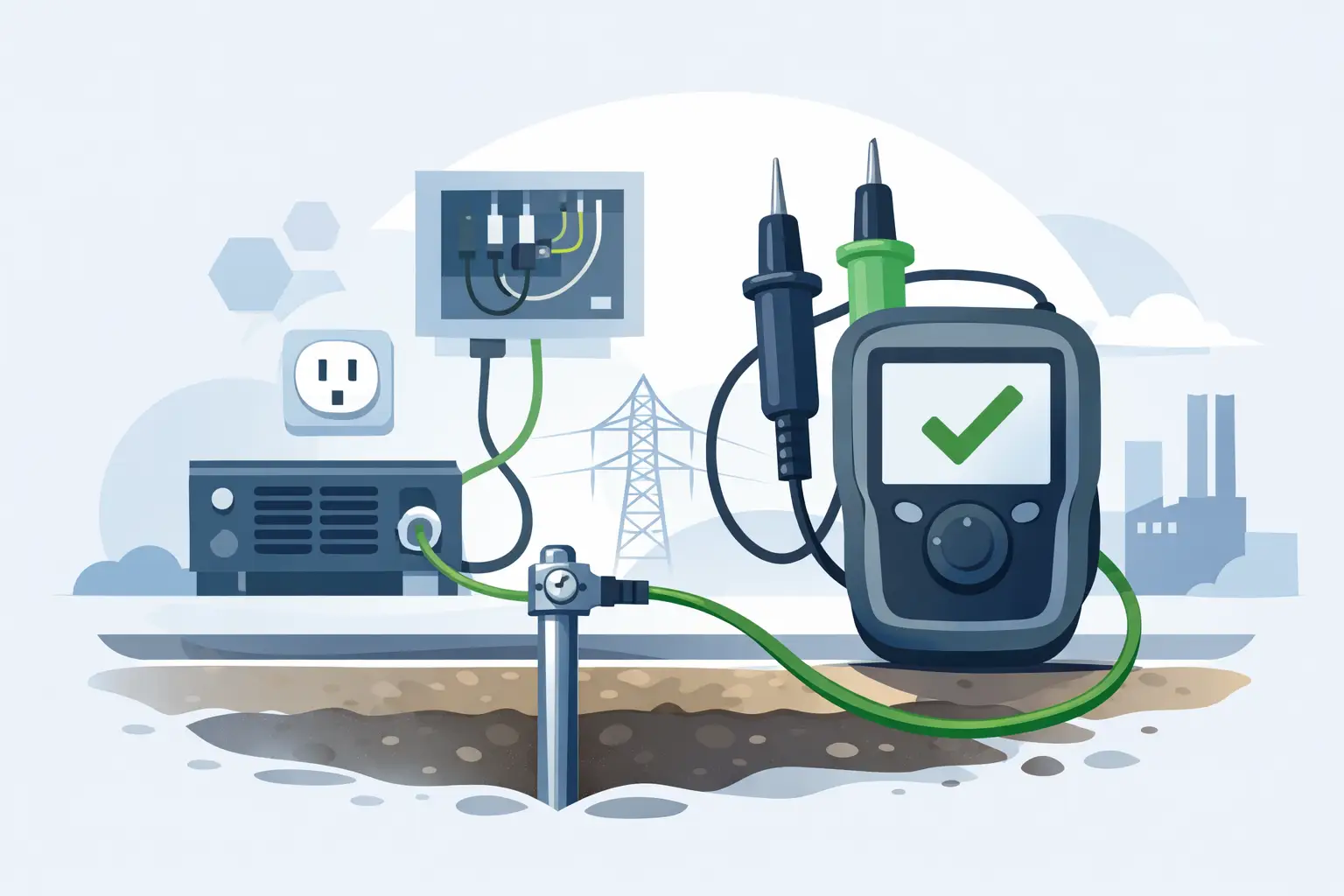
For grounded products, ground bond testing verifies that the protective earth path can carry fault current effectively. The measurement typically checks that resistance between exposed conductive parts and the earth connection stays below the specified limit.
This test is straightforward in concept, but fixture quality and contact consistency can affect repeatability in production. If resistance measurements vary from station to station, the issue may be test setup rather than product design.
Leakage current testing
Leakage current testing measures current that flows from accessible parts or circuits through intended or unintended paths. Depending on the product category, this may be touch current, earth leakage current, enclosure leakage current, patient leakage current, or another defined form.
This is one of the more application-sensitive areas of electrical safety compliance testing. Medical and industrial environments, for example, can impose very different measurement networks, fault conditions, and allowable limits.
Standards define the test, not preference
A common mistake is treating safety testing as a menu of best practices. In reality, compliance testing is anchored to the standard that governs the product. That standard determines what must be tested, how the test is performed, and what limits apply.
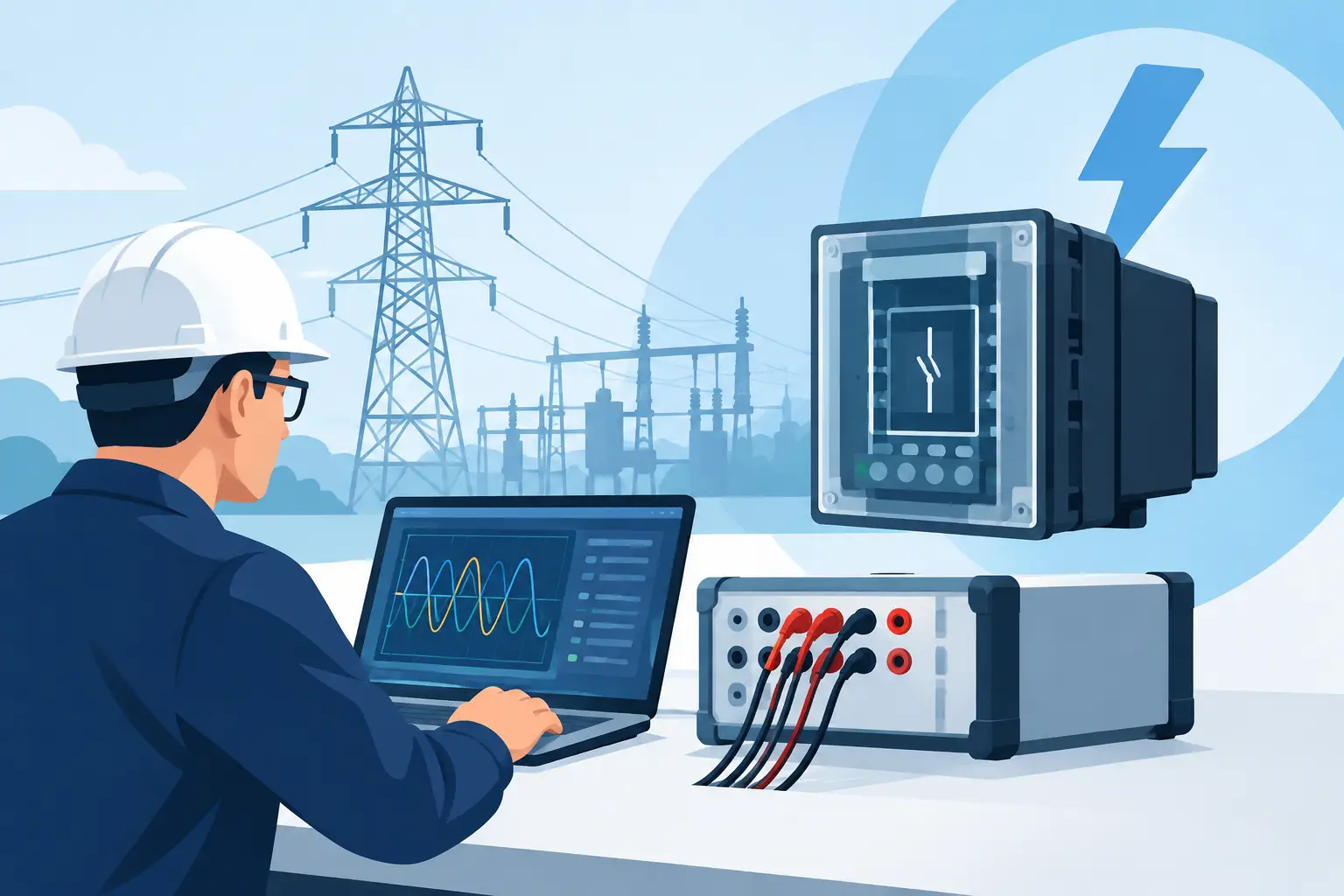
Depending on the market and product category, teams may be working with UL, IEC, CSA, EN, or other regionally adopted requirements. There may also be differences between type testing for certification, design verification during development, and routine production testing on the manufacturing floor.
This creates an important trade-off. A highly conservative in-house test can seem safer, but if it does not align with the governing standard, it may create unnecessary failures, damage units, or generate data that a certifying body does not consider relevant. On the other hand, testing only to the minimum without understanding design margins can leave manufacturing teams exposed to variation later.
Where electrical safety compliance testing fits in the product lifecycle
The most effective programs do not wait until final certification. Electrical safety compliance testing should influence design decisions early, especially around insulation systems, creepage and clearance, grounding architecture, connector selection, transformer design, and PCB layout.
During development, engineers often use safety testers to identify weak points before formal evaluation. That reduces redesign cycles and prevents expensive surprises near launch. During certification, the same principles are applied more formally under the relevant standard and documented procedures.
In production, the objective shifts slightly. Routine testing is less about exploring design limits and more about confirming each unit was built correctly and safely. That means throughput, repeatability, operator workflow, data logging, and fixture integrity become much more important.
For regulated manufacturers, traceable records are also part of the value. A test result is only useful if it can be tied to the unit, the procedure revision, the instrument calibration status, and the operator or automated station that ran it.
What makes a compliance testing system effective
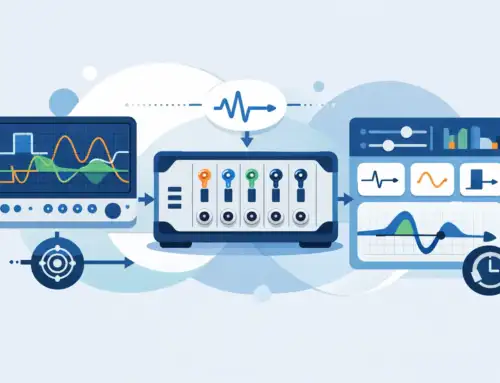
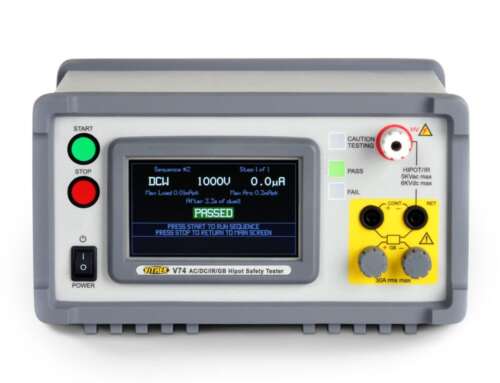
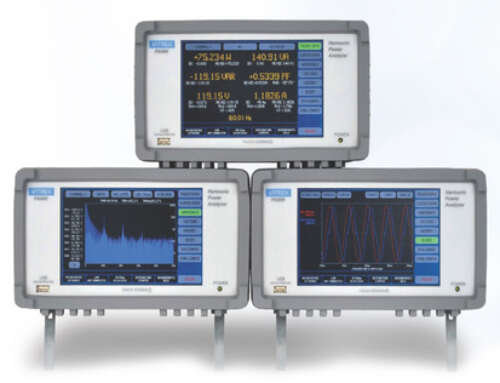
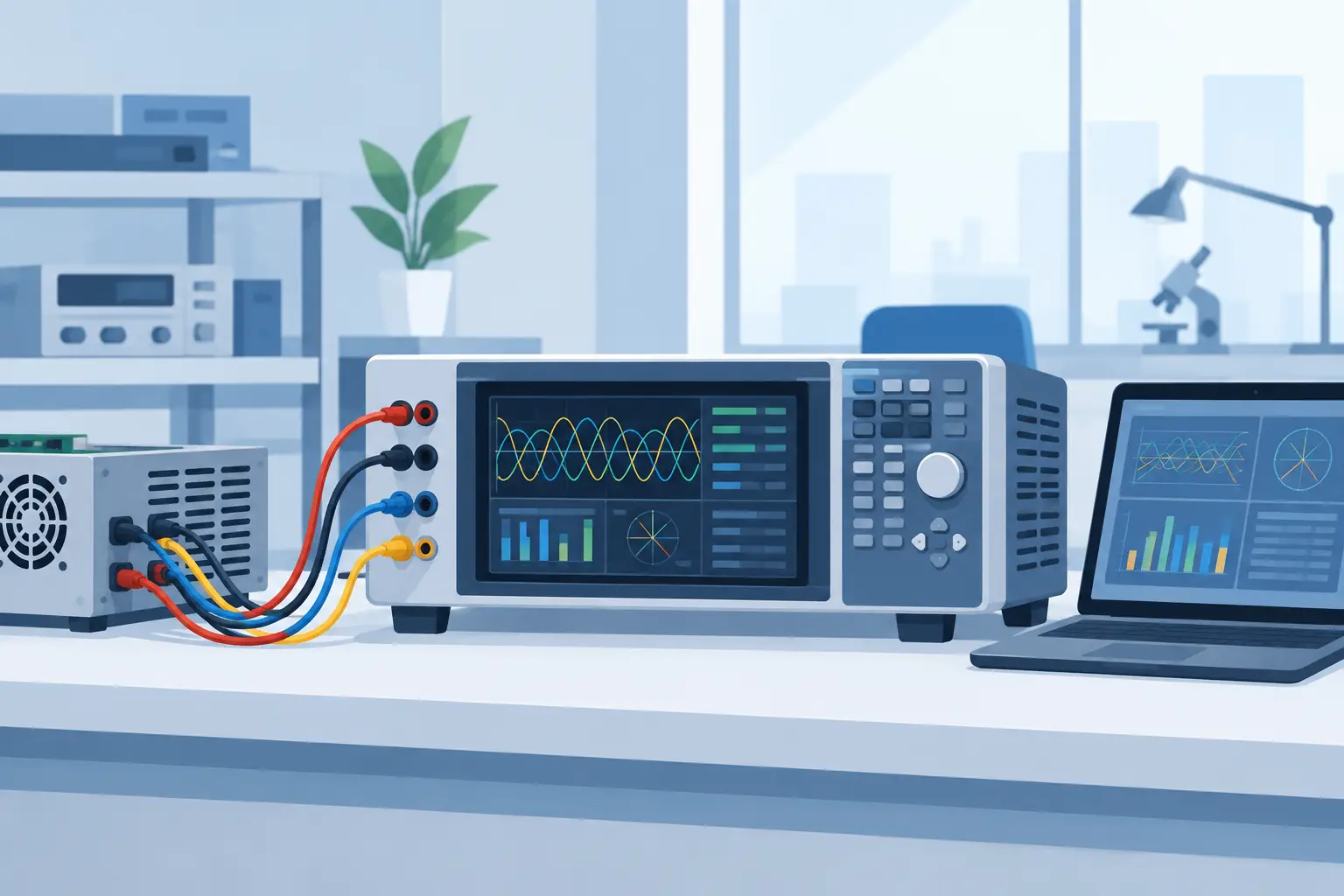
An electrical safety tester is not just a voltage source with a pass light. In serious production and validation environments, the system needs stable output, accurate measurement, repeatable ramp and dwell control, configurable limits, and reliable data capture. It also needs operator protection features and sensible integration options.
That is where instrument quality has direct operational consequences. If a tester has poor measurement stability, nuisance trips, or inconsistent timing behavior, teams spend time sorting false failures instead of solving real safety issues. If data handling is weak, quality records become harder to defend during audits or investigations.
For organizations building complex products or testing across multiple standards, flexibility matters too. One platform may need to support hipot, insulation resistance, ground bond, and leakage workflows across R&D and production without forcing teams into fragmented procedures. That is one reason manufacturers often standardize on higher-performance systems rather than treating safety testing as a commodity purchase.
What engineers and compliance teams should watch closely
Even experienced teams can run into avoidable problems. The most common issues are usually not theoretical. They show up as misapplied limits, poor fixturing, inadequate discharge time, inconsistent contact resistance, and confusion between certification testing and production screening.
Another recurring issue is over-testing. Applying excessive voltage, extended dwell times, or the wrong waveform can damage good product, especially where sensitive electronics or high-capacitance designs are involved. More stress does not automatically mean better validation. It means the test must match the product and the standard.
Test managers should also pay attention to calibration traceability, software control, and operator training. Electrical safety compliance testing is only as defensible as the procedure behind it. A technically correct instrument used with an uncontrolled method can still produce unreliable compliance evidence.
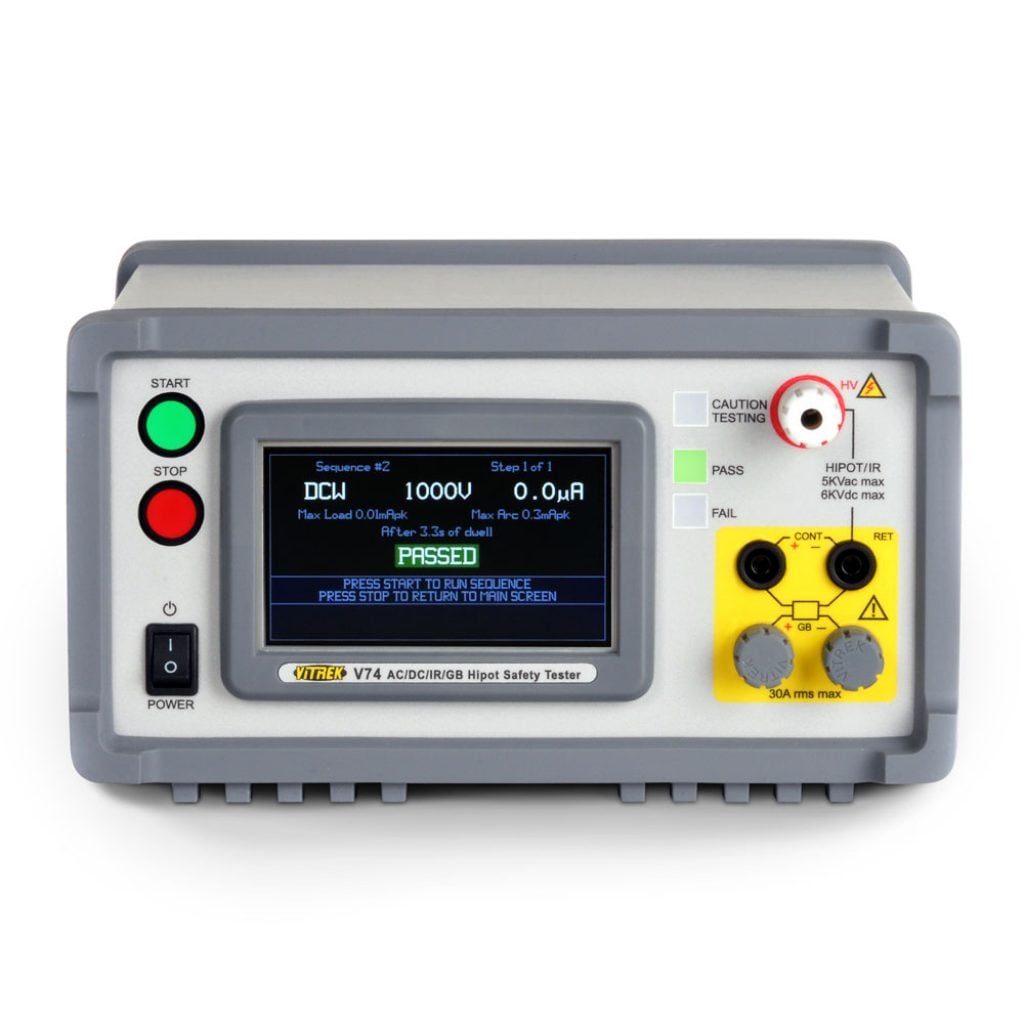
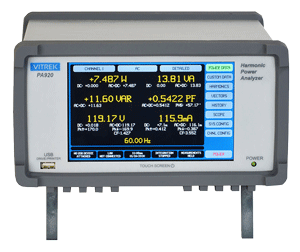
For teams that need high-confidence safety test infrastructure, providers such as Vitrek focus on systems designed for precision, repeatability, and standards-driven workflows across development and manufacturing.
Why this work matters beyond certification
Certification is often the immediate driver, but the broader value is risk control. Good electrical safety compliance testing helps prevent field failures, reduces rework, supports audit readiness, and gives engineering teams clearer visibility into whether a design has real insulation and protection margin.
It also improves decision-making. When test results are accurate and repeatable, teams can distinguish between a product defect, a process drift issue, and a test setup problem. That shortens troubleshooting cycles and makes release decisions more defensible.
If you are evaluating a new product or updating a manufacturing test strategy, the right question is not just what is electrical safety compliance testing. It is whether your current methods produce data that a design team, a quality auditor, and a certification body would all trust for the same reason.