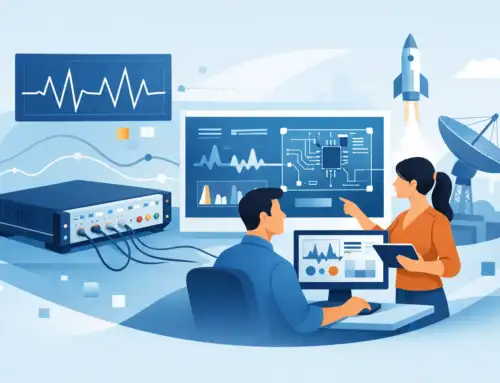
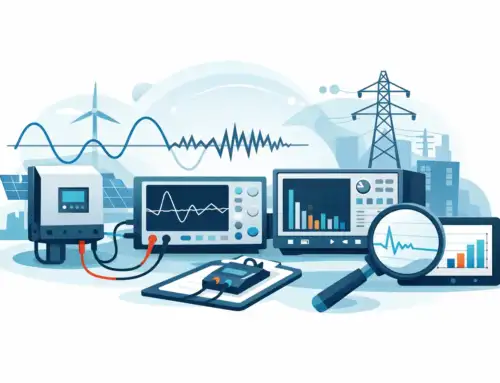
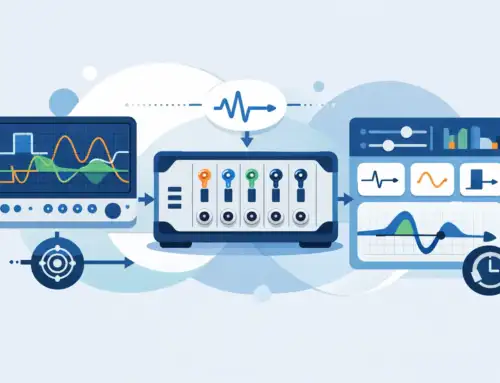
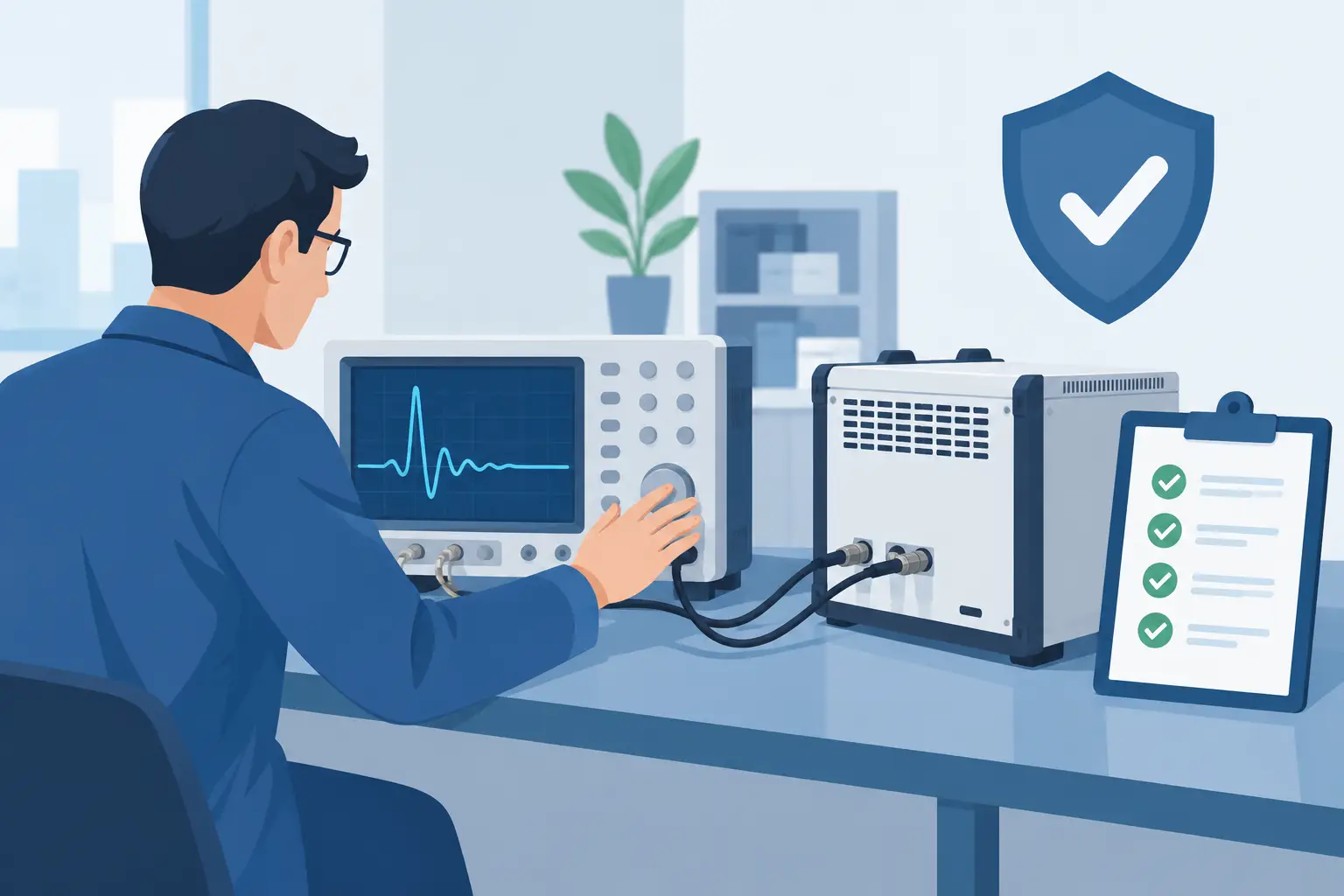
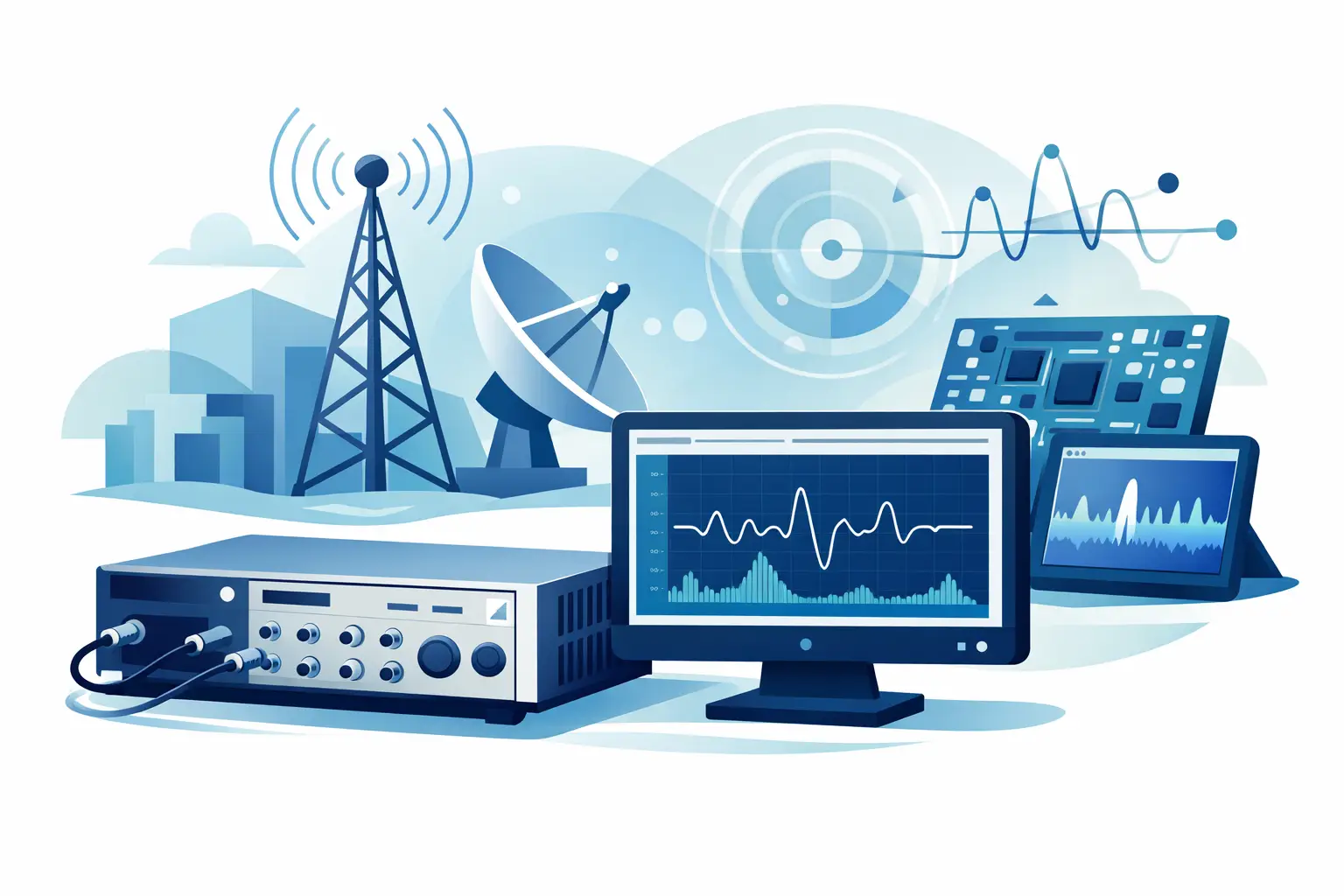
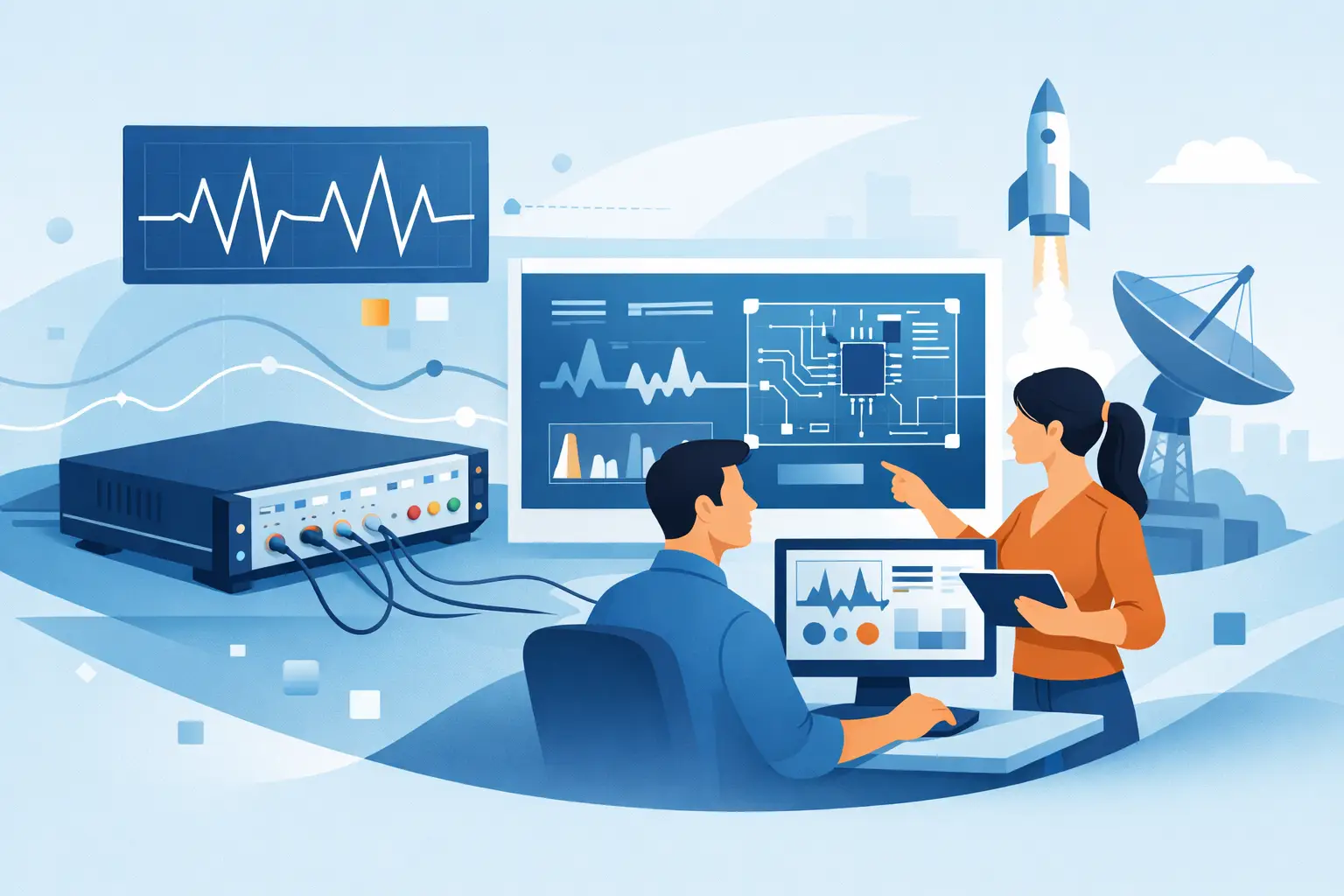
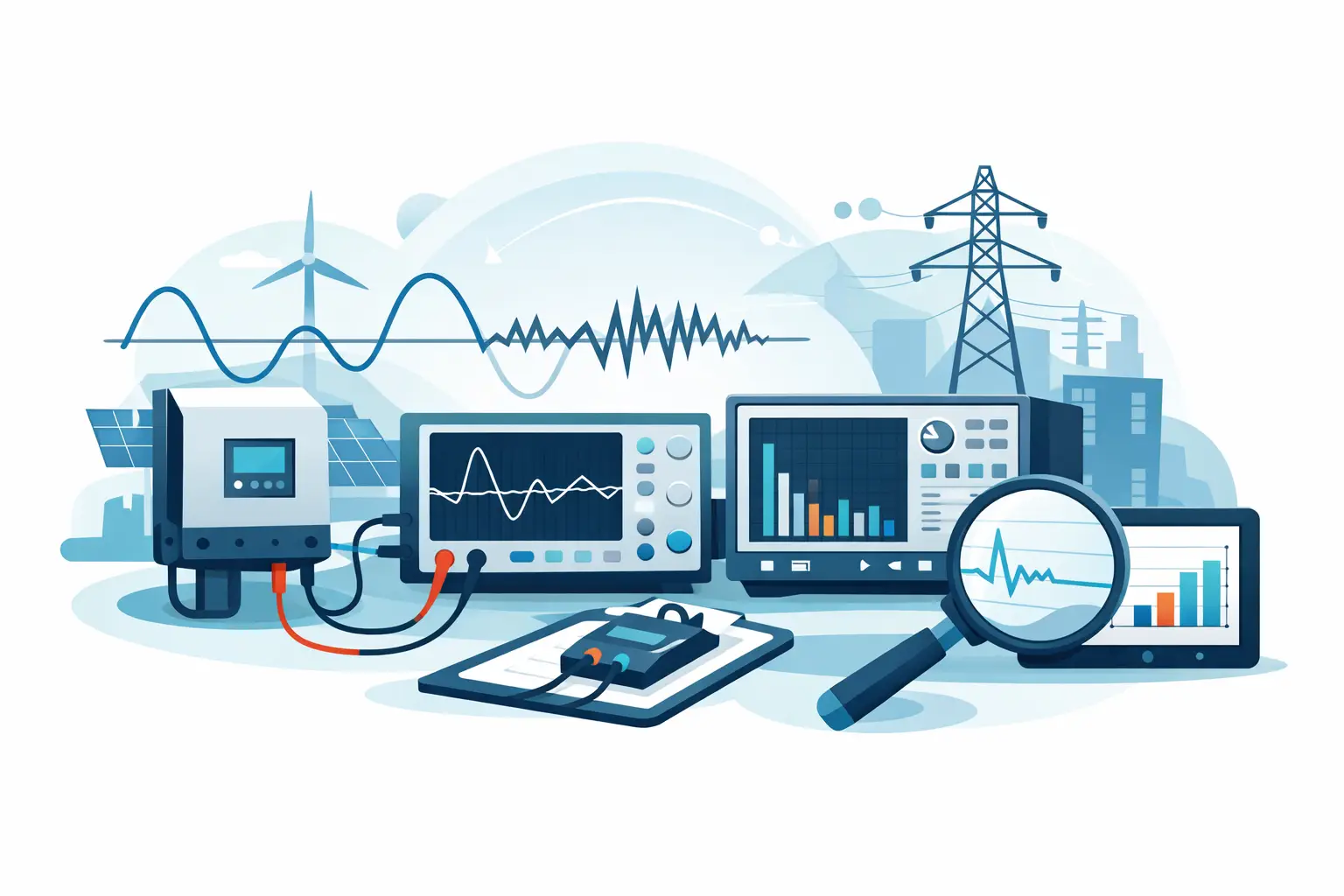
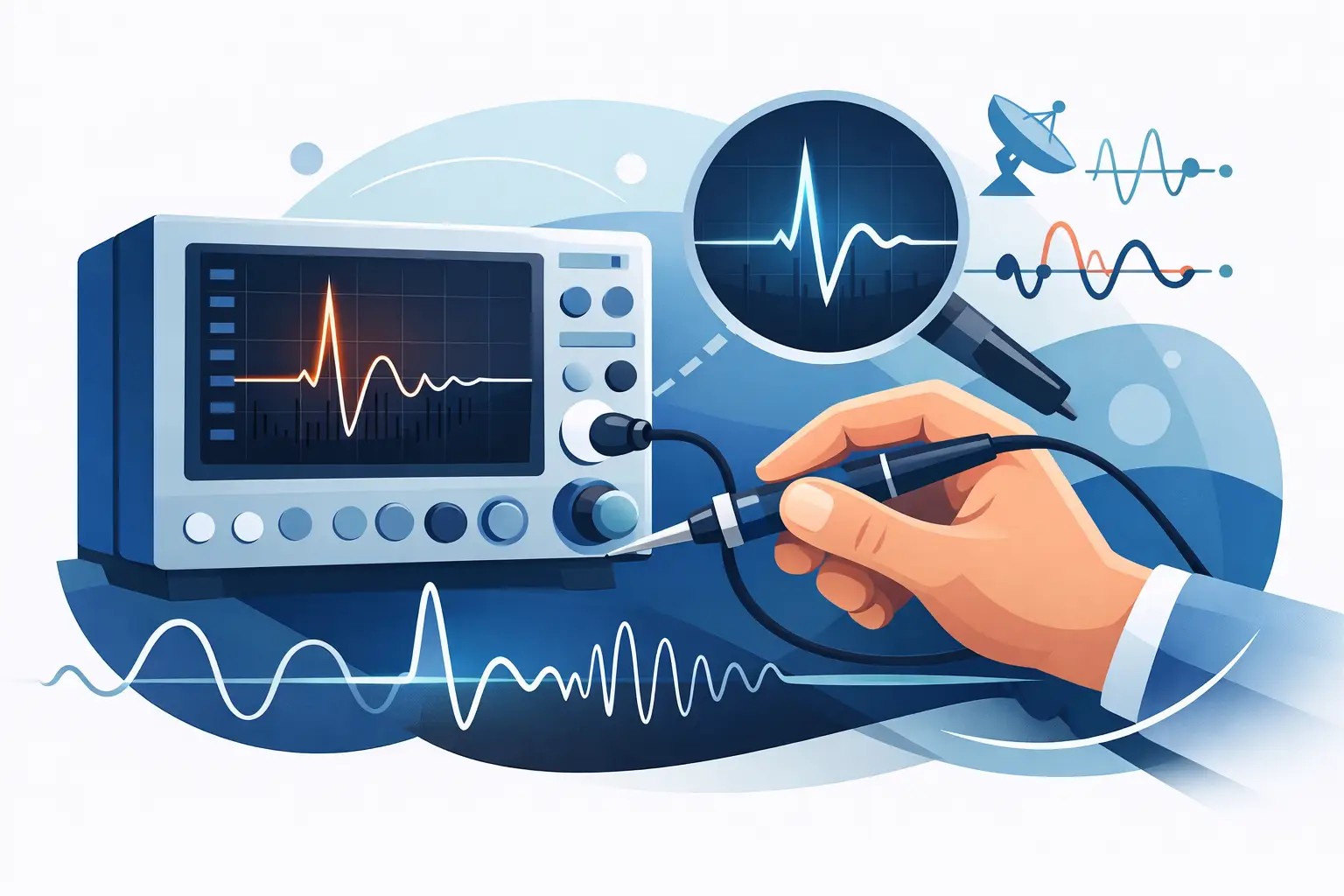
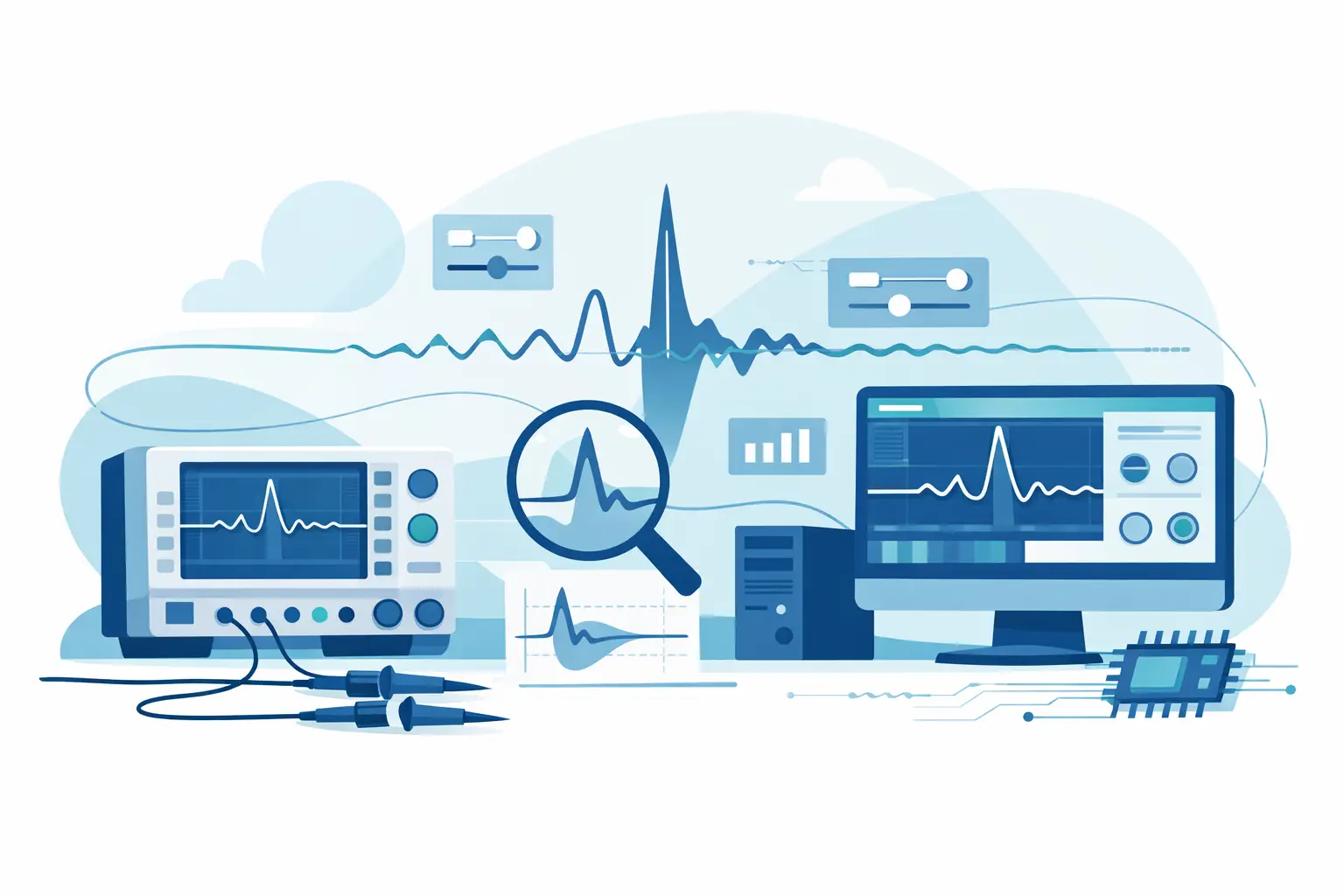
A missed transient in radar test data can send an engineering team in the wrong direction for weeks. When pulse timing, spectral purity, modulation integrity, or interference behavior is under review, the recorder is not just a peripheral. The signal recording system for radar testing becomes part of the measurement chain, and its limitations directly affect the validity of the result.
In radar environments, that matters because the signals under test are often wideband, intermittent, and difficult to reproduce exactly. Whether the work involves development, subsystem verification, range instrumentation, EW assessment, or fault isolation, the recording platform has to preserve what happened in real time with enough fidelity to support decisions later. A file that is incomplete, aliased, mistimed, or clipped is not simply inconvenient. It can invalidate the test.
What a signal recording system for radar testing must do
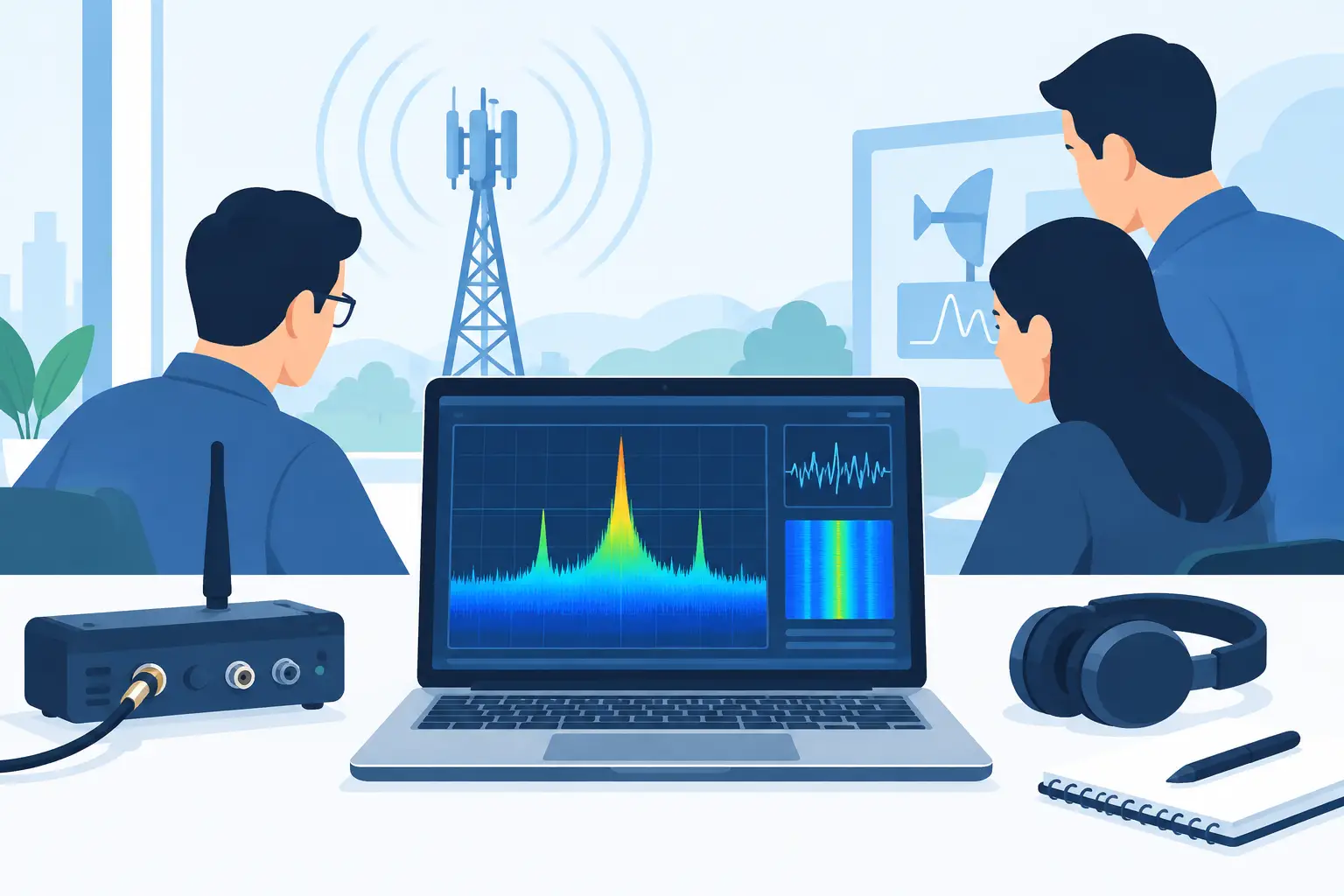
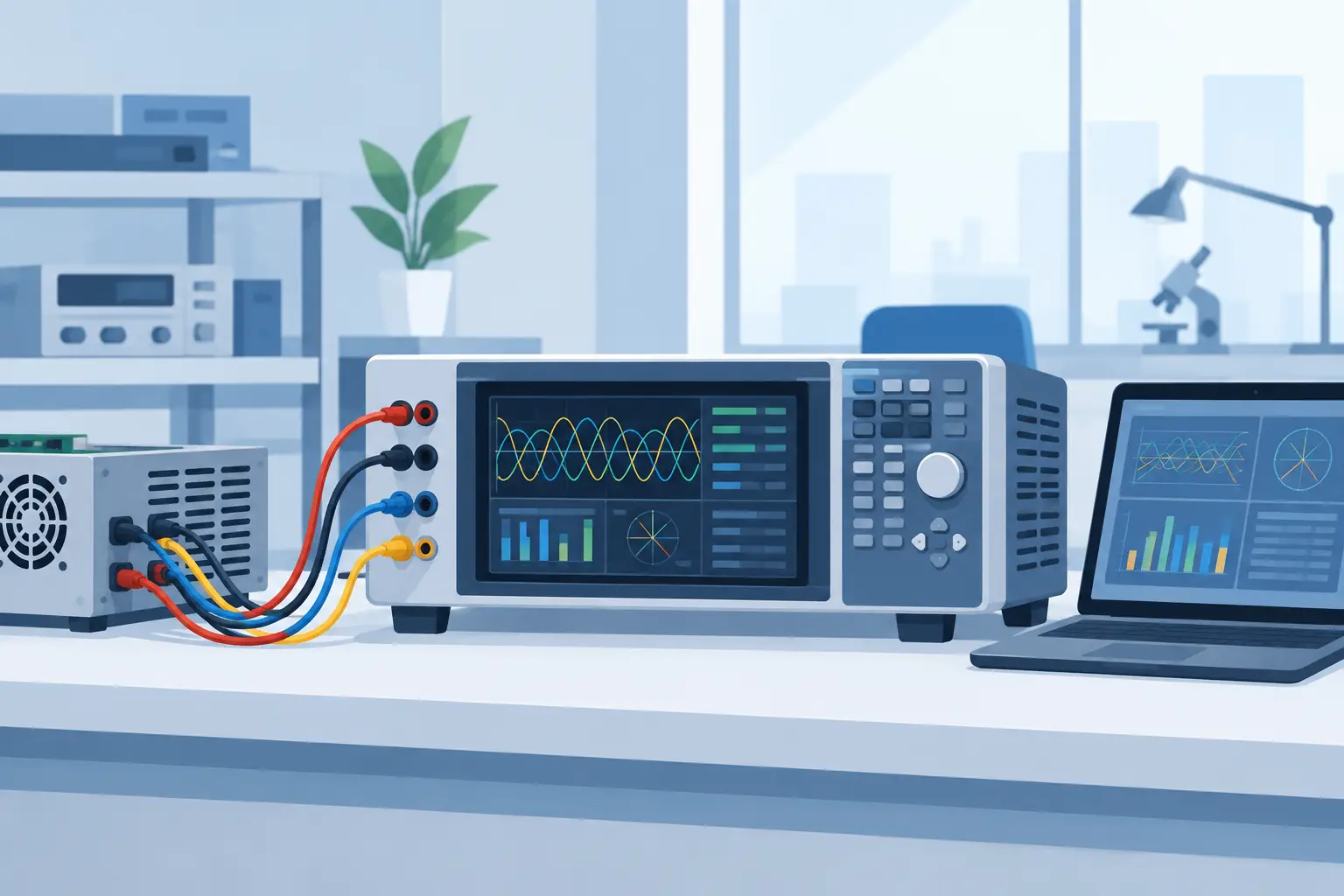
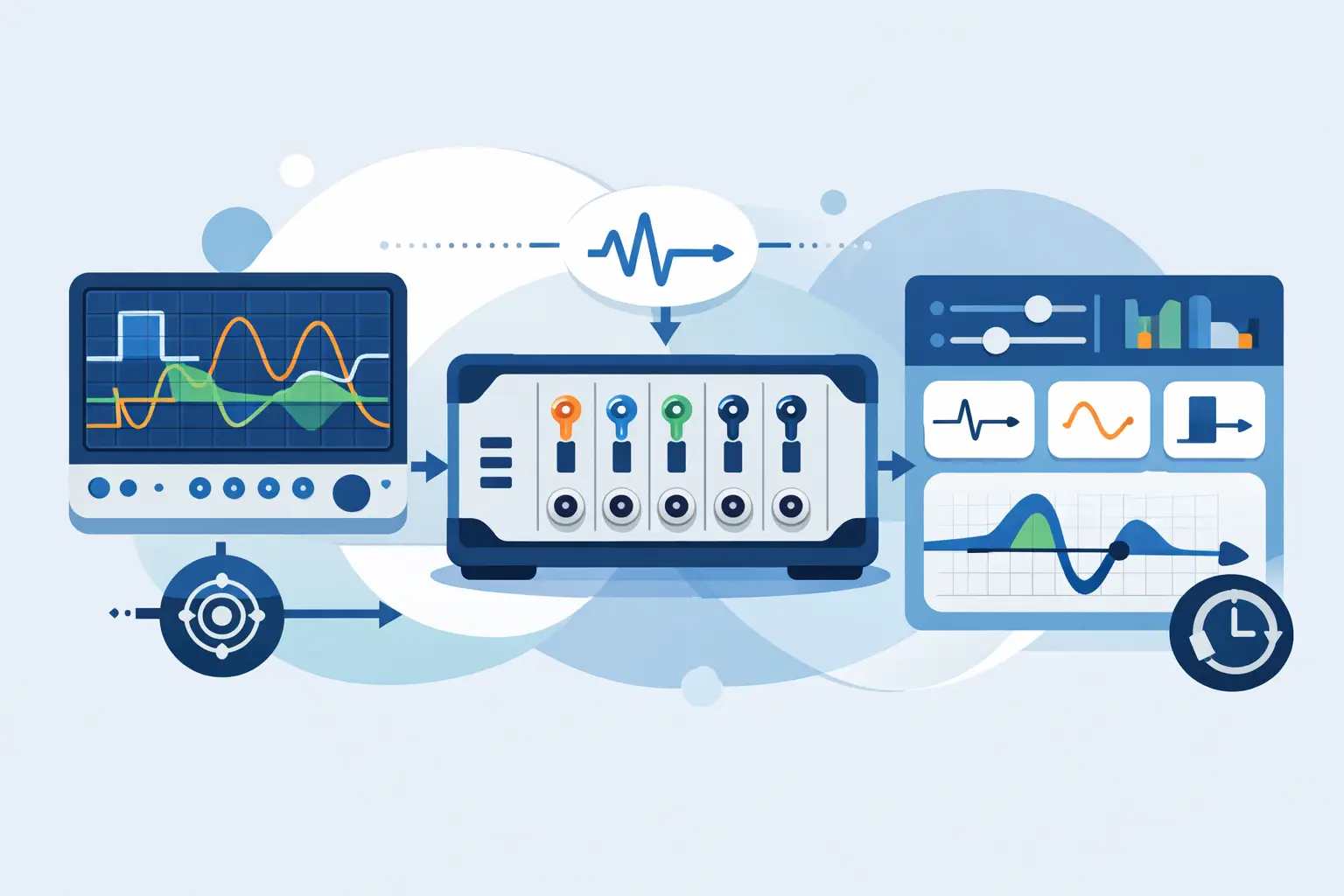
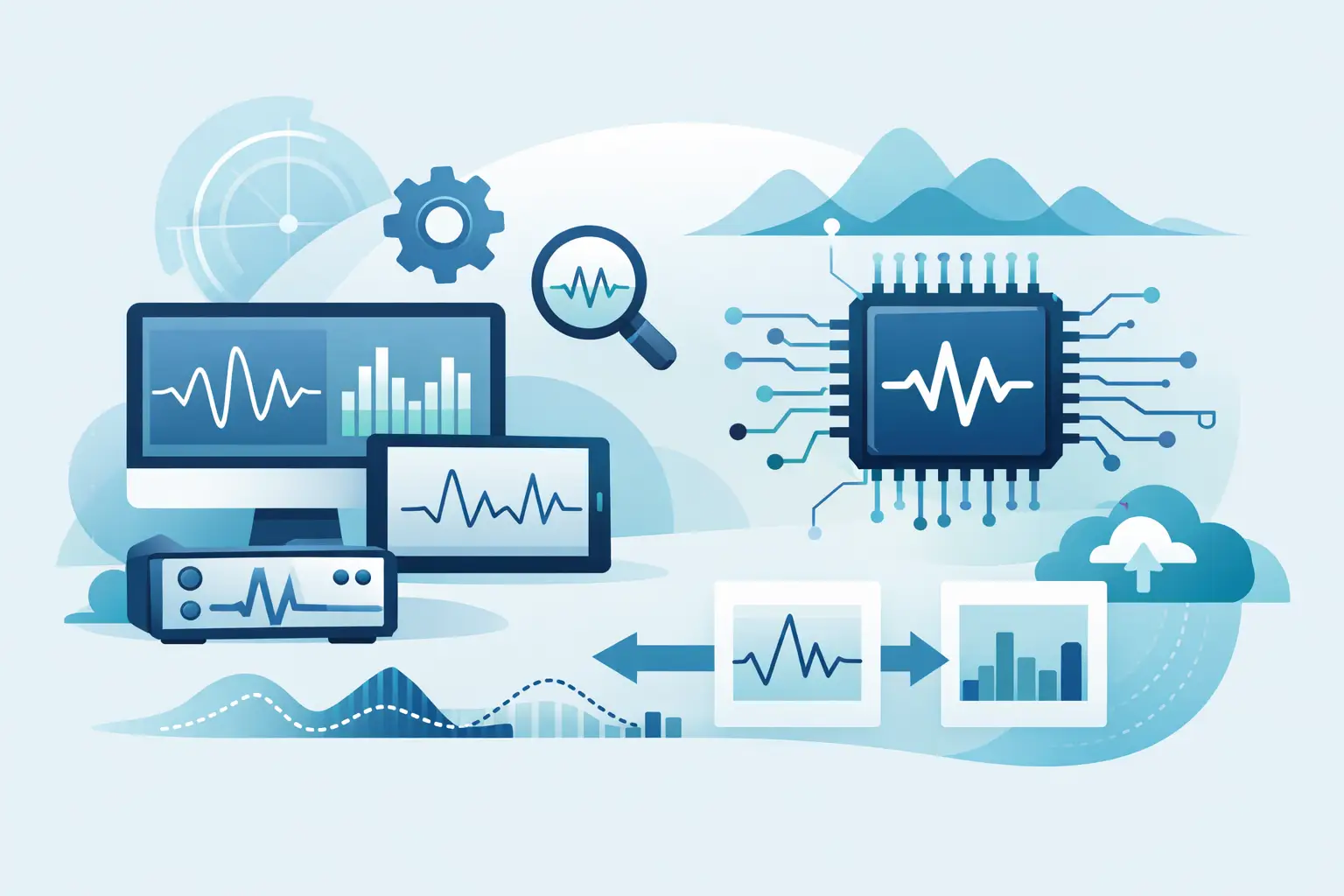
At a basic level, the system has to acquire and store radar-related RF or IF activity without masking the very behaviors the team is trying to observe. That means sufficient instantaneous bandwidth, high dynamic range, stable timing, and sustained data throughput. It also means software that supports trigger control, metadata capture, and replay or export into downstream analysis workflows.
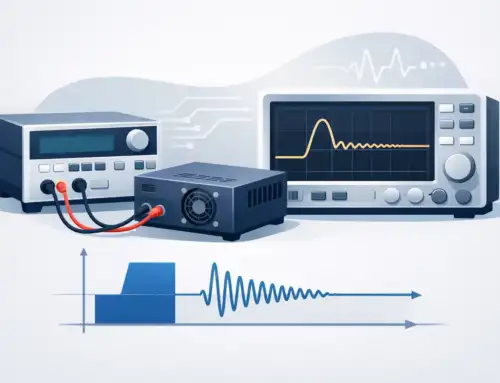
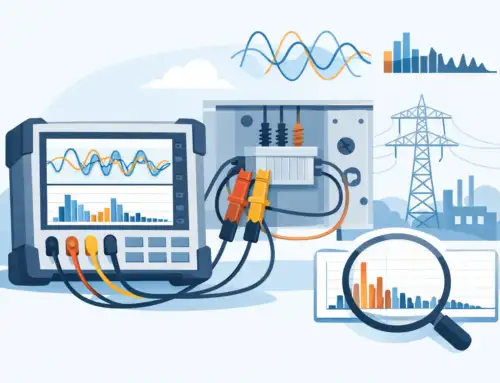
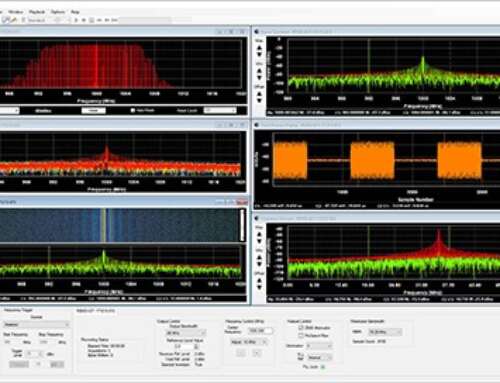
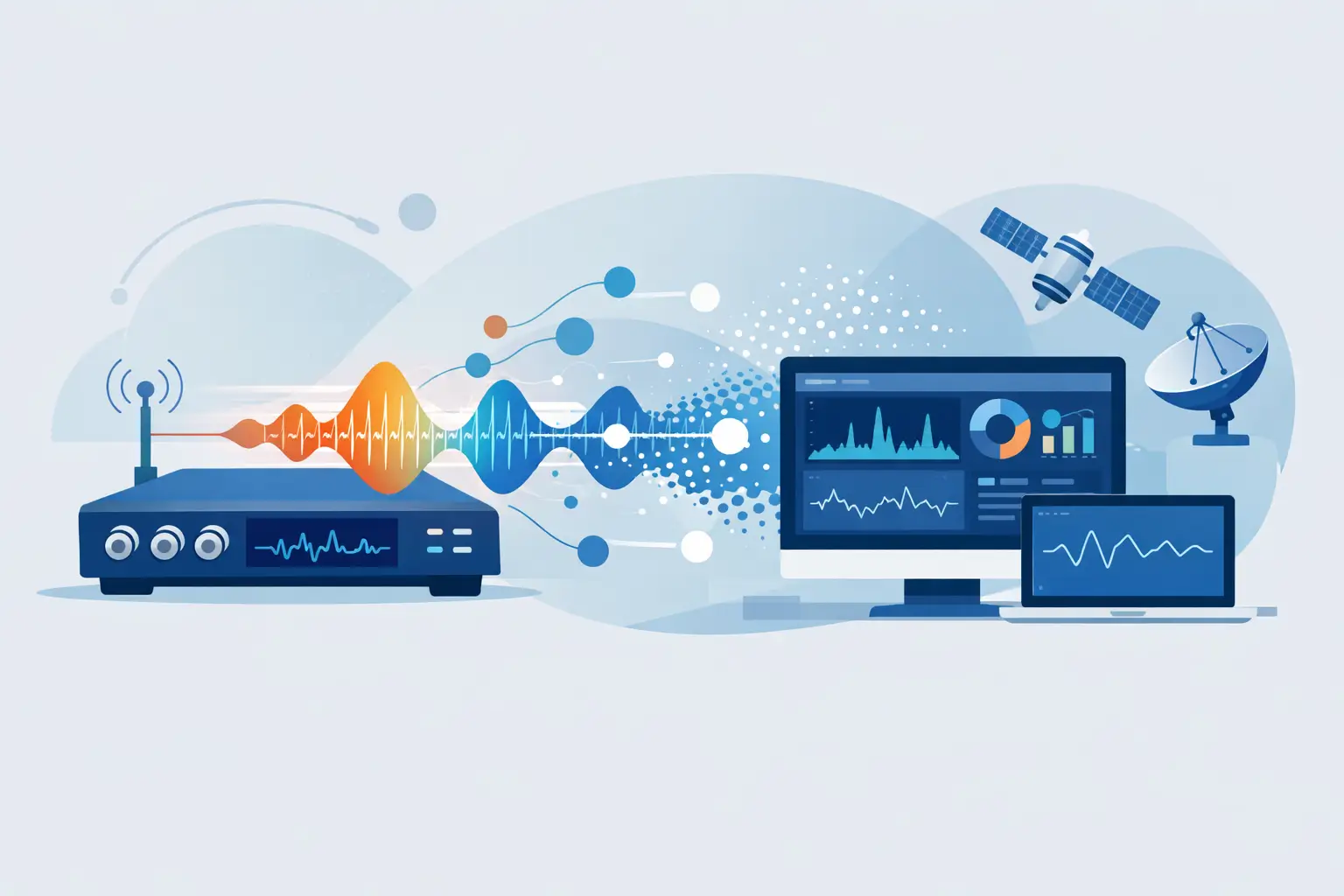
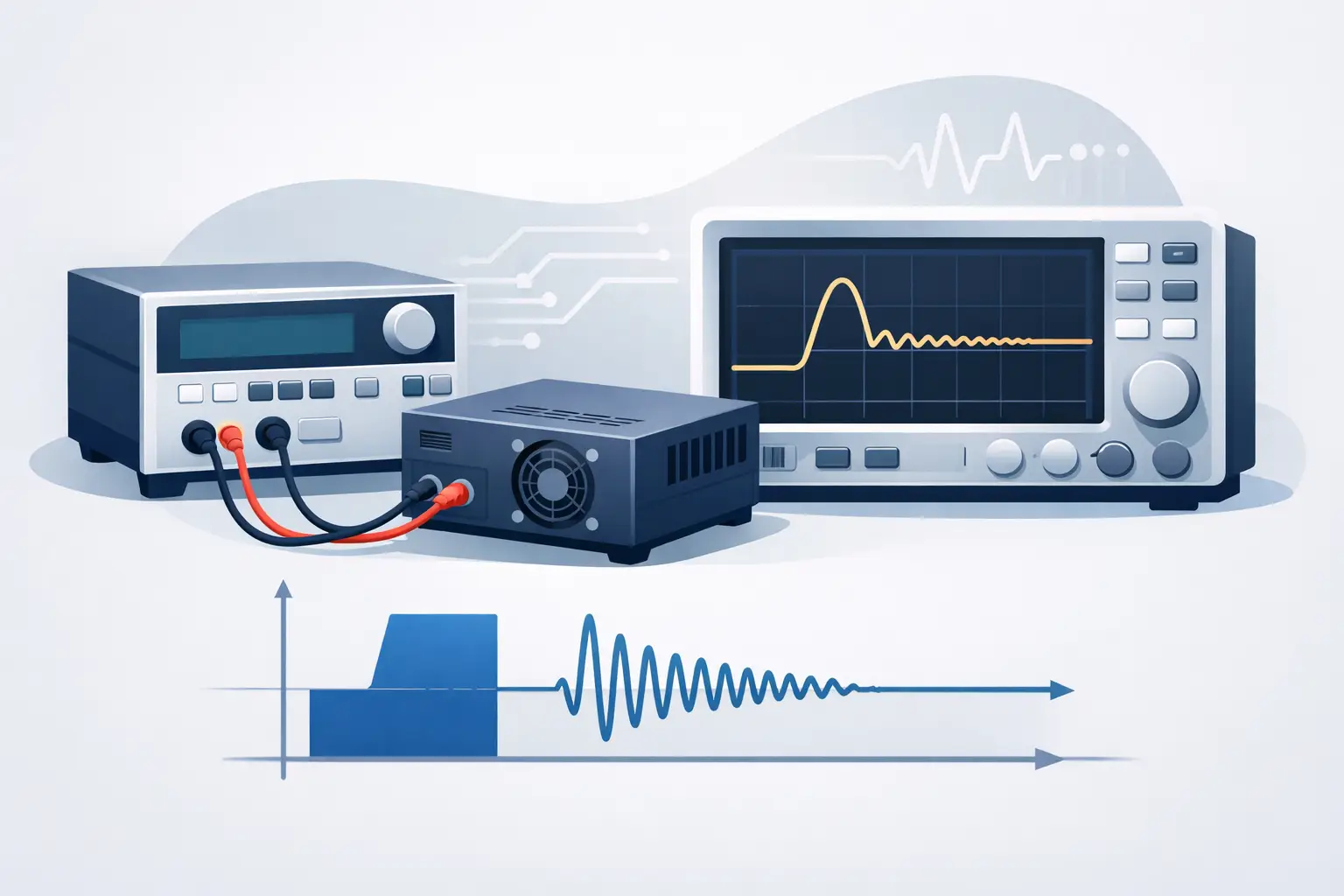
Radar signals are rarely simple continuous tones. They may include pulsed emissions, chirps, frequency agility, phase coding, bursty activity, low-probability-of-intercept formats, or coexistence with dense spectral interference. A recorder used in this environment must preserve both the time-domain and frequency-domain characteristics of the signal. If acquisition fidelity is weak, post-processing cannot recover what was never captured.
The practical requirement is straightforward: record enough bandwidth, at enough resolution, for long enough, with timing you can trust. The engineering challenge is that improving one parameter usually affects another. Higher sample rates increase storage demand. Wider bandwidth can reduce effective sensitivity if the front end is not well matched. Longer capture windows may force trade-offs in trigger strategy or file segmentation.
Bandwidth, sample rate, and why margins matter
For radar testing, bandwidth selection should be driven by the actual occupied spectrum plus realistic margin for transients, drift, and unexpected behavior. Teams that size systems too tightly often discover later that the event of interest sat at the edge of the acquisition window or spread beyond it during a mode change.
Sample rate follows from bandwidth, but this is not only a Nyquist discussion. In real test setups, margin helps with filter roll-off, digital processing, and confidence in replay quality. Engineers generally want enough overhead to avoid designing the measurement around an idealized signal definition. Radar systems under stress, in development, or operating in mixed environments rarely behave ideally.
There is also a difference between laboratory characterization and field capture. In the lab, the signal path is controlled and repeatable, so narrower assumptions may be acceptable. In field or platform testing, uncertainty is higher. A recording system with more instantaneous bandwidth and sustained capture capacity can reduce the need to guess where the problem will appear.
Dynamic range and front-end integrity
Bandwidth alone does not make a recorder suitable for radar work. Dynamic range is just as important, especially when strong emitters and weak returns or sideband behaviors coexist. If the input stage compresses, clips, or adds significant spurious content, the recorded data may look plausible while still being wrong.
Front-end design should support the expected signal environment, including attenuation options, gain control, impedance consistency, and protection against overload. In mixed-signal RF environments, preselection and filtering may also matter. The right architecture depends on whether the priority is maximum capture breadth, sensitivity to subtle effects, or survivability in harsh RF conditions.
Timing accuracy is not optional
Radar testing often depends on the exact relationship between events. Pulse repetition interval, phase alignment, trigger timing, synchronization to external references, and correlation with other instrumentation all require timing integrity. If timestamps drift or trigger alignment is inconsistent, post-test analysis becomes uncertain.
A capable signal recording system for radar testing should support stable clocking and synchronization to external timing references where required. This is especially relevant in multi-channel capture, system-of-systems testing, or validation programs where RF data must be aligned with control signals, telemetry, or platform events.
The details here are easy to underestimate. A recorder may advertise high sample rates yet still fall short in practical synchronization performance. Engineers should examine clock architecture, trigger latency consistency, reference input support, and channel-to-channel alignment behavior under actual operating conditions, not just under ideal bench setups.
Storage architecture shapes test realism
Many radar events are sporadic. The anomaly may occur once in a long run, during a particular mode transition, or only under thermal or load conditions that take time to develop. Short memory depth can force teams into stop-and-start testing that changes the operating context and reduces the chance of catching the issue.
That is why sustained streaming and high-capacity storage are central, not secondary, design considerations. The system should be able to move data from acquisition hardware to storage media fast enough to maintain continuous capture at the required settings. If it cannot, the user is pushed into narrower bandwidths, shorter windows, or trigger compromises that may miss the fault.
Storage design also affects usability. File format, segmentation, indexing, and metadata handling determine whether engineers can quickly locate relevant events after a long test run. Raw capture is valuable, but only if the workflow supports efficient retrieval, replay, and analysis.
Replay and analysis are part of the system
Recording is only half of radar test work. Teams often need to replay captured signals into receivers, processors, or hardware-in-the-loop environments to reproduce failures and validate design changes. That makes signal fidelity during playback just as important as fidelity during acquisition.
A useful system supports deterministic replay with timing and spectral characteristics close to the original event. If the replay path adds artifacts or fails to preserve signal structure, root-cause isolation becomes more difficult. In some programs, replay capability is what turns a rare field event into a repeatable bench test.
Software matters here as much as hardware. Engineers need tools that allow trigger review, segment selection, spectral analysis, and export into established processing environments. SDK access can also be important where organizations maintain custom signal analysis pipelines or automated test frameworks.
Where trade-offs usually appear
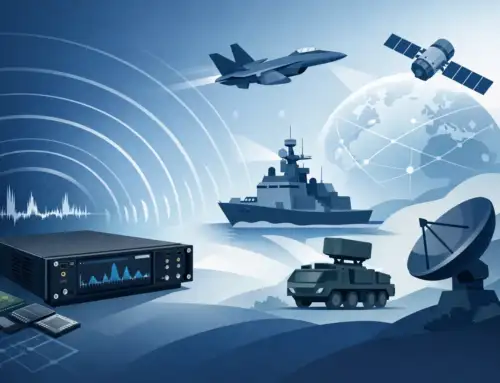
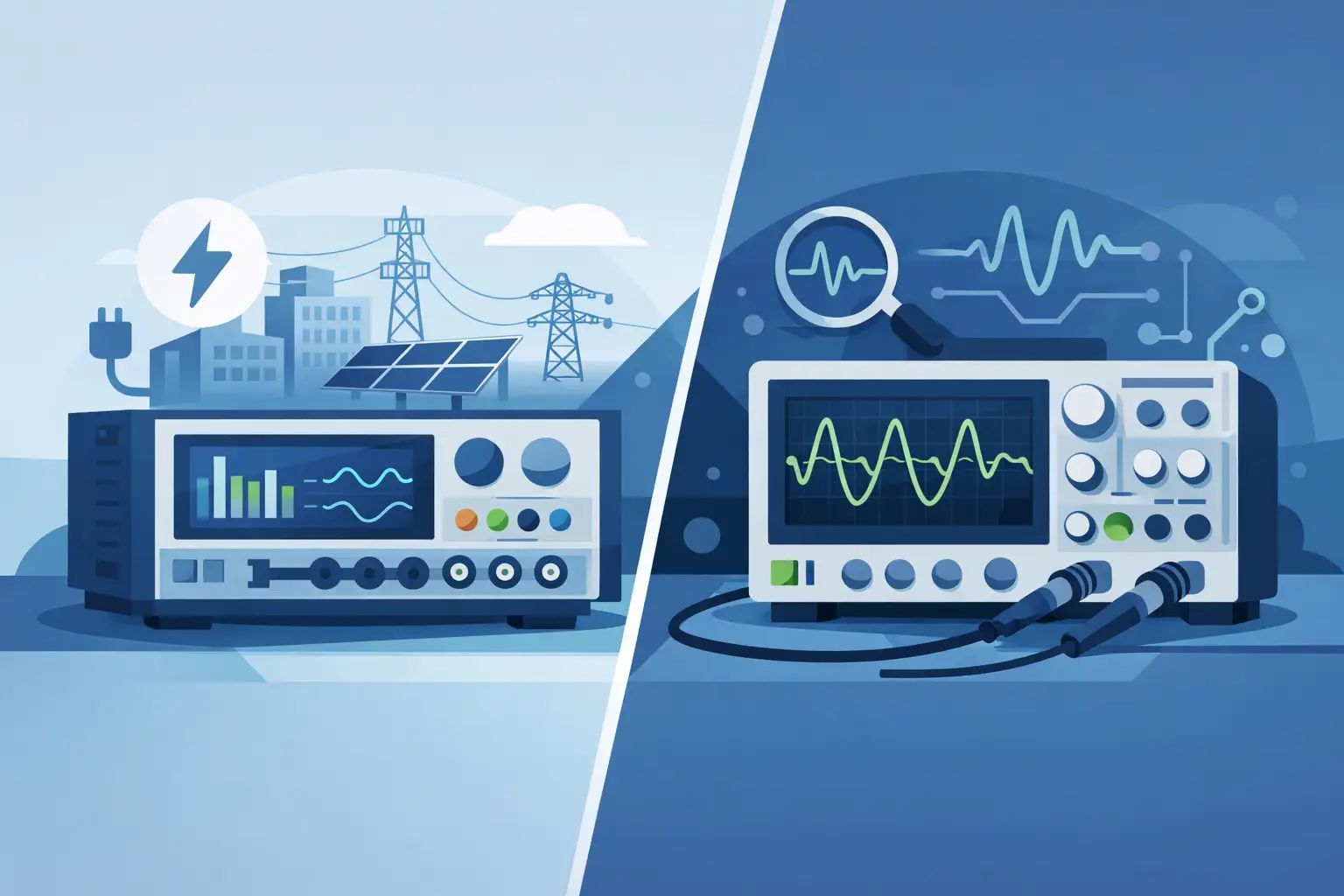
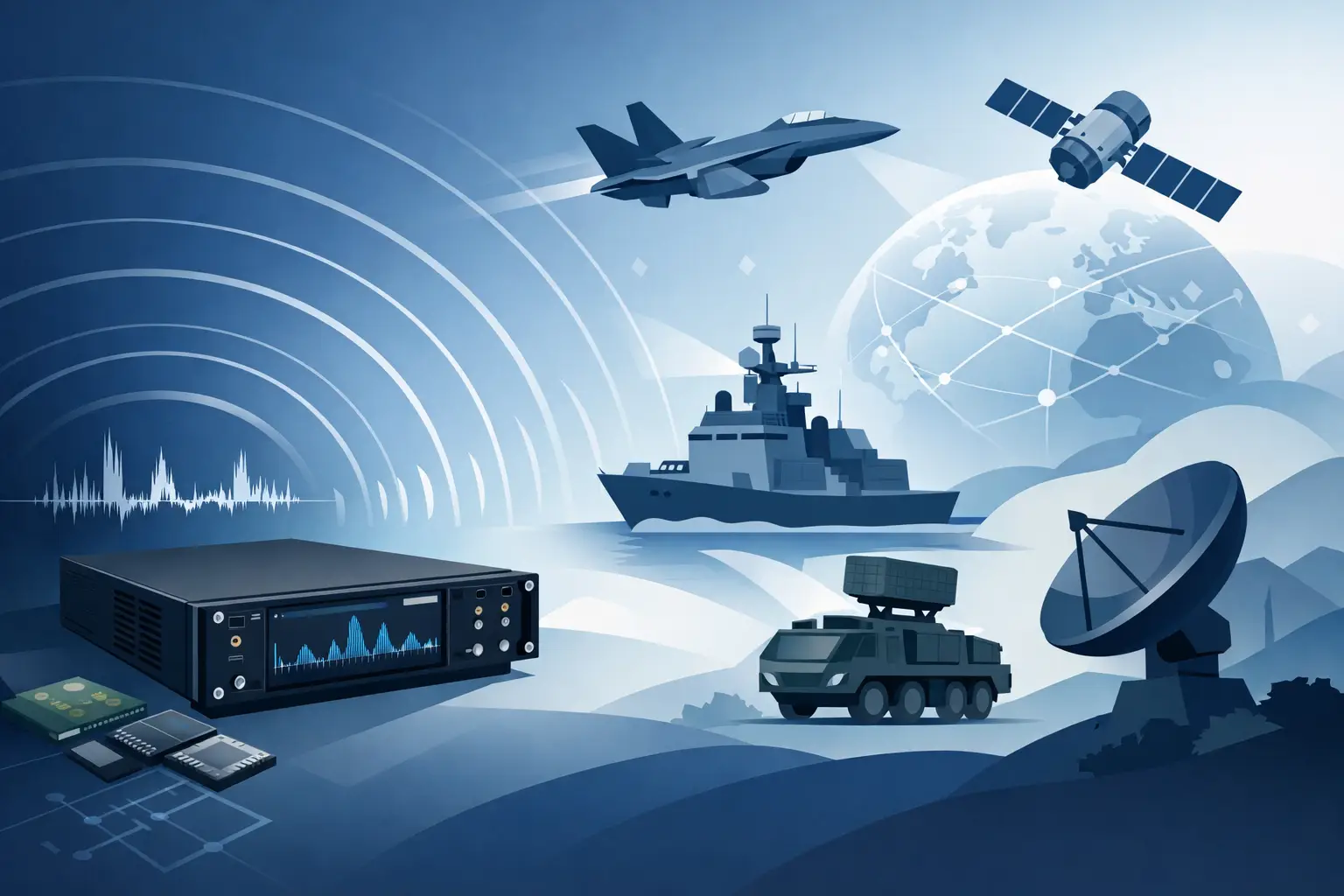
The right configuration depends on the application. Development teams may prioritize maximum visibility and flexible analysis. Production or depot environments may care more about repeatability, operator consistency, and throughput. Range and defense applications may place greater weight on ruggedness, channel synchronization, and long-duration recording.
There is no universal best recorder. A system optimized for ultra-wideband capture may not be the best fit for a tightly controlled IF application that values channel density and storage efficiency. Likewise, the highest resolution architecture is not always necessary if the signal environment is well bounded and the objective is event detection rather than deep waveform characterization.
What matters is matching the recorder to the actual radar test objective instead of buying to a single headline specification.
How to evaluate a radar recording platform
The strongest evaluations start with the measurement problem, not the product brochure. Define the signal bandwidth, center frequency or IF range, expected amplitudes, trigger conditions, capture duration, and synchronization needs. Then assess whether the system can sustain those requirements with margin.
Next, review practical performance under realistic scenarios. Can it capture intermittent events without operator intervention? Can it maintain throughput during long runs? Does the replay function reproduce known test signals accurately? Are timestamps and external references consistent enough for correlation with other instruments?
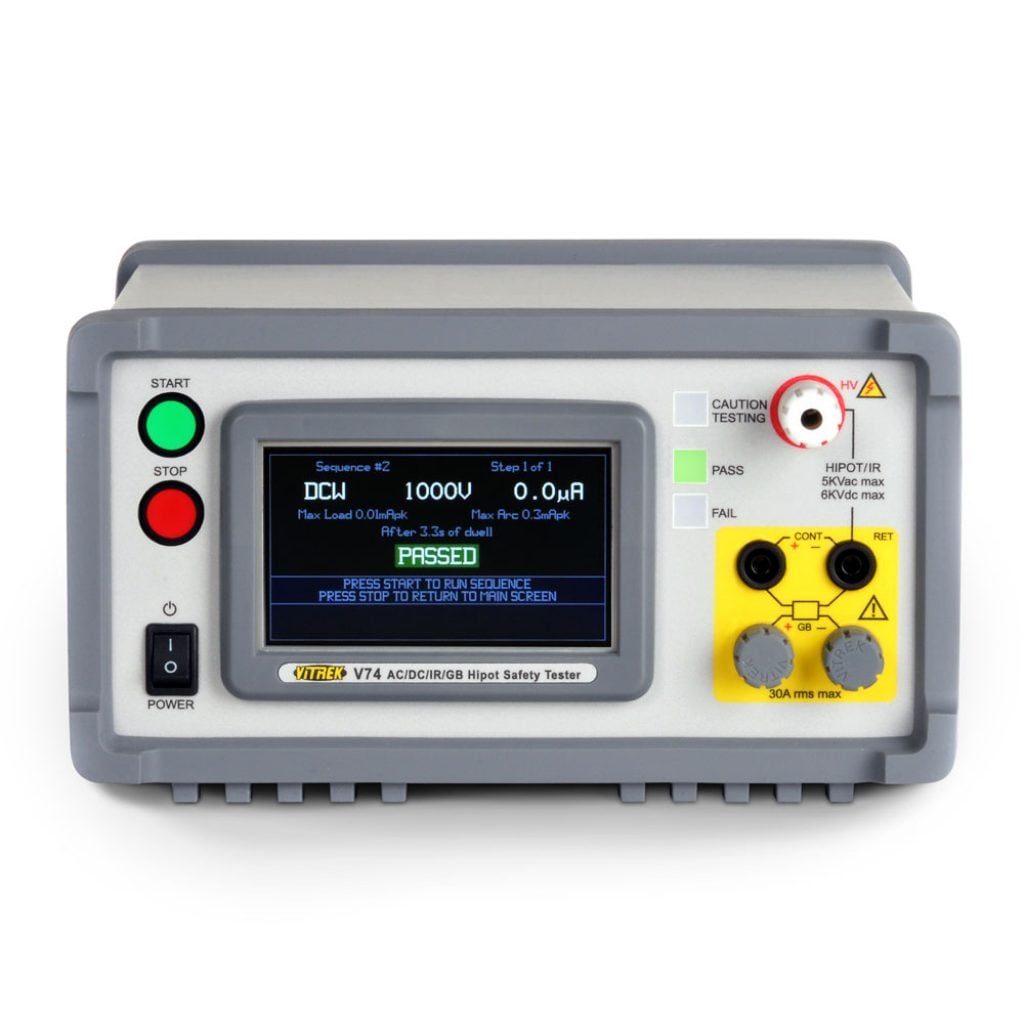
Finally, consider supportability. In regulated and mission-critical environments, calibration traceability, documentation quality, software stability, and technical support are part of the value. A recorder may meet nominal specifications yet still create operational friction if integration is difficult or service support is weak. This is one reason many engineering groups prefer established instrumentation providers such as Vitrek when test data integrity is tied to program risk.
Why the recorder deserves more attention
Radar teams invest significant effort in antennas, front ends, processors, chambers, targets, and analysis methods. Yet the recording stage is sometimes treated as a storage accessory. That is a mistake. The recorder defines what evidence exists after the test is over.
If the system preserves bandwidth, amplitude, timing, and event context with confidence, engineers can debug faster, validate more credibly, and repeat less work. If it does not, every downstream step rests on uncertainty.
The best signal recording systems for radar testing do not call attention to themselves. They simply capture the truth of the signal well enough that the engineering team can trust what comes next.