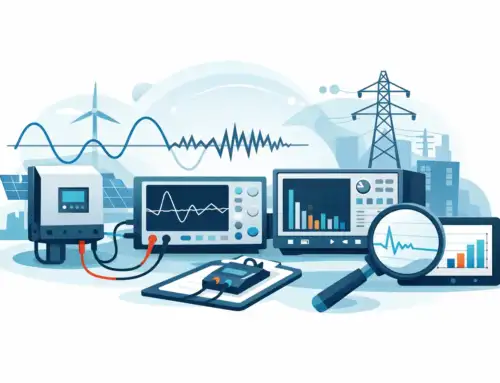
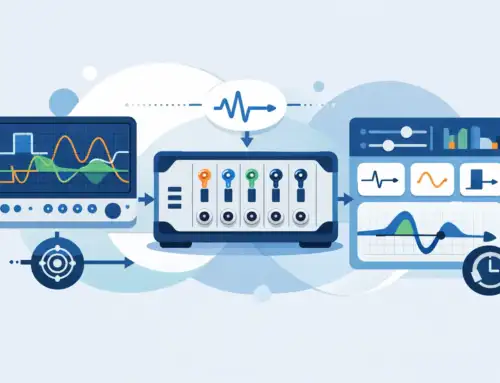
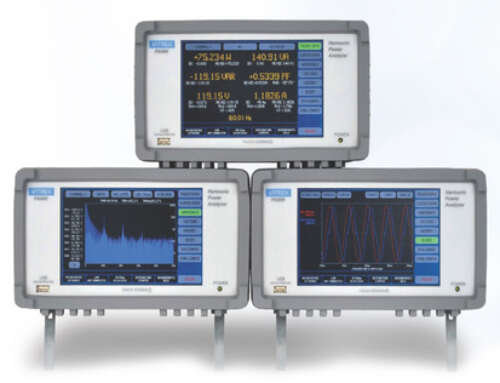
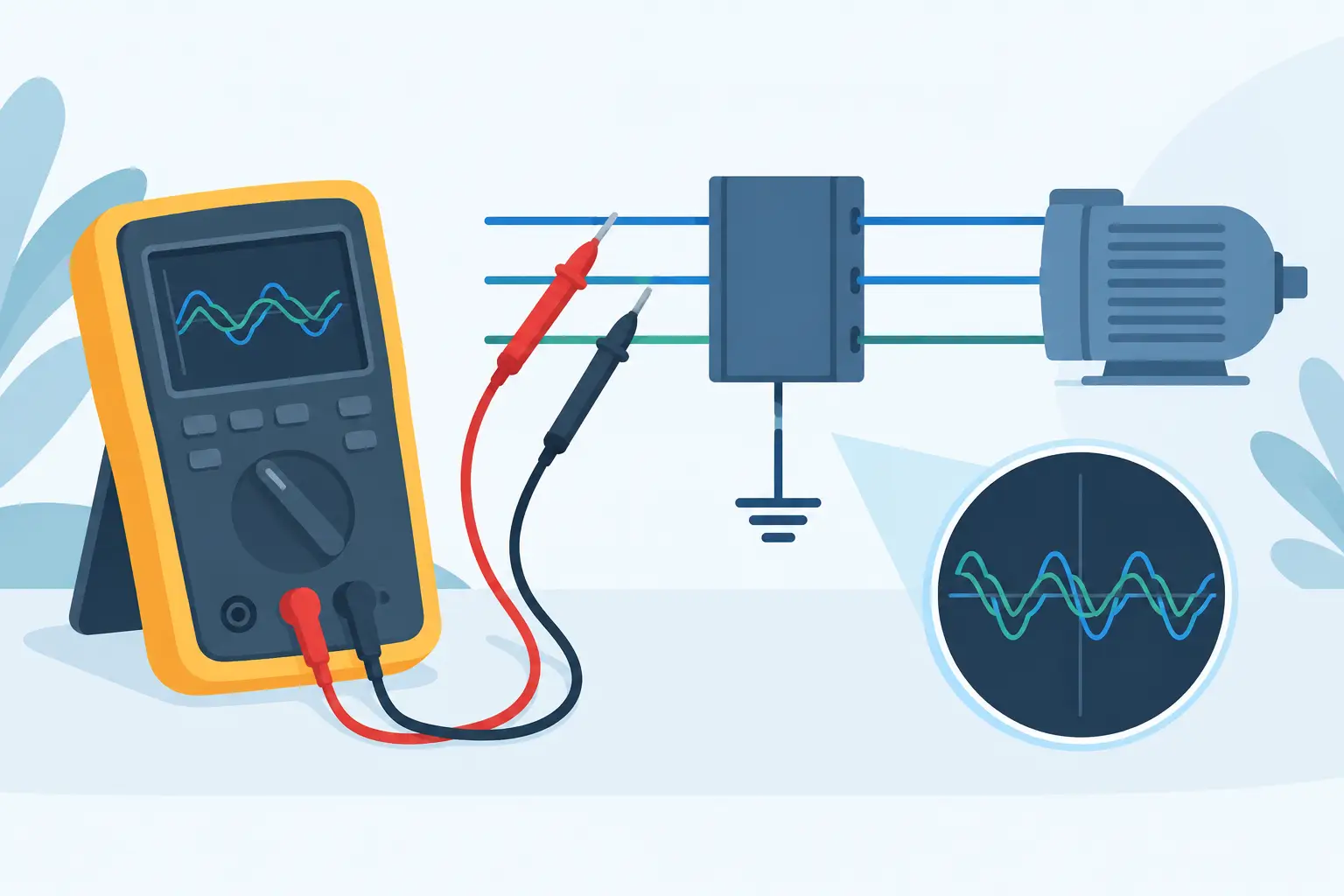
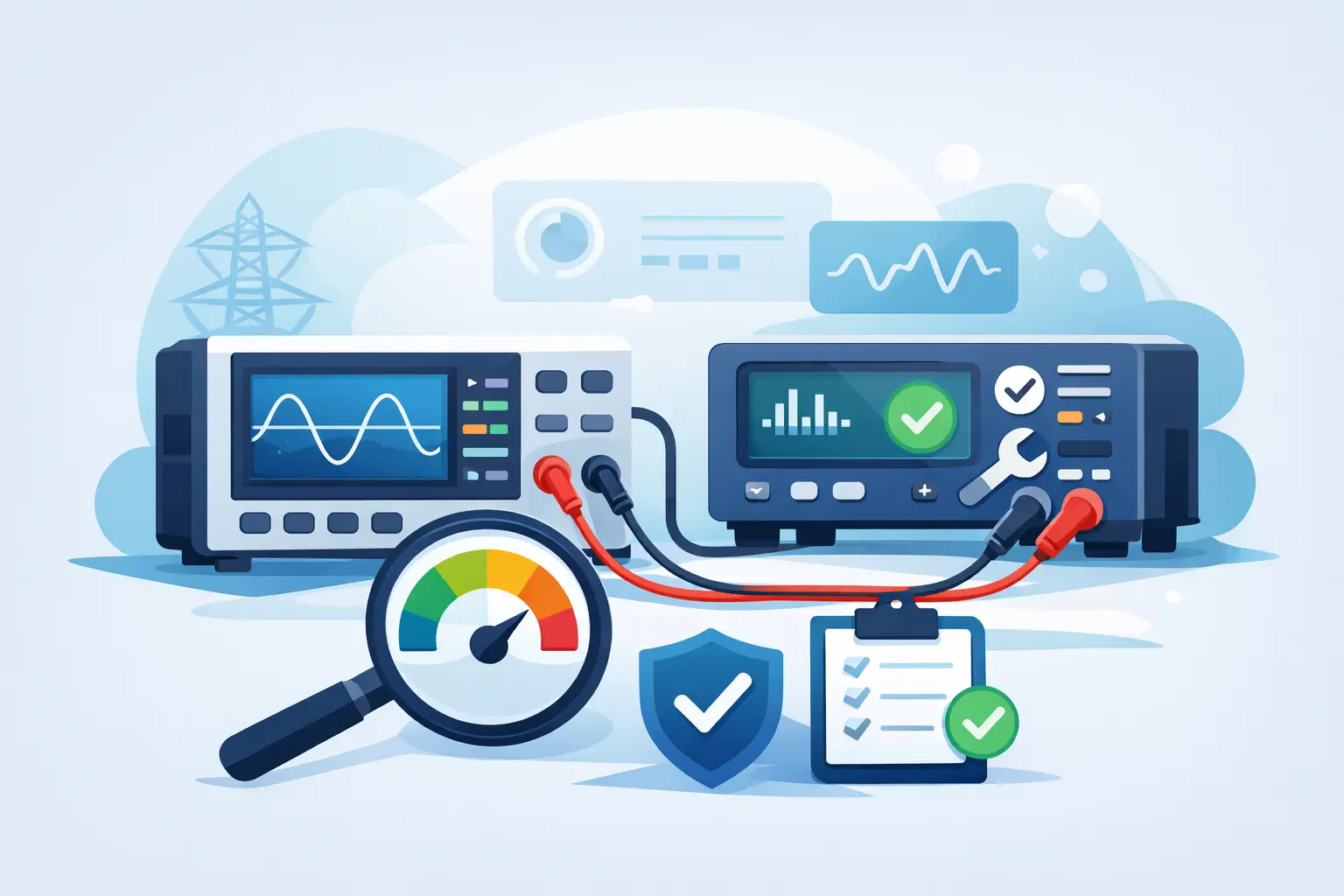
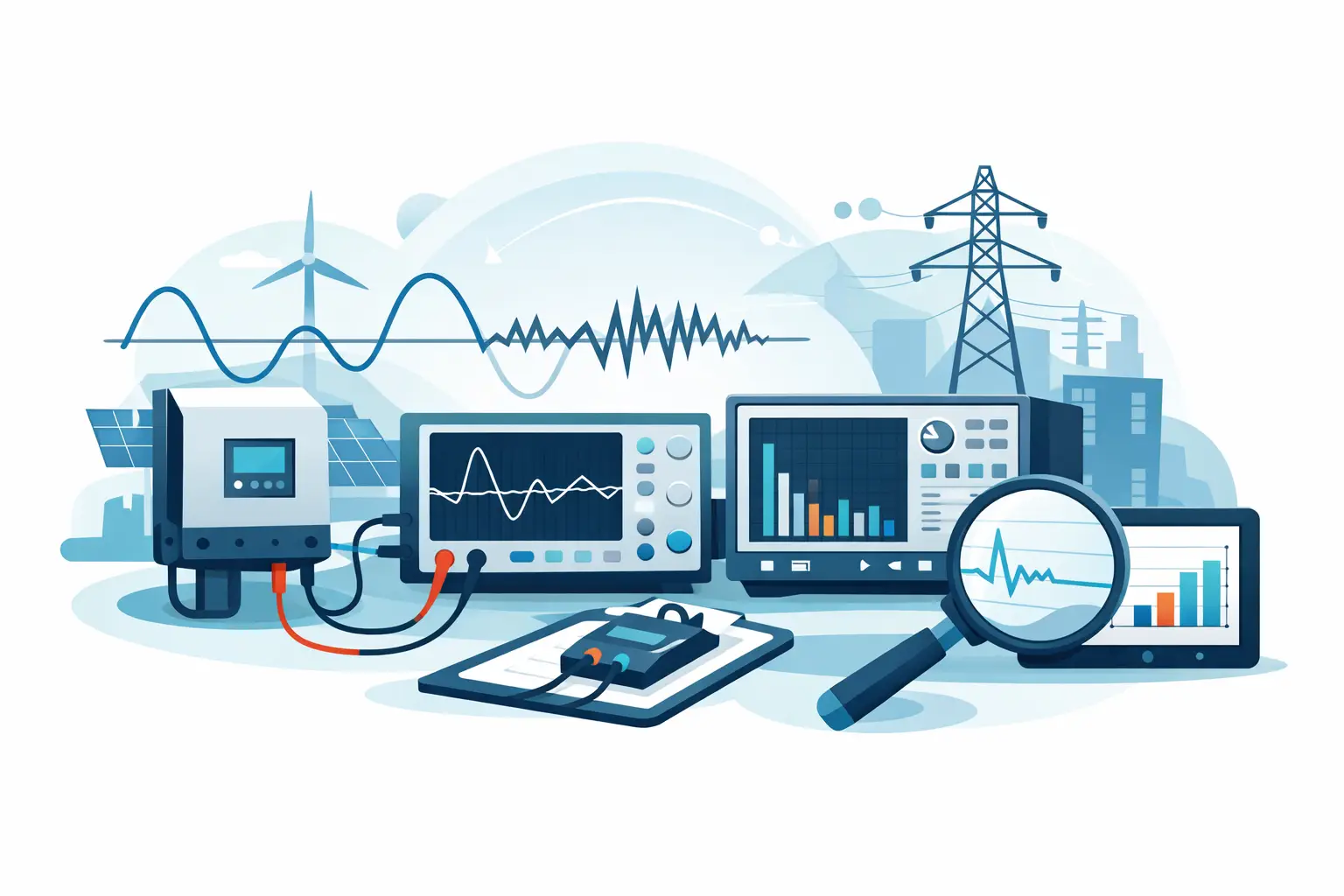
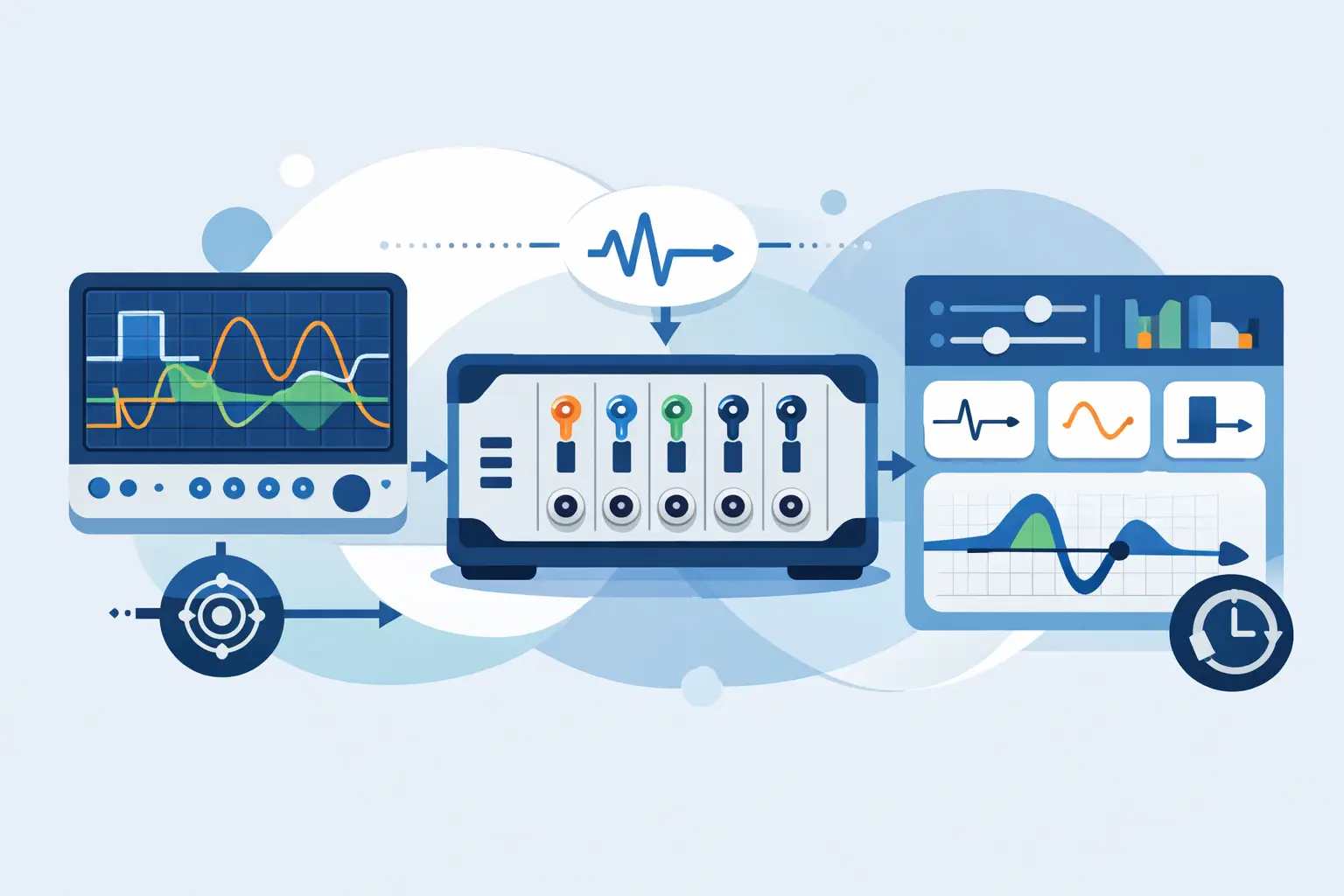
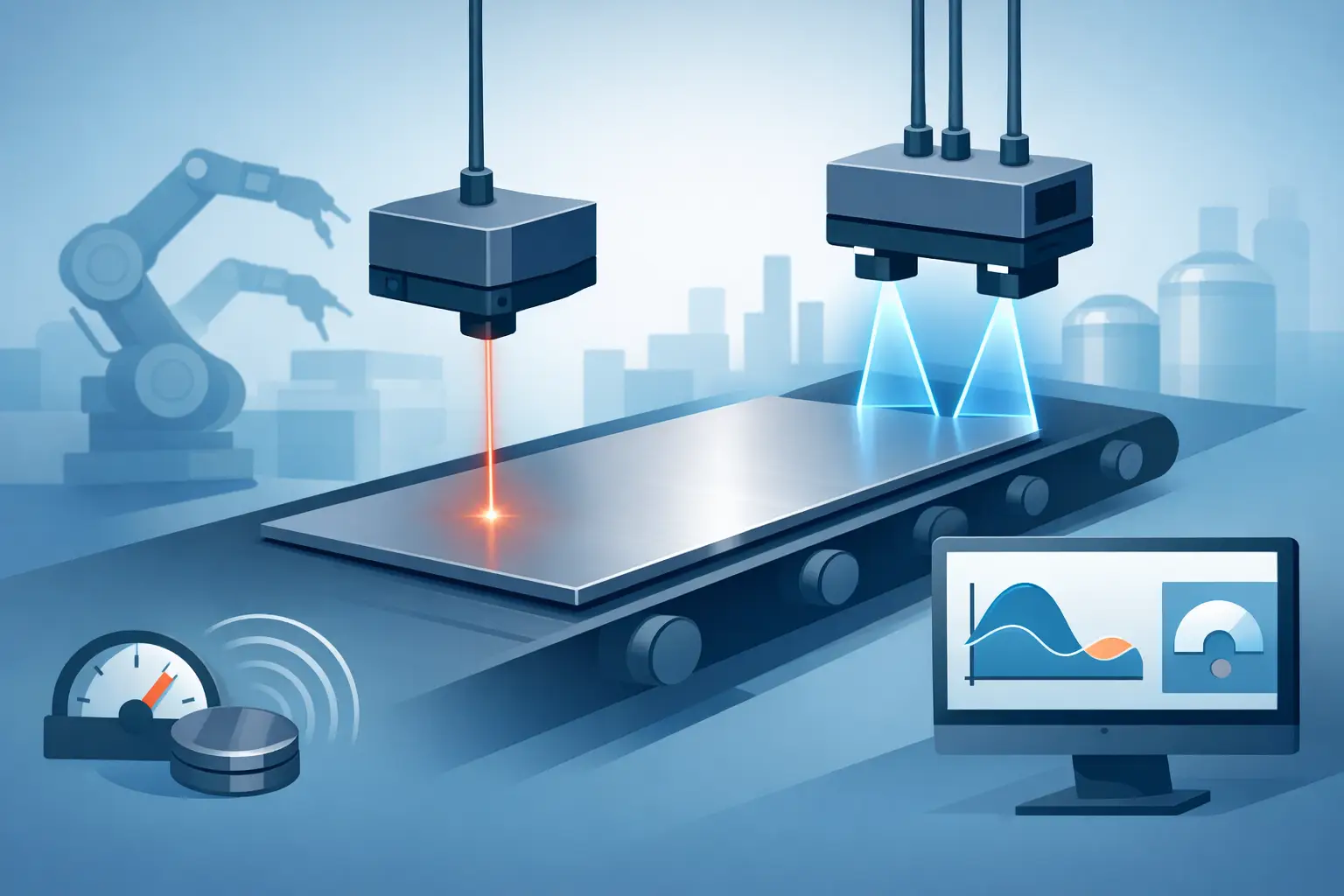
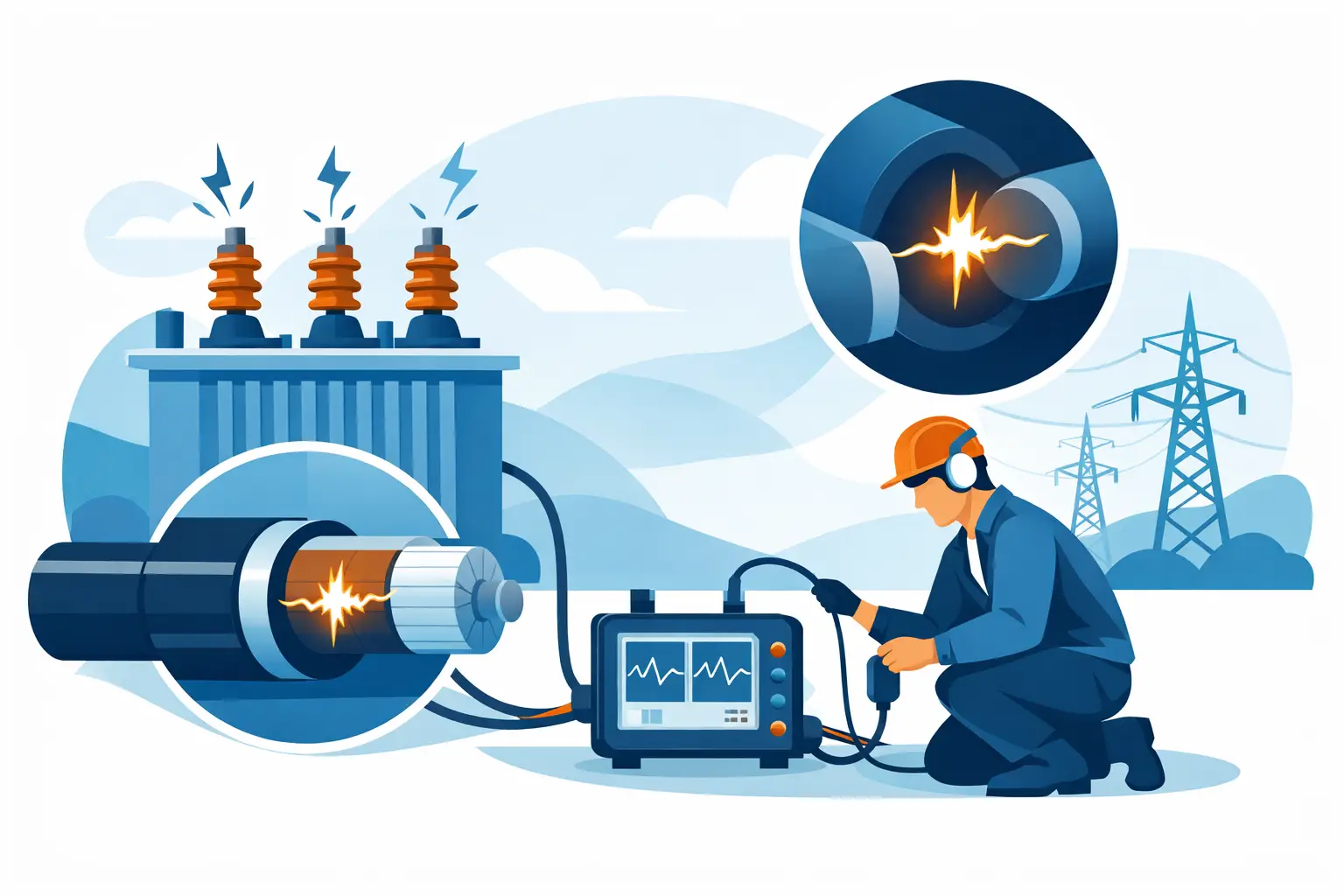
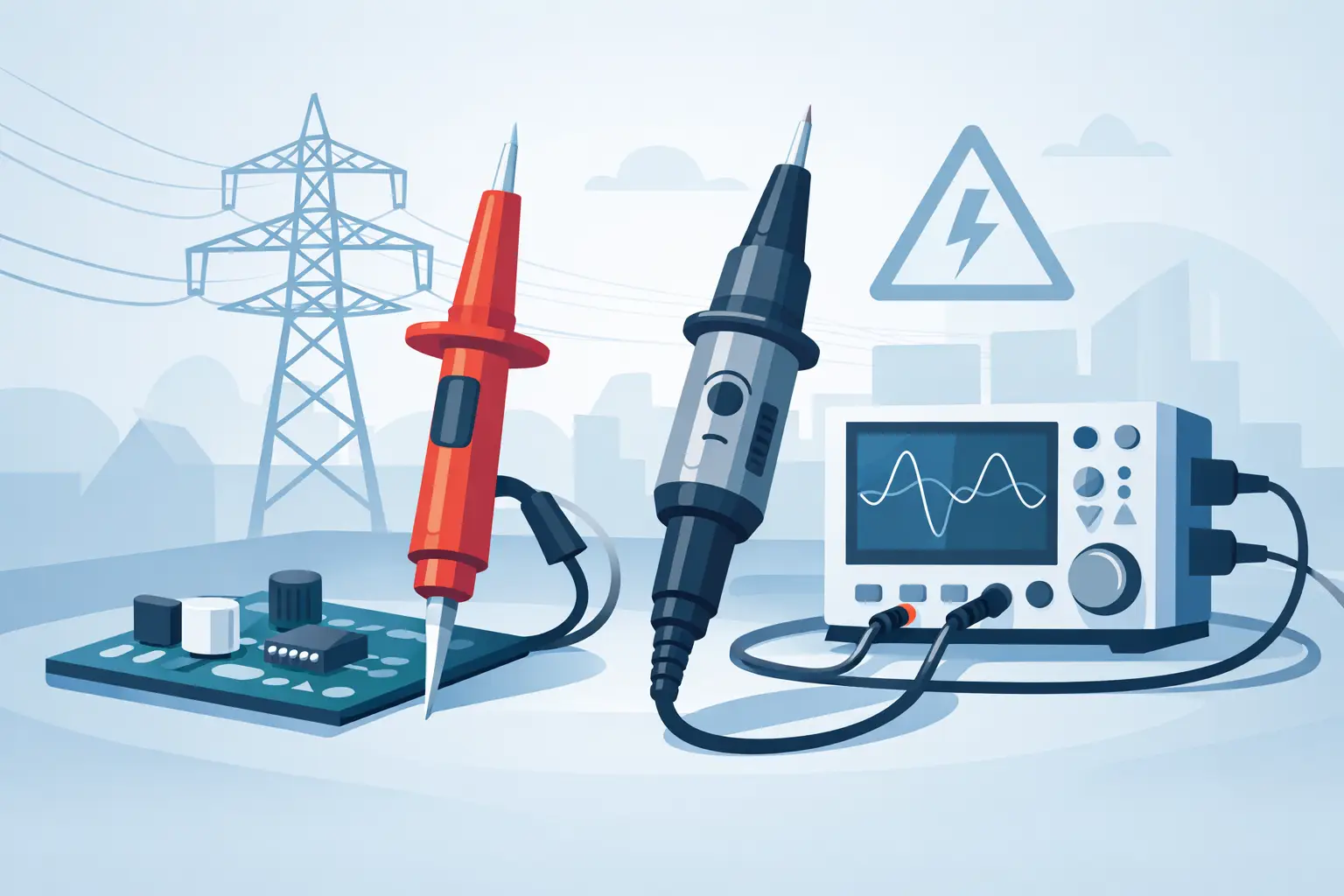
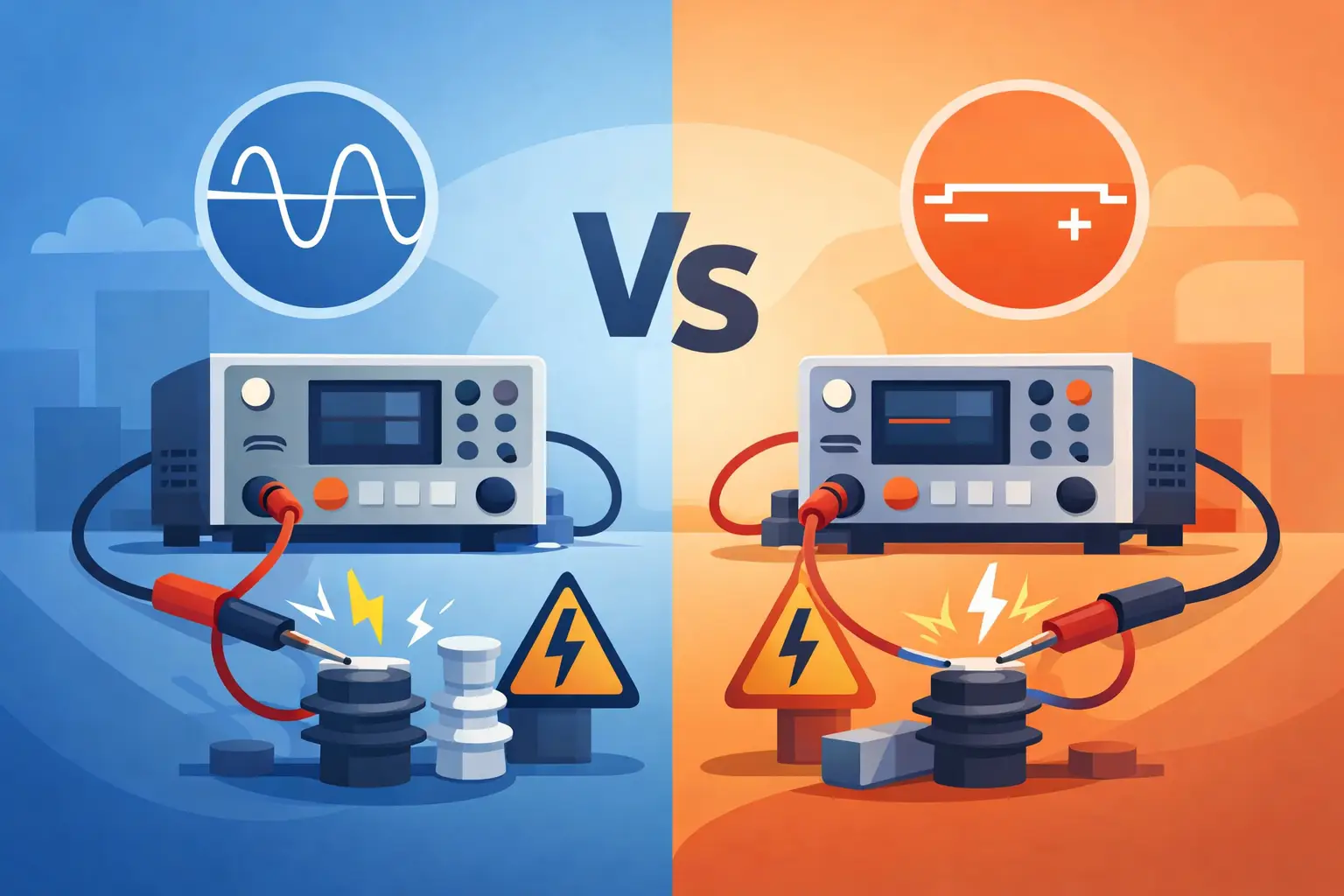
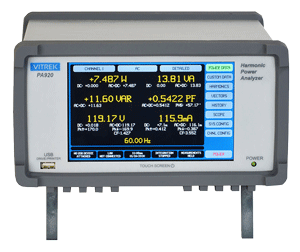
When inverter efficiency changes by a few tenths of a percent, design decisions, thermal margins, and compliance outcomes can change with it. That is why a precision power analyzer for inverter testing is not just a lab instrument. It is the reference point for validating switching performance, quantifying losses, and separating true converter behavior from measurement error.
Inverter testing is rarely simple. Modern systems operate with fast switching edges, pulse-width modulation, distorted waveforms, bidirectional power flow, and load conditions that move quickly across operating states. In EV traction drives, renewable energy conversion, UPS systems, aerospace power electronics, and motor control platforms, the measurement problem is not only about volts and amps. It is about timing, phase, harmonics, crest factor, bandwidth, and traceable accuracy under non-ideal conditions.
What a precision power analyzer for inverter testing must measure
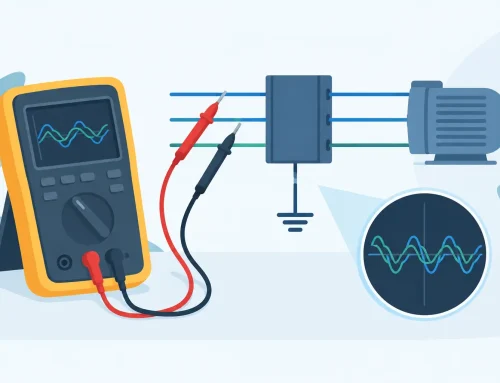
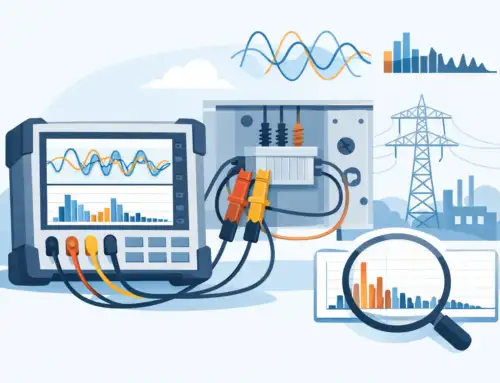
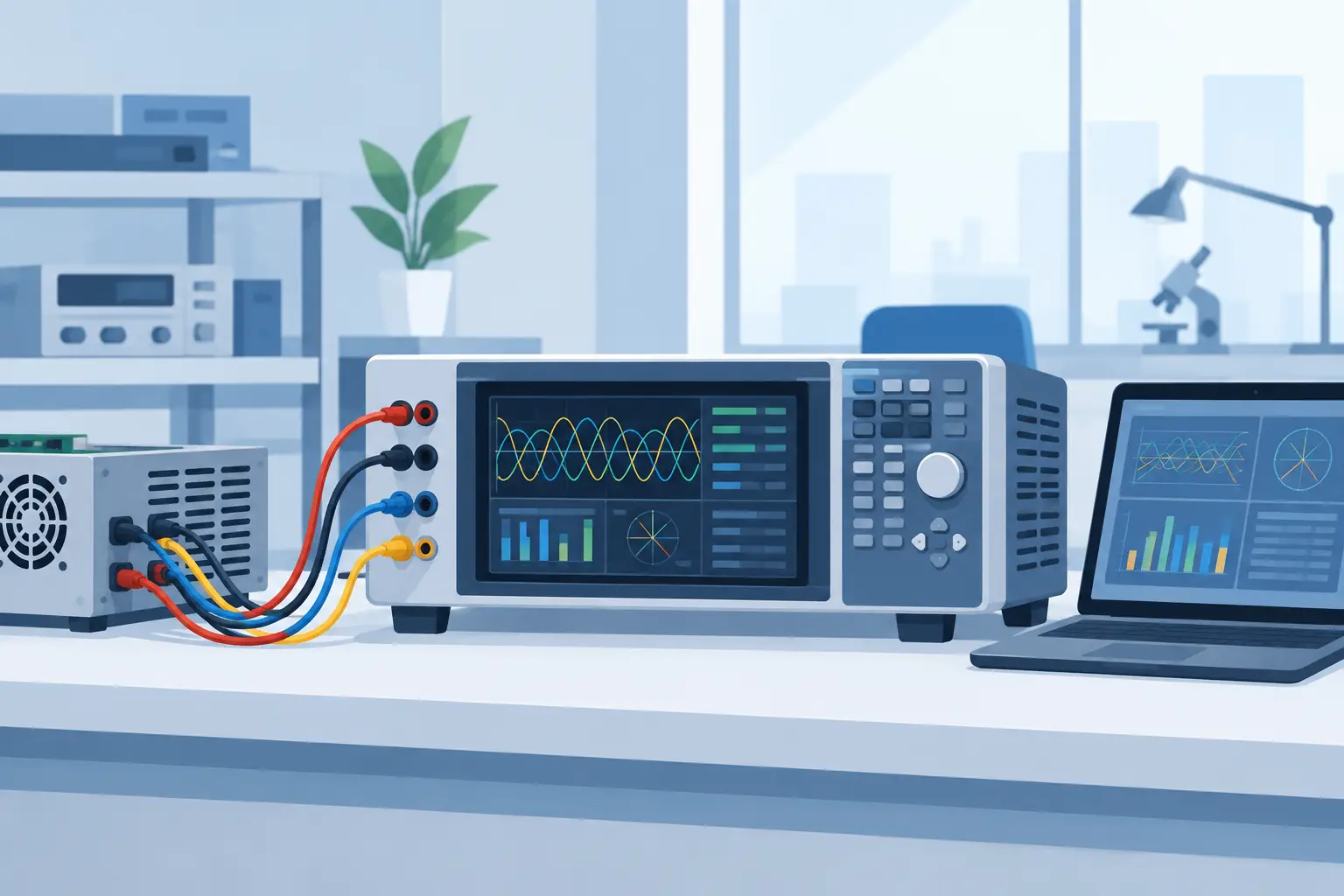
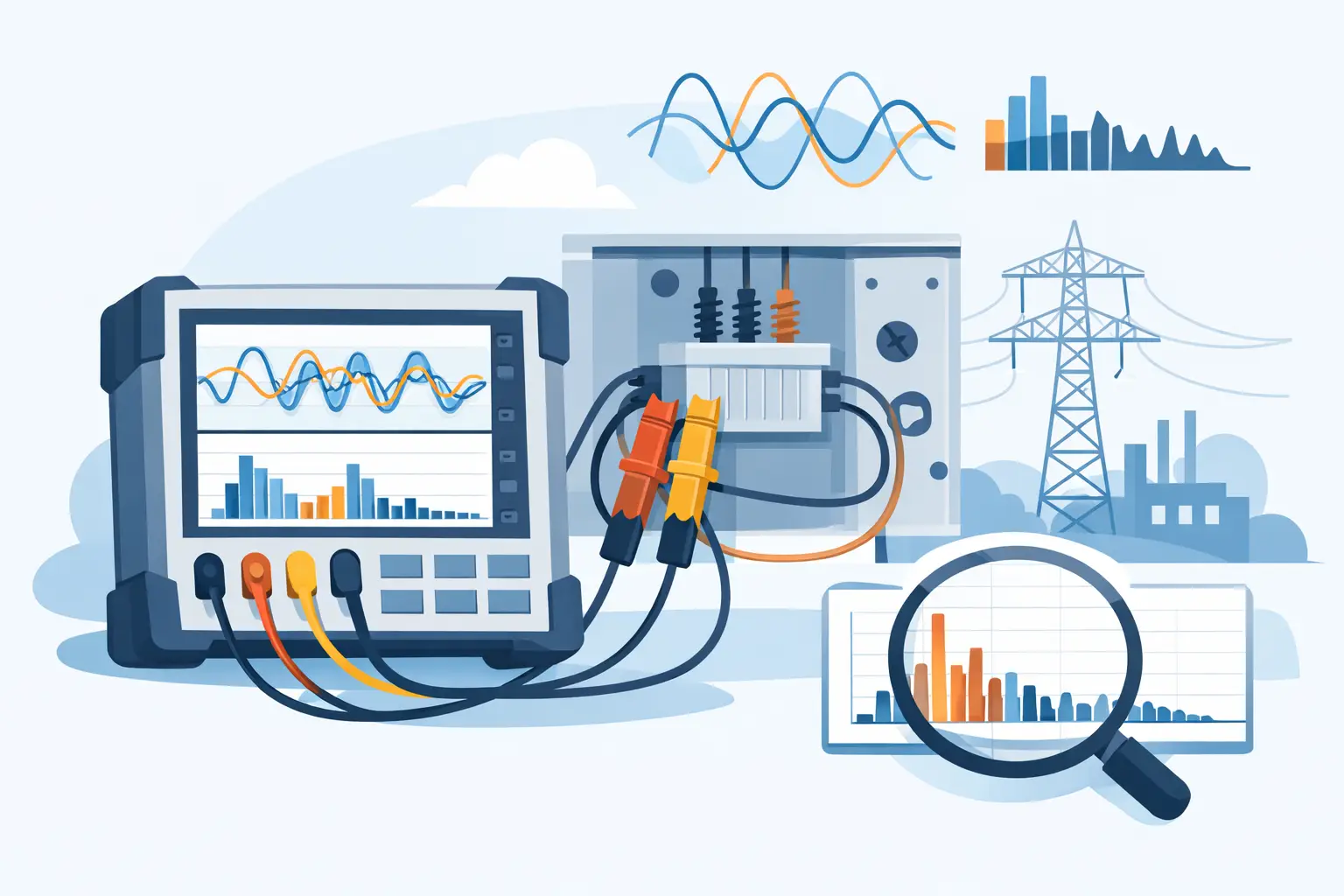
A basic power meter may report RMS voltage, RMS current, and watts. That is not enough for serious inverter validation. A precision power analyzer for inverter testing needs to resolve real power, apparent power, reactive power, power factor, harmonic content, frequency, and efficiency while maintaining accurate phase relationships between voltage and current channels.
That last point matters more than many test plans acknowledge. In inverter work, even small phase errors can distort power readings, especially at low power factor or under heavily modulated conditions. If the analyzer cannot maintain tight channel matching and timing integrity, the uncertainty budget grows quickly. What looks like a converter issue may actually be an instrument limitation.
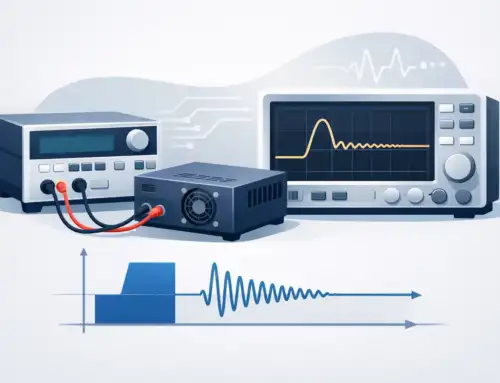
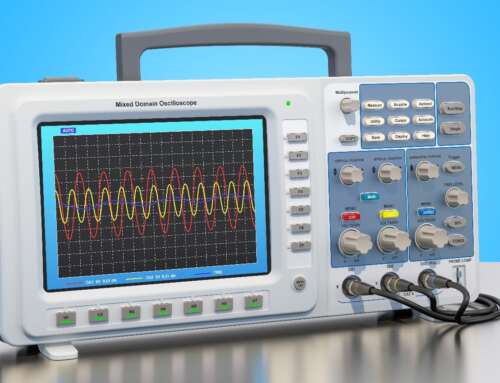
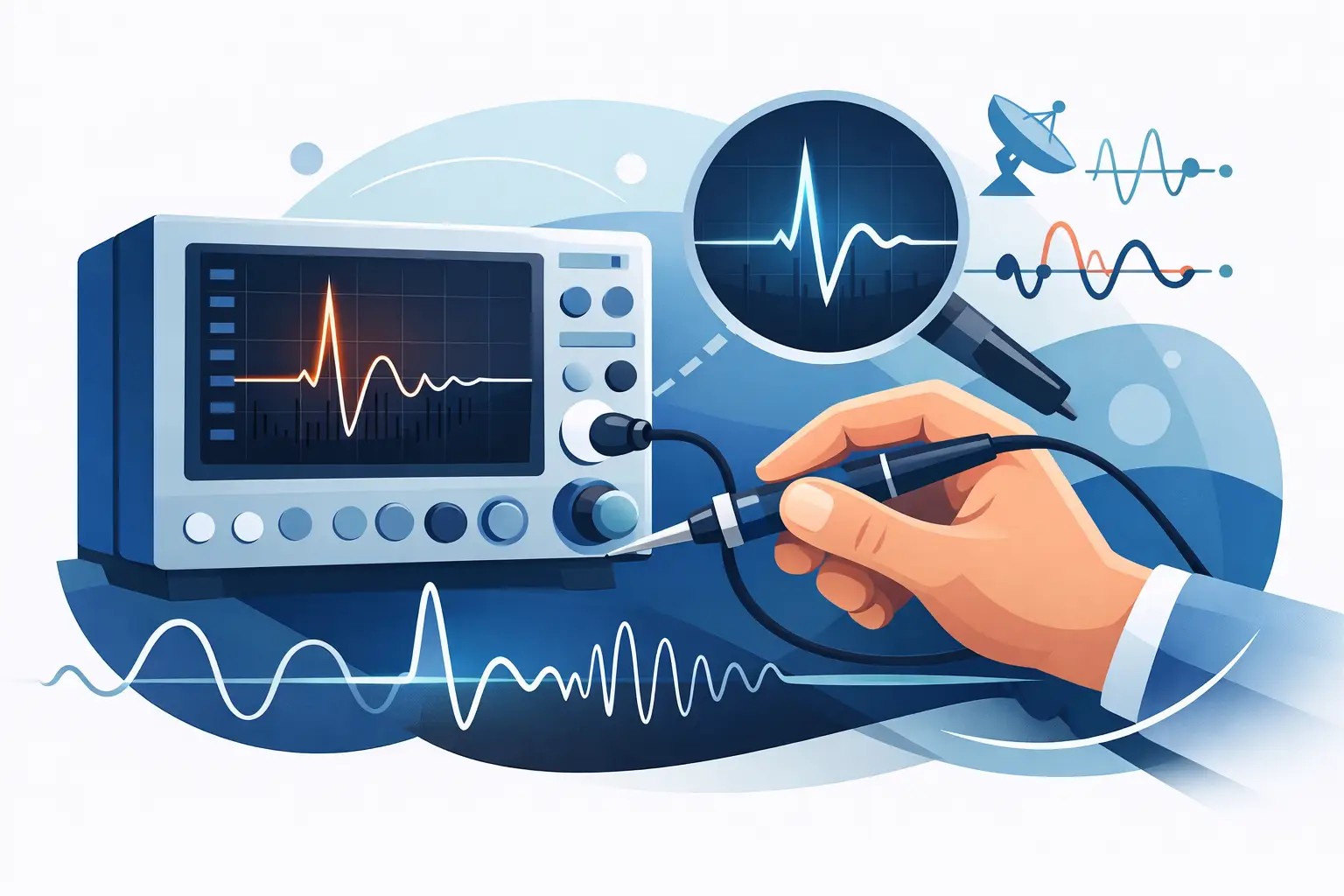
Bandwidth is another practical constraint. Inverter outputs are not clean sine waves. They are synthesized waveforms with high-frequency switching components and rapid transitions. The analyzer must capture enough waveform detail to compute meaningful power values without overreacting to noise or aliasing. There is always a trade-off here. More bandwidth can expose switching behavior and harmonic structure, but the system also needs filtering and processing methods suited to the application, or the data becomes harder to interpret.
Why inverter waveforms challenge conventional instruments
Inverter testing pushes measurement systems into conditions that conventional utility-style power instruments were not designed to handle. PWM carriers, common-mode voltage, wide dynamic range, and nonstationary loads all affect reading stability and repeatability.
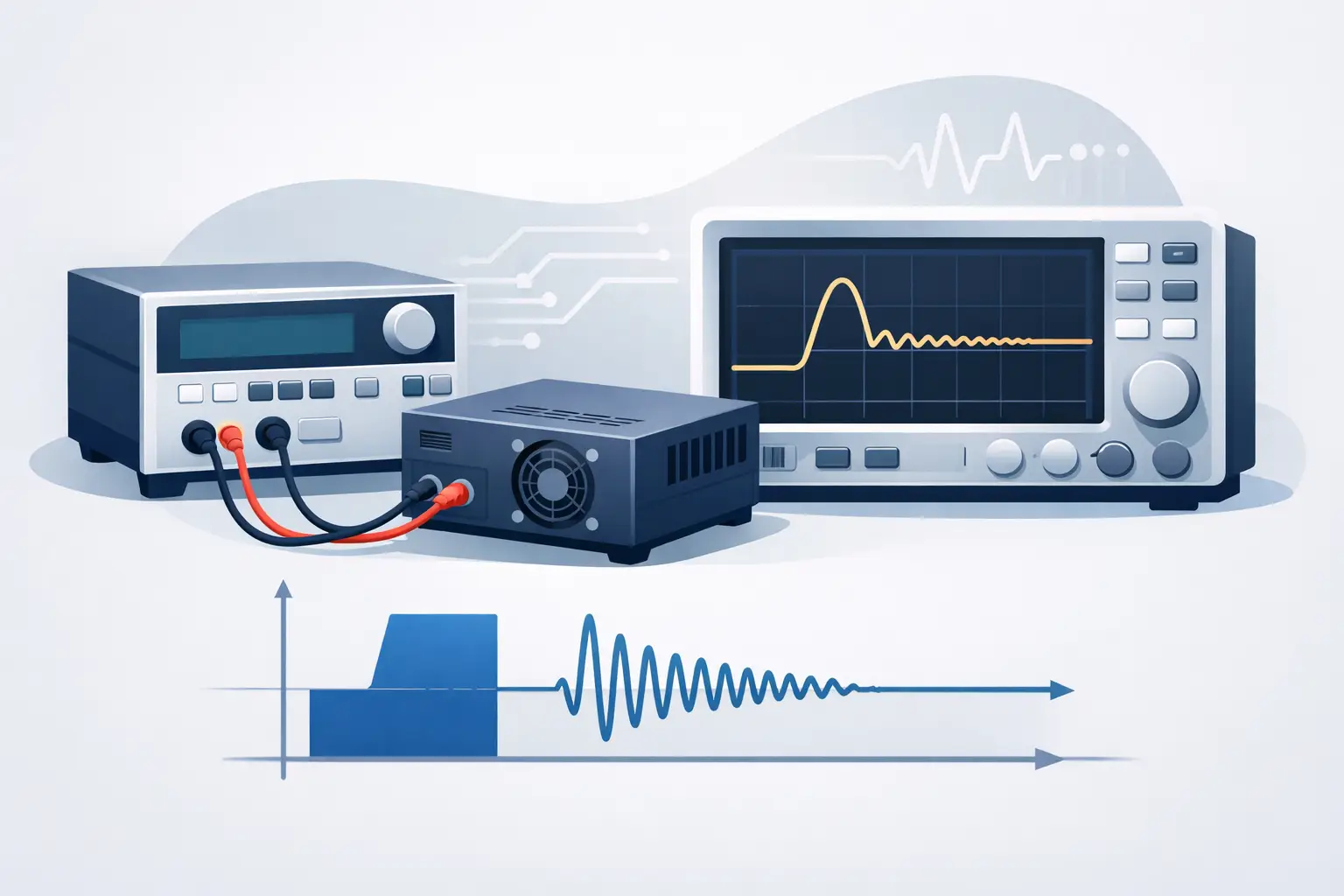
Consider a motor drive during acceleration. Voltage, current, frequency, and torque can all change within a short interval. The test engineer may need stable efficiency data over that transient event, not just a static point after the system settles. That requires fast computation, synchronized channels, and sufficient sample handling to avoid averaging away the event of interest.
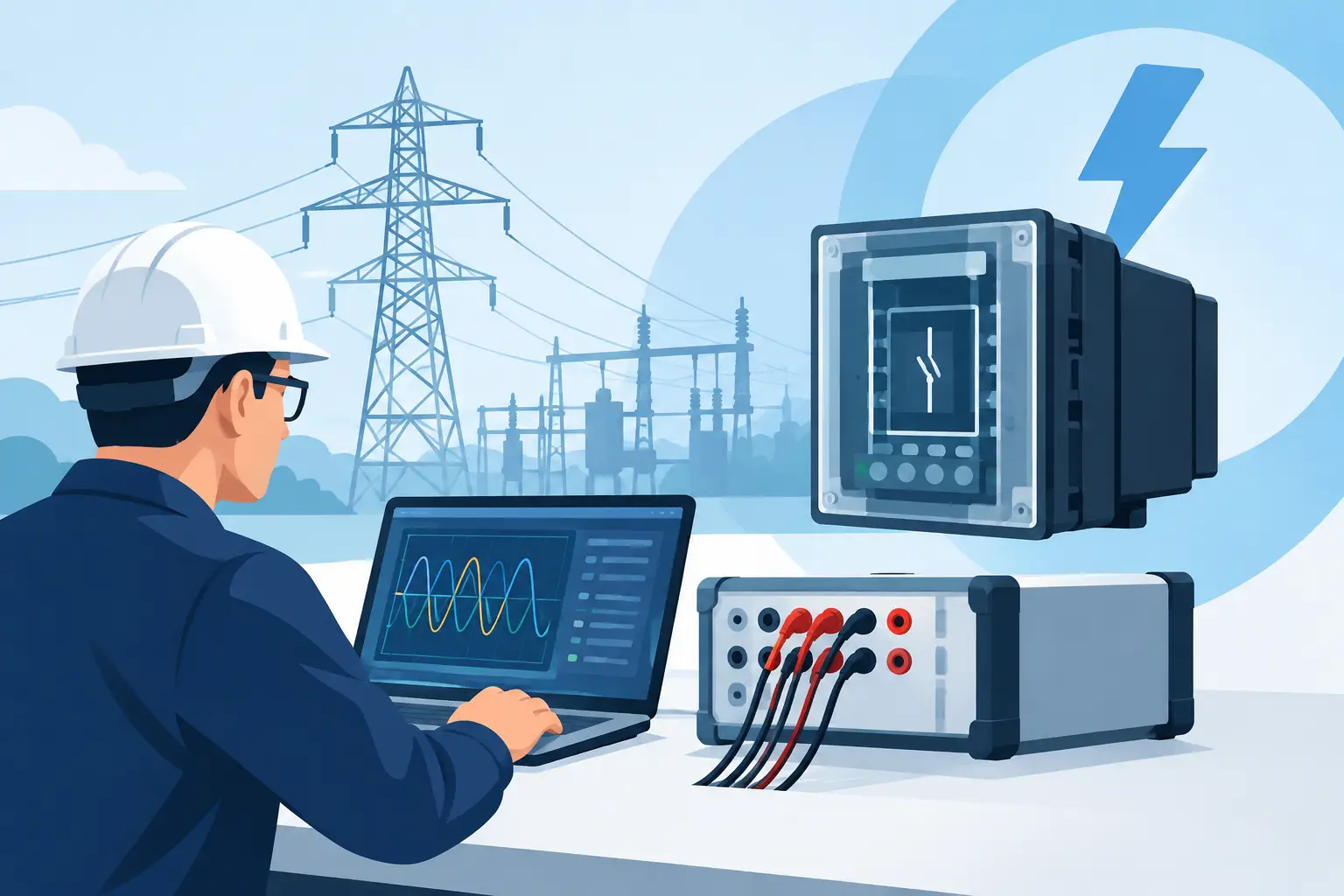
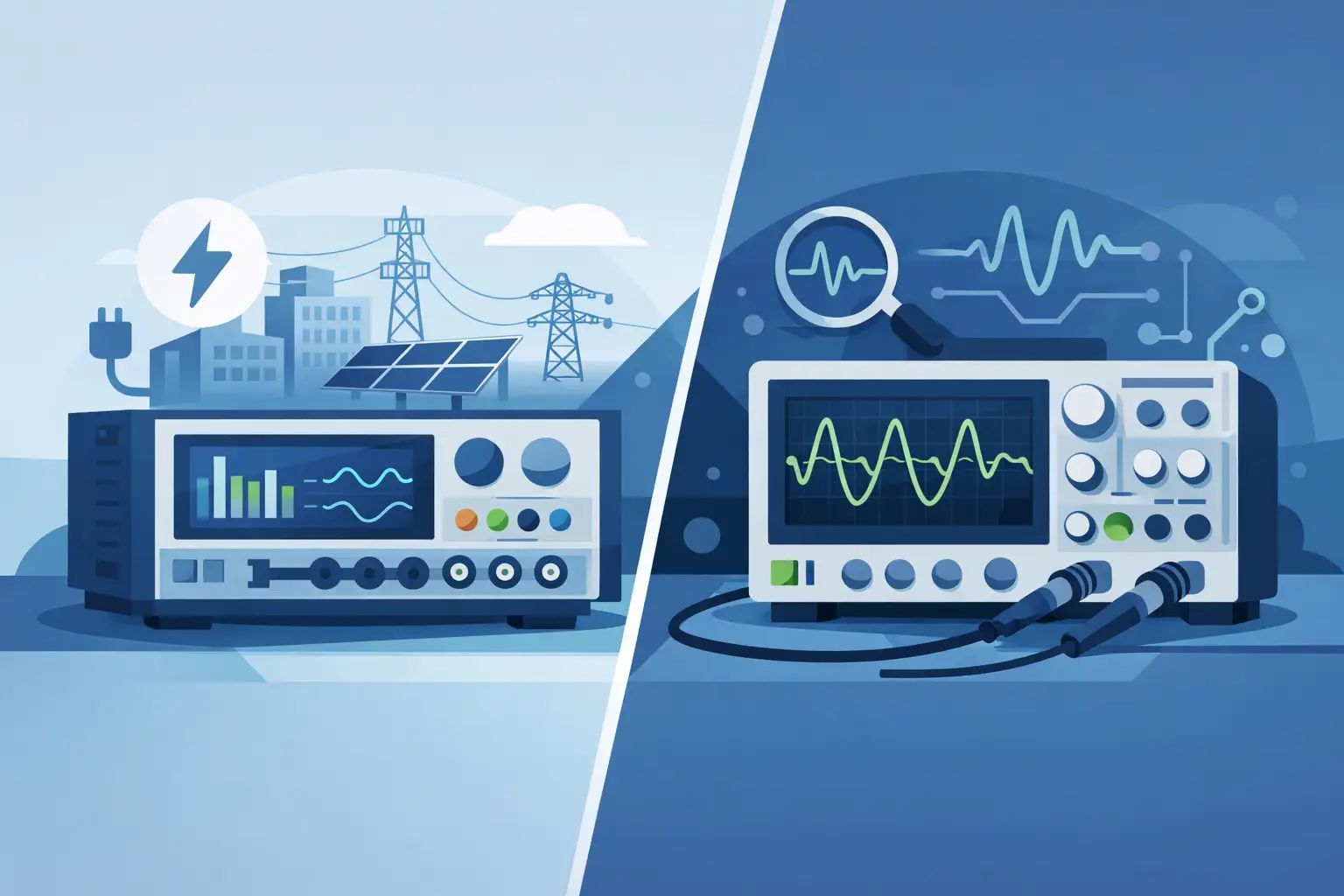
Now consider a grid-tied inverter. Harmonic distortion, phase angle behavior, and conversion efficiency may vary with line conditions, source impedance, and control mode. The analyzer needs to distinguish between the inverter’s own contribution and behavior driven by the source or load. Without a high-confidence measurement chain, troubleshooting becomes slower and less defensible.
This is where application fit matters. An instrument that performs well on sinusoidal AC line measurements may not deliver the same confidence on a high-switching inverter output. Engineers selecting equipment for R&D, validation, or production test should evaluate not only headline accuracy but also waveform suitability.
Key selection factors for inverter test environments
Accuracy specifications should be read carefully. The most useful specification is not the best-case number on a clean sine wave. It is the accuracy under the voltage, current, frequency, and waveform conditions that match the actual inverter test. Low power factor performance and phase accuracy deserve close attention because they often dominate real uncertainty.
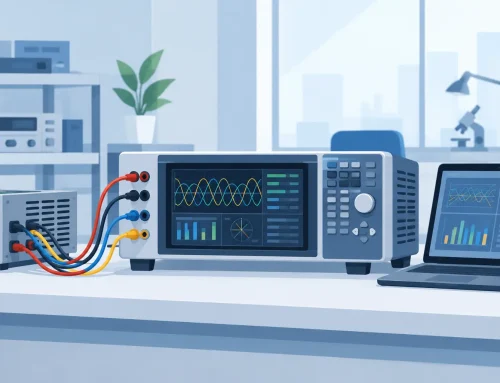
Input architecture also matters. Multi-channel systems allow simultaneous measurement at the DC input and AC output, which is essential for direct efficiency calculations. In three-phase inverter applications, channel synchronization is critical. If the instrument handles phases independently without tight alignment, aggregate power calculations may not hold up under scrutiny.
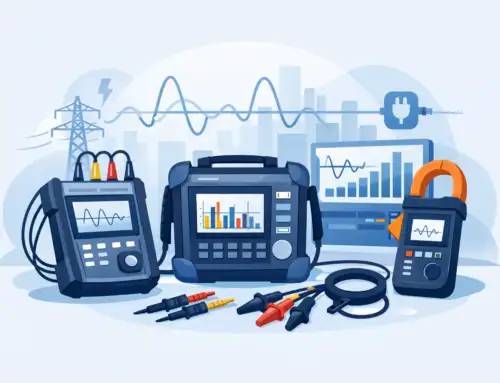
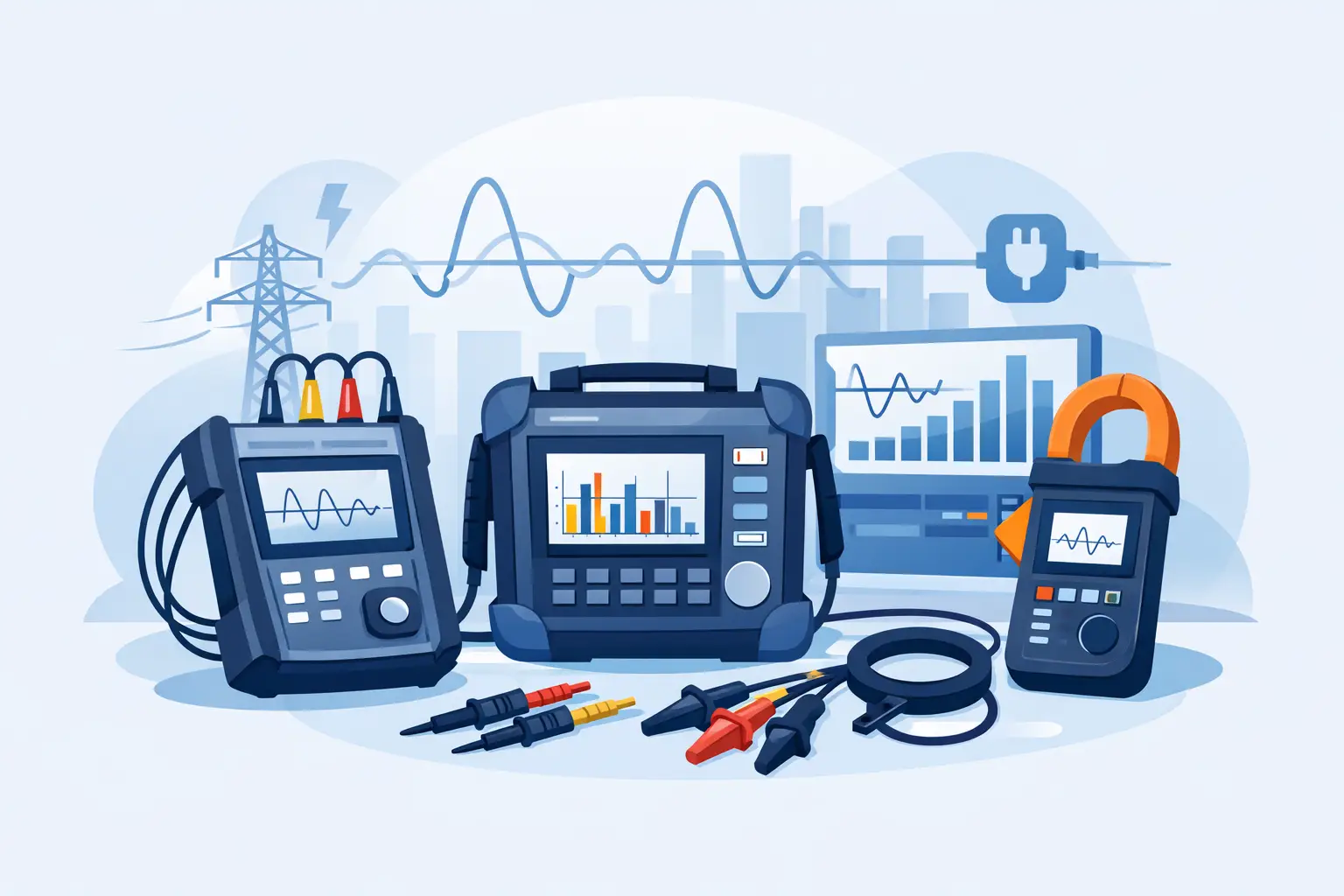
Current measurement flexibility is equally important. Some labs require direct shunt-based measurements for highest precision at lower currents. Others need wide-range current transducers, CTs, or sensors that support high-power testing safely. The best choice depends on the operating range, isolation requirements, and acceptable uncertainty. There is no universal answer. A high-current EV inverter bench has different constraints than a low-power appliance drive validation setup.
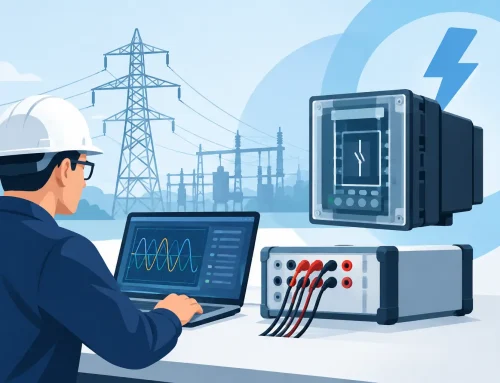
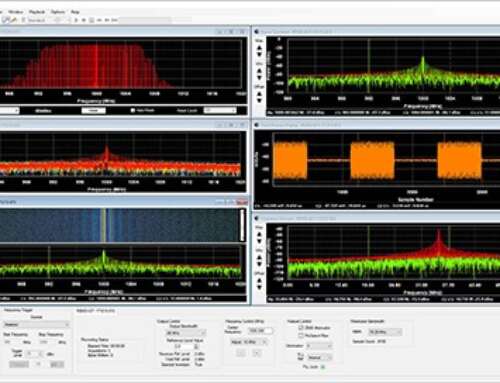
Data interface and software support should not be treated as secondary features. Inverter testing often involves automation, repeated sweeps, pass-fail logic, and correlation with thermal, mechanical, or control-system data. A capable analyzer should support integration into those workflows without forcing manual data extraction. For many organizations, the difference between a useful instrument and an underused one is how well it fits into the broader test system.
Using a precision power analyzer for inverter testing in practice
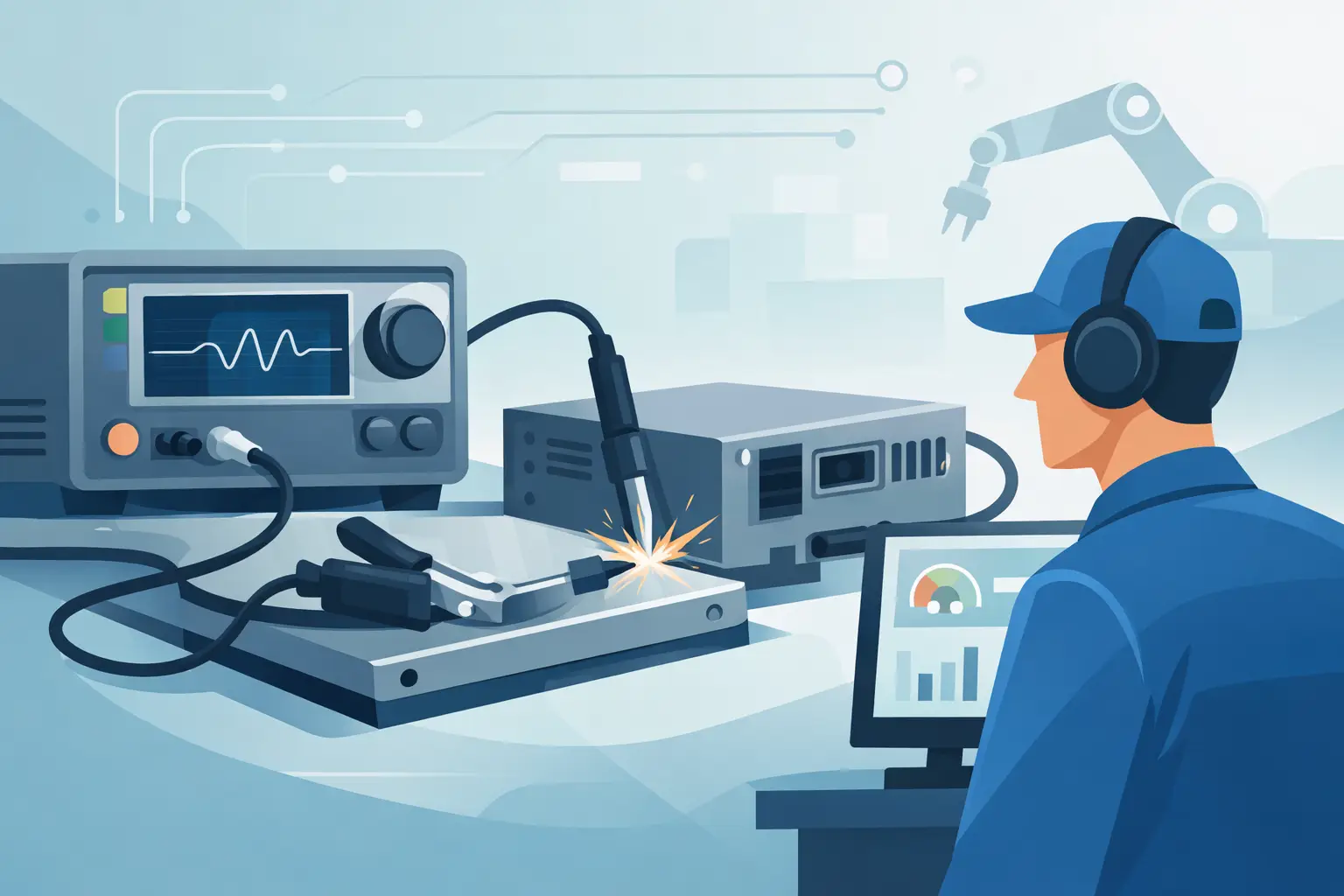
A sound test setup starts with measurement boundaries. Engineers need to define where power is entering and leaving the inverter, what operating states matter, and whether the goal is design characterization, compliance validation, or production screening. The answer changes the setup.
In R&D, the emphasis is often on mapping efficiency across speed, torque, load, or DC bus conditions. That usually means capturing many operating points and examining harmonic behavior alongside total power conversion. A precision analyzer helps reveal where switching strategy, magnetic design, or control logic creates incremental loss.
In compliance or qualification work, repeatability and traceability move to the foreground. The same operating point must produce the same result across test sessions, operators, and audit review. Here, calibration status, documented uncertainty, and standards-aligned reporting are just as important as raw measurement resolution.
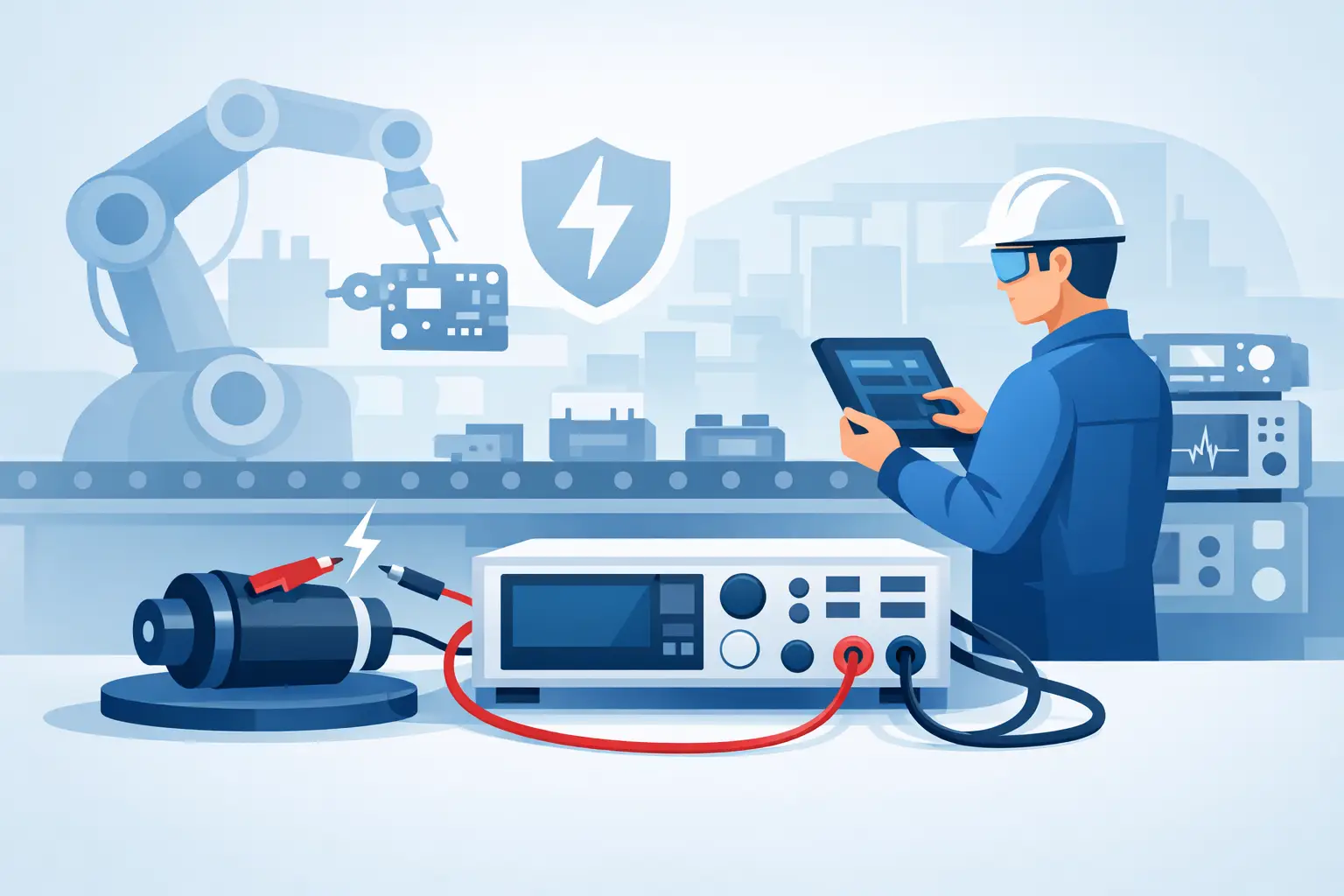
In production environments, throughput and reliability often compete with measurement depth. Not every manufacturing station needs full harmonic analysis. But if the inverter must meet a tightly controlled efficiency threshold or power quality requirement, the analyzer still needs enough fidelity to avoid false failures or escaped defects. A cheaper instrument that introduces ambiguity can cost more over time through retesting, yield loss, or unresolved field issues.
Common mistakes when testing inverter efficiency and power quality
One of the most common errors is assuming that any power instrument with a high sample rate is suitable for inverter work. Sample rate alone does not guarantee accurate power calculations. Channel timing, analog front-end design, computational methods, and sensor compatibility all influence the final result.
Another mistake is treating probes and transducers as interchangeable. Current sensors add their own phase shift, bandwidth limits, and scaling uncertainty. If those effects are not characterized, the analyzer may be blamed for errors introduced upstream. The instrument and the sensor chain have to be evaluated together.
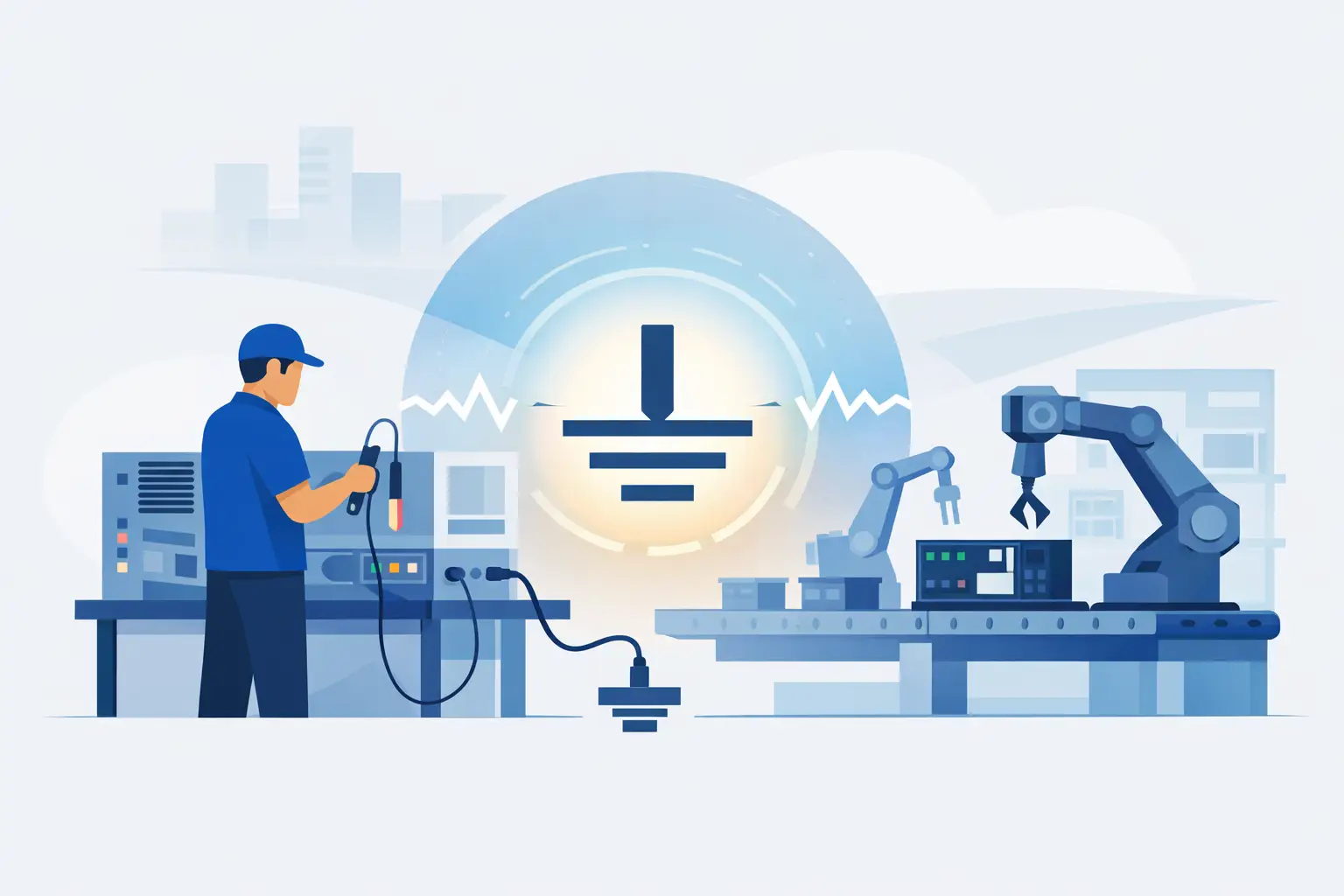
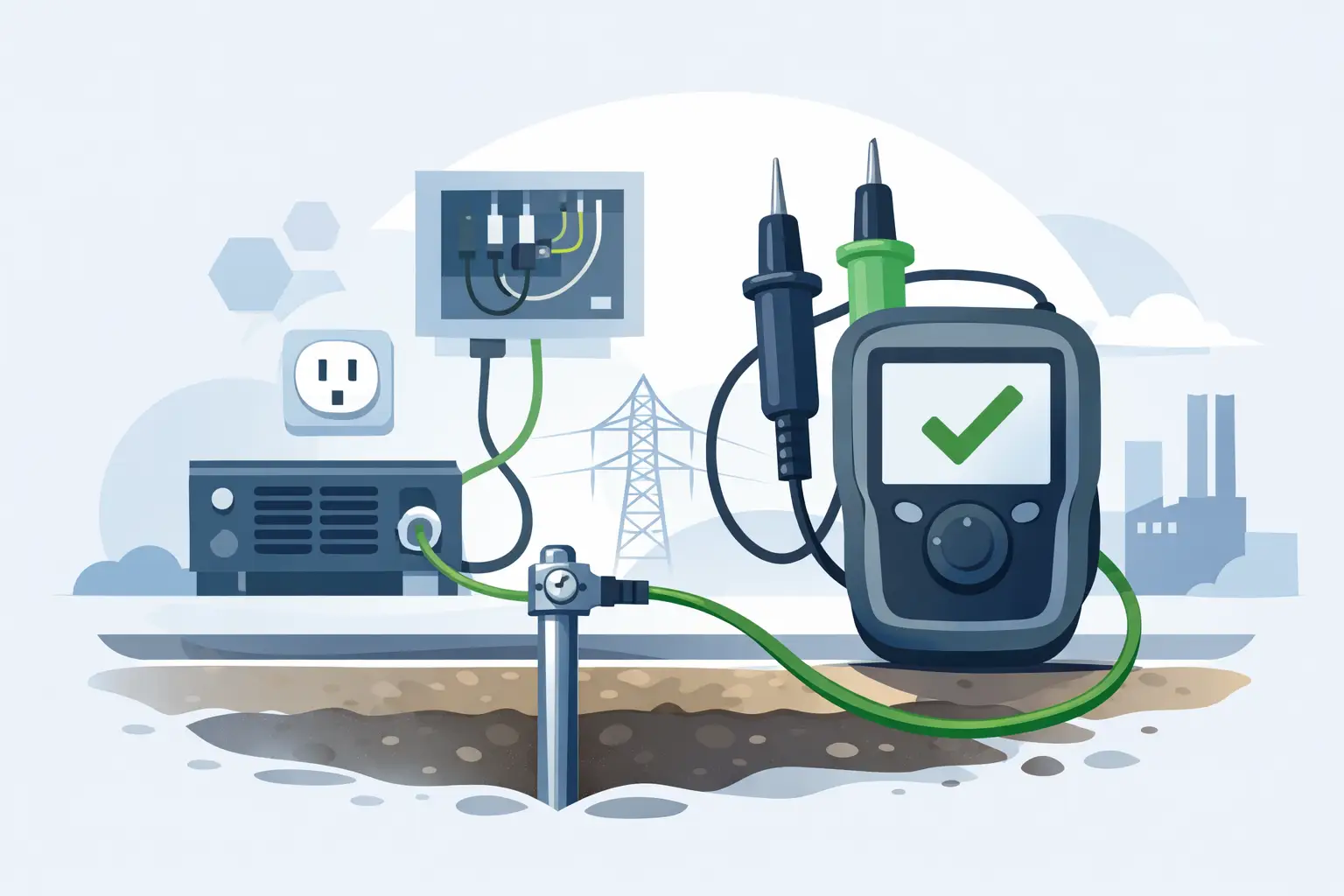
Grounding and wiring practices also affect results. Inverter environments are electrically noisy, and poor layout can introduce common-mode interference, unstable readings, or even safety risks. Shorter connections, appropriate shielding, and careful sensor placement reduce those problems. This is especially important when testing high-voltage DC links and fast-switching three-phase outputs.
A final mistake is relying on a single operating point. Inverters can look efficient and well-behaved at nominal load while revealing control instability, elevated harmonics, or thermal inefficiency at part load or during transitions. Useful testing covers the full intended operating envelope.
Where measurement confidence pays off
A precision power analyzer for inverter testing earns its value when results must stand up to engineering review, customer qualification, or regulatory scrutiny. In EV and motor-drive development, it supports tighter efficiency mapping and better correlation between electrical input, mechanical output, and thermal performance. In renewable and aerospace systems, it improves confidence in conversion behavior under variable loads and mission-specific profiles. In production, it helps maintain yield without lowering standards.
For organizations working in regulated or performance-critical environments, measurement confidence is operational leverage. Better data shortens root-cause analysis, reduces rework, and improves the quality of design decisions. That is why many engineering teams treat the analyzer as part of the product validation strategy rather than as a generic bench instrument.
Vitrek serves this space because high-accuracy power measurement is not a commodity requirement in inverter development. It is a system-level requirement tied directly to performance, compliance, and repeatability.
The practical question is not whether you can measure inverter power. It is whether you can trust the result when the margin is small, the waveform is difficult, and the decision carries real cost.