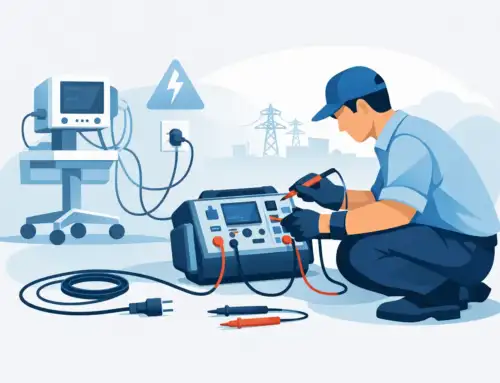
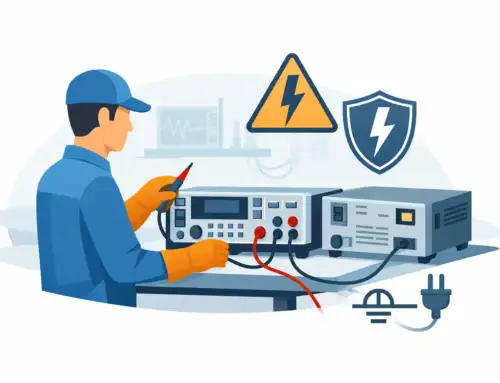
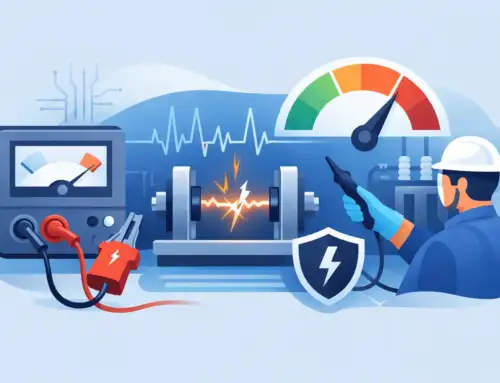
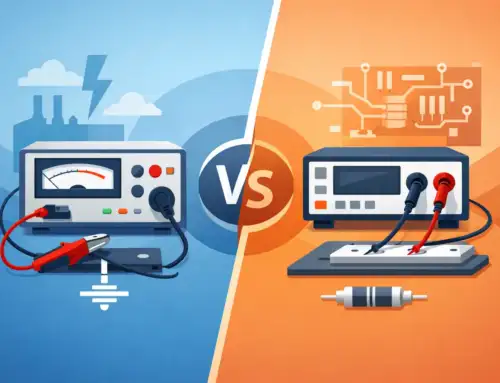
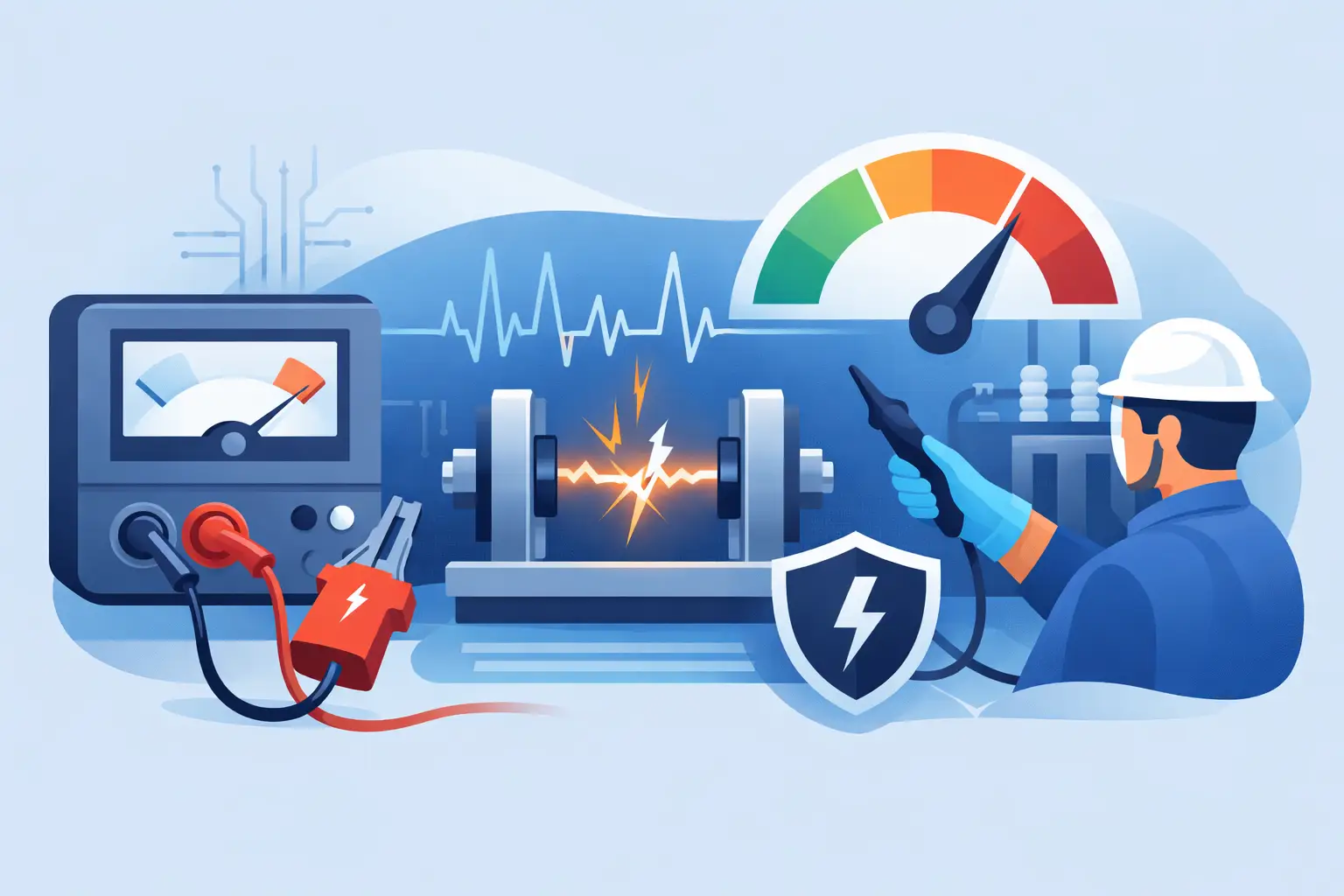
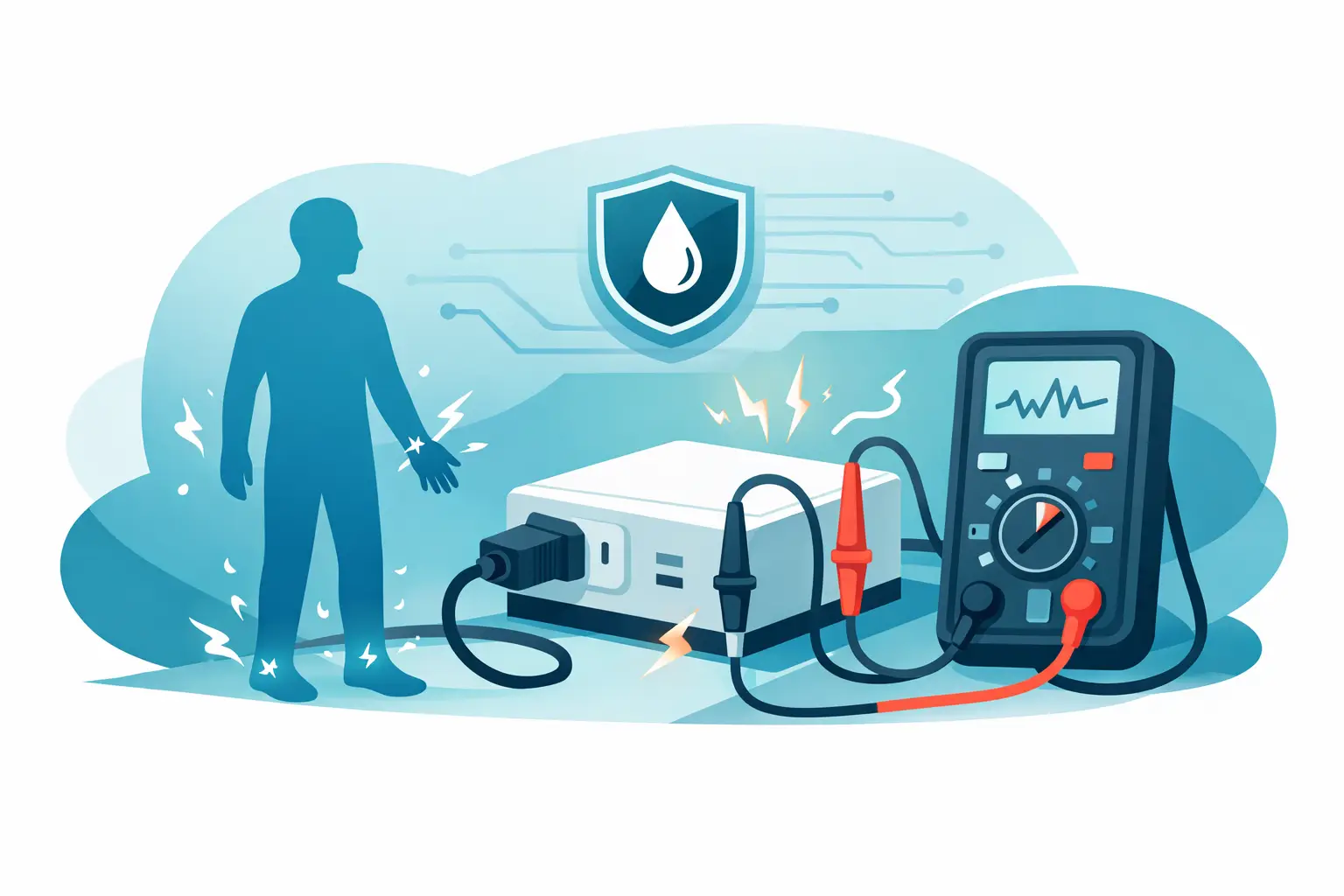
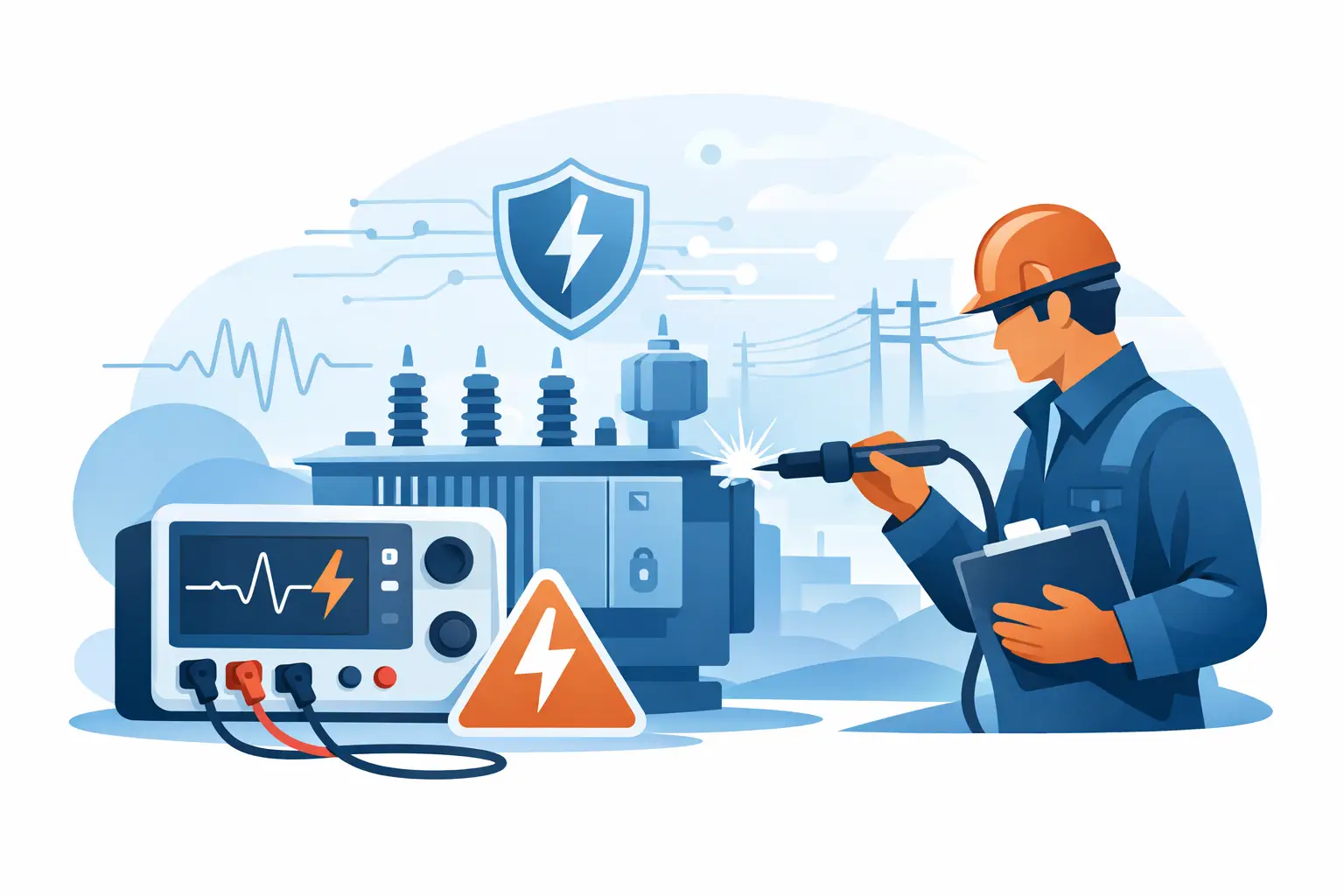
A product can meet its functional spec, pass internal validation, and still fail when compliance testing begins. That usually happens because the electrical product compliance testing guide was treated as a paperwork exercise instead of an engineering discipline. In regulated markets, compliance is not just about a test report. It is about proving that design intent, production reality, and applicable standards stay aligned under repeatable measurement conditions.
For engineering teams, that changes the job. The question is not simply whether a unit passes dielectric withstand, insulation resistance, leakage current, EMC, or environmental screening on one good day in the lab. The real question is whether the product and the test system are both controlled tightly enough to produce defensible data across prototypes, design revisions, and production lots.
What compliance testing actually has to prove
Electrical product compliance testing serves two purposes at once. First, it demonstrates conformity to the applicable safety and performance standards for the target market. Second, it reduces risk inside the manufacturer’s own operation by exposing design weaknesses, process drift, wiring errors, insulation defects, grounding problems, and component variability before those issues become field failures or certification delays.
That distinction matters because the test plan that supports internal design learning is not always identical to the plan used for formal certification. During development, engineers often push beyond the minimum standard to understand margin. In production, they may narrow the sequence to the checks that verify continued conformity without overstressing the product or slowing throughput beyond what the line can support.
A well-built strategy recognizes both needs. It uses standards as the baseline, then layers in test conditions, fixturing, limits, and data capture methods that reflect actual product risk.
Start with standards mapping, not test equipment selection
One of the most common mistakes is choosing instruments before defining the compliance pathway. Standards selection should come first because the required test type, voltage level, current limit, dwell time, pass-fail threshold, and reporting detail all depend on the product category and destination market.
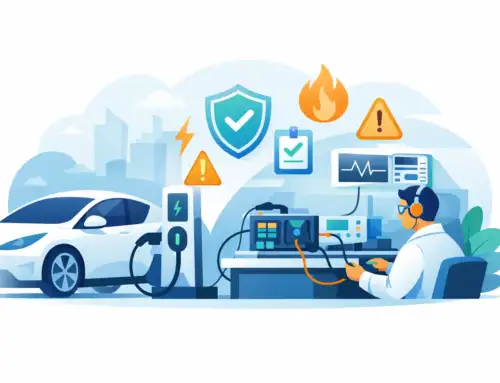
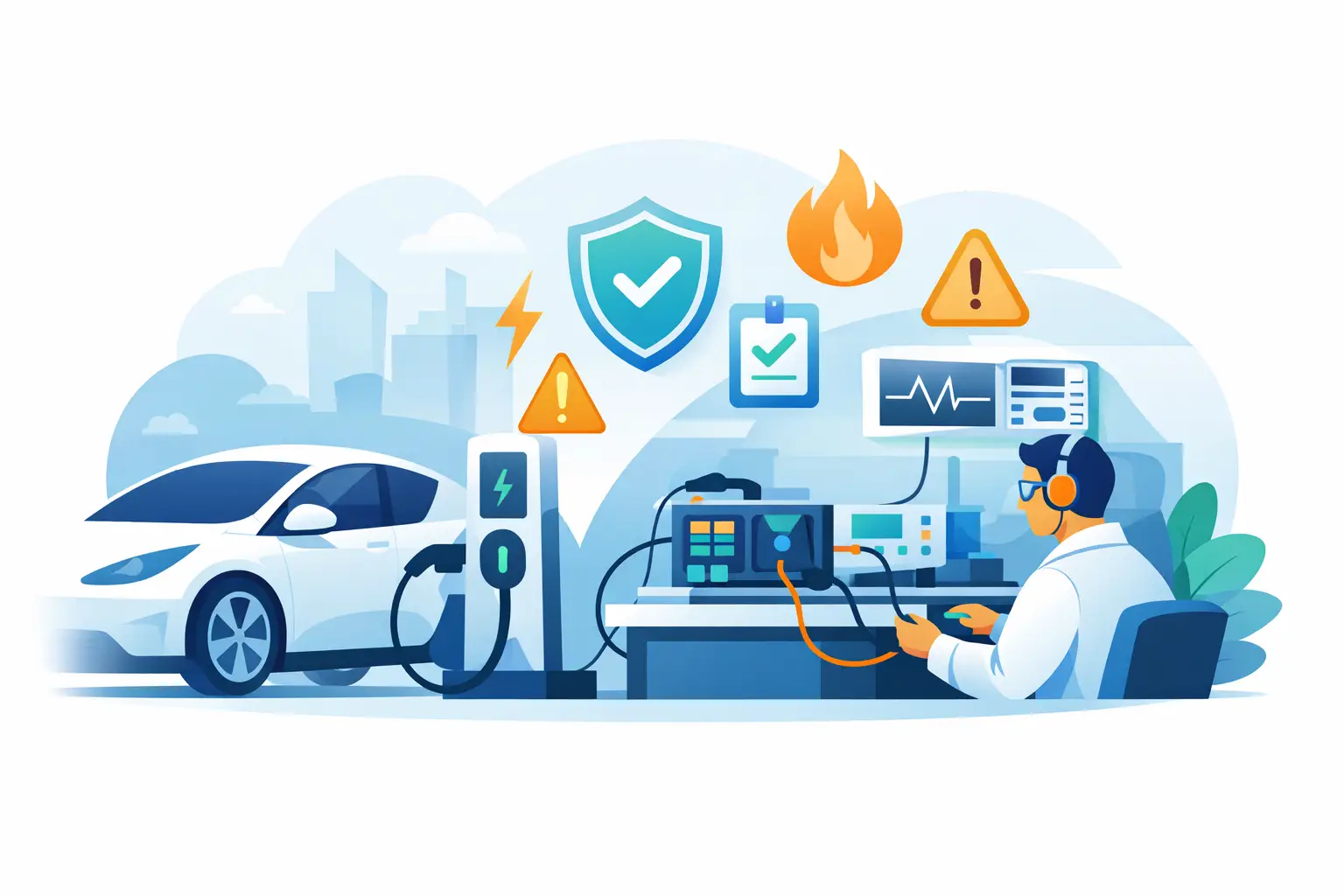
For a mains-powered device, the applicable framework may include electrical safety requirements, insulation coordination, grounding verification, leakage current limits, and in many cases EMC and environmental obligations. A medical electrical system introduces a different level of scrutiny, especially around patient and operator protection. Automotive and EV systems bring their own test demands, including high-voltage isolation and system-level validation under dynamic operating conditions.
This is where the electrical product compliance testing guide becomes practical rather than theoretical. Engineers need a standards matrix that identifies which clauses drive which tests, which tests apply at design validation versus production, and where third-party certification lab methods must be mirrored internally to reduce surprises.
The core electrical safety tests and where they go wrong
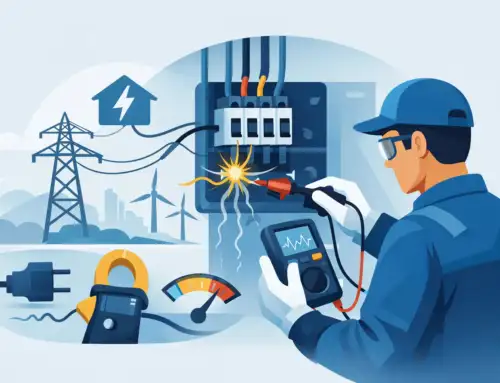
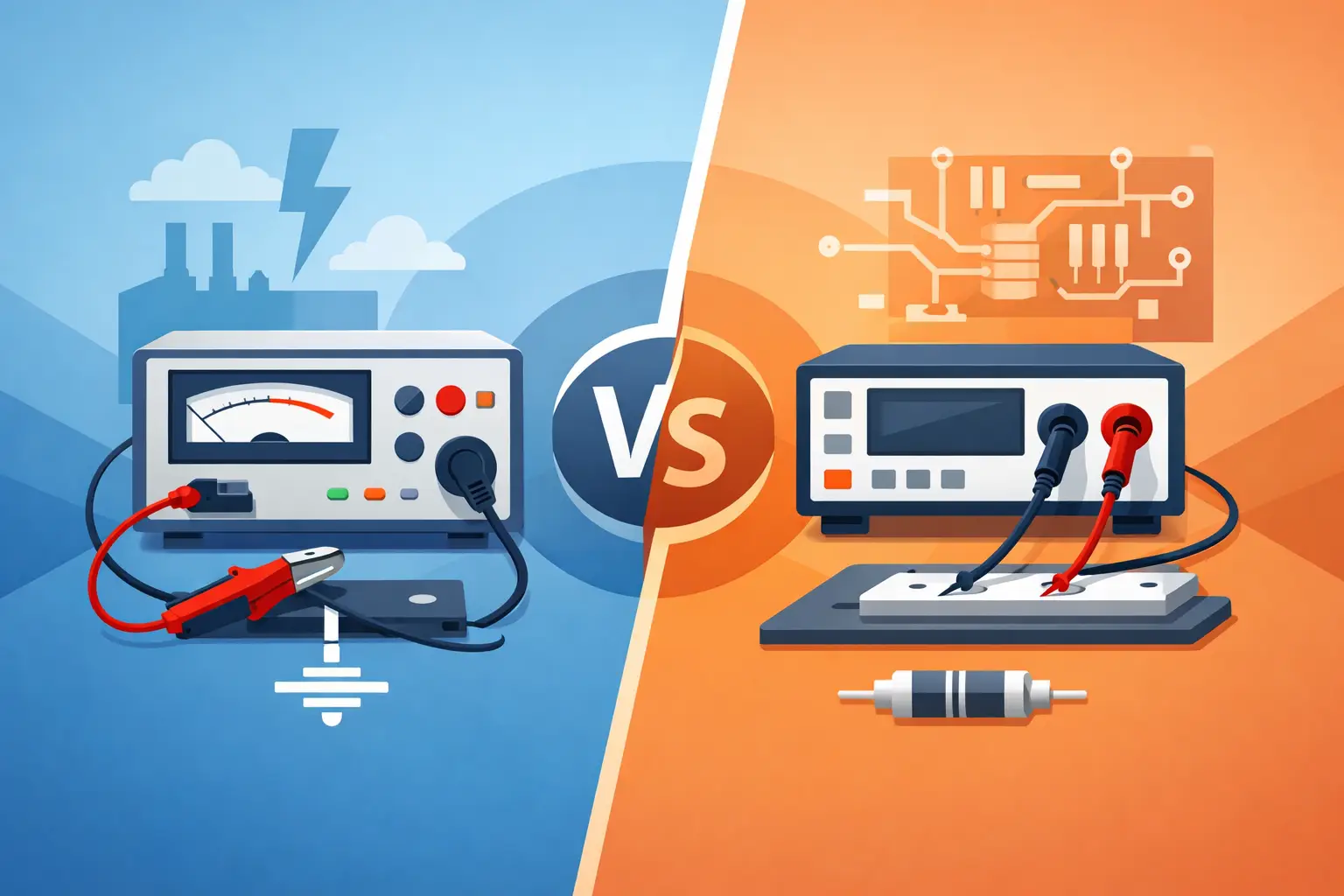
Most compliance workflows for electrical products revolve around a familiar set of safety checks: hipot or dielectric withstand, insulation resistance, ground bond or protective earth continuity, and leakage current. These tests sound straightforward, but execution details determine whether the data is meaningful.
Hipot testing
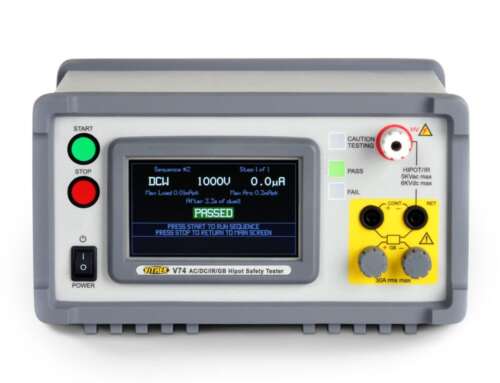
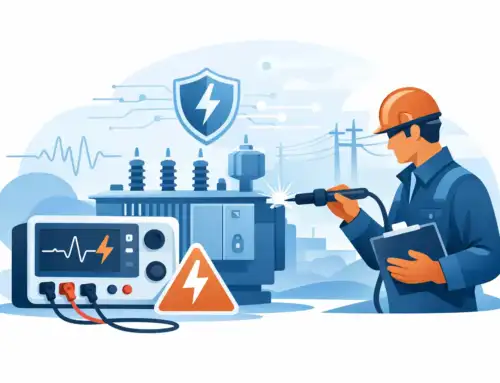
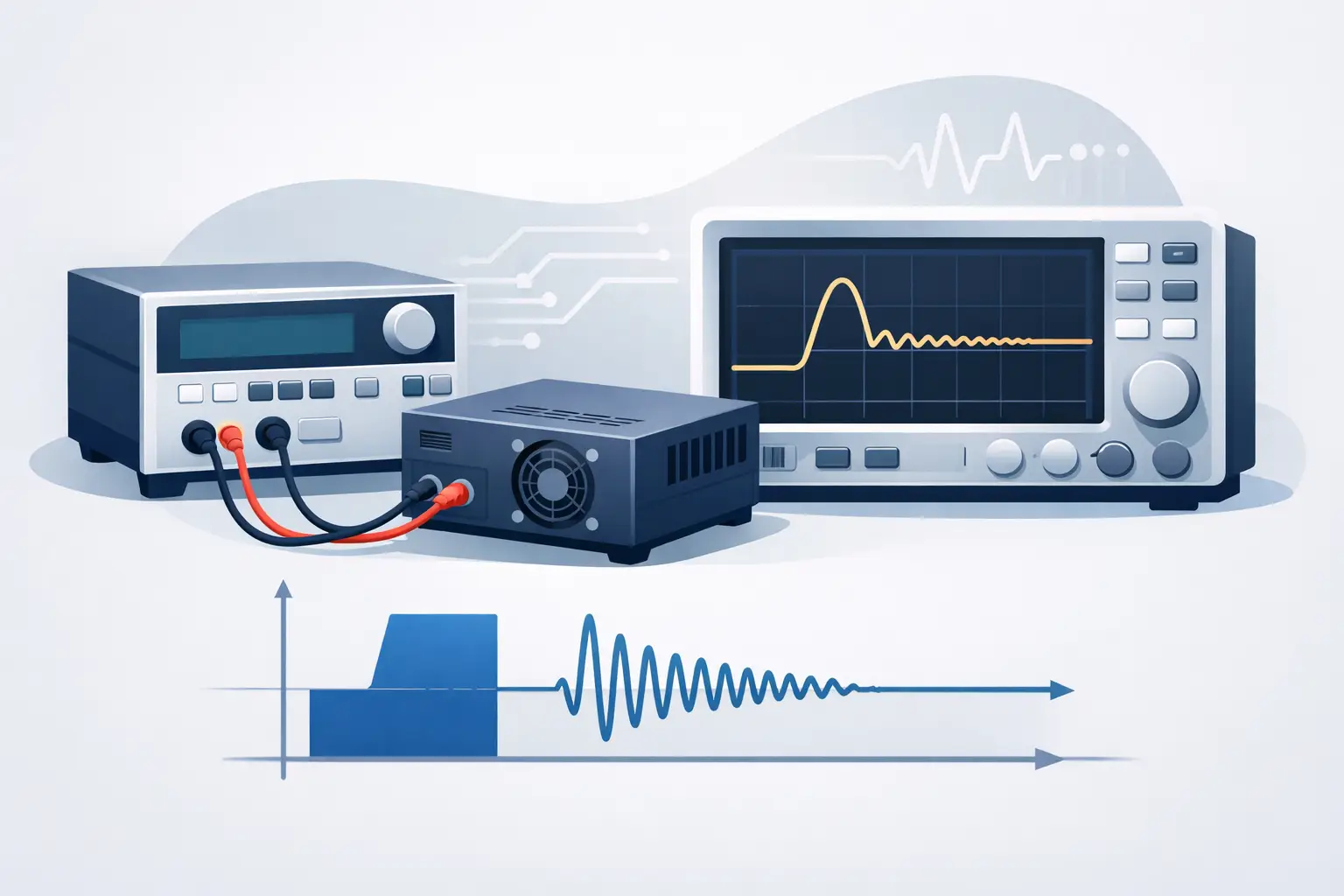
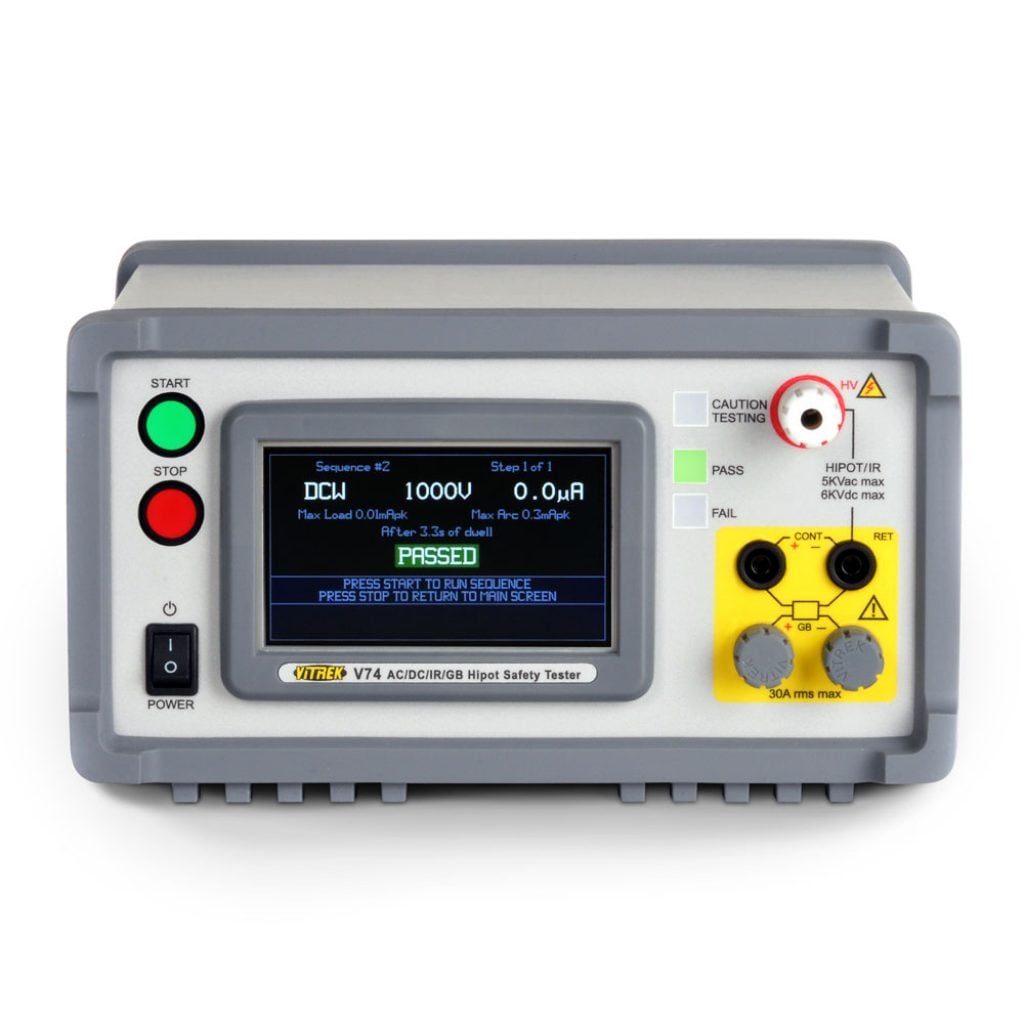
Hipot testing verifies that insulation systems can withstand a specified overvoltage without breakdown. The challenge is not just reaching the required voltage. Ramp profile, dwell time, arc detection sensitivity, current trip settings, and discharge behavior all affect both product stress and repeatability. If those parameters are inconsistent, the same unit may appear stable on one system and marginal on another.
Products with filters, surge suppression components, or distributed capacitance need special attention because charging current can look like leakage if the tester is configured poorly. That can create false failures and unnecessary handling damage.
Insulation resistance
Insulation resistance testing is often used alongside hipot to evaluate insulation quality at a lower stress level. It is sensitive to contamination, humidity, surface condition, and stabilization time. Teams that rush this test or fail to control environmental variables often get noisy results that do not correlate well with actual product integrity.
Ground bond and protective earth continuity
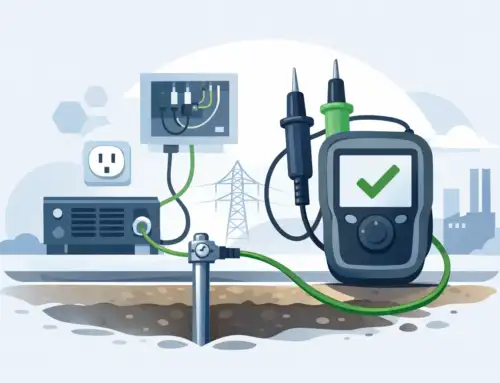
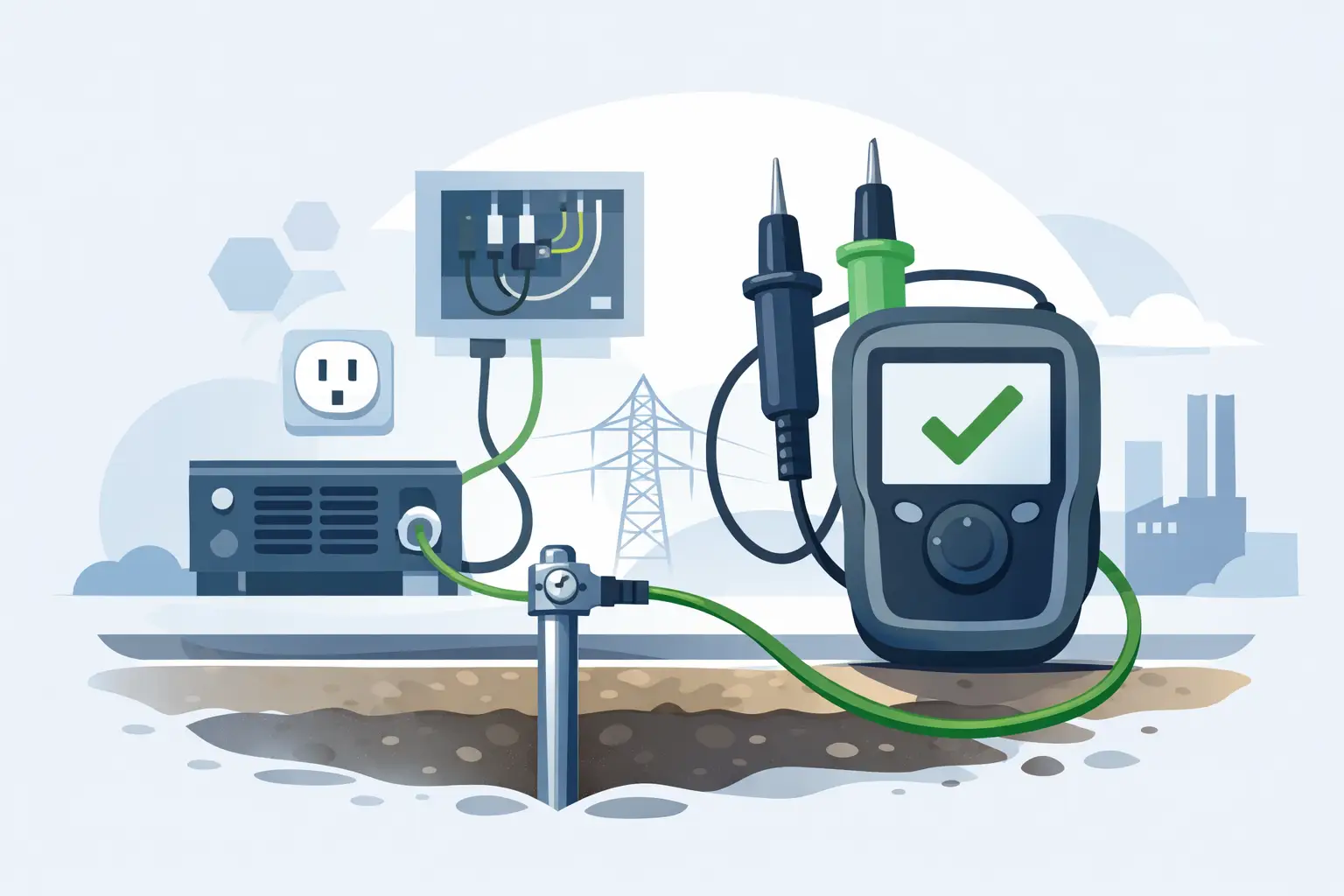
Ground bond testing confirms that fault current has a low-impedance path to earth. This is especially important for Class I equipment. Problems usually appear when fixturing introduces extra contact resistance, painted surfaces are not accounted for, or the production setup does not match the mechanical condition of the finished product.
Leakage current
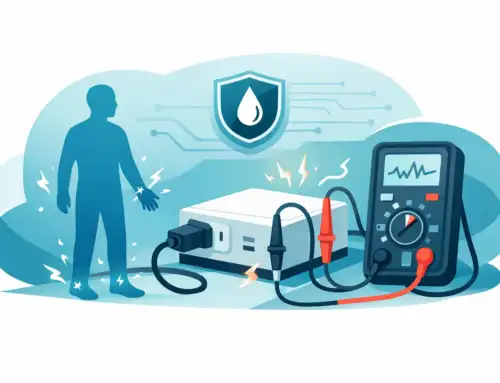
Leakage current testing evaluates current flowing through unintended paths under normal and sometimes single-fault conditions. It is strongly affected by supply configuration, measurement network setup, and product operating mode. In many cases, the unit must be tested while energized and in multiple states, which makes procedure control critical.
Why measurement integrity matters as much as the standard
Passing a standards-based test with poor measurement discipline is not much of a pass. Compliance data only holds value if the instrumentation is appropriate for the task, calibrated with traceability, and stable under the expected workload.
High-voltage testing is a good example. If output accuracy, current measurement resolution, or timing control drift outside acceptable limits, the result may no longer represent the required method. The same applies to power analysis, leakage measurements, and any test where small differences near the limit affect disposition.
For that reason, serious compliance programs treat the test system as part of the validated process. They document instrument specifications, calibration intervals, fixture design, operator instructions, and software revision control. They also define what happens when equipment is adjusted, repaired, or moved between sites. In regulated environments, those details are not overhead. They are part of the evidence chain.
Building a test plan that survives production reality
A development lab can tolerate some manual steps. A manufacturing line usually cannot. That is why a compliance test plan should be designed with production constraints in mind from the start.
Sequence matters. If a product is vulnerable to damage from repeated high-voltage stress, hipot should not be run casually during every debug loop. If leakage current depends on warm-up or operating mode, the line must account for that time. If multiple tests share a fixture, the fixture must maintain safe spacing, reliable contact, and repeatable connection order.
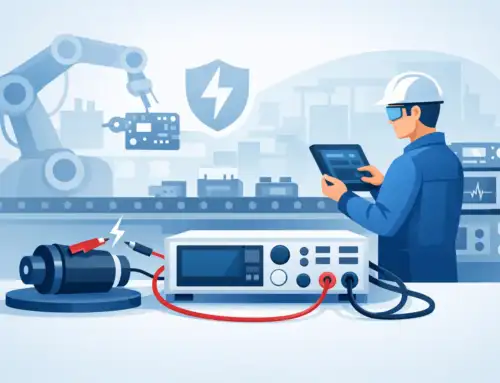
Automation can help, but only when it is engineered well. Automated safety test systems reduce operator variability and improve throughput, yet they also raise the stakes for interlocks, scan architecture, data logging, and exception handling. A fast system that records incomplete data or applies the wrong test profile to the wrong SKU creates a compliance problem, not a solution.
This is one reason many teams standardize on instrumentation built for safety and high-voltage applications rather than adapting general-purpose lab hardware. In production and certification support, repeatability usually matters more than improvisation.
Electrical product compliance testing guide for design teams
Design teams should use compliance testing early enough to influence the product, not just verify it at the end. That means pre-compliance testing during prototype phases, especially when insulation systems, creepage and clearance decisions, line filtering, protective grounding, and enclosure strategies are still adjustable.
The benefit is not only catching failures sooner. Early testing helps engineers understand margin. A unit that barely passes in a clean lab with hand-built samples may struggle once tolerances stack, suppliers change materials, or assembly variation increases. Designing to the limit is sometimes necessary, but it should be a conscious decision backed by real data.
Another practical step is to align test engineering with design FMEA and hazard analysis. If the product risk assessment identifies insulation failure, accessible conductive parts, abnormal operating conditions, or wiring reversal as credible concerns, the compliance test strategy should reflect that logic rather than exist as a separate checklist.
Documentation is part of the test system
A strong lab can lose time quickly if documentation trails the hardware. Test procedures, setup photographs, wiring diagrams, software versions, environmental conditions, calibration records, operator training, and result files all matter when results are questioned.
This becomes especially important during design changes. Even a minor PCB layout revision, insulation material substitution, connector change, or power supply update may affect compliance. Without disciplined change control, teams can end up comparing new test results against an old method and assuming nothing changed.
The best documentation does not try to be verbose. It aims to be unambiguous. Engineers should be able to recreate the exact test conditions months later and obtain comparable data. That is the threshold worth designing for.
When to use external labs and when to build internal capability
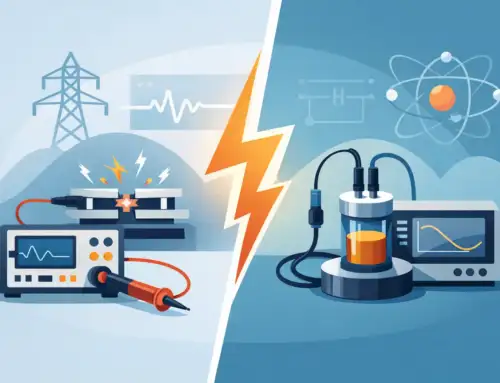
It depends on volume, risk, and product complexity. External labs are essential for formal certification, independent verification, and specialized methods that are not cost-effective to maintain in-house. Internal capability makes sense when teams need rapid design iteration, production screening, failure analysis, or frequent retesting across product families.
Many manufacturers need both. Internal systems accelerate engineering decisions and reduce costly surprises before submission. External labs provide the formal evidence required by the market or regulatory body. The most efficient organizations make sure those two environments are aligned closely enough that external results confirm internal expectations instead of contradicting them.
That alignment depends on standards knowledge, instrument accuracy, and procedure discipline. It also depends on choosing test systems that are built for repeatable compliance work, not occasional bench checks. For organizations testing high-voltage, safety-critical, or tightly regulated products, that difference is substantial.
A useful way to think about compliance testing is this: every test should answer a question you may need to defend later. If the method, equipment, and records are strong enough to support that conversation, the program is doing its job. If not, the right time to fix it is before the next product reaches the lab.