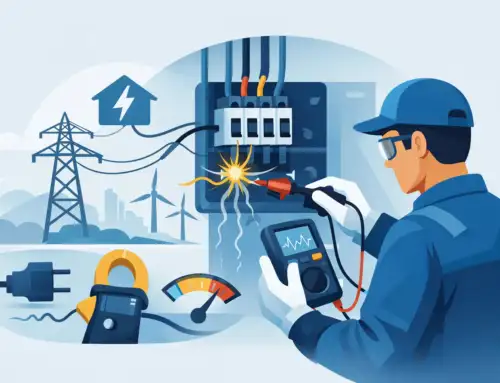
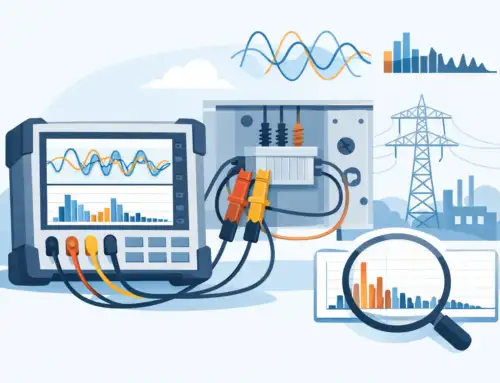
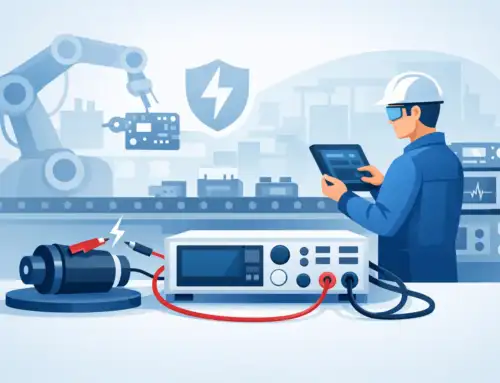
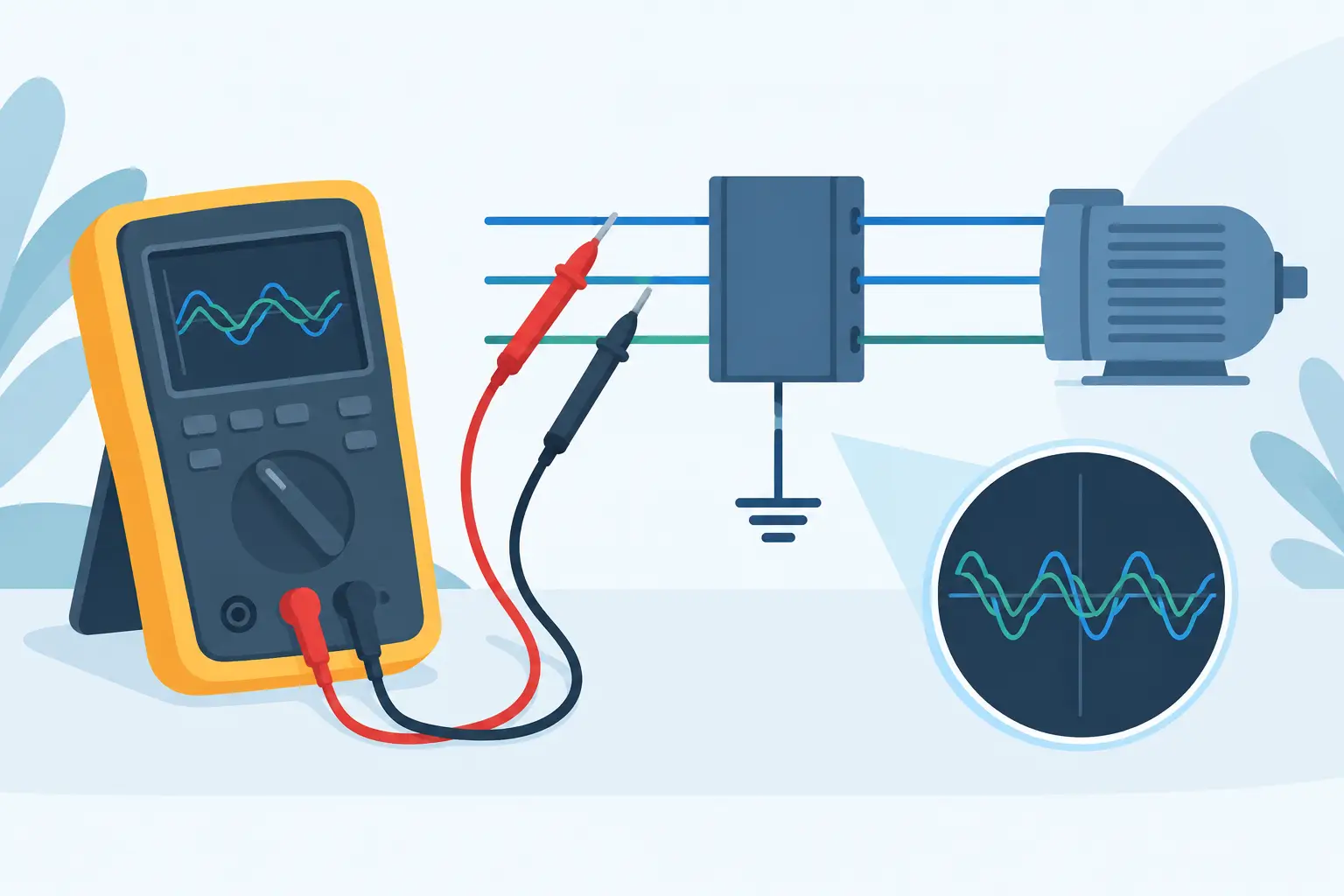
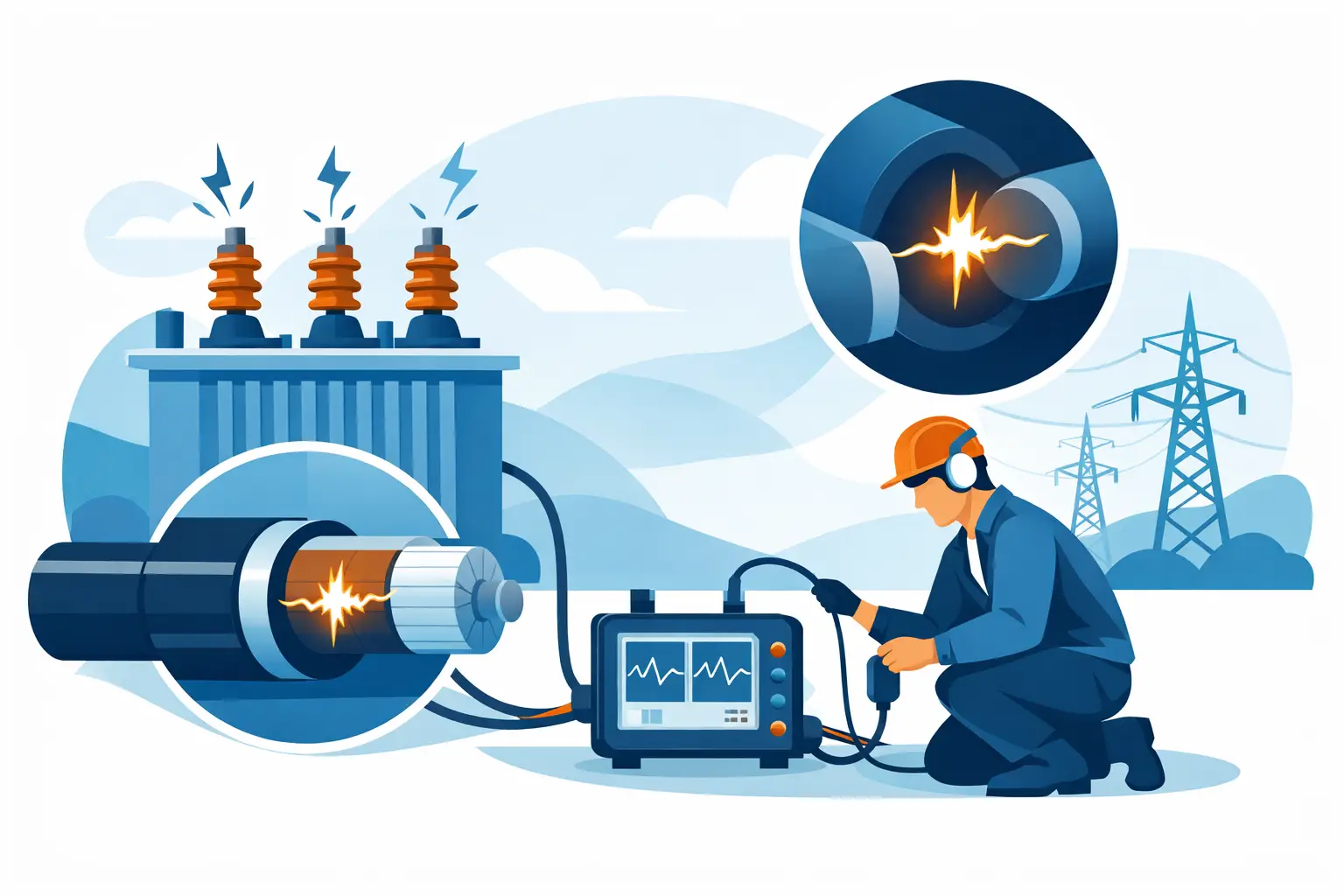
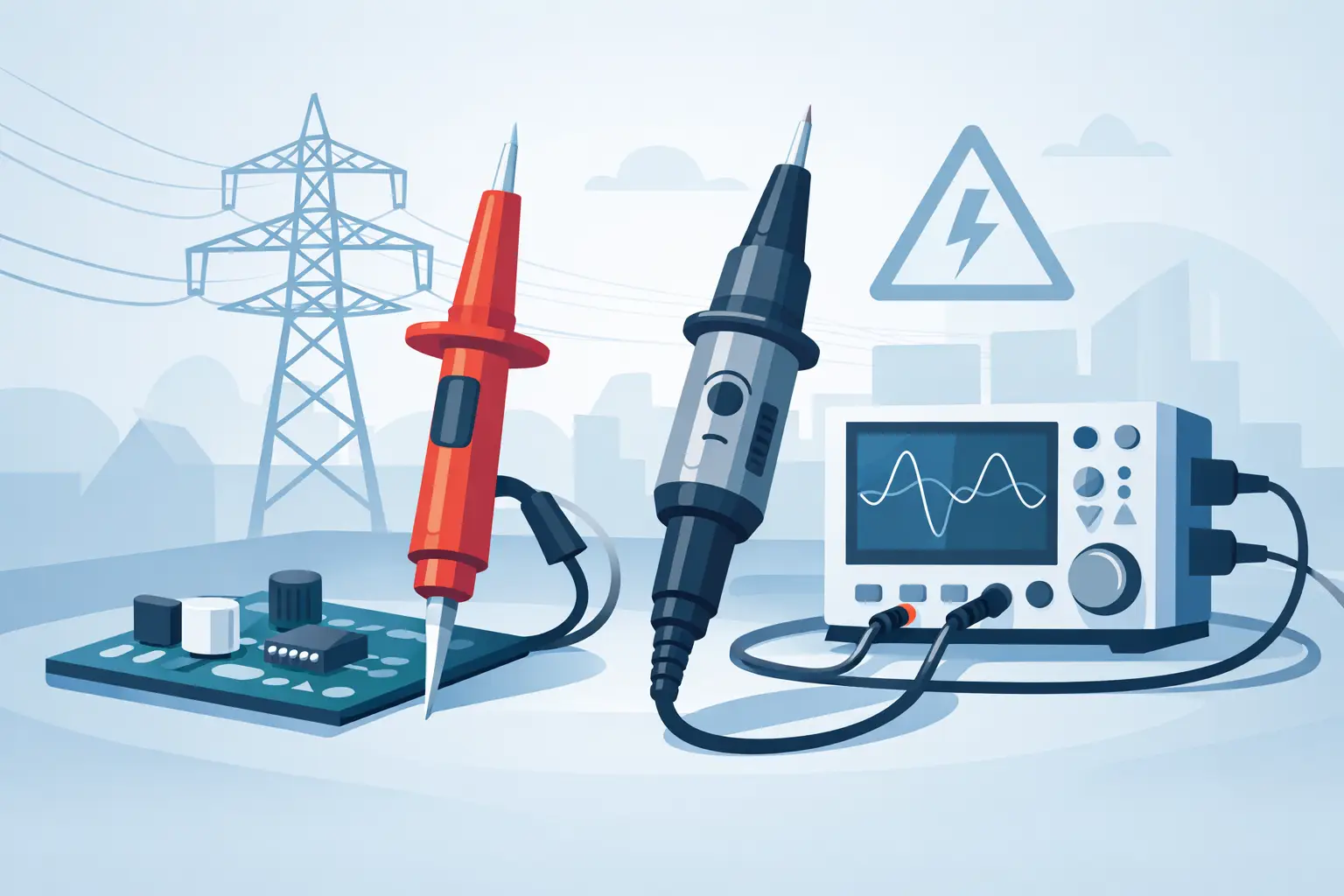
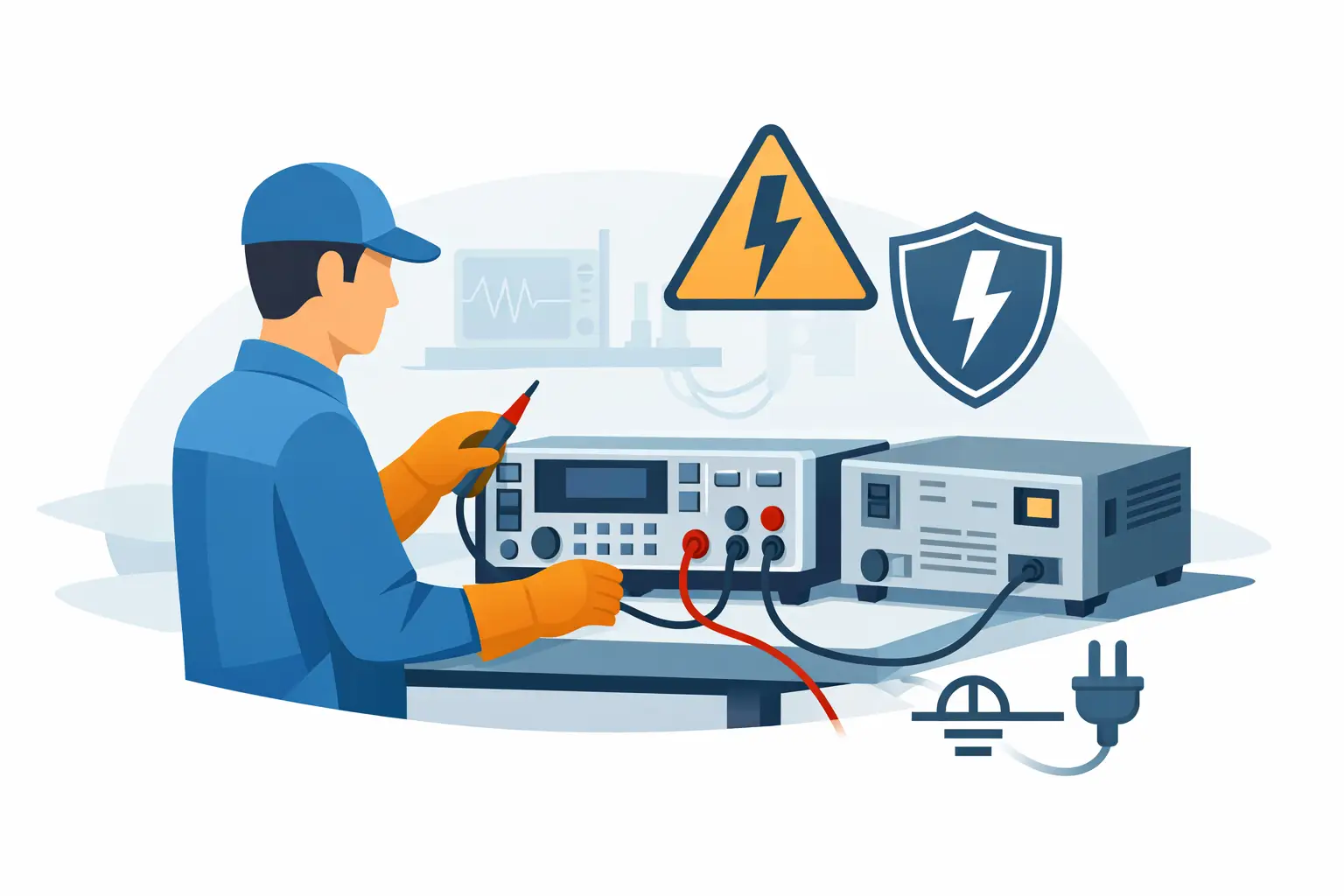
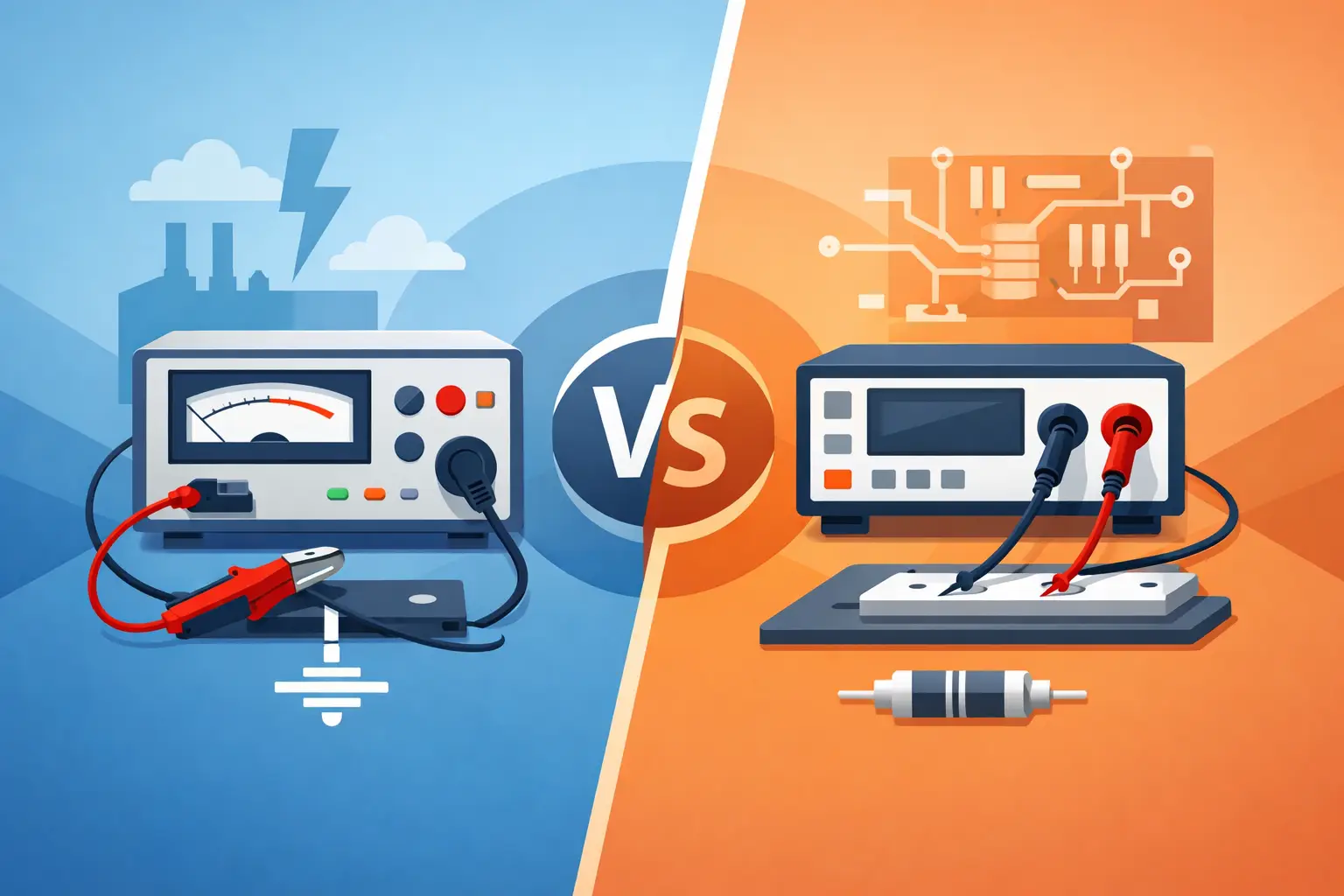
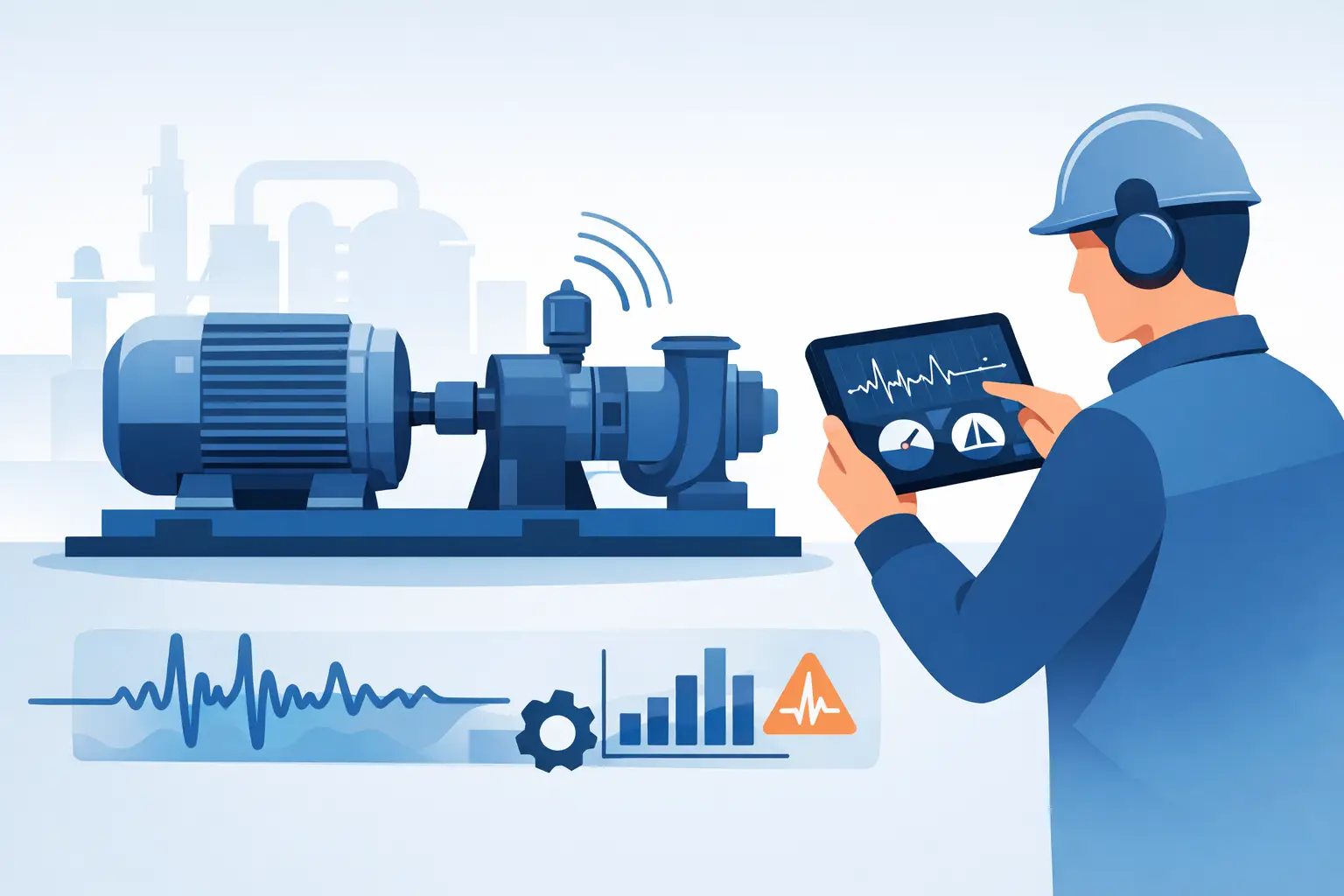
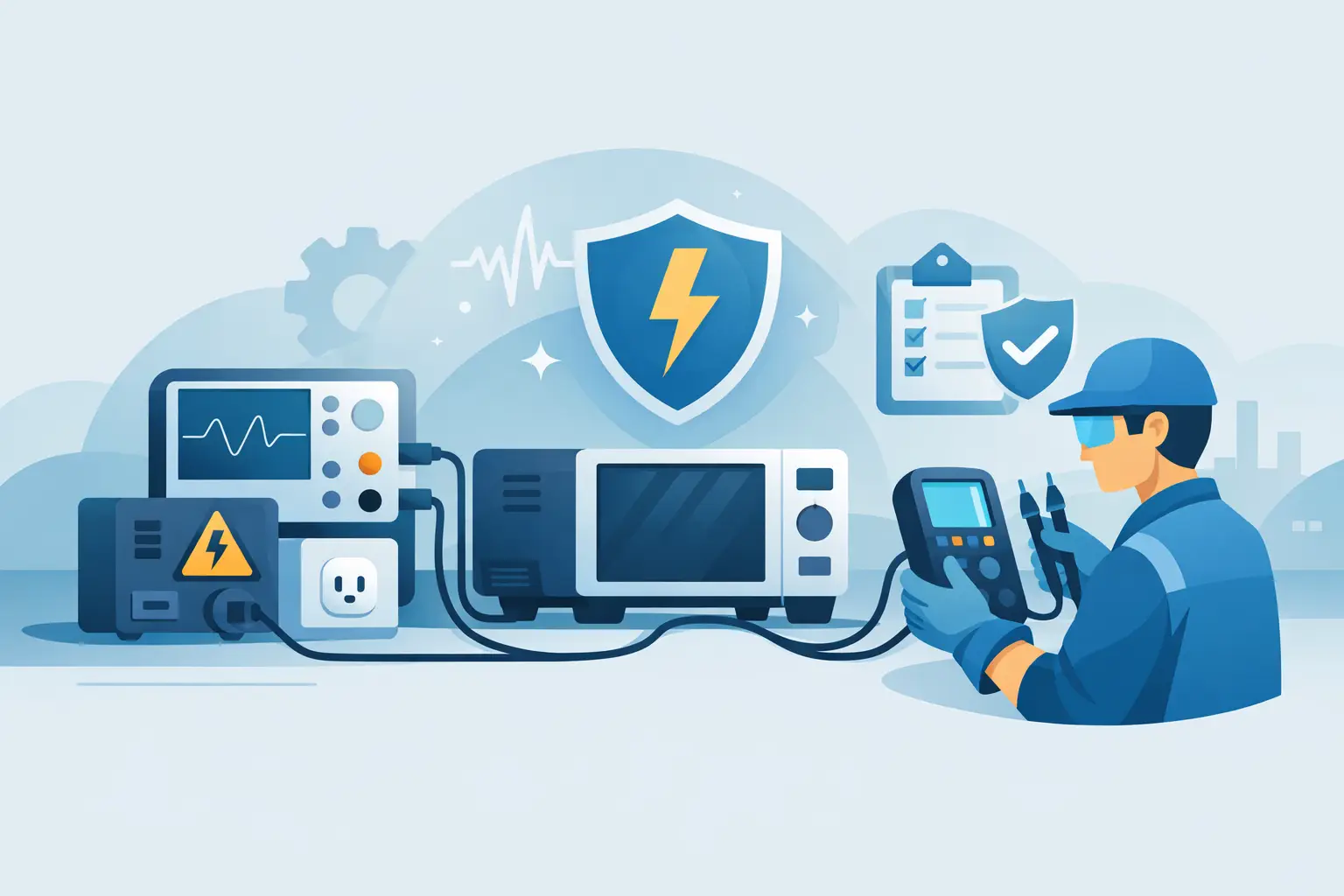
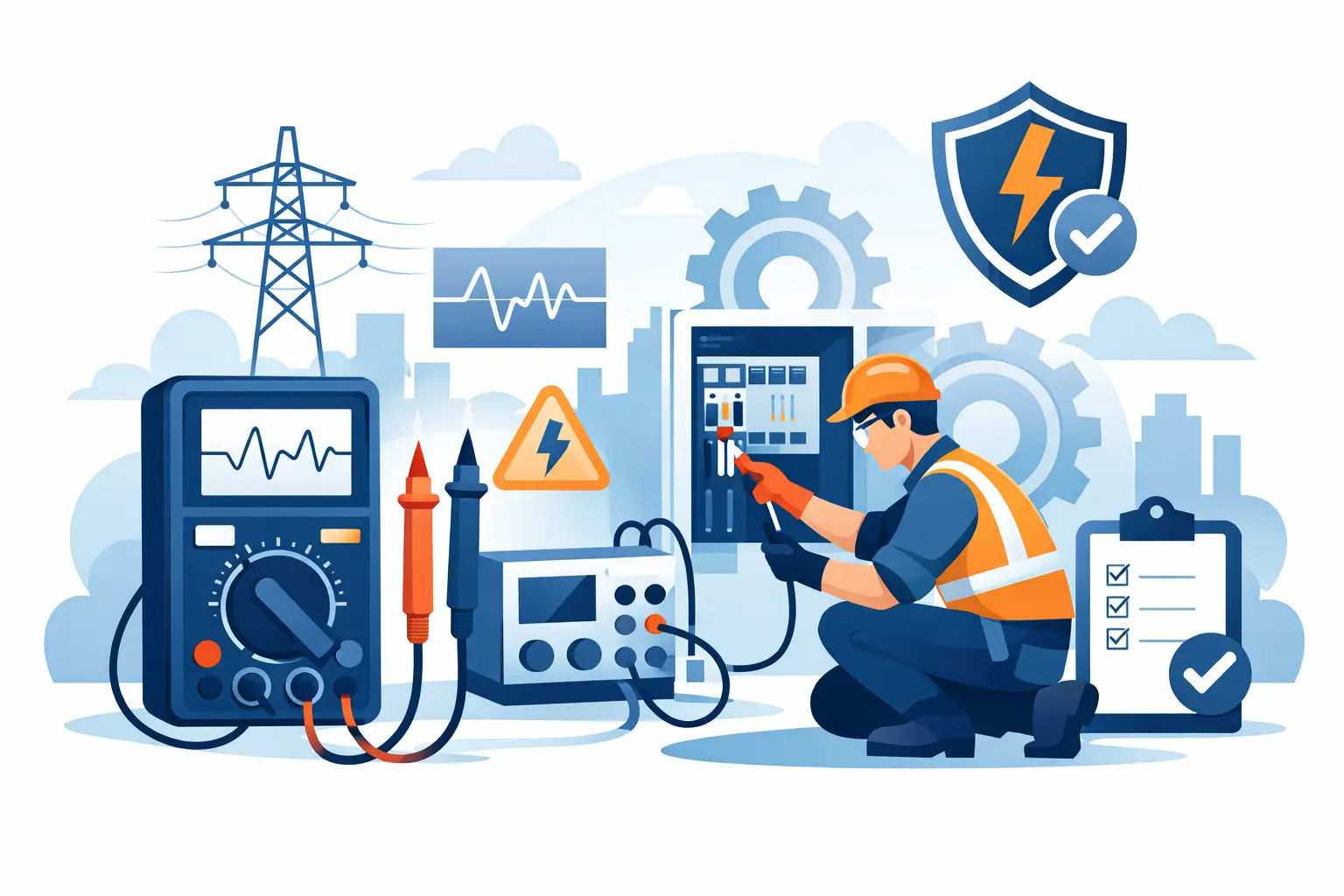
A production line can pass every functional check and still fail the one test that matters most when insulation integrity is on the line. That is where the question of hipot tester vs dielectric analyzer becomes more than a naming issue. These instruments may both apply high voltage, but they are built for different decisions, different users, and different stages of the product lifecycle.
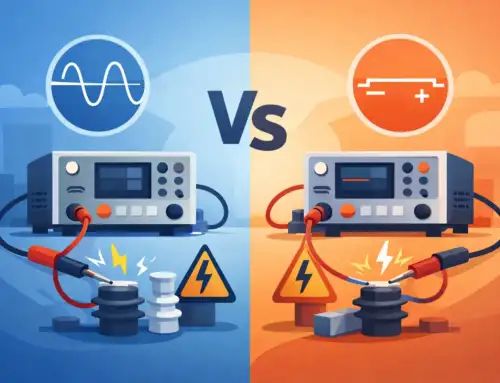
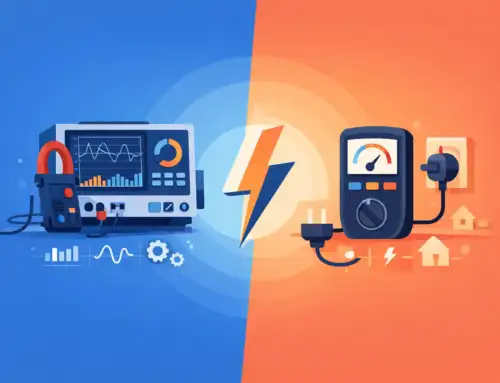
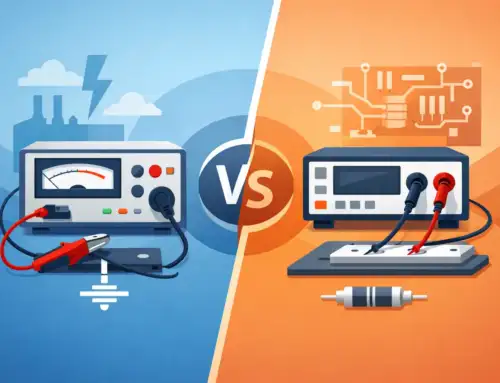
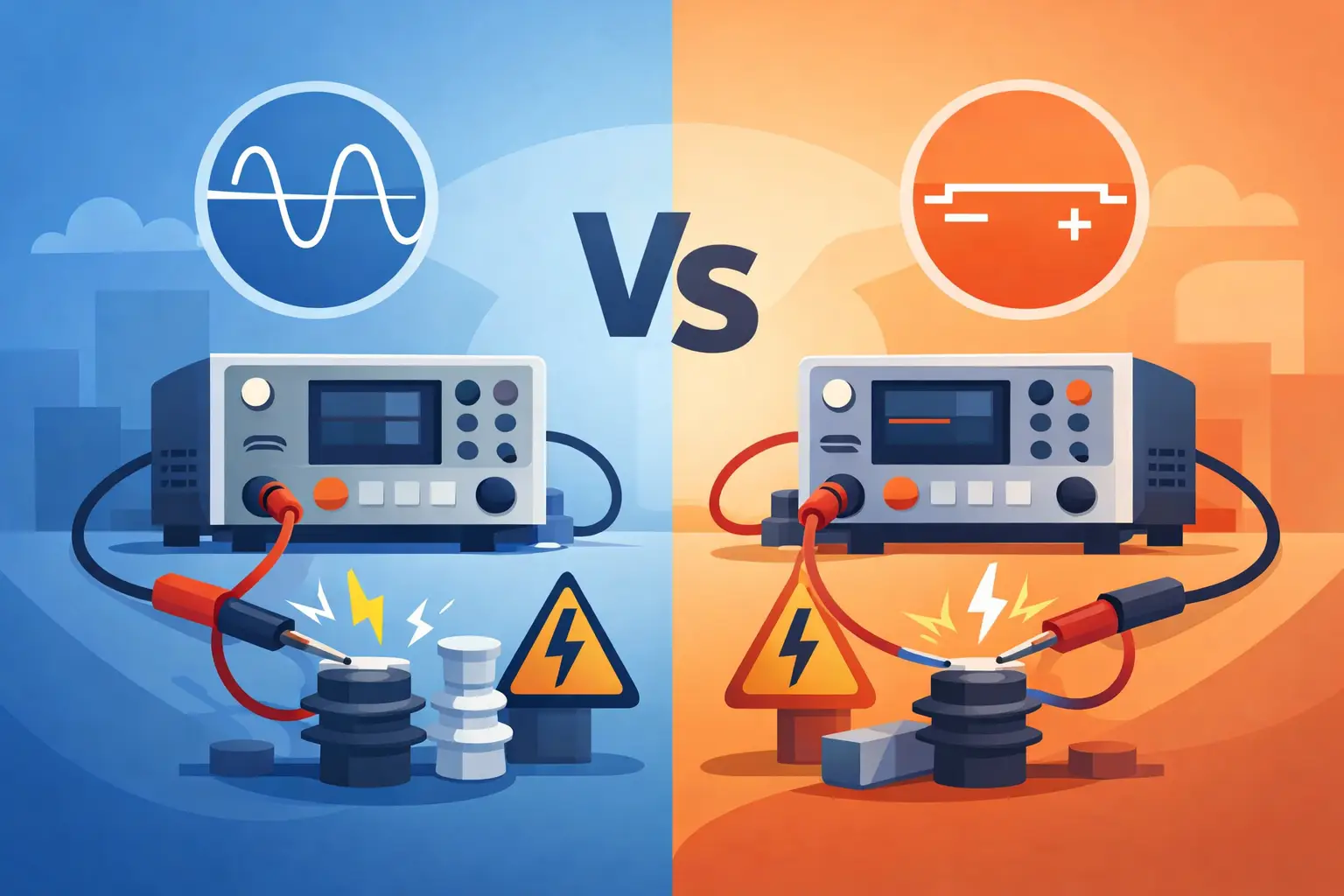
Hipot tester vs dielectric analyzer: the core difference
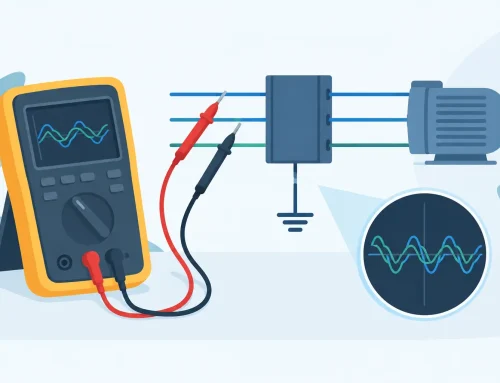
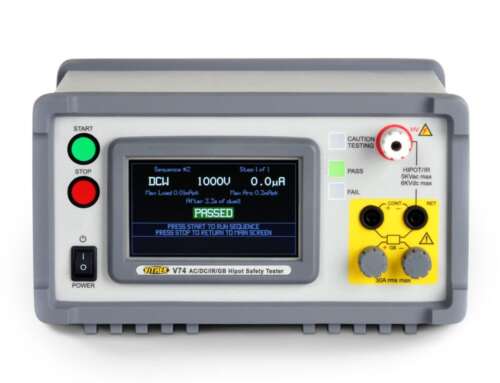
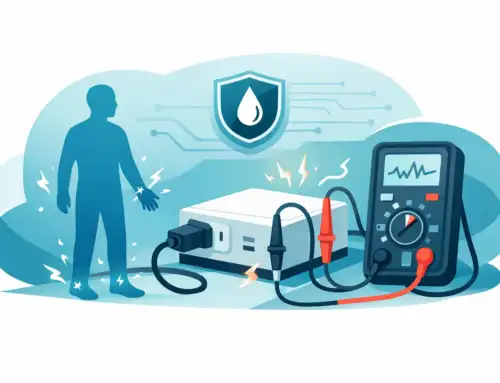
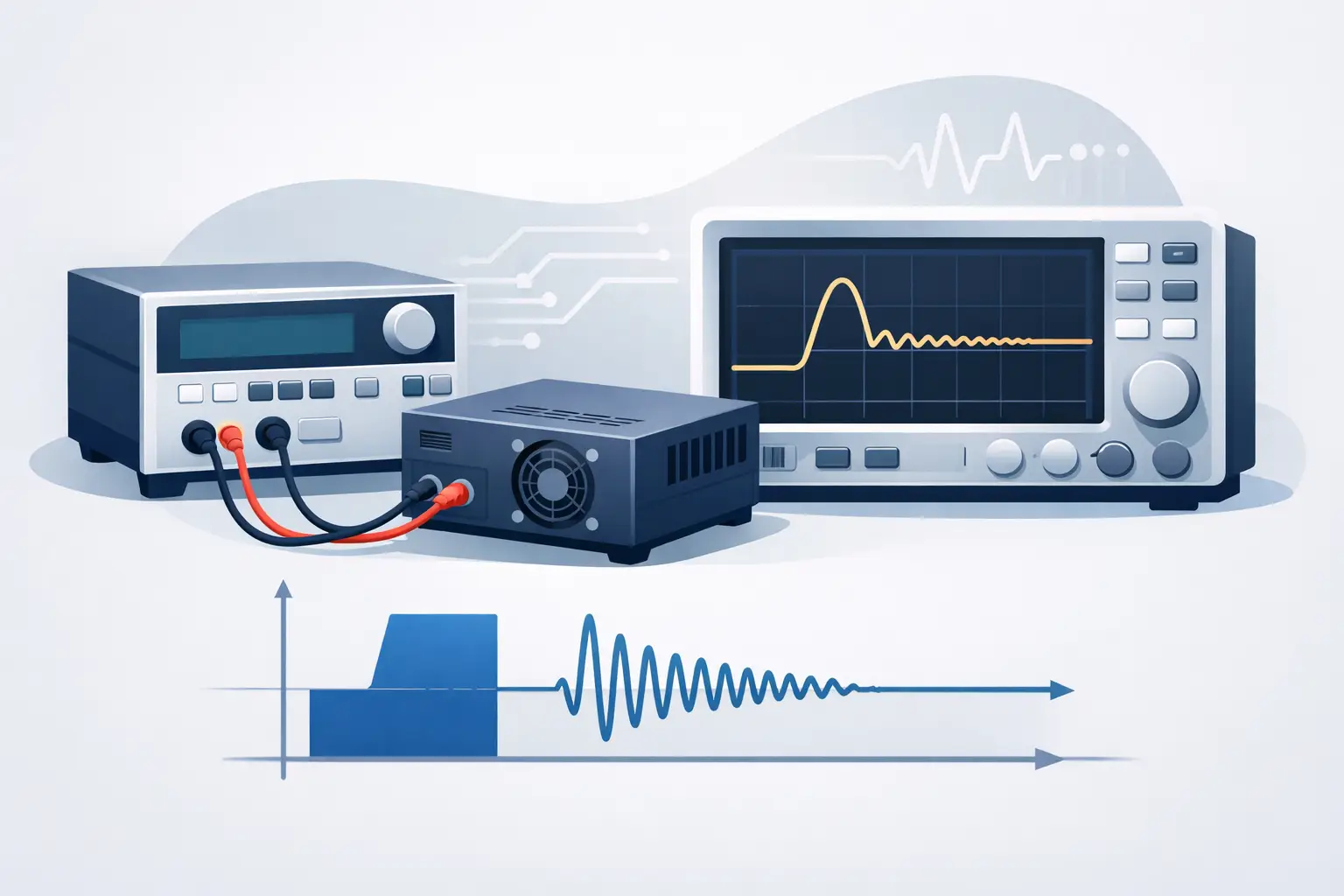
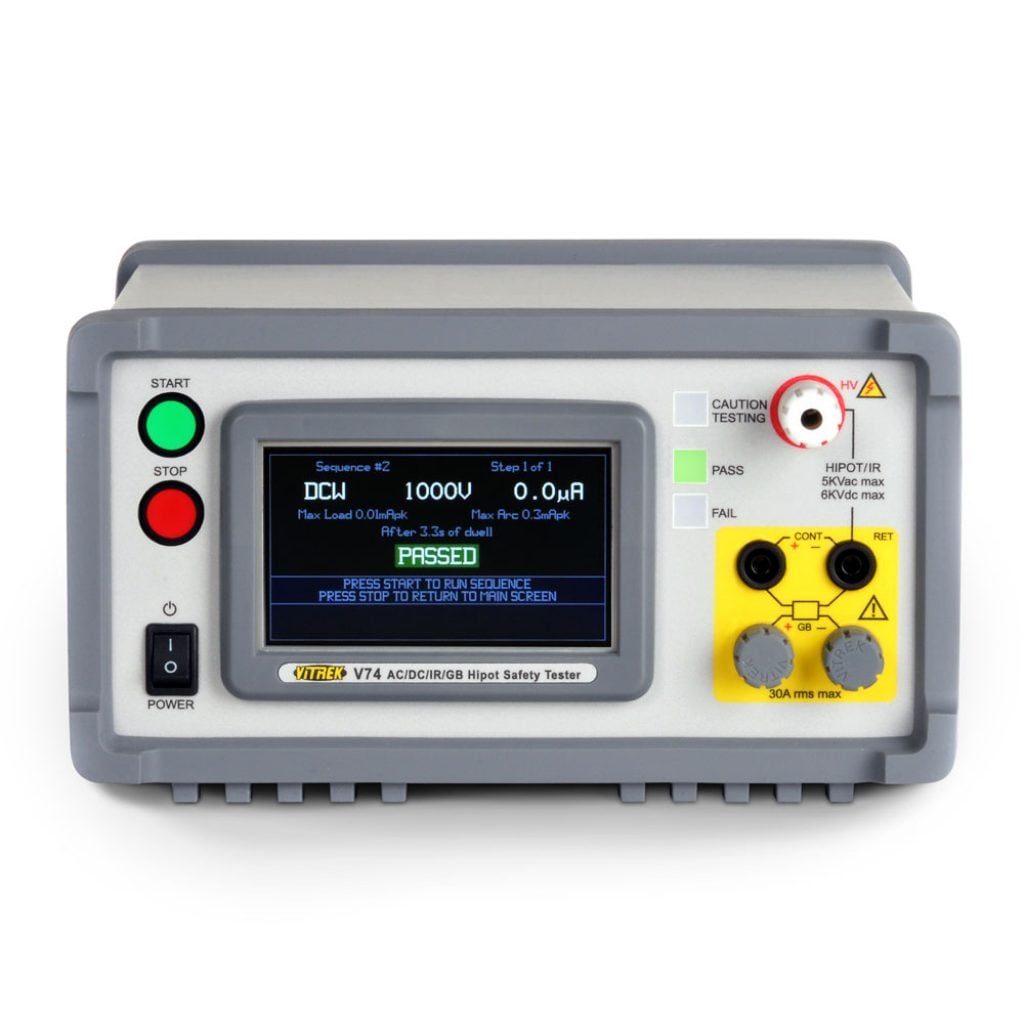
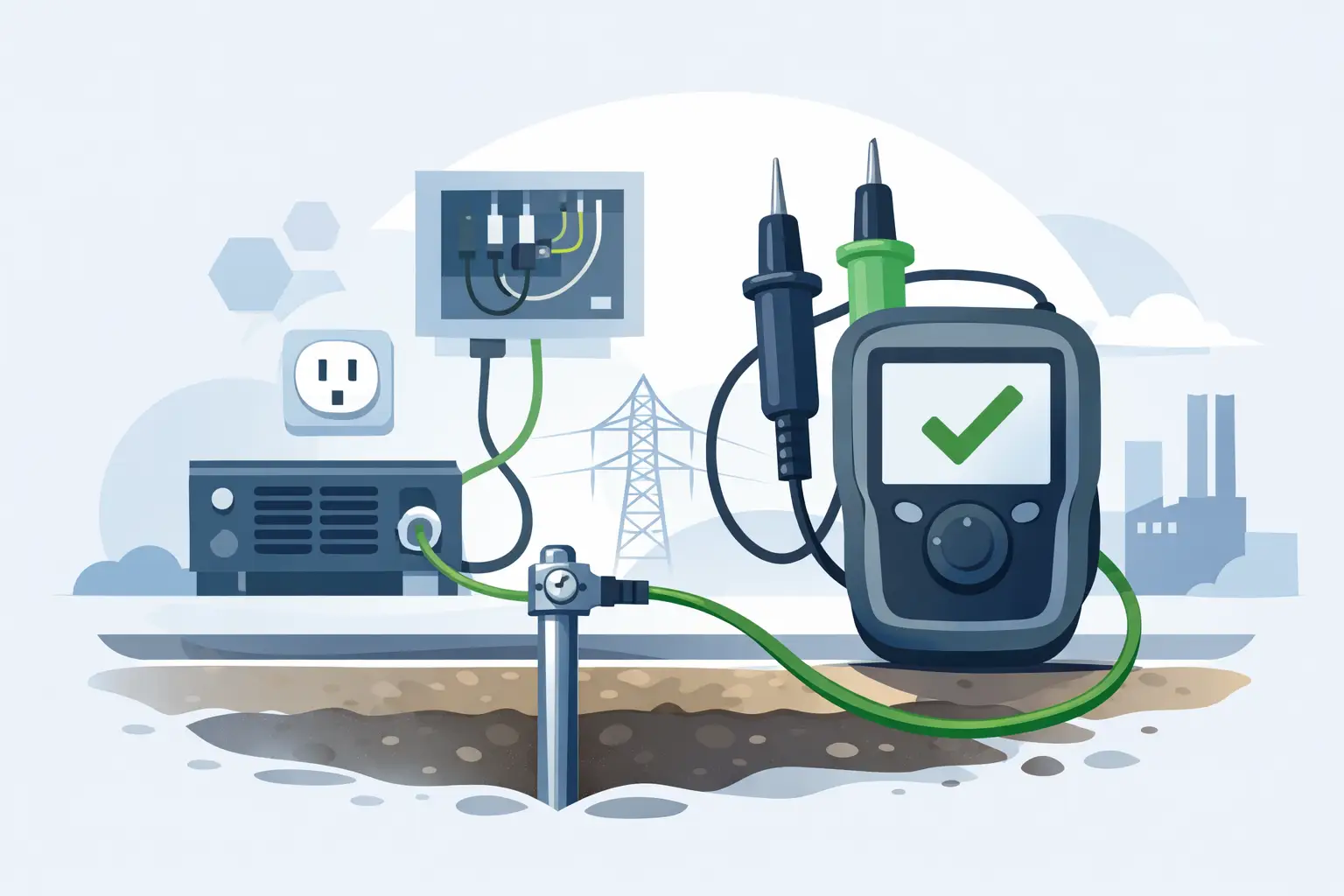
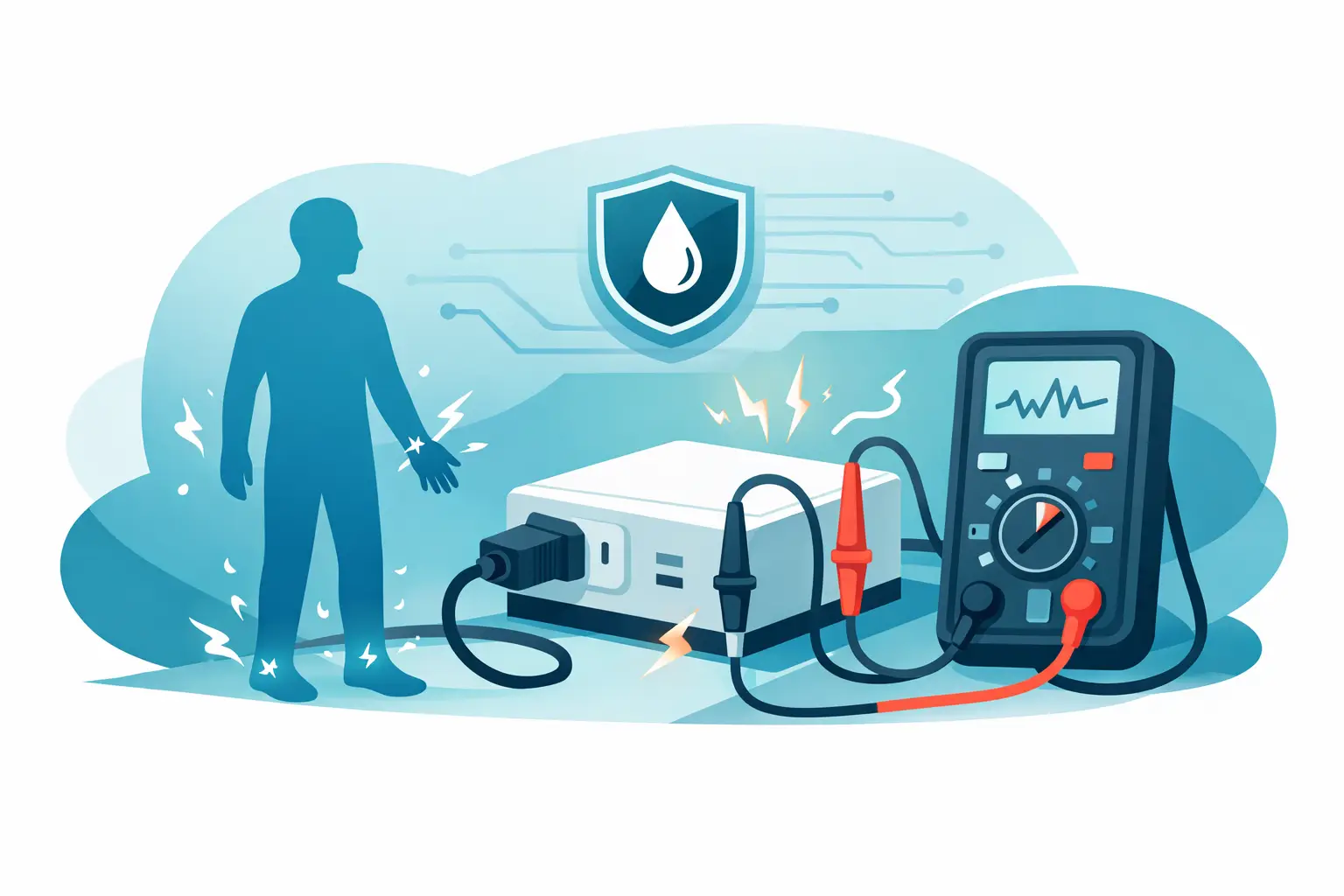
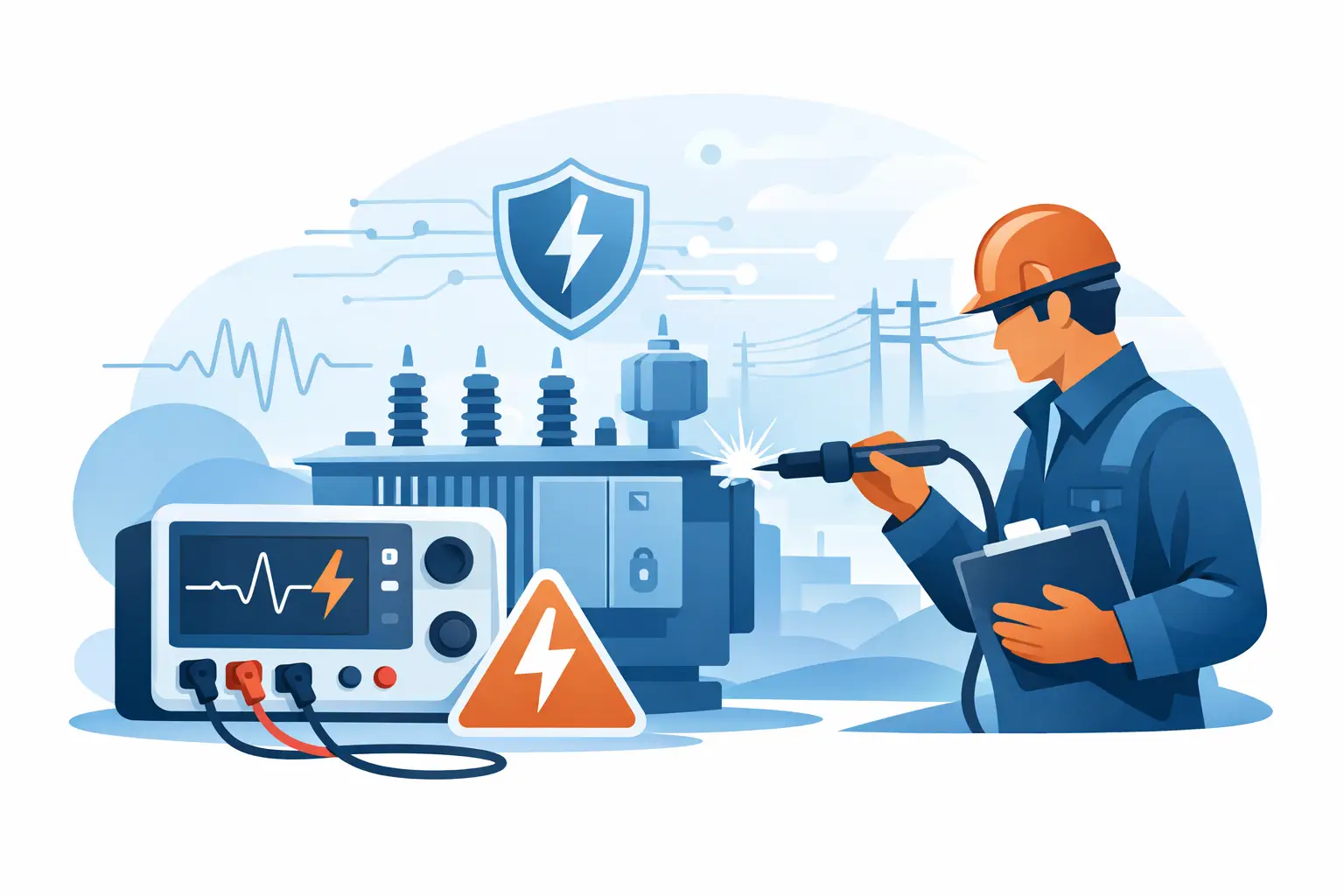
A hipot tester is primarily a safety compliance instrument. Its job is straightforward: apply a specified high voltage between isolated points and verify that insulation withstands the stress without breakdown and without leakage current exceeding a defined limit. In manufacturing and certification contexts, that pass/fail result is the point.
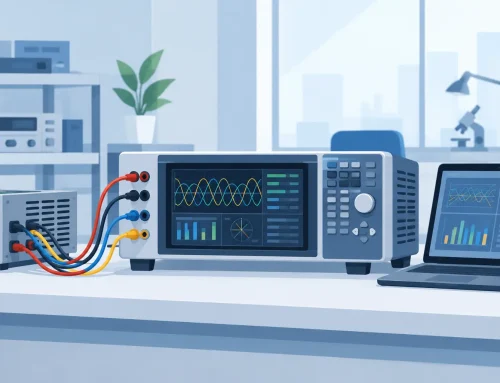
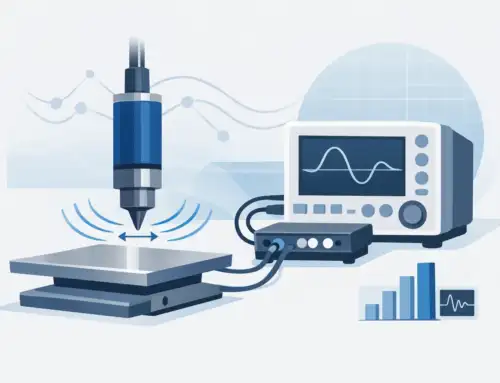
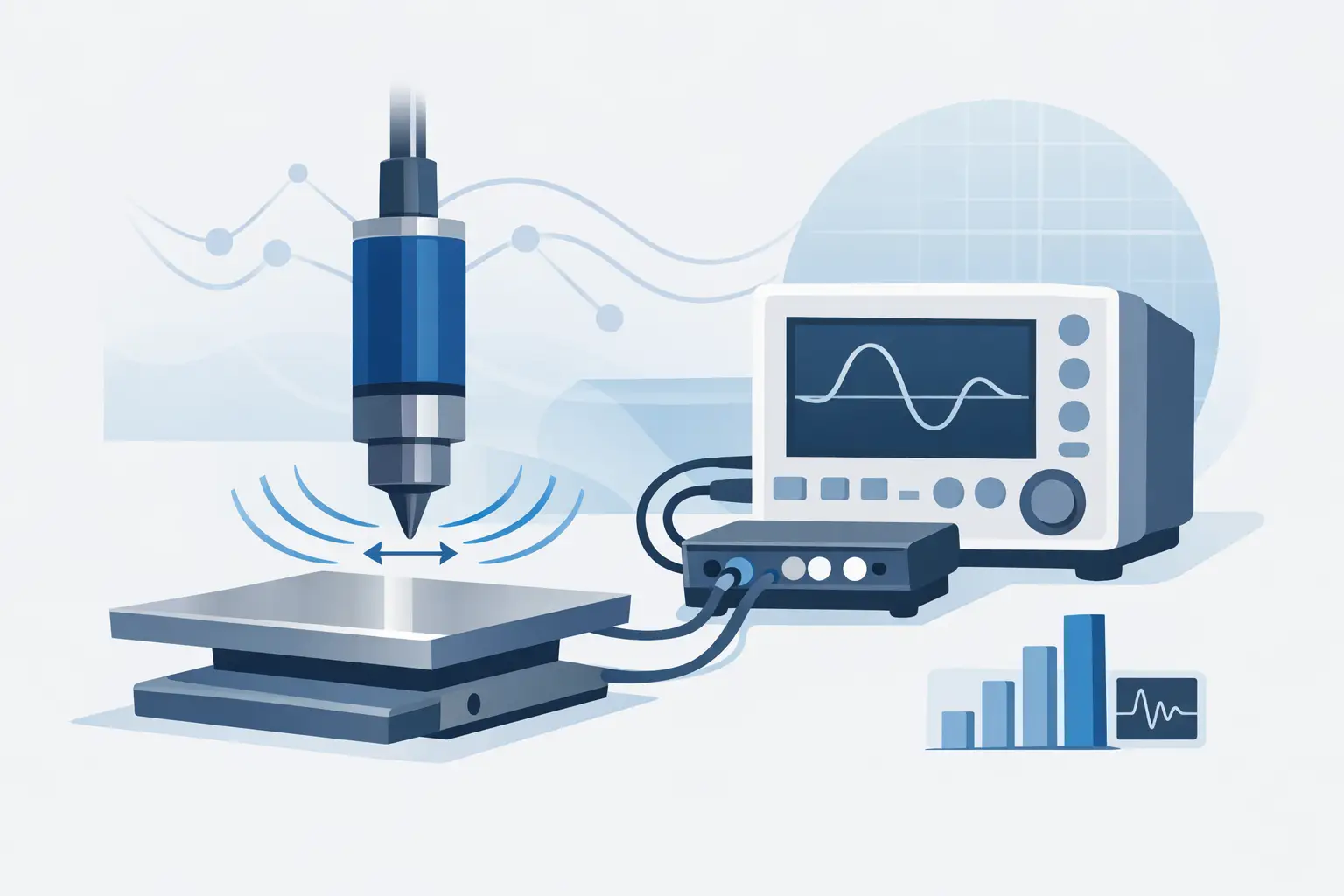
A dielectric analyzer is a characterization instrument. Rather than asking only whether insulation survives a test level, it is designed to measure how dielectric materials behave under electrical stress. That often includes parameters such as capacitance, dissipation factor, dielectric loss, polarization behavior, and leakage characteristics across time, voltage, frequency, or temperature.
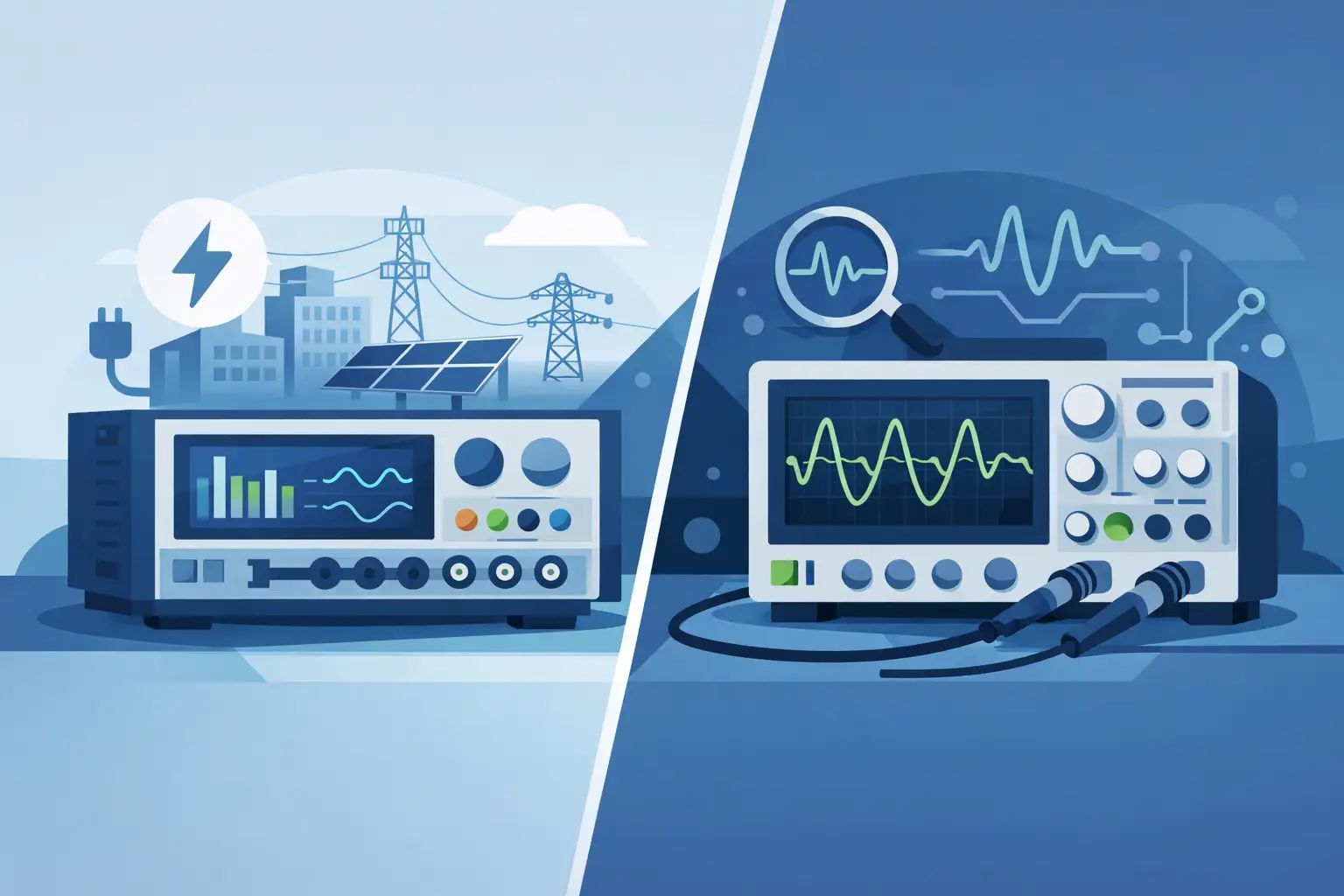
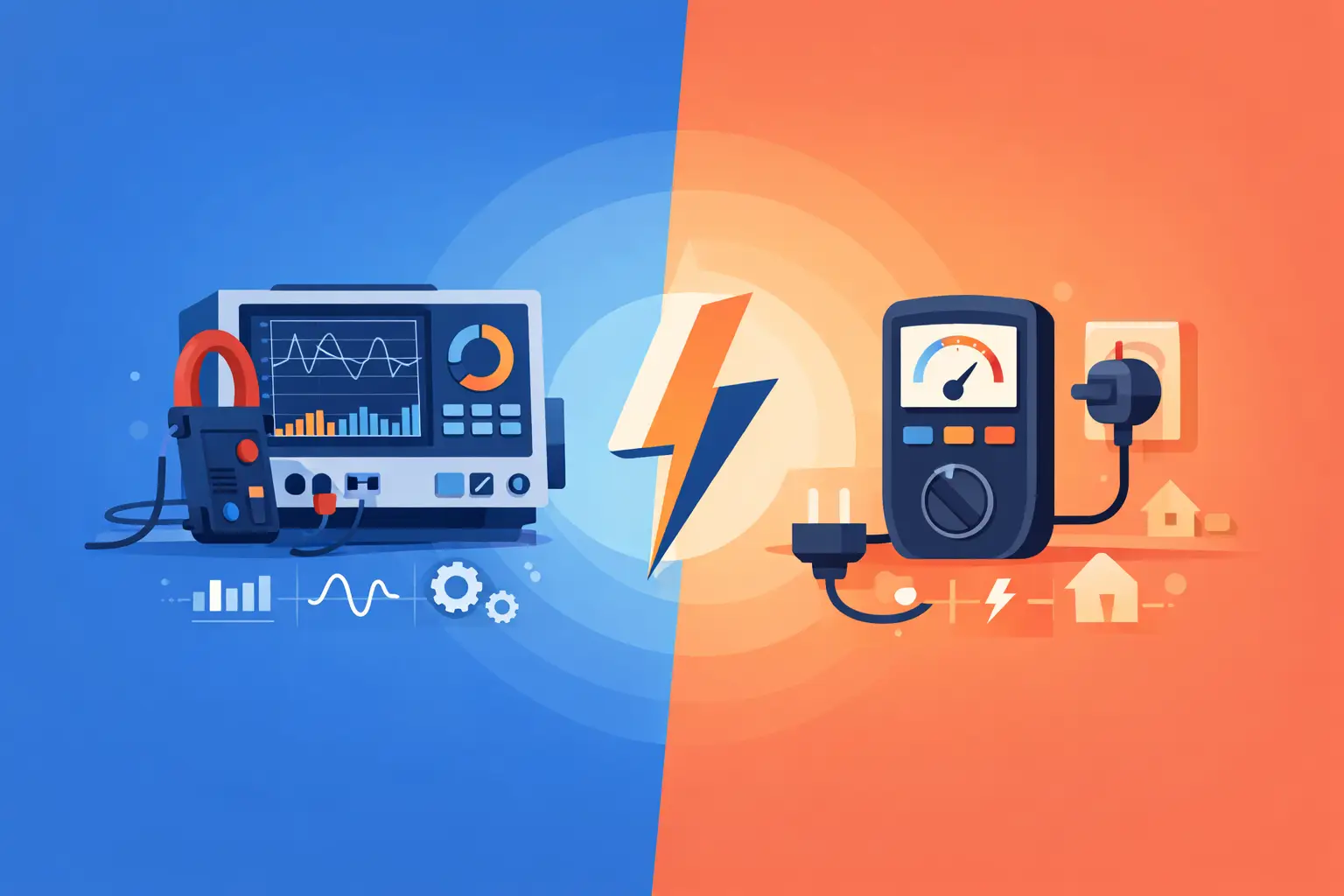
The distinction matters because the output is different. A hipot tester answers, “Is this product safe against this standard or test specification?” A dielectric analyzer answers, “What is this insulation system doing, and how is it changing under operating or stress conditions?”
What a hipot tester is designed to do
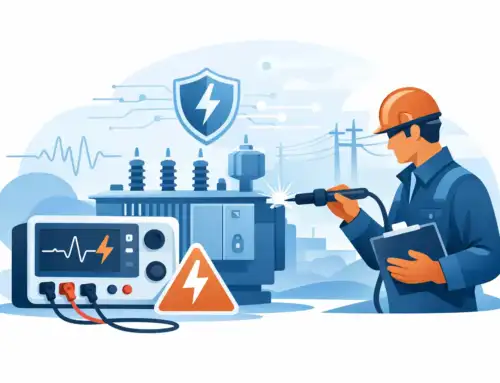
In most regulated electrical safety environments, the hipot tester is the workhorse. It supports AC or DC withstand testing, and in many cases insulation resistance and ground bond functions are part of the platform. Operators use it to verify that barriers between primary and secondary circuits, chassis and line, or isolated subsystems can tolerate the required test voltage.
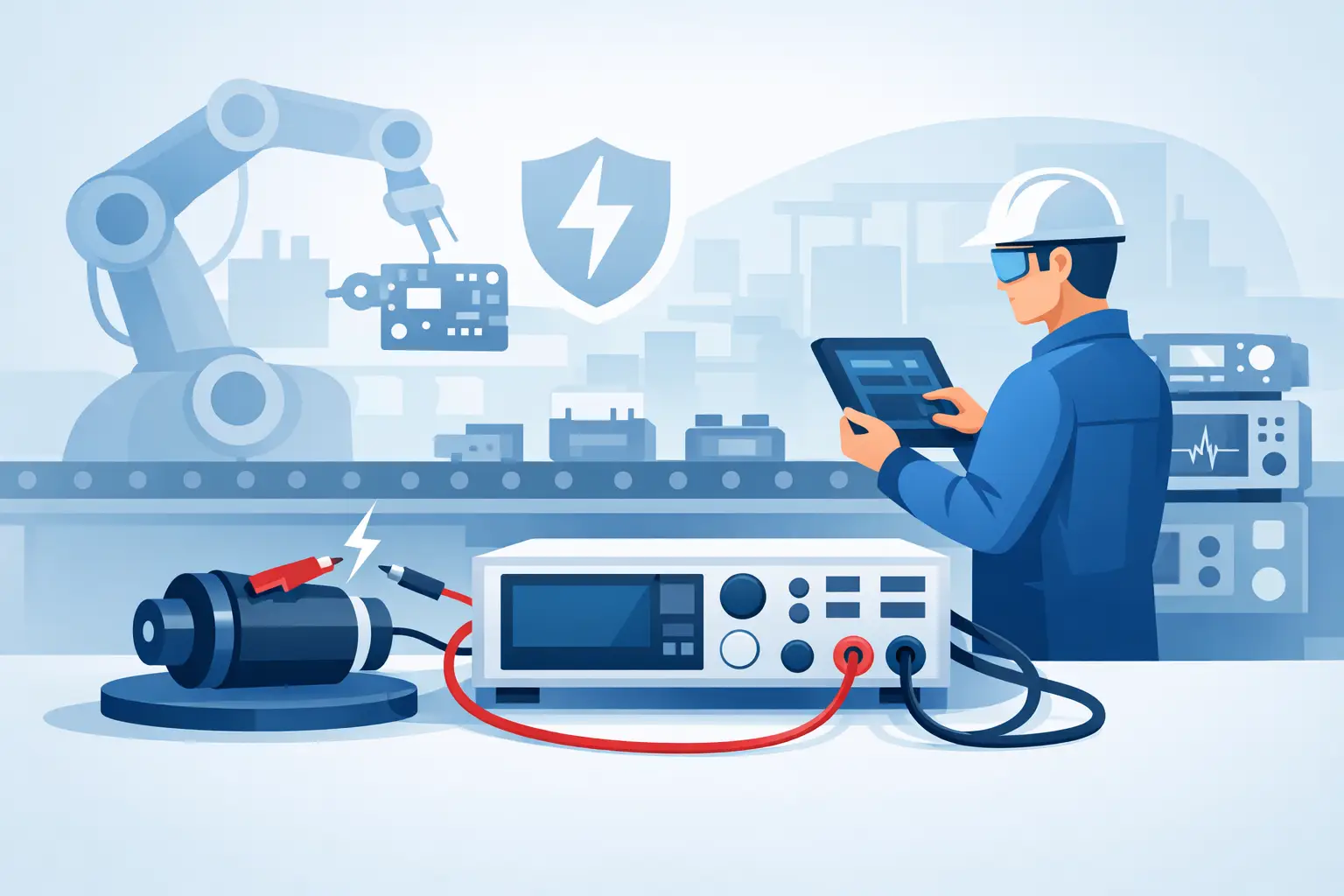
That makes it well suited for end-of-line manufacturing, incoming inspection, routine QA, and formal safety verification. The instrument is optimized for repeatability, operator safety, configurable limits, fast test execution, and integration into automated test systems. Those priorities are not accidental. In production, throughput matters, but not at the expense of traceable and standards-aligned testing.
A good hipot tester also manages practical realities that engineers care about. Ramp timing, dwell time, arc detection, leakage current trip thresholds, discharge behavior, and fixture interlocks all influence whether the test is both meaningful and safe. In high-volume environments, software control and result logging can be as important as the voltage source itself.
What a dielectric analyzer is designed to do
A dielectric analyzer serves a more investigative role. It is used when engineers need to understand insulation or material properties in depth, often during design validation, failure analysis, material selection, research, or long-term reliability studies.
Instead of generating a simple pass/fail outcome, the analyzer produces quantitative data about dielectric response. That can reveal trends that a hipot test would never show. A material may pass a withstand test today while already exhibiting increased dielectric loss, changing capacitance, or time-dependent leakage behavior that points to contamination, aging, moisture ingress, or formulation issues.
This is why dielectric analysis is common in advanced labs, materials engineering groups, and programs where insulation performance is central to mission reliability. Aerospace, EV power electronics, medical devices, and high-voltage assemblies often benefit from that deeper view because insulation margins are tied to service life, not just factory acceptance.
Why the two instruments are not interchangeable
At a glance, both instruments may seem to overlap because both are related to insulation and high voltage. In practice, replacing one with the other usually creates problems.
A hipot tester is not intended to be a dielectric research platform. Its architecture, user interface, and reporting are built around executing defined test recipes quickly and consistently. It may provide leakage current measurement, but that does not make it a substitute for a tool designed to characterize dielectric phenomena with higher analytical resolution.
A dielectric analyzer, on the other hand, is not usually the right answer for a production floor that needs fast operator-guided safety screening. It can provide richer data than a hipot tester, but richer data is not automatically better if the requirement is to verify compliance against a production limit in a controlled, repeatable, and auditable manner.
That is the first trade-off to recognize. More data helps when the engineering question is open-ended. More data can slow the process when the question is already defined by a standard or manufacturing control plan.
When a hipot tester is the better choice
If your immediate requirement is electrical safety testing against product standards or customer specifications, a hipot tester is usually the correct tool. The instrument aligns with test procedures that call for a specified voltage, a defined duration, and a leakage or breakdown criterion.
This is especially true in manufacturing environments where consistency across shifts, stations, operators, and product variants matters. A dedicated hipot tester supports controlled test execution, configurable limits, and system integration features that reduce operator variation. It also fits organizations that need documented compliance evidence, not just engineering insight.
A hipot tester is also the practical choice when test speed matters. Production teams do not want a characterization workflow when they need a release gate. They need an instrument that can safely apply the required stress, detect failure modes reliably, and move the unit to pass, rework, or reject status with minimal ambiguity.
When a dielectric analyzer is the better choice
If the goal is to understand insulation behavior, compare materials, diagnose marginal performance, or study degradation mechanisms, a dielectric analyzer becomes far more valuable. It helps engineering teams see how a dielectric system responds under changing conditions rather than simply whether it survives one prescribed event.
That makes it useful early in development, where material selection and insulation architecture are still being refined. It is equally useful late in the process when a field return, unexplained drift, or intermittent insulation issue needs root-cause analysis.
In some industries, that level of detail is not optional. If a component must operate for years under thermal cycling, humidity exposure, vibration, and repetitive electrical stress, a pass/fail hipot result is necessary but incomplete. Designers may need dielectric characterization to understand margin, aging, and long-term reliability.
Standards, compliance, and test intent
One of the most common mistakes in the hipot tester vs dielectric analyzer discussion is treating the instrument decision as purely technical. It is also procedural. Test method selection should follow the actual intent of the requirement.
If a regulatory standard, customer specification, or internal quality protocol calls for dielectric withstand or insulation safety verification, the primary need is usually a compliant hipot test process. The instrument must support the required voltage, current limits, timing, operator protection, and data integrity appropriate to that use.
If the requirement is to characterize a dielectric material or investigate behavior beyond the scope of a compliance test, then a dielectric analyzer is the better fit. In many programs, both are justified because they serve different evidence paths. One supports release and certification. The other supports design confidence and failure prevention.
How engineering teams should make the choice
The best selection process starts with the decision you need the instrument to support. If the desired output is pass/fail safety verification, start with a hipot tester. If the desired output is material or insulation behavior data, start with a dielectric analyzer.
Then look at the operating environment. A factory line needs throughput, intuitive setup control, and safe automation interfaces. A lab may prioritize measurement sensitivity, trend analysis, and flexible test parameter control. The same organization may need both, but not in the same department and not for the same reason.
It is also worth considering data expectations. Compliance teams typically need repeatable records tied to test limits and serial numbers. R&D teams often need high-resolution data for comparison across prototypes, materials, or stress conditions. That difference drives software, reporting, fixturing, and calibration priorities.
For organizations scaling from development into production, the transition point is important. Early prototypes may benefit from dielectric analysis to establish insulation behavior and design margin. Once the design is stable and the acceptance criteria are fixed, the production flow usually shifts toward hipot-based verification.
A practical view for mixed-use environments
Some teams hope one platform can cover all insulation-related testing. Sometimes a multifunction instrument can reduce equipment count, but the decision should still be based on test intent rather than feature overlap. A broad specification sheet does not guarantee the right workflow, user protection scheme, or data quality for your actual use case.
In regulated and performance-critical programs, the safer approach is to separate compliance testing from characterization work. That reduces confusion, supports cleaner procedures, and makes audits easier to defend. It also helps avoid the common problem of using an analytical tool in a production role it was not built to handle, or using a pass/fail tester to answer a materials question it cannot resolve.
For companies operating in aerospace, automotive, medical device, semiconductor, defense, or advanced electronics manufacturing, that distinction is not academic. It affects test validity, quality escapes, engineering cycle time, and confidence in field performance. This is why experienced instrumentation suppliers such as Vitrek tend to frame the conversation around application fit, measurement integrity, and standards alignment rather than instrument labels alone.
The right choice is usually clear once you define the question behind the test. If you need to prove insulation safety against a requirement, use a hipot tester. If you need to understand how the dielectric system behaves and why, use a dielectric analyzer. When the cost of a wrong assumption is high, choosing the instrument by test intent is the most reliable place to start.