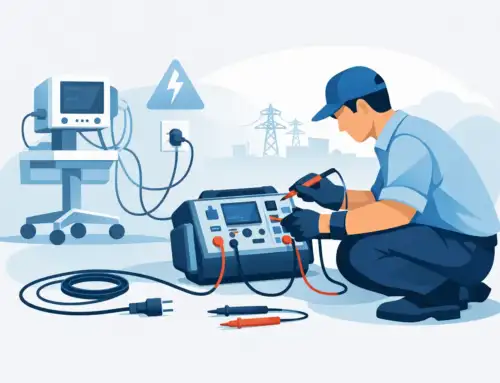
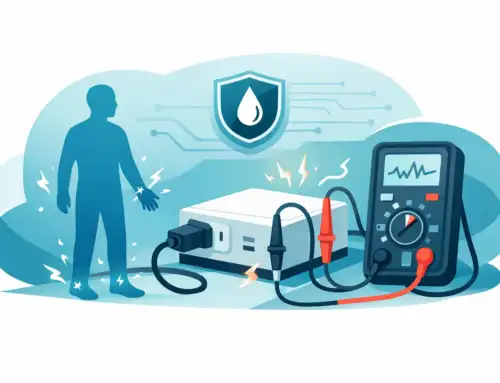
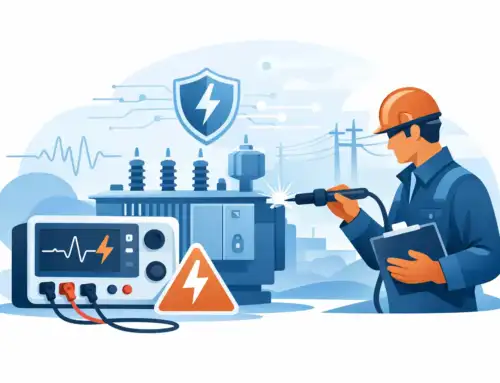
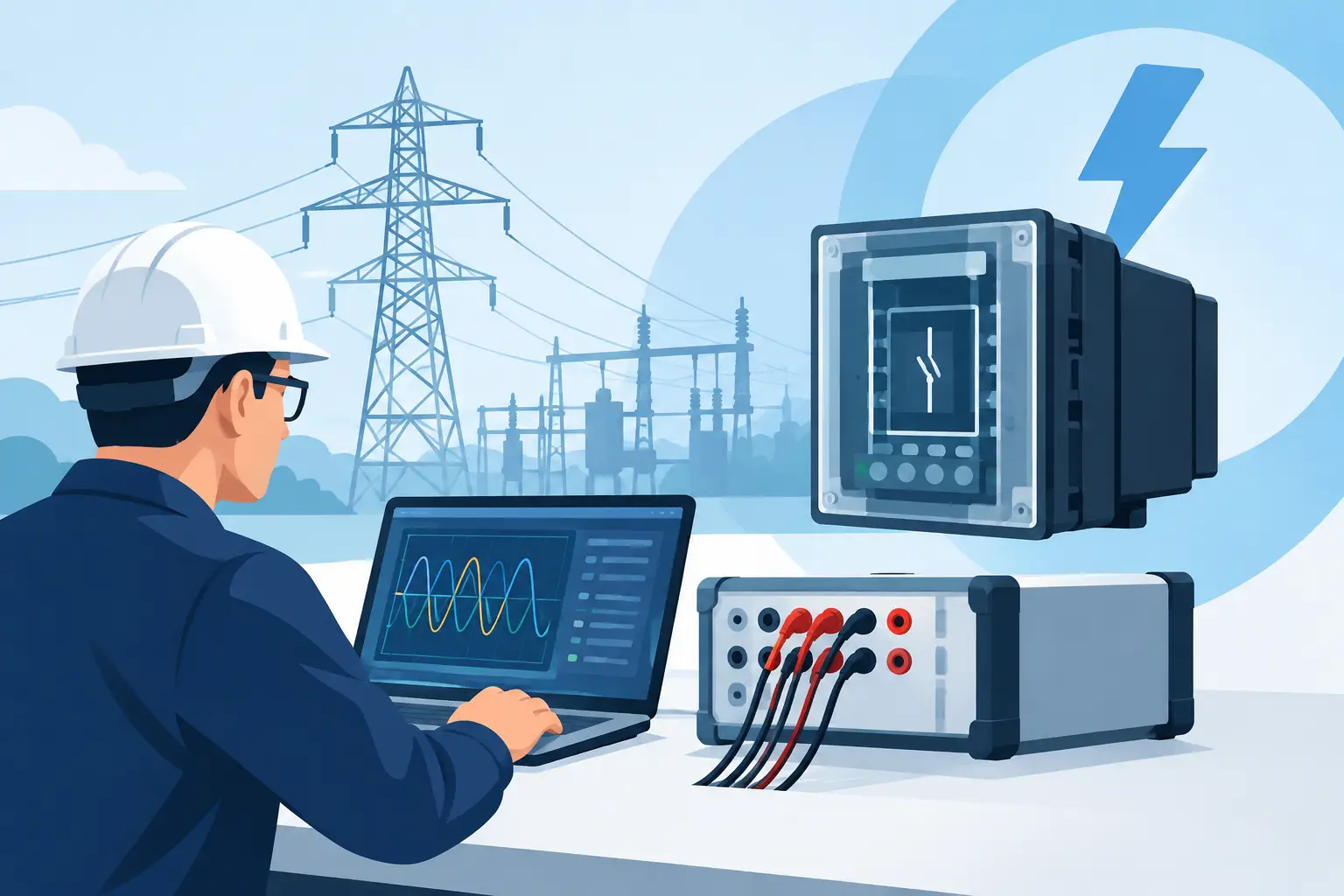
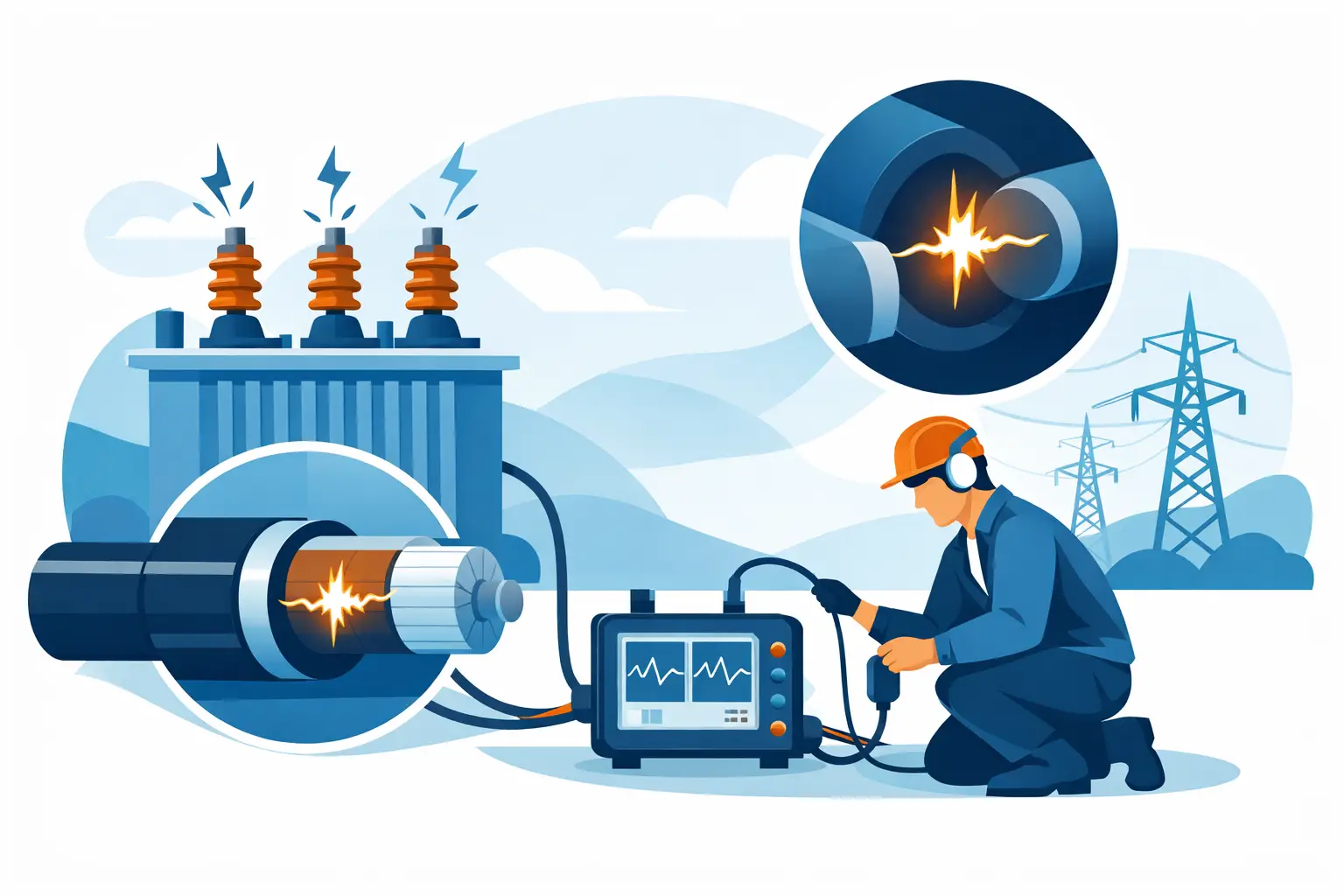
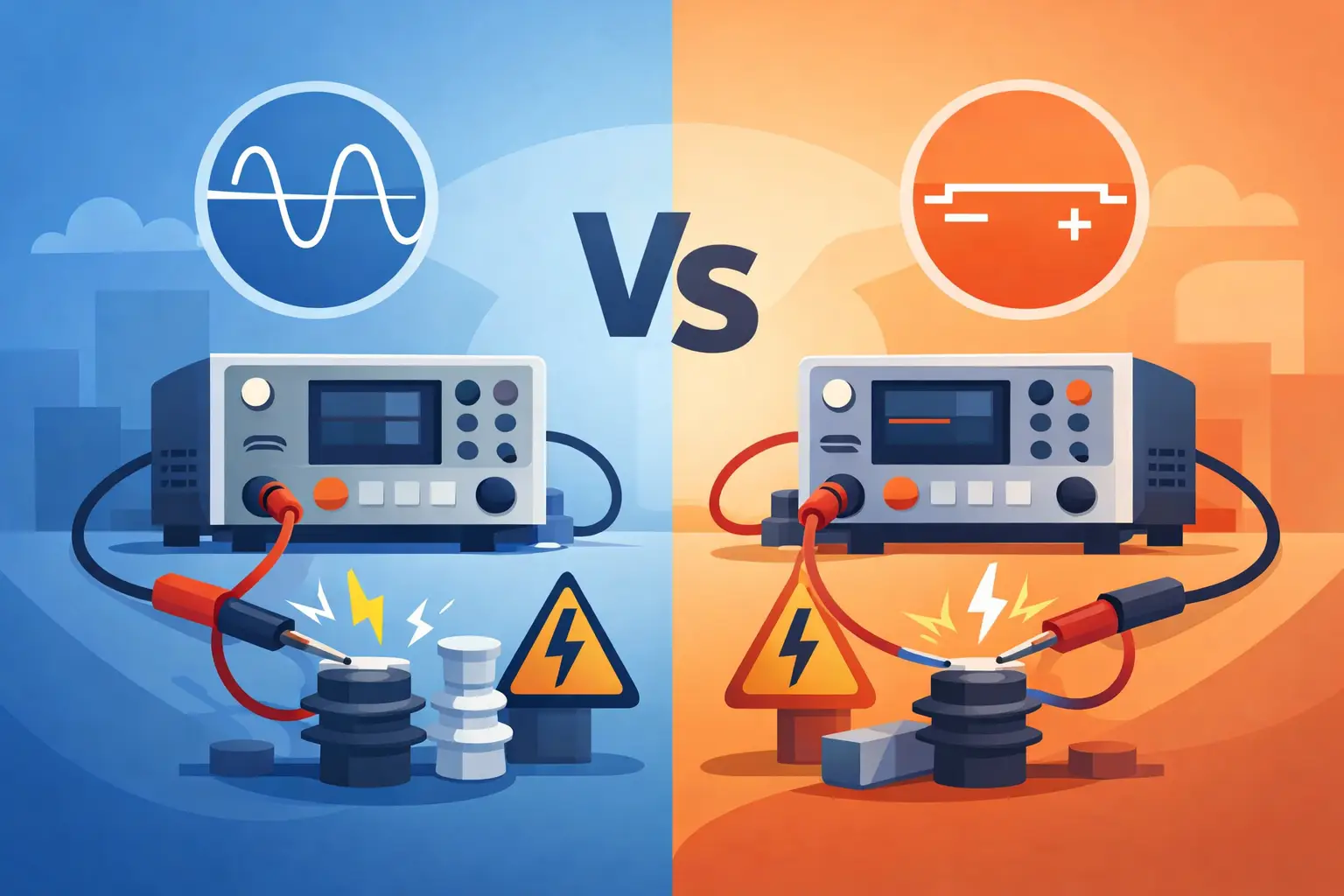
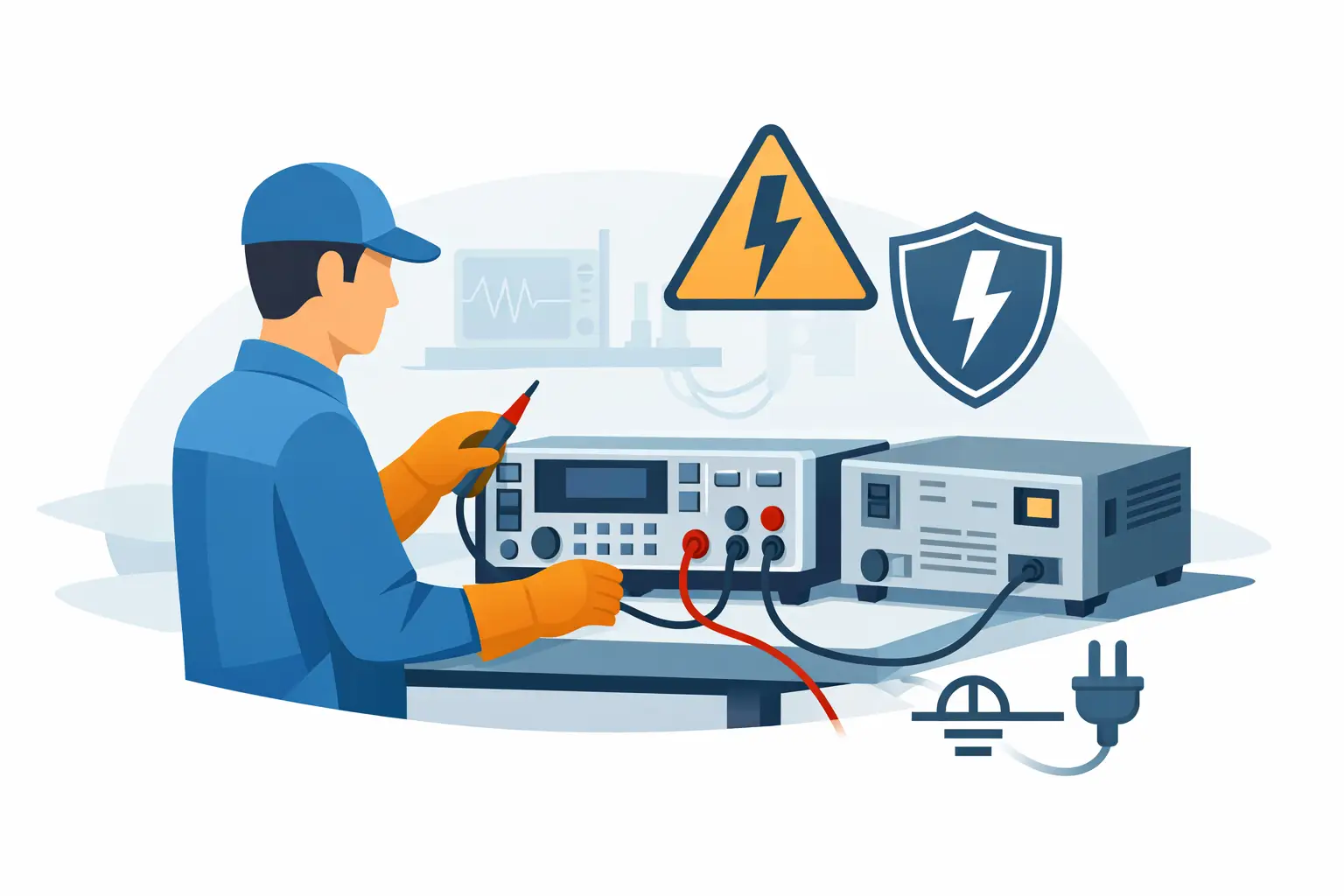
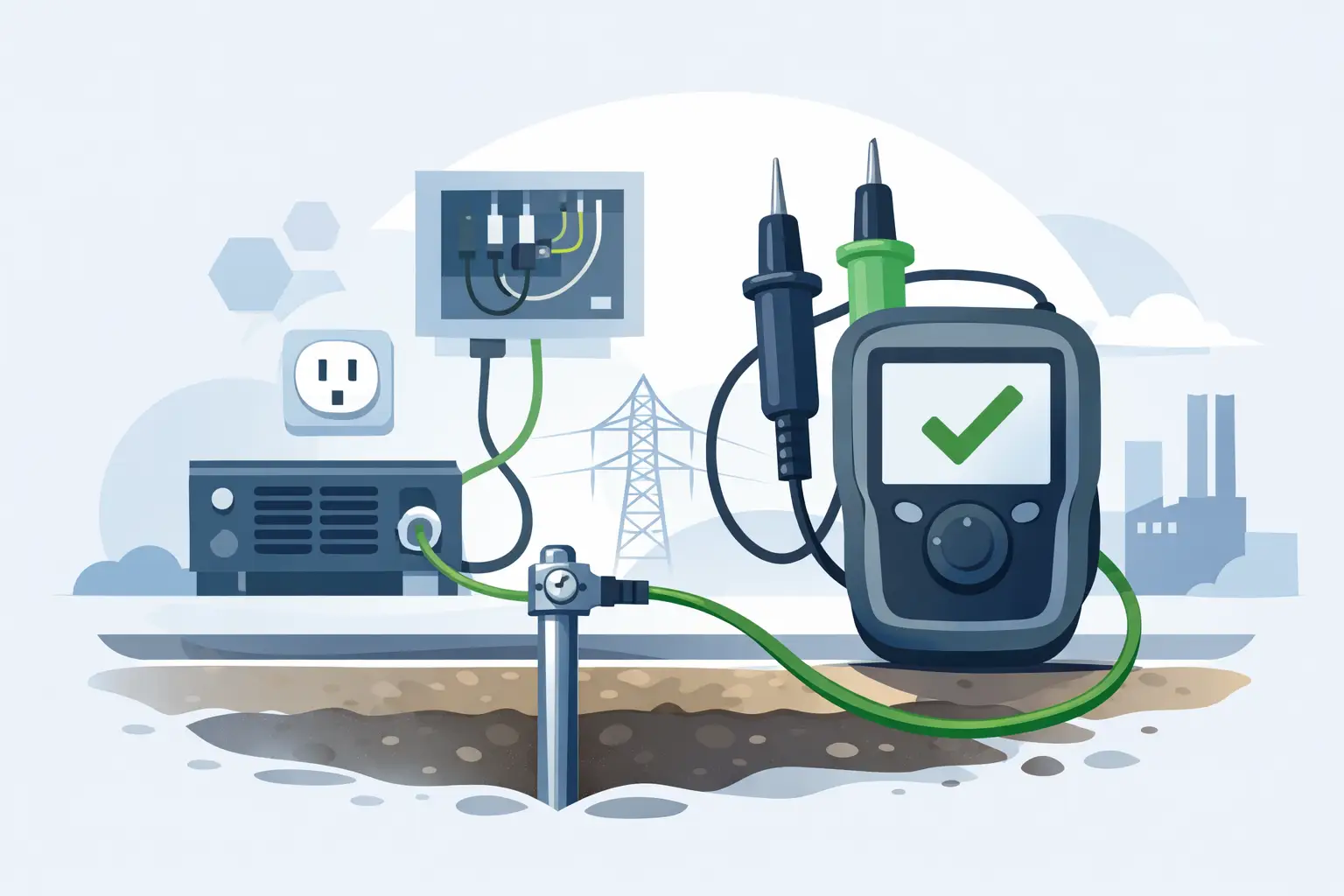
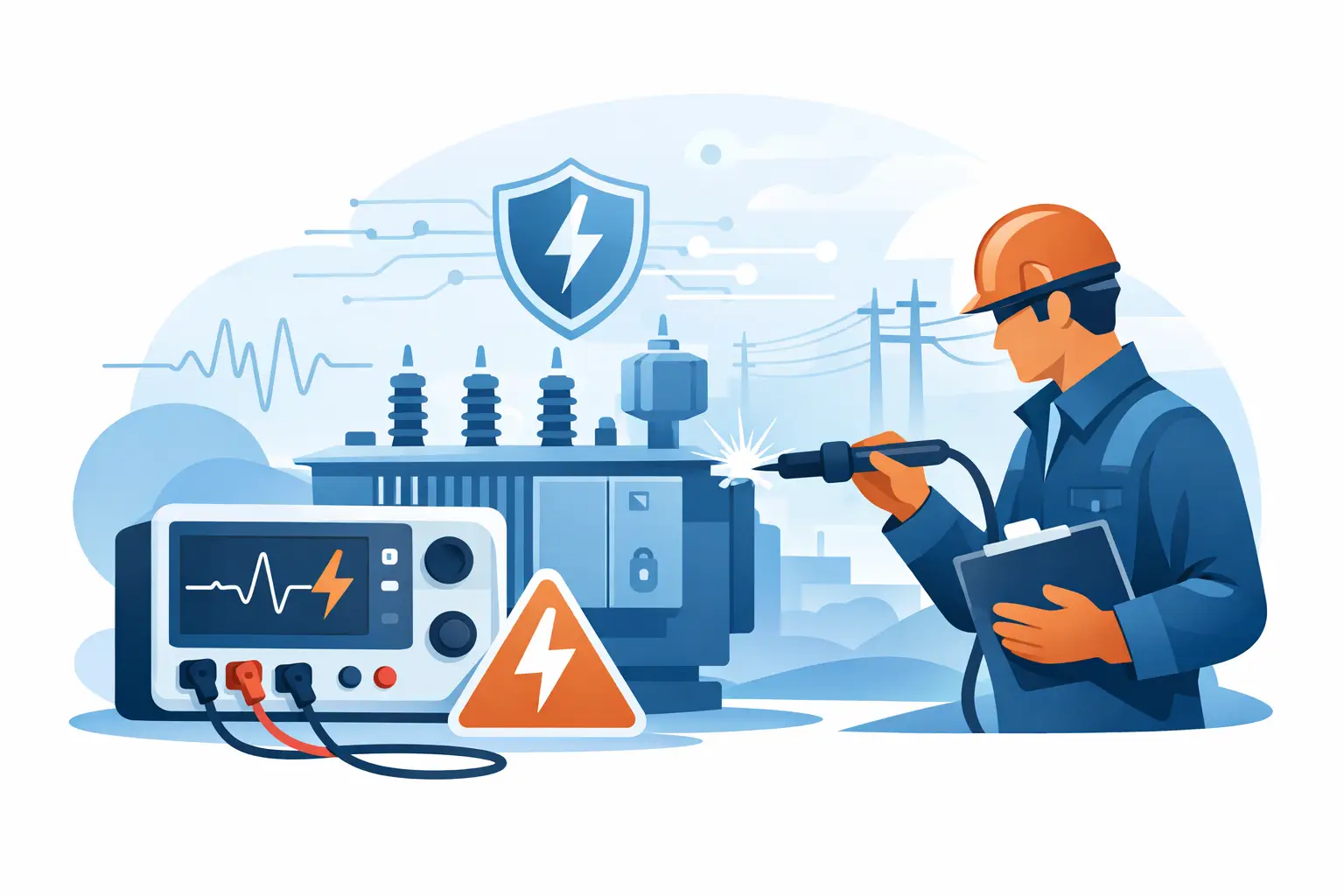
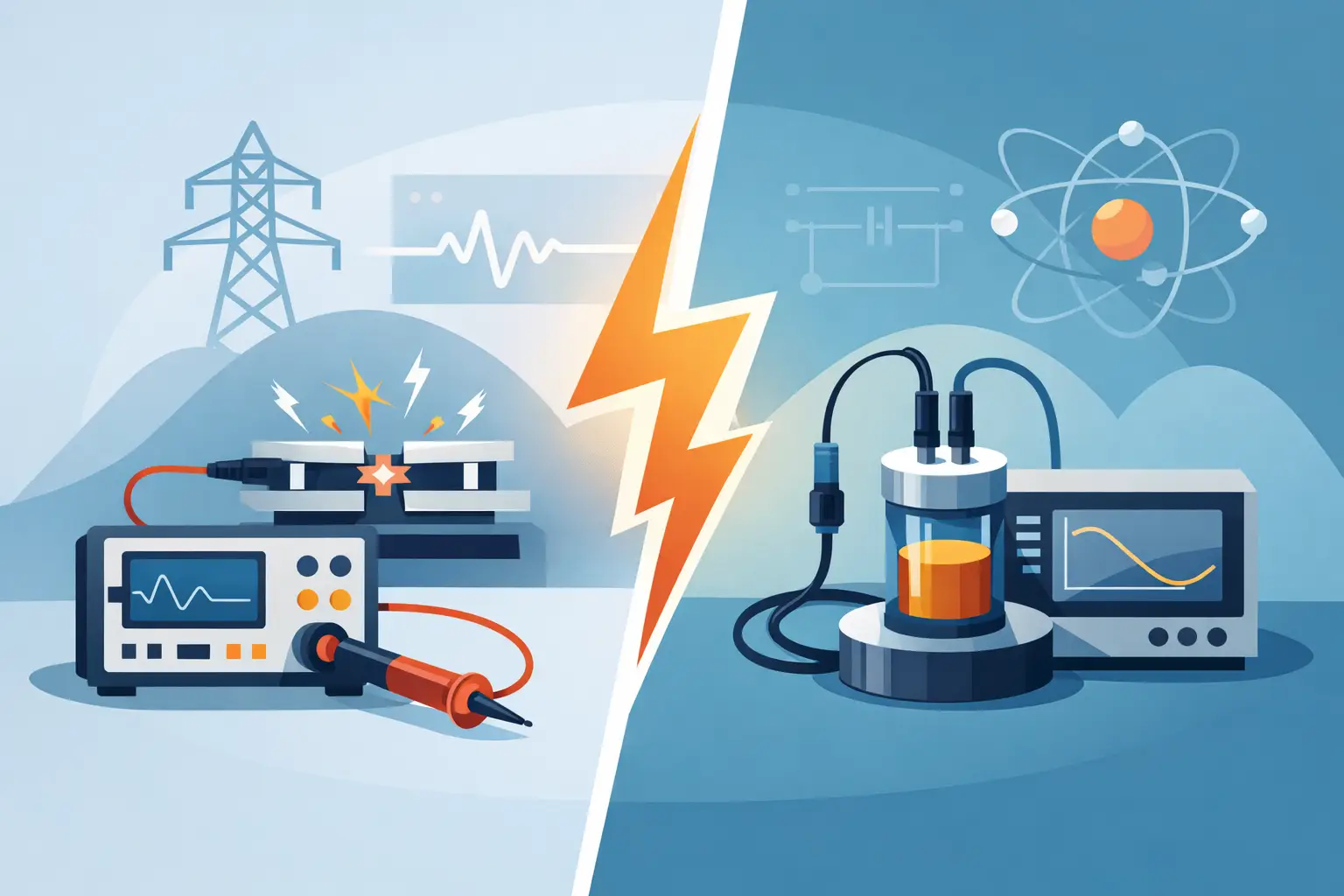
A product can pass functional test, survive environmental stress, and still fail where regulators and safety engineers look first – unintended current flowing where it should not. That is why electrical leakage current measurement remains a core requirement in product validation, production testing, and failure analysis. In regulated industries, leakage data is not a secondary check. It is direct evidence that insulation systems, protective barriers, grounding schemes, and applied parts behave within defined limits under normal and fault conditions.
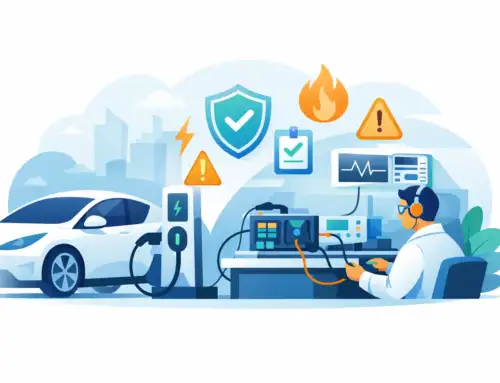
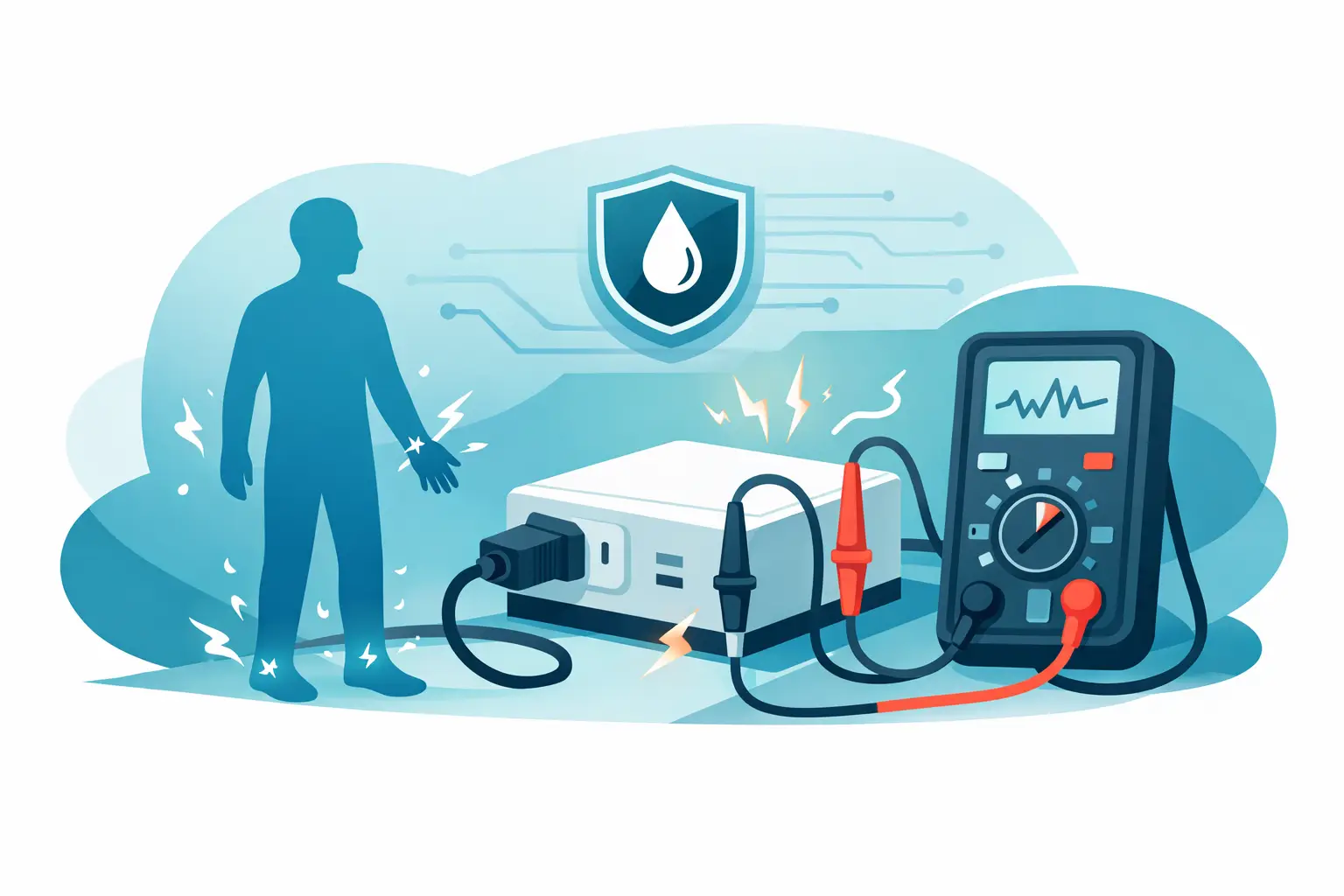
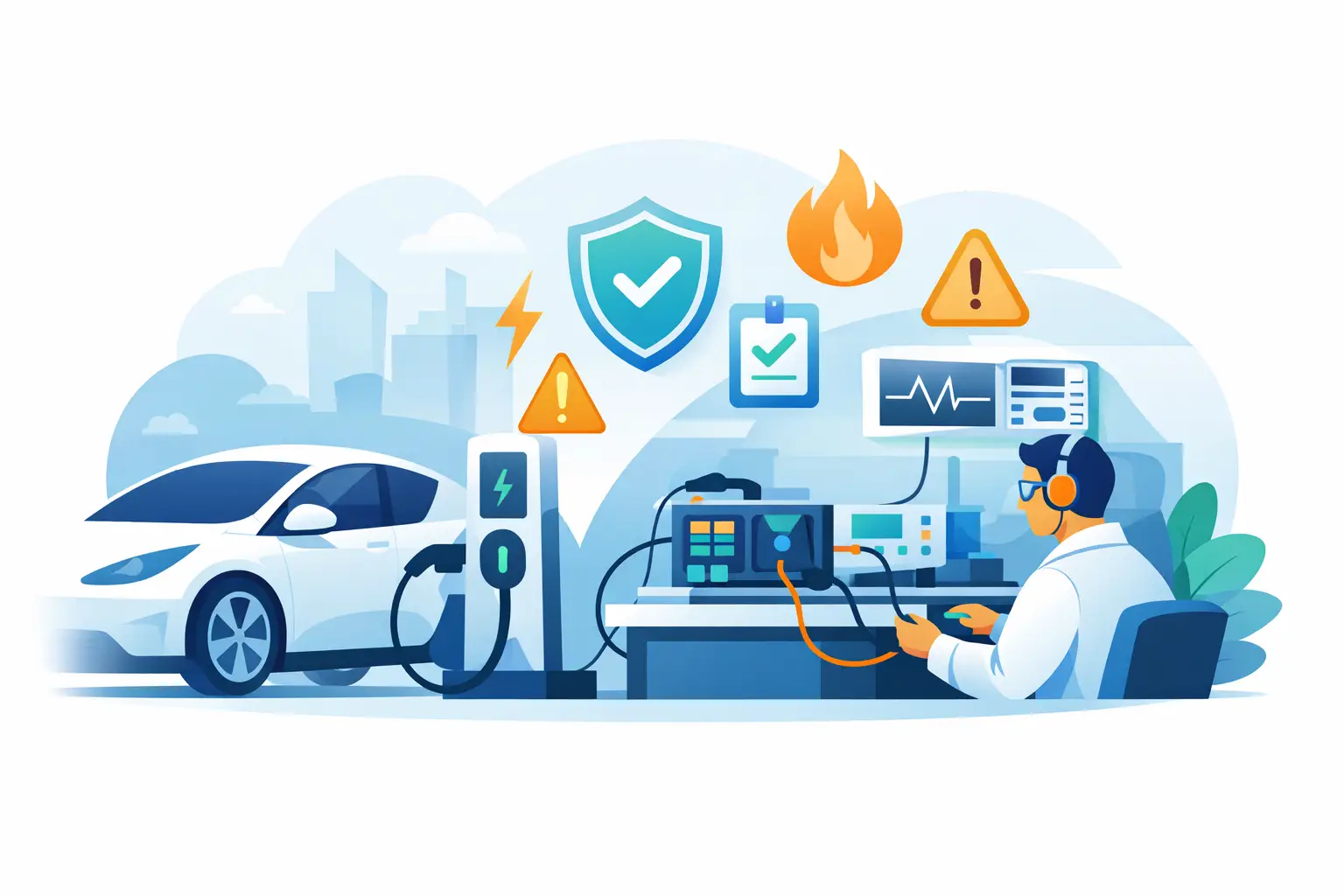
Leakage current is small by magnitude but significant by consequence. In medical devices, it can affect patient safety. In consumer and industrial equipment, it can expose users to shock risk, create nuisance tripping, or signal insulation degradation. In EV, aerospace, and defense programs, elevated leakage may indicate system-level design issues tied to high voltage distribution, EMI suppression components, cable routing, or contamination. Measuring it correctly requires more than placing a meter in series and recording microamps. The method, measurement network, applied voltage, frequency content, grounding arrangement, and applicable standard all shape the result.
What electrical leakage current measurement actually tells you
At its most practical level, electrical leakage current measurement quantifies unintended current flowing from energized parts to ground, chassis, accessible surfaces, or applied circuits that should remain within safe limits. Some of that current is expected. Capacitive coupling, EMI filters, parasitic paths, and distributed insulation characteristics all contribute to measurable leakage even in properly designed equipment.
The engineering question is not whether leakage exists. The question is whether the measured value is acceptable for the device type, operating mode, and standard in force. That distinction matters because leakage current is highly context dependent. A power supply with line filter capacitors will behave differently from a battery-powered medical instrument. A high-voltage inverter in an EV subsystem presents different measurement challenges than a benchtop lab instrument. The acceptable threshold, test configuration, and pass-fail logic must match the application.
Leakage data also has diagnostic value beyond compliance. A stable baseline that begins to drift upward across builds can point to insulation damage, assembly contamination, moisture ingress, process variation, or component substitution. In that role, leakage current becomes a process control variable, not just a final audit item.
Why leakage current results vary more than many teams expect
One common source of confusion is that leakage readings often change when the test setup changes, even if the product does not. That is not always an instrument problem. Leakage current is influenced by supply voltage, line frequency, waveform purity, grounding impedance, cable placement, fixture parasitics, and the measurement network required by the governing standard.
For example, medical safety testing often uses specific body model networks intended to represent how current would flow through a patient or operator. The measured value depends on that network. If a team compares results from a general-purpose ammeter to results from a safety analyzer configured to the appropriate standard, the two numbers may differ substantially. Both instruments may be functioning correctly, but only one may be producing a standards-aligned result.
Production environments add another layer. Fast throughput can create pressure to reduce settling time, simplify fixturing, or combine tests in ways that alter the measured leakage path. Those decisions can increase variability or mask intermittent behavior. Good throughput matters, but only if the measurement still reflects the real compliance condition.
Key leakage current categories engineers typically evaluate
Different standards and industries use different terminology, but in practice engineers are often dealing with leakage paths such as earth leakage, touch or enclosure leakage, patient leakage, and insulation-related current under applied stress. These are not interchangeable.
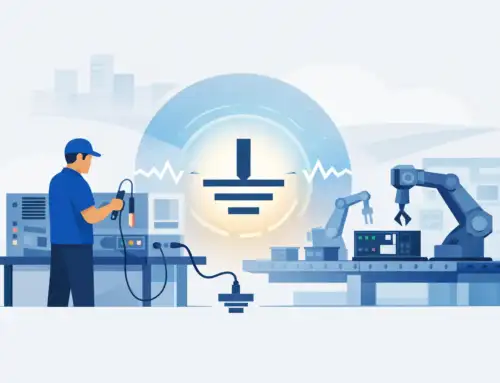
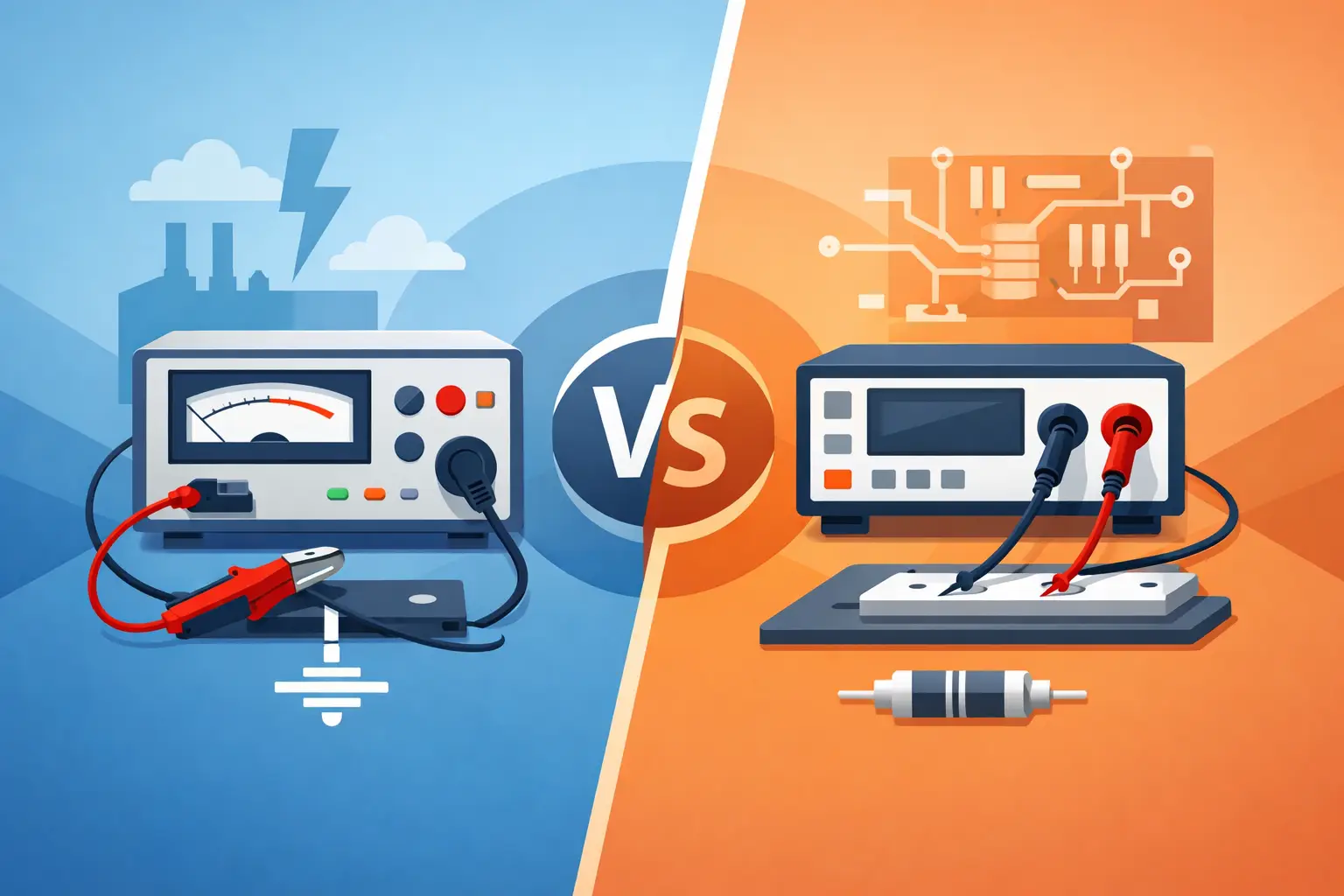
Earth leakage looks at current flowing through the protective ground conductor. Touch current focuses on current accessible to a person through exposed conductive parts. Medical applications introduce patient leakage and patient auxiliary current, where allowable limits are often tighter and test conditions more prescriptive. In high-voltage assemblies, engineers may also evaluate leakage under hipot or insulation resistance conditions to understand dielectric integrity, although those are related measurements rather than exact substitutes.
That distinction is operationally important. A system may show acceptable earth leakage but fail touch current because of enclosure coupling. A medical device may meet normal-condition limits but fail under single-fault conditions. A design team that treats leakage as one generic number can miss the actual failure mode.
Instrument selection for electrical leakage current measurement
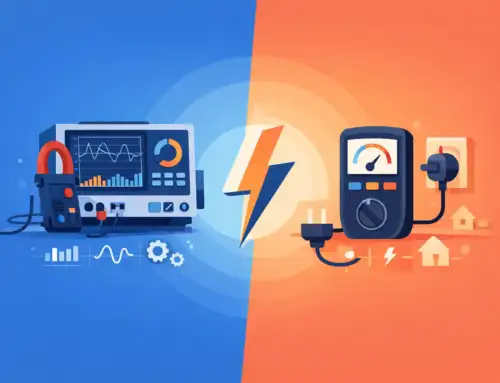
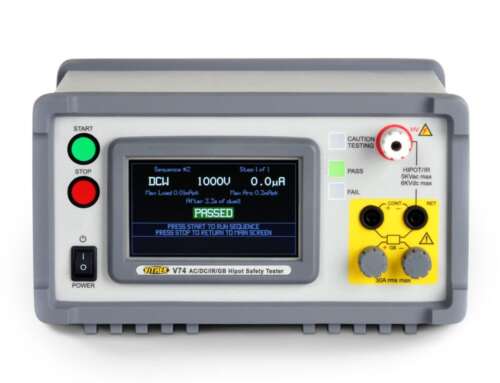
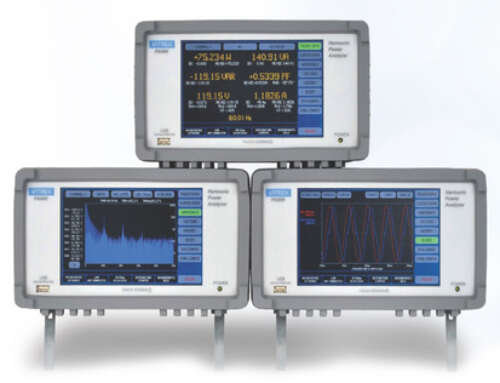
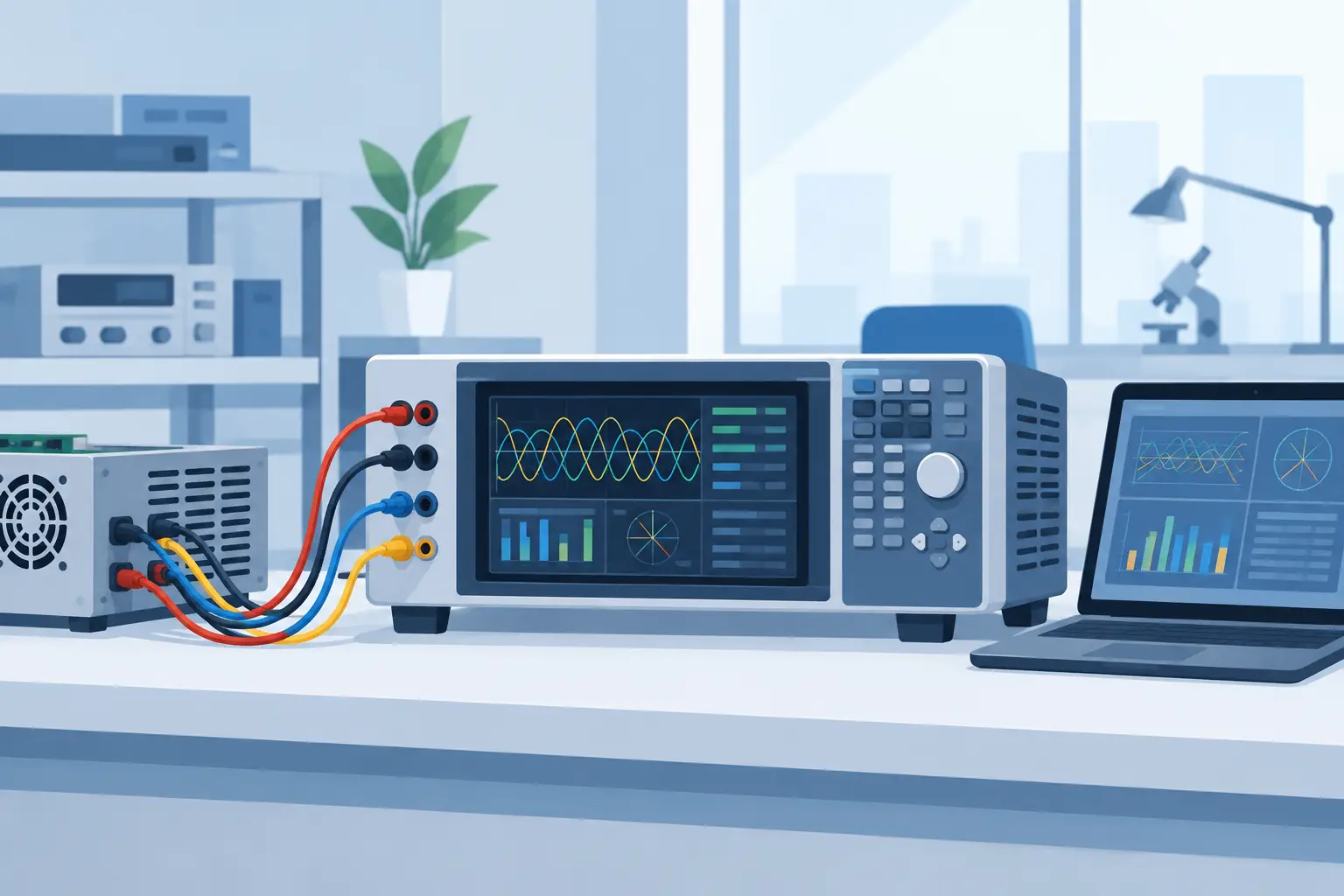
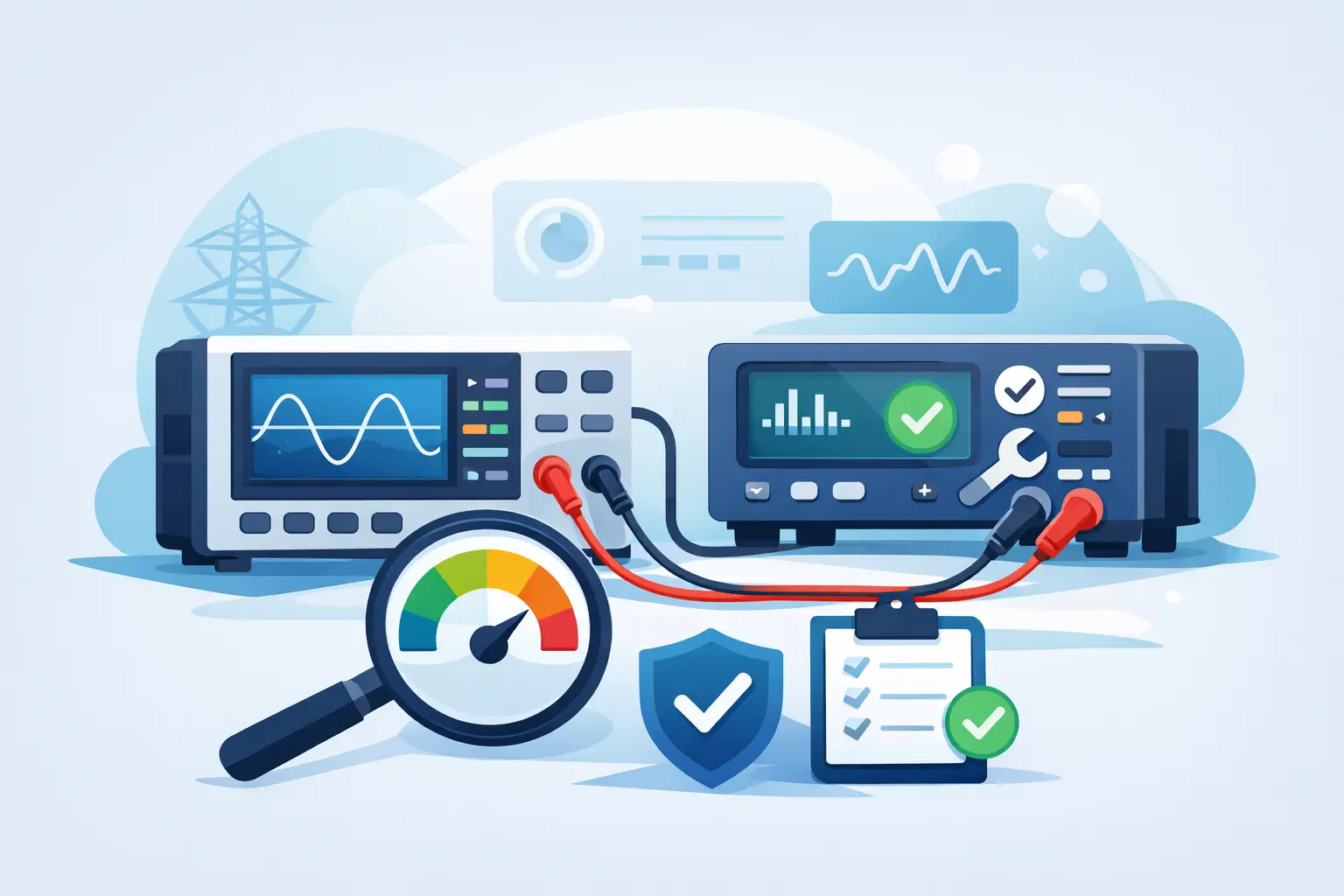
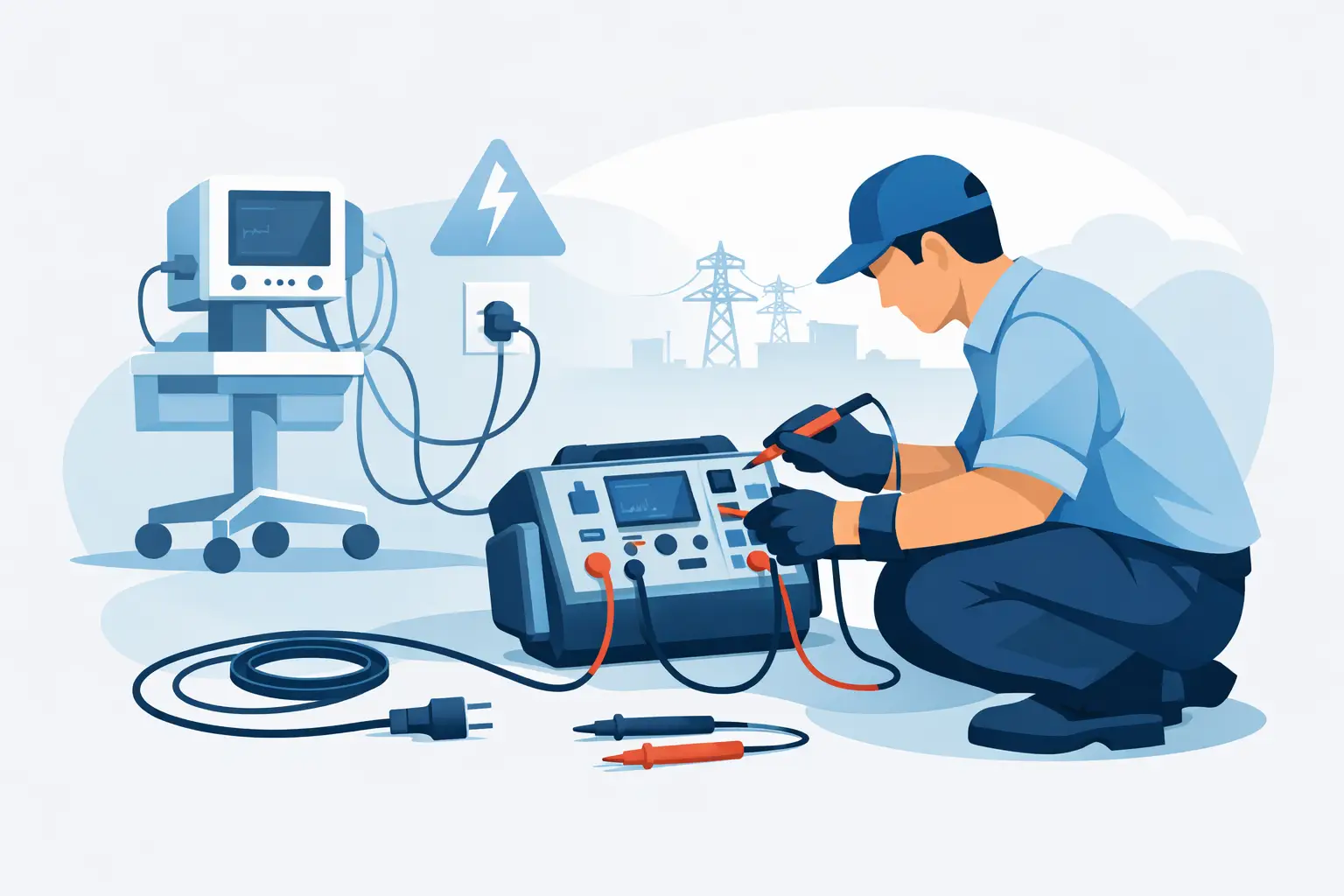
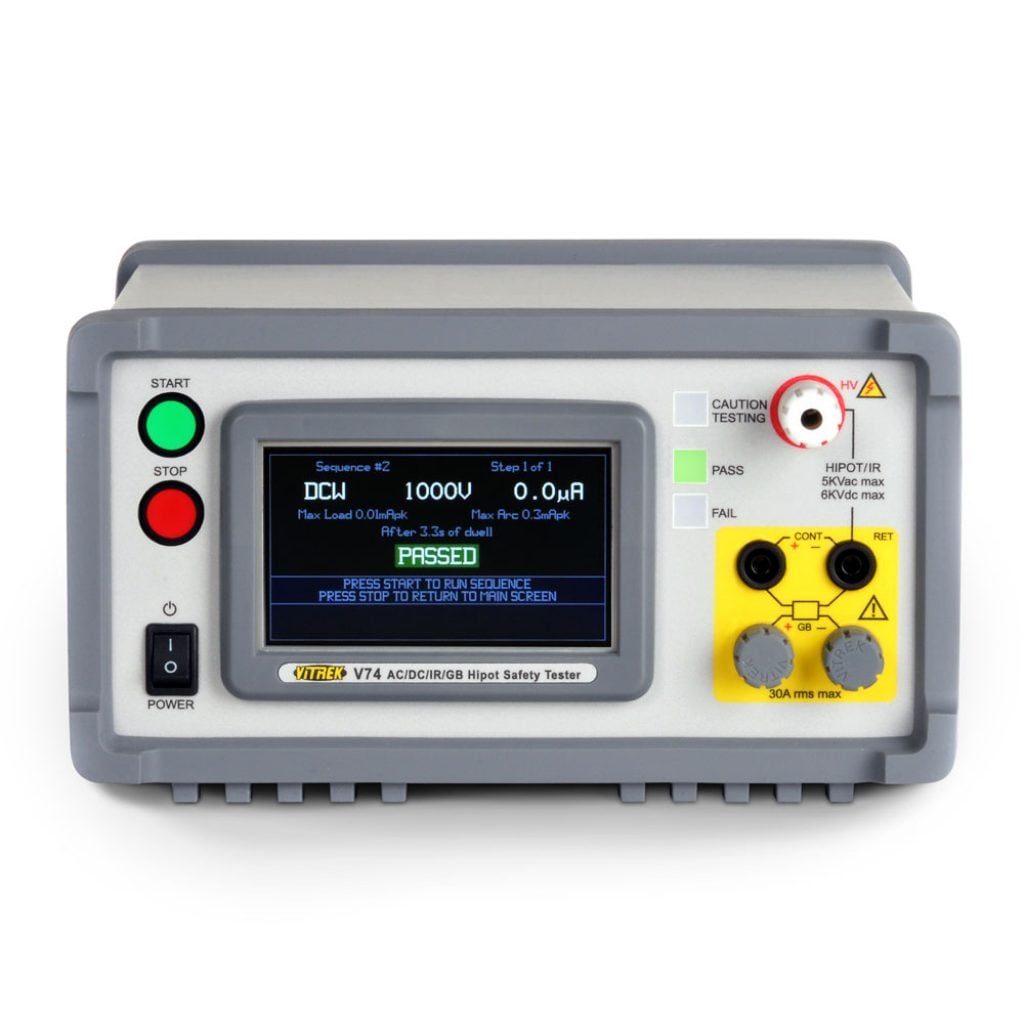
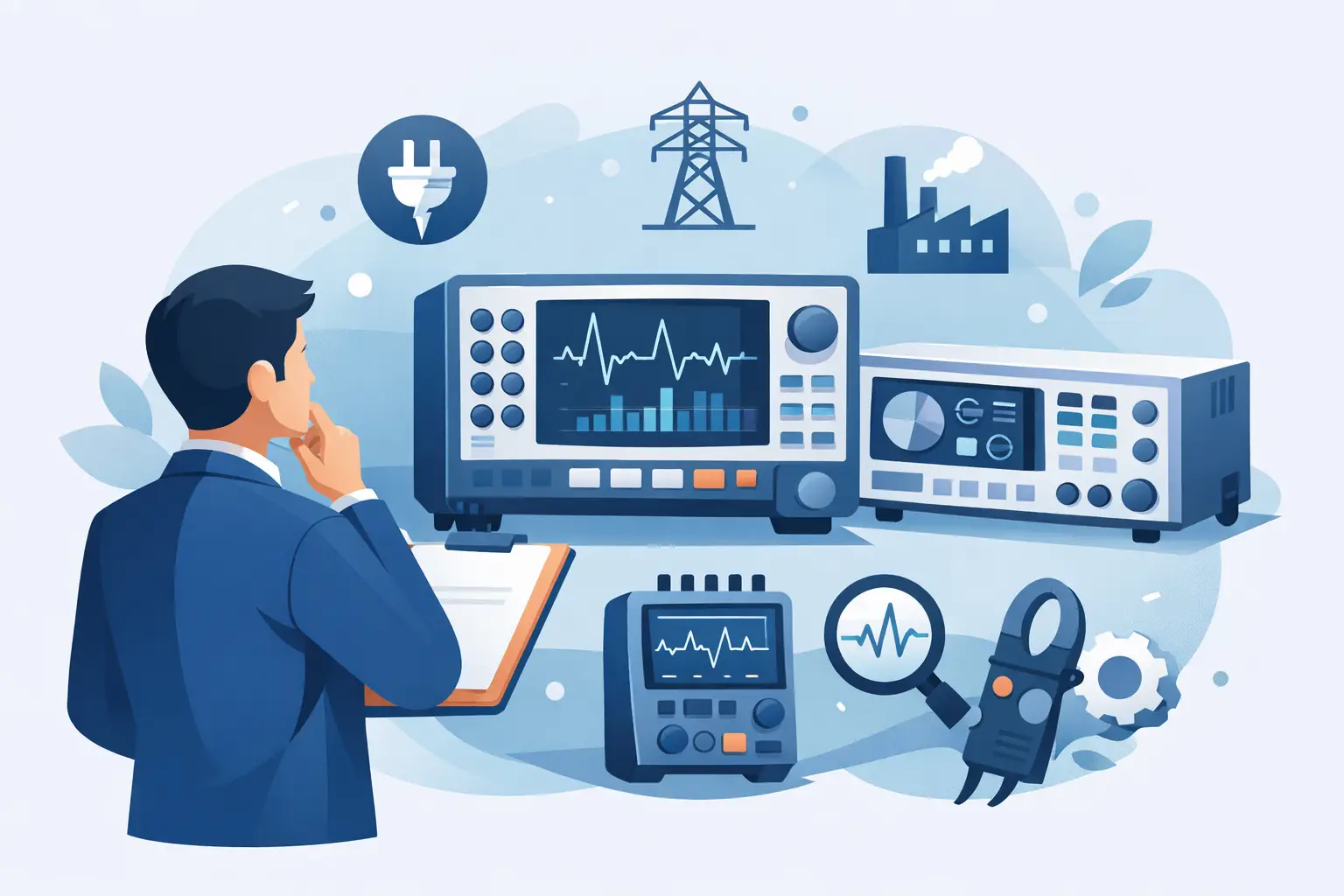
The right instrument depends on whether the goal is compliance testing, design characterization, production screening, or troubleshooting. For formal safety evaluation, purpose-built electrical safety testers and analyzers are typically the correct choice because they incorporate the required measurement networks, switching logic, test sequences, and limits aligned to applicable standards. They also improve repeatability by controlling source conditions and automating the measurement path.
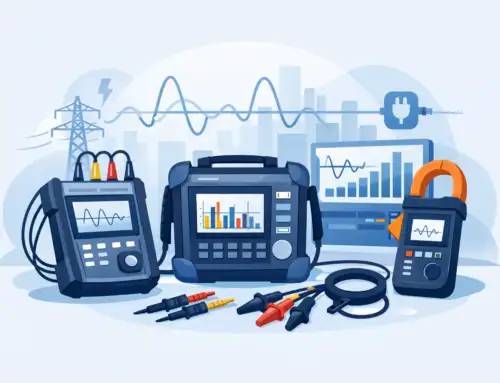
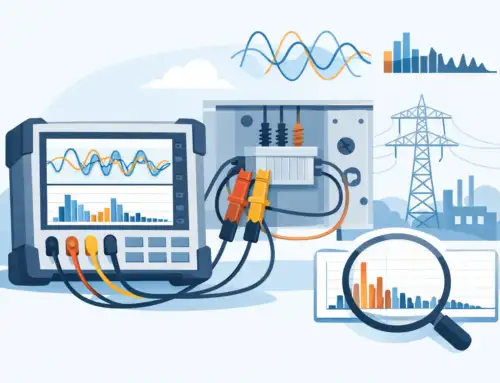
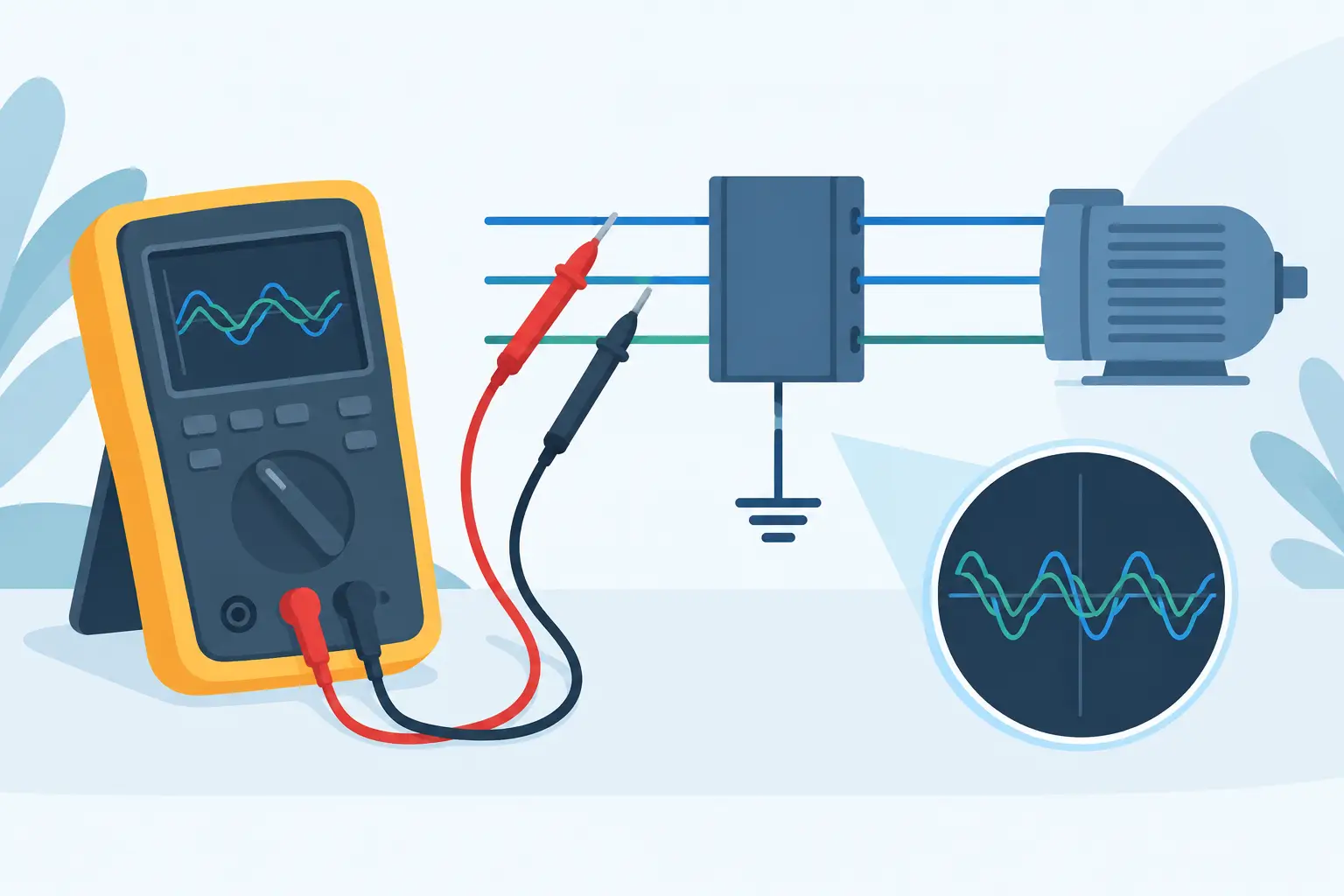
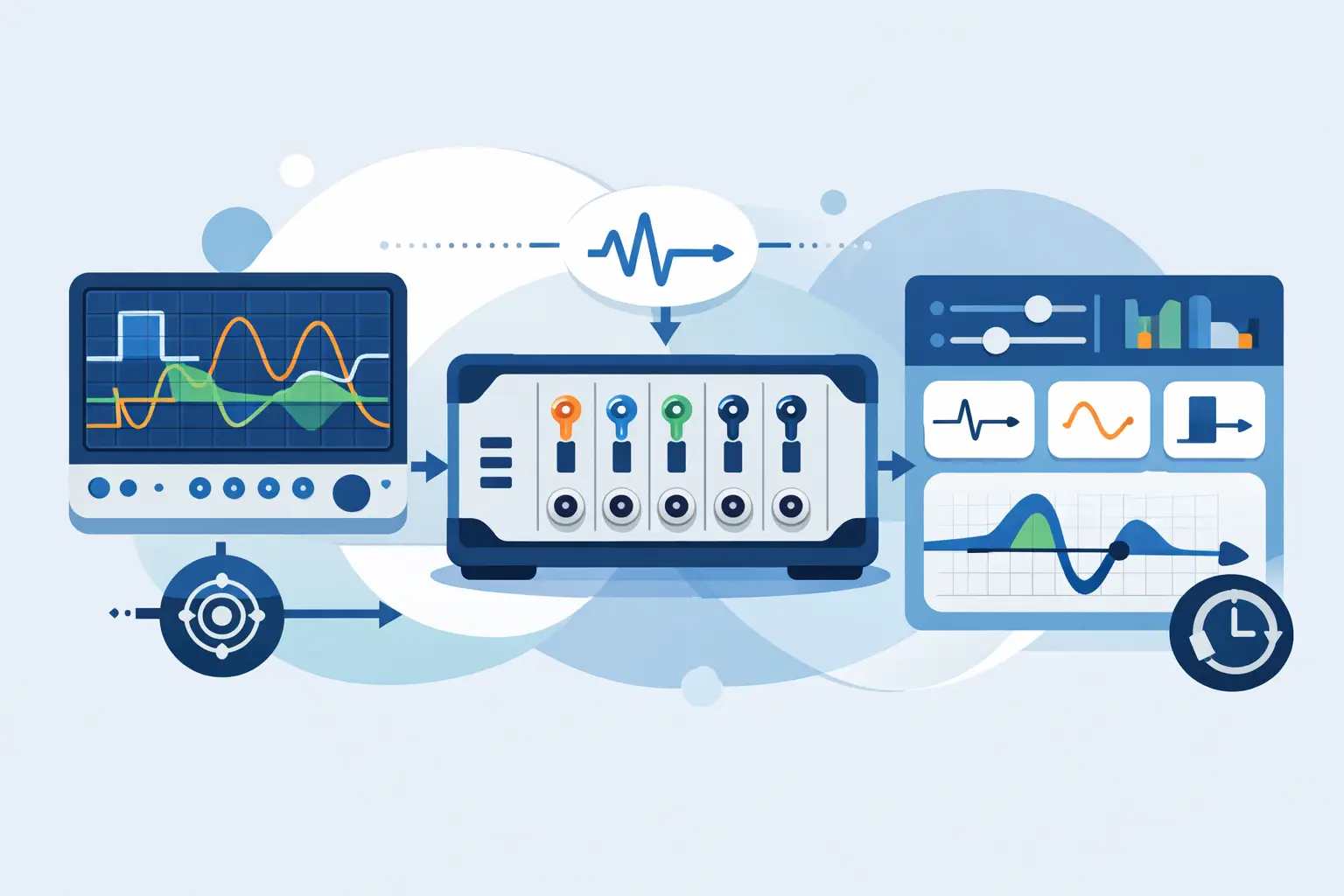
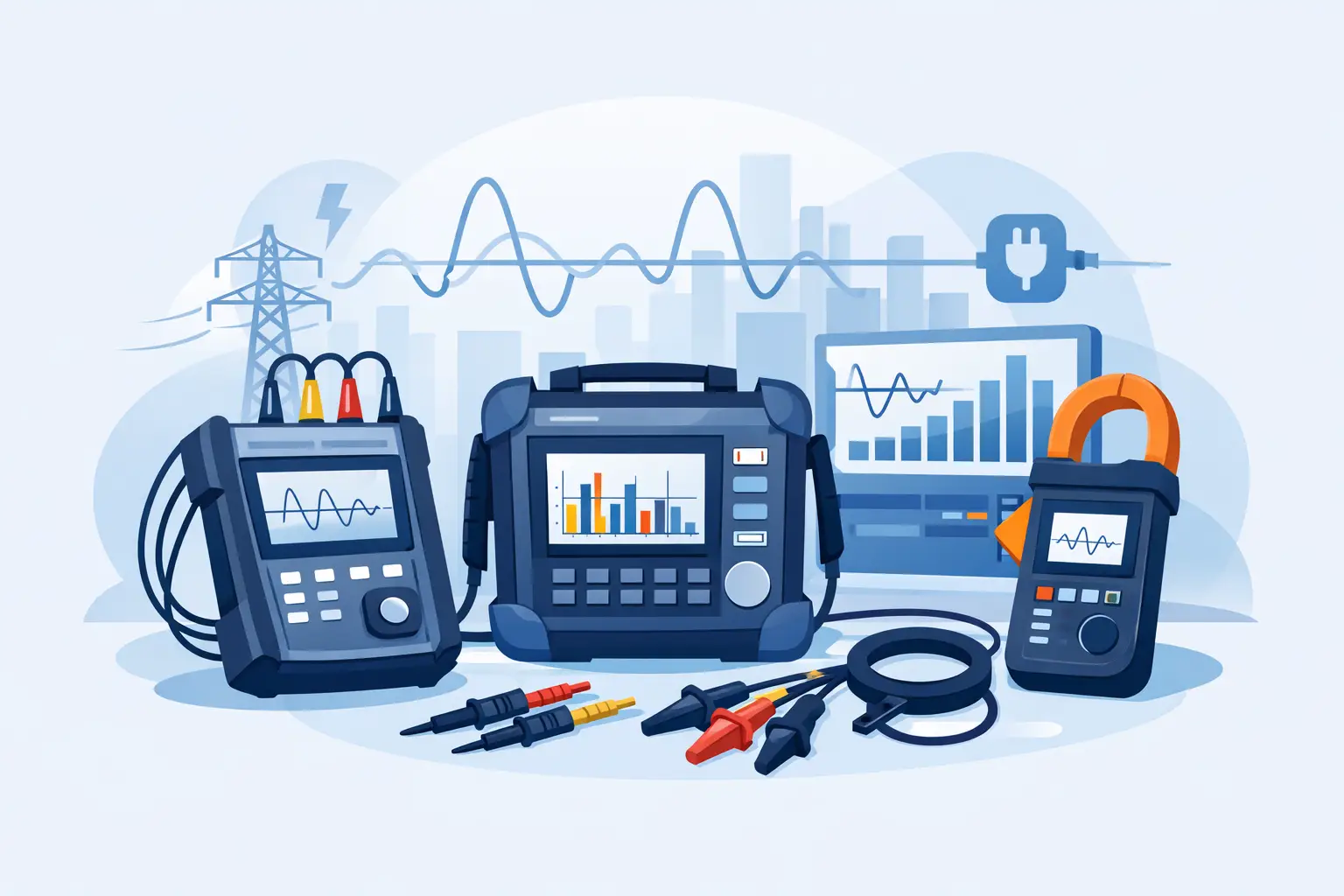
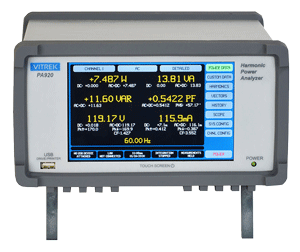
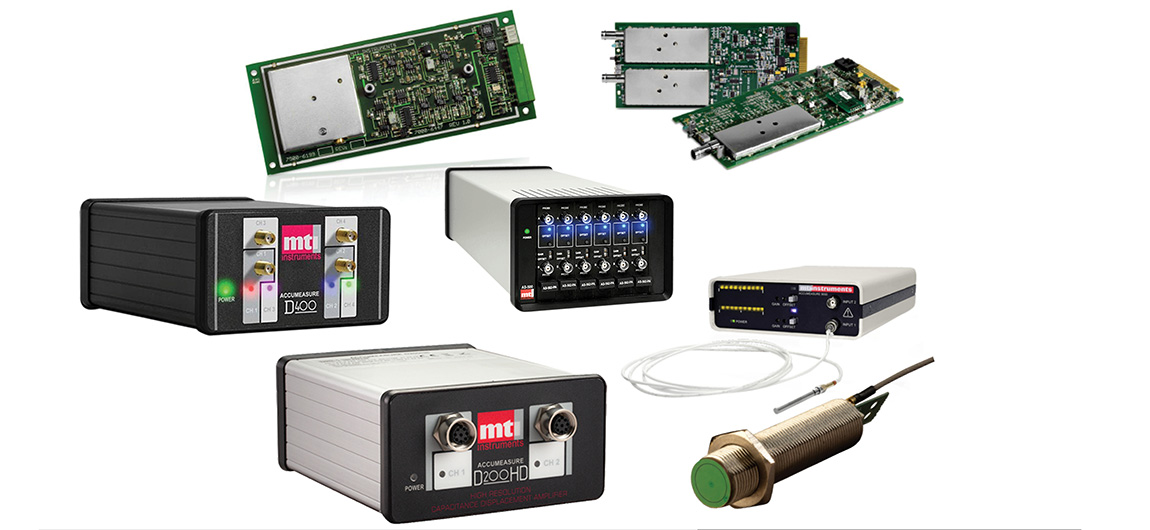
For engineering characterization, teams may supplement safety testers with precision measurement tools that help isolate where the leakage originates. That can include power analyzers, high-voltage switching systems, insulation resistance testers, and digitizers for capturing transient behavior. This is especially useful when the measured current is not static but changes with load state, PWM activity, relay switching, or environmental conditions.
Resolution alone should not drive instrument choice. A meter that displays more decimal places is not necessarily better for leakage testing. Accuracy over the relevant range, input impedance characteristics, common-mode performance, guarding, fixture compatibility, and standards support often matter more. In regulated programs, calibration traceability and documented uncertainty are also part of the decision.
Test setup errors that distort leakage current measurement
Many leakage problems traced to products are eventually found to be setup problems. Fixture leakage, contaminated surfaces, long unshielded leads, unstable grounding, and unaccounted capacitive coupling can all inflate readings. The lower the current being measured, the more these details matter.
Environmental conditions can also shift results. Humidity, temperature, and surface contamination influence insulation behavior. If one lab runs qualification in a tightly controlled environment and another performs line-side checks next to variable-frequency equipment and long ground runs, matching results may be unrealistic without tighter controls.
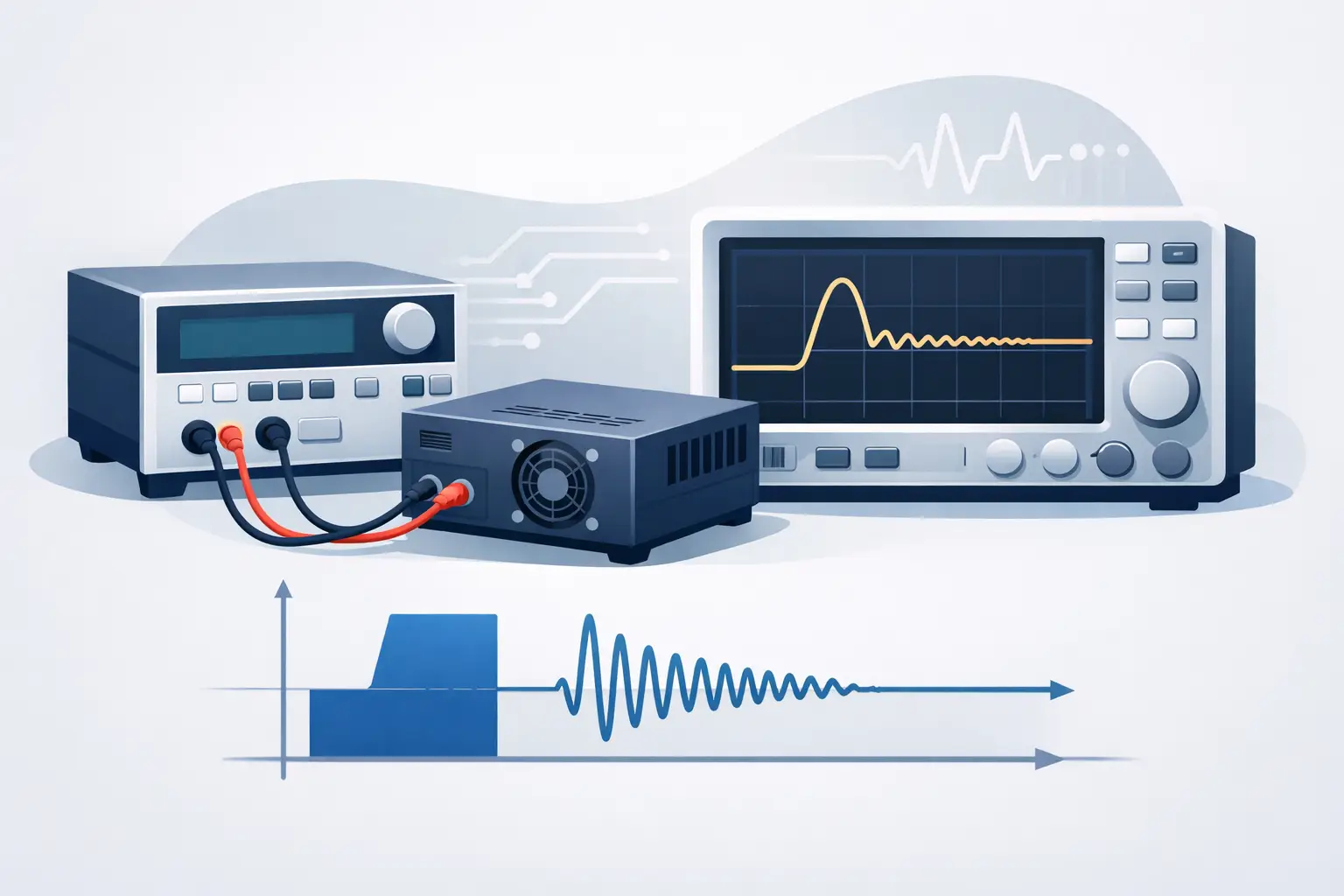
Another issue is insufficient settling time. Leakage current can have a transient component, particularly in systems with large capacitive structures or input filters. Capturing the reading too early may overstate or understate the steady-state condition, depending on the test method. Automated systems should be configured with timing that reflects the product’s electrical behavior, not just the shortest possible cycle time.
Standards, compliance, and the cost of ambiguity
Leakage current limits come from standards, but standards do not remove engineering judgment. Teams still need to determine which edition applies, which operating modes must be tested, whether normal and single-fault conditions are required, and how the product should be classified. That is where errors become expensive.
A leakage result without context has limited value. A report should make clear the test condition, source configuration, measurement network, environmental assumptions, instrument status, and acceptance criteria. That level of documentation is what allows quality teams, auditors, and design engineers to interpret the data correctly months later.
This is also where integrated test platforms have an advantage. When the instrument, switching, sequencing, and data capture are designed for repeatable safety workflows, there is less room for operator-dependent variation. For manufacturers scaling from engineering validation into production, that consistency is often more valuable than marginally faster manual methods.
Using leakage data in design and production
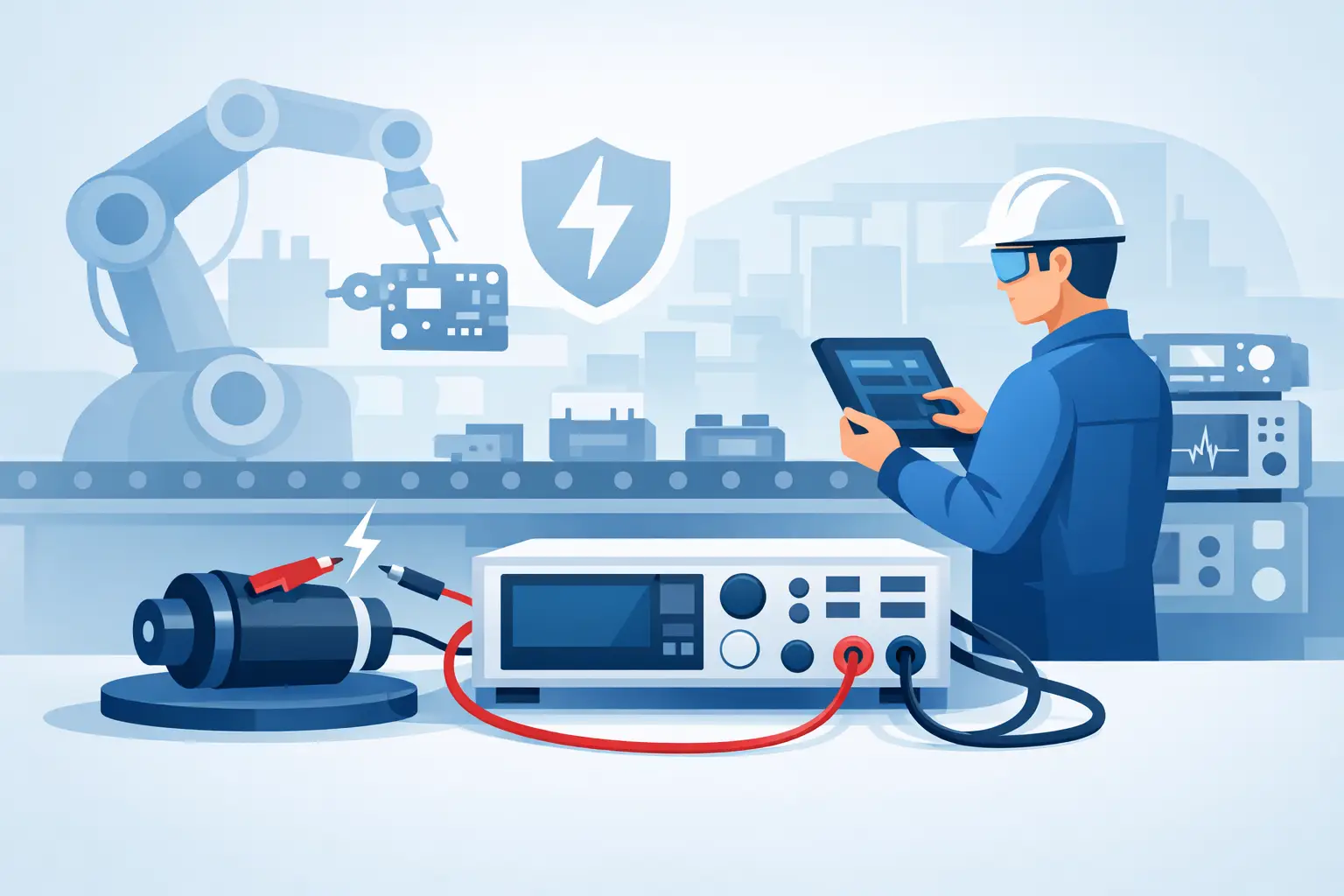
The strongest organizations do not treat leakage testing as a late-stage hurdle. They use it throughout the product lifecycle. Early in development, leakage measurements help evaluate insulation architecture, filter design, grounding topology, and enclosure strategy. During design verification, they support formal evidence for compliance. In manufacturing, they become a screen for process drift and assembly defects. In service or failure analysis, they help determine whether a field issue reflects wear, contamination, misuse, or a latent design weakness.
There is no single best test strategy for every product. A medical device program may prioritize standard-specific patient leakage workflows. An EV subsystem team may focus on high-voltage isolation behavior and production repeatability. An aerospace integrator may care as much about traceable records and configuration control as the raw reading itself. The common requirement is measurement integrity.
For that reason, leakage current capability should be evaluated as part of a broader test architecture. Can the system support the required standards? Does it maintain accuracy across expected ranges? Can it integrate into automated sequences? Will it hold up in production, not just in a quiet lab? Companies such as Vitrek are often selected in these environments because the conversation is not only about reading current. It is about producing defensible, repeatable safety data under real operating conditions.
Electrical leakage current measurement rewards discipline. The current may be small, but the technical and compliance consequences are not. When the method, instrument, and setup are aligned to the application, the result is more than a passing number – it is confidence that the product behaves safely where it matters most.