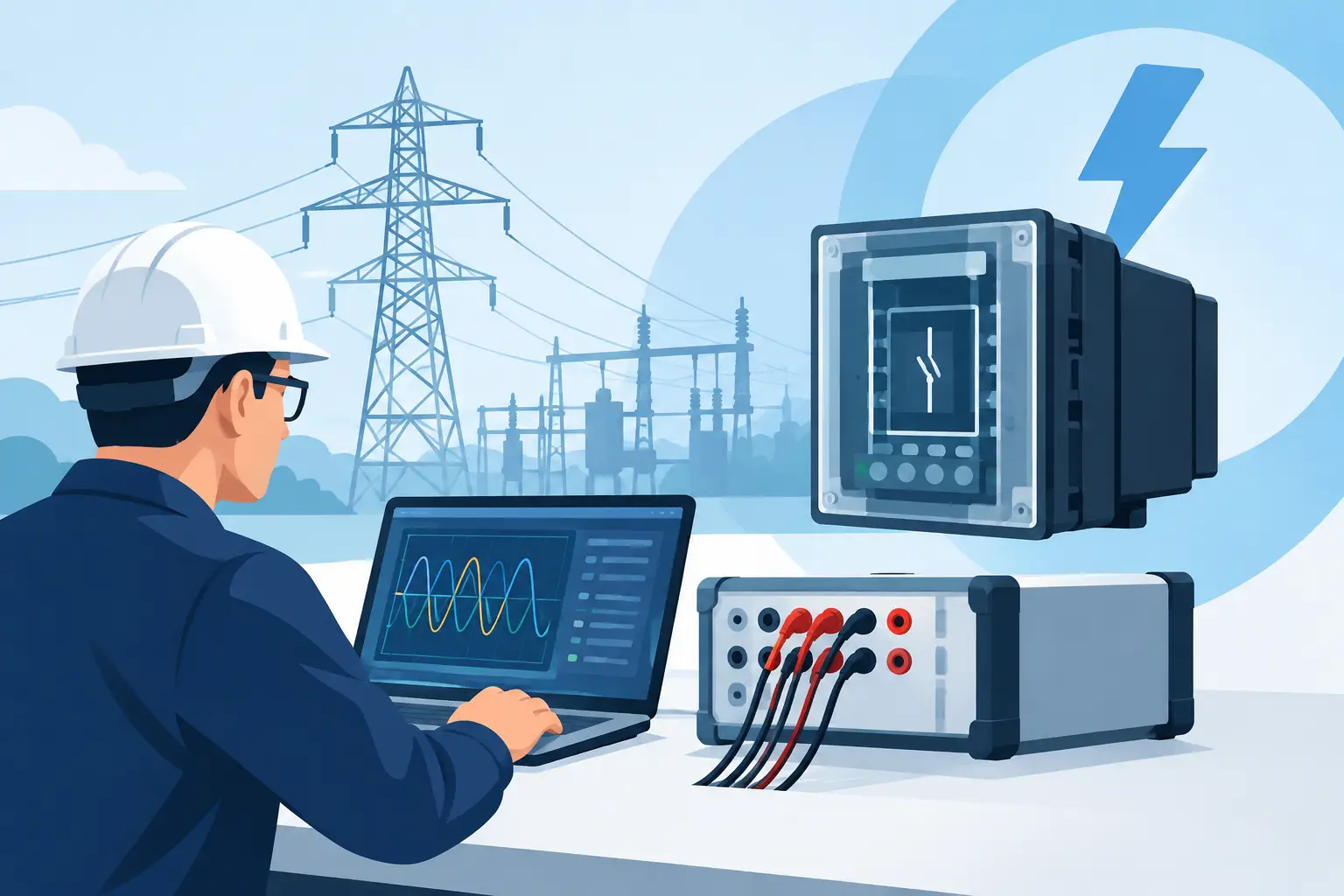
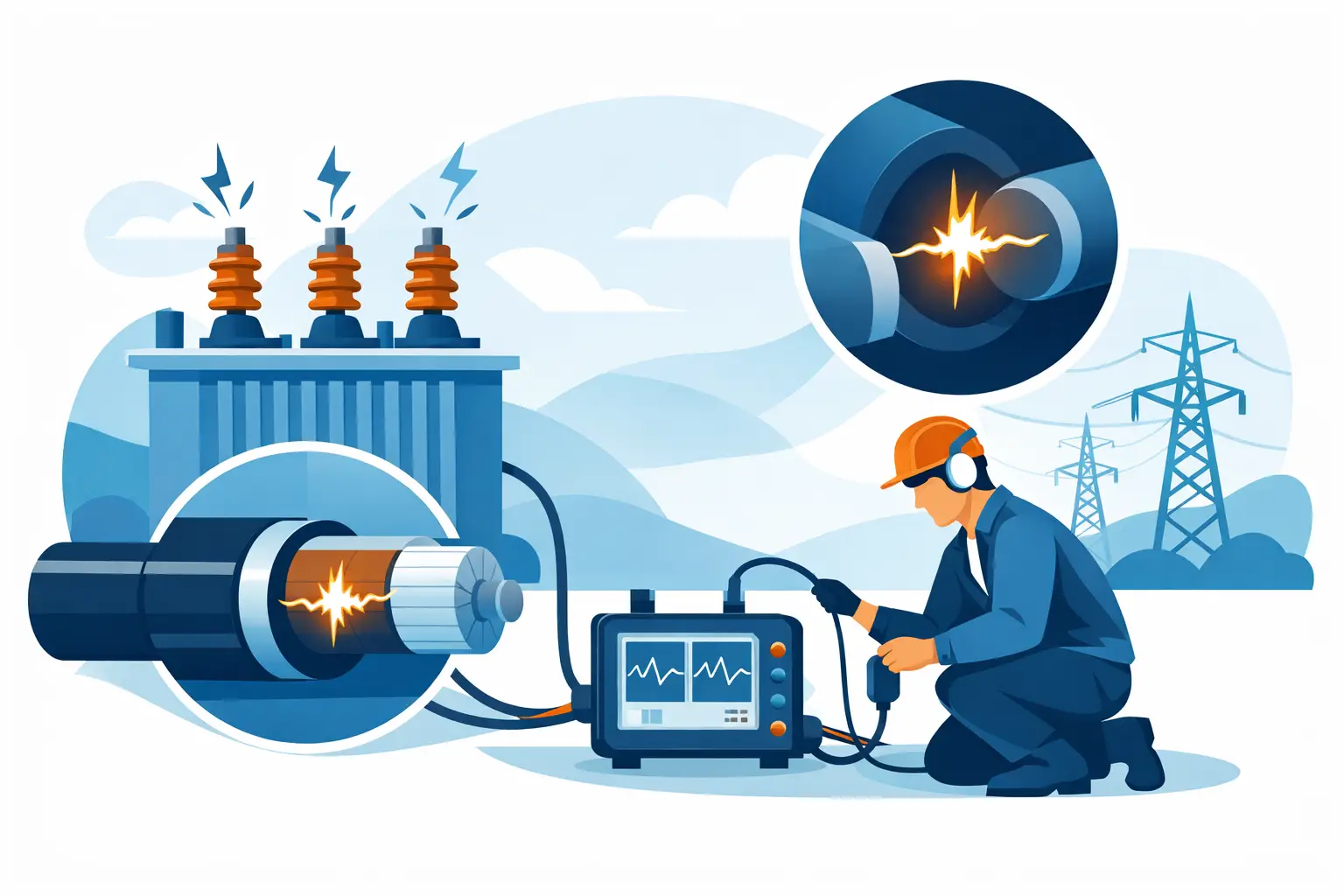
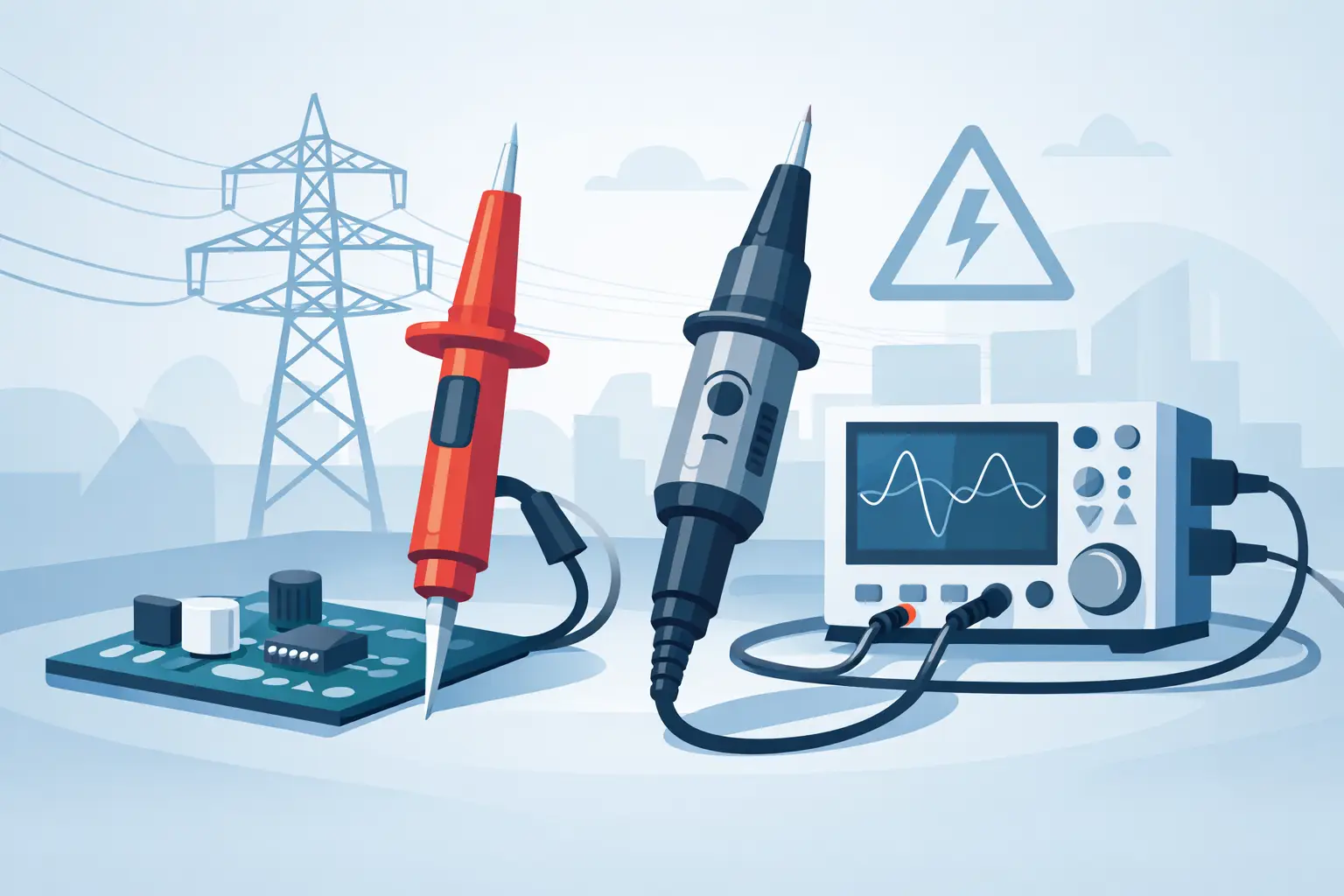
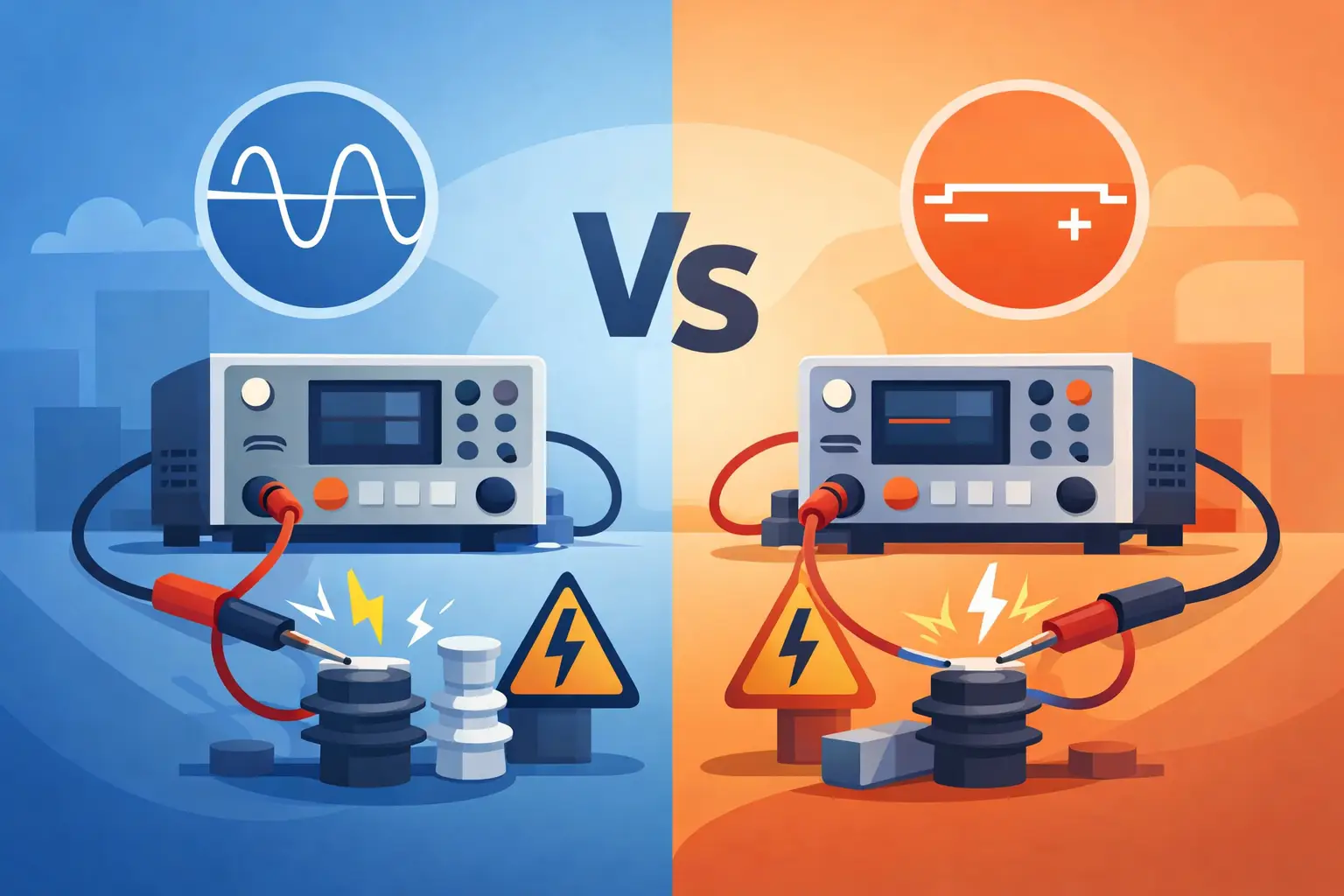
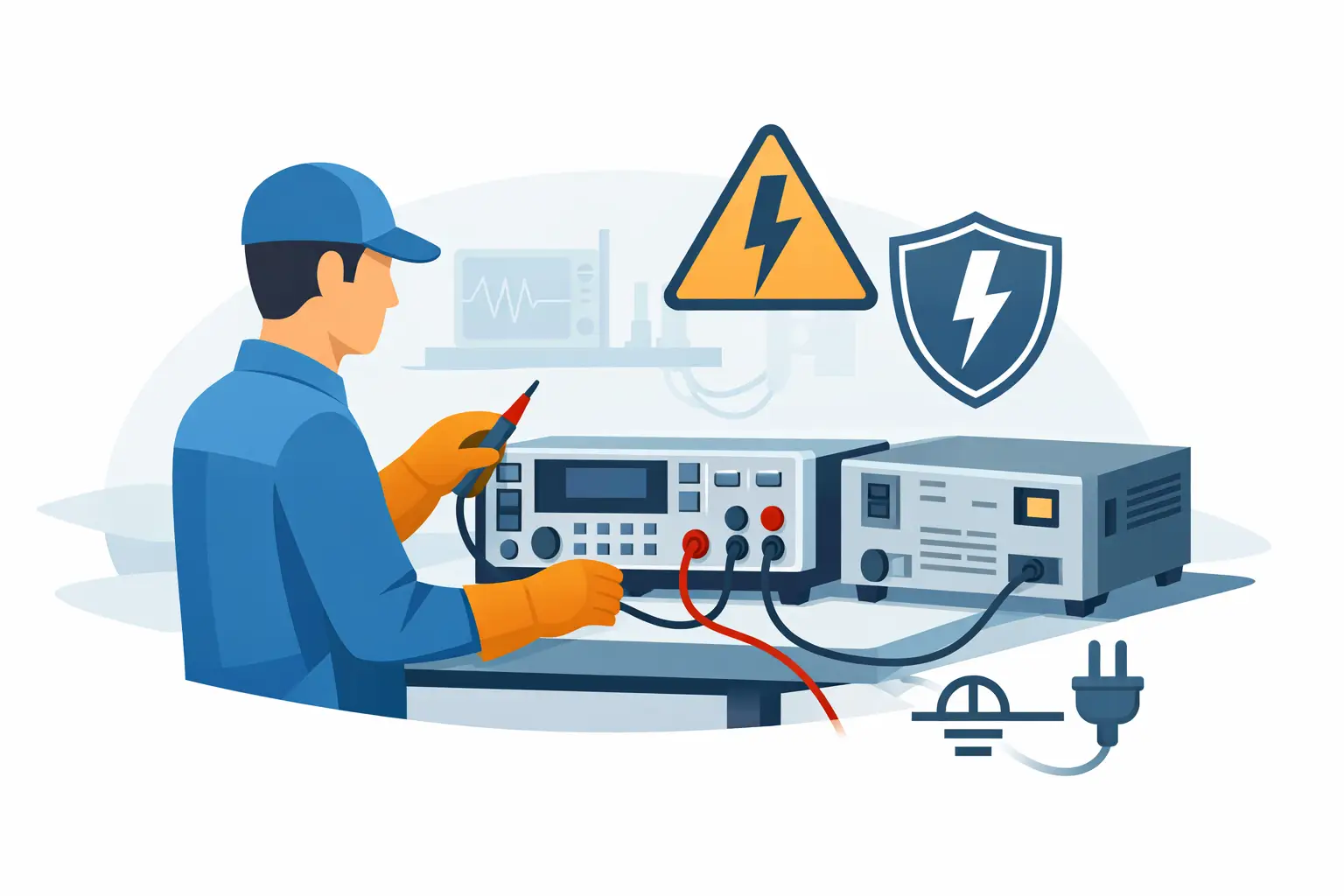
A Level 2 EV charger that passes functional checks can still fail where it matters most – insulation breakdown under stress, leakage current drift, or a ground bond that looks acceptable until production variation exposes a weak point. That is why an ev charger safety test case study is useful beyond compliance paperwork. It shows how safety verification actually behaves when design intent meets line conditions, operator variability, and real test limits.
For engineering teams building or validating EV supply equipment, the challenge is rarely deciding whether to perform electrical safety testing. The challenge is defining a test strategy that is fast enough for production, deep enough for compliance, and repeatable enough to support corrective action when failures appear. In EV charging products, especially those intended for residential and commercial deployment, the stakes are high because the product sits at the intersection of mains power, environmental exposure, and user contact.
What this EV charger safety test case study examines
This case centers on a manufacturer preparing a wall-mounted AC EV charger for certification and production ramp. The unit included AC input protection, a control board, contactor assembly, cable management, enclosure grounding, and user-accessible interface components. The engineering team had already completed functional validation and environmental pre-screening. What remained was a tighter, more disciplined electrical safety process that could support both compliance testing and eventual manufacturing use.
The immediate problem was inconsistency. Bench testing by different operators produced acceptable but variable results in hipot, insulation resistance, and ground bond measurements. None of the variation was dramatic, yet it was enough to create doubt. When the product is intended to connect vehicles, homes, and commercial facilities to line power, doubt is expensive. It slows approvals, complicates root-cause work, and creates friction between design, quality, and production.
The objective was straightforward. Establish a repeatable test sequence for dielectric withstand, insulation resistance, and protective earth continuity, then determine whether the charger design and the fixture approach could hold those results across pilot units.
Test setup and measurement priorities
The team divided the work into three layers. First came design validation on engineering units. Second came pre-compliance confirmation on pilot builds. Third came a production-oriented sequence designed to reduce operator judgment. This progression mattered because the best engineering test is not always the best factory test. A long diagnostic sequence may be appropriate in R&D, while production needs controlled limits, predictable fixturing, and clear pass-fail logic.
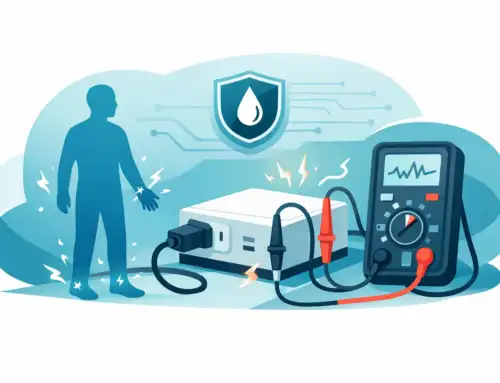
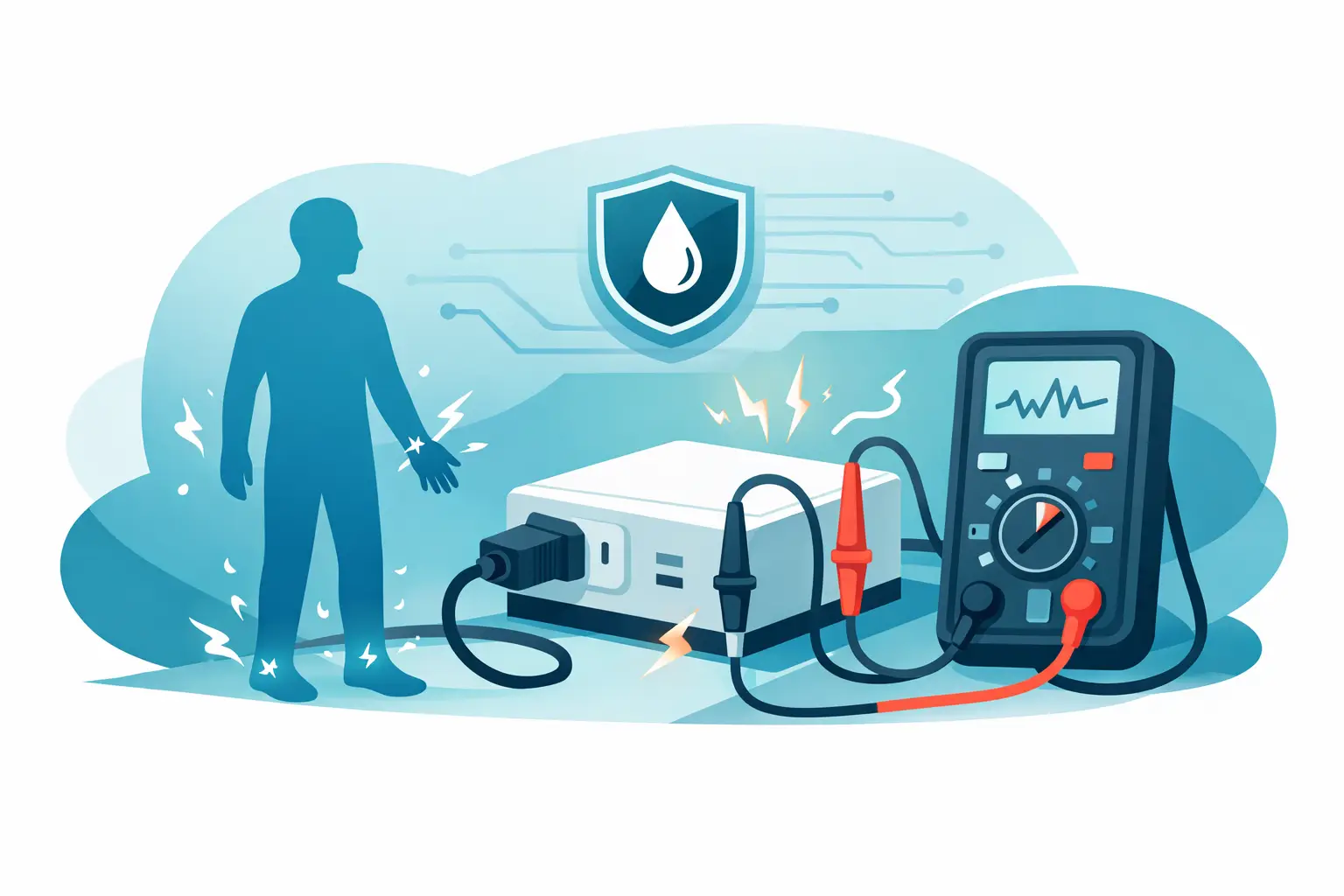
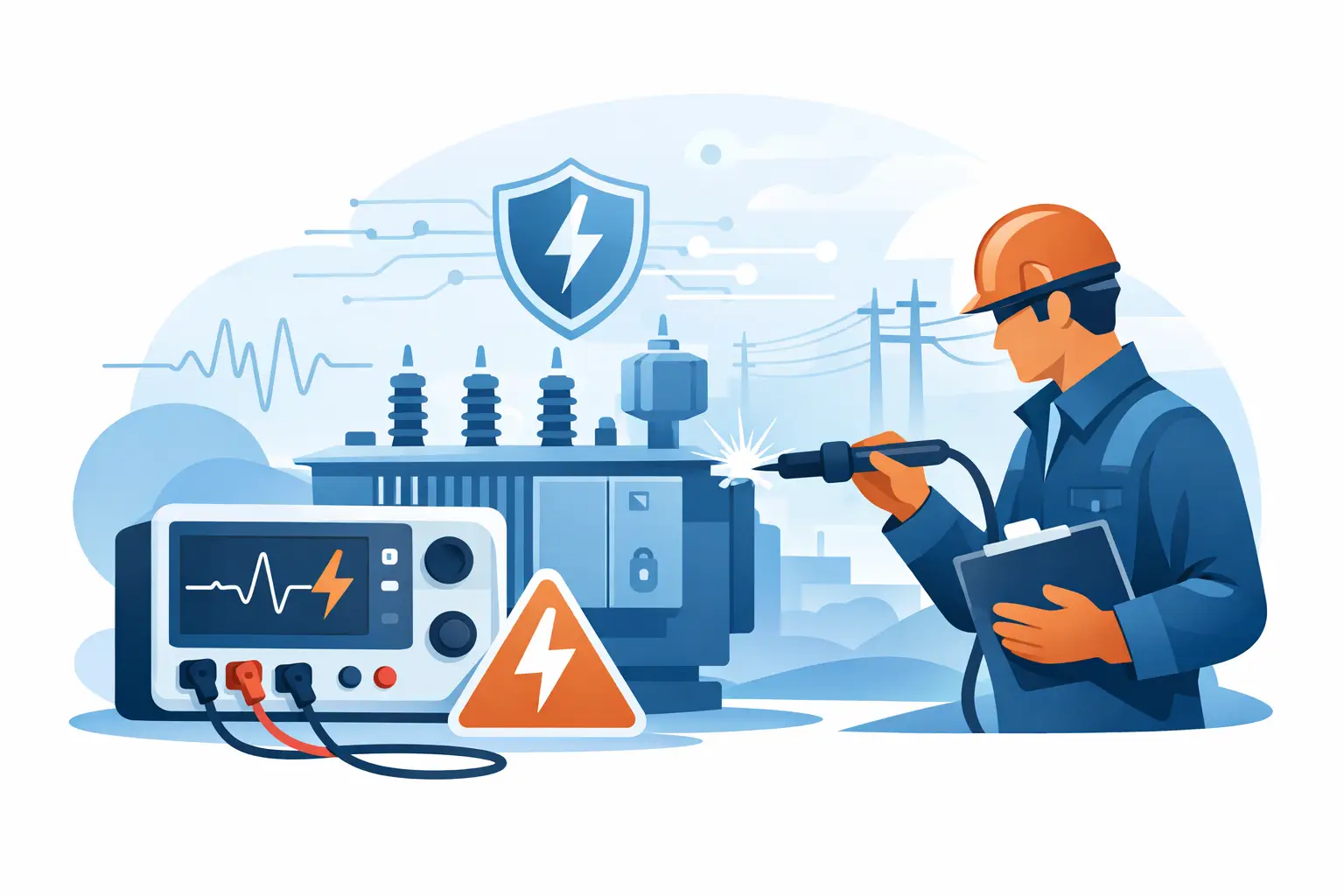
For dielectric withstand, the focus was line and neutral to protective earth, as well as primary circuits to accessible conductive parts where required by the product construction. Test voltage and dwell time were selected based on the applicable safety framework and internal margin targets. The team also used insulation resistance as a lower-stress screening tool to identify contamination, routing issues, or assembly defects before applying high potential.
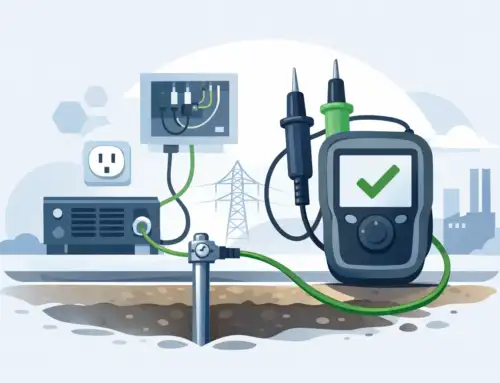
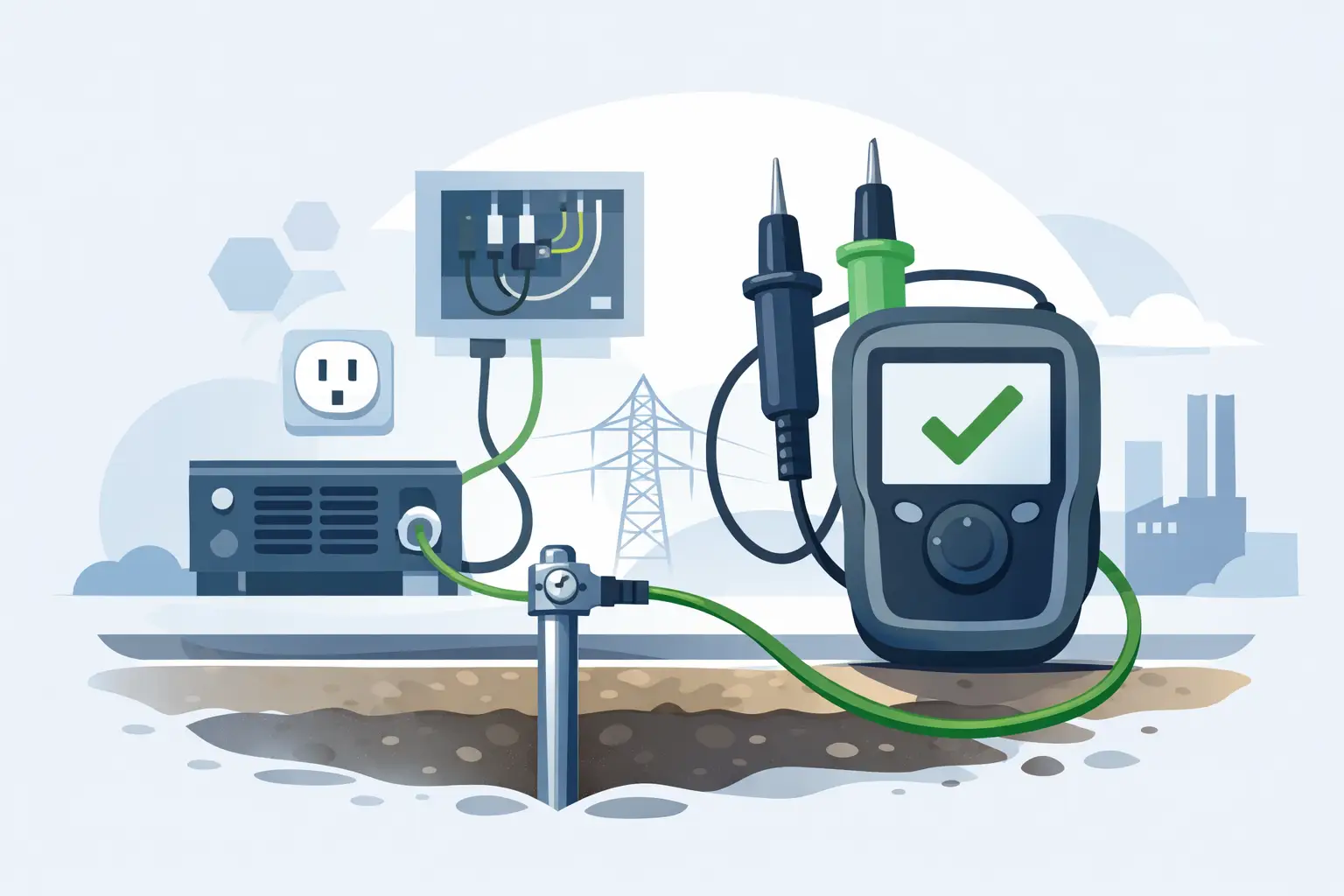
Ground bond testing centered on the protective earth path from inlet ground to exposed conductive enclosure elements and cable-associated grounding points. Resistance values alone were not enough. The engineers also watched for unstable readings that suggested fixture contact problems, coating interference, or mechanical inconsistency at fasteners.
One lesson appeared early. Several apparent safety failures were not product failures at all. They were setup failures caused by inconsistent clamping and probe placement. That distinction matters because false rejects distort yield data and can send teams chasing non-existent design flaws.
Early failure patterns
In the first pilot run, hipot failures clustered around two units from the same assembly batch. Investigation showed slightly different wire dress near a high-voltage section and tighter-than-intended proximity to a grounded bracket. The charger had not catastrophically failed. Instead, the reduced spacing lowered margin enough to trigger breakdown under test conditions.
At the same time, insulation resistance values on several otherwise good units varied more than expected. The root cause was trace contamination introduced during enclosure assembly and handling. The values still cleared the minimum limit, but the spread was too wide for comfort. In a humid field environment, marginal cleanliness can become a reliability issue long before it becomes a certification failure.
Ground bond testing revealed a different class of problem. A painted enclosure interface created variable contact resistance on a subset of builds. Mechanically, the connection looked correct. Electrically, it depended too much on assembly pressure and paint disruption. The remedy was simple but important – revise the bonding interface and define a controlled metal-to-metal contact point.
The value of sequence design in an EV charger safety test case study
The most useful outcome from this EV charger safety test case study was not a single pass-fail result. It was the sequence redesign. The team moved from loosely ordered bench checks to a structured flow that reduced ambiguity.
Insulation resistance was performed first as a non-destructive screen. Units with abnormal readings were held for inspection before high-voltage stress was applied. Ground bond followed, using fixed fixtures and defined contact locations to reduce operator influence. Hipot came last, once the team had confidence that the unit was assembled correctly and grounded as intended.
That order improved throughput and reduced avoidable stress on suspect units. It also made failure analysis more useful. If a charger failed hipot after passing insulation resistance and ground bond, the engineering team could narrow the likely fault domain much faster.
There was a trade-off. More structure in the sequence increased fixture complexity and required tighter work instructions. But the payoff was measurable. Retest rates dropped, result scatter narrowed, and quality engineers gained cleaner data for process capability review.
Why repeatability mattered more than peak numbers
In safety testing, engineers often focus on the maximum voltage, the lowest measured resistance, or the fastest test time. Those values matter, but repeatability matters more in production. A charger that posts excellent readings on one station and inconsistent readings on another is not yet under control.
The team addressed this by standardizing ramp profiles, dwell timing, measurement thresholds, and discharge verification. They also documented fixture wear points and established periodic verification checks. This is less glamorous than chasing bigger test margins, but it is what prevents line escapes and false failures six months later.
For organizations scaling EV charger production, this is the real inflection point. Once safety testing becomes a stable process rather than a technician-dependent task, data quality improves across design transfer, supplier qualification, and audit response.
What engineers changed after the first round
Three corrective actions had the largest effect. The first was mechanical rerouting of conductors near grounded hardware to restore spacing margin under worst-case assembly conditions. The second was a cleaning and handling control step to reduce contamination before enclosure closeout. The third was a redesign of the protective earth bonding interface so the electrical path did not depend on paint breakage or variable torque alone.
The team also revised limits based on real distribution data rather than nominal assumptions. This is an area where judgment matters. Limits that are too loose can hide process drift. Limits that are too tight can create unnecessary rejects without improving field safety. The right answer depends on the charger architecture, the governing standard, and the maturity of the manufacturing process.
In this case, engineering kept compliance limits intact but added internal process thresholds that triggered review before a formal failure occurred. That gave production earlier warning without confusing certification criteria with factory control logic.
Practical takeaways for EV charger programs
An ev charger safety test case study is most valuable when it shows where testing can mislead as well as where it can protect. Several points stand out.
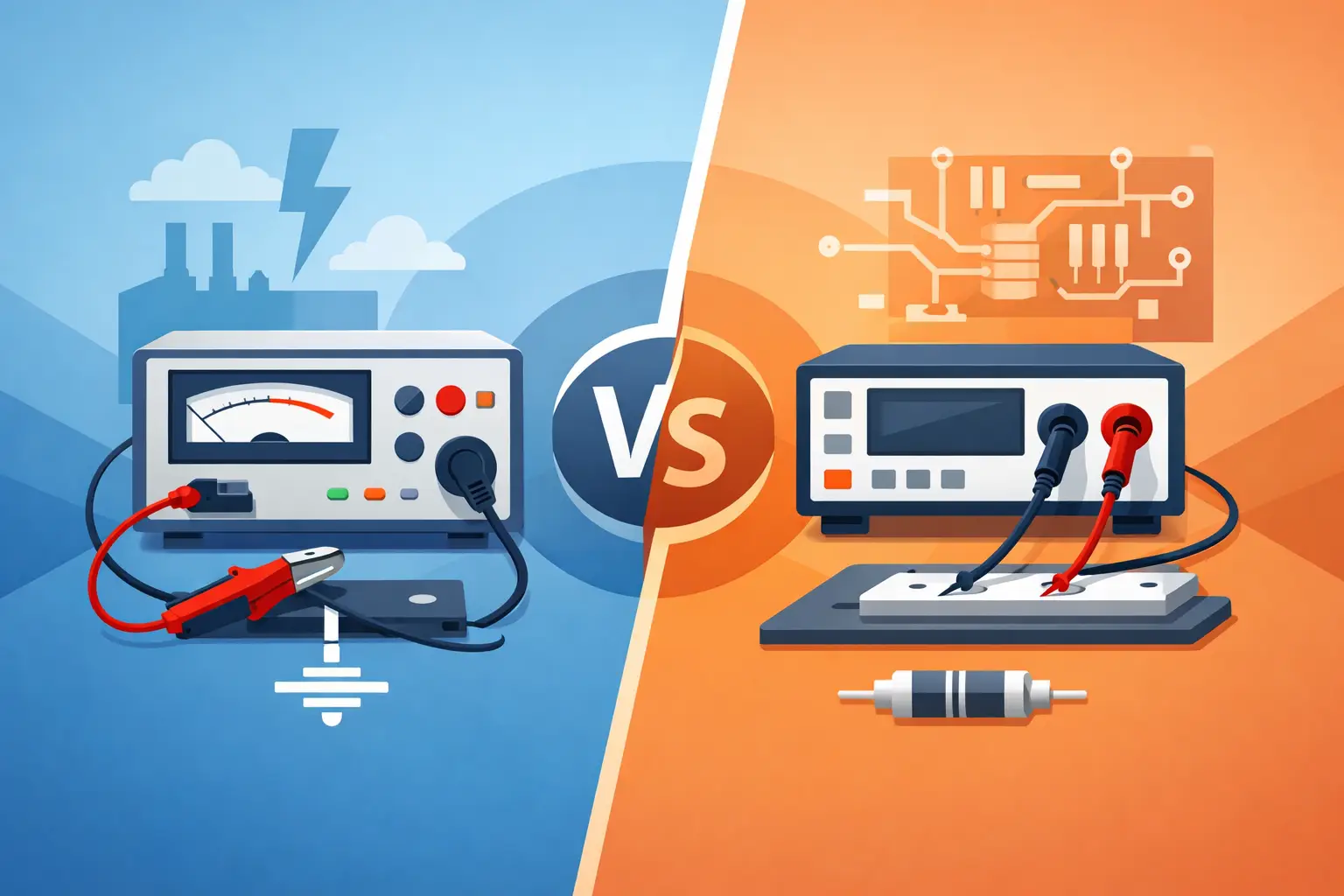
First, fixture quality is part of measurement quality. If contact placement and clamping are inconsistent, the test system will faithfully measure that inconsistency. Second, insulation resistance and hipot should be treated as complementary tools, not interchangeable ones. One helps screen for leakage and contamination with less stress, while the other verifies dielectric strength under defined conditions. Third, grounding integrity deserves as much design attention as active circuitry. In many charger builds, the protective earth path is mechanically simple but process-sensitive.
It also became clear that production intent should be considered early. A charger that tests well in the lab with careful manual setup may become difficult to verify at volume unless contact points, cable routing, and enclosure interfaces are designed for repeatable access.
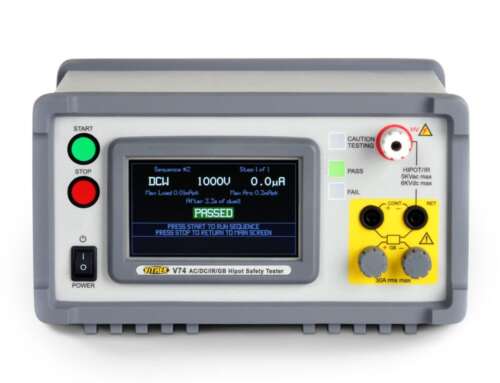
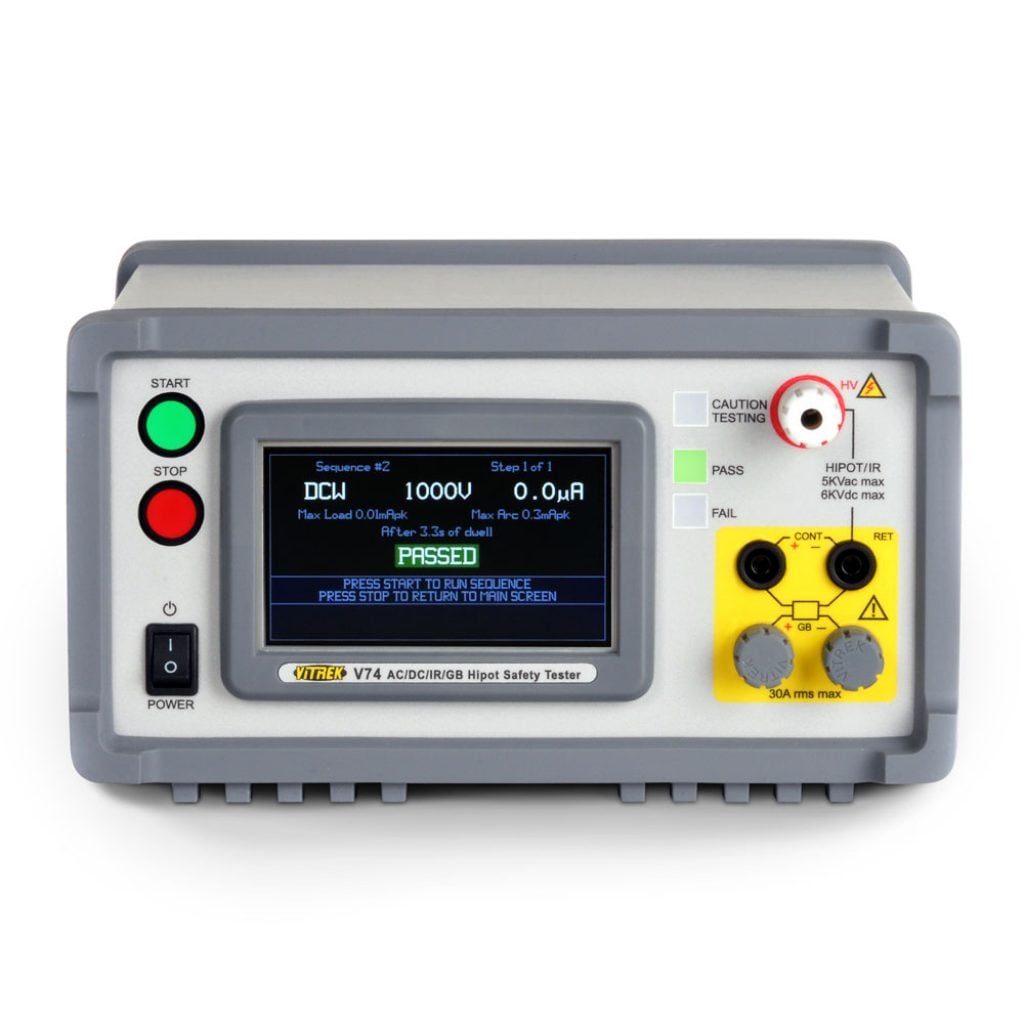
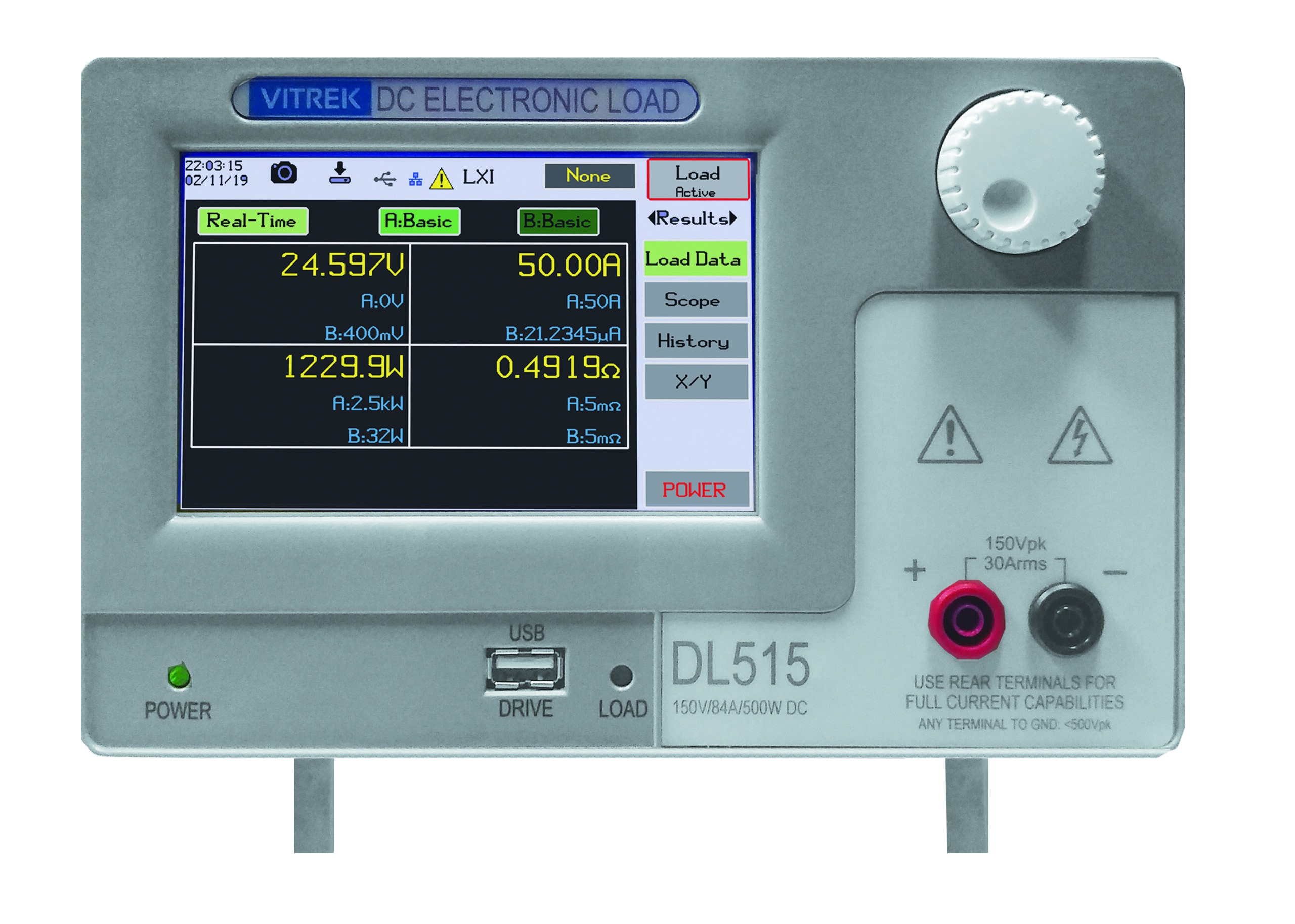
For teams evaluating instrumentation, the requirement is not only voltage capability or spec-sheet resolution. The larger issue is whether the system supports controlled sequencing, clear operator guidance, reliable data capture, and repeatable execution across shifts and sites. That is where a dedicated safety test platform earns its place.
Vitrek serves this kind of environment well because the decision criteria are not promotional. They are technical. Engineers need confidence that the tester, fixture strategy, and data path will hold up under compliance pressure and production reality.
A charger can pass a one-time safety test and still leave risk in the process. The better goal is a safety verification method that exposes weak margins early, produces defensible records, and stays stable as volumes rise. That is the kind of result worth building into the program from the start.