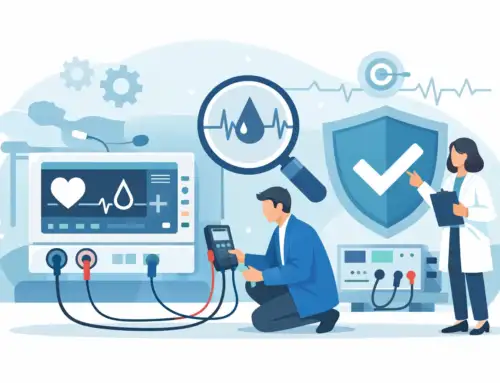
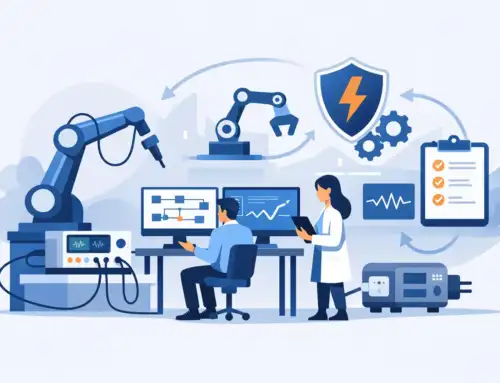
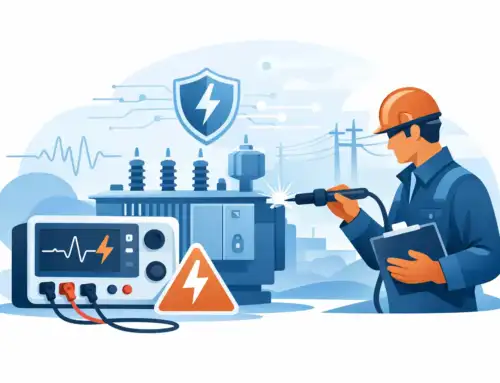
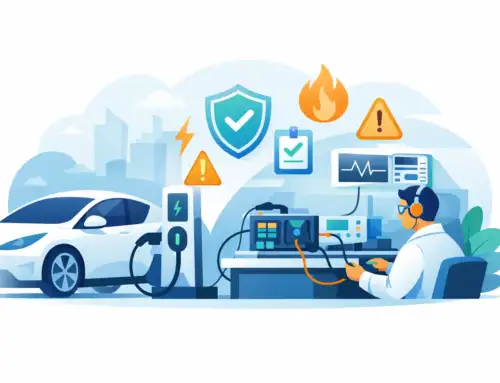
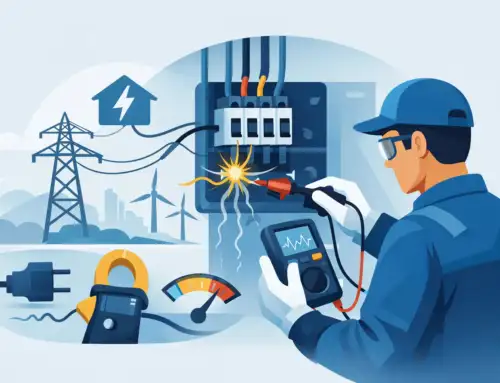
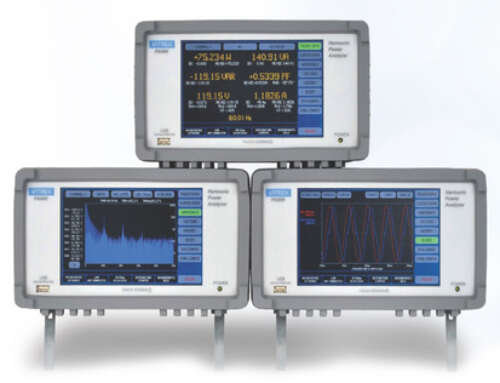
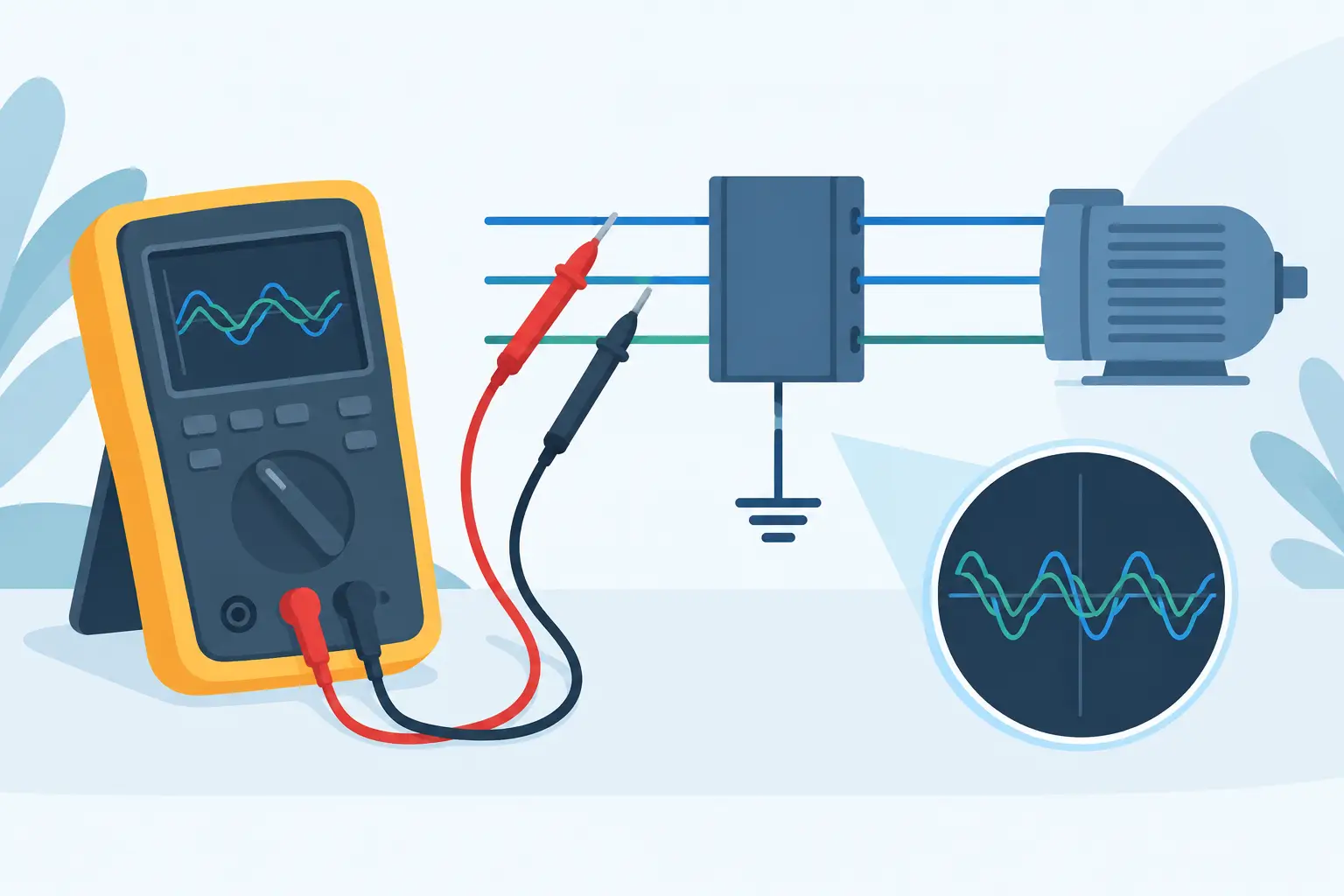
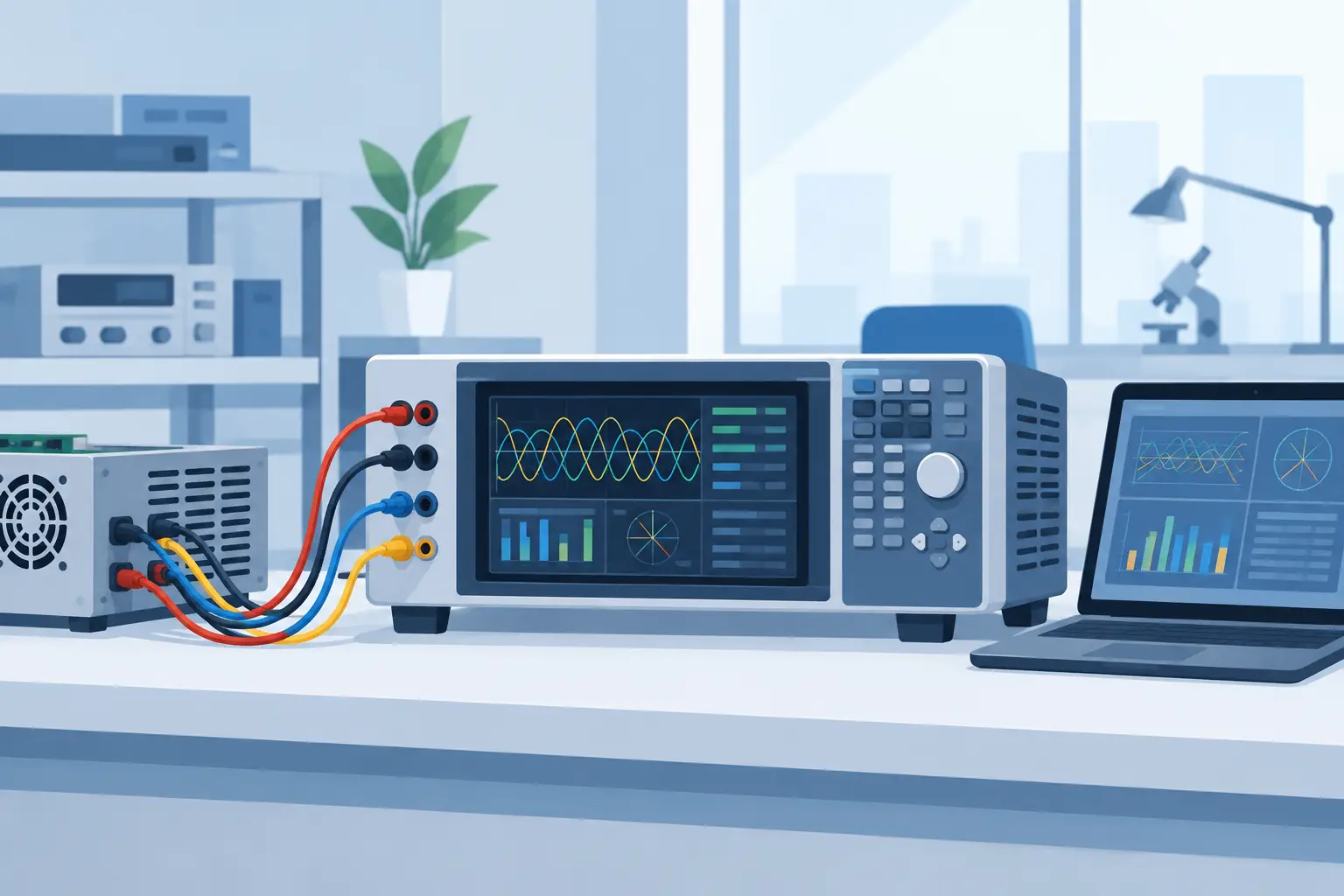
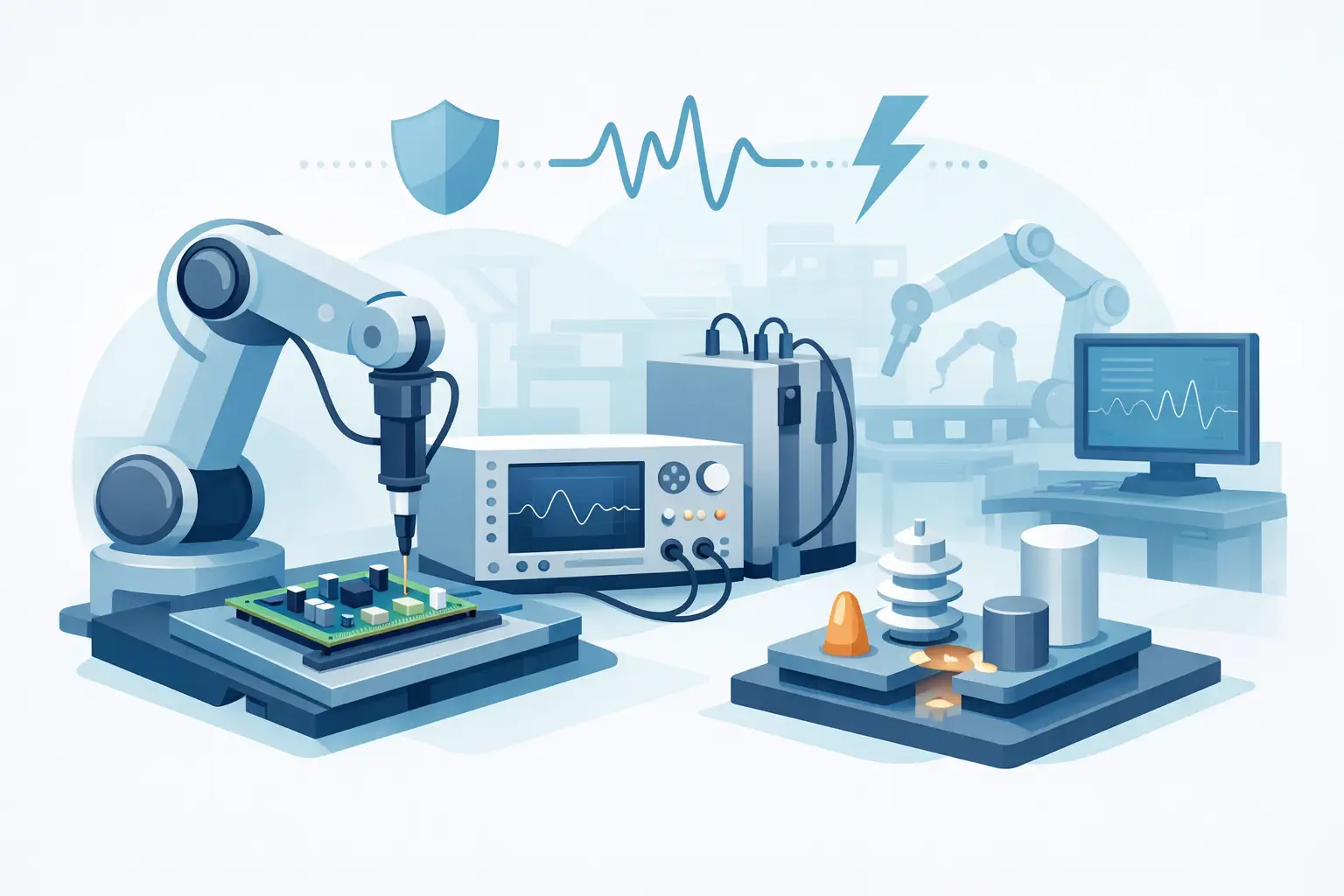
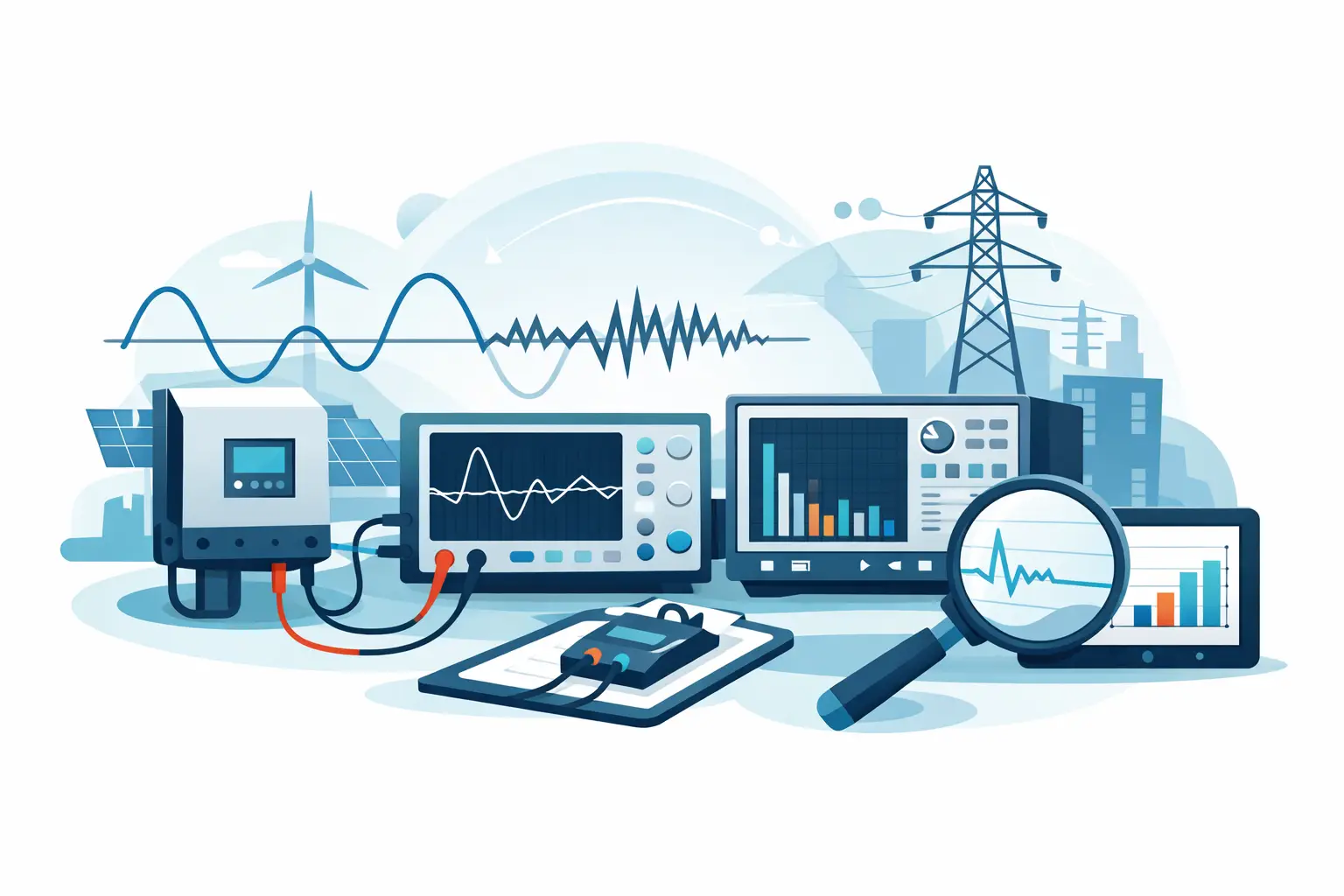
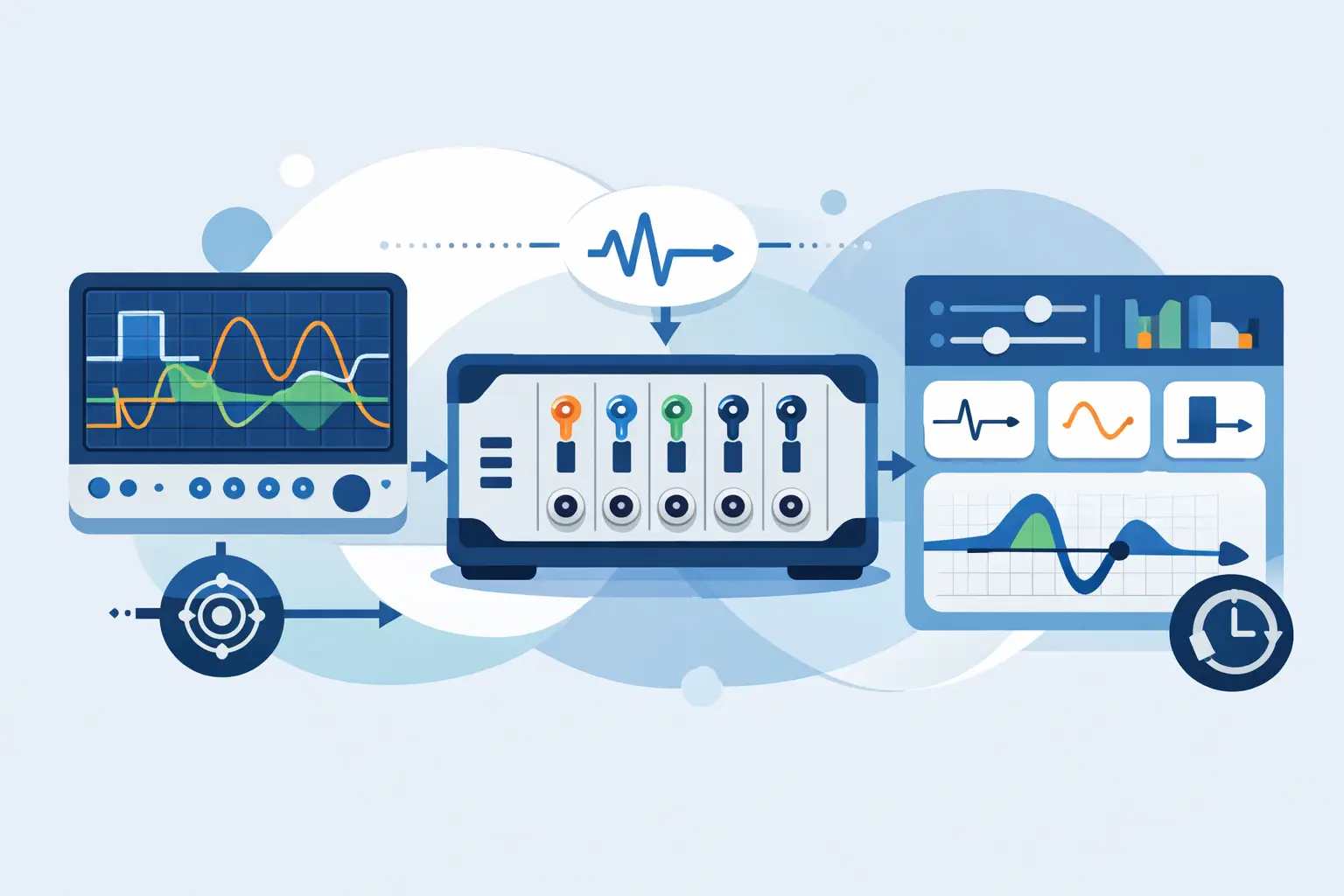
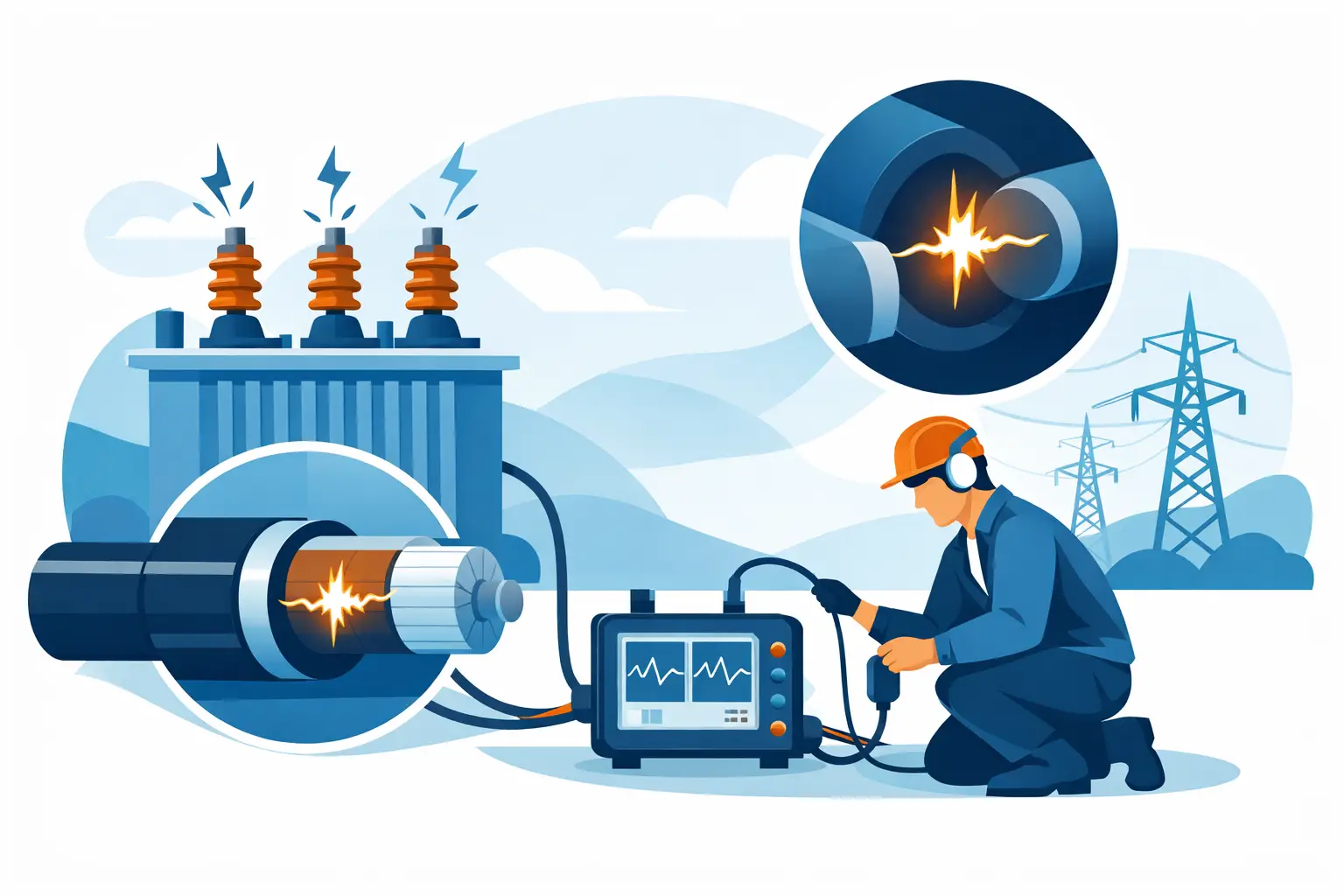
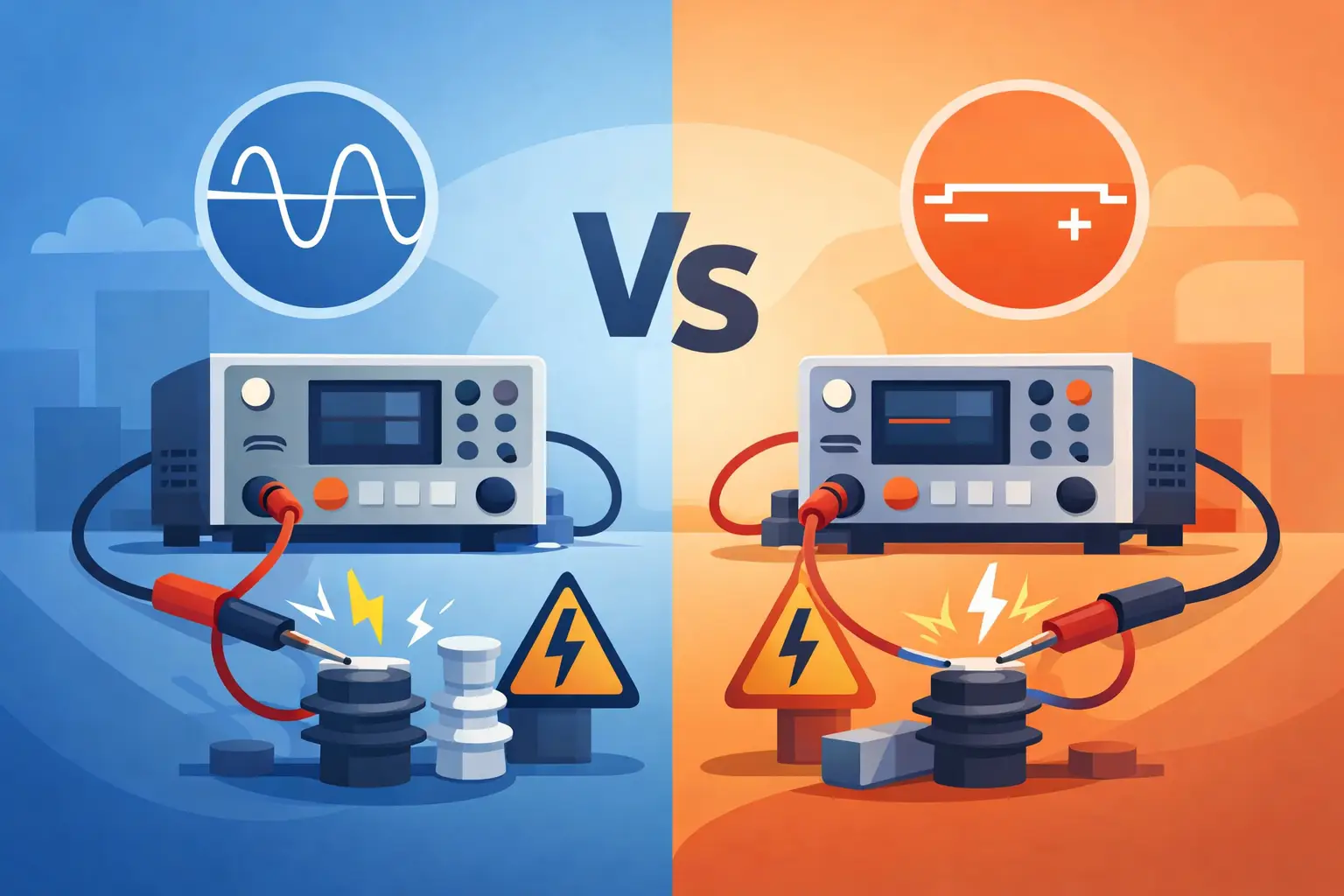
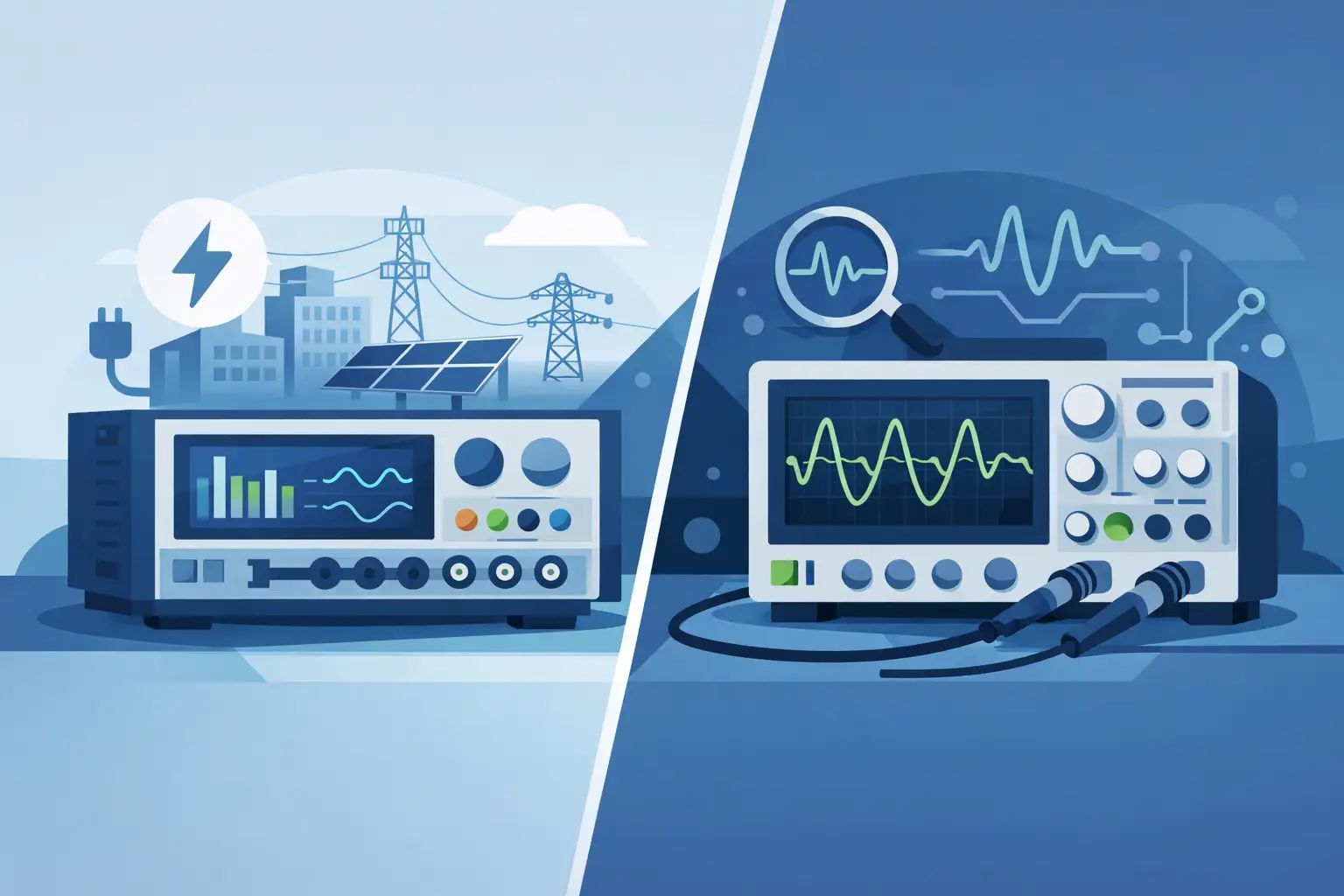
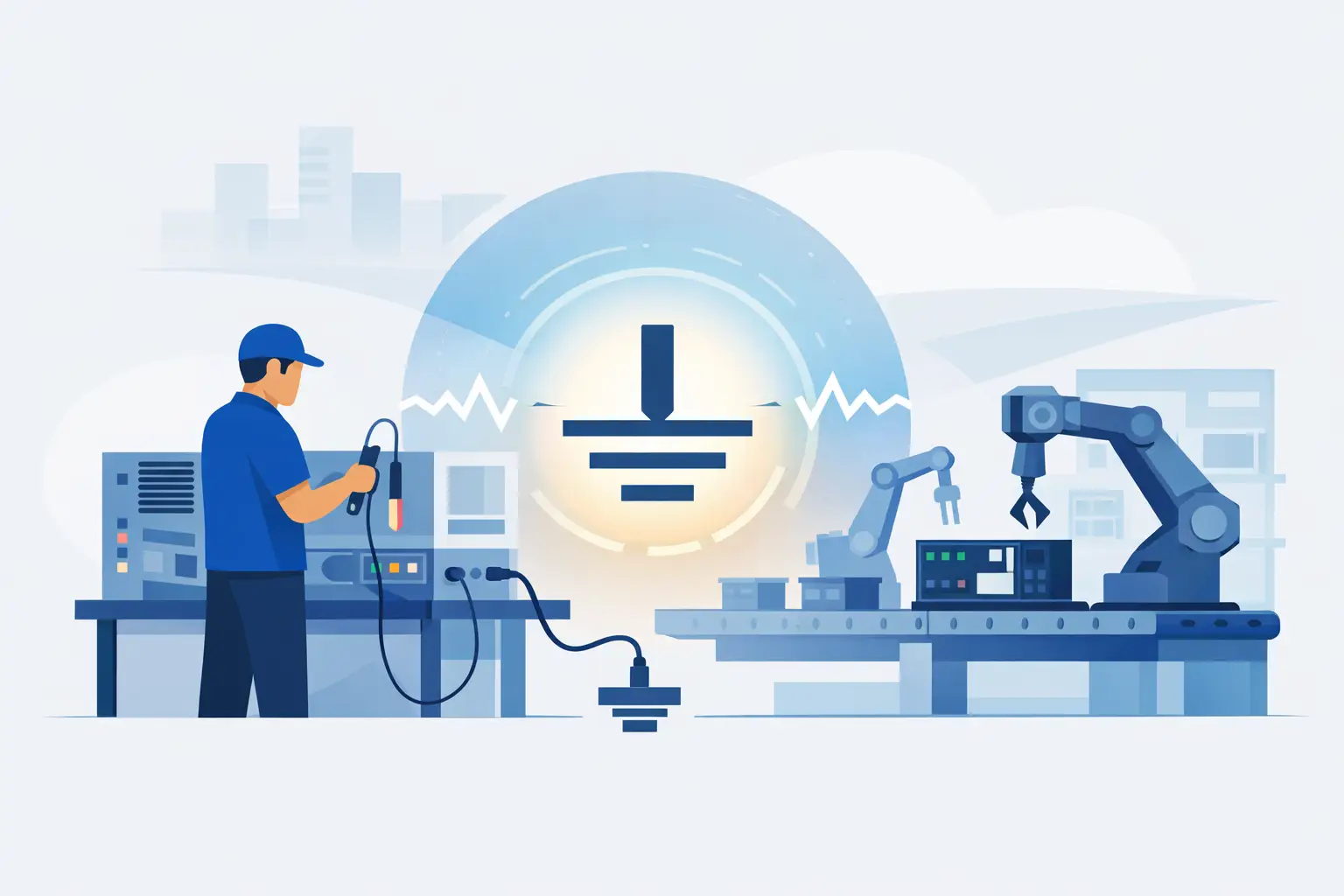
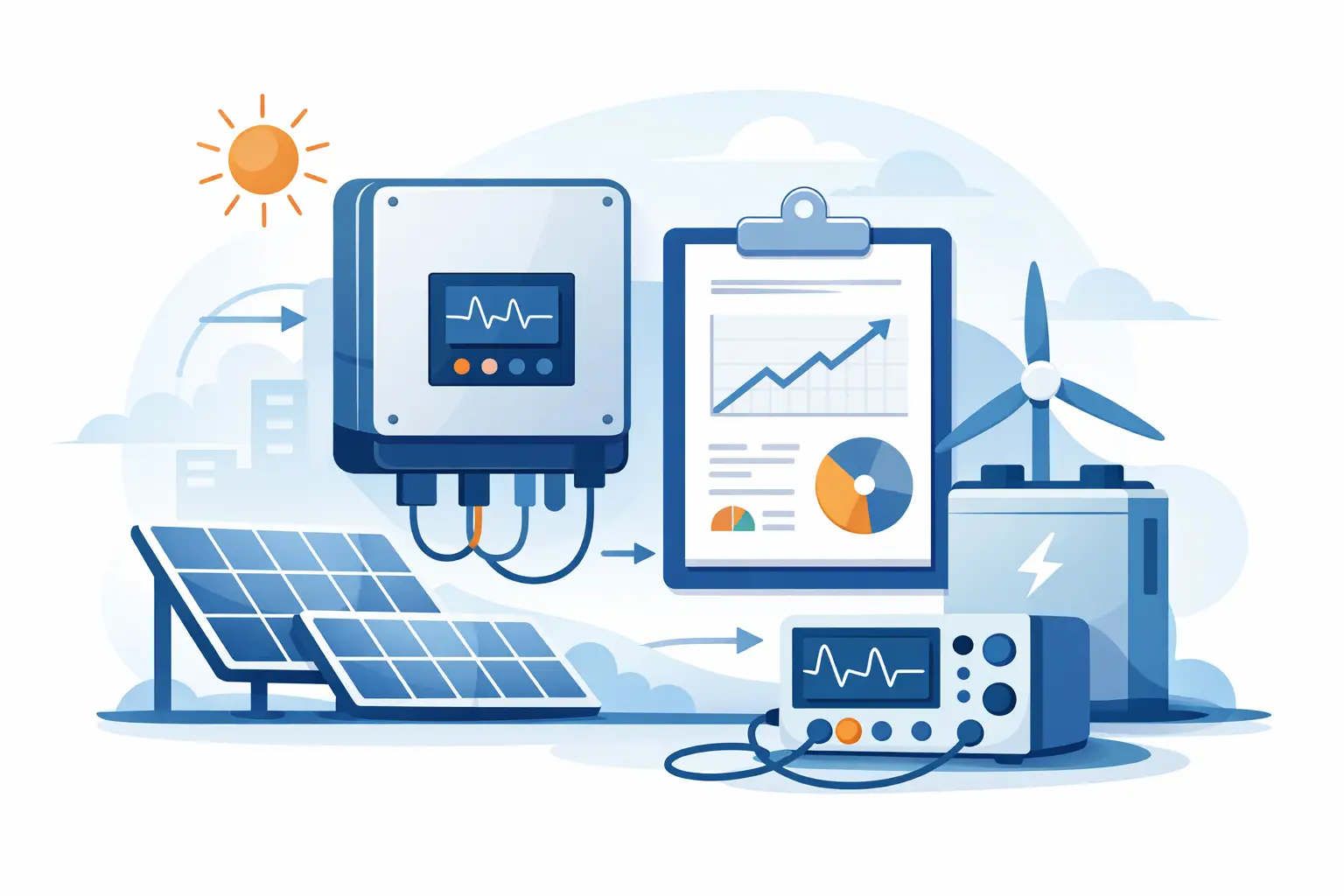
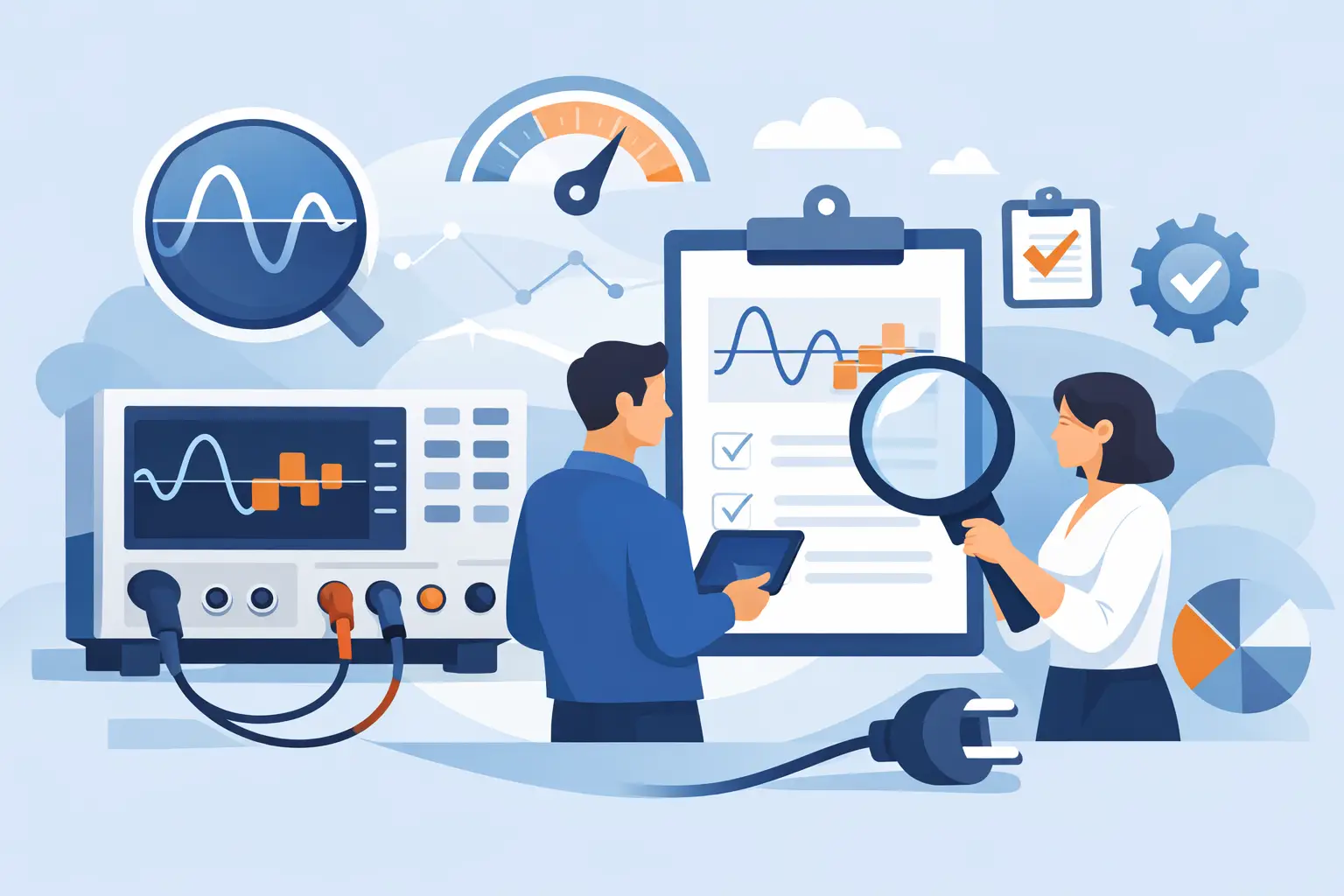
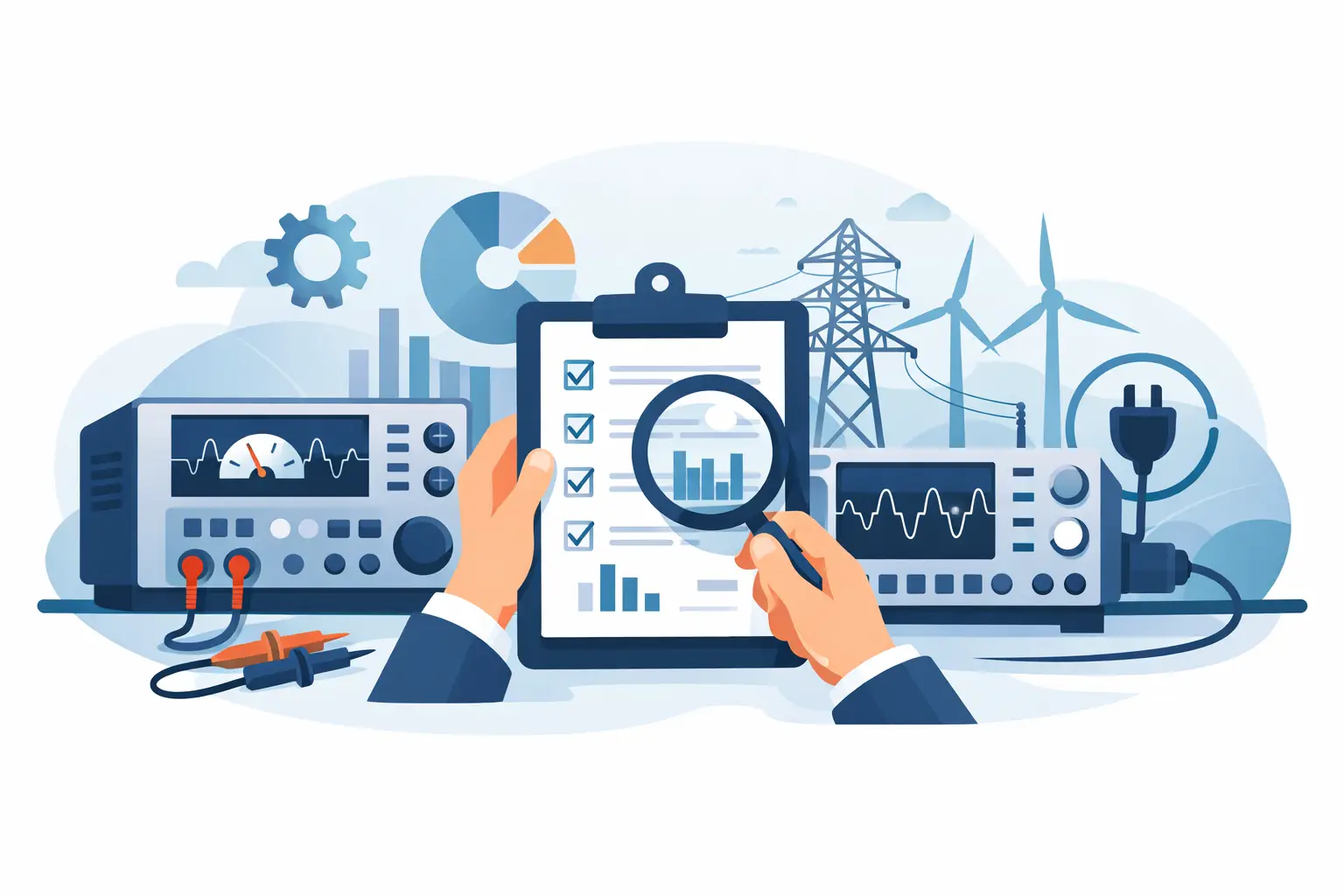
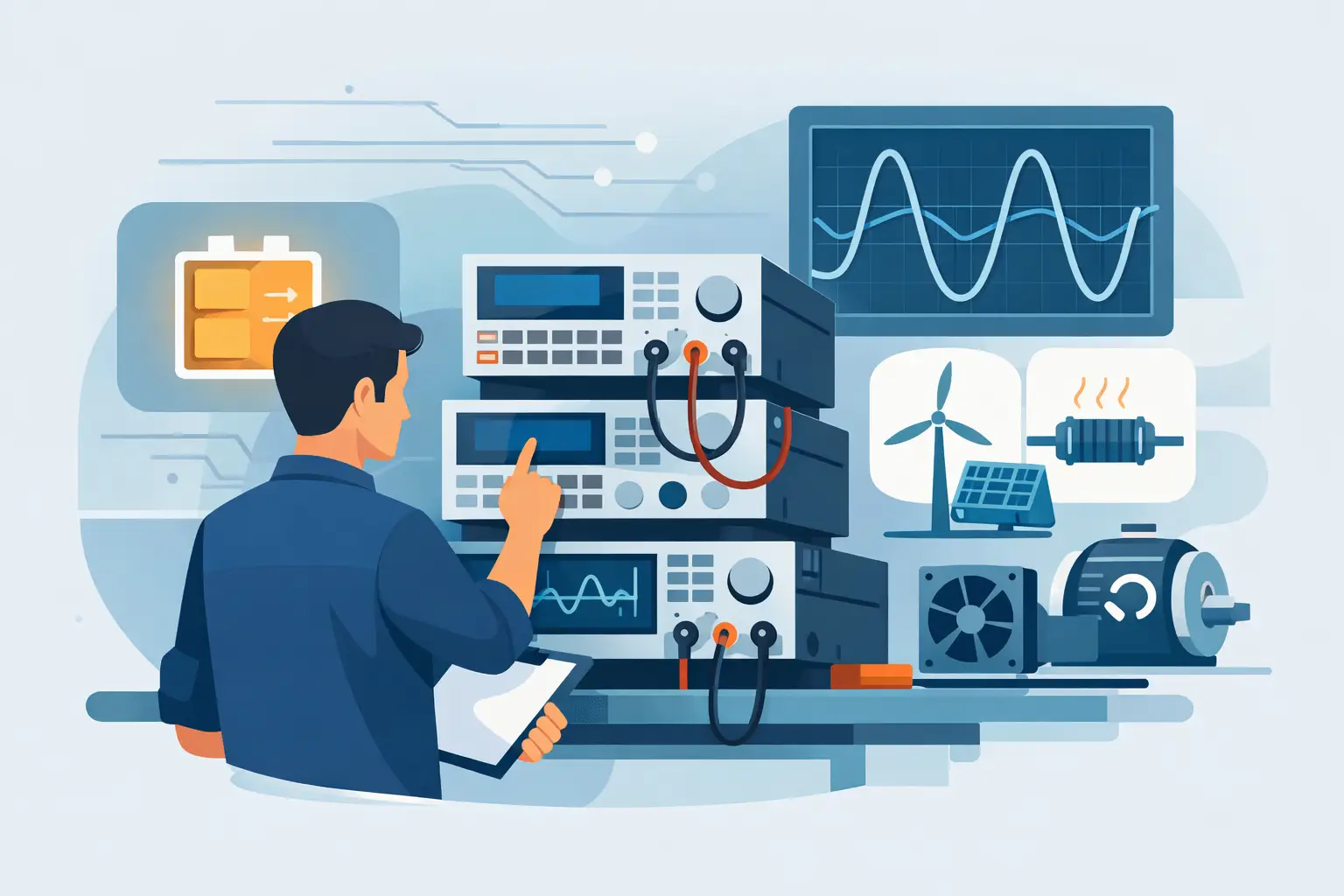
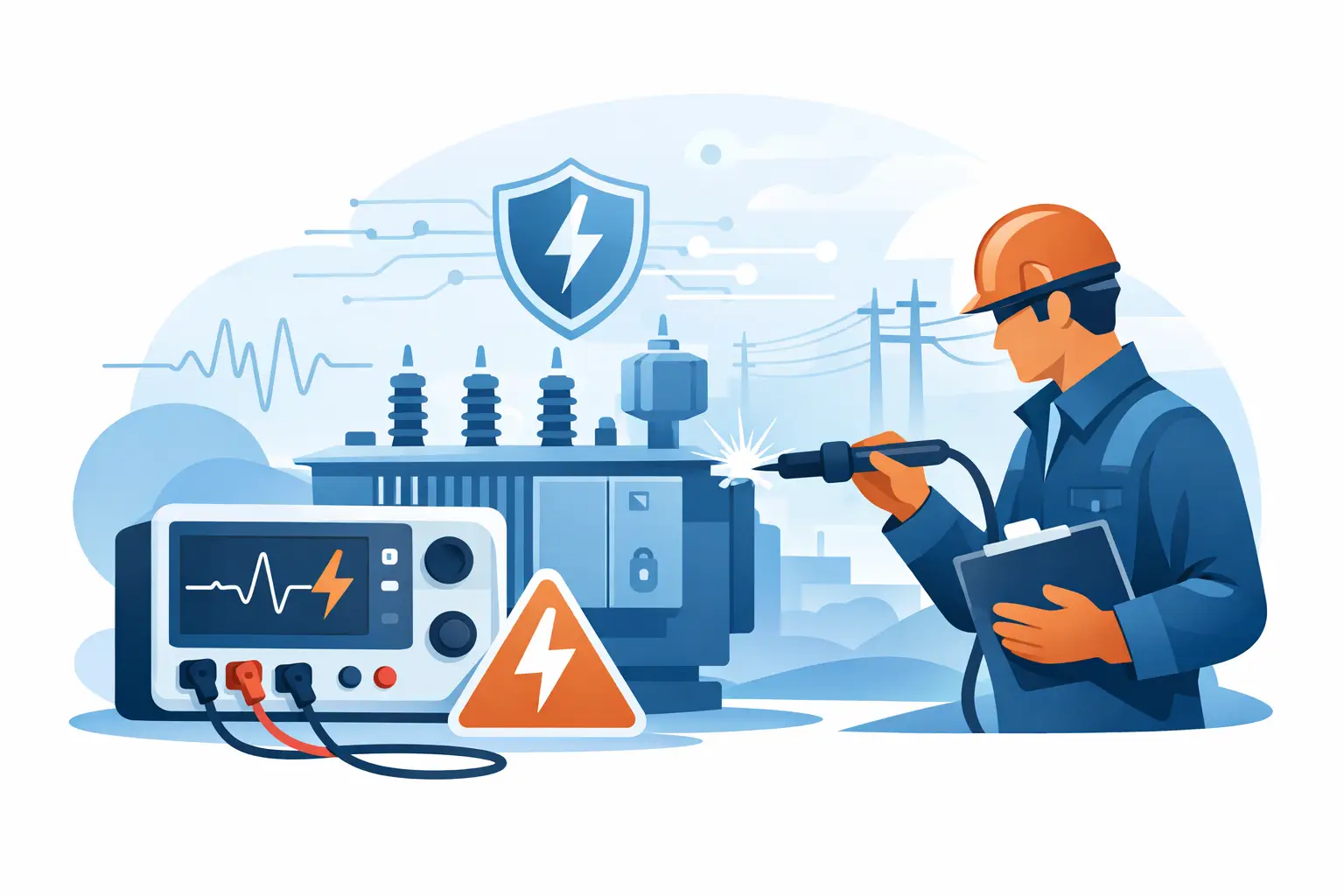
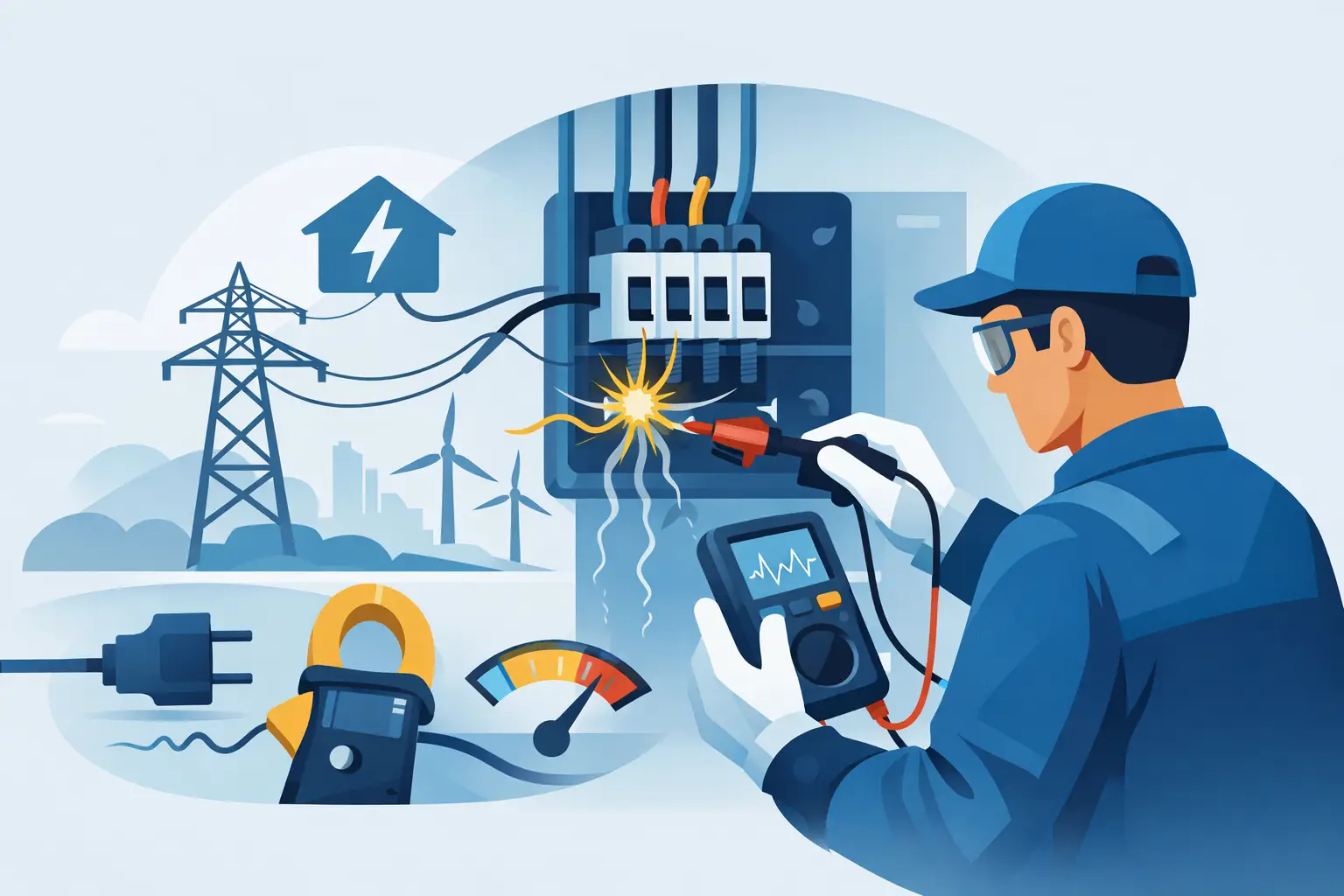
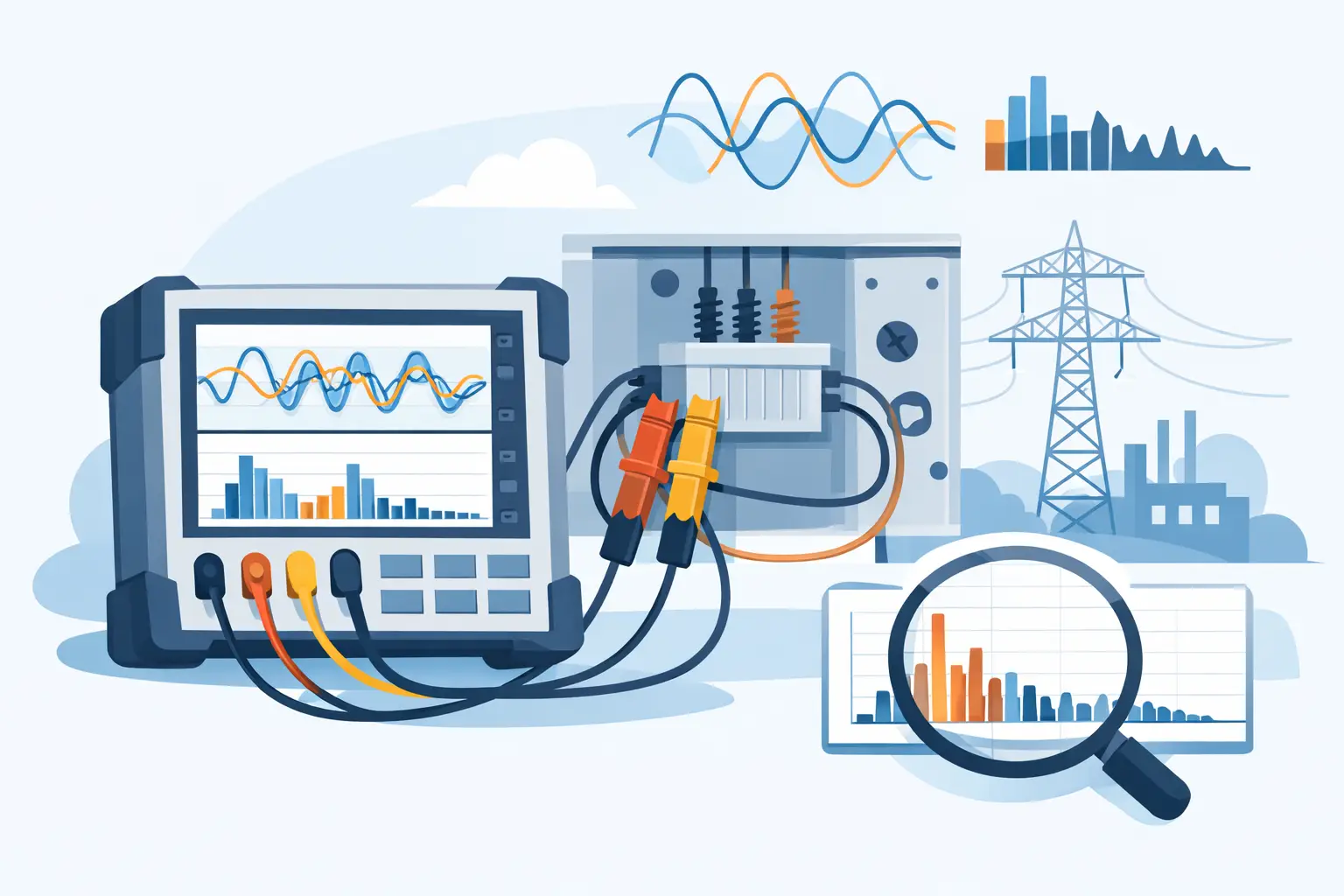
A power analyzer that looks adequate on a datasheet can still fail the moment it meets a real DUT. That usually happens when the measurement problem was defined too loosely at the start. If you are working out how to choose power analyzer equipment for R&D, validation, or production, the right question is not which model has the longest feature list. It is which instrument will measure your specific power conditions with enough accuracy, speed, and repeatability to support engineering and compliance decisions.
Start with the measurement problem, not the instrument
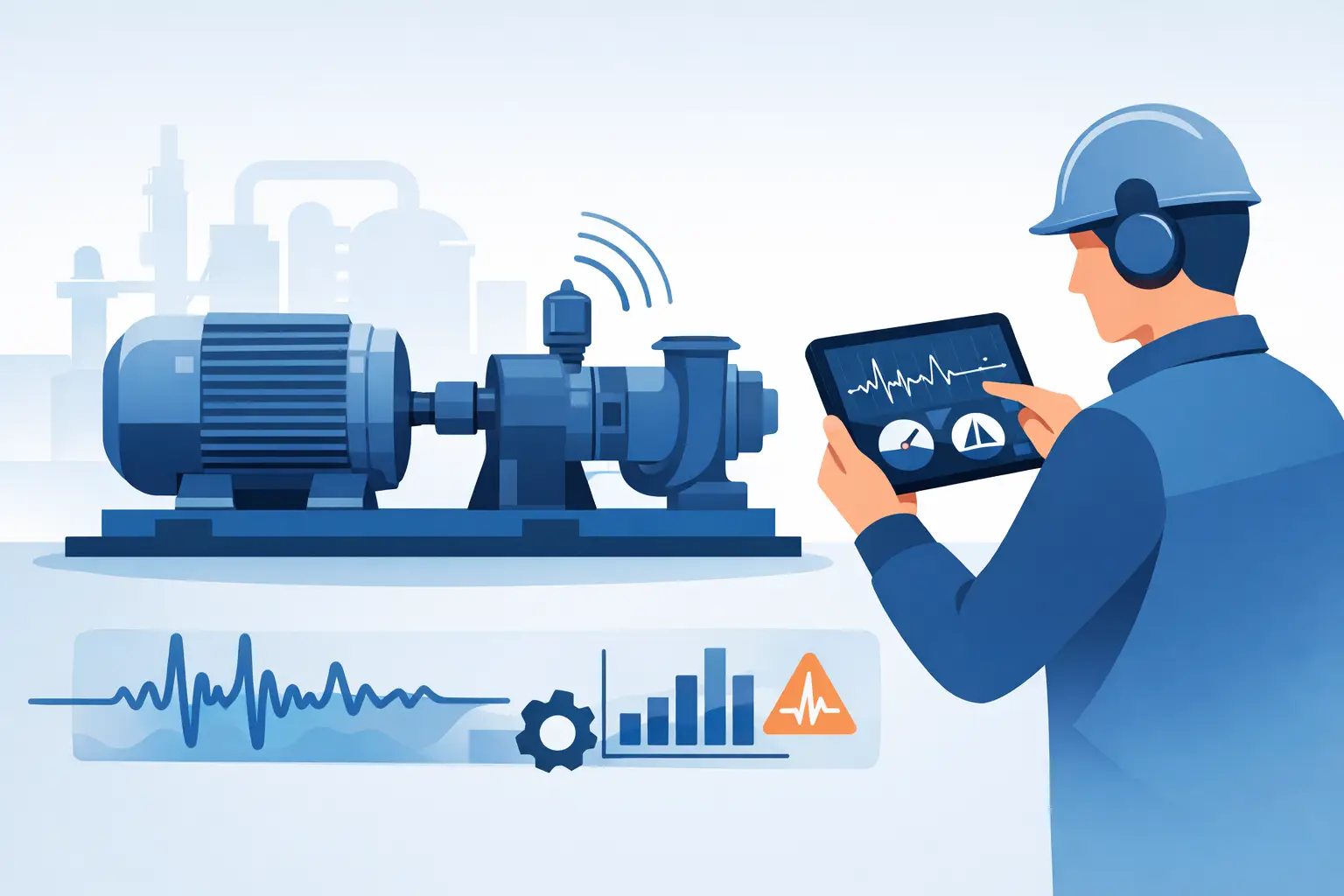
Power analysis requirements vary sharply across applications. An EV inverter lab cares about dynamic efficiency, harmonics, and wide frequency content. A medical device manufacturer may be more concerned with low-power standby measurements, leakage-related investigations, and documented repeatability. In appliance production, throughput and operator consistency may matter as much as absolute top-end performance.
That is why the first filter should be the electrical environment you need to measure. Define the expected voltage and current ranges, waveform types, phase count, fundamental frequency, switching behavior, and whether the load is stable or highly dynamic. Also decide whether you need true input-output efficiency calculations, harmonic analysis, inrush capture, standby power, or long-duration energy logging. A power analyzer chosen for line-frequency sinusoidal systems may be a poor fit for PWM-rich motor drives or fast-switching power electronics.
How to choose power analyzer accuracy that matches the job
Accuracy is usually the first spec engineers compare, but it needs context. A headline accuracy number alone does not tell you whether the analyzer will perform well at your actual operating points. You need to look at how accuracy is specified across voltage, current, power factor, frequency, crest factor, and range utilization.
For example, if you are validating efficiency on a high-performance converter, small power losses matter. In that case, phase accuracy, low power factor performance, and stable current measurement can matter as much as basic watt accuracy. If your test points span from standby milliwatts to full-load kilowatts, range switching behavior and low-level measurement resolution become critical. A unit that performs well near the top of its range may not be the best tool for low-current work.
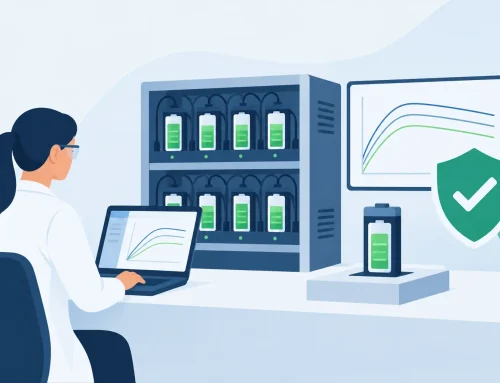
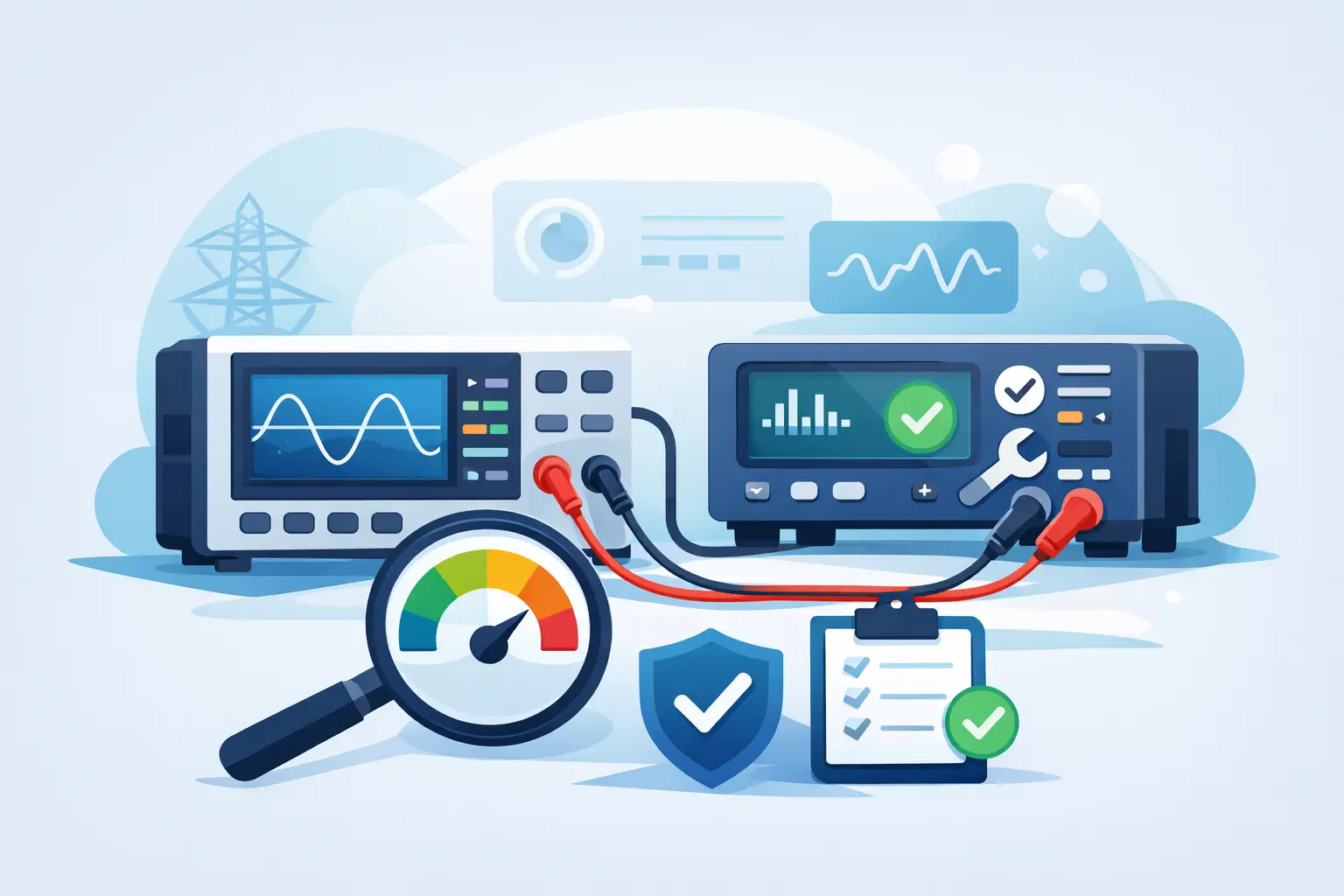
Calibration traceability also matters. In regulated or contract-test environments, instrument performance is only part of the story. You may need documented calibration, defined uncertainty, and confidence that measurements remain defensible during audits, certification reviews, or customer investigations.
Bandwidth, sampling, and waveform fidelity
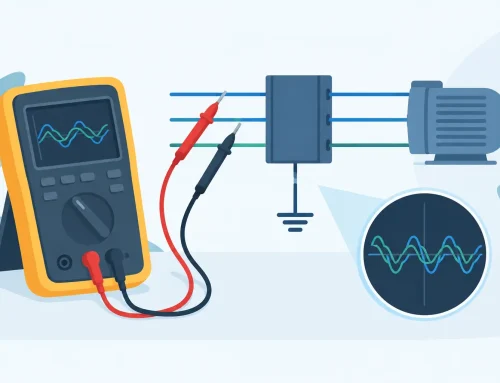
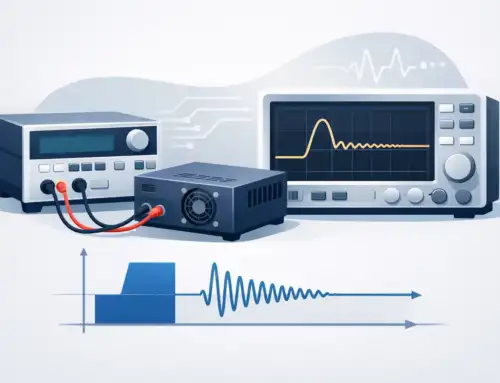
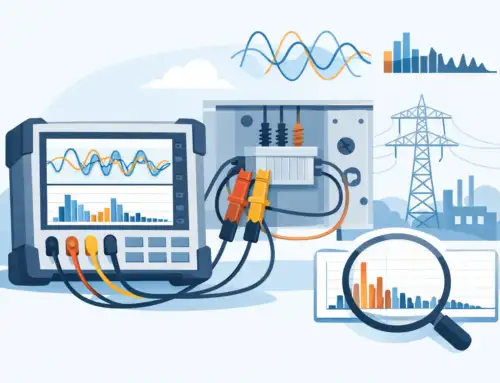
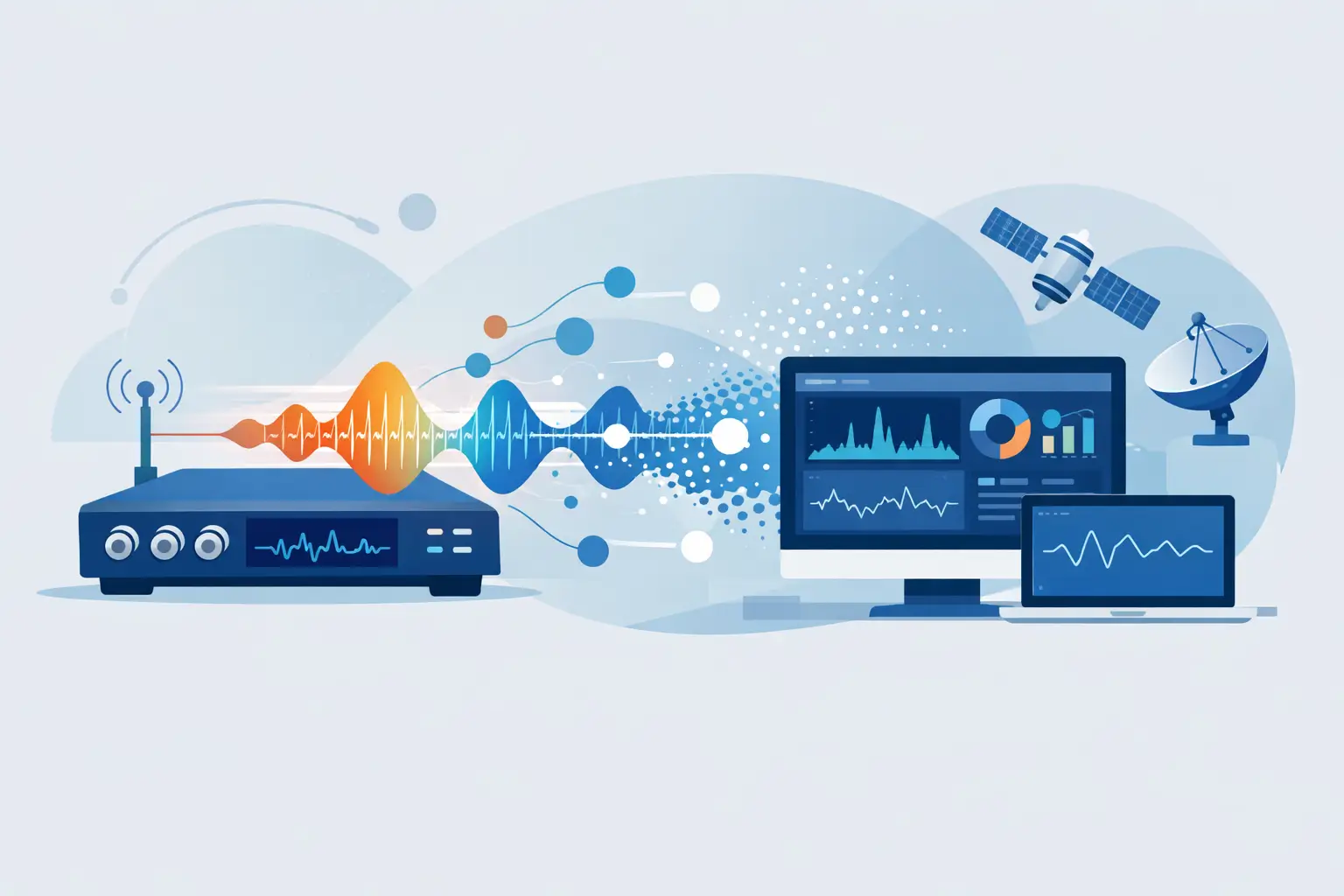
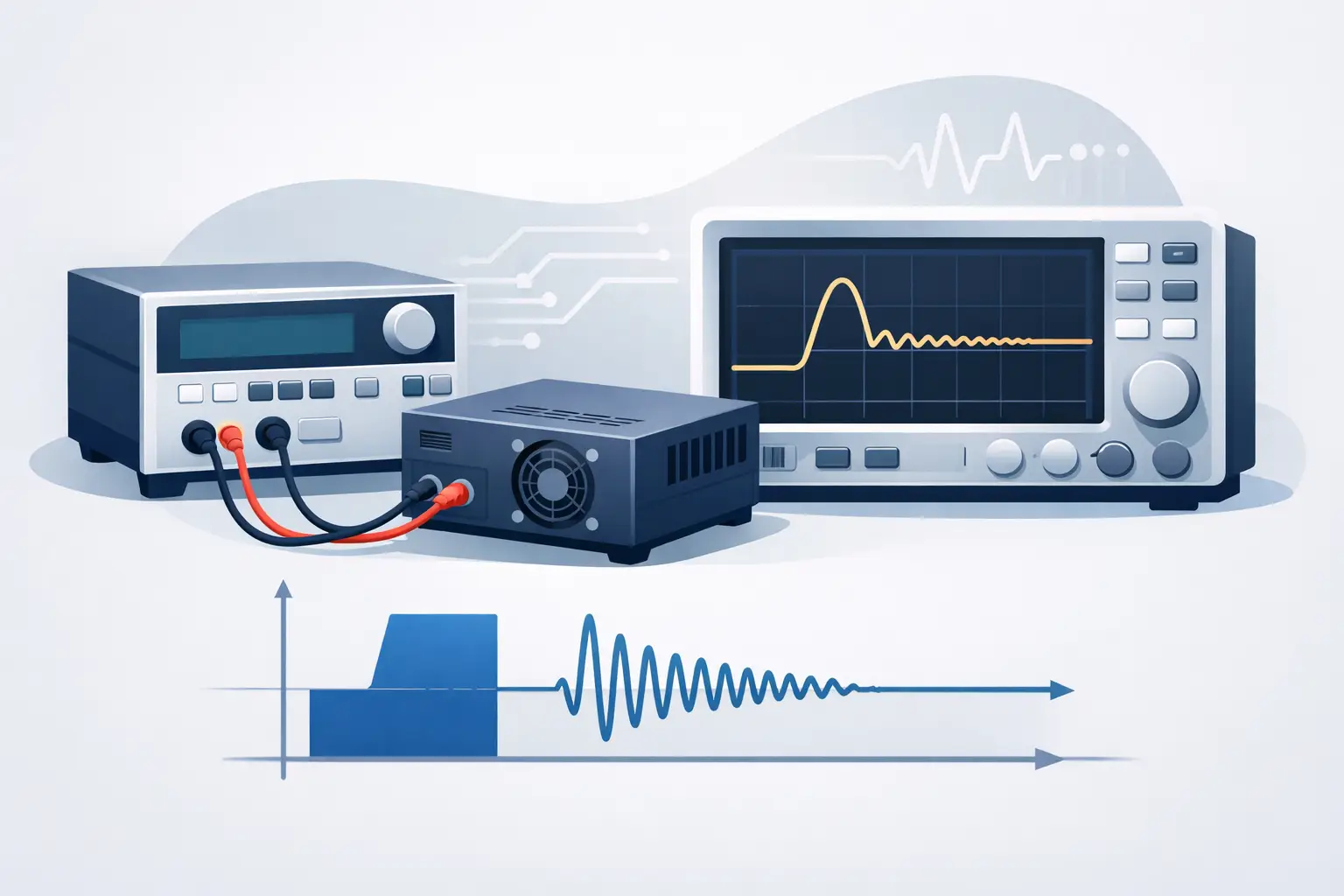
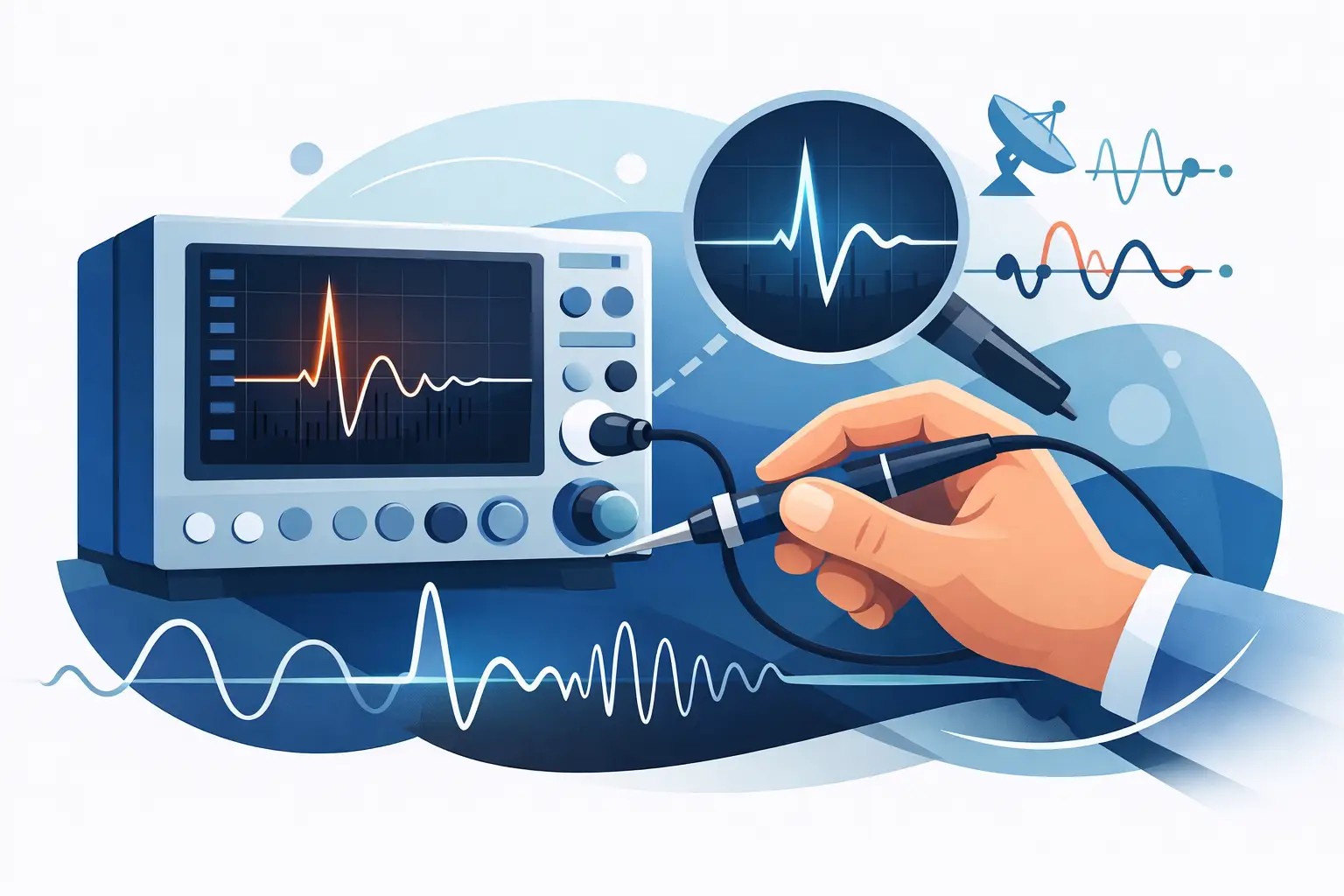
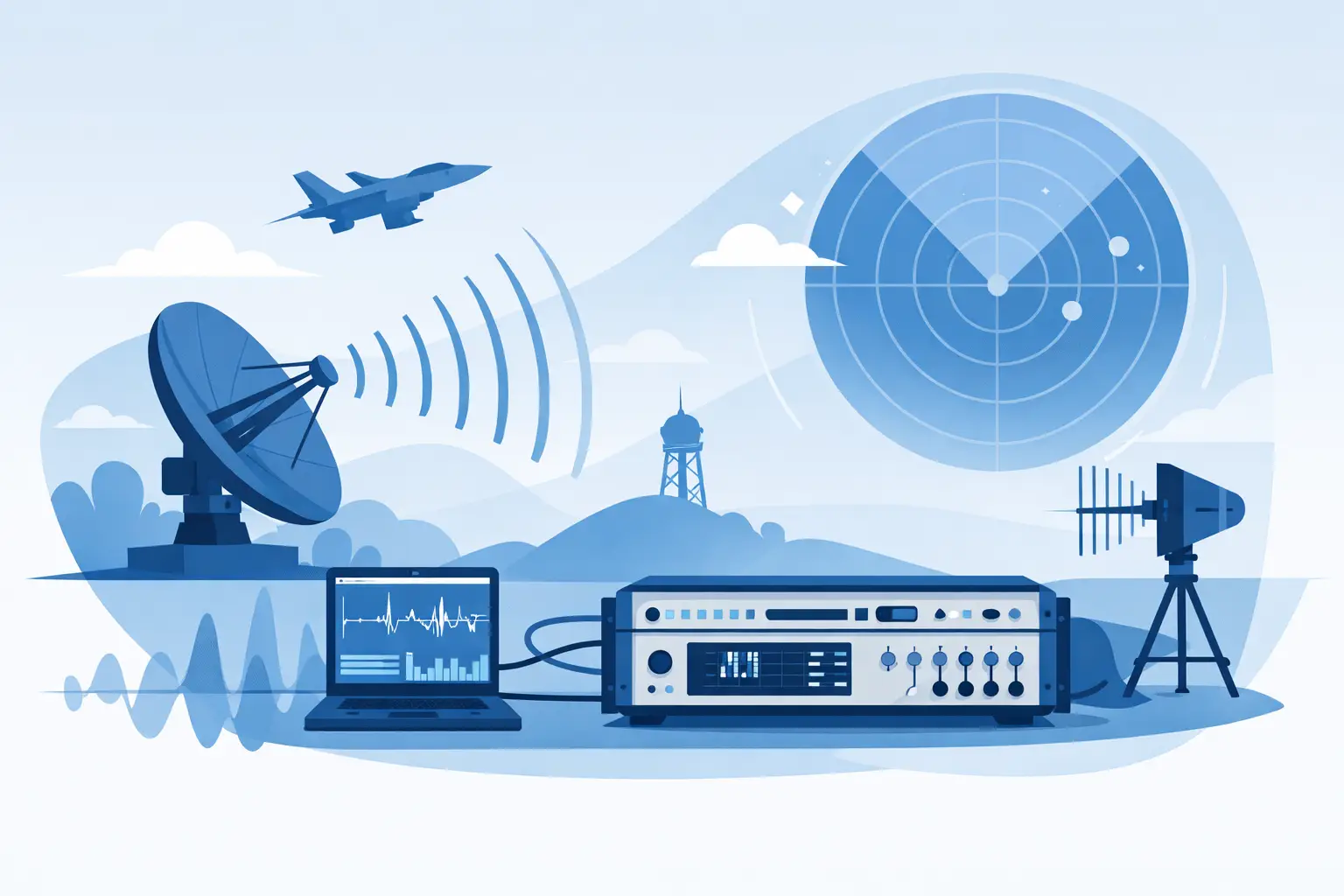
Many power measurement errors start when the analyzer does not capture the actual waveform content. Modern power electronics rarely produce clean sine waves. They generate switching edges, harmonics, interharmonics, and transient events that can materially affect real power calculations and efficiency results.
Bandwidth should be chosen based on the signal content you need to preserve, not by assumption. If you are characterizing variable frequency drives, inverters, or high-frequency converters, limited bandwidth can smooth away information that affects RMS, crest factor, harmonic content, and timing relationships. Sampling architecture matters as well. Higher-speed acquisition and well-designed digital processing help ensure that rapid waveform changes are measured rather than averaged into something misleading.
This is one of the clearest trade-offs in analyzer selection. Wider bandwidth and faster sampling support more demanding applications, but they may add cost and complexity you do not need for stable line-frequency loads. The correct choice depends on whether your test objective is utility-grade power monitoring, product efficiency characterization, compliance assessment, or dynamic power analysis.
Choose the right number of channels and phase configuration
A single-phase bench setup and a three-phase propulsion system do not need the same instrument architecture. Before choosing a power analyzer, confirm how many voltage and current channels you need today and how much expansion you may need later.
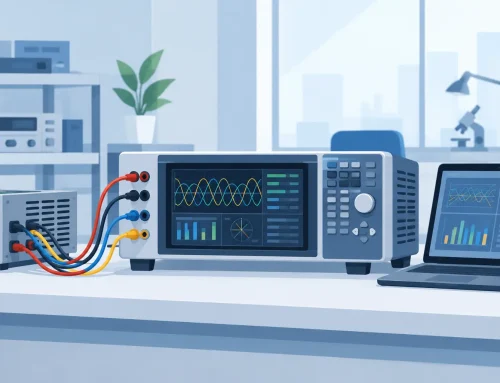
Three-phase systems often require synchronized multi-channel measurement for total power, phase balance, and efficiency calculations across multiple points. In motor and inverter work, engineers may also need simultaneous DC input and AC output measurement in one time-aligned platform. If you anticipate future projects involving additional rails, auxiliary circuits, or subsystem correlation, a scalable platform can prevent an early replacement.
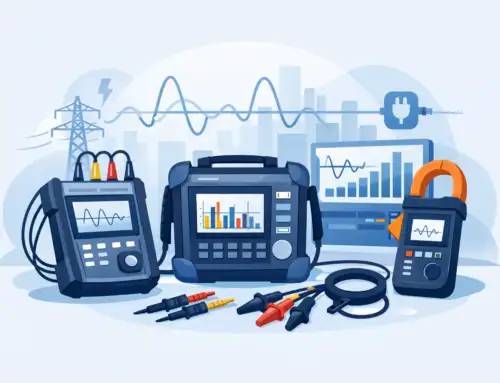
Current sensor compatibility deserves the same attention. Some analyzers work with internal shunts, others with external transducers, and many support both. The sensor path affects bandwidth, isolation, burden, accuracy, and usable current range. A strong analyzer paired with the wrong current sensing method can still produce weak data.
Consider the application math you actually need
Not every analyzer calculates the same things equally well. Basic voltage, current, watts, VA, VAR, and power factor may be enough for routine bench checks. More advanced programs often require harmonics, flicker-related observations, FFT views, motor analysis, loss mapping, or detailed efficiency calculations across changing load conditions.
The practical question is whether the instrument can generate the results you need without excessive post-processing. If your team must export raw data and reconstruct every calculation offline, throughput suffers and opportunities for operator error increase. On the other hand, paying for advanced analysis packages that your team will never use adds cost without improving test quality.
This is where application fit becomes more important than broad marketing claims. The best choice is often the analyzer that handles your core measurements cleanly, with the right derived parameters and reporting structure, rather than the one with the longest feature matrix.
Software, automation, and data integrity
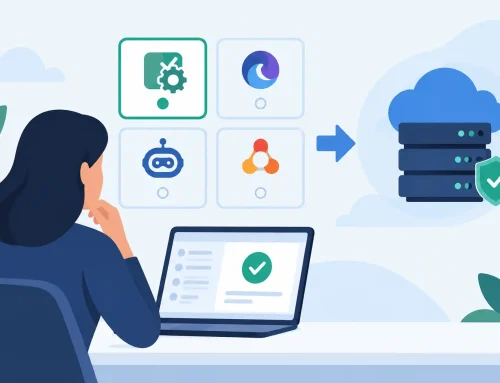
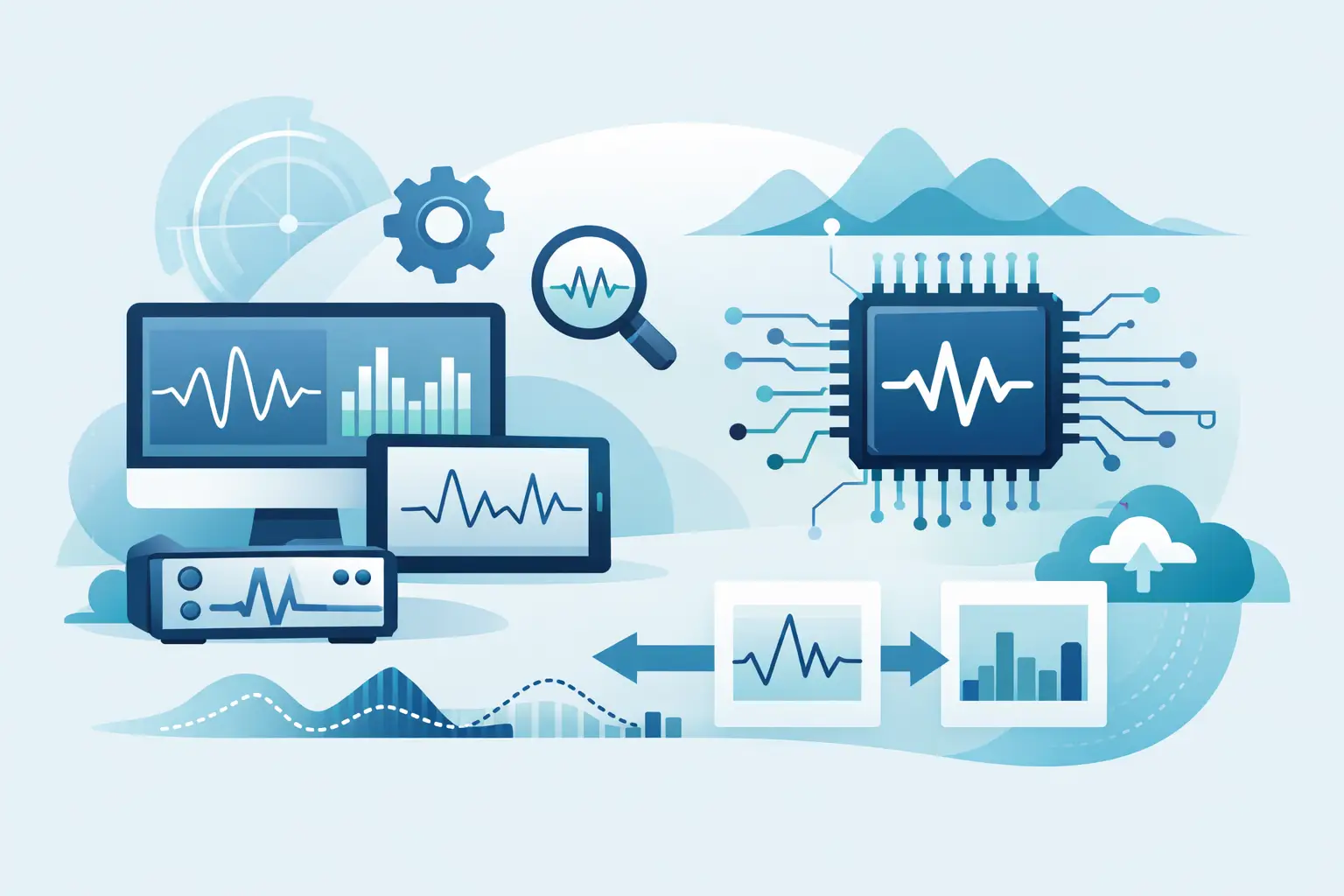
In many labs, the analyzer is only one part of the measurement system. It may need to integrate with environmental chambers, loads, power sources, switching systems, safety testers, or production databases. For that reason, software support and automation interfaces should be evaluated early.
Check for available drivers, command sets, SDK support, data export options, and compatibility with your existing test framework. If the analyzer will be used in production, operator workflow matters. Clear setup control, stored test configurations, user permissions, and repeatable report generation can have as much operational value as another decimal place of precision.
Data integrity also deserves attention. Time stamping, secure data handling, audit-friendly records, and stable long-duration logging become important when test evidence supports qualification or release decisions. In engineering environments where traceability matters, instrument usability is not a convenience issue. It is part of the quality system.
Compliance and standards are not side issues
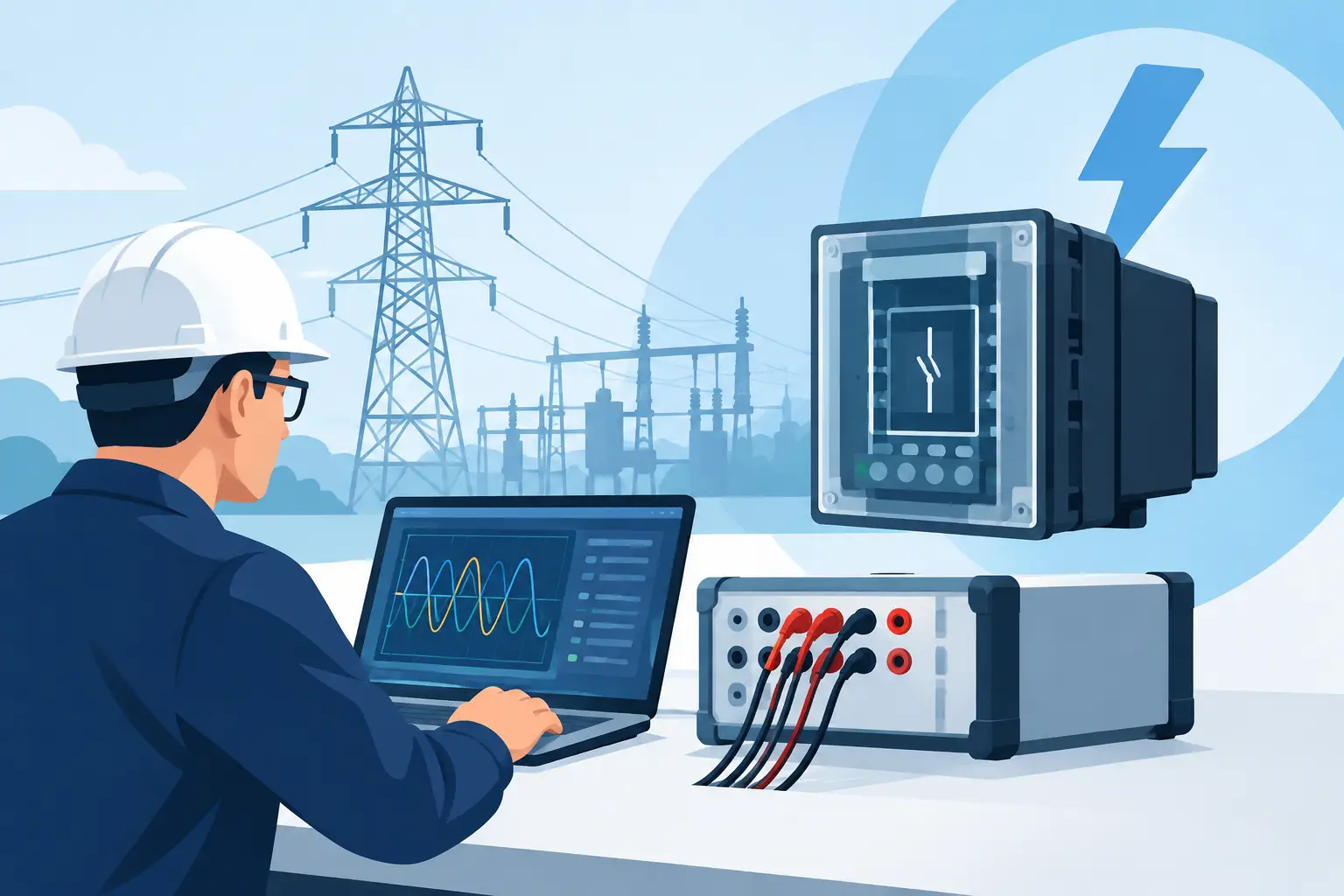
If the measurement will support regulatory, customer, or internal standards compliance, confirm that the analyzer aligns with the relevant methods and performance expectations. That may include energy efficiency standards, harmonic measurement requirements, power quality evaluations, or internal validation procedures.
An analyzer does not need to be all things to all standards, but it should support the measurements, bandwidth, uncertainty, and documentation your process requires. This is especially important in aerospace, automotive, medical, defense, and other high-consequence sectors where data may be reviewed long after the original test was run.
Vendor support is part of this equation. Calibration services, technical documentation, training, and application guidance reduce risk during implementation. For organizations building standardized test infrastructure, that support can be the difference between a successful rollout and months of avoidable rework.
Bench use, rack integration, and operating environment
Physical deployment often gets overlooked until the purchase is already made. A compact bench analyzer may be ideal for development engineers who need direct access and quick reconfiguration. Production lines and automated labs often need rack-ready hardware, remote control, and durable front-end design suited for repetitive use.
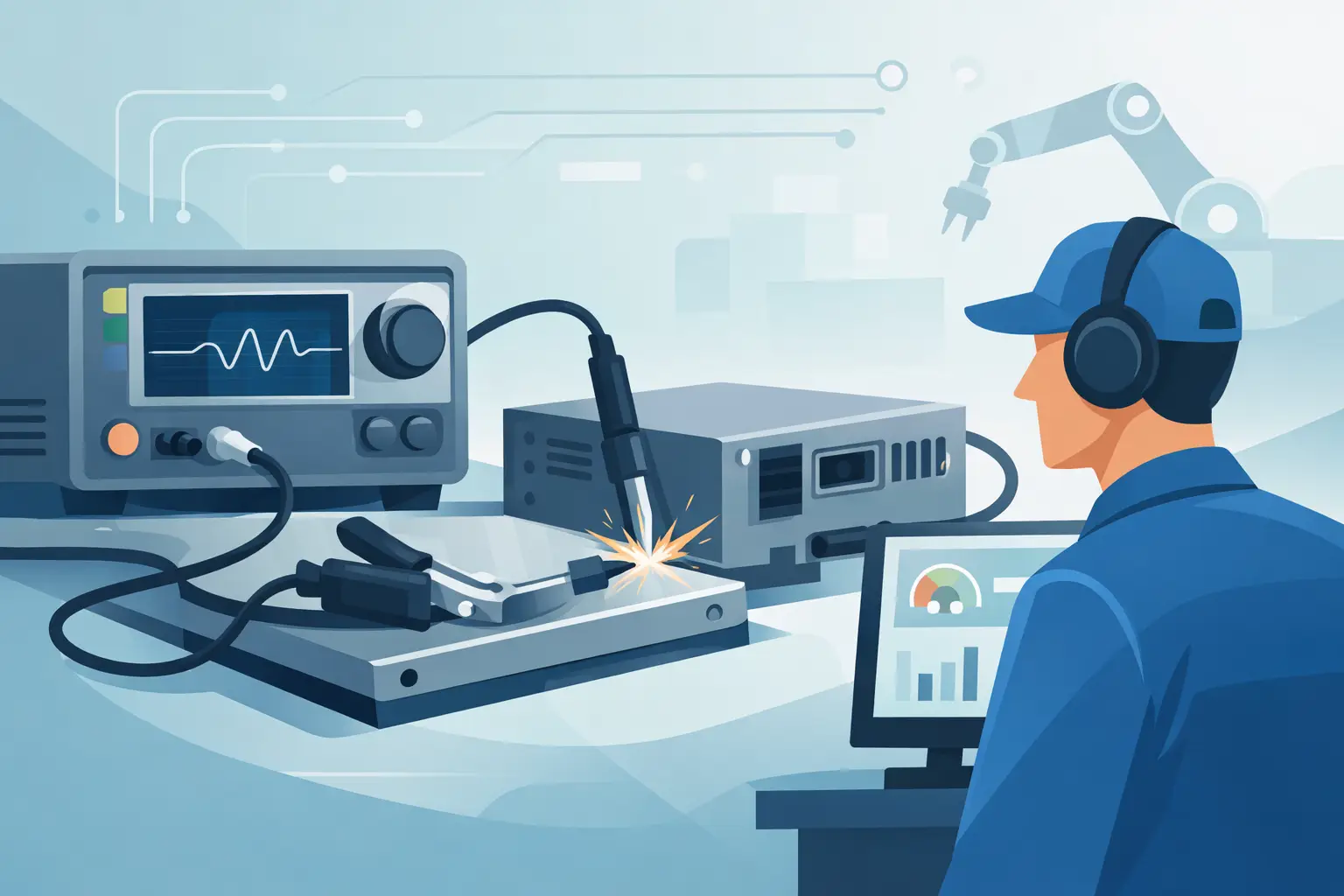
Also consider the environment. If the analyzer will operate near high EMI sources, switching systems, or production equipment, noise immunity and build quality matter. Thermal stability matters too, especially for long tests or tight uncertainty targets. A specification achieved under controlled conditions does not automatically guarantee the same behavior in a busy industrial setting.
A practical way to compare options
When teams debate instruments, they often compare top-line specs without weighting the job itself. A better method is to score each candidate against five categories: measurement accuracy at your real operating points, waveform and bandwidth fit, channel and sensor architecture, software and integration readiness, and calibration or compliance support. That quickly exposes whether a lower-cost unit is genuinely sufficient or simply incomplete.
It also helps to run a representative use case before standardizing. Measure a real product, at real load points, with the intended sensors and automation path. If the analyzer performs well only under ideal bench conditions, the problem will surface later when schedules are tighter and evidence requirements are higher.
Vitrek customers often approach power analyzer selection this way because the cost of weak measurement is rarely limited to the instrument itself. It shows up as disputed efficiency claims, delayed validation, repeated testing, and uncertainty that spreads across the program.
The best power analyzer is not the one with the most specifications on paper. It is the one that measures your system truthfully, repeatably, and in a form your team can trust when the result actually matters.