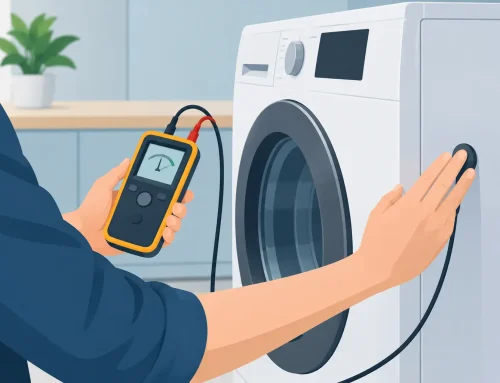
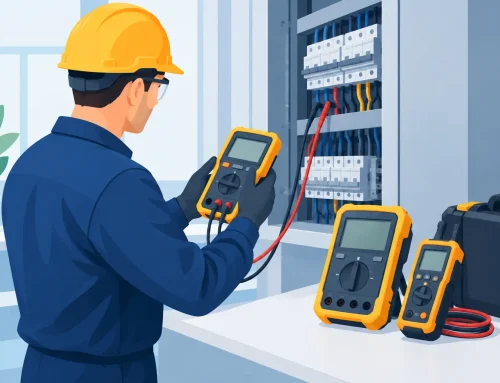
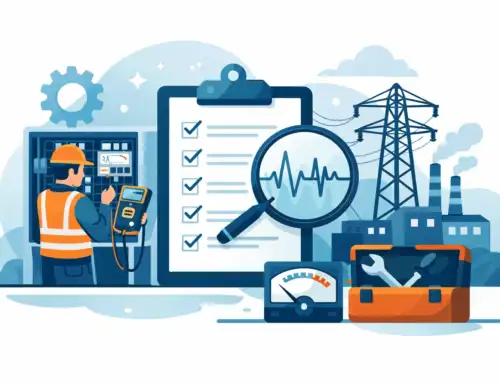
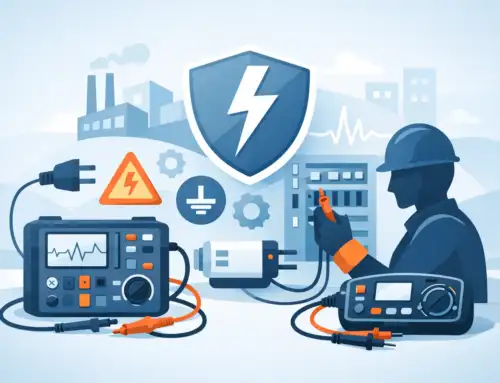
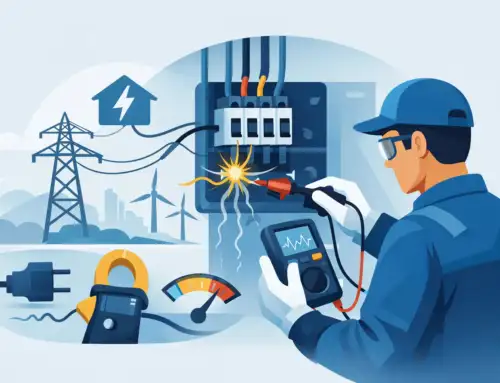
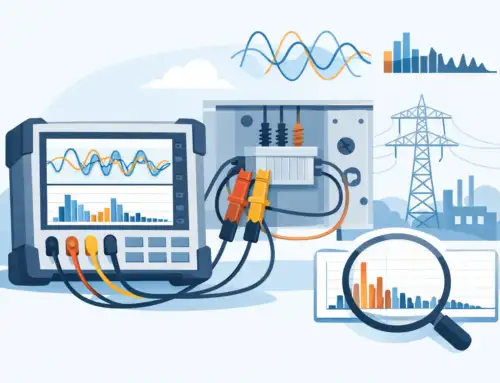
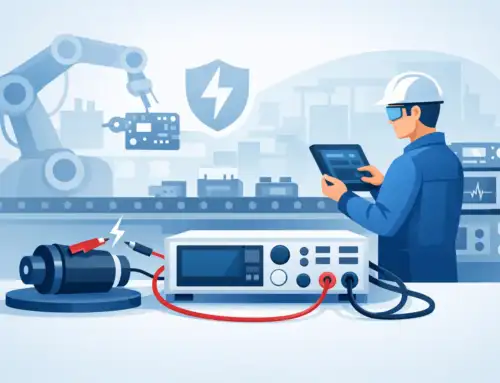
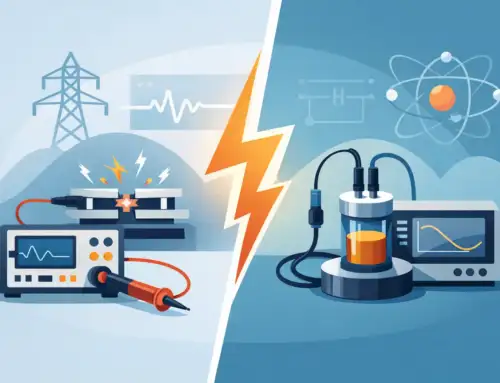
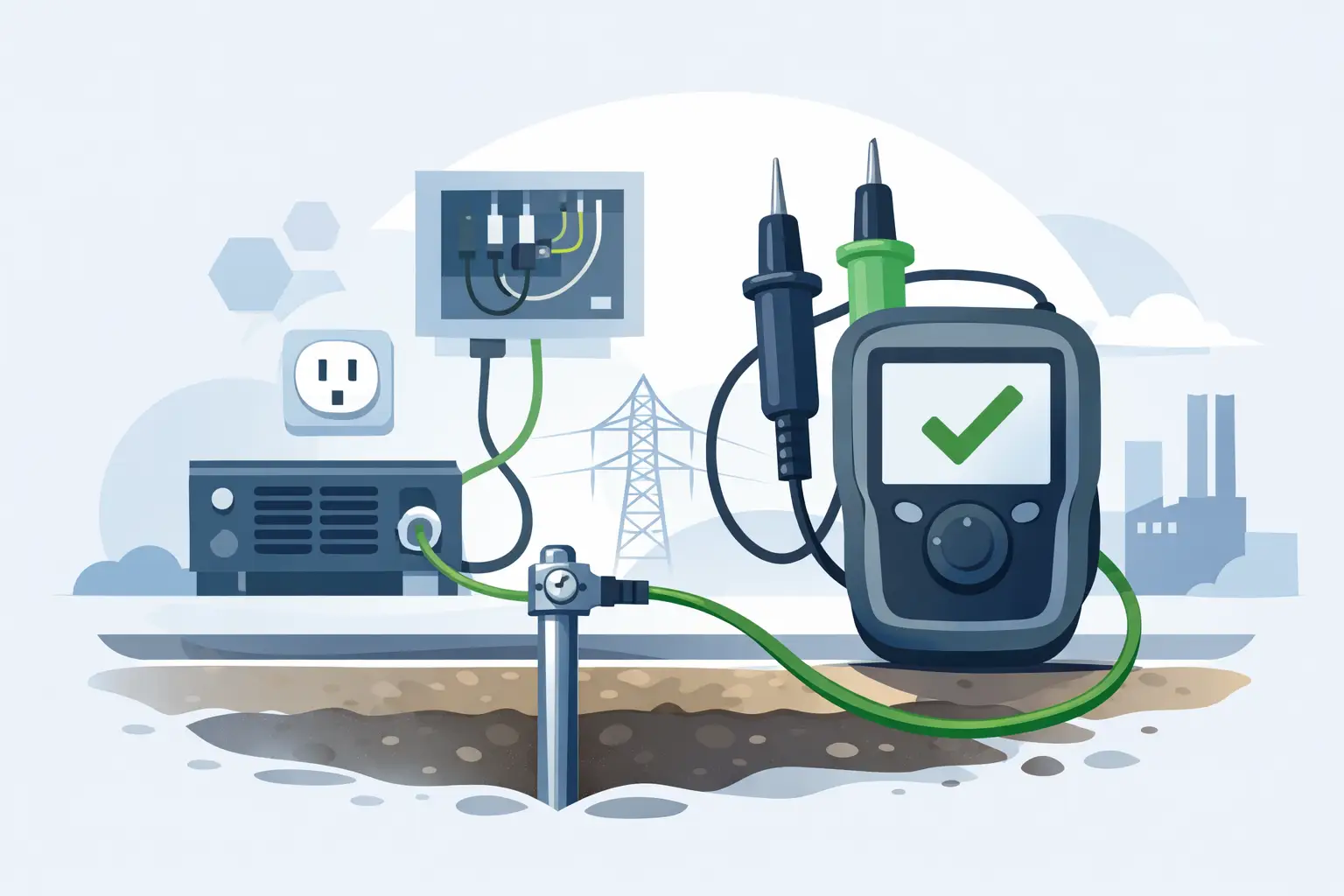
A single wiring defect in a cable harness can cause anything from an intermittent fault to overheating, system failure, or fire. Visual inspection alone cannot detect damaged insulation, voltage-dependent shorts, or insulation resistance that has degraded below an acceptable threshold. Therefore, electrical testing of wire harnesses is critical across a wide range of applications.
This applies to automotive body harnesses, aerospace interconnects, multi-conductor medical cables, EV high-voltage systems, industrial power distribution assemblies, and other cable assemblies used in reliability-critical environments. Each conductor must be verified for correct connectivity, insulation integrity under voltage stress, and compliance with insulation resistance requirements before installation in systems where failure could become costly or hazardous.
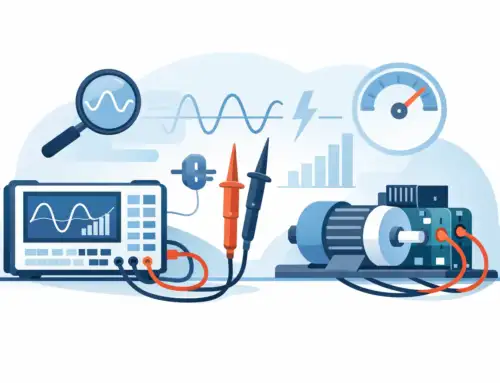
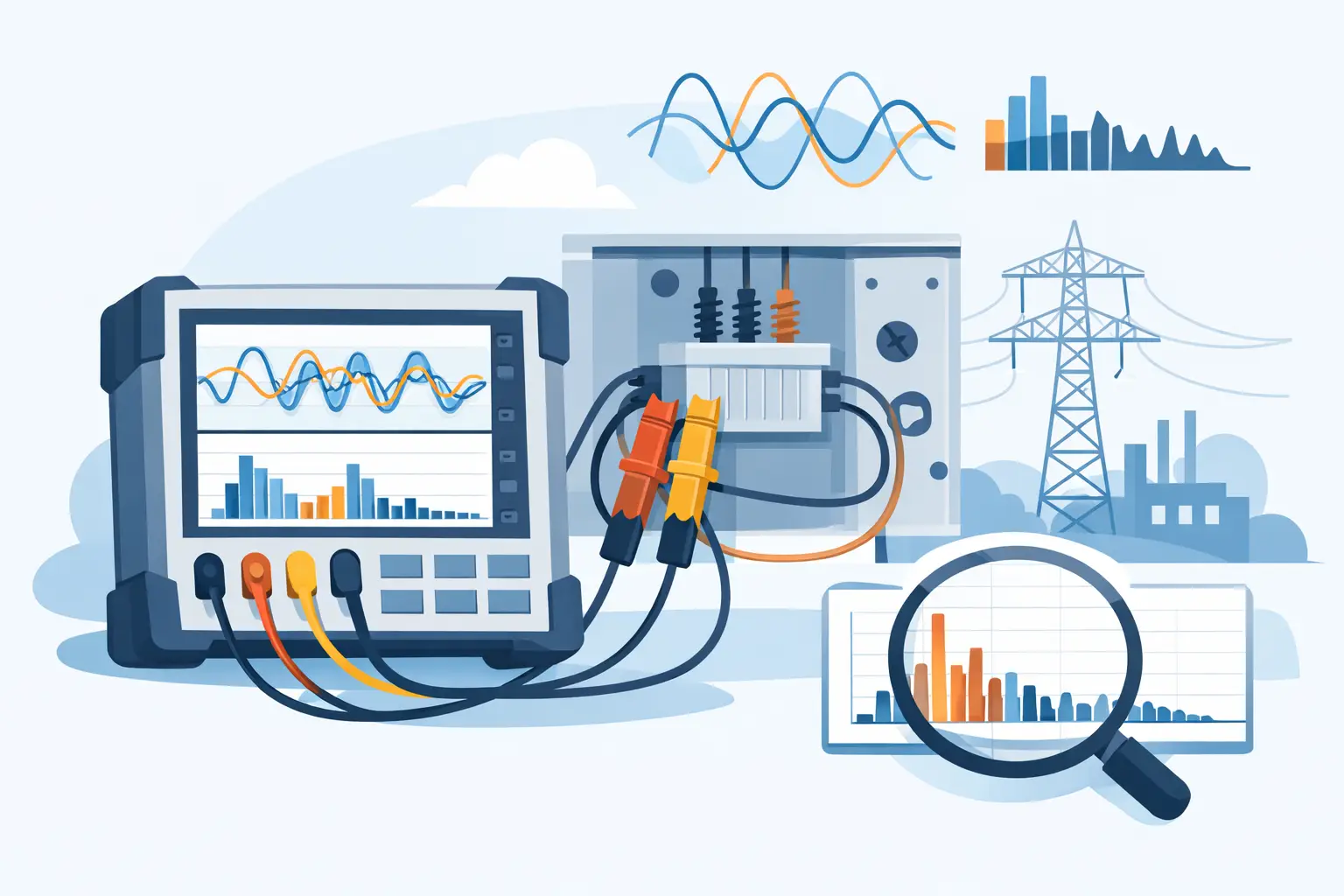
Three core wire harness testing methods are widely used for electrical verification: continuity testing, hipot testing, and insulation resistance testing. Each method identifies failure modes that the others may not detect. As a result, manufacturers often combine all three methods to achieve more comprehensive wire harness validation. This post explains how continuity testing, hipot testing, and insulation resistance testing work, what each method measures, and how all three can be integrated into a single automated production workflow.

Why Wire Harness Testing Cannot be Replaced by Visual Inspection
Visual inspection can confirm that conductors are present and connectors are properly seated. However, it cannot verify whether a conductor is connected to the correct terminal, whether insulation remains intact under voltage stress, or whether contact resistance at crimp joint falls within specification.
Some key limitations of visual inspection include:
- Miswired conductors often appear identical to correctly wired conductors.
- Insulation damaged during assembly or contaminated by process fluids may show no visible signs of failure until voltage is applied.
- Contact resistance issues caused by poor crimp joints can typically only be detected through electrical measurement.
- Defects missed during visual inspection can lead to field failures that are significantly more expensive to address than production-stage defects.
- In regulated industries, field failures may also result in recalls, compliance violations, documentation burdens, and liability exposure beyond the direct repair cost.
Electrical Testing Methods for Wire Harness Verification
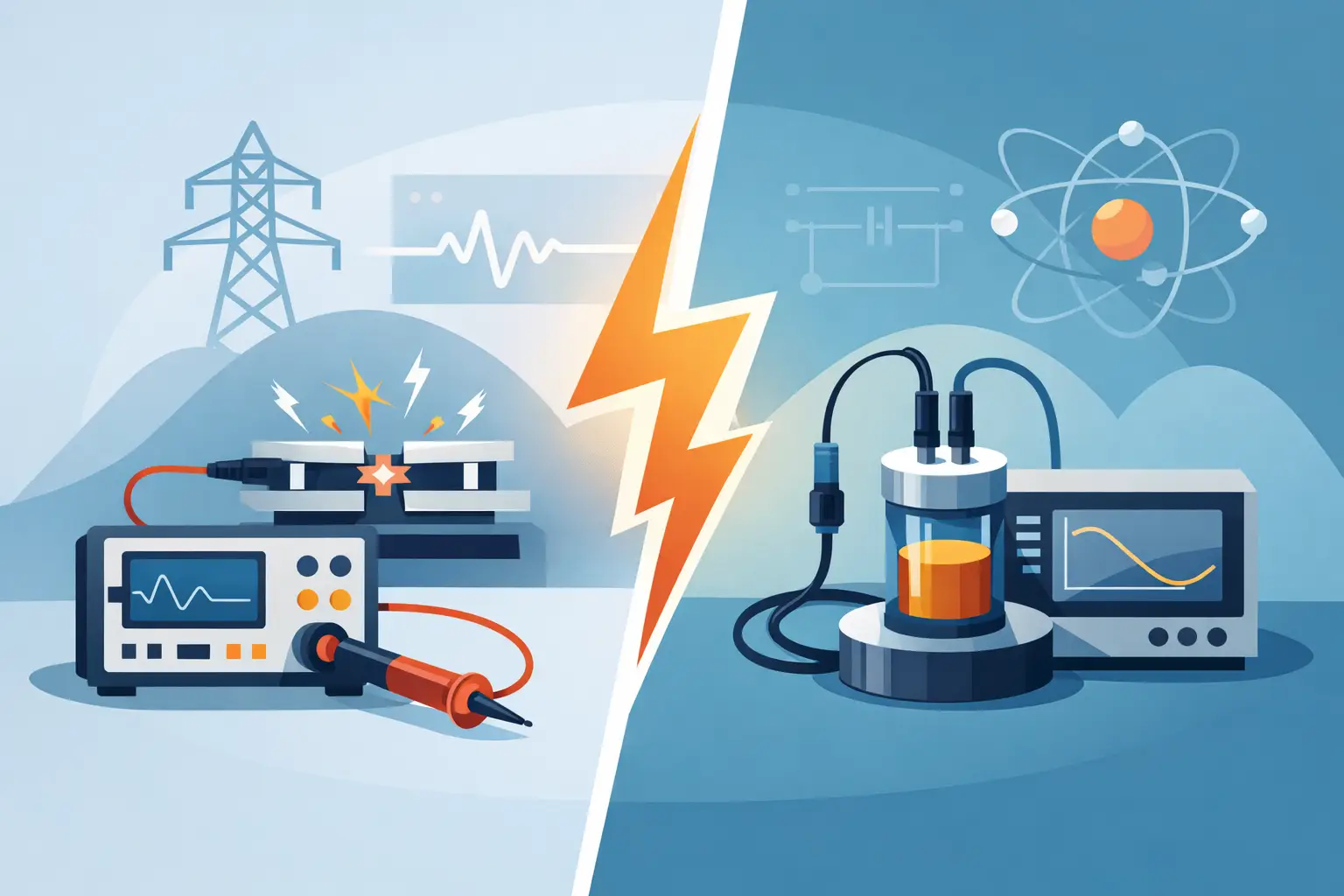
A harness can pass continuity testing and still fail hipot testing. Likewise, it can pass hipot testing while exhibiting unacceptable insulation resistance. For this reason, all three testing methods are used together to provide complete harness verification.
1. Continuity Testing: It verifies that every conductor is correctly connected and identifies opens, shorts, and miswires.
How It Works
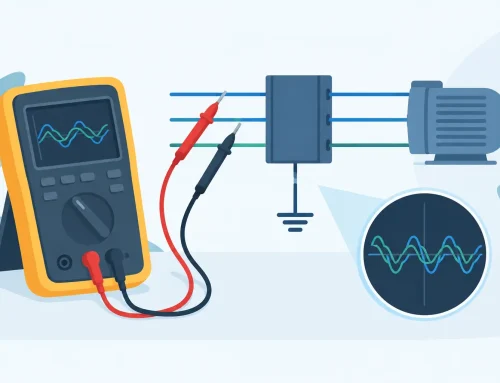
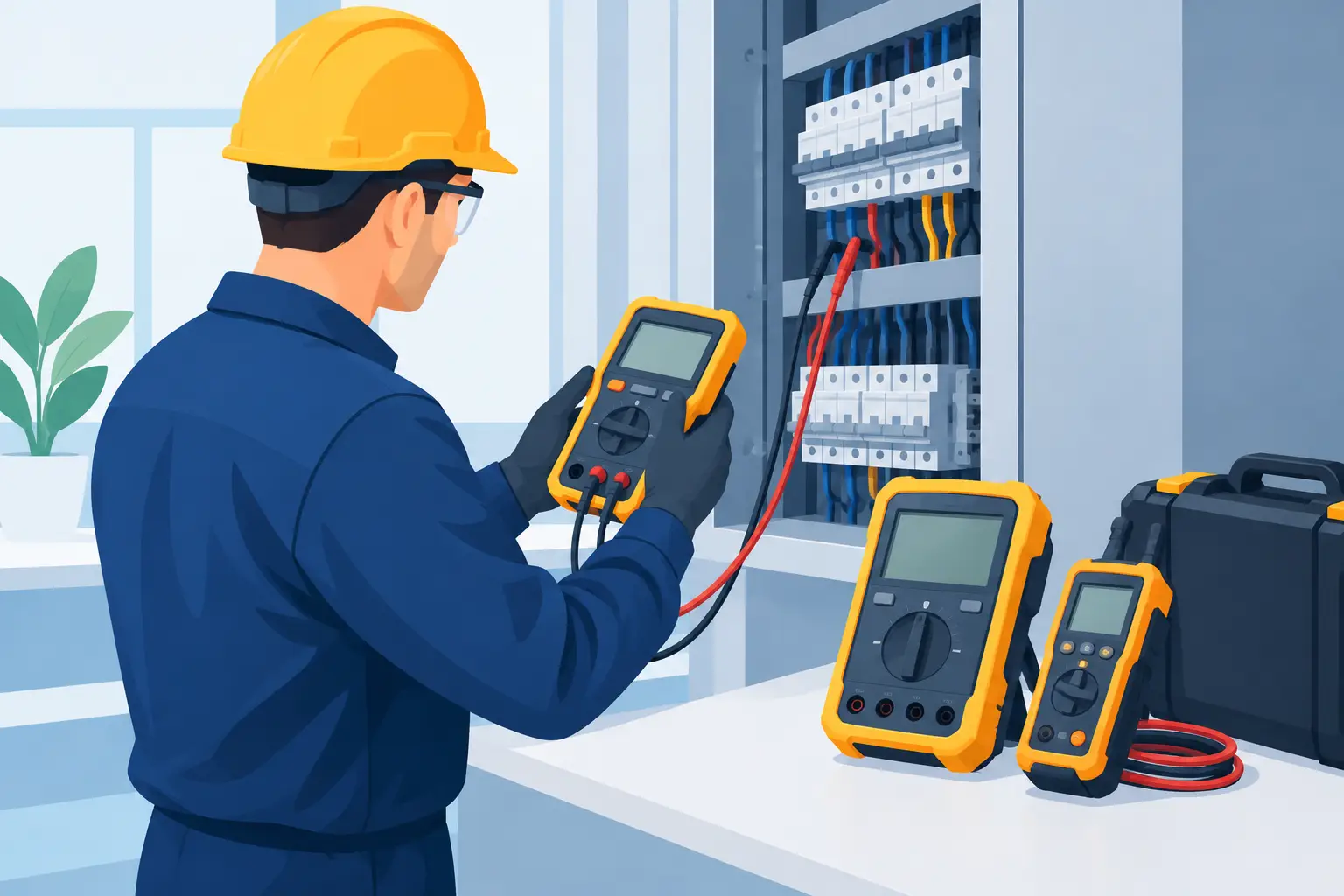
Continuity testing applies a low voltage across each conductor path and measures resistance. A reading below the maximum acceptable threshold confirms that the conductor path is intact and correctly connected. A reading above the threshold, or the absence of current flow, indicates an open circuit or high-resistance connection.
To improve measurement accuracy in low-resistance applications, many continuity testers use four-wire Kelvin measurement techniques. Four-wire Kelvin measurement eliminates test lead and fixture resistance from the measurement, ensuring that the reading reflects only the conductor under test. This is particularly important when measuring low-resistance paths where lead and contact resistance could otherwise affect measurement accuracy.
What It Detects
- Open circuits occur when a conductor is broken or a terminal is not properly seated in its connector housing. Continuity testing identifies these conditions immediately because no current flows through the open path.
- Missing connections caused by assembly errors, such as a conductor not being inserted into the correct terminal position, are detected when an expected connection is absent.
- High-resistance connections caused by poor crimp joints or improperly assembled terminals produce resistance readings above the acceptable threshold, flagging the joint for inspection and repair before installation.
- Miswiring is detected when a conductor intended to connect point A to point B instead connects point A to point C. The continuity test identifies unexpected routing that does not match the programmed test profile.
What It Does Not Detect
Continuity testing uses only low voltage and therefore cannot detect insulation degradation between conductors. A harness with damaged insulation between adjacent conductors may still pass continuity testing because both conductors remain electrically intact and correctly connected. The insulation defect becomes apparent only under higher voltage stress.
2. Hipot Testing: Hipot testing detects insulation breakdown under high voltage stress, revealing defects that only appear when voltage is applied.
How It Works
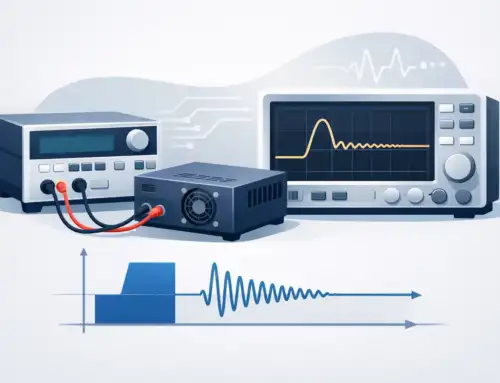
Hipot testing, short for high-potential testing, applies high voltage between conductors or between a conductor and ground while measuring leakage current through the insulation. If the leakage current exceeds the acceptable limit at the specified test voltage, the insulation may contain a defect or weakened insulation path.
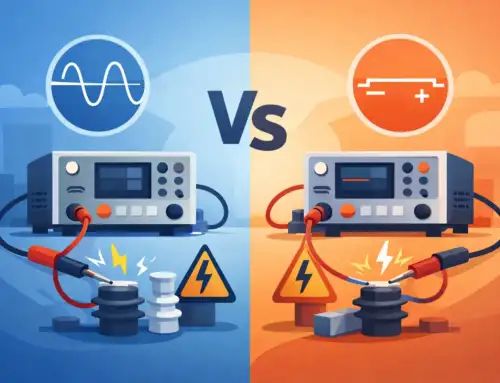
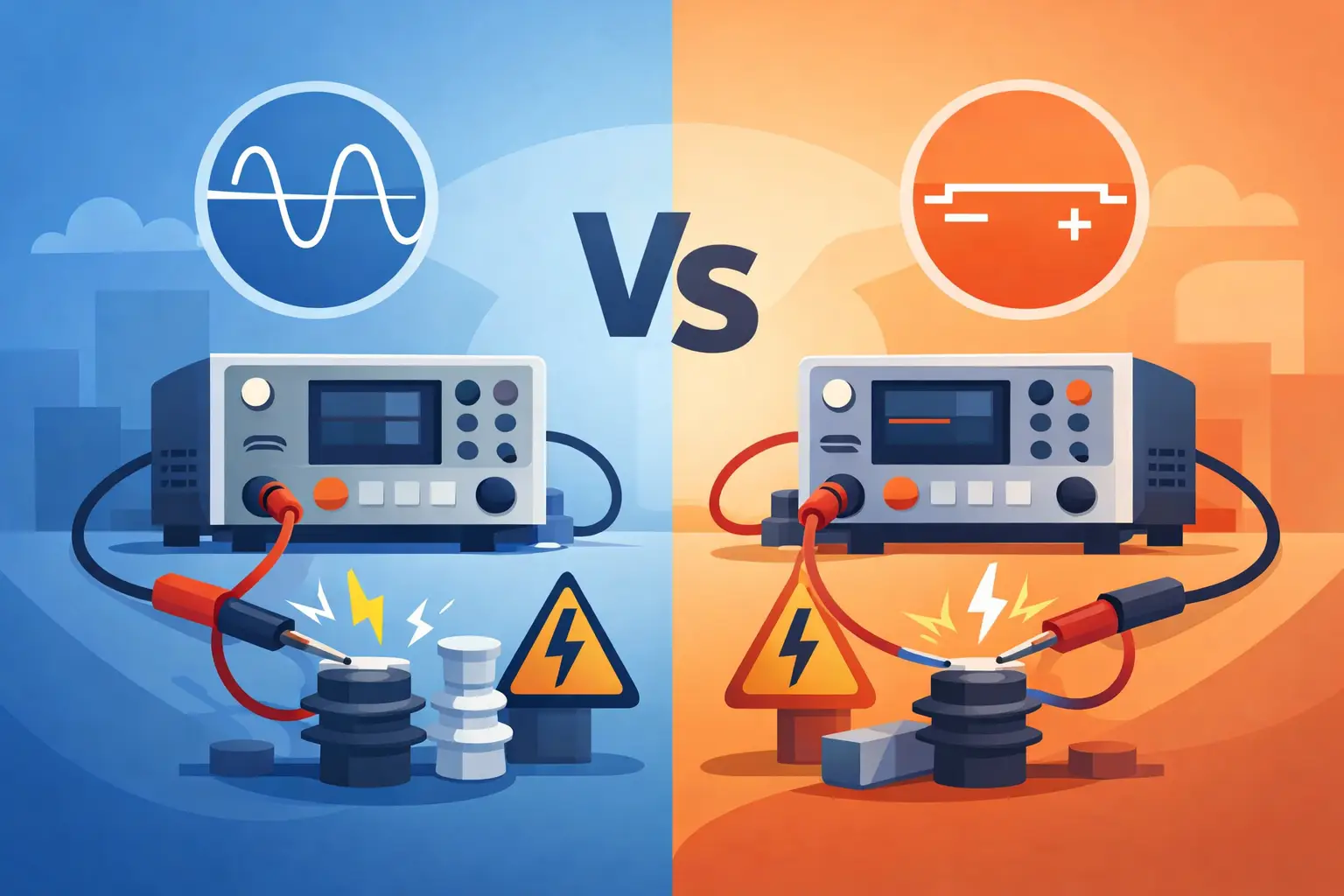
The test may be performed using AC or DC voltage. AC testing stresses the insulation in both polarities, while DC testing charges the insulation and is often effective at identifying resistive leakage paths. The choice between AC and DC hipot testing depends on the applicable standard and the characteristics of the assembly being tested.
What It Detects
- Insulation breakdown occurs when insulation fails completely under voltage stress. Damaged or improperly applied insulation may pass continuity testing while failing during hipot conditions.
- Voltage-dependent shorts conduct only at elevated voltage levels. These defects may remain undetectable during low-voltage continuity testing but become visible during hipot testing.
- Arc-over between adjacent conductors can occur when insulation damage or contamination creates a conductive path between closely routed conductors.
- Manufacturing defects in insulation, including voids, inclusions, and insufficient insulation thickness, can be exposed by the elevated stress applied during hipot testing.
What It Does Not Detect
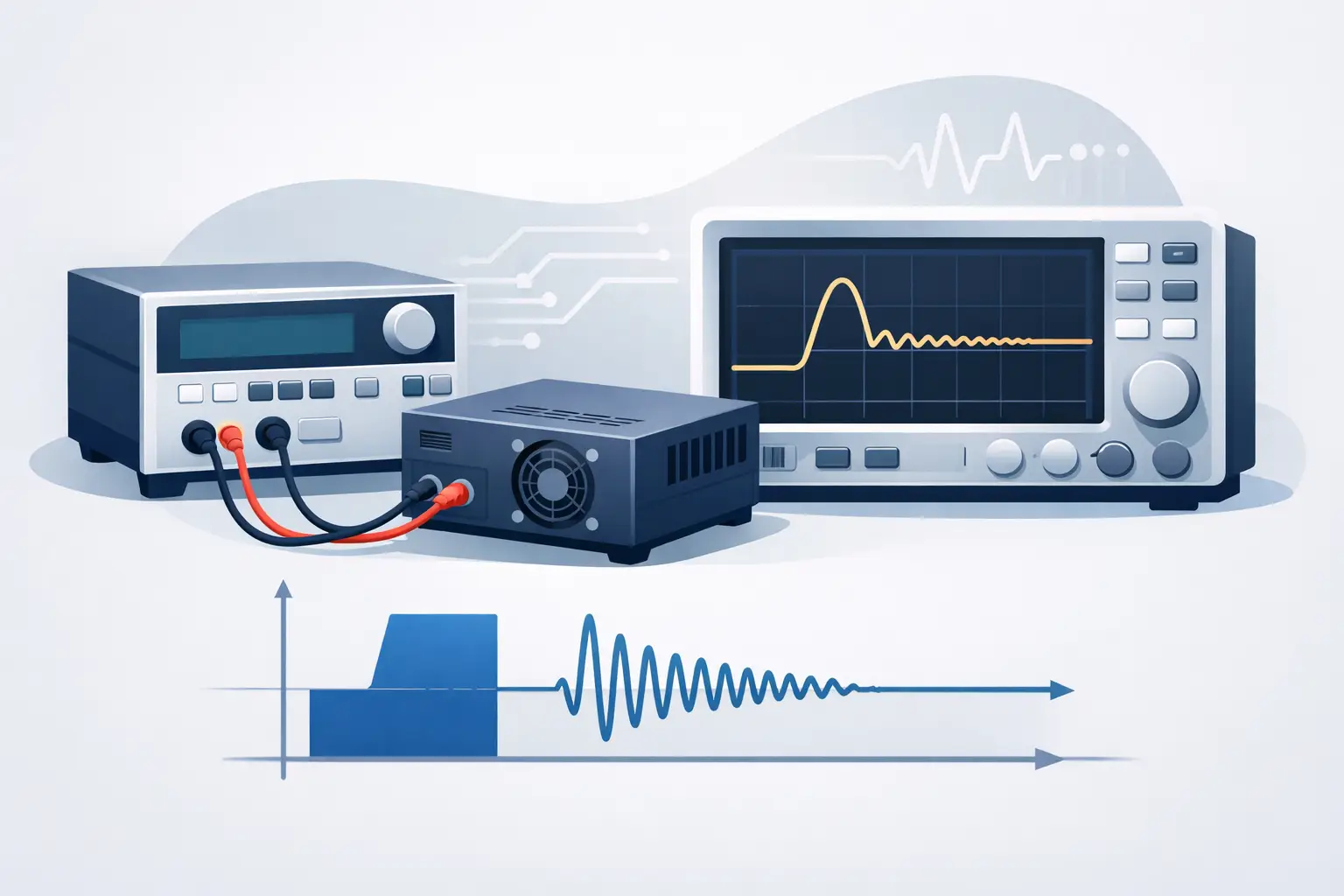
Long cable runs behave capacitively when high voltage is applied. A hipot tester without sufficient output capability may struggle to maintain the required test voltage when large harnesses draw significant capacitive charging current. As a result, the actual test voltage may fall below specification.
This can result in false failures, where charging current is interpreted as leakage current, or incomplete testing because the required voltage level is not fully achieved. This issue is particularly common in automotive body harnesses, EV high-voltage cables, and aerospace interconnects with substantial cable lengths.
3. Insulation Resistance Testing: It identifies contamination, moisture ingress, and insulation degradation before complete breakdown occurs.
How it Work
Insulation resistance (IR) testing applies a DC voltage between conductors or between a conductor and ground and measures the resistance of the insulation itself. Results are typically reported in megohms, gigaohms, or teraohms.
A reading below the minimum acceptable threshold indicates insufficient insulation quality, even if complete insulation breakdown has not occurred.
What It Detects
- Moisture ingress and contamination are common causes of low insulation resistance in automotive and industrial harnesses. Water or process fluids entering through damaged or improperly sealed connectors can create low-resistance paths that IR testing detects effectively.
- Insulation degradation caused by exposure to chemicals, heat, or mechanical stress gradually reduces insulation resistivity over time. IR testing identifies this degradation long before catastrophic failure occurs.
- Surface contamination from handling, processing chemicals, or improper storage can deposit conductive residue on insulation surfaces. IR testing detects these conditions through below-threshold resistance readings that continuity and hipot testing may not reveal.
Why IR Testing Complements Hipot
Hipot testing identifies major insulation failures where insulation breaks down under elevated voltage stress. Insulation resistance testing, however, detects early-stage degradation before complete breakdown occurs.
A harness may pass hipot testing at the required voltage while still exhibiting insulation resistance values below acceptable limits. This indicates contamination, moisture ingress, or gradual insulation deterioration that may affect long-term reliability.
IR testing is particularly valuable in automotive and industrial environments where harnesses are exposed to temperature cycling, humidity, and fluid contamination throughout their service life.
Multi-Conductor Harness Testing: The Sequencing Challenge
The number of individual test combinations in a multi-conductor harness increases rapidly with conductor count. A four-conductor harness may require 20 individual test combinations to evaluate all conductor pairs, while a 24-conductor harness can require hundreds of combinations.
Performing hundreds of tests manually by reconnecting test leads between every combination is impractical in a production environment and increases the risk of skipped test points, incorrect connections, and improperly recorded results.
How Vitrek’s Automated Switching Systems Solve the Sequencing Challenge
Vitrek’s advanced cable testing platforms support applications ranging from high-voltage harnesses to mission-critical interconnects. These systems help manufacturers improve testing throughput, traceability, and quality assurance while supporting demanding industry and regulatory requirements.
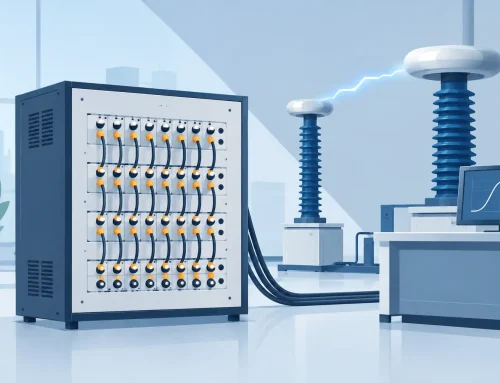
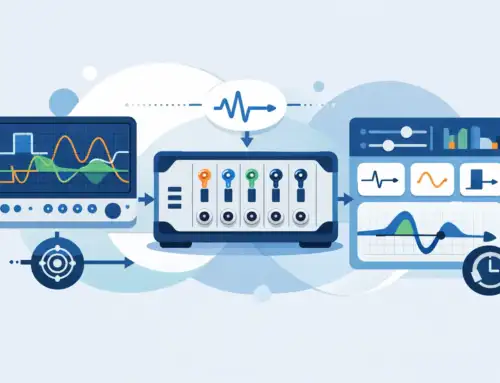
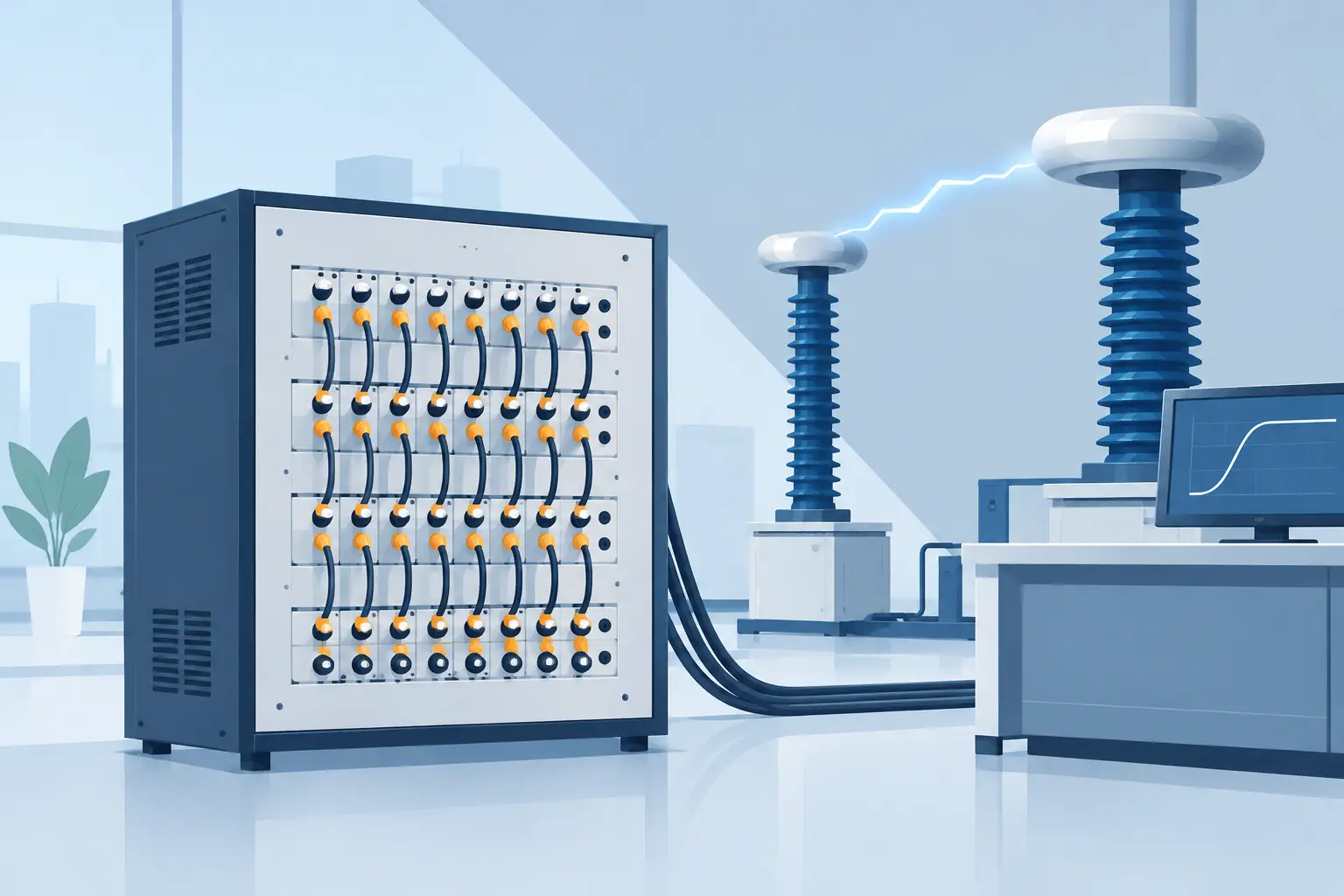
The Vitrek 964i High Voltage Switching System automatically routes test signals to each conductor combination in sequence without requiring manual reconnection between test steps. The system supports up to 999 sequential tests per automated run and provides switching speeds of up to 0.025 seconds between test steps.
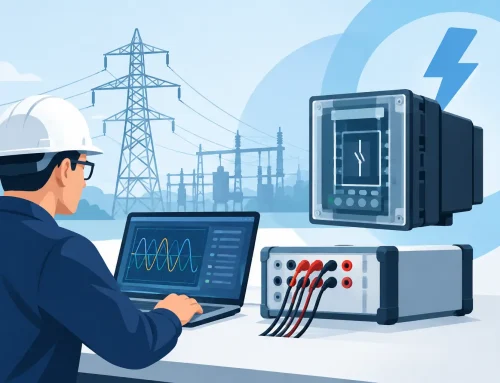
During the automated sequence, the operator typically does not need to manually change test connections between measurements. The 964i manages signal routing, the 95X performs the electrical measurements, and QT Insite software automatically records results for every test combination.
Vitrek Test Equipment for Wire Harness Verification
Vitrek’s harness testing platform spans three instrument families covering a wide range of production environments, from general-purpose harness test lines to high-voltage EV and aerospace applications.
1. Vitrek 95X Series: Versatile Production Hipot Testing
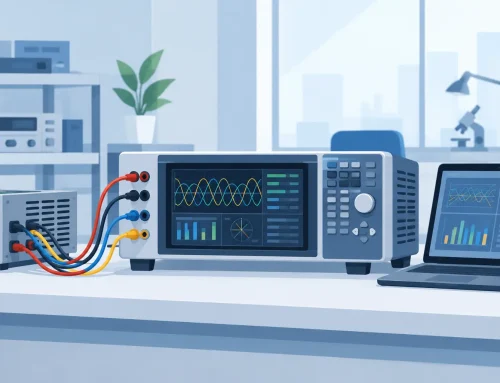
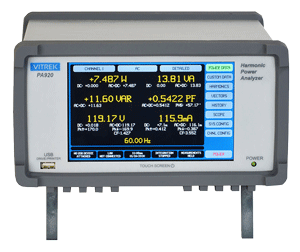
The 95X Series provides AC and DC hipot, insulation resistance, and 4-wire continuity in a single instrument. It is designed for general production harness testing across automotive, industrial, appliance, and defense applications.
- AC hipot up to 6 kV standard; DC hipot up to 6.5 kV, 11 kV, or 15 kV depending on model
- Optional 30 kV AC external module for high-voltage transformer and distribution cable testing
- 500VA output power option (available on select models, including the 951i, 953i, 957i) for high-capacitance automotive and industrial harnesses
- 4-wire Kelvin ohmmeter with 100 µΩ resolution and range up to 100 kΩ
- Tera-ohm class insulation resistance measurement with DSP technology for stable low-leakage readings
- Pico-ampere leakage current resolution (up to 100 pA) for precise insulation characterization
- 40A ground bond capability on select models for appliance and industrial equipment safety testing
- 400 Hz AC testing support for avionics applications
- Direct control of up to 256 HV scanner channels; expandable to 640 channels via PC using QT Insite software
2. Vitrek V10X Series: Advanced Automation-Ready Testing
The V10X Series is Vitrek’s most advanced hipot platform, built for high-throughput automated production lines with complex harness configurations. It provides the same test functions as the 95X with expanded automation architecture, touchscreen workflow, and higher scanner channel capacity.
- AC hipot up to 10 kV and DC hipot up to 15 kV standard; optional 30 kV AC external module
- 500 VA minimum output power standard with optional 750 VA output capability for high-capacitance loads
- Configurable broadband arc detection with dual-parameter limits, including amplitude and pulse width (4–30 µs) for improved insulation breakdown sensitivity while reducing nuisance failures
- Pico-ampere leakage resolution (up to 100 pA) with phase angle measurement to separate resistive and capacitive leakage components
- Full-color touchscreen with graphical sequence editing and real-time measurement charts
- Multi-step sequence memory supporting 1,000+ steps in non-volatile storage with long-time retention
- 4-wire Kelvin ohmmeter with 100 µΩ resolution and measurement range up to 100 kΩ
- 40A ground bond capability on select models
- 400 Hz AC testing support for avionics and military applications
- Direct control of up to 1,600 HV scanner channels without external relay controllers
- Built-in PDF report generation and CSV export for audit-ready documentation
- Native SCPI control over Ethernet, USB, RS232, and optional GPIB for MES and SPC integration
- Applicable to automotive harnesses, aerospace interconnects, EV high-voltage systems, medical cables, appliance end-of-line testing, and LED driver safety compliance
3. Vitrek 98X Series Teraohmmeter/IR Tester: Dedicated High-Voltage IR
The 98X Series provides a dedicated high-voltage insulation resistance platform where insulation resistance testing is the primary requirement. It is also suitable for applications requiring IR testing beyond the voltage range supported by many standard hipot testers. The series supports DC output up to 6.5 kV on the 981i and up to 11 kV on the 983i, making it suitable for EV, solar, and high-voltage industrial applications.
- High resistance measurement capability up to 150 teraohms for advanced insulation characterization
- Stable 50 teraohm insulation resistance measurements with picoampere leakage current sensitivity
- Multi-dwell functionality allows IR tests at multiple voltage levels without returning to zero between steps
- Capacitance test modes for use with cable harnesses, solar panels, and other capacitive loads, which may not be fully supported by some conventional IR testers
- Continuously variable IR test voltage (1V resolution) across the full output range, and not limited to discrete voltage steps
- DSP technology for stable high-resistance readings in the presence of capacitive loading
- Direct control of up to 256 HV scanner channels; expandable to 1,020 test points via PC using QT Insite software
- Applicable to EV battery systems, solar panel arrays, multi-conductor cable harnesses, motor windings, and any application requiring IR testing above 1 kV
4. Vitrek 964i High Voltage Switching System
The 964i is the automated switching backbone for multi-conductor harness testing. It integrates with the 95X, V10X, and 98X Series instruments to route test signals across every conductor combination automatically.
- Supports automated execution of up to 999 sequential tests per run
- Switching speed of up to 0.025 seconds between test steps
- Eight relay card slots per chassis supporting up to 64 test points per unit
- Voltage ratings of 3 kV, 7 kV, 10 kV, and 15 kV to support different harness test requirements
- Reduces manual reconnection requirements, minimizes operator exposure to high voltage, and helps prevent skipped or duplicated test combinations
5. QT Insite Software
QT Insite provides the test sequencing, automation, and data management layer for the Vitrek harness testing platform.
- Barcode-triggered test profile recall reduces manual parameter selection and helps prevent incorrect test configuration for specific harness part numbers
- Per-assembly result logging by part number and lot number with PDF and CSV export capability
- Result database with searchable and filterable records for audit retrieval and traceability workflows supporting standards such as IATF 16949 and ISO 13485
- Support for multi-station parallel testing in high-volume production environments
Applicable Industries and Standards
Wire harness testing requirements span multiple industries, each governed by standards that define test parameters, documentation requirements, and acceptable test limits.
| Industry | Key Applications | Relevant Standards |
|---|---|---|
| Automotive | Body harnesses, powertrain wiring, CAN bus cables | USCAR-2, ISO 19642, LV 112, IATF 16949 |
| Electric Vehicles | HV battery cables, inverter wiring, charging interconnects | IEC 62196, USCAR-2, ISO 6469 |
| Aerospace & Defense | Avionics interconnects, cockpit harnesses, military cables | DO-160, MIL-STD-461, MIL-DTL-27500 |
| Medical Devices | Patient monitoring cables, imaging system harnesses | IEC 60601-1, ISO 13485 |
| Industrial Equipment | Motor control cables, power distribution harnesses | IEC 61010, IPC/WHMA-A-620 |
Ready to Verify Your Wire Harnesses?
Vitrek’s integrated wire harness testing platform supports automated continuity, hipot, and insulation resistance testing from a single production fixture connection. Contact the Vitrek team to learn how this testing approach can help improve defect detection, production throughput, traceability, and compliance documentation workflows.