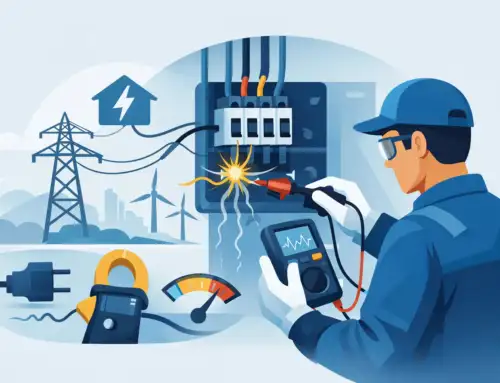
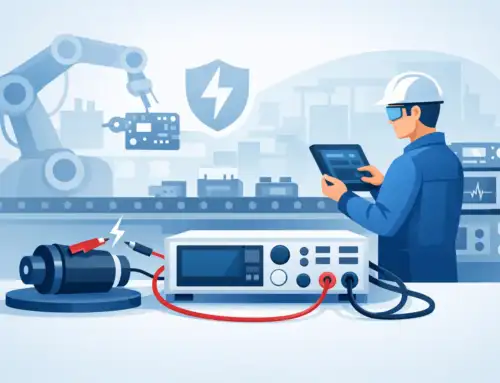
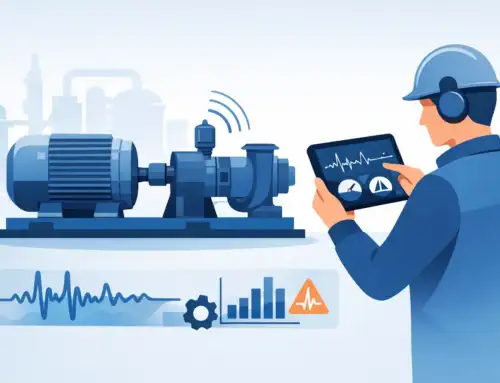
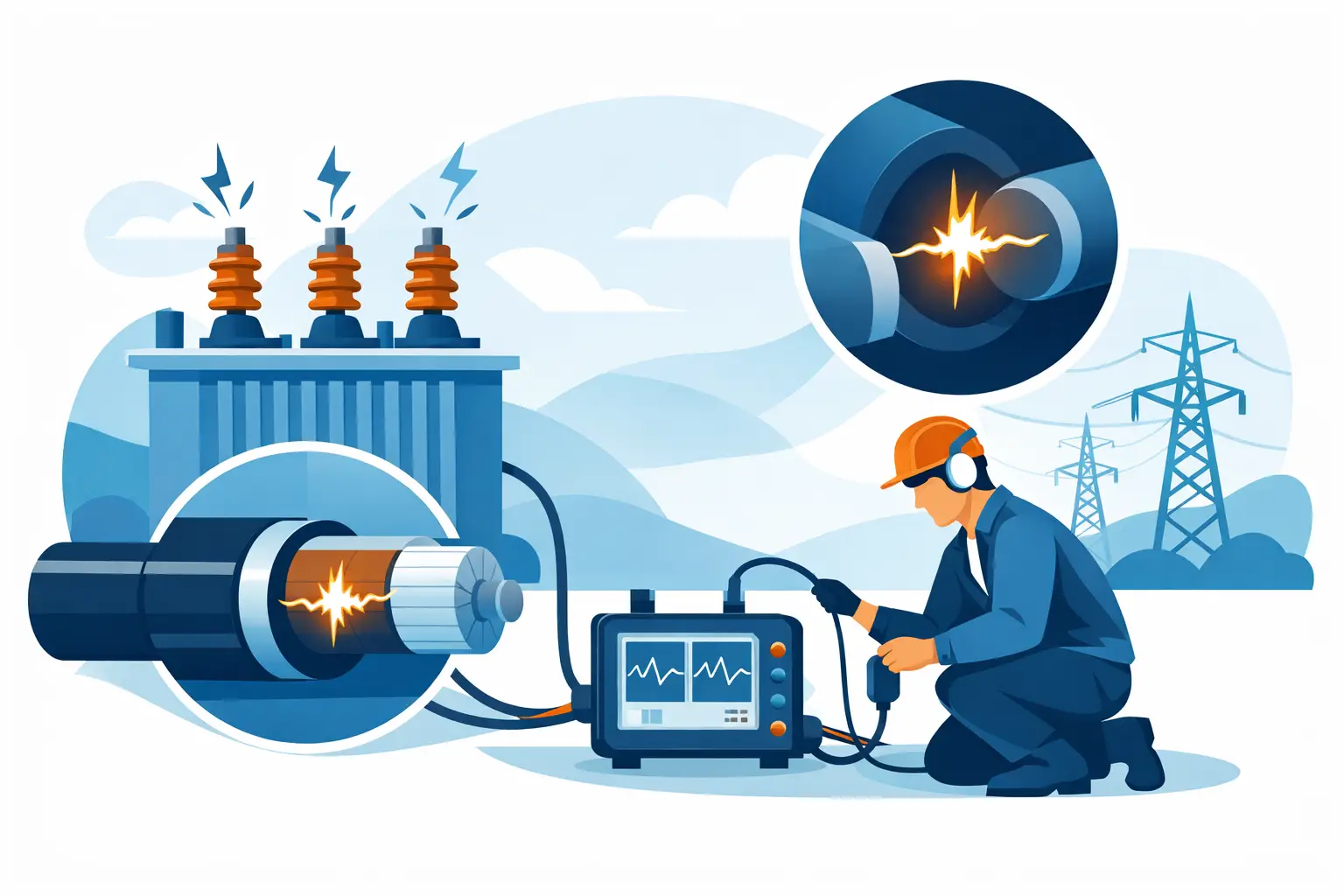
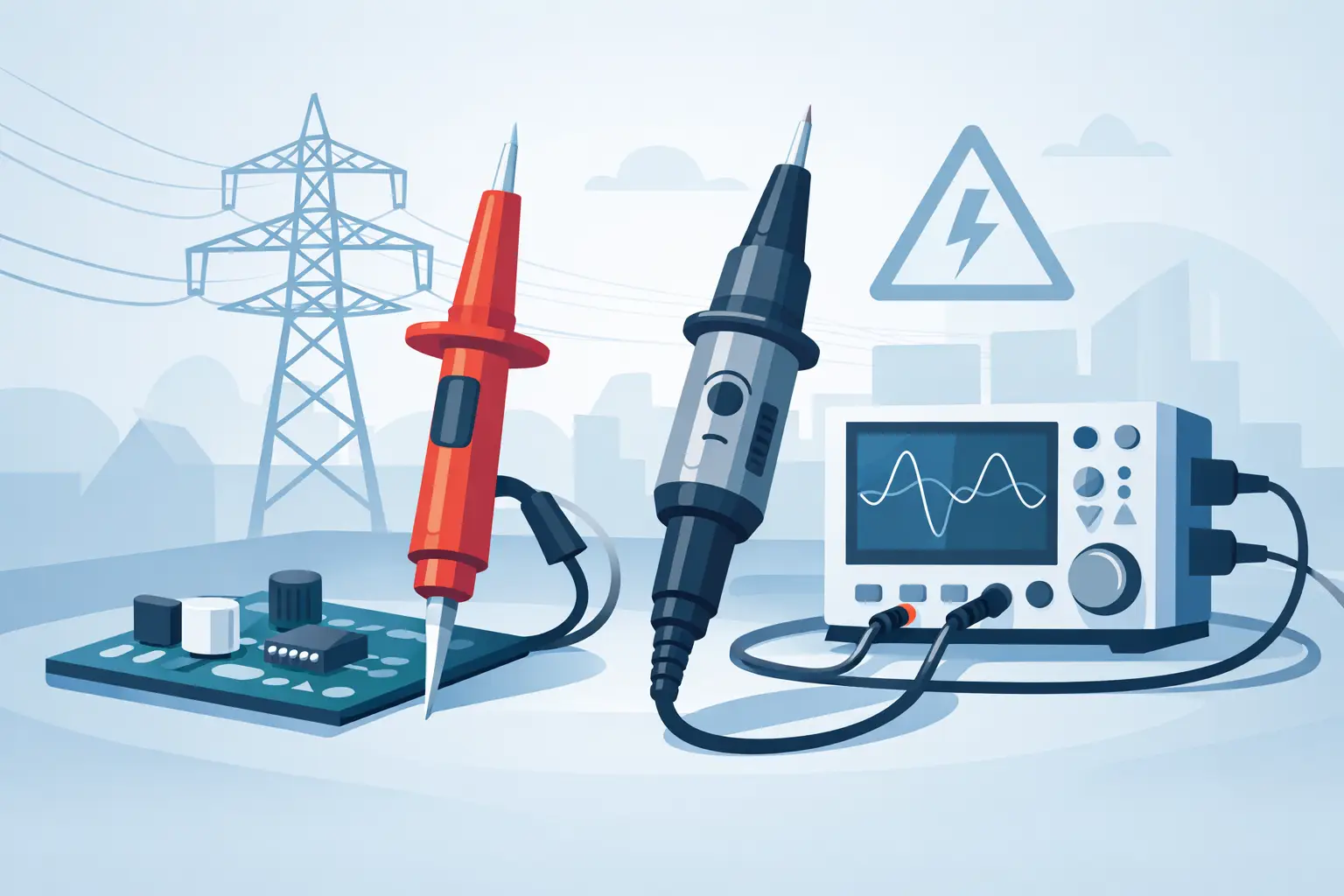
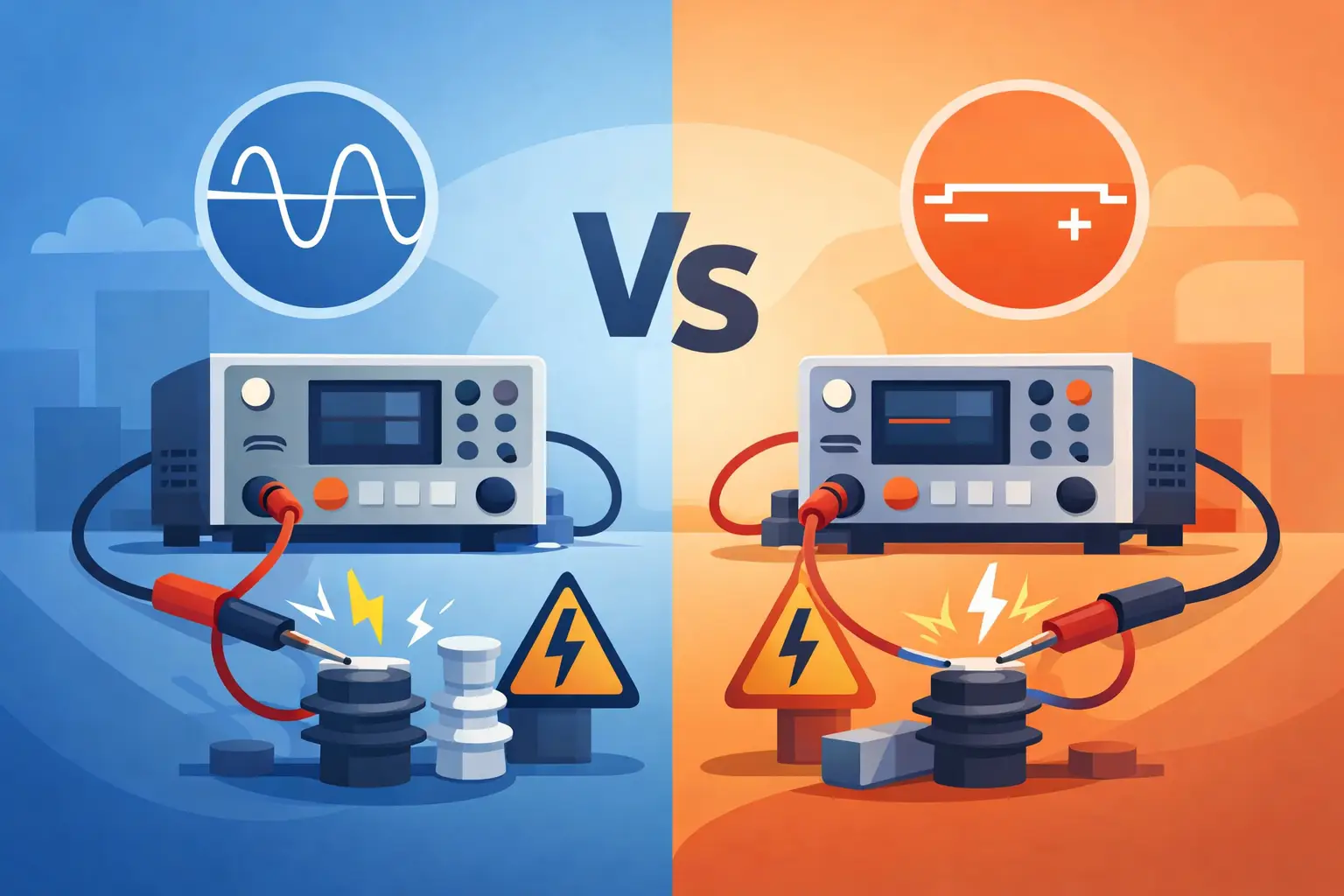
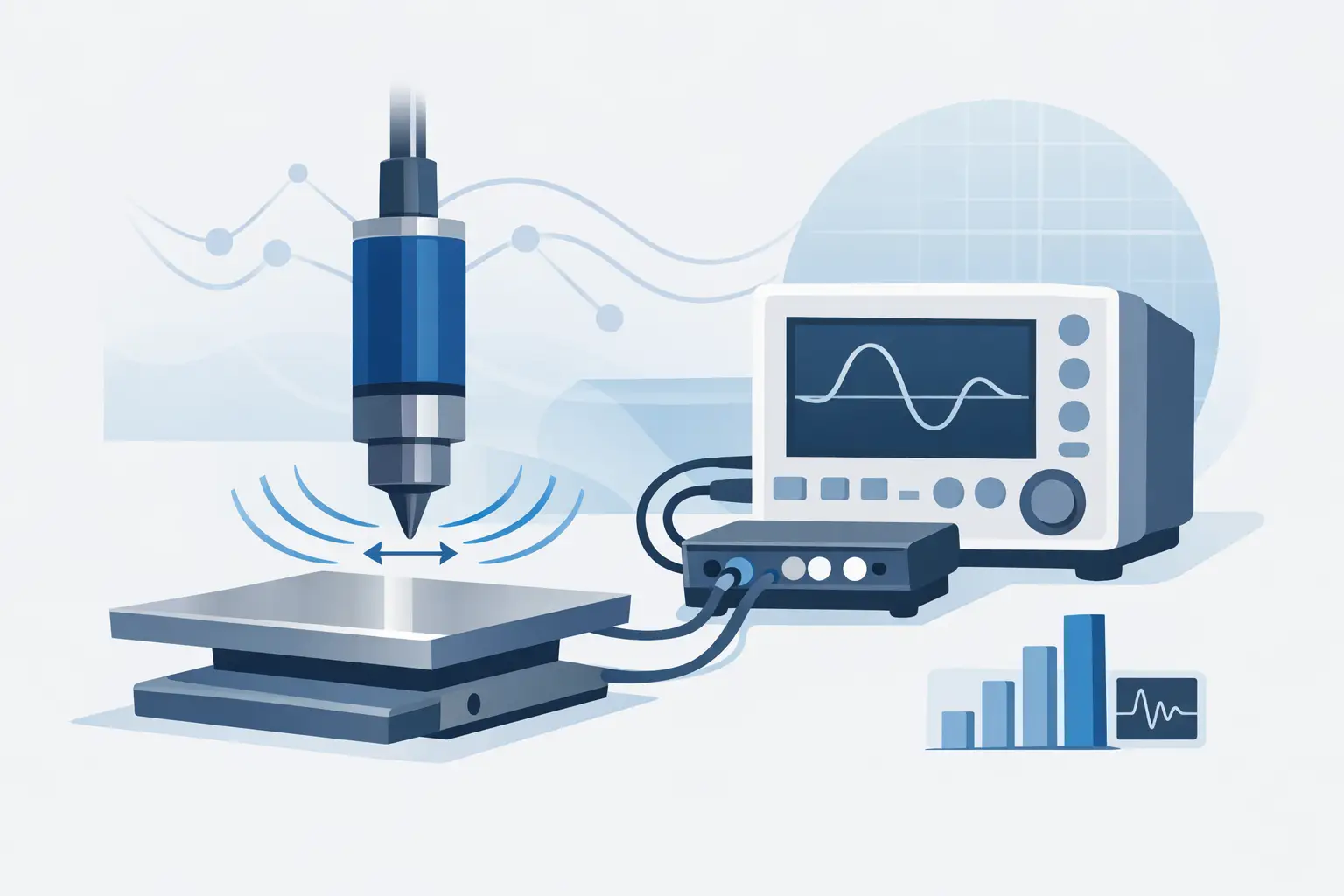
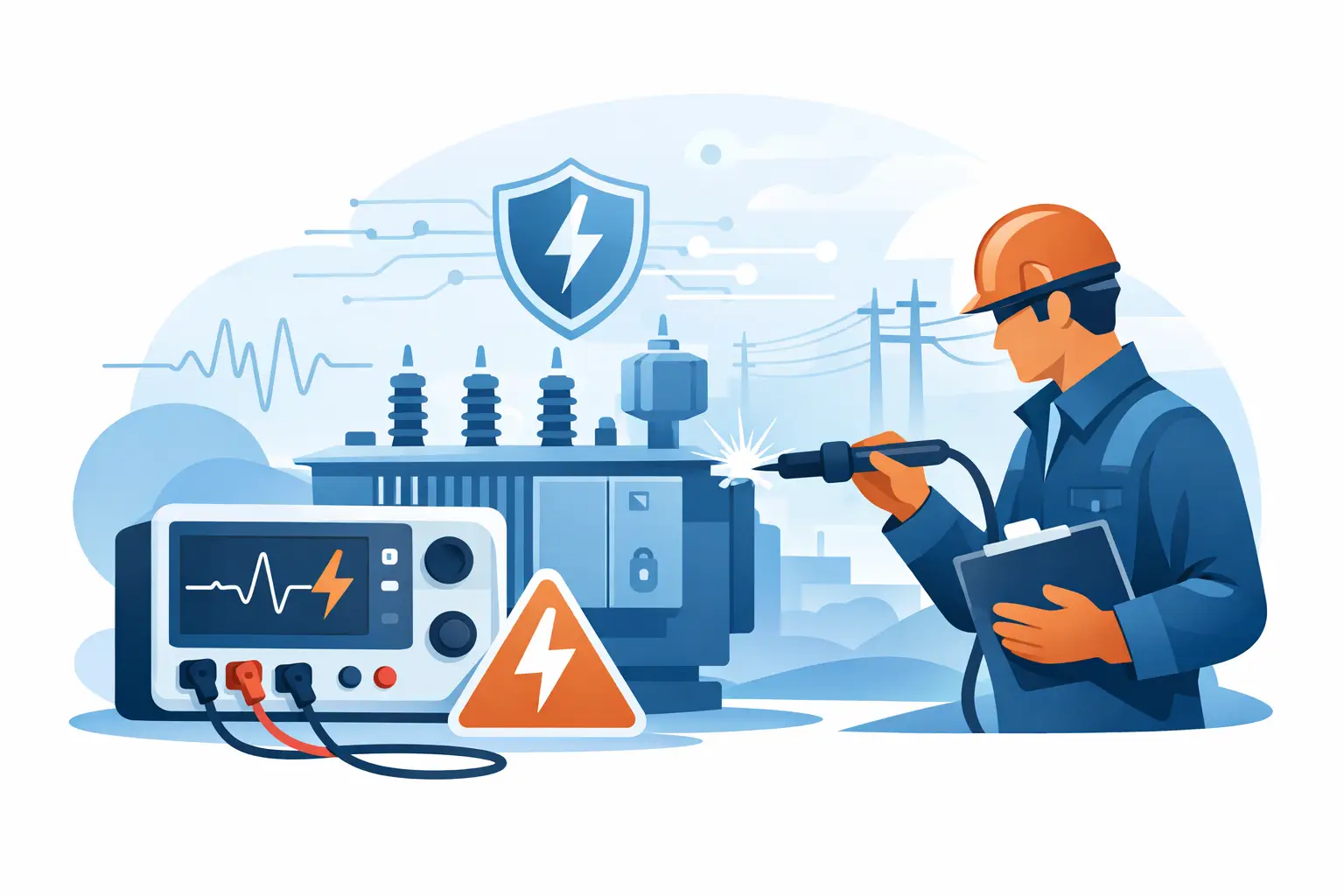
A ground continuity test rarely fails because the concept is complicated. It fails because the setup, current level, contact method, or pass criteria do not match the product, the standard, or the production environment. That is why ground continuity tester requirements matter. In regulated manufacturing, the tester is not just a box that outputs current and reads resistance. It is part of the evidence chain for electrical safety, product release, and audit readiness.
What ground continuity tester requirements actually cover
At a basic level, a ground continuity tester verifies that protective earth connections, chassis bonds, and other grounding paths maintain low enough resistance to carry fault current safely. In practice, the requirements extend well beyond measuring ohms. The instrument has to apply the specified test current, measure resistance with sufficient resolution, compensate for lead effects when needed, and produce repeatable results across operators, fixtures, and product variations.
For many teams, the real question is not whether the tester can measure continuity. Most can. The question is whether it can do so under the conditions required by the applicable standard and the manufacturing process. A lab evaluating one prototype may accept a slower, more manual workflow. A high-volume production line testing hundreds of units per shift needs faster current rise, stable contact resistance handling, clear pass-fail logic, and data capture that supports traceability.
Core electrical requirements for a ground continuity tester
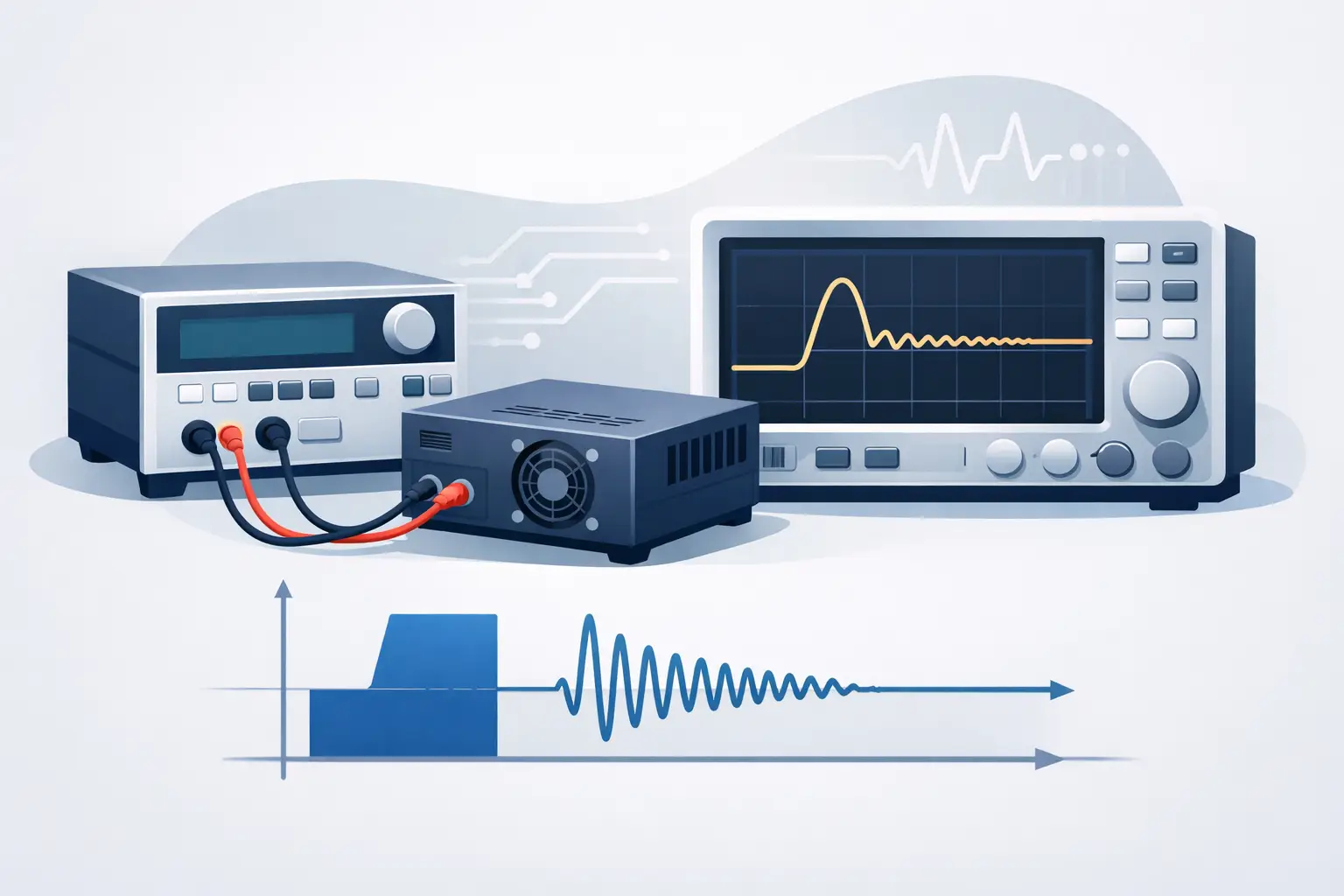
The first requirement is test current capability. Ground bond and continuity tests are often specified at relatively high current compared with general low-ohms measurements because the goal is to stress the protective path enough to reveal weak joints, loose fasteners, undersized conductors, or poor terminations. Depending on the product category and standard, that may mean currents from a few amps up to several tens of amps. If the tester cannot source the required current for the required dwell time, the reading may look acceptable while the bond itself is not being meaningfully challenged.
Resistance measurement range and resolution are equally important. Protective earth paths typically have very low resistance, so the measurement system needs enough sensitivity to distinguish acceptable bonds from marginal ones. This is where instrument architecture matters. A tester designed for low-resistance measurement should provide stable readings in the milliohm region, not just broad continuity confirmation.
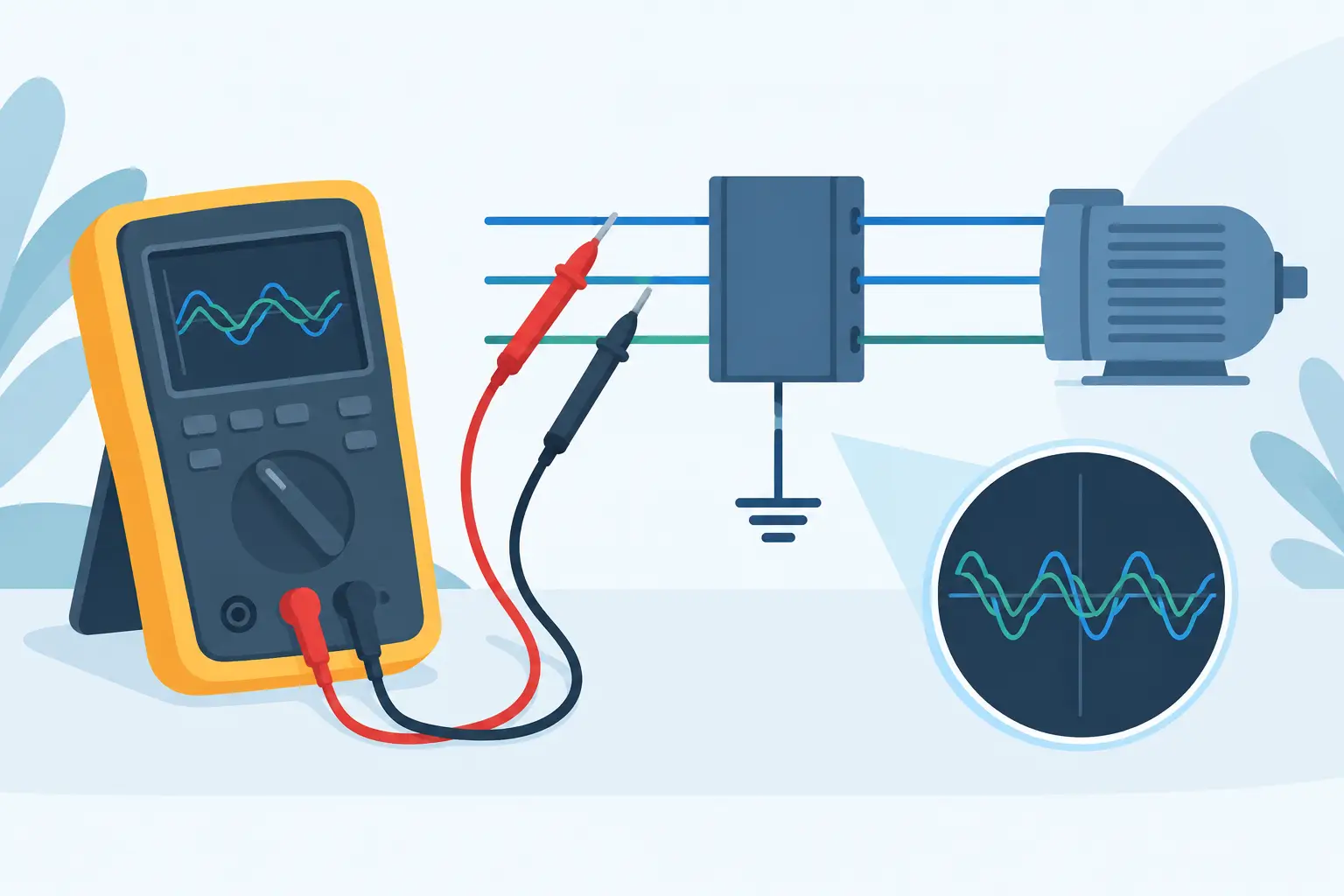
Another key factor is measurement method. For low-resistance testing, four-wire Kelvin measurement is often preferred because it minimizes the effect of lead and contact resistance in the measurement circuit. Two-wire methods may be acceptable in some applications, especially where the total path resistance limit is relatively generous, but they can introduce avoidable uncertainty. If the pass threshold is tight, four-wire capability is usually the safer engineering choice.
Current regulation also deserves attention. Some testers advertise a nominal current but allow notable variation under changing load conditions. In ground bond testing, output stability affects both repeatability and compliance confidence. A tester that delivers accurate, controlled current over the expected resistance range is better suited for formal safety testing than one that reaches target current only under ideal conditions.
Ground continuity tester requirements and compliance alignment
The most common mistake in specifying a tester is treating the instrument requirement as separate from the standard requirement. It is not. Ground continuity tester requirements should be built backward from the test method called for by the governing product safety standard, customer specification, or internal validation plan.
That means confirming the required current level, test duration, maximum allowable resistance, and test points. It also means checking whether the standard expects a dedicated ground bond test, a protective earth continuity test, or a similar verification under different terminology. The language changes across industries, but the compliance impact is the same. If your test method does not map cleanly to the requirement, your result may not stand up during review.
There is also a practical trade-off here. Some manufacturers specify more stringent internal limits than the governing standard to create production margin. That can be useful, but only if the measurement uncertainty, fixture repeatability, and contact method are tightly controlled. Otherwise, the organization may create false failures and line disruption without improving actual field safety.
Mechanical and fixture considerations matter more than many teams expect
A high-performance tester cannot compensate for a poor interface to the device under test. In many production environments, the dominant source of variation is not instrument accuracy. It is how current is injected and where voltage is sensed.
Probe pressure, oxidation at contact points, fixture wear, painted surfaces, and moving assemblies can all distort results. If the test point is not stable and repeatable, the measured resistance may reflect the connection between the probe and the product more than the product’s actual protective earth path. This is especially common on coated chassis, assemblies with multiple mechanical joints, or products where the grounding point is difficult to access.
Fixture design should support consistent placement, adequate contact force, and separation between current-carrying and sensing points when Kelvin methods are used. For higher-current applications, cable sizing and thermal behavior also matter. Undersized leads can heat up, drift, and reduce repeatability over a production shift.
Speed, throughput, and operator use
In manufacturing, ground continuity testing is rarely a standalone event. It is usually one station in a broader electrical safety sequence that may include hipot, insulation resistance, leakage, or functional checks. That makes cycle time a real requirement, not a convenience feature.
Fast test initiation, short stabilization time, and deterministic pass-fail output reduce bottlenecks. At the same time, pushing speed too aggressively can create problems. If contact settling is inconsistent or current ramp timing is too short, a fast result may not be a valid result. The right balance depends on the product and fixture quality.
Operator interface is another requirement that often gets overlooked until deployment. In high-mix environments, users need clear test recipes, visible limits, and simple prompts that reduce setup errors. For automated cells, remote control capability, digital I/O, and reliable system integration are just as important as front-panel usability. A tester that is electrically capable but difficult to automate can become an expensive constraint.
Data integrity, calibration, and auditability
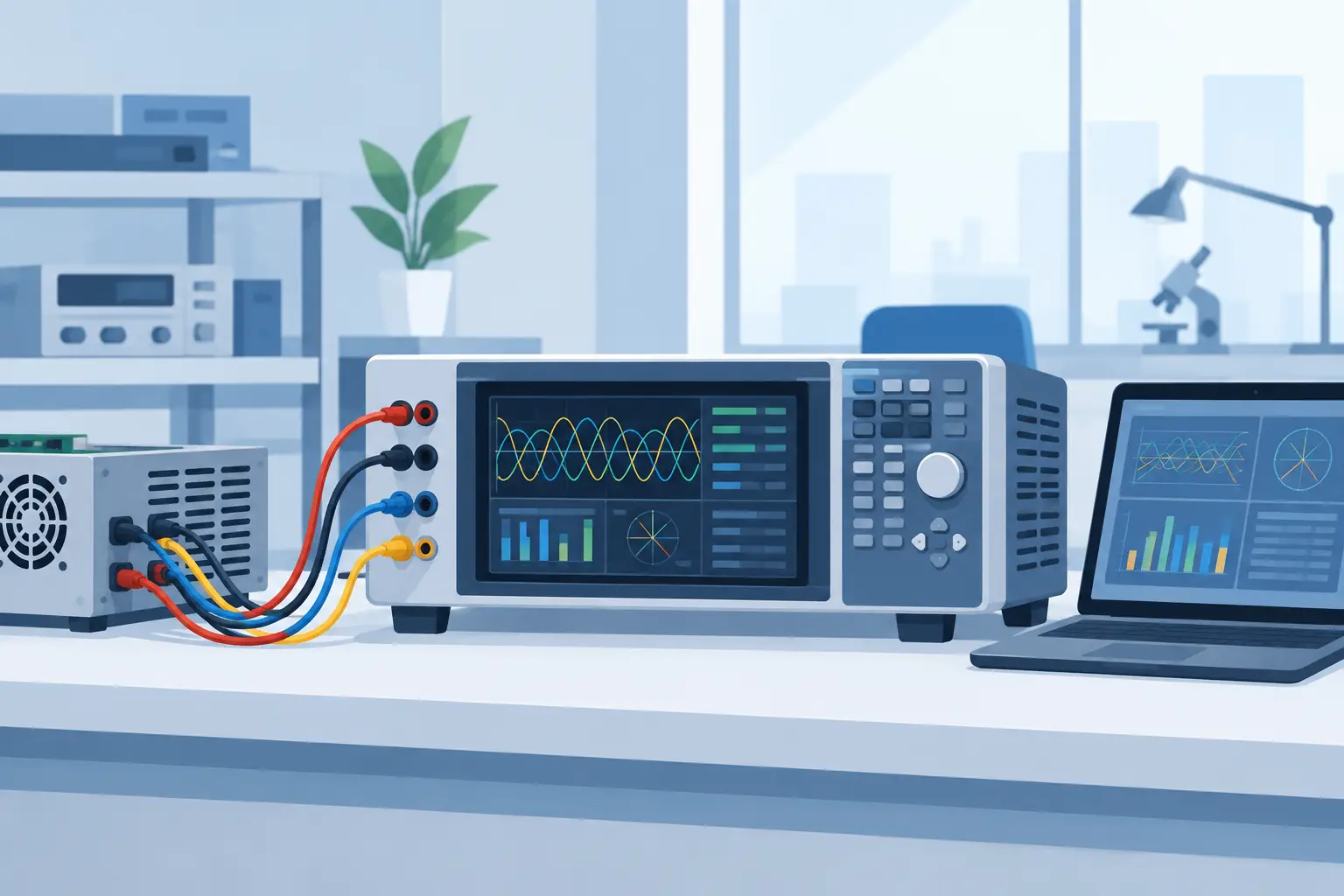
For quality and compliance teams, a test result is only as useful as the record behind it. Ground continuity tester requirements should include data handling, not just measurement performance. At minimum, the system should support repeatable test execution, operator accountability where needed, and secure result storage tied to the unit under test.
This matters even more in medical, aerospace, defense, and other controlled industries where traceability is expected. A simple pass-fail light may be fine for operator feedback, but it is not enough for root-cause analysis or audit defense. Capturing measured resistance, actual test current, dwell time, timestamp, and product identifier creates a much stronger record.
Calibration and verification are part of the same discussion. The tester should support a calibration program with traceable standards and a practical interval based on use conditions, risk, and quality requirements. Some environments also benefit from daily or shift-start verification using known resistive references to confirm the combined performance of the instrument and fixture.
Safety and system design requirements
Because ground continuity and bond testing may involve elevated current, the tester itself needs safeguards appropriate to the application. That includes current limiting behavior, fault detection, thermal protection, and interlock compatibility where the broader system requires it. In bench use, this may be straightforward. In automated or multi-station systems, these protections become more critical.
Teams should also consider the test object’s behavior under current stress. Some products include sensitive assemblies, narrow conductors, or connectors not intended for high-current injection at every point. The test method may need to be adapted so the protective path is verified without overstressing adjacent circuitry or creating cosmetic damage at contact locations.
This is where application knowledge matters. A generic continuity requirement does not always translate directly into a safe and efficient production test. The best setup is the one that satisfies the standard while respecting the product’s actual construction.
Choosing the right tester for the application
When engineers evaluate instruments against ground continuity tester requirements, the right choice usually comes down to fit rather than headline specifications. A development lab may prioritize flexible programming and detailed measurement visibility. A production line may care more about throughput, fixture integration, repeatability, and minimal operator intervention. A compliance lab may focus on standards alignment, calibration traceability, and defensible records.
That is why specification reviews should include the full use case: required current, resistance range, measurement method, DUT geometry, fixture approach, automation needs, data requirements, and applicable standards. If any of those pieces are left vague, the tester may still work, but not with the confidence expected in a regulated or performance-critical environment.
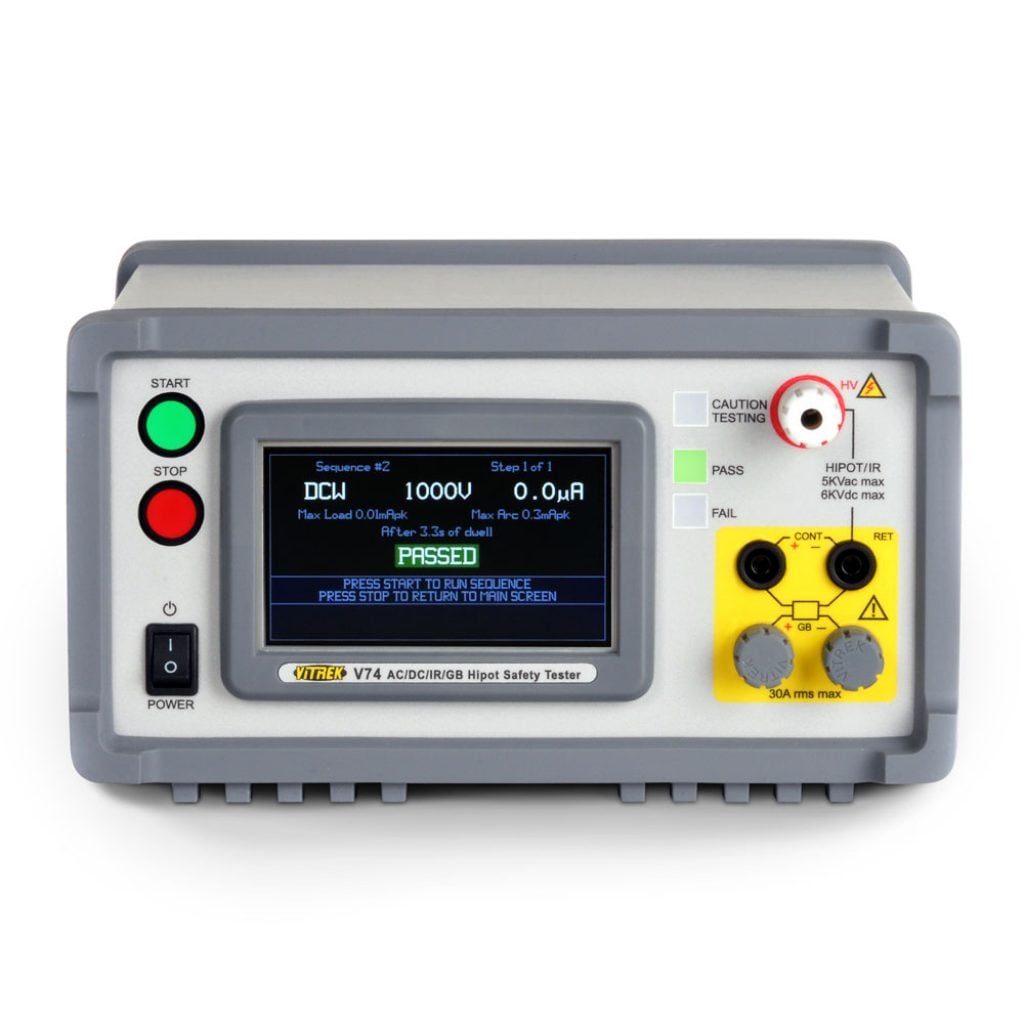
For organizations standardizing across multiple test stations, there is also value in choosing a platform that supports consistent methods, software control, and serviceability. Vitrek and similar engineering-focused suppliers are often evaluated on that basis because the instrument is only one part of a long-term test infrastructure decision.
A ground continuity tester should do more than pass a specification review. It should produce stable, defensible measurements day after day, across shifts, fixtures, and product revisions. That is usually the difference between a tester that looks acceptable on paper and one that supports real manufacturing confidence.