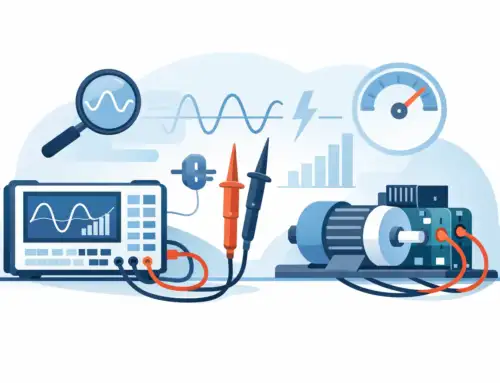
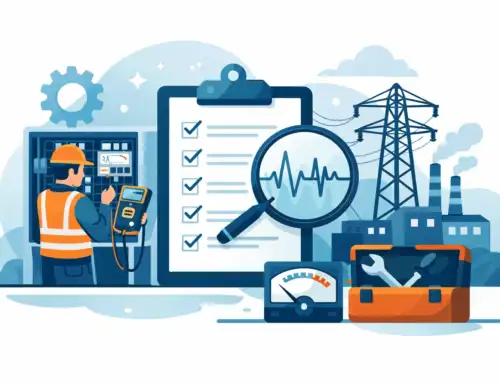
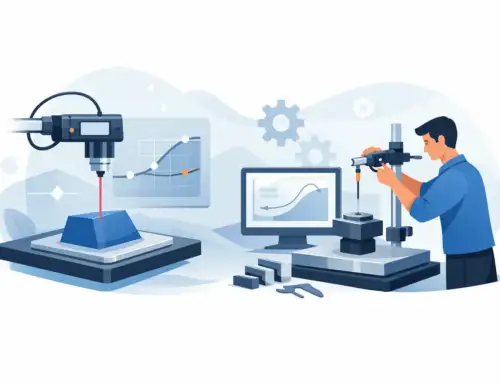
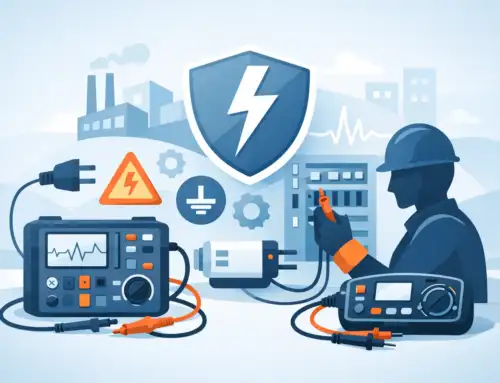
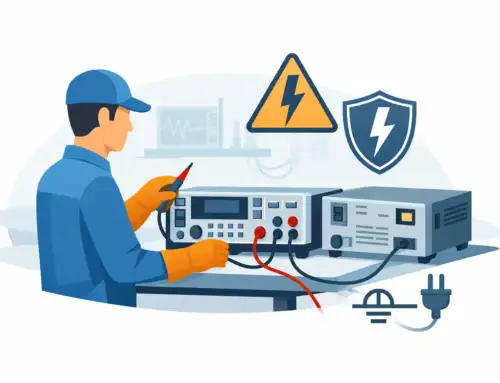
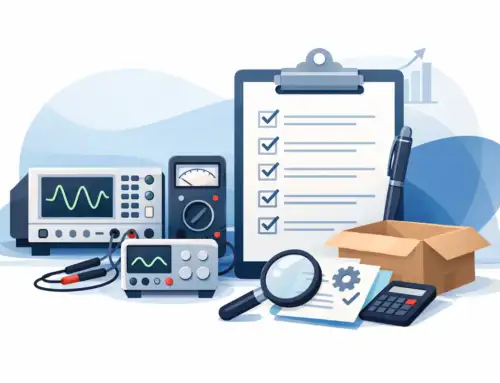
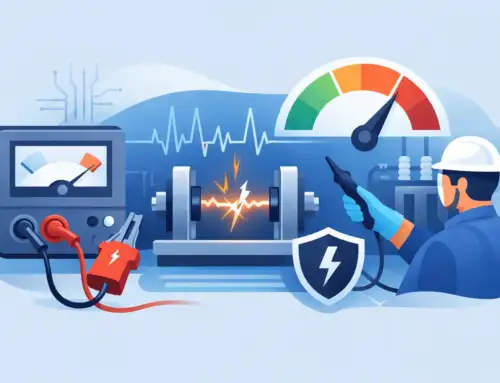
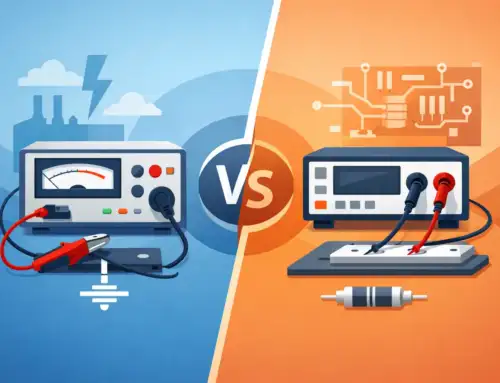
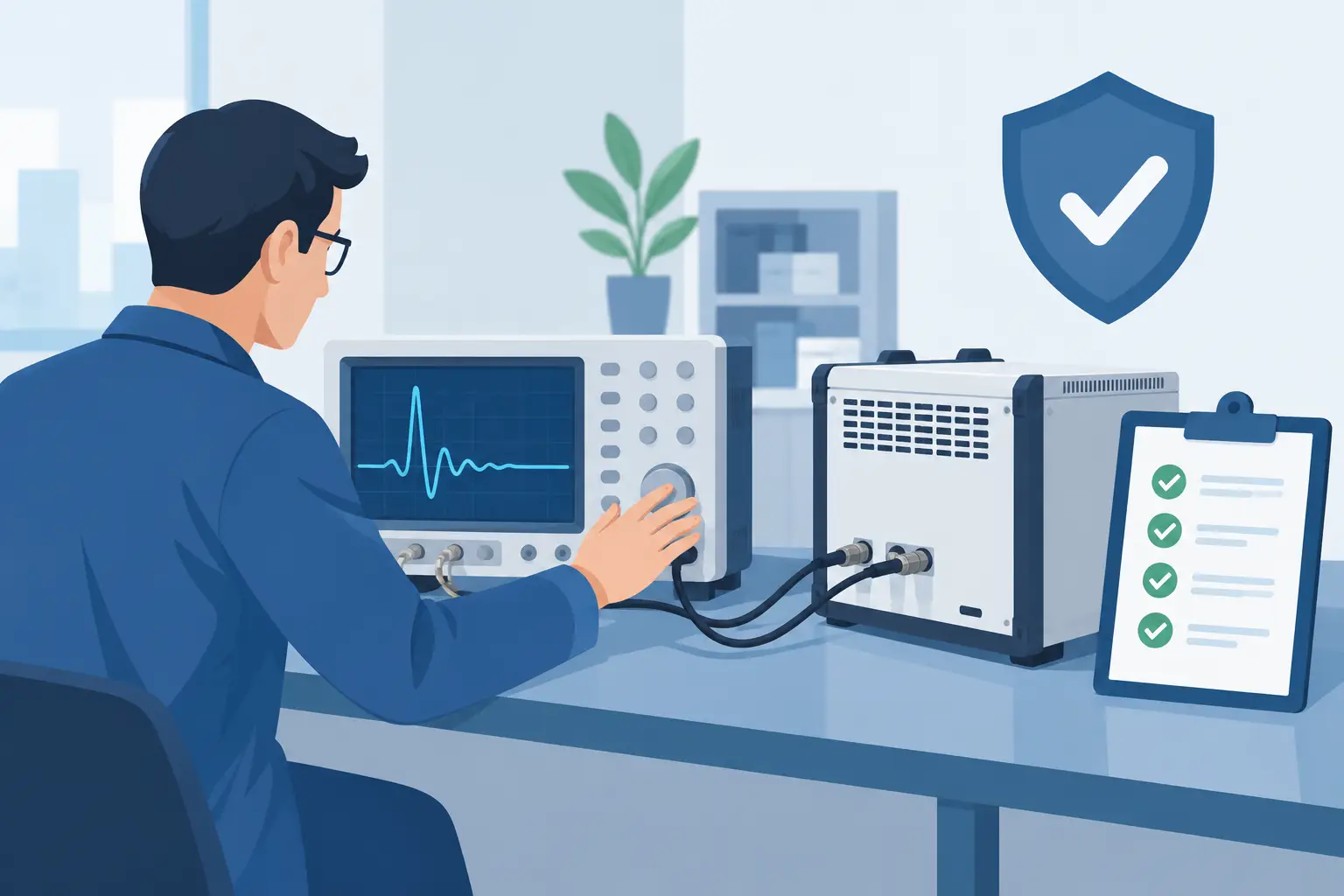
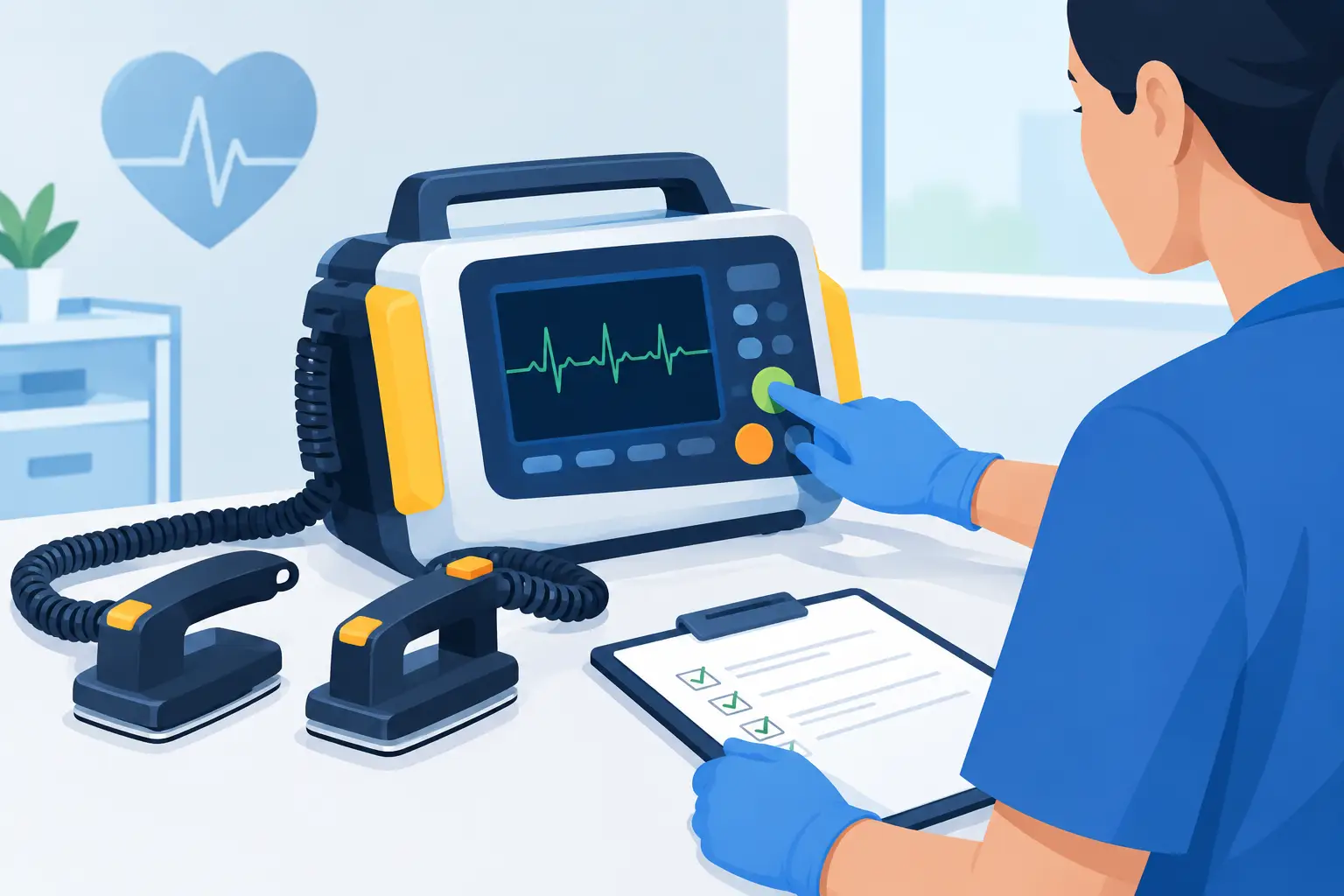
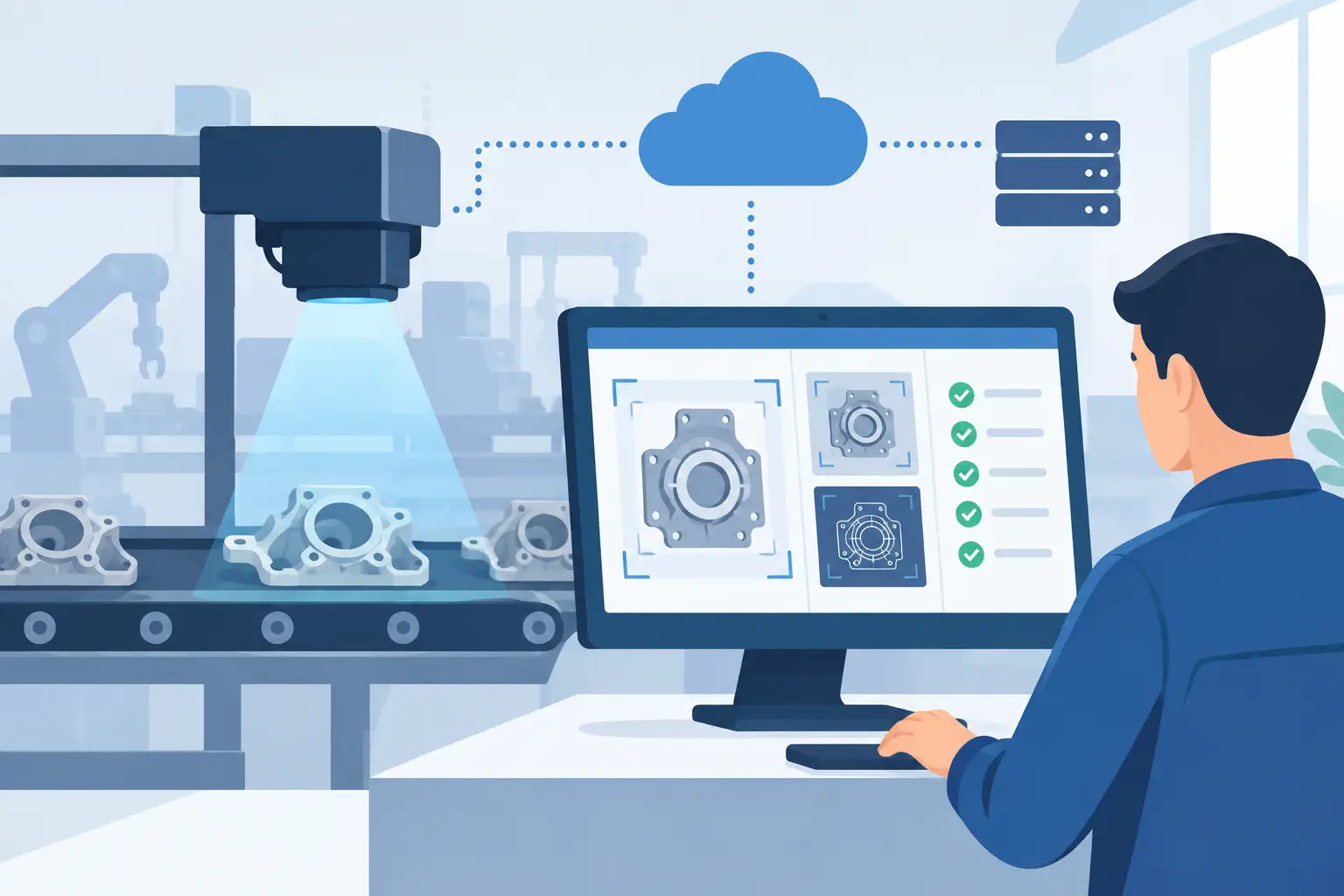
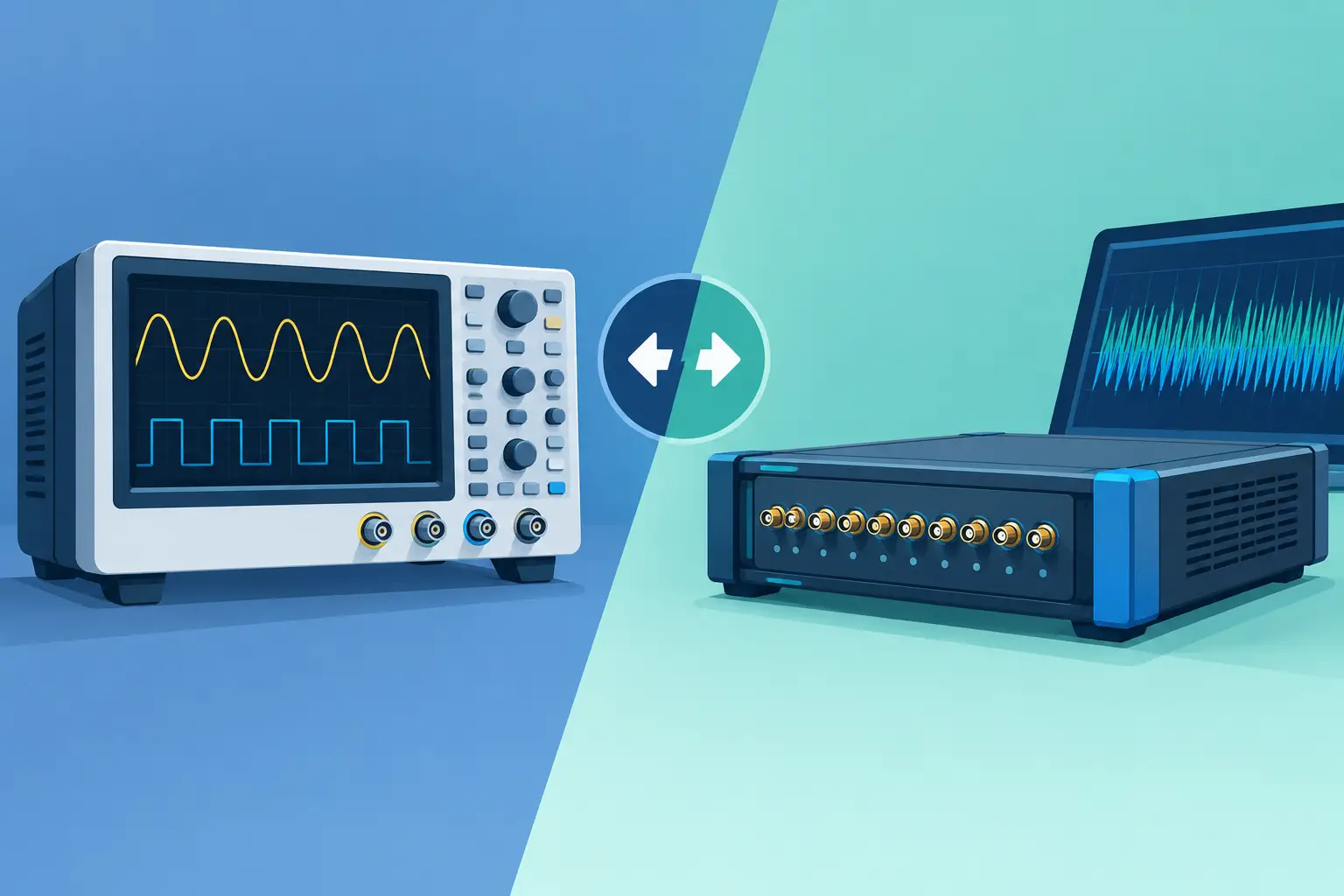
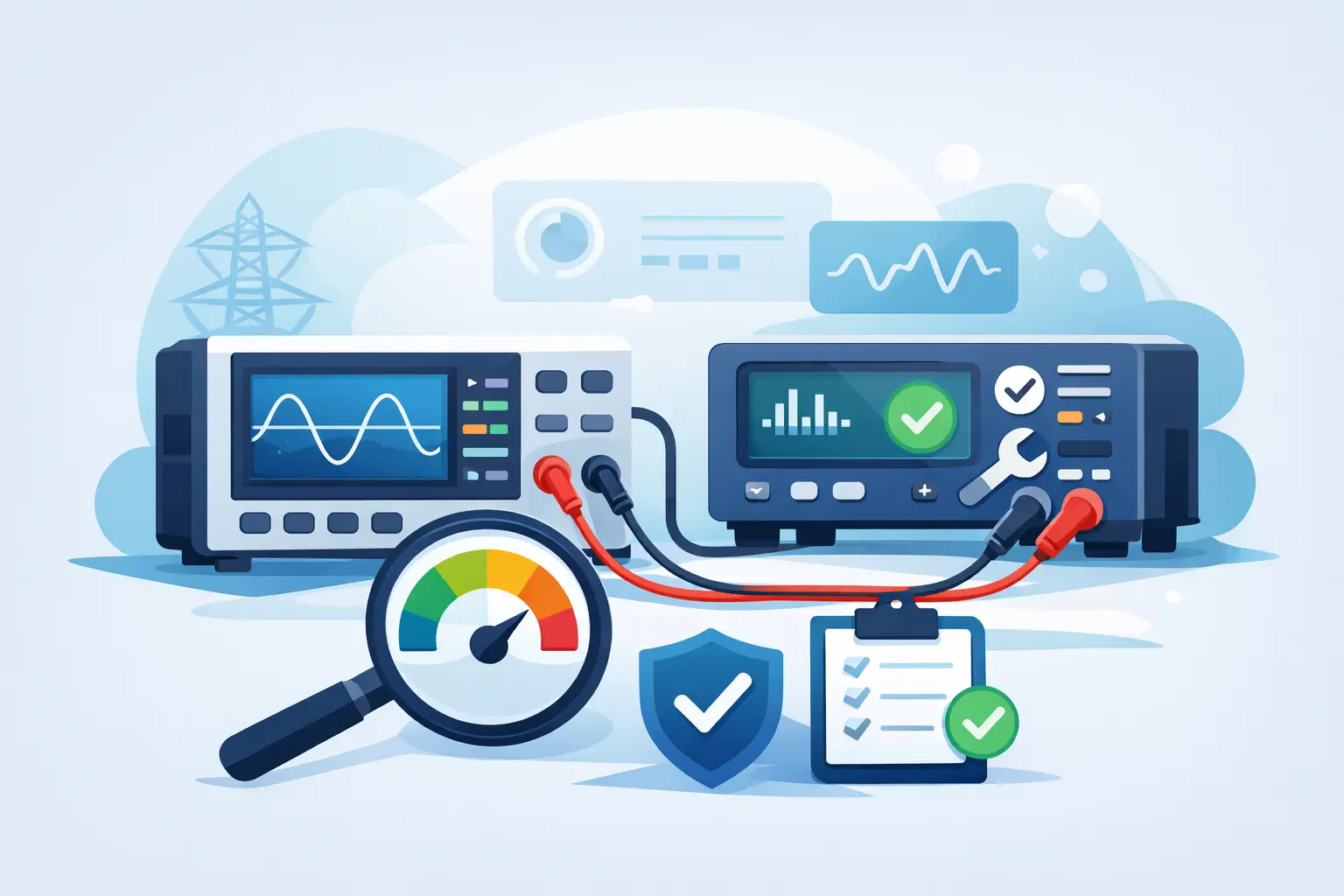
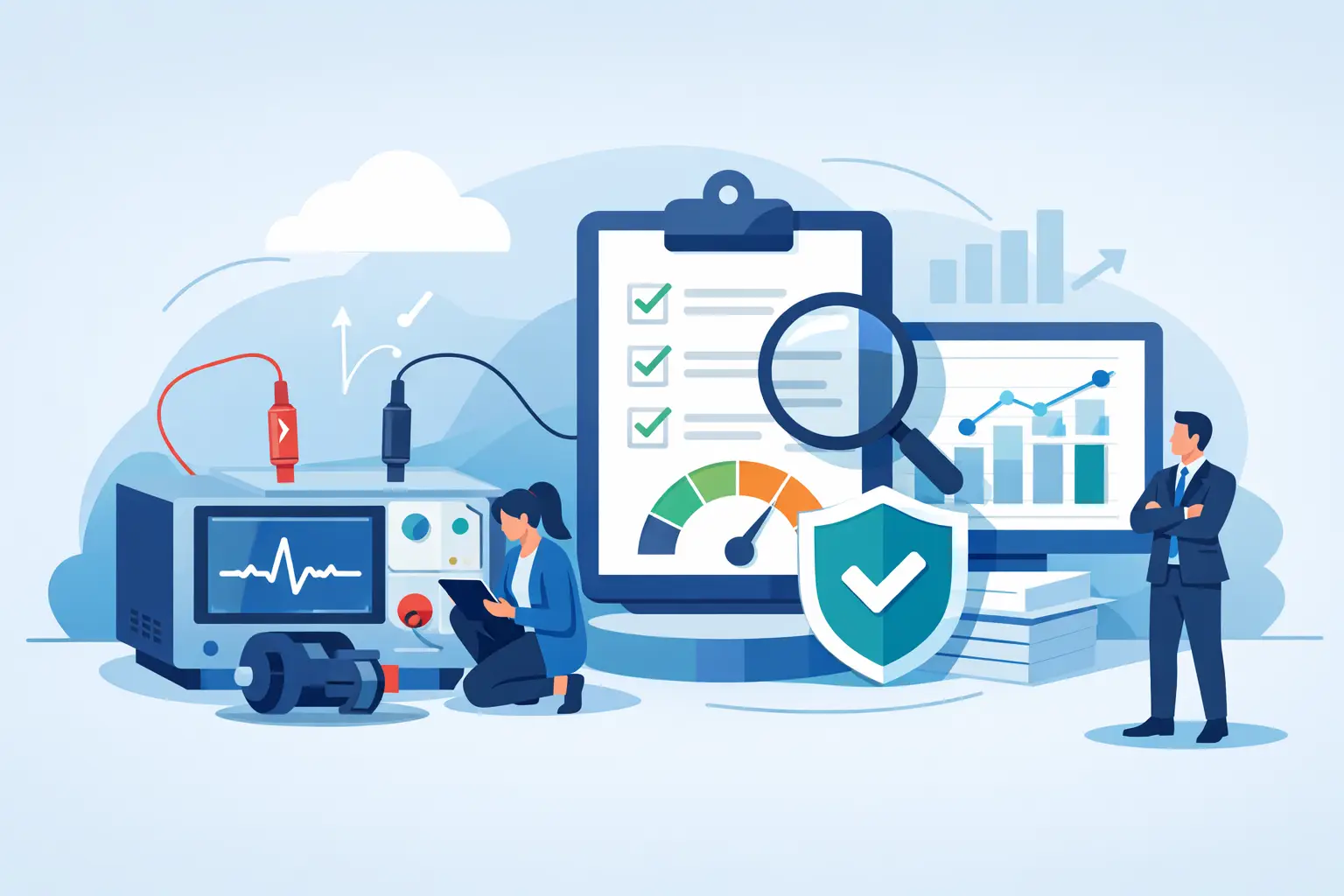
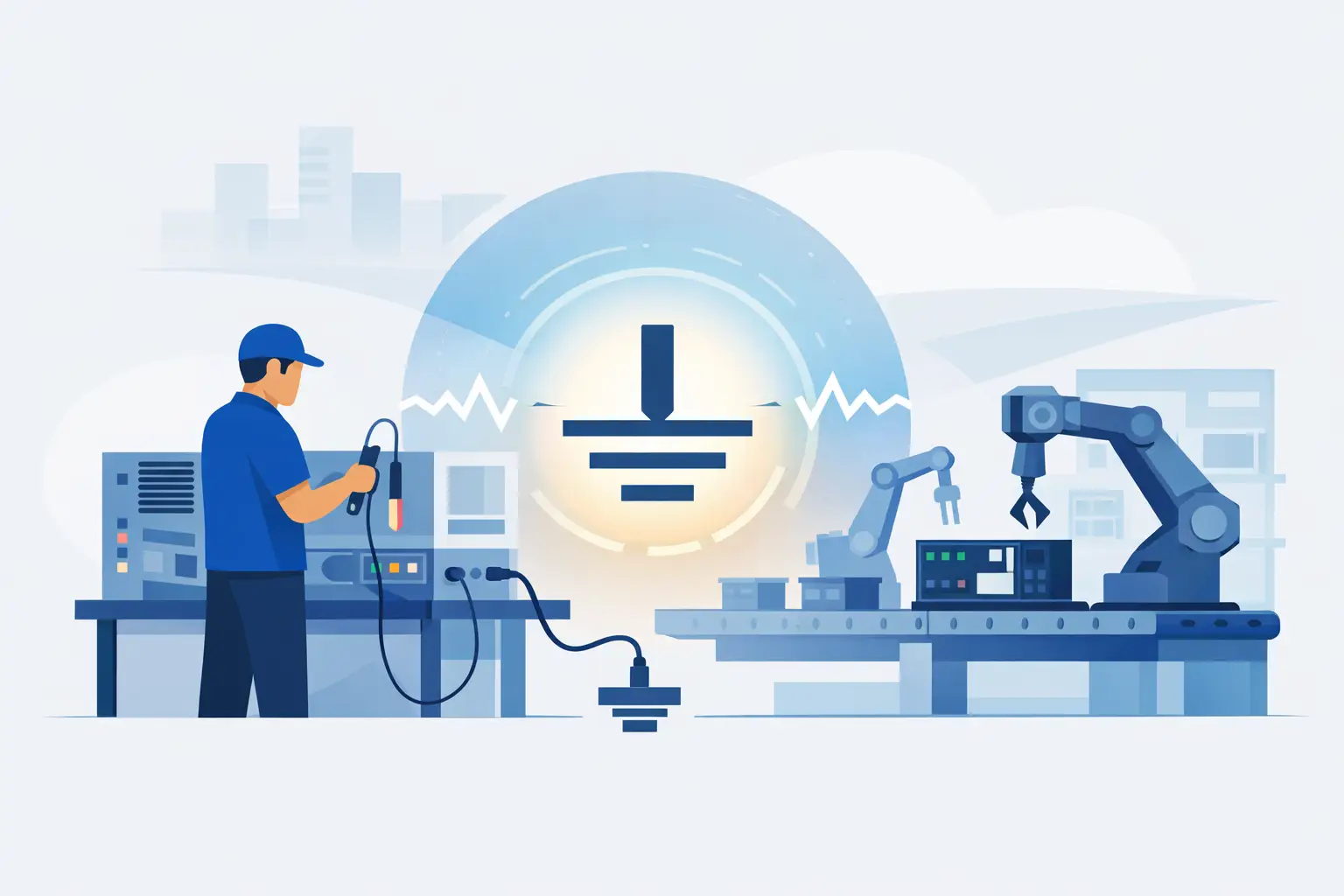
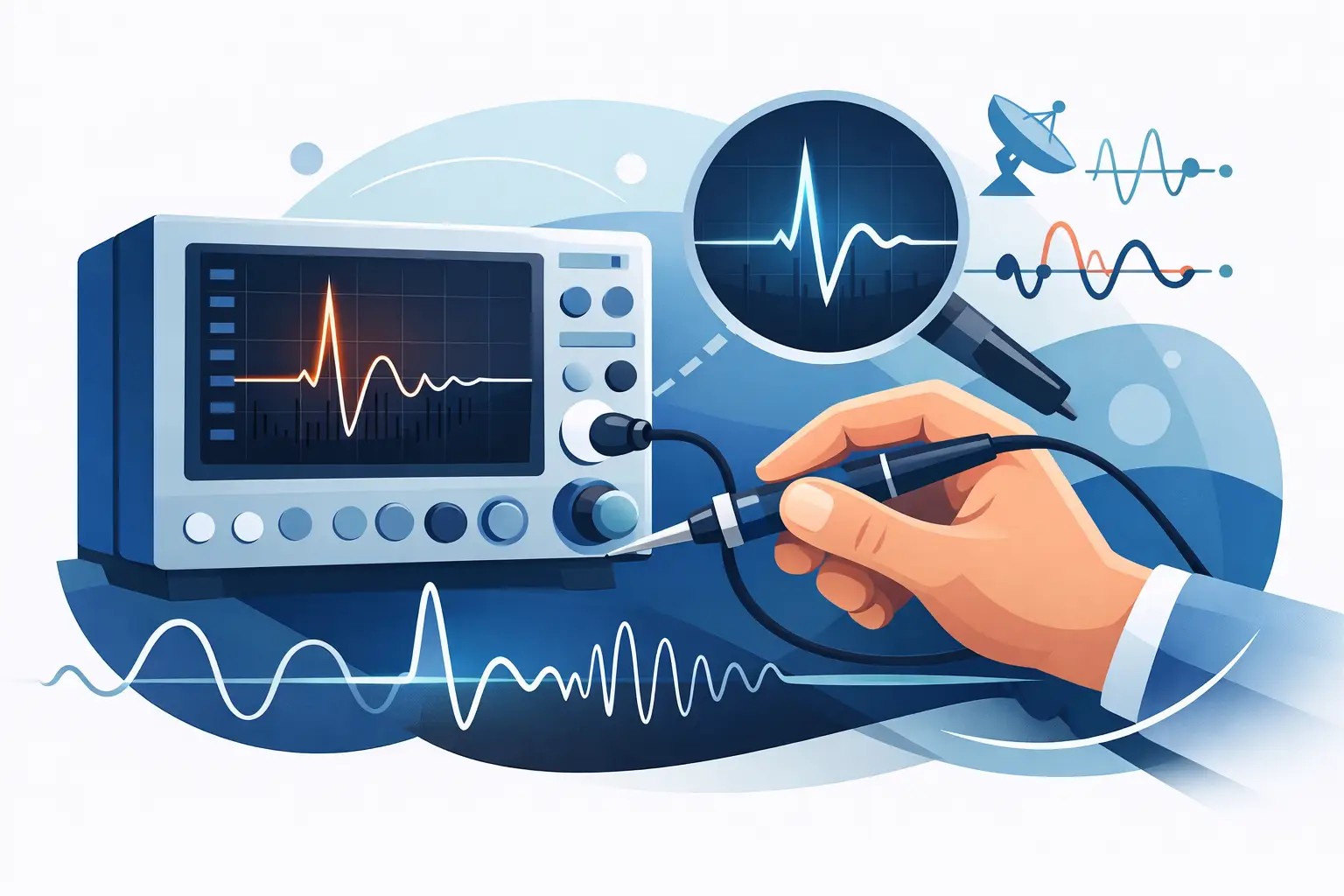
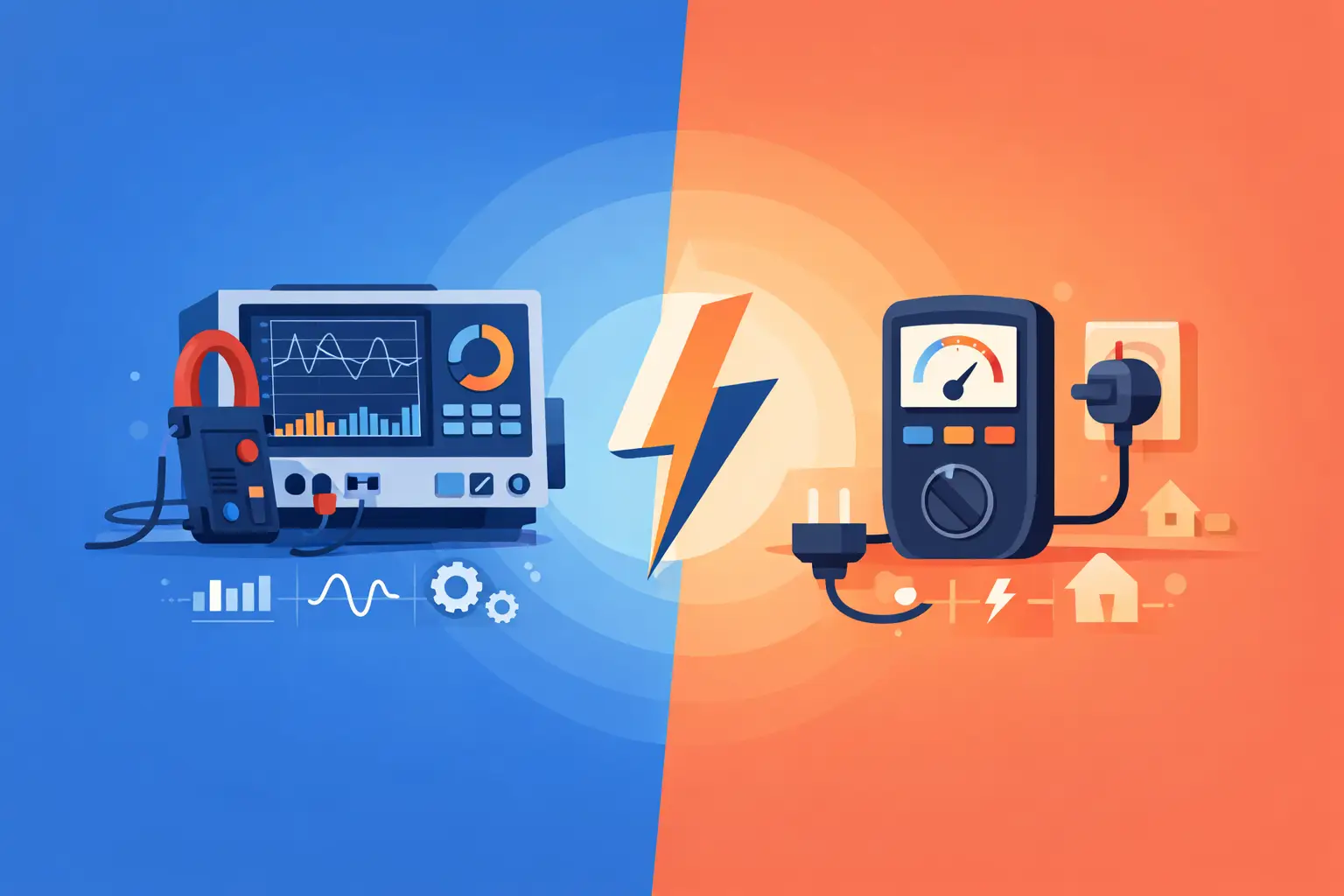
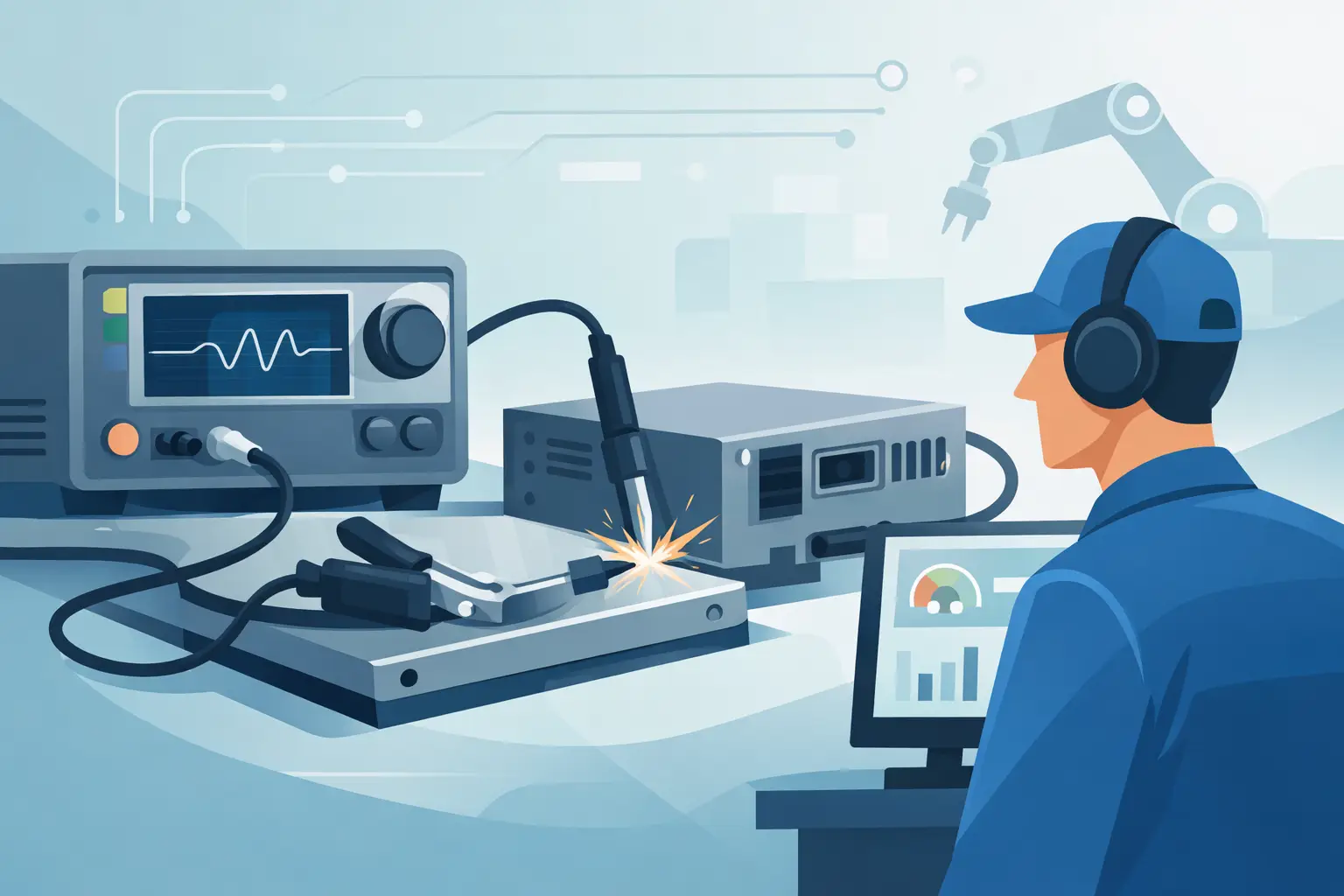
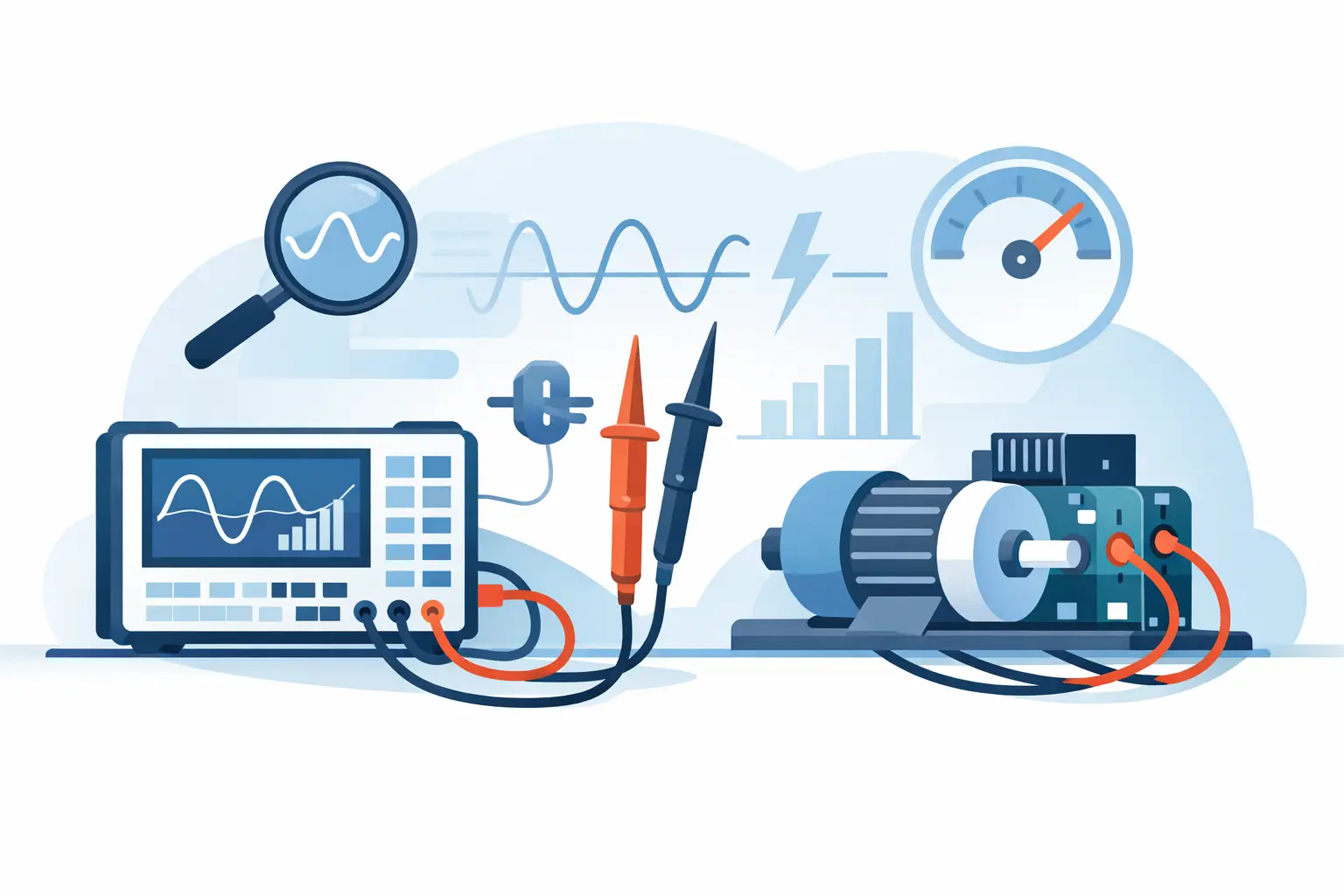
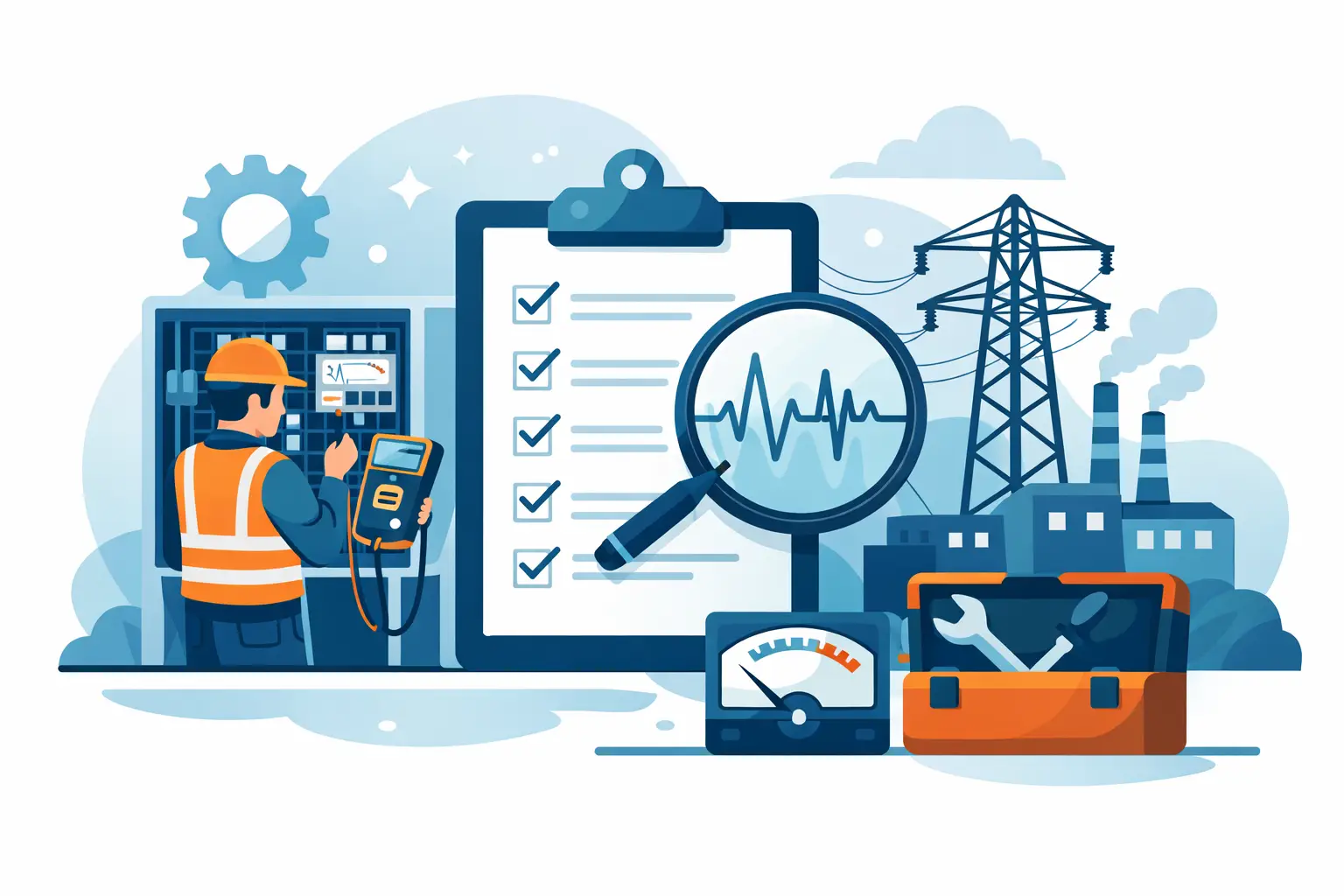
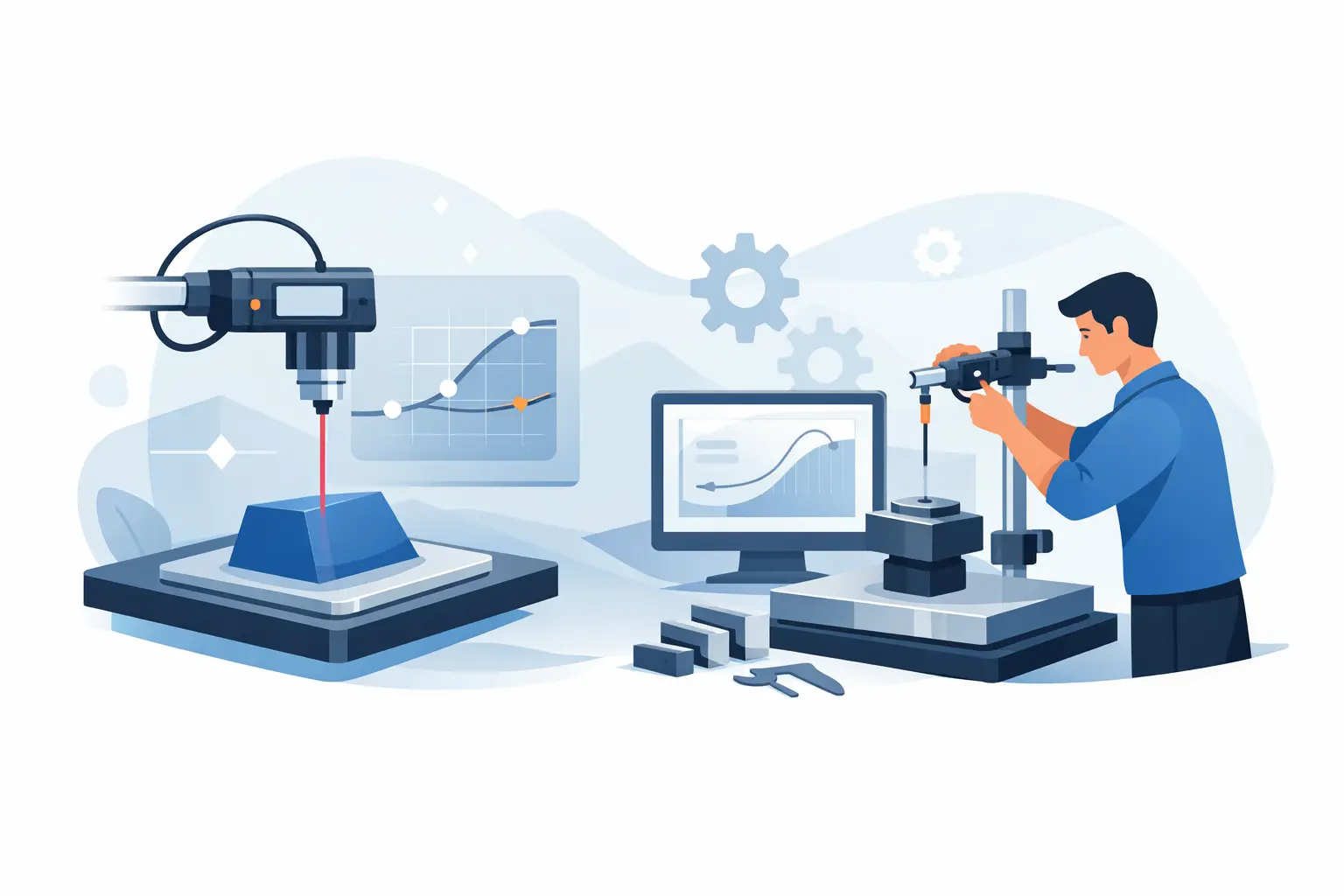
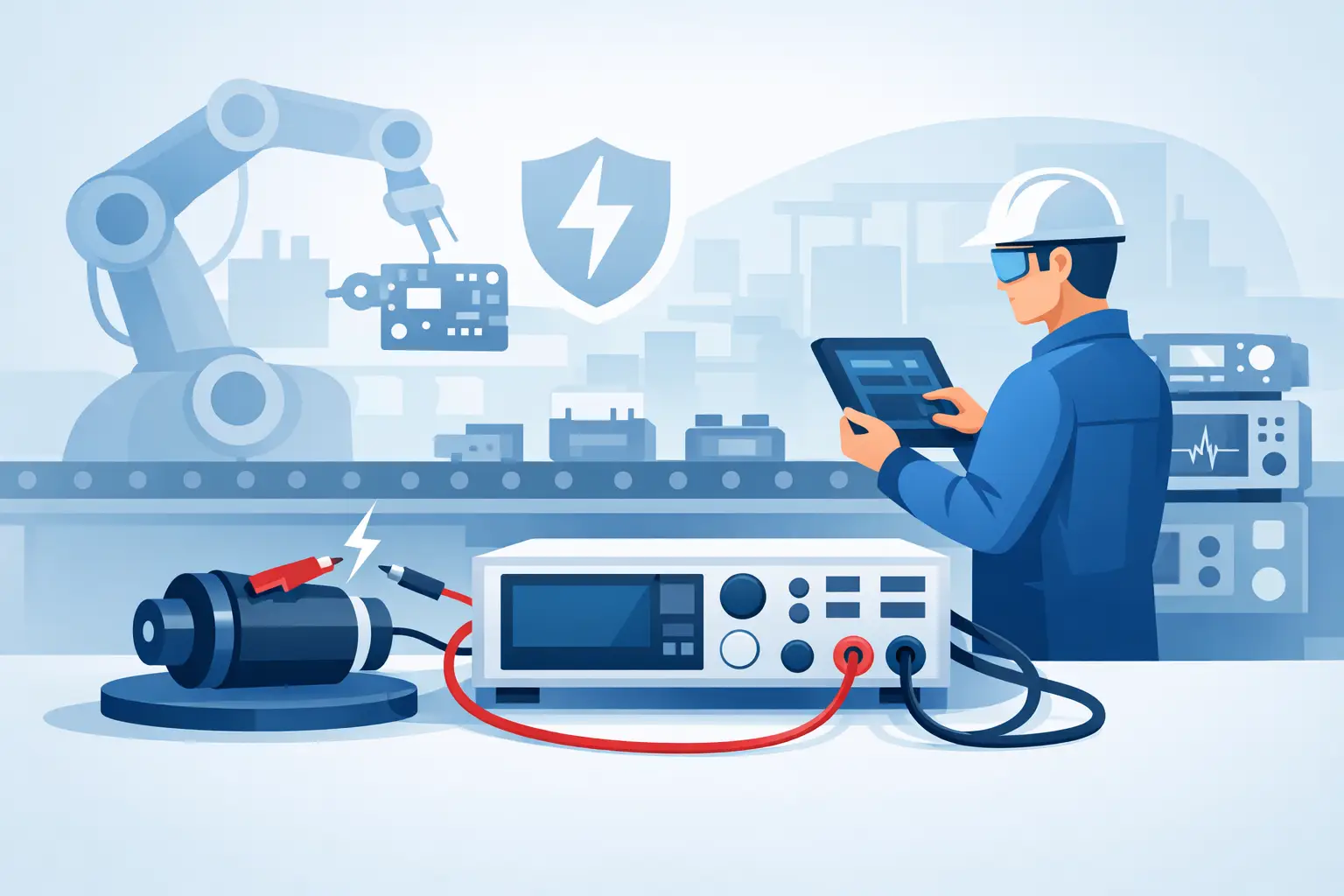
A production line fails a final verification check, and the first question is rarely about the operator. It is usually about the measurement system. When tolerances are tight, audits are routine, and product safety is on the line, iso accredited calibration services for test equipment are not an administrative detail. They are part of the control strategy that protects data integrity, compliance, and throughput.
For engineers and quality teams working in aerospace, EV, medical device, defense, electronics, and research environments, calibration quality has direct operational consequences. A certificate alone does not tell you whether the service was appropriate for the instrument, the measurement range, or the level of uncertainty your process can tolerate. That is why accreditation matters.
What ISO accredited calibration services for test equipment actually mean
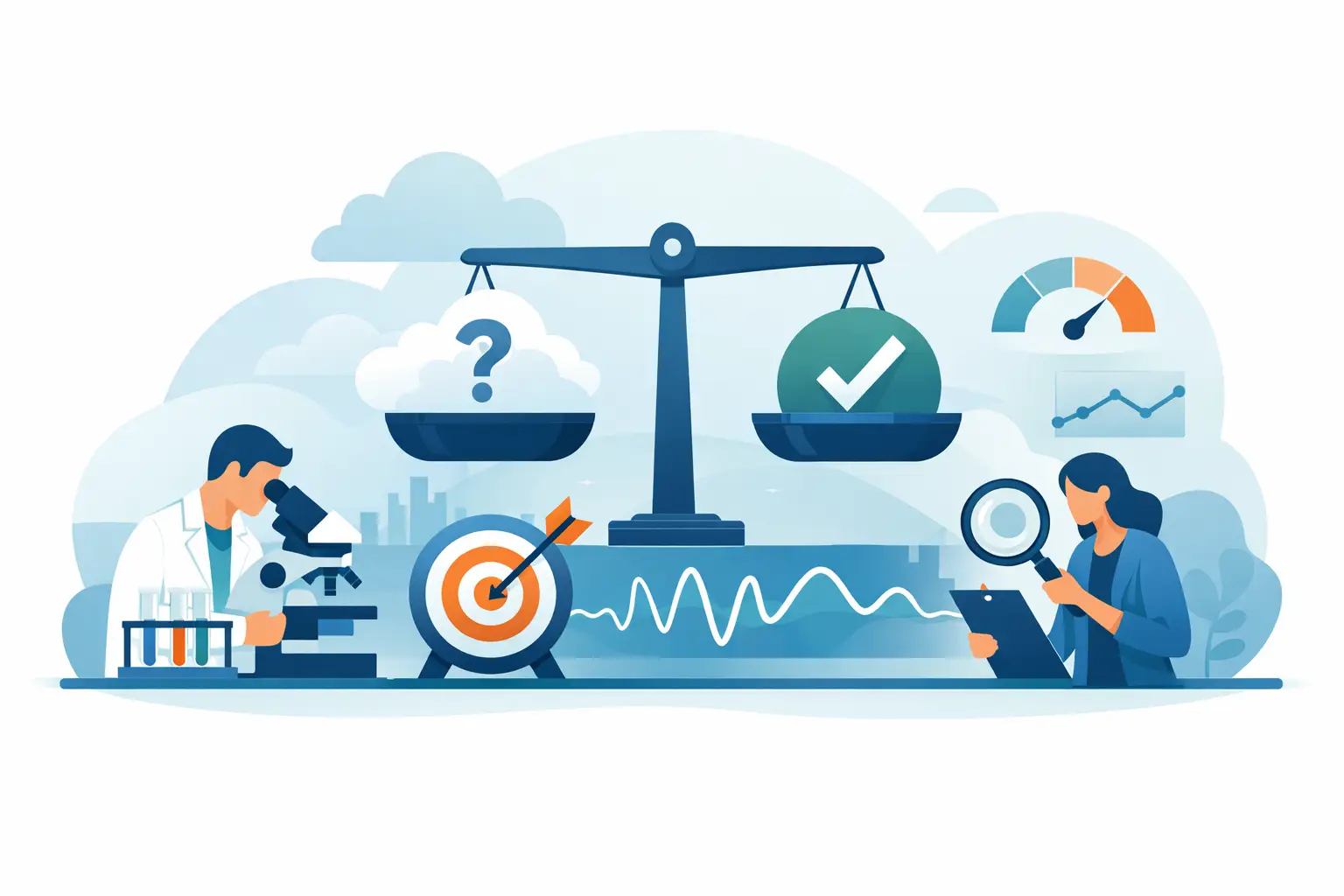
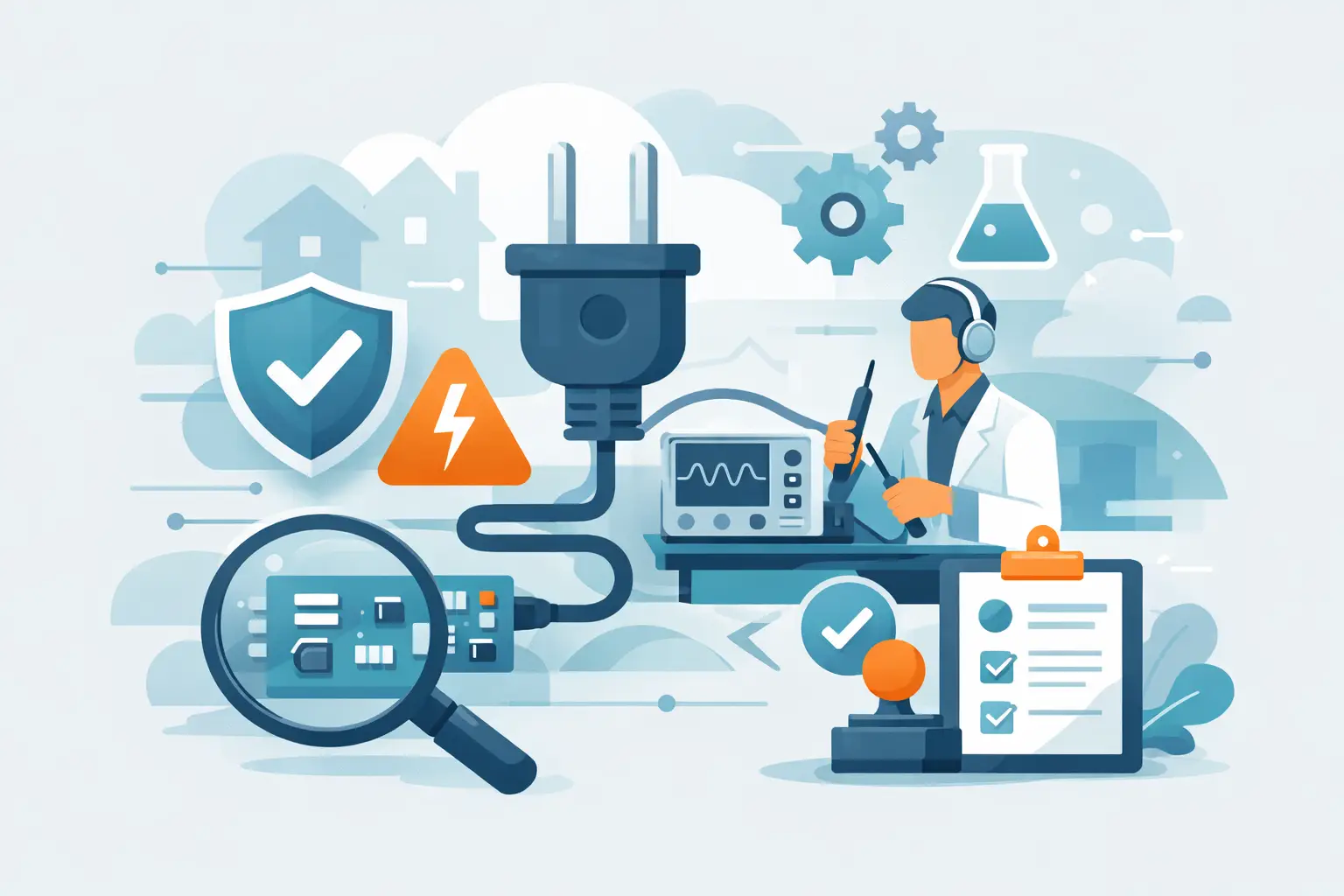
In practical terms, ISO accreditation indicates that a calibration laboratory has been independently assessed for technical competence, defined methods, traceability, and quality management. For test equipment users, that matters because calibration is not just a check-the-box exercise. It is a technical activity with real impact on uncertainty, pass-fail decisions, and regulatory records.
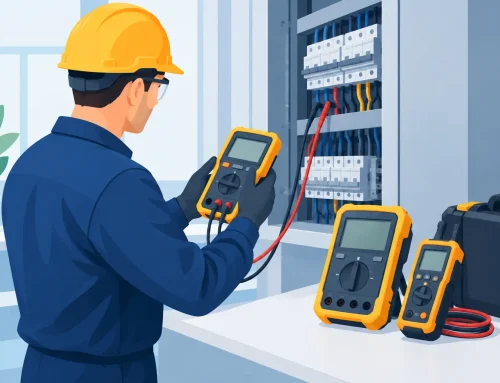
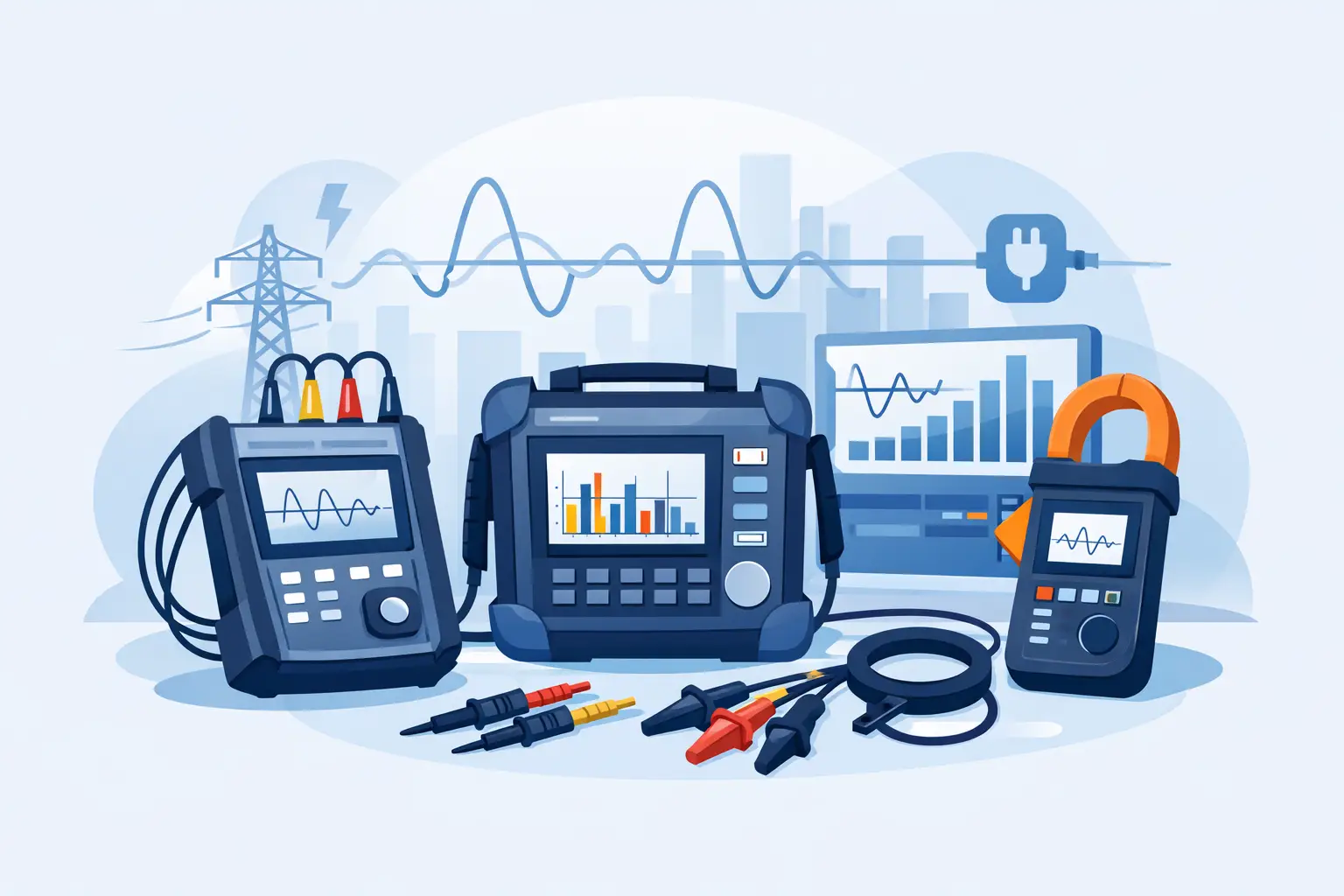
The key distinction is between a calibration that confirms readings against a standard and a calibration performed under an accredited scope. An accredited lab is assessed for specific parameters, ranges, and capabilities. That scope matters. If your high-voltage meter, power analyzer, insulation tester, or precision sensor is being used in a regulated or high-consequence application, you need to know the lab is accredited for the relevant measurement discipline, not just generally certified as a business.
This is where many procurement decisions go sideways. Buyers may assume any calibration provider offering a certificate delivers the same technical value. In reality, the gap between basic calibration and accredited calibration can be significant, especially when instruments support compliance testing, product release, or failure analysis.
Why accredited calibration affects more than compliance
The obvious reason to use accredited services is audit readiness. Customers, regulators, and internal quality systems often require traceable calibration records tied to recognized standards. But the less obvious benefit is better measurement confidence in day-to-day operations.
If your test equipment drifts and that drift goes undetected or is poorly characterized, the consequences compound quickly. You may reject good units, release marginal product, misinterpret R&D results, or spend time troubleshooting a process that is not actually at fault. In high-voltage, low-current, RF, displacement, or power measurement applications, even small deviations can change engineering decisions.
Accredited calibration helps reduce that risk because the work is tied to controlled procedures, documented uncertainty, environmental controls, and traceable reference standards. For a quality manager, that strengthens records. For a test engineer, it improves confidence that the instrument is performing as expected in the range that matters.
Where ISO accredited calibration services matter most
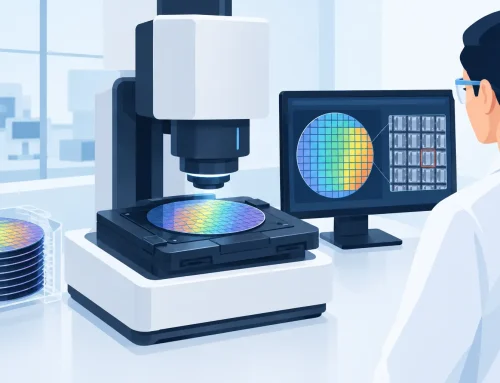
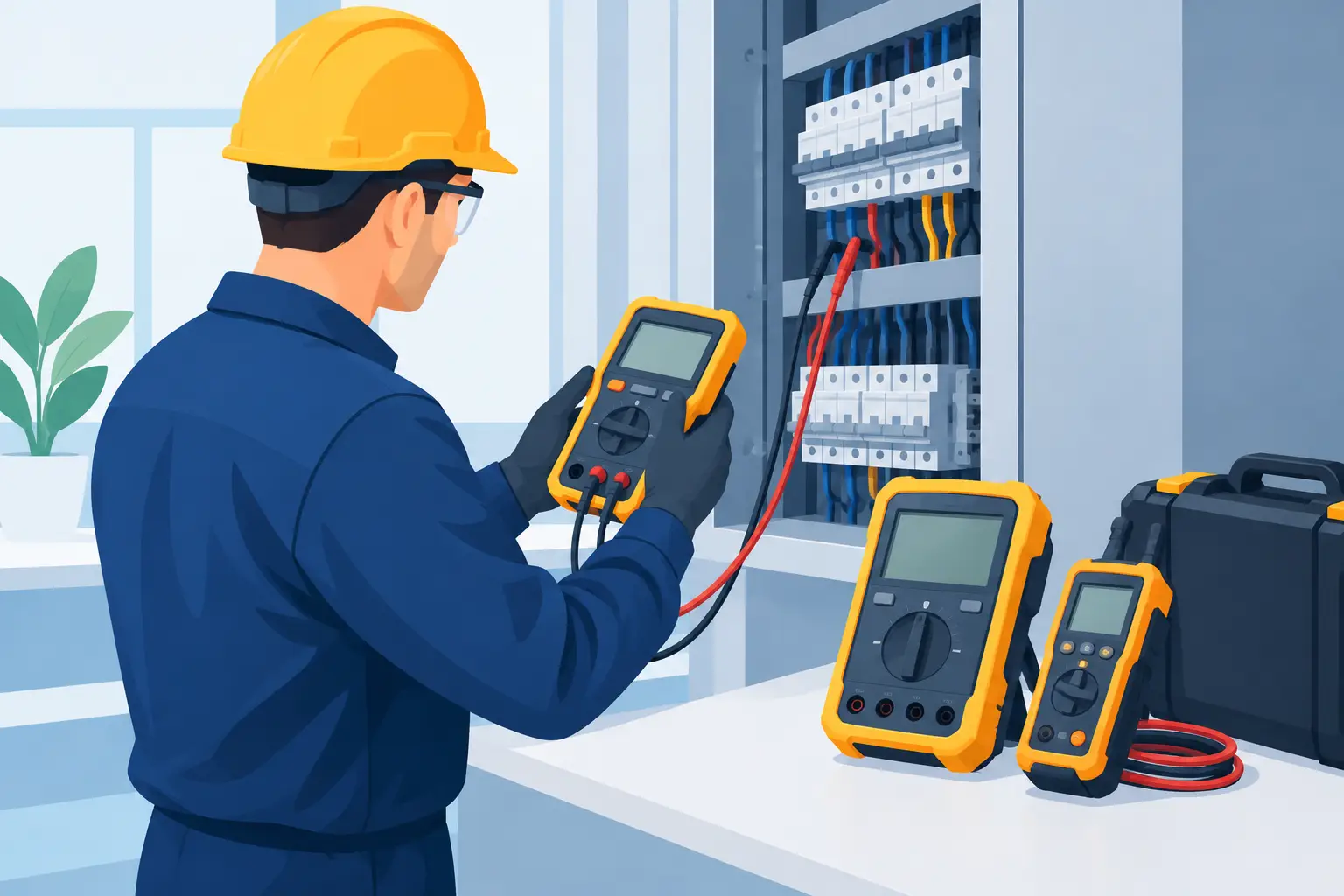
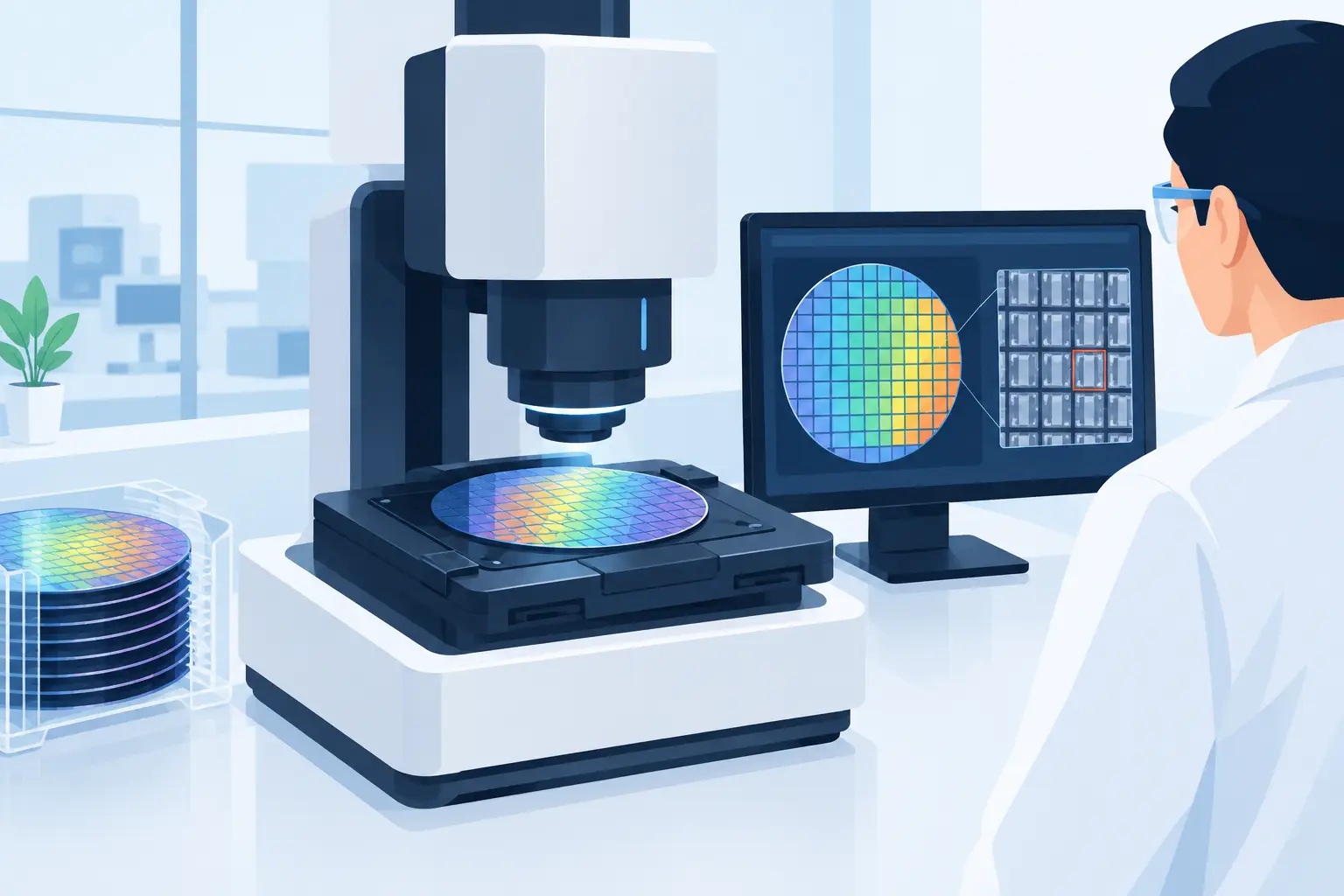
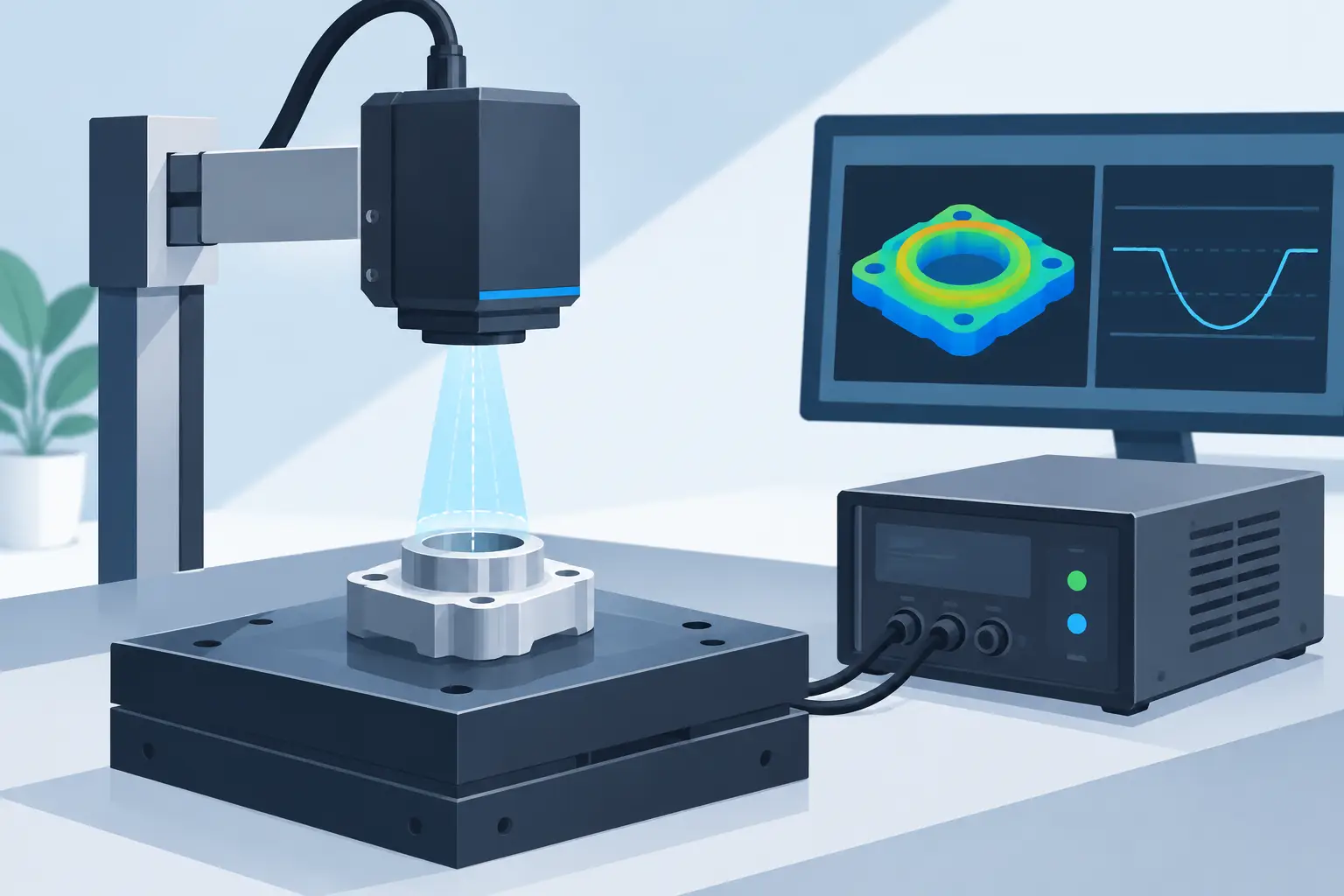
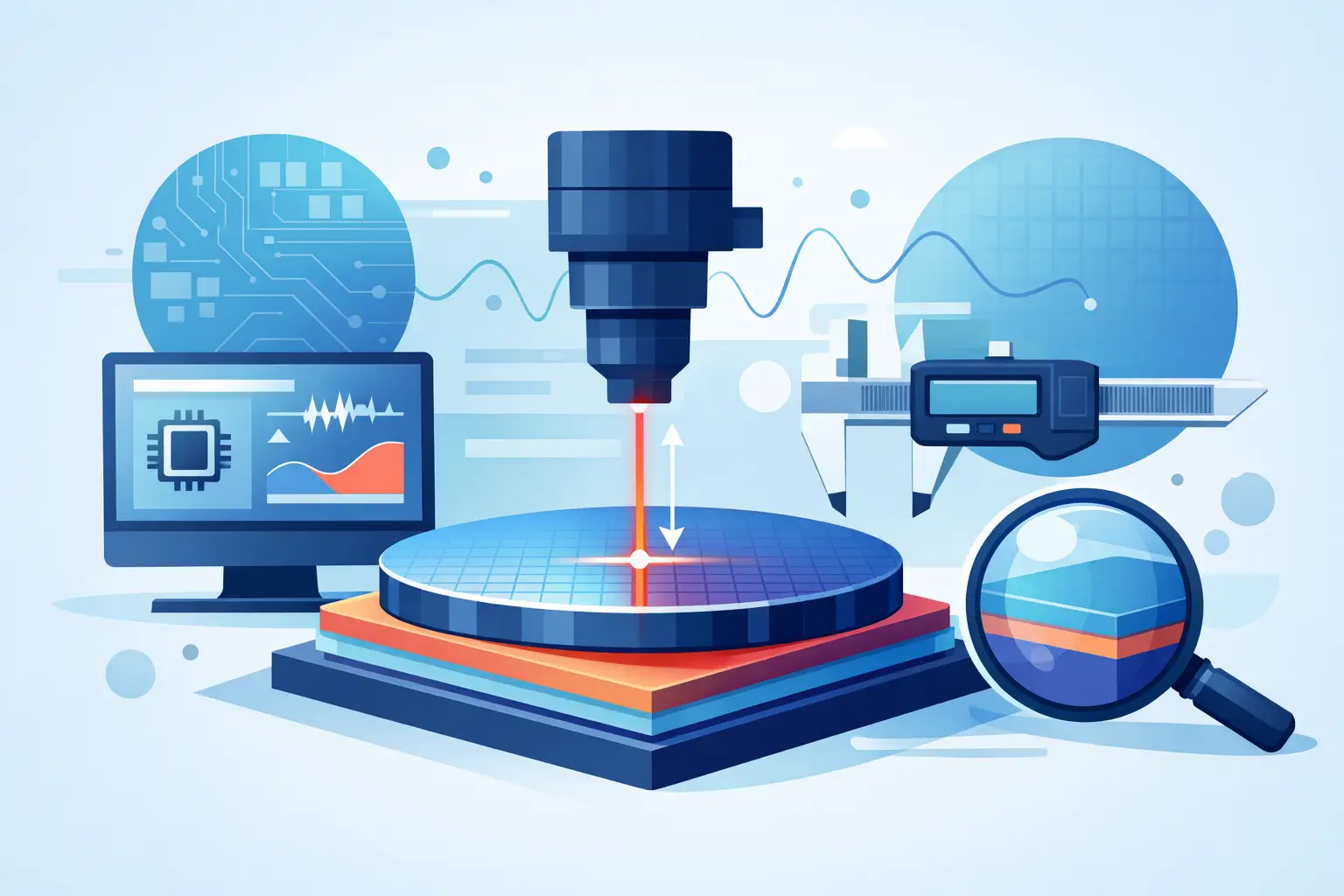
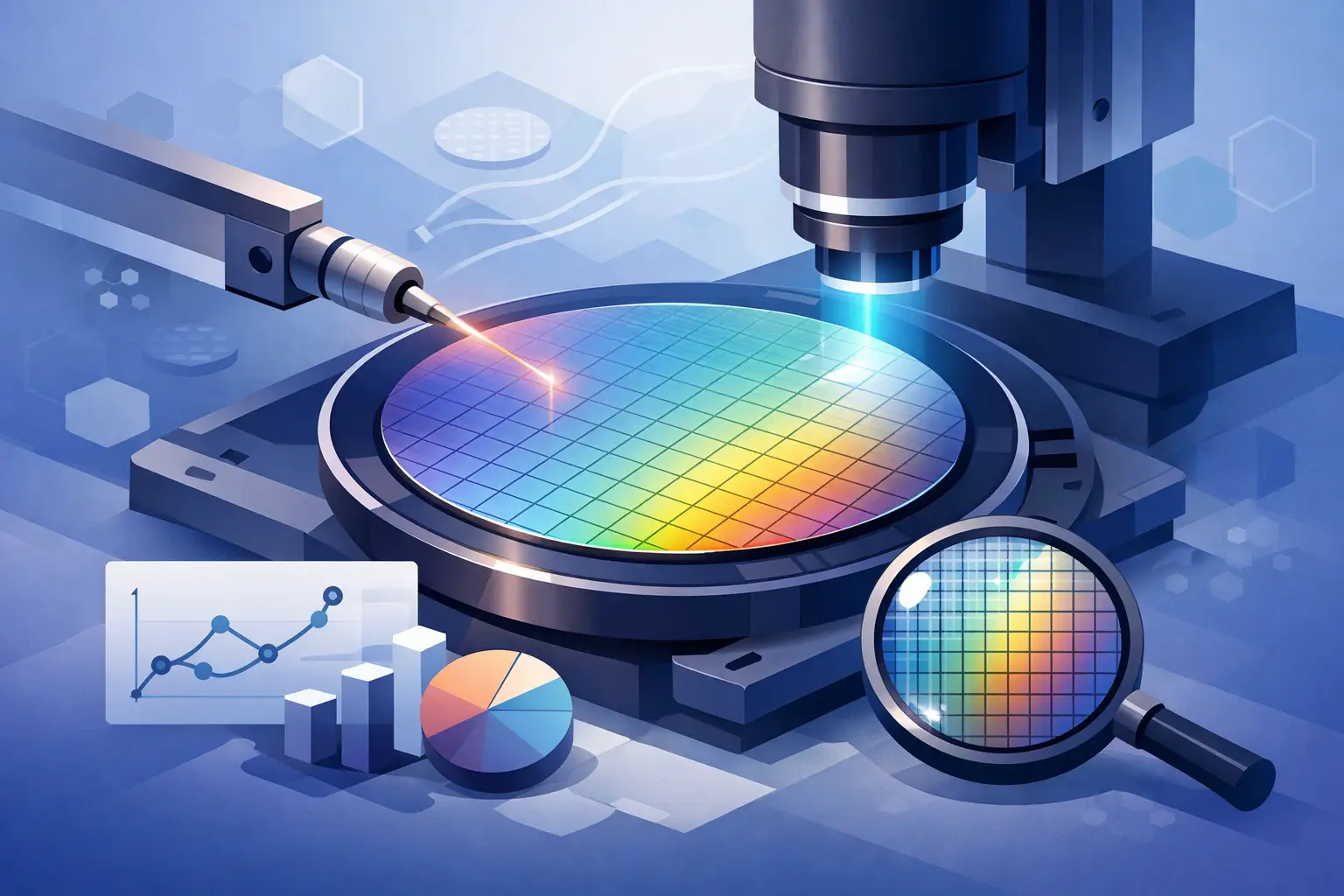
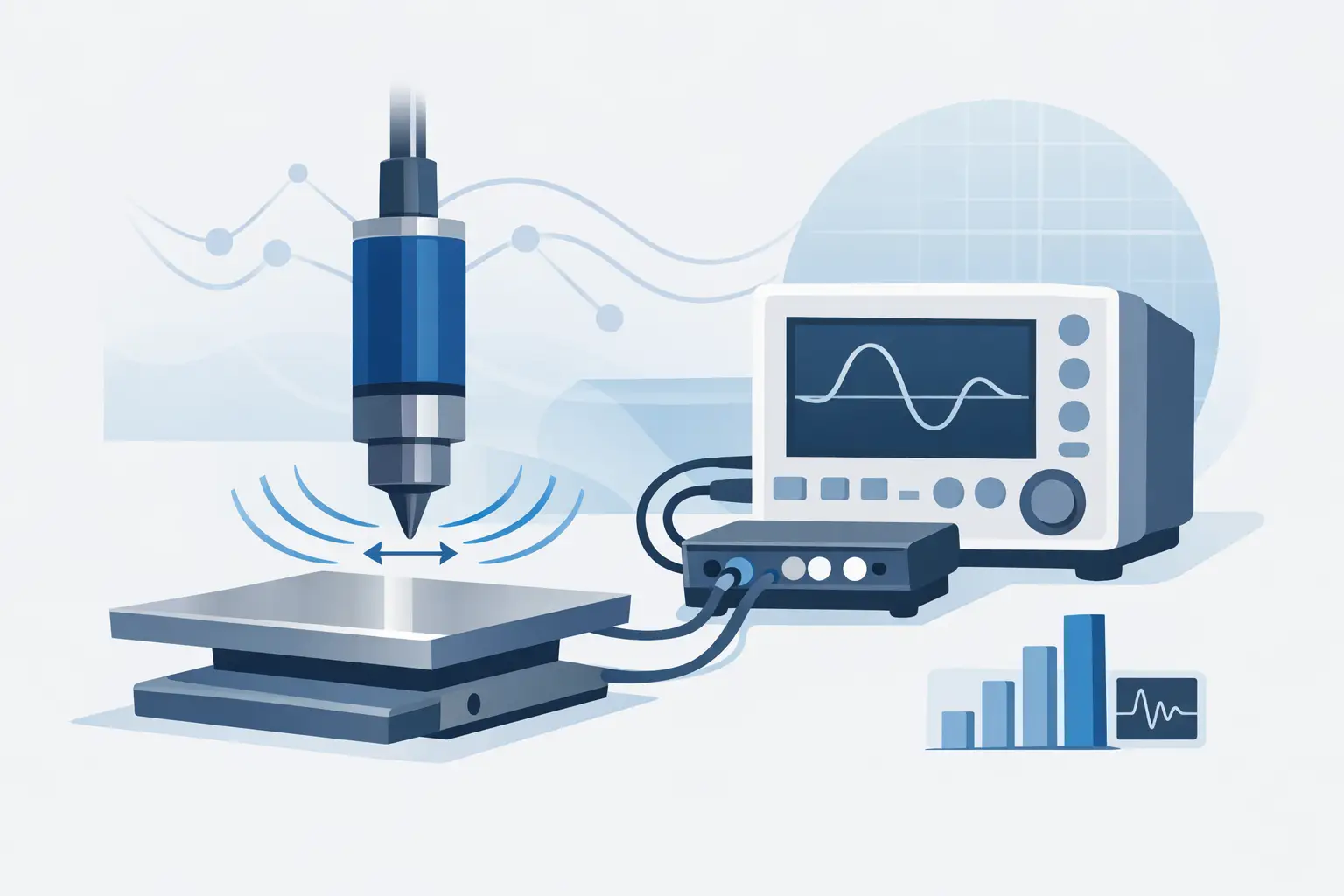
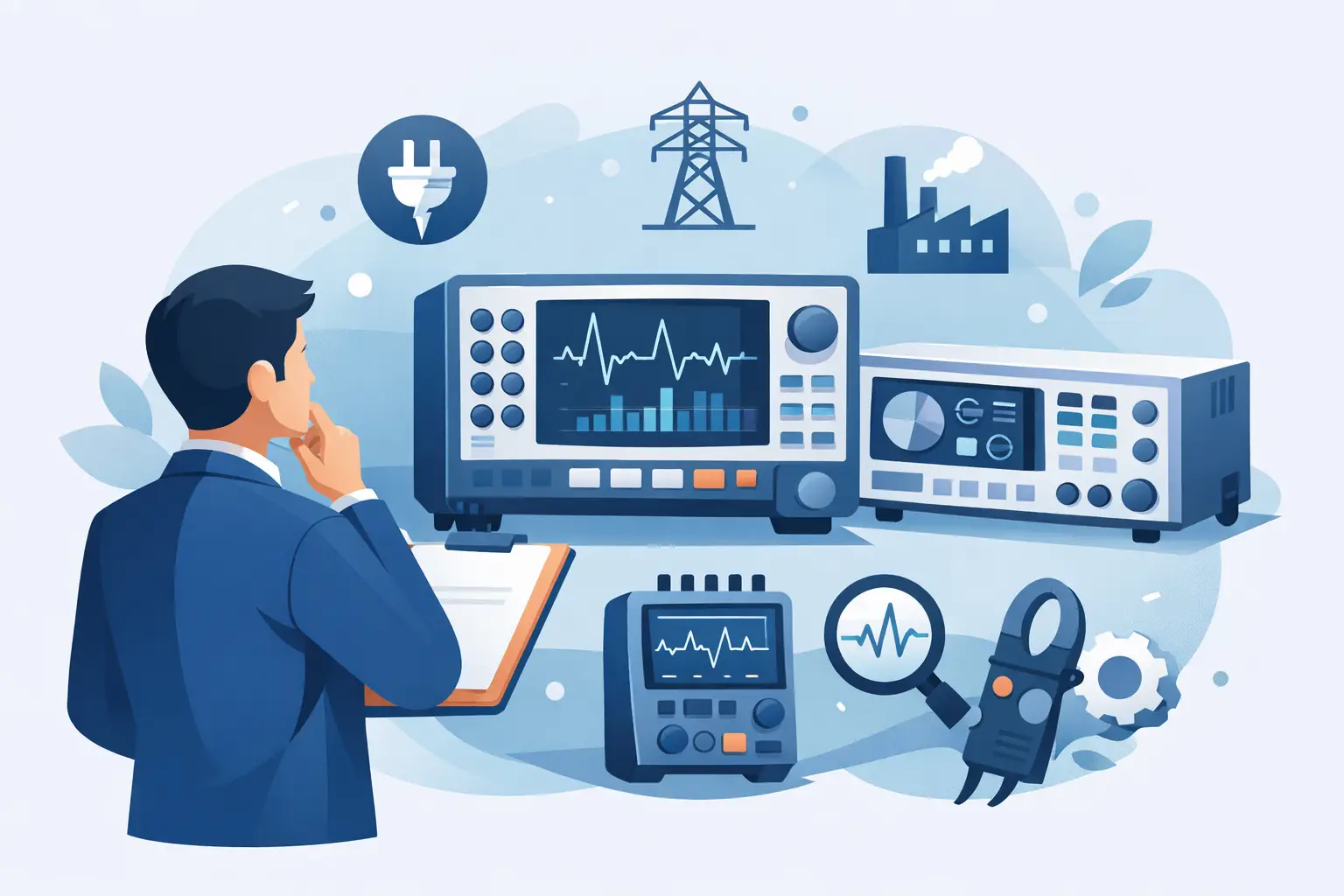
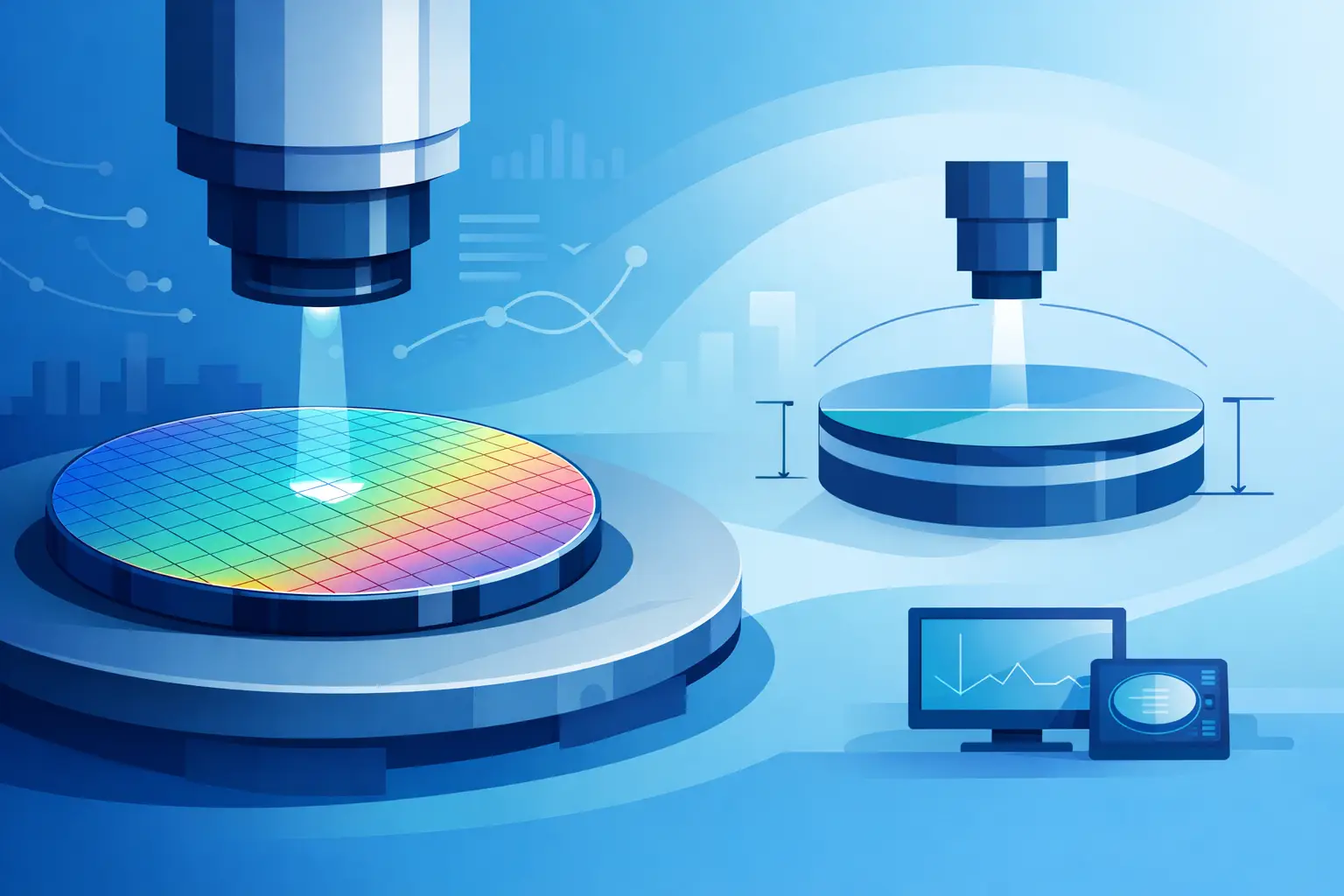
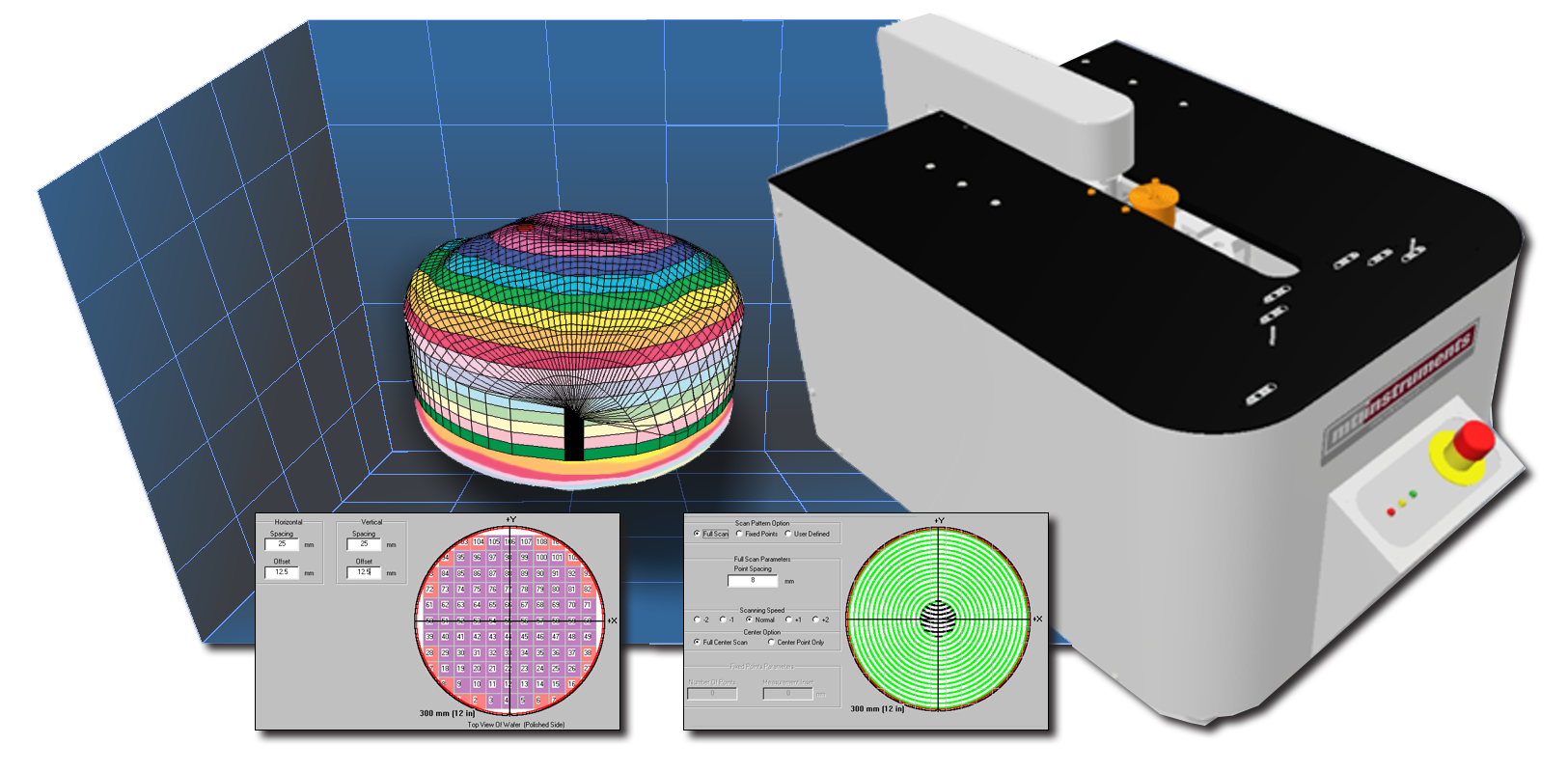
Not every instrument carries the same risk profile. A handheld tool used for rough screening does not demand the same calibration rigor as a production hipot tester, a precision power analyzer, a high-voltage measurement system, or a displacement sensor used in wafer metrology.
The need for ISO accredited calibration services for test equipment becomes more critical when the instrument supports safety testing, final acceptance, design validation, regulated manufacturing, or customer certification. In those cases, calibration is tied directly to product liability, contractual compliance, or process capability.
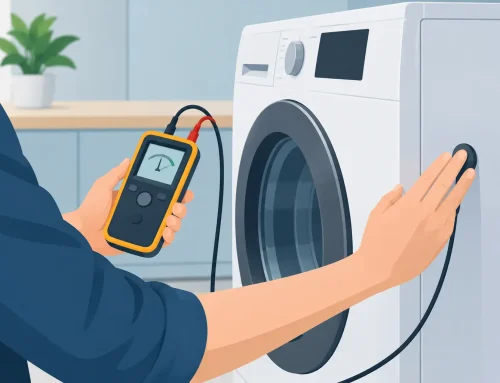
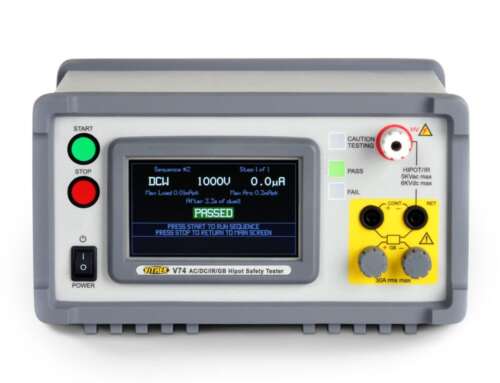
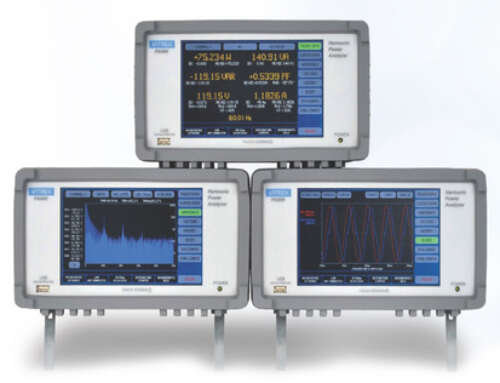
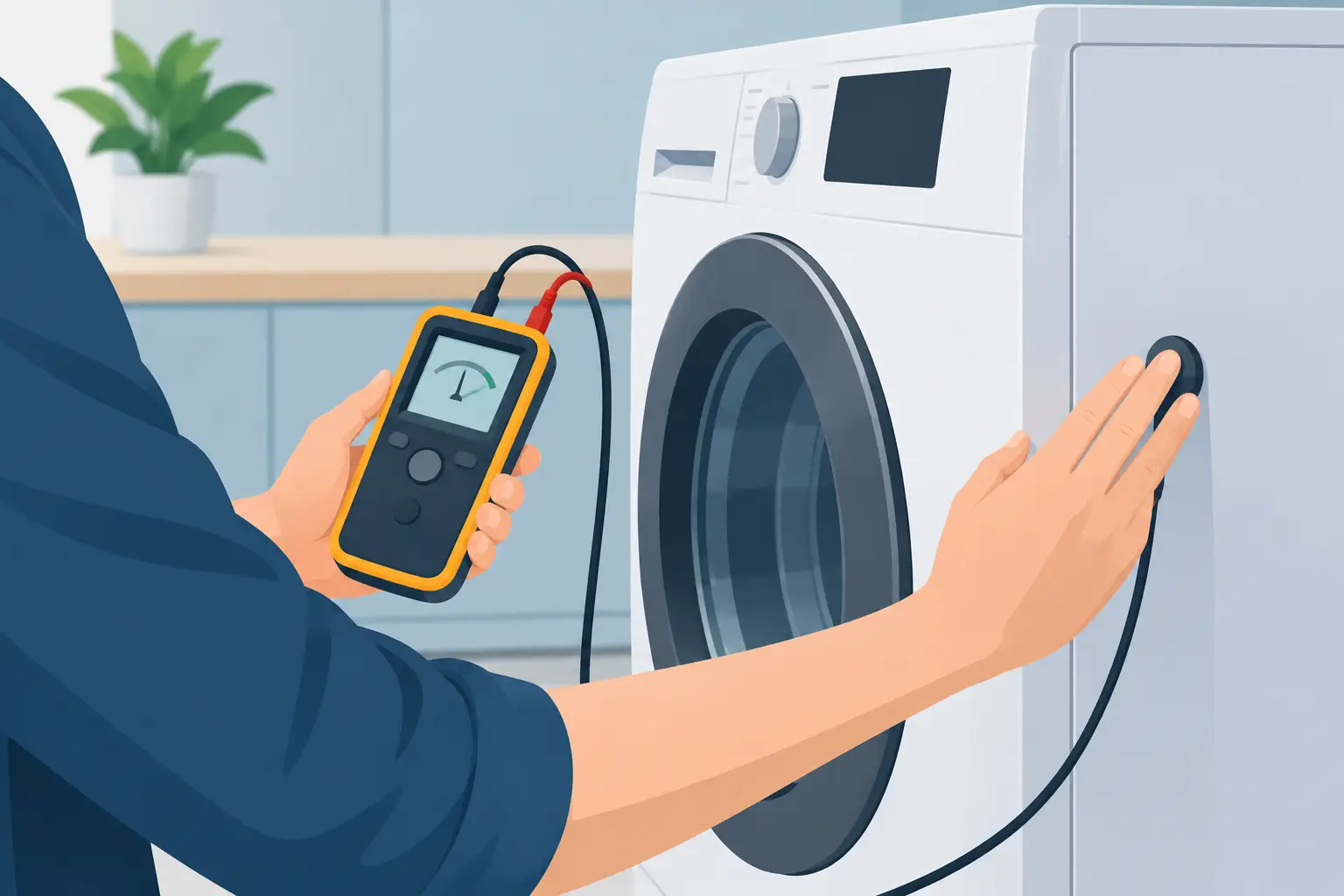
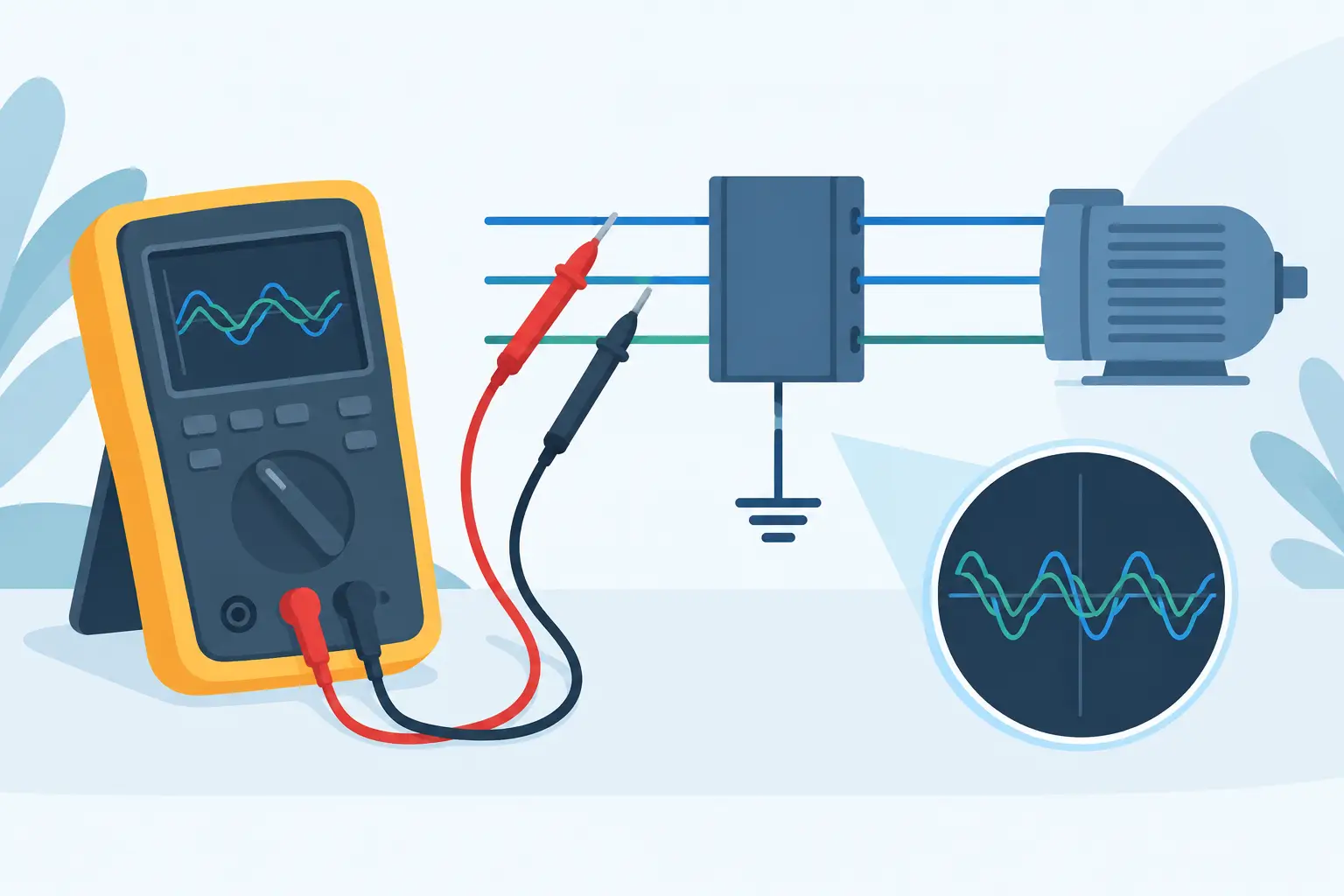
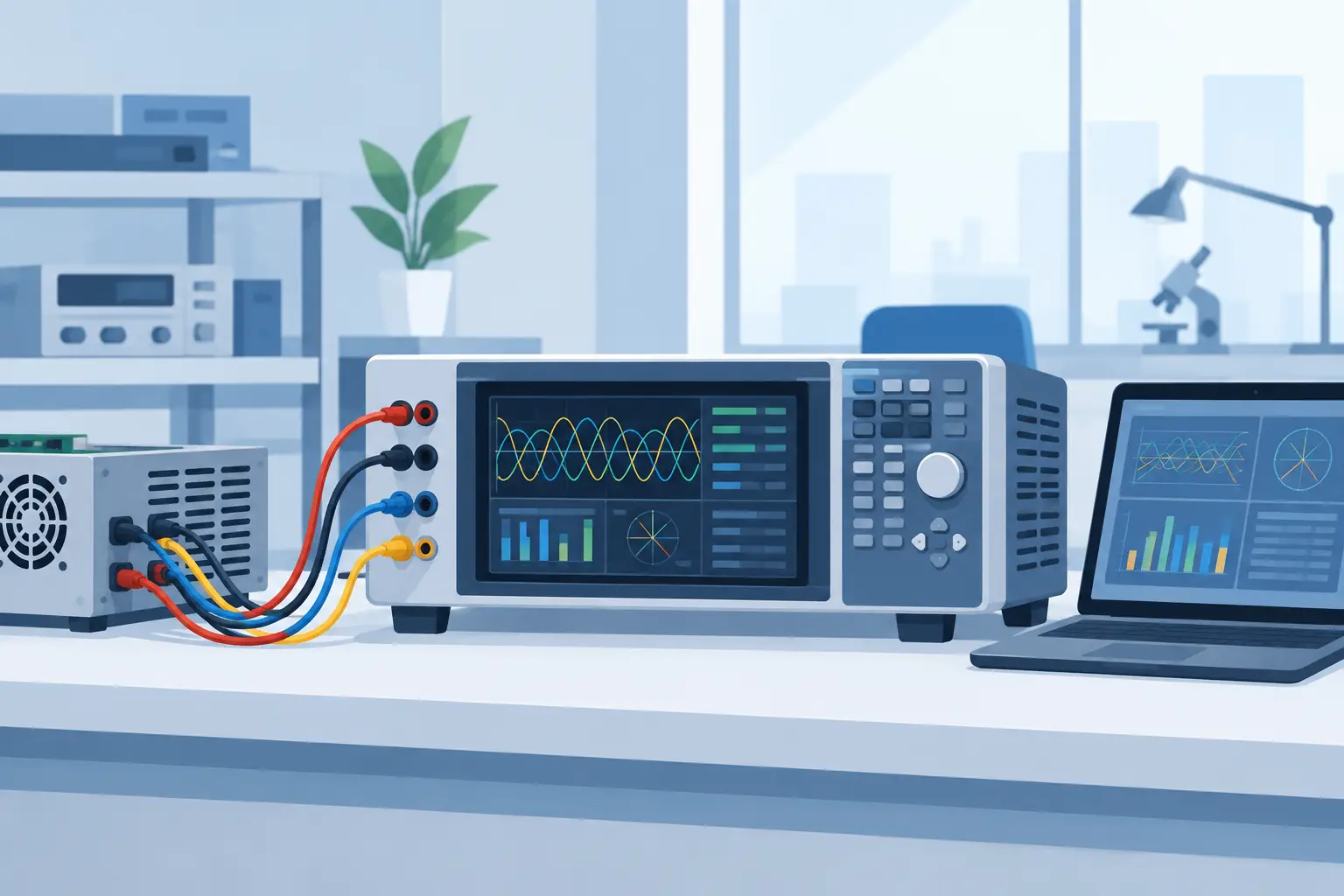
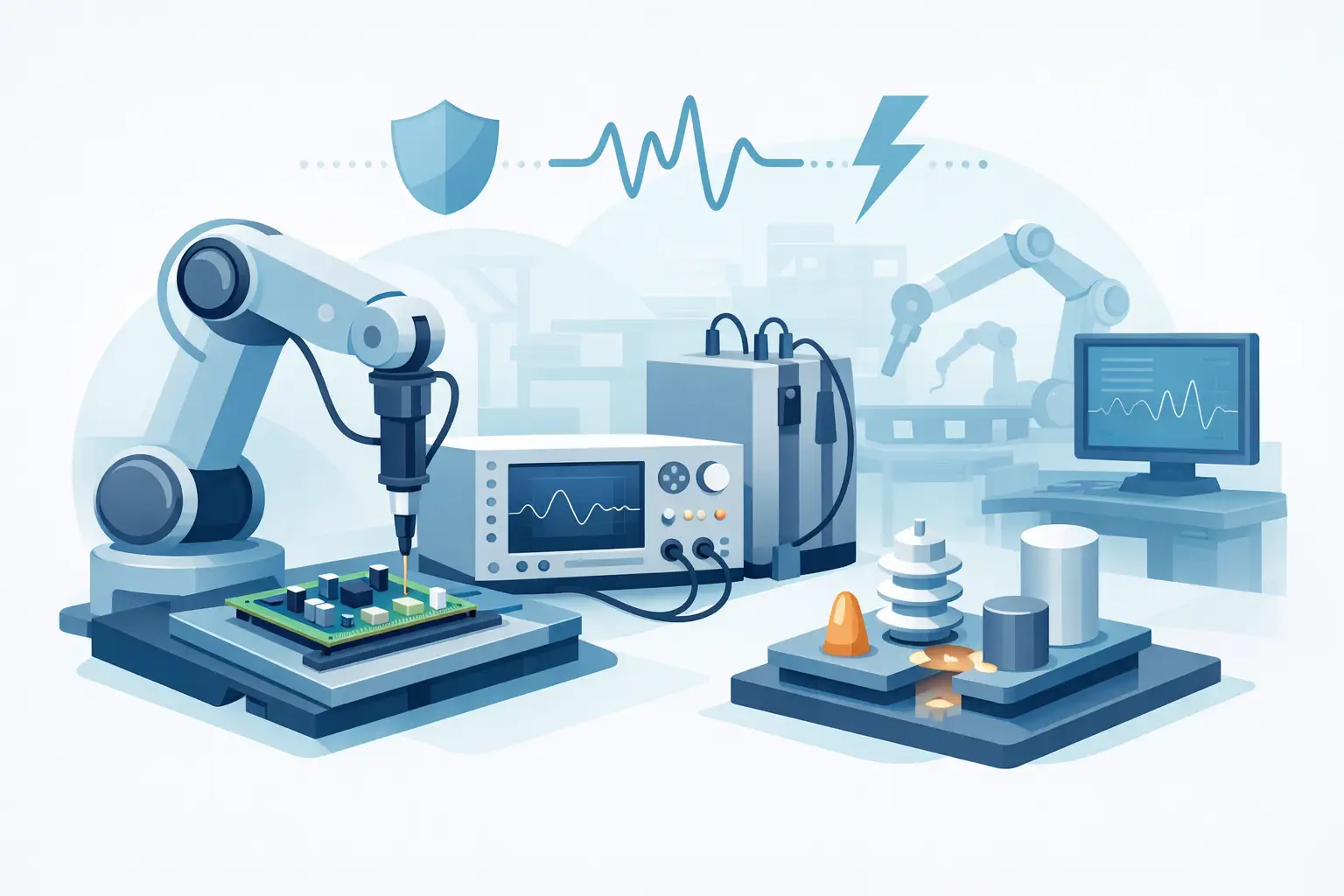
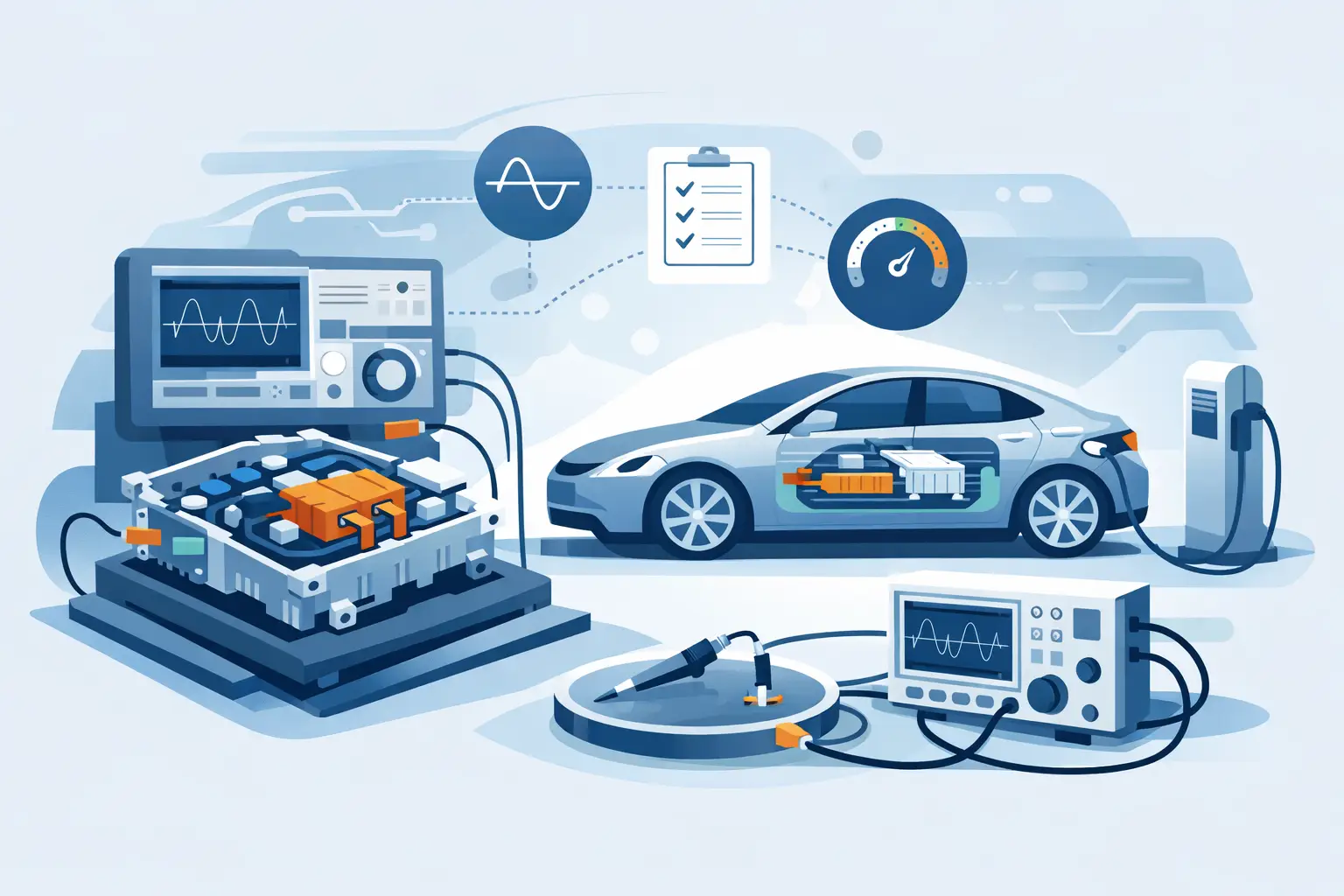
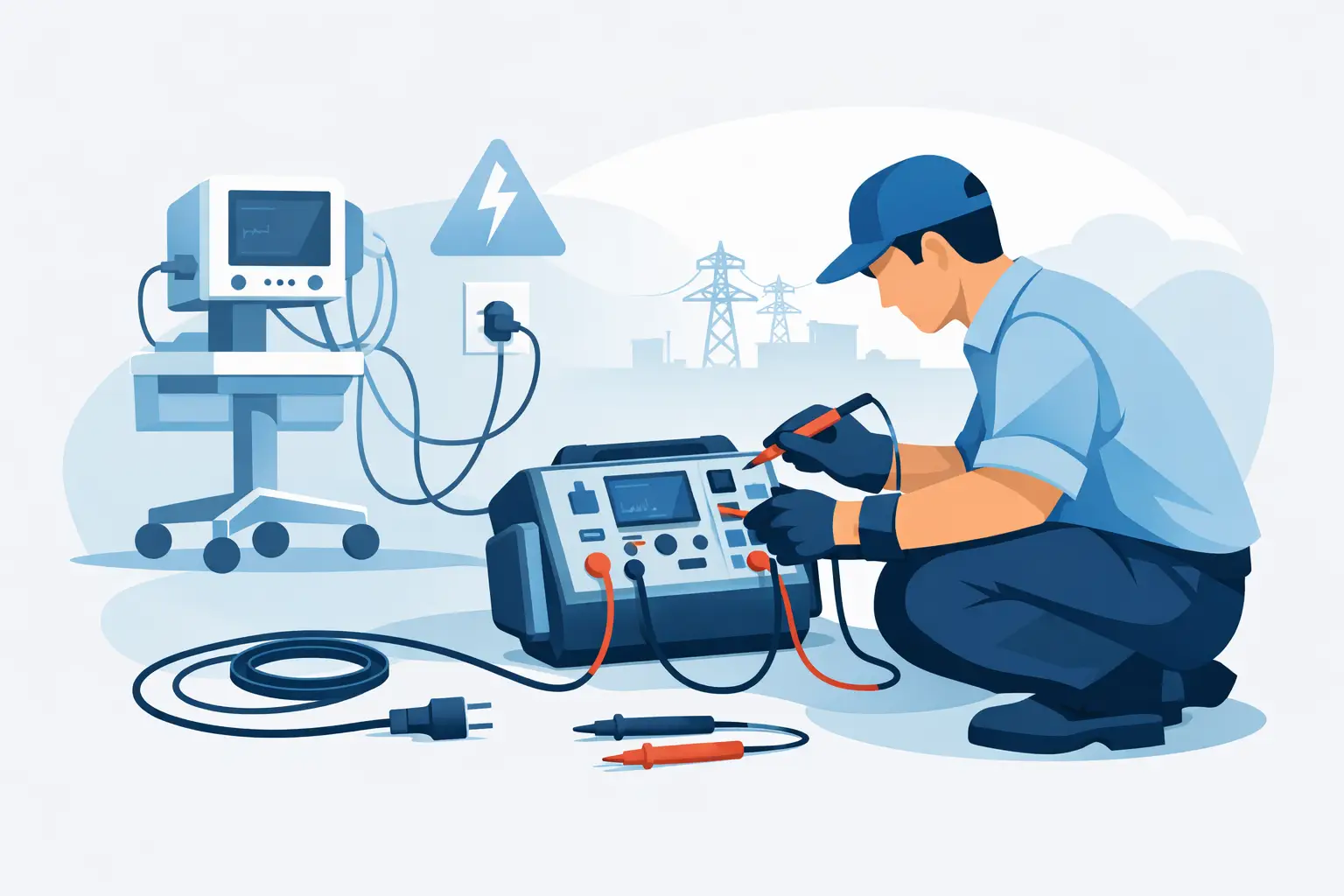
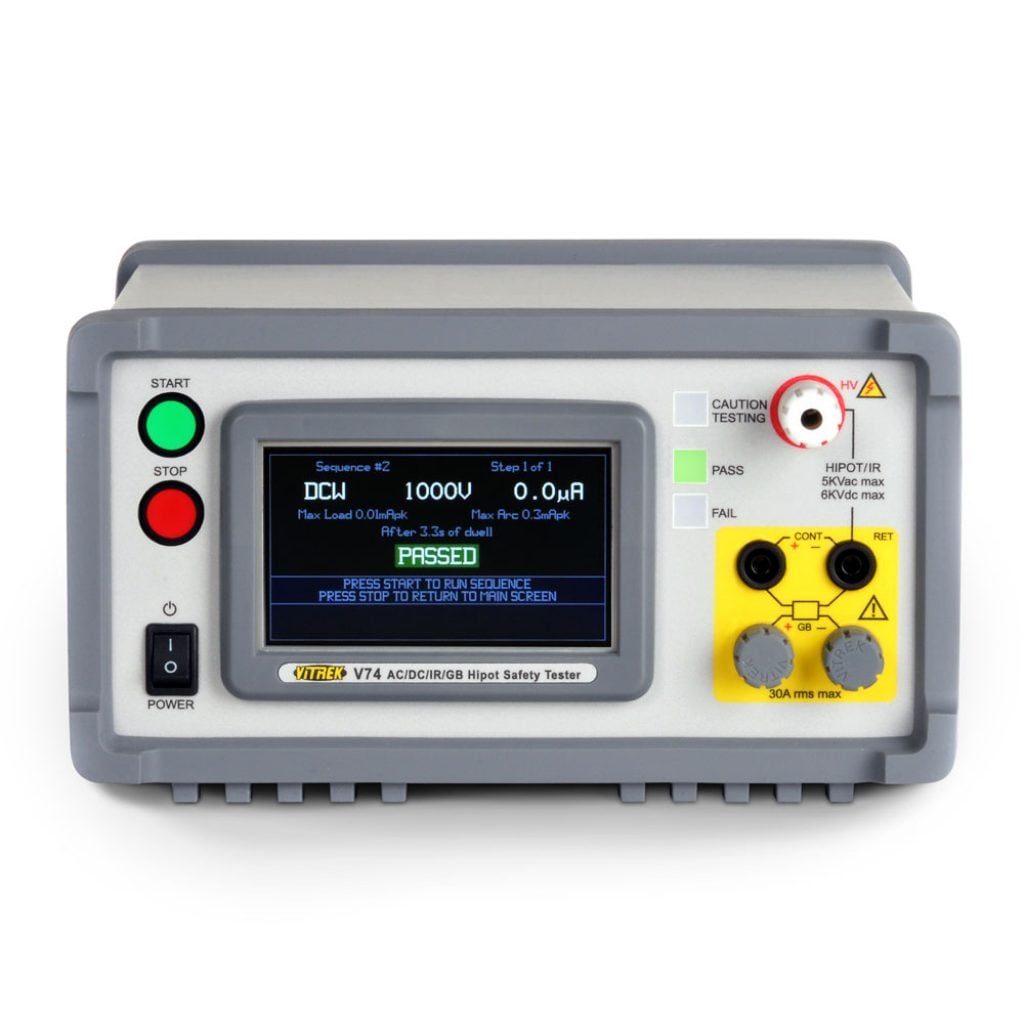
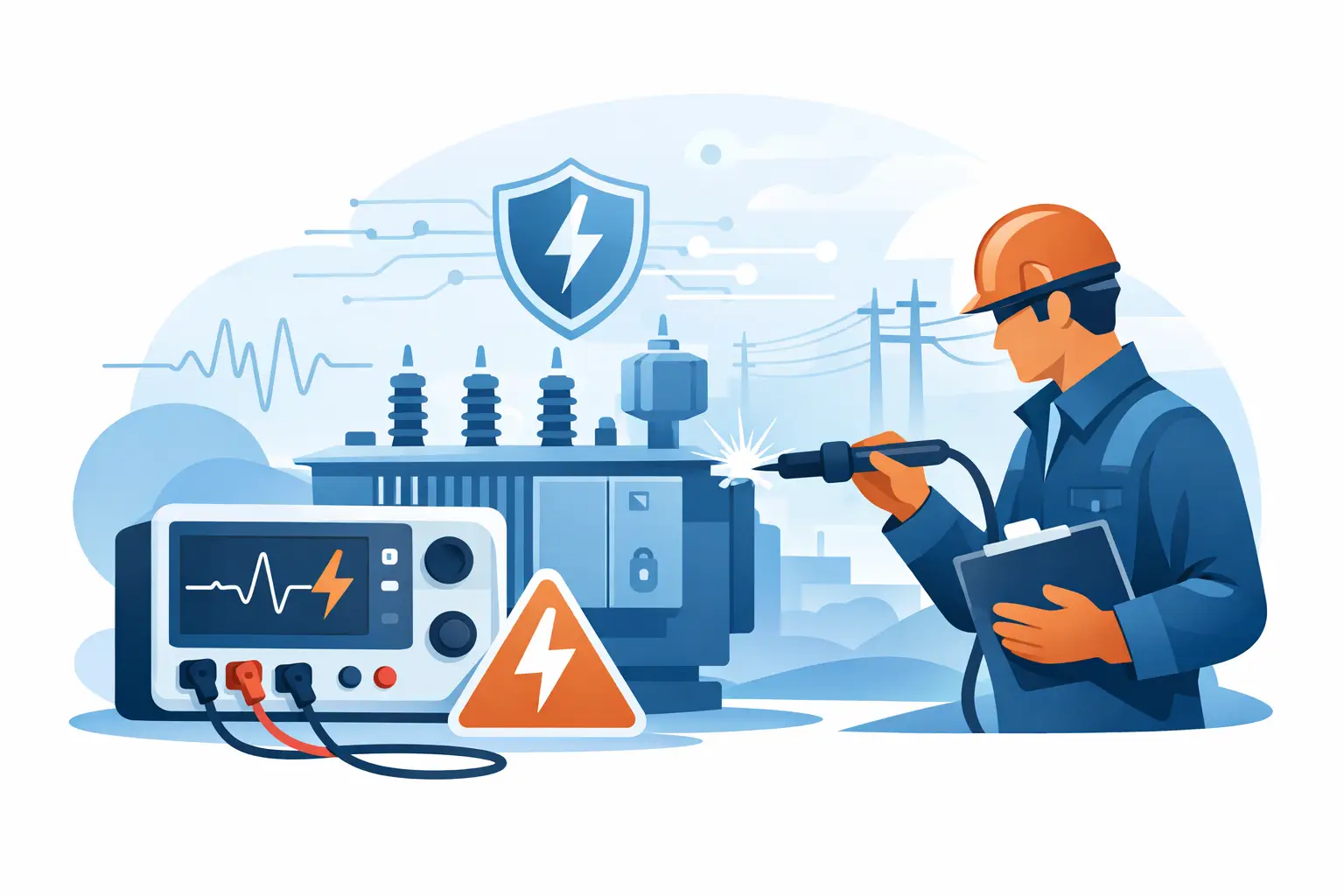
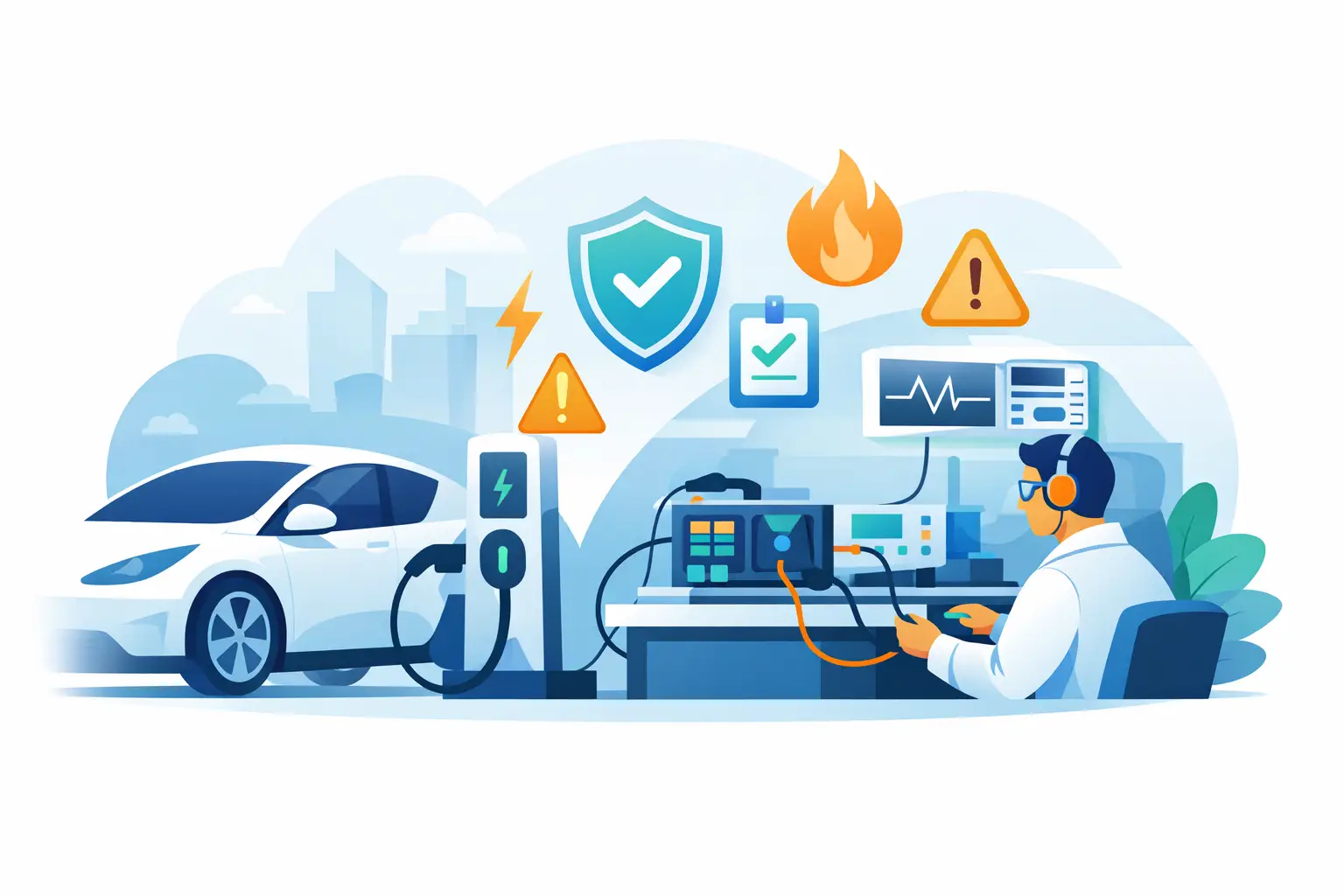
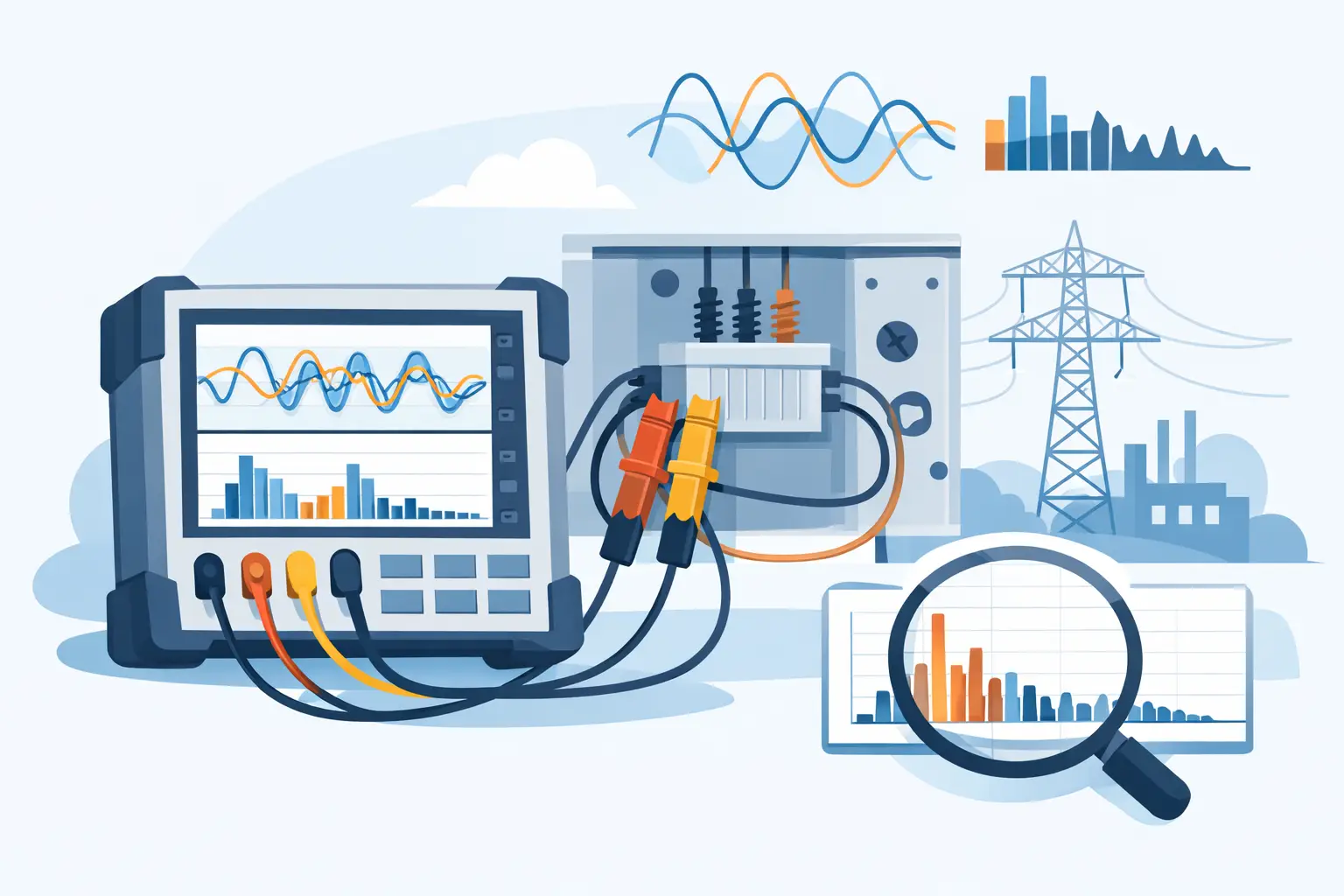
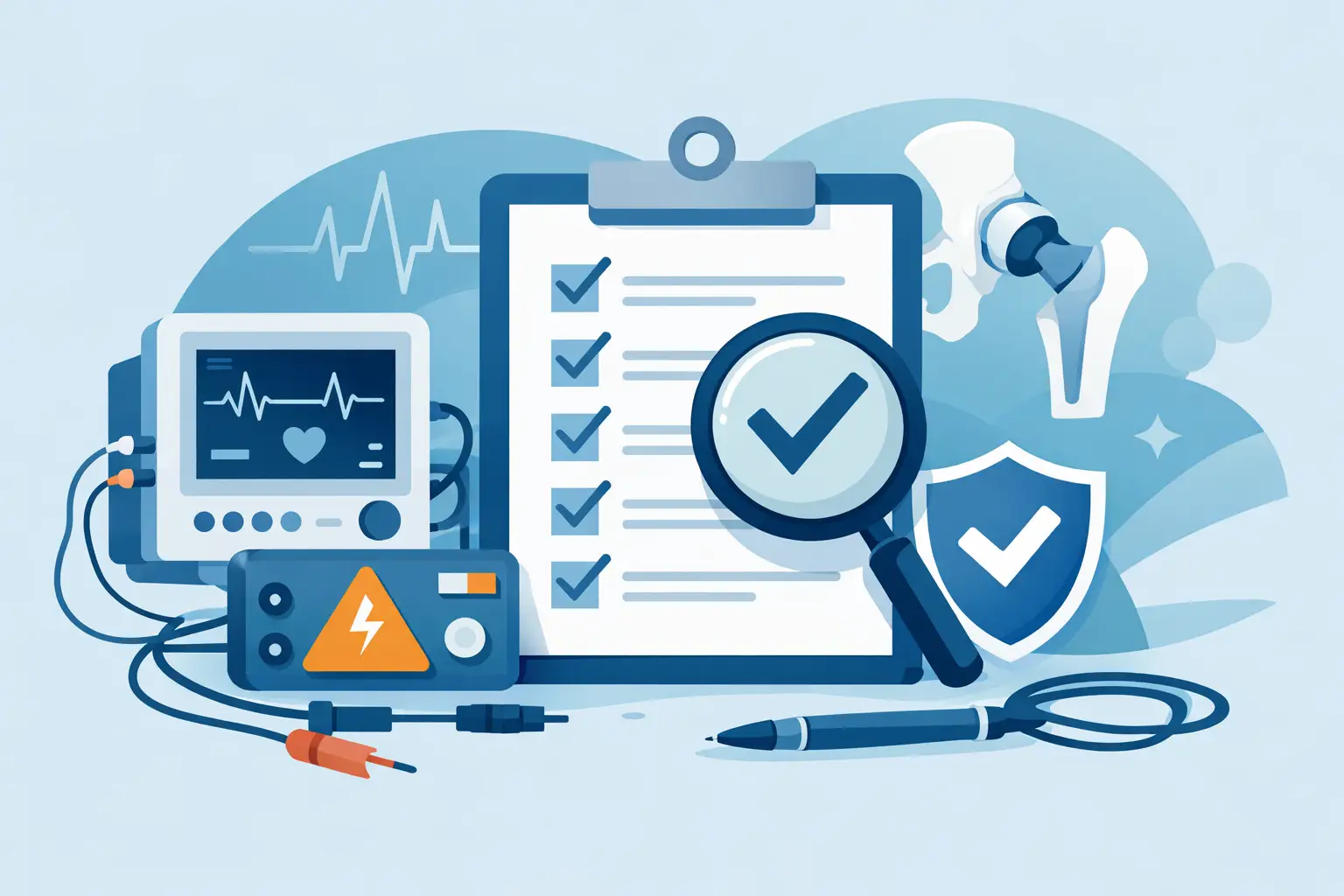
For example, an electrical safety tester in appliance or medical manufacturing must deliver repeatable and traceable output because its measurements support safety claims. A power analyzer used in EV or inverter testing must remain accurate across relevant operating conditions because efficiency calculations and performance validation depend on it. A high-speed digitizer in defense or research settings may require calibration quality that preserves confidence in waveform capture and timing performance. The higher the consequence of bad data, the less sense it makes to treat calibration as a commodity.
What to evaluate in a calibration provider
A strong provider should be able to explain more than turnaround time and pricing. Start with scope. The lab should be accredited for the actual parameters and ranges relevant to your equipment. If your instrument measures high voltage, low resistance, leakage current, power, frequency, displacement, or other specialized values, those capabilities should be covered clearly.
Next, review uncertainty. The provider should be able to state whether its calibration capability is appropriate for your instrument specifications and your intended use. This is not always a simple yes-or-no question. An instrument may pass calibration but still be a poor fit for your required test ratio or guardbanding approach.
Methodology also matters. Some instruments need manufacturer-specific procedures, firmware awareness, functional checks, adjustment capability, or application-specific verification points. Generic methods can miss performance issues that show up only under realistic operating conditions.
Service depth is another differentiator. A lab that understands the instrument category can often identify developing problems before they become failures. That can include drift trends, worn components, connector damage, insulation issues, or software-related anomalies. For organizations trying to minimize downtime, that level of technical familiarity is often worth more than a low initial quote.
The trade-off between speed, cost, and measurement confidence
There is no single calibration model that fits every operation. Some organizations optimize for lowest cost on noncritical assets and reserve accredited service for production or compliance-related equipment. Others standardize accredited calibration across their fleet to simplify audits and reduce risk.
That decision usually depends on the cost of bad data. If an instrument supports product certification, customer acceptance, or safety validation, calibration quality should be treated as part of the test system, not as an external administrative service. If the instrument is used in early-stage troubleshooting or noncritical monitoring, a different service level may be reasonable.
Turnaround time creates another trade-off. Fast service is valuable, especially when a production line or validation lab is waiting. But speed should not come at the expense of proper procedures, full data reporting, or technical review. The right provider balances responsiveness with calibration integrity.
Calibration intervals should be based on evidence
Annual calibration is common, but it is not automatically correct. Some instruments remain stable enough to justify interval extension, while others in heavy-use, harsh, or high-stress environments may need more frequent calibration. Usage profile, environmental conditions, transport frequency, prior drift history, and process criticality all matter.
A mature calibration program uses historical data instead of default assumptions. If a specific class of test equipment consistently remains well within tolerance, extending intervals may reduce service cost without increasing risk. If another group shows recurring adjustment or out-of-tolerance conditions, shortening intervals may protect process capability.
This is one reason calibration records deserve engineering review rather than simple filing. The certificate is part of the story. Trend data is often more useful.
Why OEM and application knowledge can improve results
For specialized instrumentation, calibration quality often improves when the provider understands the original design intent and performance architecture. That does not mean every instrument must go back to the manufacturer, but it does mean technical familiarity matters.
An OEM or highly specialized calibration partner may have better access to approved procedures, adjustment methods, design tolerances, and known failure patterns. That can be especially important for advanced electrical safety testers, precision analyzers, high-voltage systems, digitizers, and non-contact metrology instruments.
Instruments used in regulated and mission-critical environments are rarely isolated assets. They are part of a broader measurement workflow that includes fixtures, software, operators, test limits, and quality records. A calibration provider that understands that workflow can often support better decisions about service intervals, repairs, replacement timing, and overall test reliability. For companies managing mixed fleets across multiple sites, that expertise can reduce both uncertainty and administrative friction.
Documentation quality matters during audits and investigations
When an audit occurs or a field issue triggers a root-cause investigation, calibration records move from background paperwork to primary evidence. At that point, incomplete certificates, vague traceability language, or unclear as-found and as-left data can create delays and questions you do not want.
Good documentation should support technical review. That includes instrument identification, calibration date, environmental conditions where relevant, traceability, measurement results, uncertainty where applicable, and clear status reporting. If adjustments were made, that should be visible. If limitations apply, they should be stated plainly.
This is where disciplined providers stand out. They do not just return equipment with a sticker. They provide records that hold up under customer scrutiny and internal quality review.
Choosing calibration as part of your measurement strategy
Accredited calibration is not a standalone purchase. It is one part of a measurement control strategy that includes instrument selection, preventive maintenance, operator training, environmental management, and periodic review of uncertainty requirements.
For organizations running high-consequence test operations, the best approach is to align calibration with application risk. Put the most rigor where the impact of error is highest. Make sure the provider’s scope matches the actual measurements being performed. Review calibration data for trends, not just pass-fail status. And when the instrument is technically specialized, consider a service partner with direct application knowledge.
That approach tends to produce better outcomes than chasing the lowest calibration price or the fastest certificate turnaround. Measurement confidence is built over time, through consistent methods, traceable standards, and service decisions that reflect how the equipment is actually used.
In environments where every reading may affect safety, compliance, yield, or product performance, calibration deserves the same engineering discipline as the test itself.