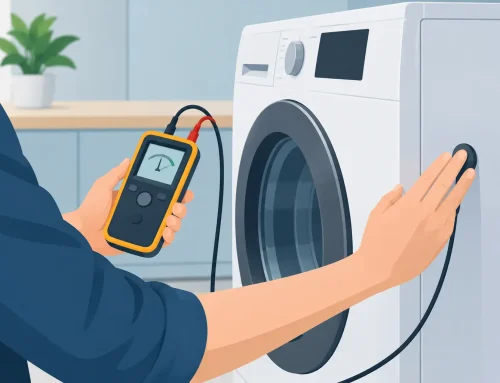
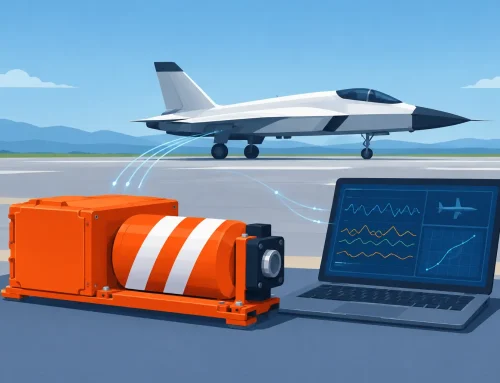
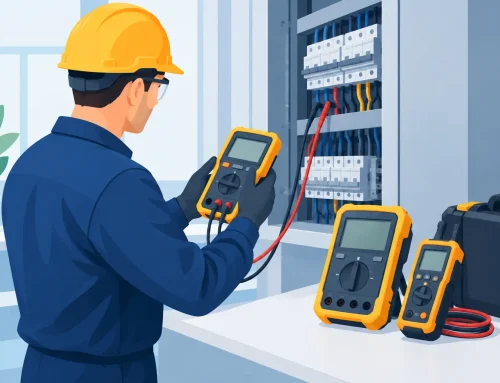
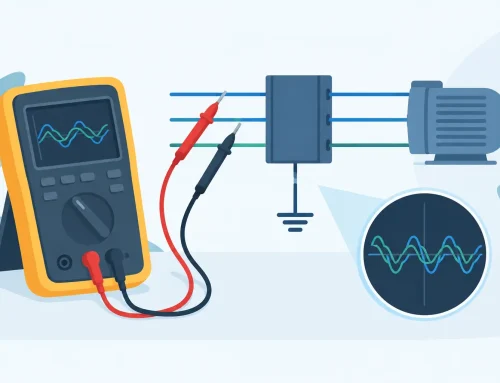
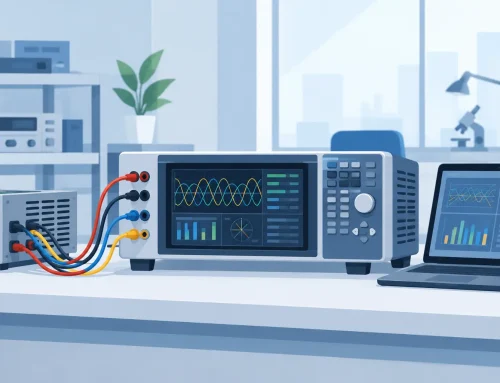
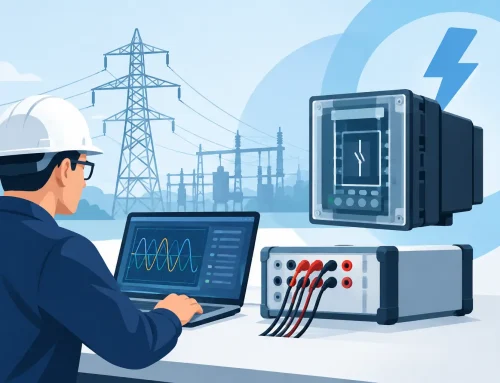
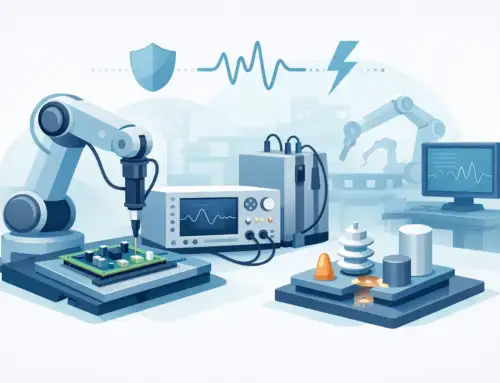
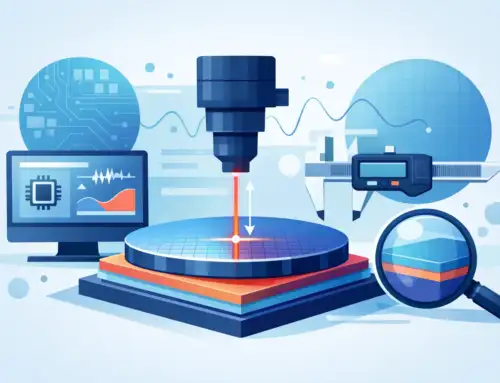
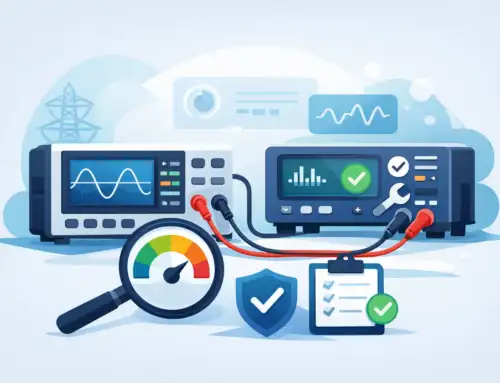
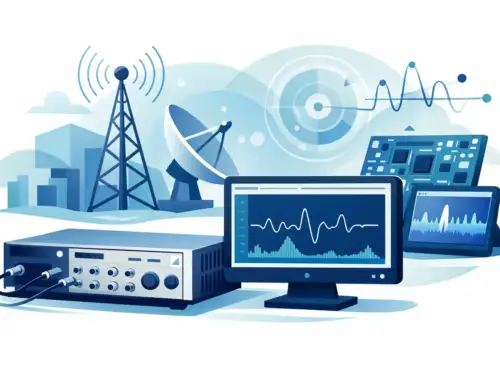
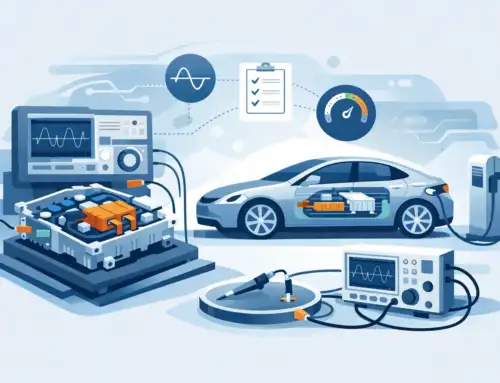
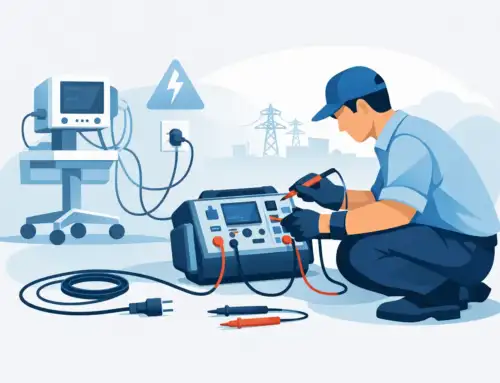
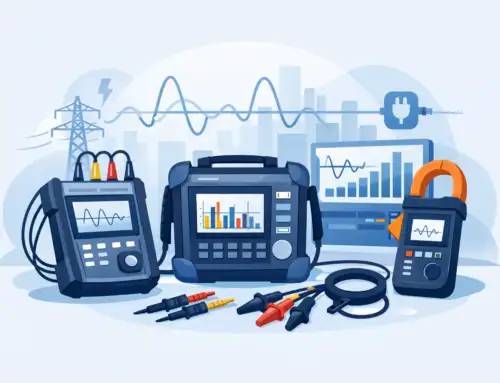
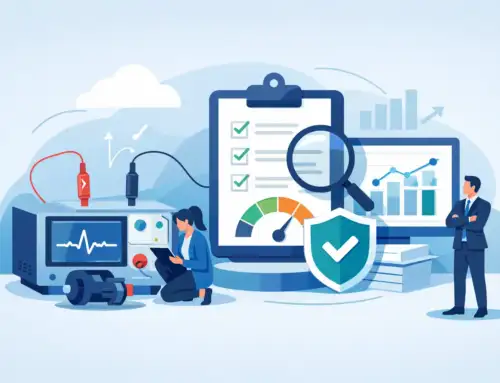
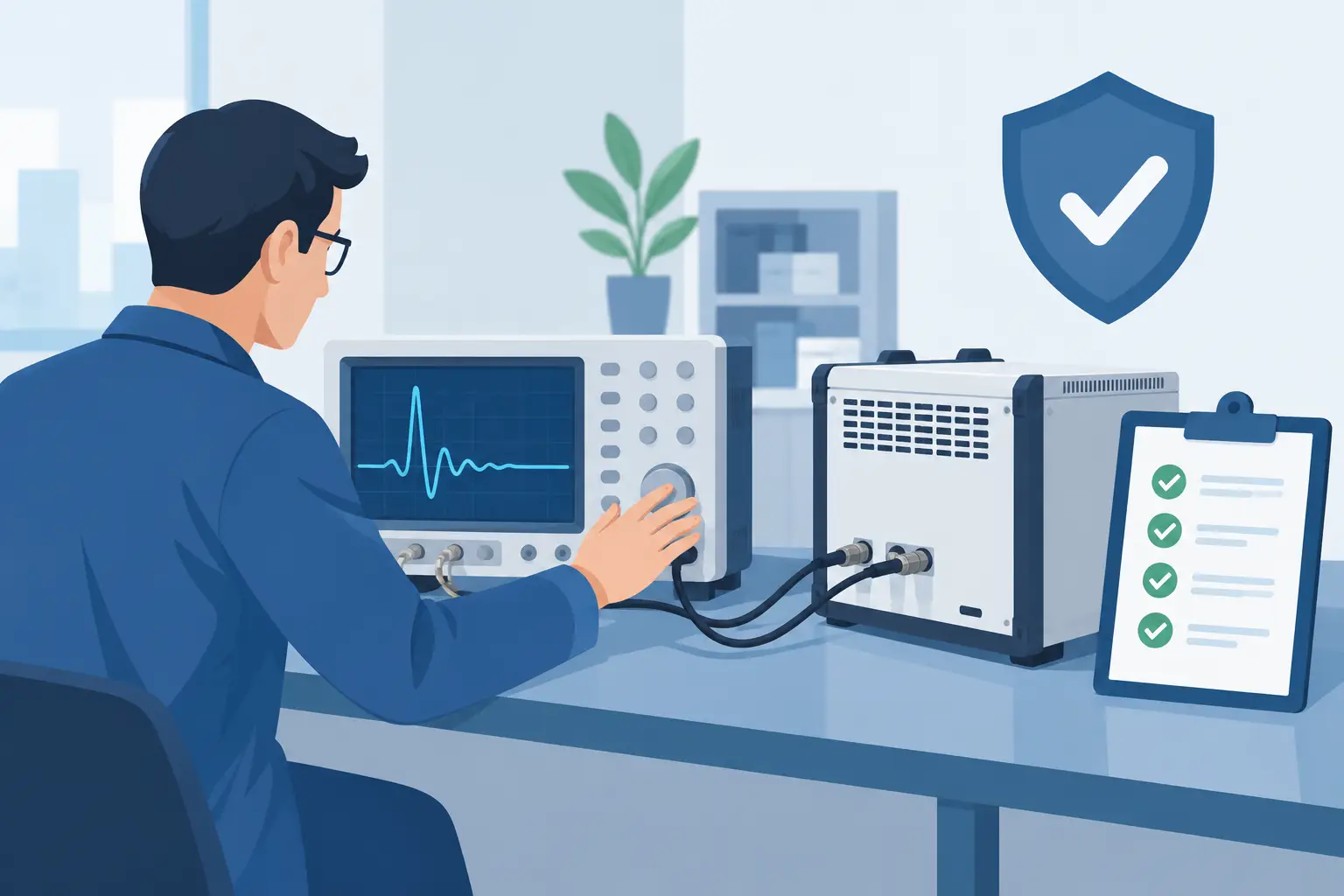
A test rack that misses a compliance limit by a fraction of a percent can delay validation, trigger retesting, and put production schedules at risk. That is why a test instrumentation procurement checklist should start well before a quote request. For engineering teams buying safety testers, power analyzers, digitizers, metrology sensors, or high-voltage systems, the real question is not just what the instrument can measure. It is whether the system will hold up under your standards, workflow, and long-term operating conditions.
Why a test instrumentation procurement checklist matters
In regulated and performance-critical environments, procurement mistakes rarely look dramatic on day one. The instrument powers on, basic measurements appear correct, and the purchase seems complete. Problems show up later – when calibration intervals are too short for production uptime, when software integration takes longer than expected, or when uncertainty budgets do not support the claims your team needs to make.
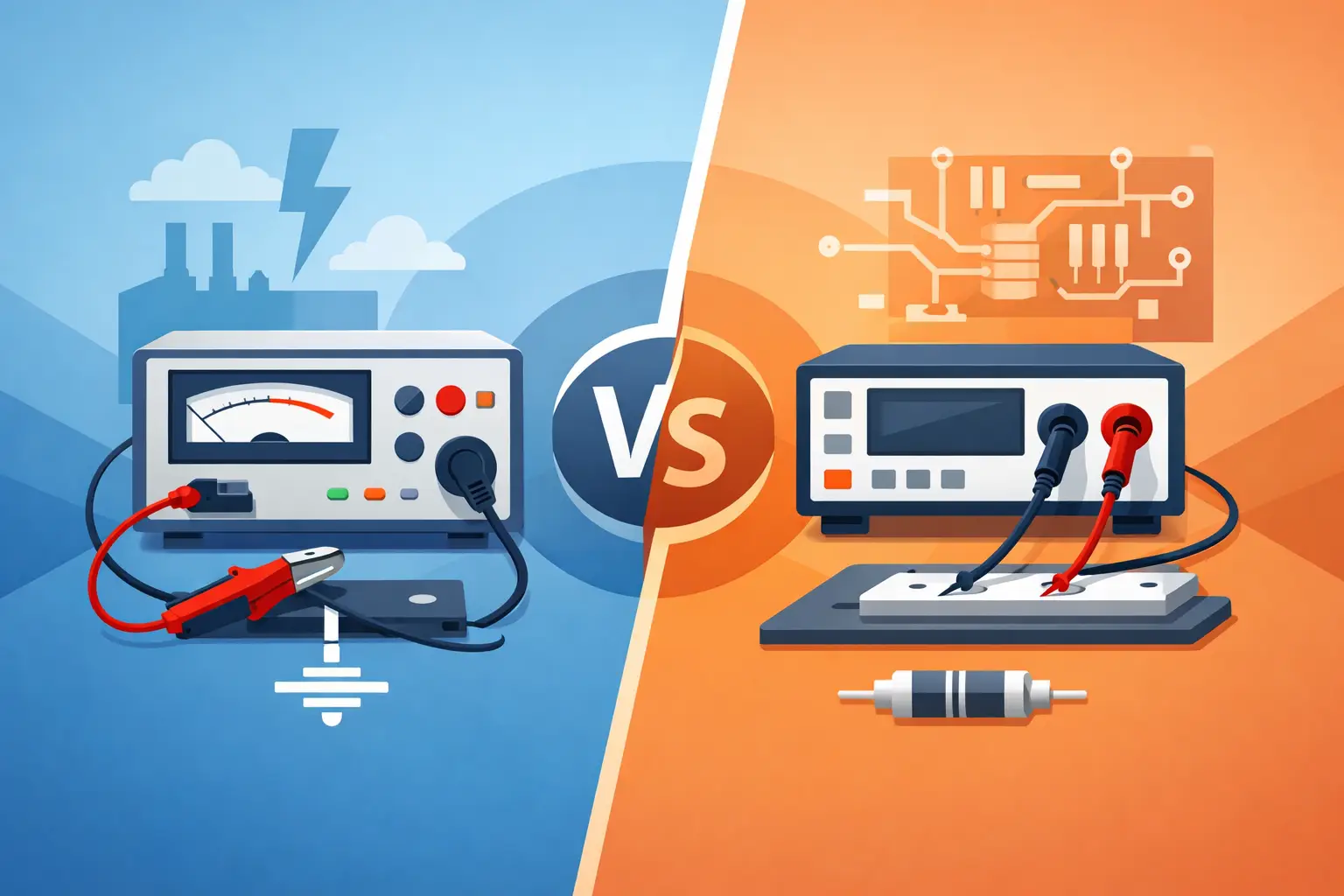
A disciplined procurement process reduces those risks. It also helps separate specification-sheet parity from real application fit. Two instruments may appear similar in resolution or bandwidth, yet perform very differently when exposed to high common-mode voltages, noisy factory environments, fast transients, or repeatability demands across multiple shifts and operators.
Start with the measurement objective, not the instrument
The first step is defining exactly what must be measured, verified, or recorded. That sounds obvious, but many purchases still begin with a legacy part number or a broad category such as hipot tester or data acquisition system. A better approach is to frame the procurement around the test objective.
Ask what decision the measurement supports. Are you proving electrical safety compliance, characterizing power conversion efficiency, validating insulation integrity, capturing transient events, or monitoring displacement at micron-level tolerances? The answer determines the required measurement architecture, not just the instrument family.
This is also where engineering and procurement need to stay aligned. If engineering specifies ideal performance without regard to deployment conditions, the result can be overspending. If procurement narrows the decision to lowest unit cost, the result can be inadequate capability and expensive downstream workarounds. Good purchasing discipline sits between those extremes.
Build the technical core of the checklist
A useful test instrumentation procurement checklist should capture the parameters that directly affect data quality and test validity. Accuracy is central, but it is only one part of the picture. Resolution, repeatability, stability over time, sampling rate, channel isolation, input impedance, dynamic range, and noise performance all matter depending on the application.
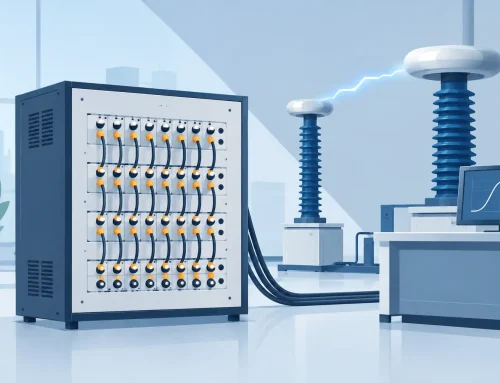
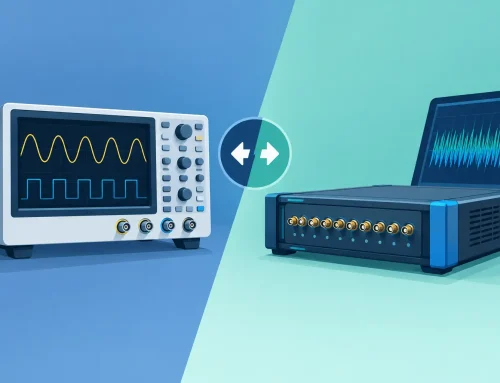
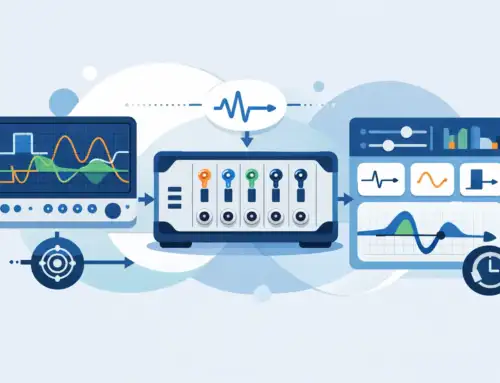
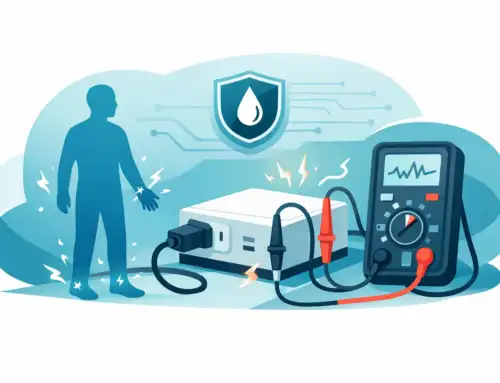
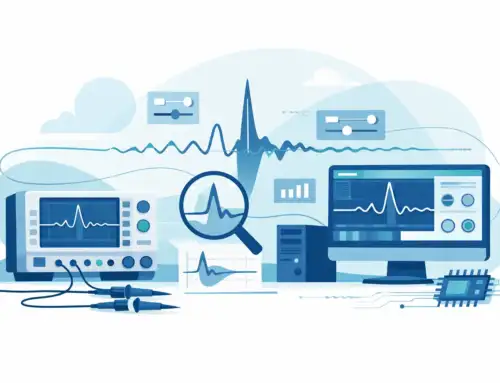
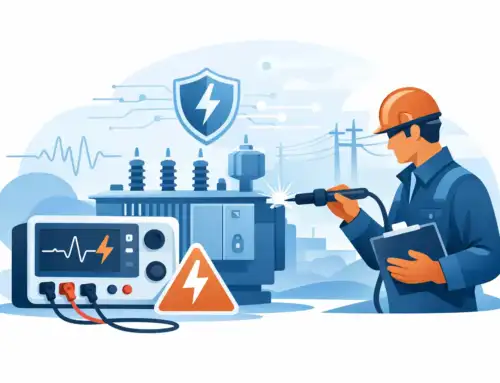
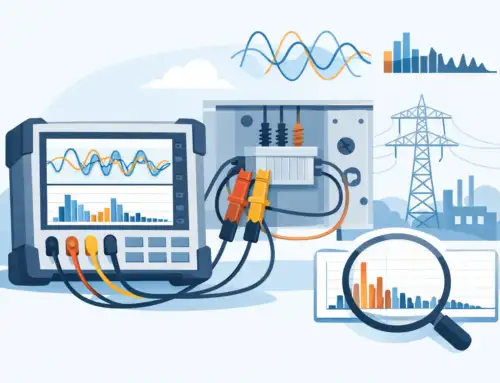
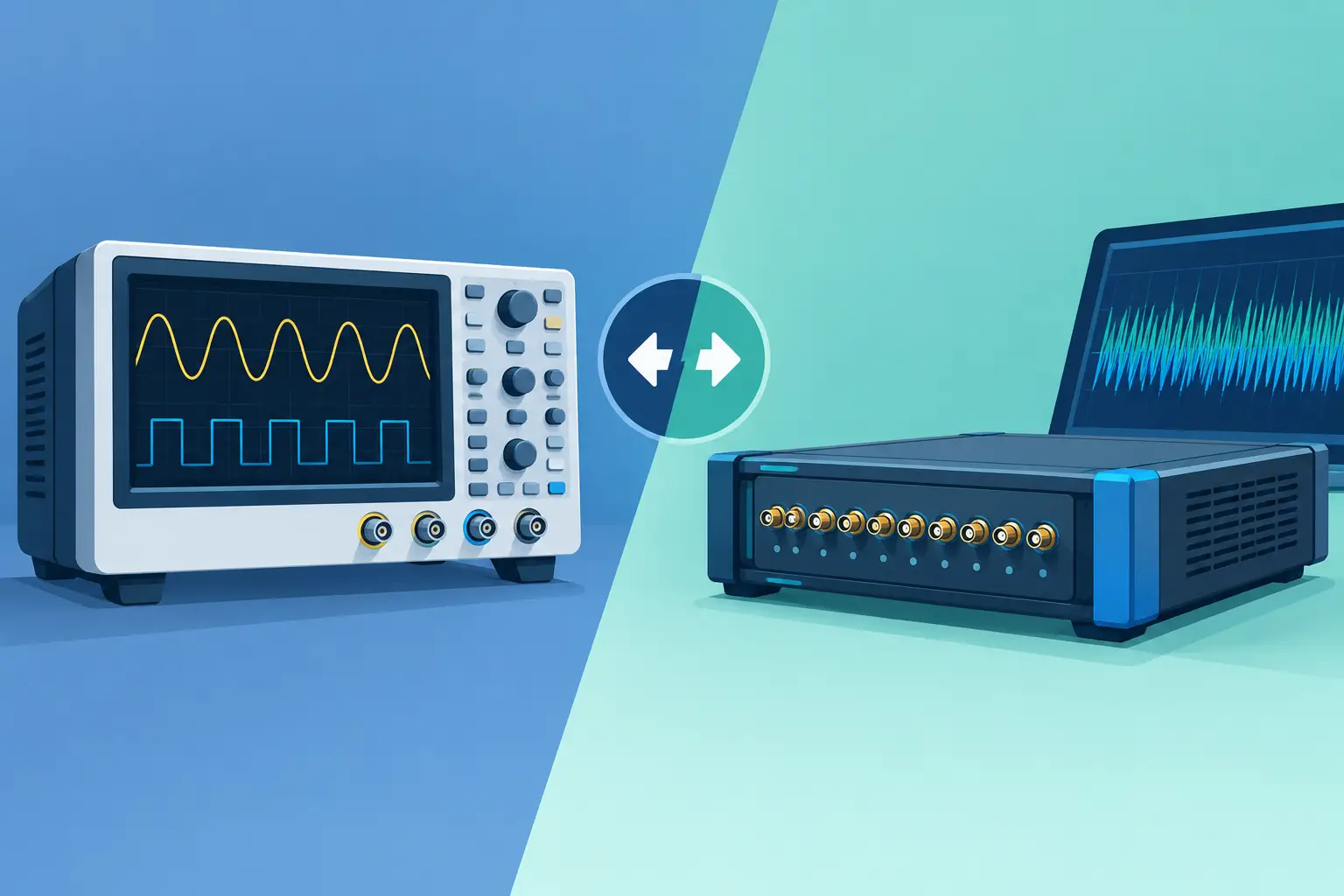
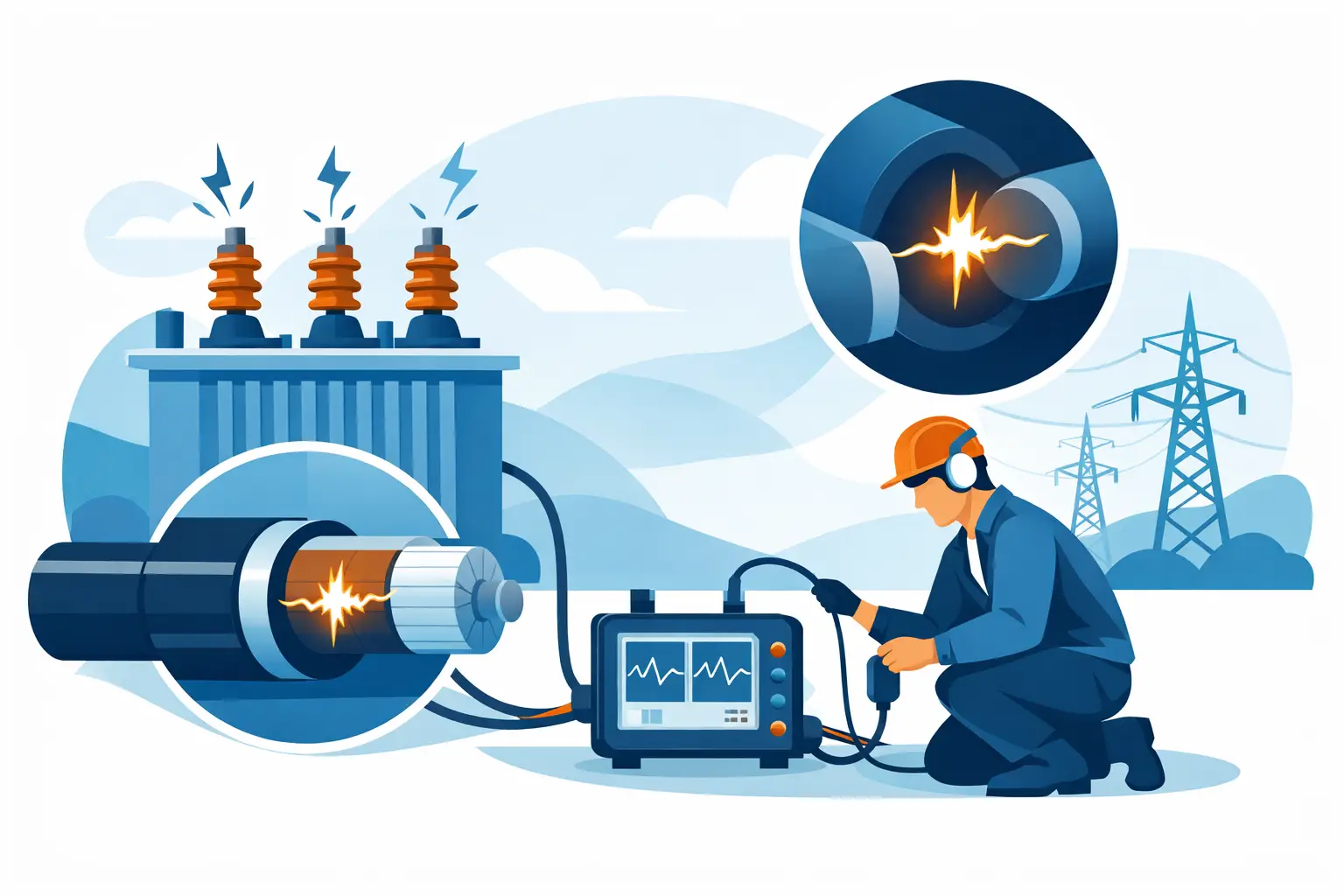
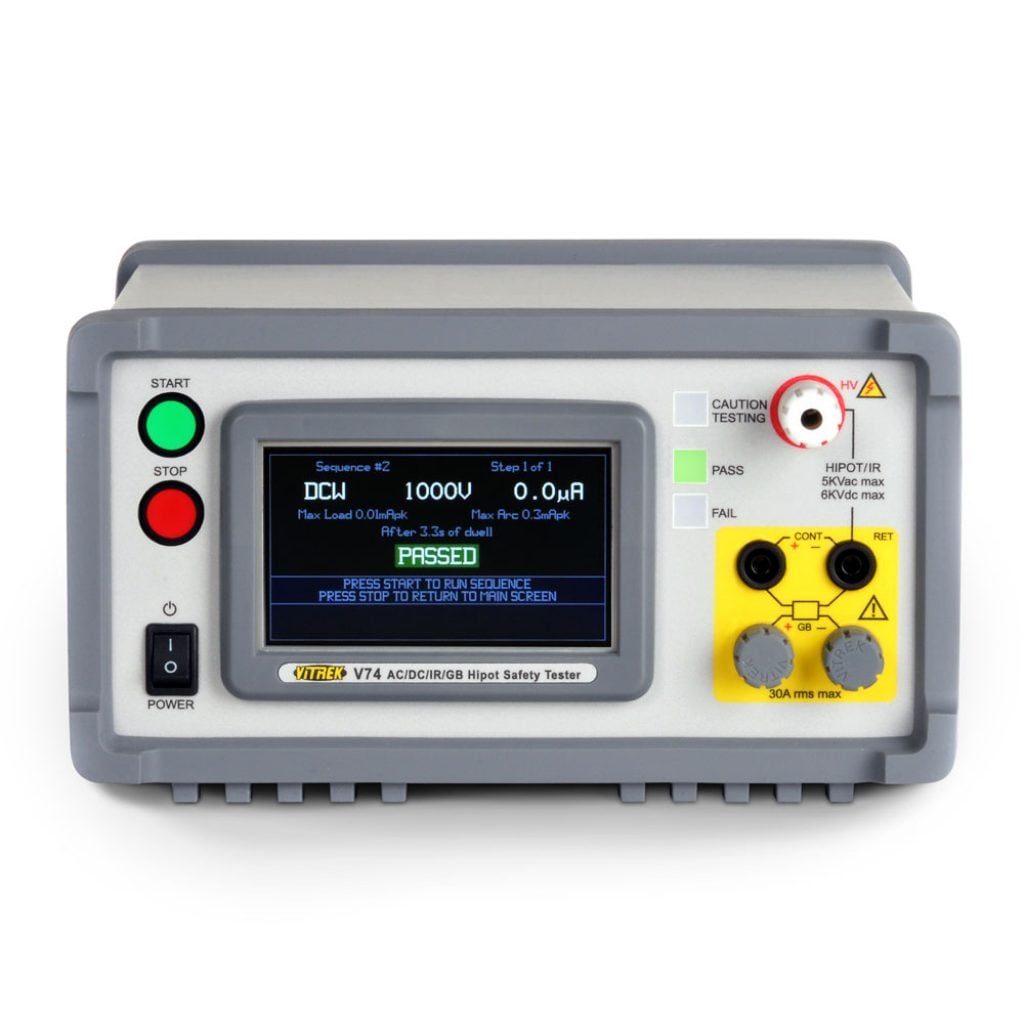
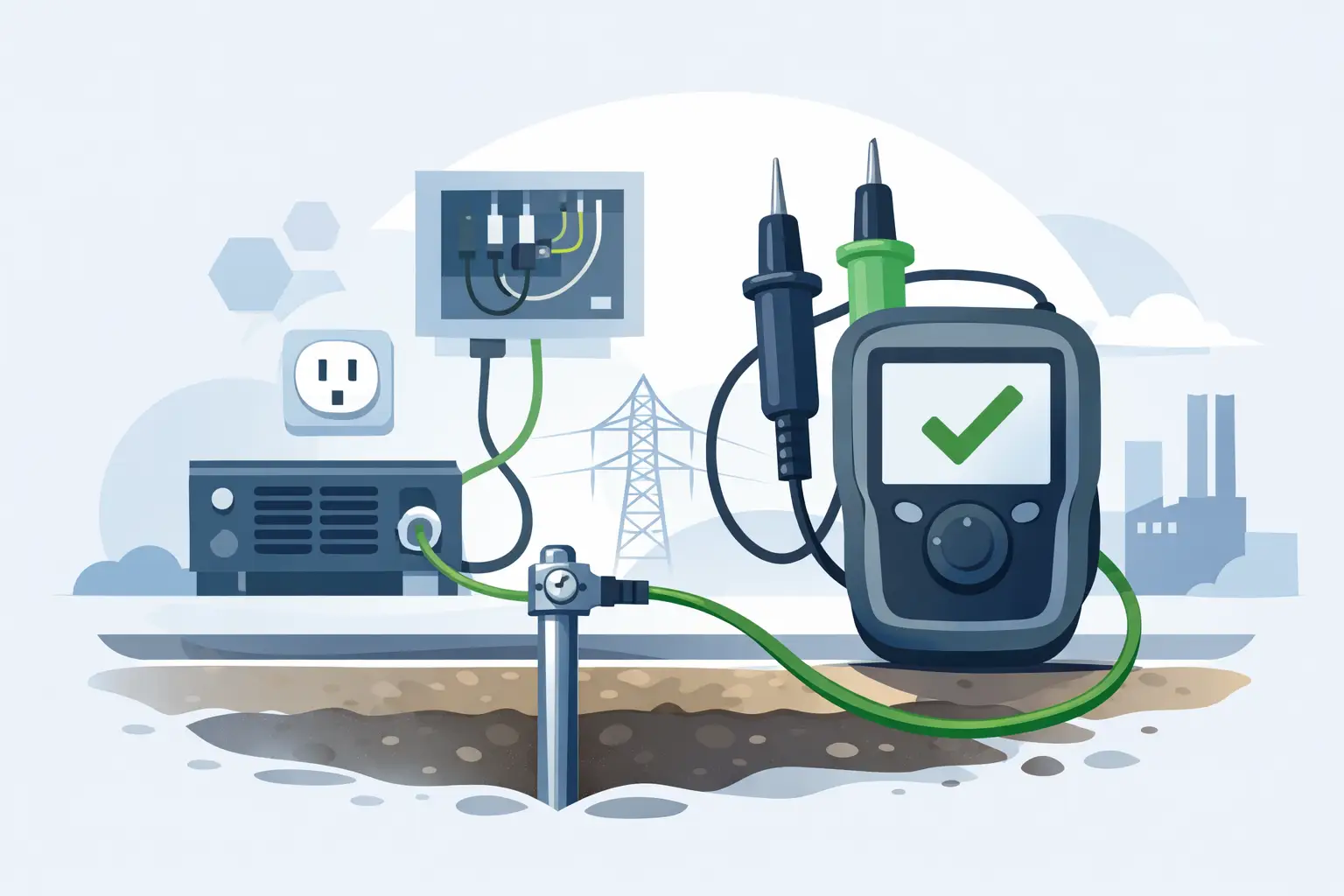
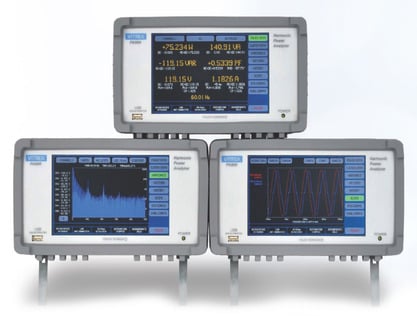
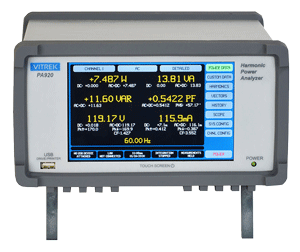
For safety and high-voltage testing, insulation integrity, protection design, measurement range, and operator safety features deserve close scrutiny. For power analysis, harmonic content, phase accuracy, crest factor handling, and bandwidth may matter more than headline resolution. For high-speed digitizers or RF capture systems, memory depth, trigger behavior, sustained throughput, and timing integrity often shape whether the system is actually usable.
Environmental and operational conditions should be specified just as clearly as electrical ones. Consider temperature range, vibration, humidity, EMI exposure, duty cycle, and whether the instrument will live in a lab, on a production floor, or inside an automated system. Instruments that perform well on a bench do not always maintain the same integrity in industrial deployment.
Evaluate standards, compliance, and traceability early
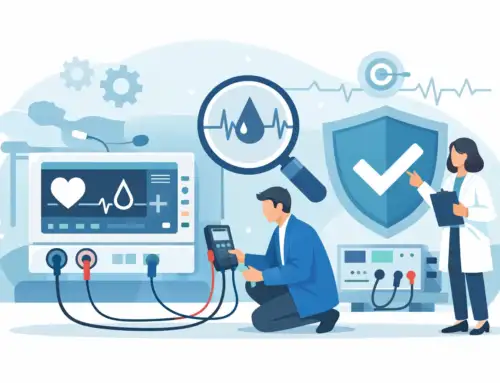
In many sectors, the purchase decision is inseparable from compliance. Aerospace, medical device, automotive, EV, defense, and industrial manufacturing teams often need evidence that the measurement system supports applicable standards and internal quality controls.
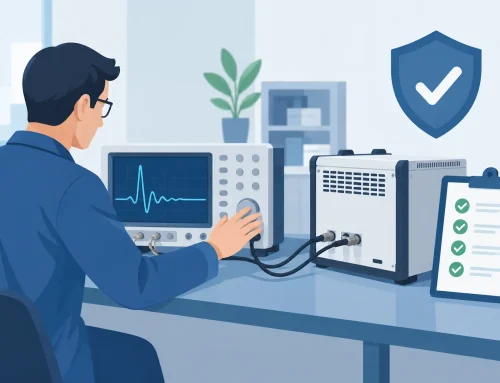
That means your checklist should document required safety, EMC, and performance standards before vendor evaluation begins. It should also address calibration traceability, certificate requirements, and whether the supplier can support documented quality systems. If your audits or customer approvals depend on traceable measurement infrastructure, this cannot be treated as an afterthought.
There is also a practical trade-off here. Instruments built for standards-driven environments may cost more upfront, but they usually reduce ambiguity during validation and audits. Lower initial cost can become more expensive if your team must build extra documentation, perform more frequent verification, or defend inconsistent results.
Do not treat software as an accessory
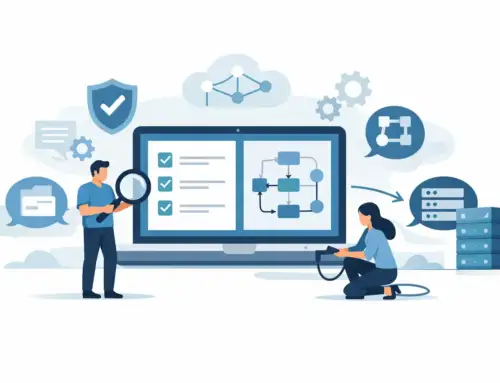
A large share of procurement friction comes from software, drivers, and integration rather than hardware performance. An instrument may meet every electrical requirement and still slow the program if it does not fit your control environment.
Your checklist should cover APIs, SDKs, supported programming environments, command sets, data export formats, and compatibility with your automation framework. If the system must feed MES, SCADA, lab software, or custom validation scripts, confirm that path in advance. Ask how firmware updates are managed and whether software changes could affect validated workflows.
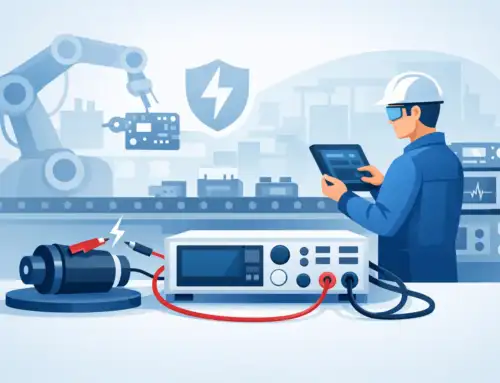
For some teams, standalone front-panel operation is enough. For others, remote control, synchronized multi-instrument operation, and high-volume data capture are mandatory. It depends on whether the instrument will serve bench R&D, design verification, failure analysis, or automated production test. Procurement should reflect that context, not assume one deployment model fits all.
Assess serviceability and lifecycle cost
Instrumentation is rarely a one-time transaction. Calibration, repair turnaround, application support, training, and spare parts availability all influence total cost of ownership.
A practical checklist should ask how often calibration is recommended, what the expected service cycle looks like, and whether accredited calibration support is available. It should also examine warranty terms, field support options, and the supplier’s ability to provide technical guidance when measurements do not behave as expected.
Lifecycle cost is where many procurement decisions become clearer. A lower-cost instrument with limited support, uncertain parts availability, or longer downtime exposure may not be cheaper over three to five years. That is especially true when the instrument sits inside a production bottleneck or a compliance-critical validation process.
Look beyond the datasheet during vendor evaluation
The best vendor evaluations test how a supplier handles application complexity. Can they discuss uncertainty contributors in your measurement chain? Can they explain trade-offs between bandwidth and noise, or between throughput and accuracy? Can they help map one instrument into a larger test architecture rather than simply quote a box?
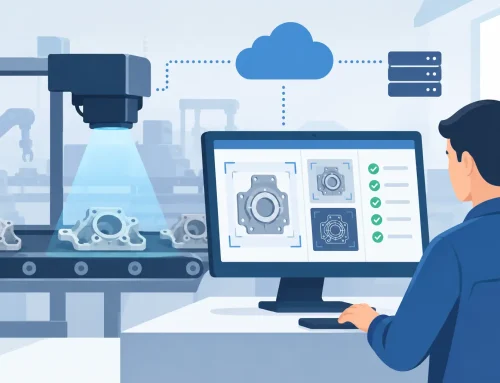
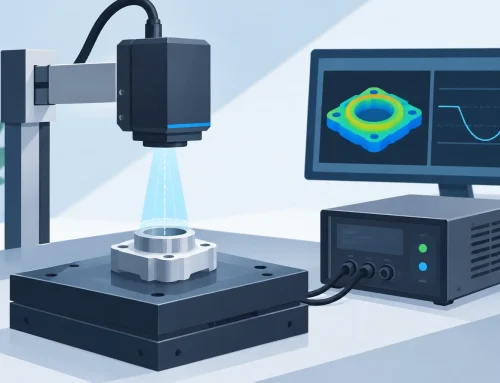
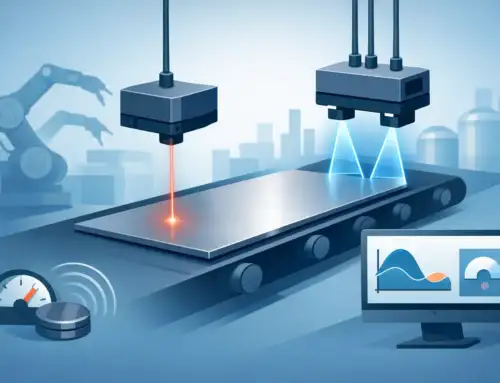
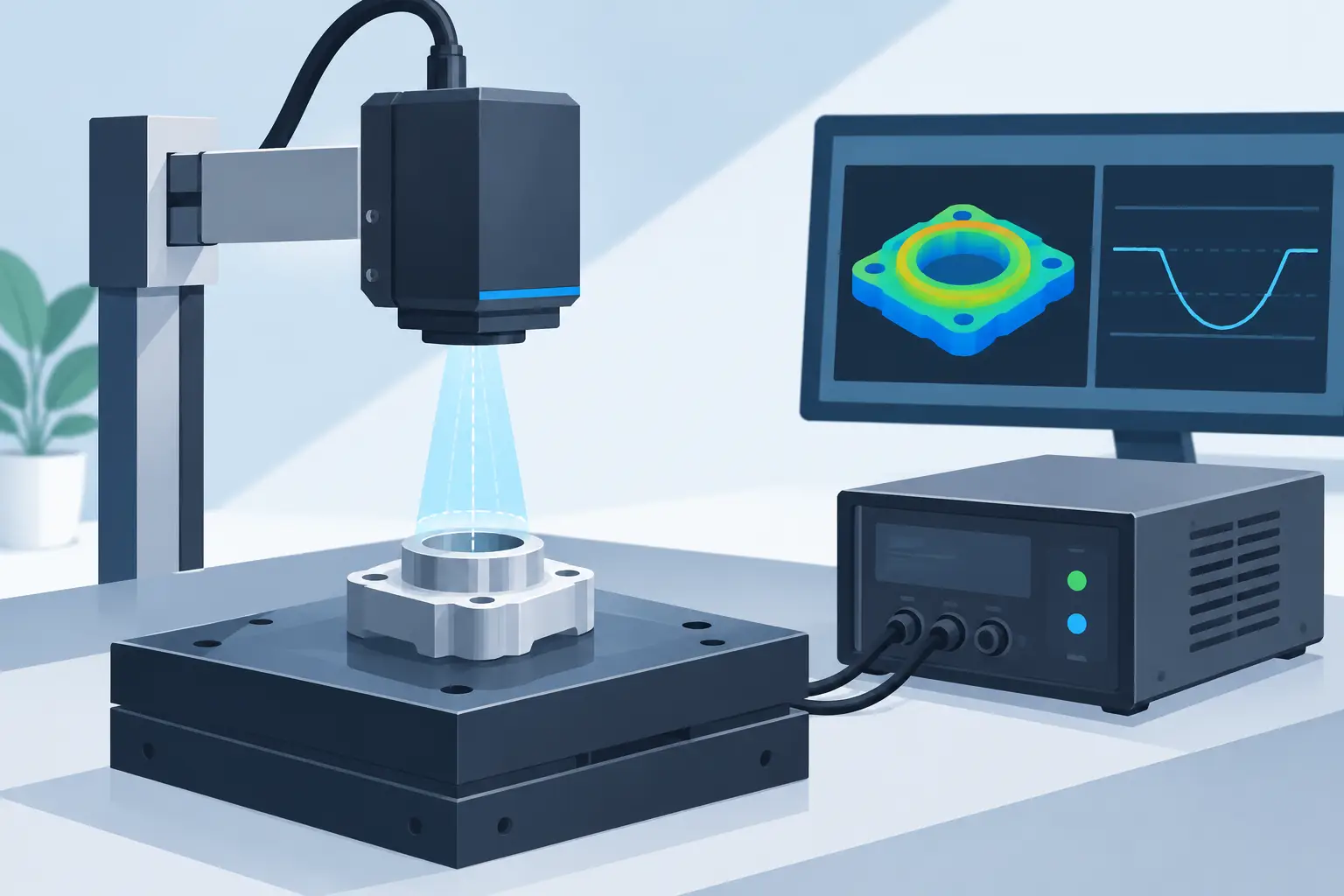
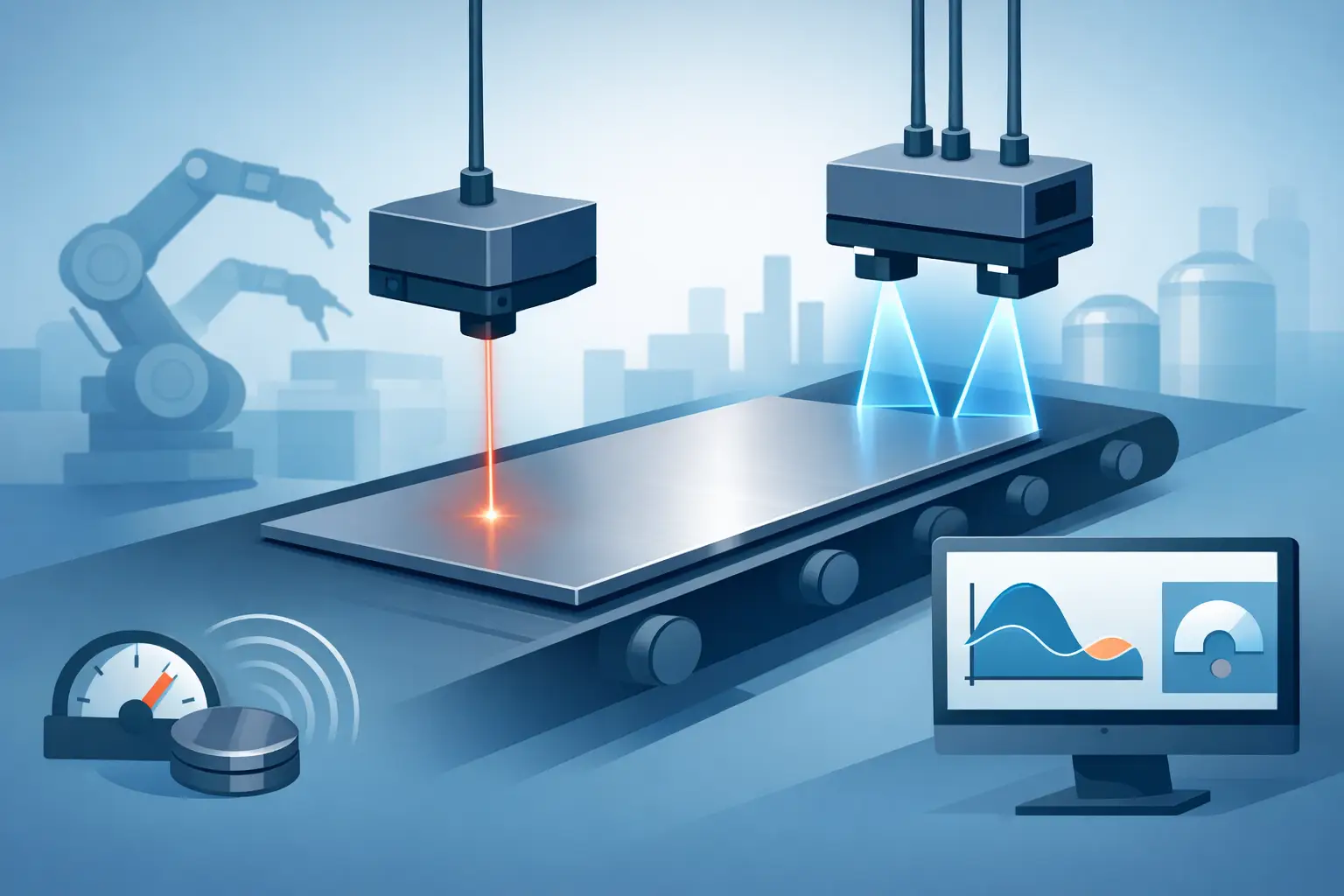
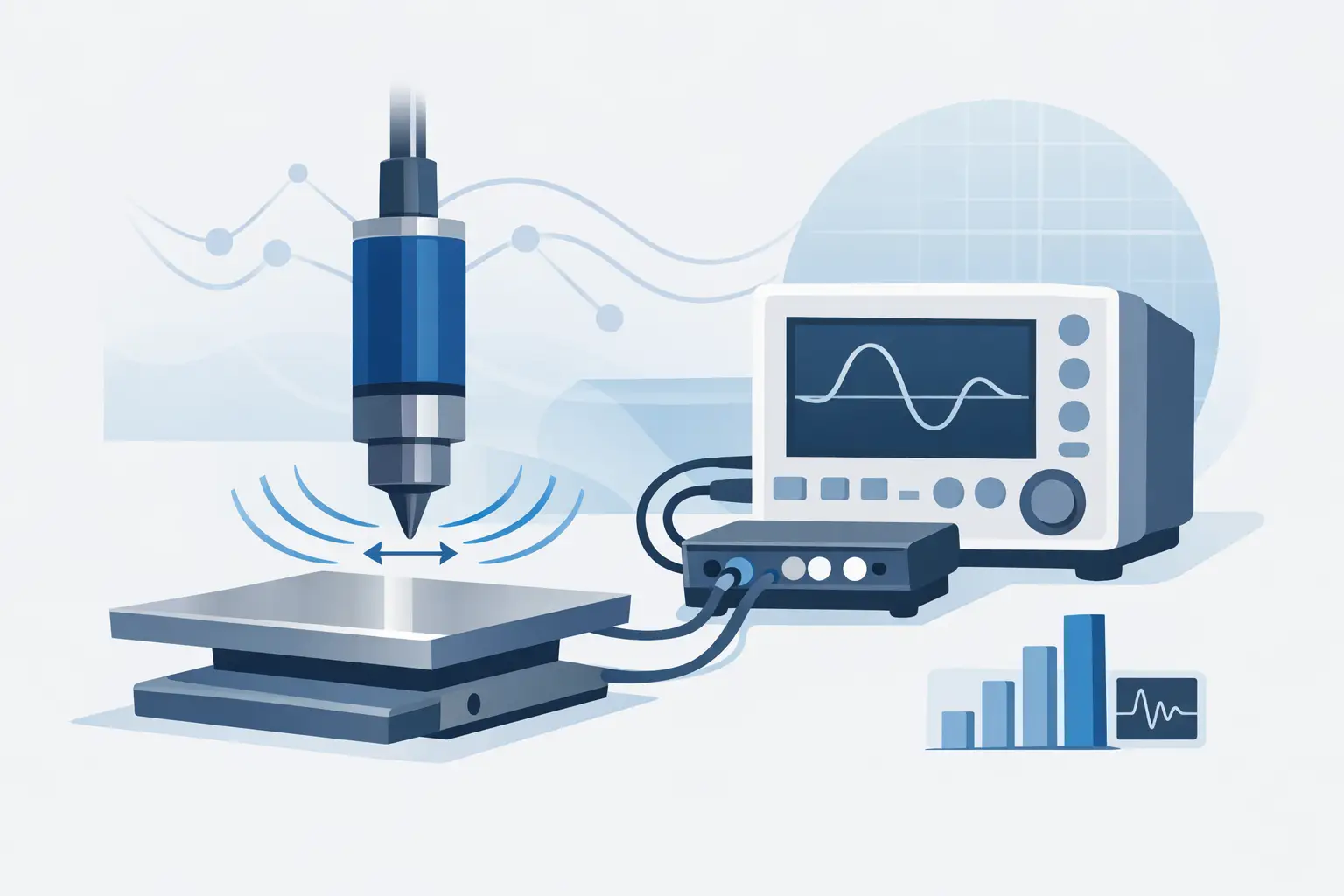
This matters because real applications are seldom clean. A power analyzer might need to characterize an inverter under switching noise. A high-voltage measurement system may need switching and isolation features that support multiple DUT configurations. A displacement sensor may need to maintain precision across reflective or irregular surfaces. These are application questions, not catalog questions.
For that reason, demonstrations, sample data reviews, or application discussions often provide more value than side-by-side spec comparisons alone. A technically credible supplier should be able to discuss edge cases, not just nominal performance. In specialized environments, that depth often separates an acceptable purchase from a durable one.
Use the checklist to compare risk, not just price
A strong procurement process makes trade-offs visible. One option may offer higher measurement confidence but require more integration effort. Another may simplify deployment but leave less headroom for future test requirements. A third may be attractive on price but introduce service or compliance risk.
The checklist should help your team score those differences in business terms. What is the impact of a missed test window? What does retesting cost? How expensive is unplanned calibration downtime? If this instrument becomes part of a certified process, how difficult will it be to defend the data six months from now?
When those questions are included, procurement becomes more disciplined. It stops being a comparison of list prices and starts becoming a decision about operational risk, measurement integrity, and long-term maintainability.
A practical test instrumentation procurement checklist
If you need a working structure, organize the evaluation around seven categories: application fit, measurement performance, standards and compliance, environmental suitability, software and integration, service and calibration, and lifecycle cost. Within each category, document required values, acceptable tolerances, validation methods, and any non-negotiable conditions.
That structure works well because it is broad enough for different instrument classes yet specific enough to expose weak points early. It also creates a common language for engineering, quality, operations, and sourcing teams. In organizations where multiple stakeholders influence the purchase, that shared framework can prevent costly assumptions.
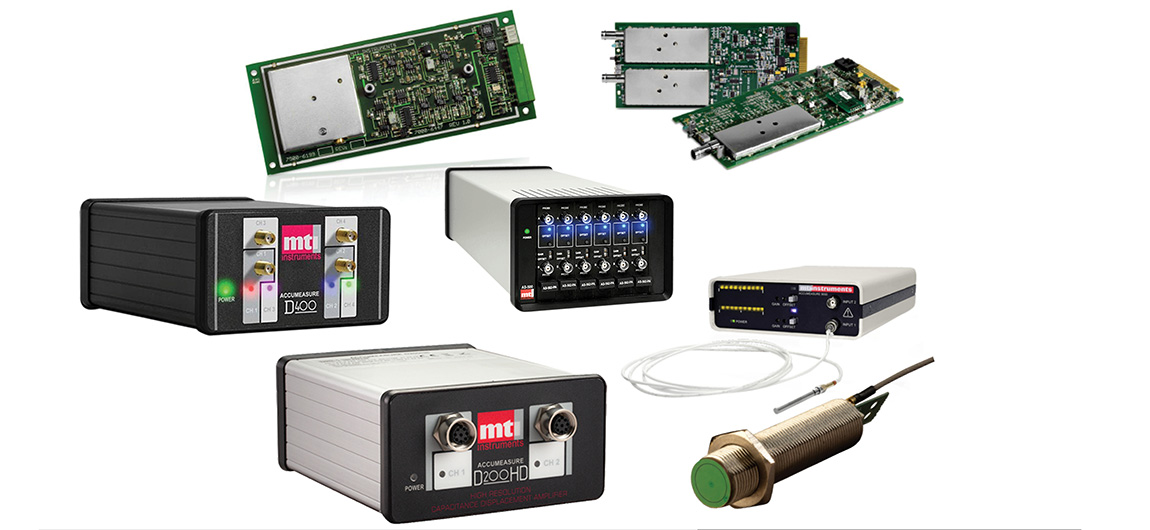
For suppliers with broad application coverage, this is also the stage where platform alignment can matter. A single-source approach across safety test, power measurement, digitizing, metrology, and support services can simplify training, calibration planning, and system integration when compared with a fragmented toolset from unrelated vendors.
Final checks before approval
Before issuing the purchase order, confirm three things. First, the selected instrument supports the actual test method, not just the general application category. Second, the supplier has addressed the operational details that determine deployment success – calibration, software compatibility, lead time, and support. Third, your internal stakeholders agree on the acceptance criteria for installation and use.
That last point matters more than it seems. If engineering expects lab-grade characterization and operations expects immediate production throughput, conflict will appear after delivery. Procurement works best when success is defined before the instrument arrives.
The right test system should make your measurement process more defensible, not more complicated. If your checklist is doing its job, it will not just help you buy equipment. It will help you buy confidence.