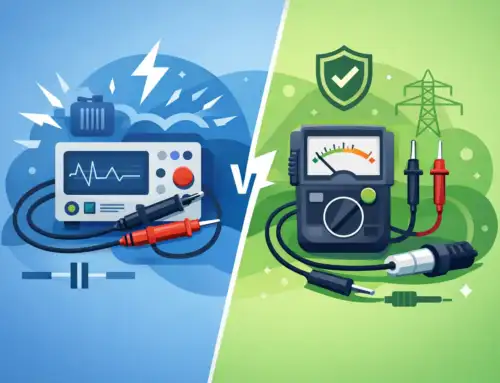
Picometer displacement measurement enables detection of movements down to one-trillionth of a meter. This measurement capability is critical for industries like semiconductors and nanotechnology where nano-level precision is essential. Achieving this accuracy presents significant challenges due to electronic noise, thermal drift, and environmental vibrations that can distort signals, requiring advanced sensor technology for dependable results. Engineers often face difficulties with tools that struggle to maintain consistency under these demanding conditions. MTI Instruments Accumeasure HD addresses these challenges with innovative design, establishing a benchmark for precision measurement systems. This post explores the technology behind picometer precision, applications of picometer displacement sensors, the Accumeasure HD advantage, and offers guidance on choosing when picometer-level accuracy is essential.

Technology Behind Picometer Precision
Picometer displacement measurement requires advanced sensing technology and signal processing to overcome fundamental physical challenges. Precision at this scale demands high sensitivity while minimizing measurement uncertainty.
- Capacitive Sensing Fundamentals: Capacitive displacement sensors utilize the inverse relationship between electrode separation distance and capacitance, following the principle C = ε₀εᵣA/d where minute distance changes produce proportional capacitance variations. At Picometer scales, this measurement approach demands exceptional stability in electrode geometry, dielectric properties, and environmental conditions to maintain accuracy. Modern implementations incorporate guard electrode configurations and differential measurement techniques to effectively minimize parasitic capacitance effects and common-mode noise interference.
- Direct Digital Processing Architecture: Traditional analog signal conditioning introduces cumulative noise and drift limitations that compromise ultimate measurement precision in sensitive applications. Direct digital processing eliminates analog amplification stages by converting capacitance signals directly to digital format using high-resolution analog-to-digital converters for superior performance. This architecture preserves fundamental measurement signal integrity while enabling sophisticated digital filtering and real-time compensation algorithms throughout the measurement process.
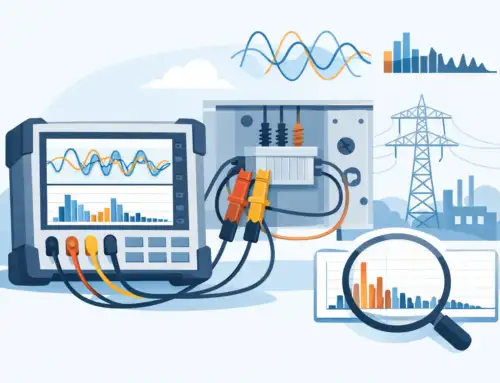
- Advanced Signal Processing Algorithms: Digital signal processing enables real-time discrimination between genuine displacement signals and various noise sources based on comprehensive spectral characteristics and temporal patterns. Adaptive filtering algorithms automatically adjust filter parameters based on continuously measured noise conditions to maintain optimal measurement performance in varying environments. Various filtering techniques provide optimal estimation of displacement signals in the presence of known noise sources and operate continuously without requiring manual intervention.
- Optimized Probe Design: The capacitive probe configuration directly determines achievable measurement resolution and long-term environmental stability in precision measurement applications. Passive probe designs eliminate local heat generation that creates thermal gradients and measurement drift, while coaxial electrode geometries provide superior electromagnetic shielding. Material selection emphasizes low thermal expansion coefficients and excellent dimensional stability, with mechanical design incorporating stress relief features to minimize measurement errors.
Accumeasure HD Advantages
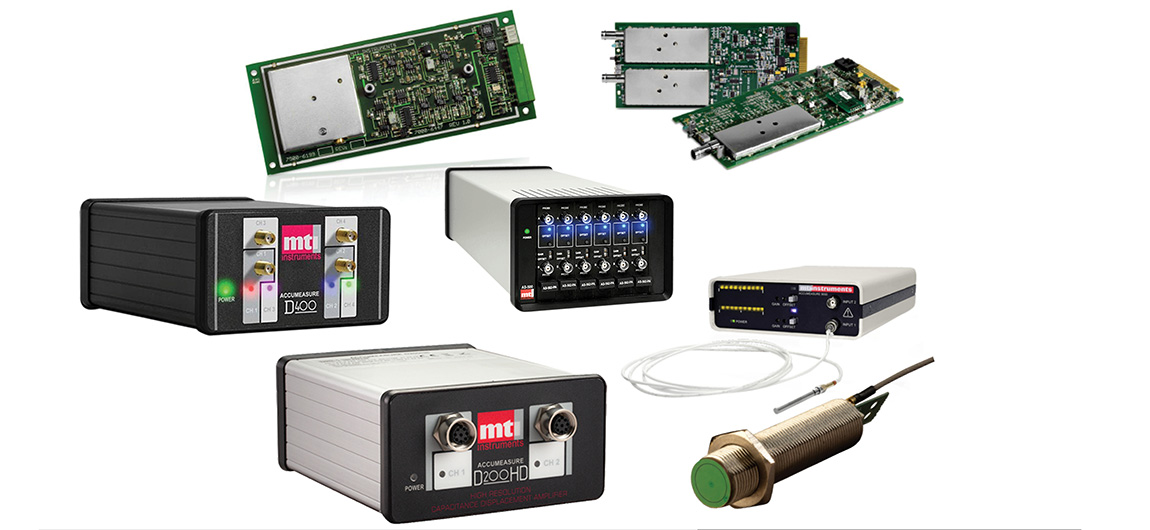
The Accumeasure HD picometer displacement measurement system incorporates innovative technology specifically engineered to achieve benchmark performance in precision measurements.
- Superior Technical Specifications: The system achieves picometer resolution (1 pm digital resolution) with measurement bandwidth up to 5 kHz for optimal linearity performance, enabling both high-precision static measurements and dynamic displacement monitoring applications. Long-term stability of 20 ppm/month or better at 20°C helps maintain measurement accuracy over extended periods without requiring frequent recalibration or system adjustments in controlled industrial environments. Temperature coefficient performance of less than ±0.1% of full scale over 4°C to 40°C minimizes measurement drift through integrated compensation algorithms, with measurement range extending from picometers to millimeters depending on probe selection.
- Enhanced Noise Performance: Digital signal processing uses smart filtering and data handling to reduce measurement noise, making it more accurate than analog systems. The system incorporates multiple noise reduction techniques including differential measurement, common-mode rejection, and adaptive filtering algorithms for superior performance. Electromagnetic interference rejection exceeds industry standards through careful circuit design, comprehensive shielding implementation, and advanced grounding techniques throughout the system.
- Flexible System Configuration: Multiple probe configurations accommodate diverse measurement requirements including high-temperature applications, vacuum compatibility, and specialized geometric constraints in various industries. The modular system design enables probe interchange without requiring system recalibration or experiencing performance degradation during configuration changes. Software-selectable measurement parameters optimize system performance while remote operation capabilities support automated measurement systems and unattended monitoring applications.
- Integrated Compensation Systems: Built-in environmental sensors provide real-time measurement of temperature, humidity, and atmospheric pressure for comprehensive measurement compensation and error reduction. Compensation algorithms operate continuously to maintain measurement accuracy across varying environmental conditions without requiring manual adjustments or frequent recalibration procedures. The system incorporates comprehensive material property databases for automatic thermal expansion compensation, with software compensation eliminating traditional measurement uncertainty sources.

Applications of Picometer Displacement Sensors
Industries requiring nano-scale precision measurements drive the continuous development and widespread adoption of advanced picometer displacement measurement technology in controlled environments.
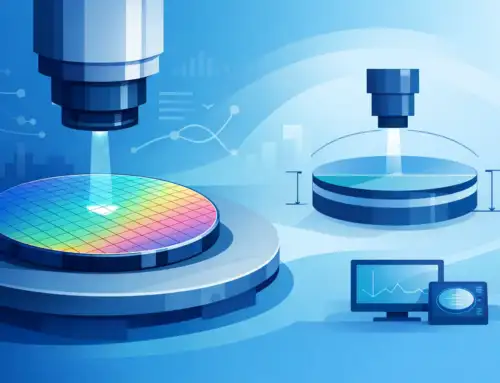
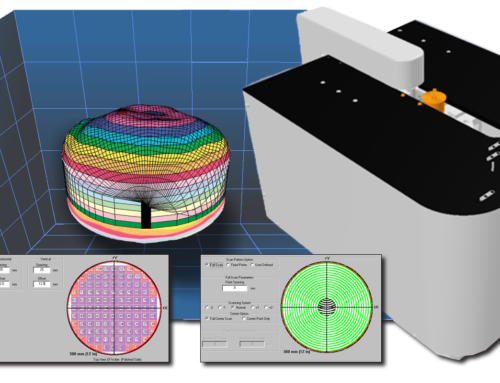
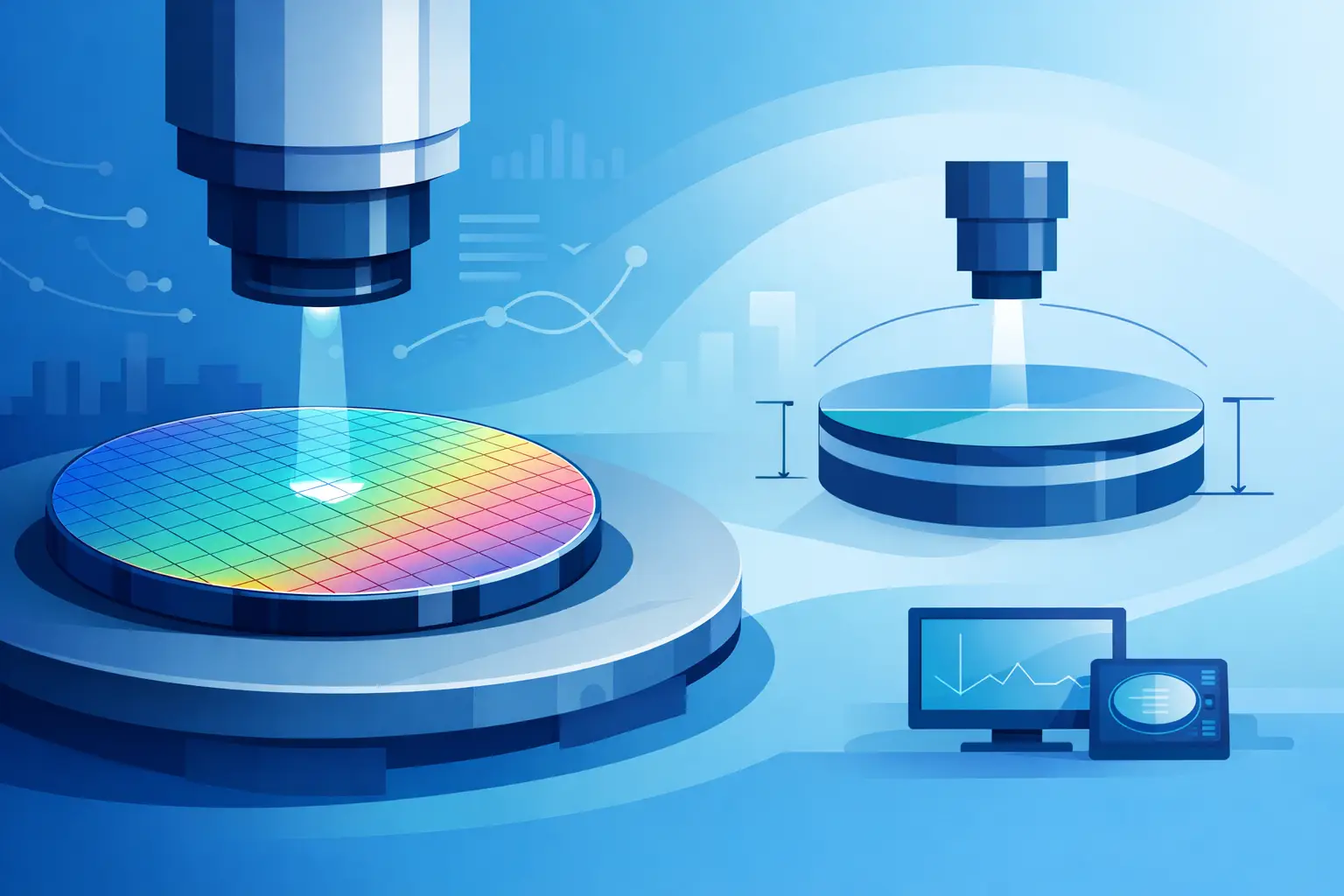
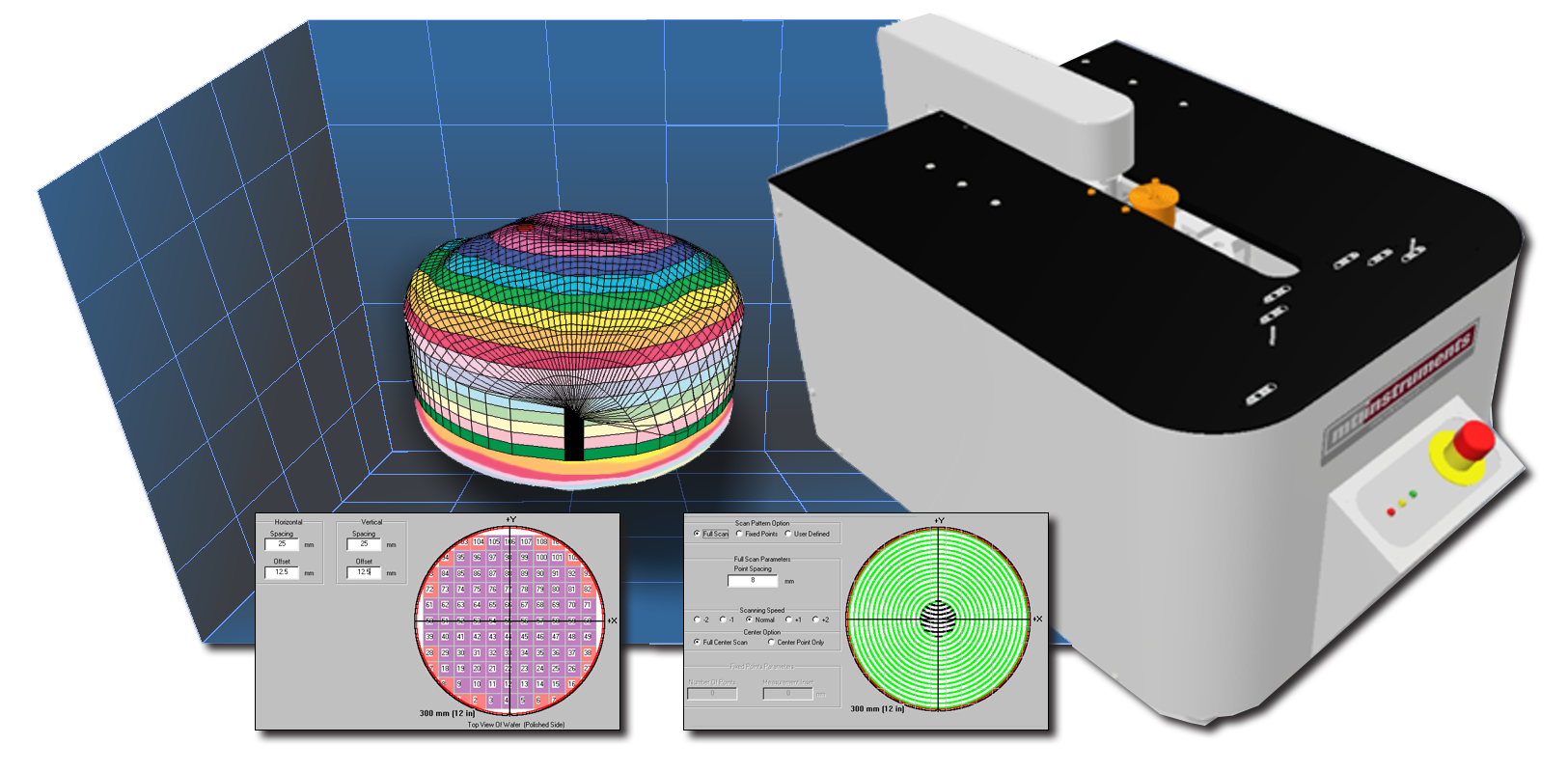
- Semiconductor Wafer Metrology: Advanced semiconductor device fabrication requires precise wafer flatness specifications across wafer diameters exceeding 300mm for optimal device performance. Process-induced stress creates wafer bow and warp deformations that significantly affect lithographic patterning accuracy and resulting device electrical characteristics. Picometer-resolution measurement enables comprehensive wafer shape characterization for process optimization, supporting advanced process control algorithms that automatically adjust fabrication parameters.
- Precision Optical Systems: High-performance optical systems in manufacturing and metrology applications demand exceptional mechanical stability to maintain critical optical alignment and performance specifications. Sub-nanometer mechanical disturbances can significantly degrade optical resolution and measurement accuracy in sensitive interferometric systems and high-magnification microscopy applications. Real-time displacement monitoring enables active vibration control systems that continuously maintain optimal optical system performance across varying operating conditions.
- Nanomaterials Characterization: Advanced materials research requires precise mechanical property characterization at the nanometer scale to understand fundamental material behavior and optimize performance characteristics. Carbon nanotubes, graphene structures, and engineered nanomaterials exhibit unique mechanical properties that can only be accurately measured with picometer displacement measurement systems. Testing protocols include nanoindentation, tensile testing, and dynamic mechanical analysis of individual nanostructures to determine material properties and performance limits.
- Atomic Force Microscopy: AFM systems require precise measurement of cantilever deflections in picometers to achieve atomic-resolution surface imaging and accurate force measurement capabilities. The cantilever displacement signal contains critical surface topography information and mechanical property data that depends directly on measurement resolution and noise performance. Advanced AFM operating modes including tapping mode and force spectroscopy demand higher displacement measurement precision with the measurement system noise floor determining achievable resolution.
Choosing When You Need Picometer Precision
Proper evaluation methodology ensures optimal technology selection and cost-effective implementation while maximizing return on investment and operational benefits in in appropriate applications.
- Application Requirements Analysis: Successful implementation begins with quantitative analysis of actual measurement requirements including resolution, accuracy, range, and environmental conditions for the specific application. Many applications that initially appear to require picometer precision can be satisfied with nanometer-level measurement systems at significantly reduced cost and complexity. Requirements analysis should consider measurement uncertainty budgets, process tolerance requirements, measurement frequency demands, and comprehensive evaluation of measurement environment conditions.
- System Integration Requirements: Picometer measurement systems demand careful integration with existing equipment and facilities to achieve specified performance and maintain measurement accuracy over time. Environmental control requirements may necessitate facility modifications including vibration isolation, temperature control, electromagnetic shielding, and specialized mounting systems for optimal performance. Staff training requirements increase with measurement precision demands due to increased system complexity, environmental sensitivity, and specialized operating procedures required for optimal results.
- Technology Comparison Framework: Alternative measurement technologies including laser interferometry, optical displacement sensors, and strain gauge systems offer different advantages for specific measurement applications and operating conditions. Each technology exhibits distinct performance characteristics, environmental requirements, cost structures, and operational advantages that must be evaluated for specific measurement requirements. Capacitive sensing provides advantages in certain applications while other technologies may be optimal for different measurement scenarios, with comprehensive evaluation ensuring selection of appropriate technology.
- Implementation Strategy Development: Successful implementation requires phased deployment strategies that minimize risk while maximizing return on investment and operational benefits throughout the implementation process. Initial applications should focus on high-value measurements where precision improvements provide clear benefits, demonstrable cost savings, or competitive advantages in the marketplace. Pilot programs enable comprehensive system evaluation and staff training before full-scale deployment, with strategic planning ensuring smooth transition to picometer measurement capabilities.
For nano-scale measurement accuracy under controlled conditions, MTI Instruments Accumeasure HD sets the standard for capacitive displacement sensing. Its precision and reliability empower engineers in semiconductor, nanotechnology, and precision manufacturing applications where picometer-level accuracy is essential. The system’s digital architecture, advanced signal processing, and comprehensive compensation capabilities deliver consistent performance when properly integrated into controlled measurement environments.
Discover how Accumeasure HD can transform your measurement capabilities with unmatched precision for applications demanding the highest levels of accuracy. Contact for demonstrations or customized solutions tailored to your specific measurement requirements. Take the next step to conquer your precision challenges with confidence, knowing you have access to proven picometer-level measurement technology.