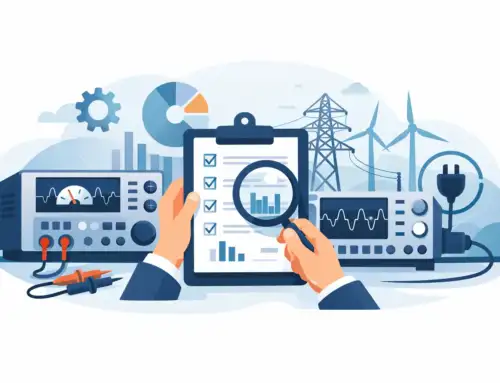
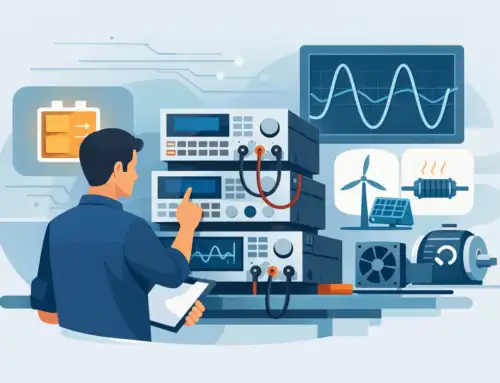
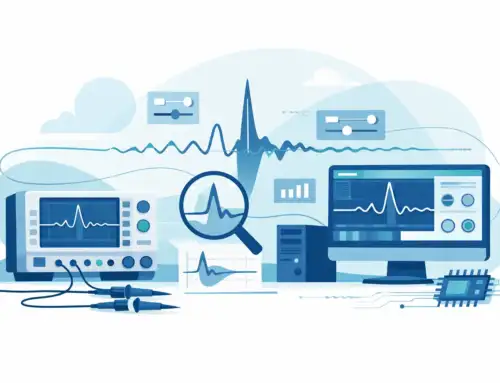
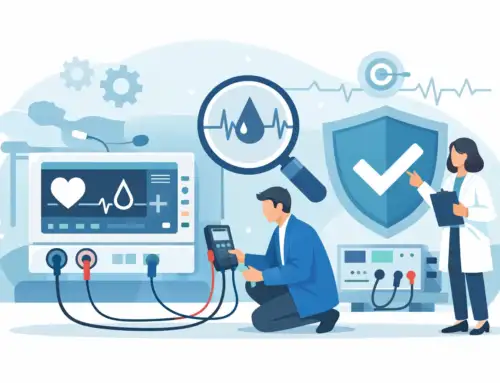
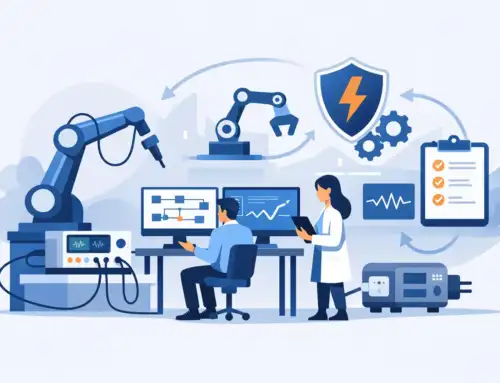
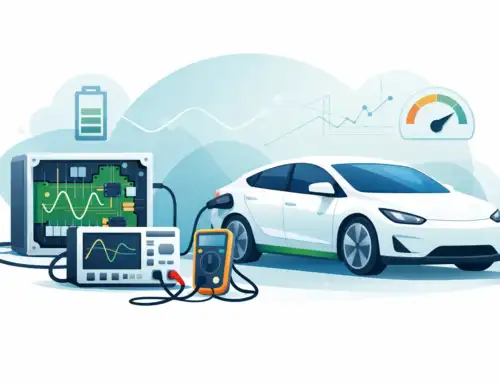
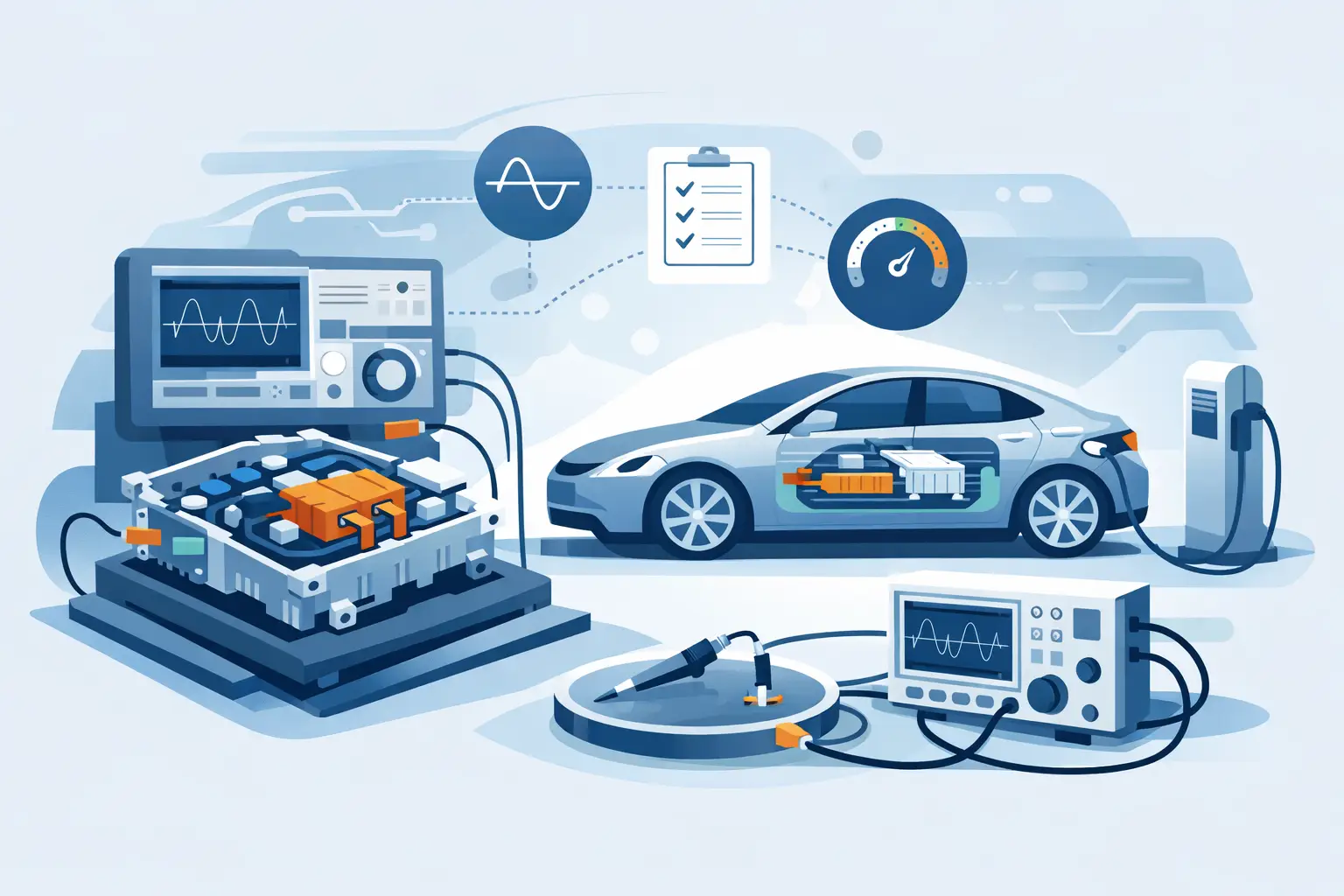
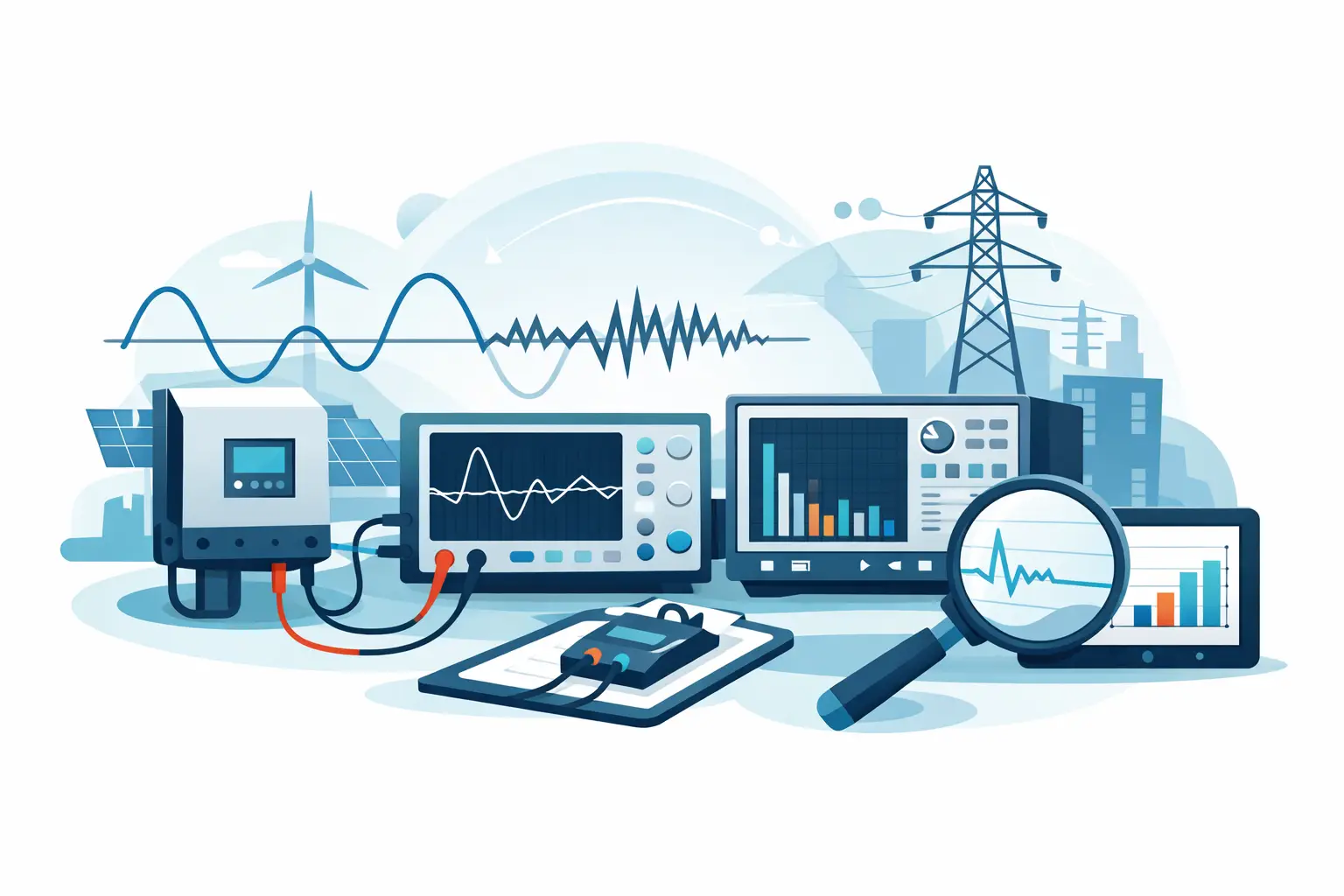
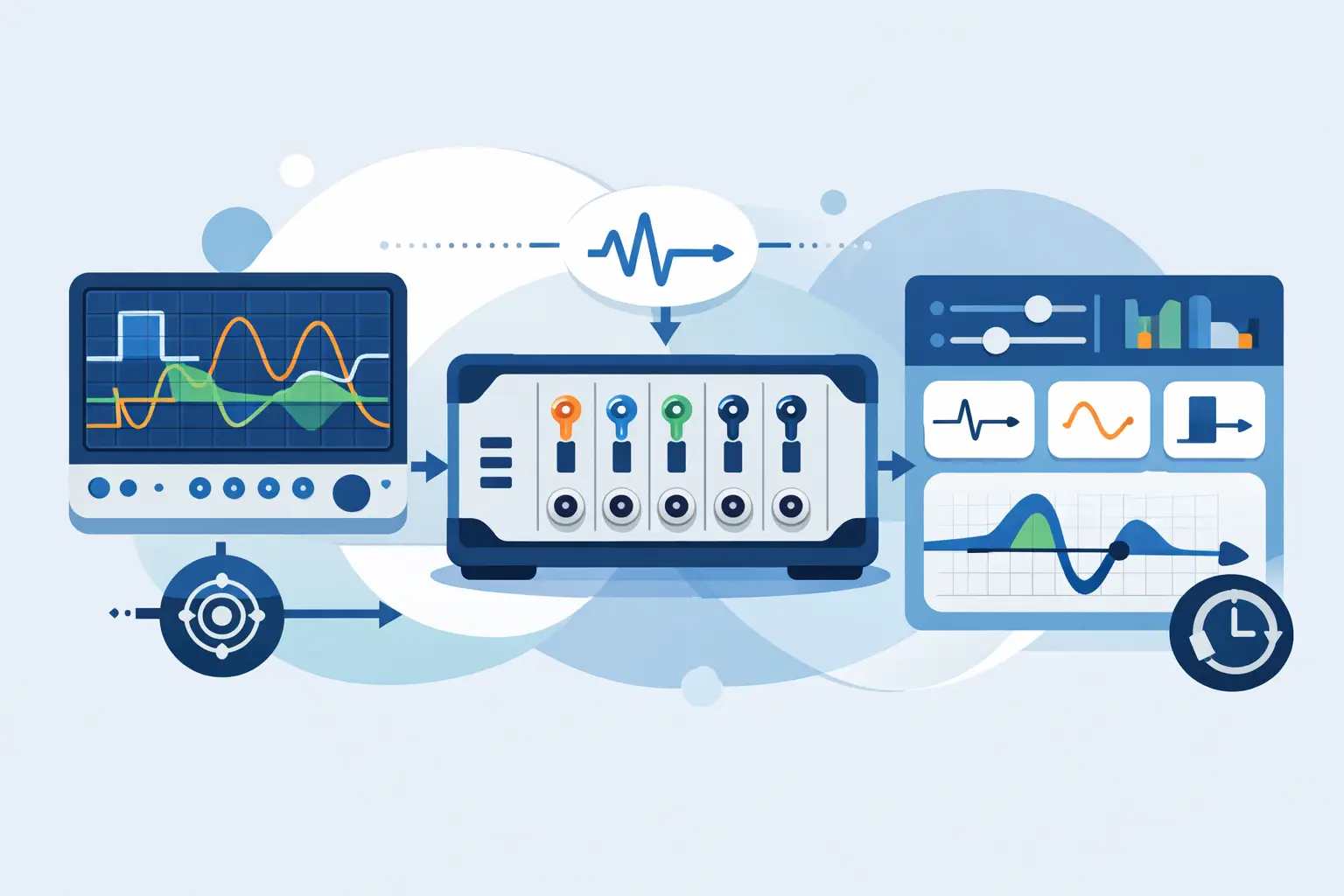
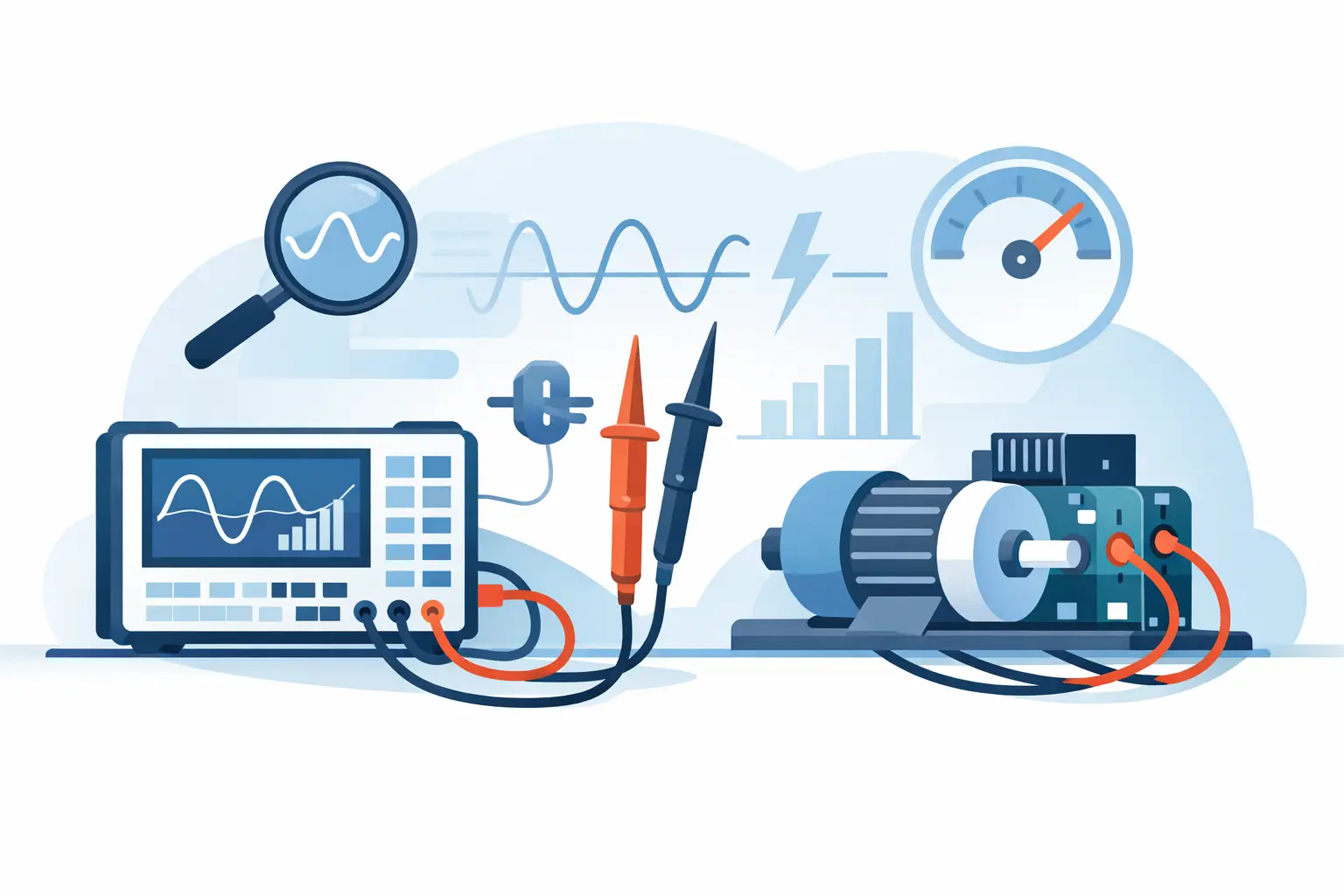
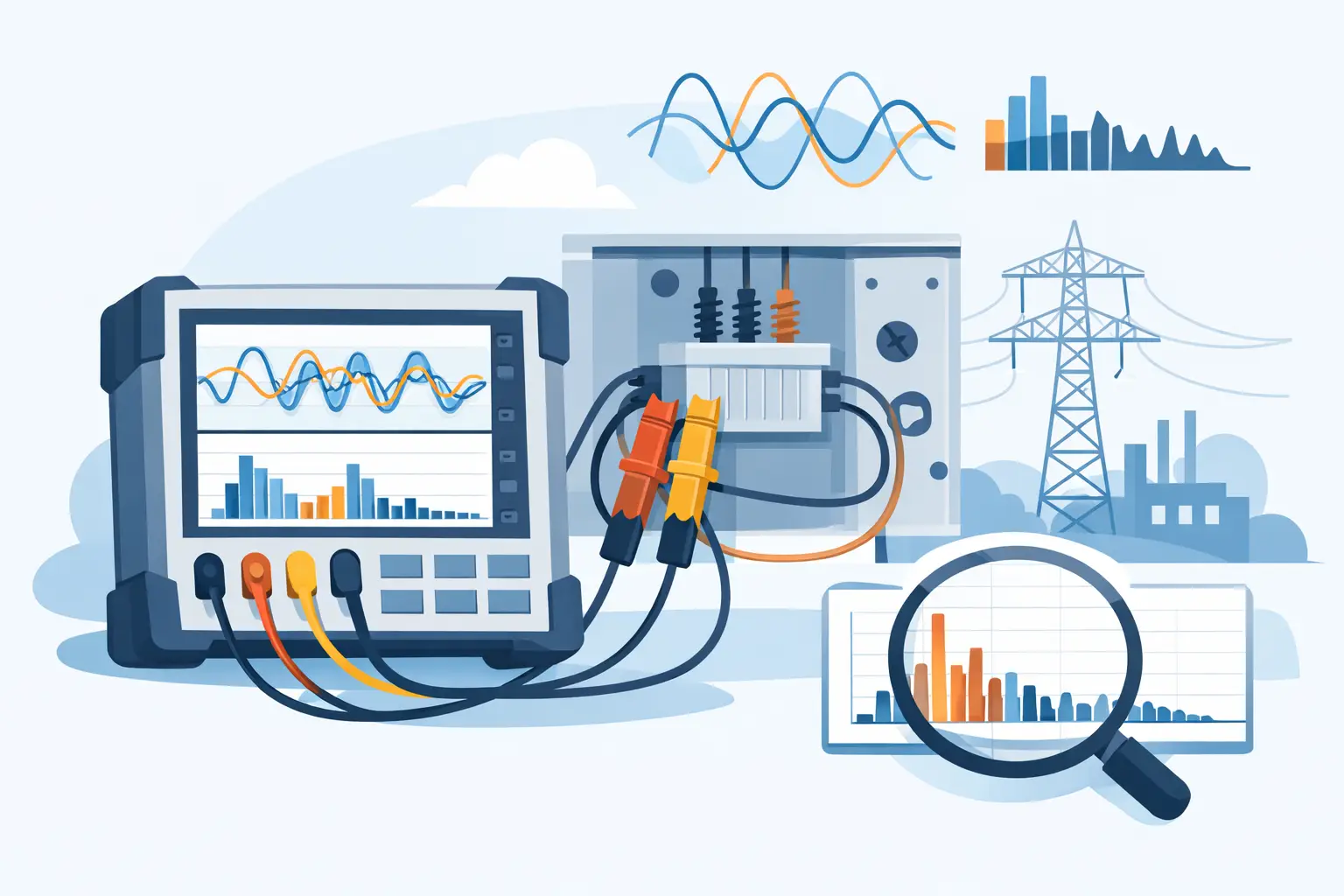
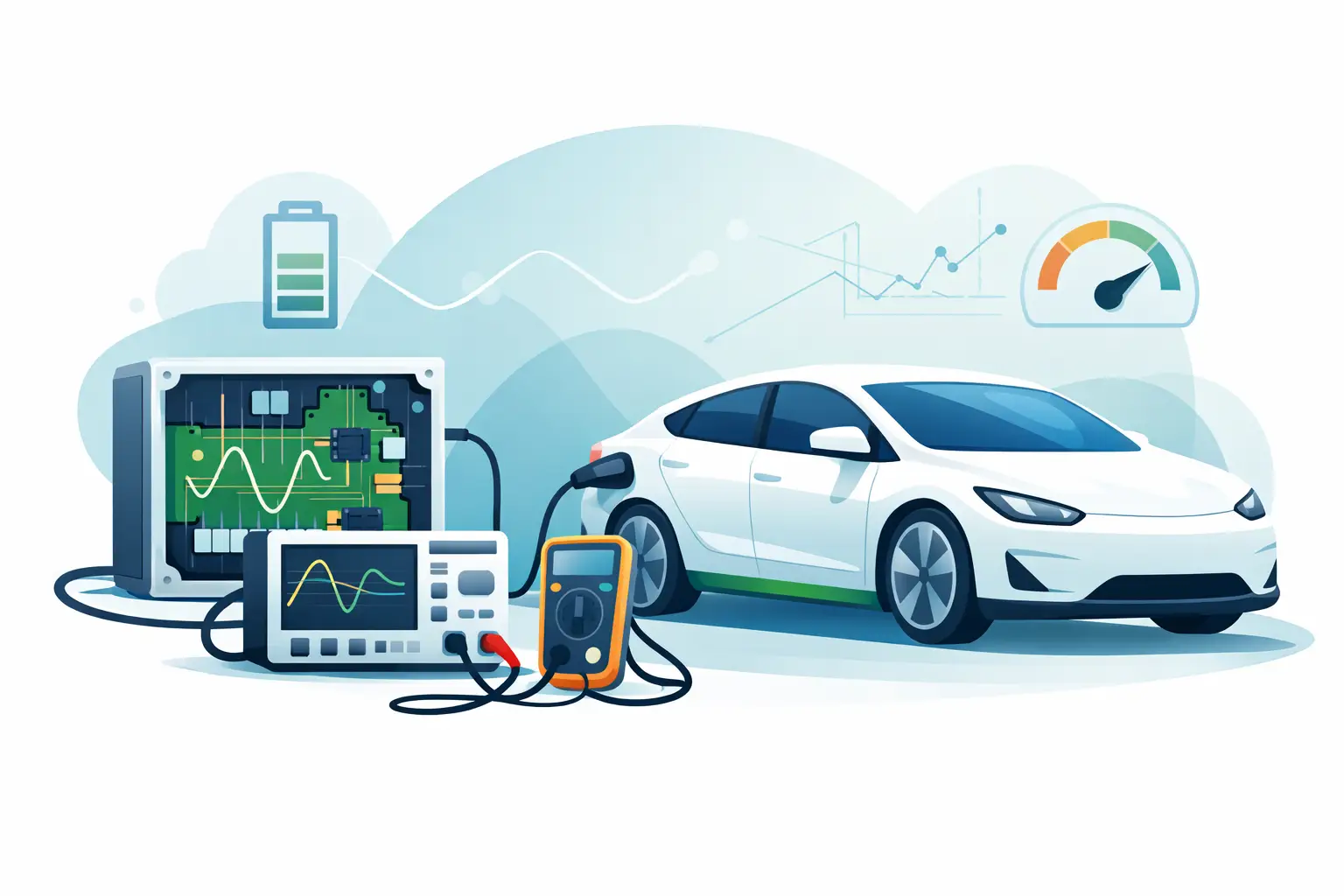
A traction inverter that looks efficient at nominal load can miss its target badly once switching behavior, harmonic content, and transient conditions are measured with enough bandwidth and timing fidelity. That is why choosing from the top power analyzers for EV validation is not a procurement exercise alone. It is a test strategy decision that affects efficiency mapping, battery characterization, charger validation, and the credibility of every pass-fail result built on that data.
EV programs place unusual demands on power instrumentation. Engineers are rarely measuring one steady operating point in isolation. They are correlating DC bus behavior with inverter output, capturing fast changes in load, verifying charging performance across multiple operating modes, and documenting results that may feed design reviews, compliance work, supplier qualification, and production test limits. In that environment, the right analyzer is the one that matches the application, the required uncertainty, and the pace of the lab.
What matters most in top power analyzers for EV validation
For EV validation, the headline wattage range or channel count is only the starting point. The more meaningful questions concern accuracy across the operating envelope, measurement bandwidth, sampling architecture, synchronization, and how well the instrument handles distorted waveforms.
A battery pack test bench may prioritize low uncertainty on DC voltage, current, and energy over long-duration runs. An e-axle dynamometer setup may care more about simultaneous multi-channel capture, high-speed updates, and confidence in real power under PWM-rich conditions. An onboard charger team may need harmonics, power factor, and efficiency calculations across AC and DC domains in one measurement chain. These are different jobs, and no single analyzer is automatically the best at all of them.
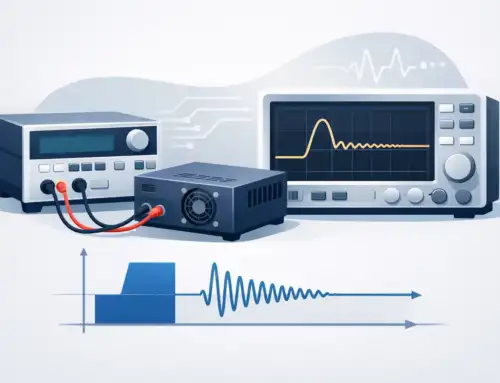
Bandwidth is one of the most misunderstood specifications. For inverter and motor drive work, insufficient bandwidth can smooth out waveform detail that materially changes computed power and loss. At the same time, paying for bandwidth far beyond the test requirement does not always improve the result. It can add cost and complexity without reducing uncertainty where it matters. The better approach is to define the switching frequencies, harmonic content of interest, and transient behavior that must be captured, then select accordingly.
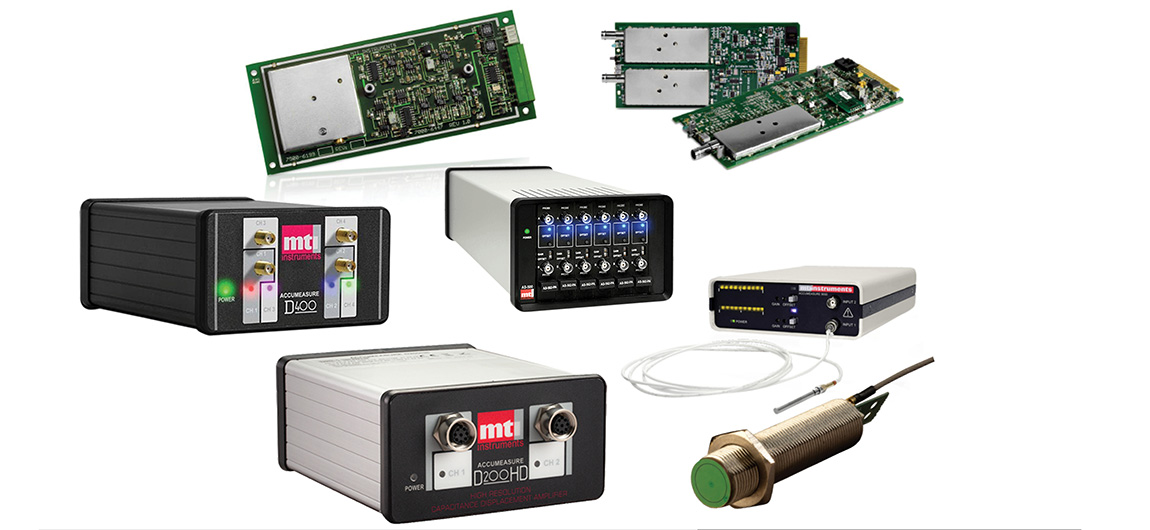
Current sensing also deserves close attention. In EV labs, the analyzer is only as good as the sensor chain connected to it. Shunts, Hall-effect sensors, current transformers, and zero-flux transducers all have trade-offs in bandwidth, isolation, drift, insertion loss, and cost. A high-performance analyzer paired with a marginal sensor can create false confidence very quickly.
The main analyzer classes for EV programs
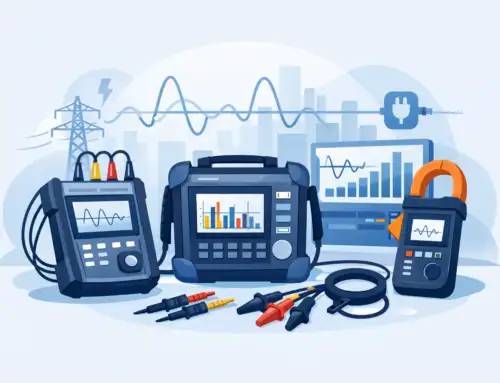
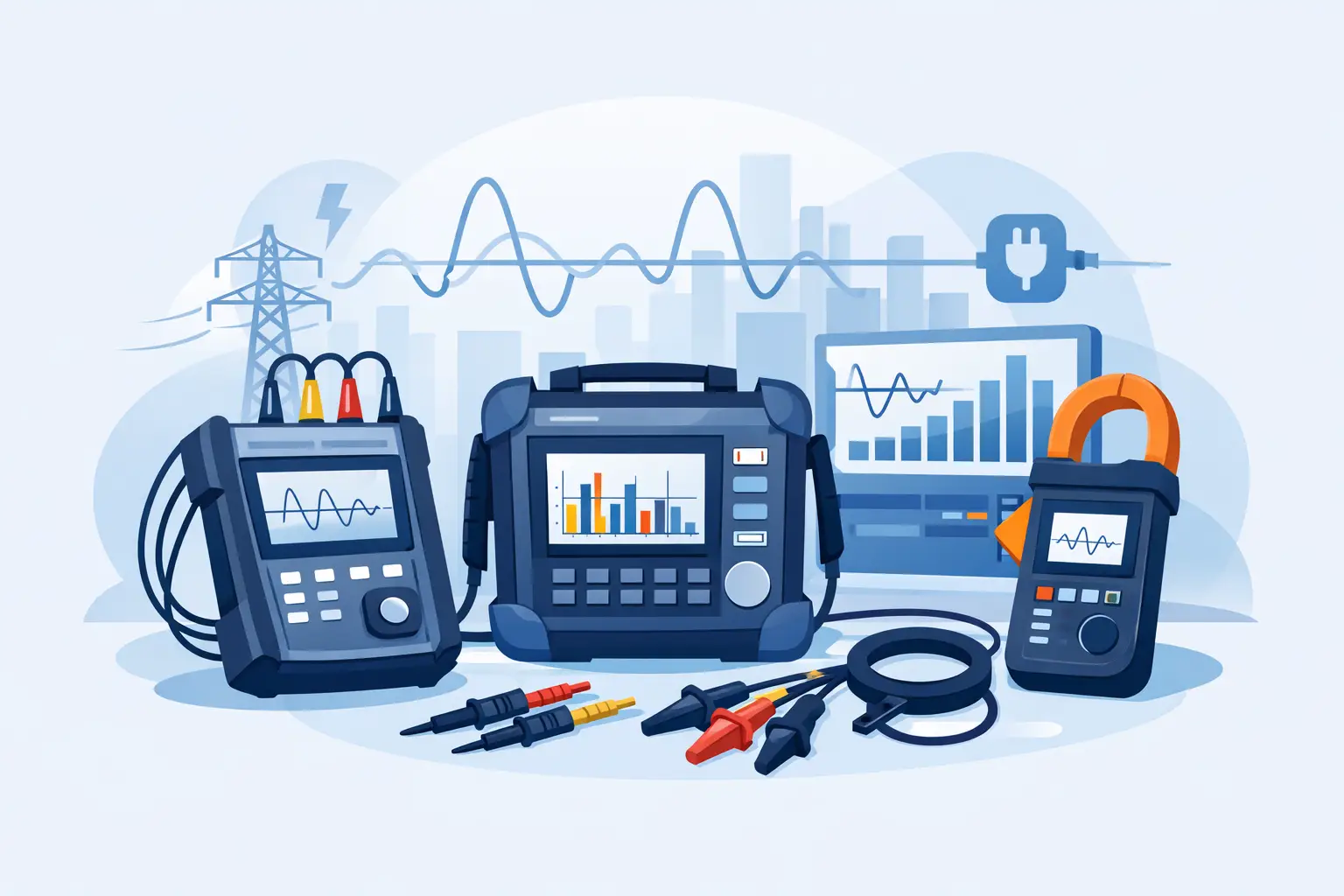
The top power analyzers for EV validation usually fall into three practical categories: high-precision laboratory analyzers, modular multi-channel systems, and integrated production-oriented platforms.
High-precision laboratory analyzers
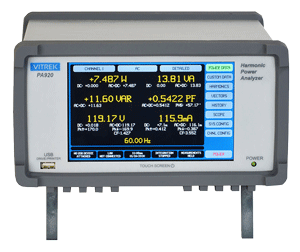
These instruments are typically selected for R&D, design verification, and benchmark efficiency work. Their value comes from low measurement uncertainty, strong harmonic performance, and flexible math functions. They are well suited to battery discharge and charge characterization, inverter efficiency mapping, motor drive studies, and charger development.
The advantage is measurement confidence. When engineers need to separate small efficiency gains from noise, laboratory-grade analyzers are hard to replace. The trade-off is that these systems may require more setup discipline and can become expensive once multiple channels, transducers, and automation options are added.
Modular multi-channel systems
As EV validation expands from component-level testing to subsystem and vehicle-level integration, multi-channel architectures become more attractive. These systems support synchronized measurement across DC input, three-phase output, auxiliary loads, and thermal or control signals.
Their strength is correlation. Instead of measuring one point at a time, engineers can see how electrical power behaves across the full system. That matters when diagnosing inverter losses, regen behavior, charger transitions, or power distribution anomalies. The trade-off is that modular systems vary widely in software maturity, timing performance, and ease of scaling.
Production-oriented power measurement platforms
Manufacturing and end-of-line validation often require faster throughput, simpler operator workflows, and tighter integration with automated test systems. In these environments, the best analyzer is not necessarily the most feature-rich. It is the one that produces repeatable results with minimal setup ambiguity.
This class often emphasizes communication interfaces, programmable limits, recipe control, and maintainability. The compromise is that some production-focused systems do not offer the same analytical depth as a dedicated R&D analyzer. That is acceptable if the measurement task is clearly defined and traceable to a validated method.
How to evaluate analyzer fit by EV application
Battery and DC bus validation
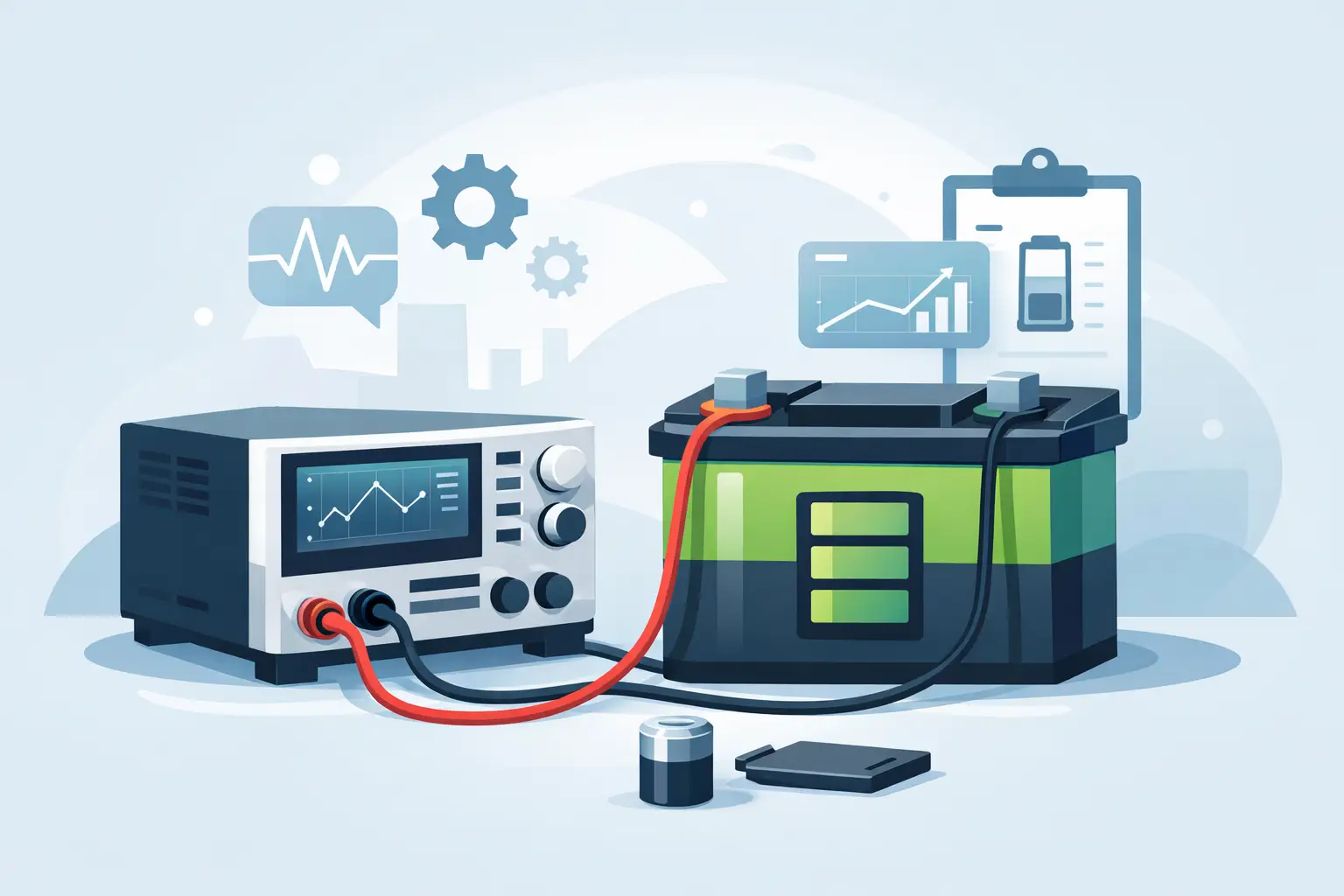
For pack, module, and DC link work, DC accuracy, long-term stability, and energy integration are central. Engineers should look closely at offset performance, temperature drift, and the instrument’s ability to maintain accuracy over extended runs. Fast transients still matter, especially for pulse load tests and dynamic drive cycles, but DC integrity usually dominates.
Here, the best analyzers tend to pair precise voltage measurement with current inputs or external transducer support that preserve traceability. Logging architecture also matters. A system that captures stable averages but misses short regenerative events can distort energy balance calculations.
Inverter and motor drive testing
This is where analyzer specifications become less forgiving. PWM waveforms, high dv/dt, wide speed ranges, and rapidly changing torque conditions challenge both the analyzer and the current sensor. Three-phase power calculations must remain credible under distorted conditions, not just with clean sinusoidal loads.
For this application, bandwidth, phase accuracy, update rate, and synchronization are usually more important than a long list of software features. Engineers should also verify how the analyzer computes power under non-ideal waveforms and whether those methods align with internal test procedures.
Onboard charger and EVSE validation
Charging systems span AC input quality, conversion efficiency, DC output stability, and often harmonics or power factor requirements. That means the analyzer must handle both sides of the conversion chain without creating data gaps between instruments.
A strong fit here is an analyzer that measures AC and DC simultaneously, supports harmonic analysis where needed, and integrates easily with temperature, control, and protocol test environments. If charger validation includes compliance-related reporting, reporting workflow and data export matter more than many teams expect.
Selection criteria that separate adequate from excellent
Resolution by itself is not enough. Engineers should compare stated accuracy under the actual voltage, current, crest factor, and frequency conditions expected in the test plan. Some analyzers look comparable on a datasheet until the operating point moves away from nominal conditions.
Timing architecture is another separator. Simultaneous sampling is valuable when phase relationships affect the result, especially in three-phase and mixed-domain measurements. If channels are multiplexed or loosely synchronized, subtle timing errors can appear as power errors.
Software should be evaluated as part of the measurement system, not as an accessory. EV validation labs need automation hooks, dependable data export, recipe management, and a clear audit trail for setup parameters. If the software makes it hard to reproduce a test six months later, the analyzer is creating risk even if the hardware is sound.
Calibration support and service response also deserve more attention than they often receive. A power analyzer may be technically capable, but if calibration intervals, transducer verification, and support logistics do not fit the lab’s operating model, uptime and confidence will suffer. For regulated or performance-critical environments, traceability is part of the measurement requirement.
Common mistakes when comparing top power analyzers for EV validation
One common mistake is over-indexing on maximum current and voltage while underestimating low-level accuracy. Many EV tests involve standby states, auxiliary systems, or incremental efficiency improvements where small errors matter.
Another is treating the analyzer as a standalone instrument rather than a node in a wider test architecture. Current sensors, isolation strategy, data acquisition, environmental conditions, and automation software all affect the result. The analyzer cannot fix weaknesses elsewhere in the chain.
A third mistake is assuming that the analyzer used in R&D should be the same one deployed in production. Sometimes that is the right decision, particularly when method transfer is critical. In other cases, a production station needs a more constrained, faster, and easier-to-maintain platform. It depends on whether the objective is deep characterization or repeatable screening.
A practical way to choose
Start with the measurement problem, not the catalog. Define whether the priority is inverter efficiency, battery energy balance, charger performance, or end-of-line verification. Then specify the waveform characteristics, required uncertainty, channel count, sensor type, automation needs, and traceability requirements.
After that, compare analyzers under real operating conditions. Ask how they perform with distorted waveforms, rapid load changes, long-duration logging, and synchronized multi-channel measurements. If possible, evaluate the complete chain, including current transducers and software workflow. That is usually where the real differences appear.
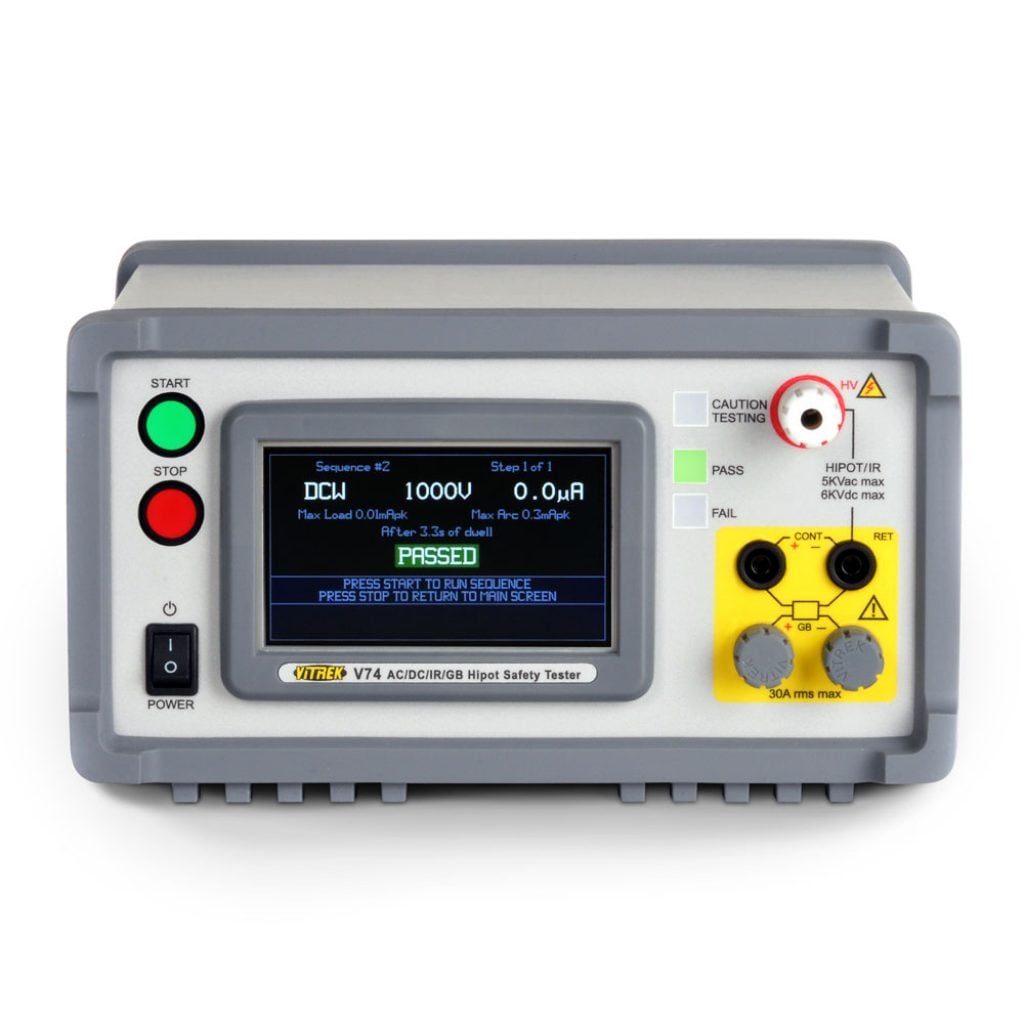
For teams building or modernizing EV validation infrastructure, a supplier with power measurement expertise, application support, and broader test capability can reduce integration friction. Companies such as Vitrek are strongest when the conversation moves beyond a single instrument and into measurement integrity across the full test environment.
The best analyzer is the one that makes your data harder to question when the design margin is tight, the schedule is compressed, and the next engineering decision depends on getting the numbers right the first time.