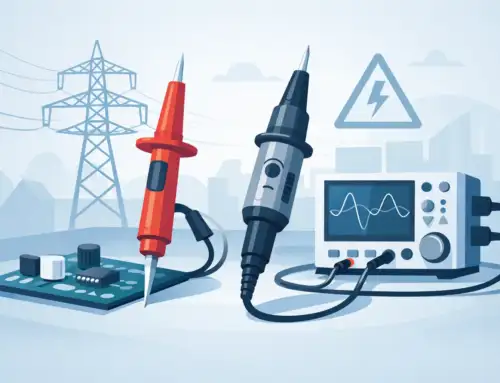
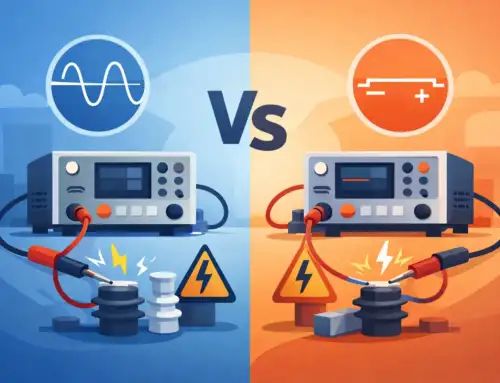
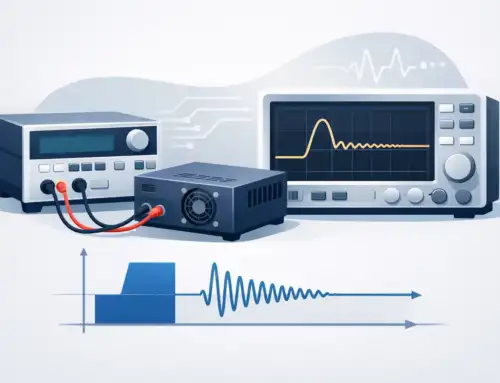
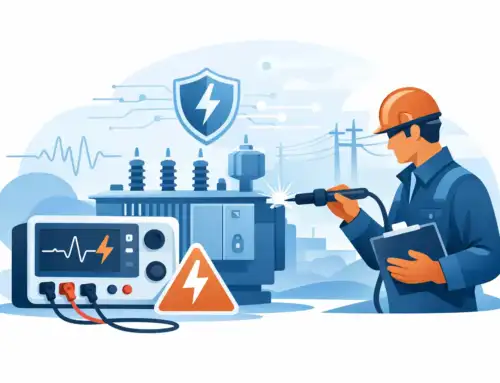
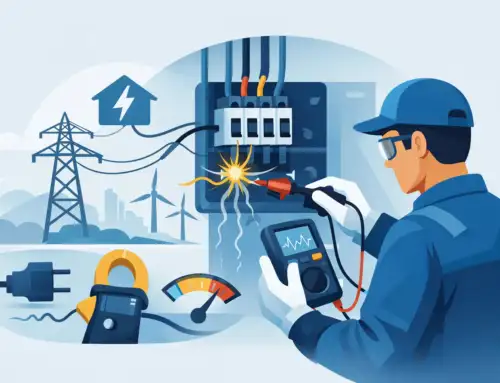
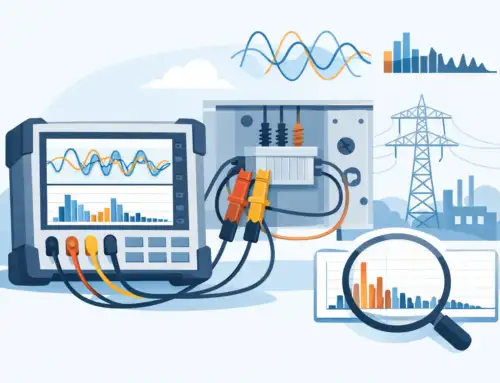
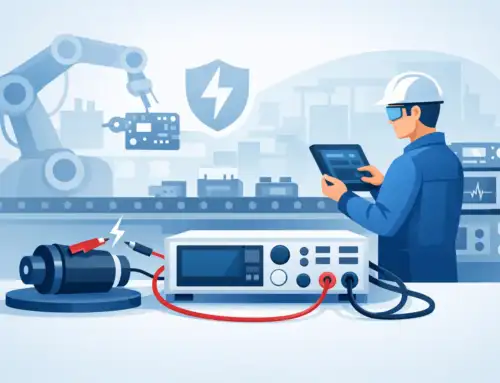
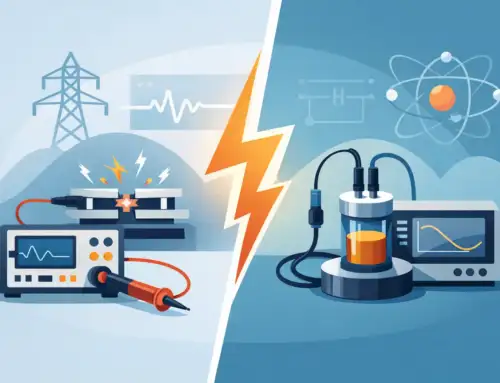
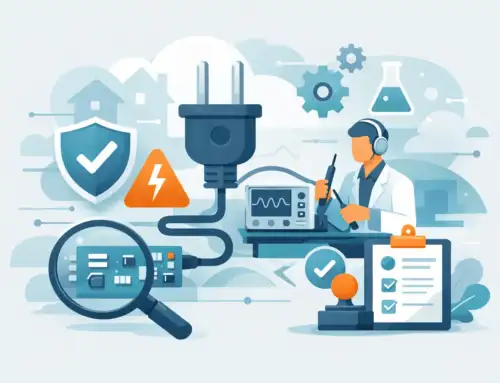
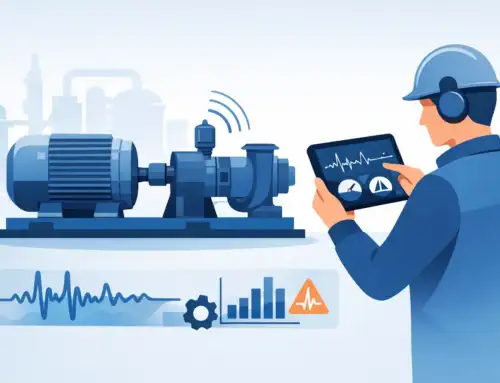
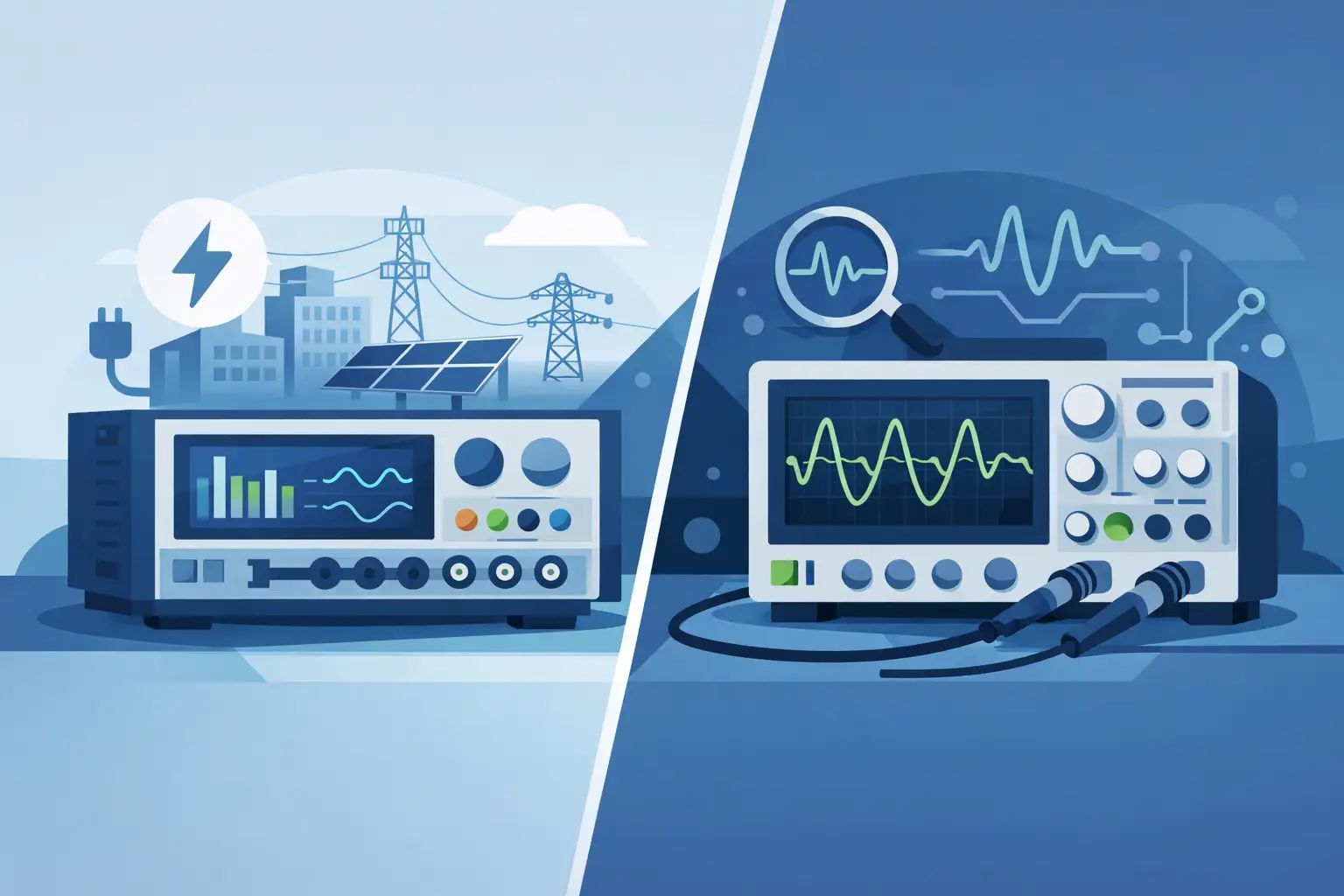
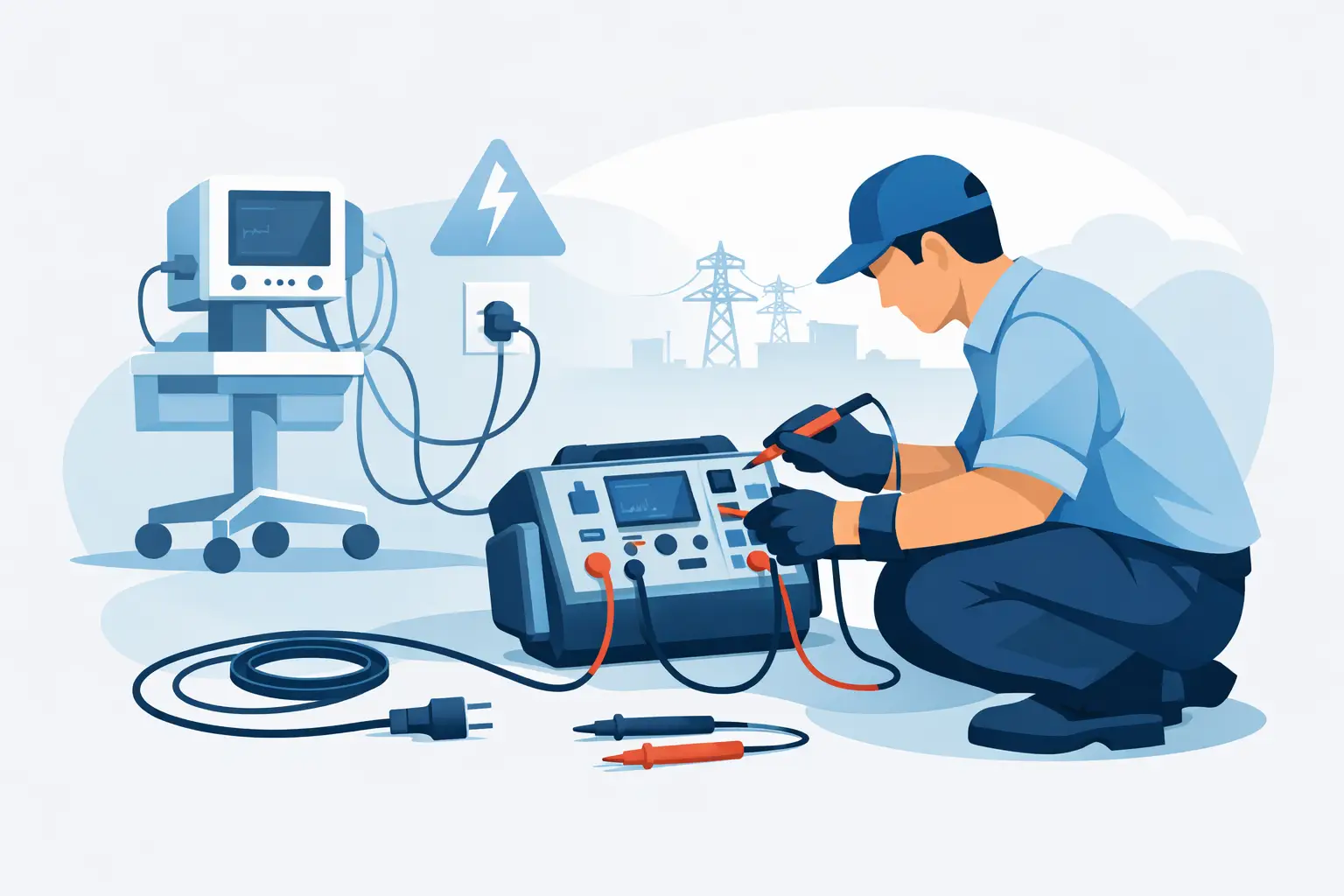
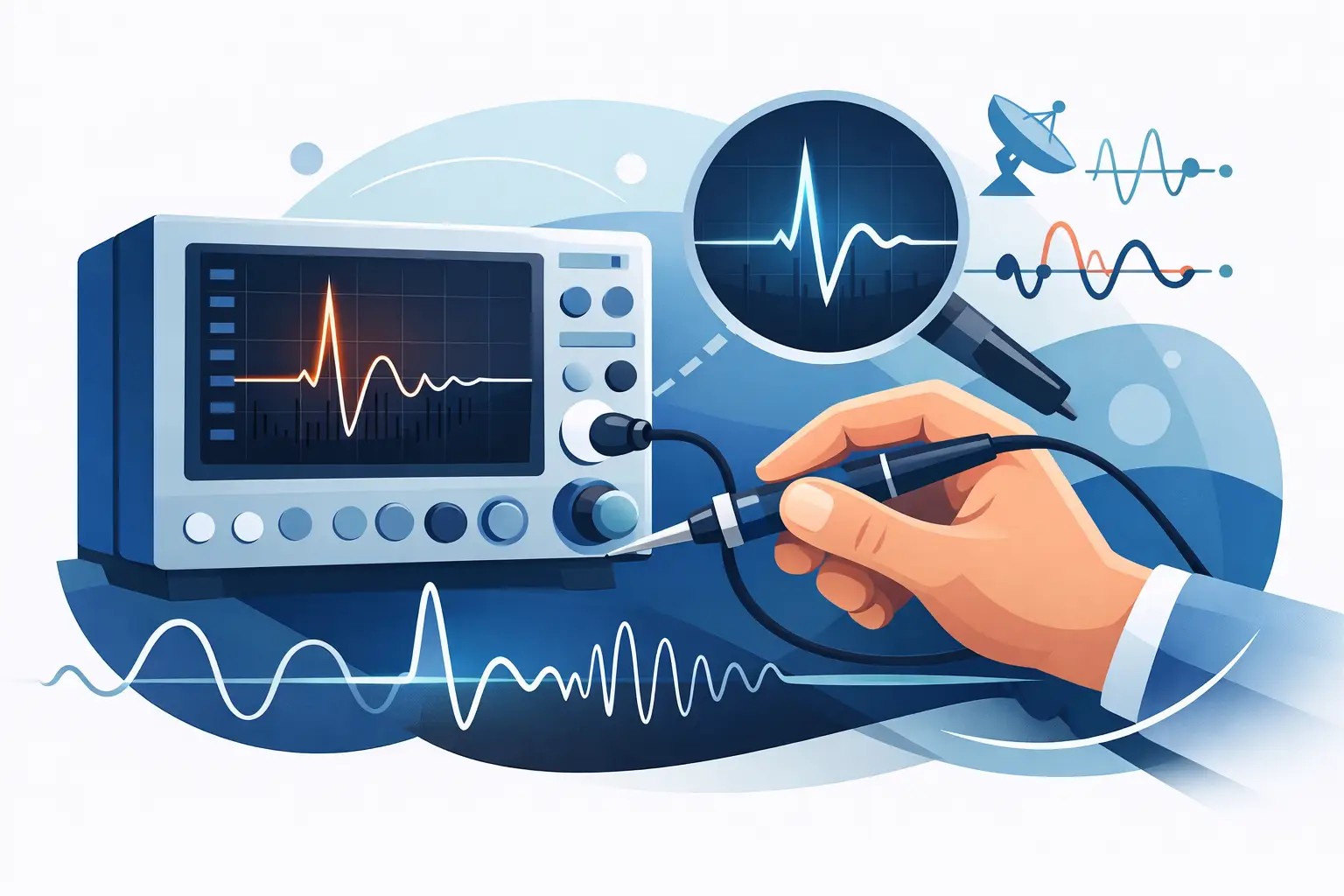
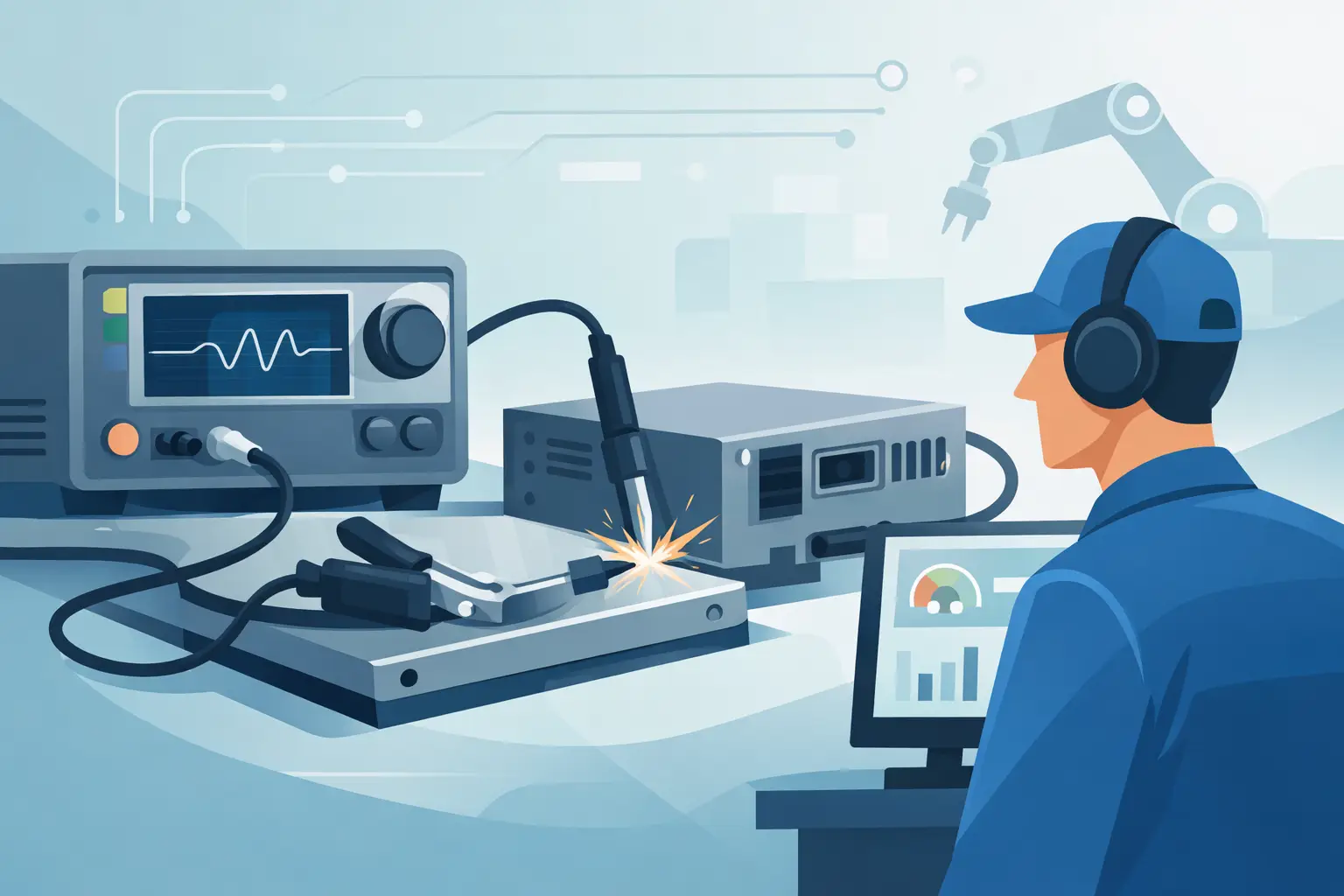
A nuisance trip at 2:13 a.m. rarely looks like a power quality problem at first. It looks like a failed drive, an unreliable PLC input, a breaker issue, or a production anomaly that only appears under load. That is why a disciplined power quality troubleshooting checklist matters. It keeps the investigation anchored to measured evidence instead of assumptions, especially in facilities where downtime, compliance exposure, or product loss carries real cost.
Why a power quality troubleshooting checklist works
Power quality faults are easy to misclassify because symptoms overlap. Motor overheating may point to imbalance, harmonic distortion, undervoltage, or a control issue. Sensitive electronics may reset because of a brief sag, a transient, poor grounding practice, or an internal power supply weakness. If the team starts with the most visible symptom instead of the electrical sequence behind it, troubleshooting becomes iterative guesswork.
A structured checklist forces the right order of operations. First confirm the event. Then define where it appears, when it occurs, and what else was operating at the time. After that, measure with enough time resolution and accuracy to correlate the disturbance to actual system behavior. In regulated or performance-critical environments, that discipline is not optional. It is the difference between a root cause and a temporary workaround.
Start with the event, not the theory
Before connecting instruments, write down the failure in operational terms. What stopped, tripped, reset, overheated, or drifted out of tolerance? How often does it happen? Is it random, shift-dependent, weather-related, or tied to a specific process step such as compressor start, welder operation, or EV charger activity?
The most useful early distinction is whether the issue is equipment-specific or system-wide. If one machine shows symptoms while adjacent loads remain stable, the problem may be local to that branch circuit, grounding scheme, internal control cabinet, or the equipment itself. If multiple assets on the same feeder report faults at the same time, the source may be upstream. That simple boundary check saves time.
It also helps to identify the electrical signature you expect before measuring. Sags usually align with motor starts, faults, or utility disturbances. Swells can appear during load rejection or poor regulation. Harmonics tend to track non-linear loads such as variable frequency drives, UPS systems, switch-mode supplies, and chargers. Transients are brief and demand the right capture settings or they will be missed entirely.
The measurement portion of the checklist
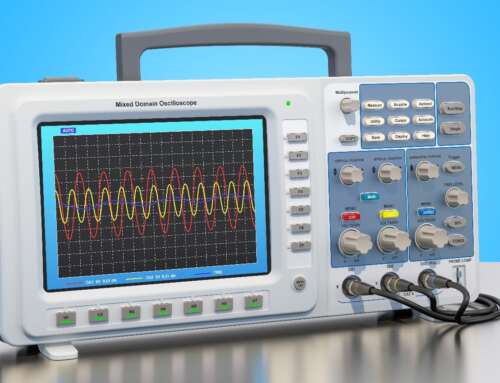
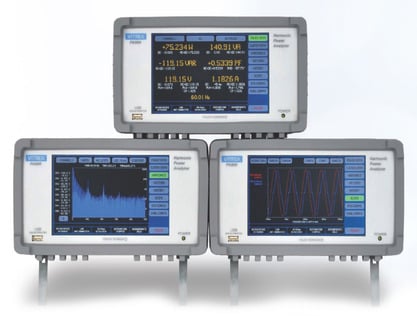
A practical power quality troubleshooting checklist begins with instrument suitability. If the analyzer lacks sufficient sampling capability, event capture, channel isolation, or time synchronization, the data may not support a defensible conclusion. In industrial and lab environments, that matters as much as the measurement itself.
1. Verify the measurement setup
Confirm nominal system voltage, frequency, phase configuration, grounding method, and service entrance architecture. Then verify probe ratings, current sensor range, CAT safety rating, and calibration status. A surprising number of false leads come from wrong PT or CT ratios, reversed current probes, missing neutral reference, or instrument scaling errors.
Time correlation deserves special attention. If maintenance logs, PLC alarms, SCADA records, and power data do not share a common time base, event matching becomes speculative. For intermittent faults, even a small timestamp mismatch can send the investigation in the wrong direction.
2. Measure at the right points
Start as far upstream as practical, then work downstream. Service entrance, main distribution, affected panel, and equipment input each tell a different part of the story. If the disturbance is visible at the service entrance, the source may be utility-side or tied to a large site load. If it appears only at the equipment terminals, focus on branch impedance, local grounding, conductor sizing, shared neutrals, or internal load behavior.
For three-phase systems, capture phase-to-phase and phase-to-neutral voltages where applicable, line currents, neutral current, and ground-related measurements if the symptom suggests leakage or reference instability. Looking at voltage alone is often insufficient. Current behavior frequently reveals whether the source is external or load-induced.
3. Match capture settings to the fault type
Steady-state RMS trending is useful for chronic undervoltage, overvoltage, unbalance, or harmonic loading. It is much less useful for fast transients and short-duration events. If drives fault during contactor switching or nearby lightning activity, use event-triggered waveform capture with thresholds tight enough to catch short excursions.
This is one of the most common trade-offs in field troubleshooting. Longer recordings give better process context, but lower time resolution can hide the actual disturbance. In some cases, you need two passes – one for long-duration trends and one for high-speed event capture.
What to check first in the data
Voltage sags, swells, and interruptions
Start with duration, depth, and affected phases. A balanced sag across all phases suggests a different source than a single-phase dip. If sags align with large motor starts, transformer energization, or fault clearing events, assess source impedance and upstream capacity. If the sag is severe at one load but modest at the panel, conductor length, undersized feeders, or loose connections may be involved.
For interruptions, determine whether they are complete or partial and whether control power dropped out before the main load. Many process failures blamed on power loss are actually control circuit vulnerabilities.
Harmonics and waveform distortion
If transformers run hot, neutrals are overloaded, breakers nuisance trip, or metering appears inconsistent, inspect harmonic content. Total harmonic distortion is a starting point, not a diagnosis. The harmonic order, load state, and circuit location matter more. Fifth and seventh harmonics often point to six-pulse drive behavior, while triplen harmonics can accumulate in neutrals.
It also matters whether harmonic distortion is driven by voltage or current. High current distortion may be expected with non-linear loads. High voltage distortion suggests the source impedance is allowing those currents to deform the supply waveform. The corrective action is different in each case.
Unbalance, flicker, and transients
Voltage unbalance that looks minor on paper can have an outsized effect on motors. Check phase current symmetry as well as voltage symmetry, because the current response is often more severe. If operators report visible light flicker or process instability tied to cyclic loads, monitor repetitive fluctuations and correlate them to duty cycles.
For transients, do not assume every spike is the root cause. Facilities often have benign switching noise. The real question is whether the transient magnitude, repetition, and location line up with equipment susceptibility. A captured spike without process correlation is only a clue.
Common causes that the checklist should not miss
Loose or degraded connections remain high on the list, especially where thermal cycling and vibration are present. A poor termination can produce intermittent voltage drops, heat, and waveform anomalies that resemble more complex system problems.
Grounding and bonding errors are another frequent source of confusion. They can create reference instability, communication faults, sensor noise, and unexplained control behavior without looking like a classic feeder problem. In mixed environments with VFDs, PLCs, data acquisition, and sensitive analog measurement, grounding quality often determines whether the system is merely functional or consistently reliable.
Load interaction also deserves attention. A new charger bank, a larger compressor, added automation cells, or an upgraded UPS can shift the electrical environment enough to expose weaknesses that were already present. The newest device is not always the cause, but it may be the first load large or fast enough to make the problem visible.
Turning data into corrective action
A useful checklist does not stop at detection. It should lead to an action that matches the mechanism. If the root cause is source impedance during motor starts, options may include reduced-voltage starting, sequencing changes, dedicated feeders, or transformer upgrades. If the issue is harmonic current from non-linear loads, mitigation could involve passive filtering, active filtering, line reactors, phase-shifting approaches, or distribution redesign.
If transient susceptibility is the problem, the right answer may be surge protection, shielding, grounding correction, or control power ride-through rather than broad changes to the entire electrical system. If the evidence points to equipment immunity rather than supply quality, then the troubleshooting path should include the load manufacturer’s tolerance limits and internal power supply behavior.
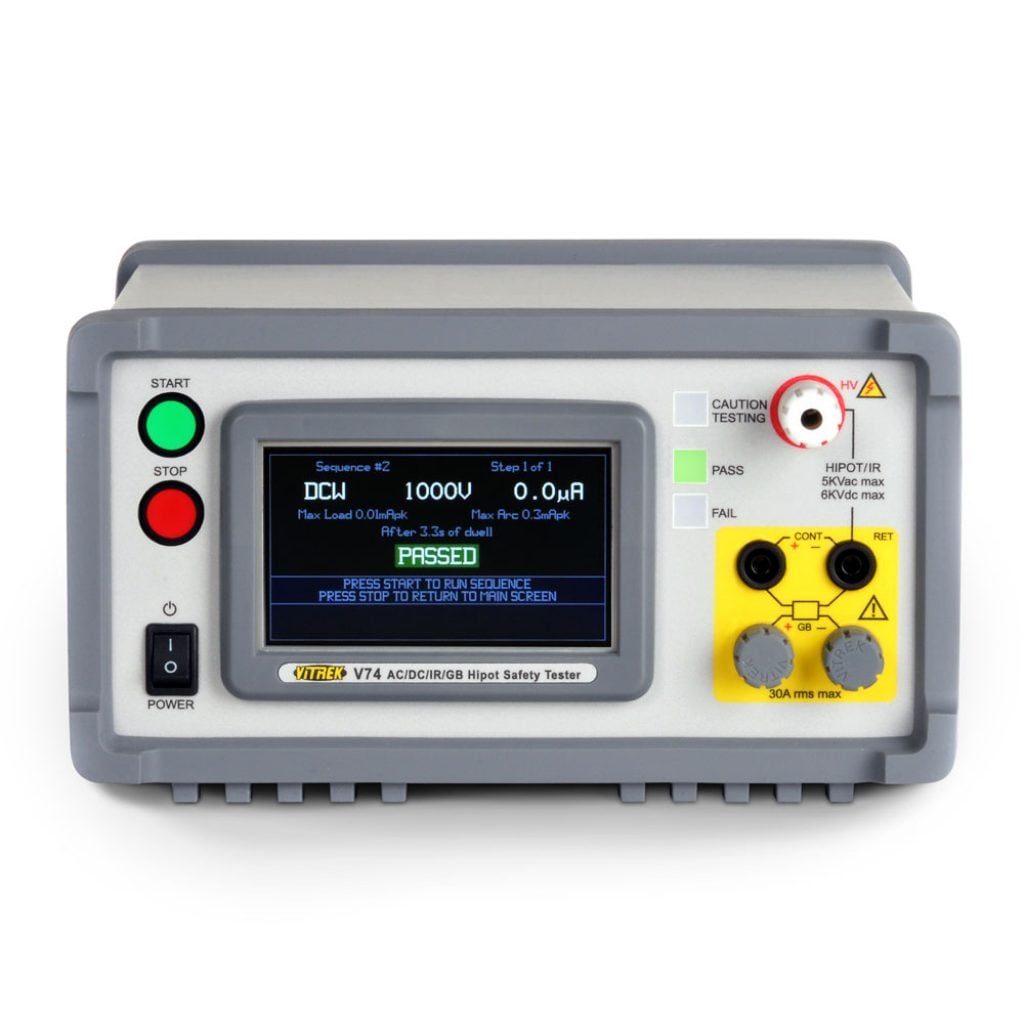
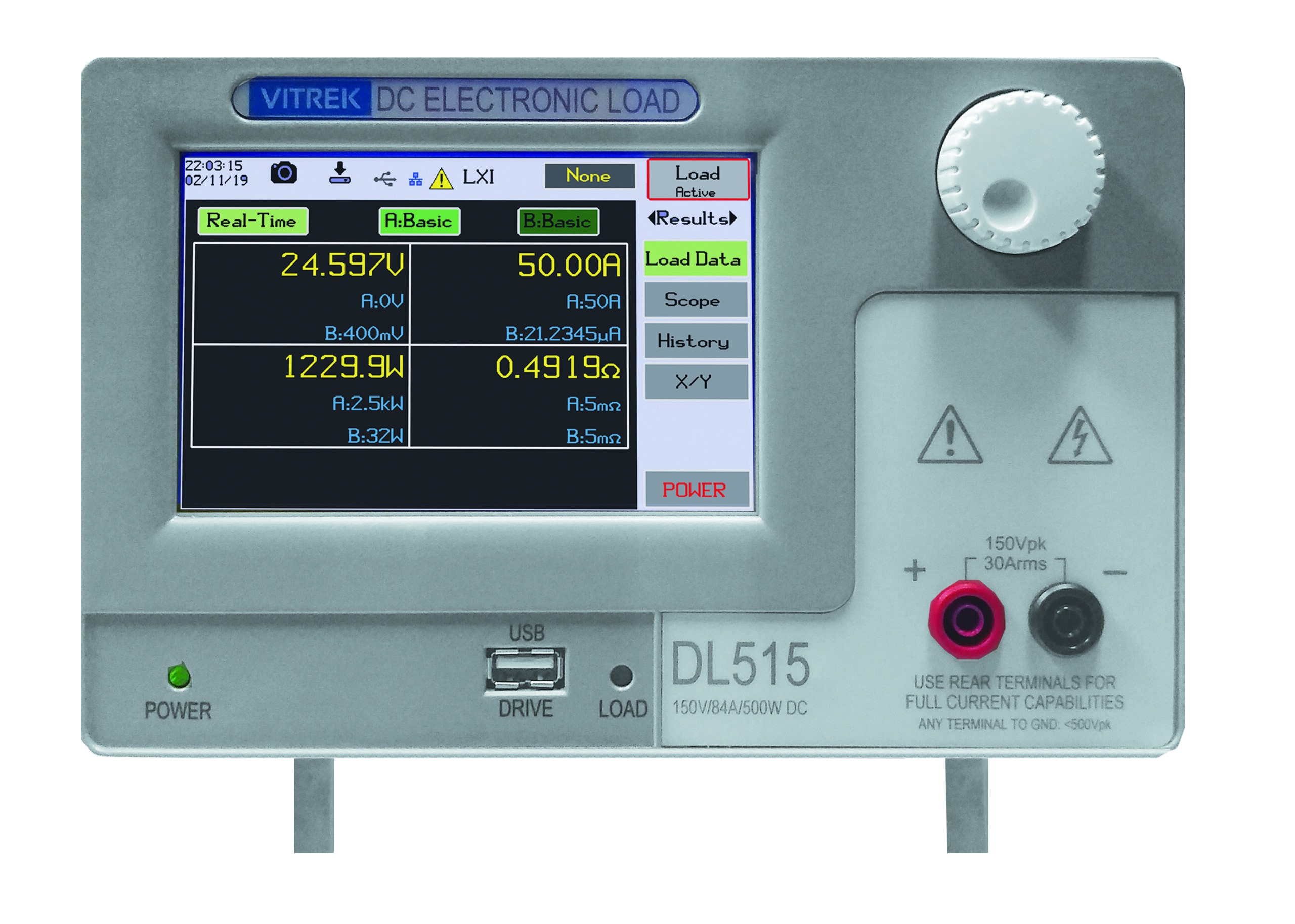
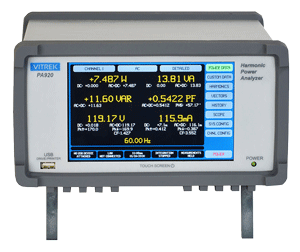
This is where high-accuracy instrumentation becomes more than a procurement detail. In complex investigations, the team needs measurements that are repeatable, traceable, and credible enough to support engineering changes, vendor discussions, and in some cases compliance documentation. Vitrek’s audience already understands that poor data costs more than good instruments.
A practical standard for field use
The strongest version of a power quality troubleshooting checklist is simple enough to use under pressure and rigorous enough to stand up after the fact. Define the symptom clearly. Establish the system boundary. Verify instrument setup and timing. Measure upstream and downstream. Capture both trends and events when needed. Separate correlation from coincidence. Then choose corrective action based on the actual disturbance mechanism, not the most convenient theory.
That approach is not flashy, but it is how difficult electrical problems get solved. When production, validation, or safety depends on power integrity, measured discipline is usually the fastest path forward.