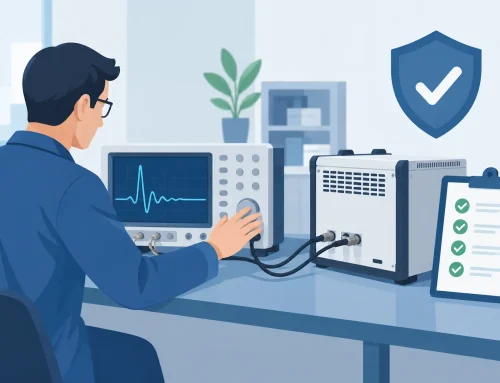
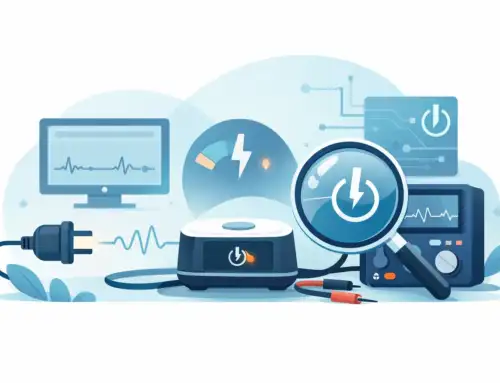
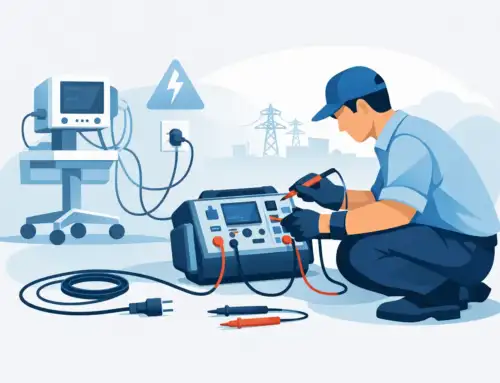
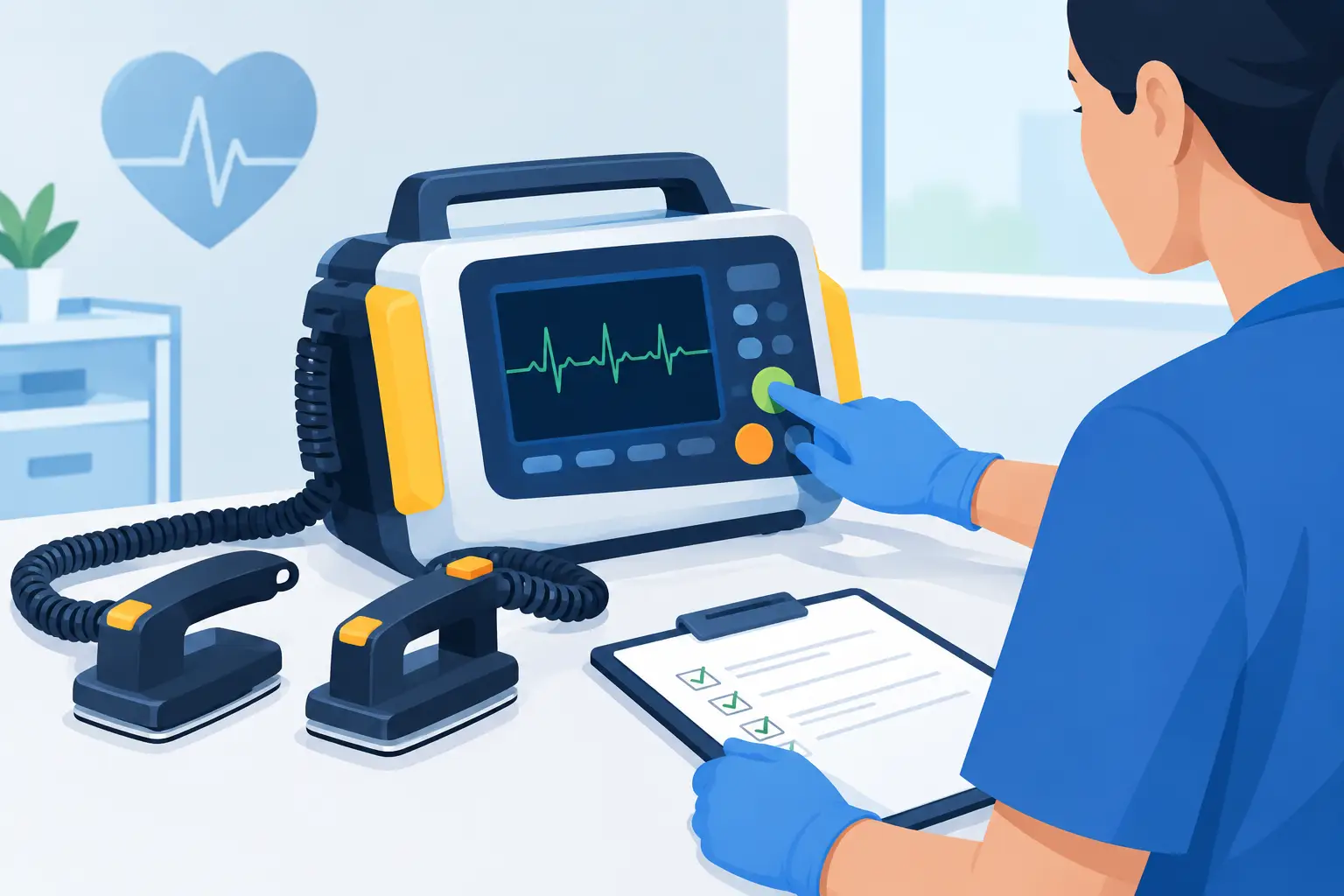
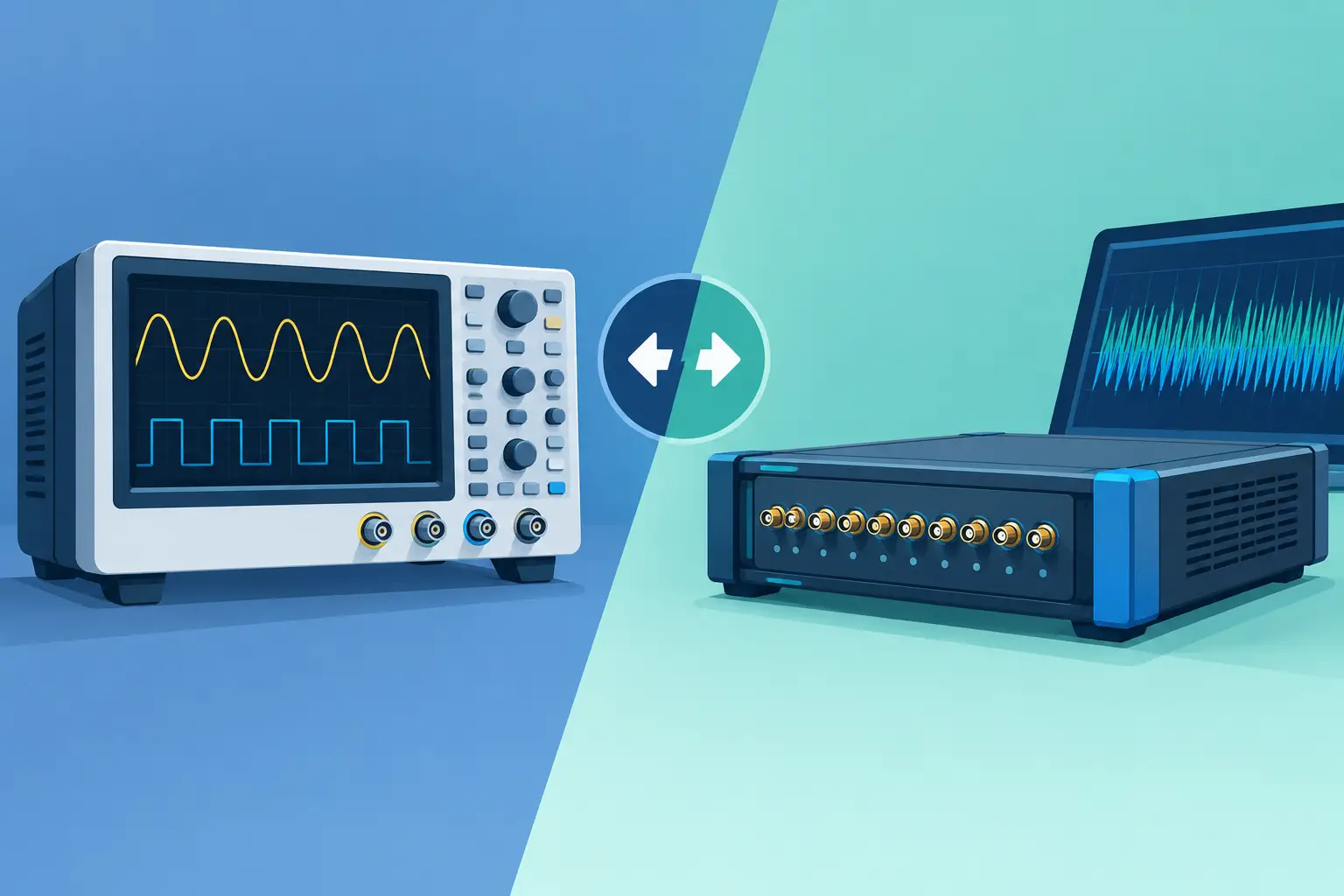
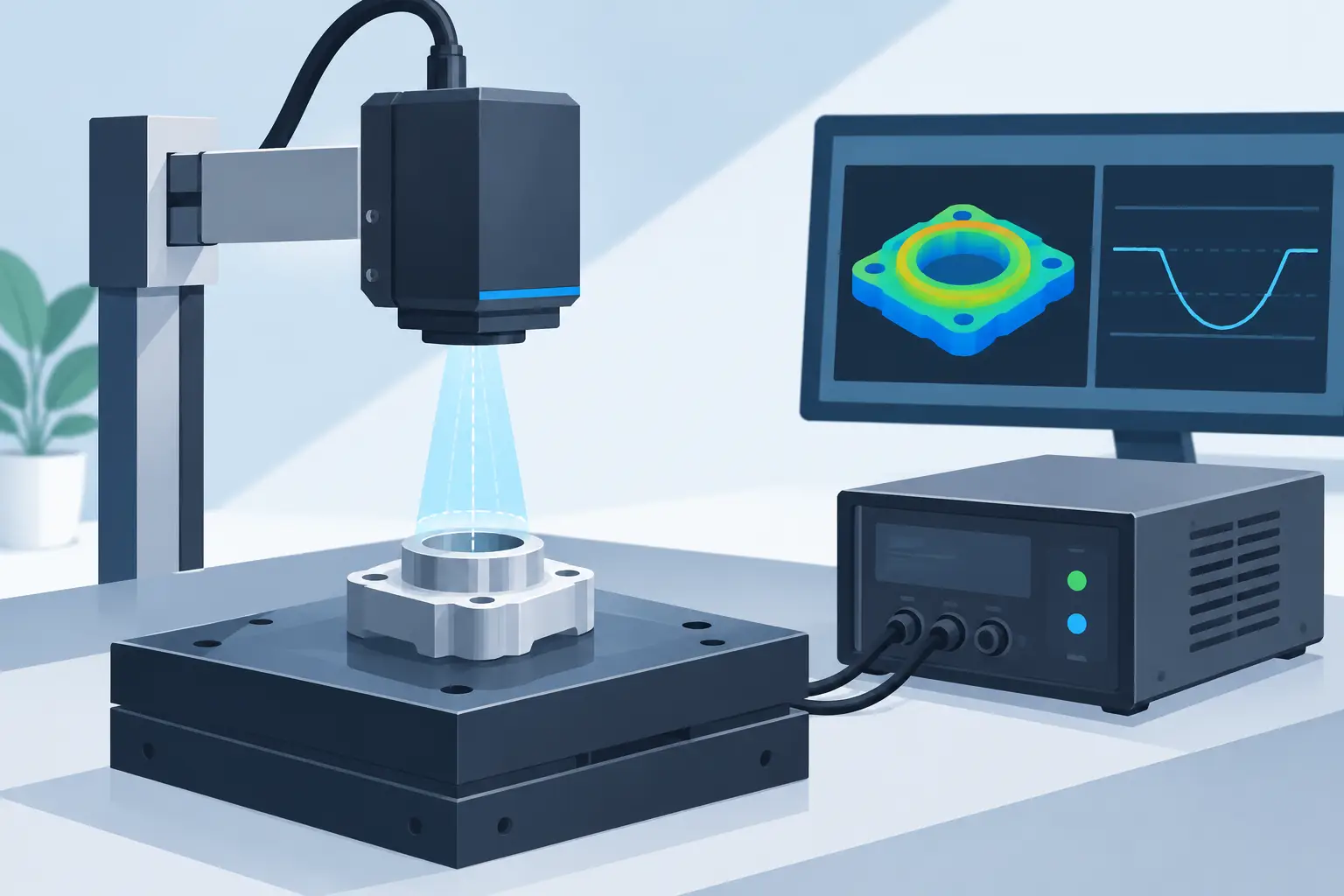
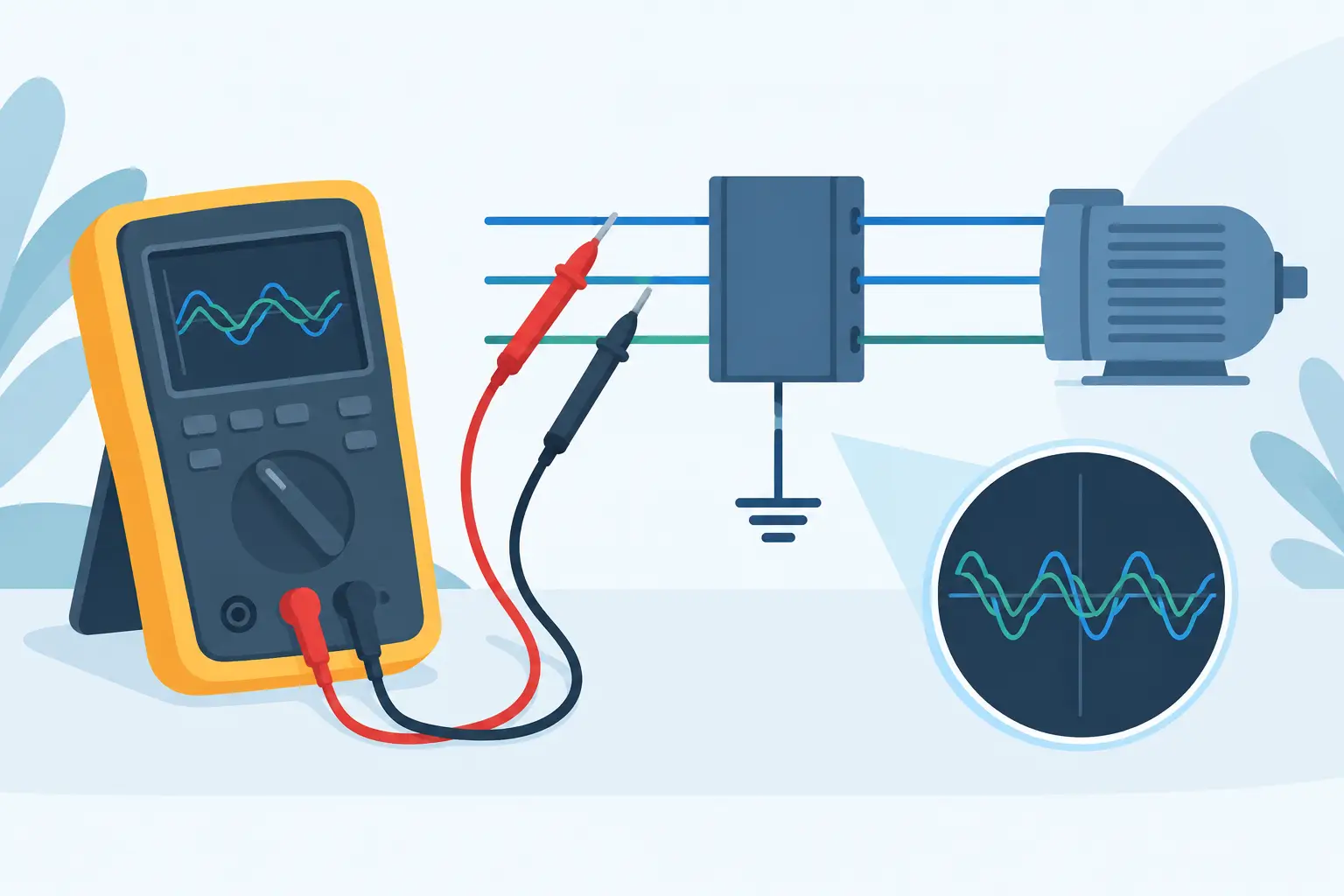
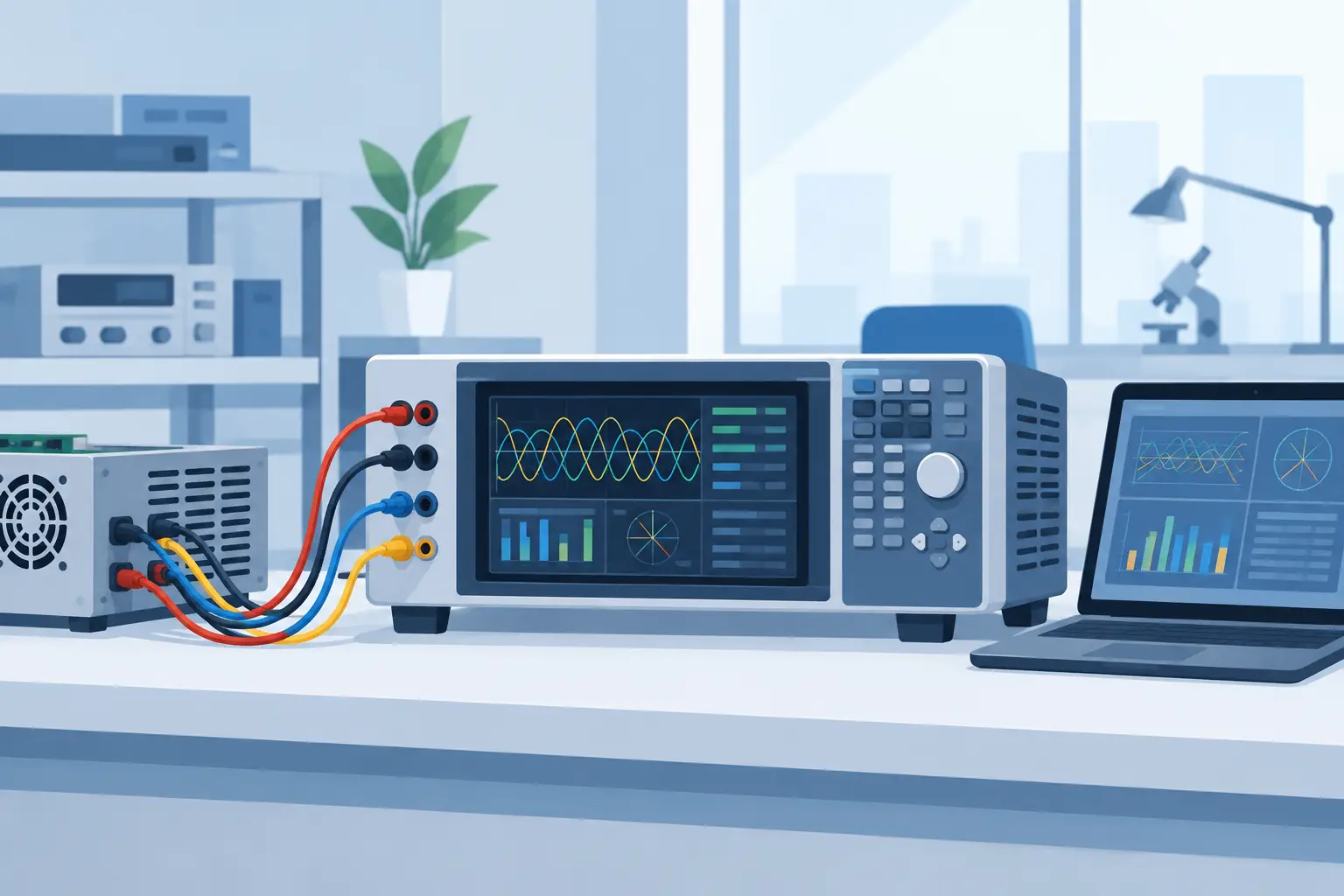
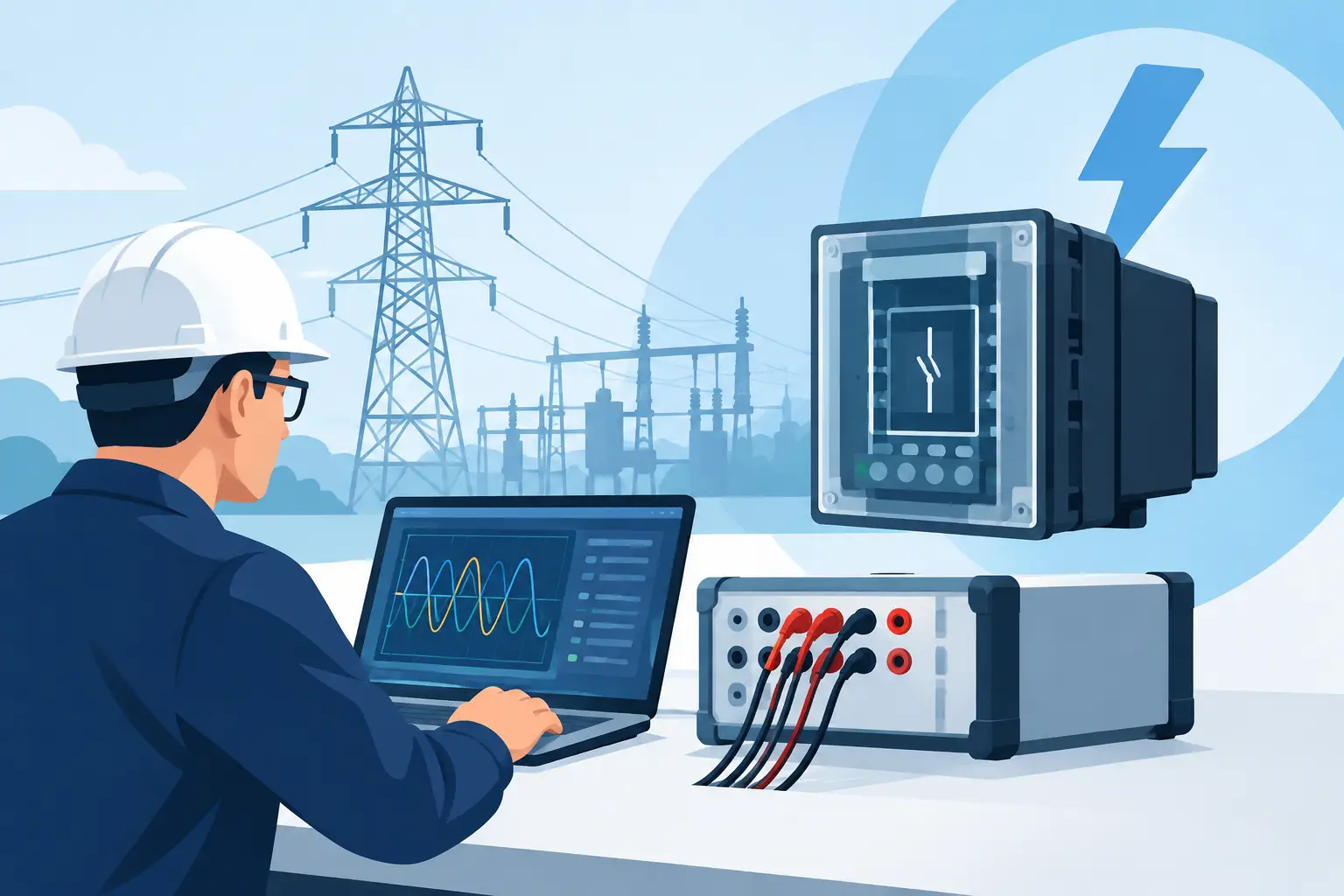
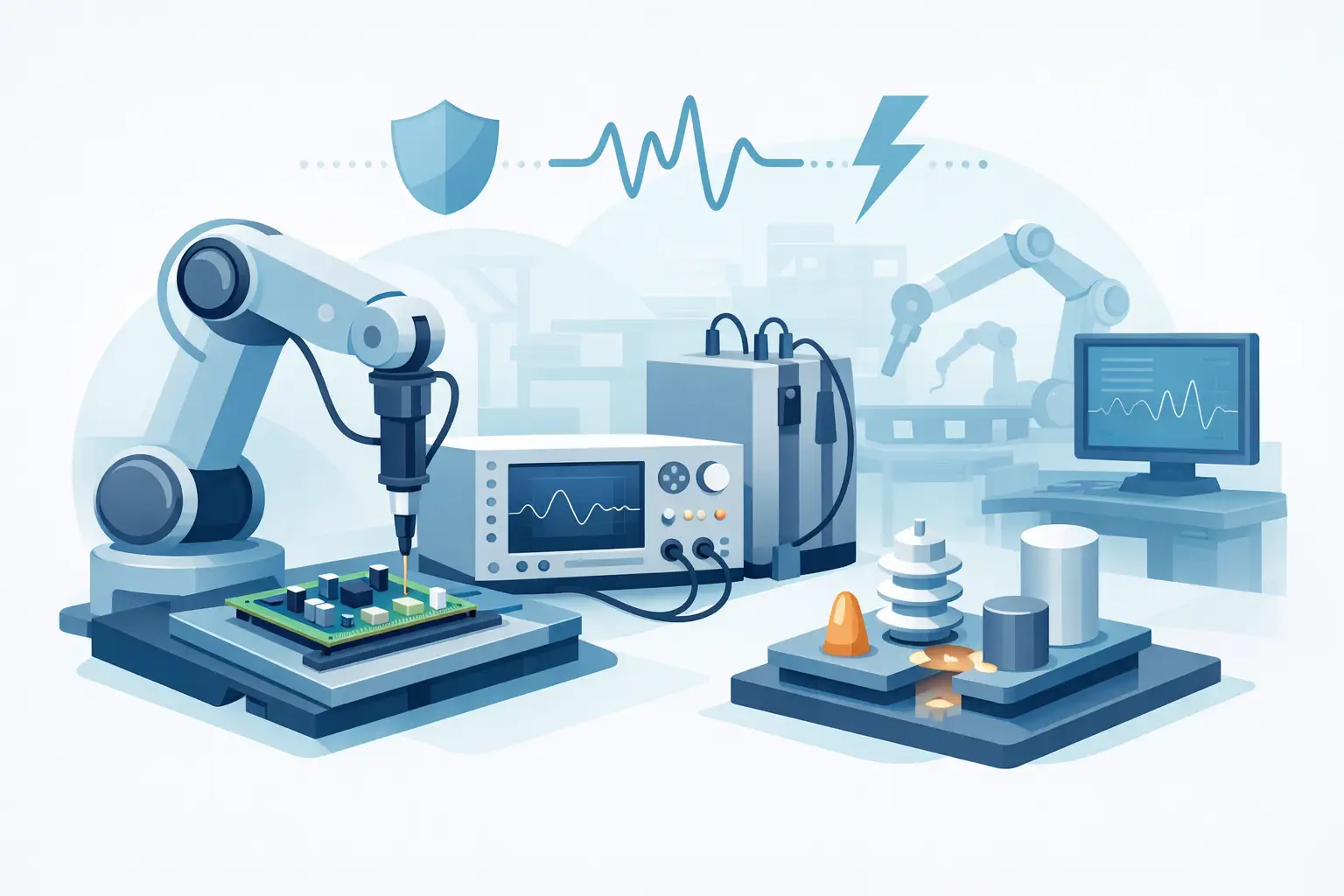
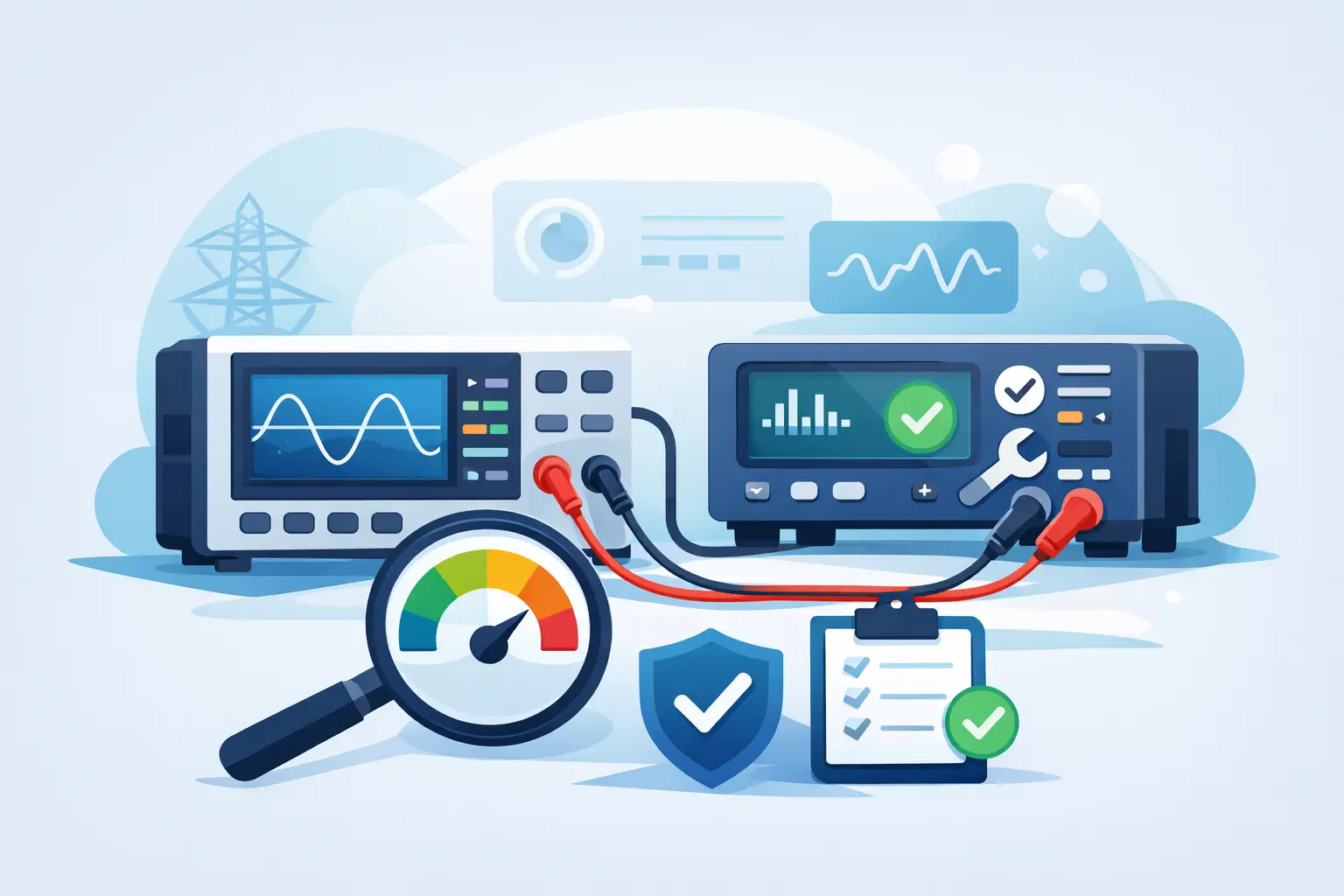
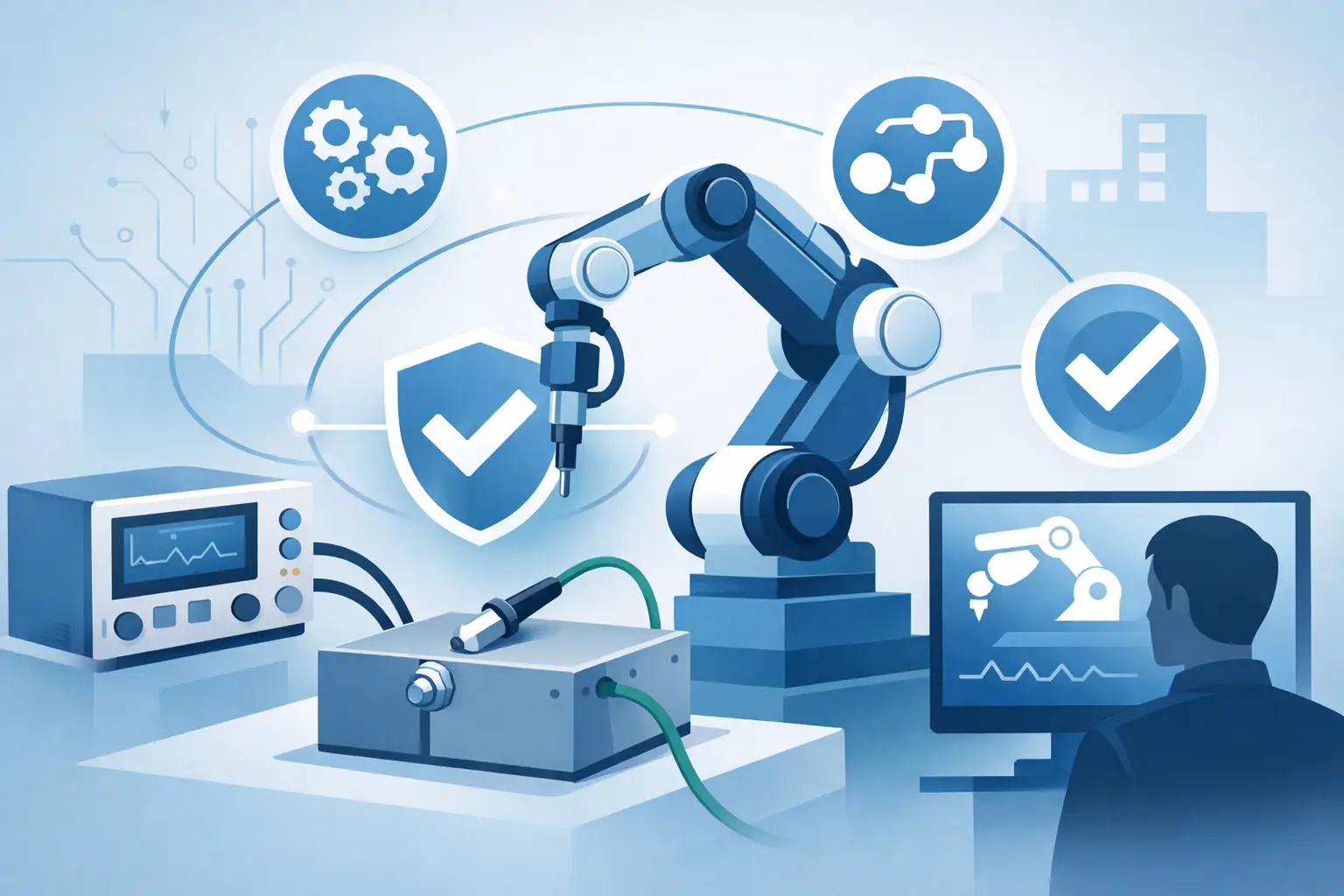
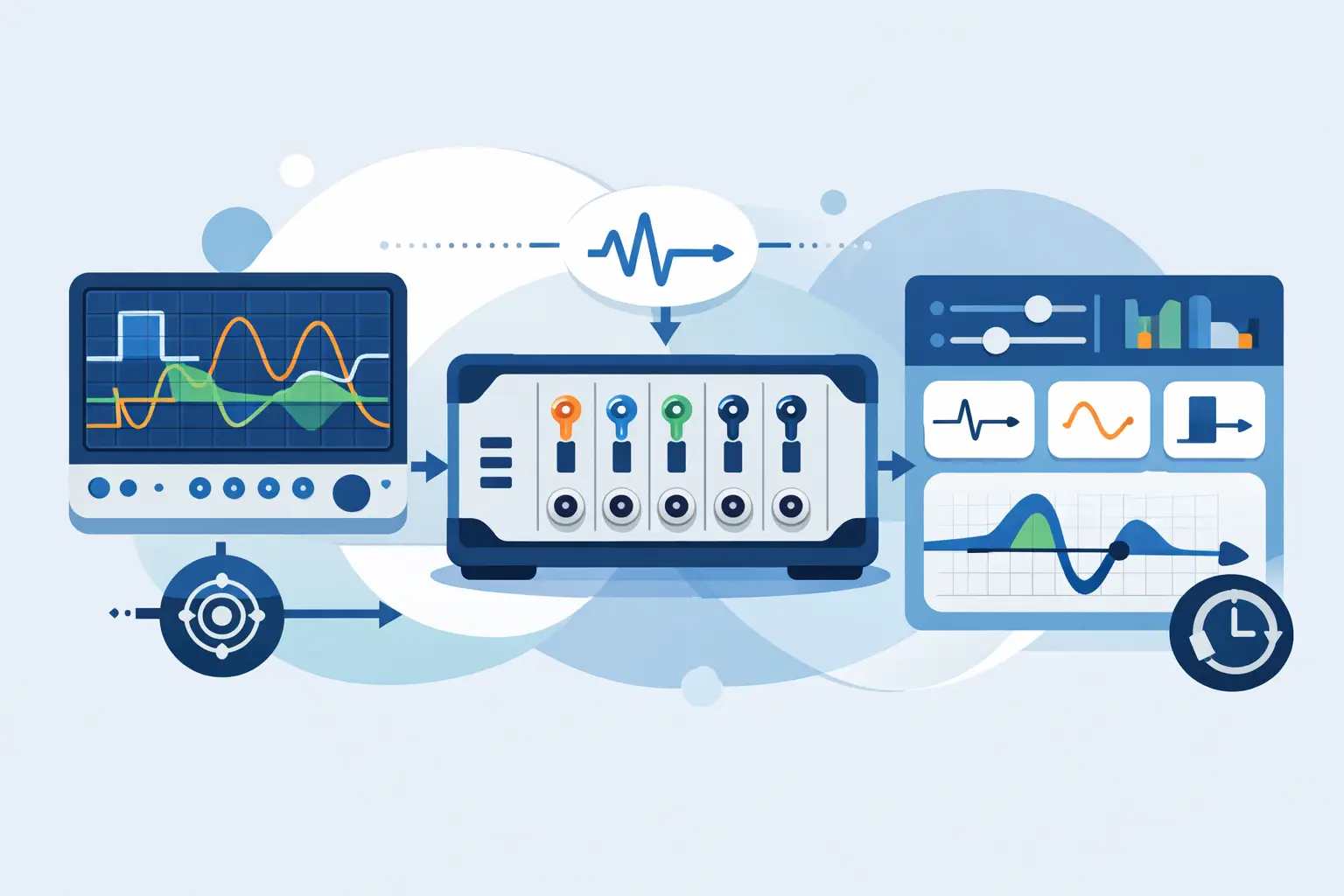
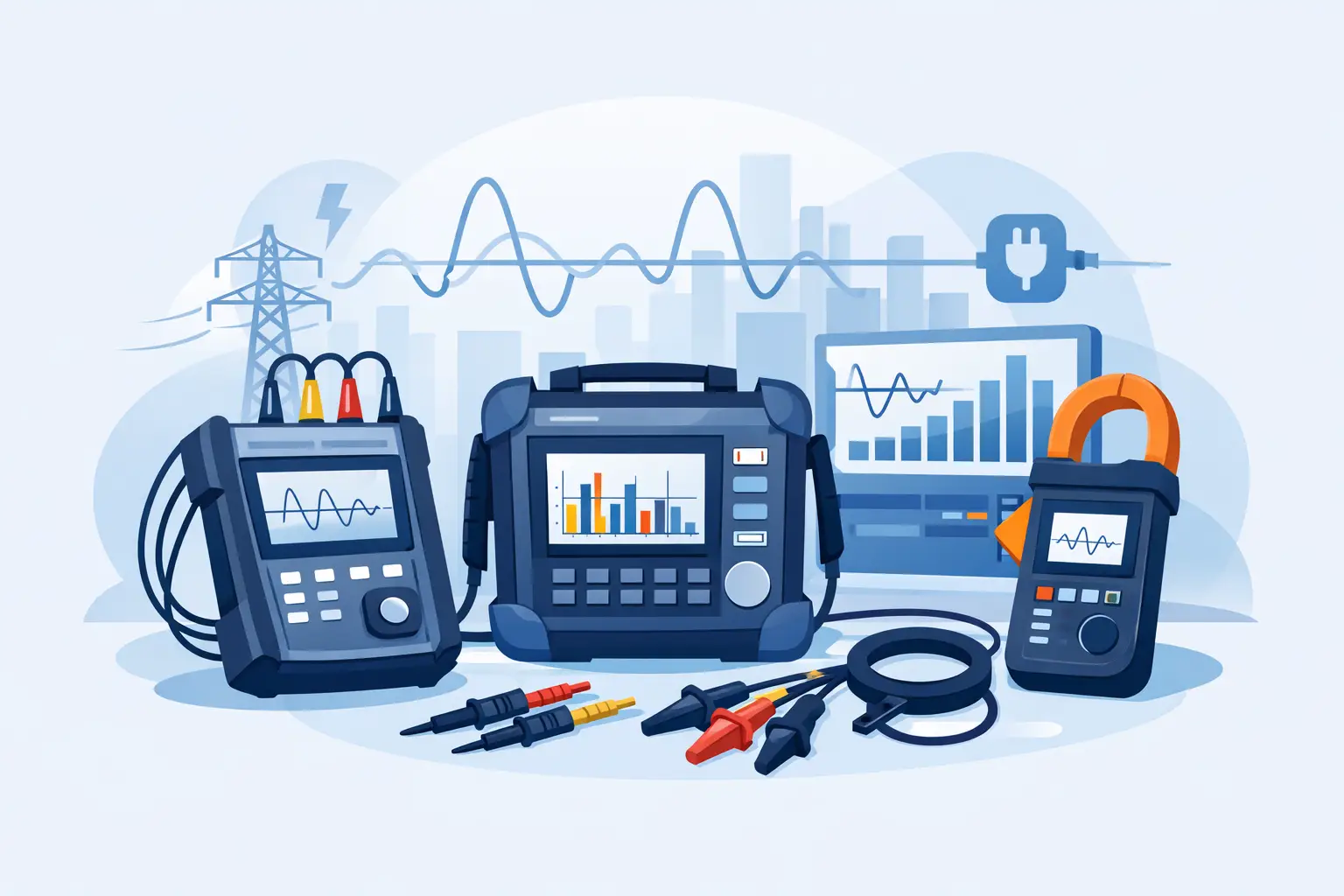
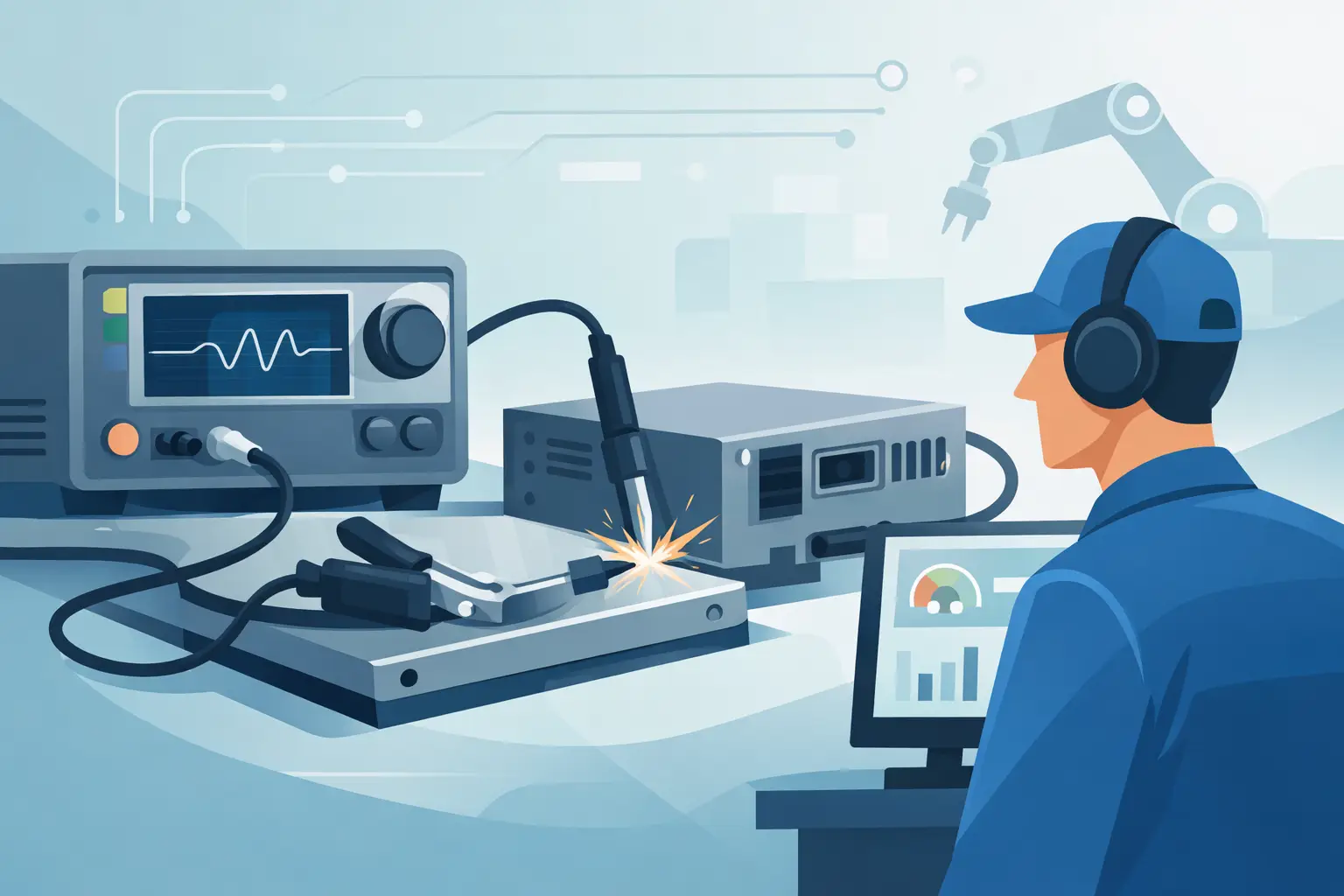
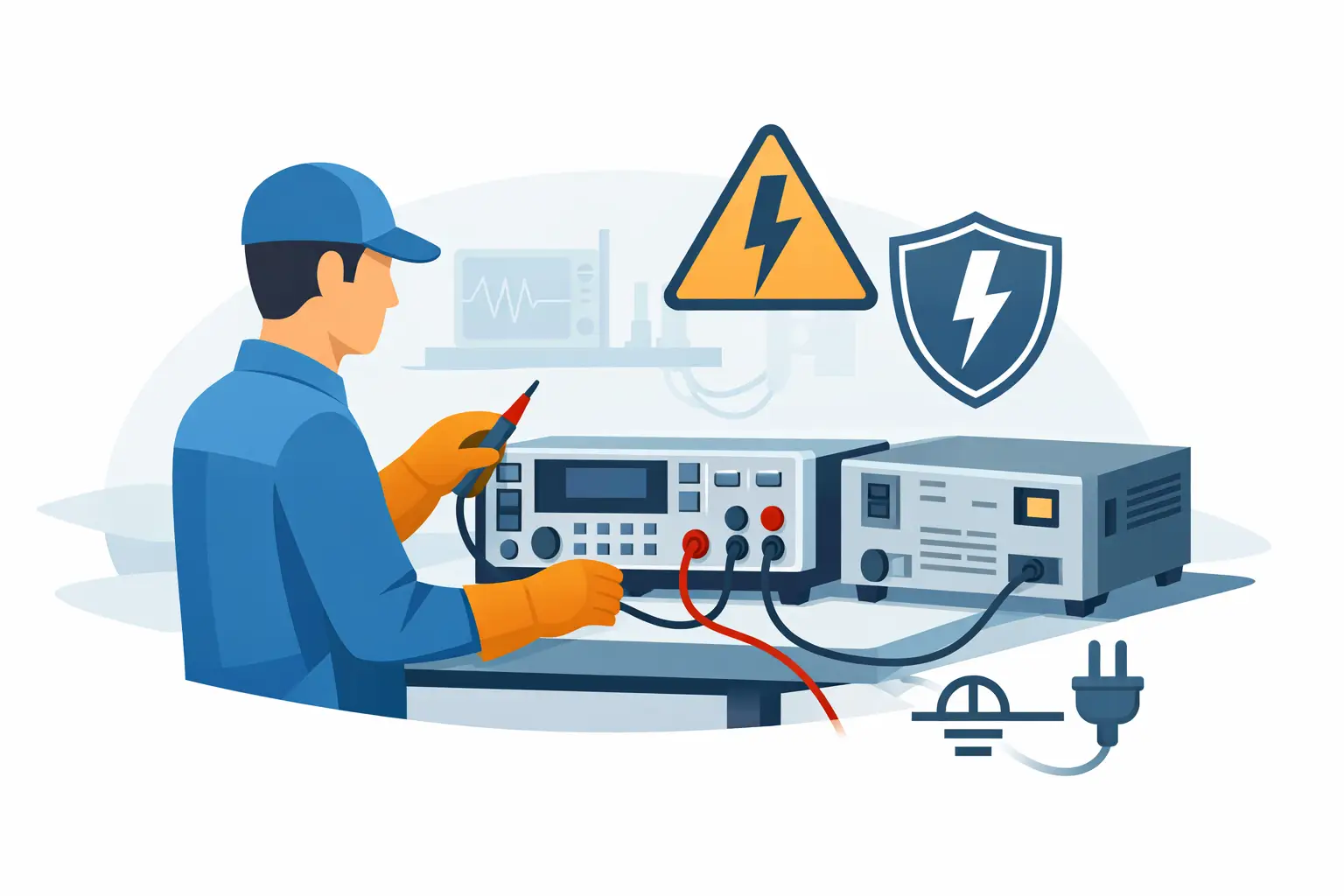
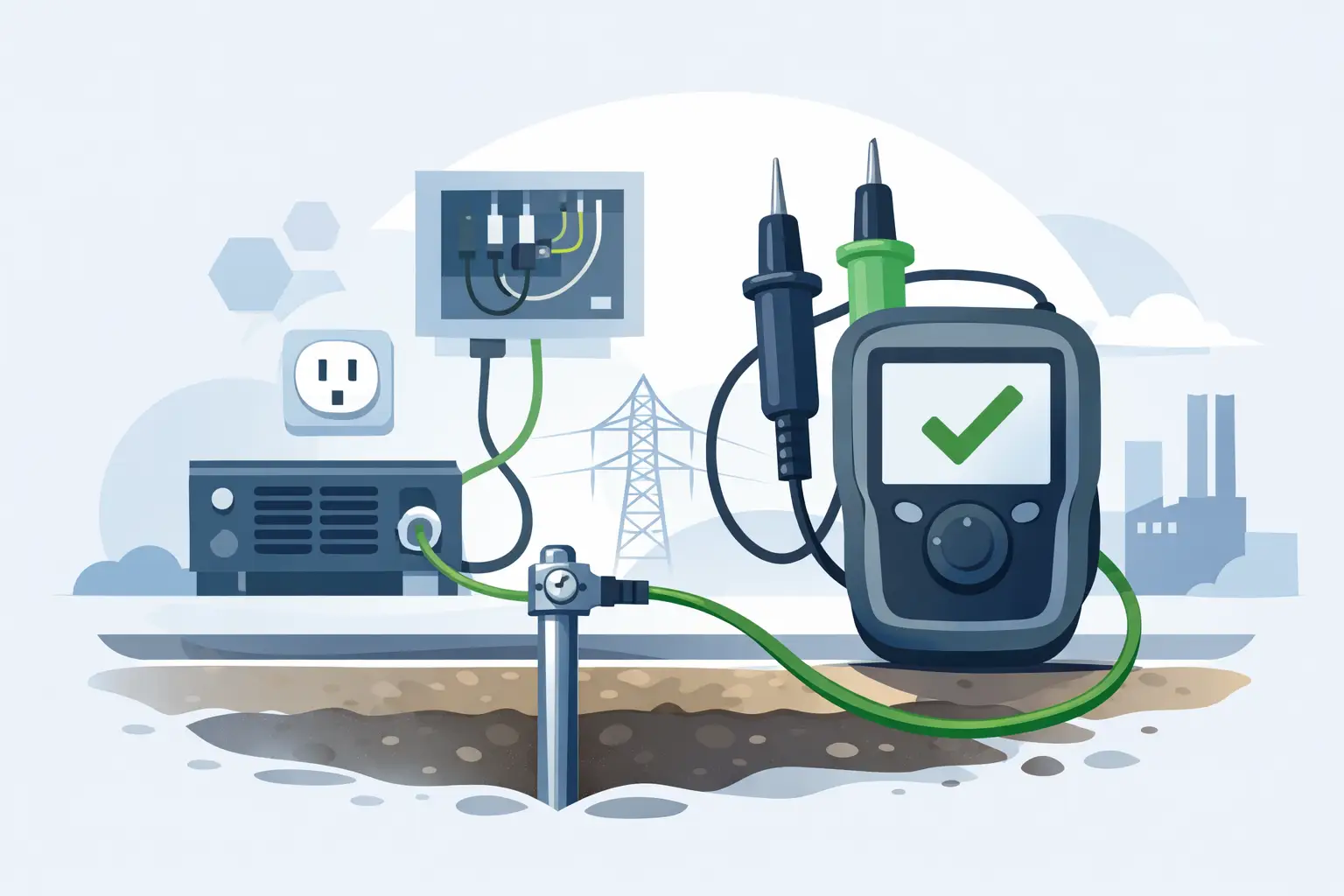
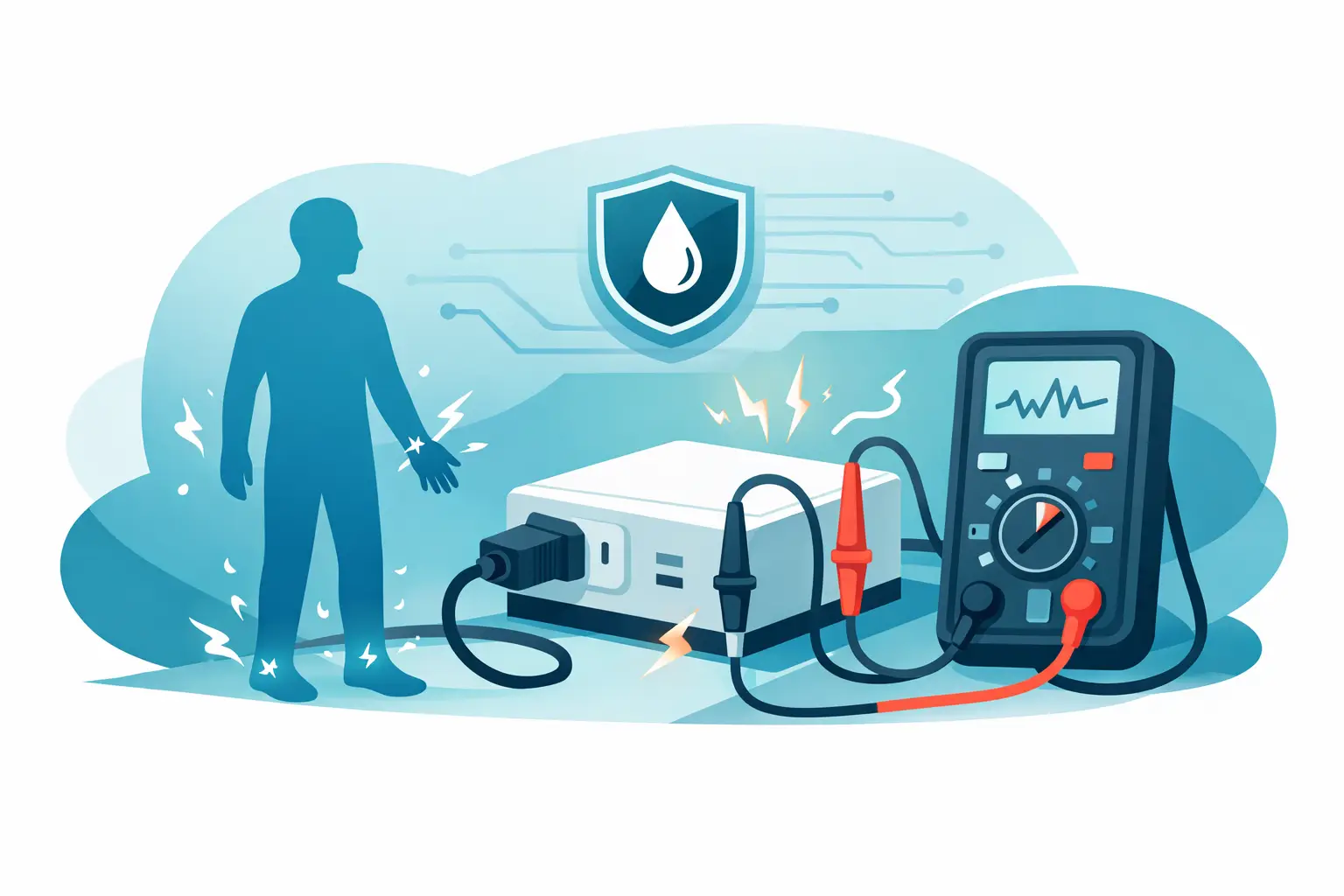
A safety tester that misses leakage drift at the edge of tolerance is not a small problem. In production and validation environments, it can mean failed audits, delayed shipments, retest costs, or a product that should never have passed. That is why evaluating the best electrical safety testers starts with measurement integrity, not marketing claims.
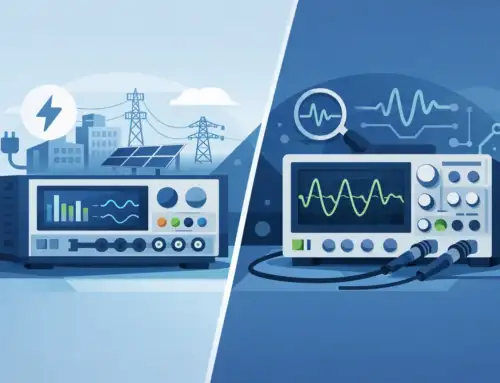
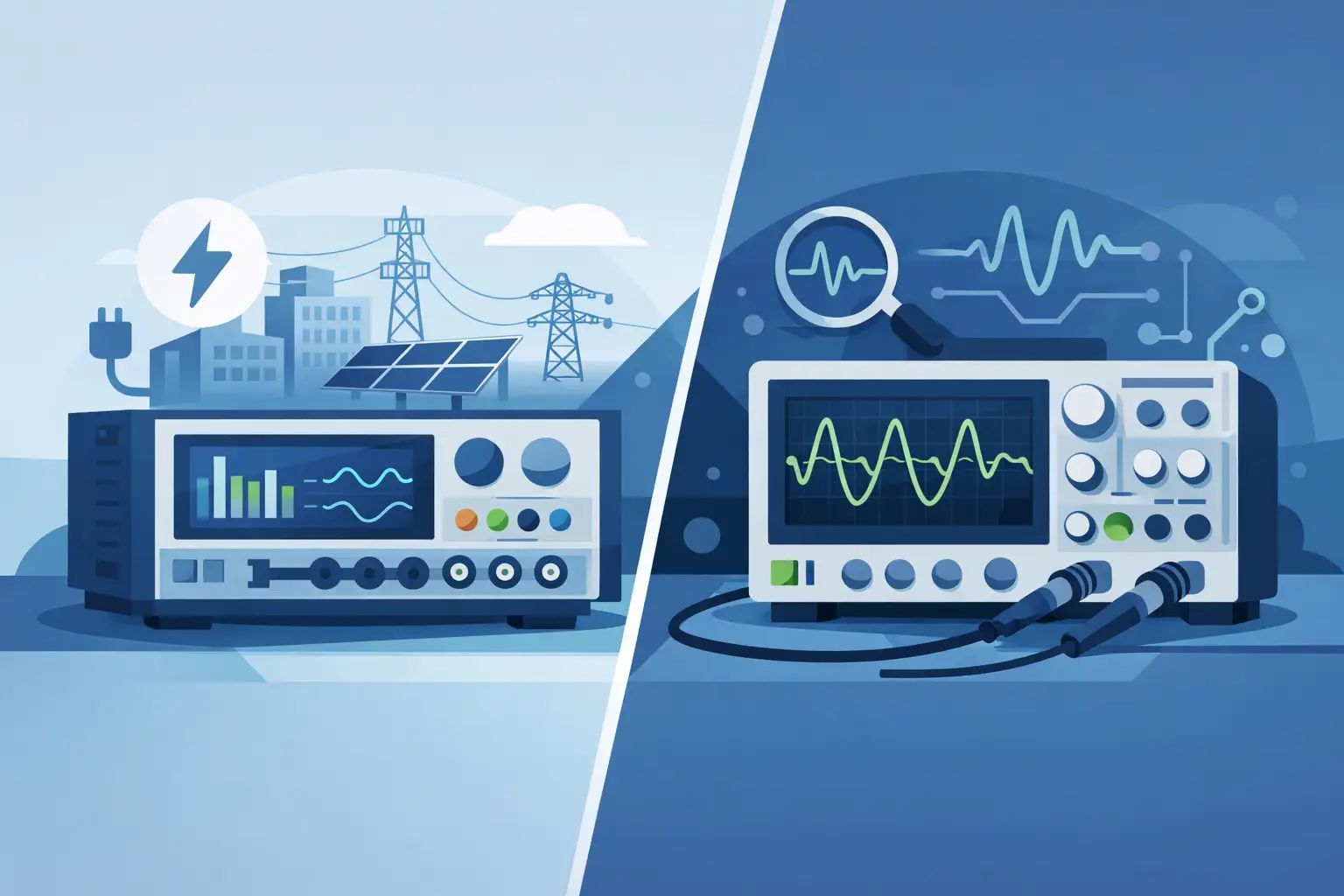
For engineers and test managers, the right instrument depends on what must be proven, how often it must be proven, and under which standard. A benchtop unit used for R&D design verification has different requirements than an automated production-line system running hipot, insulation resistance, ground bond, and leakage current tests on every unit. The best choice is usually the one that fits the test regime, captures repeatable data, and holds up under compliance scrutiny.
What defines the best electrical safety testers
In technical terms, an electrical safety tester is only as good as its ability to apply the correct stress, measure the relevant parameter accurately, and document the result in a way that stands up to internal quality review and external certification. That sounds straightforward, but trade-offs appear quickly.
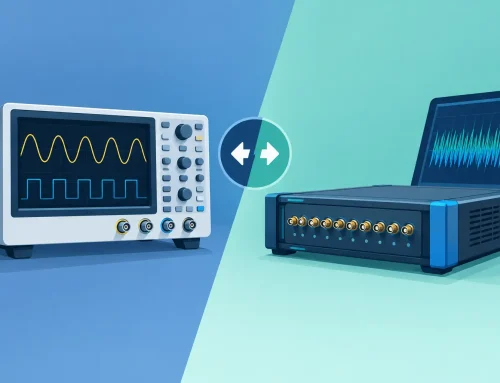
A lower-cost tester may cover basic AC hipot and ground continuity, yet fall short when you need programmable sequences, higher measurement resolution, or integration with MES and automated fixtures. On the other hand, an advanced multi-function system may be excessive for a low-volume bench application where portability matters more than networked data collection.
The best electrical safety testers usually distinguish themselves in five areas: test coverage, accuracy, standard alignment, automation capability, and long-term supportability. If one of those is weak, the instrument may still function, but it may not serve a regulated or production-critical environment well.
Test coverage matters more than headline voltage
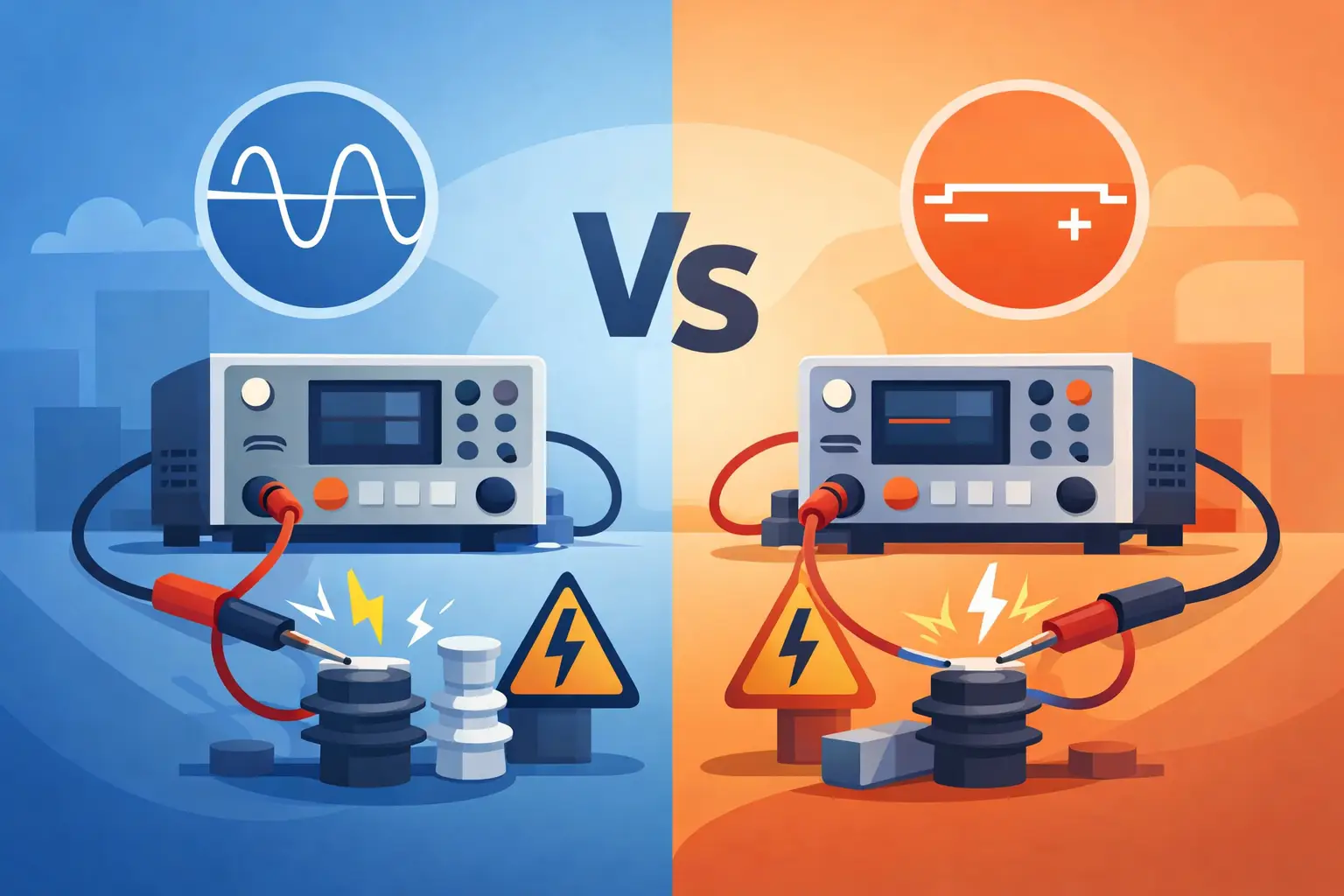
Buyers often focus first on maximum output voltage. That matters, but it is only one part of capability. Many applications require a broader test menu, including AC hipot, DC hipot, insulation resistance, ground bond, line leakage, touch current, and functional safety checks tied to product class and end market.
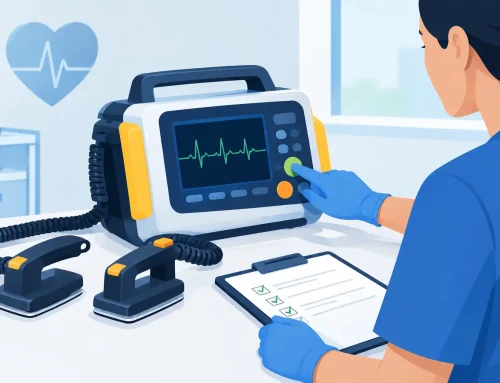
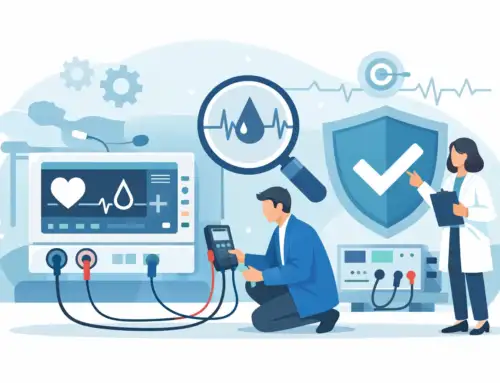
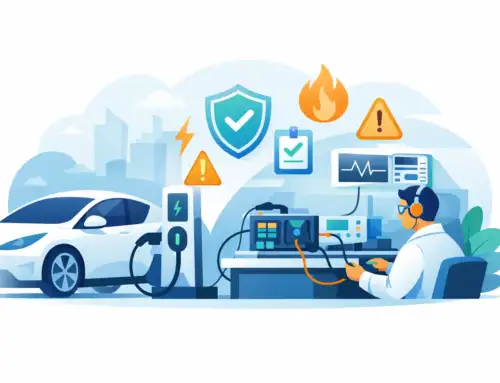
If you are qualifying medical equipment, appliance assemblies, EV subsystems, or aerospace electronics, the required combination of tests can shift significantly. A tester with limited mode coverage may create process fragmentation, where one station handles hipot and another handles leakage. That adds operator steps, fixture complexity, and more opportunities for setup errors.
Accuracy and repeatability are not optional
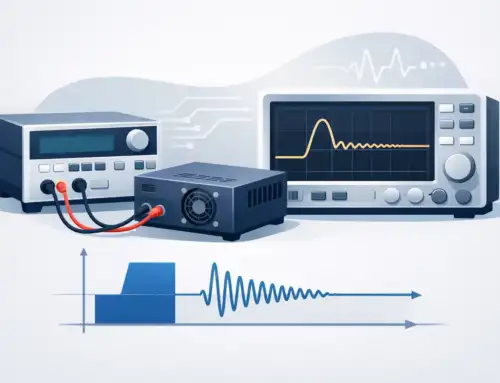
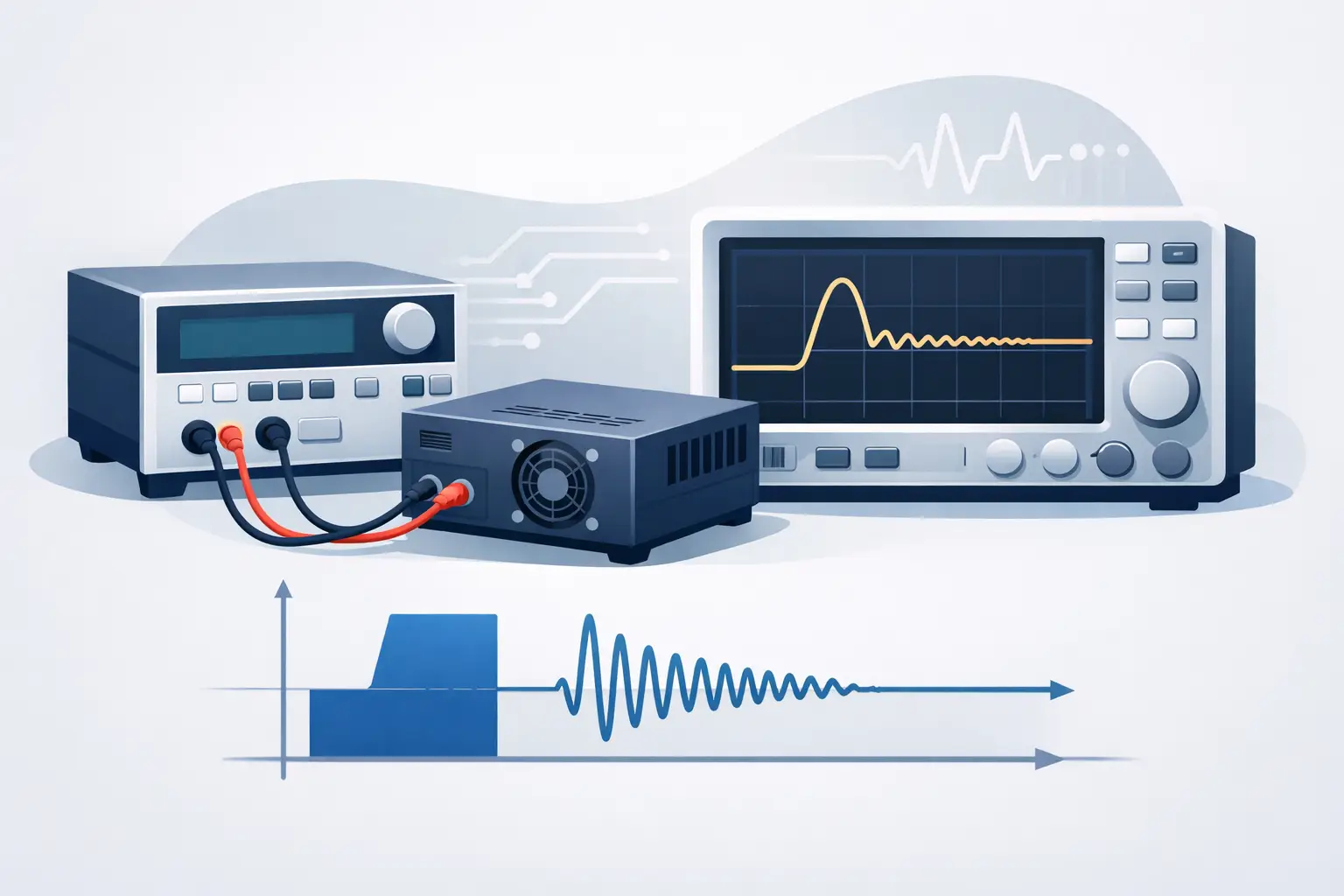
In borderline pass/fail conditions, uncertainty matters. A tester with poor measurement stability can generate nuisance failures or, worse, accept units that should be rejected. Engineers should look beyond broad accuracy claims and consider current measurement resolution, ramp control, dwell timing, and the consistency of trip thresholds over time.
This is where calibration traceability and service support become part of the buying decision. A tester that performs well on day one but is difficult to verify or maintain can become a liability in a quality system that depends on documented measurement confidence.
Choosing the right tester for your environment
The phrase best electrical safety testers can be misleading because there is no single best model for every facility. The better question is which class of tester fits your workflow, risk profile, and compliance burden.
For R&D and design verification
Development labs typically need flexibility. Engineers may test prototypes with evolving limits, compare failure modes, or characterize insulation behavior across multiple conditions. In that setting, programmability and visibility matter more than pure throughput.
A good R&D safety tester should allow precise parameter control, stored test profiles, and clear result reporting. If teams are correlating data with other instruments or software environments, interface options also matter. USB alone may be adequate for some benches, but Ethernet, digital I/O, and software control become more valuable as validation grows more formal.
For manufacturing and end-of-line test
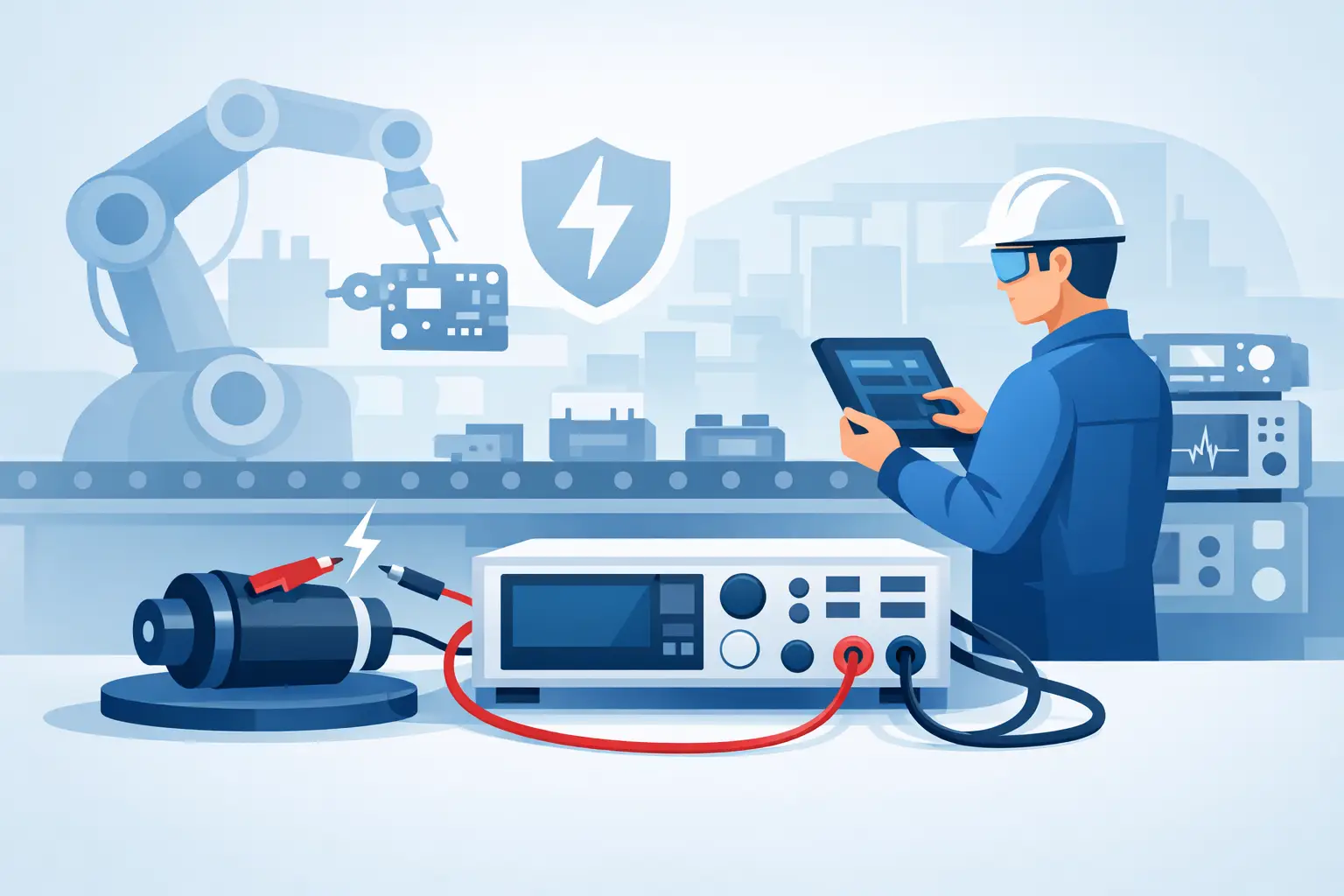
Production priorities are different. Throughput, operator consistency, fixture integration, and fast verdict handling tend to matter most. A tester that requires too many manual selections or offers unclear pass/fail prompts can slow the line and increase the chance of operator error.
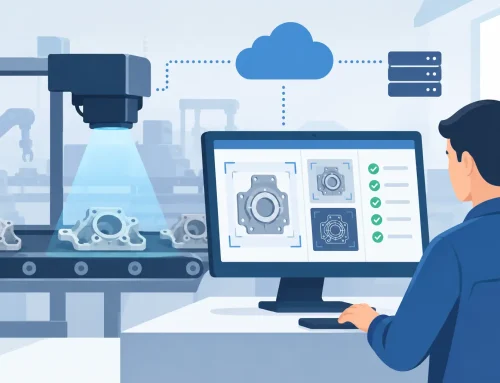
For manufacturing, multi-function platforms often make sense because they consolidate several required tests into one controlled sequence. That reduces handling time and helps standardize procedures across shifts or sites. In higher-volume environments, remote control capability and PLC integration are often more important than having the broadest possible front-panel feature set.
For regulated industries
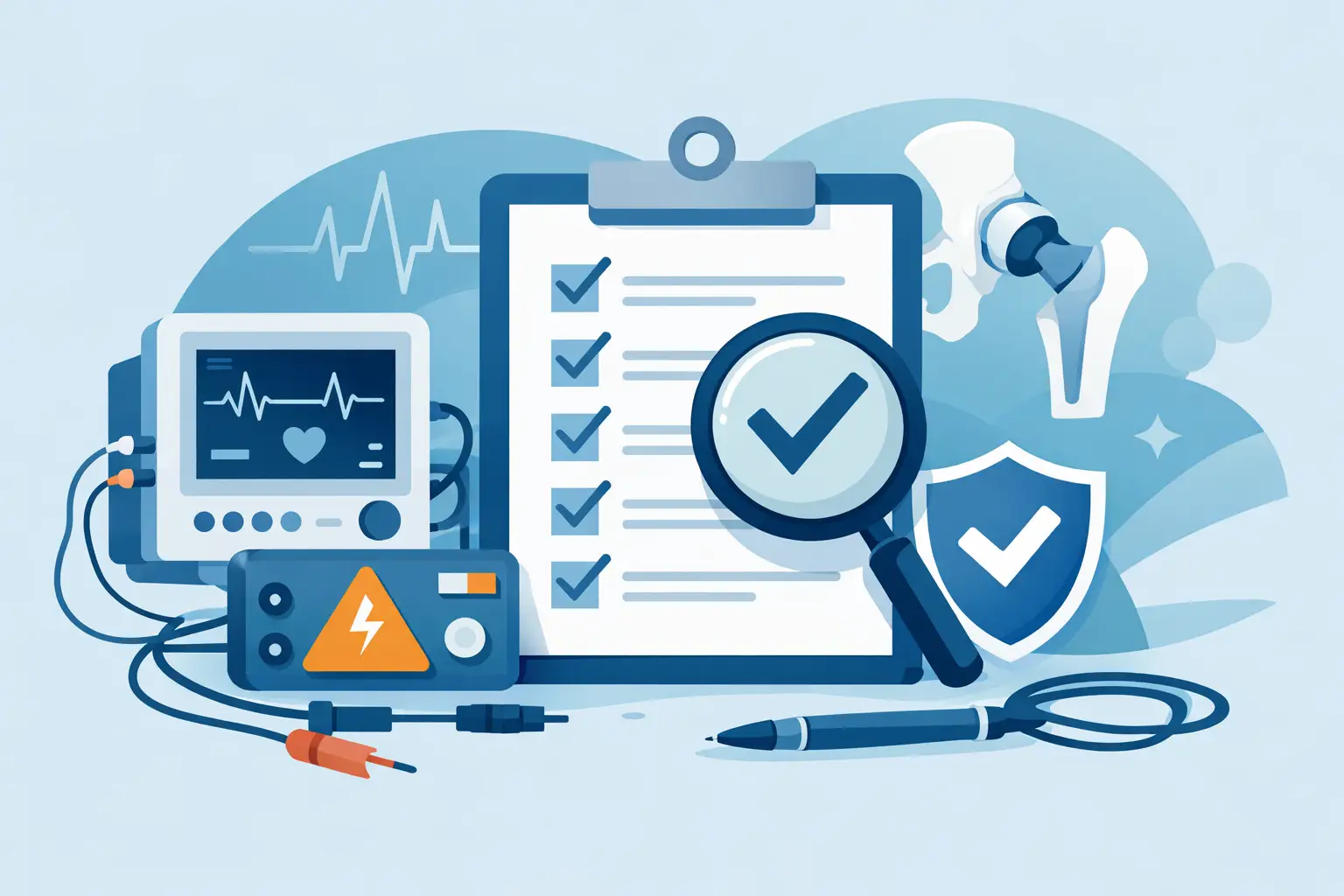
Medical, aerospace, defense, and automotive programs usually demand stronger documentation discipline. In these environments, test data retention, access control, calibration records, and standard-specific methods can be just as important as electrical performance.
A tester may produce technically valid results but still create compliance friction if its record structure is weak or if integrating it into a validated quality process requires custom workarounds. The best fit in regulated settings is usually the instrument that reduces ambiguity and supports repeatable procedures from setup through audit trail.
Key features to evaluate before you buy
A serious evaluation should begin with the application, then move to the instrument. Too often, teams compare tester specifications without first defining the product risk, applicable standard, expected fault conditions, and required documentation level.
Start with output requirements. AC and DC test voltage range, current capability for ground bond, insulation resistance range, and leakage measurement sensitivity should all map directly to the products under test. Overspecifying can waste budget, but underspecifying often forces a second purchase later.
Next, look at sequencing and usability. A well-designed tester should make it easy to build repeatable test routines with ramp, dwell, delay, and limit settings that match your procedure. If an operator must constantly interpret ambiguous prompts, the human factors risk rises.
Data handling deserves equal attention. In many environments, the tester is not just a go/no-go device. It is part of a quality evidence chain. Exportable results, timestamps, user identification, and communication interfaces can significantly affect how useful the instrument is after installation.
Mechanical and operational durability also matter. Electrical safety testing is often repetitive, and in some plants it is performed continuously. Front-panel connectors, relay life, fixture interfaces, and thermal stability all affect long-term ownership cost. A lower upfront price can disappear quickly if downtime or service frequency increases.
Common mistakes when comparing electrical safety testers
One common mistake is treating every safety tester as interchangeable if the voltage and current numbers look similar. They are not. Differences in measurement architecture, trigger behavior, ramp control, and software implementation can affect both test quality and operator experience.
Another mistake is buying only for the current product line. If your roadmap includes higher insulation resistance requirements, more complex sequences, or tighter documentation expectations, a narrowly selected tester may become obsolete much sooner than expected.
Teams also underestimate support. Application guidance, calibration services, firmware maintenance, and integration assistance are practical factors, not afterthoughts. In a production environment, the best tester is not merely the one with the strongest datasheet. It is the one that continues to perform predictably with available service and technical backing.
When a multi-function platform is the better choice
If your process requires several electrical safety tests on the same unit, a multi-function tester often provides the cleanest path. Instead of moving products between stations or relying on multiple standalone instruments, you can run a controlled sequence with one interface and one result structure.
That can improve cycle time, reduce fixturing complexity, and make training easier. It also tends to simplify quality documentation because all results are captured under one test workflow. For organizations scaling production or standardizing across facilities, this is often the more defensible long-term investment.
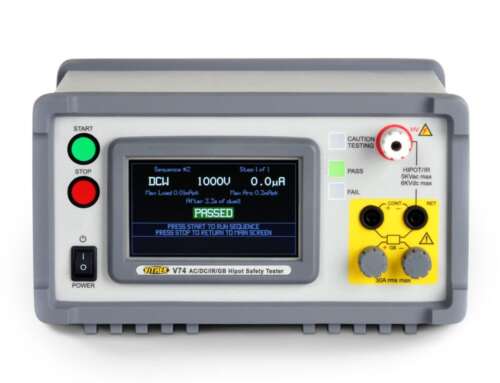
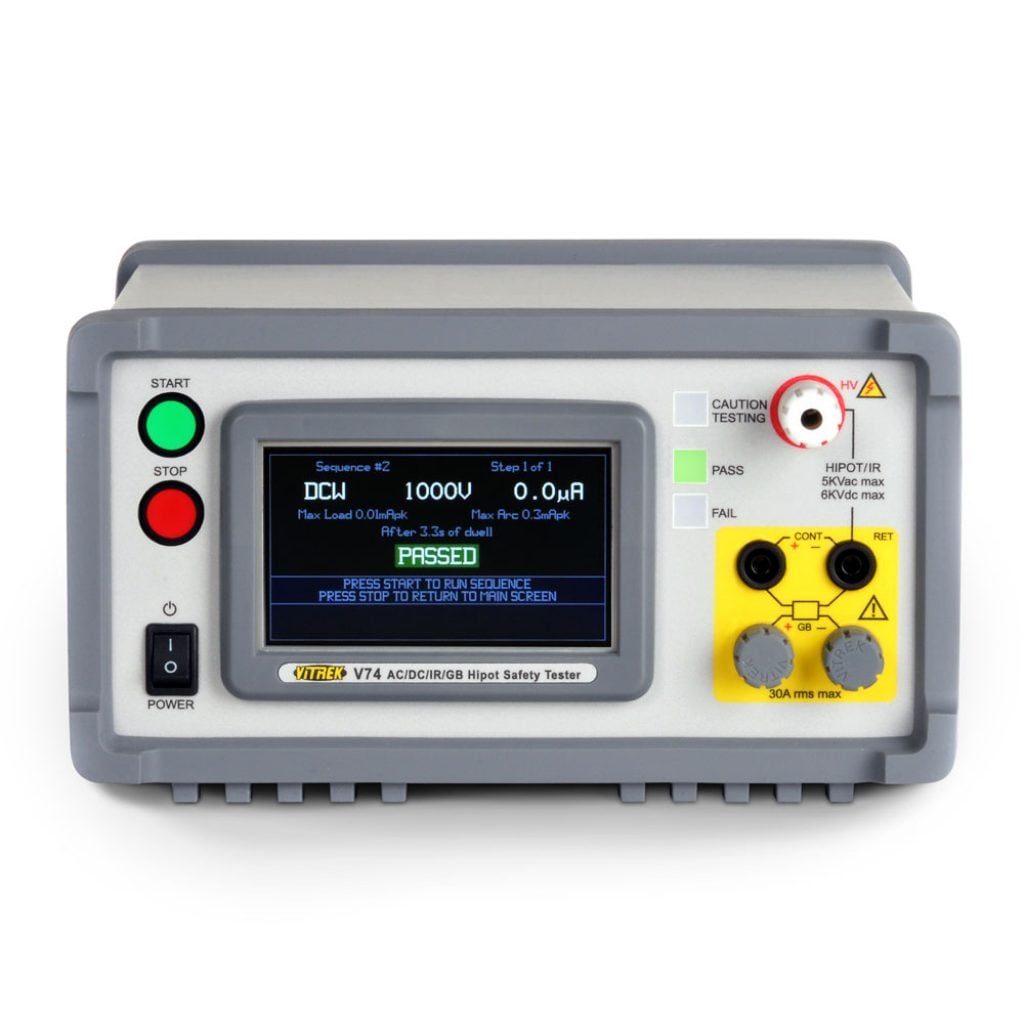
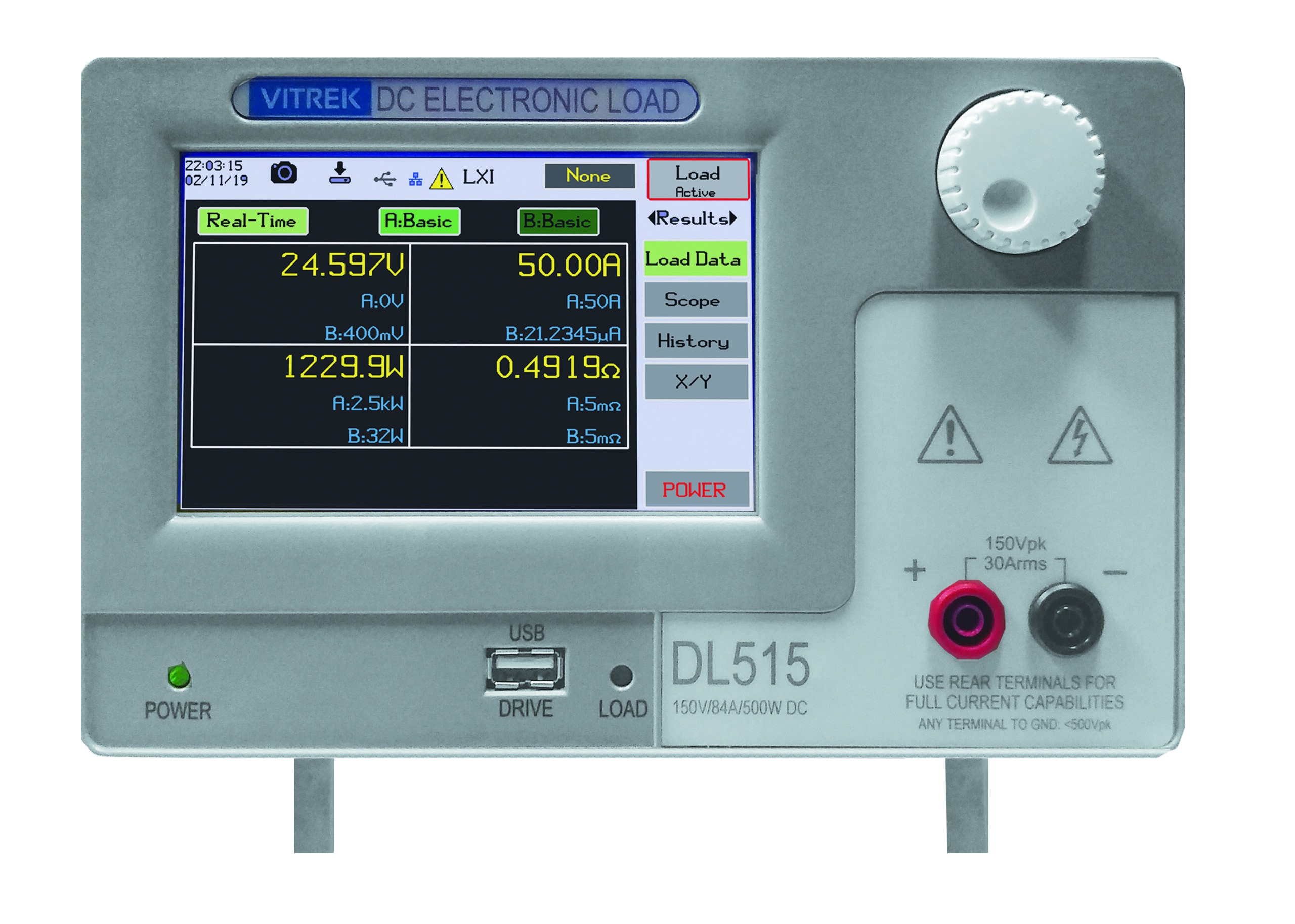
For complex or highly regulated programs, companies such as Vitrek are often evaluated not just on instrument specifications but on whether the platform supports compliance-driven workflows with the precision and repeatability those applications demand.
How to identify the best long-term value
Best value is not the lowest purchase price. It is the combination of technical fit, repeatable measurement performance, serviceability, and process efficiency over the instrument’s working life.
If a tester cuts a few thousand dollars from capital spend but adds retest time, manual data entry, poor fixture compatibility, or audit risk, it is rarely the better buy. By contrast, an instrument with stronger integration, clearer sequencing, and stable measurement performance can reduce hidden costs across engineering, quality, and production.
A practical way to compare options is to score each one against your actual use case. Include test coverage, accuracy, standard alignment, interface requirements, data needs, calibration support, and expected daily usage. That approach usually reveals that the best electrical safety testers are the ones designed for the seriousness of the application, not the ones with the most aggressive brochure language.
When safety verification is part of product release, every measurement carries operational and regulatory weight. Choose the tester that gives your team confidence on the bench, consistency on the line, and defensible results when someone asks how the pass decision was made.