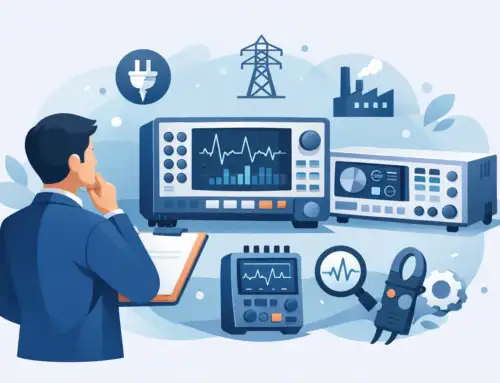
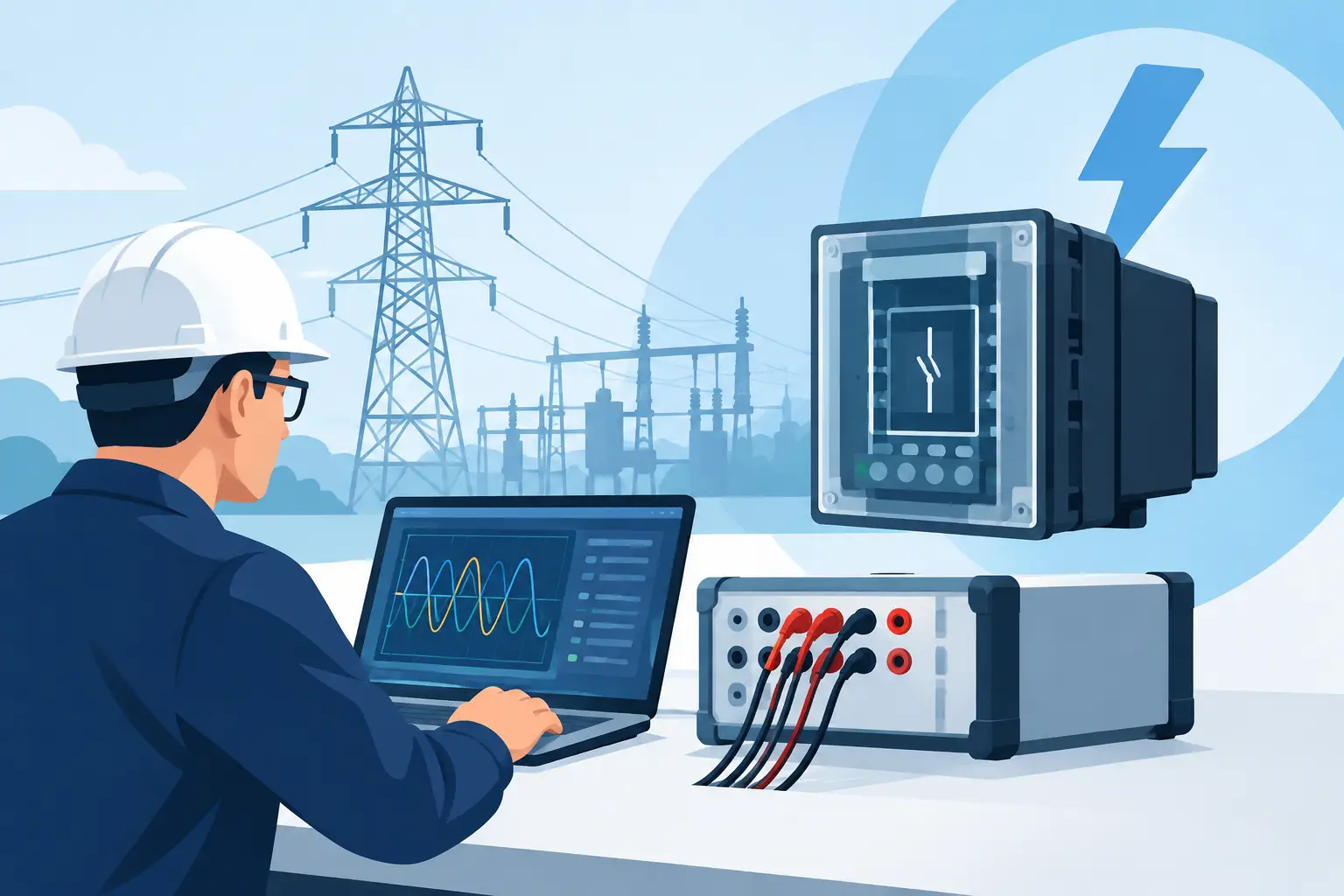
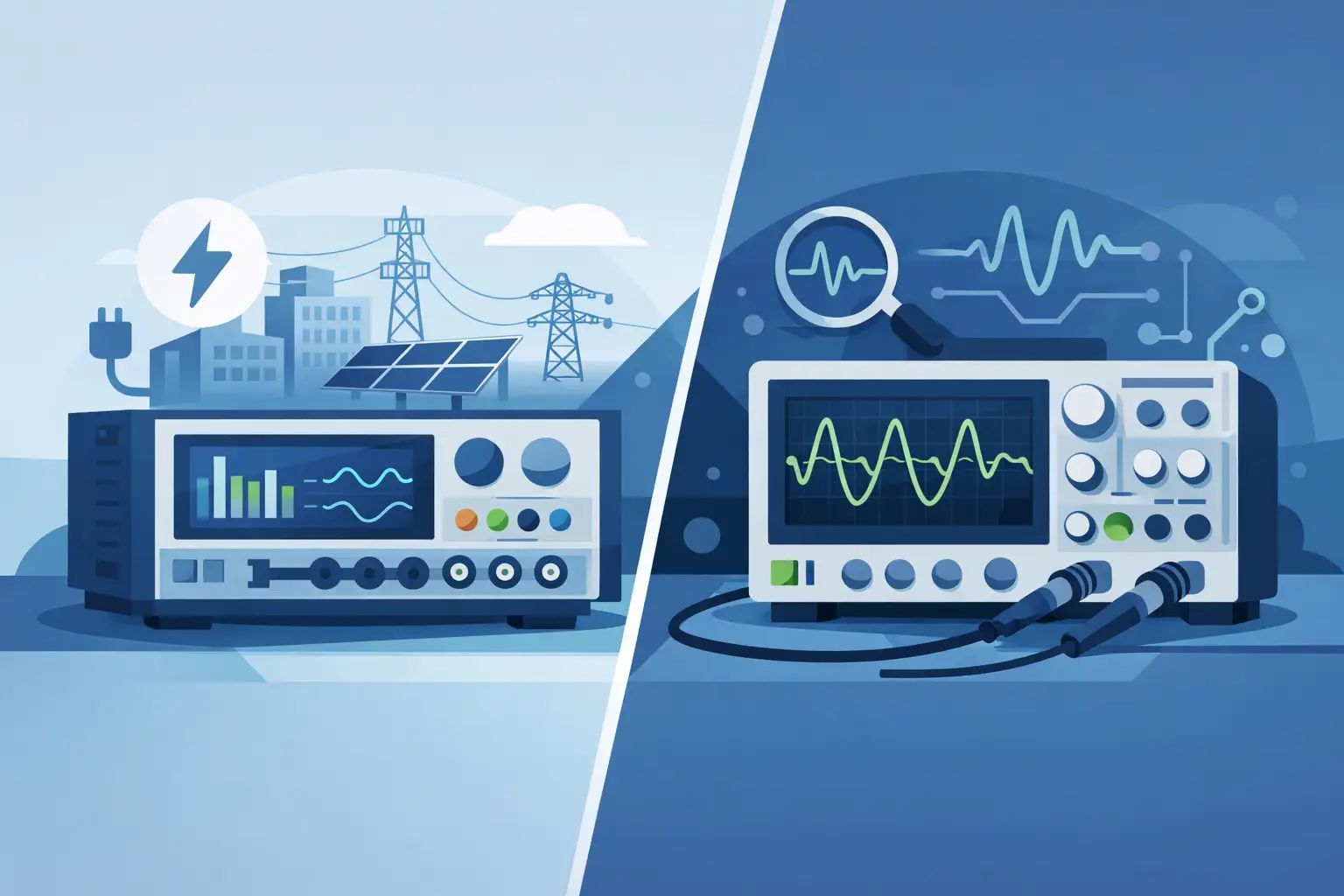
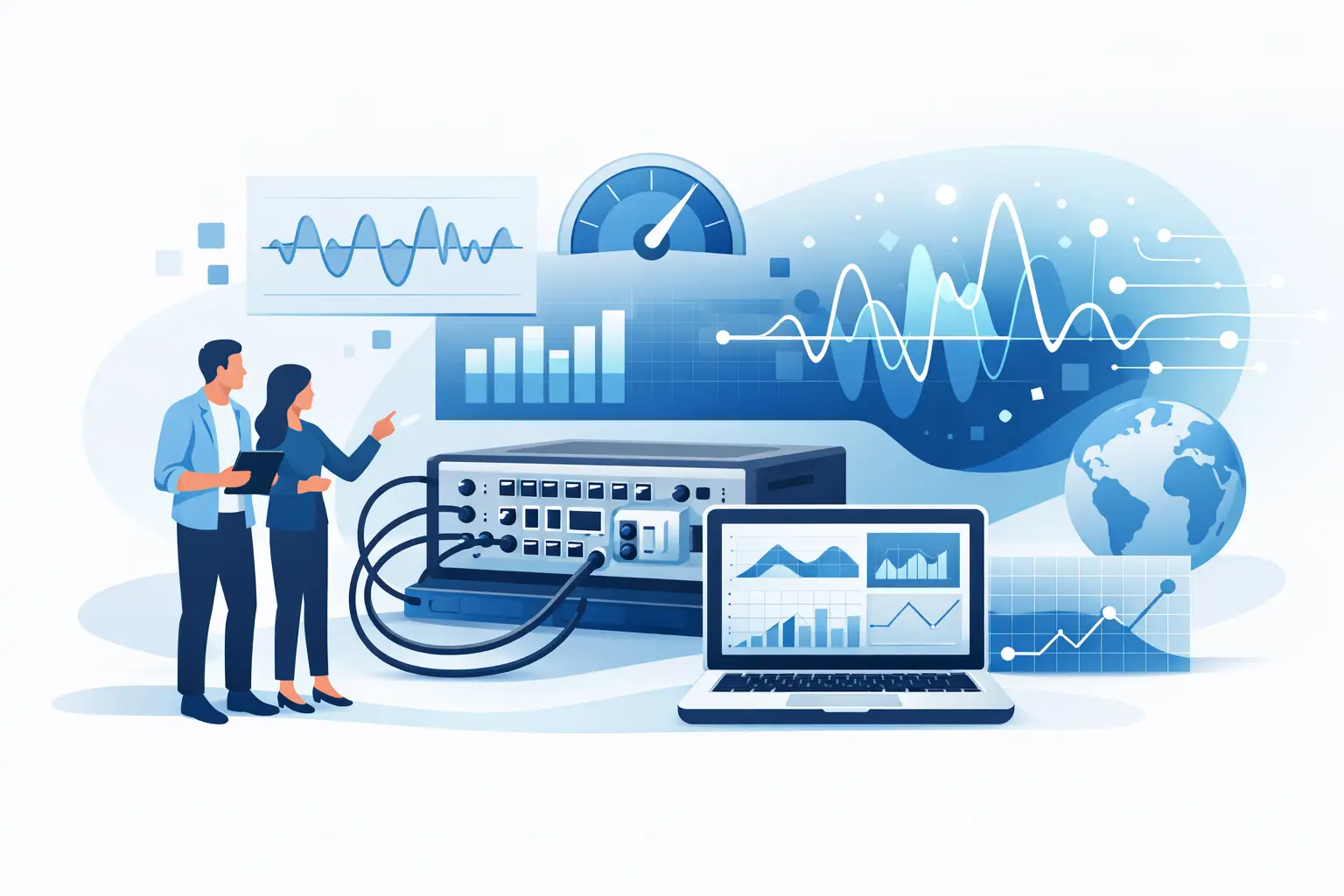
Power analyzers are essential tools for electrical engineers, providing in-depth insights into the performance and efficiency of electrical systems. These instruments are designed to measure a wide range of parameters, including voltage, current, power factor, harmonics, and efficiency, enabling users to identify potential issues like voltage spikes, harmonic distortion, or energy inefficiency. Whether you are optimizing system performance, ensuring regulatory compliance, or diagnosing faults, a power analyzer is an indispensable tool.
This step-by-step guide will help you use Vitrek power analyzers to carry out comprehensive power quality analysis effectively and accurately.
Step 1: Set Up the Analyzer
Proper setup ensures accurate, safe, and efficient measurements.
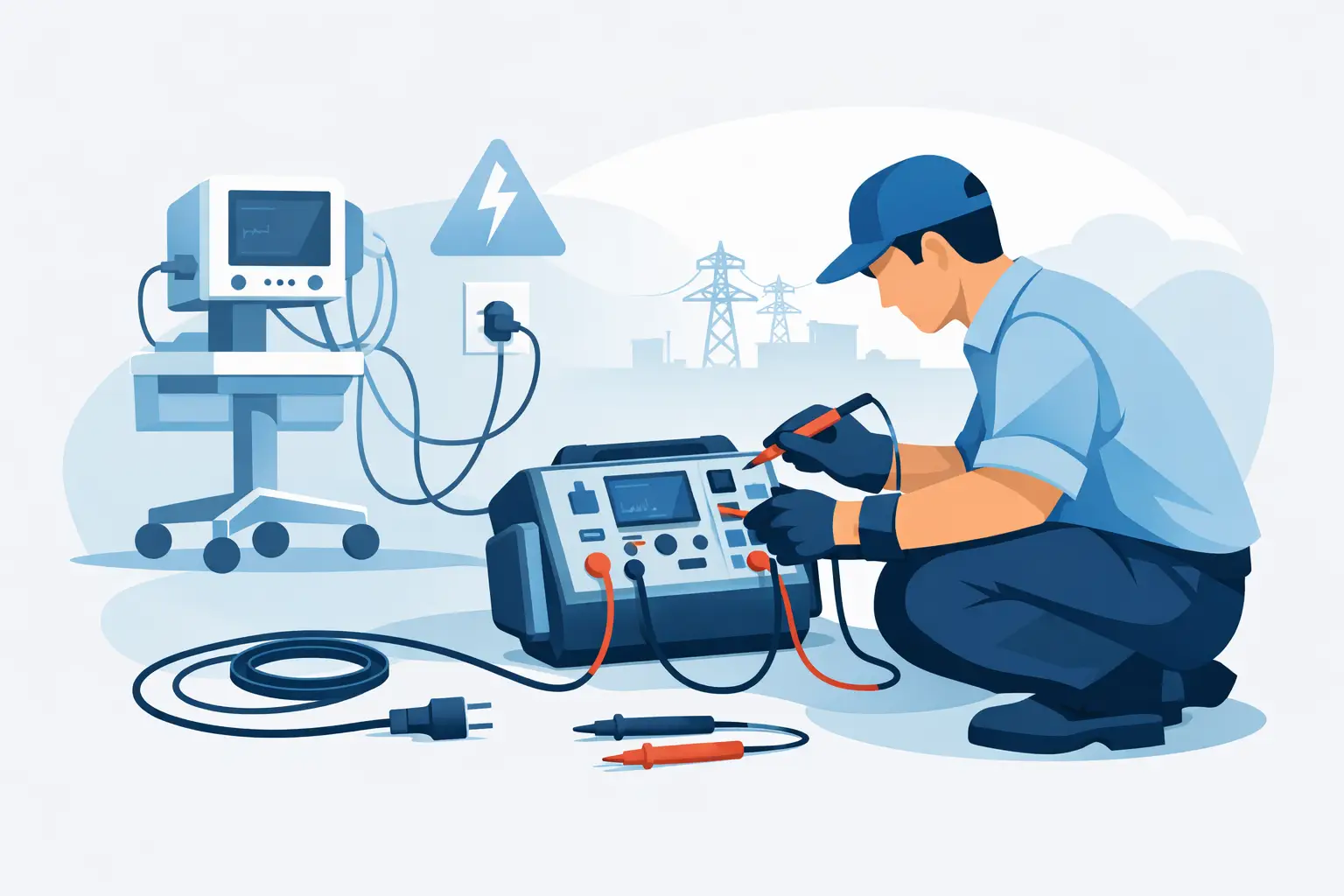
- Connect the Device Under Test (DUT): Begin by connecting the electrical system or component to the analyzer’s input terminals. Match input channels appropriately to ensure correct readings.

- Select the Input Configuration: Choose the right current input based on the application:
- Dual shunt for low to medium current applications
- High current input for loads up to 30 A continuous
- External transducer for specialized sensors or high-current measurement
- Confirm Polarity and Phase: Double-check wiring orientation and confirm the correct voltage and current phase relationships to avoid measurement errors or equipment damage.
Step 2: Configure Measurement Settings
Tailor the analyzer to your specific measurement objectives.
- Access the Measurement Configuration Screen: Use the touchscreen interface to define your measurement criteria.

- Select Parameters: Commonly measured parameters include:
- Voltage (V)
- Current (A)
- Active, Reactive, Apparent Power (W, VAR, VA)
- Power Factor (PF)
- Efficiency (input/output power ratio)
- Harmonics (THD, individual orders)
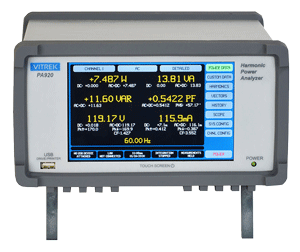
- Set Harmonic Analysis Range: Choose the frequency base (e.g., 50 Hz or 60 Hz) and define the harmonic order range. Vitrek’s PA920, for example, supports up to 500 harmonic orders for high-resolution analysis.
Step 3: Run the Measurement
Start capturing and visualizing real-time data.
- Begin Acquisition: Press Start to initiate data collection. The analyzer immediately populates various data screens.
- Monitor Key Views:
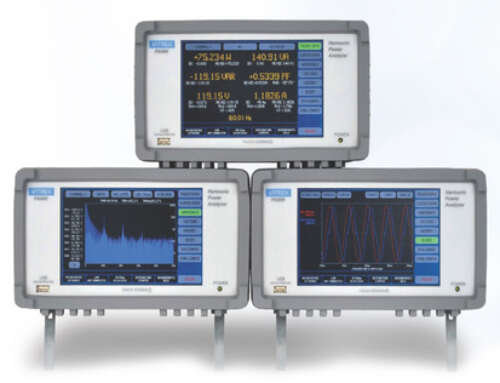
- Power Data Screen: Live values for voltage, current, power, PF, and efficiency.

-
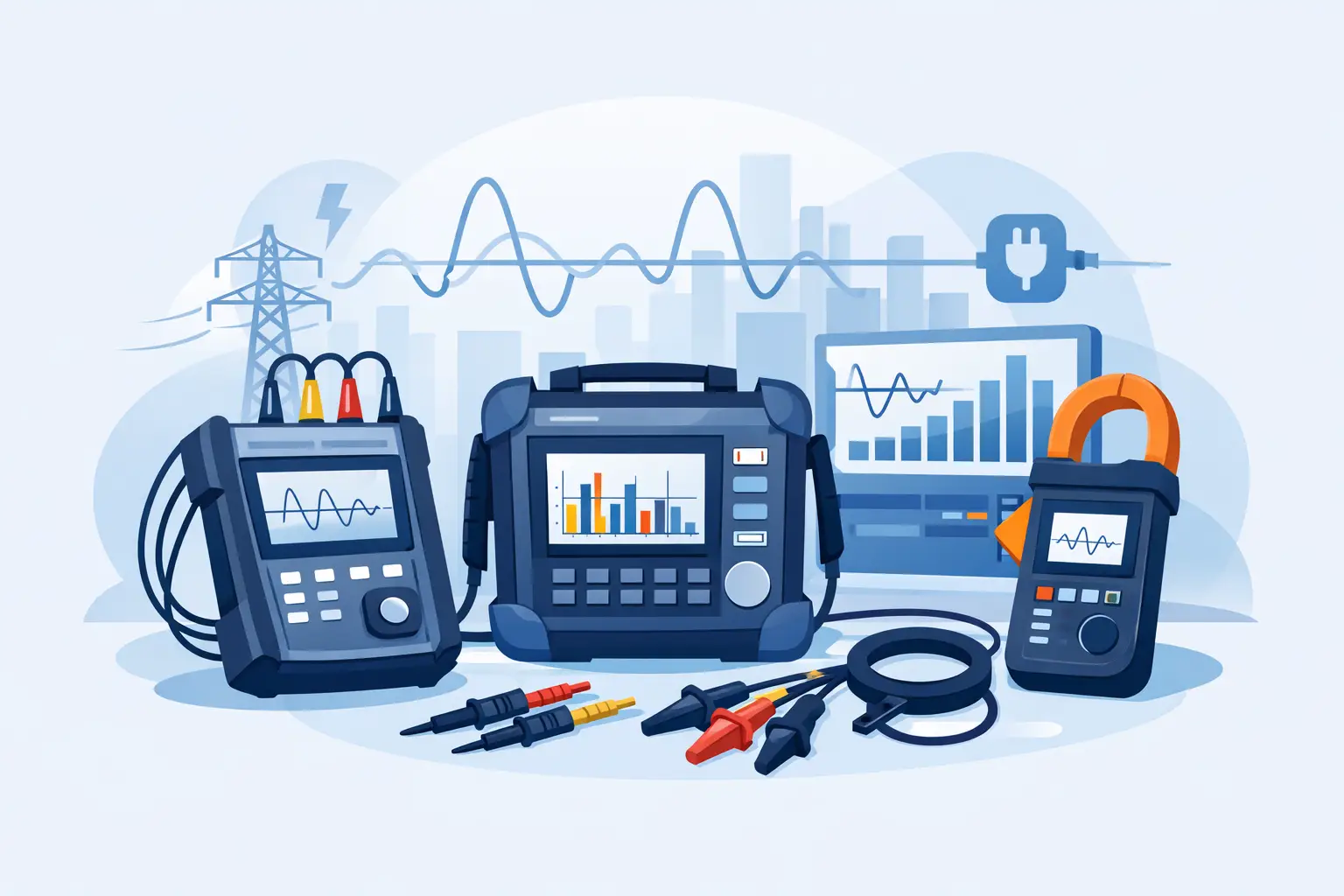
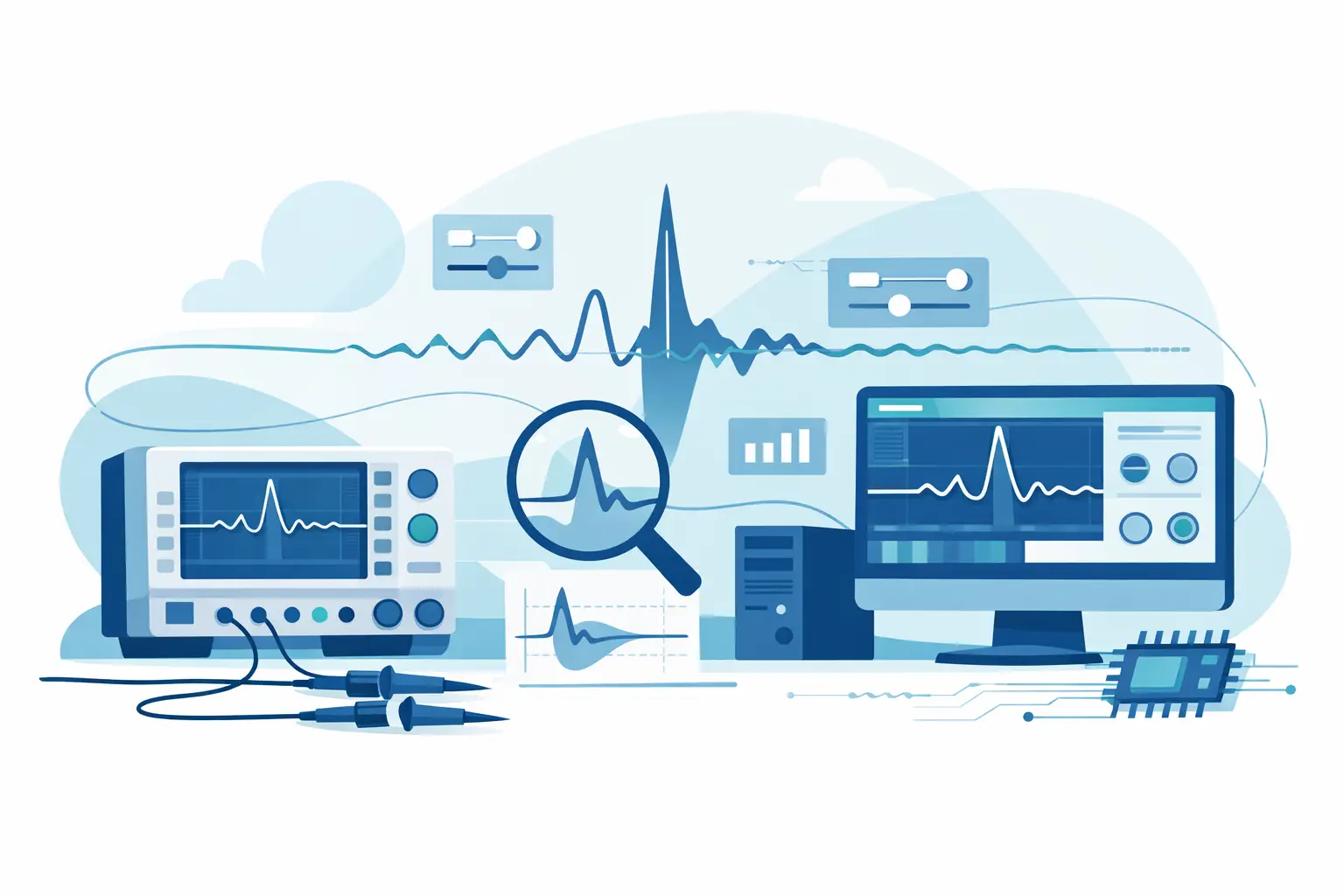
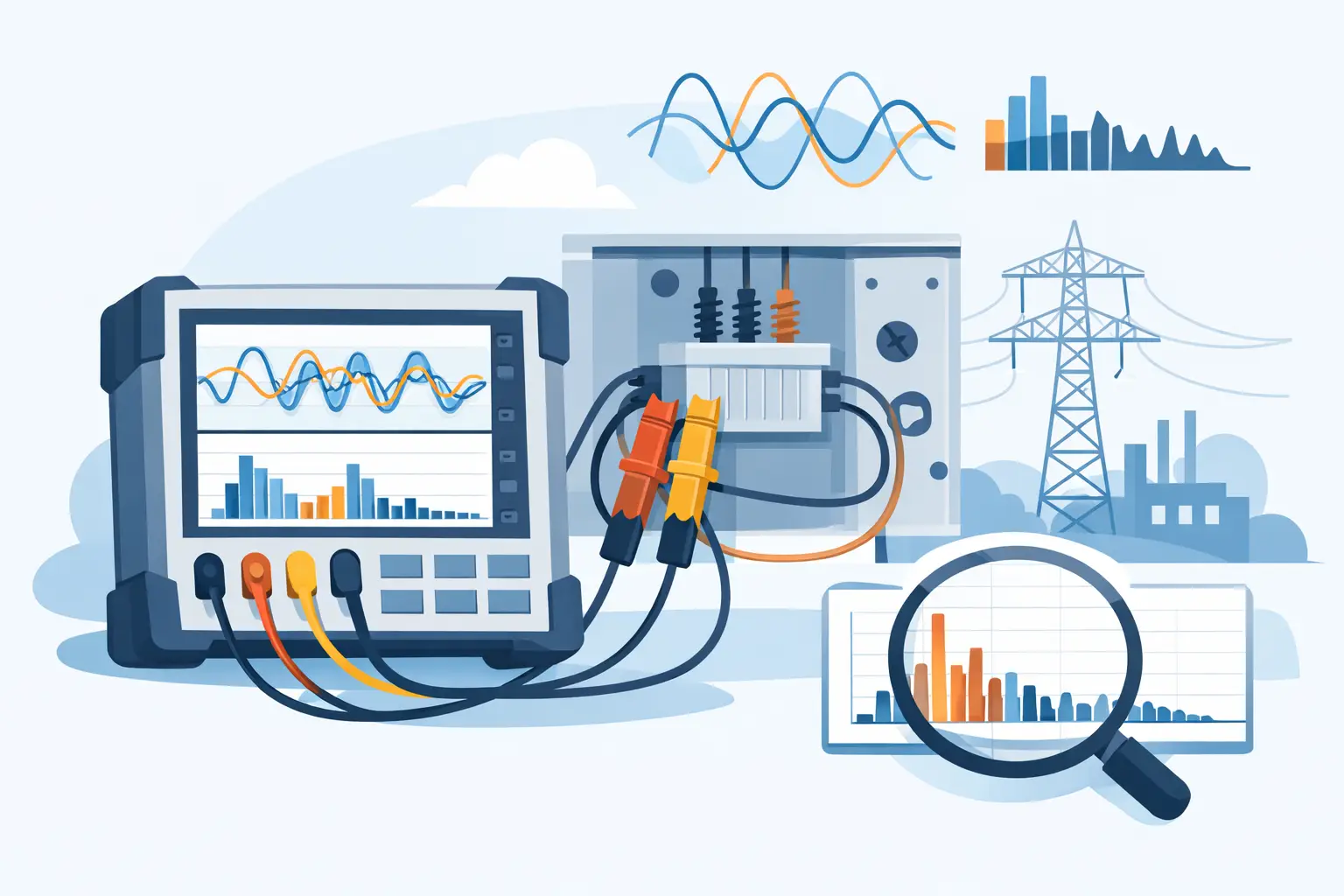
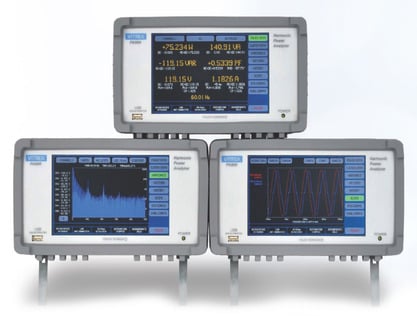
- Harmonics Screen – Bar graph or tabular view of distortion by order

-
- Vector Screen – Phase angle relationships for each input

-
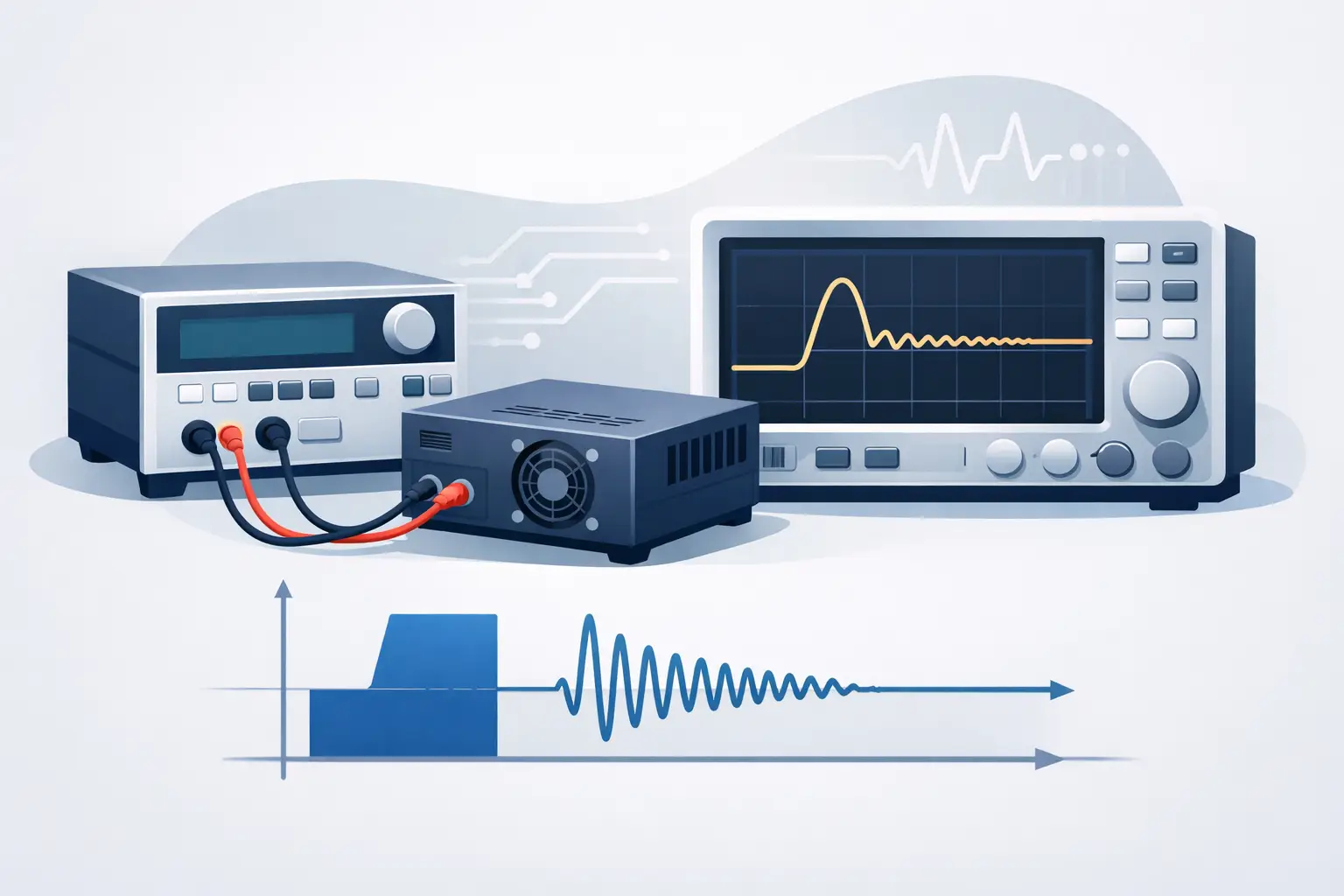
- Scope View Screen – Visualize transients, waveforms, and inrush current events

Step 4: Record and Export Data
Capture your findings for analysis, reporting, or regulatory audits.
- Data Logging: Save measurement snapshots to internal memory or external USB devices for trend analysis.
- Export Formats: Most Vitrek analyzers support:
- CSV for spreadsheets
- Binary for deeper software integration
- Screen captures for reporting

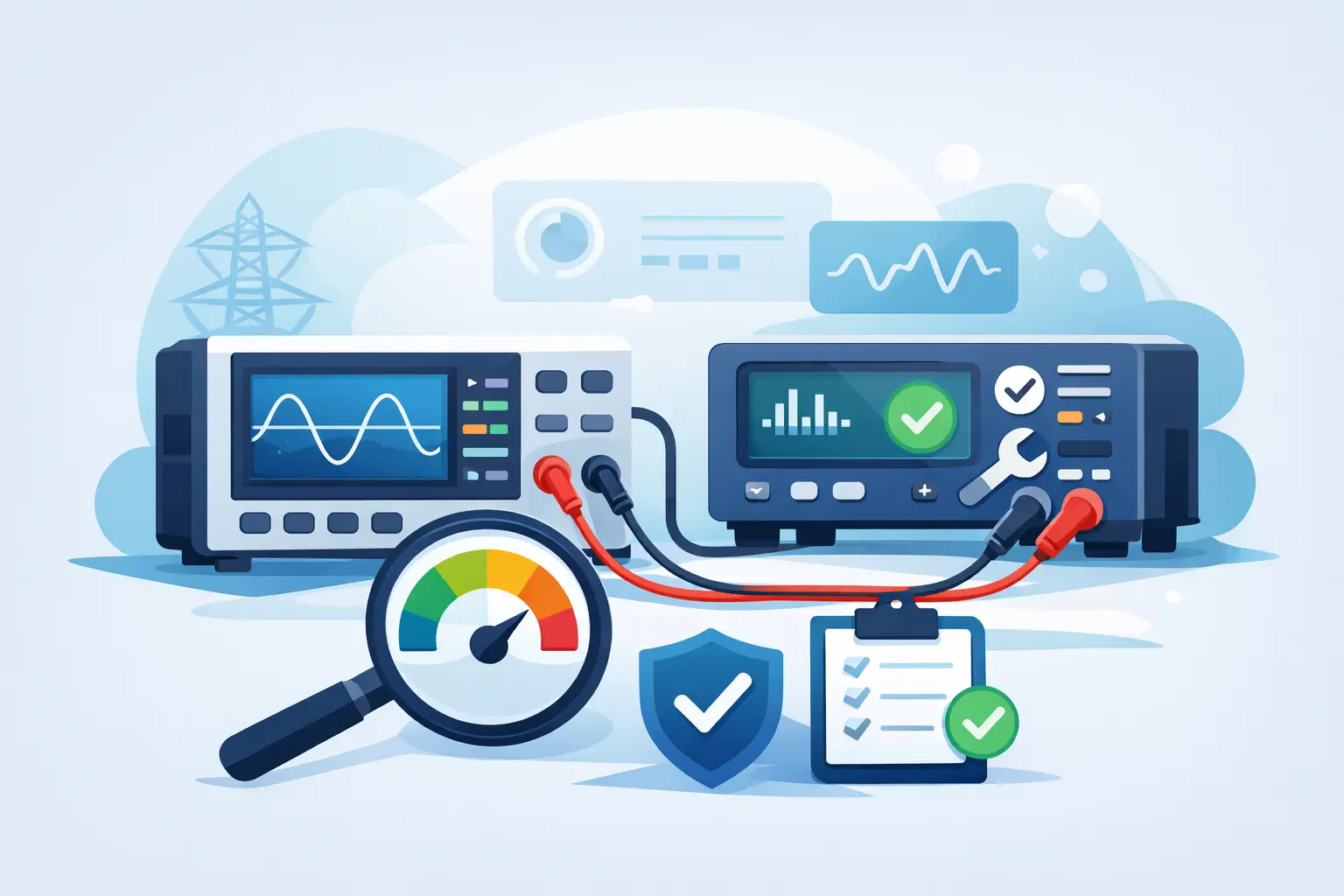
- Run Compliance Checks: Use built-in test templates to evaluate conformance with EN61000-3-2, EN50564, or similar standards. Results include automated pass/fail indicators and detailed emission breakdowns.

Step 5: Analyze and Interpret Results
Transform data into insights that drive decision-making.
- Display Formats:
- Numerical readings – High-precision real-time values
- Graphical plots – Harmonics bar charts, waveform overlays, vector diagrams
- Waveform diagnostics – Ideal for identifying voltage dips, swells, or phase imbalance
- Custom Display Options: Tailor the screen layout to prioritize the most relevant metrics for your test environment.
- Root Cause Evaluation: Use harmonic trends, scope views, and inrush data to identify causes of anomalies like overheating, equipment malfunction, or inefficiencies. Apply these insights to inform corrective actions or system upgrades.
Maximizing Power Quality with Vitrek Power Analyzers
Using a power analyzer effectively requires a combination of proper setup, focused measurement configuration, and clear data interpretation. Instruments like the Vitrek PA900, PA920, and XT2640 offer high-resolution, real-time insights that empower engineers to optimize performance, validate compliance, and diagnose system-level issues with confidence.
Whether you’re conducting harmonic analysis, efficiency monitoring, transient detection, or compliance verification, Vitrek’s analyzers provide the precision and flexibility needed to ensure that your electrical systems run reliably, efficiently, and within standard limits.