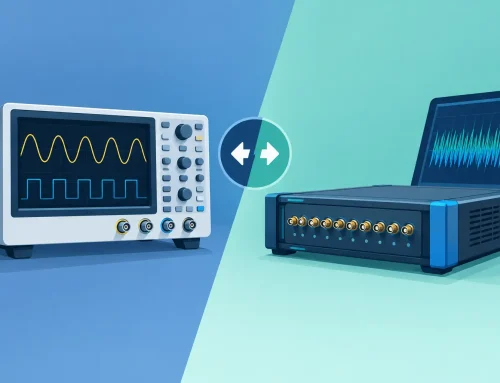
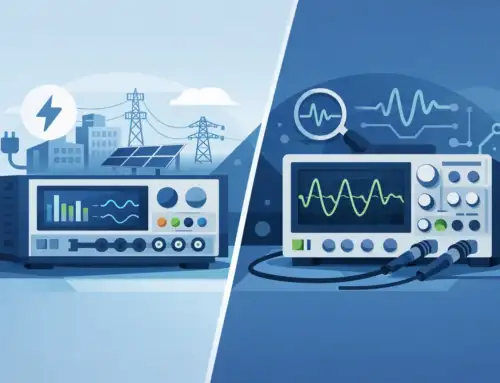
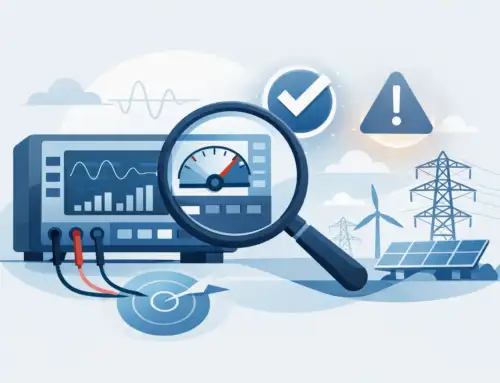
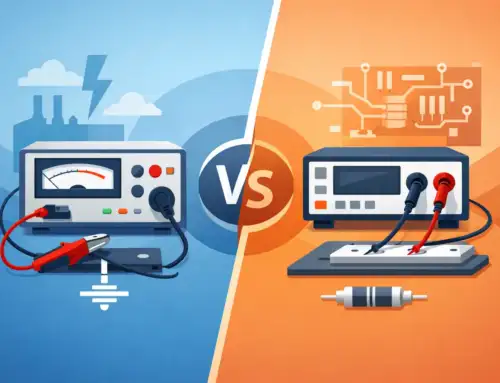
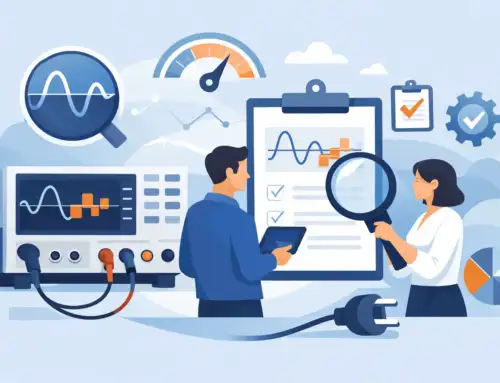
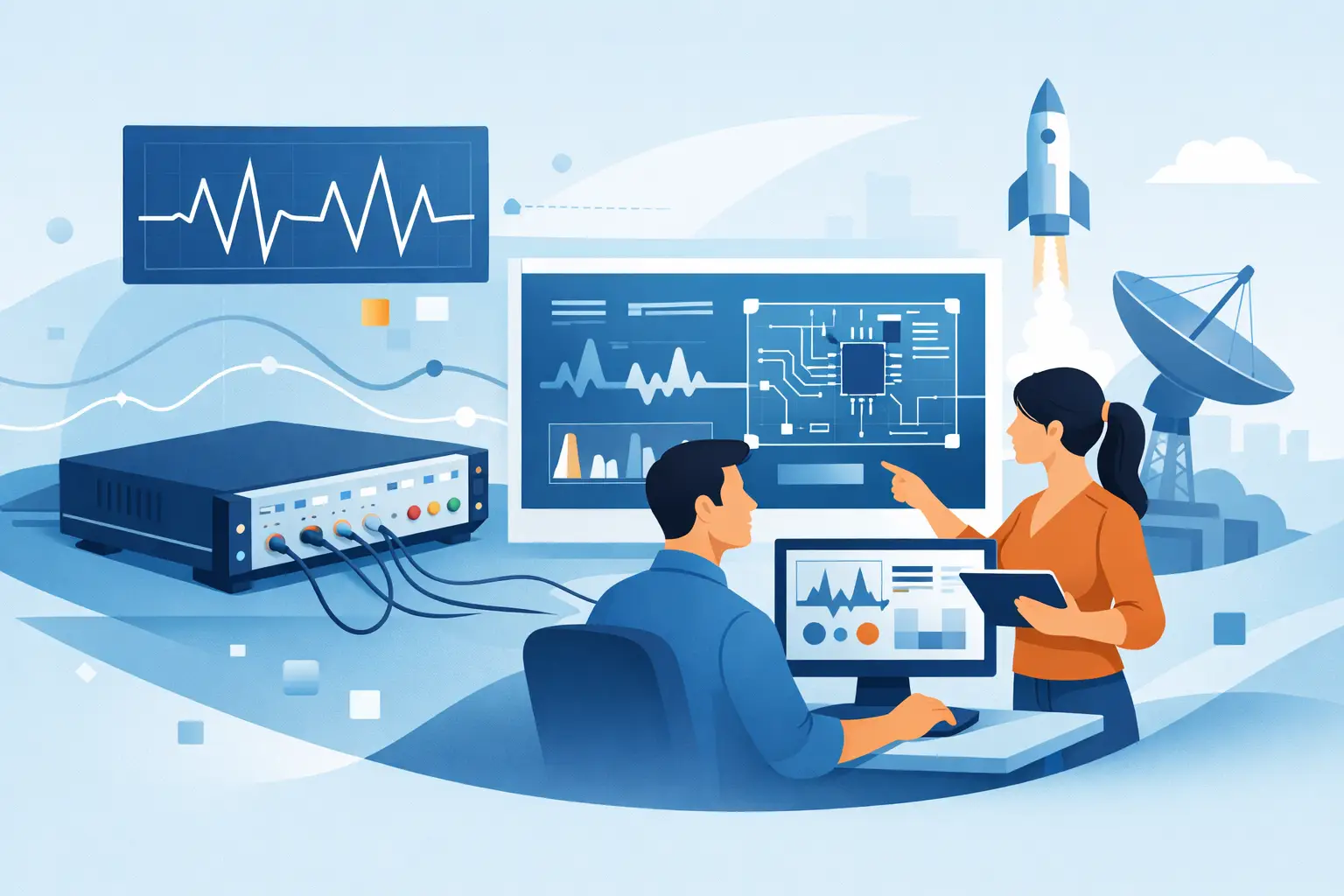
A test bench starts to drift off course when the wrong instrument is doing the measuring. That is usually where the power analyzer vs power meter question becomes practical, not academic. If you are validating inverter efficiency, checking standby power, or documenting compliance data, the difference between these two tools affects confidence in the result, not just the line item on a quote.
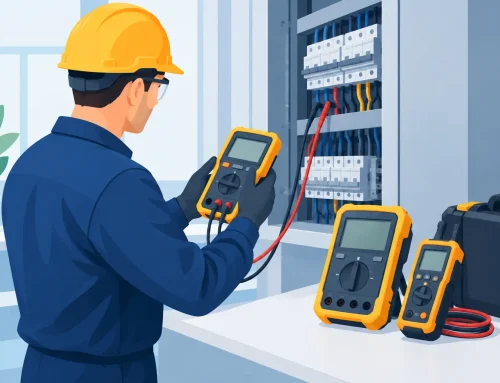
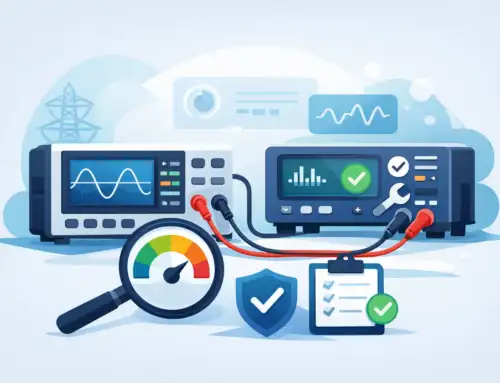
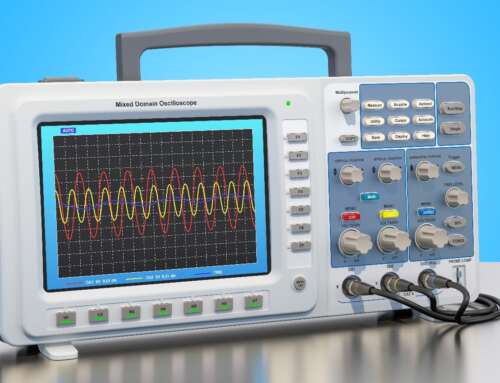
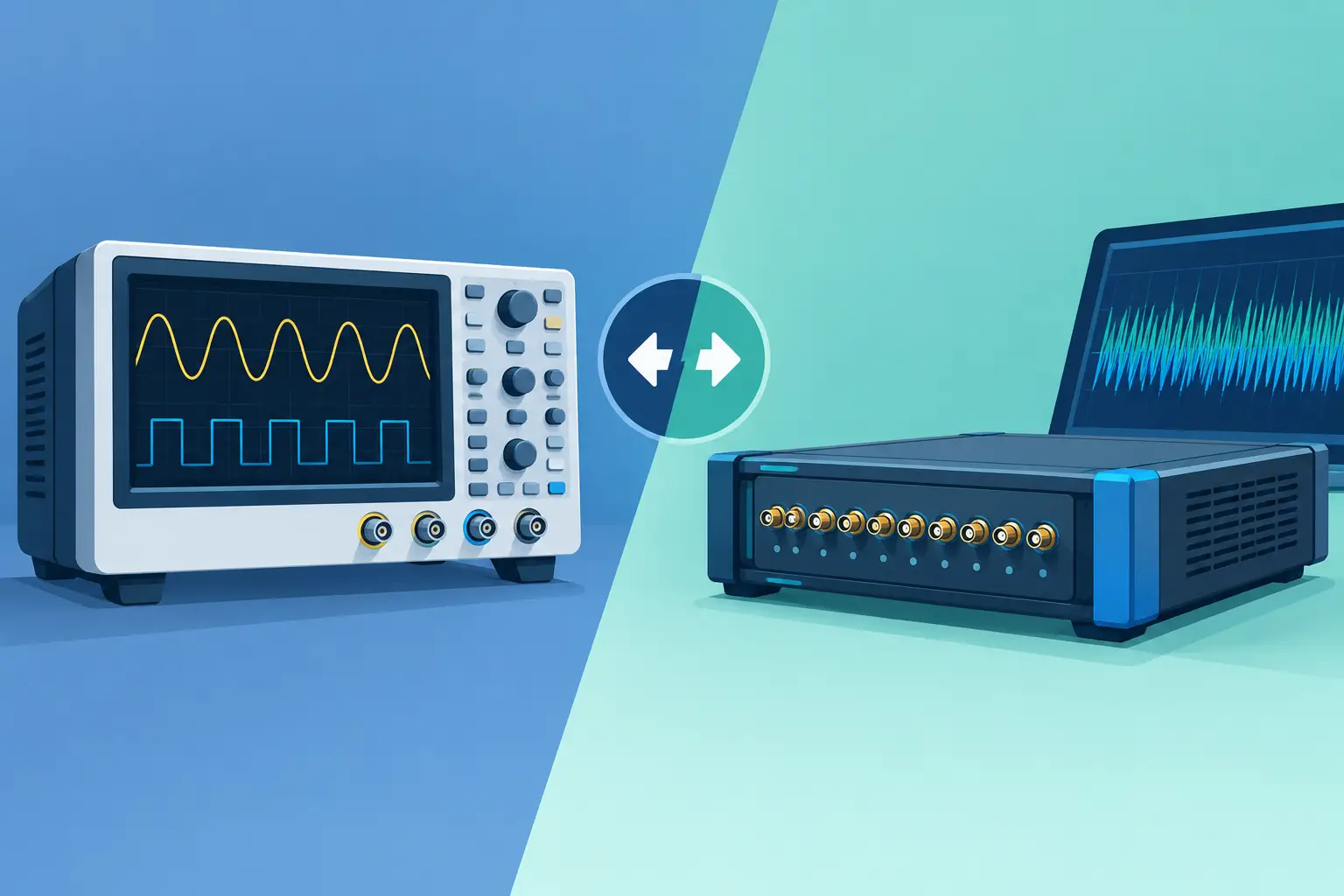
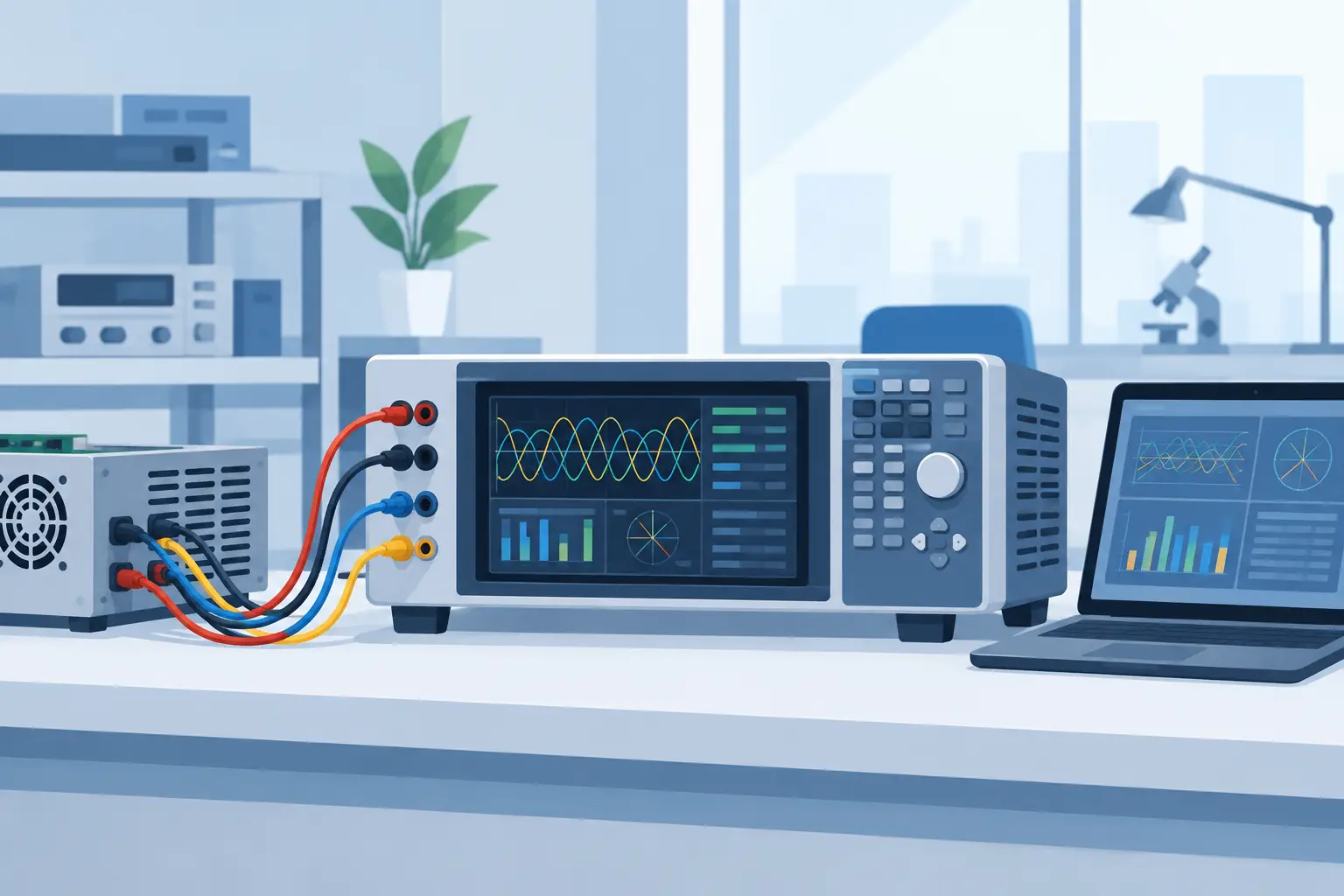
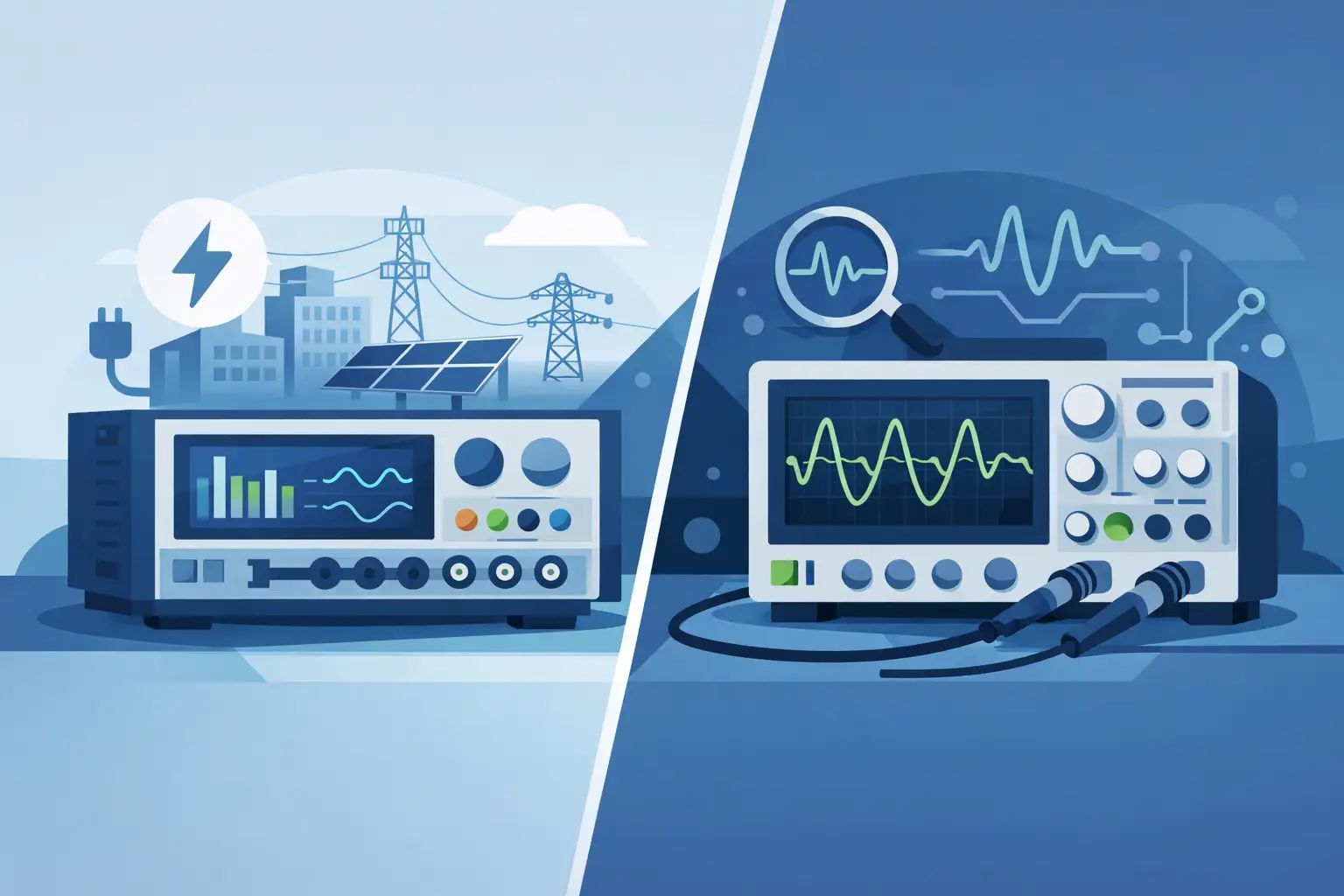
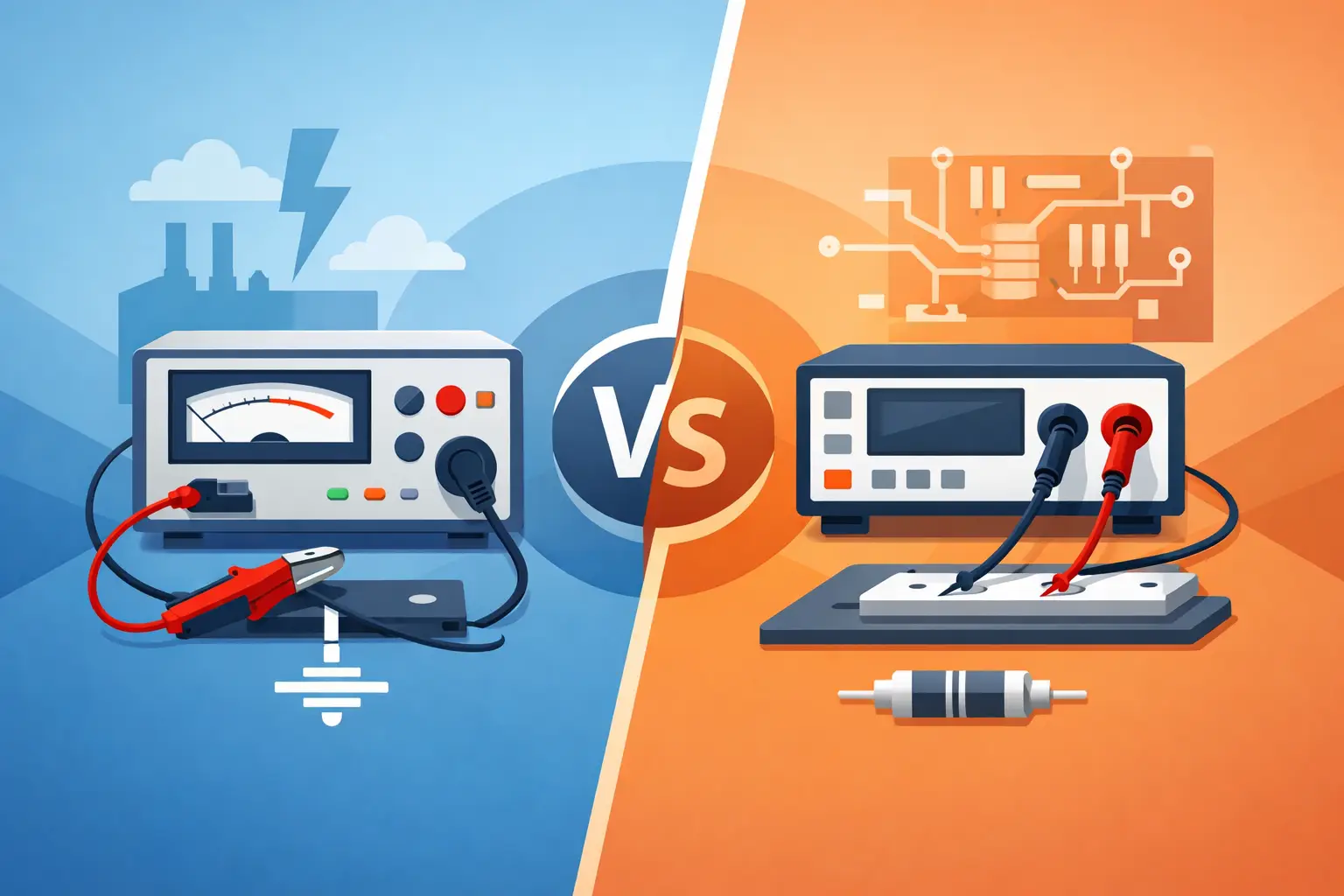
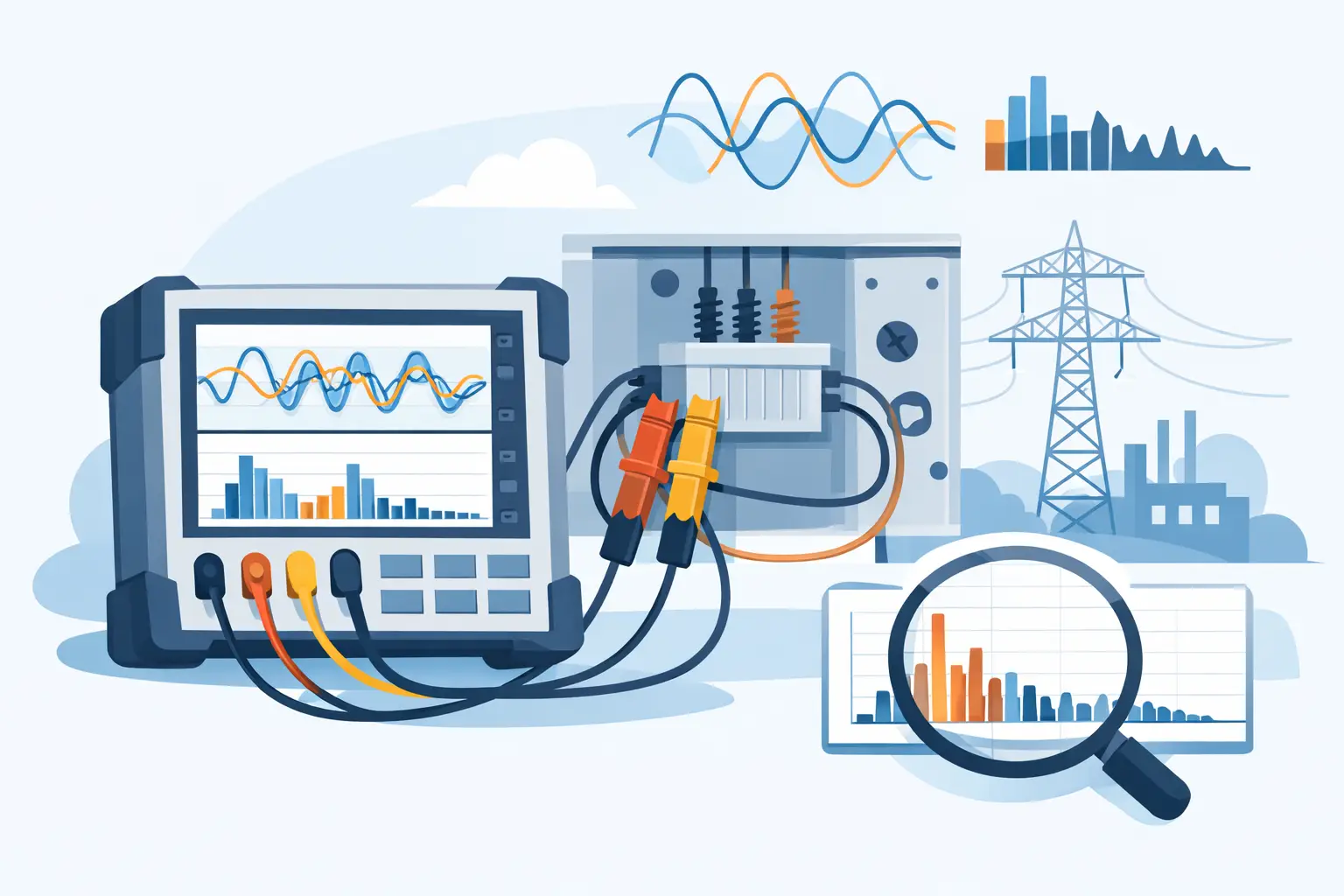
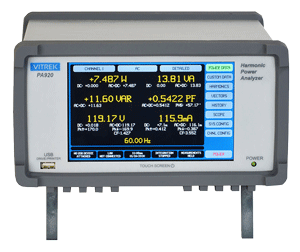
At a glance, both instruments measure electrical power. That overlap is real, but it is also where confusion starts. A power meter is generally designed to report core electrical quantities such as voltage, current, power, power factor, and energy with a straightforward setup. A power analyzer goes further. It is built to characterize power behavior in more detail, often across multiple channels, with higher accuracy, broader bandwidth, deeper harmonic analysis, and more advanced math for dynamic or distorted waveforms.
Power analyzer vs power meter: the core difference
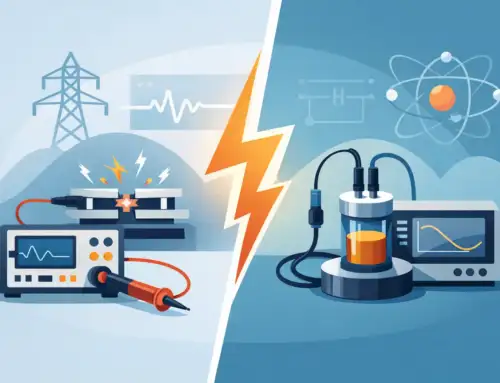
The cleanest way to separate them is by measurement depth. A power meter tells you how much power is being consumed or delivered. A power analyzer tells you how that power behaves.
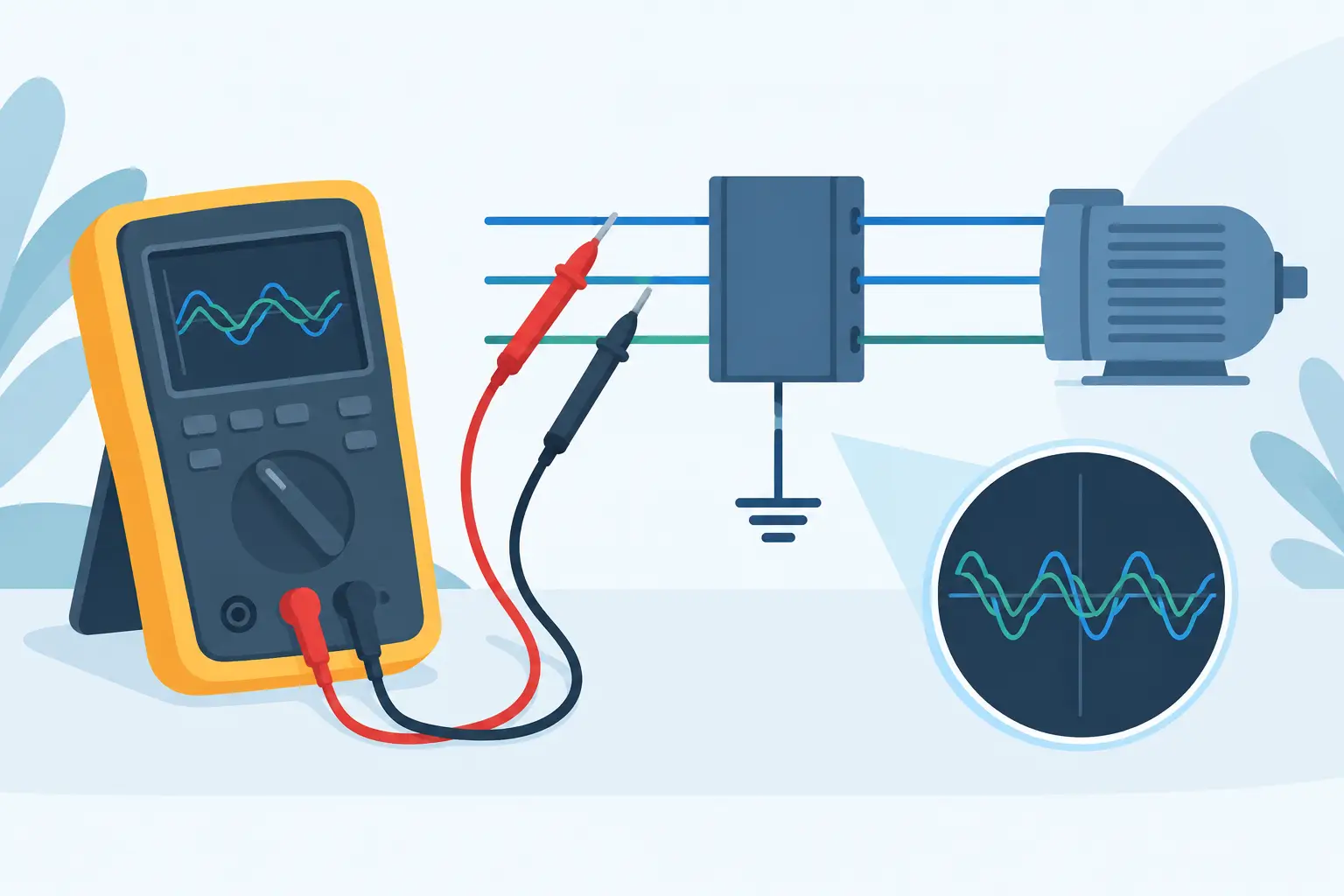
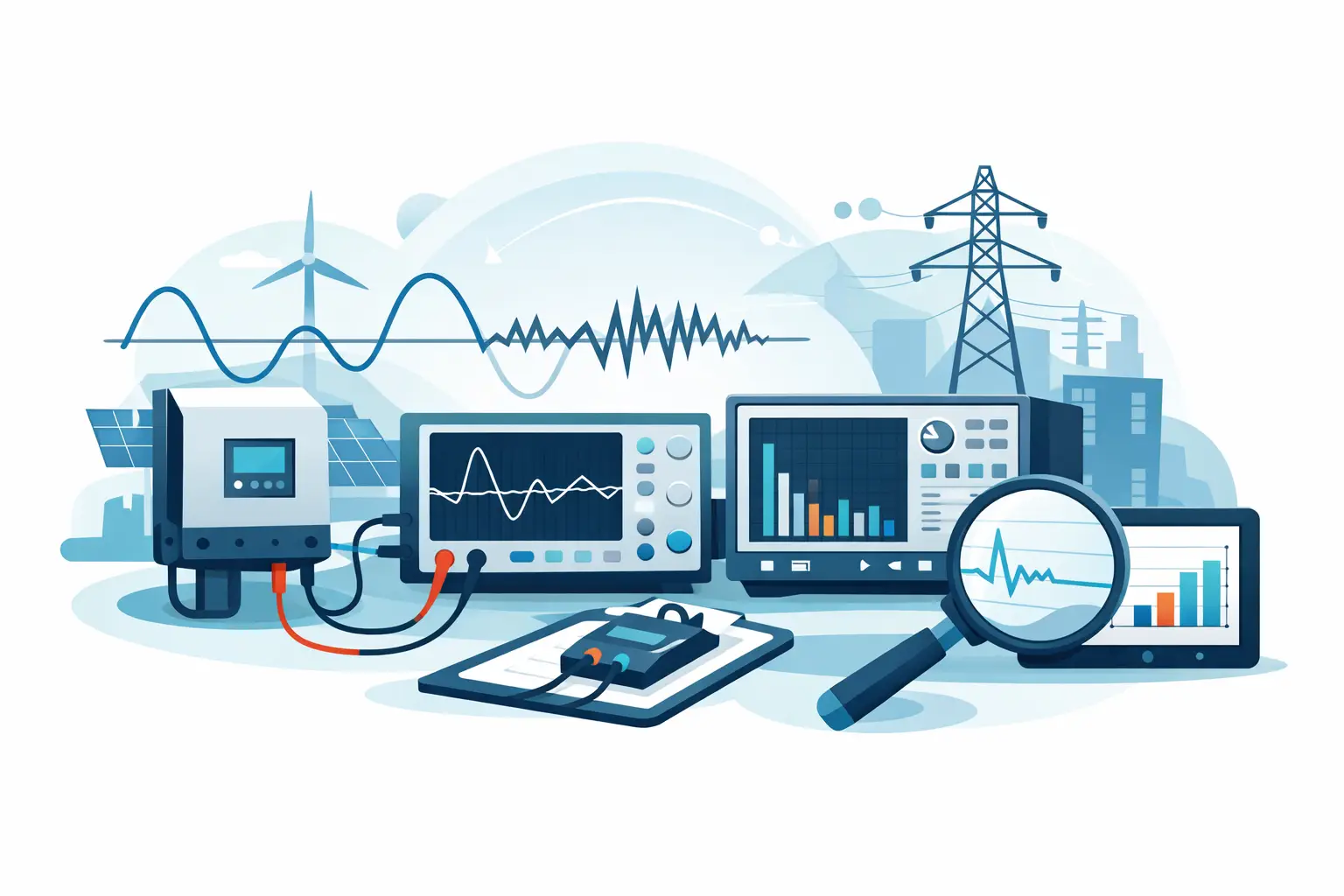
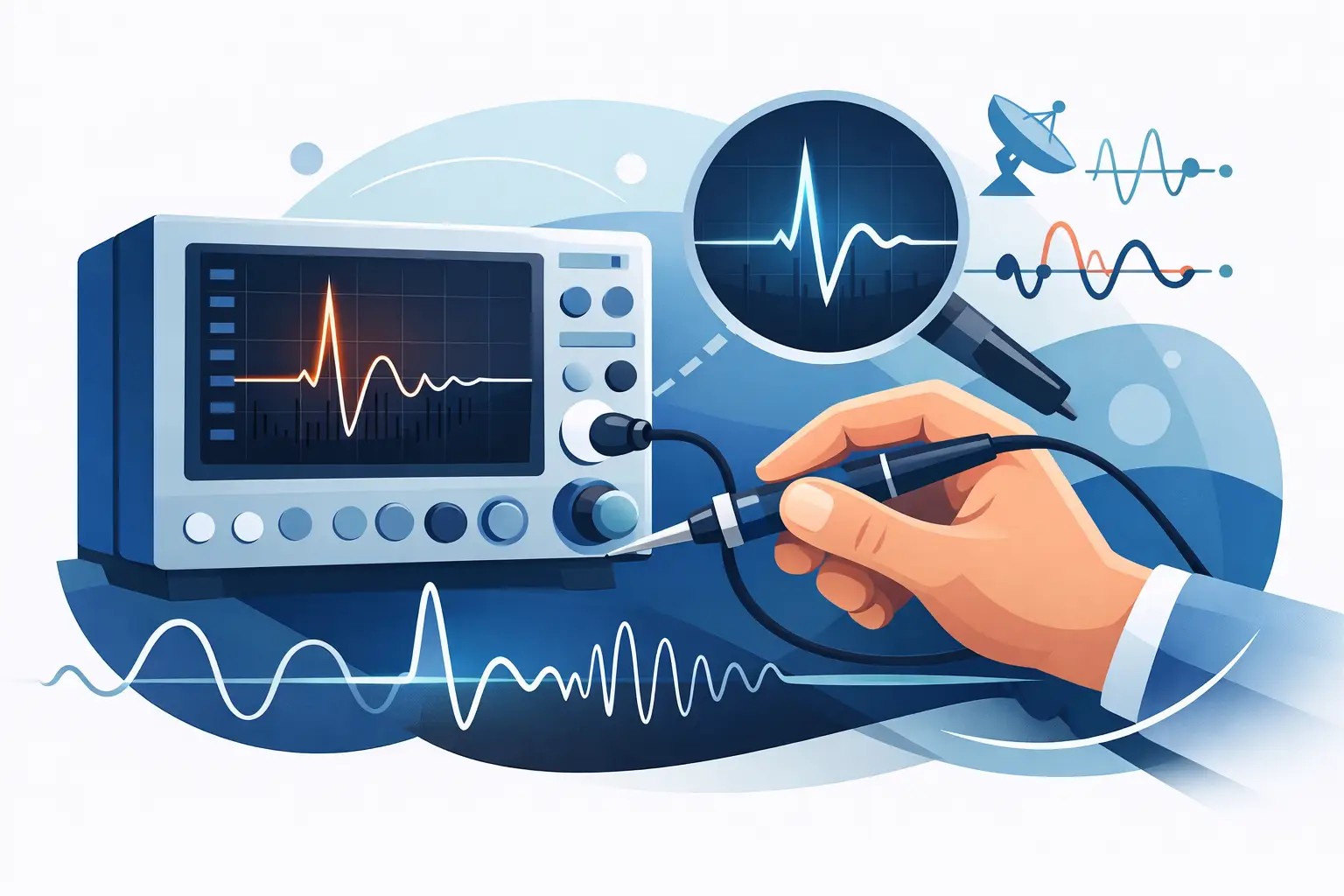
That distinction matters when the waveform is no longer a simple sine wave. In modern products, that is common. Variable frequency drives, switching power supplies, EV drivetrains, aircraft power systems, and medical electronics can all produce harmonics, transients, phase imbalance, and rapidly changing load conditions. In those environments, a basic reading of watts may not be enough to support design decisions or formal reports.
A power meter is often the right fit for routine monitoring, energy usage checks, and production measurements where the required parameters are limited and the operating conditions are stable. A power analyzer is more appropriate when you need traceable precision, waveform insight, phase-by-phase analysis, or standards-driven data under non-ideal electrical conditions.
Where a power meter fits best
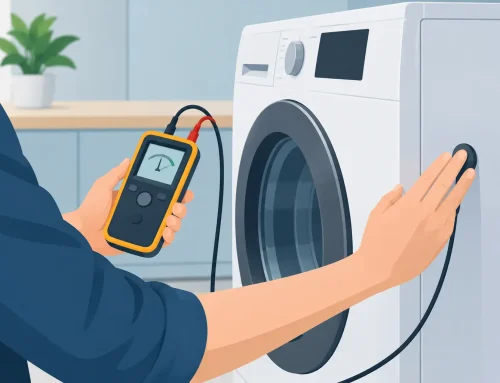
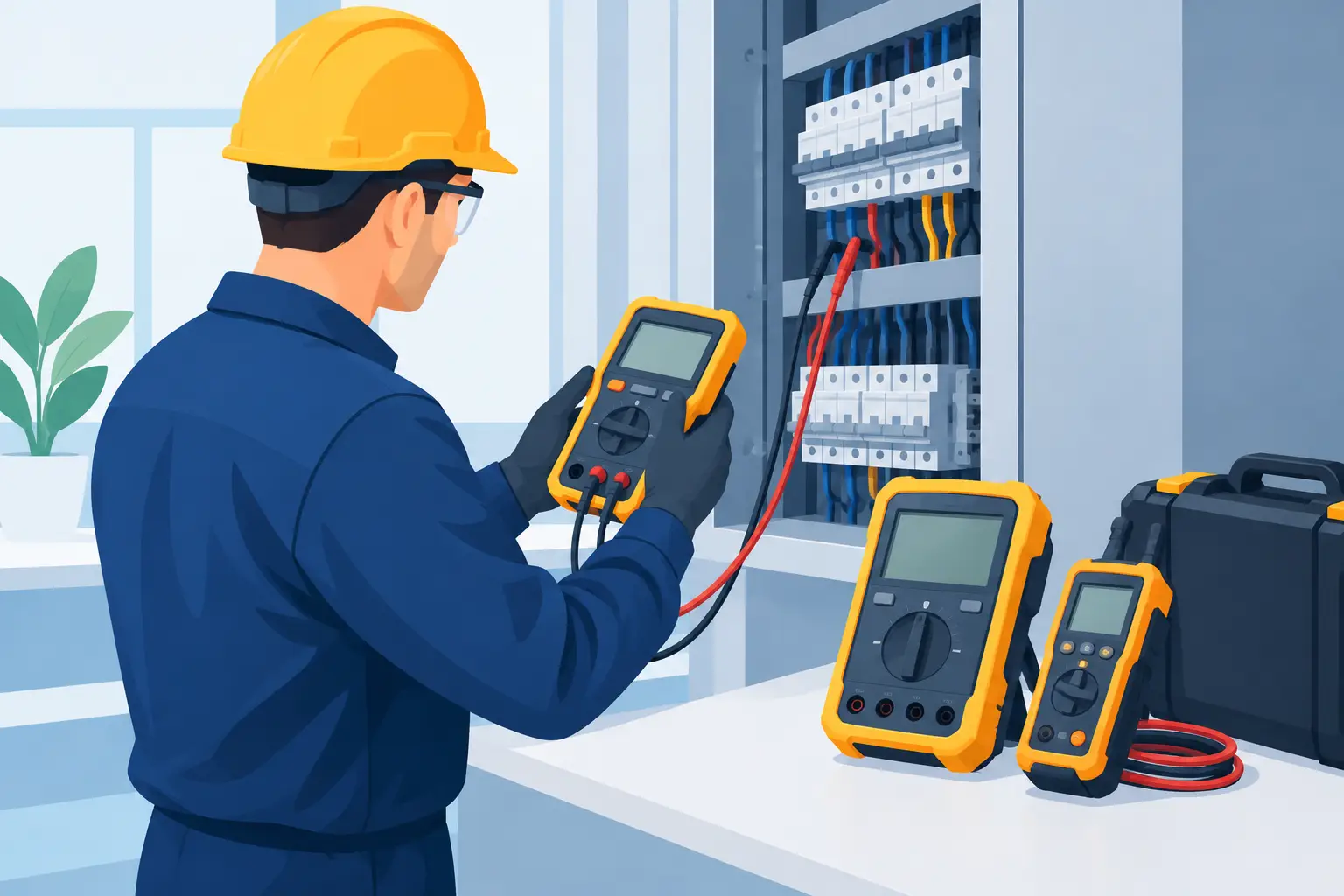
A power meter is usually selected for simplicity, speed, and cost control. If the job is to verify line power, monitor consumption, or confirm that a product stays within a known operating range, a meter can be efficient and entirely sufficient.
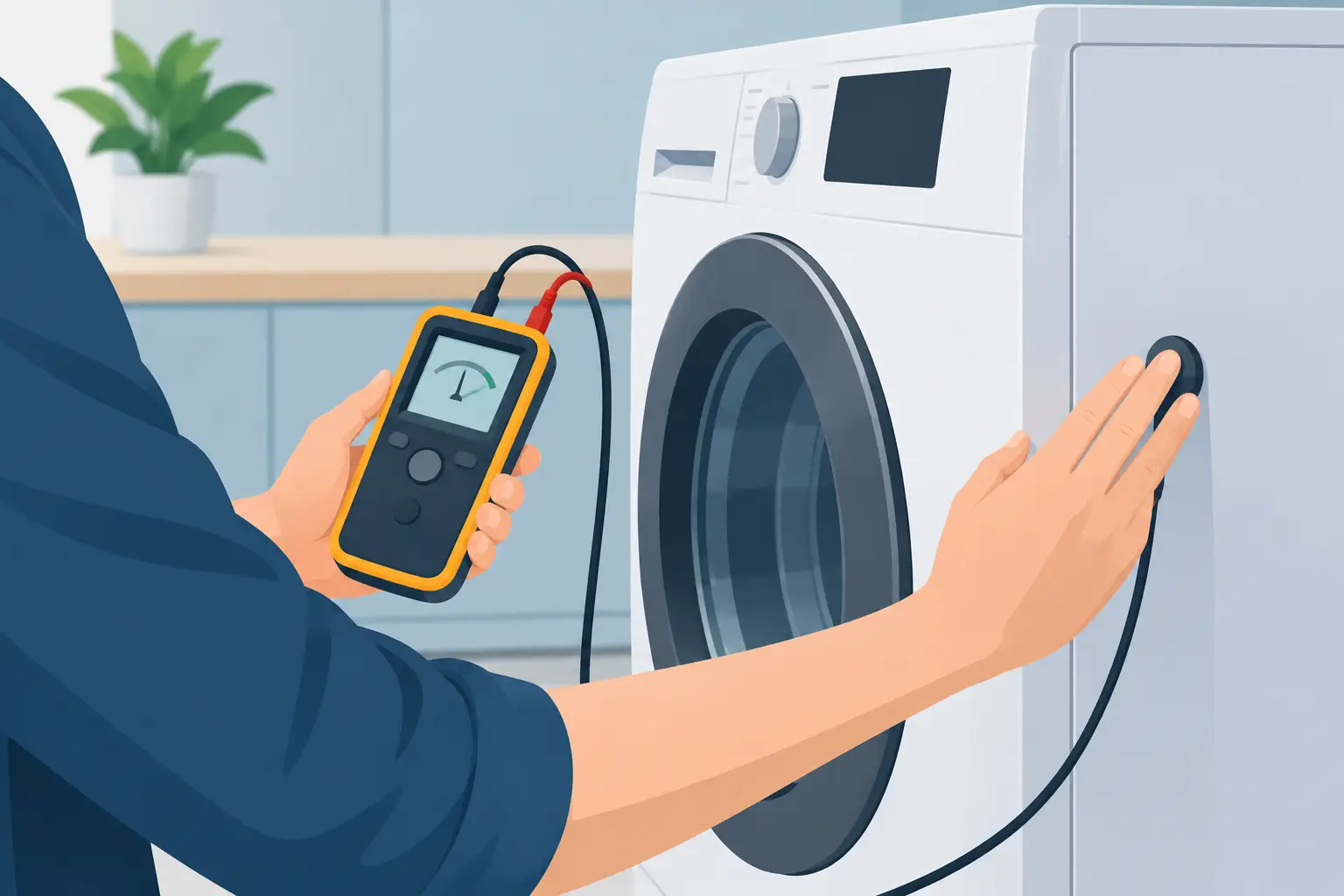
In manufacturing, that may mean checking whether a finished product draws the expected power during a functional test. In facilities work, it may mean tracking energy consumption over time. In service environments, it can be useful for troubleshooting a load that is clearly over or under its normal operating level.
The trade-off is that many power meters are not optimized for complex waveform analysis. Some provide excellent accuracy for basic measurements, but fewer channels, narrower bandwidth, or limited harmonic capability can become constraints when the device under test includes switching behavior or fast control loops. If the application only needs stable RMS values and total power, those limits may never matter. If you are trying to explain efficiency losses or identify distortion-related issues, they matter immediately.
Where a power analyzer earns its place
A power analyzer is designed for applications where measurement uncertainty and waveform complexity cannot be treated as secondary concerns. That typically includes R&D, validation, compliance testing, and high-value production environments.
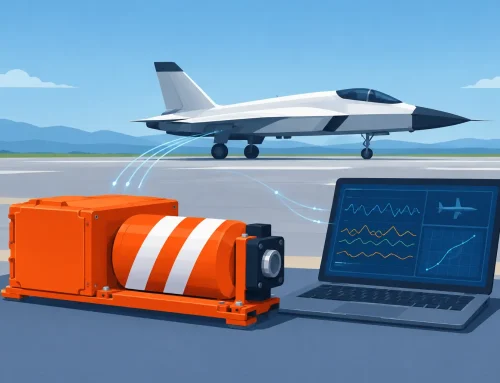
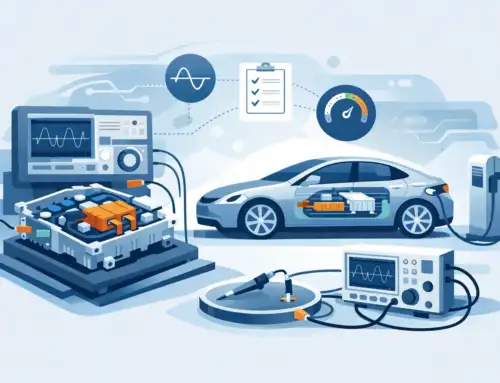
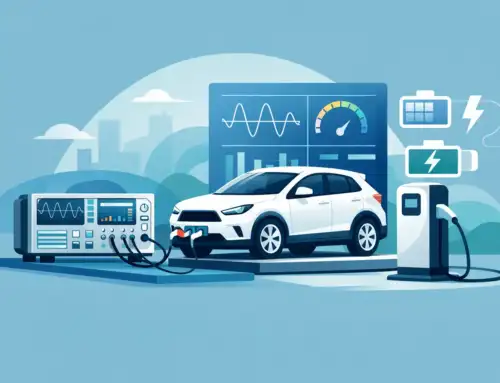
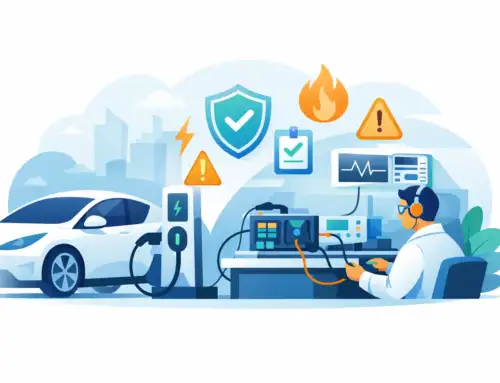
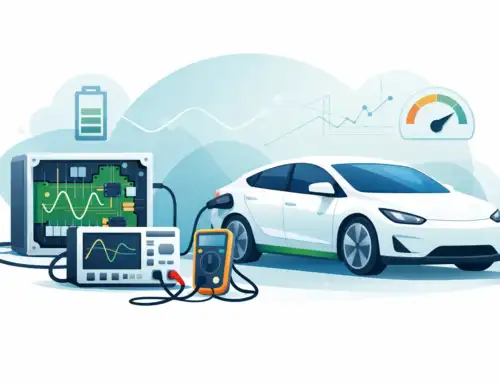
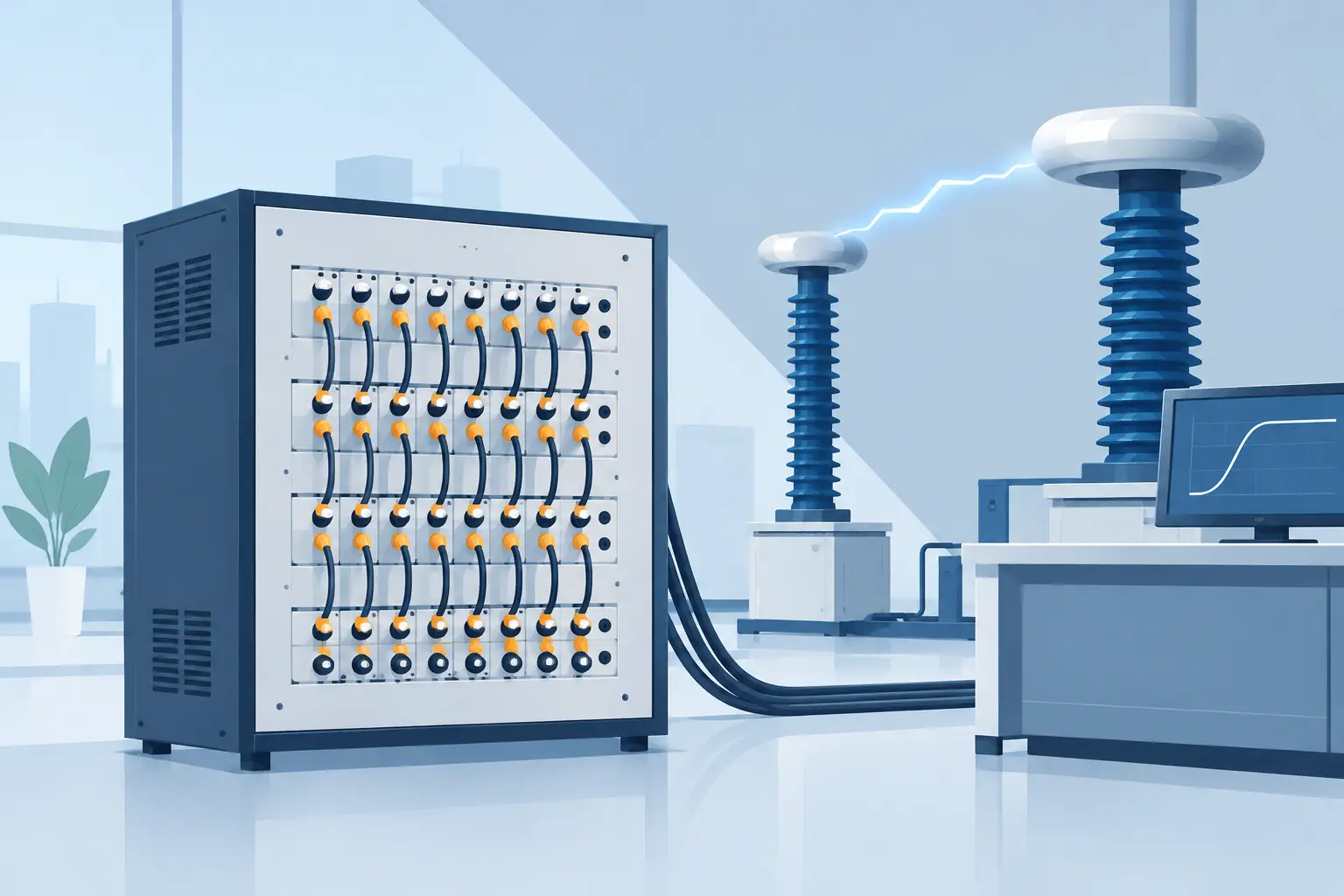
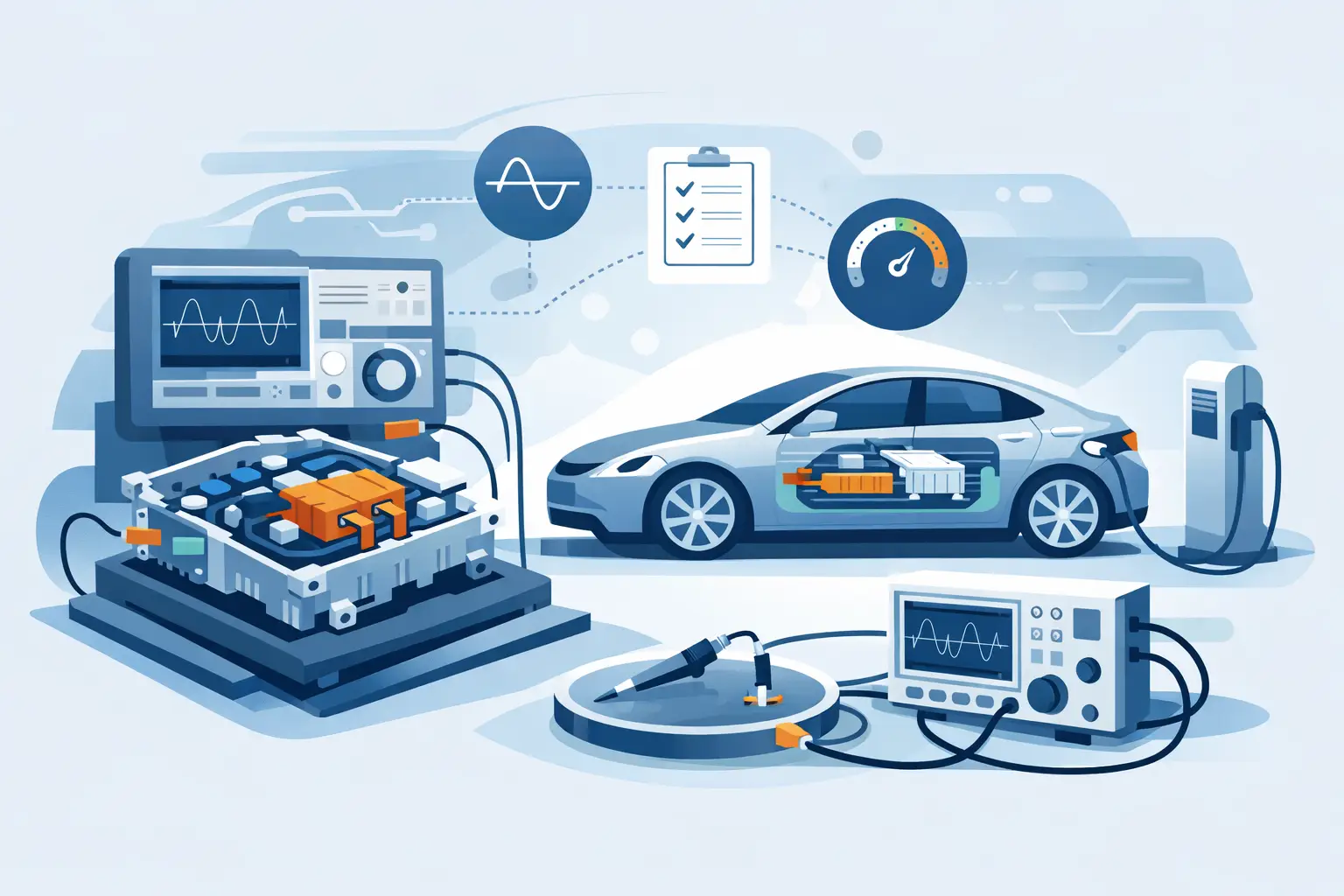
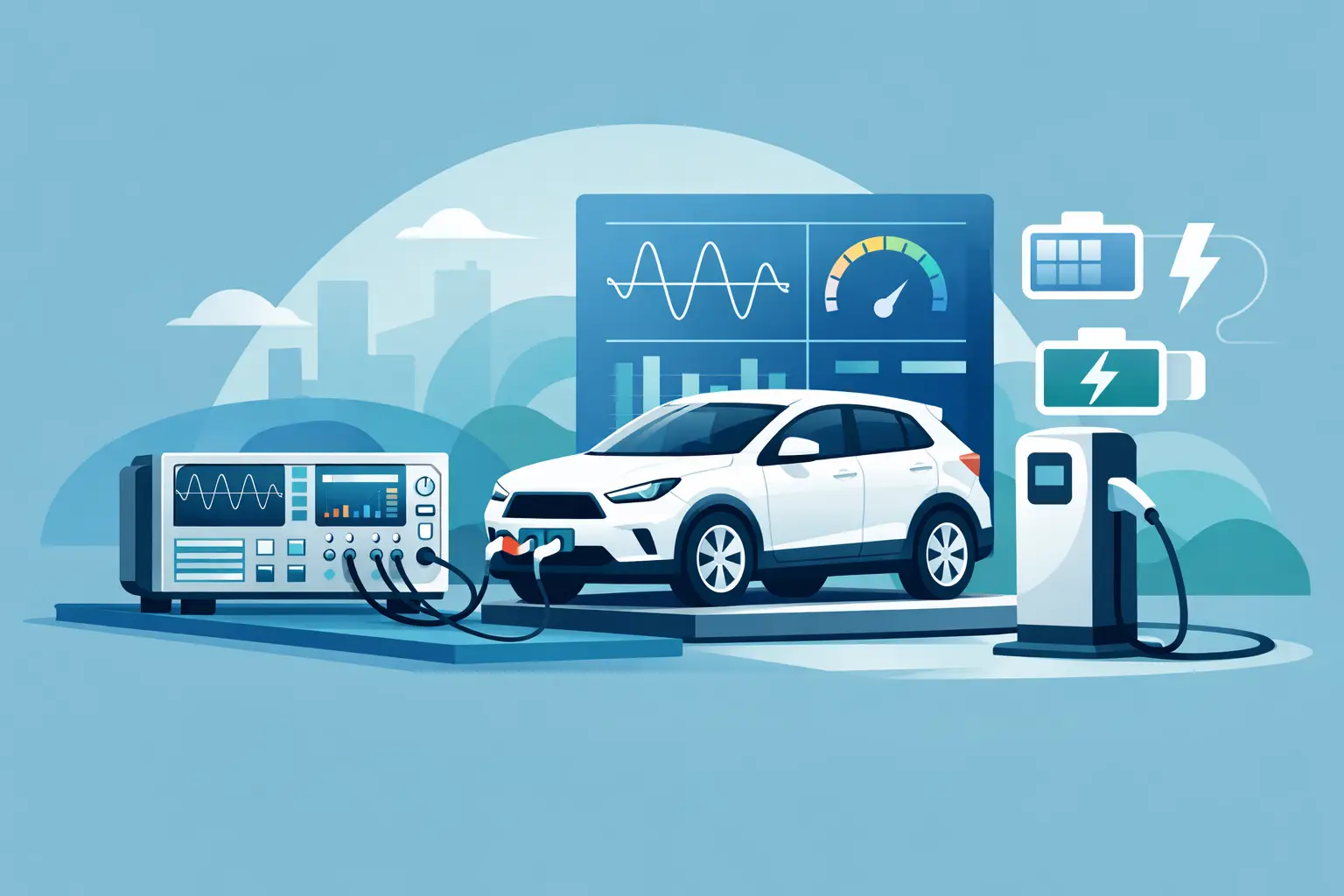
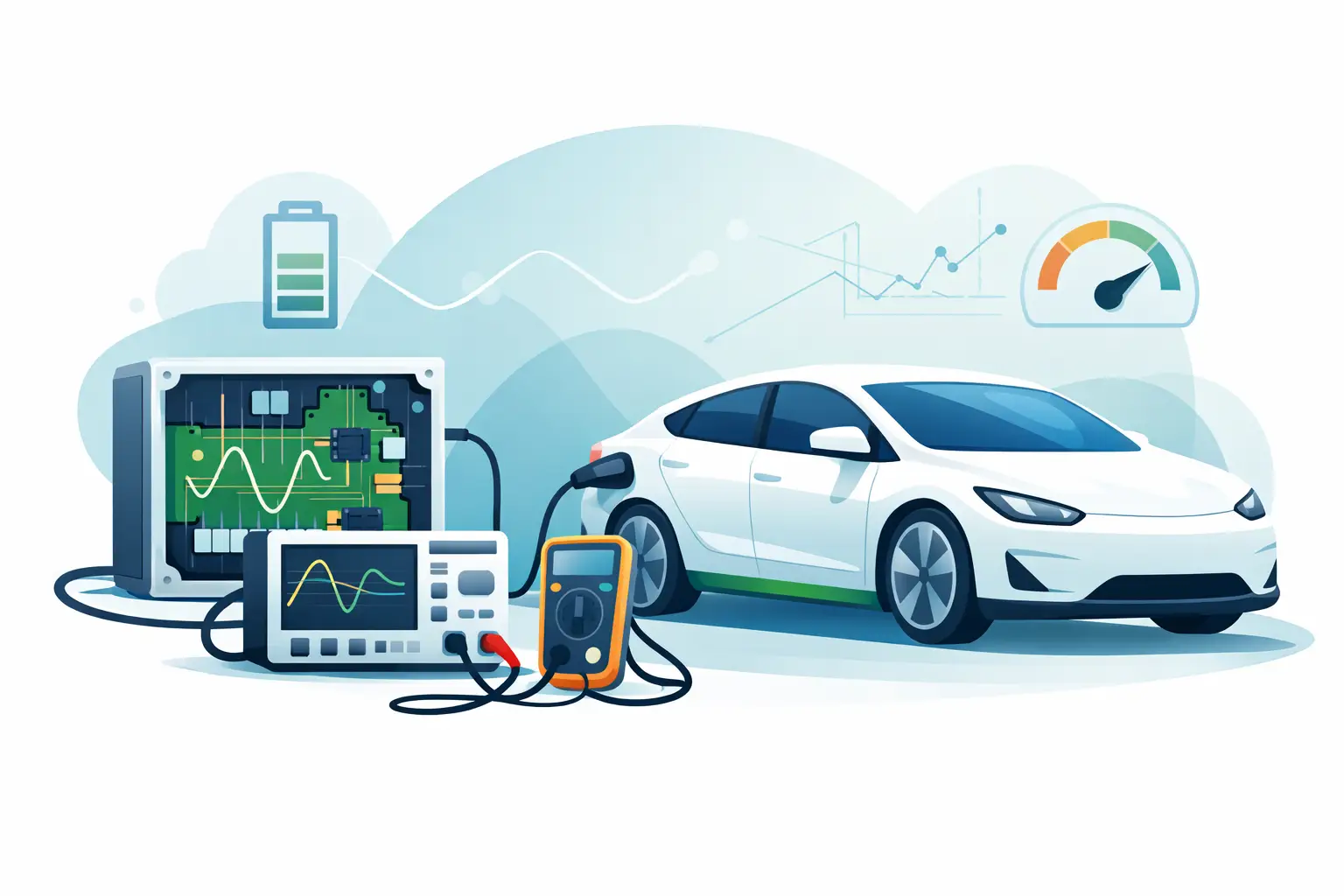
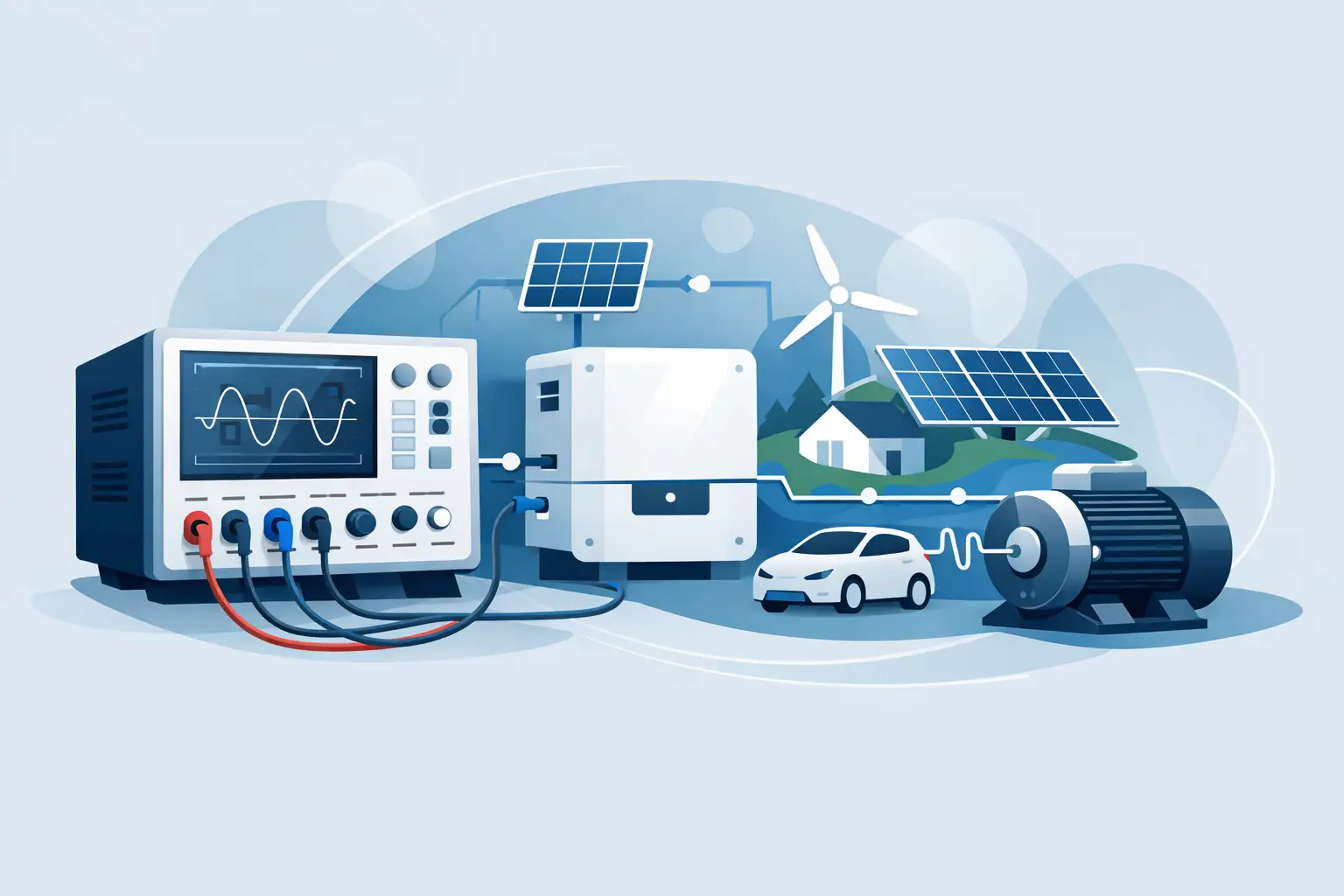
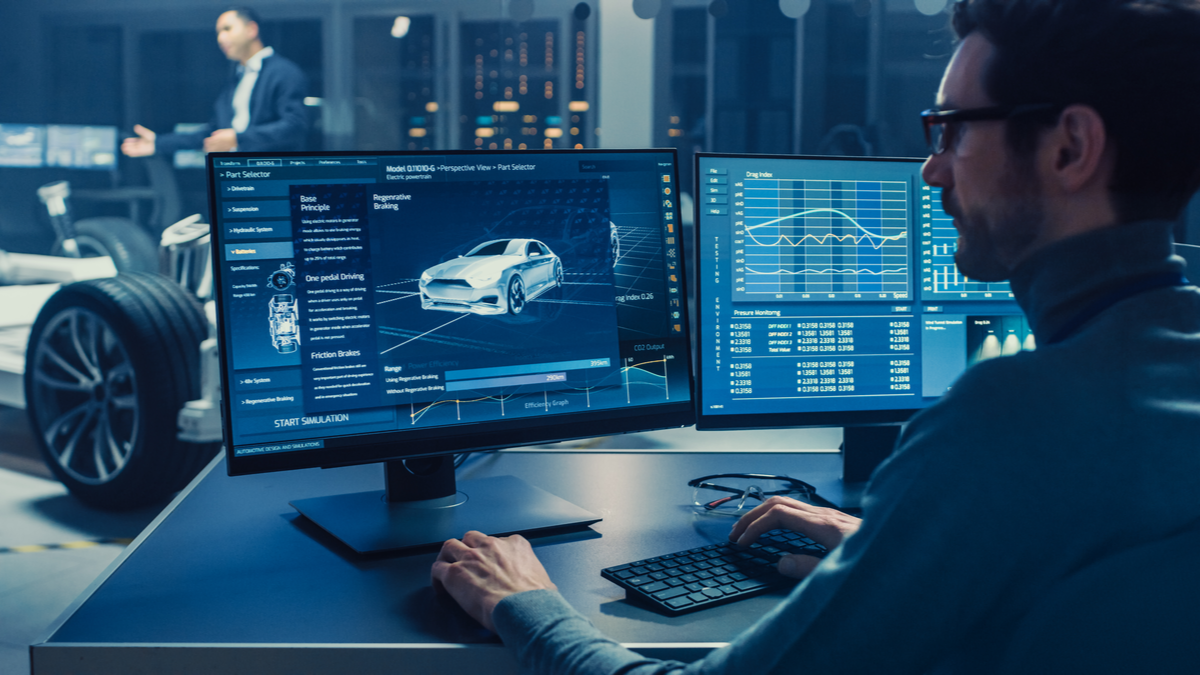
For example, consider an EV powertrain test. Engineers may need to measure AC input and DC output simultaneously, calculate efficiency in real time, observe harmonic content, and capture changes during acceleration or regenerative braking profiles. A power meter may provide a basic power number, but a power analyzer is built for the larger problem: synchronized, multi-parameter characterization across dynamic conditions.
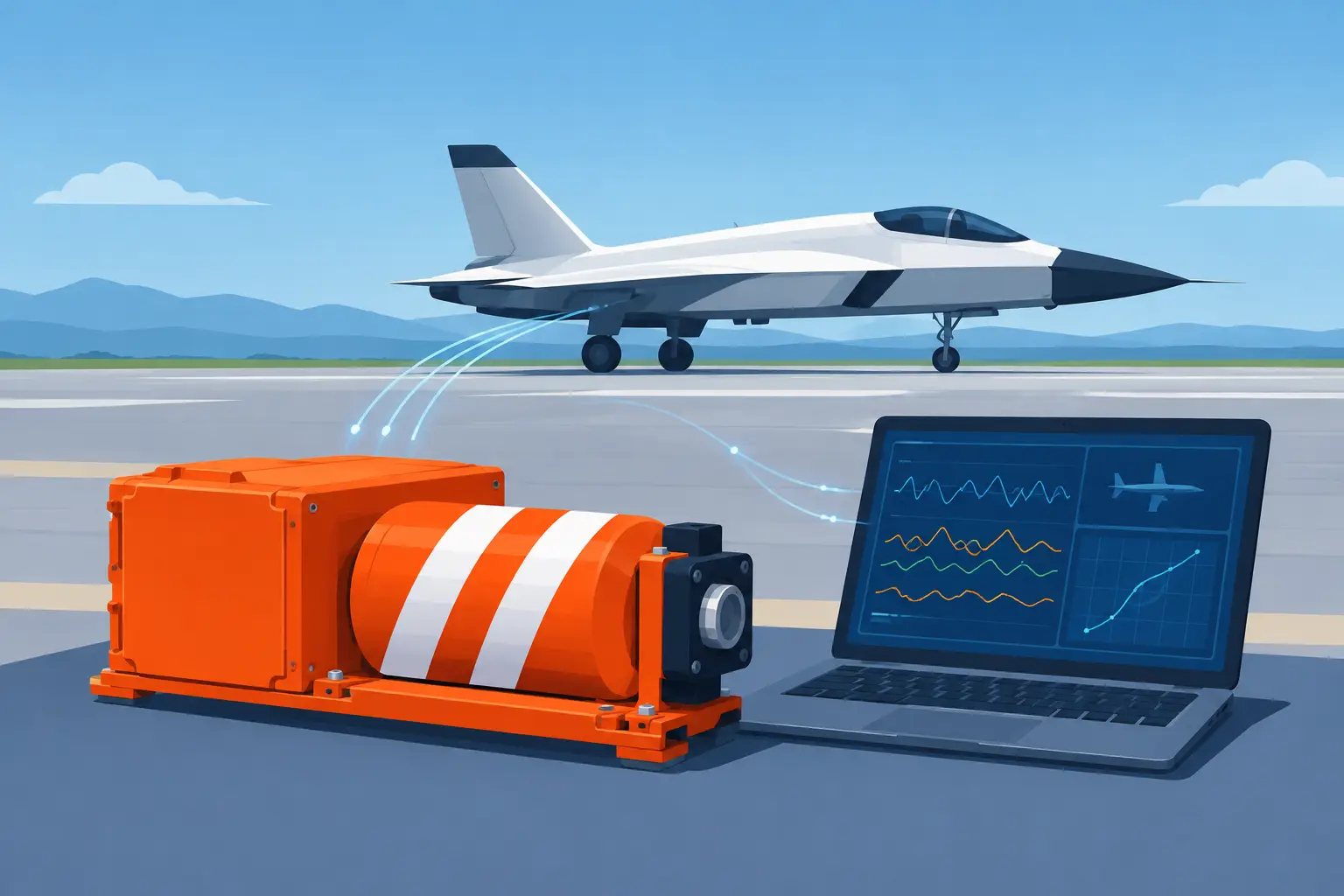
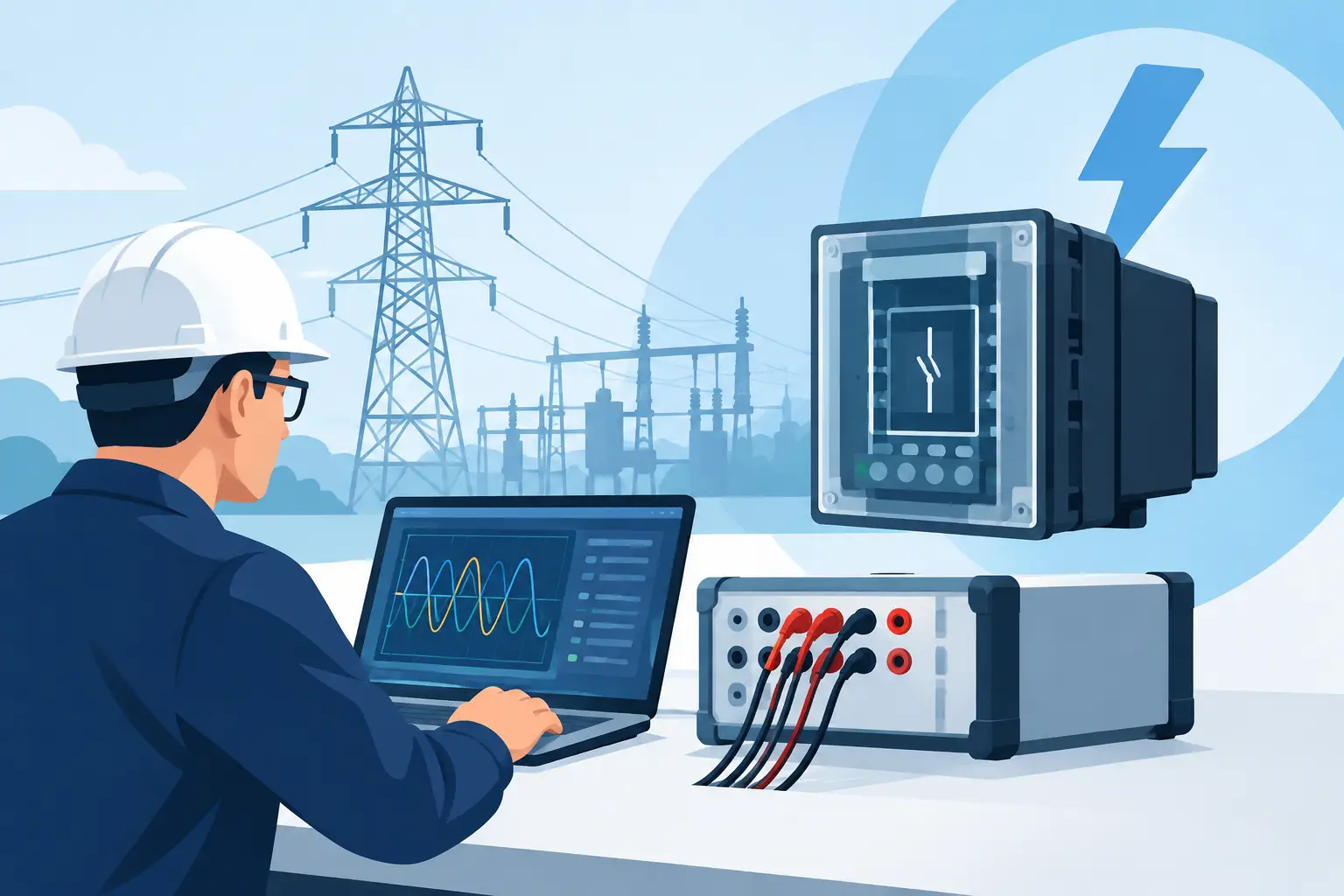
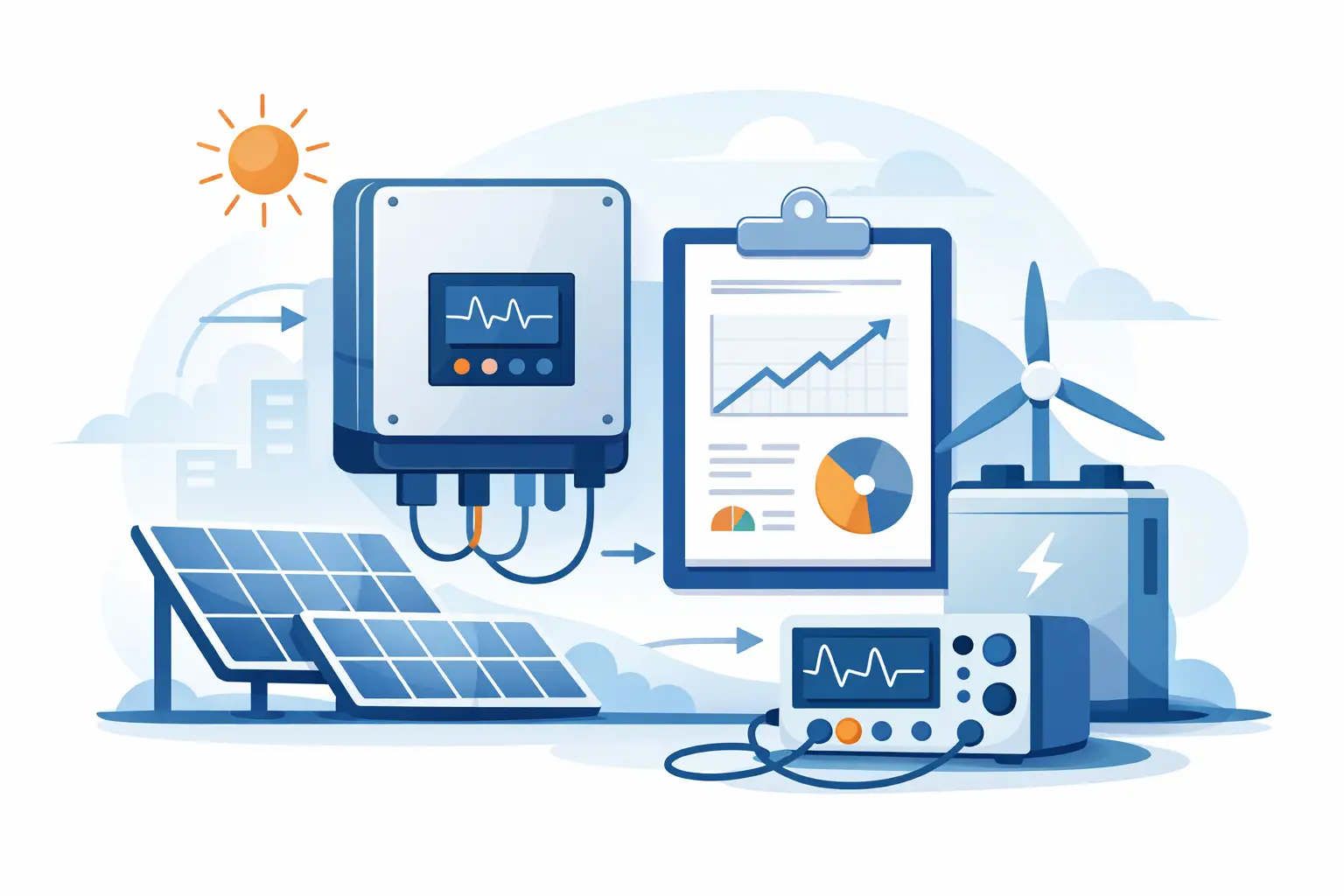
The same logic applies in aerospace, appliance efficiency, motor testing, renewable energy, and medical device development. Once the waveform is distorted, phase relationships matter, or switching frequencies move measurement demands beyond standard utility conditions, the analyzer becomes the more credible instrument.
Accuracy is not just a specification line
Many buyers compare these instruments by looking at a top-line accuracy figure. That is necessary, but not sufficient. Accuracy depends on what is being measured, over what range, at what frequency, and under what waveform conditions.
A power analyzer typically offers tighter specifications across a wider operating envelope. That includes low power factor conditions, small phase angle errors, broad current ranges, and mixed AC plus DC content. It may also provide better stability over time and temperature, which matters in laboratories and in production systems where repeatability drives yield or certification confidence.
A power meter can still be highly accurate for its intended use. The issue is not whether it is good or bad. The issue is whether its uncertainty remains acceptable when the application gets more demanding. If the result is feeding a compliance report, validating a design target, or supporting a customer acceptance test, the cost of under-specifying the instrument is usually much higher than the initial savings.
Harmonics, bandwidth, and dynamic behavior
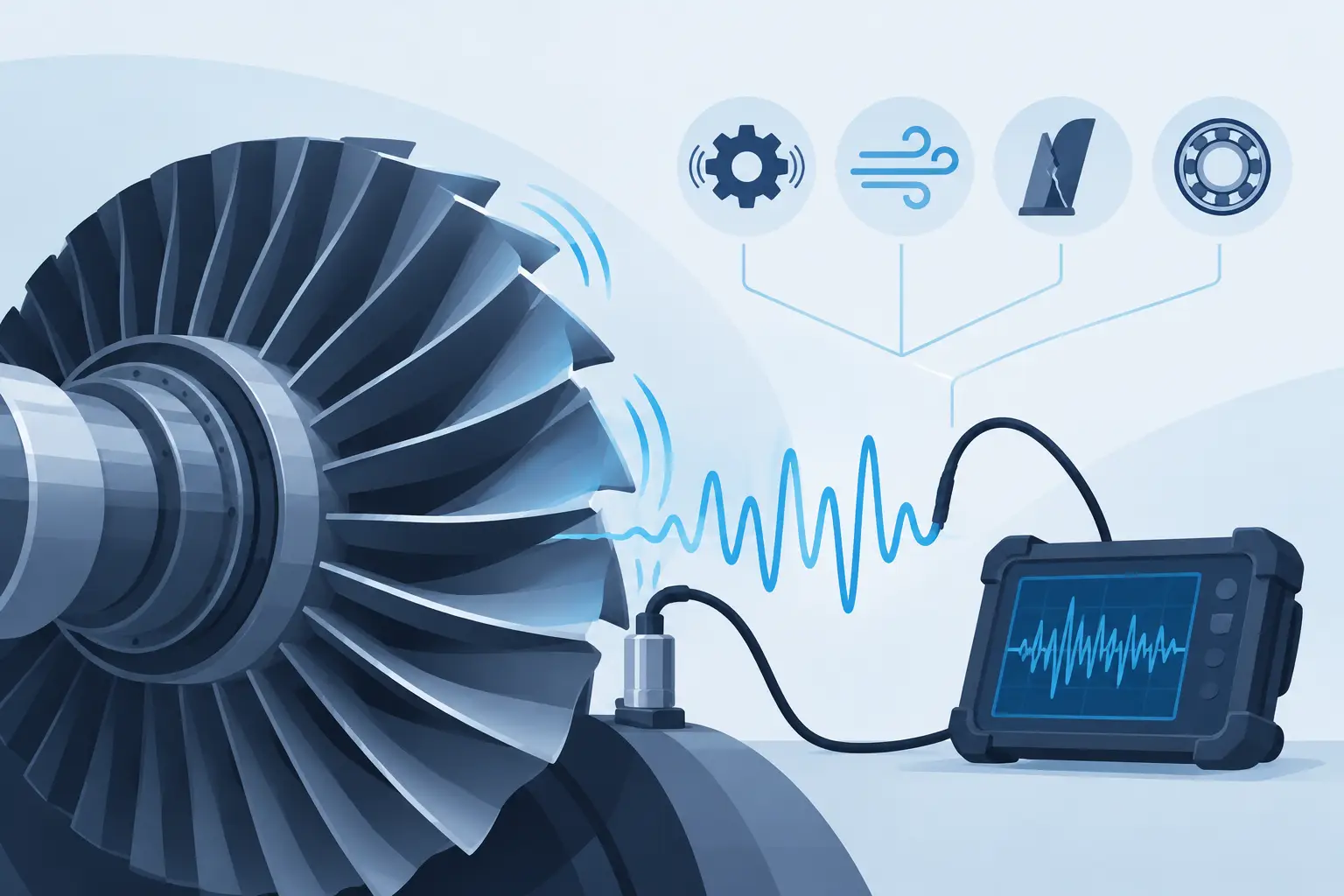
This is where the gap between instrument classes often becomes decisive. Modern electrical systems rarely behave like textbook loads. Pulse-width modulation, inverter switching, and non-linear electronics introduce frequency content well beyond the fundamental.
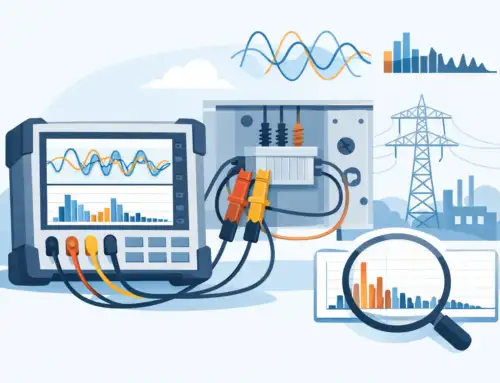
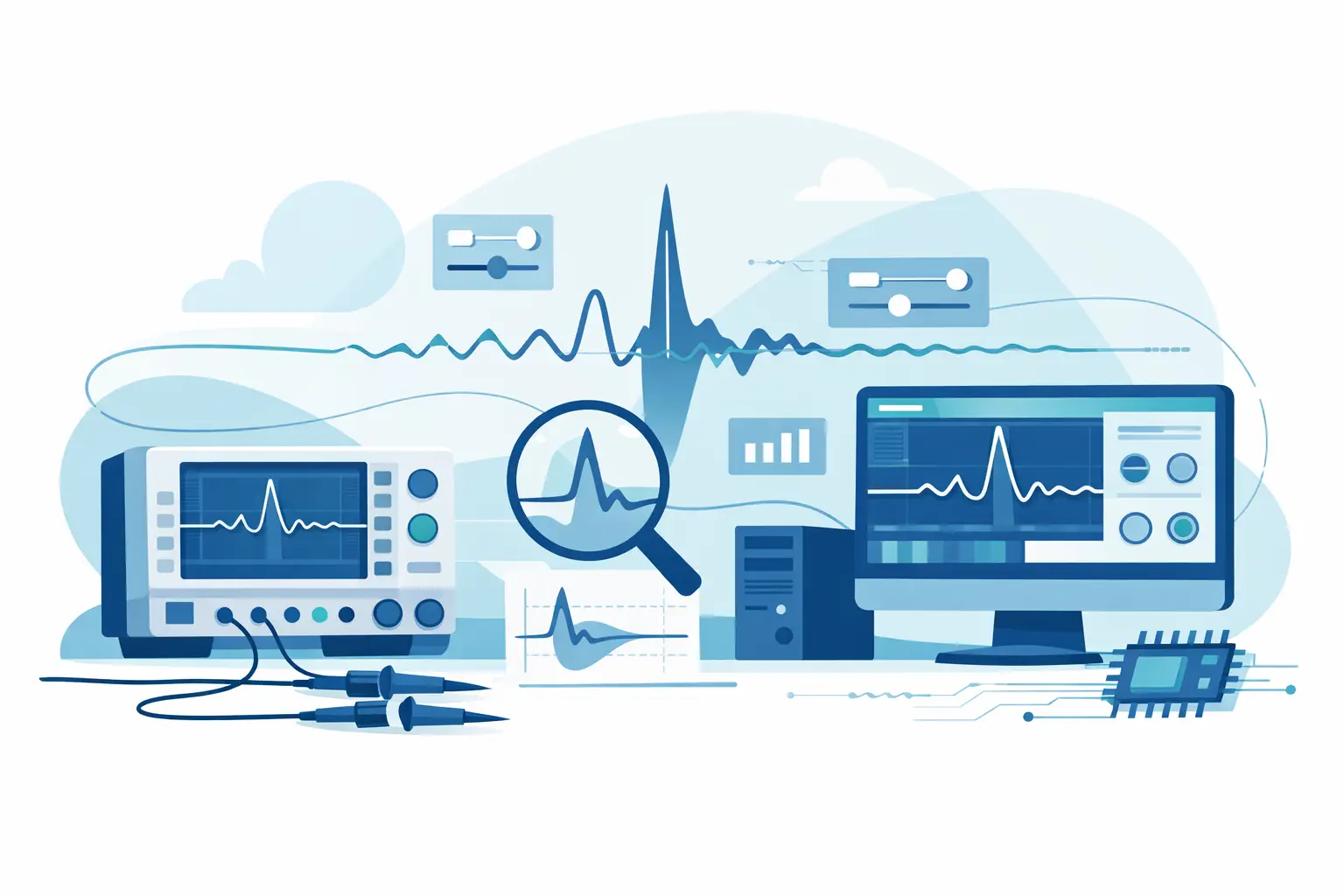
A power analyzer is generally built with the bandwidth and sampling architecture needed to measure these effects with confidence. It can calculate harmonics, quantify distortion, and maintain meaningful power calculations when voltage and current are no longer clean or stationary. That is essential for motor drives, switched-mode power supplies, and any application where control electronics shape the waveform.
A power meter may support some harmonic functions, but often at a lower level of detail or with less flexibility. For troubleshooting basic power consumption, that can be acceptable. For root-cause analysis or formal efficiency mapping, it usually is not.
Single-phase checks versus multi-channel system testing
Channel count changes the buying decision faster than many teams expect. A single-channel or basic multi-channel power meter may be fine for a straightforward bench measurement. But if you are characterizing a three-phase motor, comparing input and output simultaneously, or testing multiple subsystems in sync, the analyzer class becomes much more attractive.
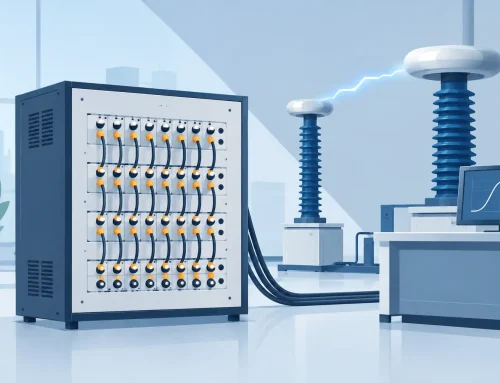
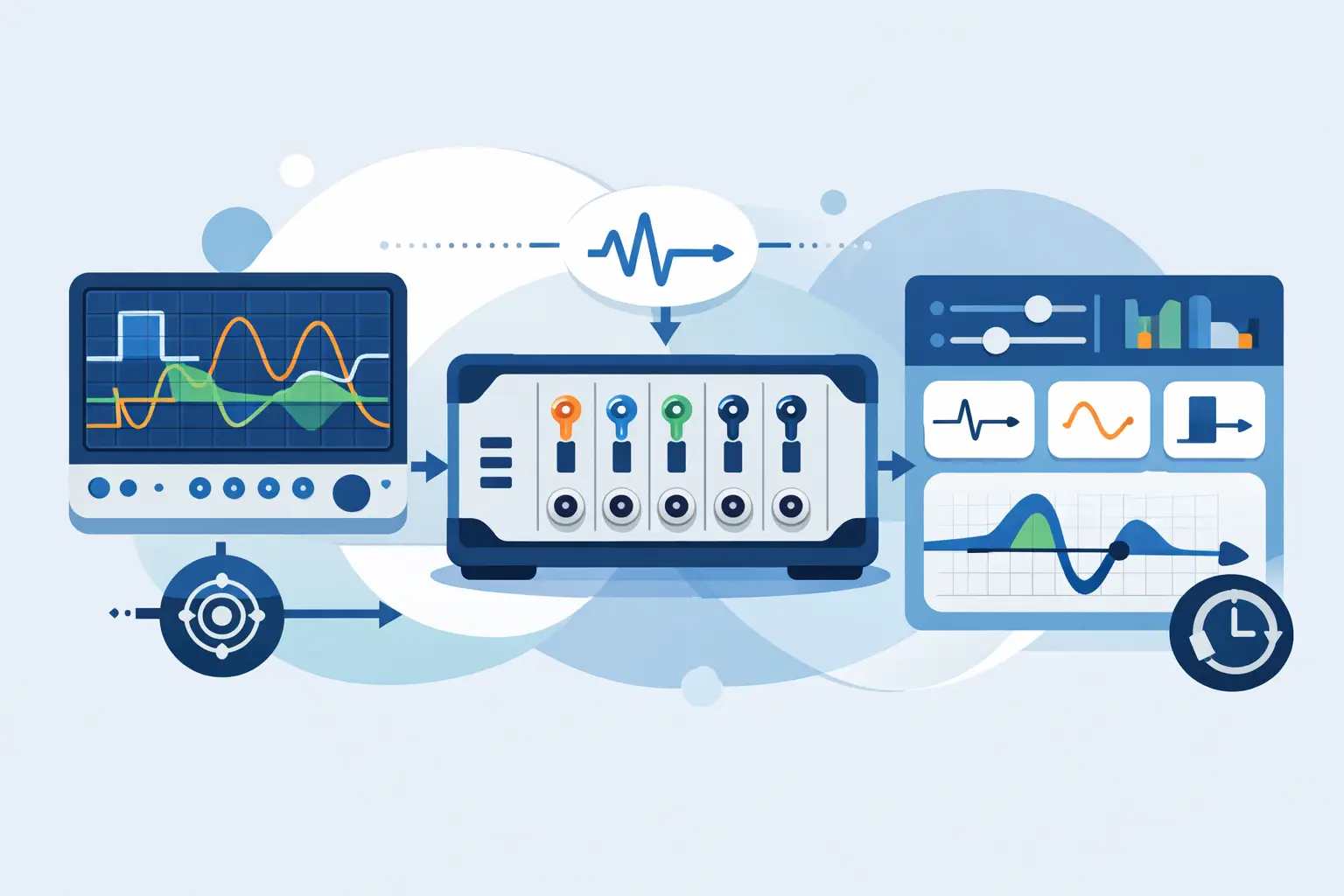
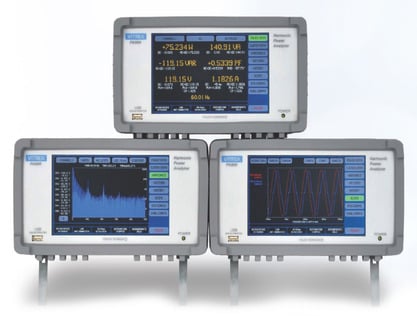
Multi-channel power analyzers are designed to preserve timing relationships across channels. That allows accurate efficiency calculations, phase analysis, and cross-domain measurements in systems that combine AC and DC stages. In applications such as inverter testing or aerospace power conversion, that synchronized view is not a luxury. It is the measurement.
Software, integration, and data integrity
Instrumentation decisions are increasingly about workflow, not just front-panel capability. A meter may be sufficient as a standalone tool. An analyzer is more likely to be integrated into automated test systems, data acquisition environments, and long-duration validation setups.
That means software support, APIs, file export, and remote control become part of the instrument value. In regulated industries, data traceability and repeatability matter as much as the reading itself. Engineers and test managers often need a system that not only measures correctly, but also documents the result in a way that stands up to internal review, customer scrutiny, or external compliance requirements.
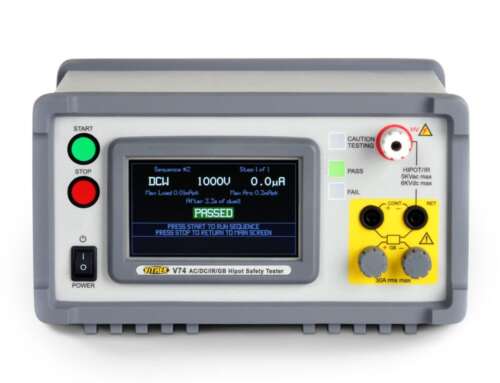
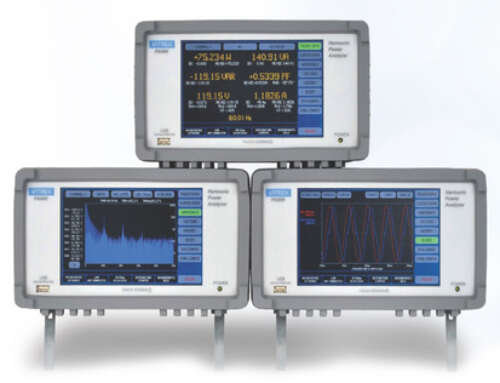
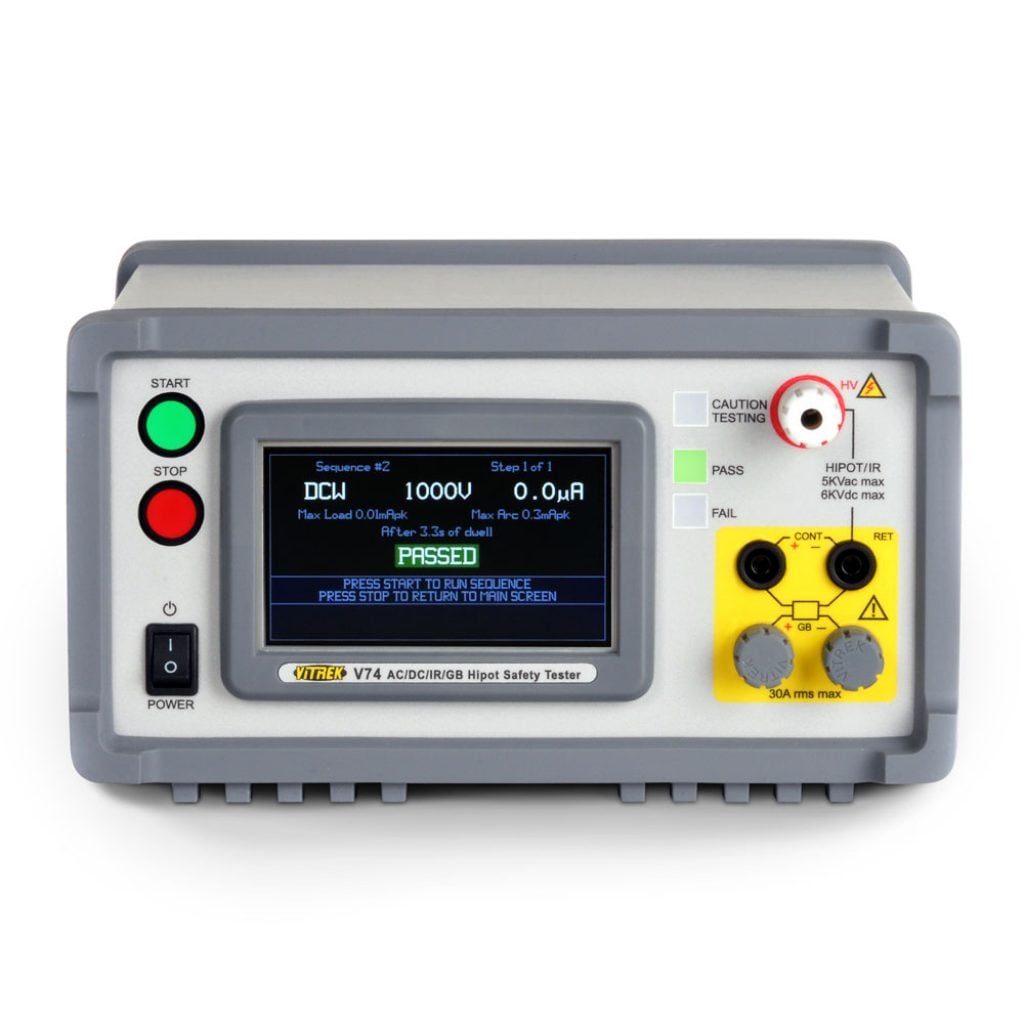
This is one reason organizations working in performance-critical environments tend to favor analyzer-grade platforms from established manufacturers such as Vitrek when the test requirement extends beyond simple monitoring.
How to decide between them
The right choice starts with the application, not the product category. If you only need stable measurements of volts, amps, watts, and energy in a routine environment, a power meter may be the more efficient tool. It is simpler, often less expensive, and easier to deploy broadly.
If you need high accuracy across difficult waveforms, harmonic analysis, transient-aware measurement, multi-channel synchronization, or standards-oriented reporting, a power analyzer is the better fit. That is especially true in R&D, compliance, and advanced manufacturing, where hidden measurement error can distort engineering decisions.
It also helps to ask a harder question: what happens if the instrument misses something? If the consequence is a minor troubleshooting delay, a meter may be enough. If the consequence is failed validation, disputed efficiency claims, or uncertainty in a critical test sequence, the analyzer is usually the safer decision.
The real cost is mismatched capability
The power analyzer vs power meter comparison is not about choosing the more sophisticated instrument by default. It is about matching capability to risk. Overbuying adds cost and complexity. Underbuying adds uncertainty, repeat tests, and blind spots that appear late in a project, when they are most expensive.
The best measurement teams define the waveform conditions, required uncertainty, reporting needs, and automation expectations before they define the instrument. That discipline usually makes the answer clear. When the job is basic power visibility, a meter is often enough. When the job is proving performance, diagnosing losses, or defending results, an analyzer earns its place quickly.
A good instrument should reduce doubt. If your application is asking harder questions than a simple watt reading can answer, that is your signal to move beyond the meter.