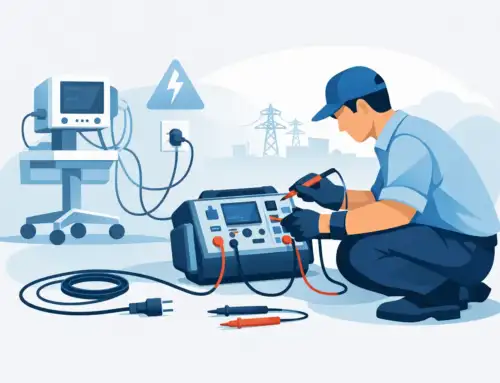
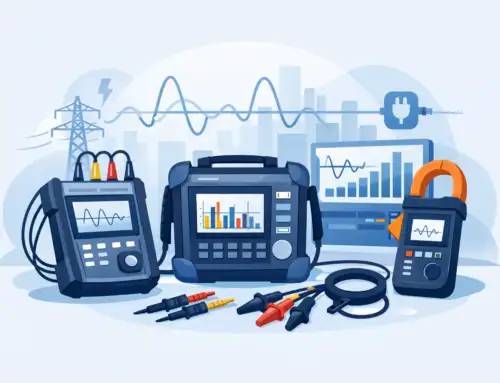
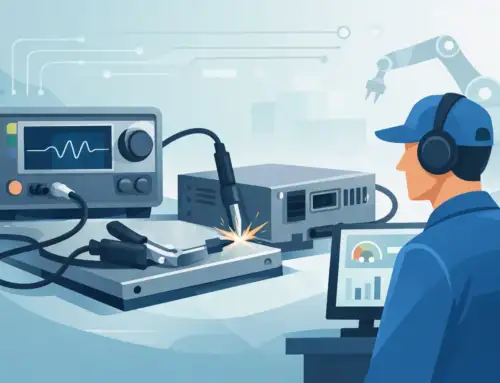
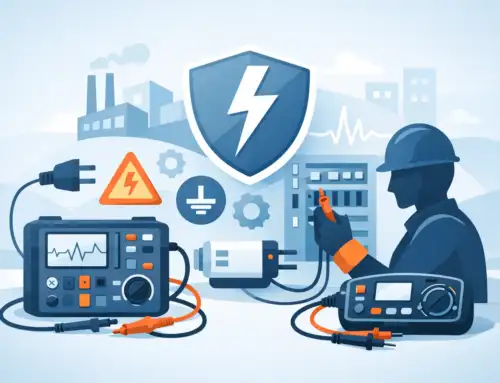
A rejected unit at the end of a production shift can create a larger problem than one failed dielectric withstand test. If the associated record is incomplete, manually transcribed, or disconnected from the unit’s serial number, the team may be unable to determine what was tested, which limits applied, or whether the failure was correctly resolved. Automated hipot test reporting addresses that gap by turning each electrical safety test into a traceable production record rather than a stand-alone instrument result.
For manufacturers of medical devices, aerospace assemblies, EV components, power electronics, and other regulated products, the value is not merely faster paperwork. It is a more defensible chain of evidence connecting the product under test, the test program, the instrument configuration, the measured result, and the operator or station that performed the work.
Why manual hipot records create risk
Hipot testing verifies that insulation and dielectric barriers can withstand a specified voltage without unacceptable leakage current, breakdown, or flashover. The test itself may take seconds. The surrounding process often takes much longer when results are recorded by hand, copied into spreadsheets, or entered into a manufacturing execution system after the fact.
Manual documentation introduces several predictable failure modes. An operator can transpose a serial number, select the wrong product variant, omit a failed first attempt, or record a pass result without preserving the applied voltage and leakage-current limit. Even when the test was performed correctly, the absence of complete context can weaken a quality investigation or customer audit.
The risk increases as product variation grows. A single line may build multiple voltage classes, enclosure options, cable configurations, or regional variants. If the test plan is managed through paper instructions and operator judgment, configuration control becomes difficult. A passing result only has meaning when it is tied to the correct requirement.
What automated hipot test reporting should capture
A useful report is more than a green PASS indication. It should preserve the information needed to reconstruct the test and determine whether it was conducted under approved conditions. The exact fields depend on the product, applicable standard, and internal quality system, but a production-grade record commonly includes:
- Product serial number, lot number, work order, or other unique identifier
- Test station, instrument identification, and tester firmware or software revision when relevant
- Operator identity, date, time, and test sequence status
- Test program name and revision, including voltage, ramp, dwell, frequency, leakage limit, and arc-detection settings as applicable
- Measured values, final pass/fail status, failure code, and any retest or disposition information
- Calibration status or traceability reference for the test instrument
Capturing these fields automatically matters because it prevents the result from being separated from its context. A high-voltage test record that only says “pass” cannot answer basic questions about test conditions. A complete electronic record can support production release, root-cause analysis, preventive maintenance, and compliance review.
Results must retain the test method
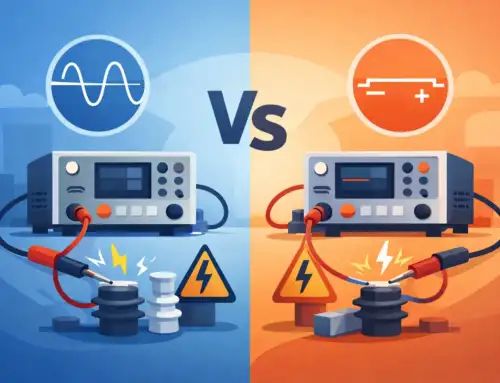
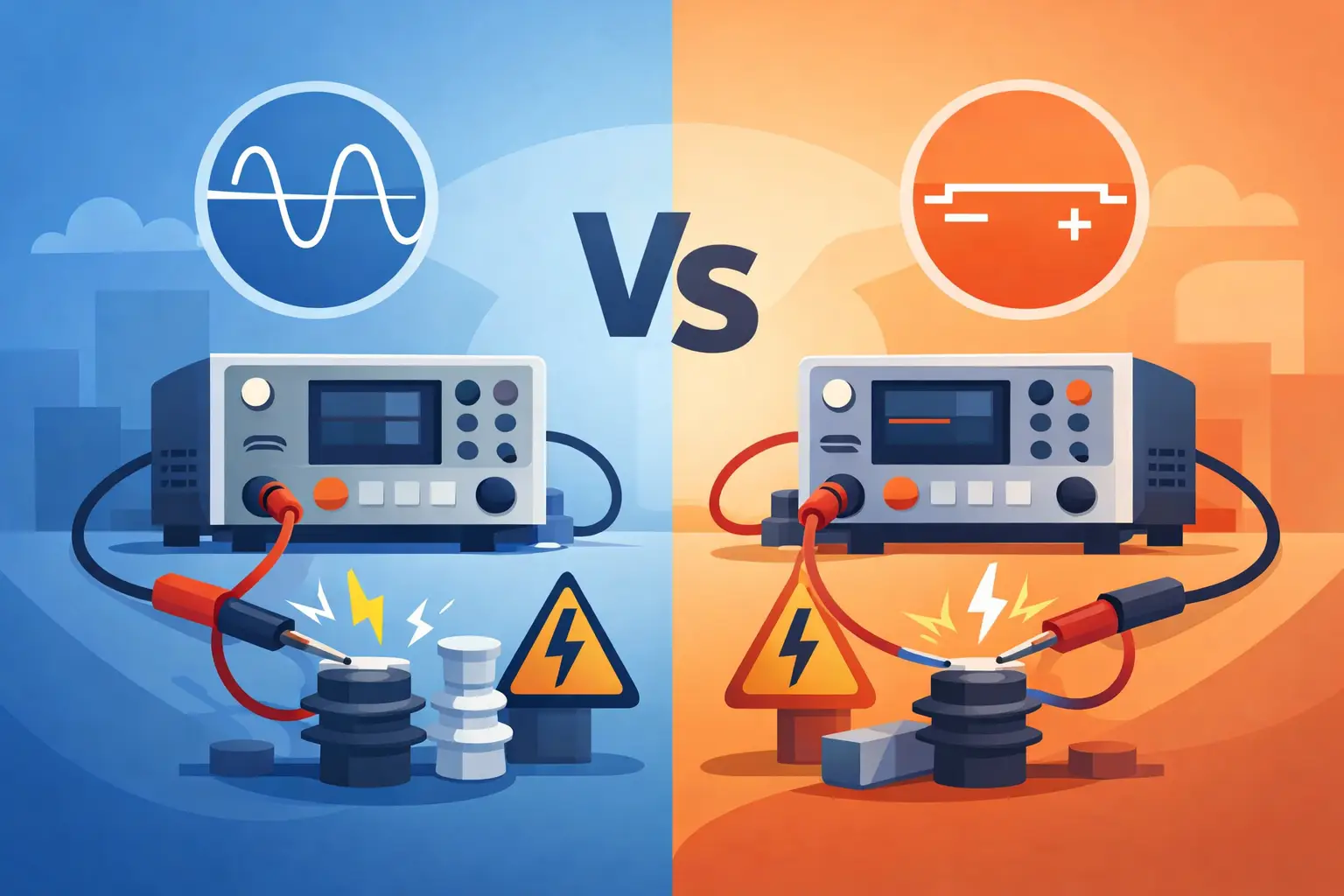
A dielectric withstand result is not interchangeable across all test methods. AC and DC hipot tests have different measurement behavior and may use different acceptance limits. Ramp profiles, dwell time, programmed limits, and test connections can also affect the meaning of the result.
Reporting should therefore identify the approved test program that ran, not just the outcome. This supports configuration management when specifications change and provides evidence that the current production requirement was applied. It also helps engineering distinguish a true product issue from a station setup issue or an outdated test file.
Building an automated reporting workflow
The most effective workflow begins with controlled identification. Before the test starts, the station should receive a serial number or work-order reference through a barcode scanner, manufacturing system transaction, fixture interface, or operator entry with validation. The goal is to avoid creating an unassigned test result that must later be matched to a unit.
The approved test program is then selected based on the product identity or routing logic. In a simple implementation, the operator scans a label and the tester loads the corresponding stored program. In a more integrated cell, supervisory software or a manufacturing execution system provides the test recipe, confirms the correct revision, and blocks the test if required prerequisites have not been met.
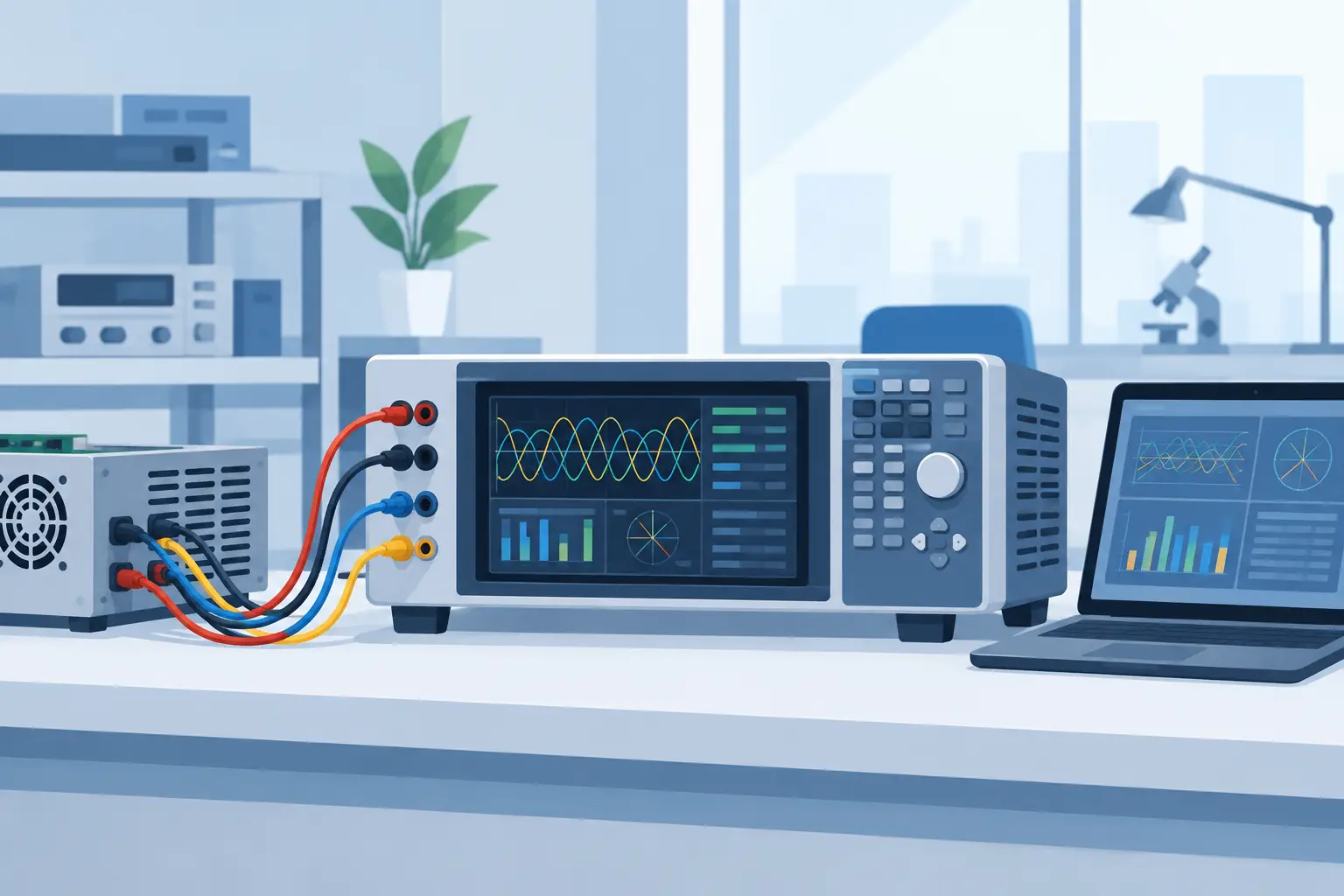
After the test, the instrument or test application transfers measured results directly to the reporting destination. Depending on the operation, that destination may be a local database, a secured network repository, a quality system, or an MES. The record should be written at the time of test, with clear handling for communication interruptions. Buffering results locally until the network connection is restored can be appropriate, provided the process controls prevent duplication, loss, or uncontrolled edits.
A well-designed system also manages failures deliberately. A failed test should create a visible exception record, retain the initial measurement data, and require a defined disposition before a subsequent pass can be accepted. Simply overwriting the fail with a later pass removes valuable evidence and makes recurring defects harder to identify.
Automated hipot test reporting and traceability
Traceability has two directions. Forward traceability identifies where a particular component or lot was used. Backward traceability identifies the materials, settings, equipment, and processes associated with a finished unit. Automated hipot test reporting contributes to both when it is connected to the product’s unique identity.
Consider a field return involving intermittent insulation damage. If each unit’s electrical safety results are indexed by serial number, quality personnel can compare the returned unit with other products built on the same line, during the same shift, or with the same fixture. They can see whether leakage current was trending near the limit, whether a particular station generated more retries, or whether a test-program revision coincided with a change in results.
This is where reporting becomes operational data rather than archived documentation. Trend analysis can reveal fixture wear, contamination, damaged test leads, inconsistent assembly practices, or an acceptance limit that does not adequately distinguish normal variation from emerging defects. The instrument must measure accurately, but the reporting system must also make the measurements usable.
Integration choices depend on the production environment
Not every facility needs a full MES integration on day one. A lower-volume engineering lab may benefit from automatically generated, tamper-evident reports stored by project and serial number. A high-volume production line may require database records, barcode-driven recipe control, operator authentication, and real-time quality dashboards.
The trade-off is complexity. Directly connecting every tester to enterprise systems can create cybersecurity, validation, and maintenance requirements that outweigh the immediate benefit for a small operation. Conversely, relying on exported CSV files may be insufficient where electronic records, revision control, or fast containment actions are required.
A practical approach is to define the minimum data necessary to release product and investigate exceptions, then select an architecture that preserves those records reliably. Open communications interfaces, documented command sets, software development kits, and support for common industrial protocols can simplify integration with existing automation and data infrastructure. The implementation should also define ownership: who maintains test programs, who approves revisions, who reviews failed tests, and who has authority to modify reporting fields.
Protect the integrity of electronic records
Automation does not automatically make a record trustworthy. The system needs controls appropriate to the organization’s quality and regulatory obligations. These may include role-based access, audit trails for configuration changes, time synchronization, controlled program revisions, electronic approval workflows, and backup and retention policies.
Instrument calibration is part of the same evidence chain. A complete production record should make it possible to establish that the tester was within its required calibration interval when the test was performed. For critical applications, organizations may also document fixture verification, test-lead inspection, interlock checks, and periodic challenge testing of the station.
If the system supports regulated electronic records, validation should focus on intended use. Verify that the correct product identifier is captured, the correct program is selected, limits are transferred accurately, fail records cannot disappear, and reports remain retrievable over the required retention period. The objective is not to validate every conceivable feature. It is to demonstrate that the process consistently produces reliable evidence.
Design the report for the people who will use it
A report built only for auditors often becomes difficult for manufacturing to use. A report built only for operators may omit the information needed for engineering analysis. The best format separates a concise production disposition from detailed test data.
For example, a production screen may show serial number, program revision, final status, failure reason, and rework instructions. A quality or engineering report can include waveform-related data where available, applied voltage, measured leakage, timing, instrument identity, and historical comparisons. Both views should originate from the same controlled record.
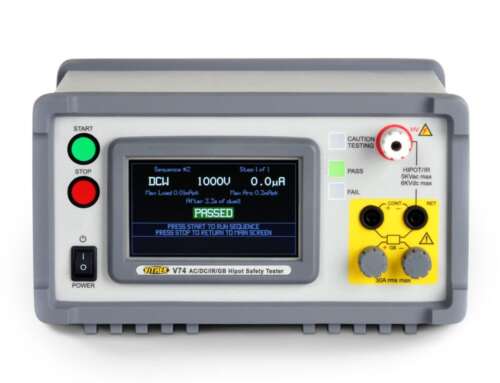
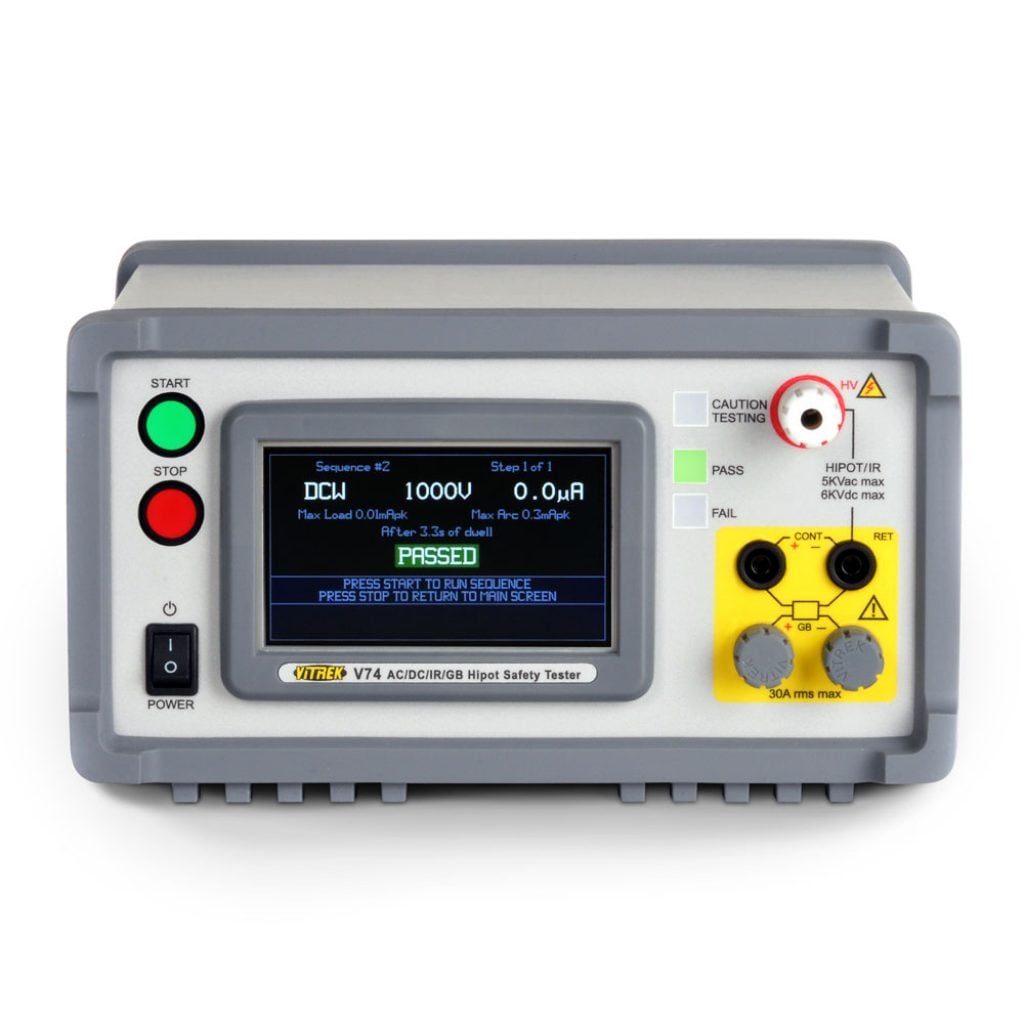
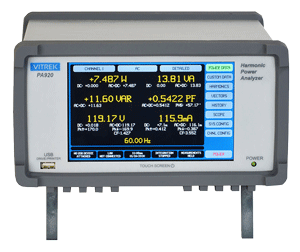
Vitrek test systems can support this approach by combining programmable electrical safety testing with communications and software capabilities suited to automated stations. The final design should be driven by the product risk, throughput requirement, and existing quality infrastructure, not by a generic reporting template.
Start with one controlled test station
The strongest reporting programs usually begin with a focused pilot: one product family, one test station, one approved data model, and a clear response to failures. Measure how often records are incomplete, how long operators spend on documentation, and how quickly quality can retrieve a unit’s history. Those baseline measures make the improvement visible.
Once the workflow is proven, expand it with disciplined program control and repeatable integration patterns. The useful outcome is not a larger database. It is the ability to look at any serialized unit and answer, with confidence, exactly how its electrical safety test was performed and what the result means.