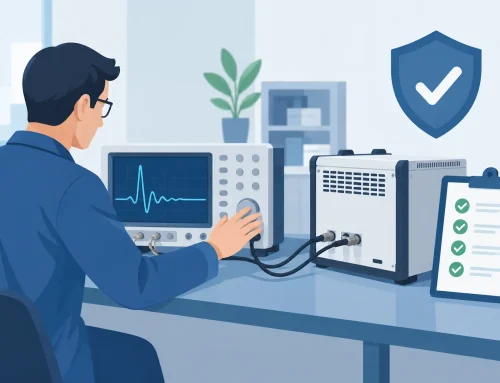
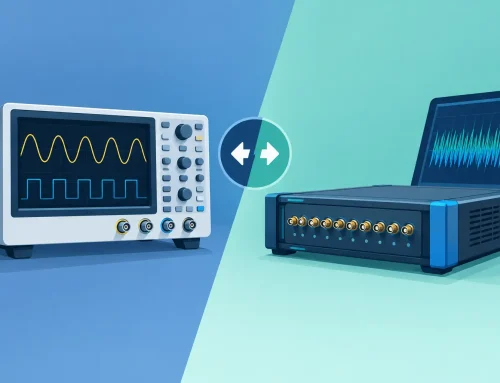
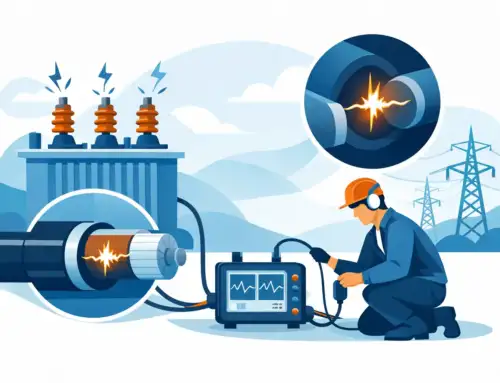
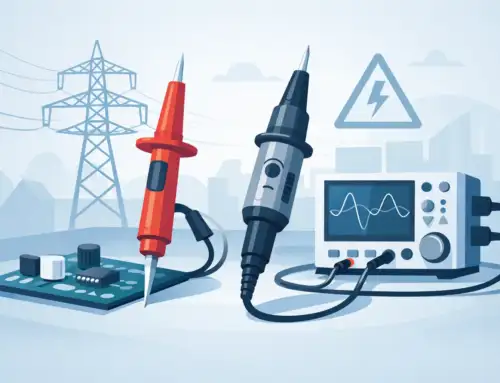
Aerospace electrical test does not leave much room for approximation. When a wire harness, power distribution assembly, actuator, or avionics subassembly reaches hipot, the question is not whether it can pass a bench check once. The question is whether the result is repeatable, traceable, and defensible under production, maintenance, and audit conditions. That is why evaluating the best hipot testers for aerospace starts with more than voltage range or front-panel features.
In aerospace environments, hipot selection is usually driven by a mix of insulation integrity requirements, production throughput, operator safety, and documentation discipline. The right instrument has to produce stable high voltage, measure leakage current accurately across a meaningful range, and support the standards and workflows that govern qualification and release. A tester that looks adequate on paper can still become a weak link if its arc detection is inconsistent, its data handling is limited, or its interface slows down automated test sequences.
What defines the best hipot testers for aerospace
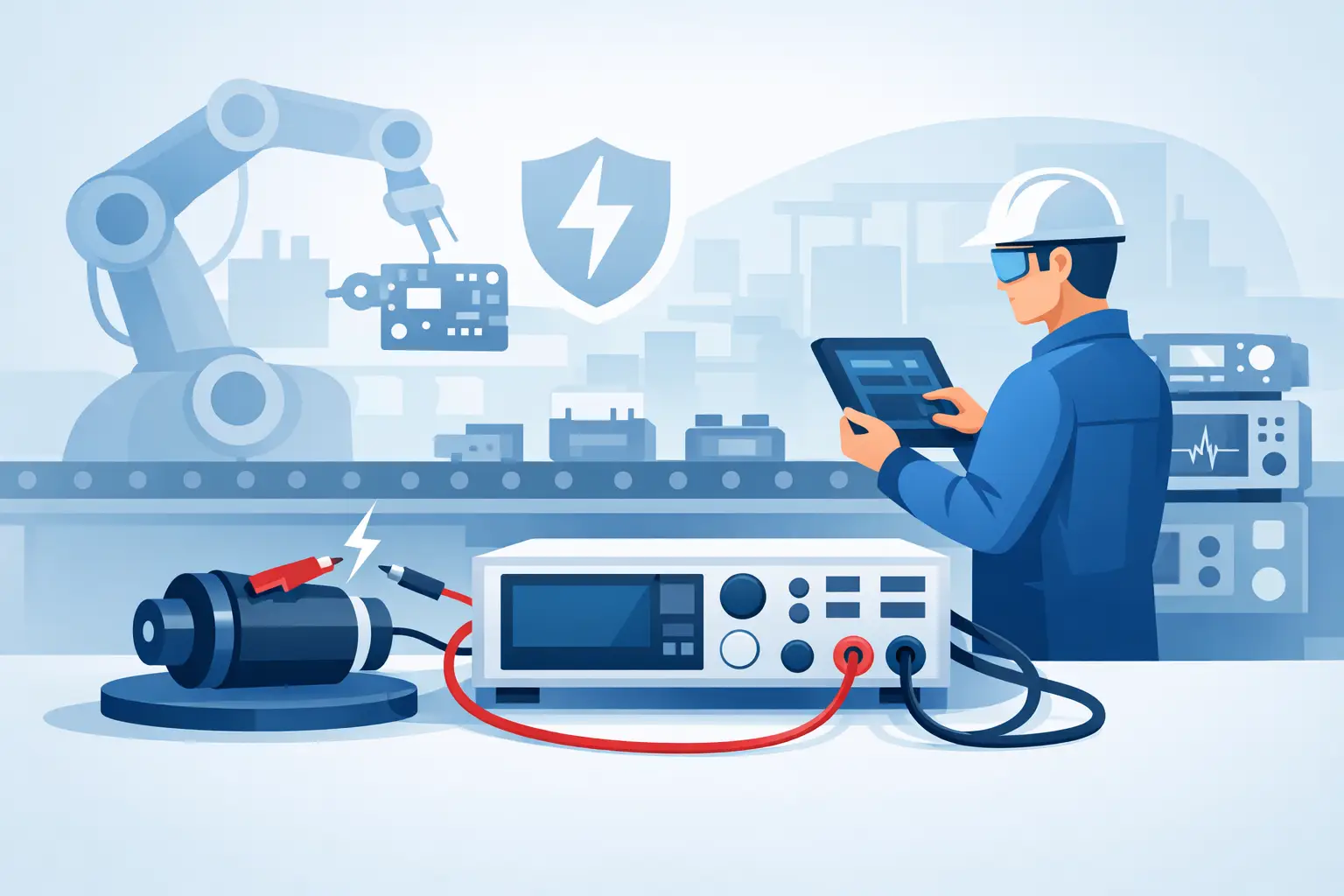
The best aerospace hipot systems are designed for controlled, repeatable high-voltage testing in environments where failure analysis, compliance evidence, and operator protection all matter. That usually means more than a simple pass or fail output. Engineers need programmable test profiles, precise ramp and dwell control, current measurement with enough resolution to distinguish product variation from actual insulation weakness, and protection mechanisms that prevent nuisance trips without masking genuine faults.
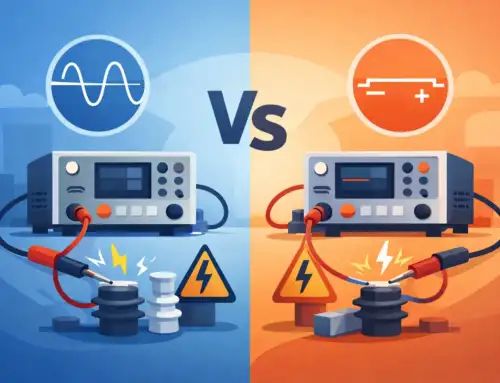
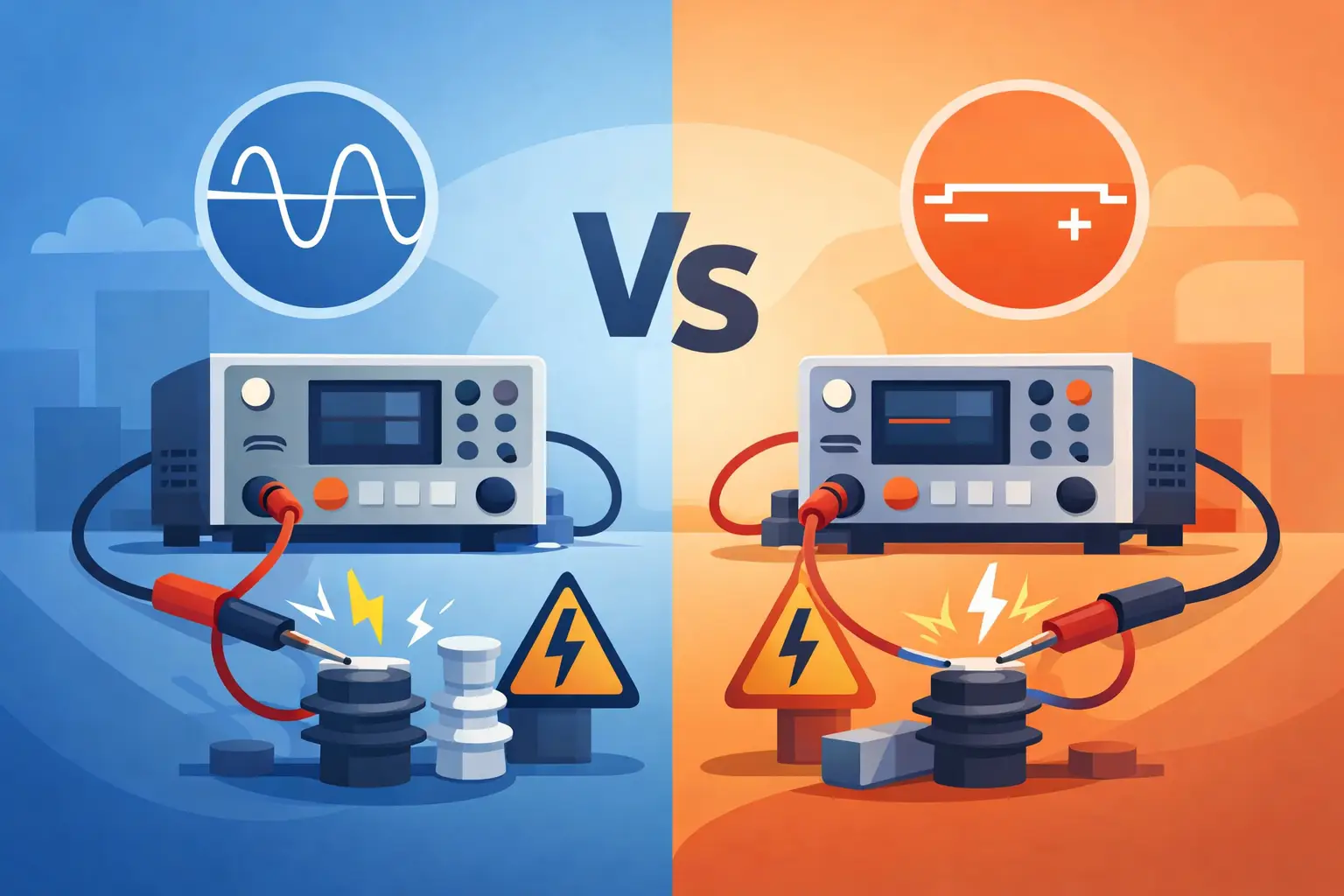
For aerospace applications, AC and DC capability often matters. AC hipot can better represent real operating stress in some assemblies, while DC hipot may be preferred where capacitive loading, power constraints, or specific test methods make it more practical. Many teams also need insulation resistance and ground bond capability in the same platform, especially when consolidating bench space or standardizing procedures across product families.
Another defining factor is measurement confidence. Leakage current accuracy at the low end is not a cosmetic specification when testing sensitive avionics, high-density interconnect assemblies, or components with naturally small fault signatures. Resolution, repeatability, and calibration traceability directly affect false rejects, escaped defects, and engineering time spent adjudicating marginal results.
Aerospace requirements change the buying criteria
A generic production hipot tester may be adequate for commercial appliances or general industrial assemblies. Aerospace raises the bar. Test stations often have to support qualification, incoming inspection, production verification, depot maintenance, and failure investigation across multiple programs. That introduces a wider range of DUT characteristics and a stronger need for configurable limits, secure test methods, and recorded results.
Environmental and physical considerations also matter. Aerospace manufacturers and MRO operations may test long cable runs, shielded harnesses, connectors with mixed signal and power paths, or assemblies with high capacitance. These DUTs can create charging effects, settling delays, and discharge concerns that a lower-tier tester does not manage well. In practice, that means the best unit is often the one that handles real aerospace loads predictably, not the one with the highest advertised voltage.
Compliance expectations reinforce this point. Buyers should consider alignment with applicable safety and test practices, internal quality procedures, and documentation needs from the start. If a system cannot store, export, or integrate test records in a way that supports audits and process control, it may create downstream cost even if the acquisition price looks attractive.
Core specifications that separate capable systems from basic ones
Voltage range is the first screen, but it should not be the last. Aerospace teams should verify that the selected tester delivers the required AC and or DC output under actual load conditions, with controlled ramp behavior and sufficient regulation. Output stability matters because inconsistent applied voltage undermines confidence in the result.
Current measurement range deserves equal attention. Some applications need microamp-level sensitivity, while others involve higher expected leakage and require stable readings without excessive noise or drift. A broad dynamic range is valuable when one platform must support diverse assemblies, but the low-current accuracy and repeatability usually matter more than a wide headline number.
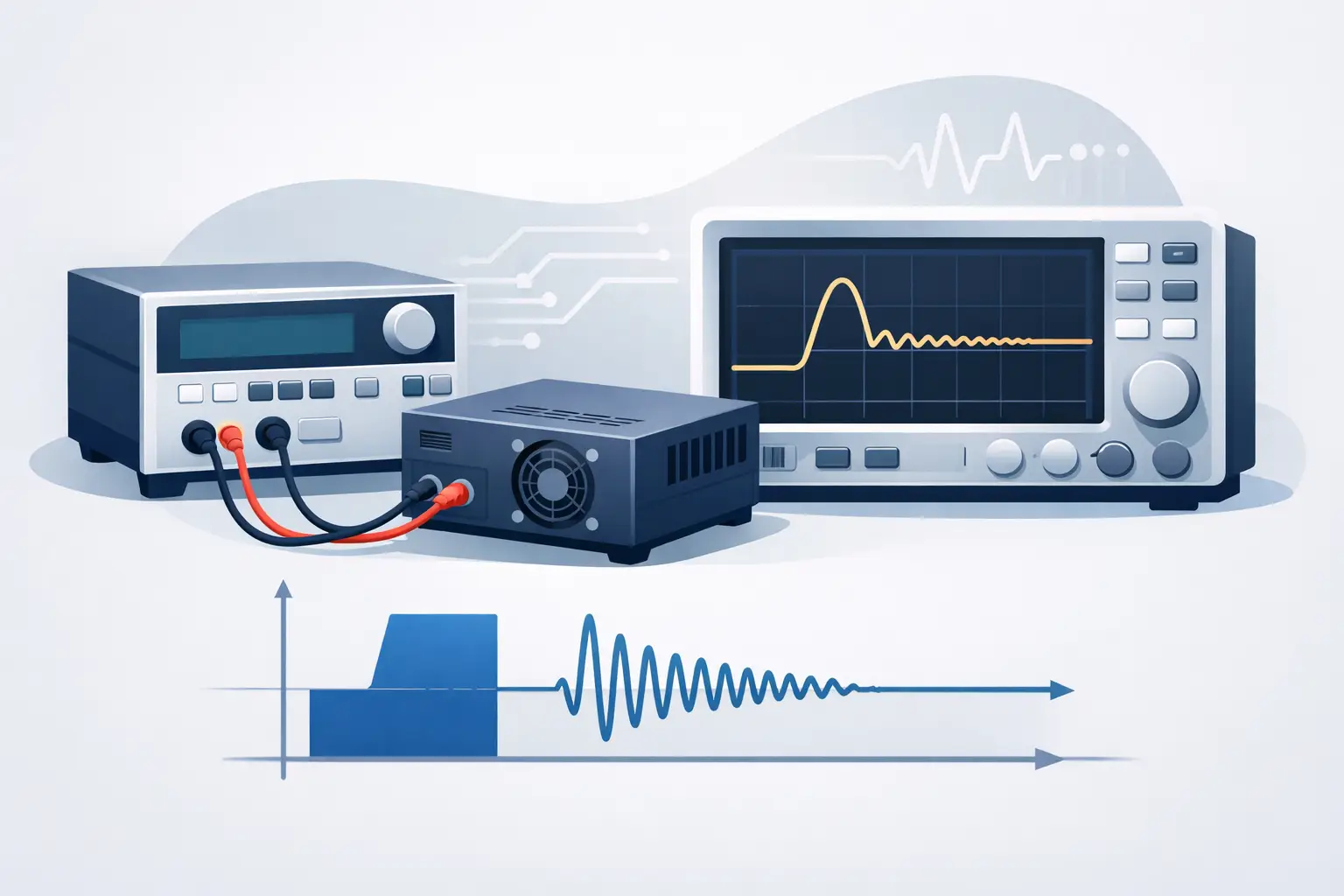
Arc detection and breakdown response are especially important in aerospace. Insulation defects may present as intermittent arcing rather than gross failure. A capable tester should allow users to tune detection thresholds intelligently so they can catch meaningful events without generating constant nuisance failures on capacitive or electrically noisy assemblies. This is an area where application knowledge matters as much as the instrument itself.
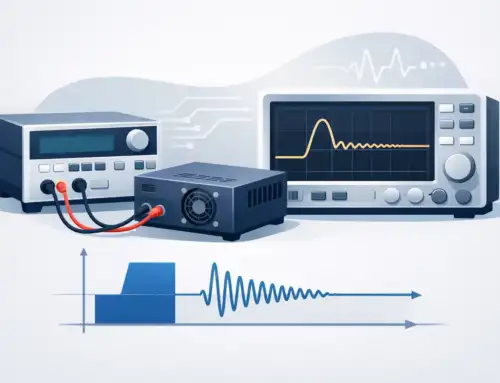
Discharge control is another practical differentiator. High-capacitance harnesses and subsystems can retain charge after the test step ends. Controlled discharge improves operator safety, protects the DUT, and reduces cycle-to-cycle variability. For aerospace production cells, this is not an optional convenience.
Automation and data integrity matter as much as output power
Many aerospace operations no longer evaluate hipot testers as standalone benches. They evaluate them as nodes in a larger test architecture. That changes the definition of best.
If the tester will be integrated into automated stations, engineers should examine remote command support, digital I/O behavior, programmable memory, and software control options early in the process. Triggering, sequencing, and result handling need to be predictable. A tester with strong electrical performance but weak integration support can slow line development and complicate validation.
Data handling is equally important. Test managers often need electronic records tied to serial number, operator, date, revision, and procedure version. That record may feed SPC systems, manufacturing execution systems, or compliance documentation. In aerospace, the cost of poor traceability can exceed the cost of the instrument itself.
This is one reason higher-end platforms tend to stand out. They are built not just to generate high voltage, but to fit disciplined test processes. For organizations standardizing across sites or programs, that systems view usually pays off.
Choosing between benchtop flexibility and production-focused throughput
There is no single answer for every aerospace operation. R&D labs, qualification teams, production cells, and MRO facilities use hipot differently.
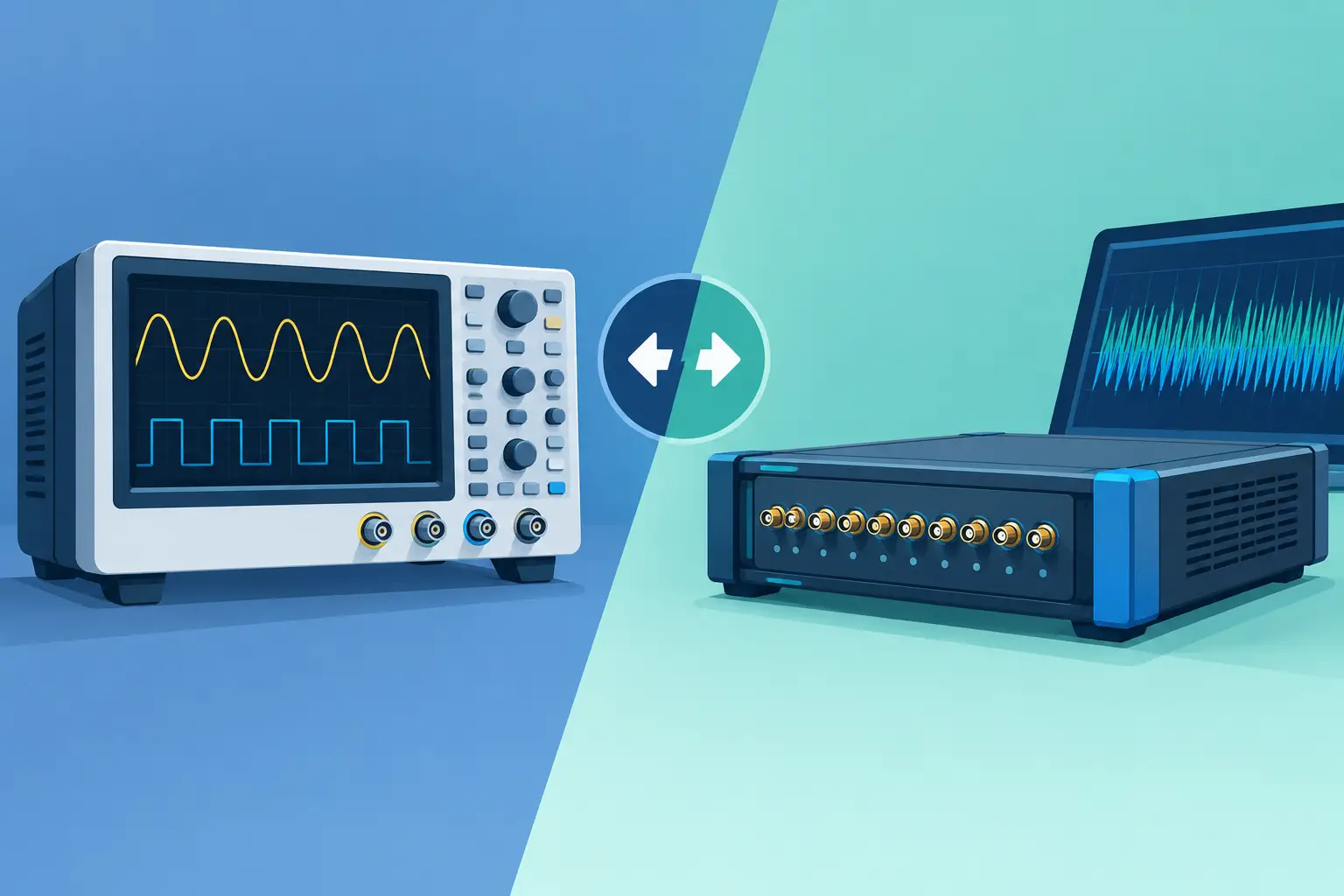
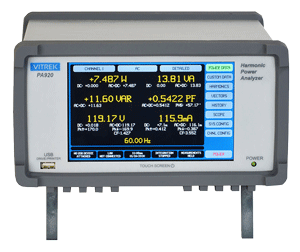
For engineering and validation work, flexibility often leads. A benchtop platform with broad programmability, clear parameter visibility, and support for multiple test types can save time when characterizing new assemblies or investigating field returns. The best choice here is usually a tester that gives the engineer control over ramp rates, dwell, trip behavior, and measurement granularity.
For production, throughput and operator consistency usually dominate. The better solution may be a tester that stores locked procedures, simplifies pass fail presentation, and integrates cleanly with fixtures, scanners, and barcode workflows. In that environment, the goal is not maximum front-panel flexibility. It is repeatable execution with minimal opportunity for setup error.
Depot and maintenance environments sit somewhere in between. They often need enough flexibility to handle mixed platforms and legacy documentation, but also need rugged day-to-day usability and dependable support. Serviceability, calibration intervals, and training requirements can matter as much as raw specifications.
Evaluating vendors, not just instruments
When aerospace buyers compare the best hipot testers for aerospace, they should also compare the quality of application support behind them. High-voltage safety testing is straightforward in theory and full of nuance in practice. Cable capacitance, fixture design, return path management, grounding, operator safeguarding, and test limit development all affect outcomes.
A vendor that understands those realities can help shorten deployment time and reduce misapplied testing. That support may include application guidance, calibration services, repair capability, software assistance, and documentation suited to regulated manufacturing. For many technical procurement teams, that support structure is part of the instrument value.
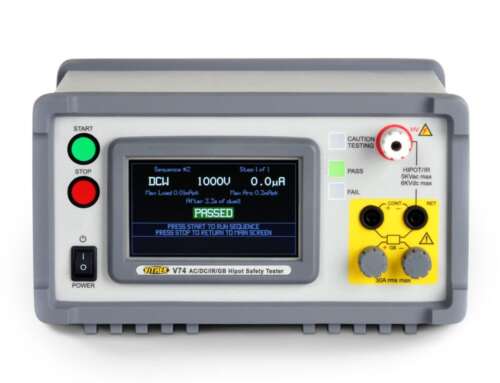
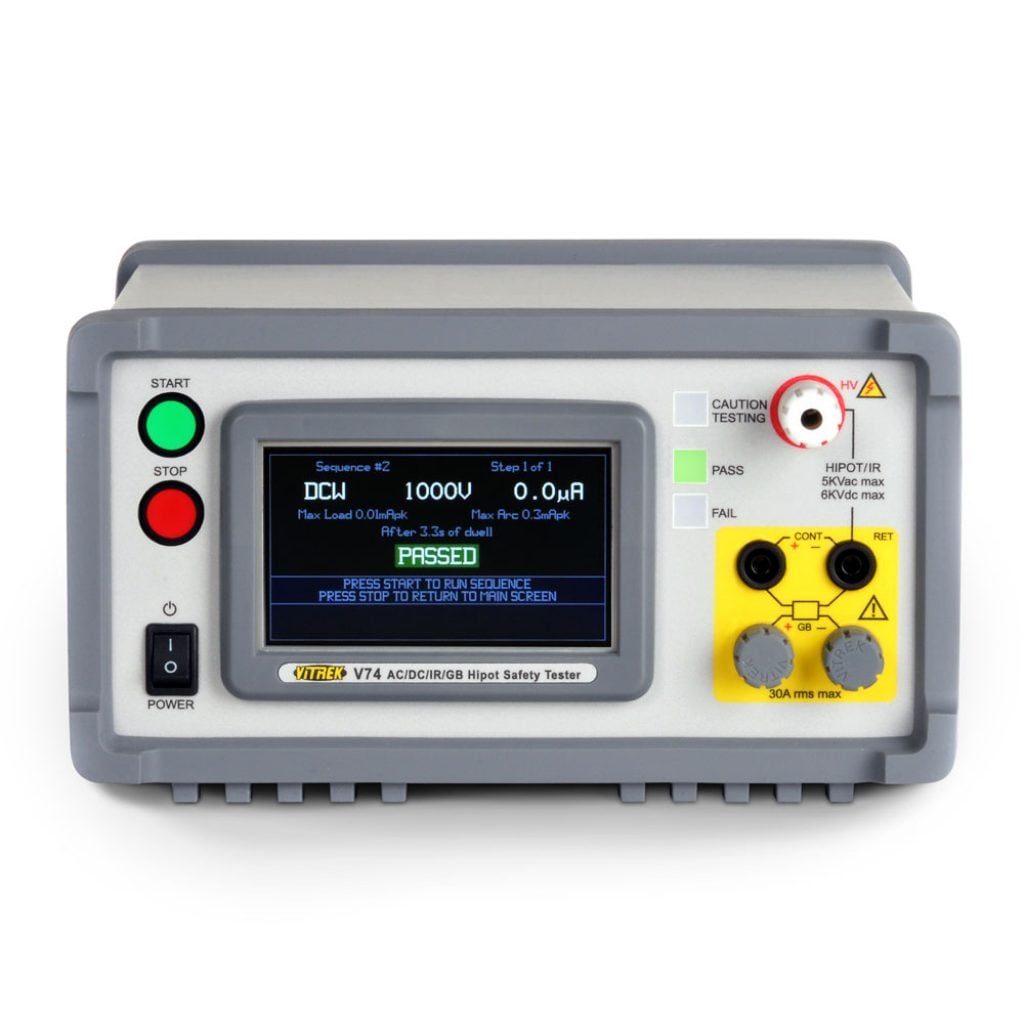
This is where established manufacturers with deep safety-test experience can offer an advantage. A company such as Vitrek is often evaluated not only on tester performance, but on whether its systems fit broader quality, automation, and traceability requirements in demanding industries.
Common mistakes when selecting a hipot tester for aerospace
One common error is buying solely on maximum voltage. If the current measurement, arc detection, and data capabilities are weak, the tester may still be a poor fit. Another is ignoring DUT capacitance until the station is already on the floor. That can produce unstable test times, nuisance failures, and operator frustration.
A third mistake is underestimating process control. Aerospace programs usually need standardized procedures, calibration traceability, and retained results. A low-cost tester with limited memory or connectivity may appear economical at purchase and become expensive in operation.
Finally, some teams treat hipot as an isolated requirement instead of part of a broader electrical safety strategy. If ground bond, insulation resistance, switching, or high-voltage measurement are also in scope, consolidating around a compatible platform can simplify validation and support.
How to decide what is actually best
The best tester is the one that fits the DUT, the standard, and the workflow at the same time. Start with the required test methods and voltage levels, then map expected leakage ranges, capacitance effects, throughput targets, and recordkeeping needs. From there, look closely at measurement accuracy, programmable control, discharge behavior, safety features, and integration options.
If two systems appear similar, the tie usually breaks on usability under real conditions. Does the tester hold stable readings on long harnesses? Can it detect meaningful arcing without excessive false trips? Does it fit your data and calibration process without custom workarounds? Those are the questions that determine long-term value.
For aerospace teams, the strongest buying decision is rarely the most feature-heavy instrument and rarely the least expensive one. It is the tester that produces defensible results, supports disciplined operations, and keeps doing so as requirements evolve. That is the standard worth buying to.